Best Hydropower Generation Solutions for Global Buyers?

Time:2026-07-23 Author:Mason
0%

Hydropower Generation is a vital source of renewable energy. As global efforts to combat climate change intensify, countries are exploring sustainable solutions. Hydropower plants harness the energy of flowing water. This energy is clean, efficient, and long-lasting.

Many buyers seek reliable hydropower generation solutions. Several factors influence these decisions. The geographic location of potential projects is crucial. Each site presents unique challenges and opportunities. Understanding local conditions can determine the success of a project.

Experience and expertise in hydropower generation are essential. Buyers must analyze data and assess options carefully. Collaboration with experienced partners often leads to better outcomes. It’s important to learn from past projects. Mistakes and setbacks can provide valuable insights. Hydropower generation will play a key role in our energy future. Adopting innovative approaches is necessary for sustainability.
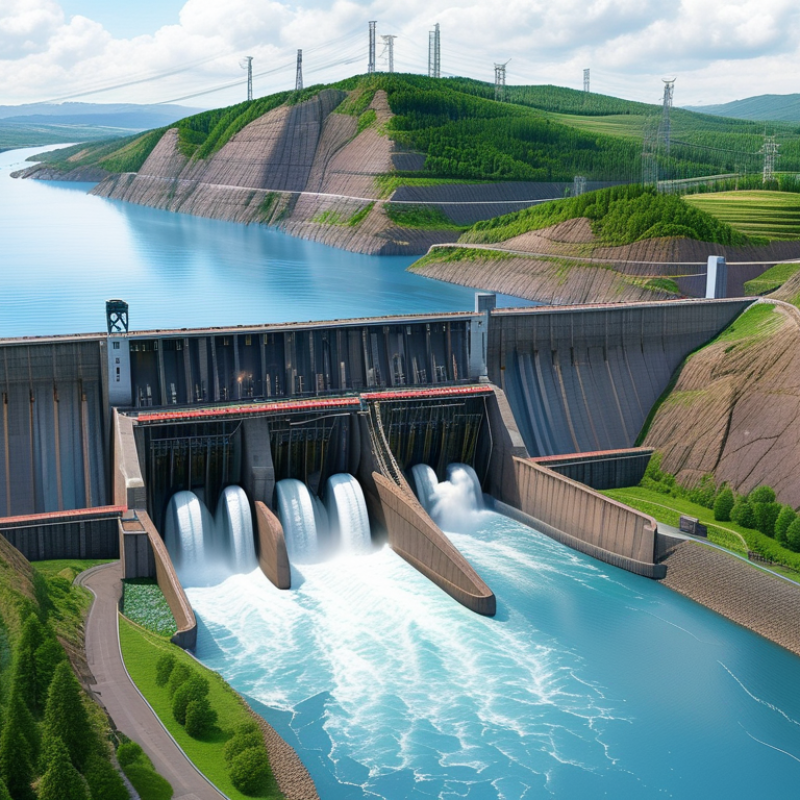
Best Hydropower Generation Solutions for Global Buyers?

Overview of Hydropower Generation Solutions

Hydropower generation offers an efficient and renewable energy source, especially for countries with abundant water resources. The technology harnesses the kinetic energy of flowing water, converting it into electricity. Many nations are exploring various hydropower solutions to meet their growing energy demands. Traditional large dams serve as a primary option. They store vast amounts of water, providing stable energy production. However, they can disrupt local ecosystems and displace communities.

An alternative is small-scale hydro systems, which are less intrusive. These projects can be deployed in remote areas, providing localized energy solutions. They often have a lower environmental impact and can operate with fewer regulations. However, scalability can be a limiting factor. Another innovative approach involves run-of-river systems. These rely on the natural flow of rivers, requiring minimal water storage. While they preserve river habitats, they may not generate consistent energy output.

Regardless of the method, careful consideration is needed. Each option has its pros and cons. Addressing ecological and social impacts is crucial for sustainable development. Collaboration with local communities can enhance project viability. Ultimately, the choice of hydropower generation solutions should balance energy needs with environmental stewardship.

Types of Hydropower Systems: Large vs. Small Scale

When discussing hydropower systems, the distinction between large and small scale projects is essential. Large-scale hydropower typically harnesses rivers and features significant dams. These installations can generate substantial electricity, powering cities and communities. However, they often come with environmental costs. Large projects can disrupt ecosystems, displace communities, and alter water flow patterns. The scale of such projects often leads to public scrutiny and demands for sustainable practices.

On the other hand, small-scale hydropower systems present an alternative. These systems are generally less than 10 megawatts in capacity. They can be easier to implement with lower upfront costs and fewer ecological impacts. Small installations often utilize existing water flows, minimizing disruption. However, the energy output may not suffice for large urban centers. Potential inefficiencies in energy conversion can also arise in these systems. Regional energy needs must guide the choice between large and small installations.

Through careful planning and execution, both types of hydropower can contribute to renewable energy goals. Engaging local communities can enhance the social acceptance of projects, irrespective of their size. Each hydropower solution comes with its unique set of challenges. Ongoing assessment and adaptation will be crucial in optimizing the benefits of hydropower solutions globally.

Key Components of Hydropower Plants

Hydropower plants rely on several key components to convert water's kinetic energy into electricity. A primary element is the dam, which creates a reservoir. Water is stored at height, providing the necessary potential energy. According to a report by the International Hydropower Association, dams can significantly affect local ecosystems. When not properly managed, they disrupt aquatic habitats.

The turbine system is another critical component. It converts the flow of water into mechanical energy. Turbines must be designed for specific water conditions and flow rates. Research indicates that hydropower efficiency can exceed 90% with optimized turbine designs. However, not all plants maintain such efficiency. Regular maintenance and upgrades are often overlooked, leading to decreased performance.

Additionally, the generator is vital in transforming mechanical energy into electricity. The design and seating of generators can impact operational reliability. A significant challenge in the industry is the aging infrastructure. Many hydropower plants suffer from outdated technology. As a result, investments in modern components are essential for enhancing output and reliability. These elements demonstrate the intricate balance needed in hydropower generation while highlighting areas for improvement.

Considerations for Global Buyers in Hydropower Projects

When considering hydropower projects, global buyers must weigh various factors. Site selection is crucial. The geographical and environmental conditions of a location impact production potential. Buyers should analyze hydrological data thoroughly. This includes flow rates and seasonal changes. Low flow periods can significantly affect energy generation.

Collaboration with local communities is essential. Engaging stakeholders early fosters trust and addresses concerns. Cultural sensitivities can influence project acceptance. Another aspect is the technology used. Buyers should assess the efficiency and reliability of different systems. This can require significant research and expertise.

Regulatory frameworks vary widely across regions. A buyer needs to understand local policies and environmental regulations. In some cases, navigating these can be complex and frustrating. Additionally, financing arrangements are vital. Securing funding can involve multiple stakeholders. A clear financial strategy is necessary to ensure project feasibility.

Future Trends in Hydropower Technology and Sustainable Practices

Hydropower technology is evolving rapidly. Sustainable practices are becoming a priority for energy companies worldwide. According to the International Renewable Energy Agency (IRENA), hydropower contributed 16% of the world's electricity in 2020. This demonstrates its significant role in the global energy mix.


One future trend is the integration of digital technology into hydropower plants. This includes remote monitoring systems and predictive maintenance. These advancements can improve efficiency and reduce operational costs. Additionally, environmentally friendly practices are gaining traction. They help mitigate ecological impacts while maximizing energy production. A report by the World Bank suggests that greenfield projects are increasingly prioritizing sustainability.


Tips: Consider the lifecycle of a hydropower project. Assess potential environmental impacts early. Also, explore opportunities for integrating solar or wind solutions with hydropower. This can enhance overall efficiency and sustainability. Continuous innovations such as small modular hydropower systems are emerging. They offer flexibility and adaptability in diverse locations. While these solutions present exciting prospects, they also require careful assessment and adaptation to local conditions. The future is bright, but challenges remain.

FAQS

: What is hydropower generation?

: Hydropower generation converts the kinetic energy of flowing water into electricity, providing a renewable energy source.

What are the main types of hydropower systems?

There are large-scale and small-scale hydropower systems, each with distinct benefits and drawbacks.

What are large-scale hydropower systems?

Large-scale systems feature significant dams that generate substantial electricity but disrupt ecosystems and may displace communities.

What are small-scale hydropower systems?

Small-scale systems typically have capacities under 10 megawatts, are easier to implement, and lower environmental impacts.

Why is site selection important for hydropower projects?

Site selection affects production potential. Geographical conditions and hydrological data should be thoroughly analyzed.

How can local communities affect hydropower projects?

Engaging local communities fosters trust and addresses cultural sensitivities, increasing project acceptance.

What role does technology play in hydropower projects?

The technology impacts efficiency and reliability, requiring research and expertise to assess properly.

What challenges do buyers face with regulations?

Varying regulatory frameworks can be complex. Buyers must navigate local policies and environmental regulations carefully.

Why is financing important for hydropower projects?

Securing funding involves multiple stakeholders. A clear financial strategy ensures the project's feasibility.

What is a potential limitation of small-scale hydropower systems?

While smaller plants have less impact, their energy output may not be sufficient for large energy demands.

Conclusion

The article titled "Best Hydropower Generation Solutions for Global Buyers" provides a comprehensive overview of the various hydropower generation solutions available for global markets. It outlines the two primary types of systems: large-scale and small-scale, each with distinct features and applications. The article delves into the key components of hydropower plants, emphasizing the importance of efficient technology and infrastructure in optimizing energy production.

Additionally, it highlights critical considerations for global buyers engaged in hydropower projects, including site selection, environmental impacts, and regulatory frameworks. The future trends in hydropower technology are also discussed, with a focus on sustainable practices that enhance the efficiency and ecological viability of hydropower generation. This synthesis serves as a valuable resource for stakeholders looking to invest in or expand their understanding of hydropower generation solutions.

Mason

Mason

Mason is a seasoned marketing professional with a deep expertise in the company's offerings and a passion for driving brand awareness. With a strong background in digital marketing strategies, he has an innate ability to connect with diverse audiences and effectively communicate product benefits.......