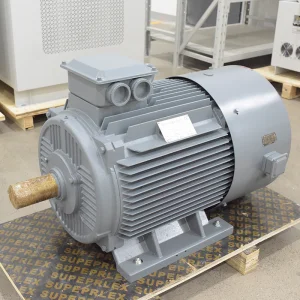
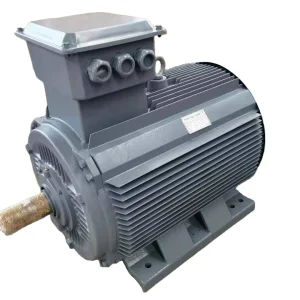
Explore our top-performing hydro turbines and permanent magnet generators engineered for high energy conversion efficiency.
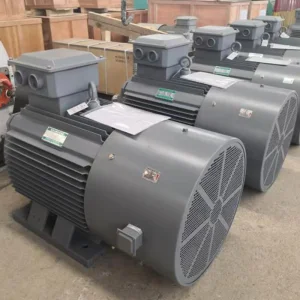
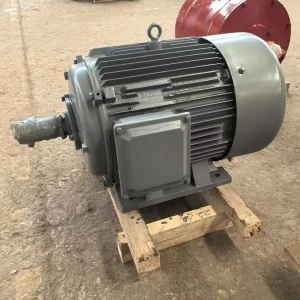
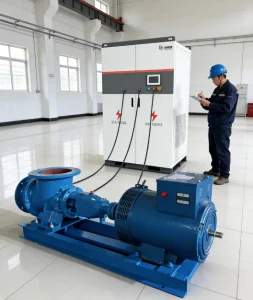
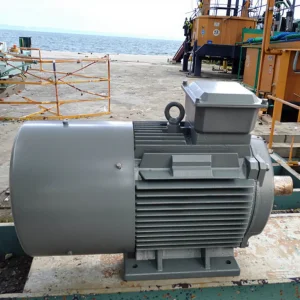
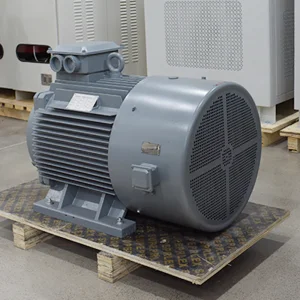
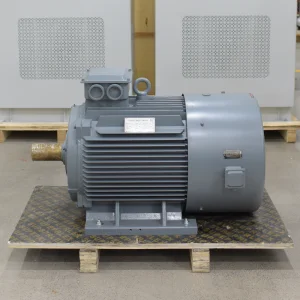
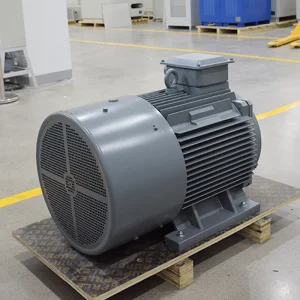
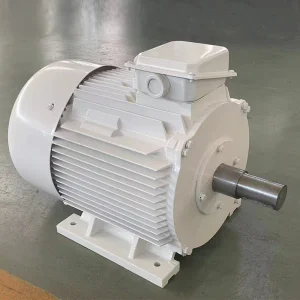
How Direct-Drive Synchronous Alternators are Reshaping Renewable and Industrial Power Architecture.
The global shift toward decentralized power grids and highly efficient energy conversion systems has propelled Permanent Magnet Synchronous Generators (PMSGs) to the forefront of engineering. Unlike conventional induction generators that depend on external electrical excitation to induce a rotor magnetic field, PMGs utilize high-energy-density rare earth permanent magnets (such as Neodymium Iron Boron, NdFeB). This fundamental design shift eliminates excitation system losses, significantly improves thermal performance, and increases power density per unit volume.
In modern industrial applications, PMGs are the preferred choice for low-RPM configurations. Direct-drive technology removes the need for mechanical speed-increasers (gearboxes) in wind turbines and micro-hydro installations. By operating without a gearbox, operators drastically reduce downtime, maintenance costs, and mechanical wear. As a result, the Total Cost of Ownership (TCO) is reduced while system longevity is extended beyond 20 years.
Advanced stator skewing and fractional slot designs help minimize the cogging torque effect. This ensures low start-up torque, enabling turbines to start generating power at lower wind speeds or water flow rates.
Utilizing high-grade class H insulation systems and advanced thermal dissipation pathing limits magnet demagnetization risks. This allows the system to run reliably under continuous full load.
Integrating active rectifiers and bidirectional grid-tie frequency converters ensures steady voltage output despite fluctuating input speeds. This makes the system fully compatible with smart grids.
What procurement officers and project managers look for when vetting permanent magnet generator suppliers.
B2B procurement of heavy power generation equipment requires careful evaluation of technical specifications, long-term product reliability, and supplier credentials. A purchasing failure in industrial sectors like wind farms or hydro plants can result in millions of dollars in losses from maintenance and downtime. Key criteria for global procurement managers include:
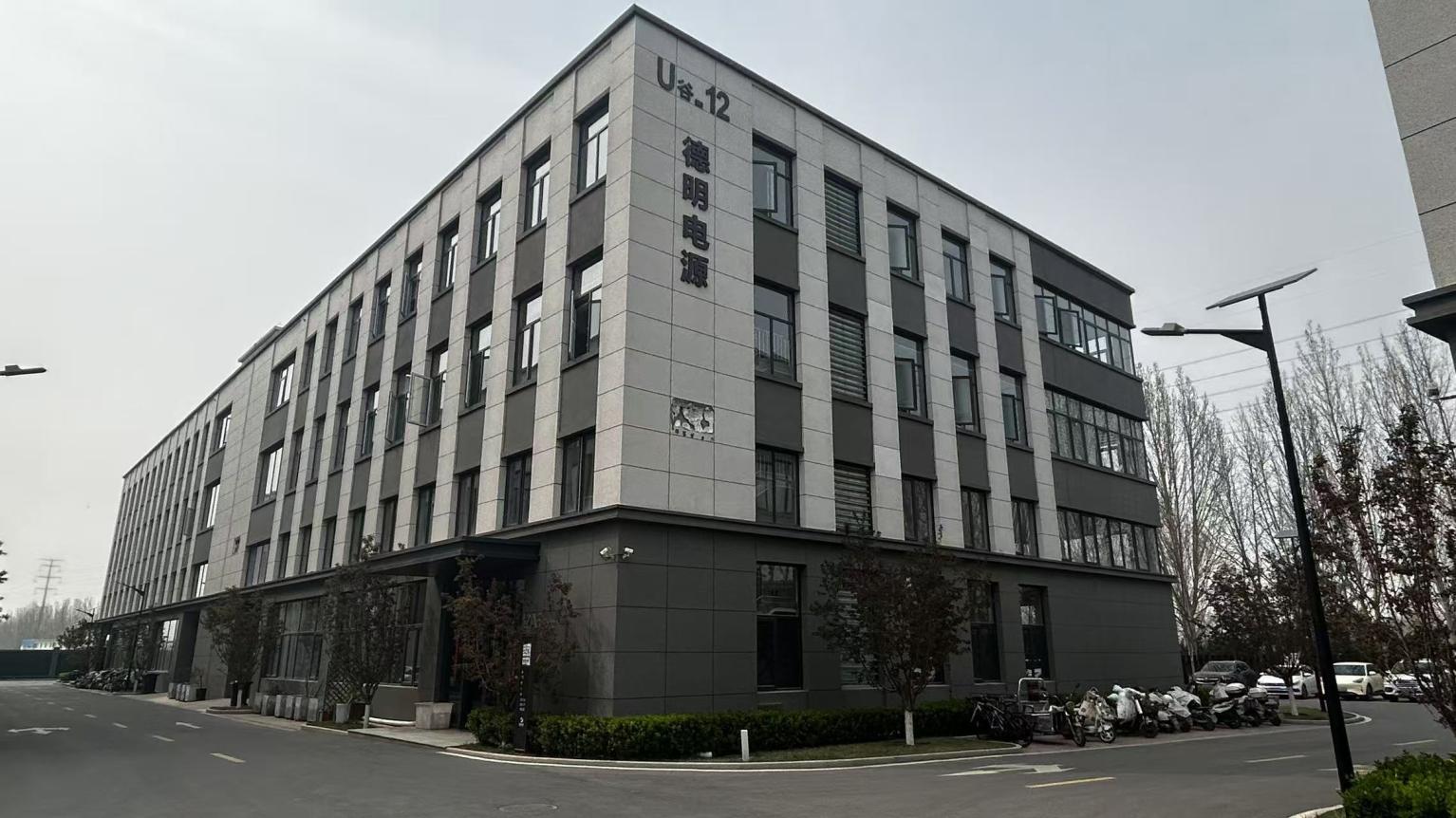
Inside Jinan Deming Power Equipment: Decades of Engineering Innovation and Global Export Capability.
Jinan Deming Power Equipment Co., Ltd. is a nationally recognized high-tech enterprise established in 2004. We specialize in the research, development, production, and support of renewable energy power equipment and testing solutions. Backed by decades of manufacturing expertise in China's industrial heartland, Jinan Deming has built a resilient supply chain that integrates raw material selection, precision CNC machining, and automated quality control.
Our commitment to engineering excellence is driven by a dedicated R&D team of 16 engineers, which includes doctoral supervisors and master's degree holders. We invest at least 20% of annual sales revenue back into technology development. This continuous funding has powered 17 R&D projects over the past three years, turning 16 scientific and technological achievements into commercial-grade products. Our manufacturing process meets ISO9001:2015 standards, and the company has been recognized as a high-tech enterprise multiple times (2015, 2018).
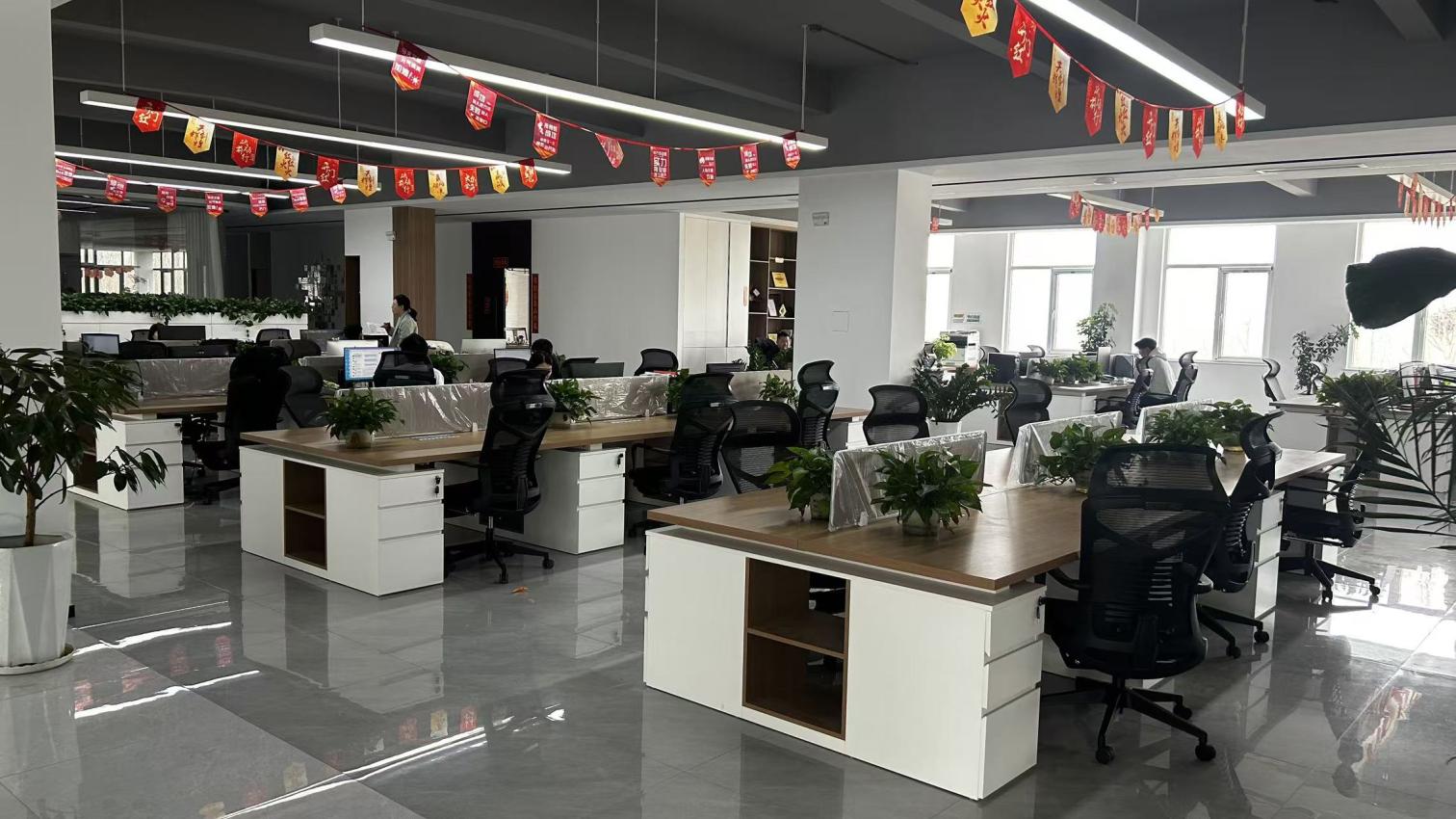
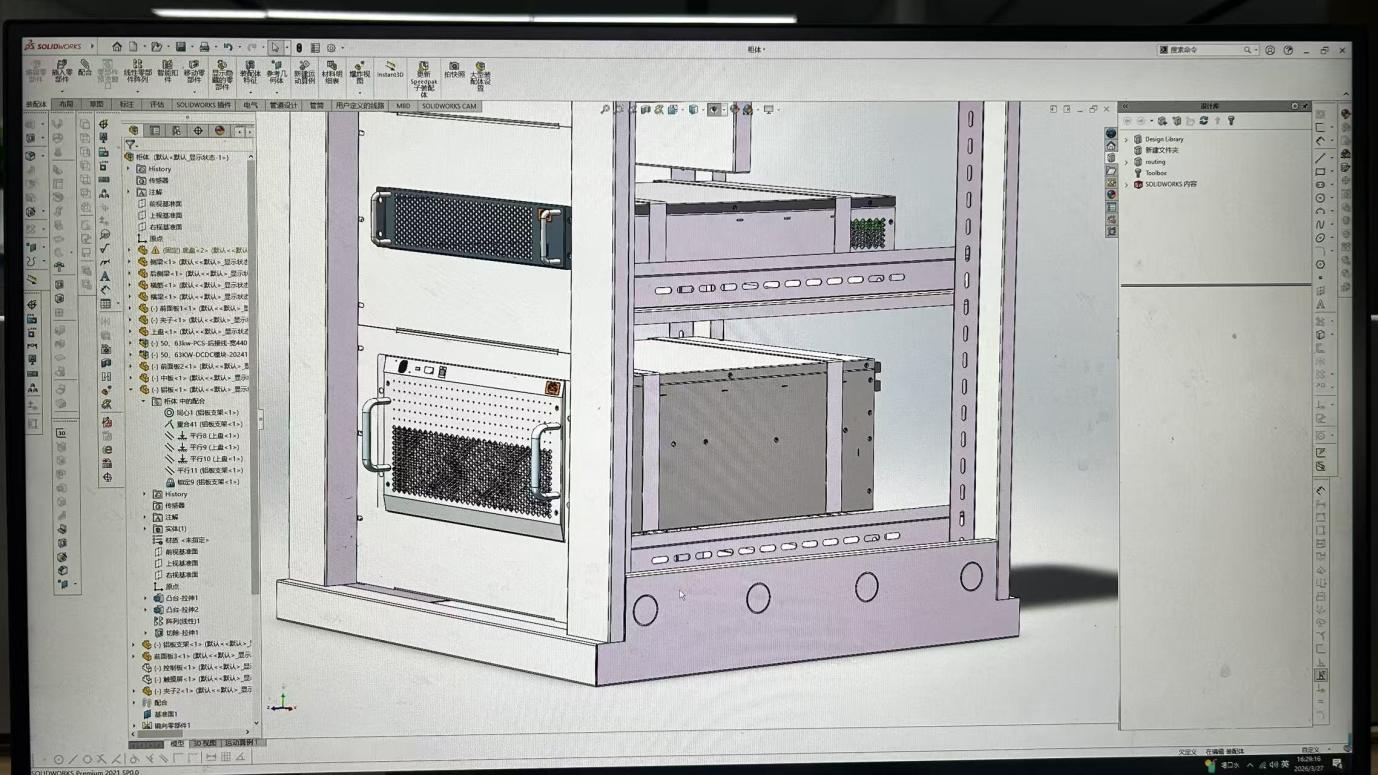
A look inside our ISO9001:2015 certified factory, testing labs, and assembly workshops.
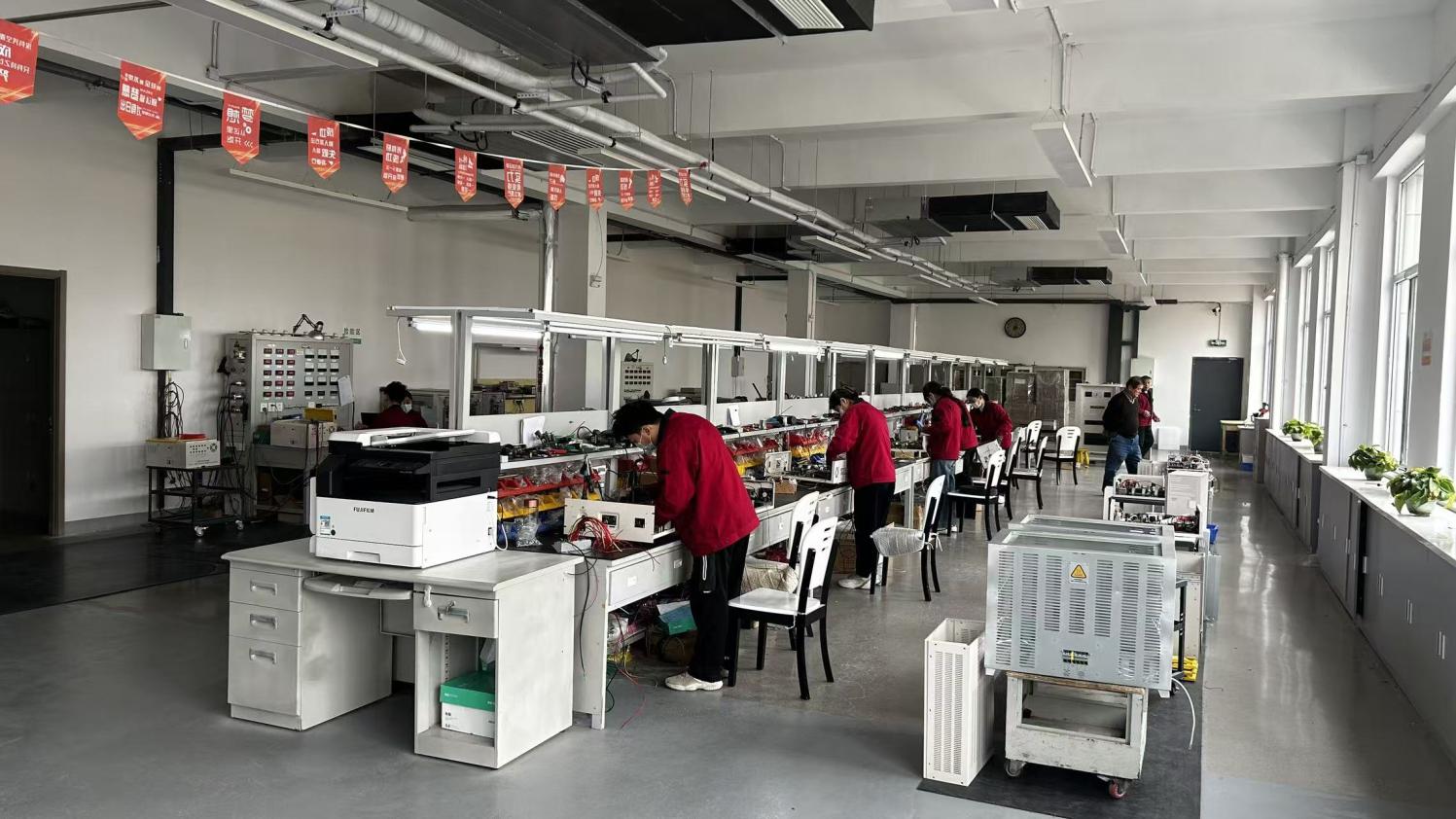
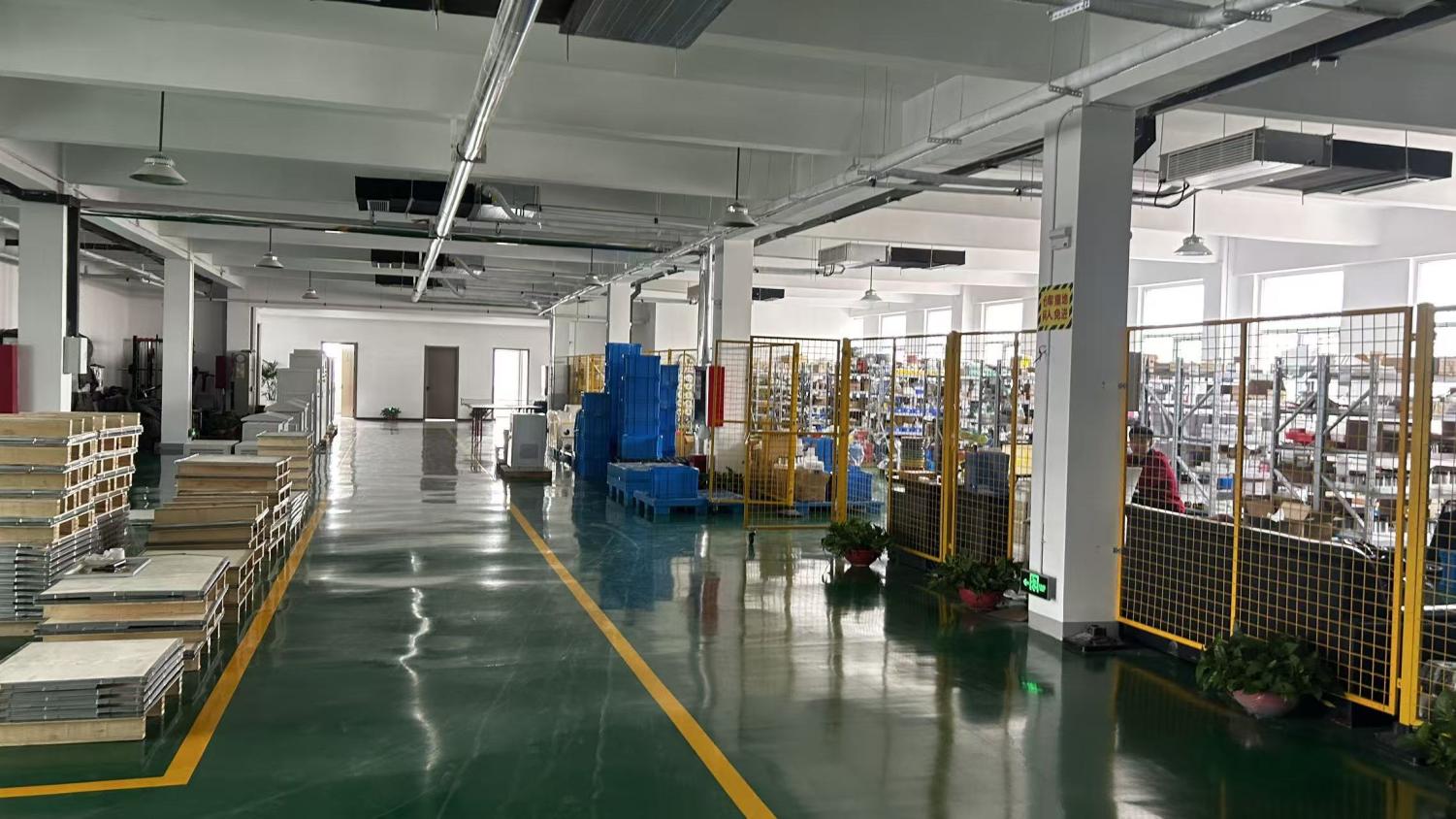
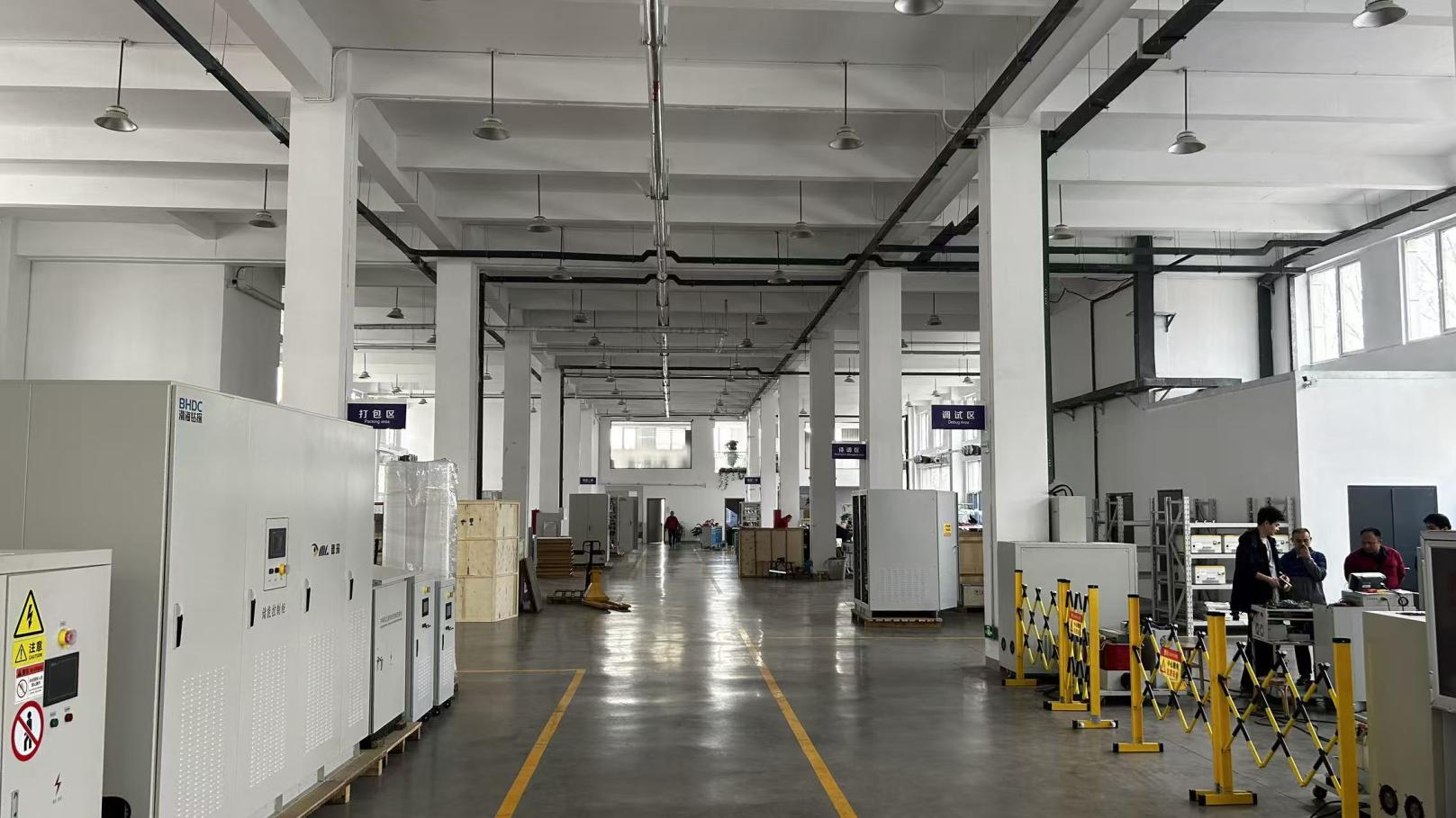
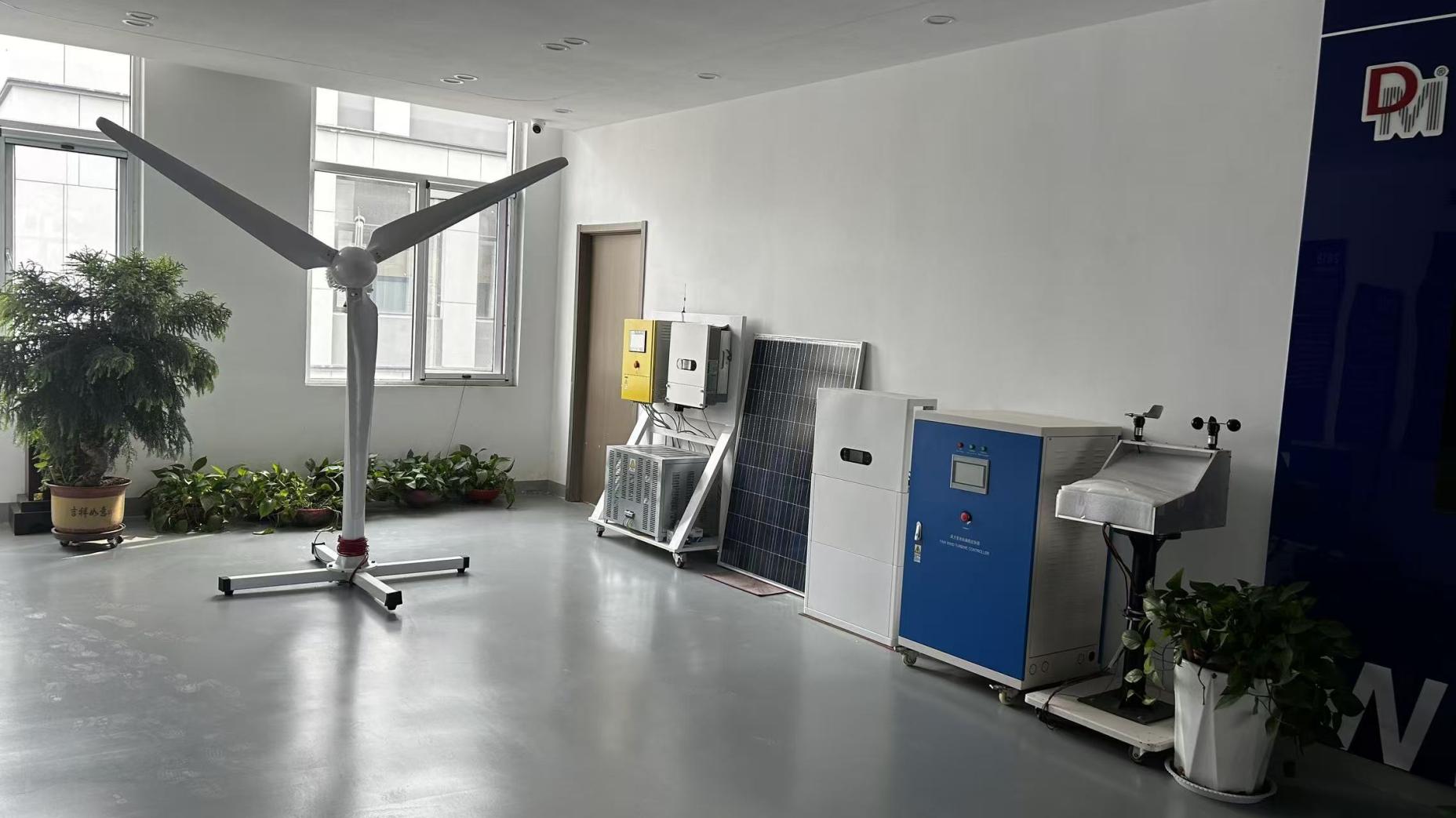
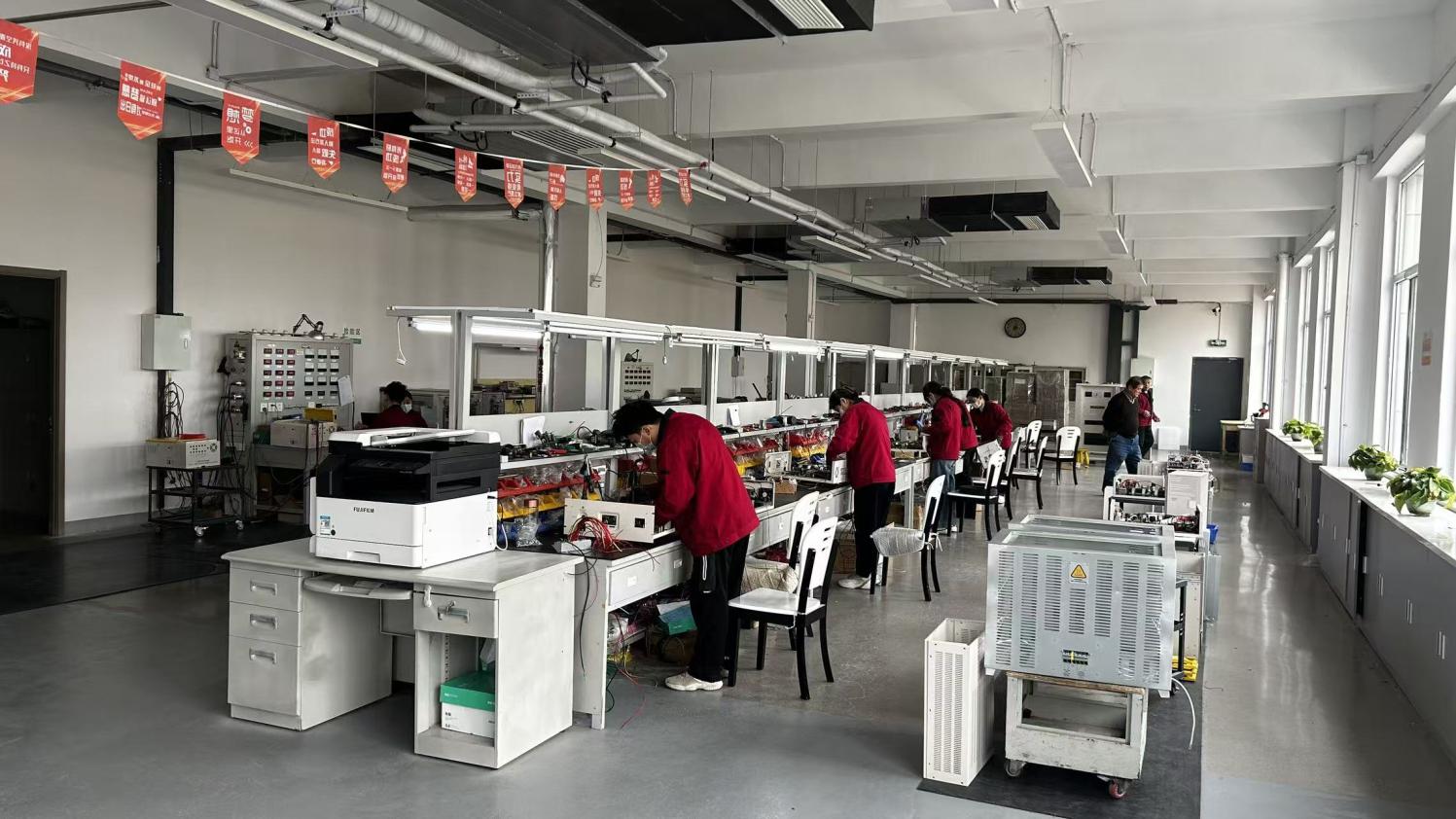
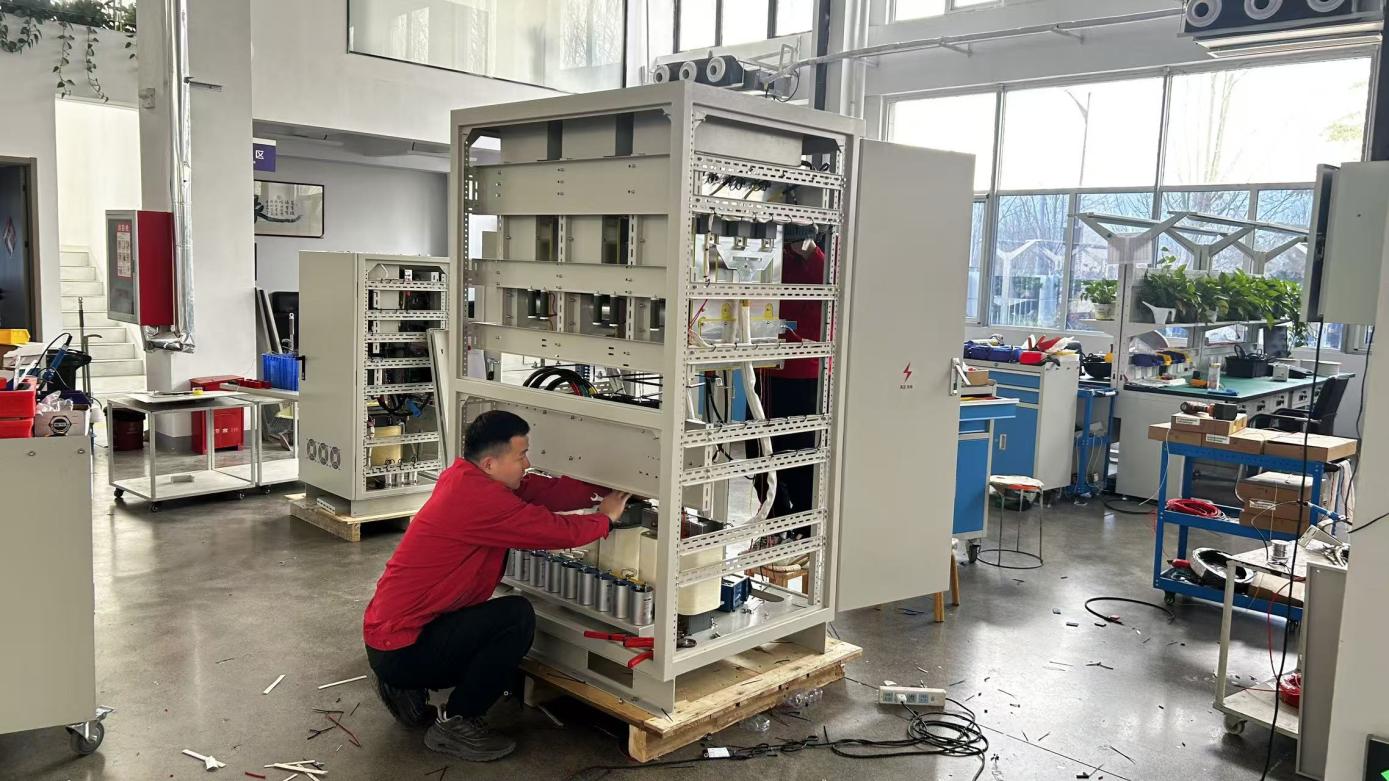
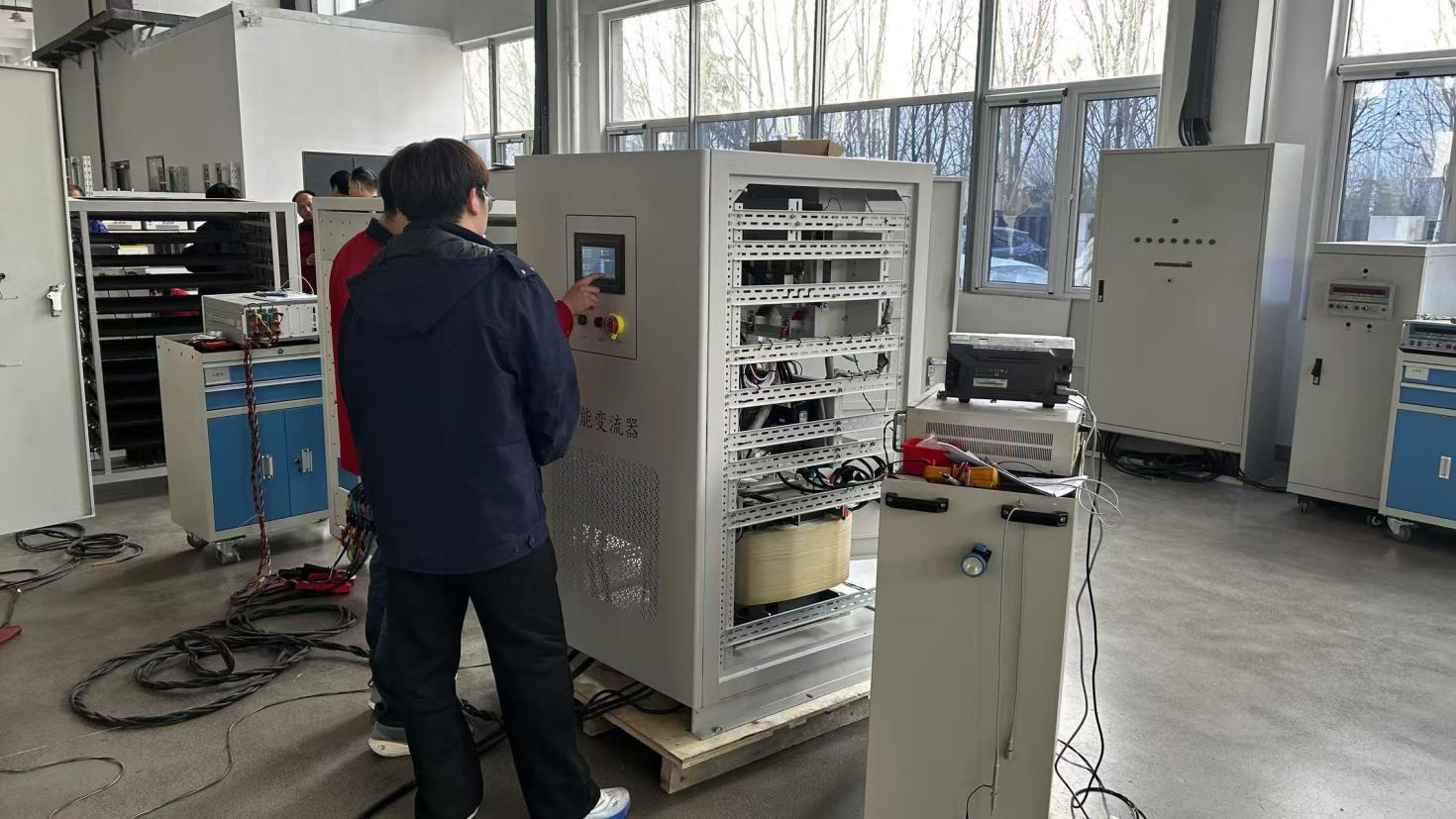
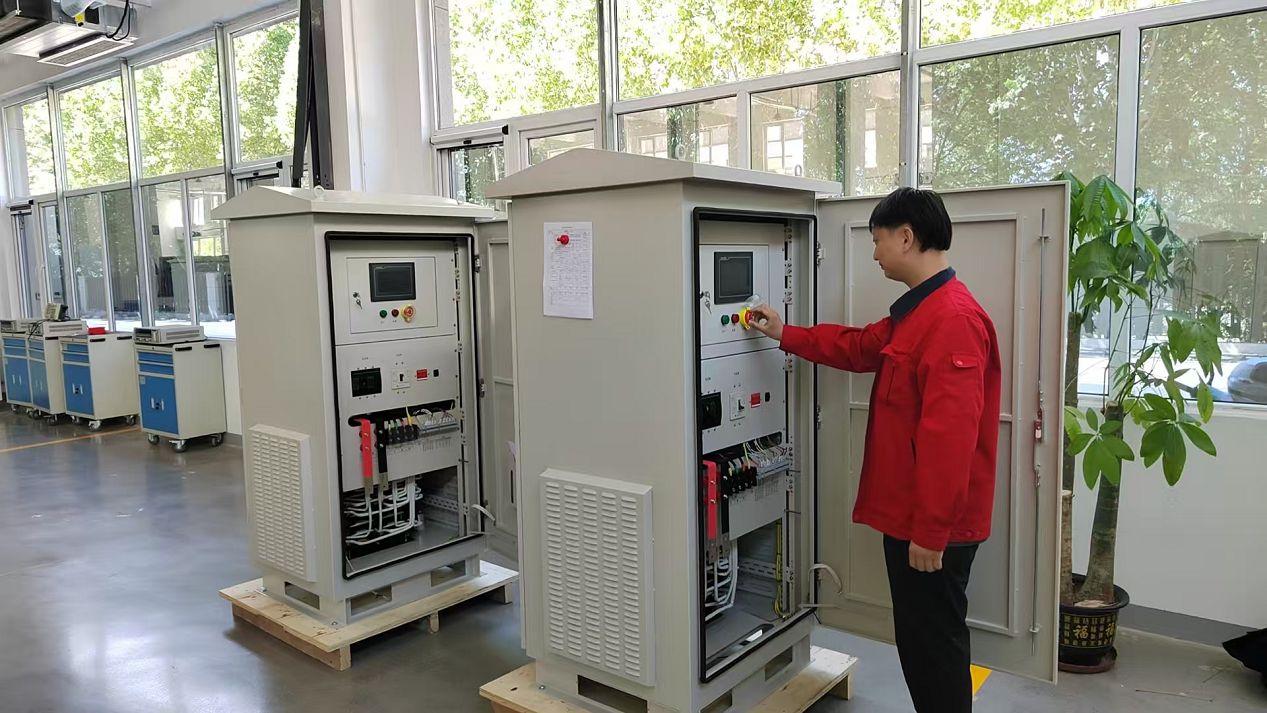
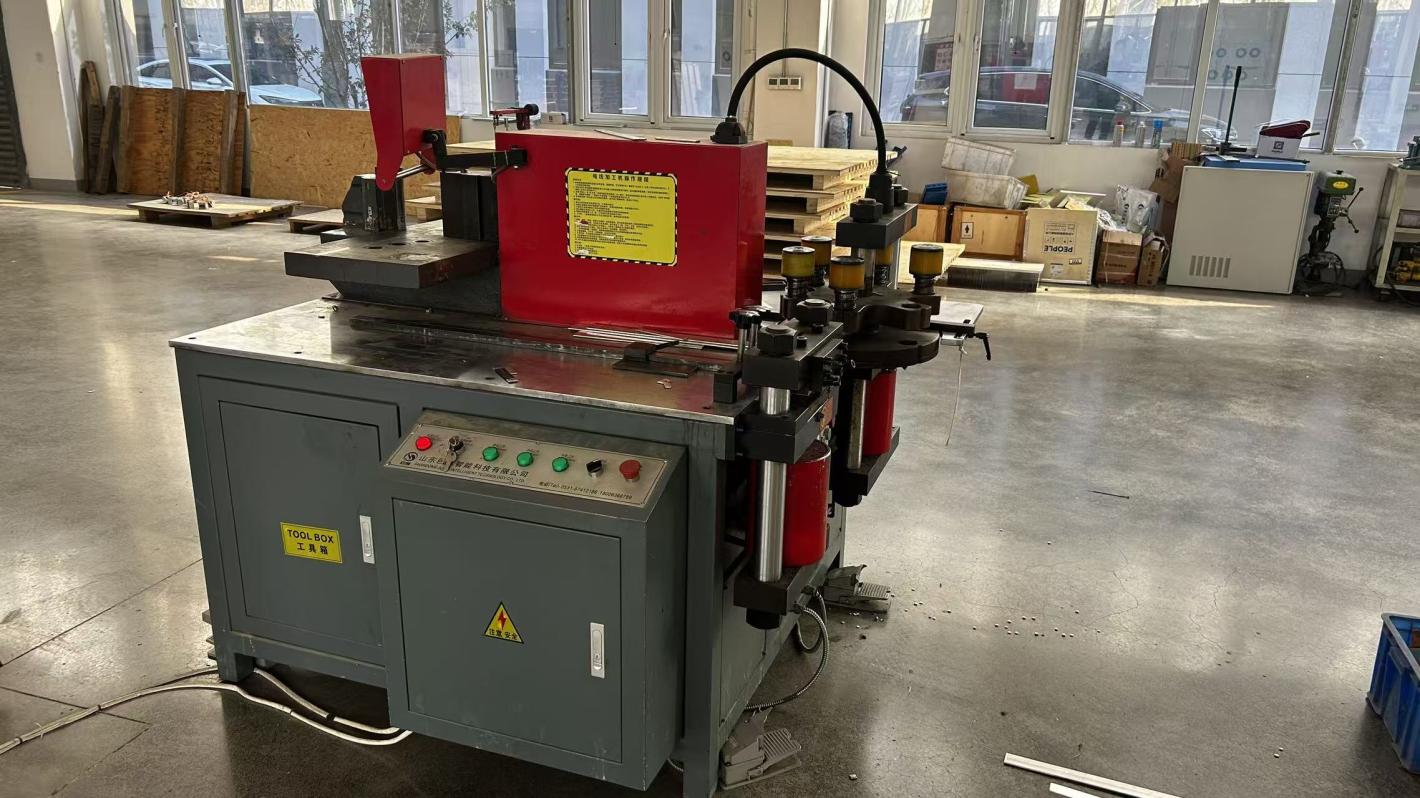
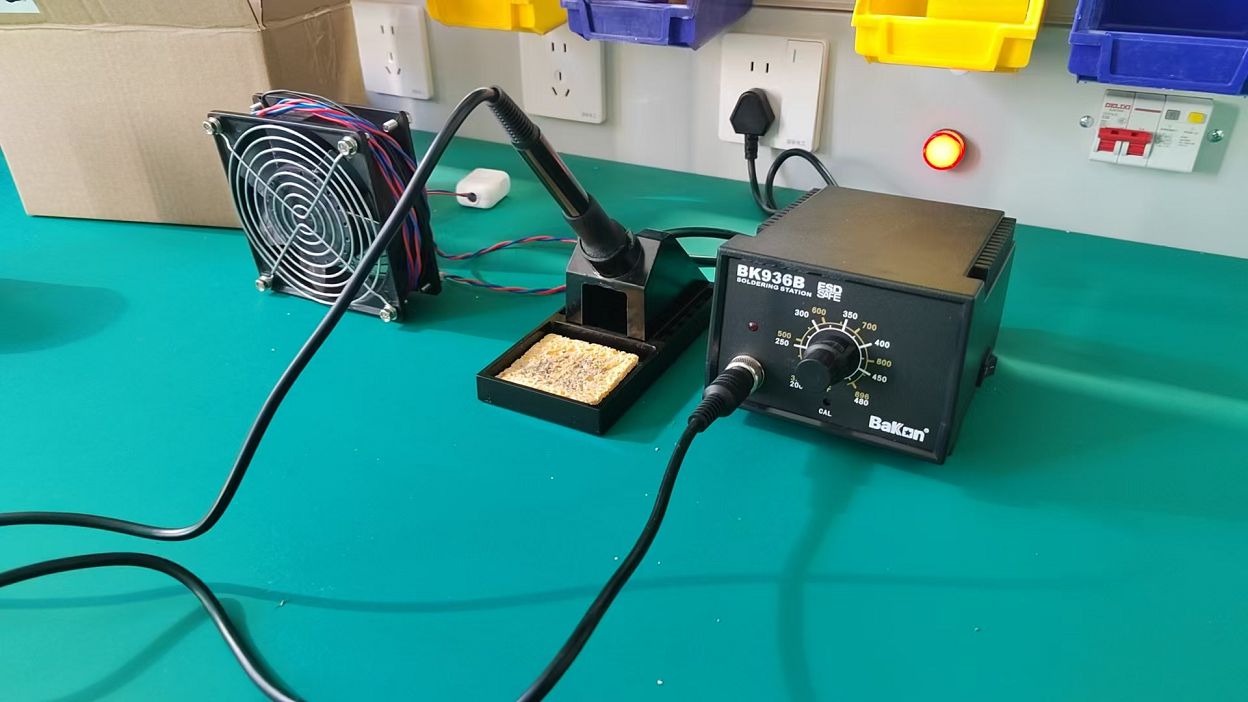
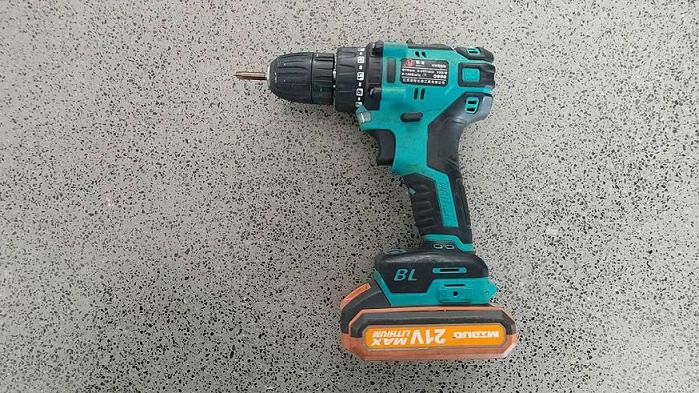
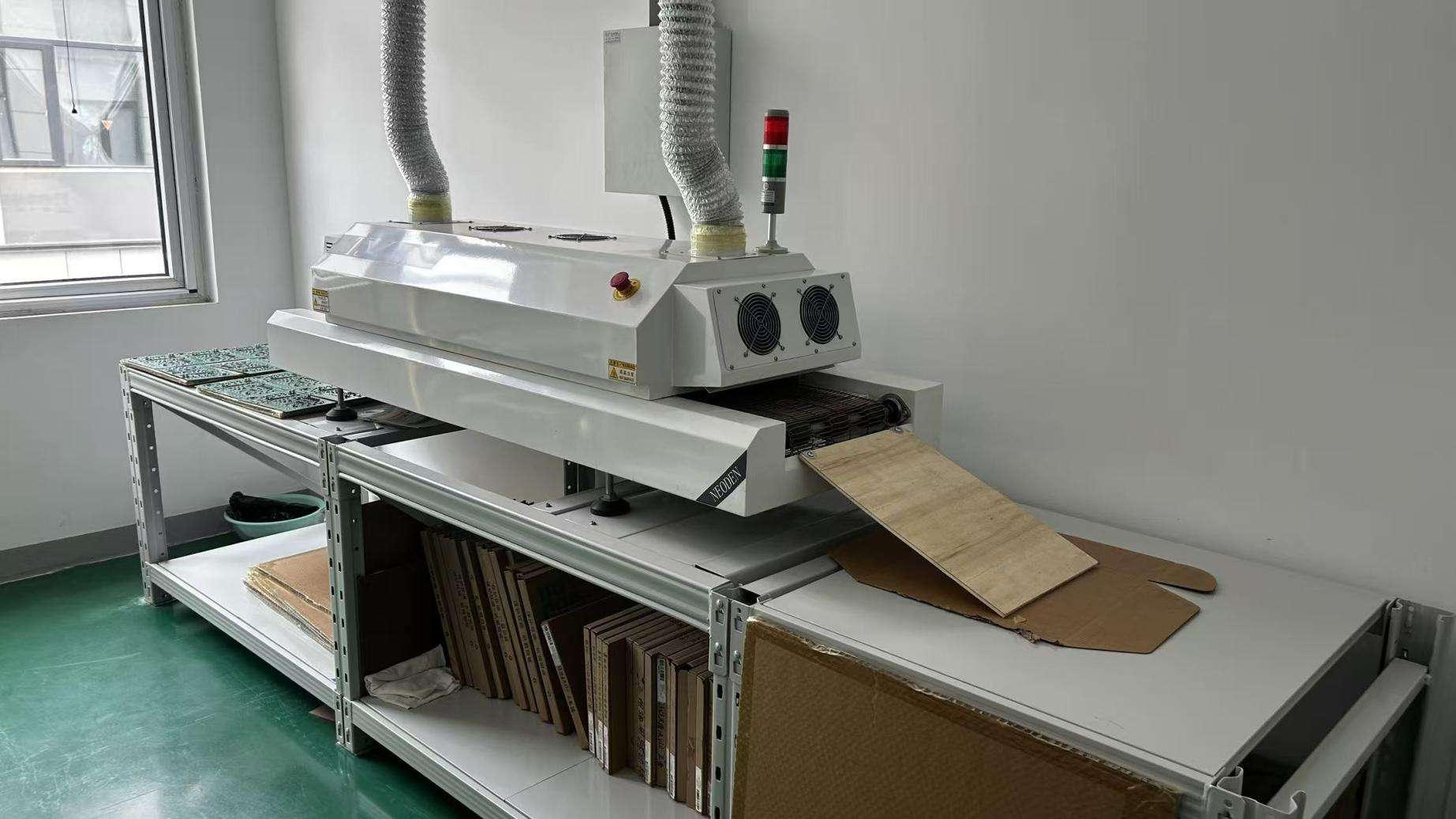
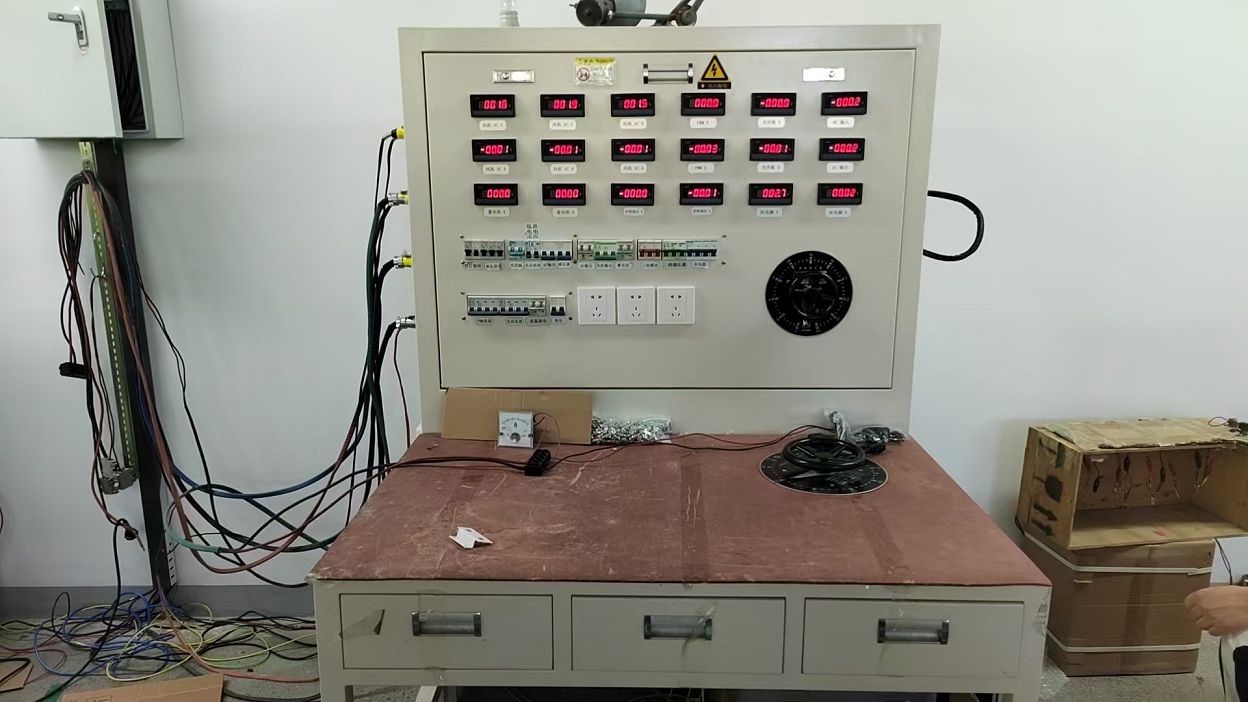
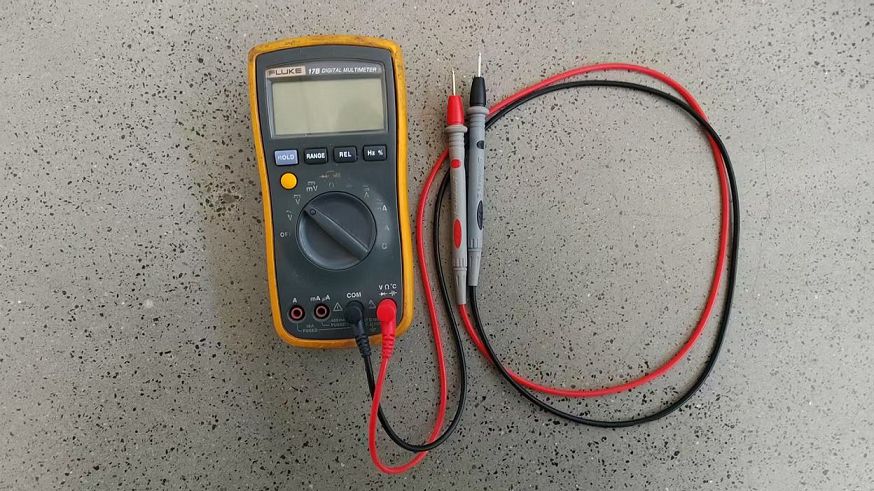
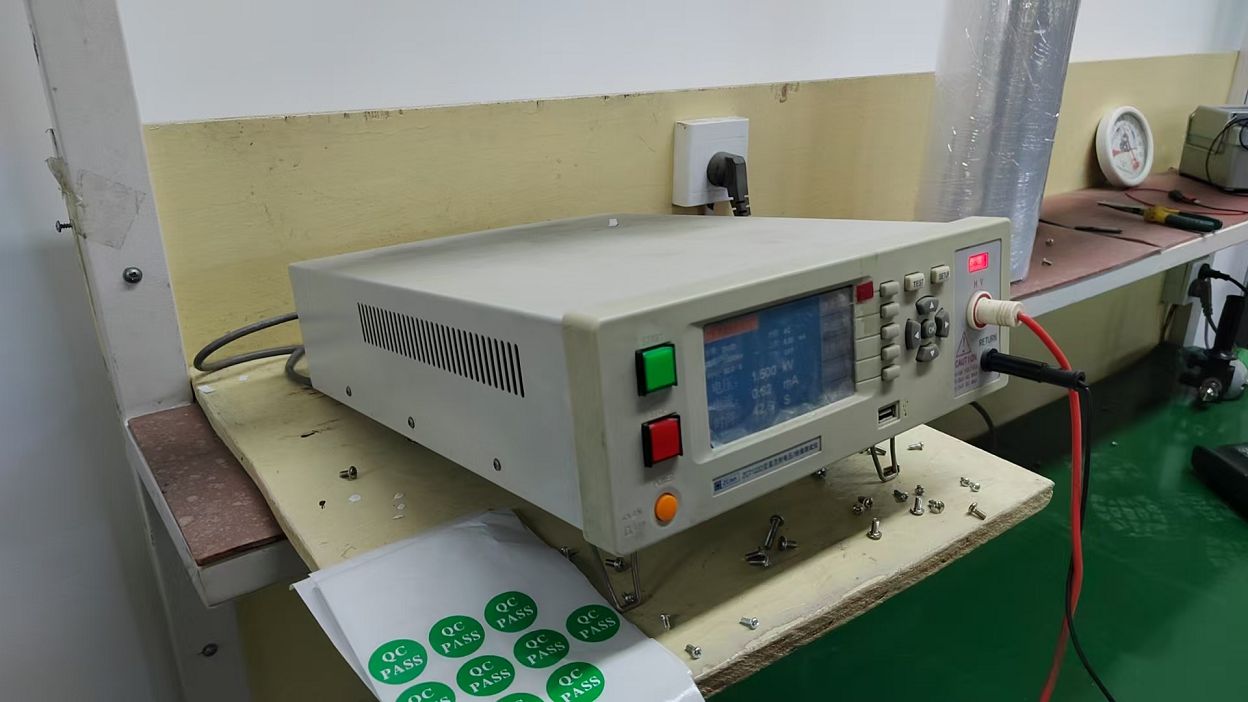
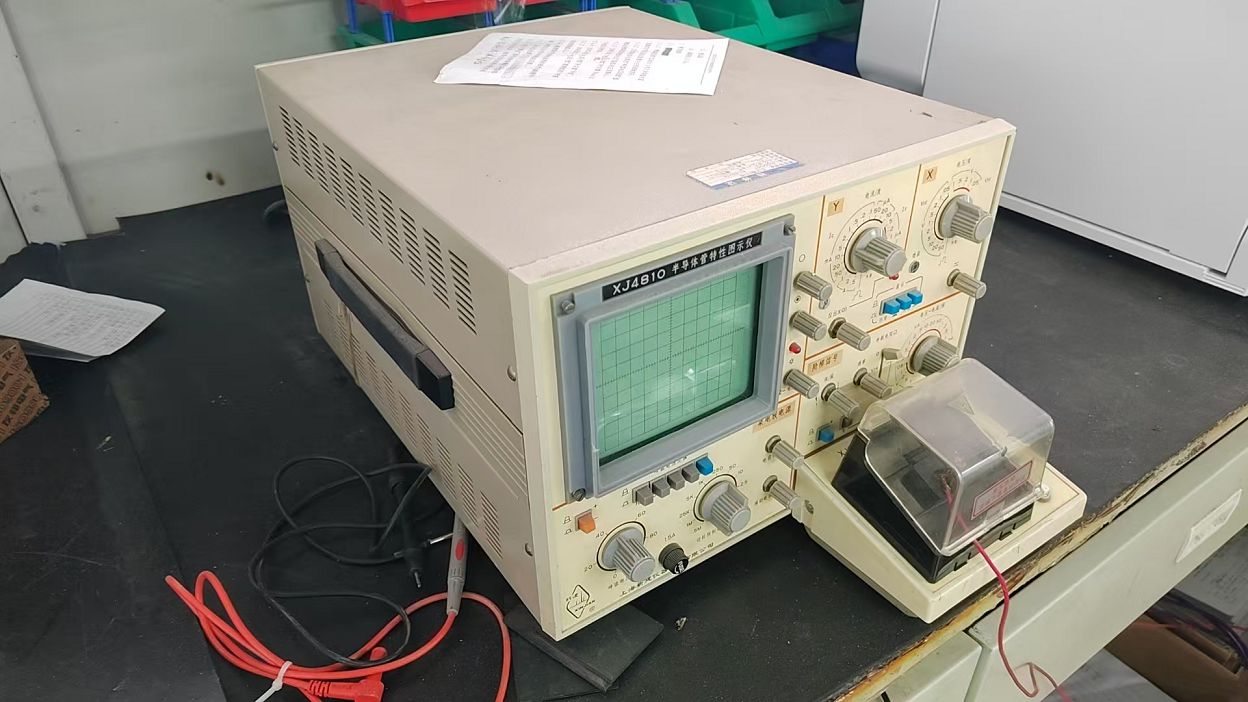
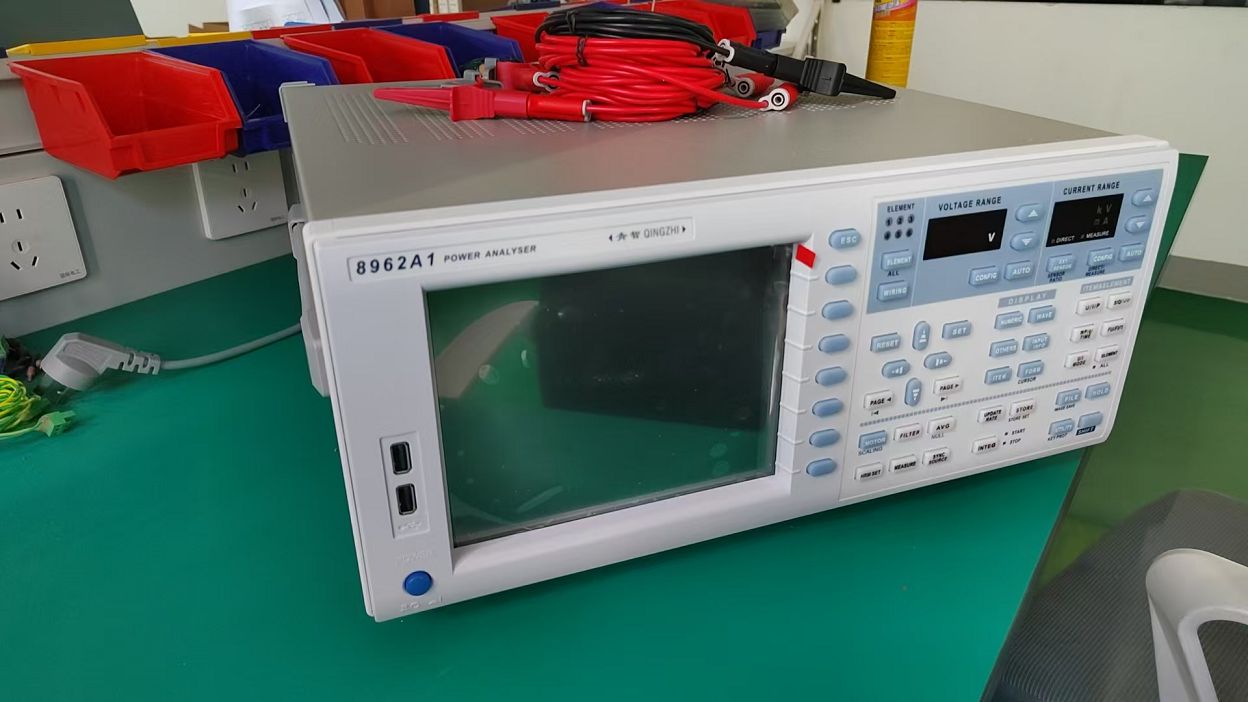
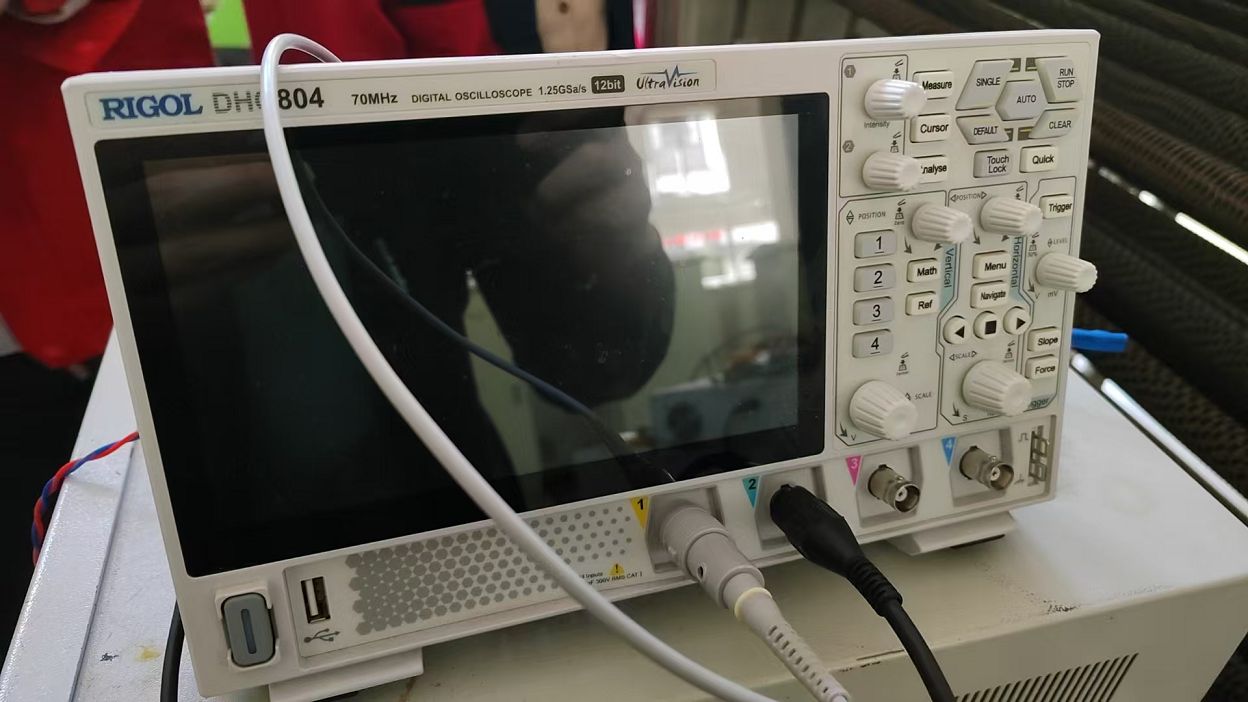
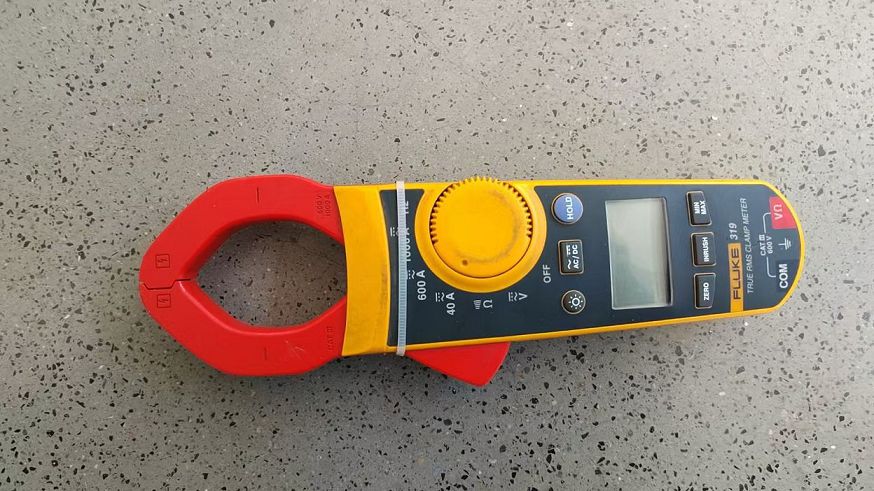
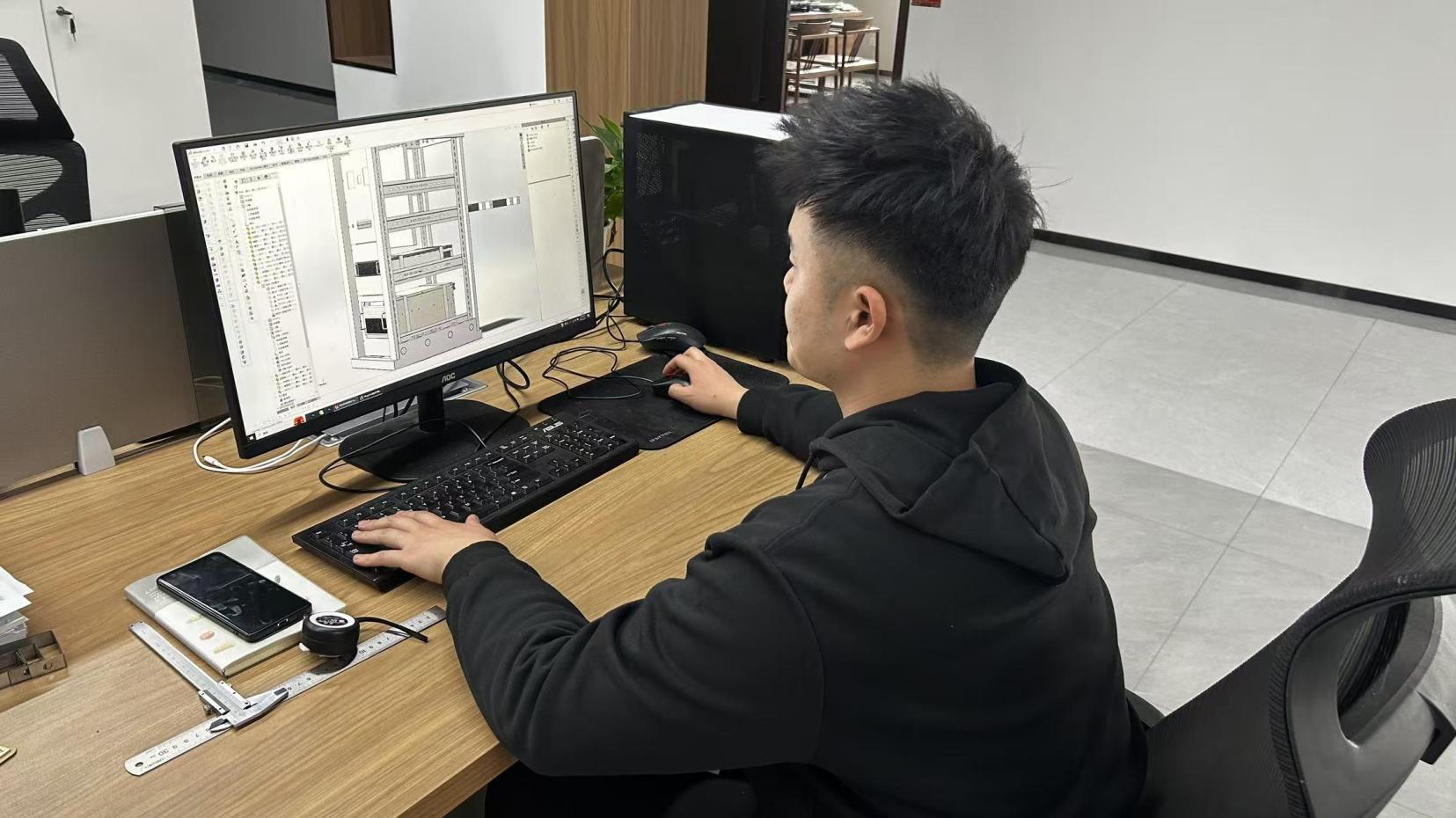
From remote run-of-the-river hydro sites to complex marine hybrid drivetrains.
Jinan Deming's range of permanent magnet alternators is engineered to handle diverse installation environments. The systems are designed with high protection ratings and corrosion-resistant finishes to perform in challenging locations:
Micro-hydro systems run continuously and face fluctuating seasonal water volumes. Our low-RPM permanent magnet alternators are optimized to start generating power under low hydrostatic head pressures, delivering consistent output to the local grid.
Remote telecommunication towers, farm sites, and military installations rely on stable wind power. Our direct-drive wind turbine alternators operate without gearboxes, eliminating the risk of oil leaks and mechanical failures in cold or harsh environments.
As microgrids expand, utility testing operators require stable load testing equipment. Deming supports these facilities by supplying high-power bidirectional DC testing power supplies and battery simulators (ranging from 150kW to 500kW) alongside our generator systems.
Detailed technical answers to common questions about selecting, specifying, and operating permanent magnet generators.
PMGs do not require an excitation winding, carbon brushes, or an AVR (Automatic Voltage Regulator) for rotor magnetization. Removing these parts eliminates excitation losses, which increases system efficiency by 5% to 15%. PMGs also offer better reliability, run cooler, and require less maintenance, making them ideal for direct-drive setups.
We use high-grade NdFeB magnets with high coercive force and thermal stability. Our rotors are protected with class H insulation, and the stator channels are engineered to maximize heat dissipation. This configuration allows our generators to run reliably at high ambient temperatures without losing magnetic flux.
Because the output voltage and frequency of a PMG vary directly with rotor speed, a frequency converter is required to match grid or load standards. The converter rectifies the variable AC voltage to stable DC, and then inverts it back to a clean, grid-compliant 3-phase AC wave (such as 50Hz/60Hz, 380V/400V).
Yes. Our R&D team can customize the stator winding structure, slot layout, and pole configuration to optimize output power at target speeds as low as 50 RPM to 300 RPM. This allows the generator to run without a gearbox, matching the low rotor speeds typical of micro-hydro applications.
Alongside our line of generators, we design and manufacture high-power bidirectional DC testing power supplies and battery simulators. These products let testing facilities simulate solar panels, battery banks, and wind generators. This capability helps engineers validate how their setups will perform when connected to the grid.
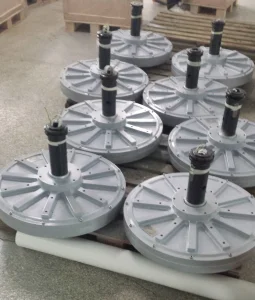
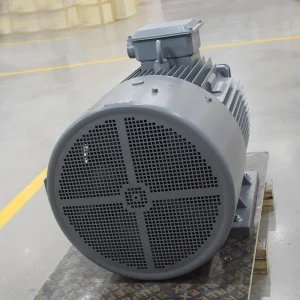
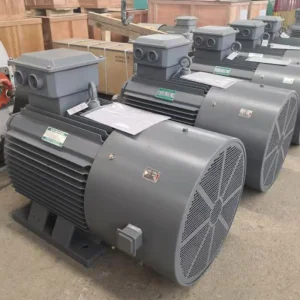
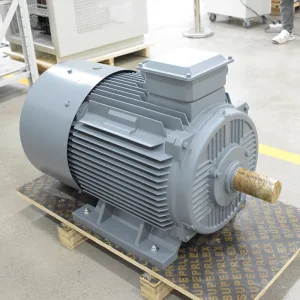
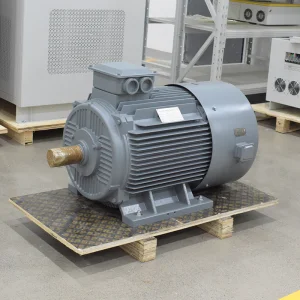
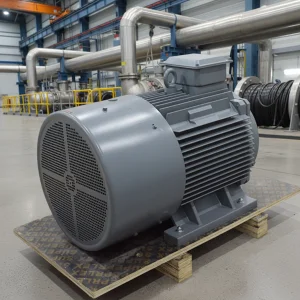
Select from our range of 3-phase AC alternators, wind mill generators, and complete turbine systems.
 Demin Power