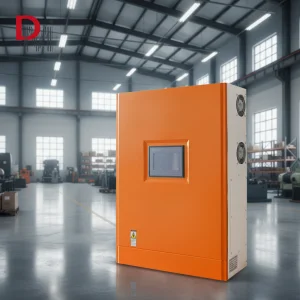
Engineered to handle extreme environmental loads and deliver maximum efficiency for utility, residential, and marine grids.
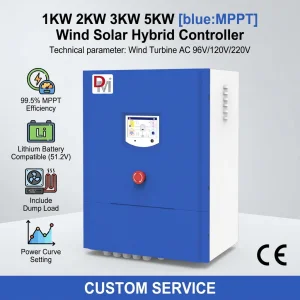
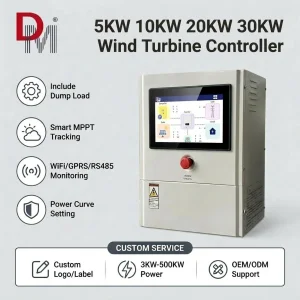
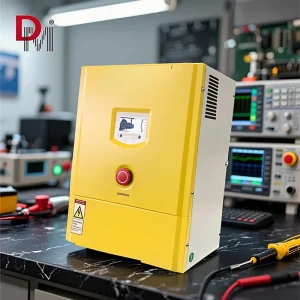
Deep-dive research on grid stability, off-grid architectures, and the vital role of power electronics controllers.
Wind power generation is shifting rapidly from isolated demonstration projects to the core foundation of national energy grids. However, integrating massive quantities of wind energy presents extreme technical challenges. Wind intermittency—due to fluctuating wind velocities—creates rapid, unpredictable changes in power output. To avoid grid instability, modern wind energy systems rely on high-precision controls, such as MPPT (Maximum Power Point Tracking) algorithms, and massive energy storage conversion systems to buffer the grid against fluctuations.
Microgrids in remote mining sites, agricultural hubs, and island installations are increasingly deploying combined hybrid solar and wind turbine systems. Solar energy peaks during daytime hours, while wind energy frequently peaks during nighttime and stormy cycles. Integrating these systems requires highly intelligent hybrid solar-wind controllers with integrated Pulse Width Modulation (PWM) and dump-load systems to safely divert surplus energy, preventing overvoltage conditions and ensuring consistent power delivery.
Power utilities worldwide impose strict grid compliance codes on private and industrial wind energy feeds. Bidirectional grid-tie controllers and power conversion systems (PCS) must match utility grid frequencies and voltage levels precisely (often fluctuating dynamically between 50Hz and 60Hz). These systems utilize heavy-duty galvanic isolation transformers and high-speed IGBT switching modules to filter harmonic distortions, achieving up to 99% conversion efficiency while offering robust surge protection.
Jinan Deming Power Equipment Co., Ltd. - Leading China Factory Serving Global Clean Energy Infrastructure since 2004.
Established in 2004, Jinan Deming Power Equipment Co., Ltd. is a nationally recognized high-tech enterprise specializing in the design, development, production, and service of renewable energy power electronics. Holding ISO9001:2015 certification, the company has repeatedly earned the prestigious High-Tech Enterprise designation from the Chinese Government (in 2015 and 2018). Our relentless pursuit of excellence is driven by an elite in-house R&D team consisting of 16 senior engineers, including doctoral supervisors and master's degree holders. We invest no less than 20% of our annual sales revenue back into state-of-the-art laboratory upgrades and technological development, successfully completing 17 complex R&D projects over the past three years alone.
By capitalizing on China's comprehensive electronics supply chain ecosystem, Deming Power achieves significant production efficiencies. We source raw components directly from qualified global Tier-1 semiconductor and magnetics manufacturers, processing them through our advanced assembly, copper bar bending, and automatic reflow soldering setups. This allows us to offer global procurement officers high-performance wind turbine controllers, marine shore power cabinets, and large-scale grid-tie converters that meet strict UL, CE, and IEEE requirements, at highly competitive price-to-performance ratios.
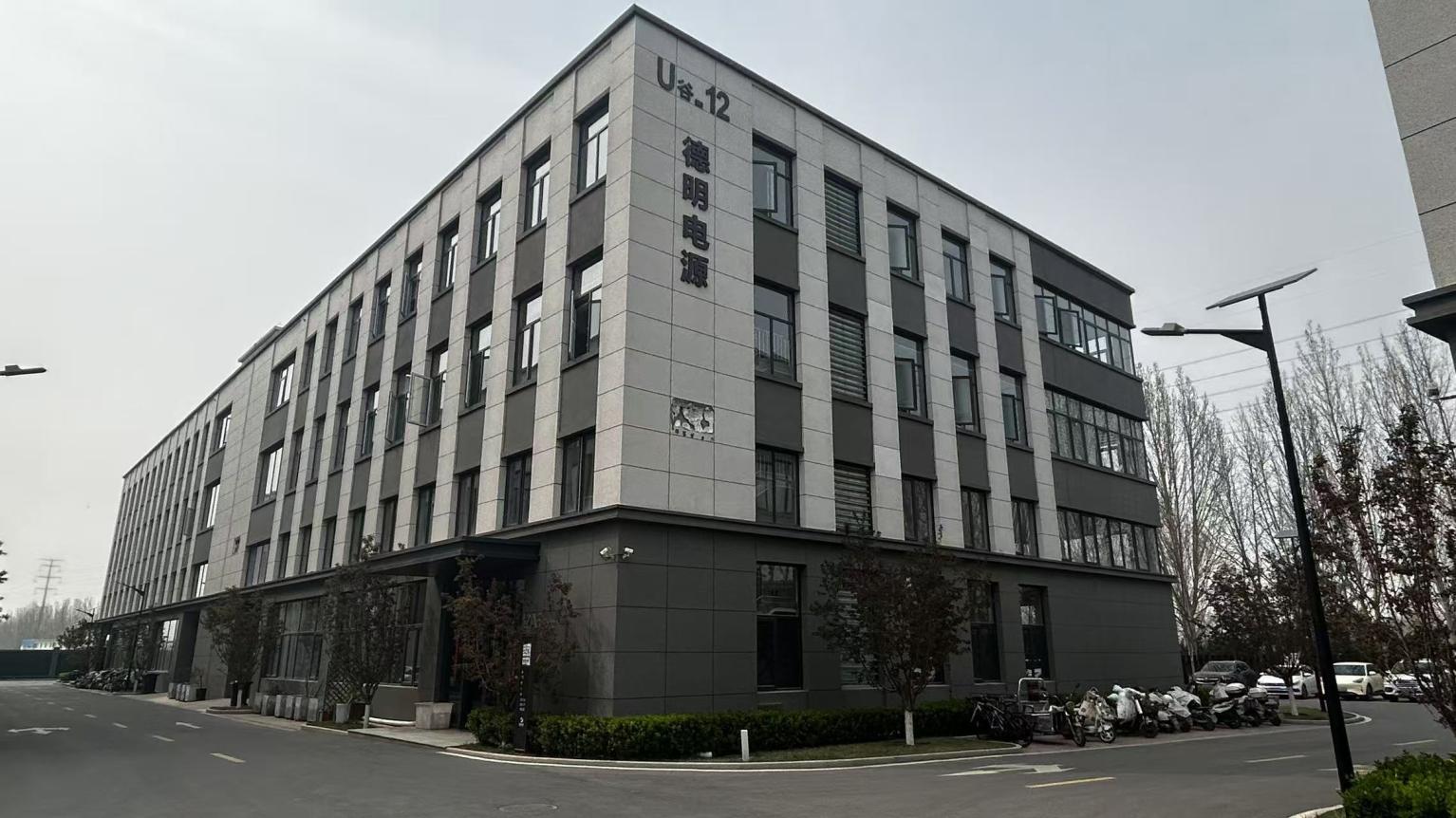
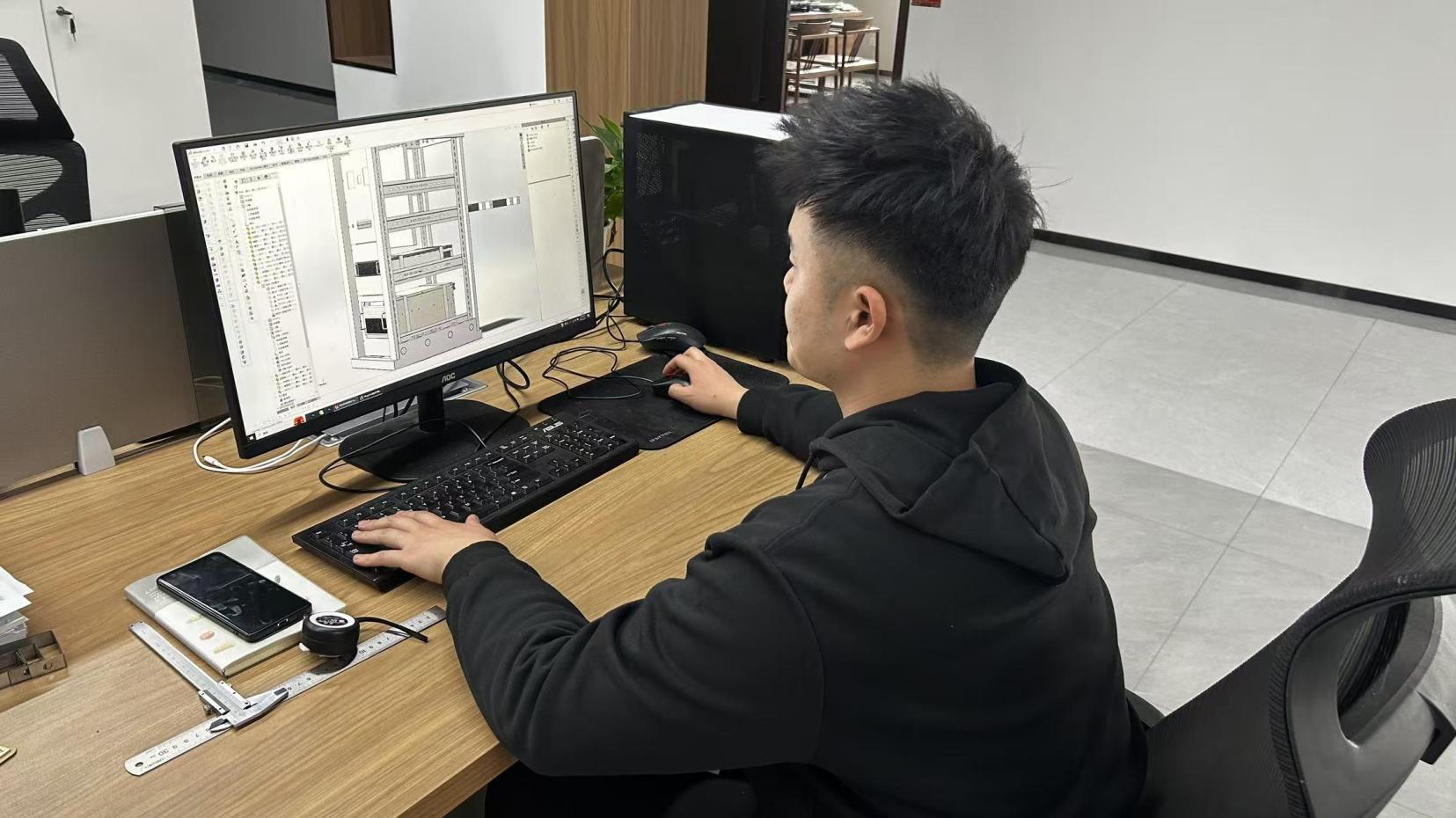
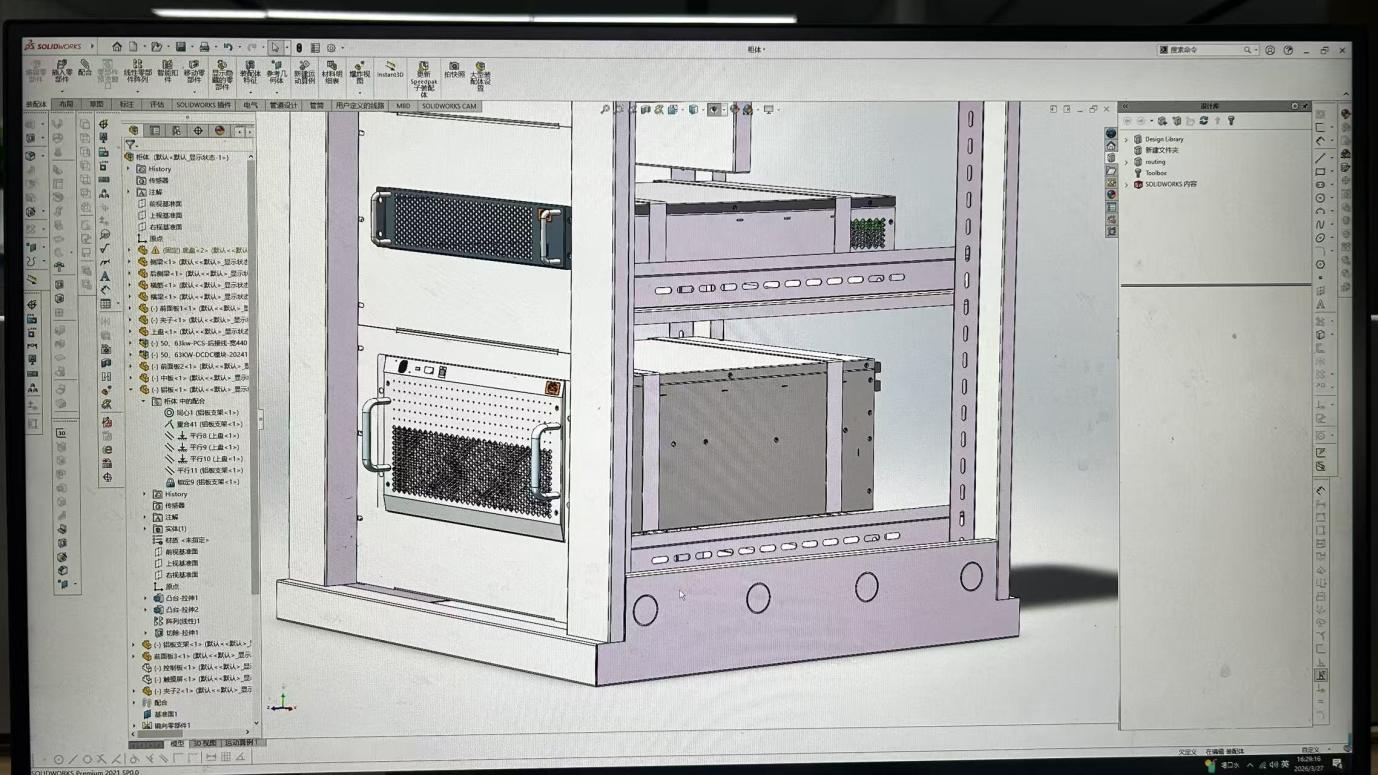
E-E-A-T Evidence: Take a look inside our certified production lines, engineering offices, and quality control systems.
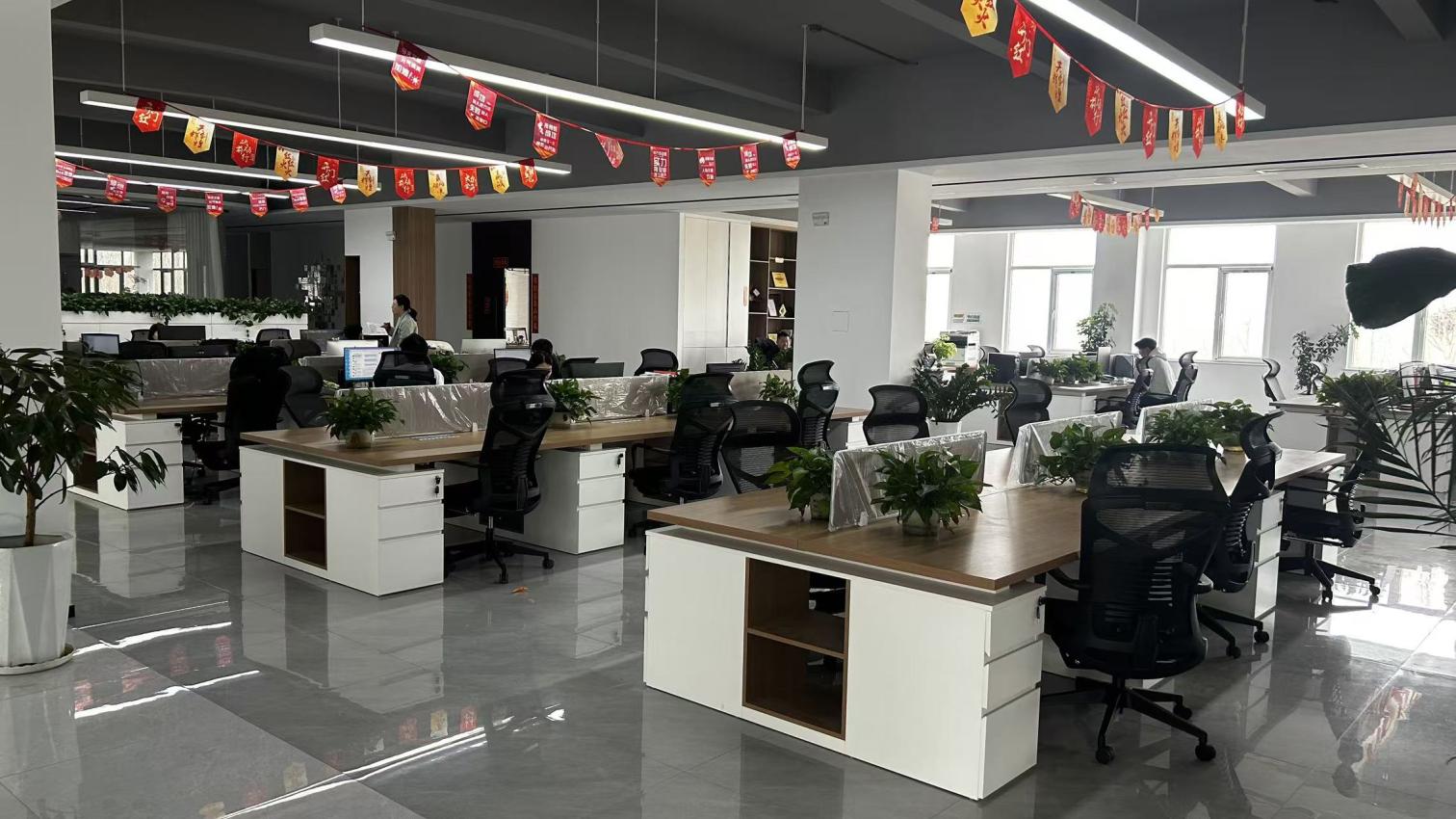
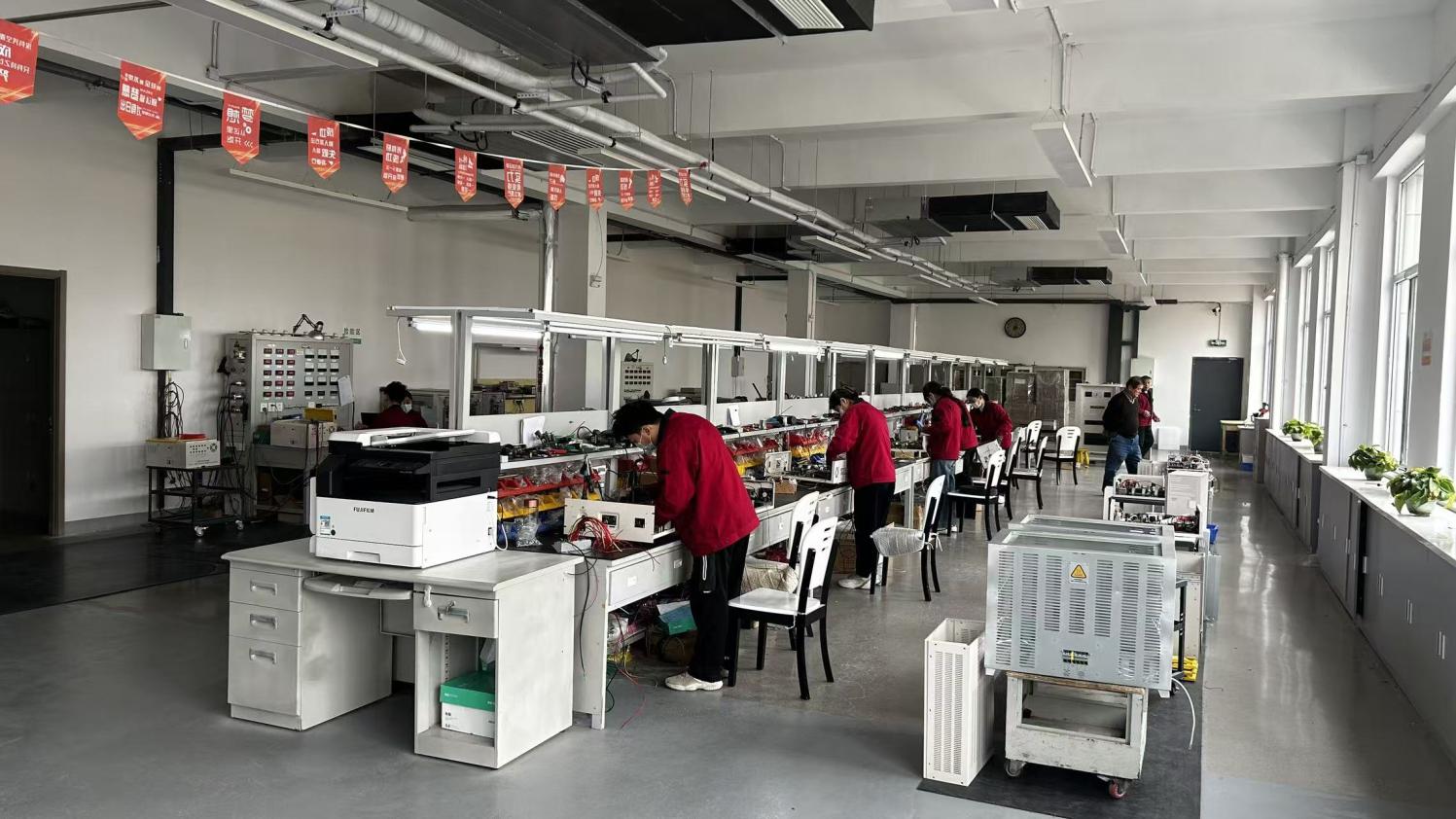
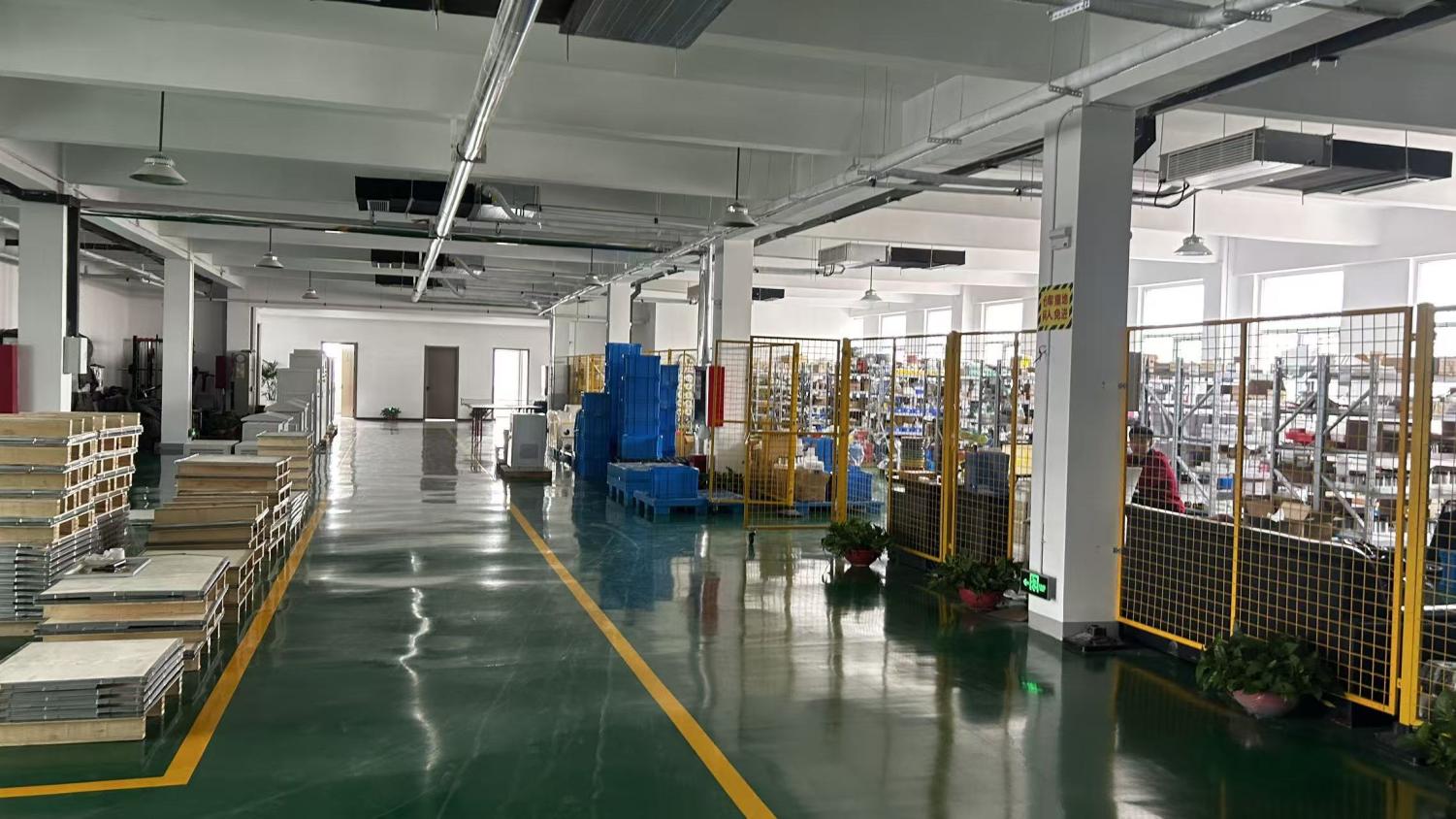
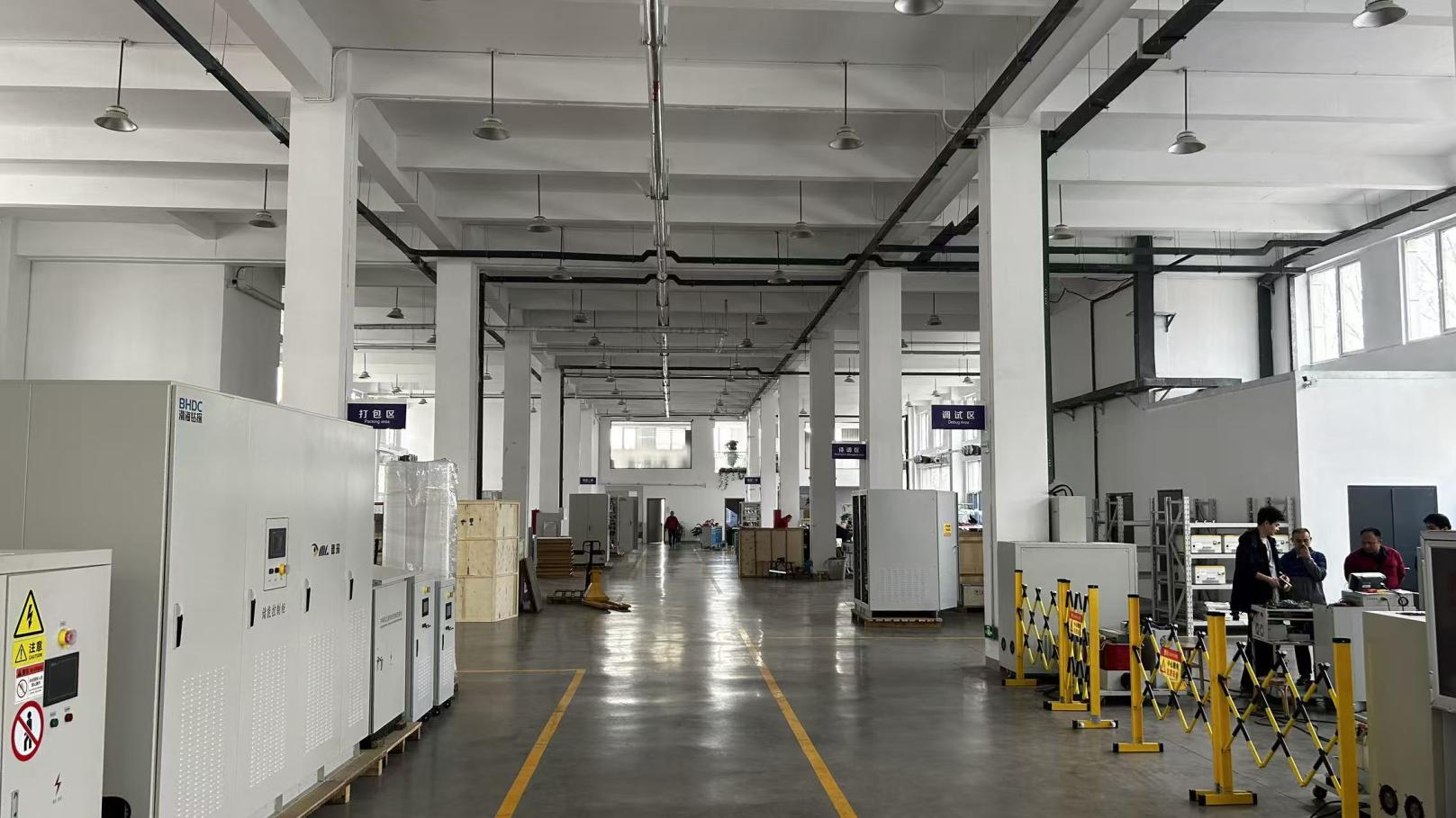
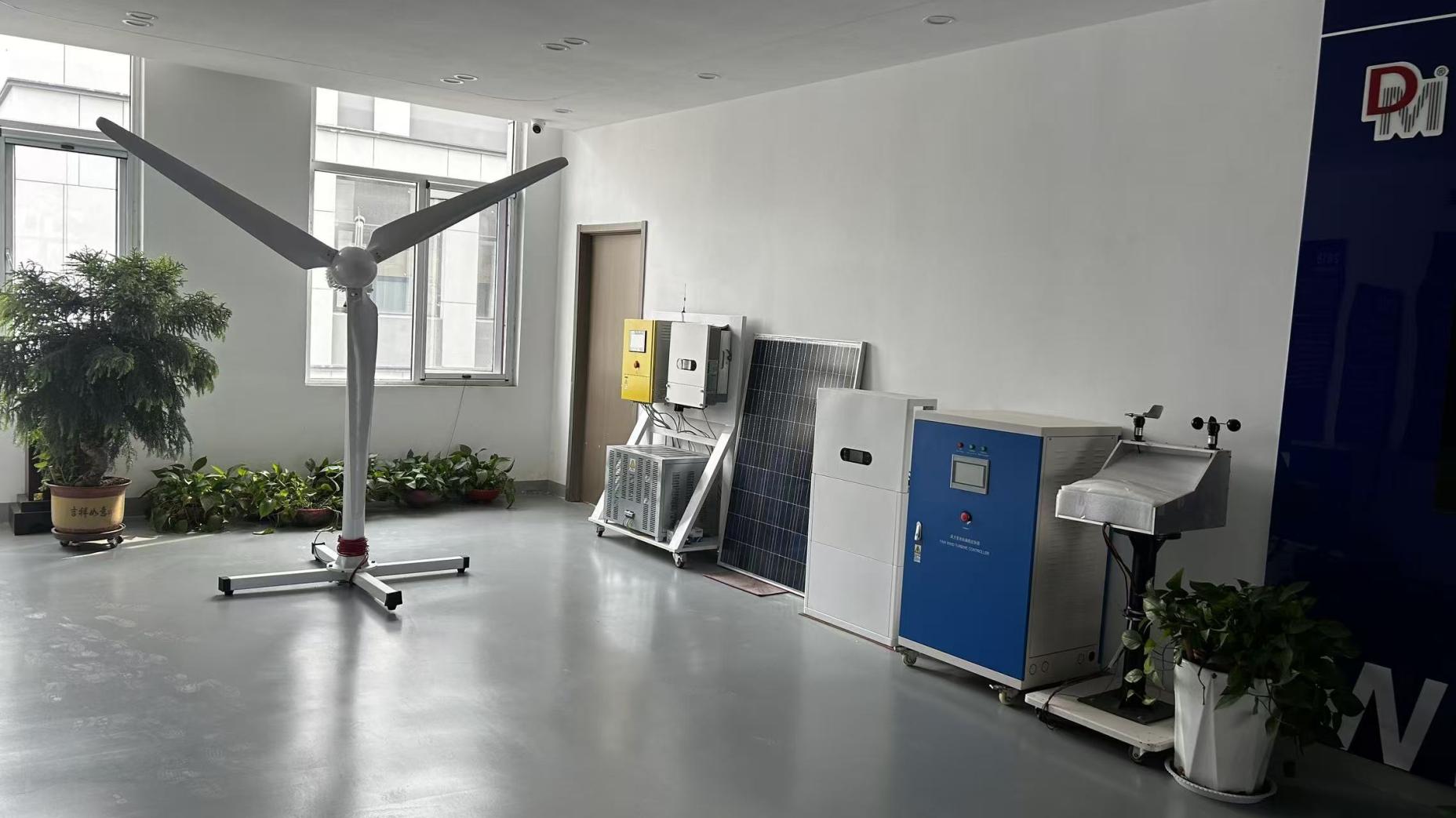
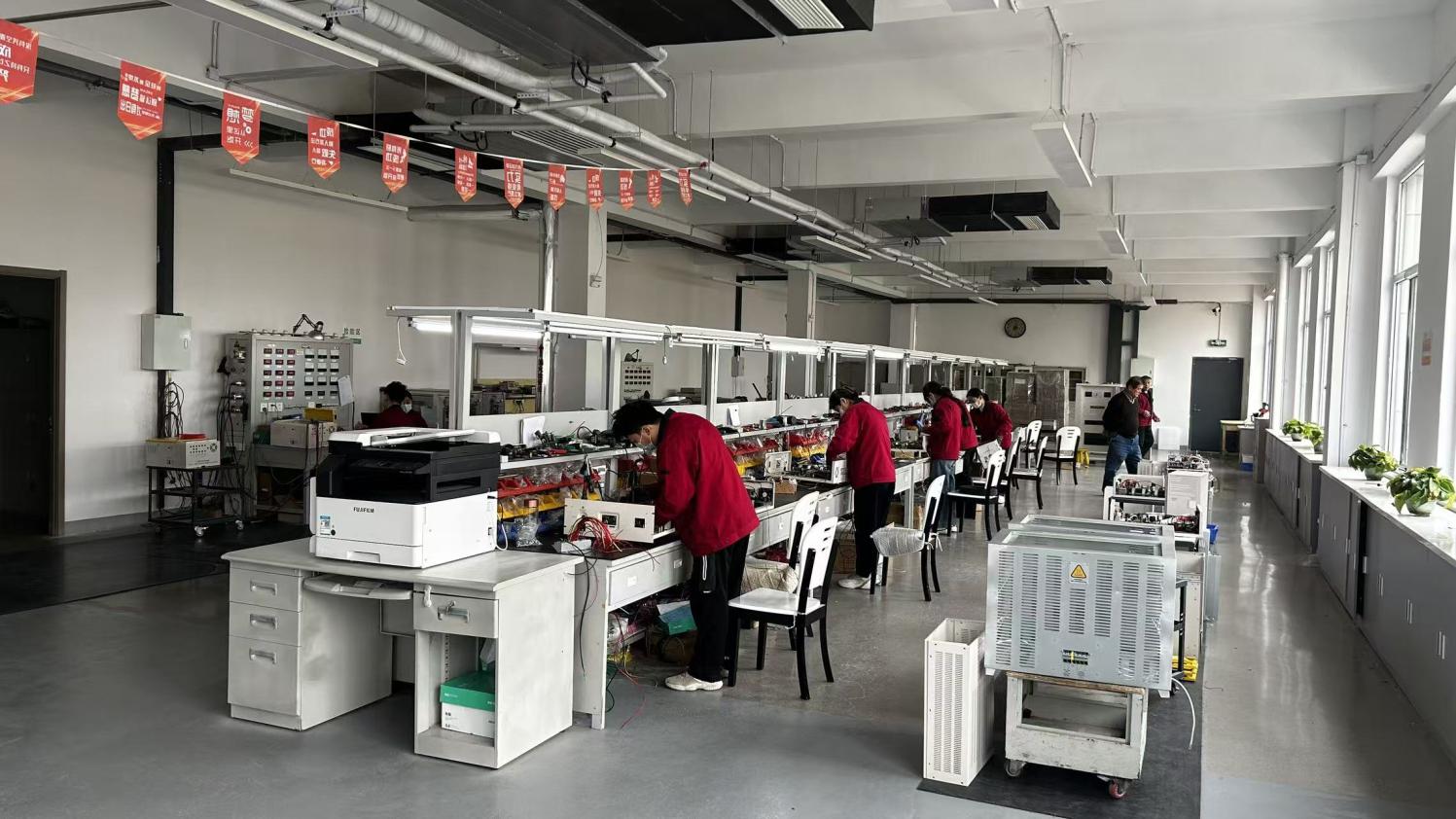
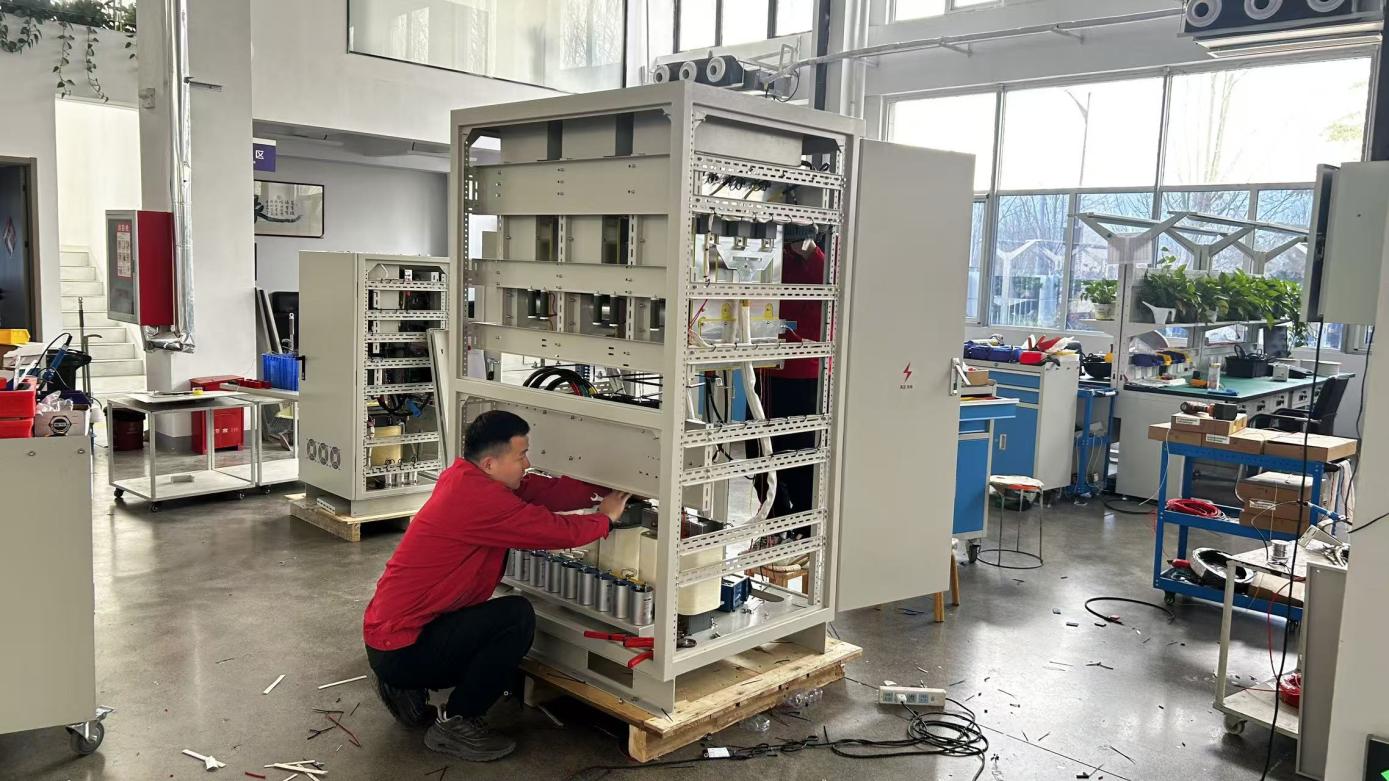
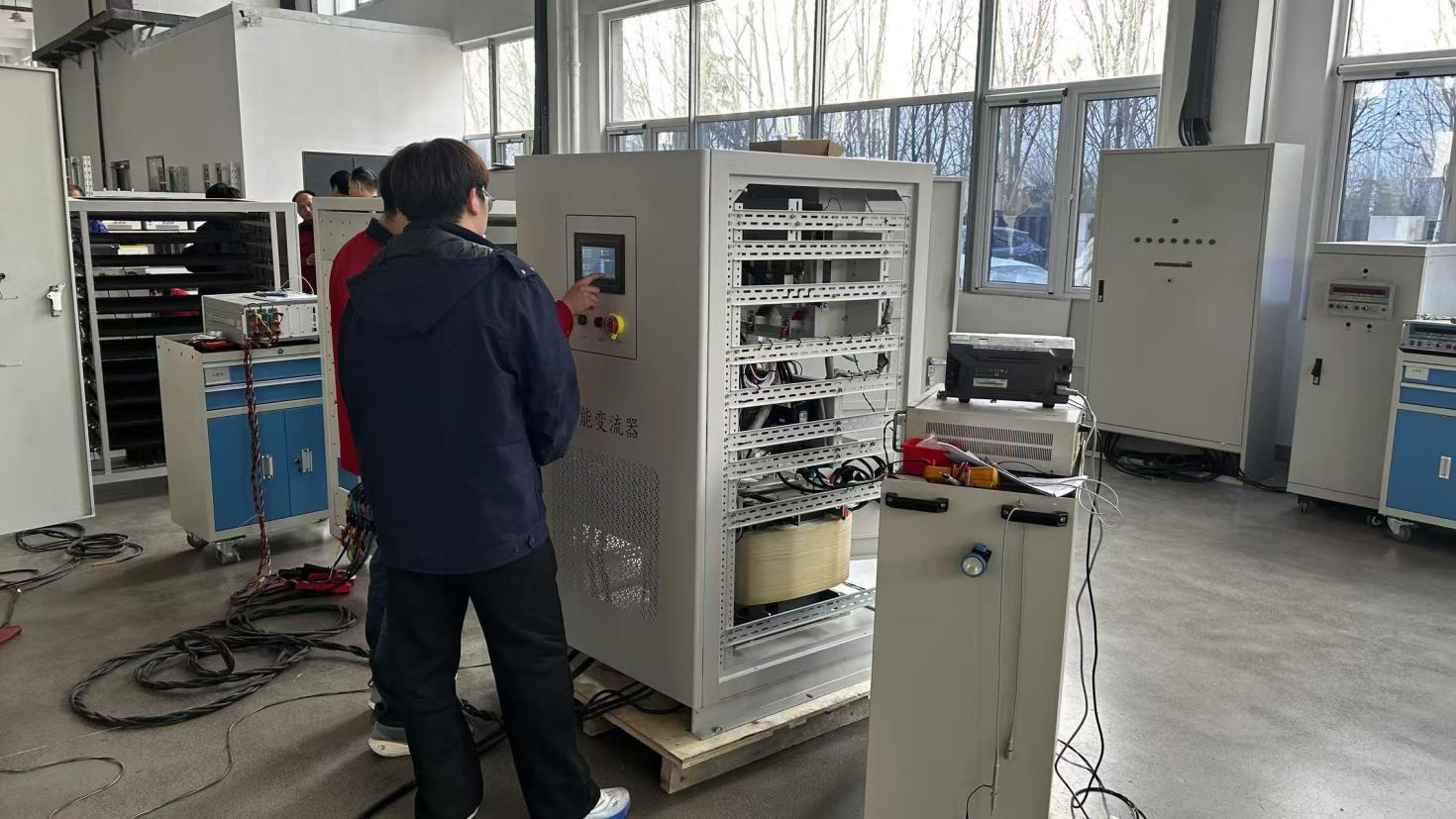
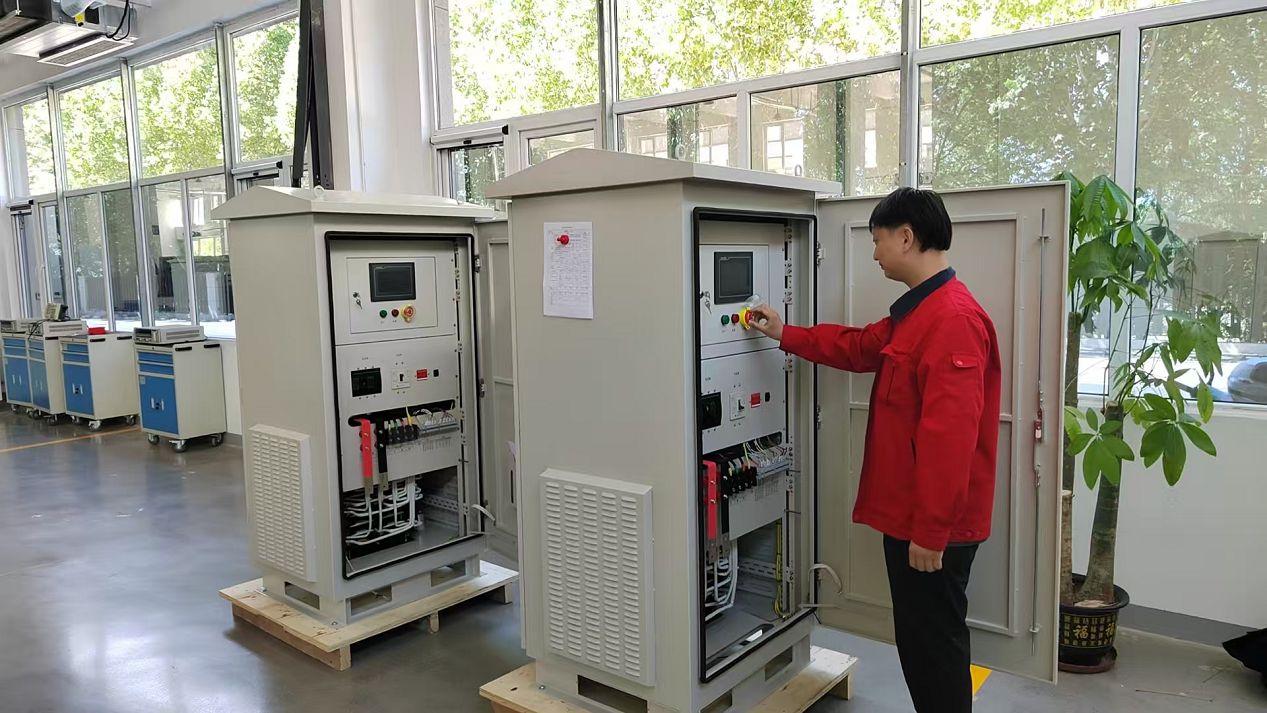
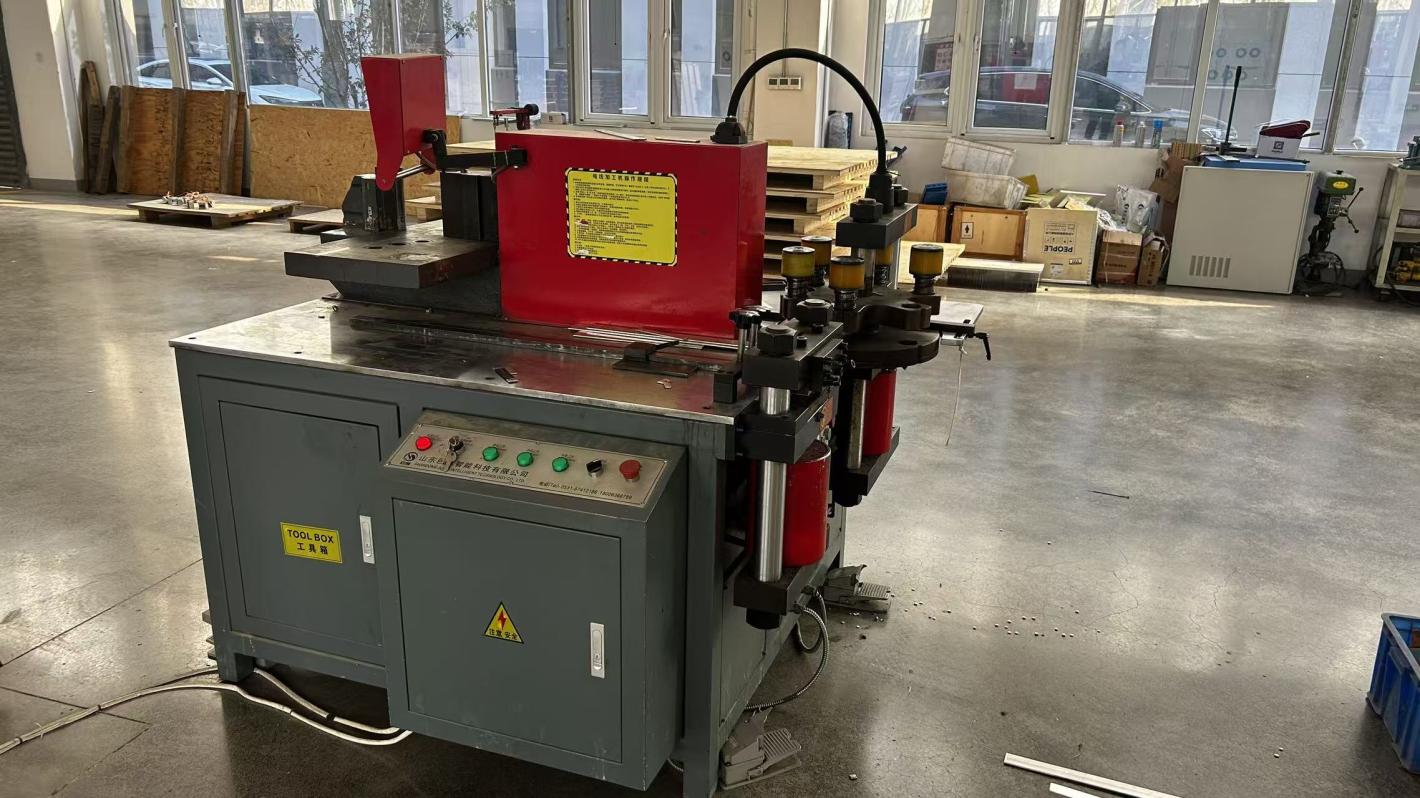
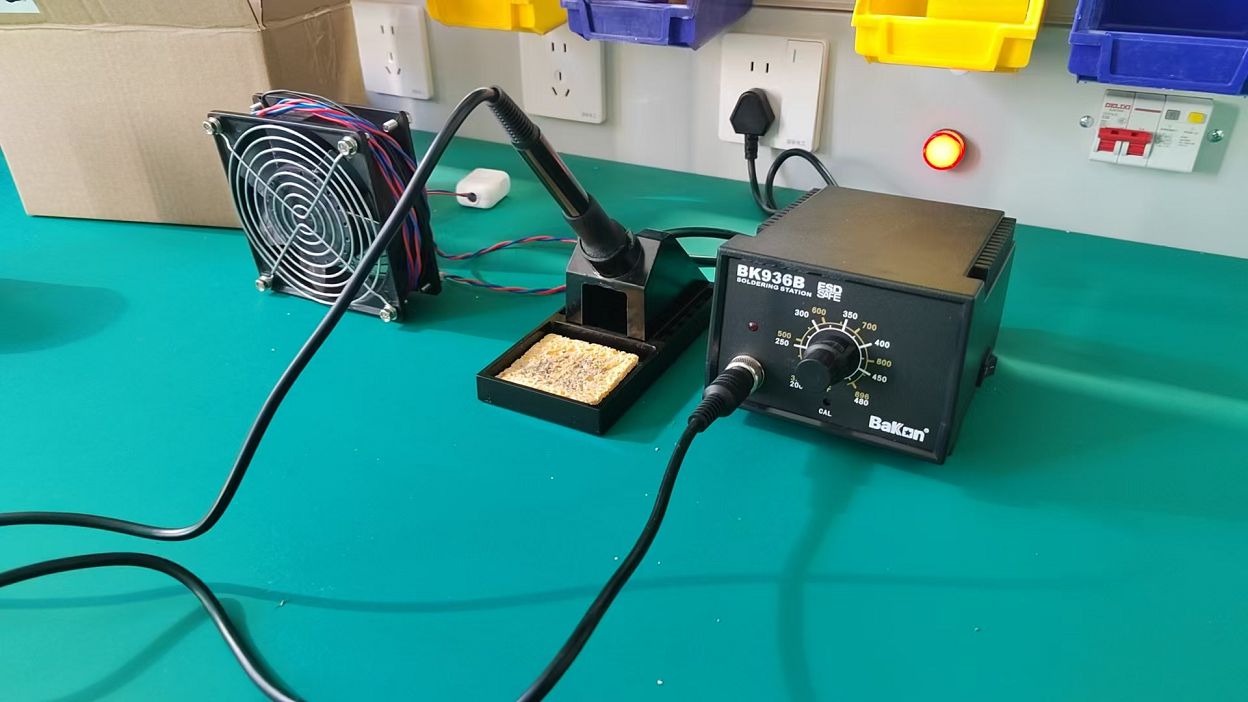
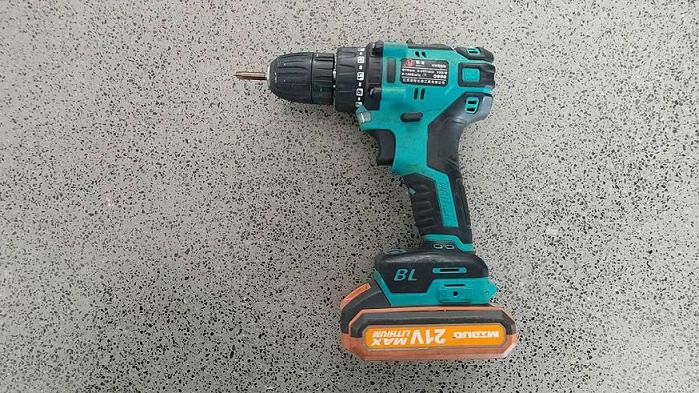
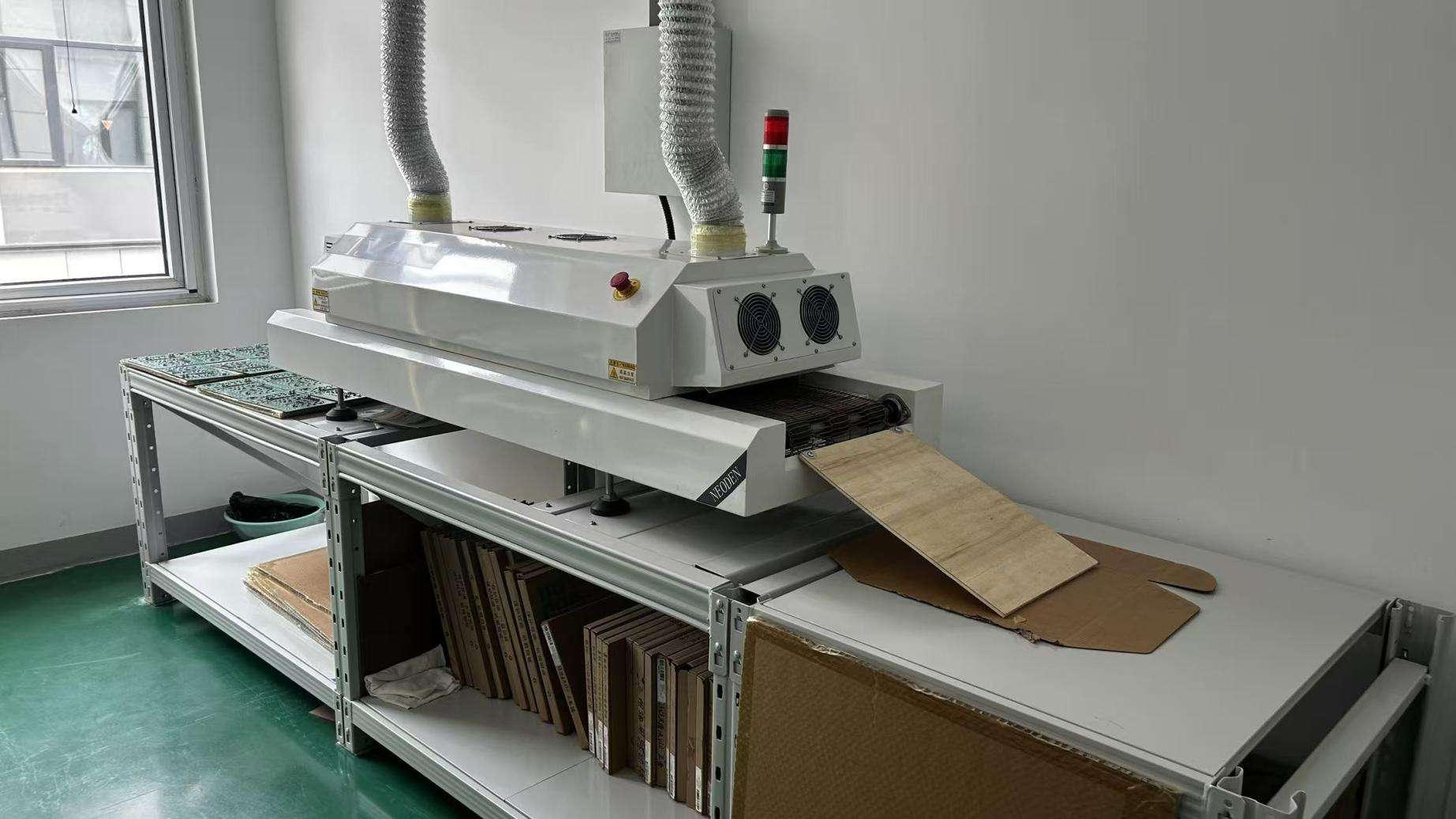
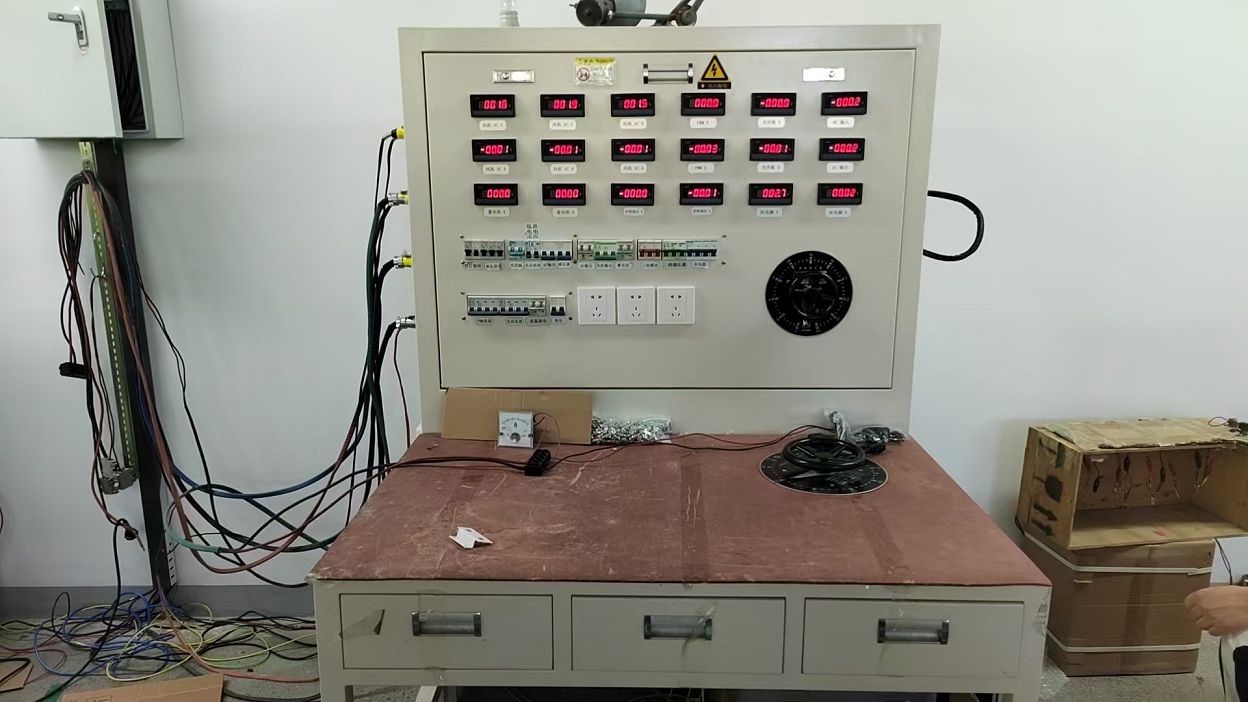
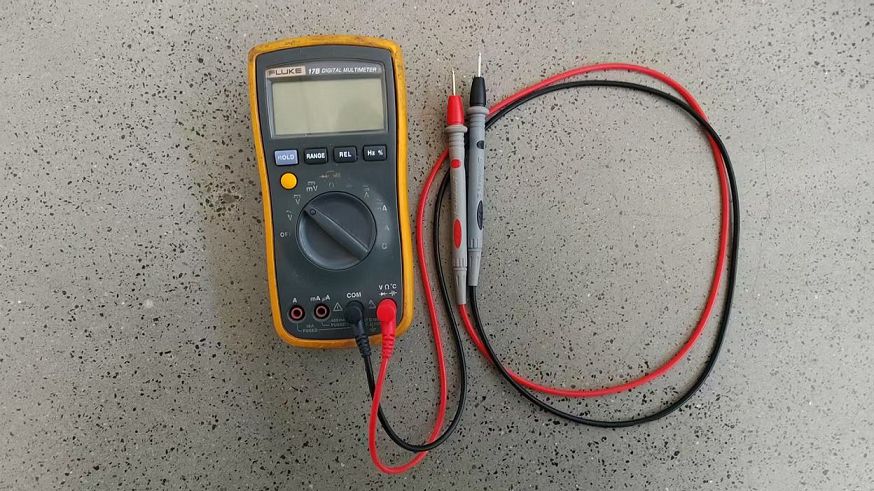
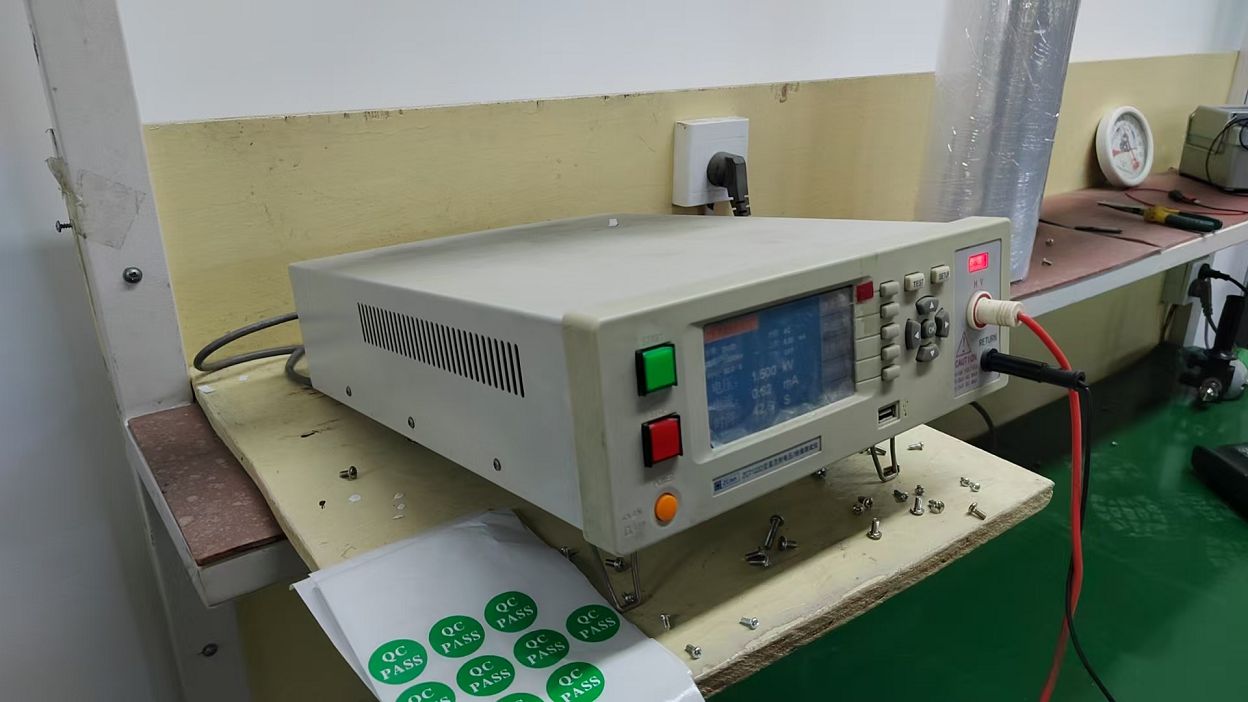
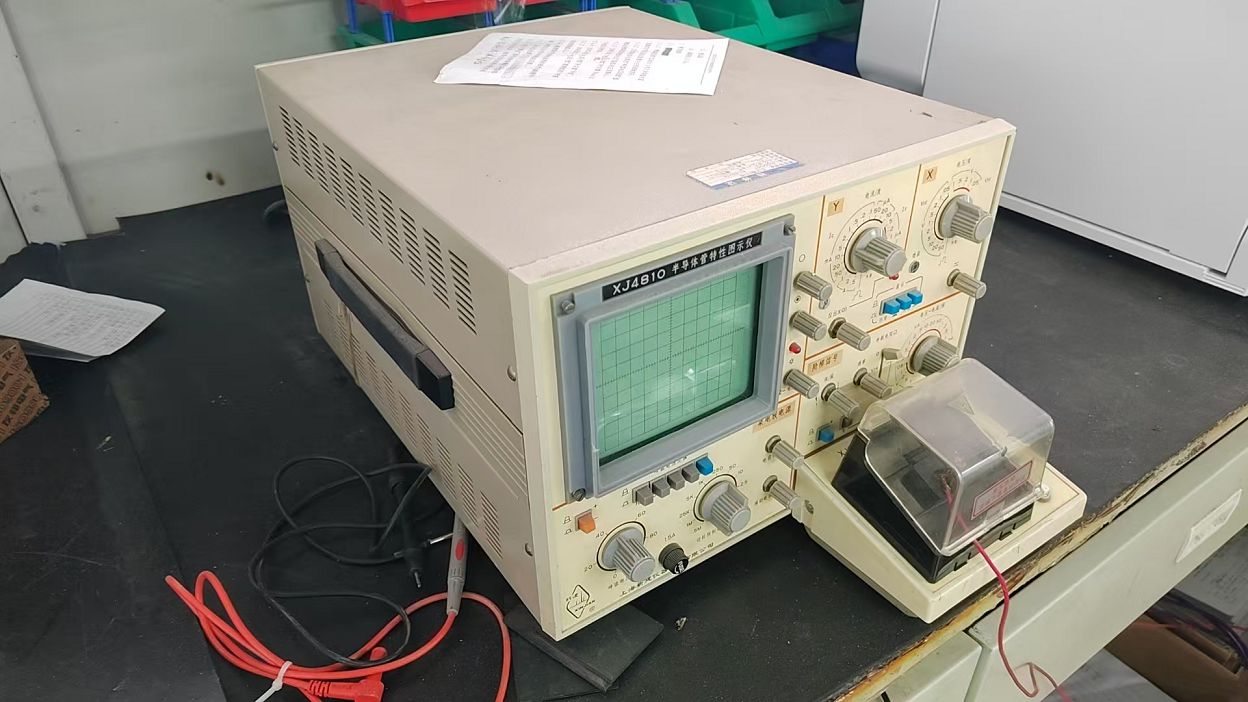
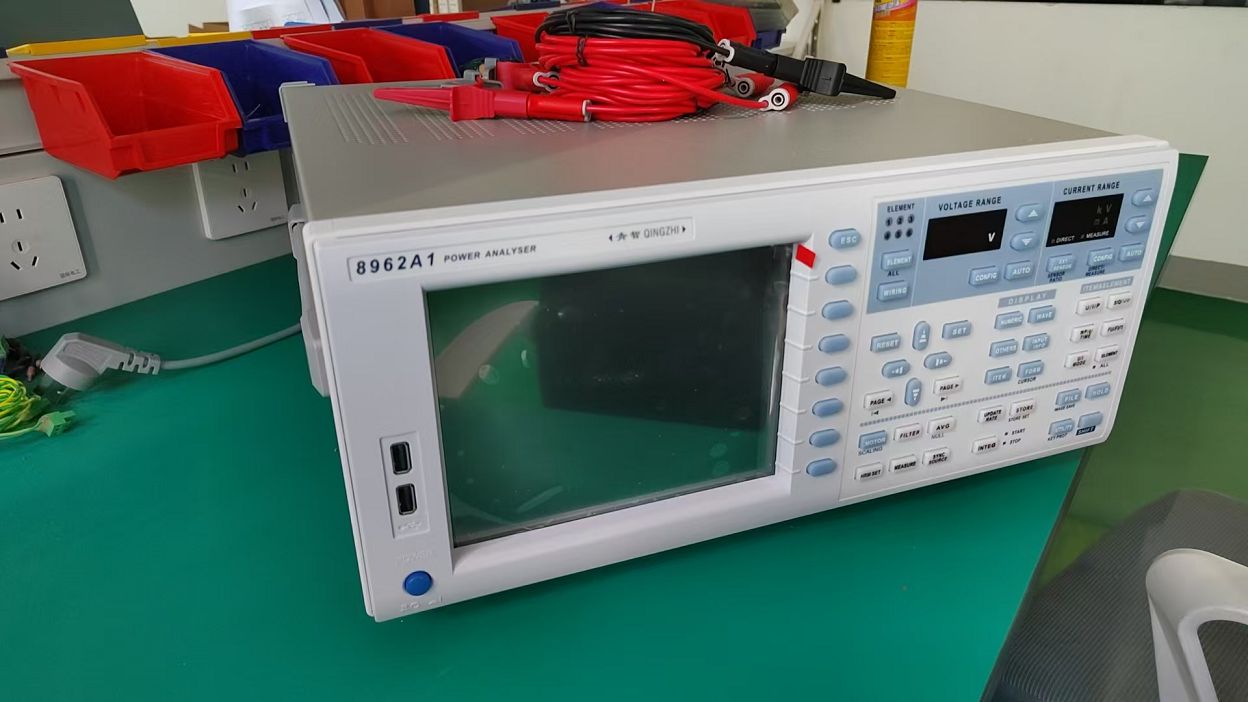
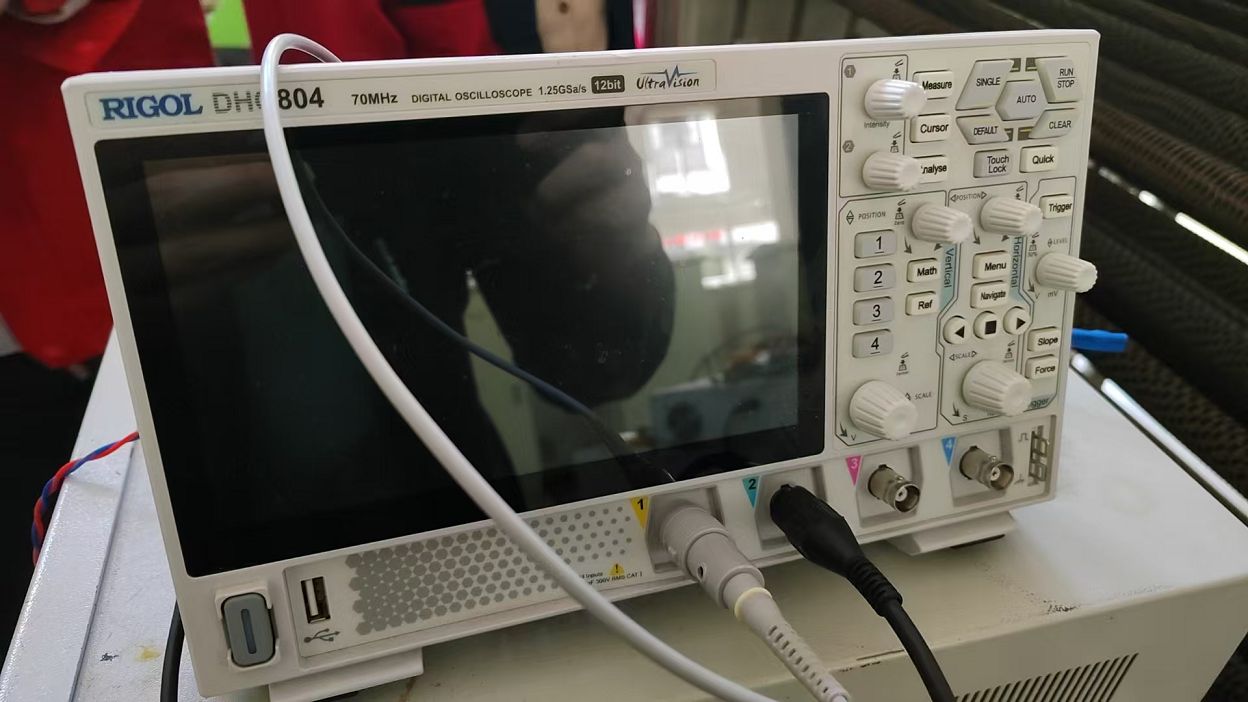
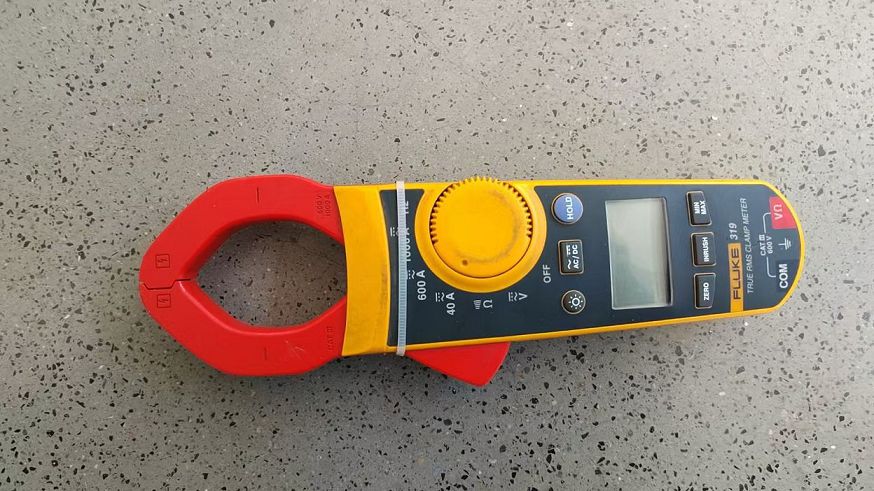
From high-power shore-to-ship marine grids to off-grid residential setups, we customize for maximum energy yields.
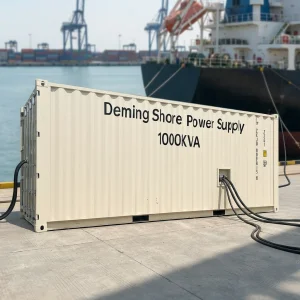
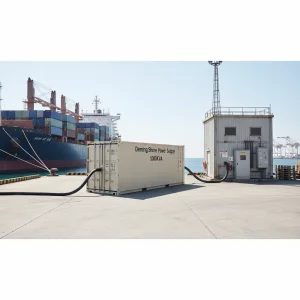
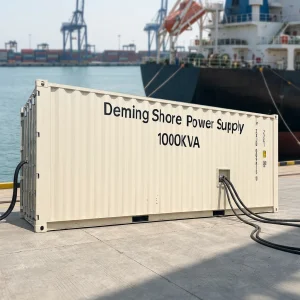
Harbor docks and container shipping terminals require reliable onshore power supply equipment (500kW to 5MW) to eliminate vessel emissions while berthed. Shore power conversion units must safely isolate and convert high-voltage feeds (often fluctuating between 50Hz utility grids and 60Hz marine systems). Utilizing Deming's Bidirectional Isolation Transformers and High-Power Shore Cabinets guarantees stable active power transfers, isolating shipboard harmonics from the mainland power grid.
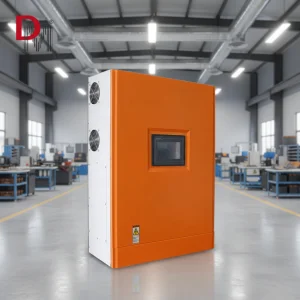
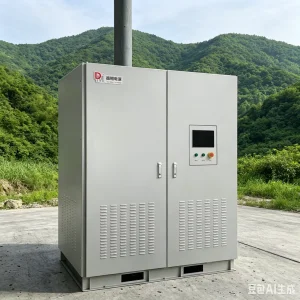
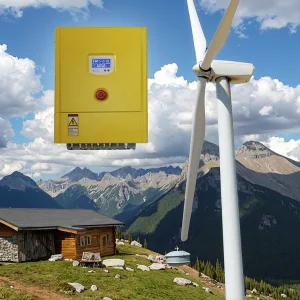
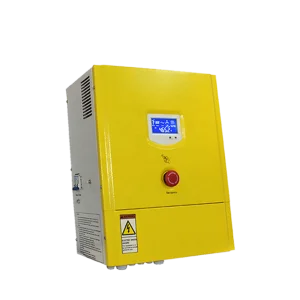
Off-grid and grid-connected residential setups rely on Deming's wind-solar hybrid MPPT controllers (2KW to 10KW) to manage battery state-of-charge (SoC). Designed for compatibility with high-capacity Lithium (LiFePO4) battery packs, our systems include automatic electronic brakes and physical dump load resistors to protect the wind turbine generator from spinning out of control during high wind events.
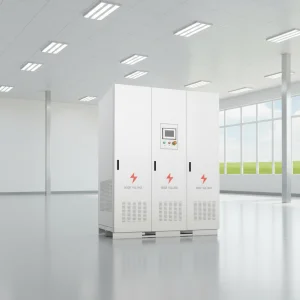
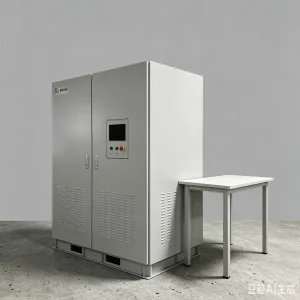
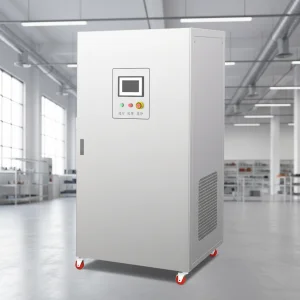
For research labs and device testing centers, Deming produces high-power bidirectional DC power supplies (150kW to 500kW) that emulate battery characteristics. These units mimic charge and discharge dynamics, helping engineers test PV/wind grid-tie inverters, electric vehicle (EV) drivetrains, and utility-scale energy storage interfaces under realistic transient load conditions.
Direct technical answers from Deming's senior engineering team regarding wind power integrations.
Complete your hybrid system installation with our reliable power converters and controllers.
 Demin Power