Deploying cutting-edge dynamic tracking algorithms and ultra-wide DC input parameters, our professional-tier chargers ensure maximum energy capture under all environmental conditions.
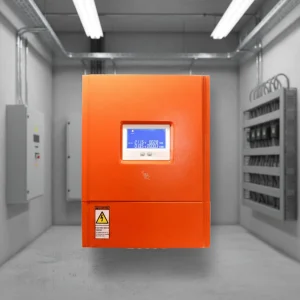
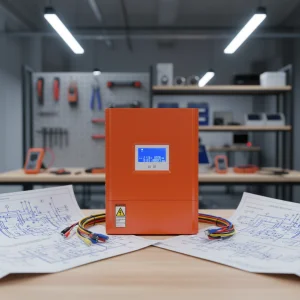
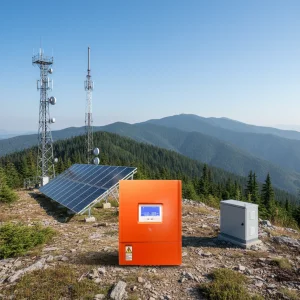
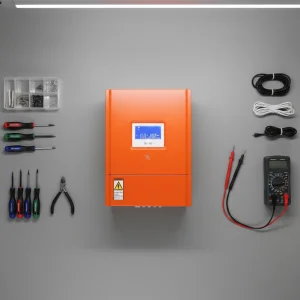
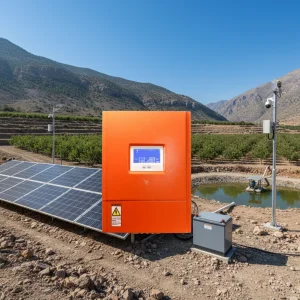
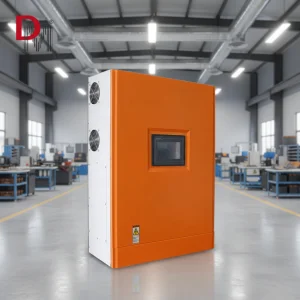
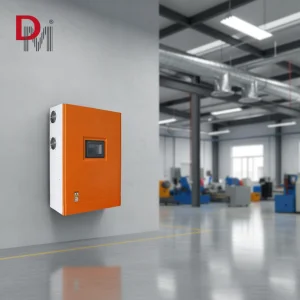
As global energy configurations shift from low-voltage decentralized topologies towards unified high-voltage DC architectures, the demands on power electronics have changed. Standard 12V, 24V, and 48V topologies are giving way to high-voltage lines operating up to 680V, 700V, and 800V DC in utility and microgrid settings. Integrating solar chargers at these high-voltage levels reduces resistive distribution losses ($I^2R$ line losses), minimizes the required copper wire gauge across extensive geographic footprints, and aligns directly with high-voltage battery storage banks (ESS).
Modern utility and C&I projects demand chargers featuring Maximum Power Point Tracking (MPPT) capable of dynamically managing solar array outputs that fluctuate due to moving cloud covers, dust aggregation, and ambient temperature swings. High-voltage MPPT solutions must utilize robust insulated-gate bipolar transistors (IGBTs) or Silicon Carbide (SiC) switches to operate reliably under constant voltage stresses. In parallel, smart communication ports utilizing industrial protocols like Modbus RTU/TCP or CANbus are vital for interfacing with SCADA platforms to deliver real-time telemetry.
Global sourcing agents and EPC (Engineering, Procurement, and Construction) companies evaluating MPPT controller partners prioritize system-level reliability over short-term component margins. Operating in regions like Western Europe, North America, Australia, or high-altitude mining sites in South America exposes electrical infrastructure to extreme stress. The primary sourcing criteria revolve around:
Compliance is non-negotiable. Sourcing agents require equipment built to international safety standards, backed by CE, RoHS, and strict adherence to ISO 9001:2015 quality processes. This guarantees long-term durability in remote regions where replacement logistics are expensive.
Many commercial deployments operate in extreme conditions. Off-grid mine sites and desert PV arrays require solar charge controllers that can sustain a 24-hour working cycle without thermal derating. Effective cooling fins, forced convection designs, and high-temperature-grade electronic components are vital.
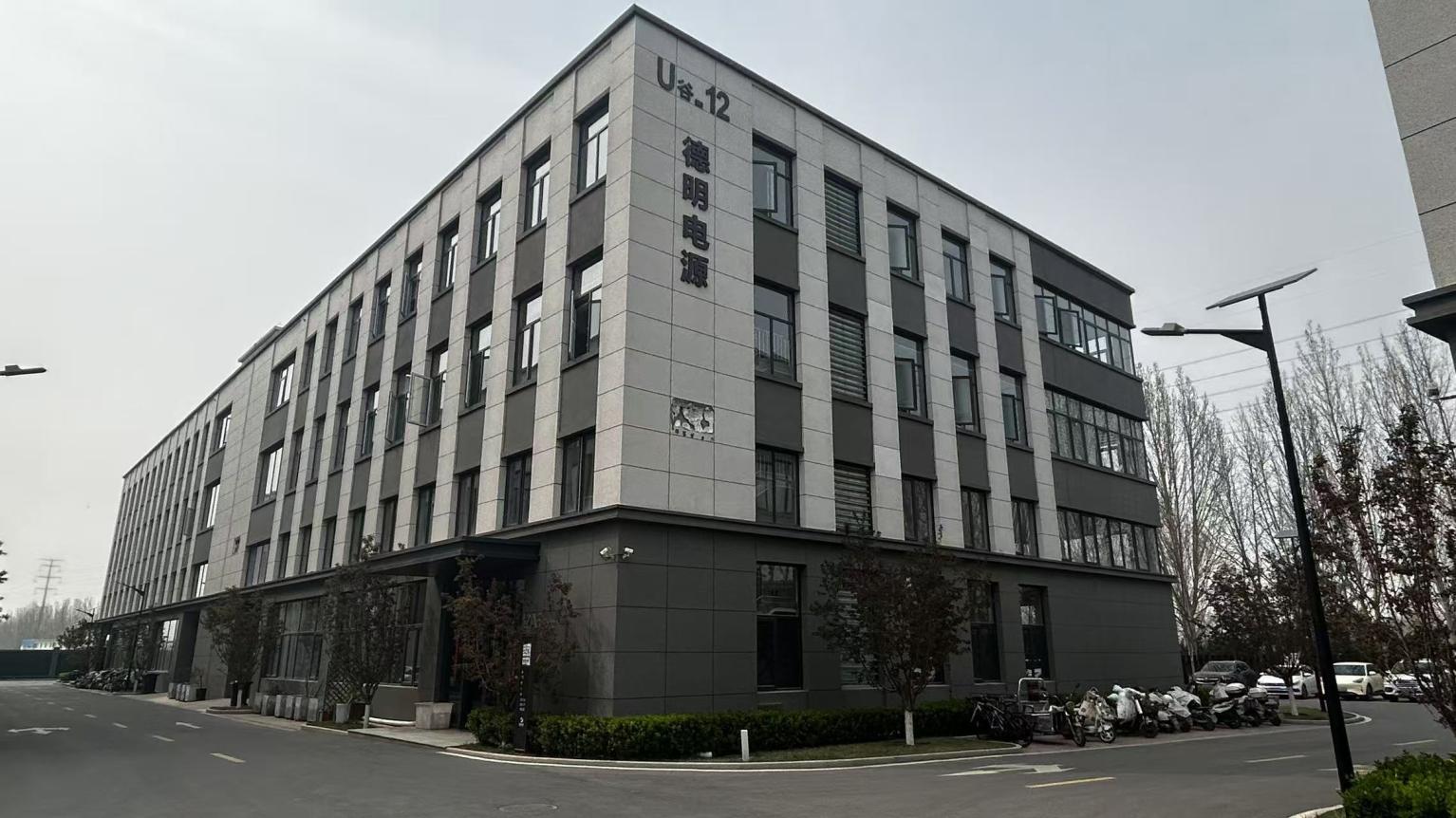
Established in 2004, Jinan Deming Power Equipment Co., Ltd. is a nationally recognized high-tech enterprise specializing in the research, development, production, and service of renewable energy power equipment and advanced power testing solutions. Over the past two decades, Deming has secured a reputation as a trusted manufacturer for Fortune 500 enterprises and specialized engineering firms worldwide.
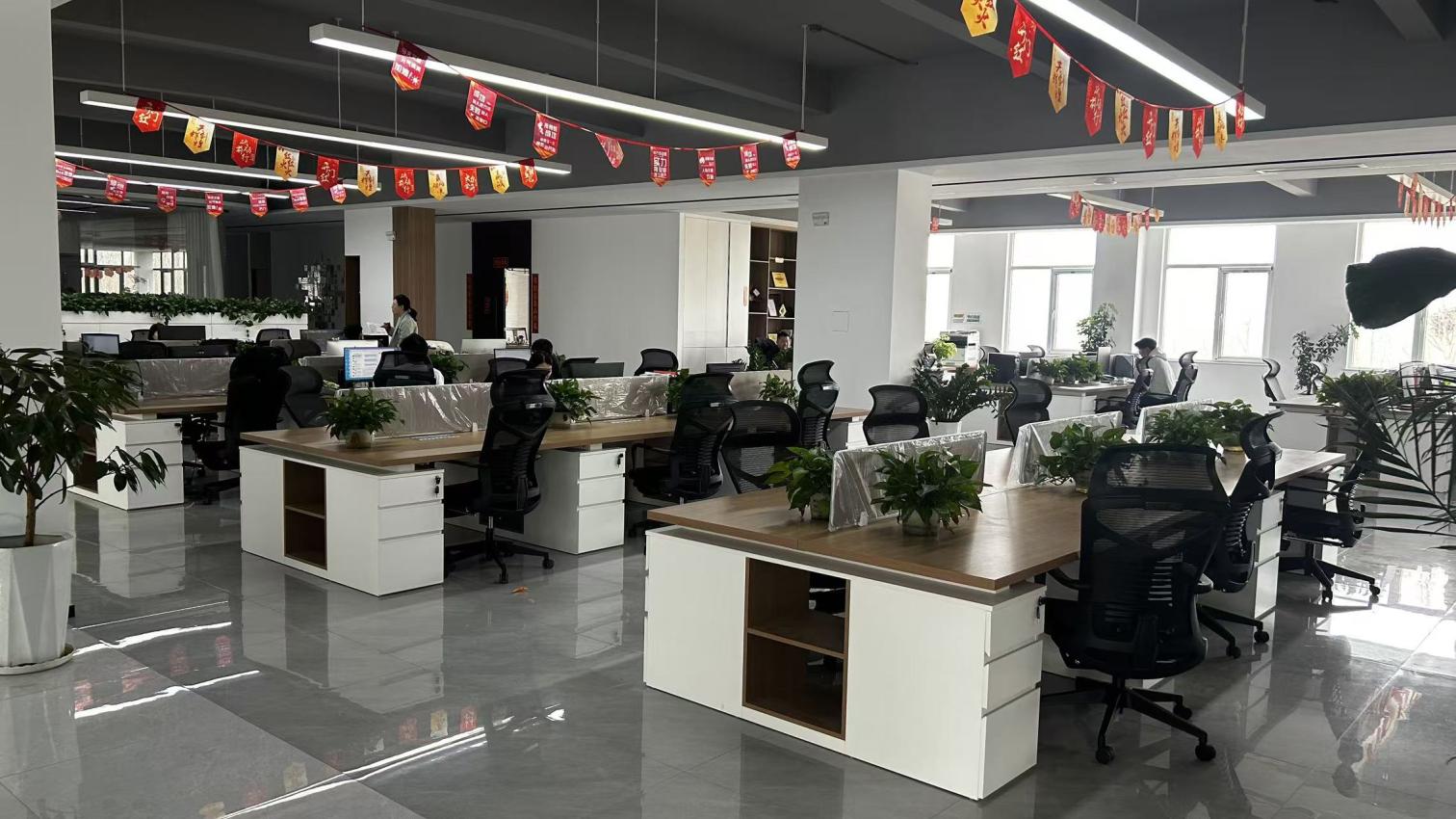
Innovation is embedded in Deming's business model. The company continuously invests no less than 20% of its annual sales revenue into technology development, keeping it at the forefront of the global energy transition. Deming's R&D department boasts a dedicated team of 16 senior engineers, including doctoral supervisors and master's degree holders. In the last three years alone, the team completed 17 R&D projects, converting 16 scientific and technological achievements directly into high-performing commercial products.
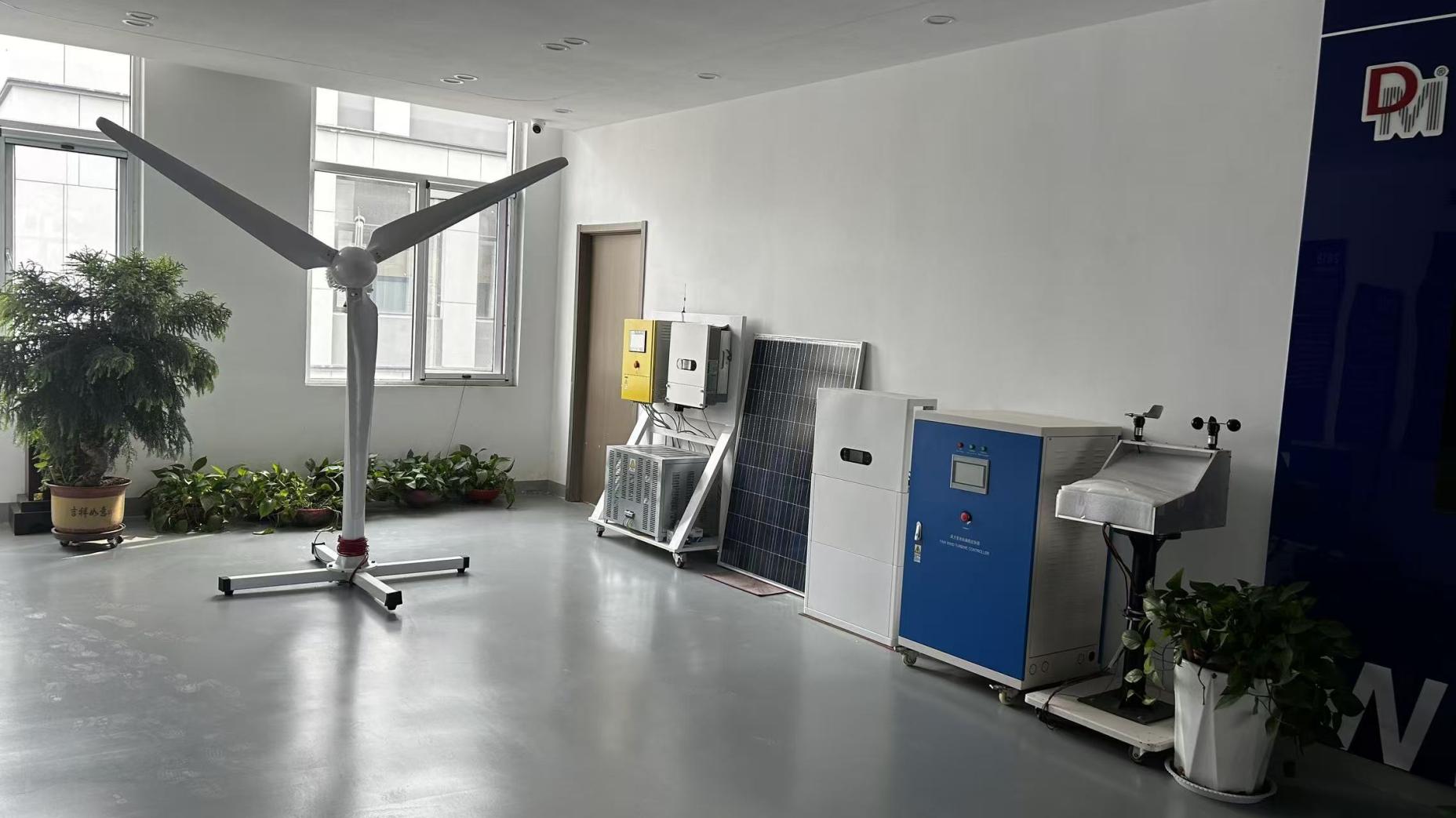
Deming's diverse product portfolio ranges from wind/solar hybrid controllers and multi-channel solar chargers to grid-tied inverters, high-power frequency converters, and heavy-duty 150kW to 500kW bidirectional DC test power supplies and battery simulators. This depth of technology allows Deming to provide advanced, customizable power solutions for varying industrial applications.
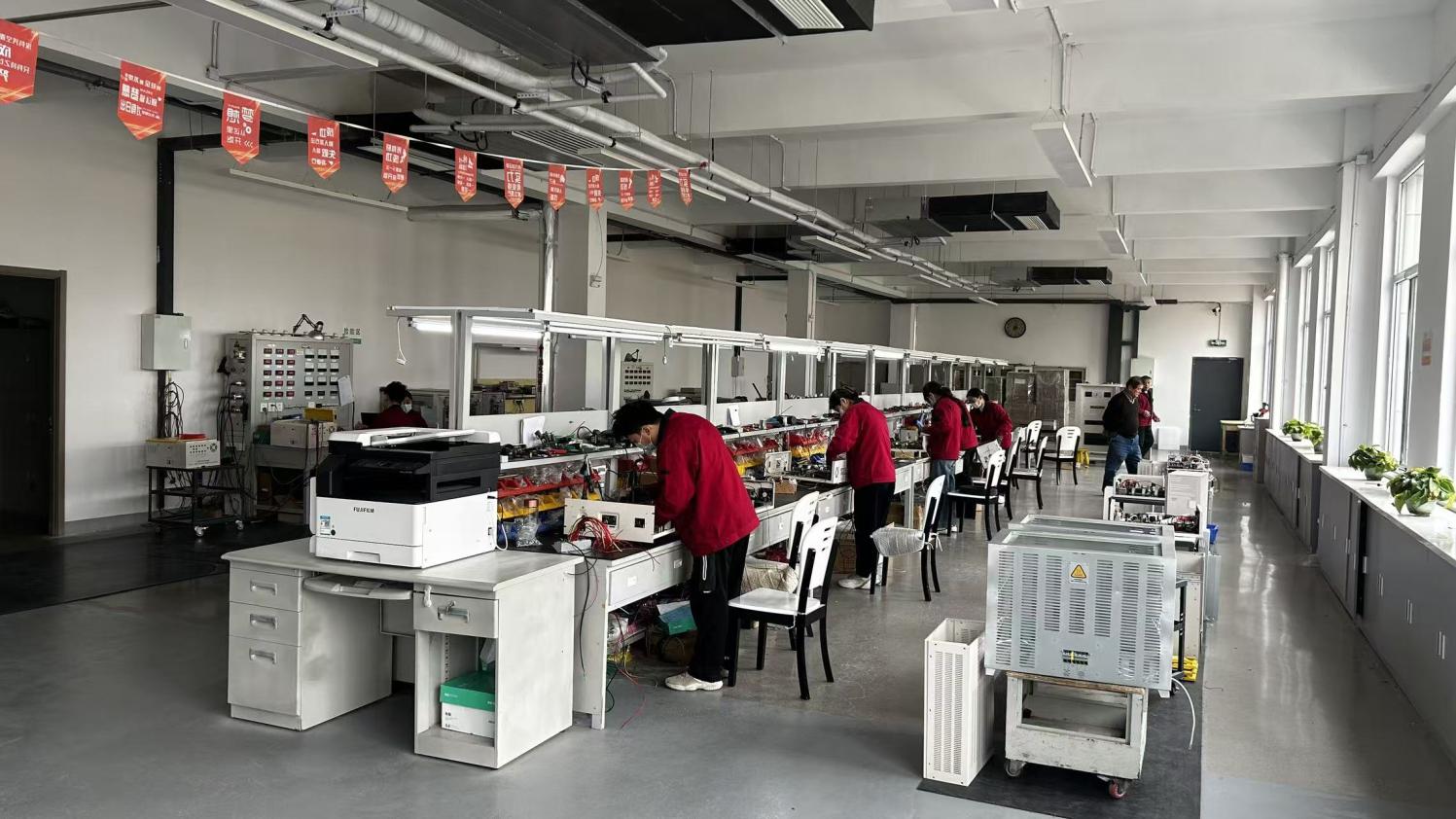
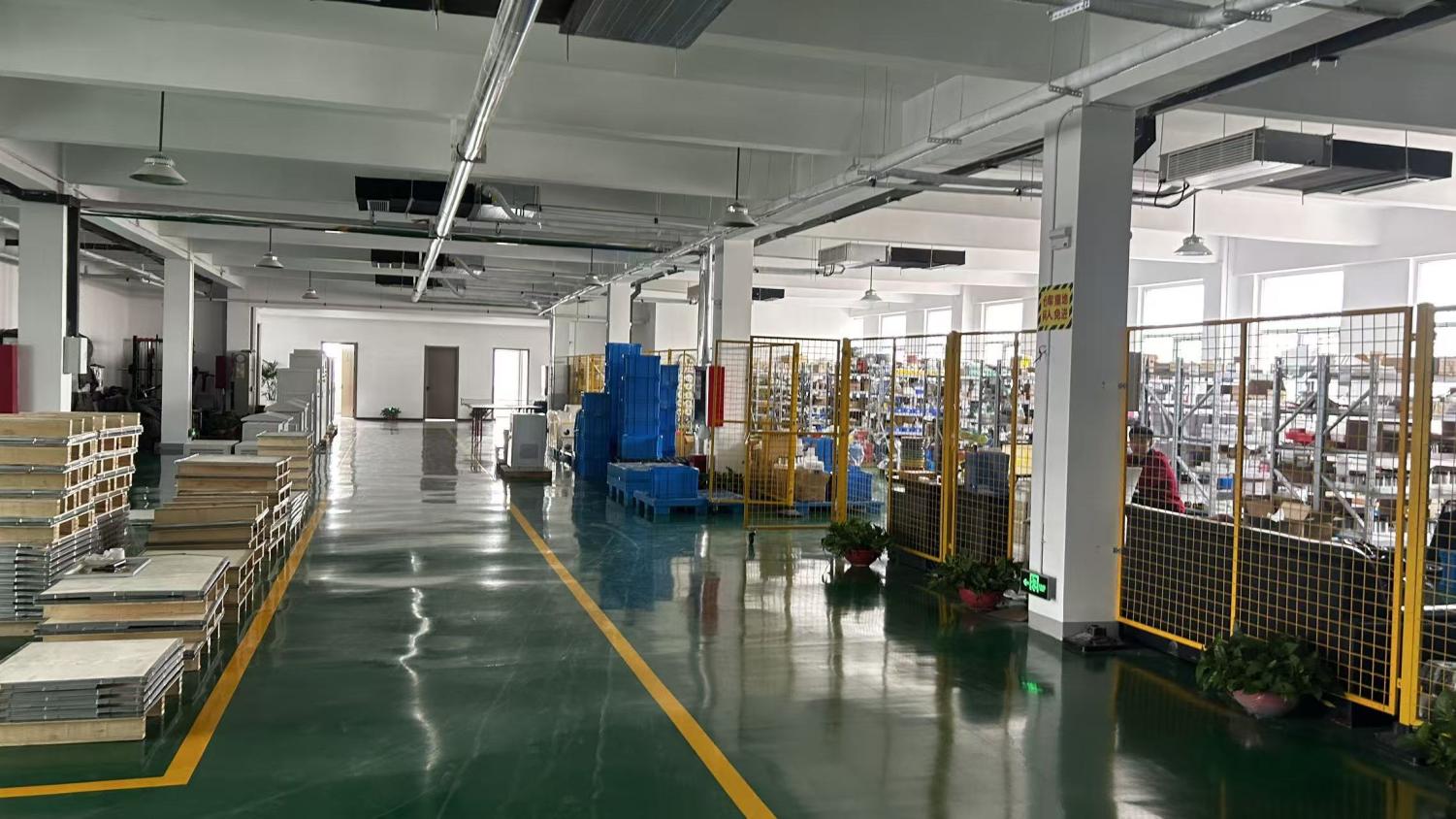
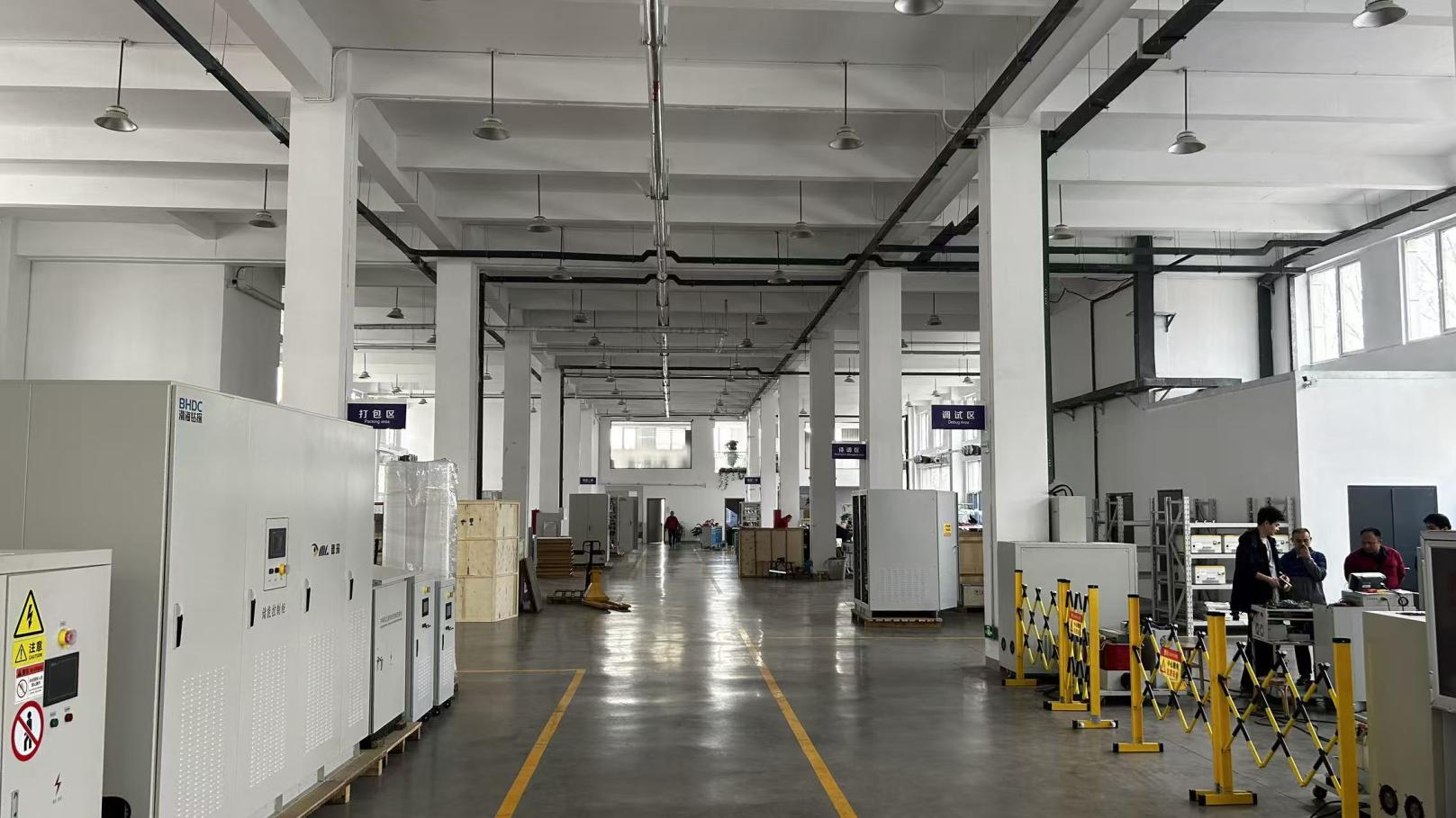
Operating out of China's industrial manufacturing heartland, Jinan Deming Power Equipment leverages advanced Factory 4.0 methodologies. Modern automated SMT lines, precision reflow soldering machines, and custom copper bar fabrication systems work in harmony to produce charge controllers with minimal failure rates. This manufacturing efficiency ensures price competitiveness while maintaining build standards that meet the most demanding specifications.
To safeguard against supply chain disruptions, Deming maintains direct relationships with Tier-1 component manufacturers. Every batch of semiconductor devices, magnetic cores, and high-reliability capacitors undergoes rigorous incoming quality control (IQC). By keeping production processes under one roof, Deming ensures high quality from drawing design and PCB assembly to final system configuration and burn-in testing.
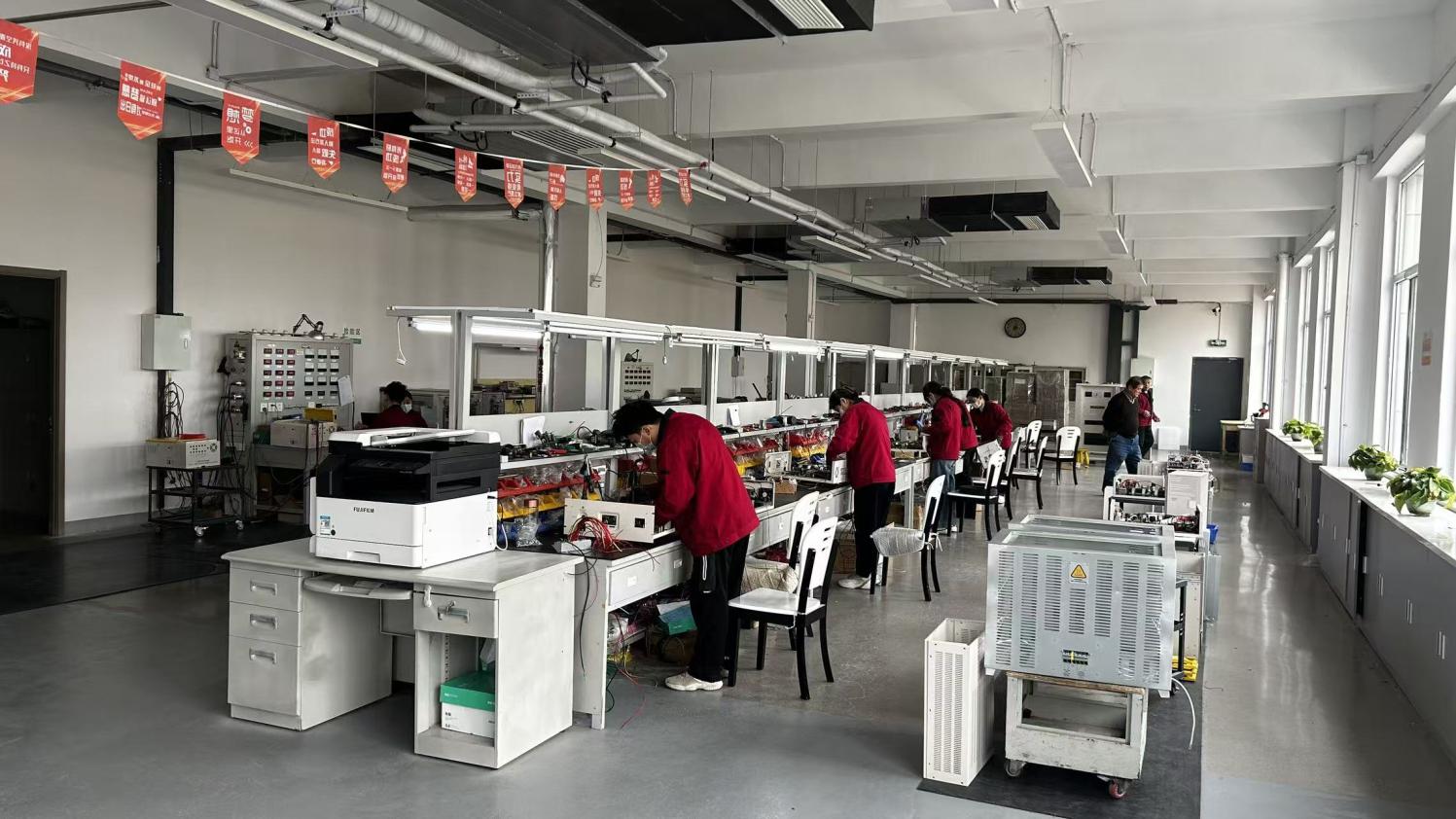 Circuit assembly
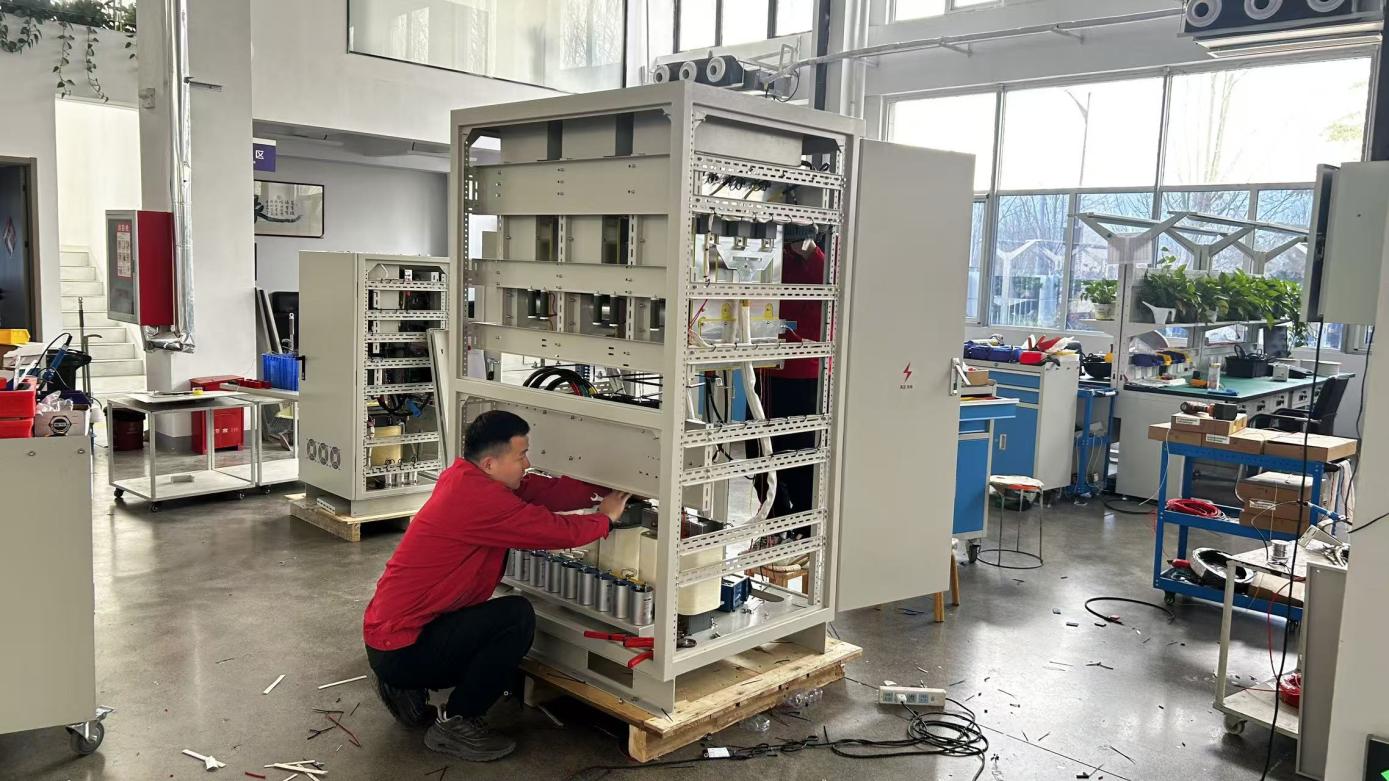 Circuit board assembly
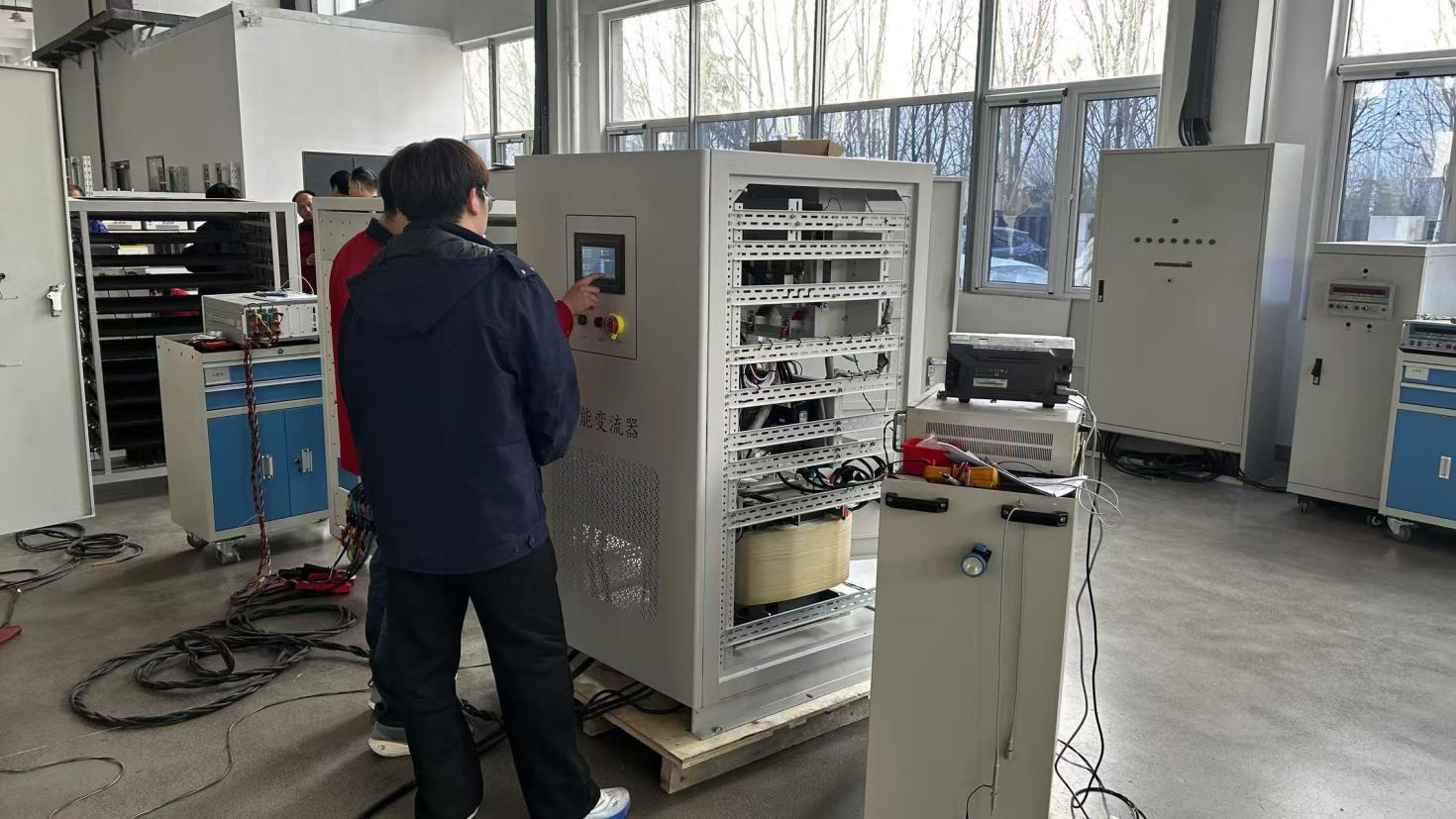 Debugging process
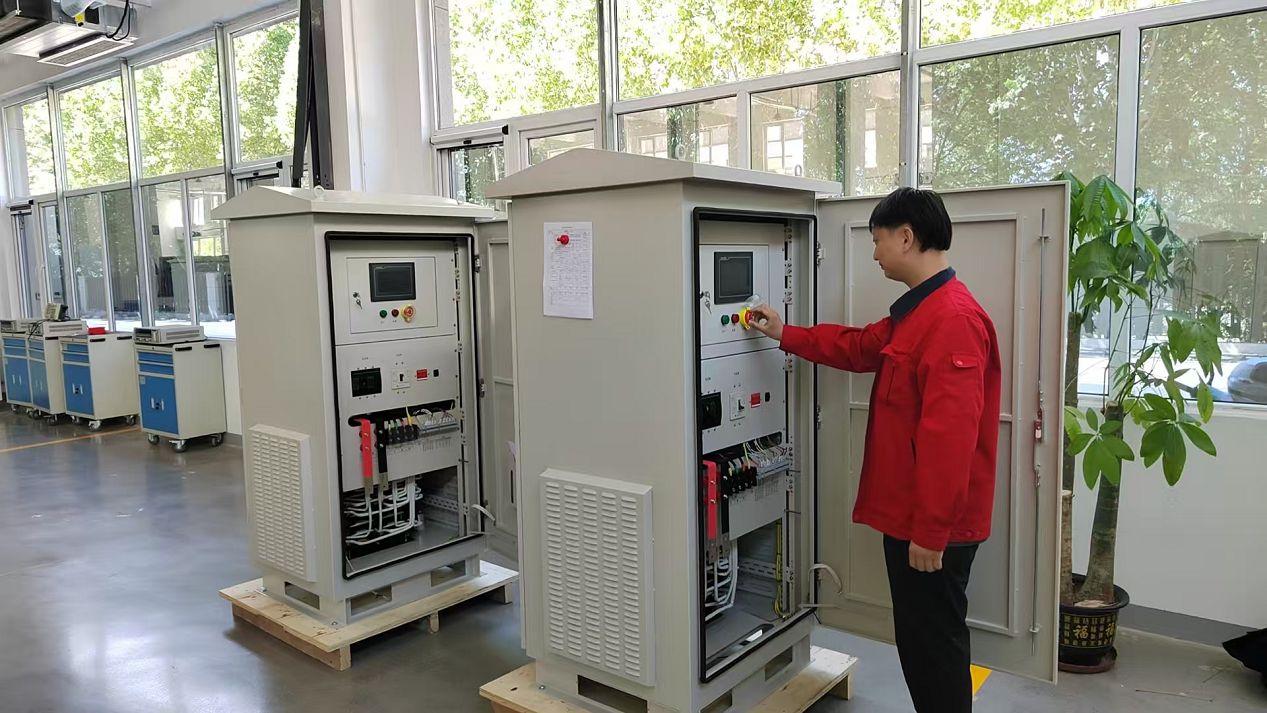 Quality inspection process
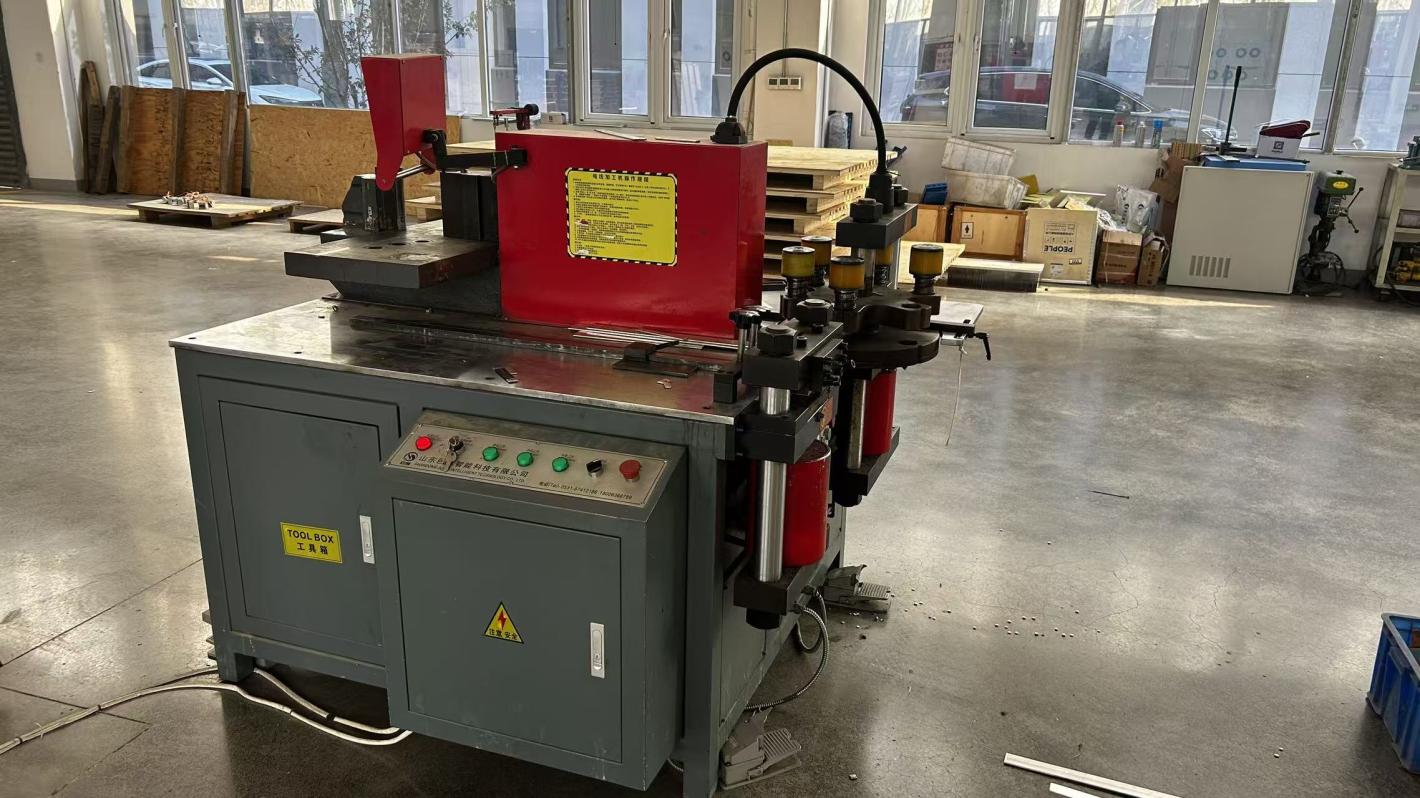 Copper bar production equipment
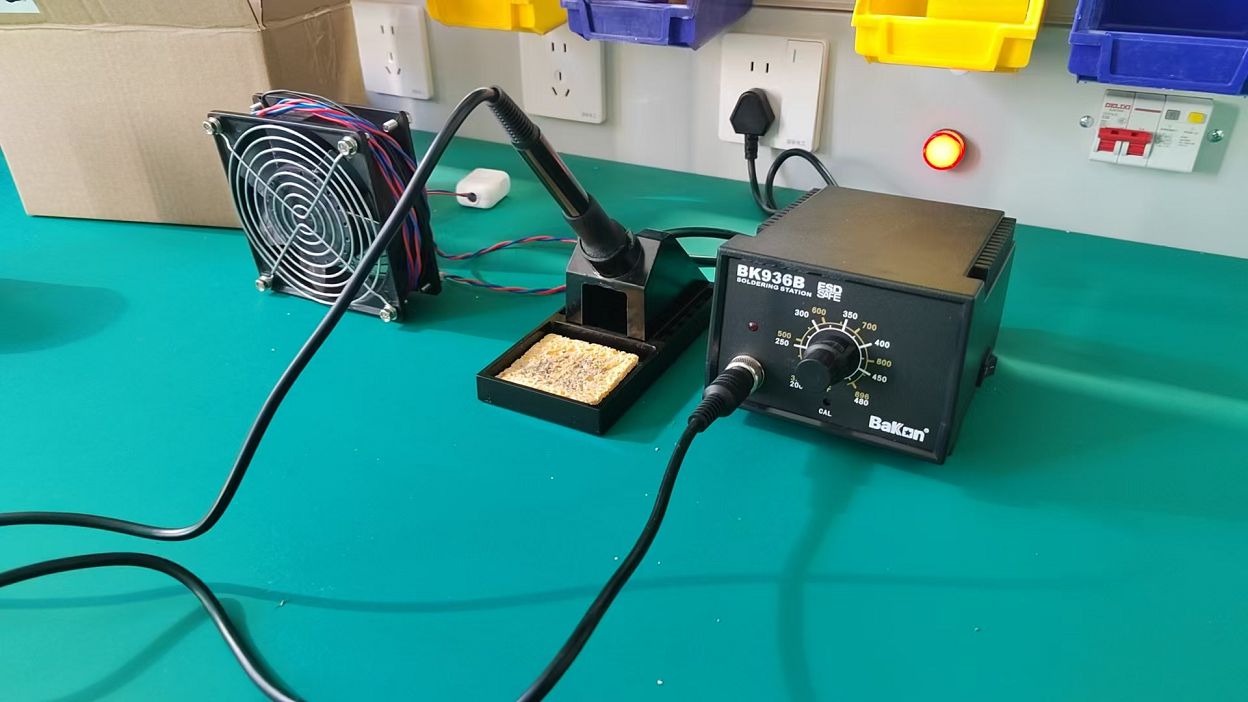 Electric ferrowire
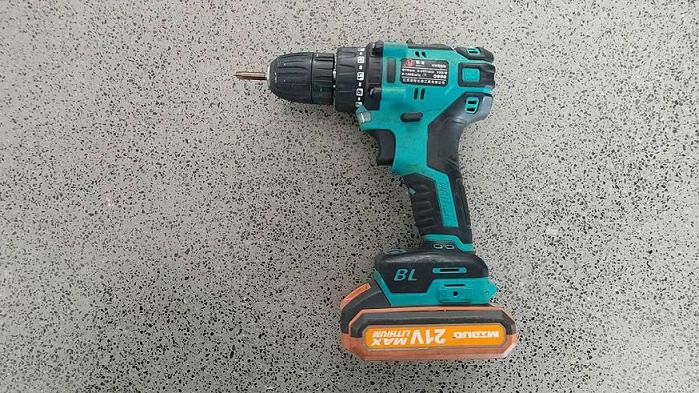 Electric drill
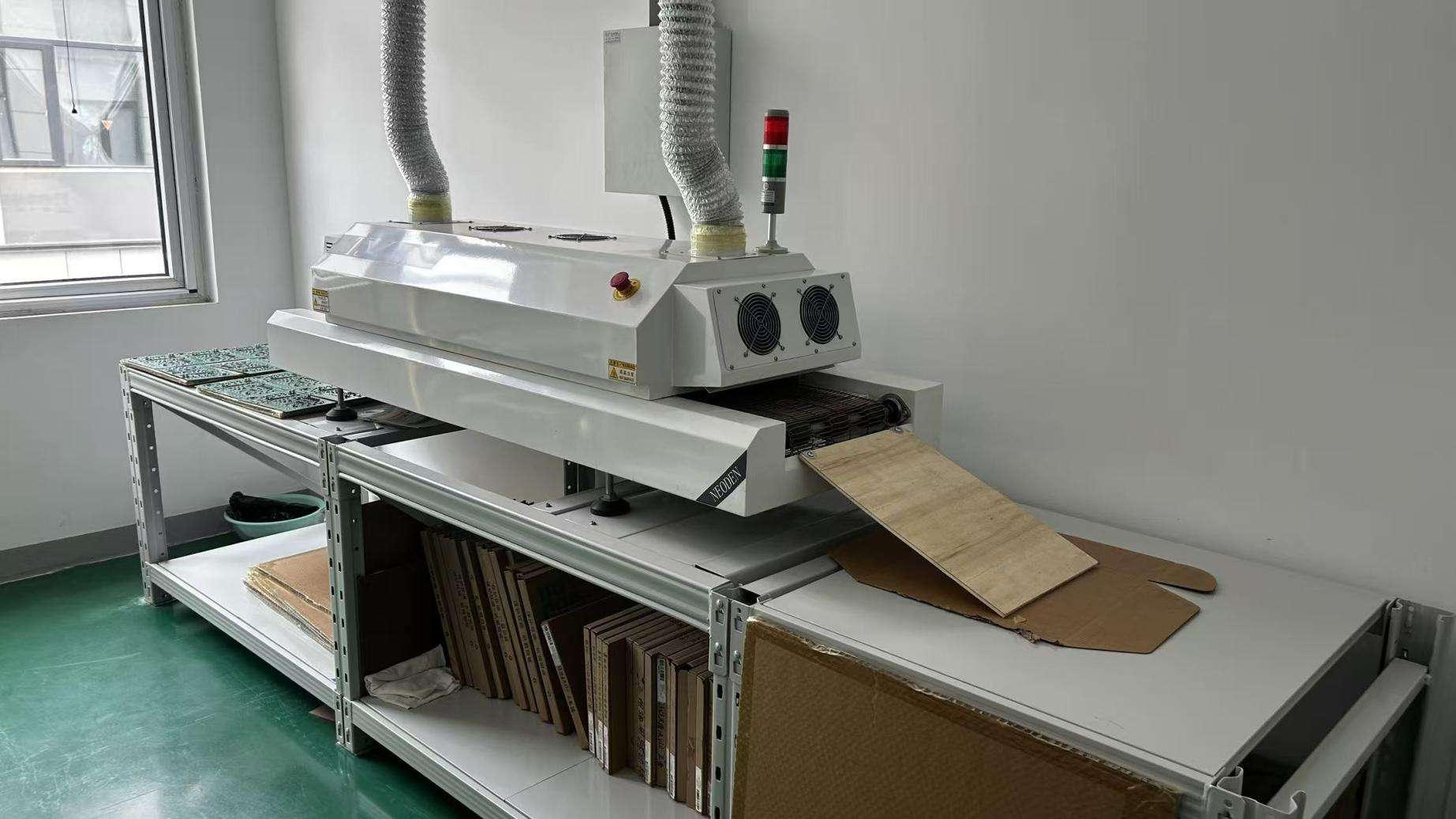 Reflow soldering machine
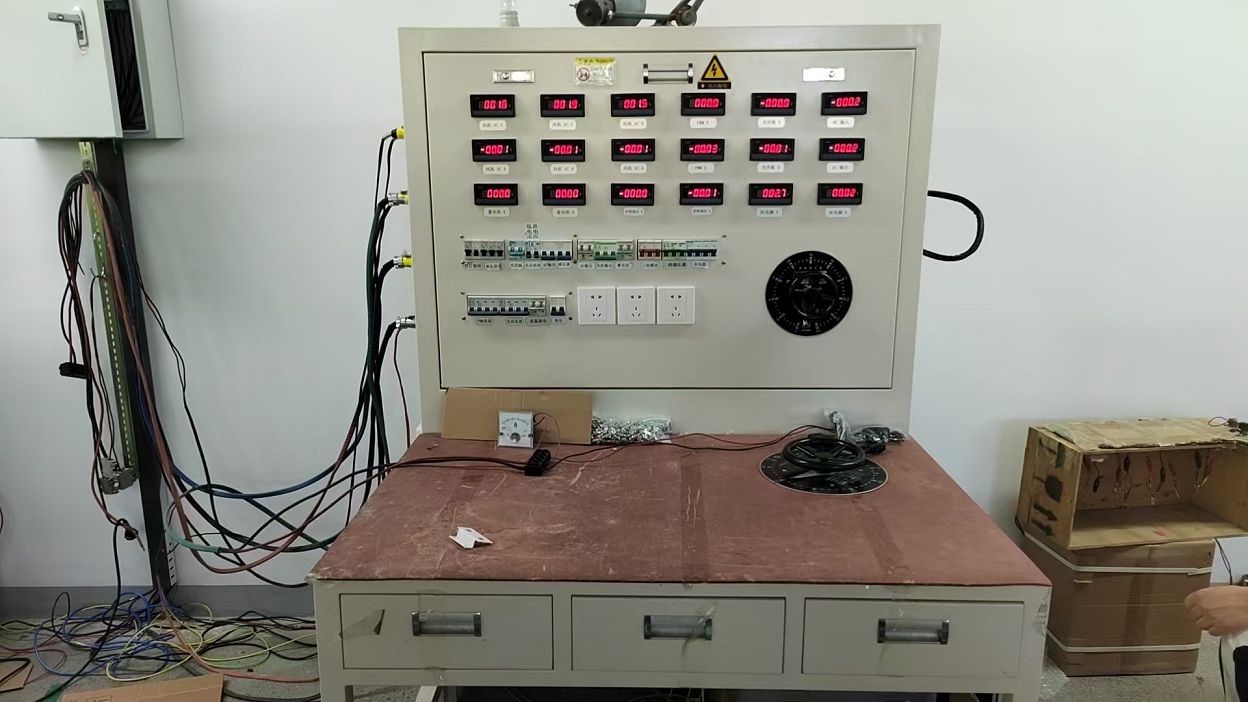 Workbench
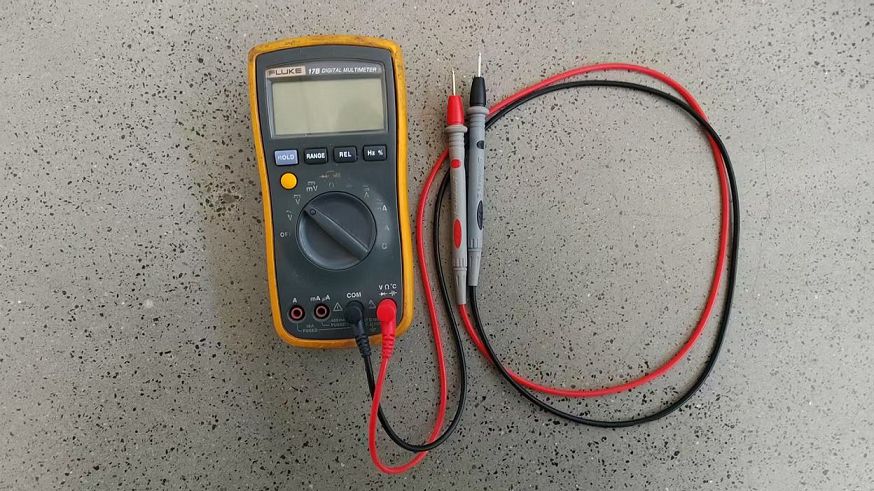 Multimeter
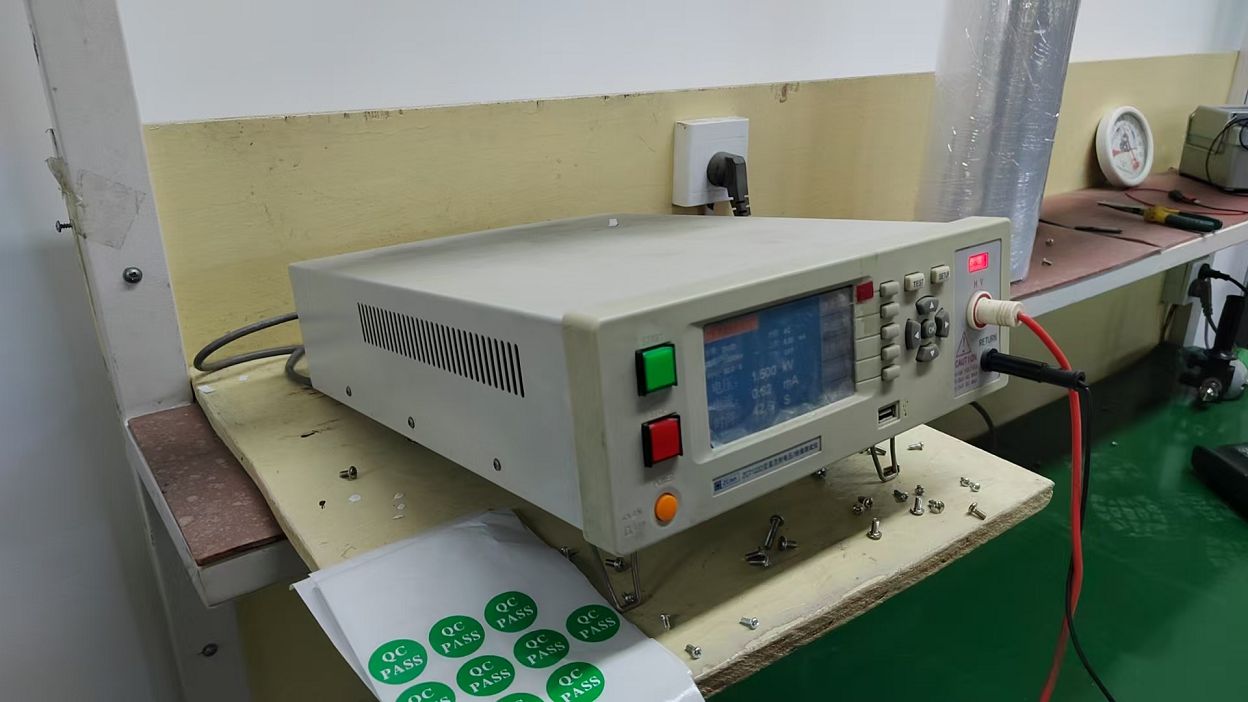 LCR AutoTester
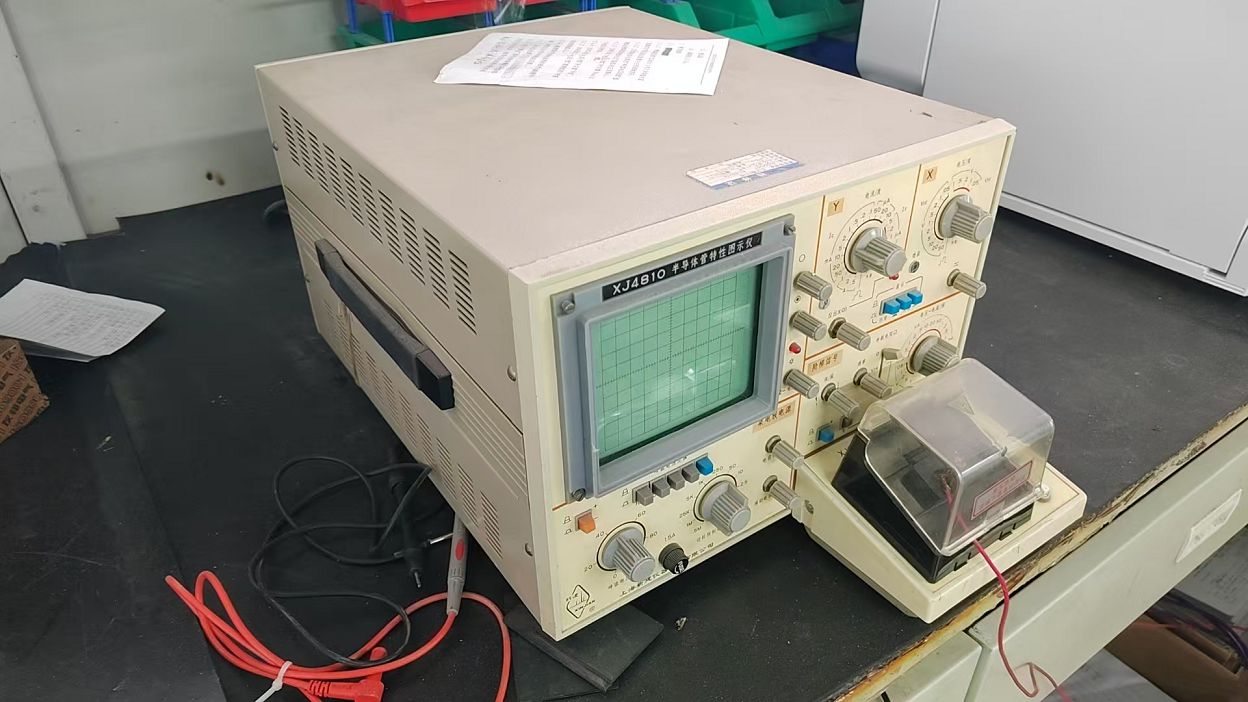 Semiconductor Characteristic Plotter
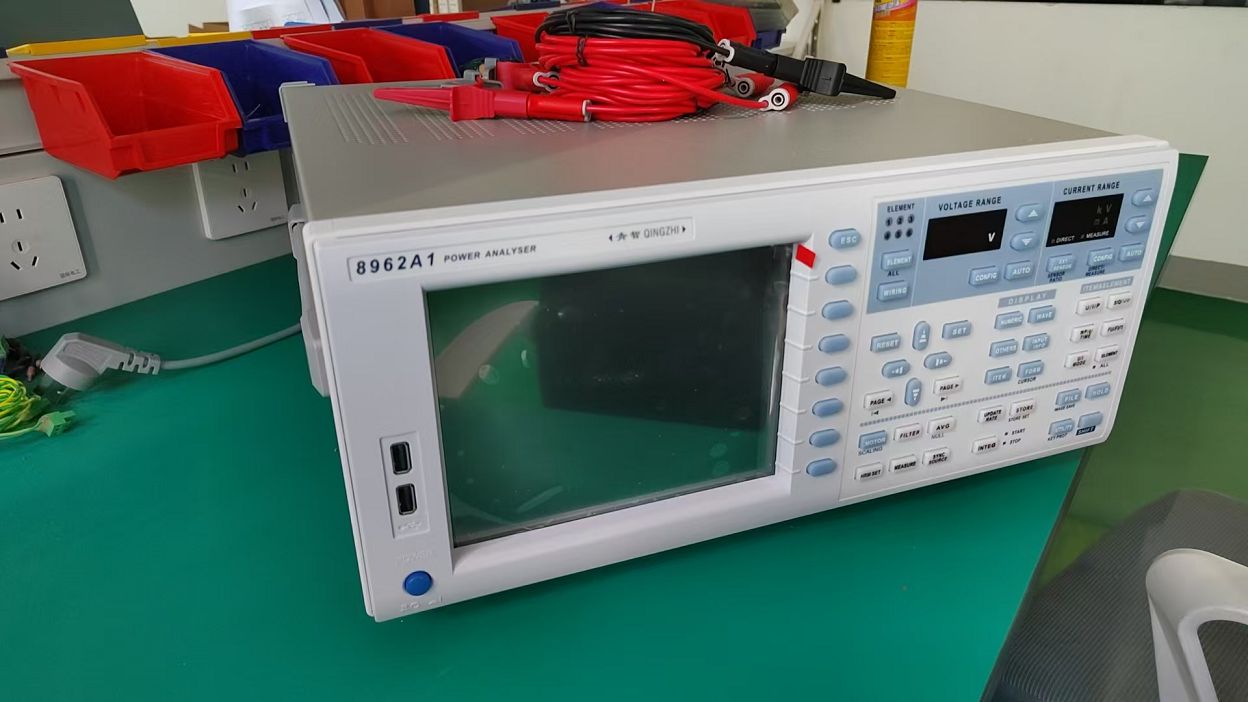 Digital Oscilloscope
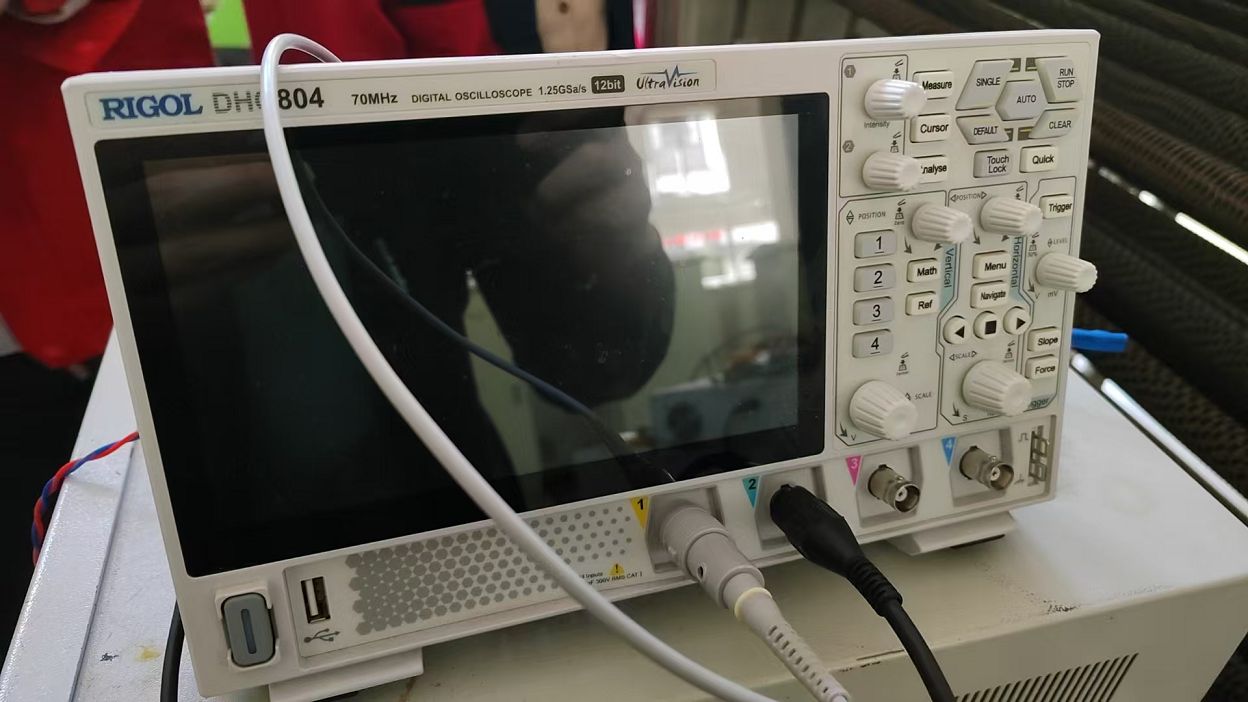 Power Quality Analyzer
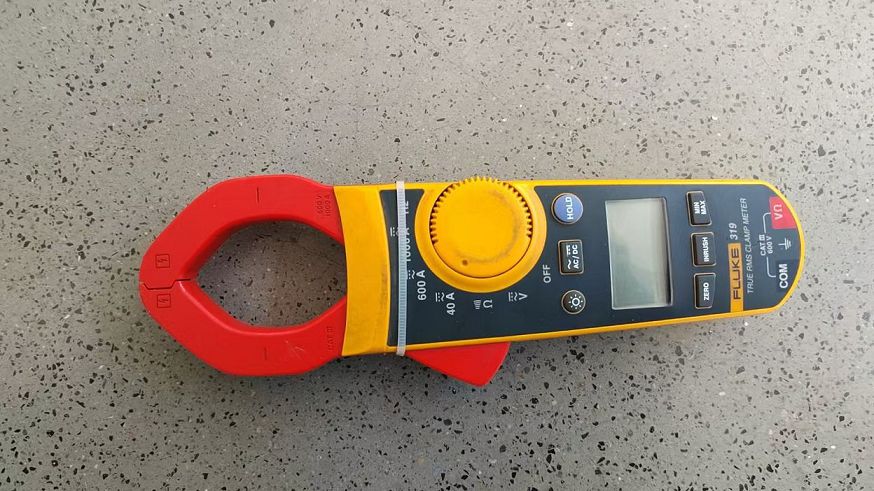 Clamp current meter
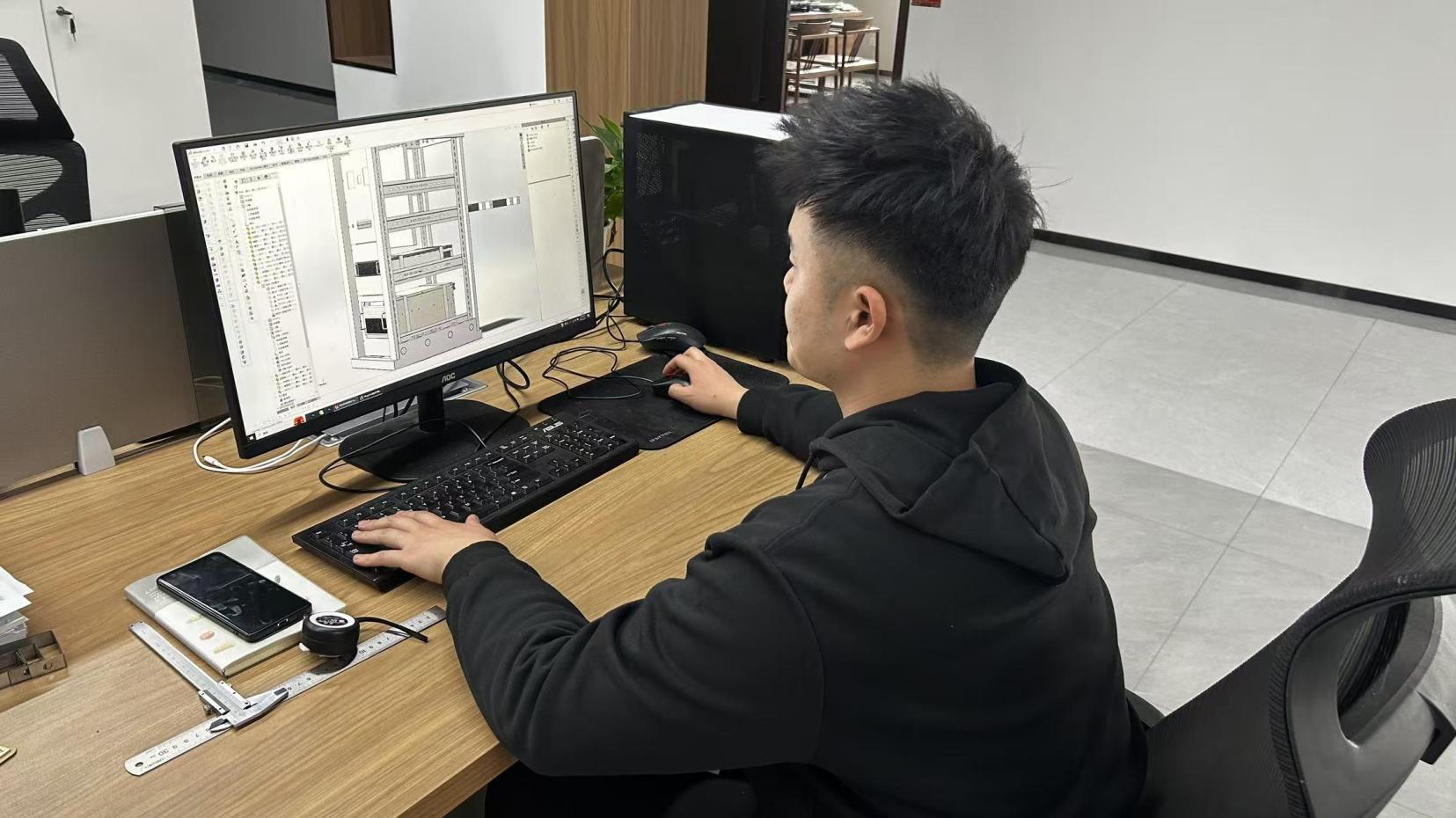 Drawing Design
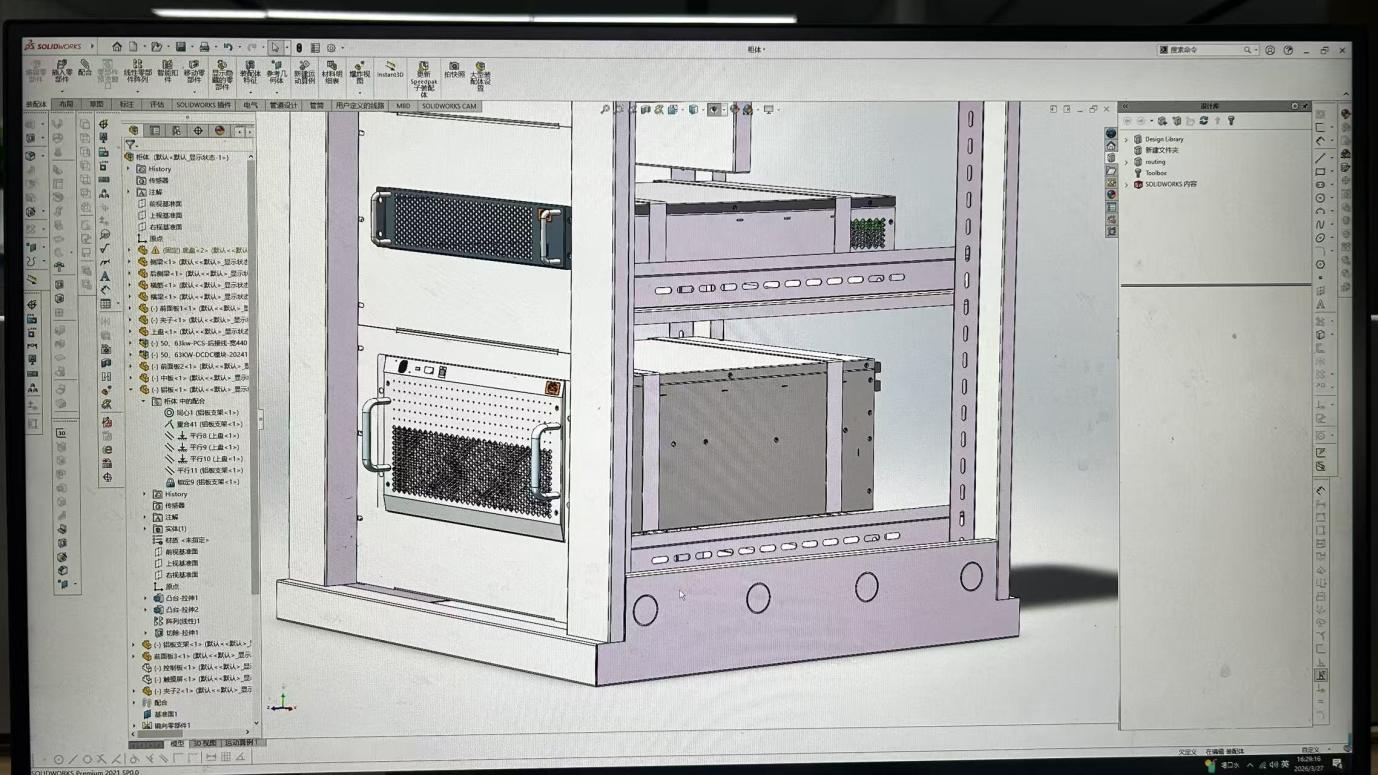 Computer
Industrial charge controllers operate in diverse geographic areas, requiring adaptability to distinct localized demands:
In rugged sub-Saharan Africa, Northern Europe, and North American wilderness areas, telecommunication relays operate completely off-grid. Deming's 24-hour working controllers maintain battery health, optimize charge voltage dynamically to prevent freeze-thaw degradation, and communicate via cellular modems to prevent unexpected outages.
In regions like Australia, South America, and Central Asia, expansive farmland relies on deep-well solar pumping systems. Standard grid connection is impossible. Deming's high-voltage controllers (680V/700V/800V) step down high-voltage PV outputs directly to power specialized variable-frequency drive pumps efficiently.
At extreme elevations in the Andes or Canadian territories, heavy equipment and remote base stations must run non-stop. Deming's certified systems feature heavy-duty shielding, surge suppression, and high-efficiency induction systems to withstand atmospheric thinning and extreme temperature swings.
Explore our secondary catalog of robust high-current, certified MPPT and PWM platforms, engineered for large-scale solar arrays and customized industrial power systems.
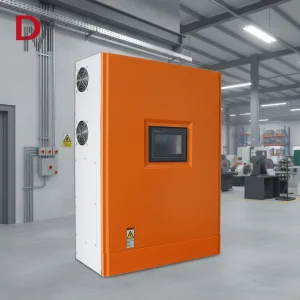
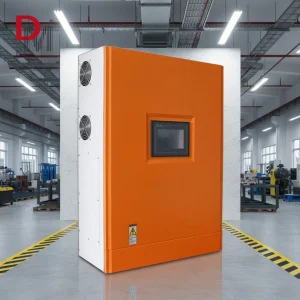
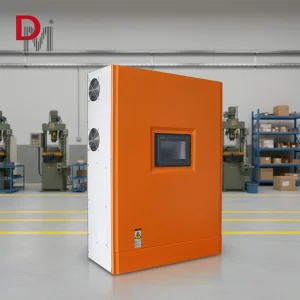
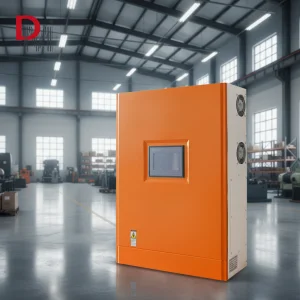
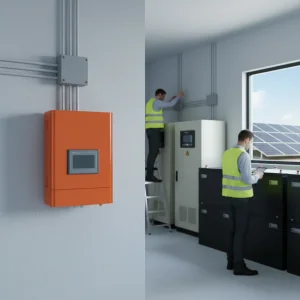
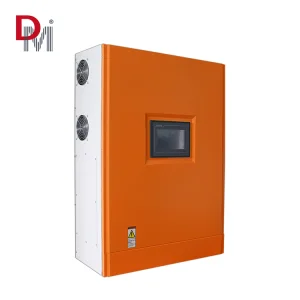
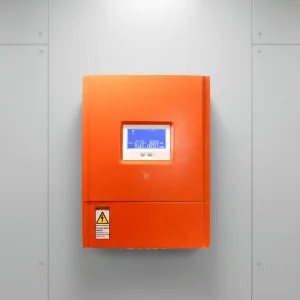
Find direct, engineering-focused answers to commonly asked integration questions regarding our high-voltage MPPT & PWM charging systems.
 Demin Power