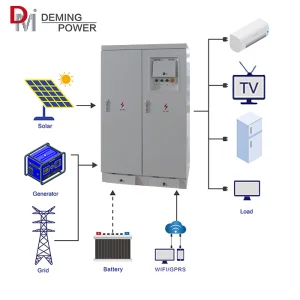
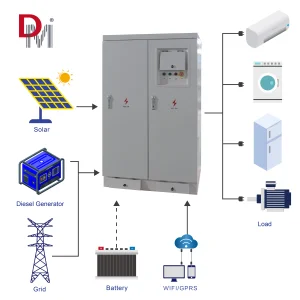
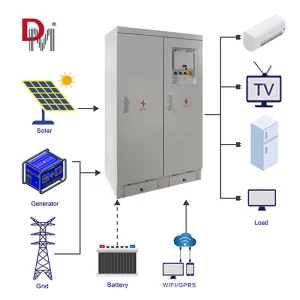
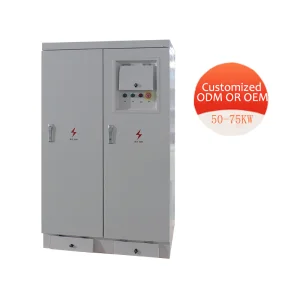
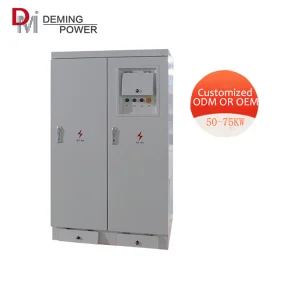
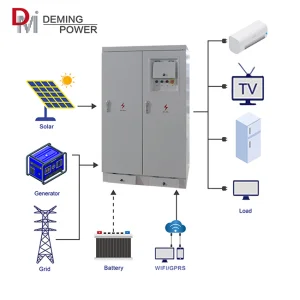
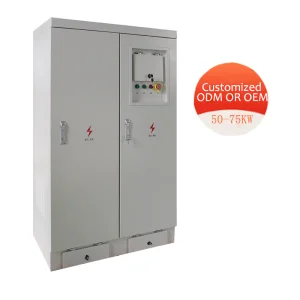
The global transition from traditional central power stations to decentralized, resilient energy systems is driving unprecedented demand for megawatt-scale and industrial-grade solar power architectures. Modern energy networks require more than basic conversion from DC to AC. To sustain heavy manufacturing, rural electrification, and mission-critical telecommunications, systems must support bidirectional conversion, dynamic grid stabilization, and intelligent energy storage orchestration.
As a leading Solar hybrid inverter Manufacturer & Supplier, Jinan Deming Power Equipment Co., Ltd. builds solutions to meet these challenges. The modern industrial landscape demands hybrid systems that operate without battery dependencies, seamlessly manage mixed inductive-capacitive loads, and dynamically transition between utility-tied and off-grid modes. These capabilities are crucial as volatile fuel markets, grid capacity constraints, and strict ESG requirements drive companies to optimize their energy portfolios.
Today’s energy infrastructure relies on three core trends:
Founded in 2004, Jinan Deming Power Equipment Co., Ltd. has established itself as an authority in renewable energy conversion and advanced power testing systems. Operating as a nationally recognized high-tech enterprise, Deming Power has twice renewed its state high-tech accreditation (2015 and 2018), demonstrating our sustained commitment to technical innovation. Our operations adhere strictly to ISO9001:2015 international quality standards.
Our core strength lies in our engineering team. Our dedicated R&D division includes 16 specialized engineers, led by doctoral supervisors and postgraduate researchers. Deming Power reinvests a minimum of 20% of annual sales revenue back into technology development. This investment has produced 17 major R&D initiatives over the past three years, converting 16 scientific and technological achievements directly into commercial products.
Deming Power systems operate in over 120 countries, including high-regulatory markets like Germany, Japan, the United States, the UK, Canada, Australia, and Brazil. Our strategic partnerships with several Fortune 500 enterprises demonstrate the reliability and build quality of our systems. Beyond standard inverter products, we manufacture wind/solar charge controllers, industrial frequency converters, and high-power bidirectional DC test power supplies.
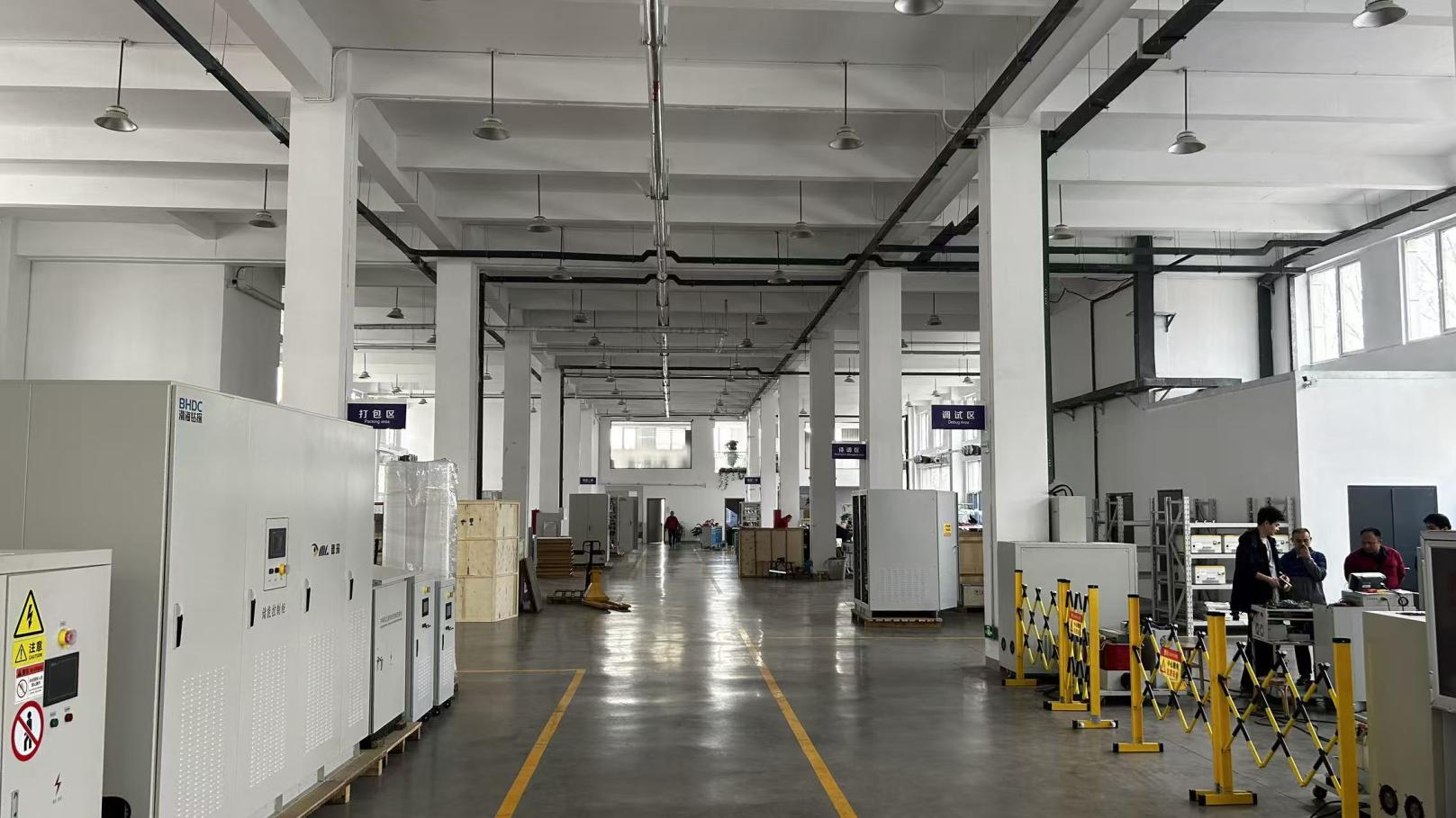
Our ISO-certified manufacturing facility features modern assembly, testing, and diagnostic systems. Below is an inside look at our manufacturing infrastructure:
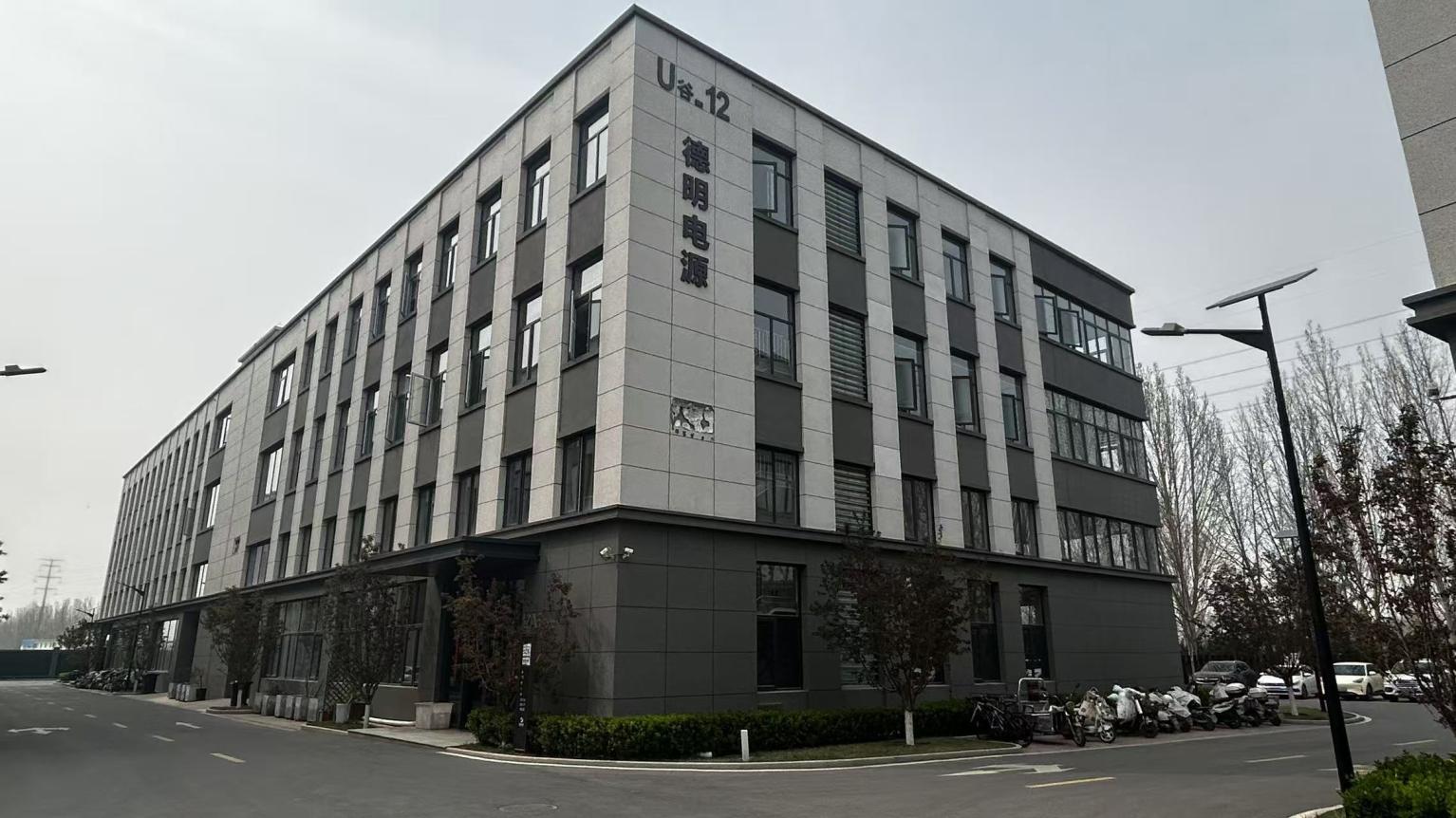 Factory Floor Overview
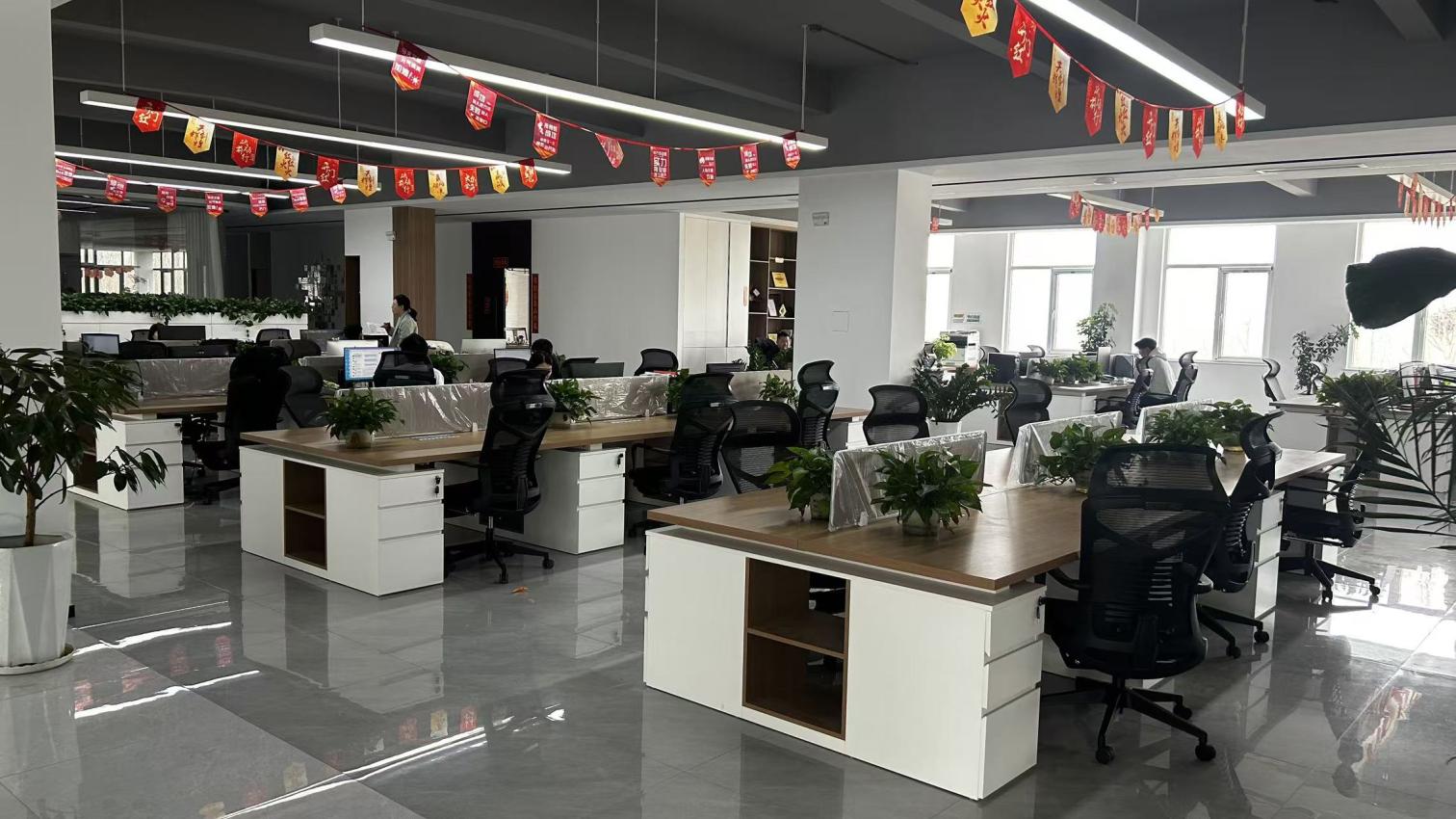 Final Assembly Station
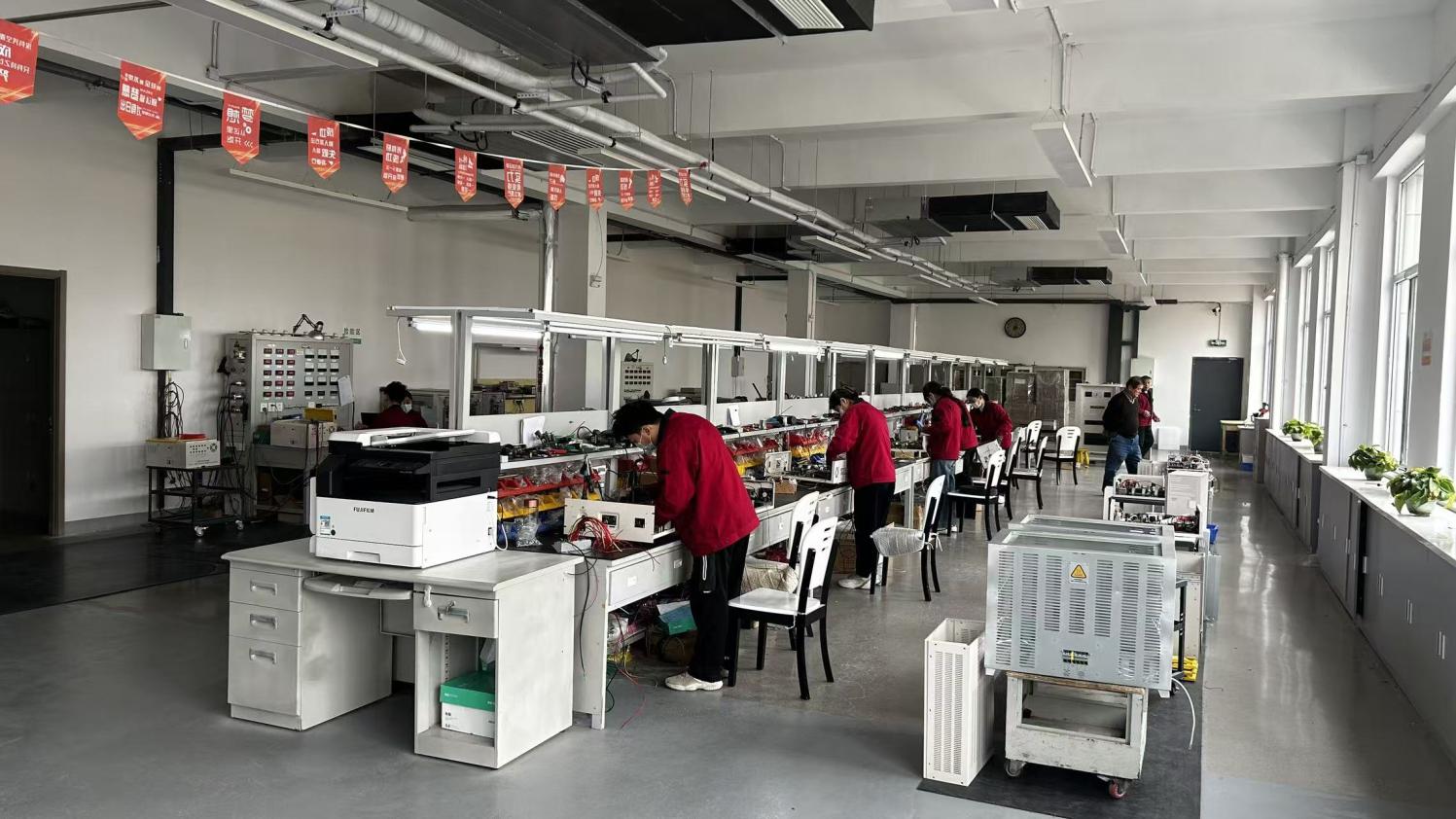 Heavy Power Unit Simulation
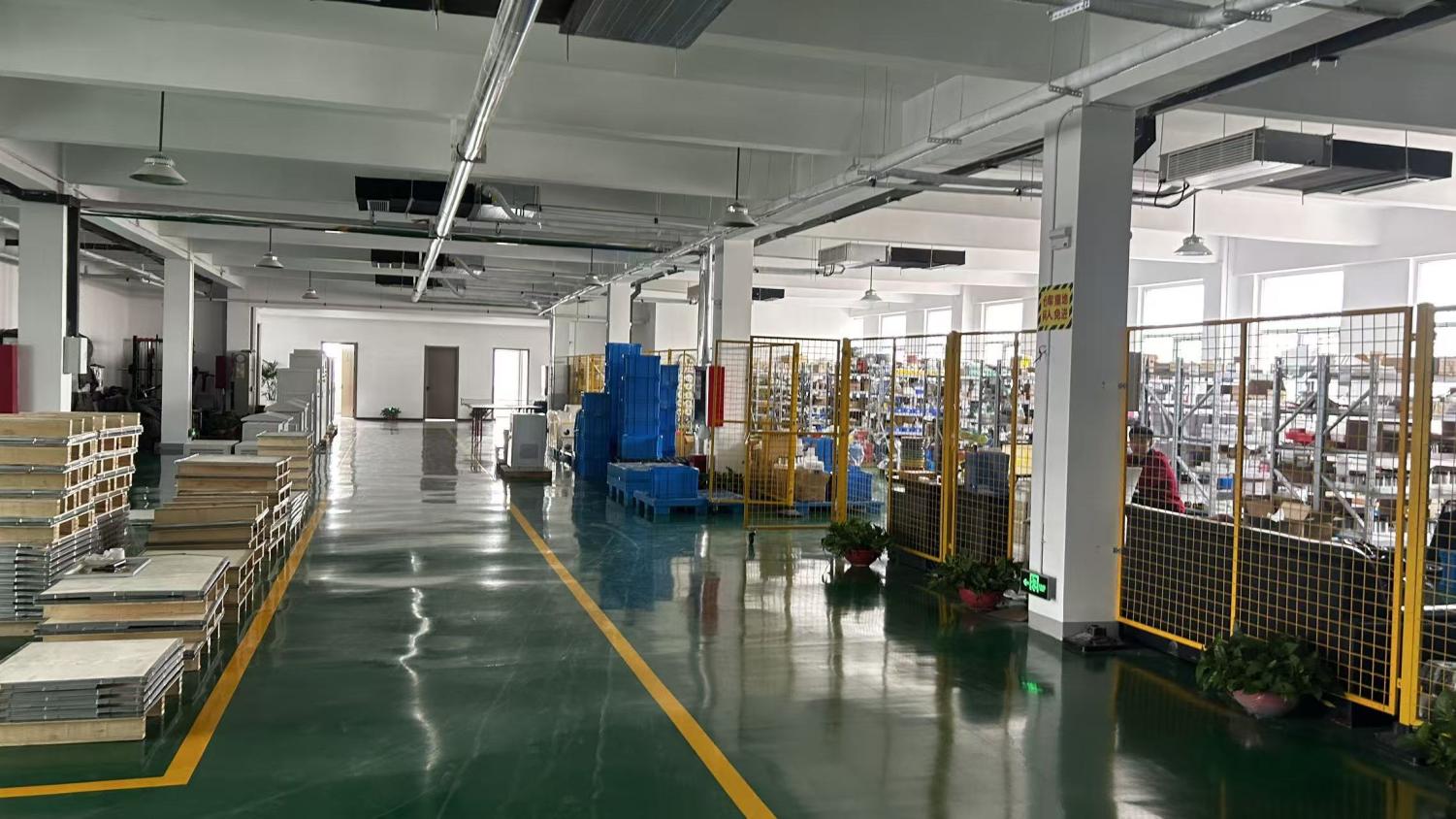 High-Power Product Debugging
 Standardized Component Warehouse
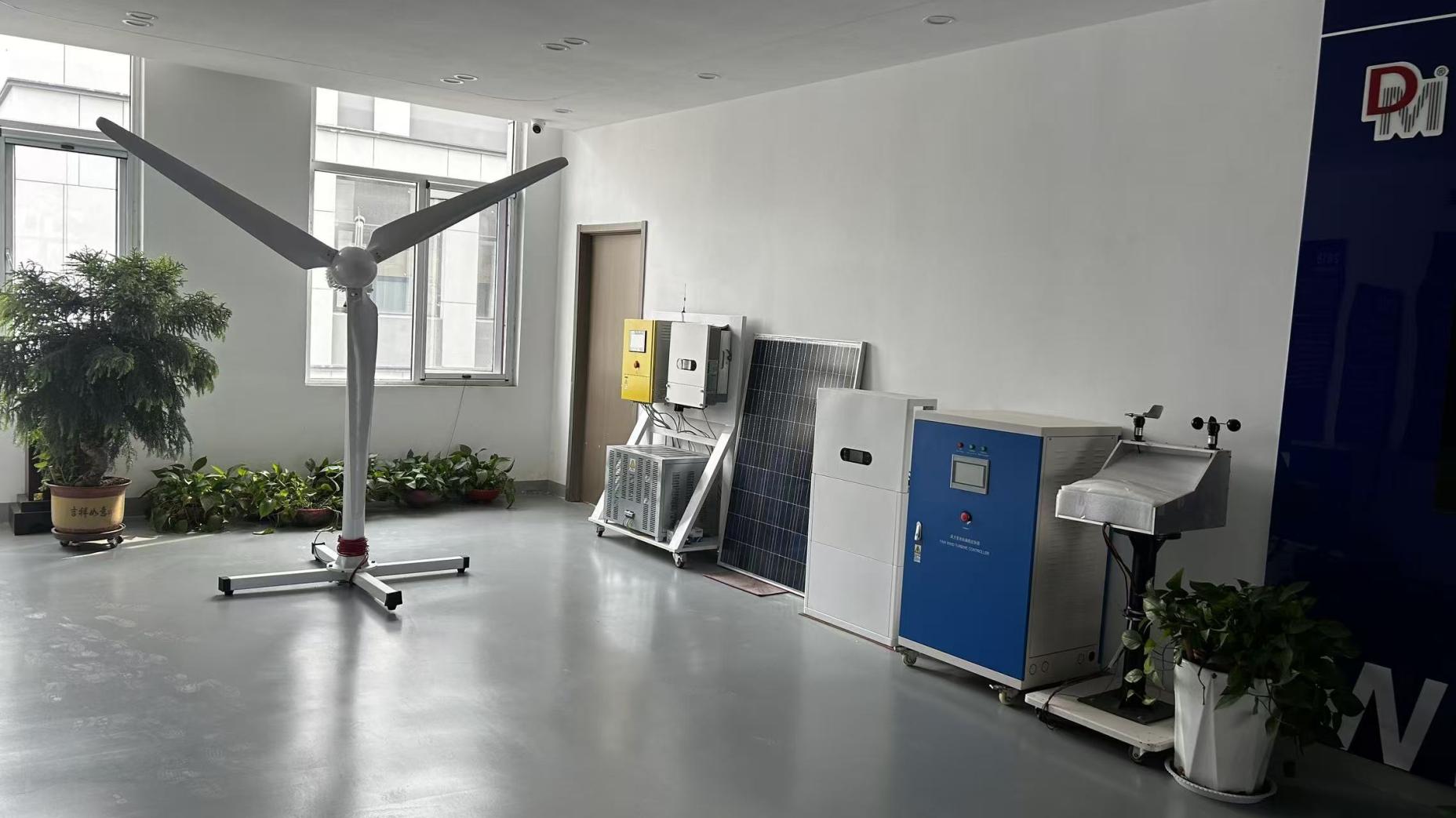 Pre-Shipment Calibration Area
Commercial and Industrial (C&I) projects require robust power management systems. Purchasing decisions for high-capacity hybrid solar inverters must balance initial capital expenditure with long-term Levelized Cost of Energy (LCOE), thermal endurance, grid compliance, and integration flexibility. Deming Power provides tailored technical solutions for key industrial applications:
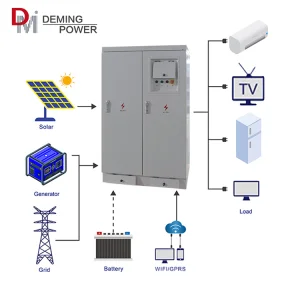
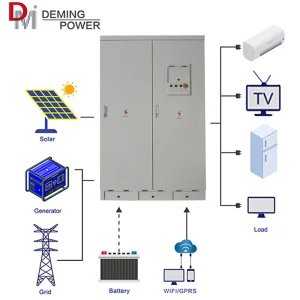
Remote locations often rely on expensive, carbon-intensive diesel generators. Our 3-phase hybrid inverters (ranging up to 500kW) operate in a generator-hybrid configuration. They dynamically balance solar input, battery reserve, and diesel output to minimize fuel consumption while protecting equipment from transient load fluctuations during heavy machinery startup.
Water pumping and large-scale agricultural systems create high inductive loads. Traditional off-grid inverters struggle with the high starting currents of inductive pumps, requiring system oversizing. Deming Power's custom-engineered induction-capacitance mixed load controllers handle these startup surges without requiring oversized inverters, keeping project costs down.
Telecom networks require clean, continuous power. Deming Power's pure sine wave output (Total Harmonic Distortion < 3%) delivers stable power for sensitive servers and high-frequency communication transmitters. Our dual AC output topologies provide automated redundancy, switching to auxiliary sources in milliseconds to prevent downtime.
Deming Power's inverters are engineered for durability, using premium internal components and protective designs to ensure performance in demanding environments.
Key technical features of our industrial hybrid systems include:
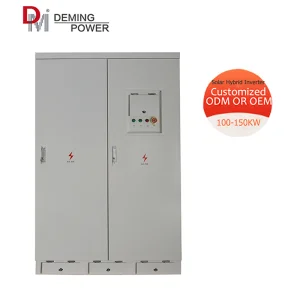
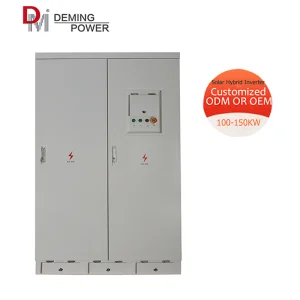
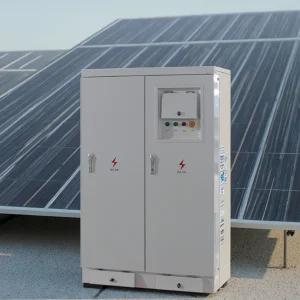
Our standard product range covers 30kW to 150kW systems, with utility-grade custom configurations extending up to 500kW. Each system is designed for simple, tool-free field service, reducing downtime and lowering total cost of ownership.
To ensure reliability under industrial operating conditions, every inverter undergoes a rigorous manufacturing and quality control process. We manage every step, from design draft to final calibration, using advanced testing instrumentation.
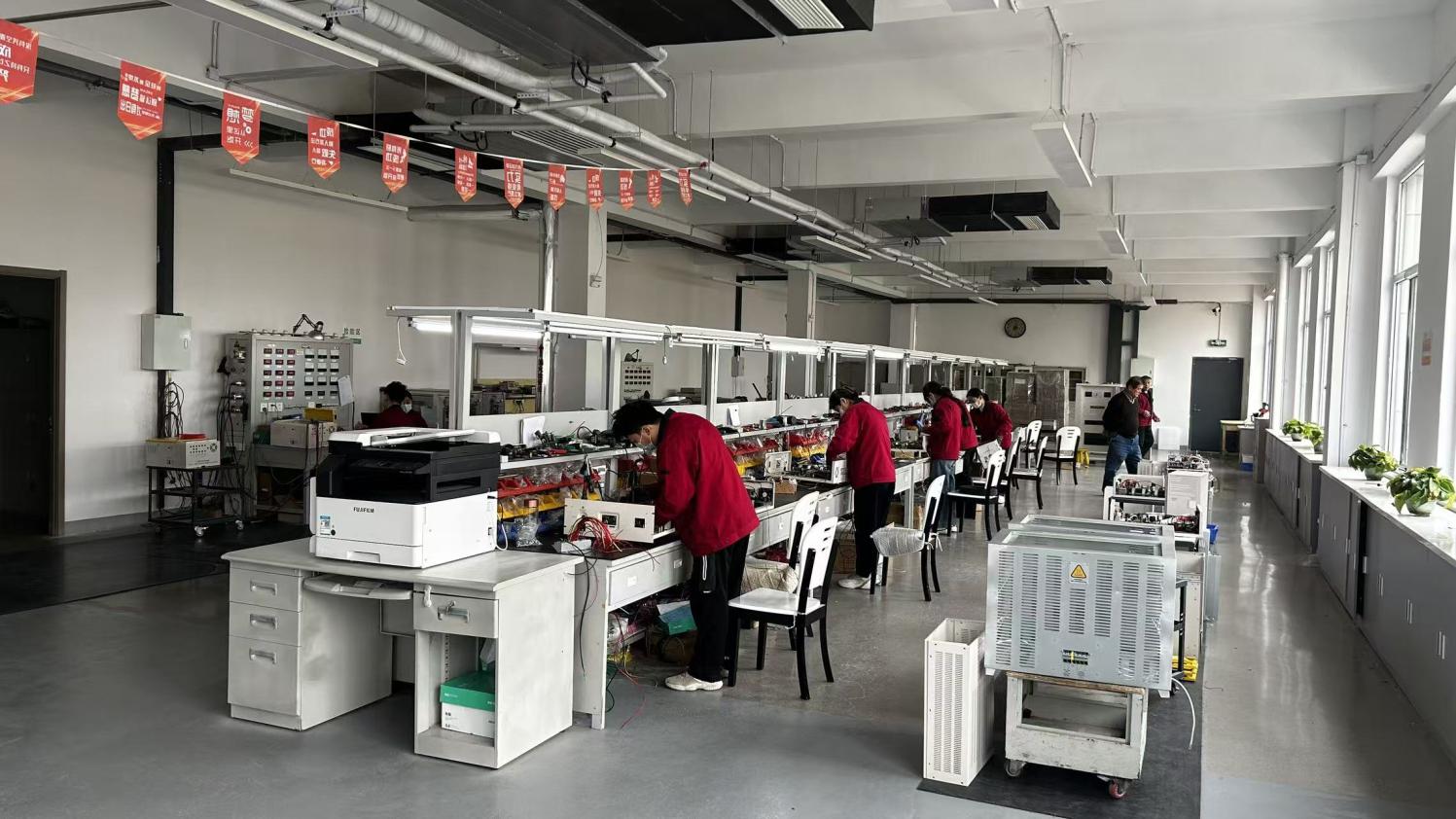 Circuit Assembly
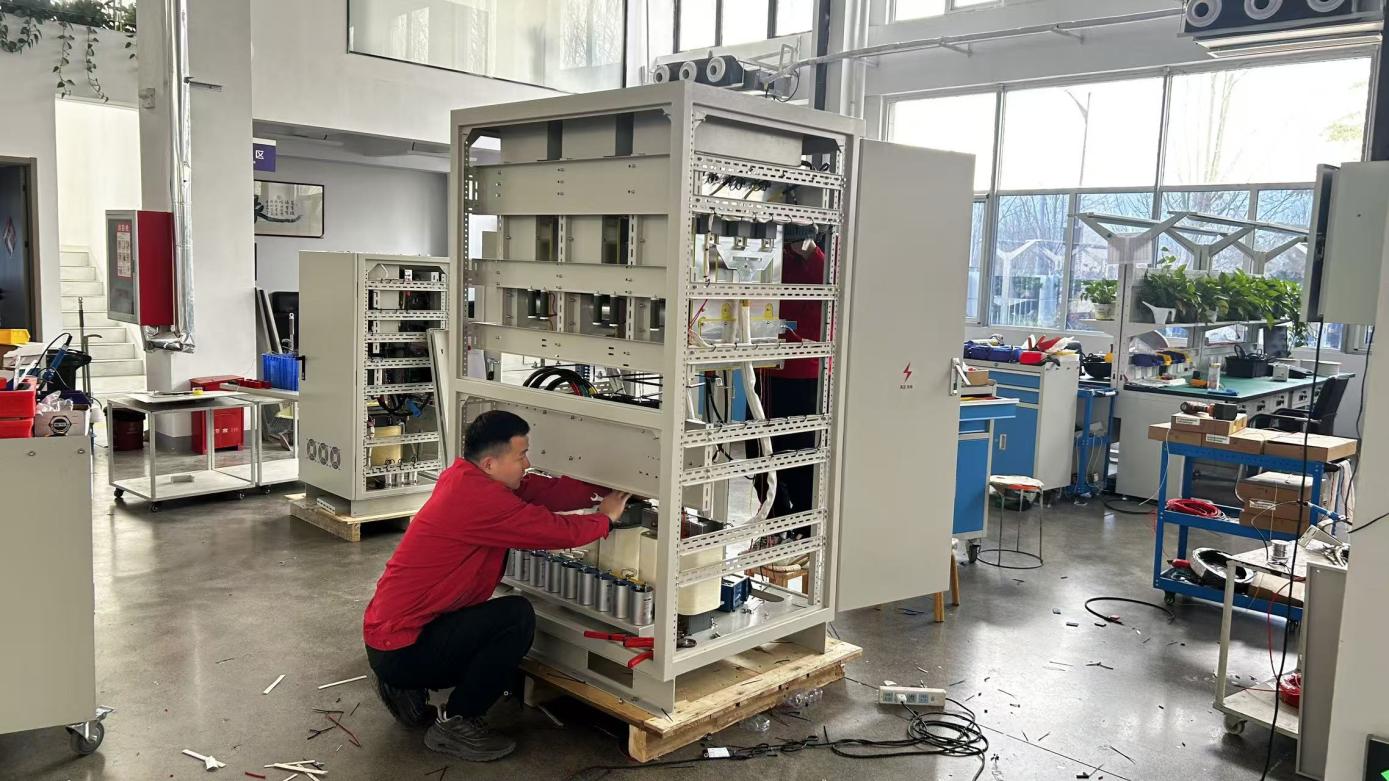 Circuit Board Assembly
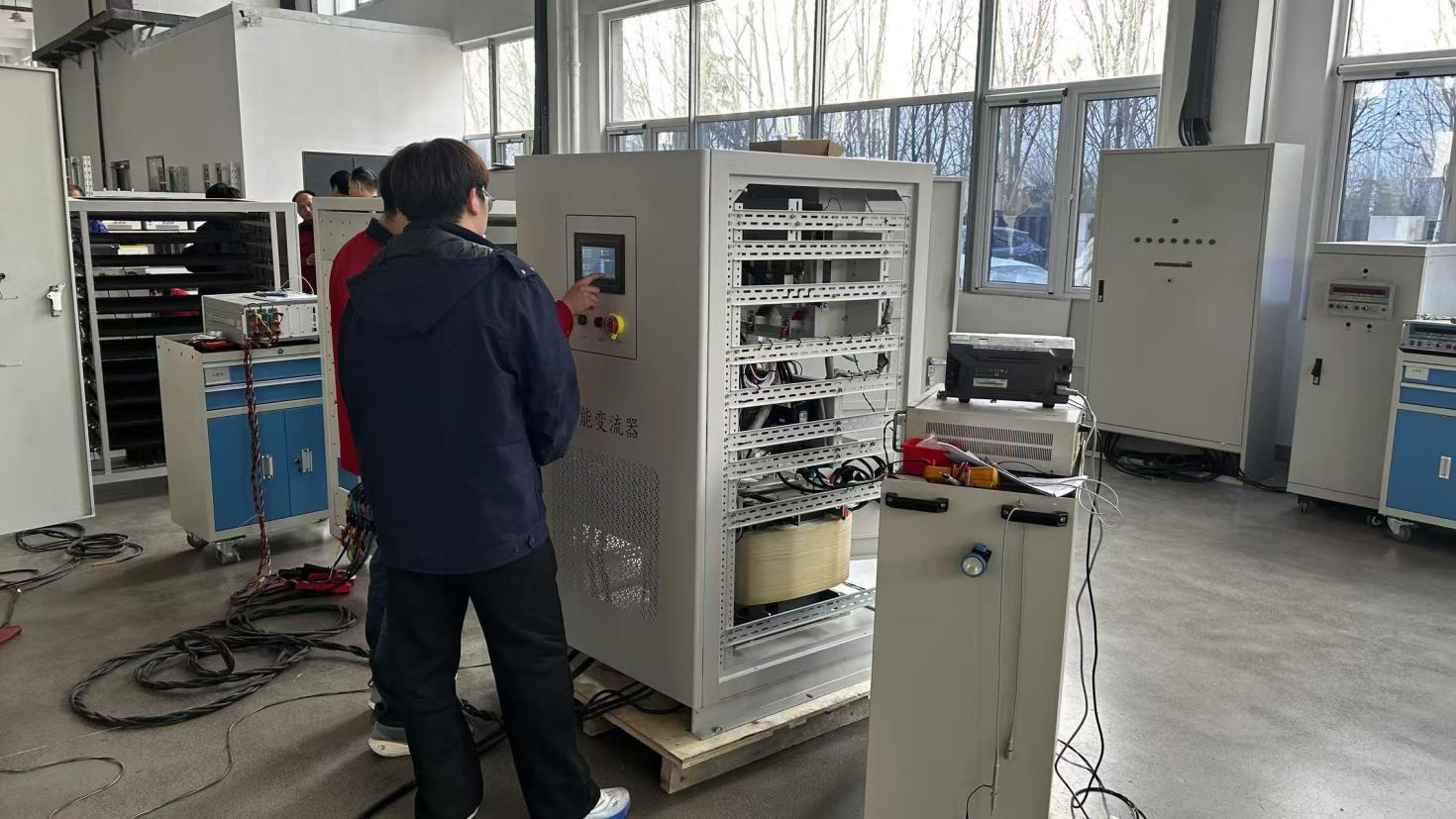 Debugging Process
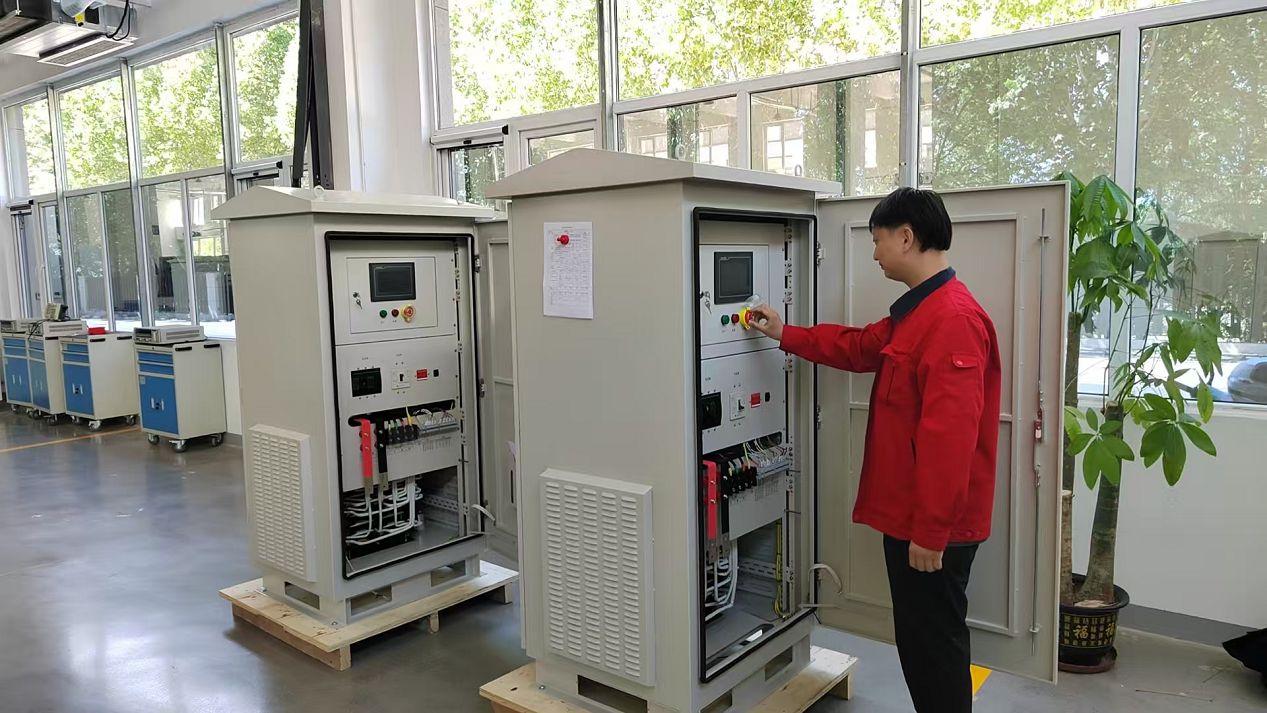 Quality Inspection Process
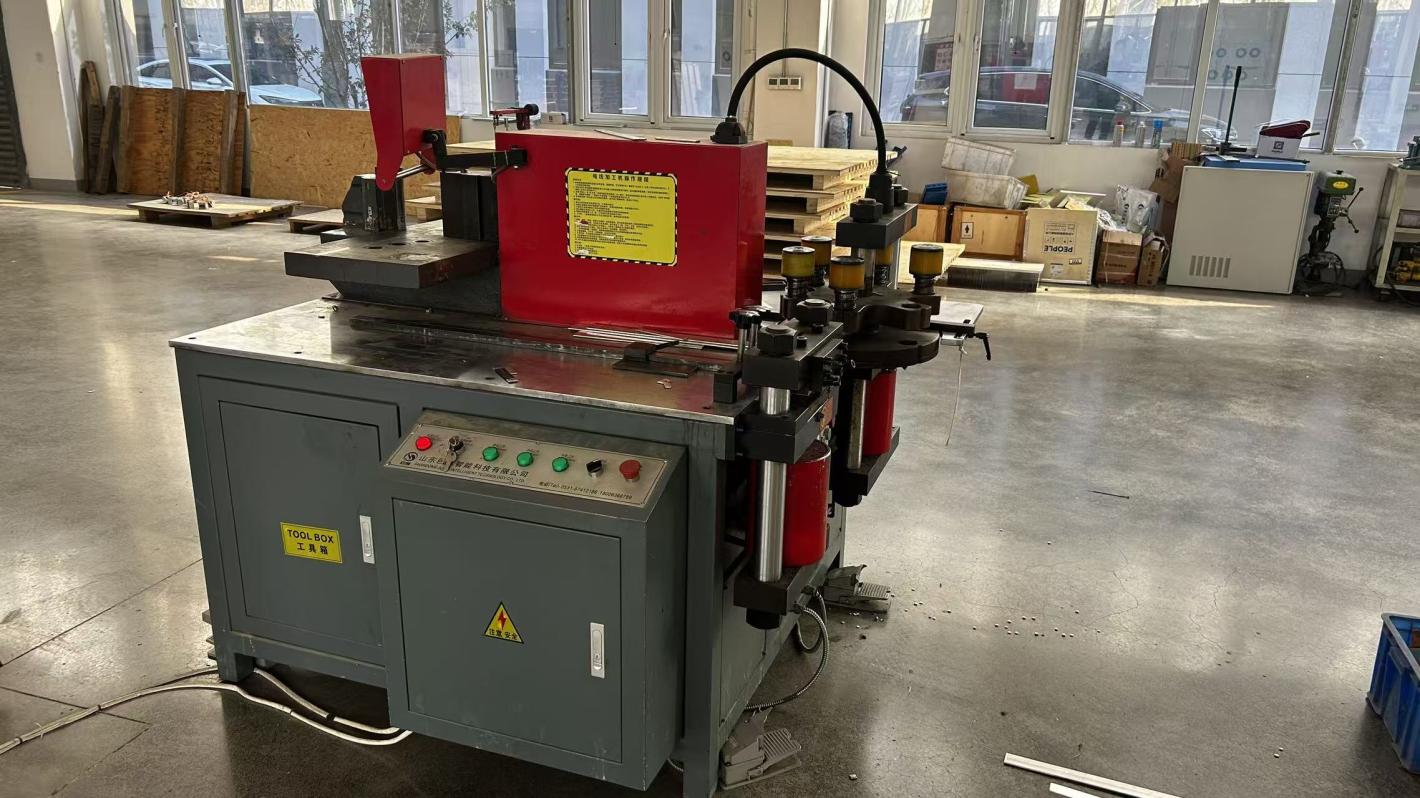 Copper Bar Production
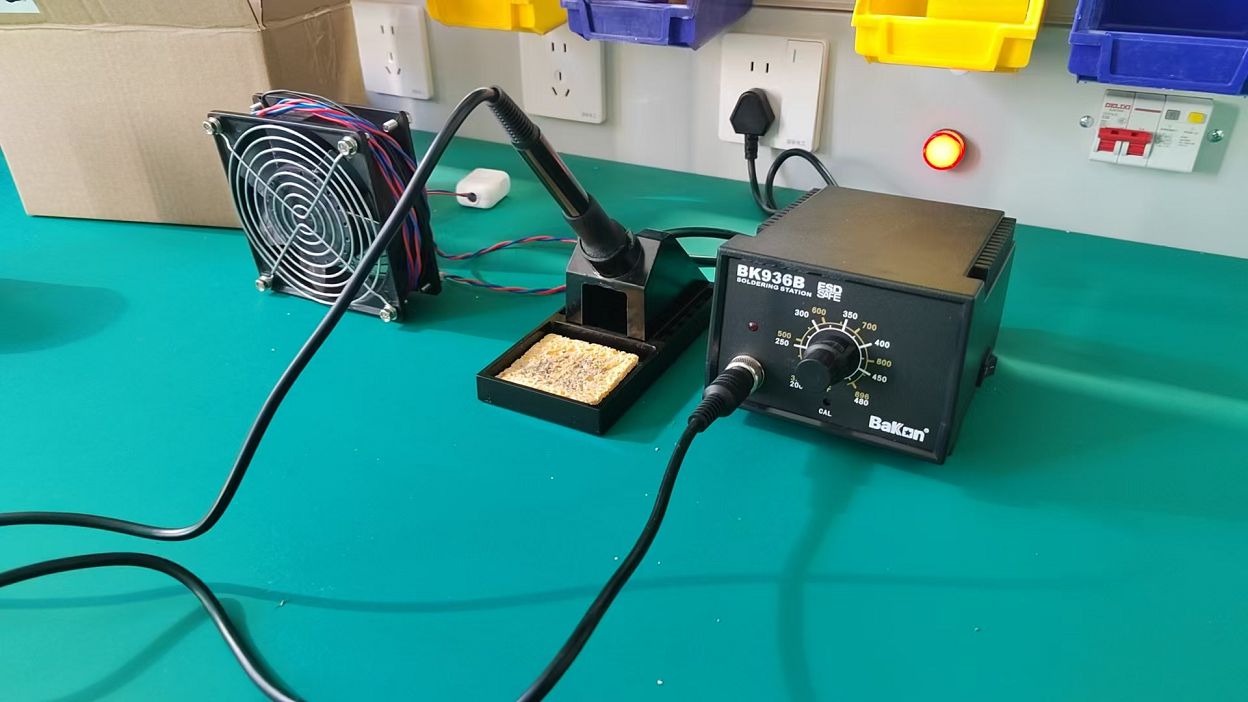 Electric Ferrowire Terminal Prep
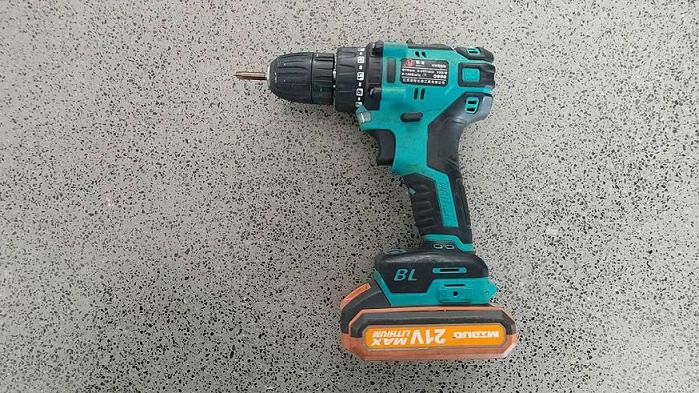 Electric Drill Precision Enclosure Fit
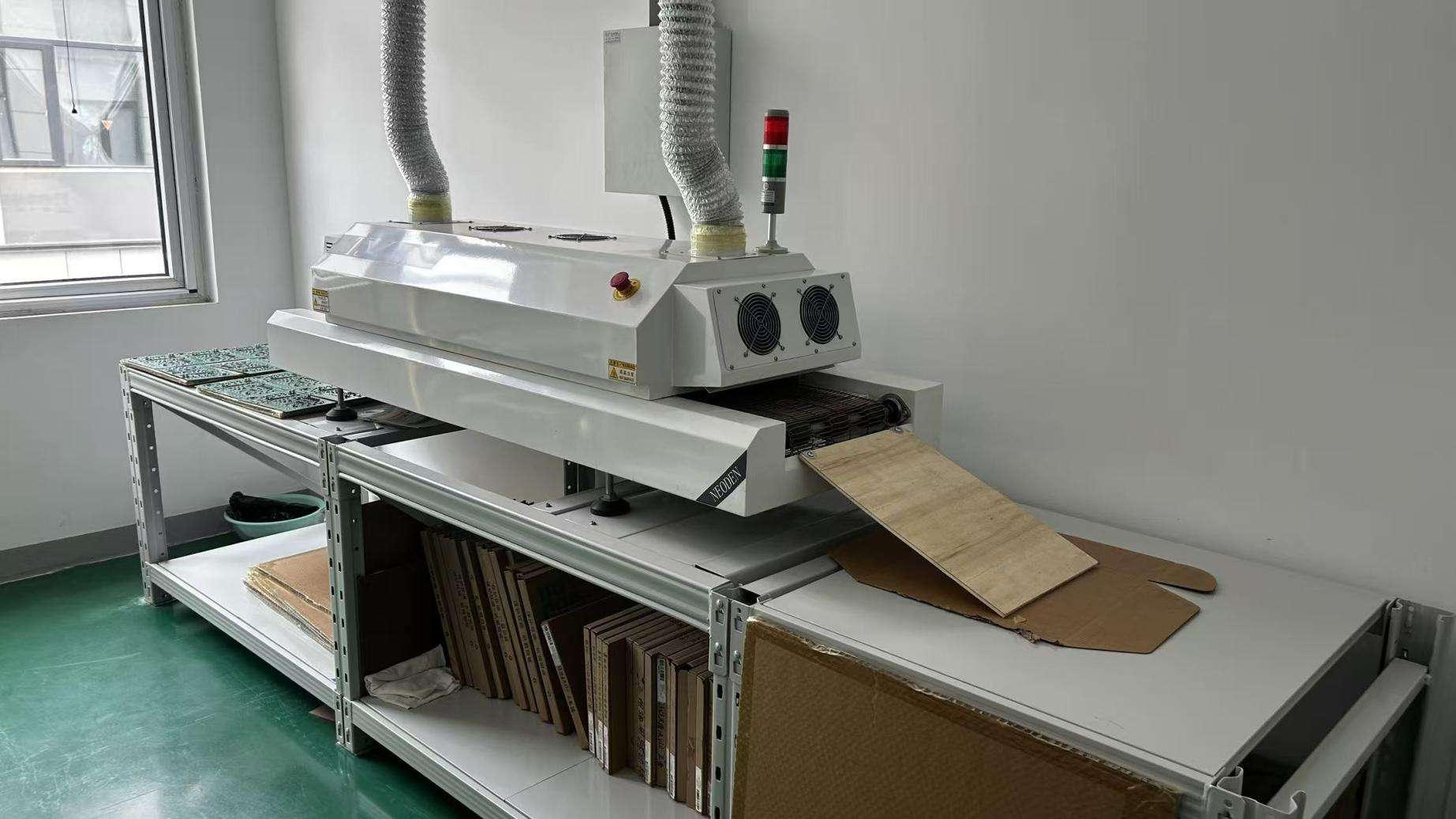 Reflow Soldering Line
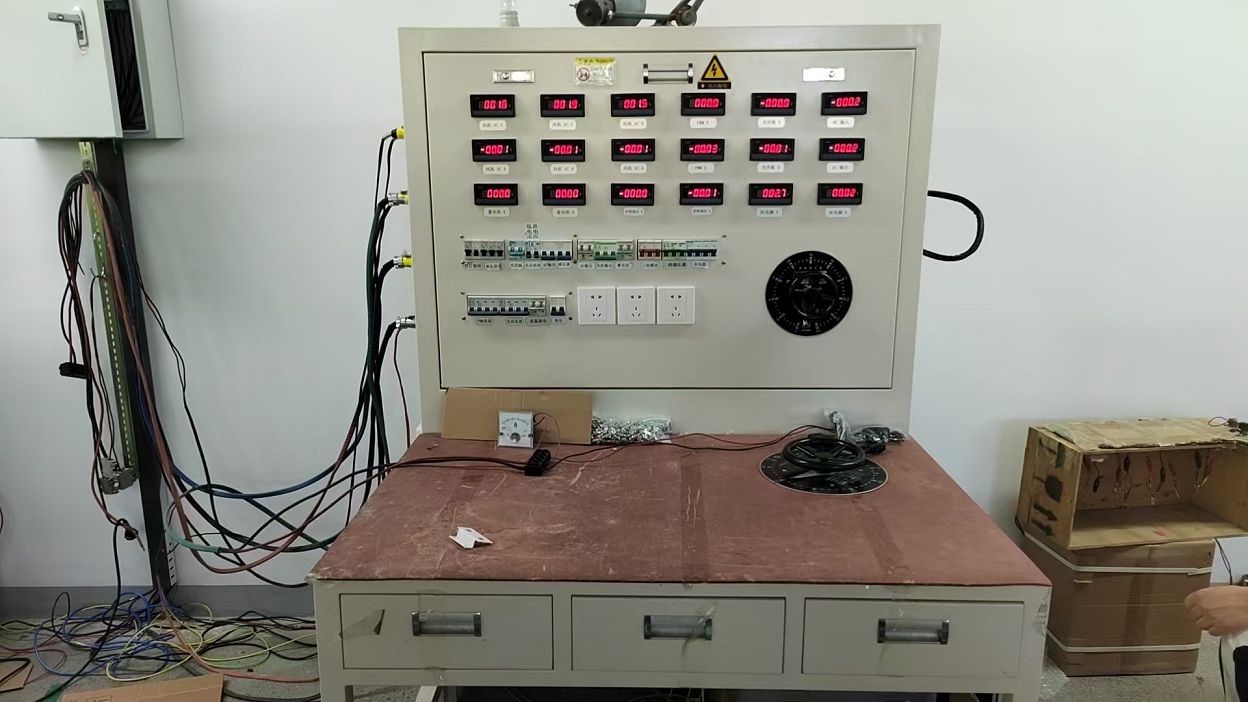 Manual Assembly Workbench
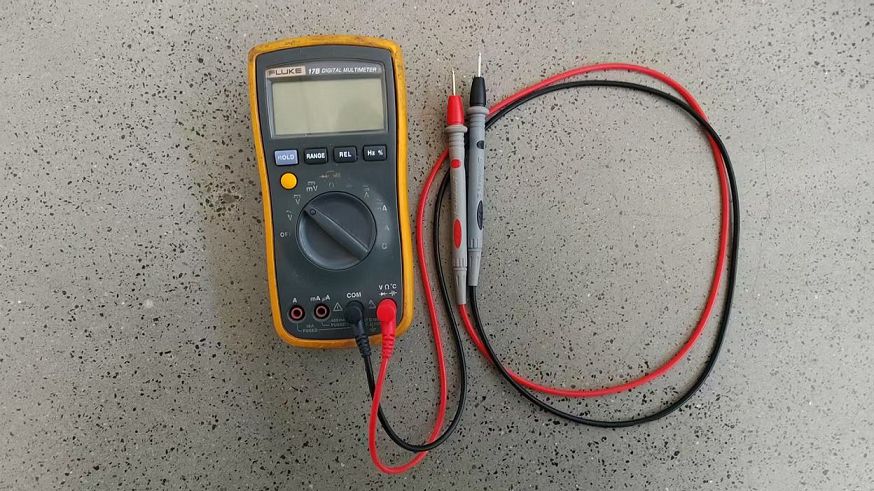 Precision Multimeter Analysis
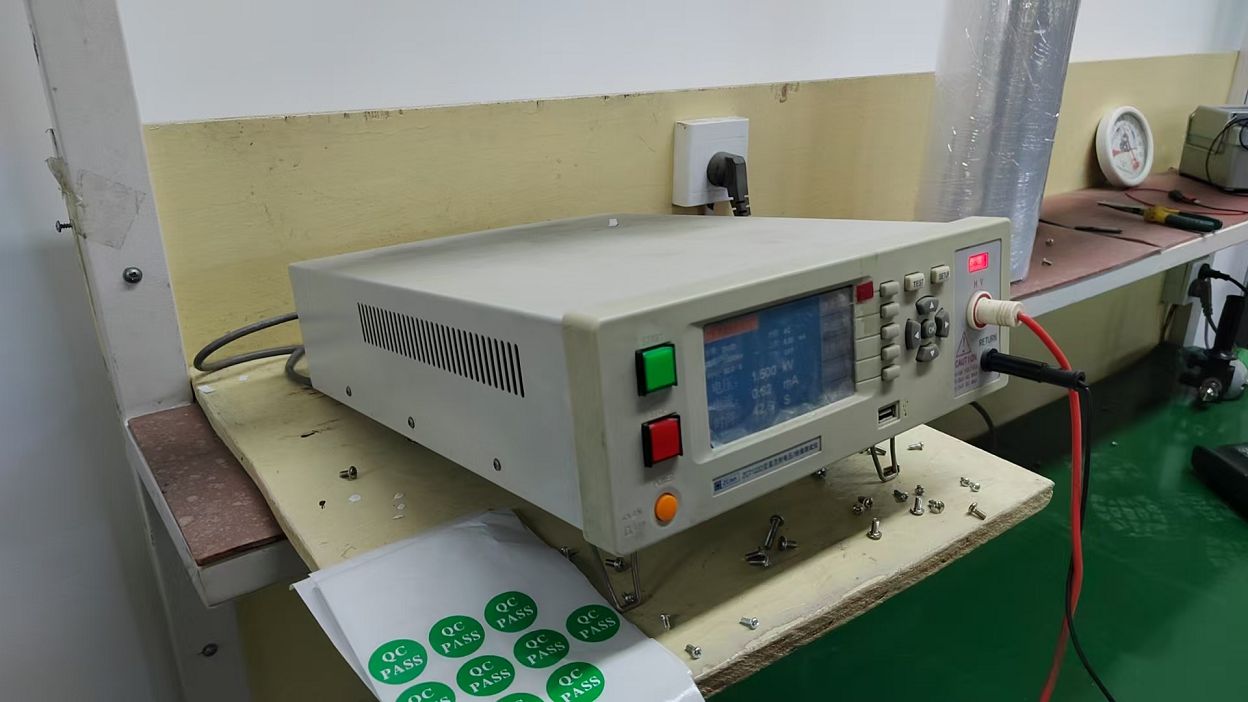 LCR AutoTester Diagnostics
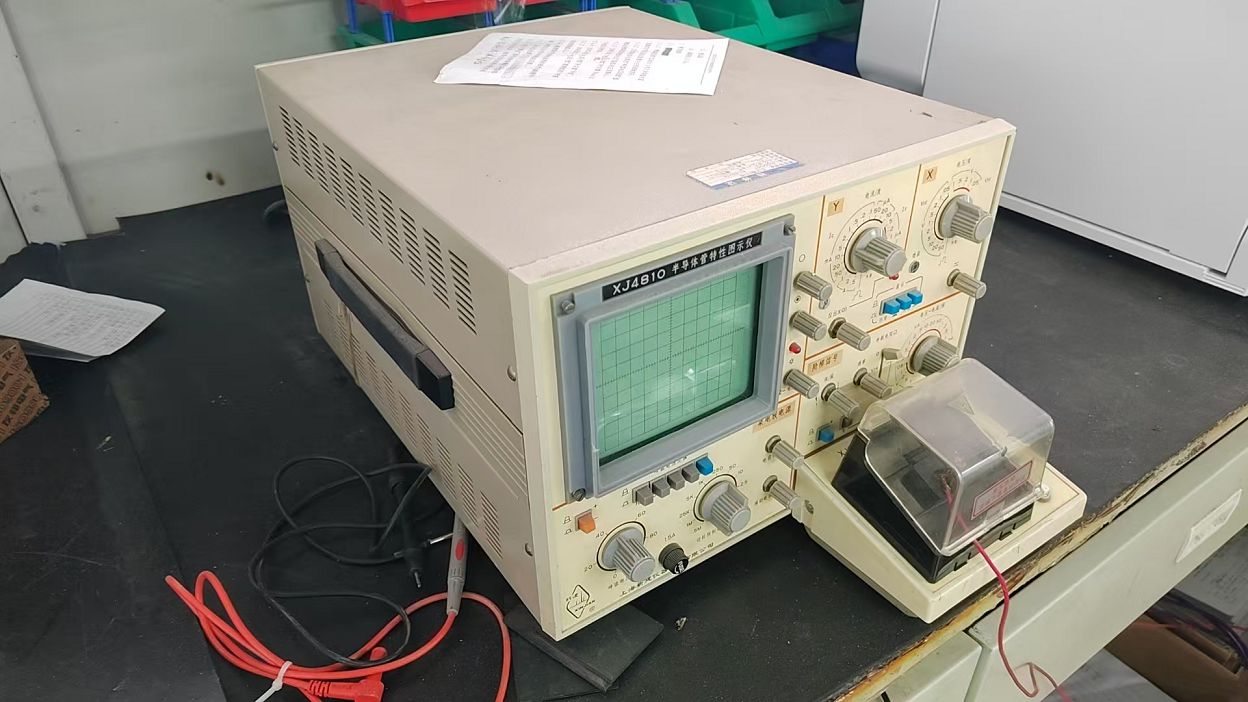 Semiconductor Plotting Analysis
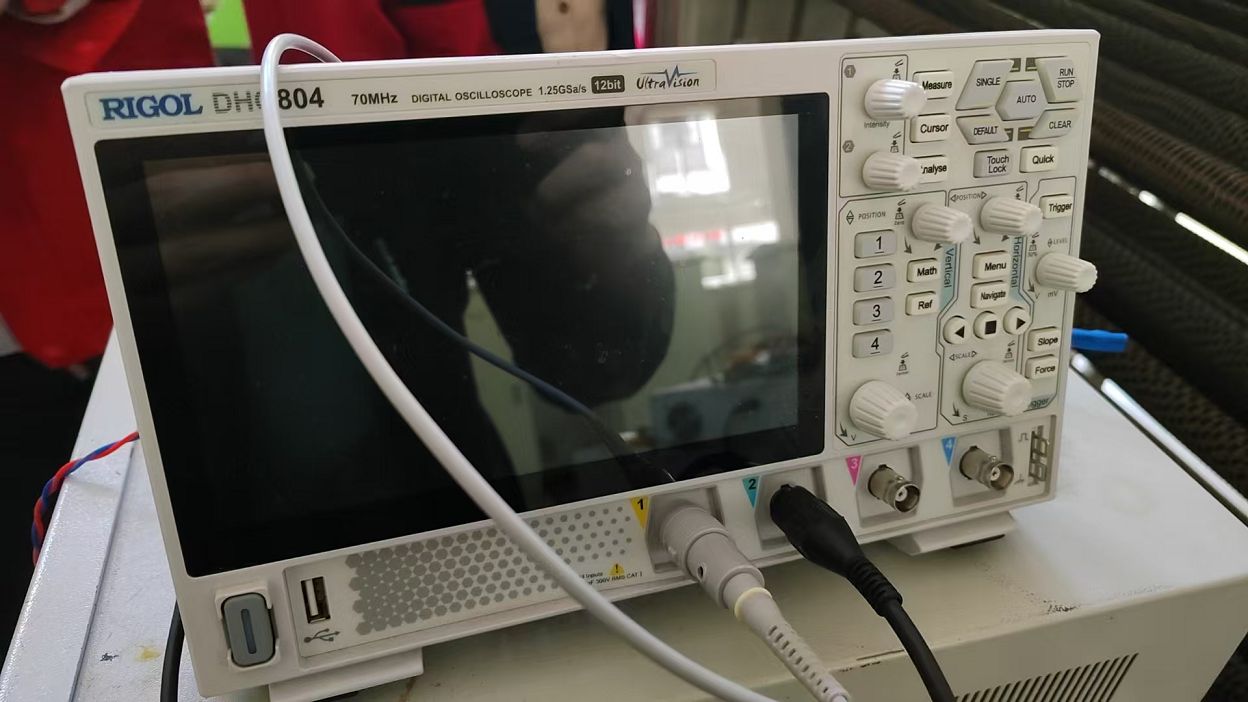
 Digital Oscilloscope Waveform Check
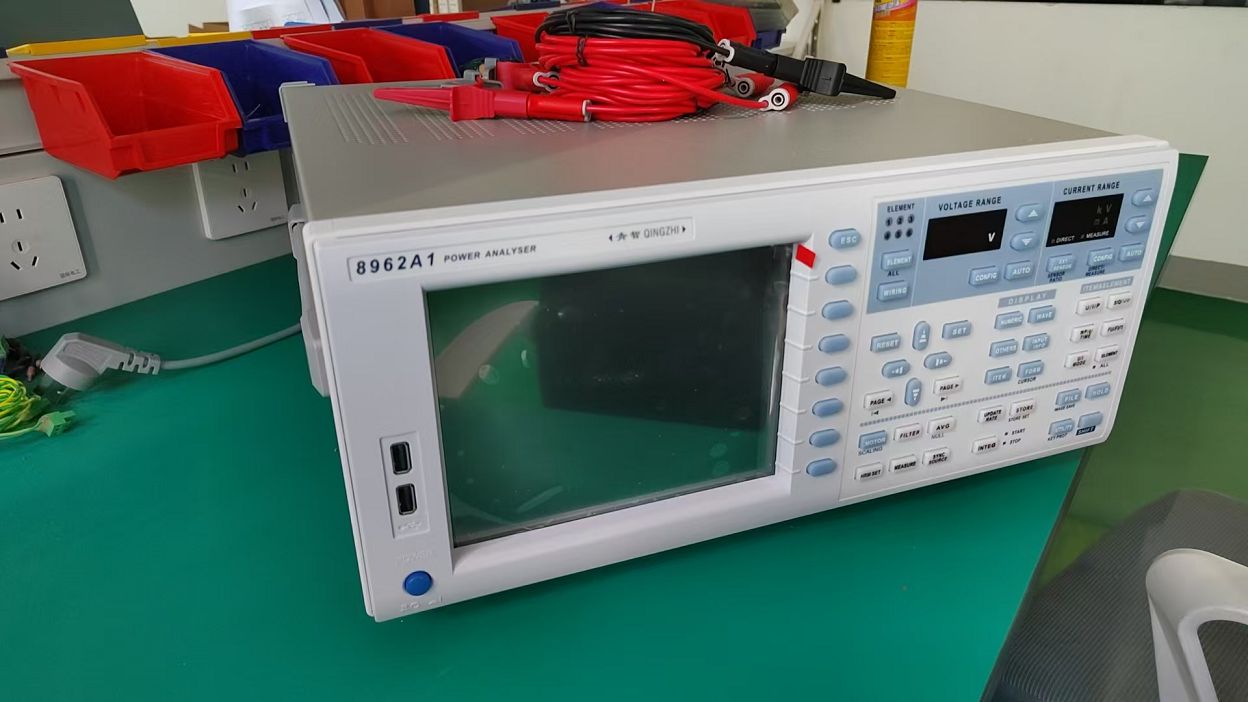
 Power Quality & Harmonics Testing
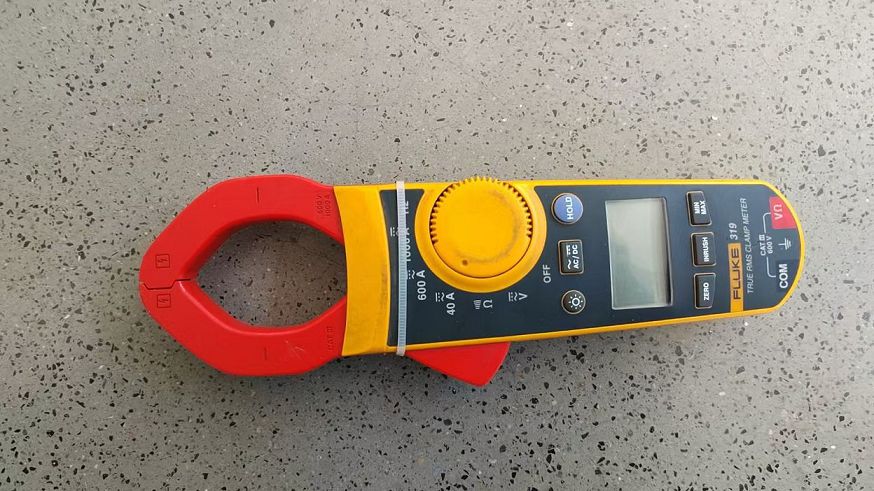 Clamp Current Calibration
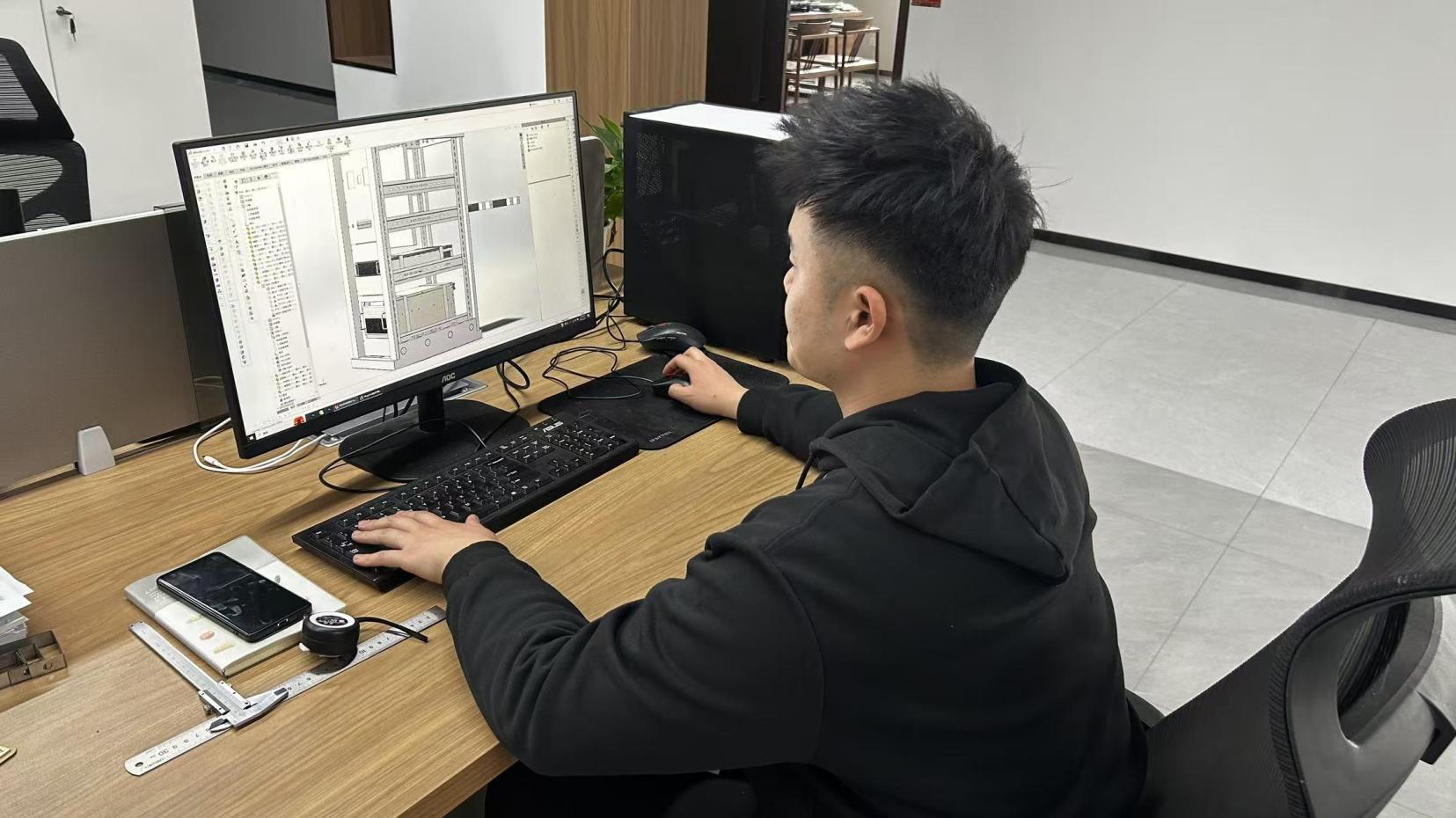 Schematic & Mechanical Drawing Design
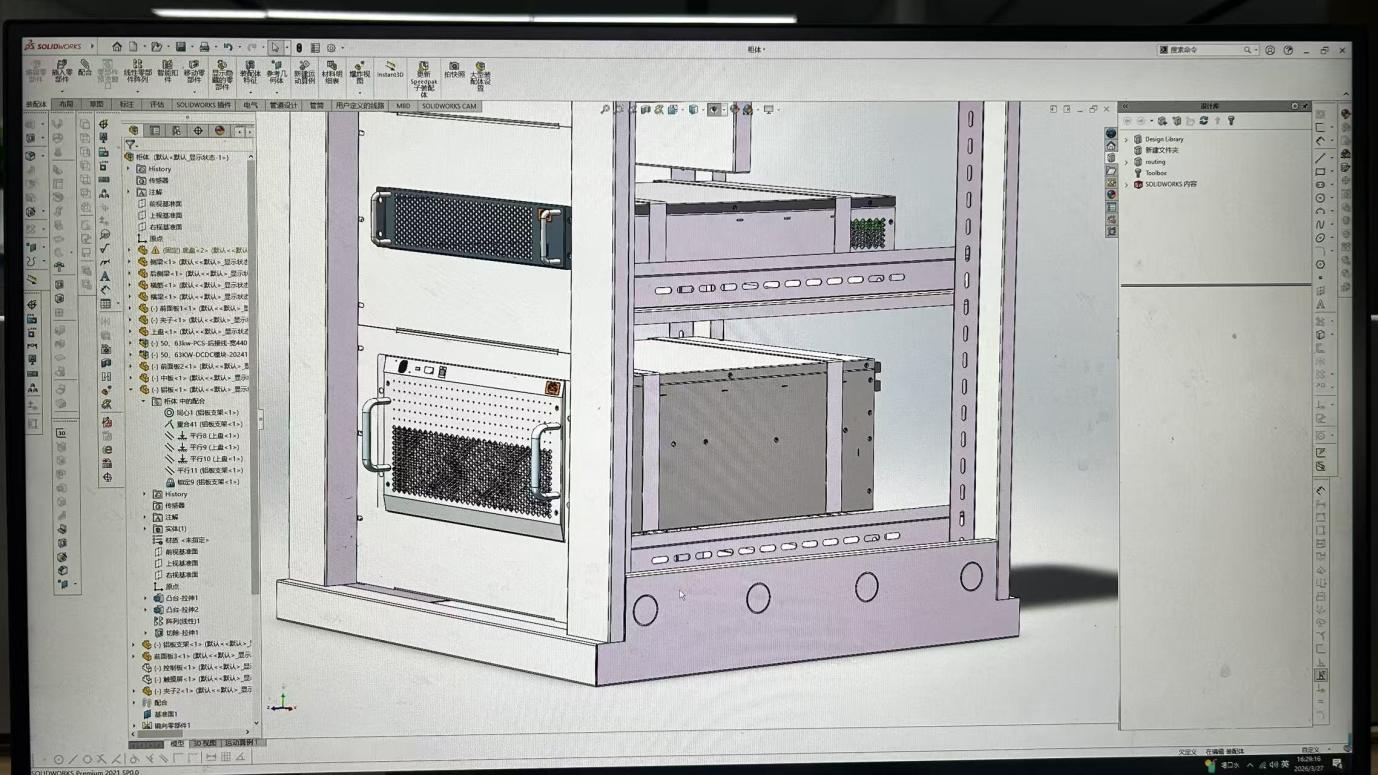 CAD Modeling & Thermal Simulation Workstation
The future of industrial grid management requires high-density integration. Deming Power's technical roadmap focuses on three main developments:
First, we are expanding our range of bidirectional DC test systems. By matching battery simulation algorithms with high-power DC sources (up to 500kW), we help manufacturers run hardware-in-the-loop tests on electric vehicle drivetrains and megawatt-scale battery packs. This simplifies system verification for grid-tied storage integrators.
Second, we are working to integrate grid-forming firmware across our hybrid product lines. This allows our inverters to operate as virtual synchronous machines, regulating local voltage and frequency to support weak grids and remote microgrids.
Finally, we are upgrading our IoT management platforms. By integrating cloud diagnostics and machine learning analytics, we enable operators to predict system faults, optimize battery state-of-charge parameters, and manage energy distribution in real time.
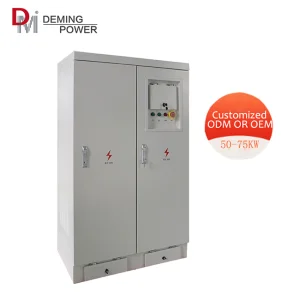
 Demin Power