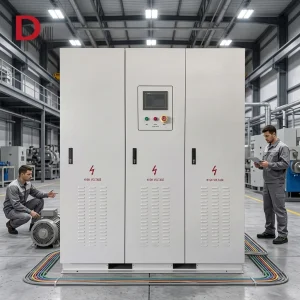
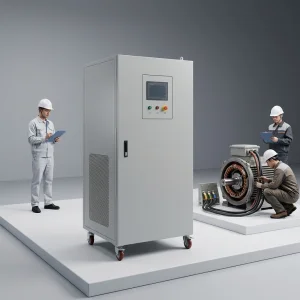
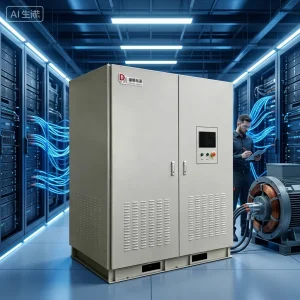
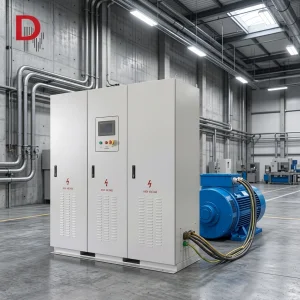
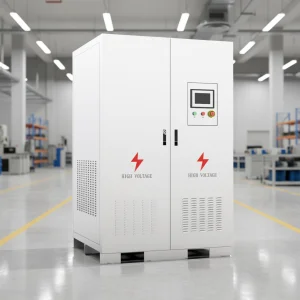
Select industrial-grade power conditioning units featuring state-of-the-art DSP controls, bidirectional topologies, and 99% conversion efficiency.
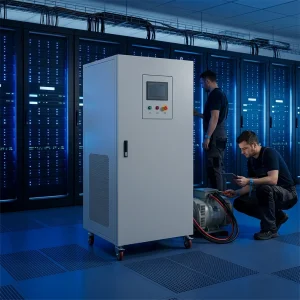
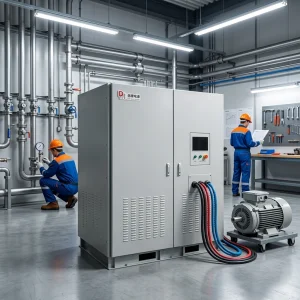
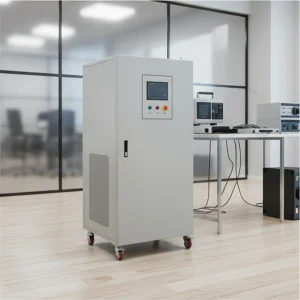
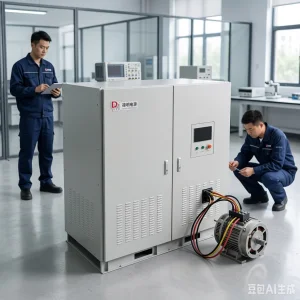
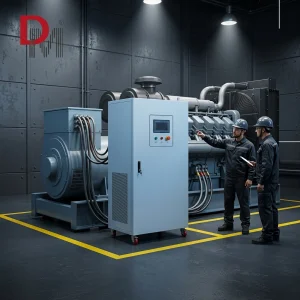
The global energy matrix is undergoing a seismic transformation, placing hydropower at the core of dynamic frequency control and grid stability systems. Historically, hydro turbines operated primarily at synchronous speeds directly coupled to the utility grid. However, variations in hydraulic head height, seasonal flow rates, and strict grid-code requirements have exposed the vulnerability of fixed-speed setups. Modern utility networks require variable-speed run-of-river, pumped storage, and tidal systems to optimize water-to-wire efficiency and mitigate systemic grid oscillations.
Jinan Deming Power Equipment Co., Ltd. addresses these engineering challenges by providing full-power variable frequency converters (VFDs) and specialized AC/AC converters. By decoupling the mechanical speed of the generator (synchronous, PMG, or asynchronous induction) from the grid's electrical frequency (50Hz/60Hz), our converters enable turbines to maintain optimal hydraulic efficiency across a broad operating envelope. This capability directly reduces mechanical stress, prevents cavitation, and maximizes power extraction from variable water flows.
As wind, solar, and other inverter-based resources saturate transmission lines, utility operators have enforced rigorous connection codes. Modern systems demand converters capable of advanced grid-supporting features. Deming power converters integrate advanced software control algorithms that provide:
The micro, small, and medium-scale hydropower market is experiencing rapid expansion, particularly across the European Union, North America, and the Asia-Pacific region. According to recent global renewable market indexes, the demand for off-grid and remote mini-grid hydro schemes has increased by over 14% year-on-year. This growth is driven by regional rural electrification mandates and the rising cost of industrial energy. Consequently, manufacturers must deliver highly customizable converters capable of adapting to varying regional parameters.
In Europe, projects require compliance with EN 50549-1/2 standards for grid parallel connections, requiring high electromagnetic compatibility (EMC) and low harmonic distortion (THD). Meanwhile, in the United States, IEEE 1547 and UL 1741 certifications mandate strict protective parameters. Deming Power’s long-standing export footprint across 120+ countries—including Germany, Japan, the USA, the UK, Canada, Australia, and Brazil—validates our ability to design and build power equipment that complies with these local commercial standards.
European Compliance
Complies with European distribution grid connection requirements for generator systems, ensuring reliable operations in Germany, UK, and continental Europe.
North American Grid Code
Provides islanding protection, active voltage regulation, and harmonic suppression matching the requirements of US and Canadian utility grids.
Marine & Damp Environments
Heavy industrial enclosures designed to withstand high relative humidity, splash-zones, and submerged operations in marine tidal projects.
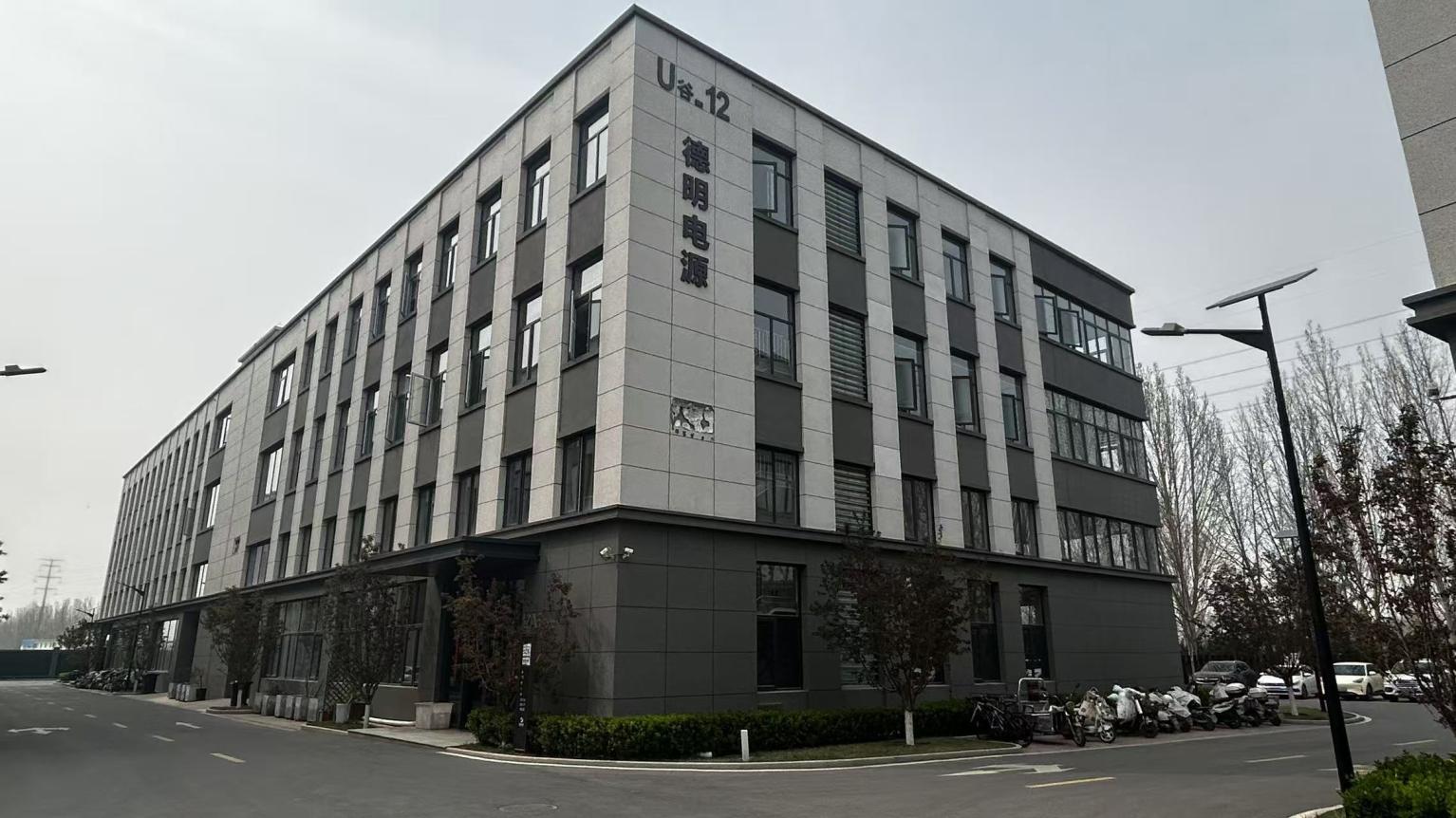
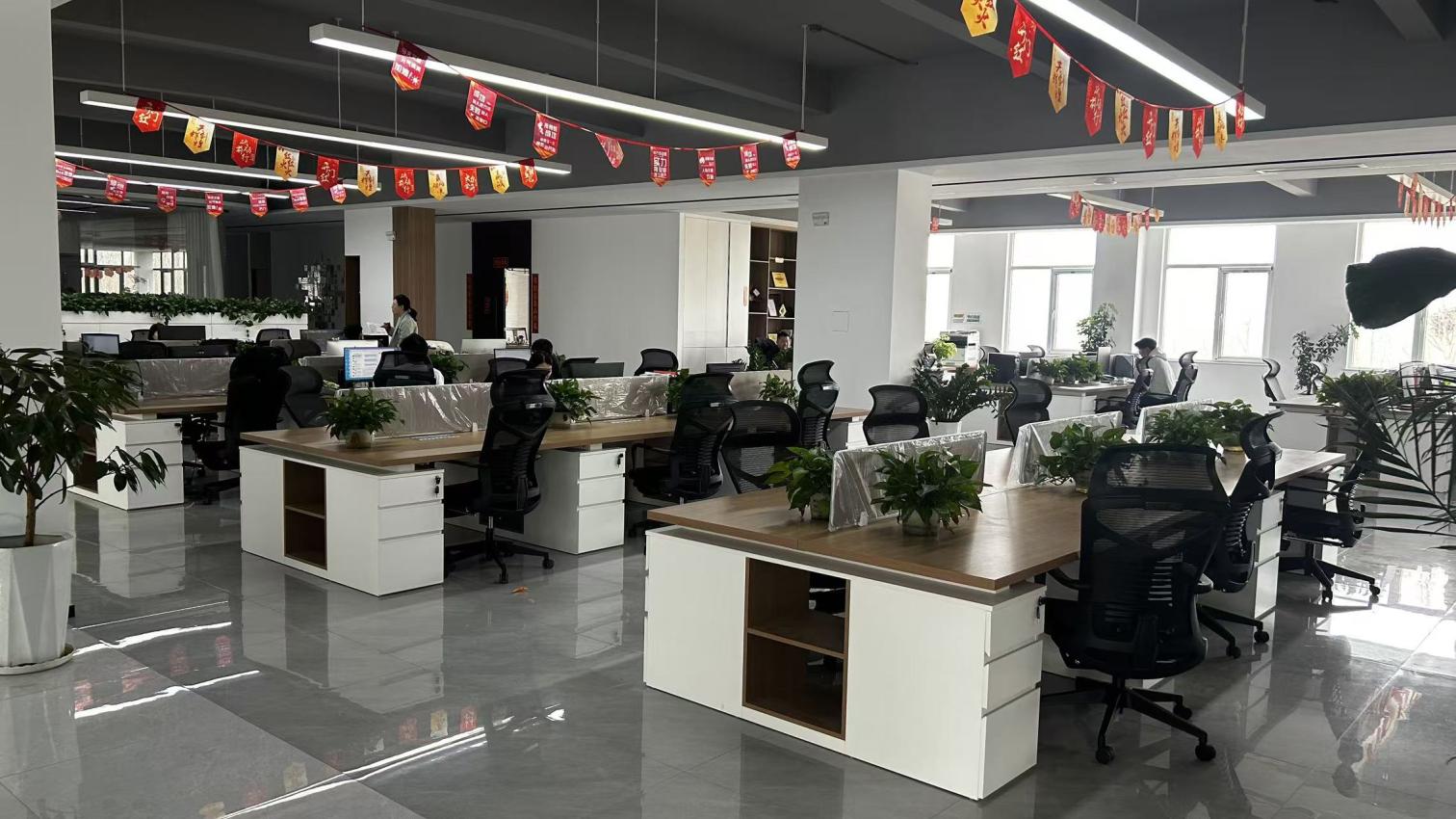
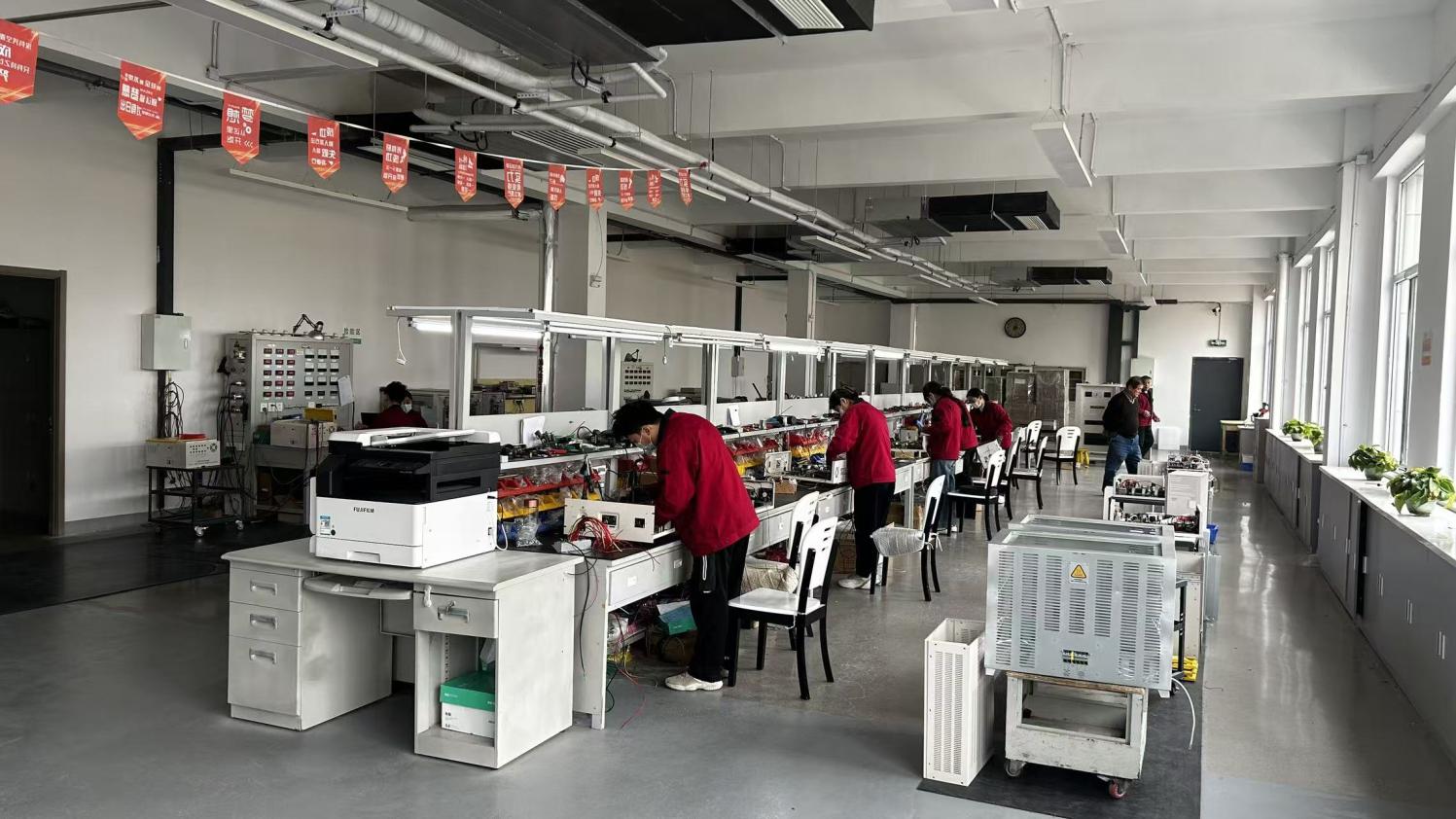
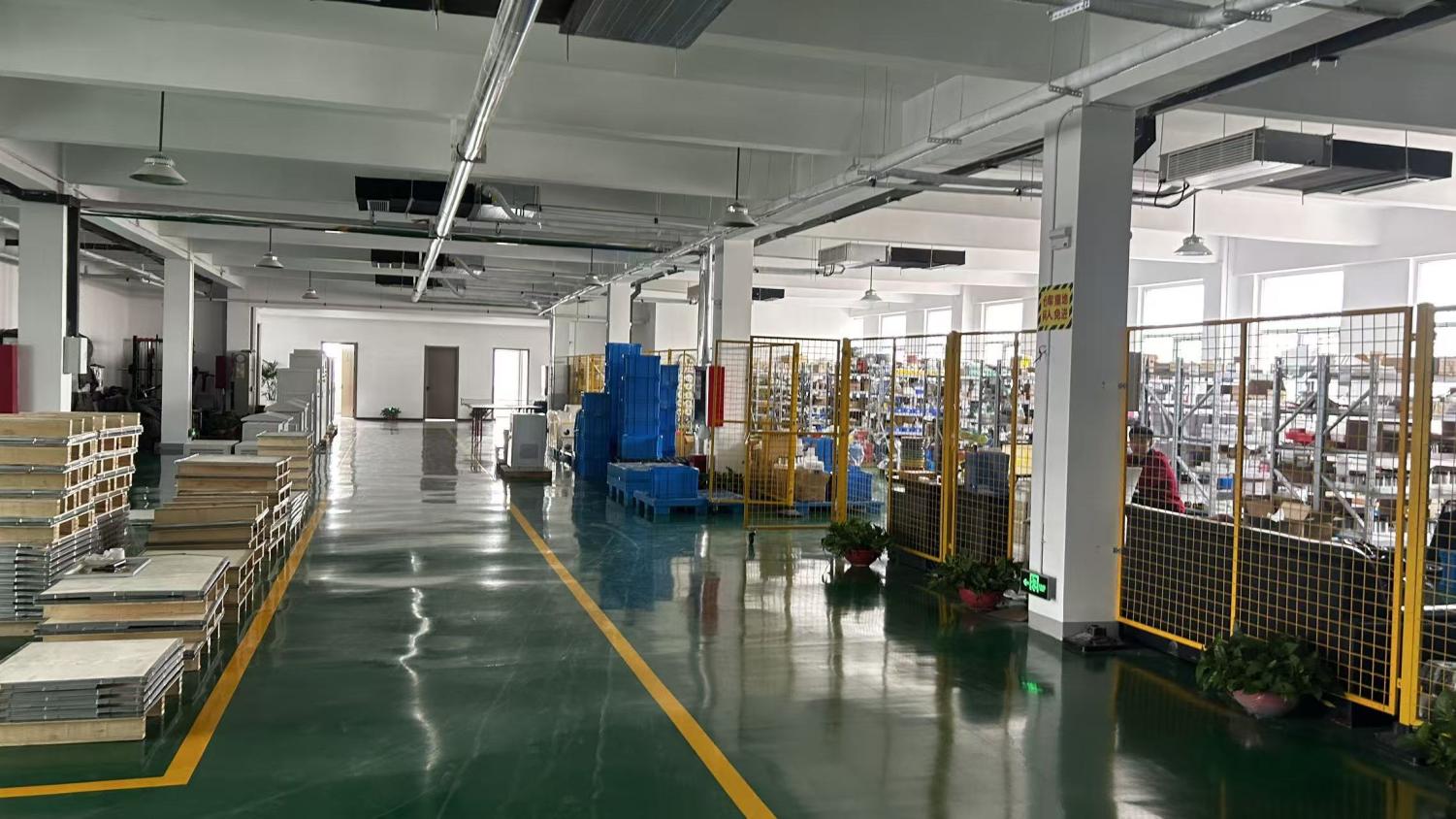
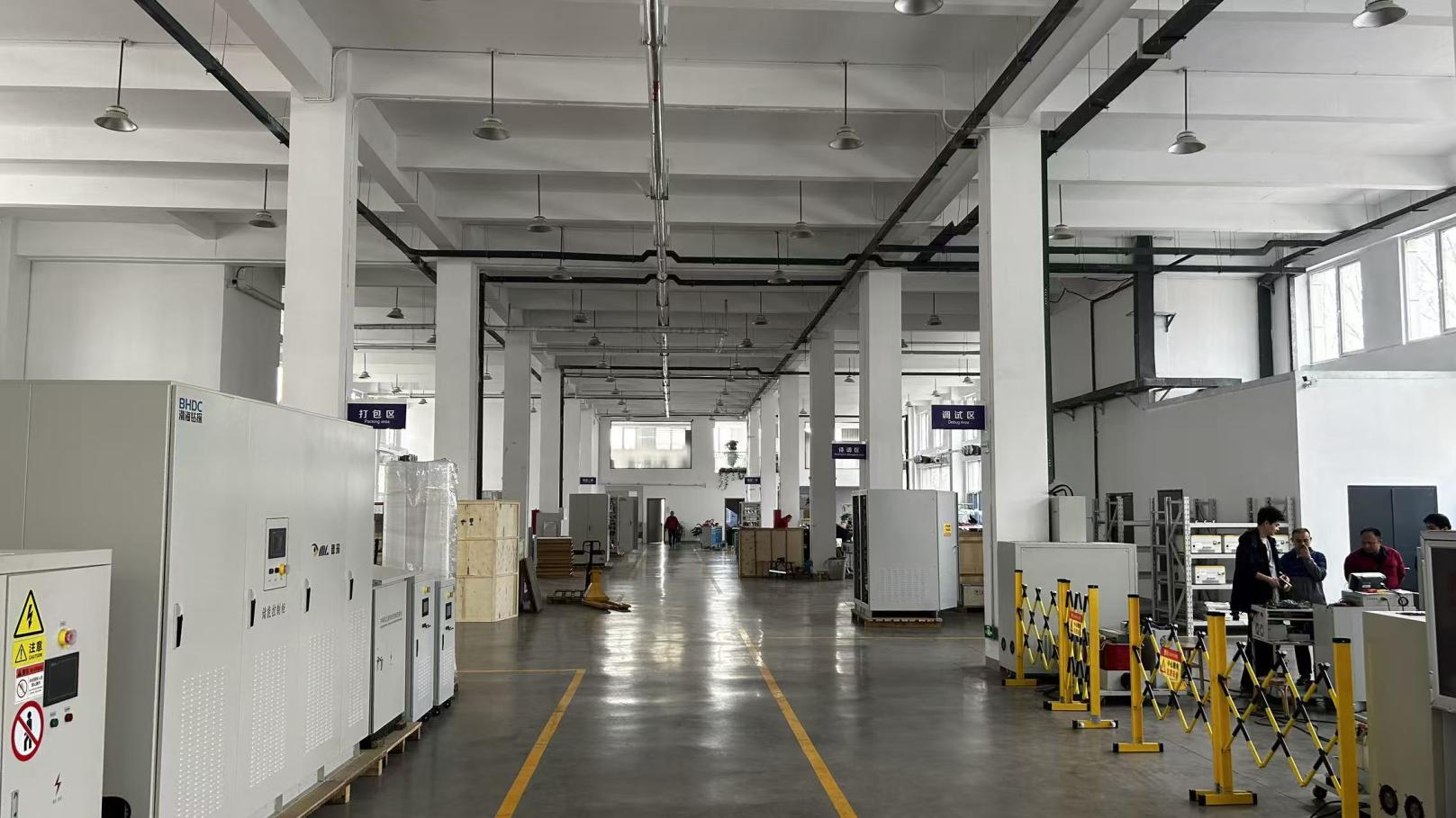
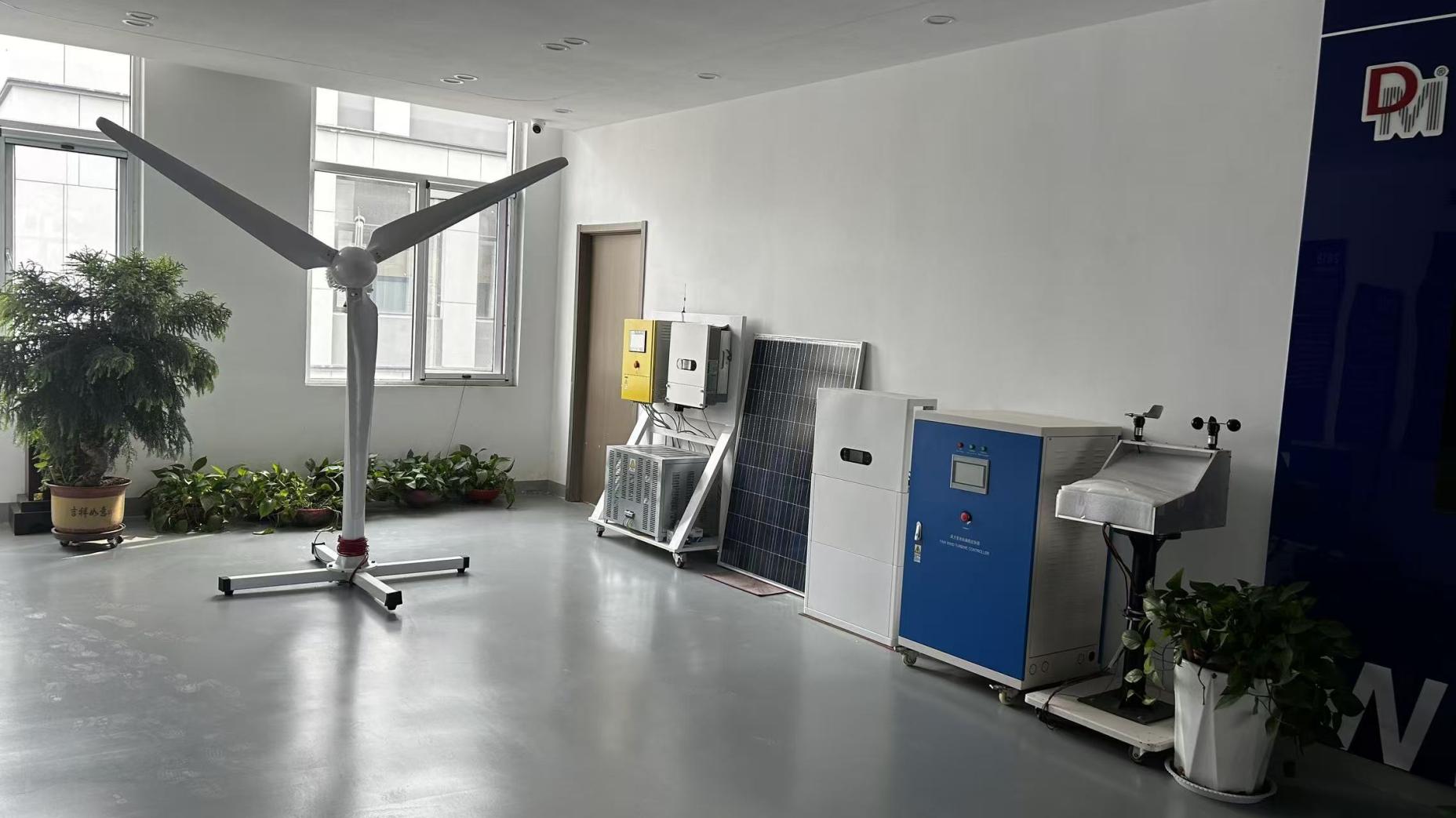
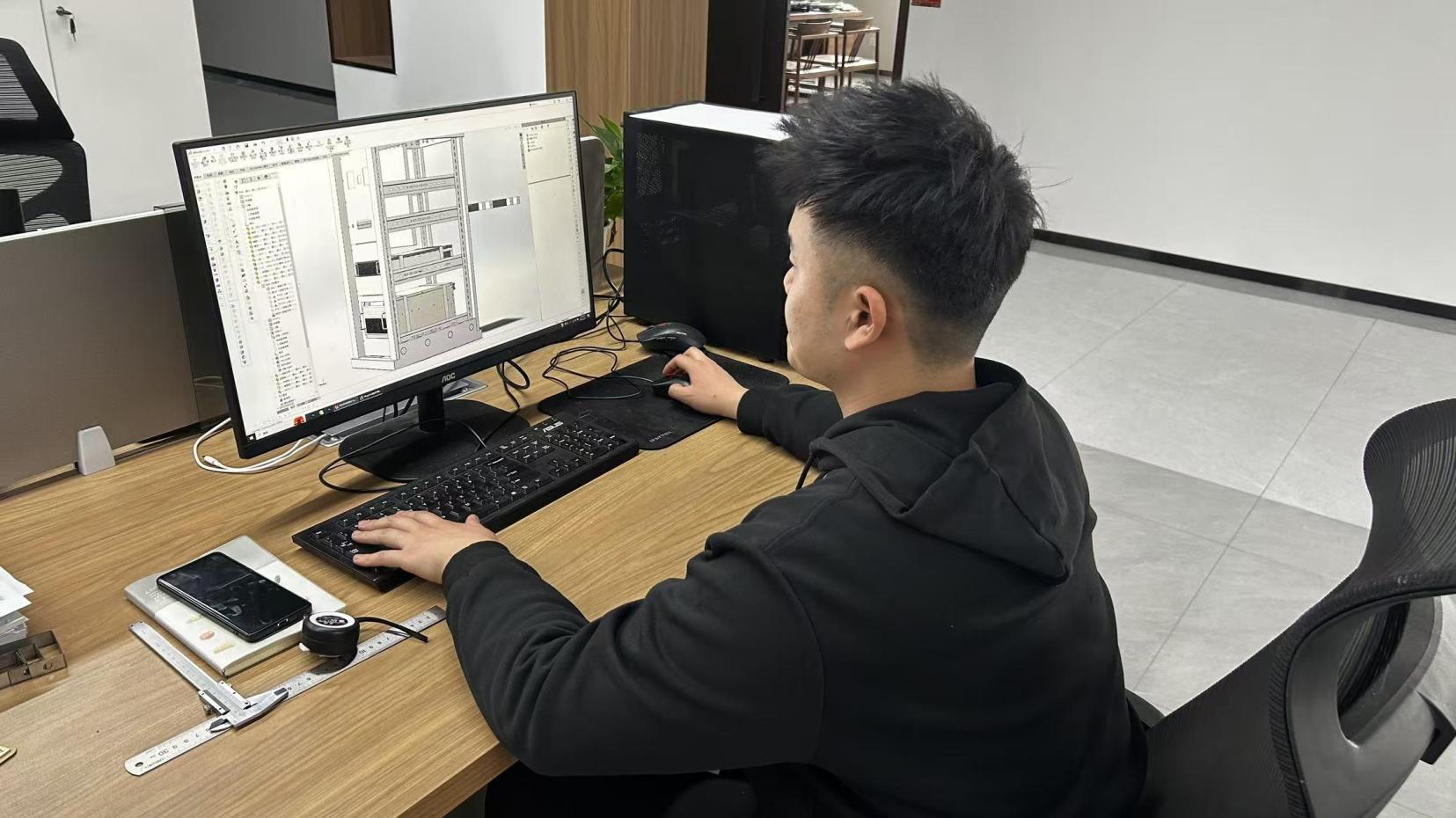
Jinan Deming Power Equipment Co., Ltd. is a nationally recognized high-tech enterprise established in 2004, specializing in the research, development, production, and service of renewable energy power equipment and advanced power testing solutions. The company holds ISO9001:2015 certification and has been recognized as a high-tech enterprise by the Chinese government multiple times (2015, 2018). With a dedicated R&D team of 16 engineers including doctoral supervisors and master's degree holders, Deming invests no less than 20% of annual sales revenue into technology development. The company has completed 17 R&D projects in the last three years with 16 scientific and technological achievements transformed into commercial products. Deming's products have been exported to 120+ countries including Germany, Japan, the United States, UK, Canada, Australia, and Brazil, and the company has established cooperative relationships with Fortune 500 enterprises. The company's main products include wind/solar controllers, inverters, frequency converters, and high-power bidirectional DC test power supplies and battery simulators ranging from 150kW to 500kW.
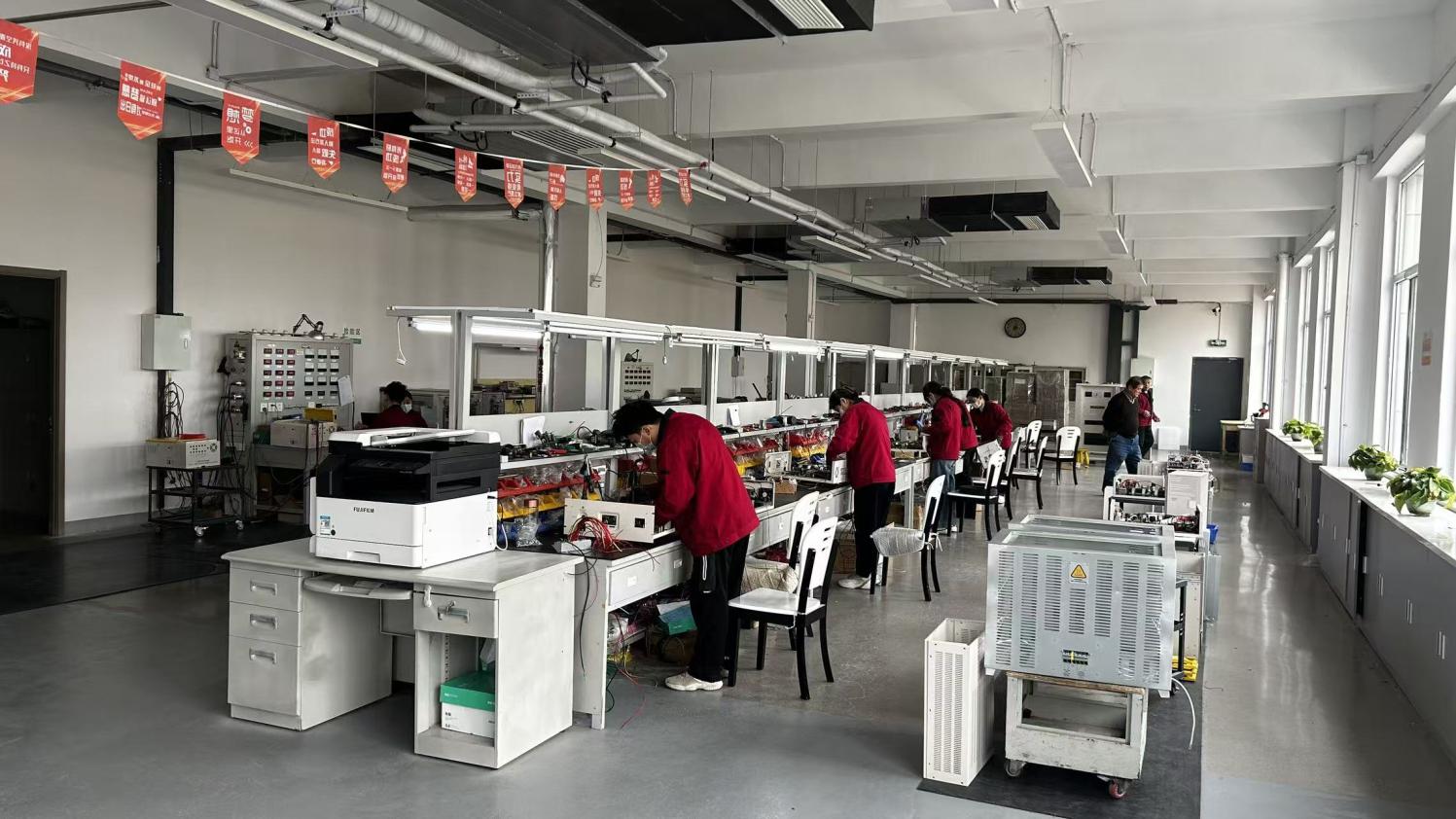
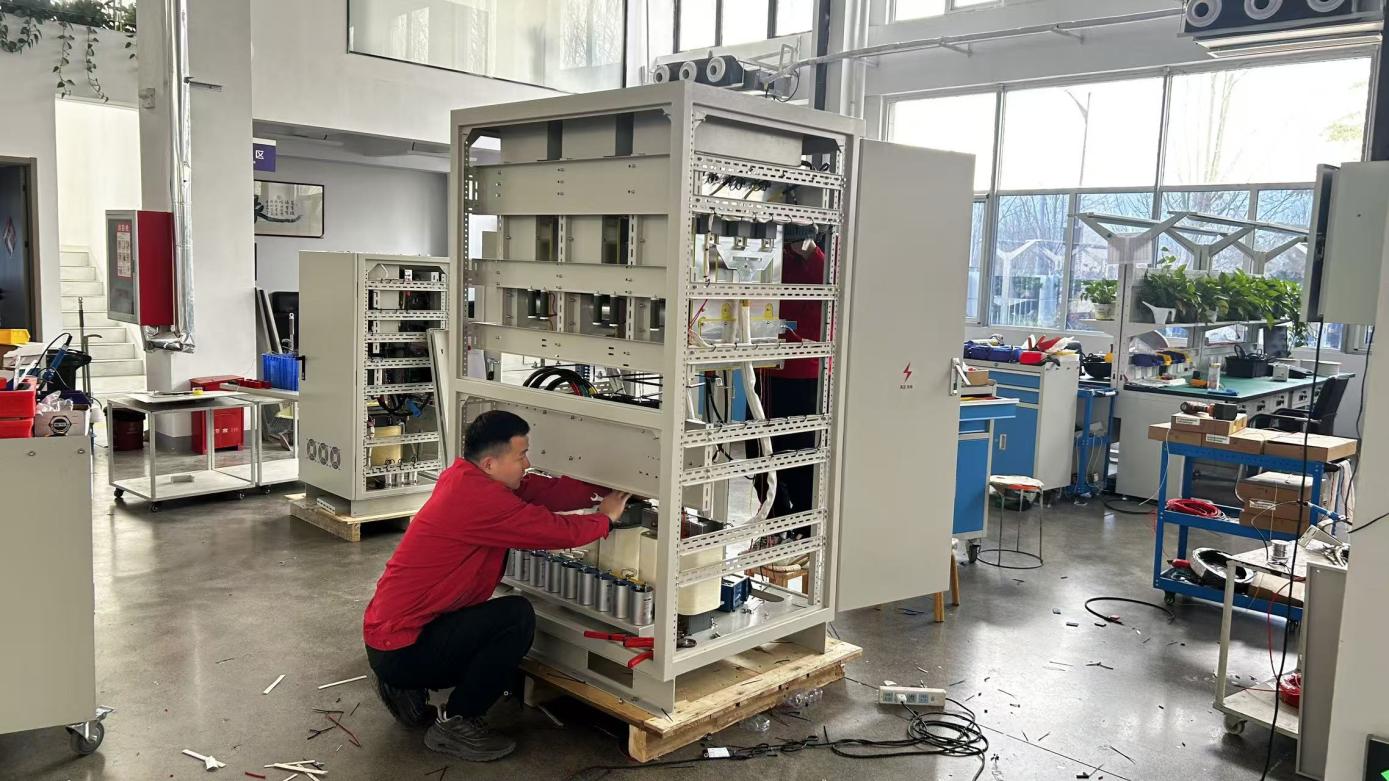
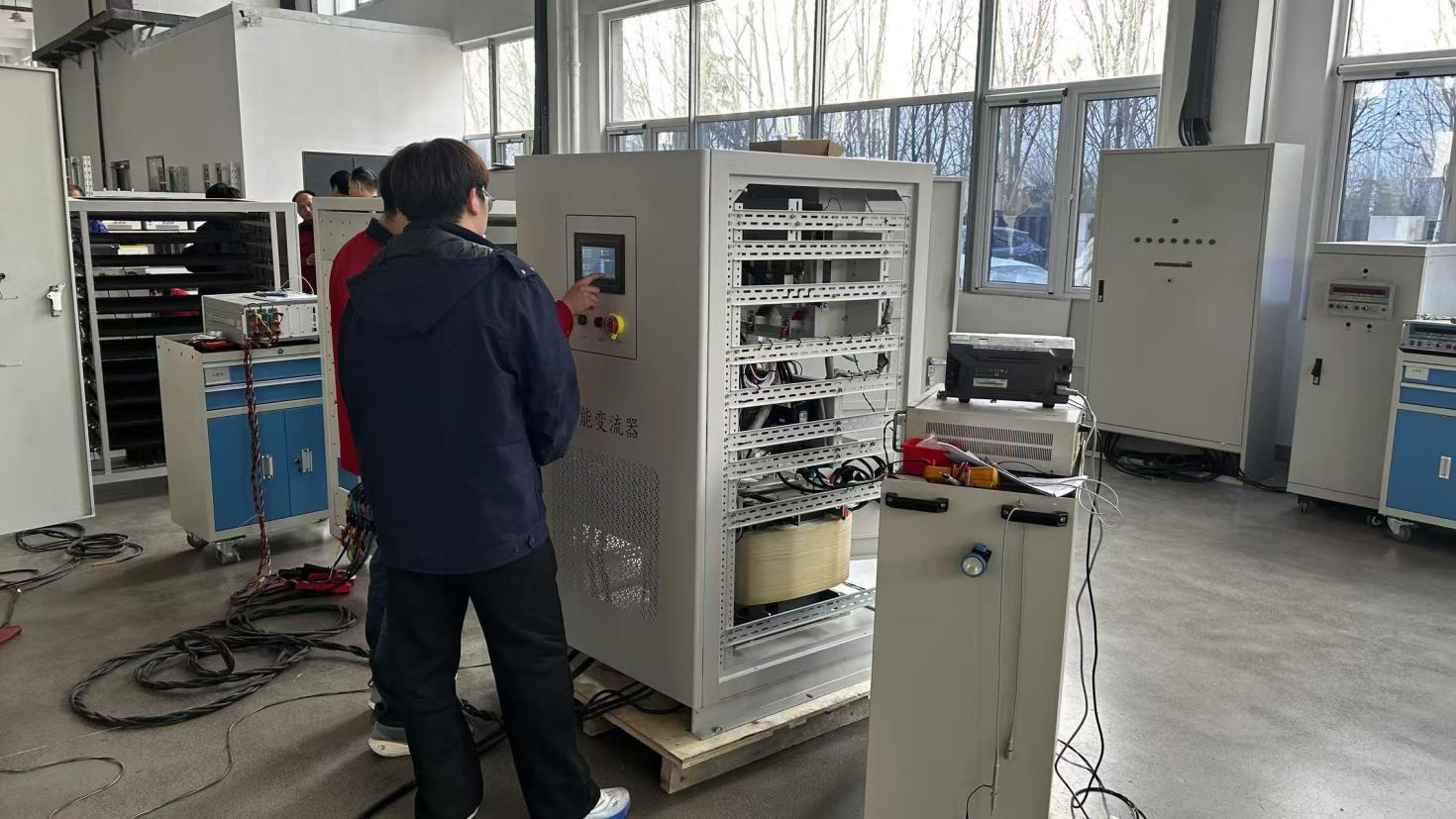
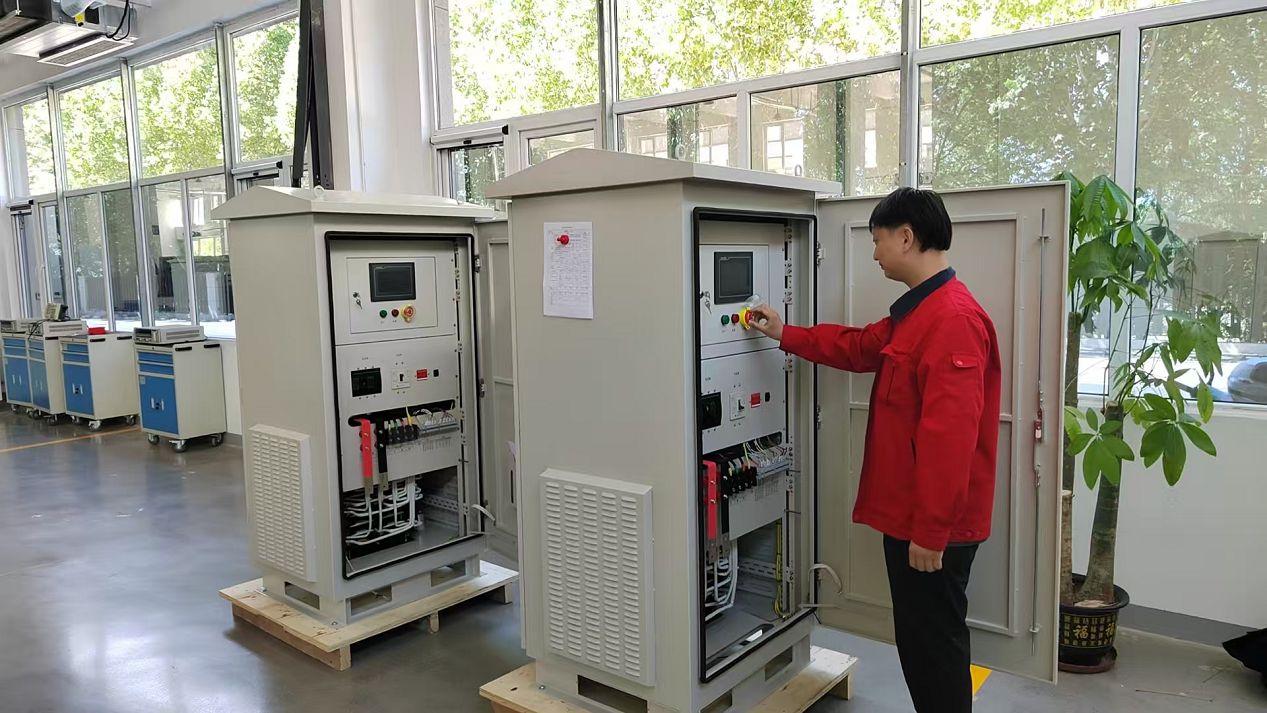
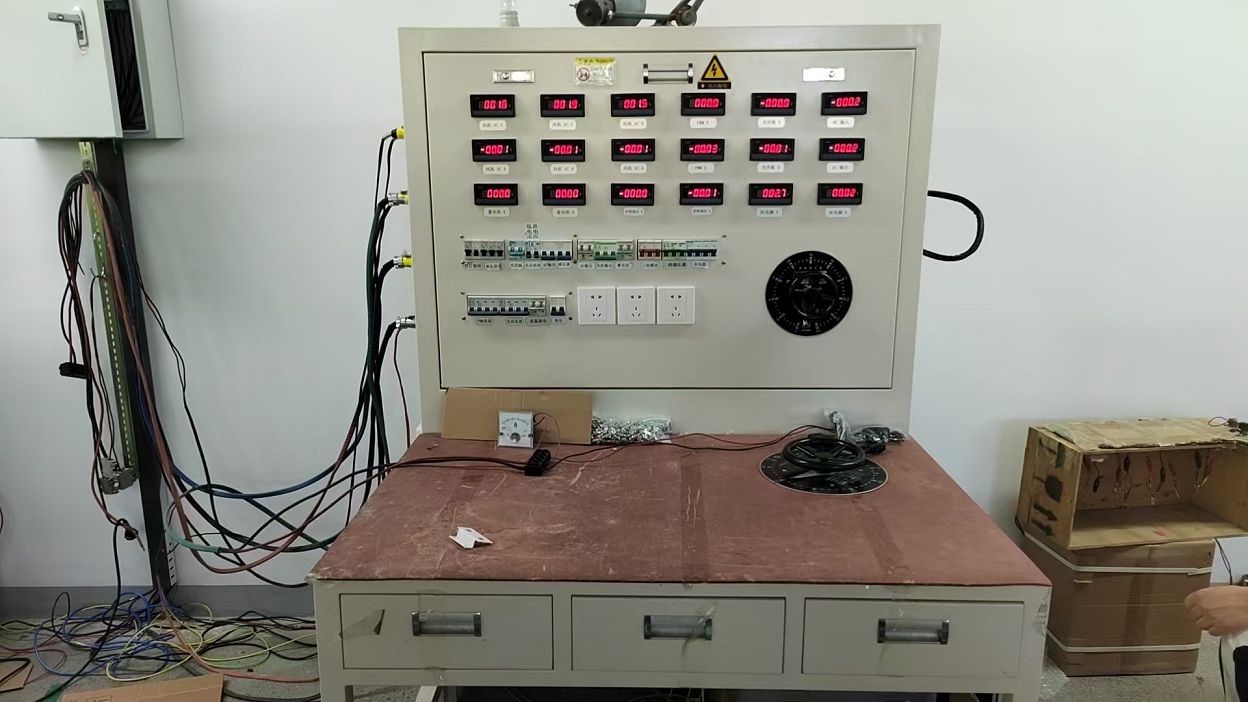
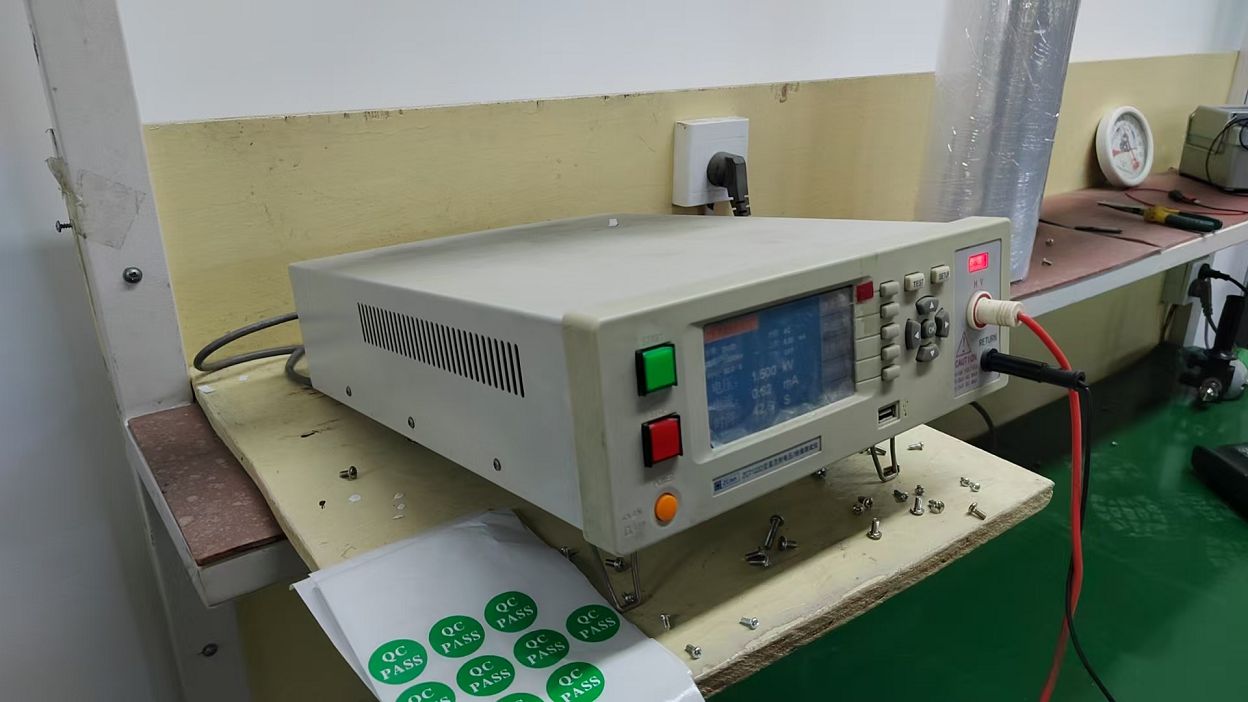
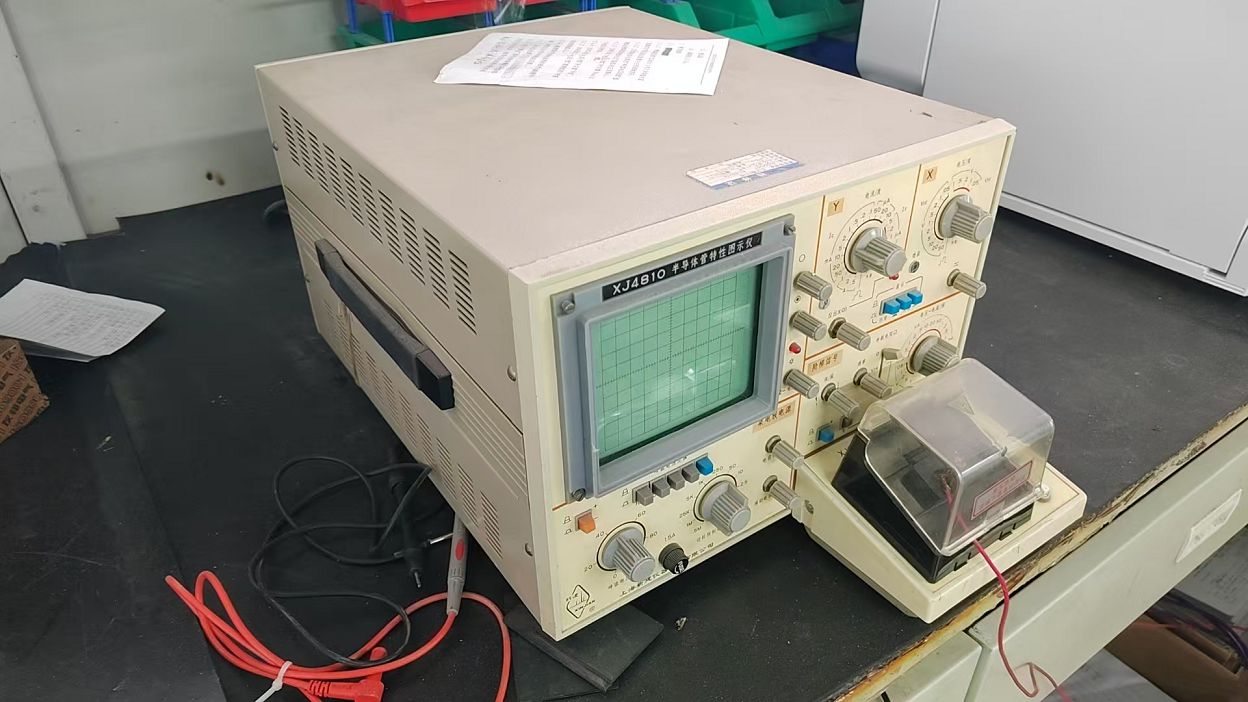
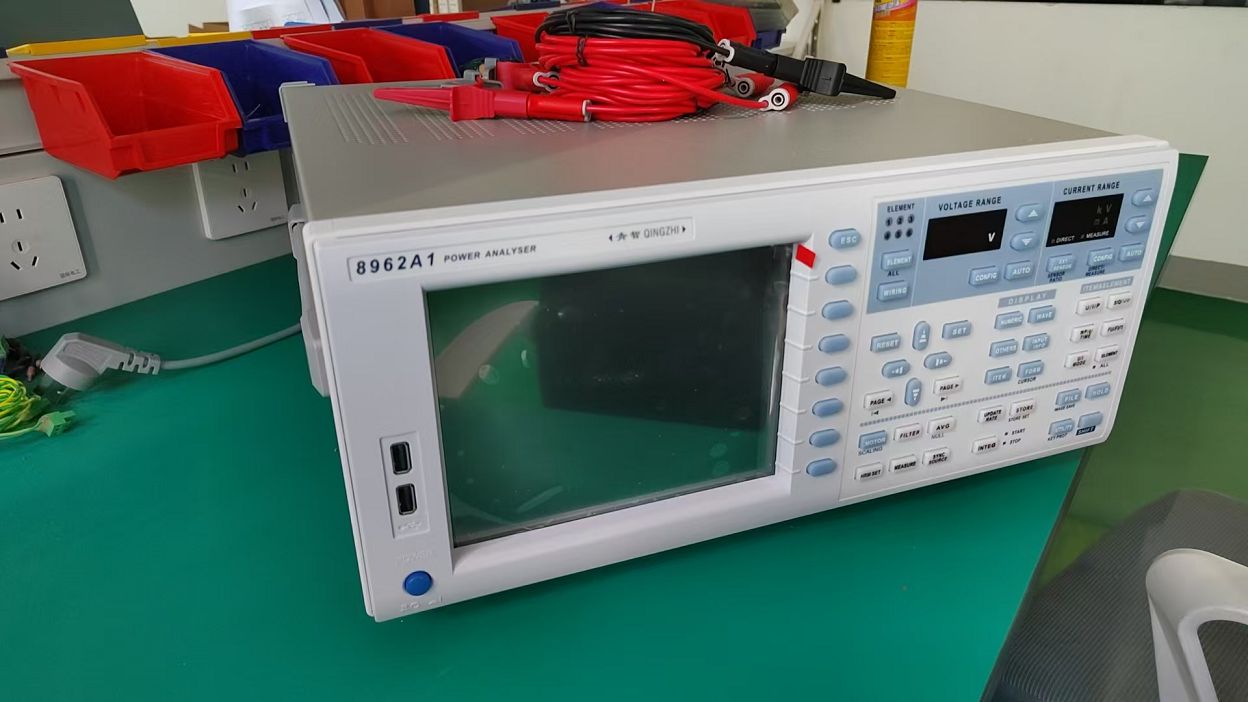
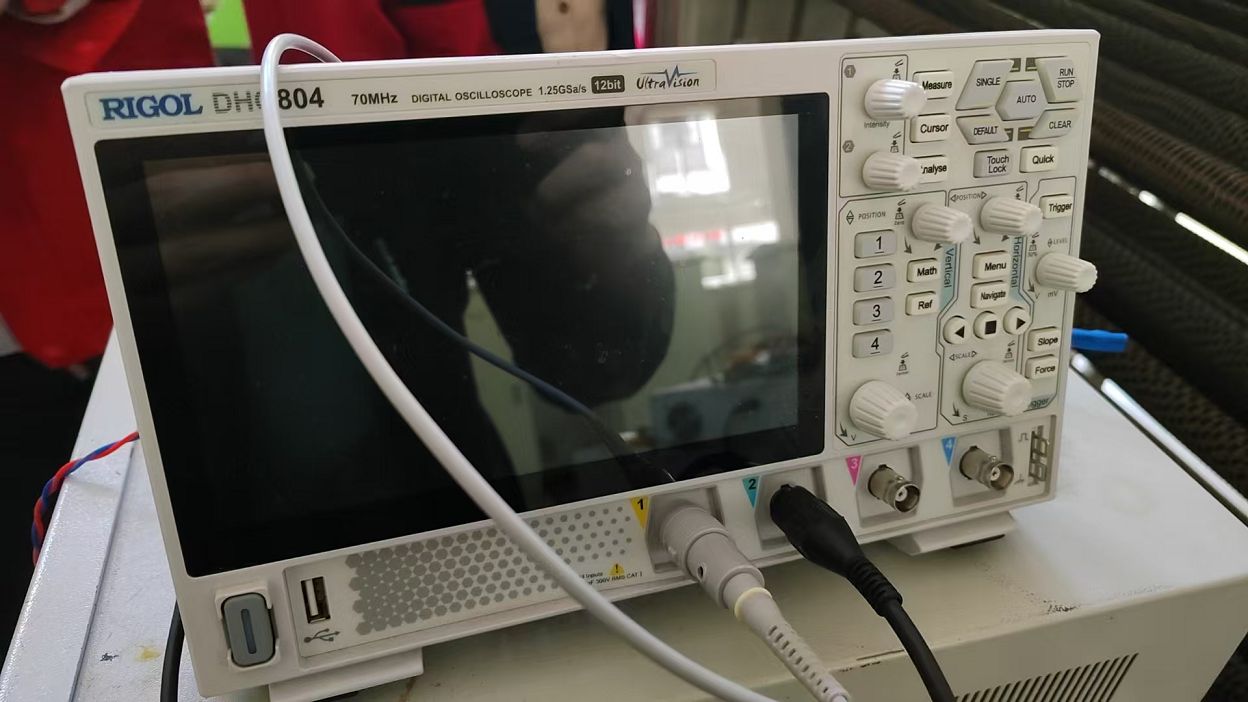
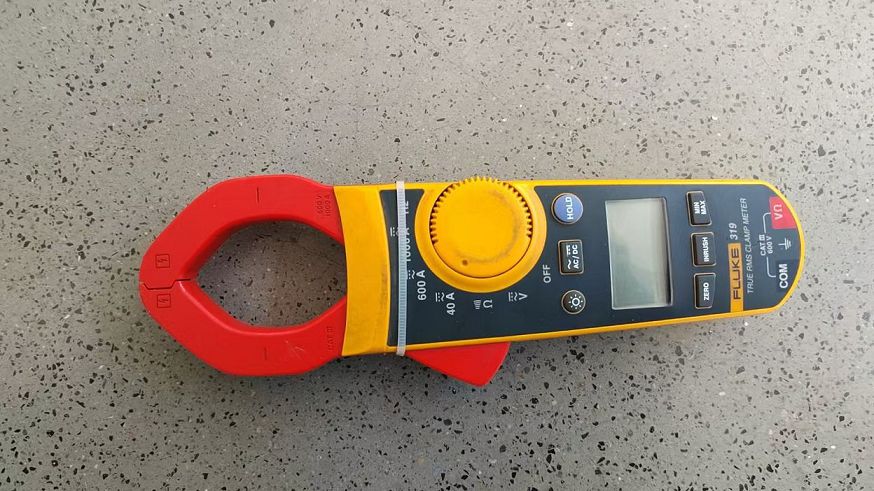
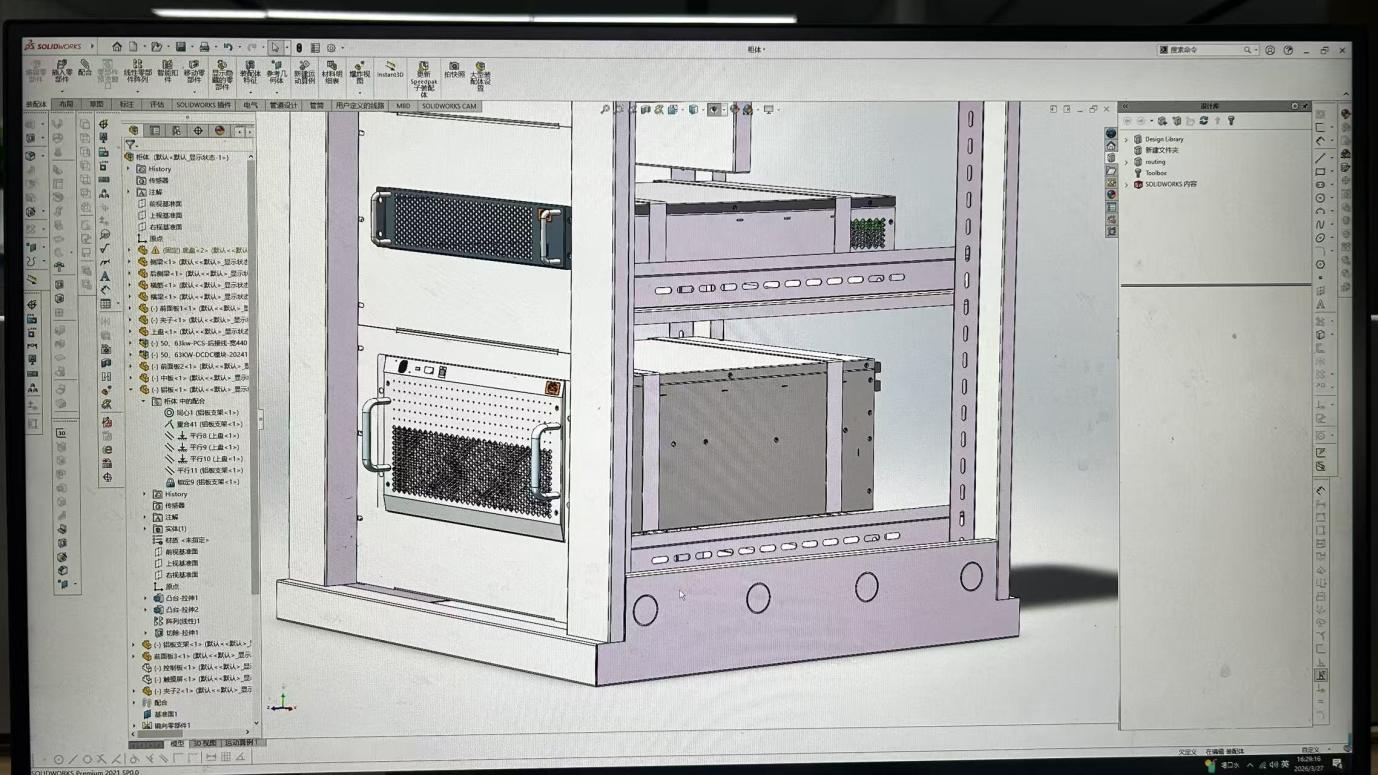
Industrial hydroelectric converters rely on back-to-back AC-DC-AC topologies to isolate mechanical variations from grid-side stability. The generator-side rectifier converts variable frequency and variable voltage AC into a stable intermediate DC-link. The grid-side inverter then converts this DC voltage back into a grid-synchronous sine wave. Deming Power uses Active Front End (AFE) technologies, which employ insulated gate bipolar transistors (IGBTs) on both rectifiers and inverters to enable bidirectional energy flow.
For applications such as variable speed pumped storage, bidirectional operation is critical. In generation mode, the system converts raw kinetic water energy into utility-compliant AC. In pumping mode, the converter reverses the energy flow, drawing power from the grid to pump water back to the upper reservoir during off-peak hours. This operation requires advanced control schemes like Field-Oriented Control (FOC) or Direct Torque Control (DTC) to manage permanent magnet generators without mechanical sensors.
| Technology Spec | Fixed-Speed Systems | Variable-Speed (Deming Converters) | Industrial Benefit |
|---|---|---|---|
| Hydraulic Flow Range | Narrow (90% - 105% Rated flow) | Wide (40% - 130% Rated flow) | Year-round operation in dry seasons |
| Water-to-Wire Efficiency | 78% - 85% (Variable flow) | Up to 96% overall system efficiency | Faster ROI for plant developers |
| Mechanical Vibration / Wear | High due to hydraulic turbulence | Dampened by active torque control | Doubled turbine service lifespan |
| Grid Support Functions | None (Passive synchronization) | Full LVRT, reactive injection, P(f) droop | Complies with modern international grid codes |
Industrial hydropower plants operate in diverse environments, each requiring specific engineering configurations. Deming Power manufactures converters customized for distinct localized conditions:
In high-altitude areas like the Andes or the Alps, low air density limits the cooling efficiency of standard electronics. To compensate, Deming designs over-dimensioned busbars, enhanced creepage distances, and derated thermal profiles, ensuring stable 24/7 operation in remote mountain regions without requiring constant field maintenance.
Many farming enterprises utilize low-head canals or irrigation structures to power remote operations. These applications often require hybrid functionality. Deming's range of 10kW to 100kW off-grid converters integrates hybrid inputs, allowing rural users to combine micro-hydro generators with solar PV arrays. The system manages power distribution automatically without requiring large battery banks.
Marine environments present challenges from salt-fog corrosion and tidal cyclic loads. Our marine tidal power converters feature IP68-rated protection, conformally coated circuit assemblies, and heavy-duty sub-cabinets. By managing bidirectional power, these units protect the generation drivetrain during rapid tidal direction shifts.
As transmission infrastructure evolves, future grid requirements will mandate that converter units act as voltage sources rather than simple current injectors. The industry is moving from Grid-Following (GFL) systems to Grid-Forming (GFM) converter technologies. GFM converters can establish voltage and frequency reference baselines autonomously, enabling black-start operations in the event of regional grid failures.
To support this transition, Deming Power's R&D team is developing next-generation wide-bandgap semiconductor topologies. By replacing silicon IGBTs with Silicon Carbide (SiC) MOSFETs, future converters will operate at higher switching frequencies with reduced switching losses. This transition will reduce the physical footprint of magnetic filter components by 40% while maintaining conversion efficiencies above 99.2%.
Highly stable AC/AC and off-grid generator solutions designed for small hydro, tidal, and hybrid energy installations.
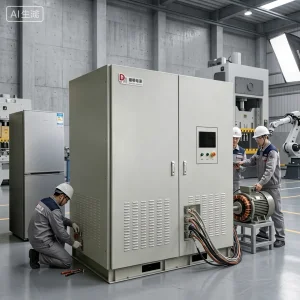
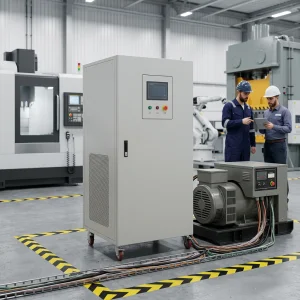
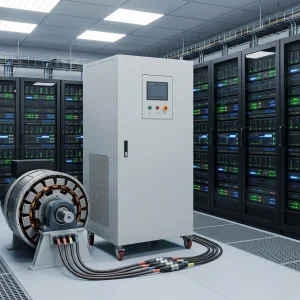
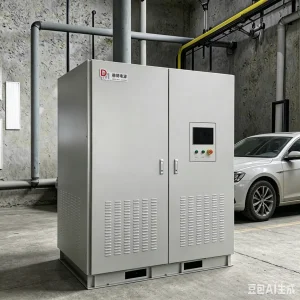
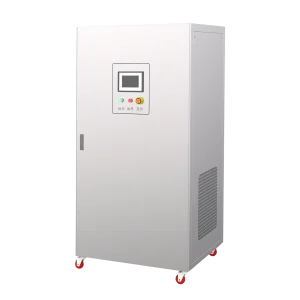
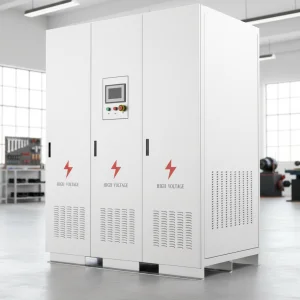
Technical answers regarding installation, efficiency, grid-code compliance, and customization parameters.
Fixed-speed hydro systems require a constant water flow rate to maintain grid synchronization. If the water volume varies, the turbine's hydraulic efficiency decreases. A variable-speed hydro converter decouples the generator's operating frequency from the grid's electrical frequency. This allows the system to adjust rotational speed in real-time, matching water flow variations to optimize hydraulic efficiency (water-to-wire energy conversion) across the seasonal cycle.
Key parameters include the generator's open-circuit terminal voltage at maximum runaway speed, rated current capacity, operational frequency spectrum, and whether the system is grid-tied or off-grid. Deming AC/AC PMG converters handle wide voltage variations and stabilize output frequency without requiring large battery banks, protecting the system against runaway overvoltage conditions.
Yes. Our industrial-grade converters feature Low-Voltage Ride-Through (LVRT) capabilities that comply with international standards like EN 50549 and IEEE 1547. During transient grid sags or grid faults, the converter injects reactive power to support grid recovery instead of immediately disconnecting, avoiding turbine trippings and mechanical wear.
Yes. We offer customized multi-source hybrid converters (e.g., our 300KW Hybrid Solar Wind Generator Converter). These systems utilize multi-channel MPPT inputs to manage different generation sources, balancing local loads and grid-export parameters dynamically.
We provide a standard 12-to-24 month warranty on all export-grade converters, extendable for specific project scopes. Support includes remote diagnostics, Modbus/Ethernet communication modules for real-time monitoring, and modular replacement components. Deming's experienced R&D engineering team provides online technical commissioning and integration support for major projects.
 Demin Power