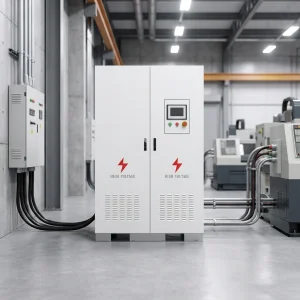
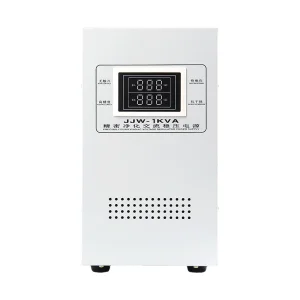
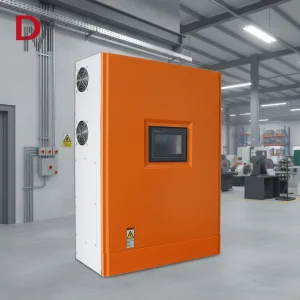
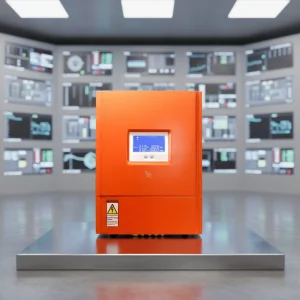
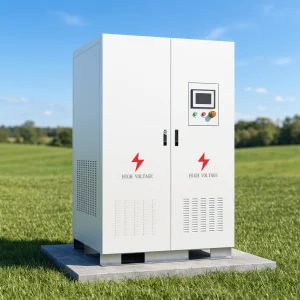
Explore our core engineering catalog featuring advanced off-grid inverters, wind/hydro turbines, bidirectional converters, and frequency regulators.
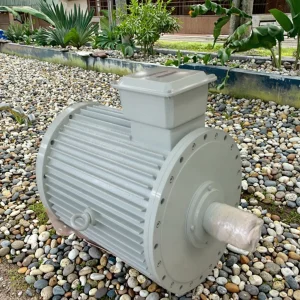
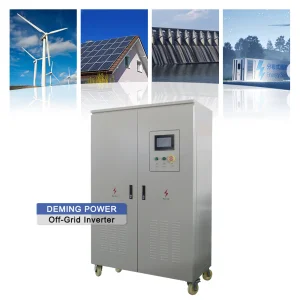
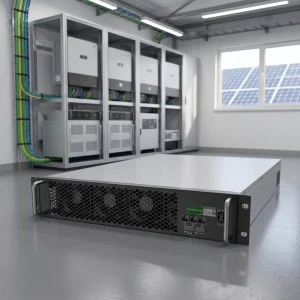
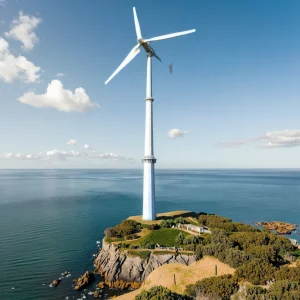
An in-depth analysis of high-power PV generation, energy shifting, grid integration, and BESS stability requirements across global industrial grids.
Modern commercial utilities face stringent carbon regulations. The integration of megawatts of clean PV power demands heavy-duty frequency control systems, high-efficiency grid-tied storage, and reliable AC/DC converter modules to mitigate voltage fluctuations.
By implementing bidirectional DC-DC converters and multi-megawatt battery energy storage systems (BESS), industrial installations can shift peak loads, significantly lowering monthly utility demand charges while increasing local resilience.
Decentralized energy microgrids require robust coordination. Power Conversion Systems (PCS) act as the interface between storage units, renewable resources (wind, solar, hydro), and critical operational infrastructure, ensuring seamless transition between off-grid and on-grid operations.
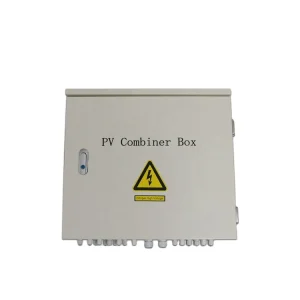
As standard grid reliability challenges rise due to climate impact and aging infrastructure, enterprise players require localized generation and storage capacities. Designing utility-grade systems involves selecting the right components: from PV combiner boxes that group massive solar string arrays, to high-efficiency, multi-phase inverters that match grid frequency criteria.
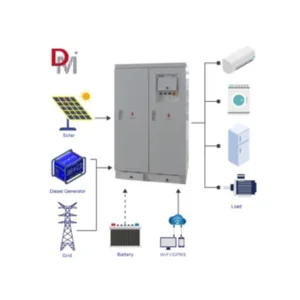
Furthermore, standard solar setups are no longer enough. Modern deployments require combined topologies incorporating wind turbines, hydro generators, and energy storage banks managed by intelligent microprocessors. This hybrid capability guarantees power production 24/7, even in areas experiencing seasonal solar variations.
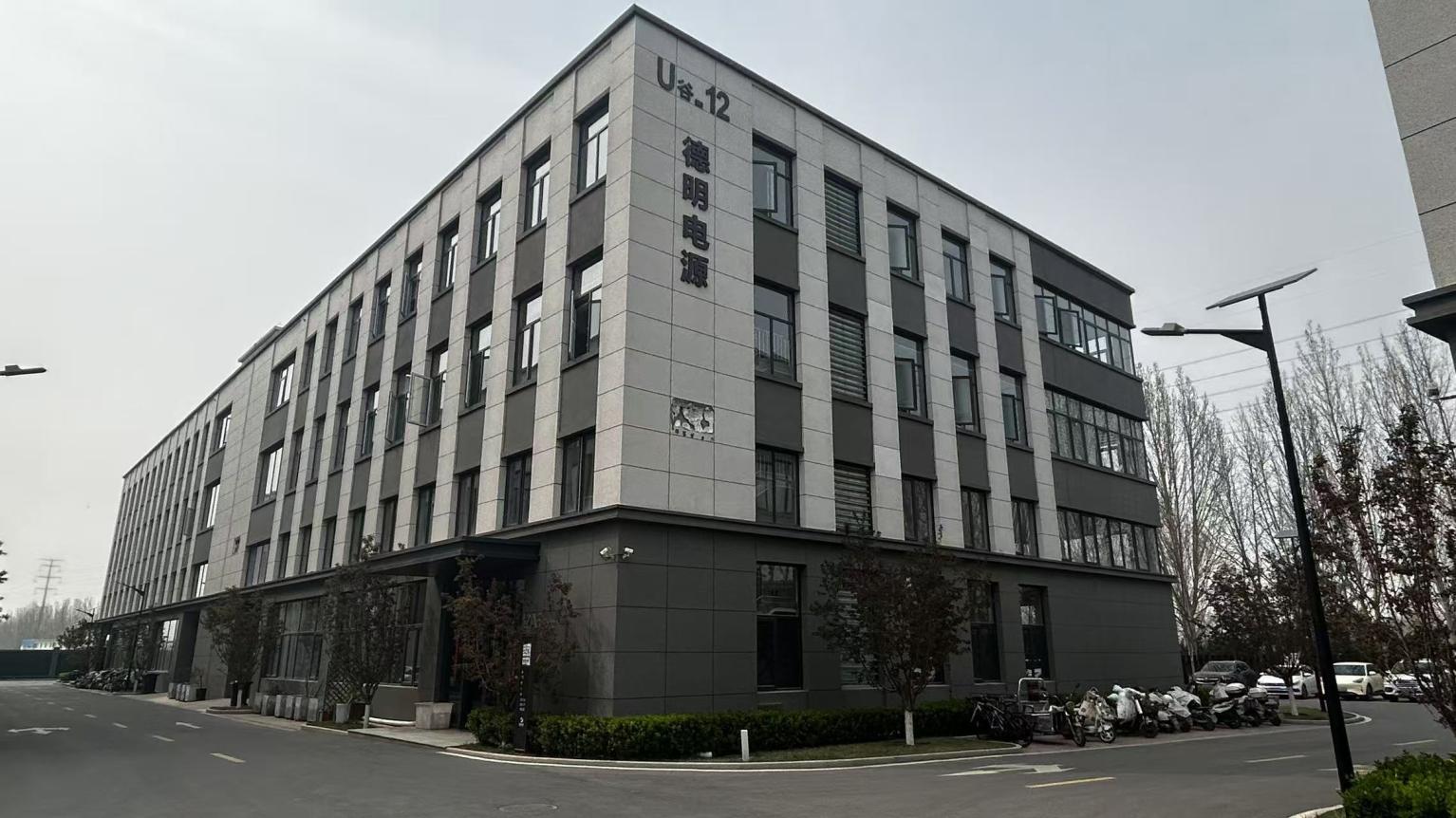
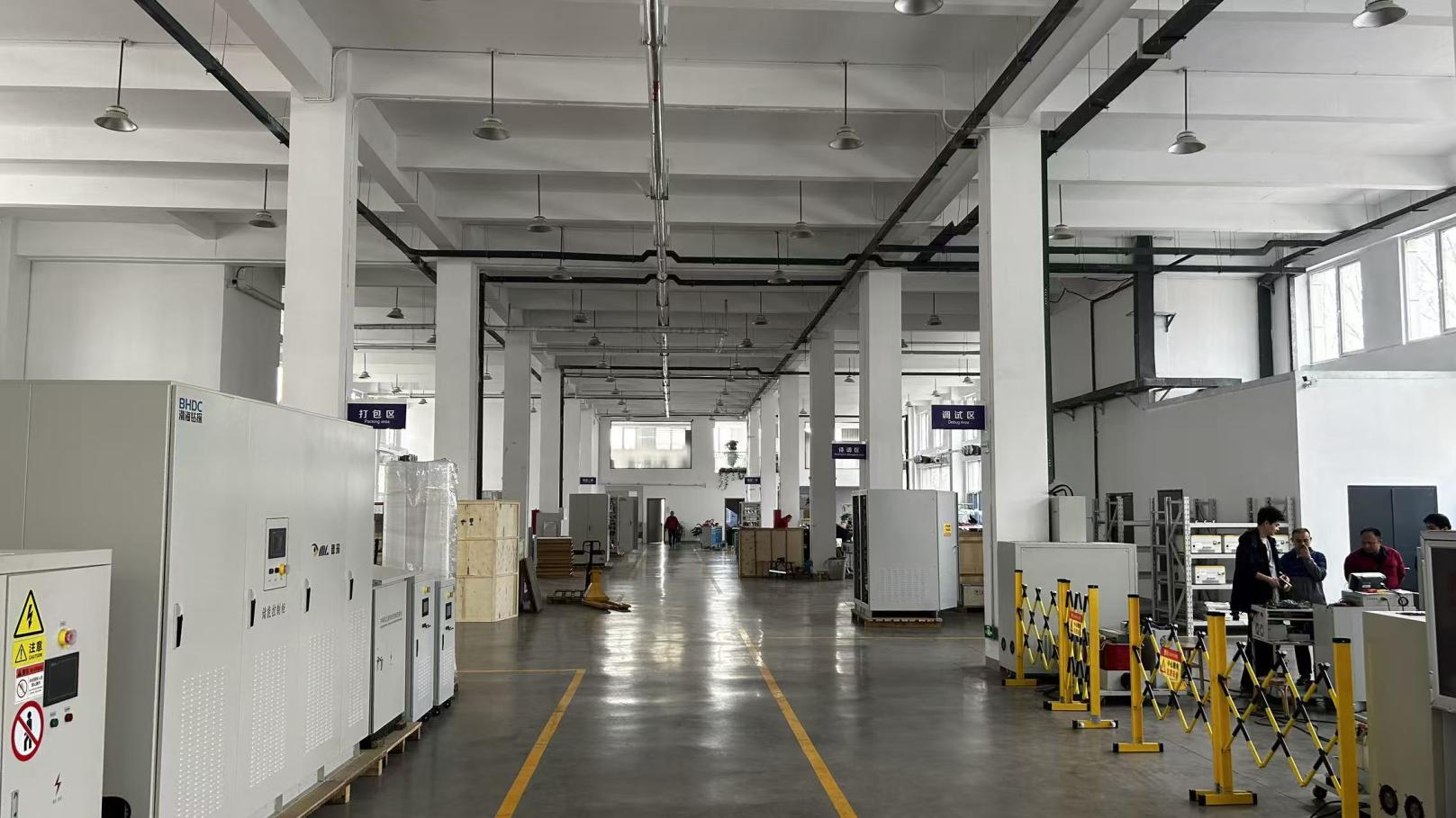
Jinan Deming Power Equipment Co., Ltd. is a nationally recognized high-tech enterprise established in 2004, specializing in the research, development, production, and service of renewable energy power equipment and advanced power testing solutions. The company holds ISO9001:2015 certification and has been recognized as a high-tech enterprise by the Chinese government multiple times (2015, 2018).
With a dedicated R&D team of 16 engineers including doctoral supervisors and master's degree holders, Deming invests no less than 20% of annual sales revenue into technology development. The company has completed 17 R&D projects in the last three years with 16 scientific and technological achievements transformed into commercial products.
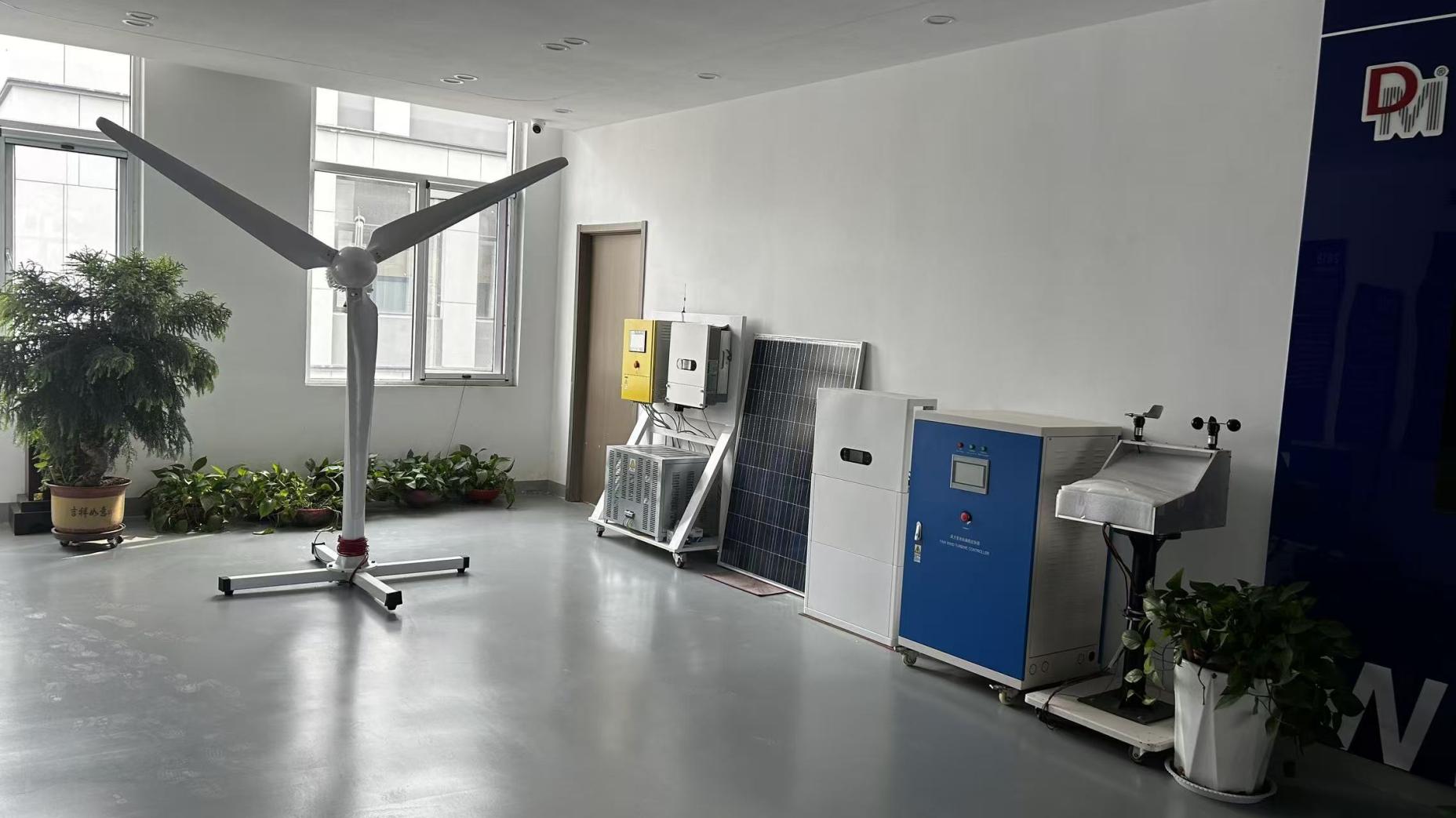
Deming's products have been exported to 120+ countries including Germany, Japan, the United States, UK, Canada, Australia, and Brazil, and the company has established cooperative relationships with Fortune 500 enterprises. The company's main products include wind/solar controllers, inverters, frequency converters, and high-power bidirectional DC test power supplies and battery simulators ranging from 150kW to 500kW.
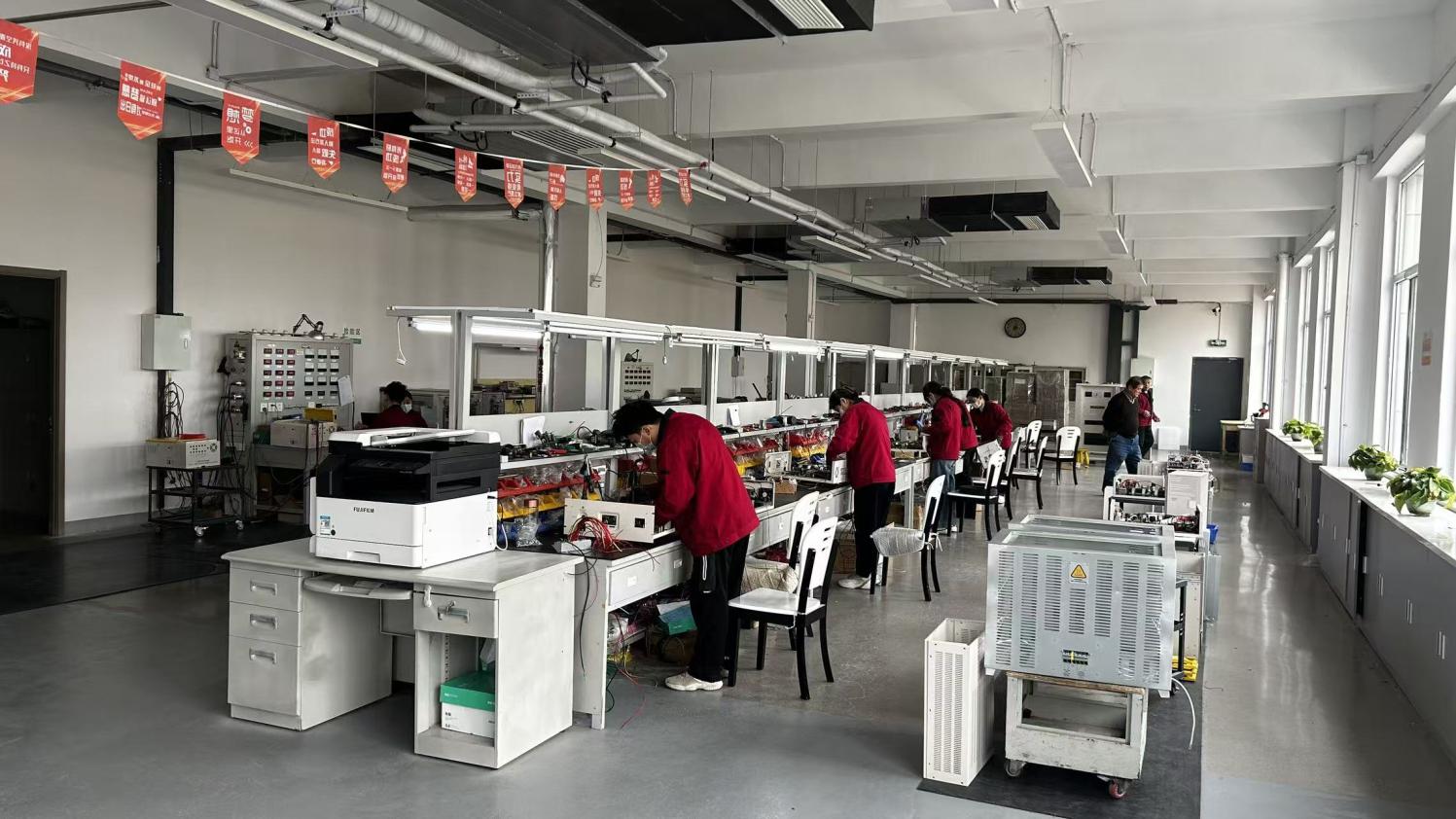
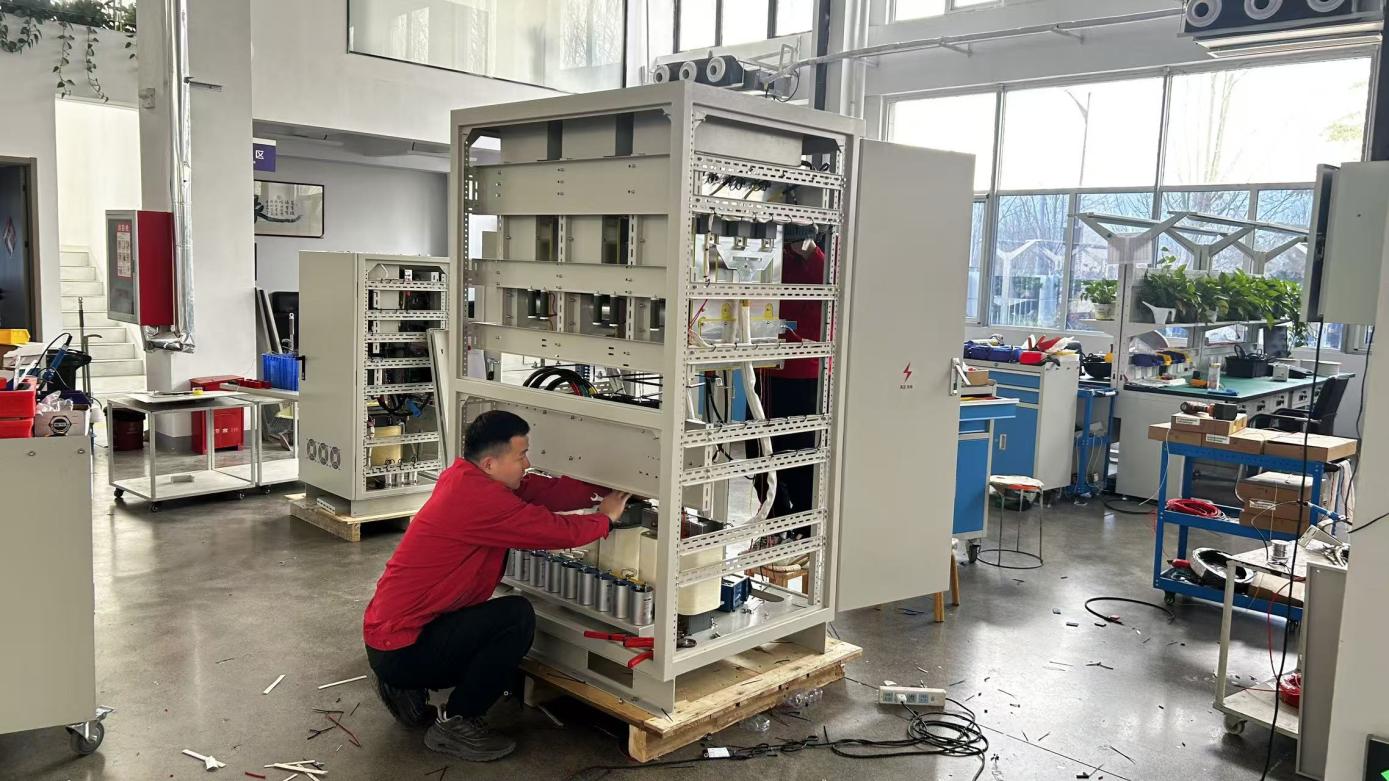
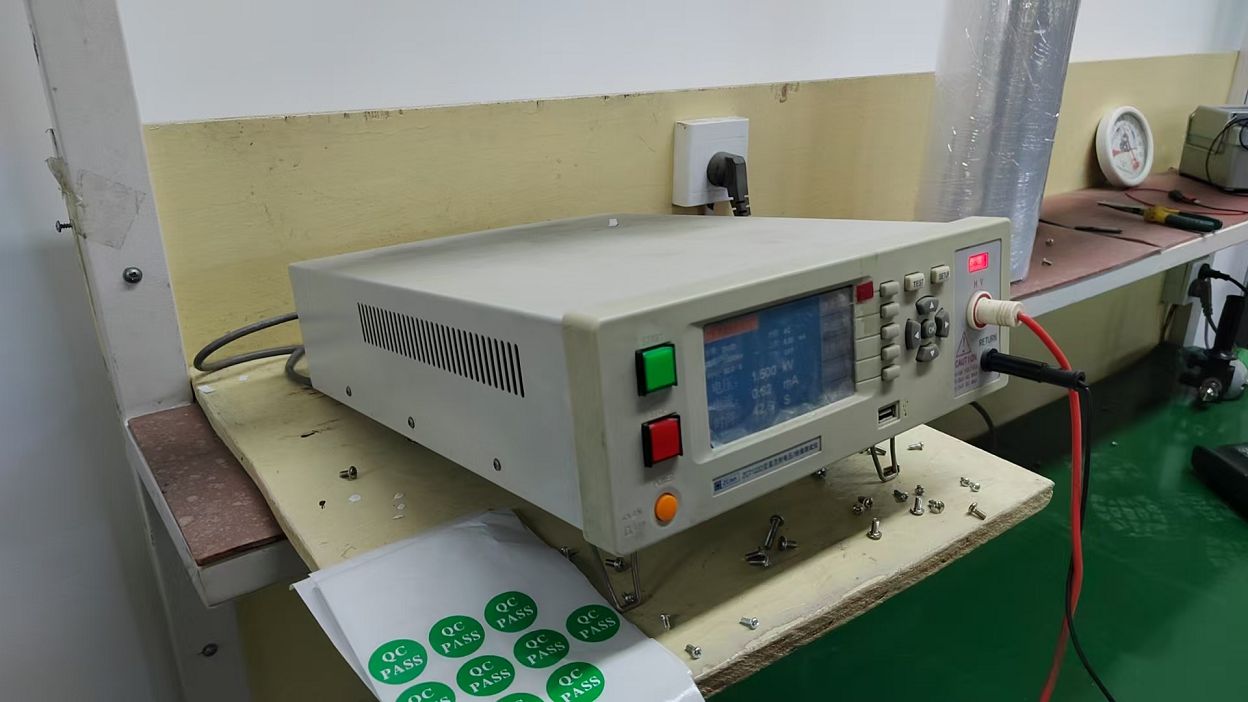
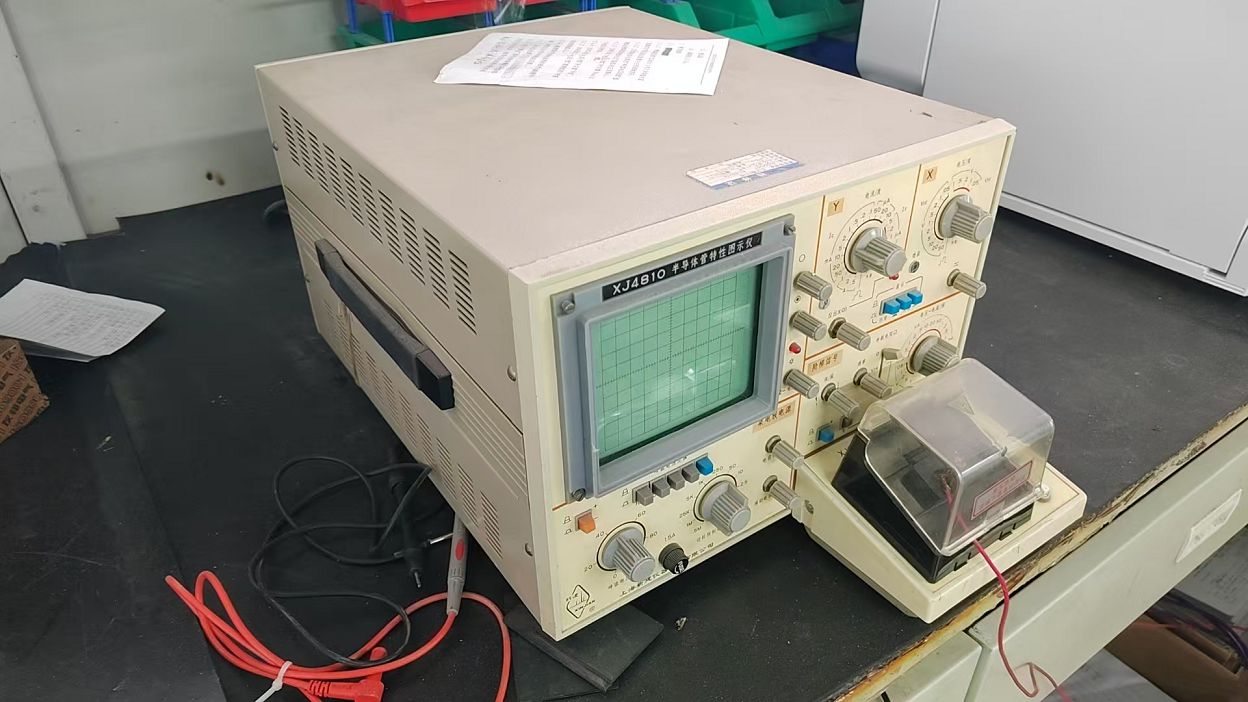
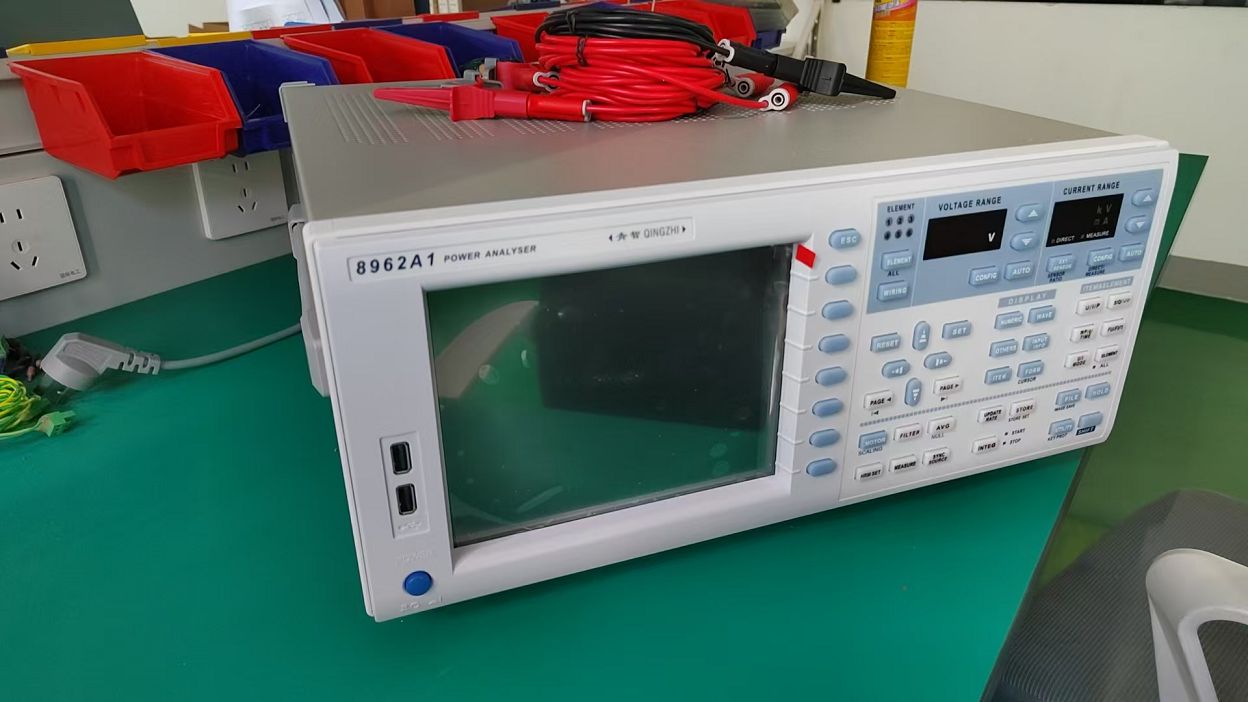
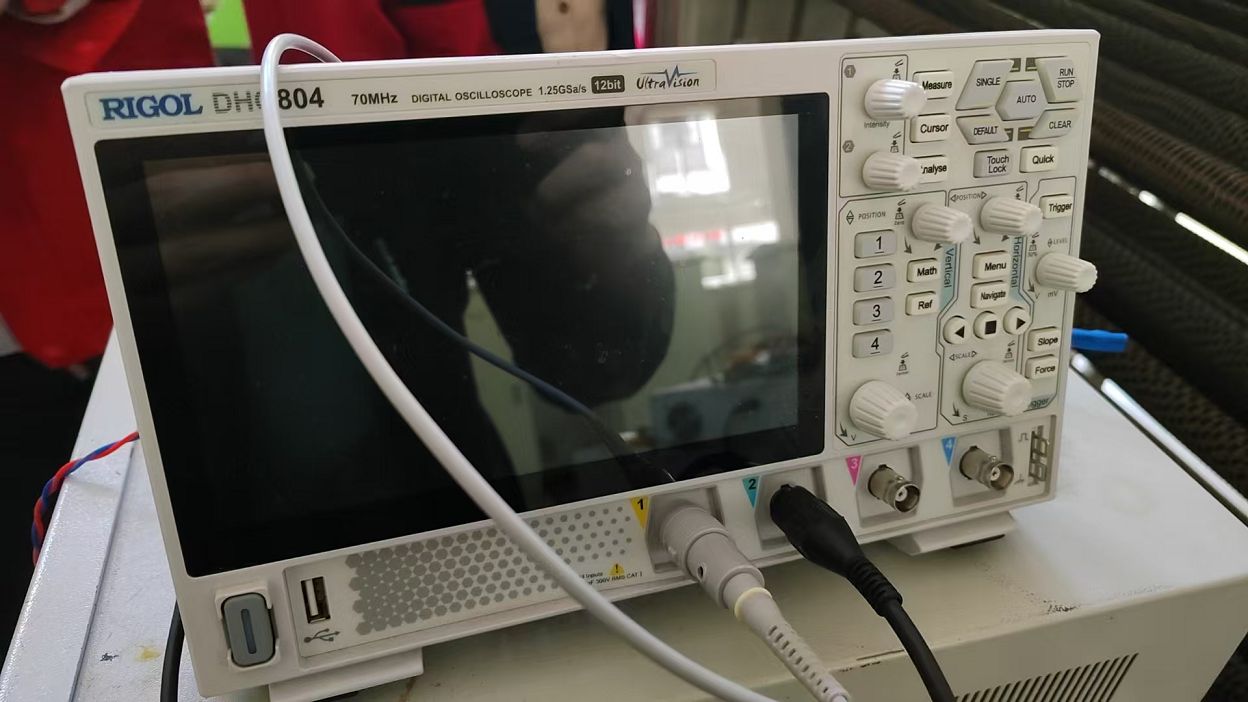
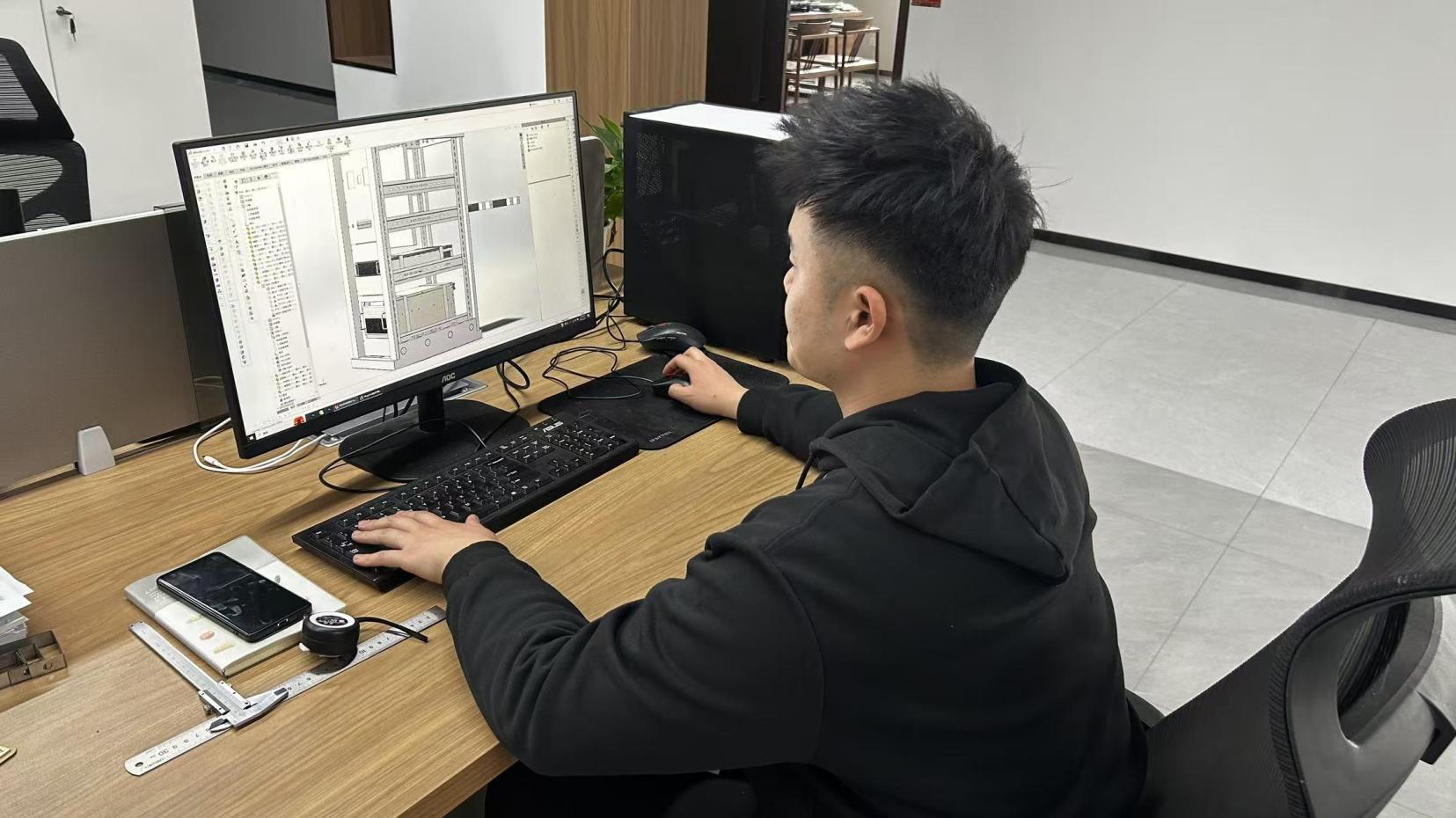
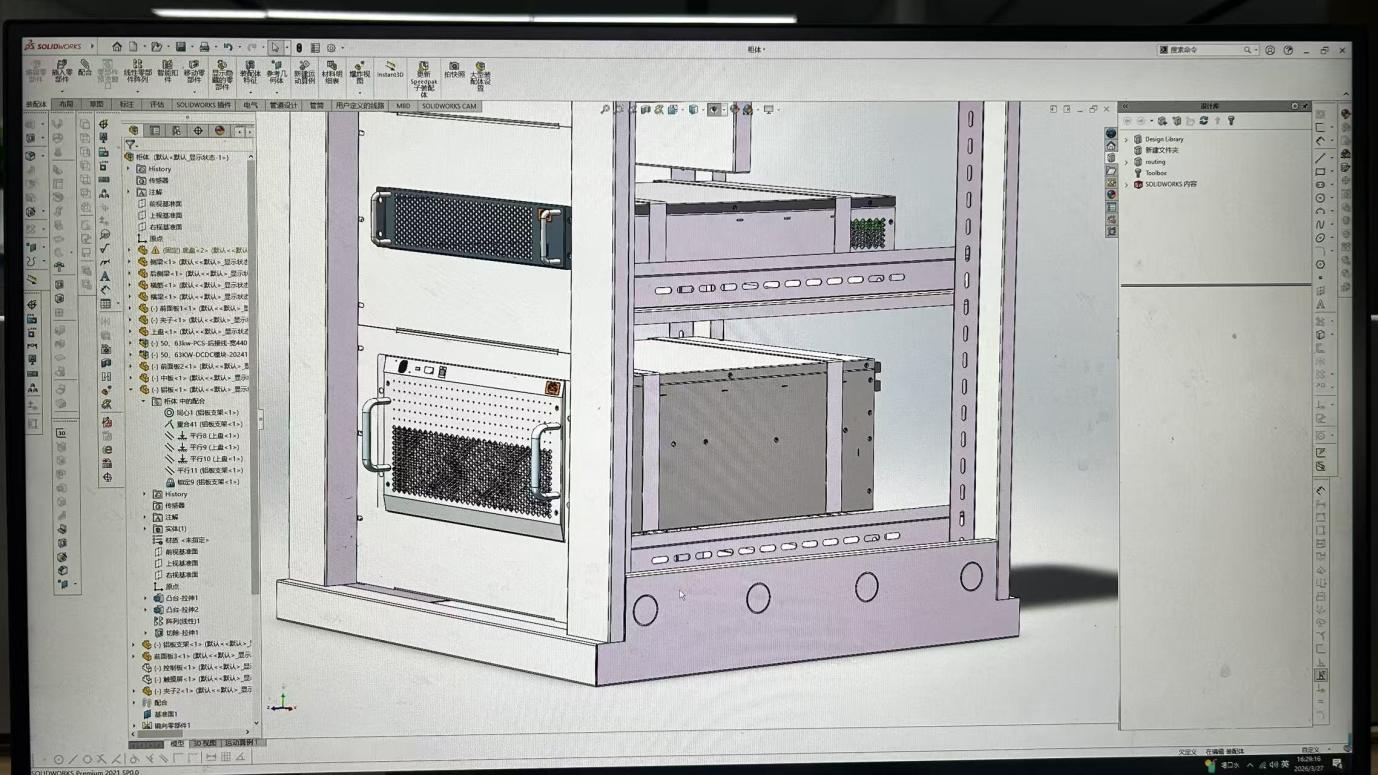
We execute strict process management from circuit board assembly, through multi-stage debugging, to final quality assurance.
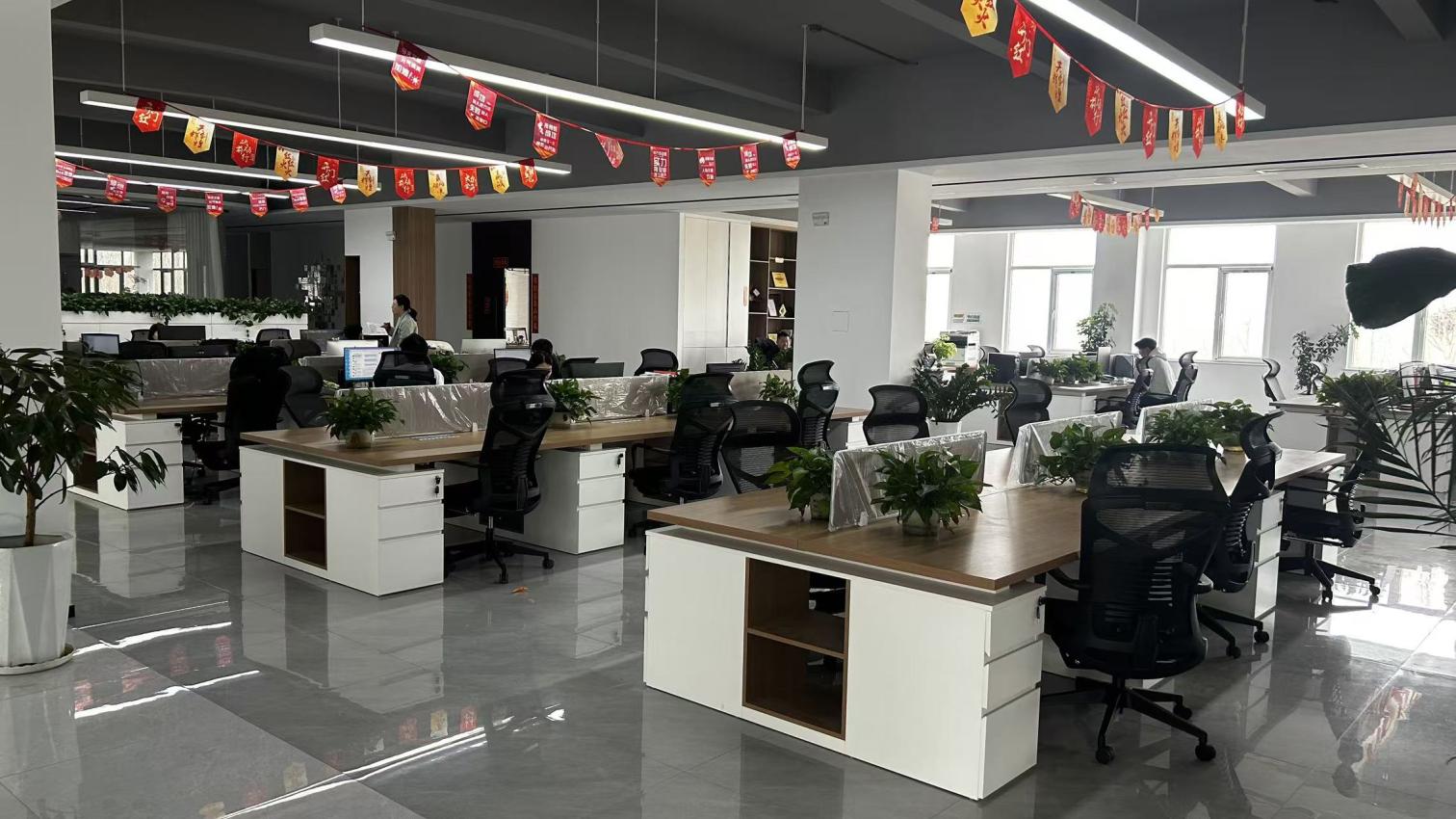
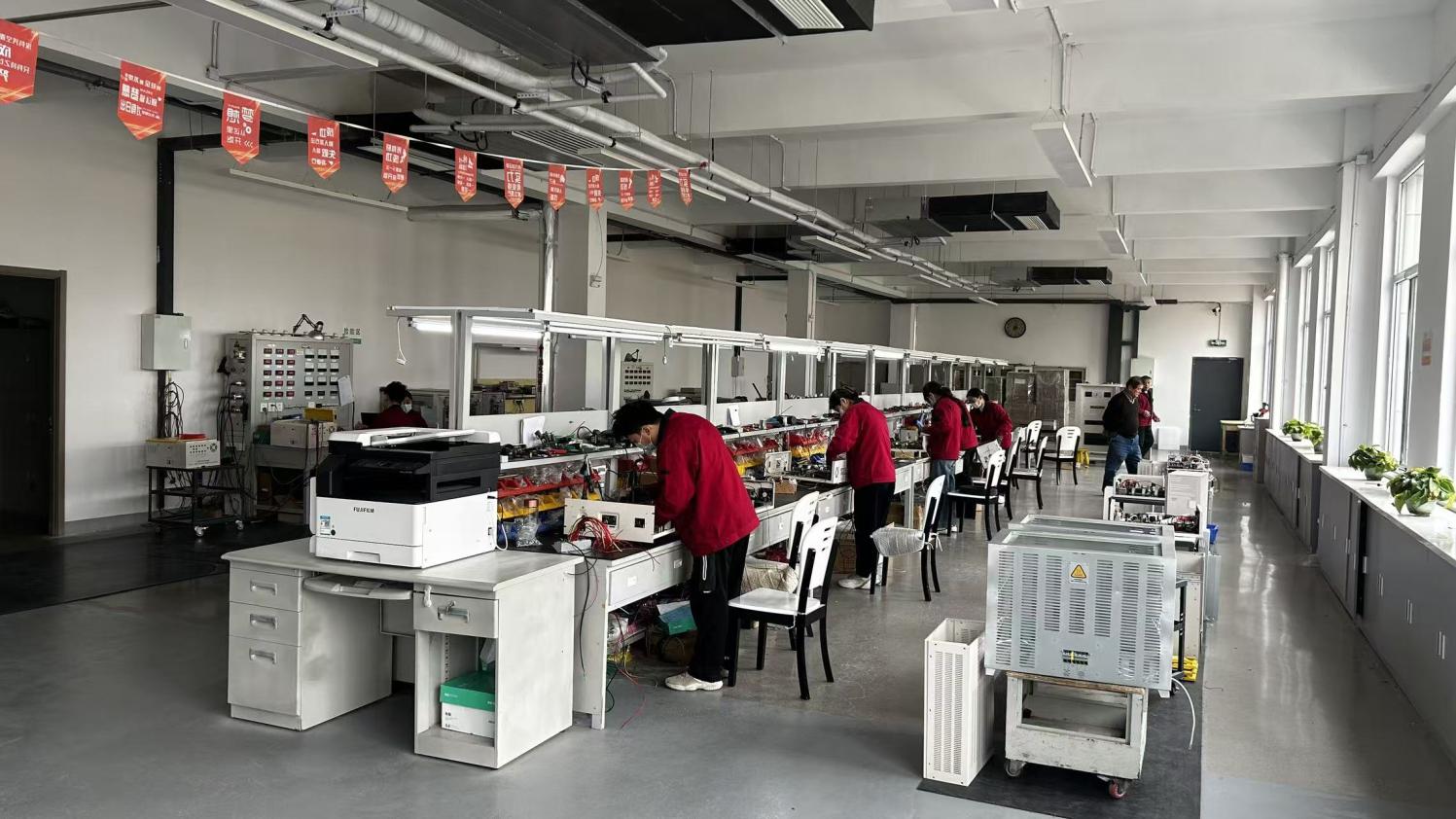
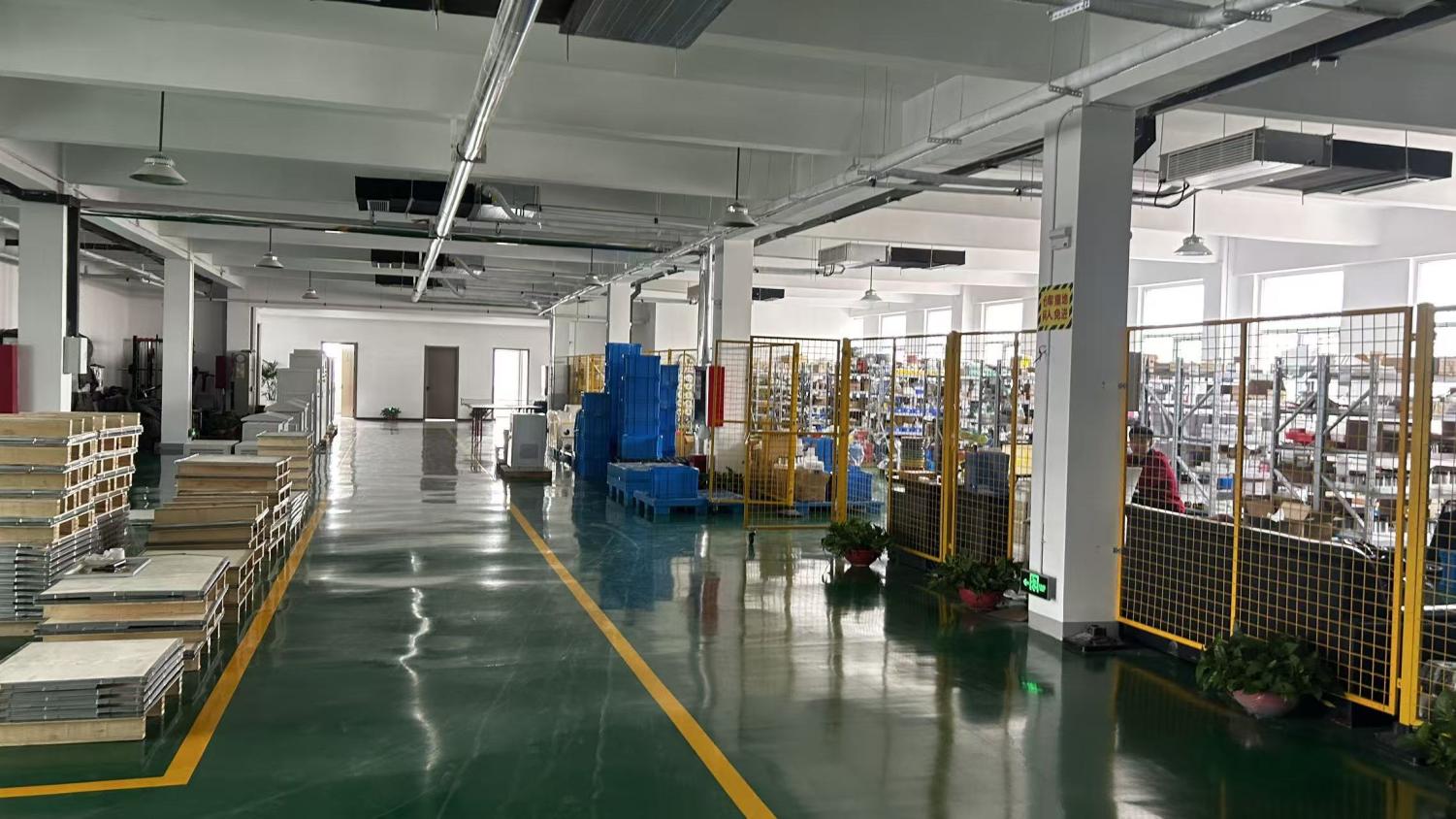
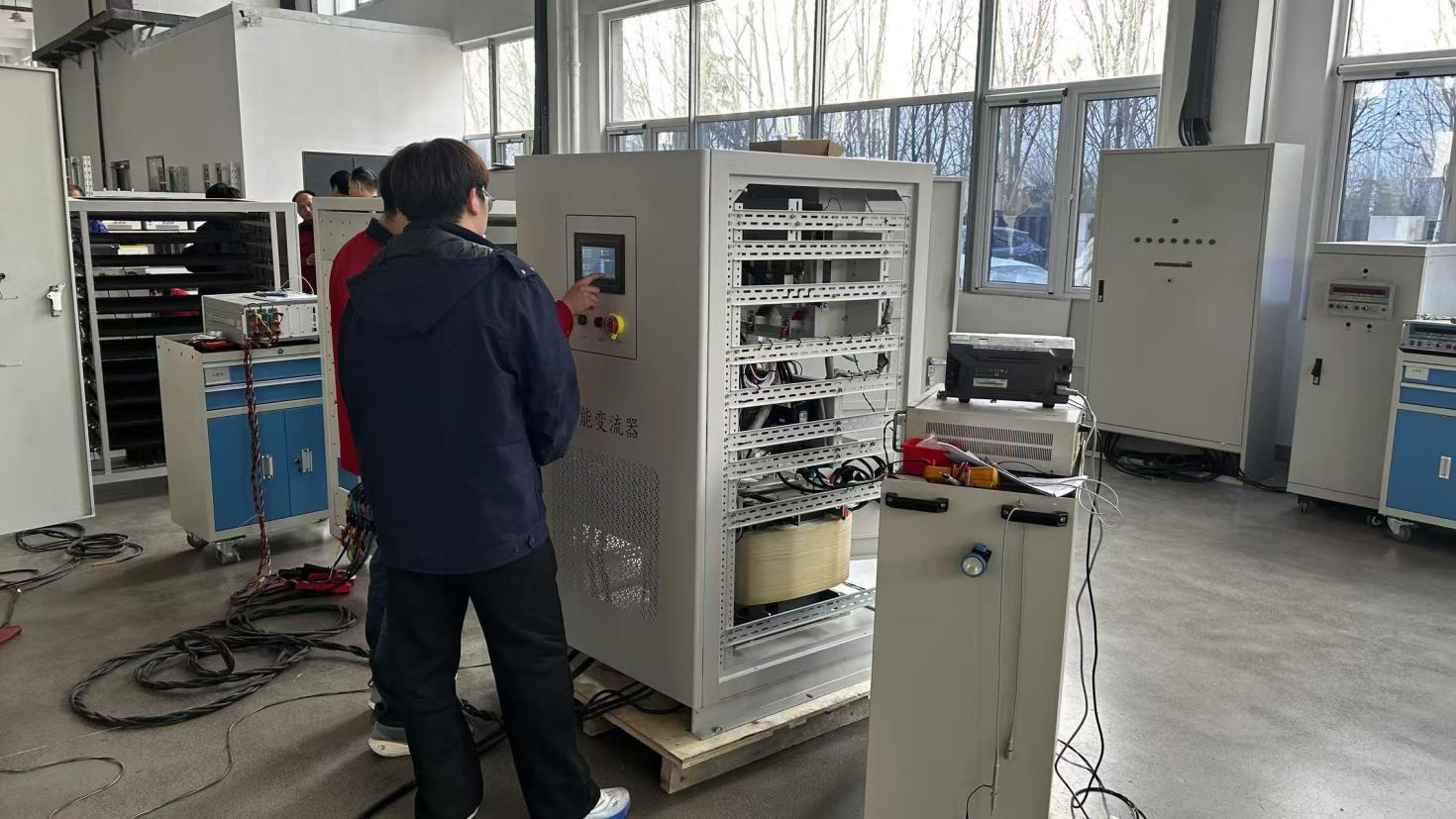
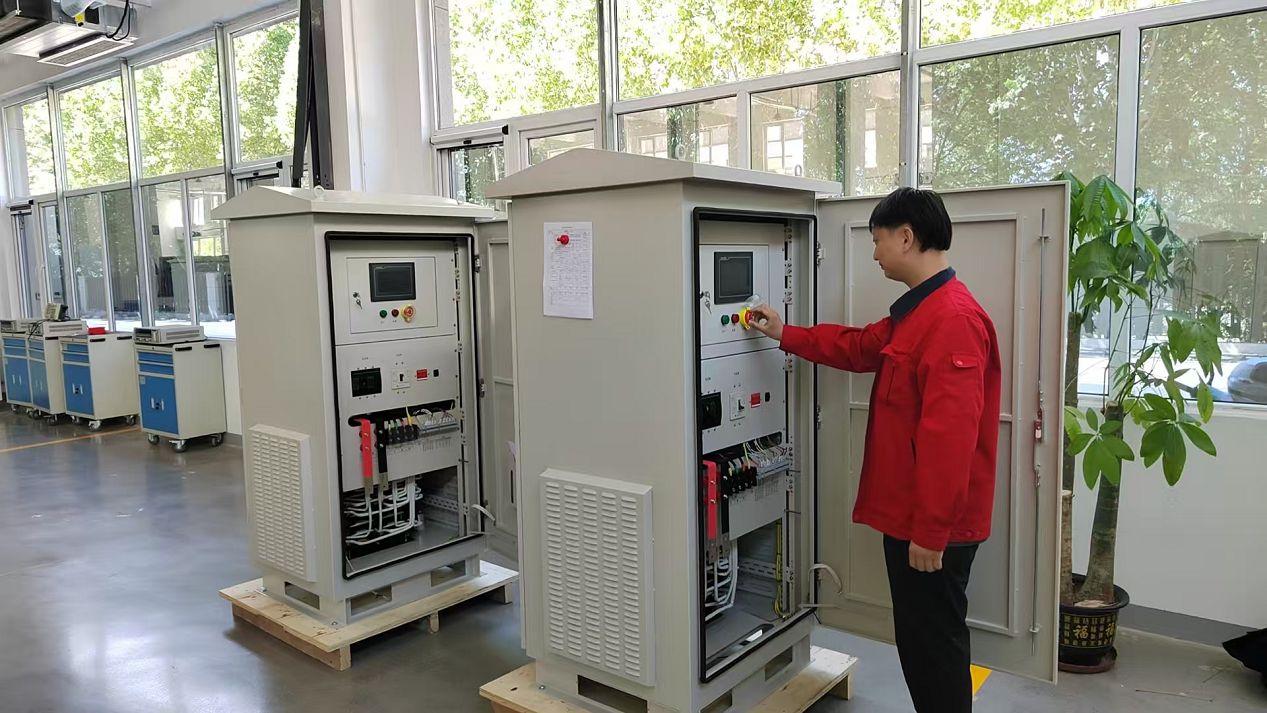
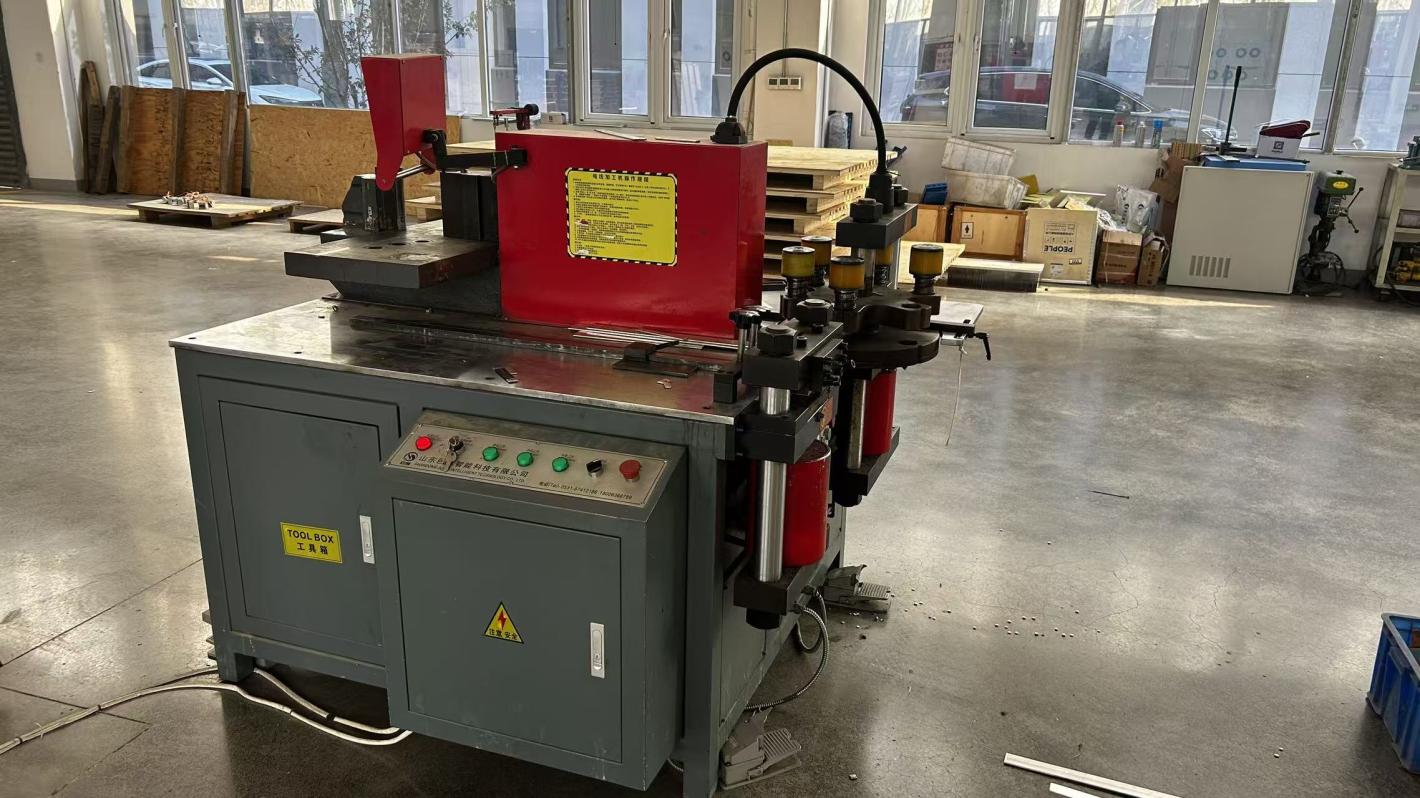
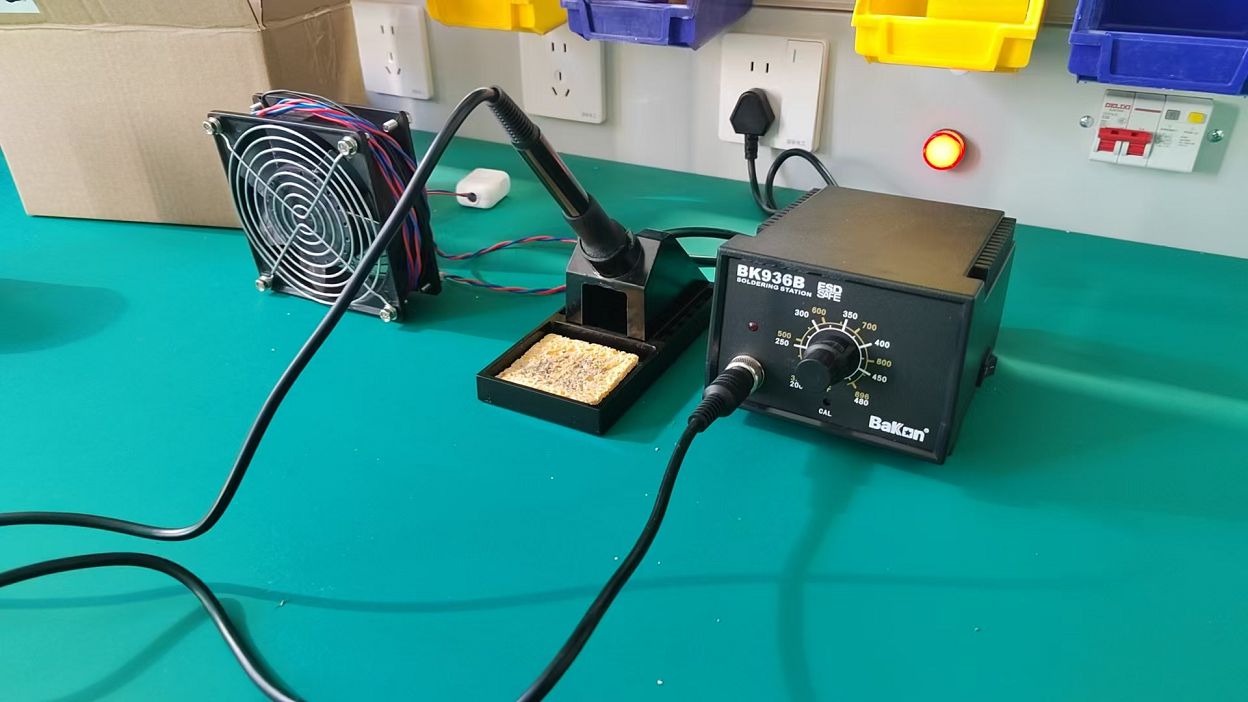
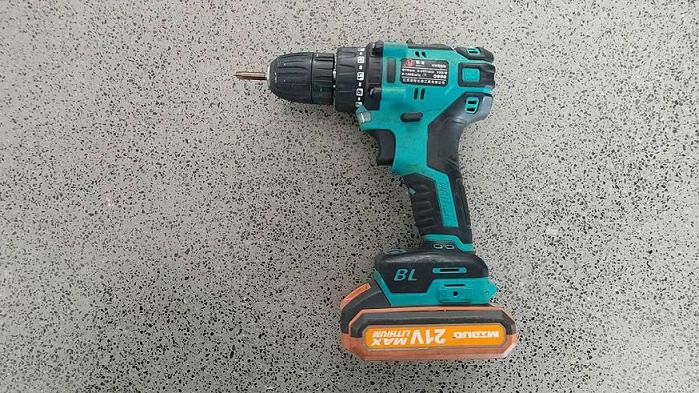
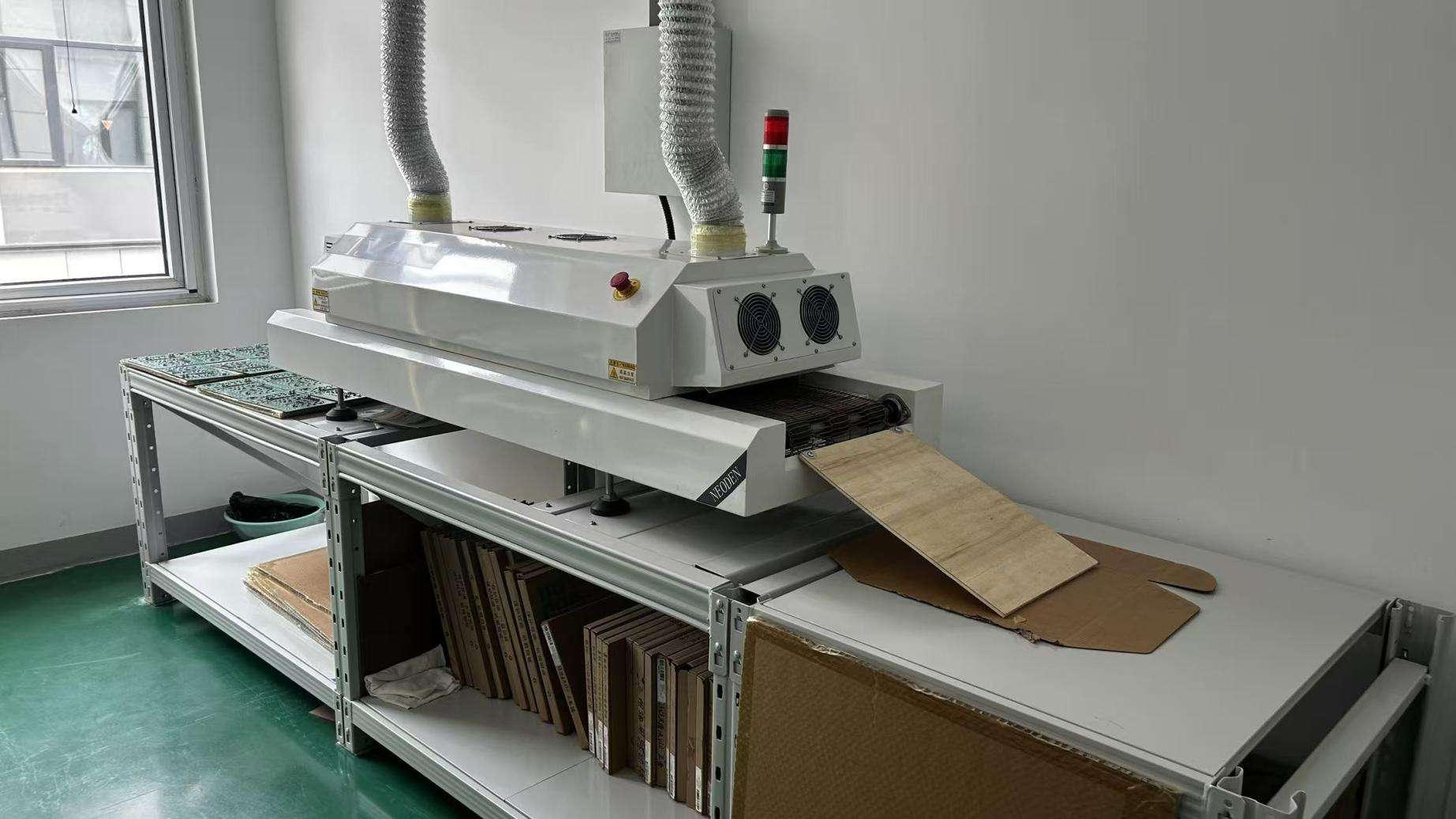
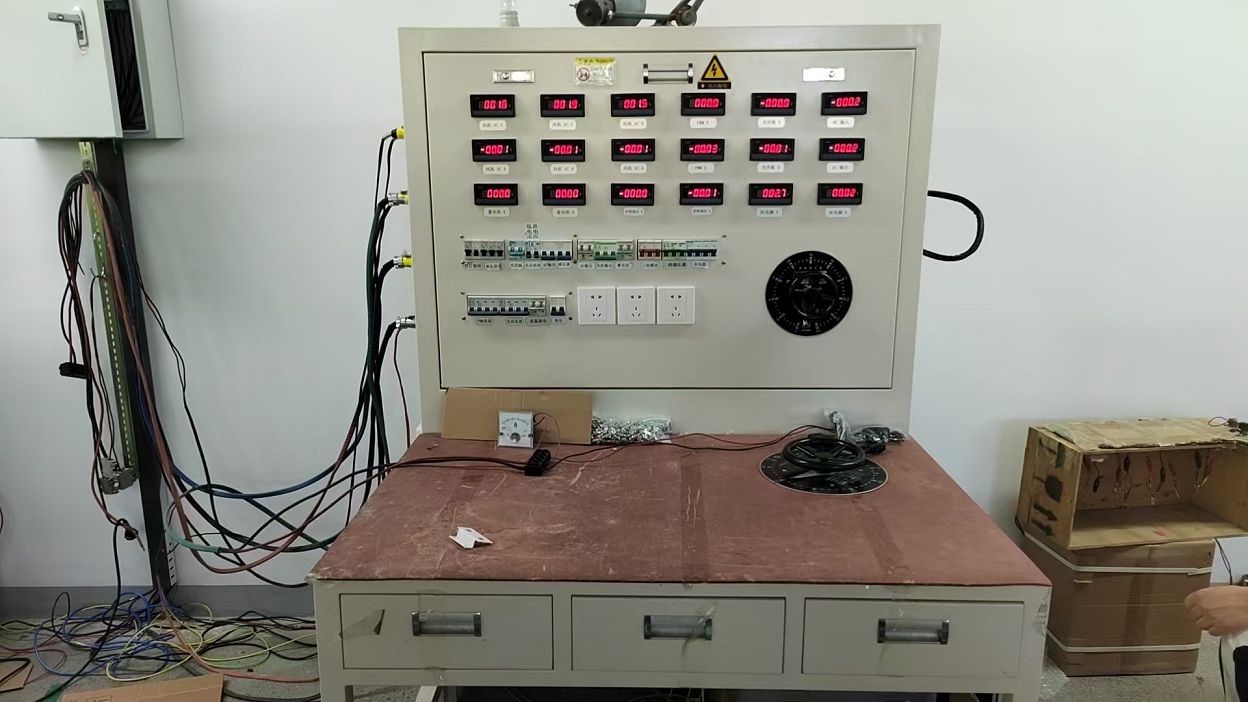
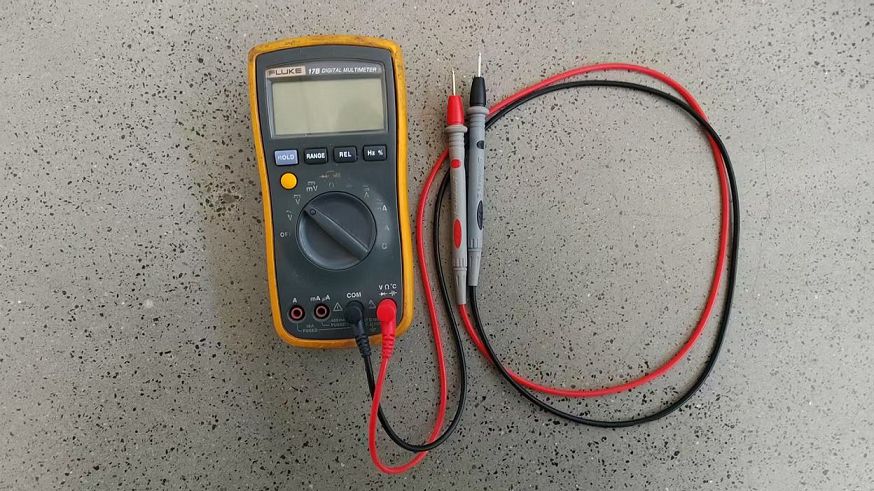
The structural transformation of energy demands next-generation solid-state materials, intelligent topologies, and multi-source load controllers.
The energy conversion industry is transitioning rapidly from standard Silicon IGBTs to Silicon Carbide (SiC) and Gallium Nitride (GaN) switching circuits. These advanced semiconductors minimize thermal loss, allow for 3x faster switching frequencies, and significantly reduce the footprint of three-phase industrial inverters.
Stepping up operational DC voltage ranges from 600V to 1000V/1500V allows developers to reduce the copper cross-section requirements of system wiring, while optimizing conversion ratios inside isolated transformers. Deming's BESS solutions actively implement these high-voltage pathways.
Edge microcontrollers programmed with AI model predictive control (MPC) track real-time grid conditions, dynamically switching active inputs between solar panels, wind turbines, hydro inputs, and battery arrays to ensure optimal operating efficiency at minimum costs.
Microgrids no longer rely solely on a single source of green generation. Modern, robust grids utilize an active mix of dynamic resources to guarantee high availability. A wind-solar-hydro hybrid system combines the continuous baseload of hydro, the variable daytime high generation of solar, and the nocturnal peaks of wind power.
Integrating these systems requires specialized high-power voltage frequency controllers, multi-channel MPPT solar charge controllers, and bidirectional storage interfaces capable of handling sudden spikes. This multi-source orchestration forms the core of our tech development priorities, supported by our 16-person R&D laboratory.
Analyzing how different system parts collaborate to deliver reliable energy security in critical environments.
Deployments in remote locations without stable utilities rely on heavy-duty hybrid arrays. In these systems, our 300kW Three-Phase Off-Grid Inverters integrate directly with high-voltage battery storage arrays (BESS) and wind turbine dump loads, keeping machinery running 24 hours a day with absolute isolation.
Large manufacturing sites deploy bidirectional DC-DC converters to store low-cost energy during off-peak times. When power demands peak during production hours, the system discharges back into the factory's private microgrid, preventing high utility demand surcharges and stabilizing local voltage.
Rural telecom base stations require dynamic, highly-reliable energy supply. Deming's MPPT charge controllers (supporting up to 680V and 400A) manage multi-kilowatt solar string configurations, keeping backup battery arrays balanced even in high humidity or extreme temperatures.
We provide comprehensive system designs that optimize energy flow and enhance grid resilience.
Our turnkey BESS solution utilizes bidirectional DC-DC converters to manage charge/discharge cycles between battery cells (ranging from 200V to 1000V) and the AC grid. This modular design includes galvanic isolation transformers, thermal management controls, and Modbus/TCP communications for integration into industrial SCADA networks.
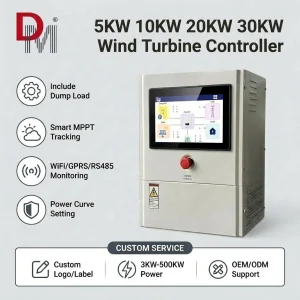
Combining the energy of wind turbine generators and solar panels maximizes system yield. Our specialized hybrid solution uses a high-power voltage frequency controller equipped with dynamic PWM dump loads. This protects generator windings from damage during high winds while ensuring optimal battery charging profiles.
Fluctuating heavy-duty industrial machinery can cause grid sag, harmonic distortion, and frequency instability. By deploying variable AC frequency converters alongside our active three-phase AC generators, plants can stabilize voltage and filter harmonics, protecting sensitive electronic production equipment.
For R&D and quality testing facilities, our high-power bidirectional test power supplies mimic solar panels, battery outputs, or fuel cells under varied conditions. This allows engineers to safely evaluate prototype inverters, motor drives, and EV drivetrains under tight laboratory control.
In-depth answers to key architectural questions asked by B2B engineers and energy project developers.
Isolated transformers provide magnetic, non-electrical decoupling between the battery storage array (DC side) and the main utility grid (AC side). This galvanic isolation protects battery management systems (BMS) from high-voltage grid transients and ground faults. It also prevents DC currents from injecting into the AC grid, minimizing total harmonic distortion (THD) and complying with IEEE 1547 and UL 1741 standards.
Our inverters integrate high-speed ATEMEL (Microchip) microcontrollers to perform advanced real-time mathematical operations. This includes space vector pulse width modulation (SVPWM) and active phase-locked loop (PLL) tracking. These chips execute MPPT algorithms and control loop corrections in microseconds, maintaining system efficiency above 98% even during rapid changes in solar irradiance or sudden load changes.
Unlike solar panels, which can be safely disconnected (open circuit) when batteries are full, wind turbines cannot spin unloaded without risking mechanical destruction. If a wind turbine spins without electrical resistance in high winds, the generator can overspeed and burn out its windings. A PWM dump load automatically shunts excess energy into high-power resistor arrays, keeping the rotor speed regulated while protecting battery banks from overcharging.
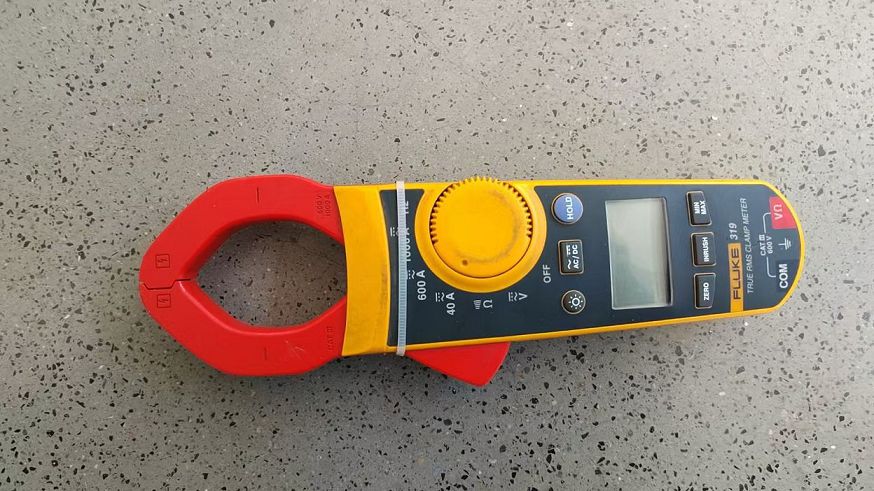
These instruments are critical for validating raw components and verifying system performance. A Semiconductor Characteristic Plotter tests every IGBT and MOSFET under stress, ensuring they meet thermal limits before they are soldered onto a PCB. Power Quality Analyzers verify that finished inverters output clean sine waves with minimal harmonic distortion. This rigorous, documented testing process ensures that all exported systems deliver long-term reliability in harsh environments.
Our engineering team designs systems with adjustable voltage parameters (e.g., 208V, 380V, 400V, 480V) and configurable grid frequencies (50Hz or 60Hz). By incorporating variable frequency converters and smart PCS units, our equipment can adapt to varying local grid codes. This flexible, robust architecture is why Deming power equipment has been successfully deployed across 120+ countries, including Germany, the United States, Japan, and Brazil.
Complete your deployment with our secondary catalog, featuring PV combiner boxes, smart energy storage PCS, and high-efficiency MPPT controllers.
 Demin Power