Choosing the right wind turbine for your needs can be a daunting task. Renowned wind energy expert, Dr. Emma Hughes, once stated, “Selecting a wind turbine is not just about size; it's about fitting the right solution to your unique context.” With the rapid growth of the renewable energy sector, many are turning to wind turbines as viable energy sources.
Understanding your specific needs is crucial. Factors like location, energy requirements, and budget can influence your decision. Not all wind turbines are created equal. The power output and efficiency can vary significantly between models. Additionally, potential buyers often overlook the importance of local climate and regulations, which can further complicate the selection process.
Furthermore, the aesthetic impact and maintenance commitments should not be underestimated. A turbine might fit your energy goals but may clash with your landscape. This complexity underscores the importance of thorough research and expert advice in the decision-making process. Exploring this further will help ensure you choose the ideal wind turbine tailored for you.
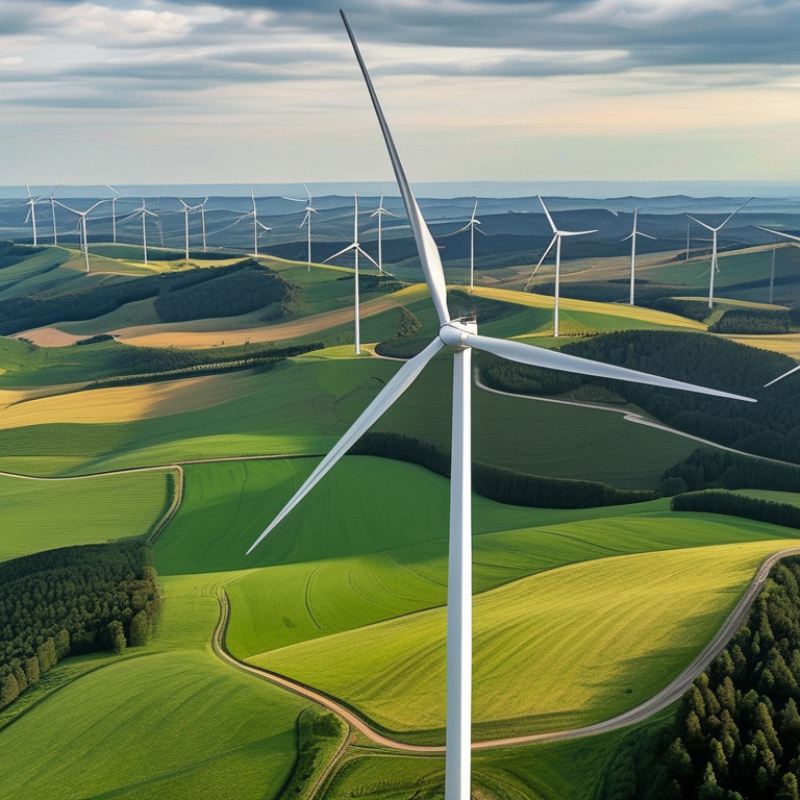
When selecting a wind turbine, understanding your energy needs is crucial. The American Wind Energy Association reports that a typical residential home consumes about 10,500 kWh of electricity annually. If you aim to cover this with wind energy, you might need a turbine with a capacity of 5-15 kW, depending on local wind conditions.
Identifying your goals is equally important. Are you focused on sustainability or cost savings? A study by the National Renewable Energy Laboratory indicates that small wind systems can reduce energy bills by 50-90% over time. However, the upfront costs and maintenance issues must also be considered. Factors such as average wind speed and noise level may also impact your decision.
Evaluate your site conditions thoroughly. Not all locations are suitable for wind turbines. The U.S. Department of Energy recommends at least a 30-foot clearance from obstacles to maximize efficiency. Conducting a thorough wind feasibility analysis is essential. Skipping this step might lead to disappointing results and unanticipated expenses. Understanding your unique situation is vital for making an informed choice.
When selecting a wind turbine, understanding the different types is crucial. Horizontal-axis wind turbines (HAWTs) are the most common design. They have large blades that rotate around a horizontal axis. These turbines are efficient and suitable for areas with consistent wind. However, they require a certain wind speed to operate effectively.
On the other hand, vertical-axis wind turbines (VAWTs) have blades that rotate around a vertical axis. They can capture wind from any direction. This feature makes them an excellent choice for urban areas where wind patterns may be unpredictable. However, they generally produce less energy compared to HAWTs, which may raise concerns about efficiency.
Another option is small wind turbines, designed for residential use. They are ideal for individuals seeking to reduce their energy bills. Yet, they can be underwhelming if local wind conditions are not optimal. It's essential to evaluate your specific location and energy needs to choose the right turbine. A thorough analysis of site conditions is vital; overlooking this can lead to unsatisfactory results.
Evaluating site conditions is crucial for successful wind energy generation. Wind speed is a primary factor. According to the National Renewable Energy Laboratory (NREL), wind resources are optimal at speeds of 5 m/s or higher. Areas with higher average wind speeds offer better energy output potential. Therefore, conducting a detailed wind resource assessment over at least one year is advisable.
Terrain and obstacles also affect wind patterns. Hilly landscapes can enhance wind speeds, while buildings and trees can create turbulence. Understanding local geography aids in site selection. A report by the Global Wind Energy Council (GWEC) indicates that wind projects sited at least 1.5 km from urban areas often achieve more consistent performance.
Finally, community engagement plays a vital role. Local acceptance can influence project success. Communication about potential noise and visual impacts is important. Transparency fosters trust and support. Many projects face pushback due to misunderstandings about wind energy's benefits. Addressing these concerns early can lead to smoother project development.
When considering a wind turbine, financial aspects play a crucial role. Costs can vary widely based on size, design, and location. Installation fees might be underestimated, and ongoing maintenance can add unexpected expenses. It's essential to conduct a thorough budget analysis before making any decisions. Many potential owners overlook these hidden costs, which can lead to financial strain later on.
Financing options for wind turbines can be complex. Grants, loans, and incentives are available, yet navigating them can be challenging. Consulting specialists in renewable energy can provide insights into which options suit your situation best. However, relying solely on online calculators could misrepresent your actual costs. Every installation has unique specifics, creating a gap between estimations and real expenses.
Understanding long-term savings is key. Wind energy can drastically lower utility bills. Yet, initial investment can feel daunting. Analyzing projected energy output against installation cost often reveals a longer payback period. Reflecting on your energy consumption needs can guide choices effectively. Balancing immediate costs with future savings ensures you make an informed decision.
| Turbine Model | Rated Power (kW) | Estimated Cost ($) | Installation Cost ($) | Maintenance Cost (Annual $) | Expected Lifespan (Years) | ROI (Years) |
|---|---|---|---|---|---|---|
| Small Residential | 5 | 12,000 | 5,000 | 200 | 20 | 7 |
| Medium Commercial | 50 | 60,000 | 20,000 | 1,000 | 25 | 5 |
| Large Utility | 1500 | 1,500,000 | 300,000 | 20,000 | 30 | 3 |
| Community Scale | 100 | 120,000 | 40,000 | 1,500 | 20 | 6 |
Choosing the right size and capacity for your wind turbine is crucial. Factors like location, energy needs, and local wind conditions play significant roles. Assess your energy requirements first. Determine how much electricity you need to generate. This step shapes your decision-making process.
When selecting a turbine, measure your average wind speed. Use wind data from local meteorological stations. A larger turbine typically requires higher wind speeds for optimal performance. If your area has lower winds, you might need a smaller turbine or one designed for lower wind conditions.
Tips: Consider your budget as well. More power comes at a cost. Also, think about future needs. If you plan to expand, choose a turbine that can grow with you. It's wise to consult experts. Their insights can help avoid potential pitfalls. Balancing capacity and environmental impact is essential. Reflect on local regulations and community concerns too.
: There are two main types: horizontal-axis and vertical-axis wind turbines.
HAWTs have large blades that rotate around a horizontal axis. They need consistent wind to function efficiently.
VAWTs can capture wind from any direction, making them suitable for unpredictable urban environments.
They can help reduce energy bills, but local wind conditions must be ideal to maximize efficiency.
Costs vary based on type and location. Installation and maintenance fees can often be underestimated.
Many overlook ongoing maintenance expenses, potentially leading to financial strain later on.
Grants, loans, and incentives exist, but navigating these can be complex and requires careful consideration.
Reflecting on your energy needs helps to balance costs with potential long-term savings from wind energy.
Conducting a thorough evaluation of site conditions and energy requirements is vital for effective results.
They offer valuable insights into financing options and help avoid reliance on potentially misleading online calculators.
When selecting the right wind turbine for your energy needs, it is crucial to start by identifying your energy consumption goals and requirements. This step helps clarify what capacity you need from a wind turbine. Understanding the various types of wind turbines available in the market is equally important, as each type has unique features suited for different environments and energy demands.
Evaluating the site conditions for wind energy generation will significantly influence your choice; factors like wind speed and land space must be considered. Furthermore, assessing the costs and financial implications of installing a wind turbine ensures that the investment aligns with your budget and long-term savings goals. Ultimately, choosing the right size and capacity for your turbine is essential for maximizing performance and achieving energy efficiency tailored to your specific situation.

Demin Power