Why Choose an AC Power Supply for Your Equipment?

Time:2026-09-25 Author:Isabella
0%

Choosing an AC Power Supply is about matching the power source to the equipment, not simply finding a unit that turns on. A motor, laboratory instrument, and audio system can react differently to voltage changes, frequency shifts, and distorted waveforms. The right supply can provide controlled, repeatable power for testing, operation, or troubleshooting. That consistency matters.

Start with the equipment’s nameplate and manual. Check its required voltage, frequency, current, and connection type before comparing supplies. Then consider how the load behaves: a motor may draw a brief surge at startup, while sensitive electronics may respond poorly to unstable voltage. A programmable AC source can help reproduce conditions such as a low-voltage input or a changed frequency. For a simple fixed-load application, those controls may add cost without adding much value. Not every setup needs them.

Protection features deserve close attention. Overload, over-temperature, and short-circuit protection can reduce the chance of damage, but they do not replace correct wiring or sensible operating limits. Look at the unit’s output ratings under realistic conditions, its cooling requirements, and the clarity of its status indicators. A display showing voltage and current is useful when a test behaves unexpectedly. Small details count. The best choice depends on the equipment, the task, and the operator’s experience. Even careful specifications cannot predict every real-world load. A little uncertainty remains. Understanding those trade-offs makes it easier to choose an AC Power Supply that fits the work reliably, rather than selecting one by headline rating alone.
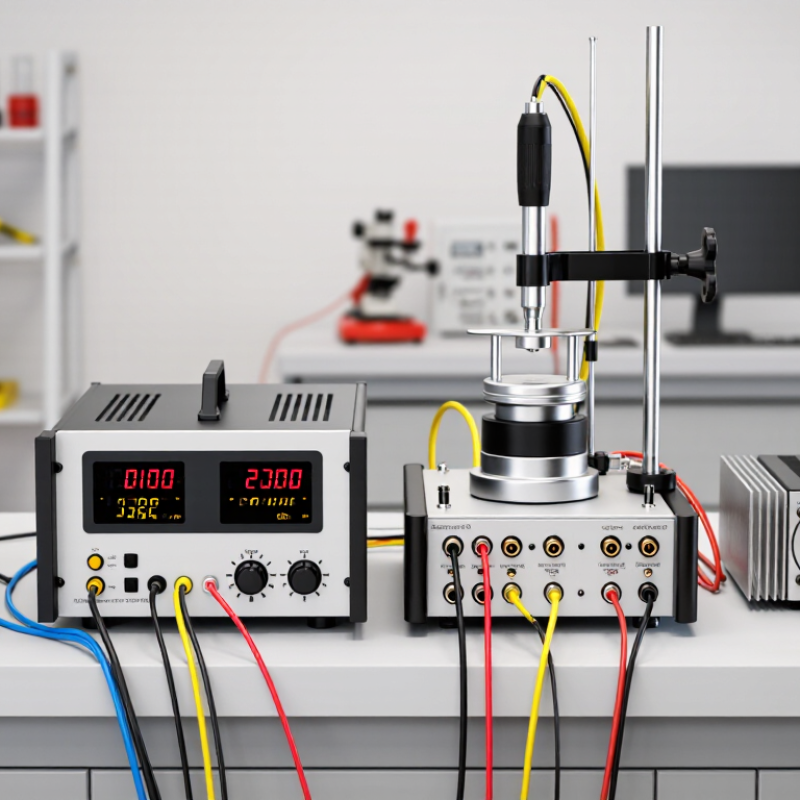
Why Choose an AC Power Supply for Your Equipment?

What an AC Power Supply Does

An AC power supply takes incoming electrical power and delivers alternating current at the voltage and frequency equipment can use. In some units, a transformer adjusts voltage, while control circuits help keep output steady as the load changes. Other designs isolate the output or shape its waveform. The details matter. A bench instrument may need a clean, stable sine wave, while a motor can draw a brief surge when starting. Loads vary. A supply rated only for normal running current may trip or sag during that moment. That distinction is easy to miss.

Before connecting equipment, compare its input label with the supply’s voltage, frequency, current capacity, and phase requirements. Check whether the output is fixed or adjustable, and whether its waveform is specified; “AC” alone says little about quality. For sensitive electronics, excess noise or voltage variation can cause resets or inaccurate readings. For heaters and simple loads, those features may matter less. Not every device needs a laboratory-grade source. Still, leave headroom for startup current, and use the correct cable and grounding arrangement. A supply can look adequate on paper, yet behave differently under a real load.

How AC Power Supplies Deliver Electricity to Equipment

The wall outlet provides alternating current, but equipment rarely uses it unchanged. An AC power supply routes that input through protective components, then adjusts voltage with a transformer or a high-frequency switching stage. Some units provide conditioned AC; others rectify it into DC for internal circuits. Rectification turns the waveform one-way, while capacitors smooth the pulses and feedback control helps keep voltage within a usable range. Small components, big consequences. At a workbench, this can mean a stable 12-volt rail instead of a voltage dip when a motor starts.

For equipment that needs AC, a transformer can lower or raise voltage and provide electrical isolation. Filters reduce unwanted electrical noise, while protection circuits respond to overloads or surges. The U.S. Energy Information Administration’s 2023 account of electricity losses reported average U.S. transmission and distribution losses of about 5% over 2018–2022. That figure describes the grid, not an individual power supply, but it highlights why losses during delivery matter. A tidy block diagram can mislead: real loads pulse, heat up, and behave differently at startup. Checking voltage at the equipment terminals under load gives a more useful picture than relying on the supply’s label alone.

Key Advantages of AC Power for Equipment

Key Advantages of AC Power for Equipment

AC power is practical because it is widely available in homes, workshops, and industrial buildings. Equipment designed for AC can connect directly to a suitable outlet or distribution circuit. That can reduce the need for separate conversion hardware. It also makes replacement and installation simpler when voltage and current ratings match.

AC voltage can be changed using transformers, which helps distribute electricity and supply equipment at different voltage levels. Many pumps, fans, and compressors use AC motors that suit steady, repetitive work. Their performance still depends on correct sizing, wiring, and operating conditions. A motor that is too large may waste energy; one that is too small may overheat under load. The theory looks tidy. Real installations are less tidy, and I have seen small wiring details cause frustrating delays.

Tips: Check the equipment nameplate before connecting it. Confirm voltage, frequency, current, and grounding requirements. Keep ventilation openings clear, and inspect cables for cuts or loose plugs. If the supply fluctuates or the equipment behaves unusually, stop and have the circuit checked by a qualified technician. A quick check helps.

Why Choose an AC Power Supply for Your Equipment? - Key Advantages of AC Power for Equipment

Advantage How AC Power Helps Equipment Examples Practical Consideration
Compatibility with utility grids Public electricity networks commonly distribute alternating current, so many appliances and industrial systems can connect to the available AC supply through suitable wiring and protection. Building services, workshop equipment, and household appliances Confirm the equipment’s rated voltage and frequency match the local supply.
Convenient voltage transformation Transformers can raise or lower AC voltage efficiently without first converting it to another form of power. Distribution systems, control circuits, and equipment power supplies Voltage conversion does not replace the need for correctly rated cables, fuses, and insulation.
Efficient long-distance distribution AC voltage can be stepped up for transmission and stepped down near users. Higher transmission voltage reduces current for a given power level, helping limit resistive line losses. Utility distribution networks and facilities supplied from remote substations Transmission performance depends on the network design, distance, conductor size, and load.
Practical operation of AC motors Many motor designs operate directly from AC and are widely used to drive rotating machinery. Pumps, fans, compressors, and conveyors Motor speed and starting behavior depend on motor type, supply frequency, load, and any drive or starter used.
Broad equipment availability AC-powered components and equipment are commonly available across residential, commercial, and industrial applications. Lighting, machine tools, refrigeration, and building equipment Availability does not guarantee compatibility; check the nameplate and installation requirements.
Easy integration with electronic equipment Electronic devices can use an AC input stage to convert mains power into the regulated DC required by internal circuits. Computers, communications equipment, and electronic instruments The device’s power supply performs the conversion; sensitive equipment may also require surge protection or power conditioning.
Established protection and distribution practices AC installations can use standardized distribution equipment and protective devices designed for their voltage and current ratings. Panels, branch circuits, and industrial control systems Protection must be selected and installed according to applicable electrical codes and qualified design practices.

Equipment Commonly Powered by AC

AC power is the quiet backbone of many workplaces and technical spaces. Most office computers, monitors, printers, and network switches use it every day. Laboratory centrifuges, testing instruments, and climate-control units also depend on stable AC input. Large printers and workshop tools often need more current than ordinary outlets can provide. That difference matters.

In workshops, motors in pumps, compressors, fans, and machine tools commonly run from AC supplies. Heating systems use AC to create steady thermal output. Medical and testing equipment often needs clean power for accurate readings. Servers and storage systems may use AC power supplies before converting it to controlled internal voltages. A neat rule can still mislead. Not every device handles voltage changes well.

When choosing an AC supply, check the equipment label, rated voltage, frequency, and maximum current. A system marked for 230 volts may not suit a 120-volt circuit. Frequency differences can affect motors, timers, and sensitive instruments. Voltage dips may cause a server to restart or a motor to overheat. I have seen installation plans overlook starting current. The outlet looked suitable, but the equipment failed during startup. Grounding, circuit protection, cable size, and ventilation deserve equal attention. A qualified technician should verify the installation against local electrical requirements and the equipment manual.

Factors to Consider When Choosing an AC Power Supply

Why Choose an AC Power Supply for Your Equipment?

Factors to Consider When Choosing an AC Power Supply

An AC power supply can provide stable energy for laboratory instruments, control systems, and industrial equipment. Its value depends on matching electrical conditions, not simply choosing the highest wattage. Check the equipment label first. Confirm the required voltage, frequency, and output current. A supply rated too low may overheat under continuous load. One rated far too high may increase cost and waste cabinet space.

Pay close attention to startup behavior. Motors, heaters, and capacitive circuits can draw much more current briefly. The power supply should handle this inrush without shutting down. Output regulation also matters when sensors or processors need consistent voltage. Ripple and electrical noise can distort measurements. In sensitive systems, isolation and filtering deserve careful testing.

I once saw a unit pass a bench test but fail after nearby machinery started. The waveform was acceptable, but the surrounding noise was not.

Protection features should include overload, short-circuit, and over-temperature control. Check the operating temperature, humidity limits, cooling method, and installation clearance. A sealed enclosure may need less cleaning, yet it can trap heat. That trade-off is easy to miss. Verify applicable safety requirements and test the supply under realistic load conditions. Documentation should clearly state efficiency, derating, connection methods, and replacement procedures. A cautious selection process takes longer, but it prevents unstable operation and difficult field repairs.

FAQS

What does an AC power supply do?

It delivers alternating current at a voltage and frequency equipment can use. Some units also regulate or isolate the output.

How can I check whether a supply is compatible?

Compare voltage, frequency, current, and phase requirements with the equipment label. Check the specified waveform too. “AC” alone is not enough.

Why does startup current matter?

Motors and some other loads can briefly draw more current when starting. Leave headroom, or the supply may sag or shut down.

Does every device need a clean sine wave?

No. Sensitive instruments may need stable, low-noise power. Heaters and simpler loads may be less affected. It depends on the device.

What equipment commonly uses AC power?

Computers, printers, pumps, fans, compressors, and laboratory instruments often use AC. Larger tools may need a dedicated supply.

Which protection features should I look for?

Check for overload, short-circuit, and over-temperature protection. Also review cooling needs and leave enough ventilation space.

Can a supply with a high wattage rating still be unsuitable?

Yes. Wattage alone does not confirm voltage, frequency, or startup-current compatibility. I used to focus on wattage too much.

How should I test a supply before relying on it?

Test it under a realistic load and check its installation conditions. Nearby machinery can affect performance. I may be overcautious, but a qualified technician should verify the setup.

Conclusion

An AC Power Supply converts and regulates electrical energy from an alternating-current source so equipment can operate safely and consistently. It delivers power through controlled voltage and frequency, helping devices start properly, maintain stable performance, and avoid damage caused by unsuitable electrical conditions. Depending on the equipment, the supply may also provide protection against overloads, short circuits, and voltage fluctuations.

AC power is commonly used for computers, household appliances, industrial machines, testing instruments, lighting systems, and office equipment because it is practical for distributing electricity over long distances. When choosing an AC Power Supply, users should consider the required voltage, current, frequency, power capacity, efficiency, connection type, safety features, and operating environment. Selecting a suitable unit ensures reliable operation, reduces energy waste, and supports the expected workload of the connected equipment.

Isabella

Isabella

Isabella is a dedicated marketing professional with a sharp focus on driving brand growth and engagement through strategic content creation. With an extensive background in digital marketing, she combines her passion for storytelling with her keen understanding of industry trends to deliver......