What is Power System and How Does it Impact Global Trade?

Time:2026-08-26 Author:Oliver
0%

The concept of a Power System is crucial in understanding modern economies. It encompasses the generation, transmission, and distribution of electricity. This system powers industries, households, and infrastructure. Its efficiency directly impacts global trade dynamics.

In recent years, fluctuations in energy availability have affected market stability. Countries with robust Power Systems can enhance their competitive edge. Conversely, those with outdated systems struggle to keep pace. Energy reliability translates to greater trade opportunities and economic growth.

The integration of renewable resources adds another layer of complexity. While beneficial, the transition can present challenges. Balancing fluctuating energy sources requires innovative management. Reflecting on these dynamics reveals the intricate relationship between Power Systems and global commerce. This ongoing evolution demands our attention and careful consideration.
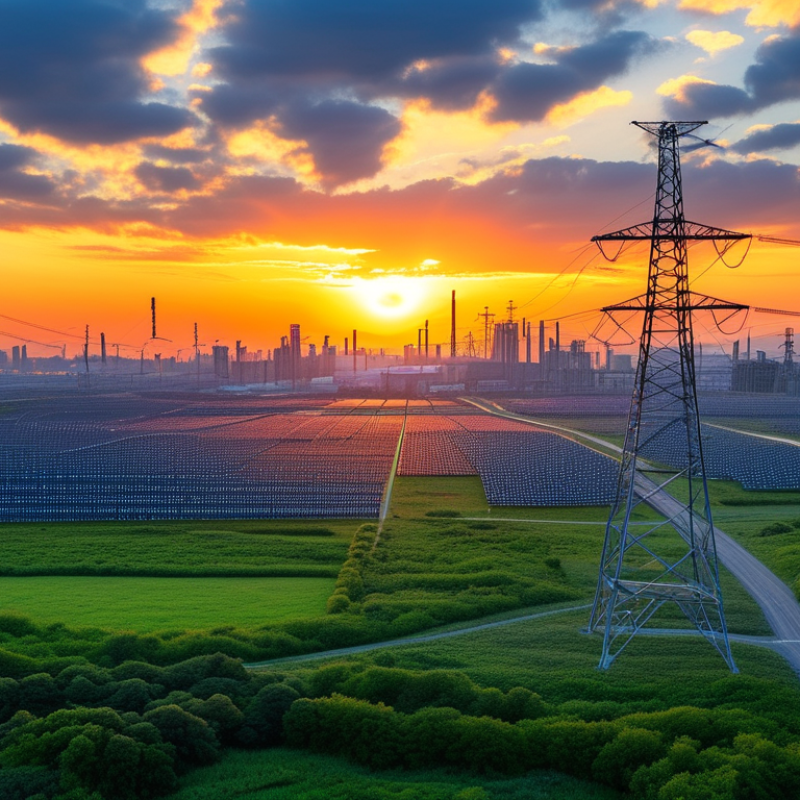
What is Power System and How Does it Impact Global Trade?

Understanding Power Systems: Definition and Components

Power systems are essential for modern society. They consist of generation, transmission, and distribution components. Each part plays a crucial role in delivering electricity to homes and industries. Power generation involves various energy sources, including fossil fuels, renewables, and nuclear power. This diversity helps ensure a stable supply of energy. However, transitioning to cleaner energy sources has challenges.

Transmission lines transport electricity over long distances. They must be carefully managed to prevent outages. Infrastructure can be outdated, leading to inefficiencies. Distribution networks connect power sources to consumers. They face their own challenges, such as maintaining reliability and addressing increasing demand. Effective grid management is crucial, yet it can be a complex task amid evolving energy needs.

Global trade is heavily influenced by power systems. Countries depend on stable energy supplies for production. Any disruption can impact economic activities. Businesses may face increased costs due to energy shortages. Also, renewable energy sources can foster international partnerships. However, political and economic factors can complicate these collaborations. Addressing these challenges requires continuous improvement and innovation in power systems.

Global Energy Consumption by Source (2022)

The Role of Power Systems in Global Trade Dynamics

Power systems play a vital role in shaping global trade dynamics. They ensure the reliable generation and distribution of electricity, which is essential for various industries. Without a stable power supply, production processes can falter, delaying shipments and increasing costs. Nations with efficient power systems often enjoy a competitive edge in international markets.

It’s noticeable that emerging economies are investing heavily in renewable energy. These investments not only enhance energy security but also promote sustainability. However, there are challenges. Inconsistent infrastructure development can lead to imbalances in global trade. Countries must navigate these complexities to foster inclusive economic growth.

When evaluating power systems, consider the local context. Renewable energy resources may vary significantly across regions. Companies should assess infrastructure reliability before establishing operations. This can prevent unexpected disruptions in supply chains. Additionally, collaborate with local energy providers. This will help optimize energy efficiency and reduce operational costs. Balancing innovation with practical challenges can create a more resilient trading environment.

What is Power System and How Does it Impact Global Trade? - The Role of Power Systems in Global Trade Dynamics

Country Power Generation (TWh) Renewable Share (%) Export Value (Billion USD) Import Value (Billion USD)
United States 4,200 20 800 300
China 7,500 25 500 200
Germany 650 42 300 150
India 1,400 17 250 400
Brazil 600 85 100 50

Impact of Renewable Energy on Power Systems and Trade

The rise of renewable energy is reshaping global power systems and trade dynamics. According to the International Energy Agency (IEA), renewable energy sources, particularly solar and wind, are expected to supply nearly 70% of the world's electricity by 2050. This shift not only reduces dependence on fossil fuels but also alters energy export patterns between countries. Nations rich in renewable resources may gain a competitive edge, leading to new energy trade alliances.

However, integrating renewable energy into existing power systems comes with challenges. Variable generation can lead to grid instability, requiring investments in smart grid technology and energy storage solutions. A report from the International Renewable Energy Agency (IRENA) highlights that an estimated $20 trillion in infrastructure investment is needed globally by 2040 to ensure reliability and efficiency of renewable energy systems. This presents opportunities and complexities for international trade in energy technologies.

Moreover, the environmental impact of increasing renewable energy production cannot be ignored. Land use for solar farms or wind turbines often sparks debate among local communities. It raises questions about sustainability and the balance between energy needs and ecological preservation. As countries accelerate the transition to renewables, assessing these impacts becomes crucial for shaping responsible trade policies in this evolving landscape.

Challenges and Opportunities in Modern Power Systems

Modern power systems are complex and multifaceted. They play a pivotal role in shaping global trade dynamics. The integration of renewable energy sources introduces both challenges and opportunities. For instance, reliance on intermittent resources like wind and solar can lead to supply inconsistencies. This unpredictability may complicate trade agreements and energy pricing.

Market participants must adapt to these fluctuations. Investing in energy storage technologies offers a way to stabilize supply. However, these technologies can be costly and require substantial infrastructure. Meanwhile, regulatory frameworks must evolve to facilitate international cooperation. A lack of uniform standards in power systems can impede cross-border trade.

Amid these challenges, opportunities abound. Countries rich in renewable resources gain a competitive edge. They can export clean energy to regions reliant on fossil fuels. This shift not only benefits economies but also promotes sustainability on a global scale. However, the transition requires careful planning and investment. Stakeholders must address potential pitfalls in infrastructure and policy to maximize benefits.

Future Trends in Power Systems and Their Trade Implications

The future of power systems is rapidly evolving, driven by advancements in technology and shifts in global energy policies. According to a report from the International Energy Agency (IEA), renewable energy sources are expected to comprise over 50% of global electricity generation by 2030. This shift not only addresses climate goals but also alters international trade dynamics. Countries rich in renewable resources may see their geopolitical influence grow as they supply clean energy.

Energy storage and smart grid technologies will play pivotal roles in this transition. The global energy storage market is projected to reach approximately $546 billion by 2035, as noted in a study by Wood Mackenzie. These innovations will enhance the reliability of power systems. However, challenges remain. The integration of renewable energy into existing grids can cause inconsistencies in supply. This may lead to increased demand for flexible contracts in energy trading.

Additionally, the shift toward decentralized power systems raises questions about regulation and market access. Some regions may struggle to adapt, while others may thrive. As countries invest in energy technologies, the landscape of global trade will inevitably change. The future of power systems not only impacts energy production but also reshapes economic relationships among nations.

FAQS

: What is the expected share of renewable energy in global electricity by 2050?

: Renewable energy sources may supply nearly 70% of the world's electricity by 2050.

What challenges arise from integrating renewable energy into power systems?

Grid instability due to variable generation can complicate the integration of renewable energy.

How much investment is needed for renewable energy systems by 2040?

An estimated $20 trillion in global infrastructure investment is necessary for renewable energy reliability and efficiency.

What role does energy storage play in modern power systems?

Energy storage technologies help stabilize supply and manage intermittent resources like solar and wind.

How can land use for renewable energy production affect local communities?

Solar farms and wind turbines can spark debates over sustainability and ecological balance in communities.

What are some potential future trends in power systems?

Future trends include increased reliance on renewable energy and advancements in energy storage and smart grid technologies.

How does the shift to renewable energy impact international trade?

Countries with abundant renewable resources may gain a competitive edge, altering energy trade dynamics.

What regulatory challenges do modern power systems face?

Lack of uniform standards and regulations can hinder cross-border trade and international cooperation.

Are there economic benefits to transitioning to renewable energy?

Countries can benefit economically by exporting clean energy and enhancing global sustainability efforts.

What questions arise with decentralized power systems?

Decentralization may create regulatory issues and varying market access capabilities for different regions.

Conclusion

The article delves into the concept of Power Systems, defining their key components and highlighting their significance in global trade dynamics. Power Systems are crucial for ensuring the stability and reliability of energy supply, which directly affects trade relationships and economic interactions between countries. As the world shifts towards renewable energy sources, these Power Systems are undergoing significant transformations, impacting trade patterns by introducing new opportunities and challenges.

Furthermore, the article discusses the current challenges faced by modern Power Systems, such as infrastructure demands and regulatory frameworks, as well as the potential for innovation and investment in this sector. Looking ahead, it emphasizes future trends that may reshape Power Systems and their implications for trade, thus underlining the interconnectedness of energy systems and global economic activities.

Oliver

Oliver

Oliver is a seasoned marketing professional with a wealth of expertise in driving brand awareness and engagement. With a deep understanding of our company's product offerings, he consistently delivers high-quality content that enriches our professional blog. His insights not only shed light on......