What Are the Top DC-DC Converters for Global Buyers?

Time:2026-09-15 Author:Amelia
0%

Global buyers are no longer choosing a DC-DC Converter by price alone. Efficiency, isolation, thermal behavior, certification, and supply continuity now shape purchasing decisions. A converter that performs well on a laboratory bench may fail inside a sealed cabinet at 70°C. That gap matters.

The International Energy Agency’s Electricity 2024 report estimates that data-center electricity demand could exceed 1,000 TWh by 2026. This growth increases pressure on power-conversion efficiency across servers, telecom equipment, vehicles, and renewable-energy systems. MarketsandMarkets’ DC-DC Converter market research also identifies electric mobility, industrial automation, and data centers as major growth areas. The exact forecasts vary. Buyers should compare assumptions, not simply repeat headline numbers.

As Vicor founder and CEO Patrizio Vinciarelli has stated, “Power is the bottleneck.” His observation is increasingly relevant to compact, high-density systems. The best global suppliers therefore combine high efficiency with dependable thermal design, stable output regulation, and documented compliance. Input range is equally important when equipment must operate across different regional grids or battery platforms. Availability matters too. A technically excellent part is not useful if lead times disrupt production.

This guide examines leading DC-DC Converter options for international buyers. It considers isolated and non-isolated designs, power ratings, packaging, protection features, and long-term sourcing risks. Some rankings remain subjective. Application conditions can change the answer. That is the point: the “top” converter depends on the real load, environment, and supply-chain expectations.
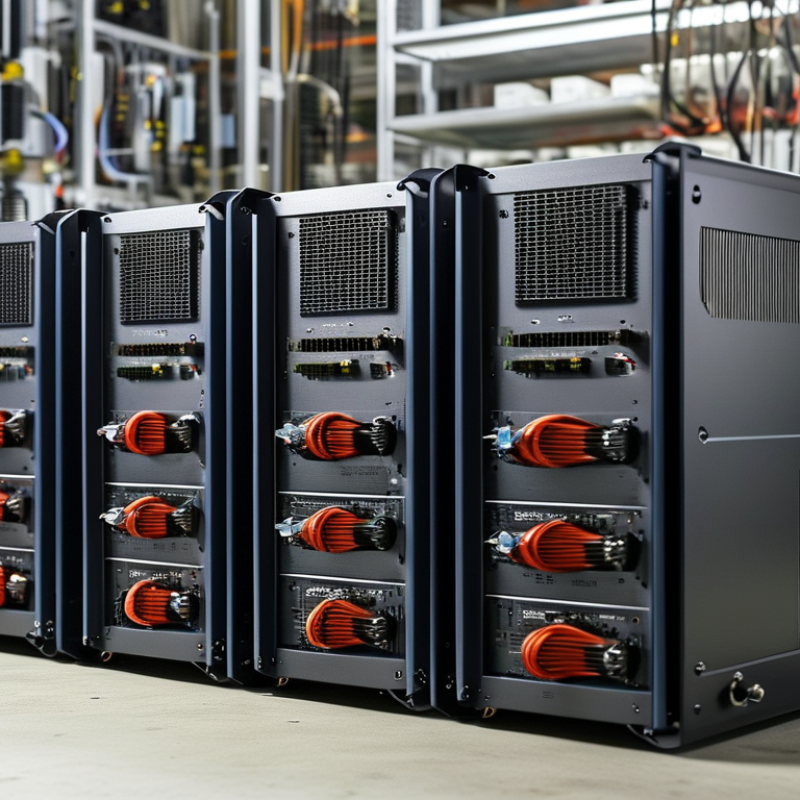
What Are the Top DC-DC Converters for Global Buyers?

DC-DC Converters: Definition, Functions, and Main Categories

A DC-DC converter changes one direct-current voltage into another. It helps equipment receive stable power from batteries, solar systems, vehicles, or industrial supplies. A 24-volt input may become 12 volts, 5 volts, or even 3.3 volts for sensitive circuits.

The main category is the buck converter, which reduces voltage efficiently. Boost converters raise voltage when the source is too low. Buck-boost converters can increase or decrease voltage as battery conditions change.

Isolated converters use a transformer-like barrier between input and output, improving safety and reducing ground-related problems. Non-isolated designs are usually smaller and more efficient, but they cannot provide the same separation.

Global buyers should examine input range, output accuracy, load response, thermal performance, and protection features. Overcurrent, overvoltage, and short-circuit protection matter in real installations. Datasheets deserve careful reading. A converter can appear efficient on paper, yet run hot inside a sealed enclosure. That detail is easy to miss. Check electromagnetic compatibility requirements, operating temperature, humidity limits, and applicable regional certifications before purchasing. Connector quality and replacement availability also affect long-term reliability. Lower price is not always lower cost. A weak cooling design may create maintenance problems later, so engineers should test the converter under maximum load rather than relying only on typical ratings.

Key Specifications Global Buyers Should Compare

What Are the Top DC-DC Converters for Global Buyers?

Global buyers should compare specifications before comparing prices. Input range matters when equipment may face unstable grids, vehicle batteries, or solar storage. Check whether the converter supports 9–36 V, 18–75 V, or another practical range. Output voltage tolerance, maximum current, and transient response reveal real operating behavior. A small voltage dip can restart sensitive controllers.

Efficiency deserves careful attention. The International Energy Agency’s Electricity 2024 report projects global data-centre electricity demand could exceed 1,000 TWh by 2026. Conversion losses therefore become costly at scale. Compare efficiency at 10%, 50%, and full load, not only the peak figure. Thermal performance matters too. Examine derating curves, cooling requirements, and operating temperatures. A higher efficiency number is not automatically better.

Isolation, ripple, and protection features also separate suitable converters from risky choices. Verify isolation voltage, creepage distance, short-circuit protection, overvoltage protection, and electromagnetic compatibility data. IEC 62368-1 is a useful safety reference for many information and communication technology applications. The U.S. Department of Energy also evaluates external power supplies by active-mode efficiency and no-load power, showing why standby losses deserve attention. I would not trust a catalog value alone; test results may change with wiring, airflow, and load profile. Ask for efficiency curves and independent laboratory evidence.

Top DC-DC Converter Types for Different Applications

Choosing the right DC-DC converter starts with the application, not the product label. A buck converter reduces voltage efficiently, making it suitable for powering sensors, microcontrollers, and industrial control boards. A boost converter raises voltage for LED lighting, portable instruments, or battery systems with declining output. When input voltage moves above and below the target, a buck-boost converter offers more dependable regulation. It suits vehicles, outdoor equipment, and battery-powered devices.

Isolation matters when safety, noise control, or separate ground references are important. Isolated converters are common in medical equipment, communication systems, and factory automation. They can reduce ground-loop problems, but usually add size and cost. For high-current applications, check thermal performance carefully. A compact unit may meet the current rating on paper, yet overheat inside a sealed enclosure. That happened in one field test.

Tips: Compare input range, continuous current, efficiency, ripple, isolation rating, and operating temperature. Leave practical headroom instead of designing at the limit. Test the converter with the actual cable length and load. Small details matter.

Global buyers should also review documentation, protection features, and regional compliance requirements. Overcurrent, short-circuit, and thermal protection improve reliability, but they do not replace correct system design. Datasheets can be incomplete. Ask for test conditions, not only headline efficiency figures. A converter reaching 95% efficiency at room temperature may perform differently near a hot engine compartment or in a cold warehouse. There is no universal best type; the load profile decides.

Input Standards, Safety Certifications, and Regional Requirements

What Are the Top DC-DC Converters for Global Buyers?

Global buyers should judge DC-DC converters by regional compatibility, not by output power alone. A suitable unit may accept 9–36 VDC, while another requires 18–75 VDC for industrial systems. Check input tolerance, reverse-polarity protection, surge handling, and startup behavior. A converter used in a vehicle may face sharp voltage spikes. A laboratory device may need quieter output and lower ripple.

Safety documentation deserves close attention. For many information and control products, IEC 62368-1 provides a useful safety reference. North American projects may require recognized testing for local electrical rules. European shipments often involve CE requirements, EMC limits, and environmental obligations such as RoHS. The UK, Australia, Japan, and other markets may require different markings or approvals. Requirements can change with the final equipment, installation method, and importer.

A certification logo alone proves little. Request a declaration of conformity, test reports, insulation ratings, and clear model identification. Review creepage distance, isolation voltage, leakage current, and thermal derating at the planned ambient temperature. A converter rated at 100 watts may deliver less inside a sealed enclosure at 60°C. That detail is easy to miss.

I would also check regional plug systems, wiring rules, customs documents, and after-sales traceability. No checklist is perfect. Some suppliers provide excellent paperwork but weak technical answers. Others explain performance well but cannot support local compliance. A small sample test under real load often reveals more than a polished datasheet.

How to Select Reliable DC-DC Converter Suppliers Worldwide

Choosing the top DC-DC converter is not only a technical exercise. Supplier reliability matters just as much. The IEA Global EV Outlook 2024 reported nearly 14 million electric car sales in 2023. This growth increases demand for compact, efficient, and thermally stable power modules. Global buyers should examine efficiency curves, isolation ratings, ripple limits, and performance across the full input range. A low price can hide weak testing or unstable component sourcing.

Tips: Request samples from at least three suppliers. Test them under heat, vibration, overload, and low-voltage conditions. Ask for ISO 9001 records, production traceability, EMC test reports, and clear derating curves. Automotive projects may also require IATF 16949 processes and PPAP documentation. Check whether the supplier controls critical components internally. Factory audits are useful, but they cannot reveal every future failure. That is an uncomfortable limitation.

The Uptime Institute Global Data Center Survey 2024 reported an average data-center PUE of about 1.56. This figure shows why conversion losses and heat deserve attention beyond the product datasheet. Evaluate technical support, warranty response, replacement timelines, and regional inventory. A supplier with engineering teams in your time zone can reduce costly delays. Review field failure data when available. Some suppliers provide impressive reports, yet their documentation feels incomplete. That should trigger more questions, not immediate rejection.

FAQS

How do I choose between buck, boost, and buck-boost converters?

Choose a buck converter when the input voltage stays above the required output. A boost converter raises voltage for lighting, instruments, or weakening batteries. A buck-boost converter handles input voltage moving above and below the target.

When is an isolated converter useful?

Isolation helps separate ground references and reduce ground-loop noise. It suits medical equipment, communication systems, and factory automation. The trade-off is real: more size and cost.

What electrical specifications should I compare?

Check input range, continuous current, efficiency, ripple, isolation, and operating temperature. Review reverse-polarity, overcurrent, short-circuit, and thermal protection. Leave headroom. Designing at the limit often fails under real conditions.

How can I prevent overheating in high-current applications?

Examine thermal derating, enclosure airflow, cable length, and continuous load. A compact converter may meet its rating on paper but overheat inside a sealed box. Test it there.

What input range is suitable for global projects?

Match the converter with the system’s real voltage range and transient conditions. Some systems need 9–36 VDC, while others require 18–75 VDC. Vehicle inputs may include sharp voltage spikes.

What documents should I request from an international supplier?

Request declarations, test reports, insulation ratings, model identification, and regional compliance records. Check creepage, isolation voltage, leakage current, and temperature derating. A logo alone proves little.

How should I evaluate a converter supplier?

Request samples from at least three suppliers and test them under heat, vibration, overload, and low voltage. Review production traceability, quality records, EMC reports, warranty response, and replacement timelines. Good paperwork is not enough.

Why should testing use the actual load and cables?

Cable resistance, startup current, ripple, and heat can change converter performance. Test the complete setup at expected temperatures and load levels. Datasheets can miss uncomfortable details.

Conclusion

A DC-DC Converter is an essential power-management device that changes one direct-current voltage level into another, helping electronic systems operate safely and efficiently. Depending on the application, buyers may choose isolated or non-isolated designs, as well as step-down, step-up, or step-up/step-down converters. When comparing products, global purchasers should examine input and output voltage ranges, power capacity, efficiency, regulation accuracy, operating temperature, protection functions, size, and cooling requirements. These specifications determine whether a converter can support industrial equipment, transportation systems, telecommunications, renewable-energy installations, or portable electronics.

International buyers should also confirm compatibility with regional electrical standards, electromagnetic-compatibility requirements, environmental regulations, and recognized safety certifications. Reliable suppliers should provide clear technical documentation, consistent quality control, traceable testing procedures, customization support, and dependable delivery services. Evaluating warranty terms, sample availability, production capacity, communication efficiency, and after-sales support can further reduce purchasing risks. By matching converter type and specifications to the intended application while verifying compliance and supplier reliability, buyers can achieve stable performance and long-term value in global projects.

Amelia

Amelia

Amelia is a seasoned marketing professional with a wealth of expertise in our company’s core offerings. With an unwavering passion for driving growth and innovation, she plays a pivotal role in shaping our marketing strategies and enhancing brand visibility. A key aspect of her responsibilities......