Explore our industry-standard 30kW - 100kW bidirectional energy conversion nodes designed for seamless integration into Azerbaijani municipal grids and heavy industrial operations.
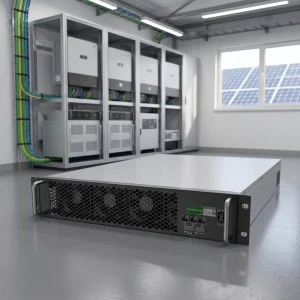
Fully isolated architecture tailored for Caspian coastal microgrids requiring strict electromagnetic and high galvanic isolation.
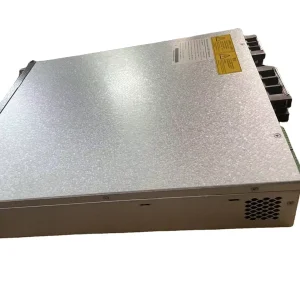
High-voltage series configuration optimal for manufacturing hubs in the Sumgait Chemical Industrial Park.
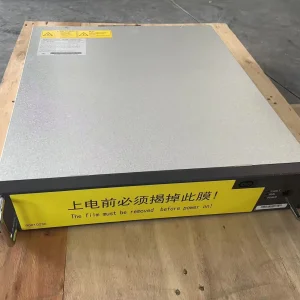
Wide voltage spectrum configuration providing robust voltage regulation for fluctuating wind assets in the Absheron Peninsula.
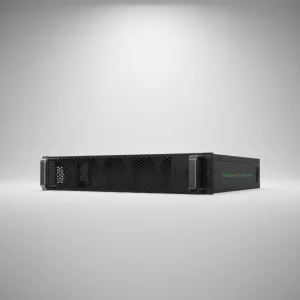
CE certified topology supporting sub-zero and desert-heat microgrids across Nakchivan and central rural zones.
Azerbaijan is undergoing a major energy transition. Transitioning from fossil fuel dependence to green energy, the Ministry of Energy of Azerbaijan has set a targets to increase renewable energy capacity to 30% by 2030. Key projects, such as the 230 MW Garadagh Solar PV plant and wind power developments in the Absheron-Khizi region, require robust power conditioning infrastructure to stabilize the national transmission line managed by Azerenerji.
Integrating intermittent renewable sources demands high-power Battery Energy Storage Systems (BESS) and resilient bidirectional DC-DC converters. These components handle high current density, match solar/wind fluctuations, and manage voltage variations. Whether for peak-shaving in Baku's heavy refineries, stabilizing solar farms in East Zangezur, or powering the Alat Free Economic Zone (AFEZ), our advanced power converters provide the dynamic grid-edge control needed to minimize power loss and prevent grid instability.
Our converters facilitate seamless transition from charge (Buck) to discharge (Boost) states in under 5 milliseconds. This speed is critical for preventing voltage sag during localized grid disruptions in petrochemical processing plants.
With high dielectric isolation, our systems protect high-voltage lithium-ion chemistries (such as LFP) from DC-bus electrical anomalies, reducing down-time in harsh environments.
Engineered with conformal-coated PCBs and structural thermal management, our units operate efficiently in temperatures ranging from -25°C to +55°C, tolerating both dust and seaside salinity.
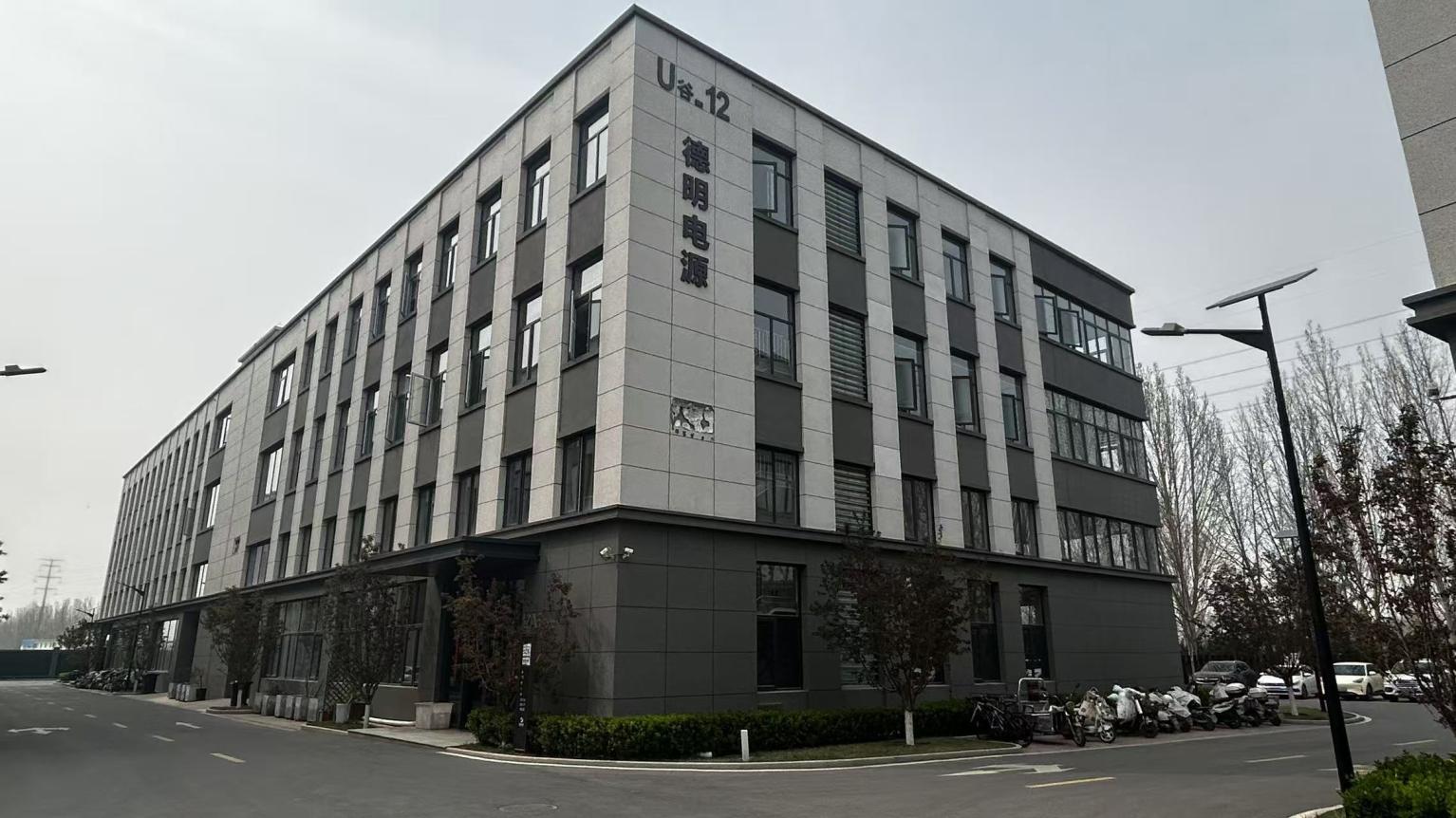
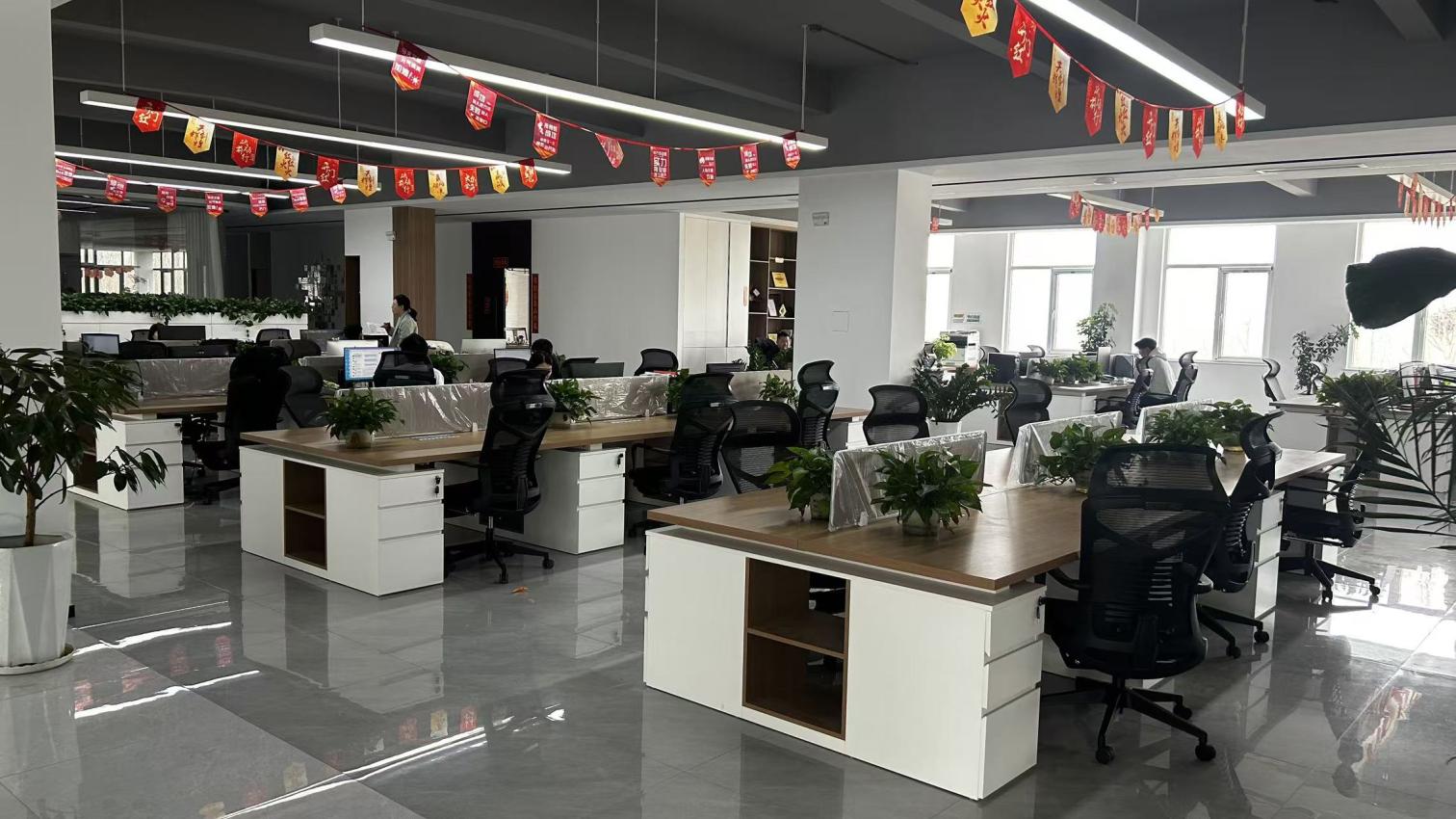
Founded in 2004, Jinan Deming Power Equipment Co., Ltd. is a nationally recognized high-tech enterprise dedicated to research, manufacturing, and support for renewable energy power equipment. Our ISO9001:2015 certified production facility integrates rigorous quality-assurance checkpoints to deliver dependable power control modules.
Our dedicated R&D team comprises 16 senior engineers, including doctoral advisors and master's graduates, driving continuous technological evolution. By dedicating over 20% of annual revenues back into our technology pipelines, we have finished 17 advanced development projects in the last three years alone. This focus converts laboratory findings into robust commercialized technologies serving critical sectors worldwide.
Through exporting to more than 120 countries—including Germany, the United States, Japan, and the United Kingdom—we have earned trust from Fortune 500 companies. Now, we bring this same tier-1 manufacturing quality to energy developers and grid integrators across Azerbaijan.
These stackable systems allow engineers in Azerbaijan to build large scale battery testers or mega-watt level microgrid nodes by connecting sub-units in parallel.
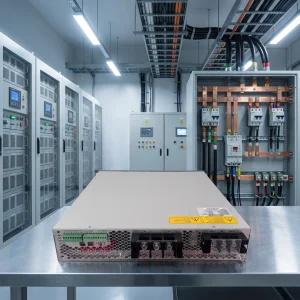
Scalable platform for central battery backup installations in municipal water treatment plants.
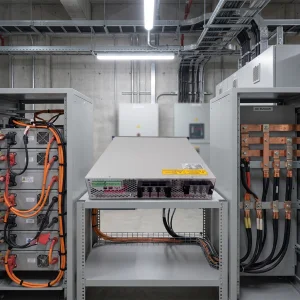
Designed for 1500V DC bus networks, optimizing cable sizing and reducing line losses.
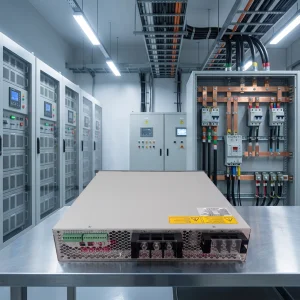
Equipped with fast CAN Bus control, ideal for dynamic peak-shaving setups.
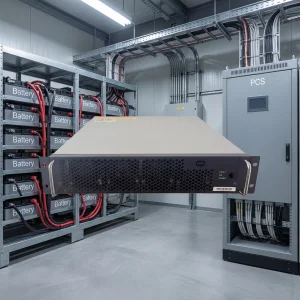
High-capacity integration node supporting wind and hydrogen fuel cell balance of plant.
In Caspian Sea offshore platforms, reliable auxiliary power is critical. Our bidirectional DC-DC converters act as energy control links between emergency supercapacitor banks and the platforms' central DC buses. Dynamic current tracking manages peak load surges, protecting generators and preventing power loss in remote waters.
As Baku transitions its public transit fleet toward electric buses, the charging depot infrastructure requires large BESS buffers to manage grid draw. Our modular converters balance local lithium storage banks with chargers, reducing peak stress on municipal substations during peak hours.
In regions like Nakhchivan, solar arrays experience rapid cloud cover transitions. This instability causes sudden voltage fluctuations. Our 50kW and 100kW converters stabilize power delivery, keeping the local grid balanced without triggering protective circuit trips.
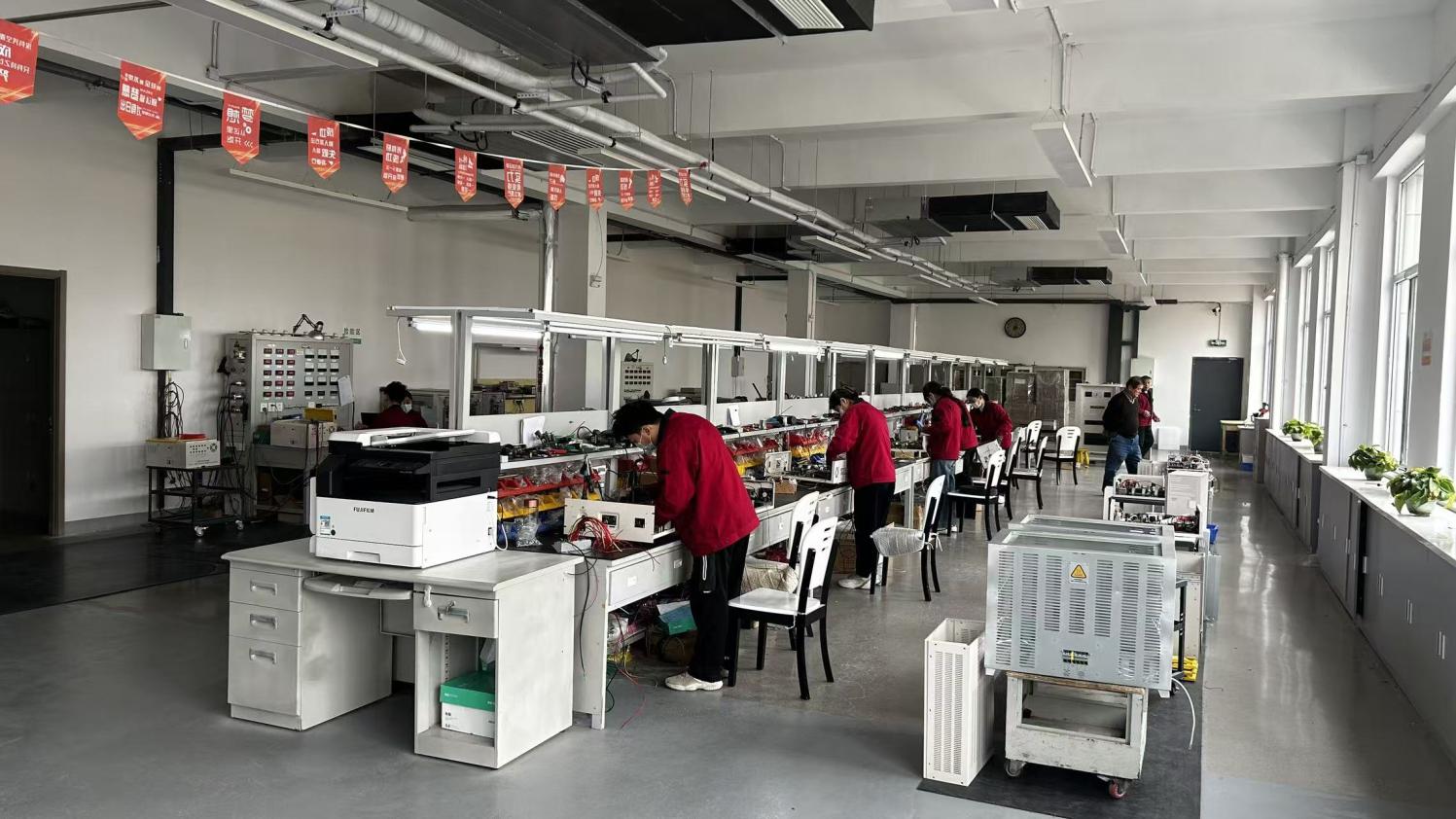
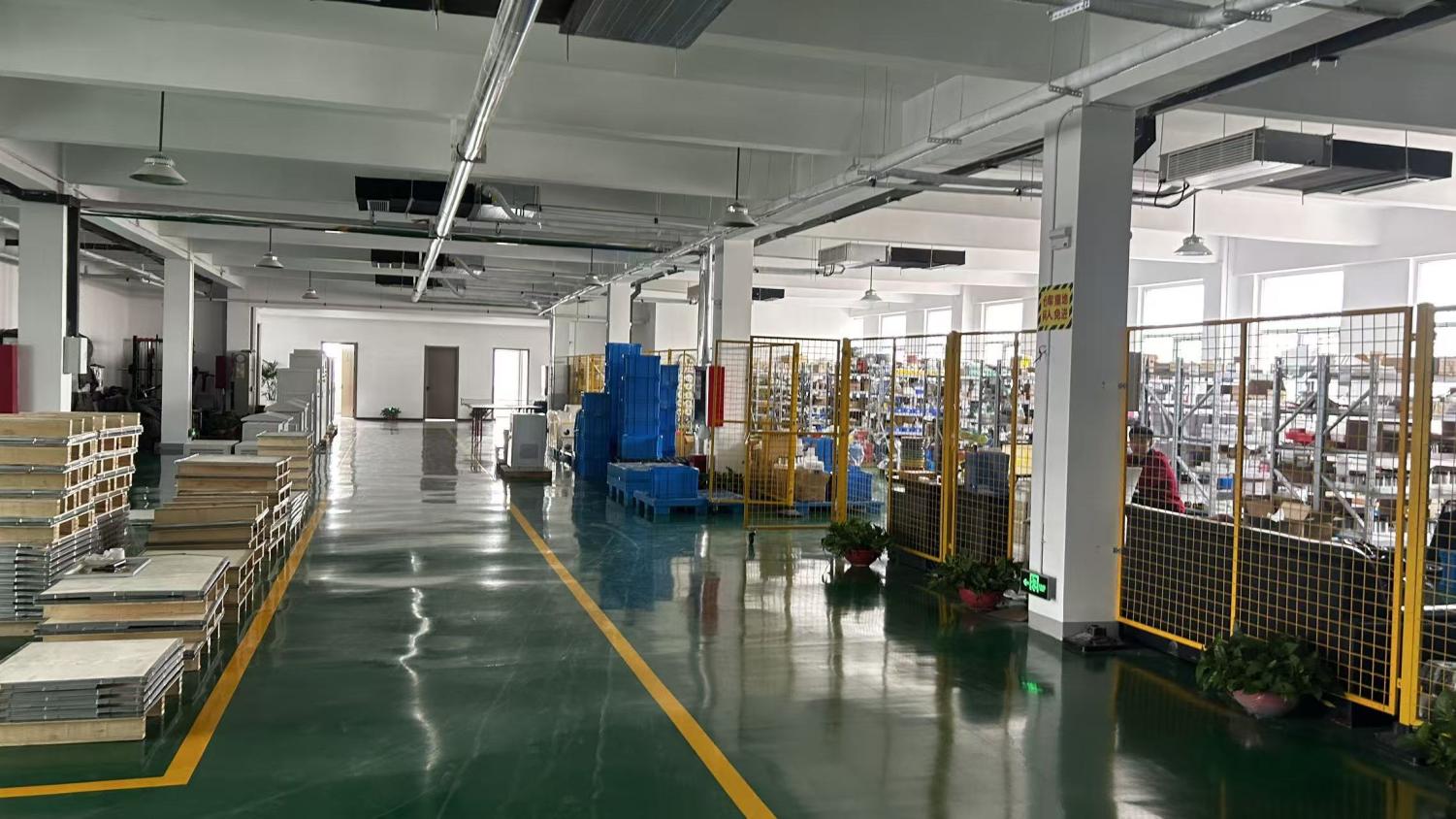
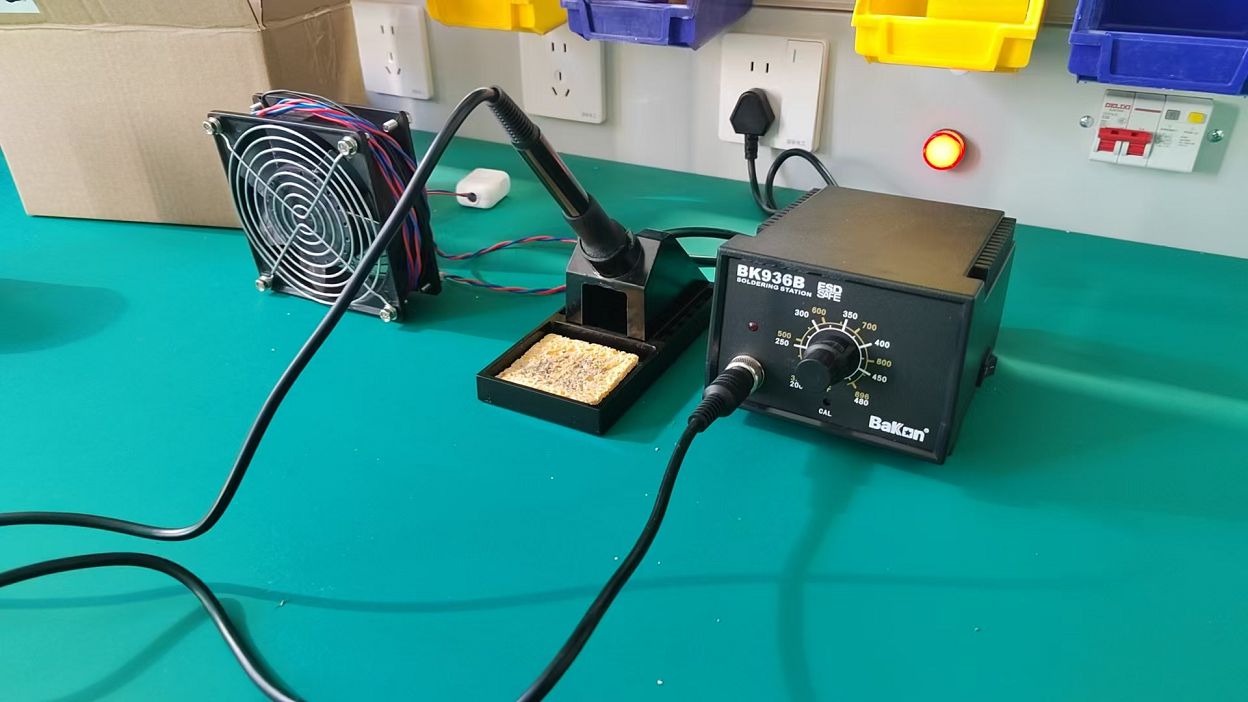
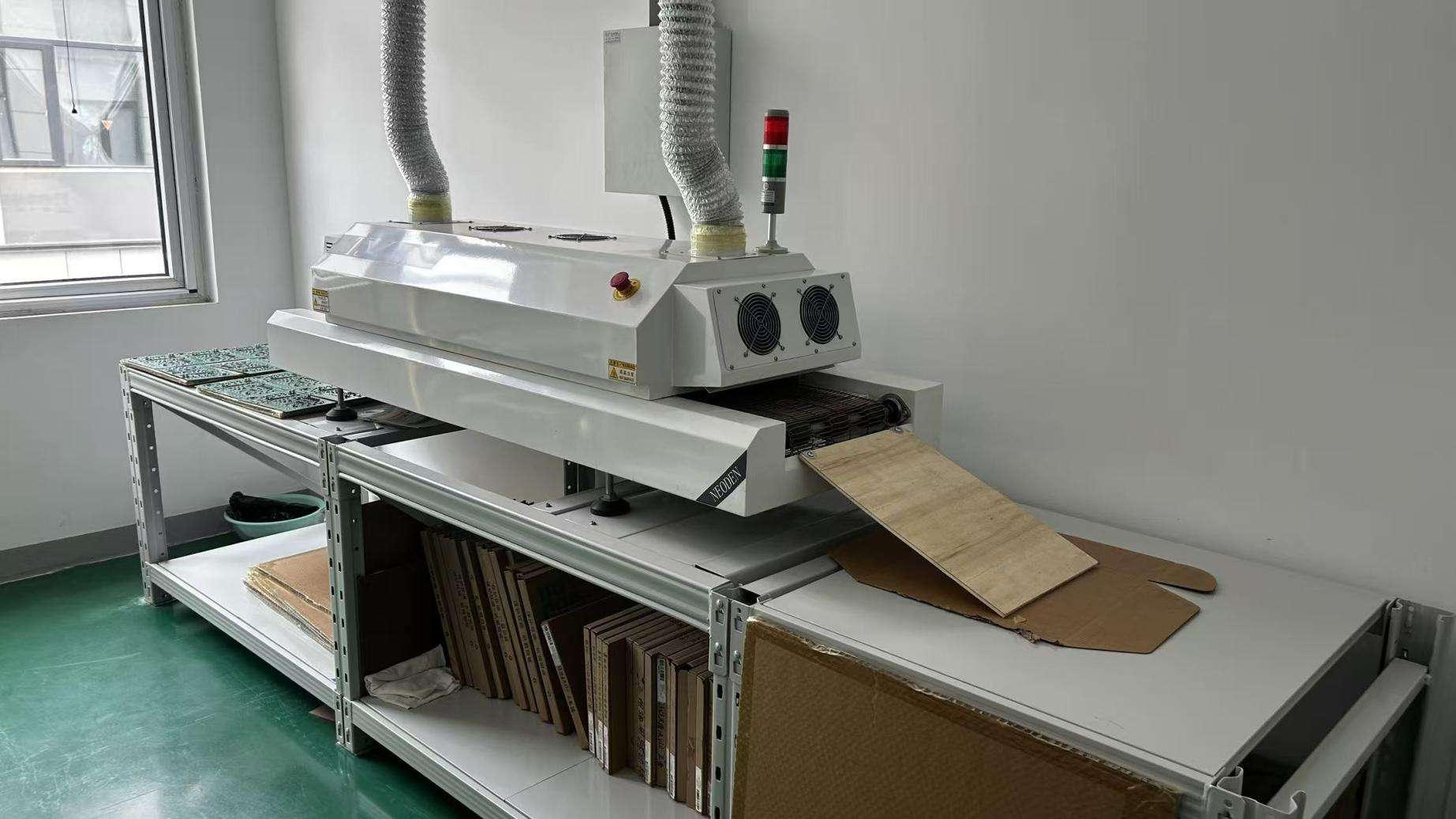
We maintain strict process controls across our production line—from initial copper bus bar shaping to automated reflow soldering and comprehensive digital analysis.
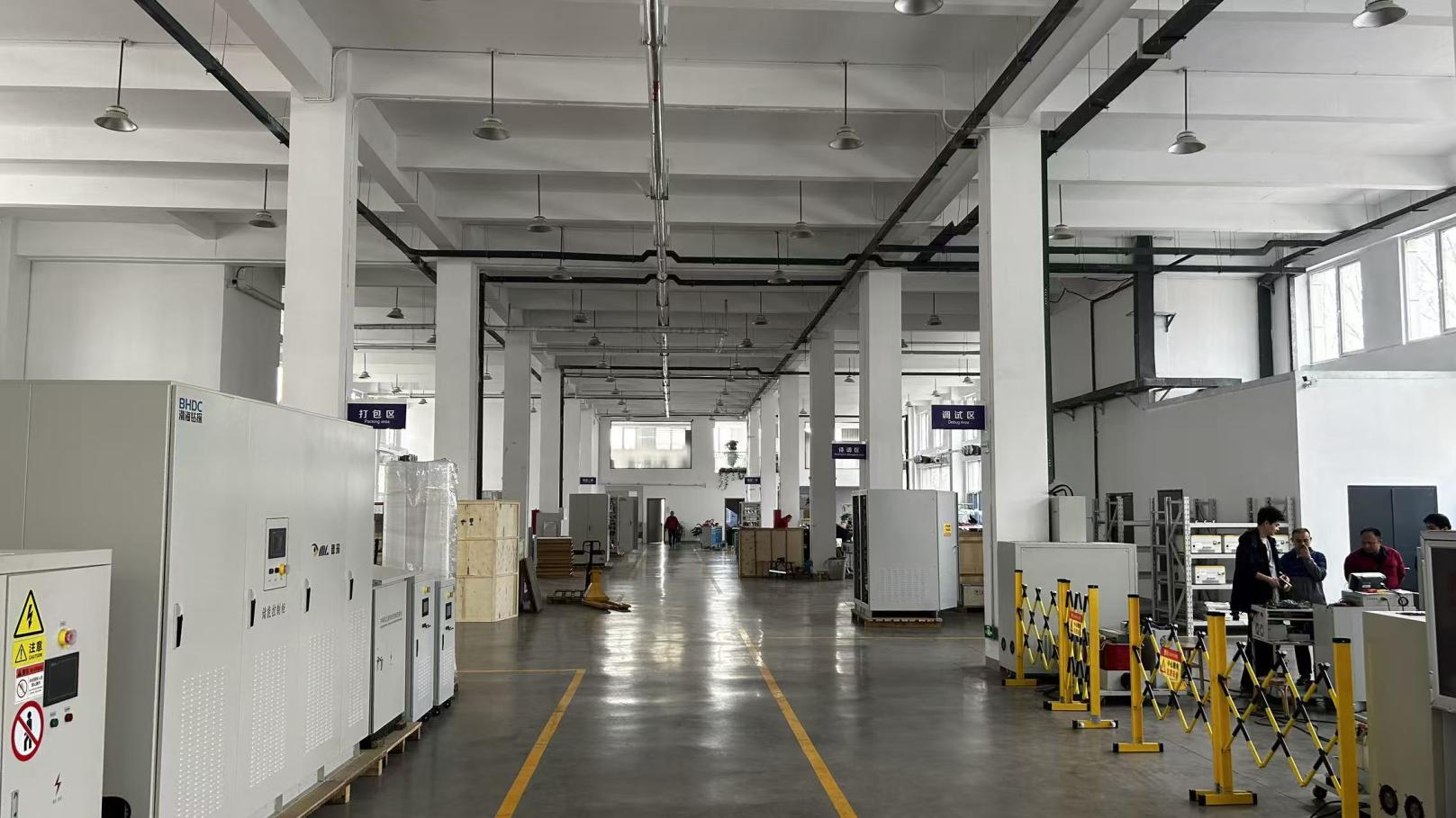 Production Center
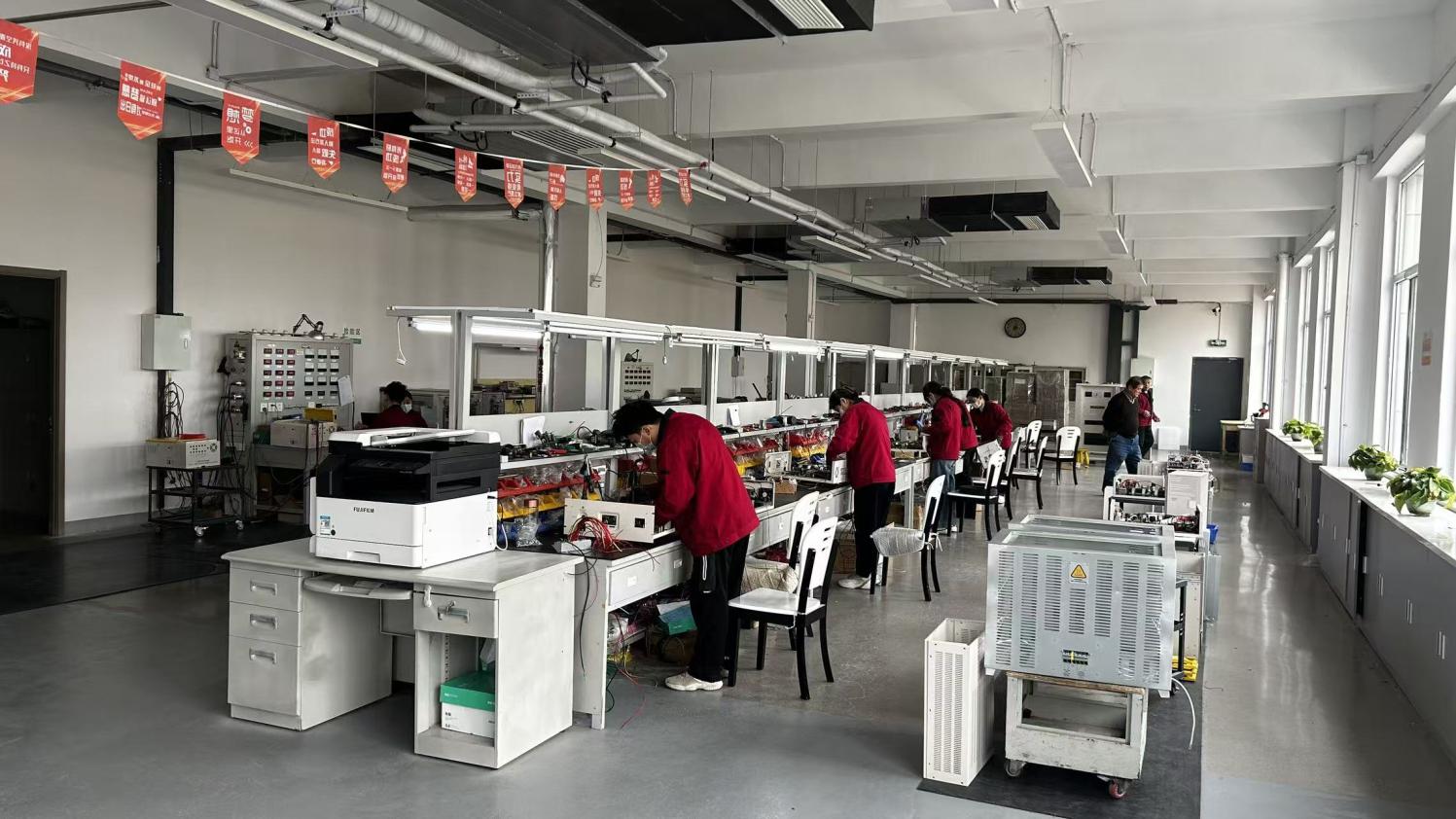 Circuit Assembly
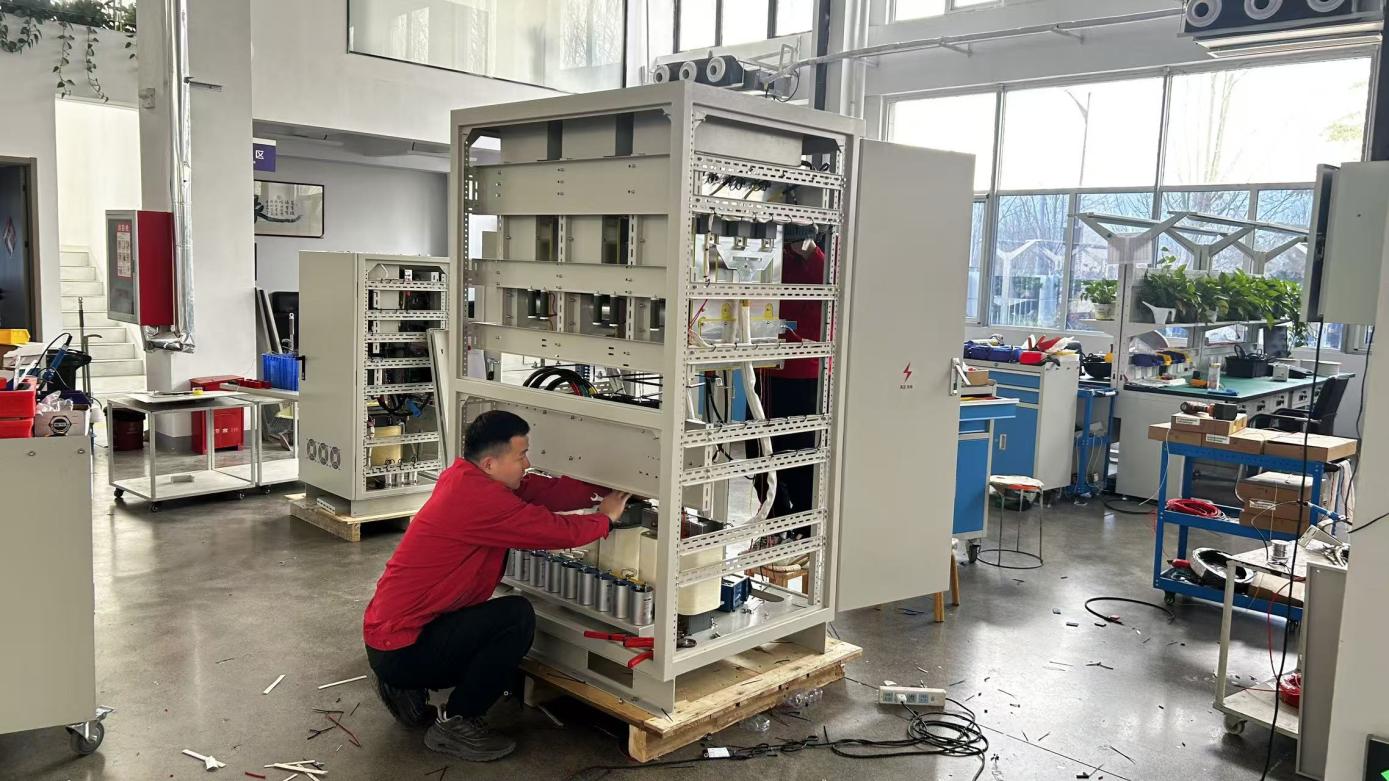 PCB SMT Line
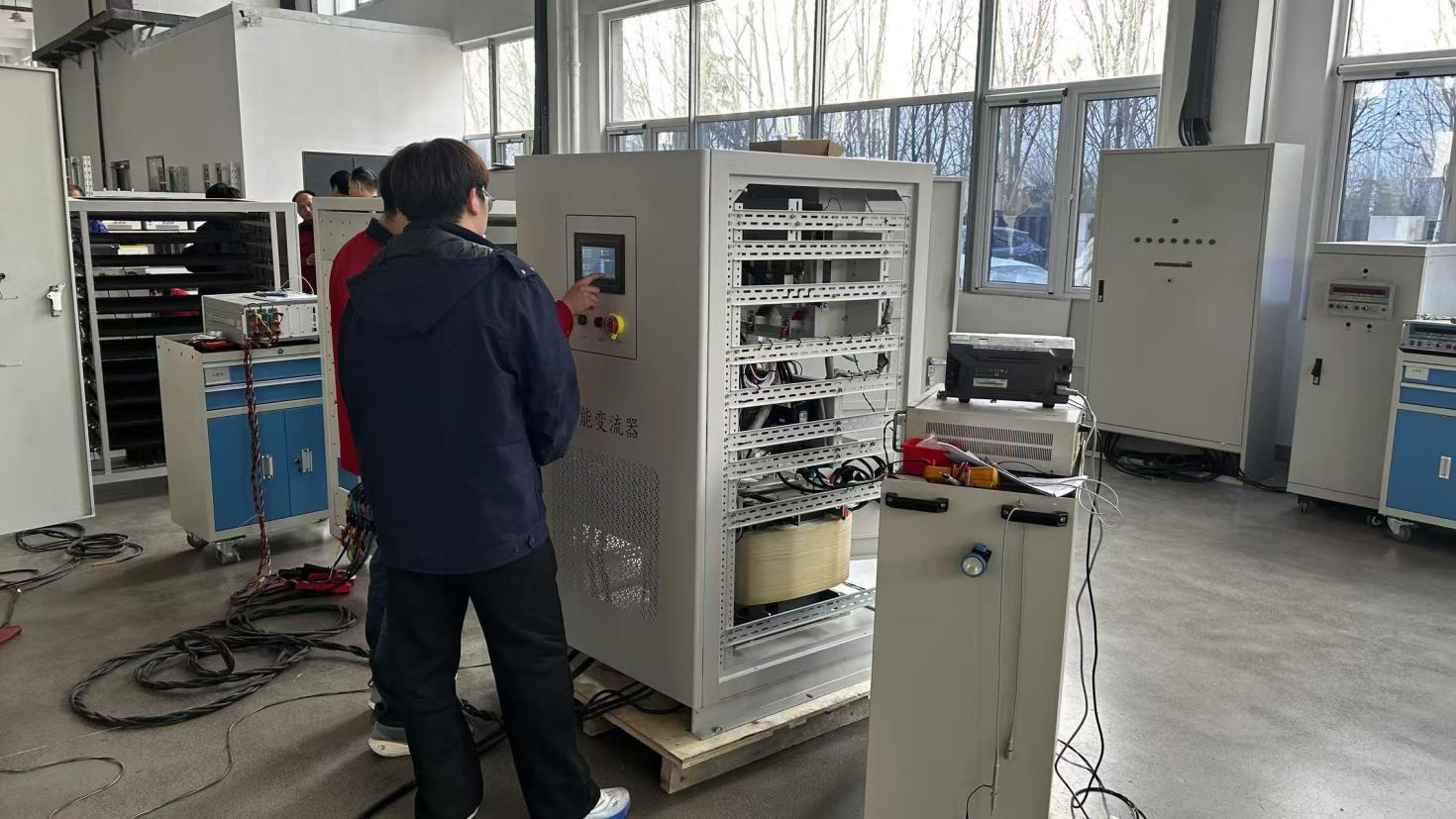 Calibration Phase
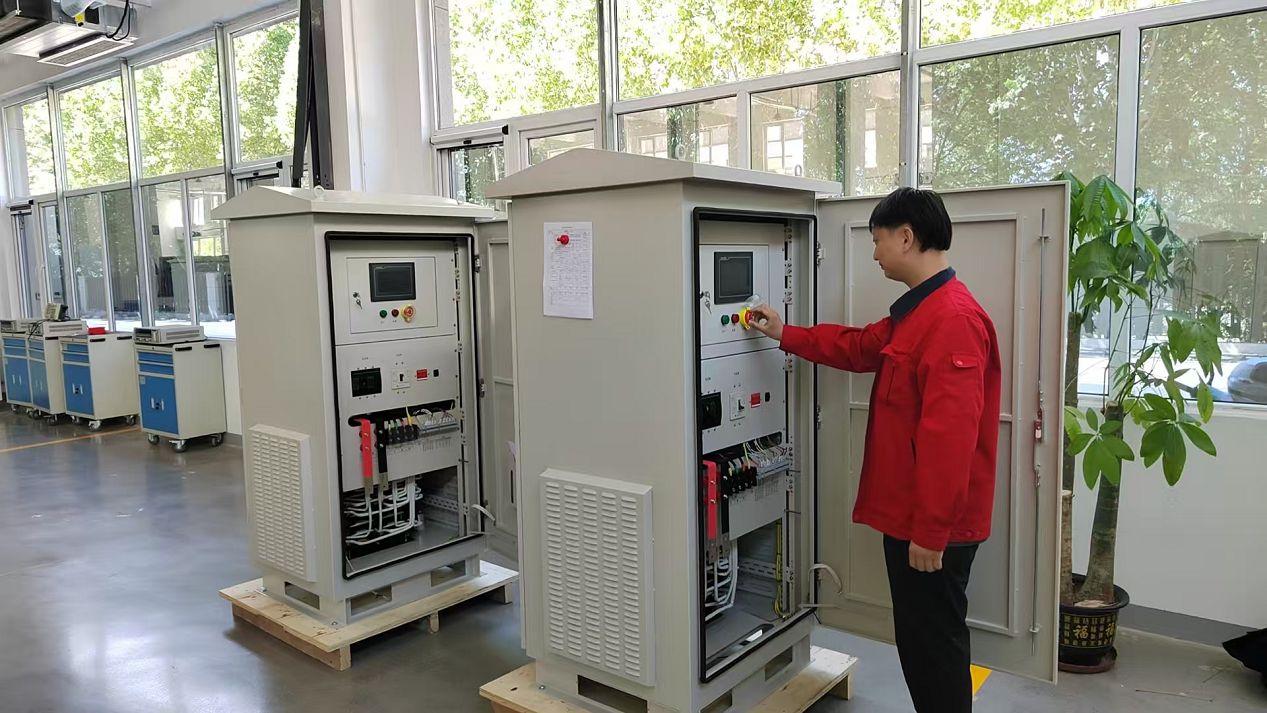 Automated Inspection
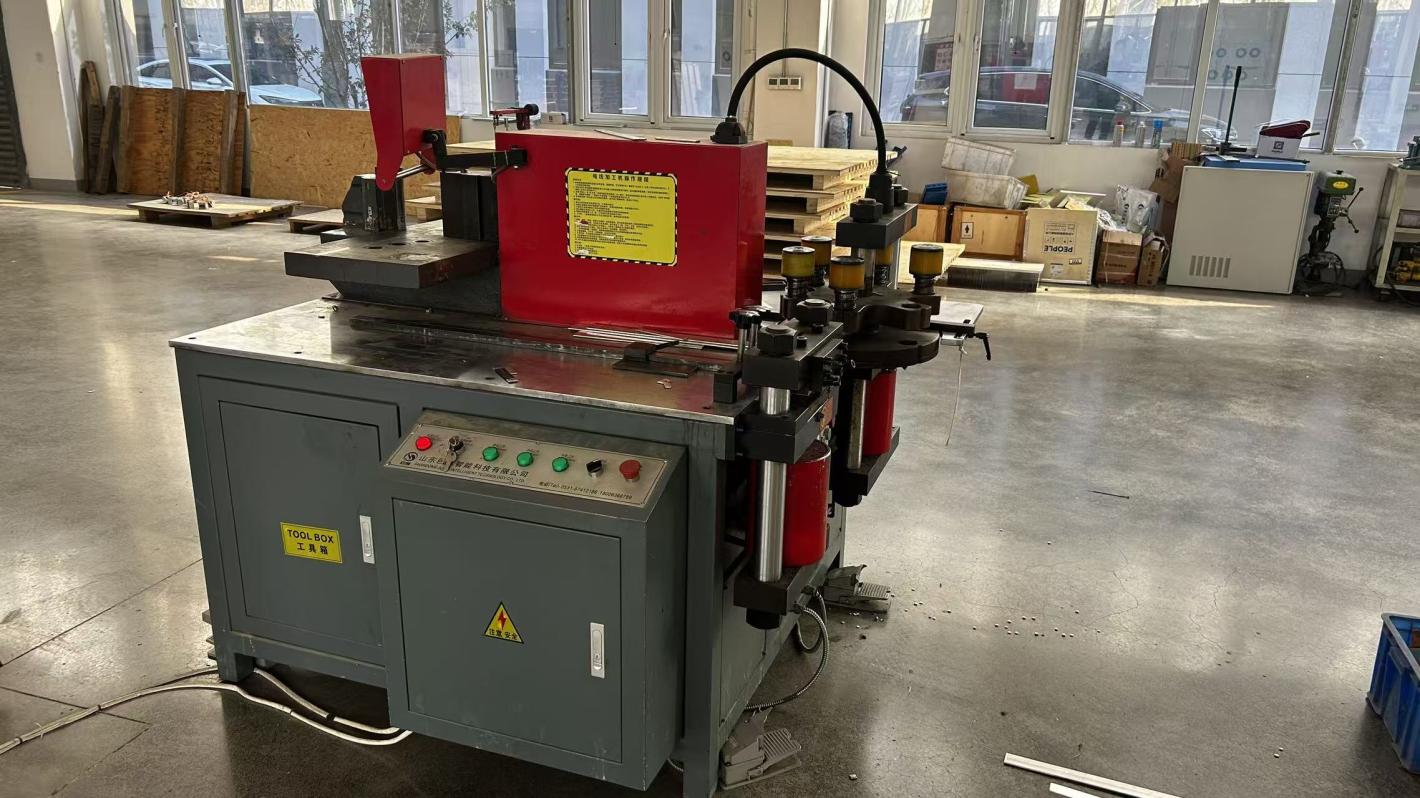 Busbar Machining
 Wire Loom Station
 Thermal Soldering
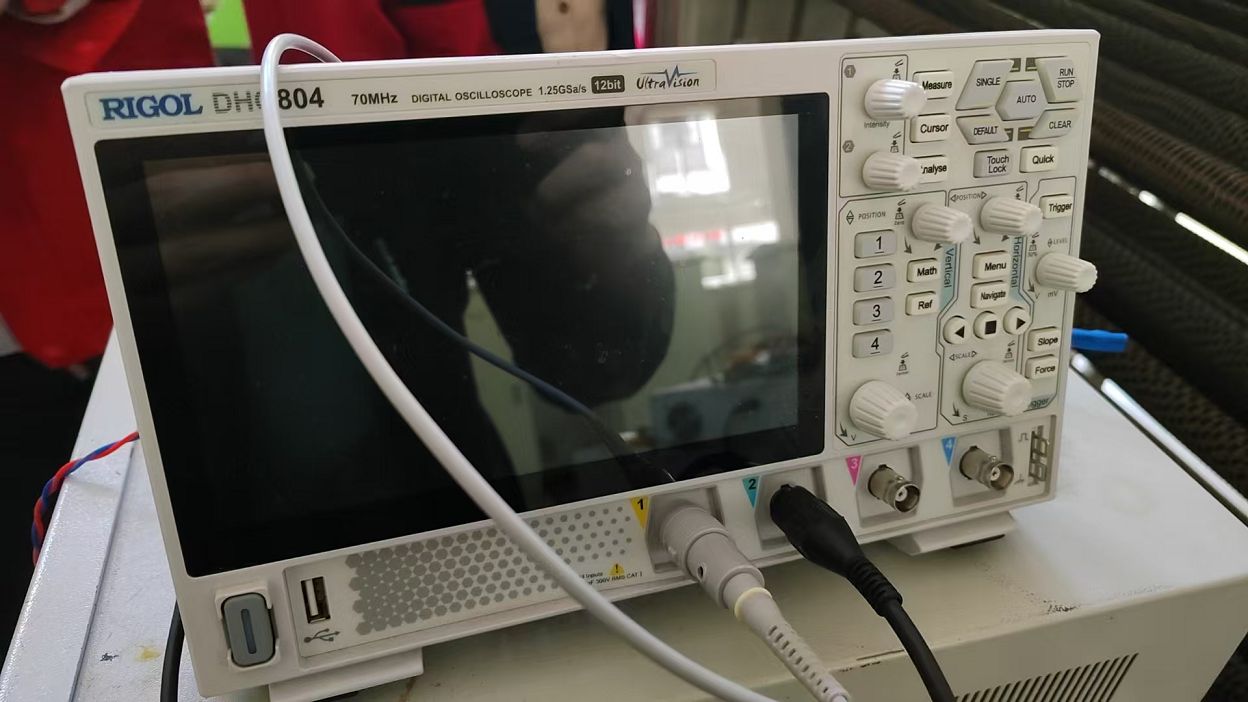
Every DC-DC converter undergoes dynamic load testing. Using high-resolution digital oscilloscopes and semiconductor characteristic plotters, we confirm switching stability and verify thermal parameters before shipment.
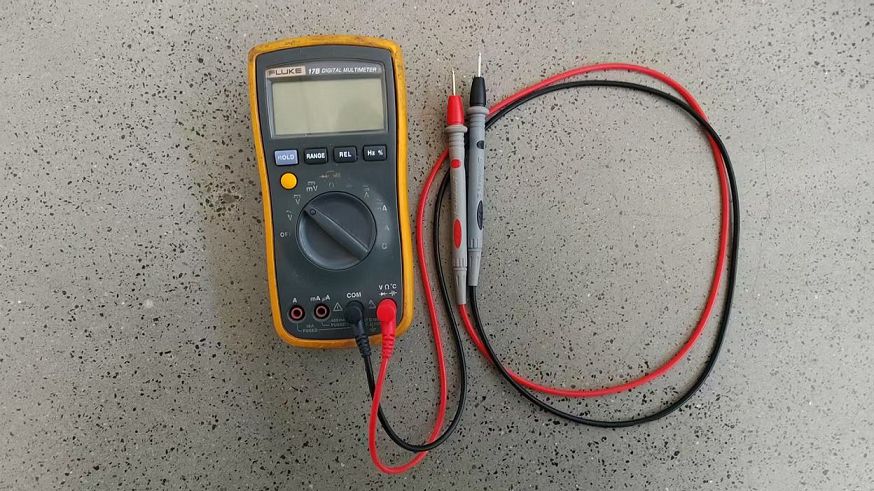 Rigorous Calibration
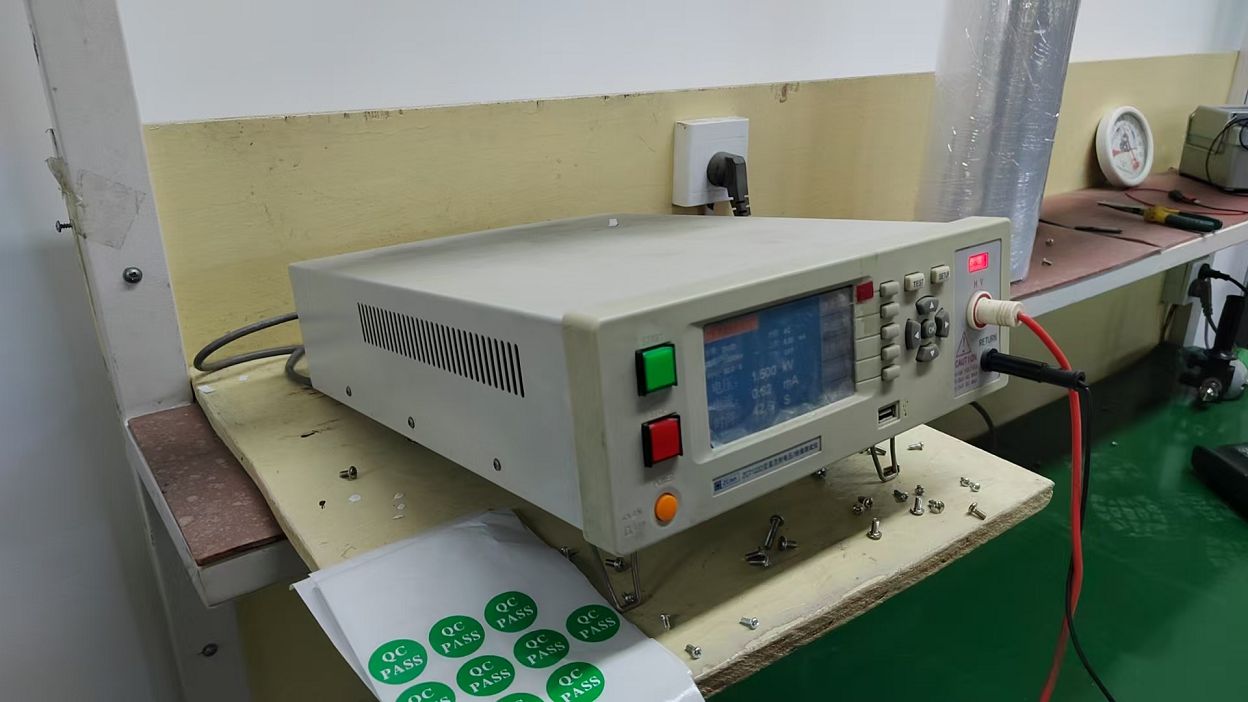 LCR AutoTester
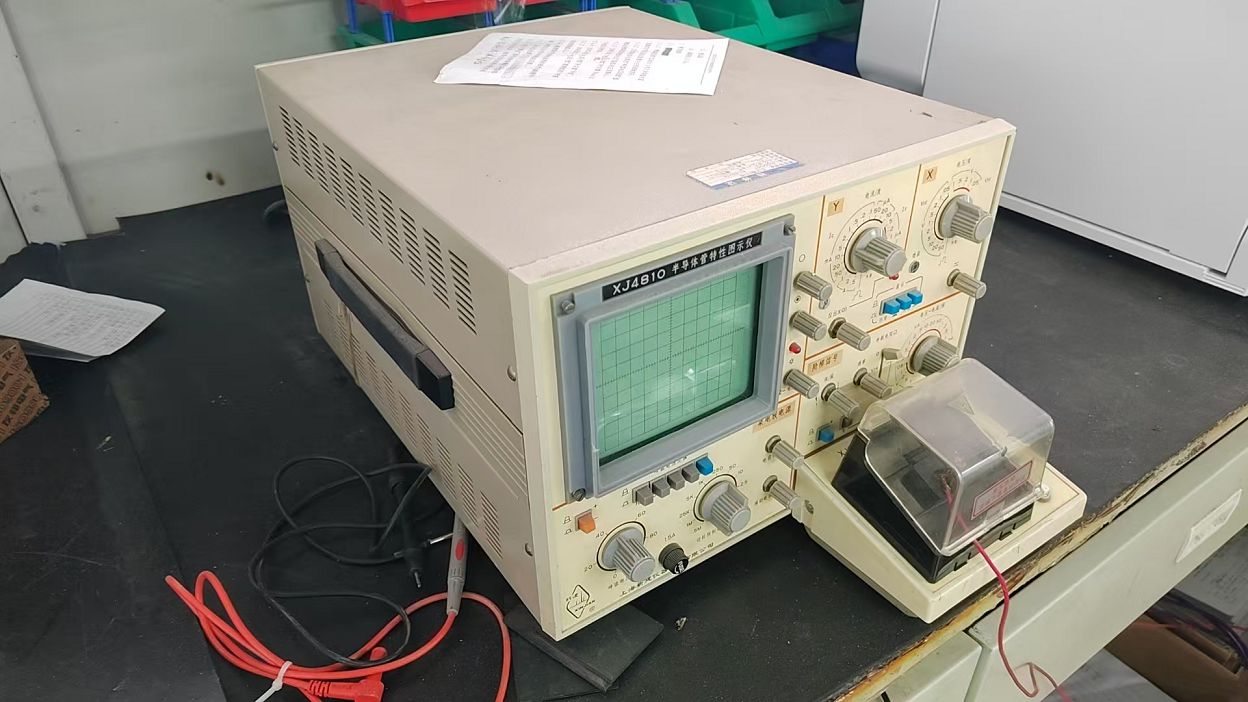 Silicon Tester
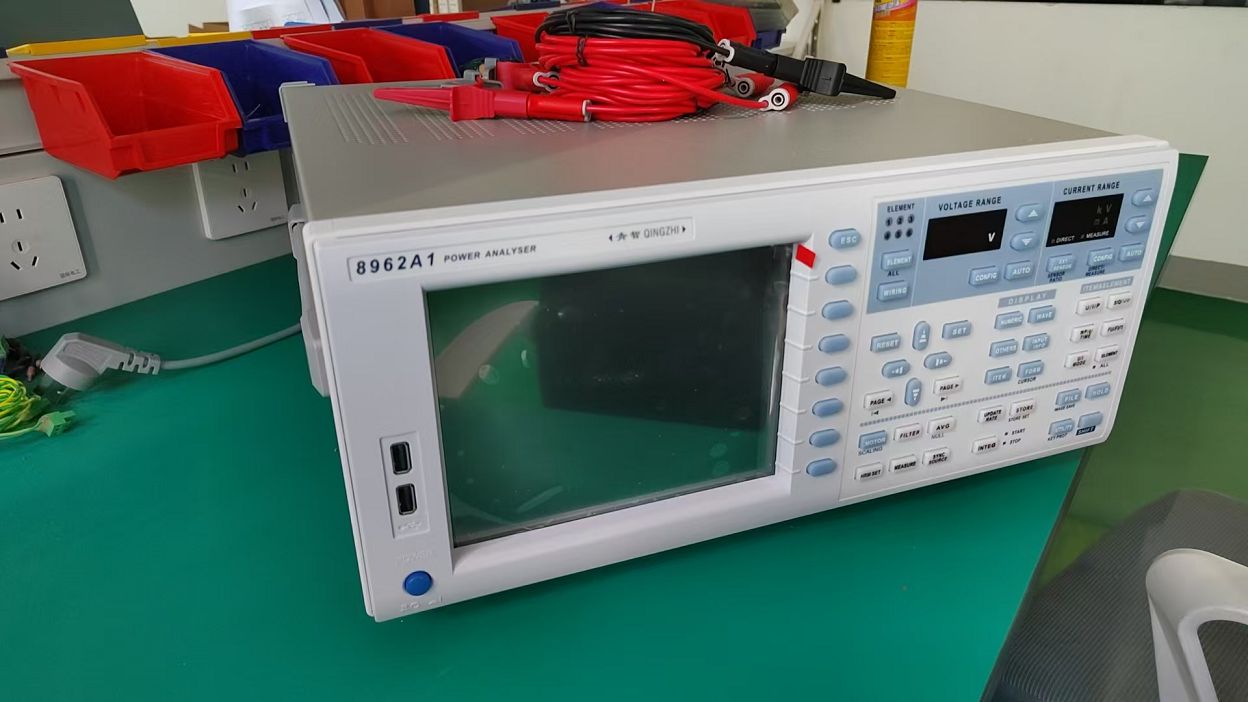 Oscilloscope
 Power Quality
Our comprehensive selection of CE-certified and grid-compatible DC-DC converters covers system integration needs from 30kW to 100kW.
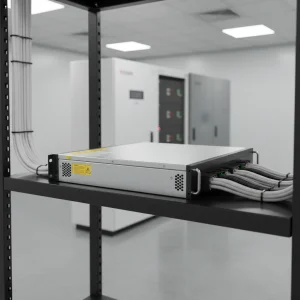
Flexible buck-boost configuration engineered for adapting custom battery voltages to industrial DC distribution lines.
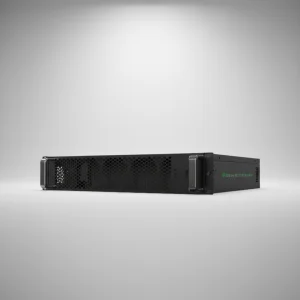
Robust, OEM-ready solution designed for commercial microgrids, featuring modifiable input thresholds.
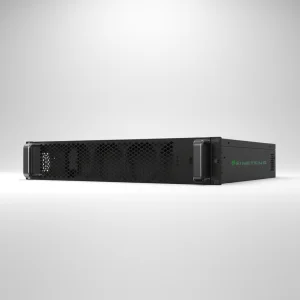
Wide range voltage balancing module suitable for hybrid battery-supercapacitor setups.
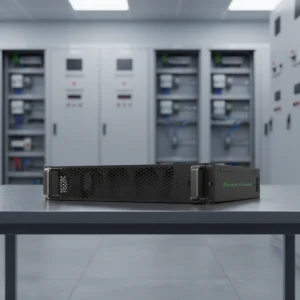
Optimized for electric vehicle battery recycling facilities and automated high-rate test cycles.
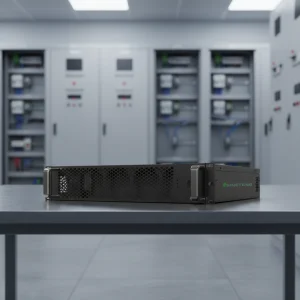
Equipped with DSP algorithms that continuously track battery status to optimize energy throughput.
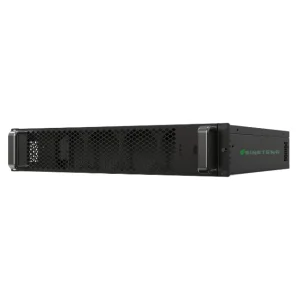
Perfect for rural hybrid installations, bridging small-scale solar panels and wind turbines with battery banks.
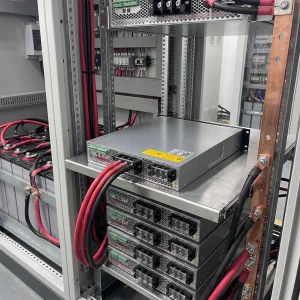
Modular 1500V system designed for utility-scale PV plants requiring parallel multi-cabinet expansion.
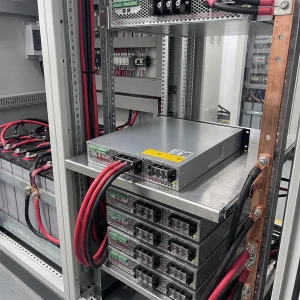
Engineered for high flexibility, allowing direct parallel expansion to stabilize standard battery buses.
Answers to critical questions regarding system compatibility, environmental parameters, and installation support in Azerbaijan.
Galvanic isolation uses a high-frequency transformer barrier to physically separate the input and output circuitry. In coastal zones with high moisture and salt mist, this barrier prevents earth-leakage faults from damaging sensitive battery management systems (BMS) or feeding surges back into the main grid. It also blocks common-mode noise, protecting control circuits from electromagnetic interference.
Yes. All Deming bidirectional converters support industrial communication standards, including CAN 2.0B and Modbus RTU/TCP. This compatibility allows integration with standard SCADA systems and programmable logic controllers (PLCs), enabling real-time remote monitoring of voltage levels, internal temperatures, fault logs, and charge-discharge limits.
Our modular systems use a centralized master-slave control scheme alongside active current-sharing logic. The master controller tracks total load demand and communicates target currents to each slave converter over a high-speed internal CAN bus. This synchronization ensures load imbalances remain under 2%, preventing thermal hotspots and uneven battery degradation.
Our manufacturing processes conform to ISO 9001:2015 standards, and our export-tier bidirectional converters are CE certified. Our systems meet international grid safety requirements (including EN 61000 and EN 62109 series standards), satisfying the electrical safety guidelines required by Azerbaijan's Ministry of Energy and local customs.
Yes. In addition to grid-tied converters, Jinan Deming manufactures high-power testing systems, including bidirectional DC test power supplies and programmable battery simulators ranging from 150kW to 500kW. These systems are used in academic research and automotive testing laboratories to evaluate drivetrain components under realistic load profiles.
Every commercial solar or microgrid installation presents unique challenges. Our technical process begins at the drawing board. Using automated CAD layout design tools, our engineers work alongside your system designers to plan cabinet layouts, design bus-bar routing, and calculate thermal airflow requirements.
We provide complete integration documentation, including terminal pinout diagrams, register maps for software integration, and structural drawings for outdoor container enclosures. This support ensures smooth deployment on-site, minimizing testing delays during grid commissioning.
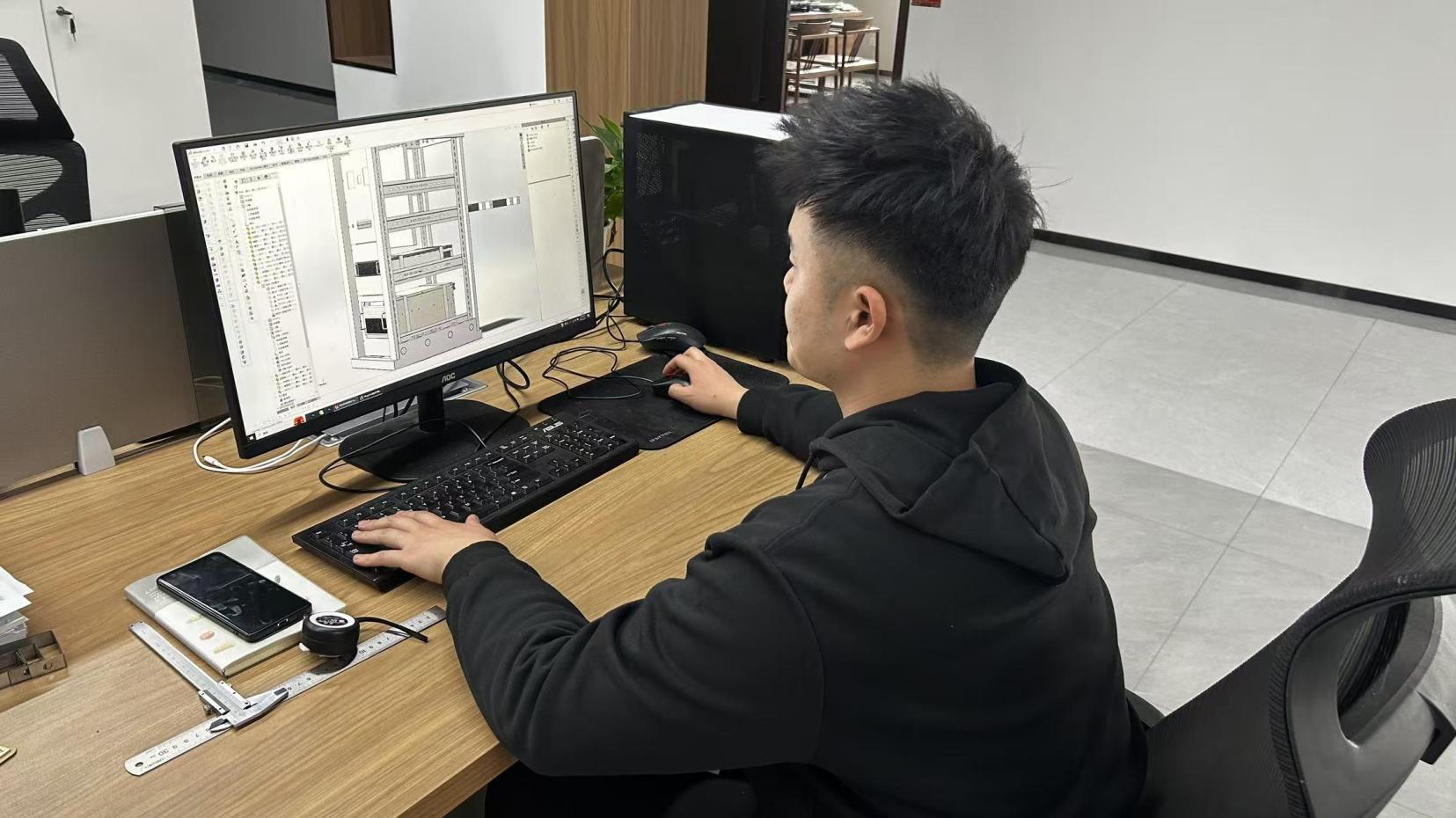 CAD Drawing Layouts
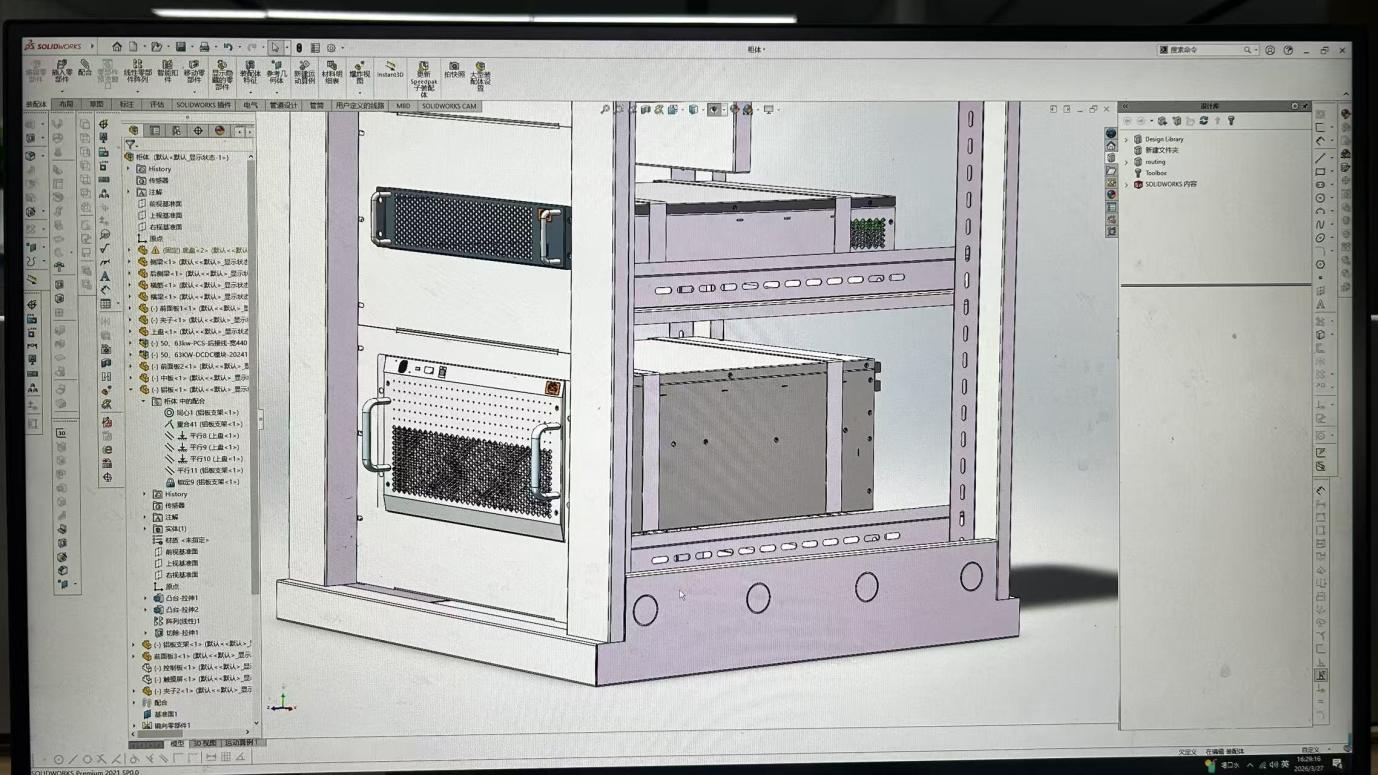 Simulation & Modeling
Get in touch with our engineering team to receive complete pricing lists, detailed product datasheets, or custom layout simulations for your project.
Send Inquiry Now Demin Power