Uruguay Grid Renewable Share Target
Annual Revenue Reinvested in R&D
Global Export Destination Countries
High-Voltage DC Support Capability
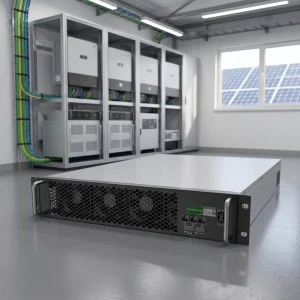
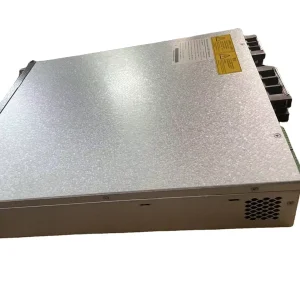
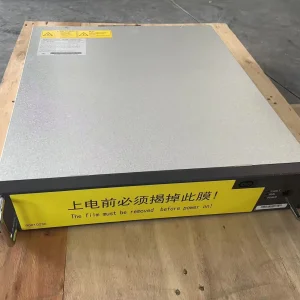
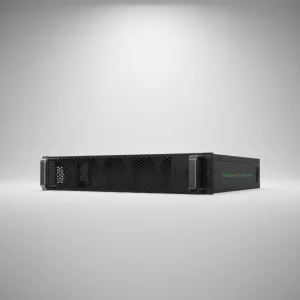
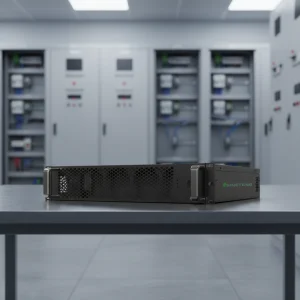
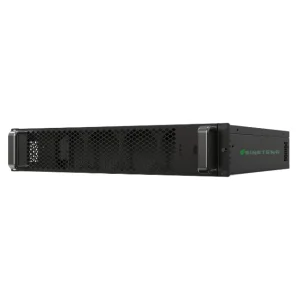
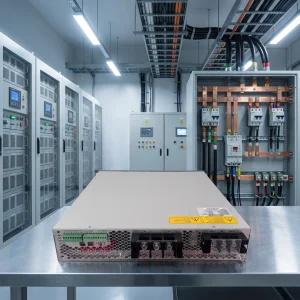
Premium high-efficiency bidirectional DC-DC converter models recommended for utility-scale battery energy storage systems (BESS) and commercial microgrid deployments under Uruguay's UTE grid code requirements.
Uruguay has positioned itself as a global leader in the clean energy transition. With over 97% to 98% of its electricity generated from renewable sources—principally wind, solar, biomass, and hydro—the country is now tackling the challenges of its "Second Energy Transition." As the Ministry of Industry, Energy and Mining (MIEM) drives policies toward total grid electrification, electric mobility, and green hydrogen, the demand for sophisticated power conditioning equipment has accelerated exponentially.
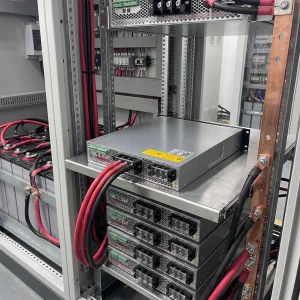
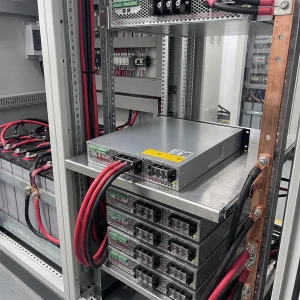
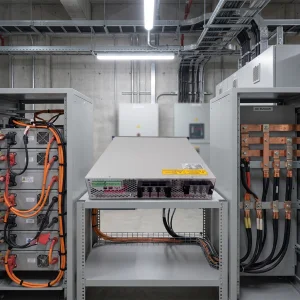
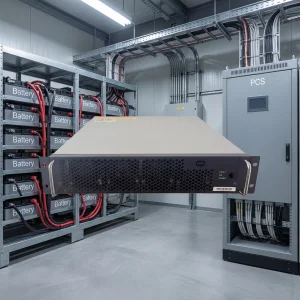
Integrating large-scale variable renewable energy (VRE) systems into the national grid managed by the *Administración Nacional de Usinas y Trasmisiones Eléctricas (UTE)* requires rapid-response storage technologies. Bidirectional DC-DC converters act as the critical technological bridge. They enable seamless power flow between high-voltage DC battery racks (such as Lithium-Iron Phosphate systems) and the centralized inverter DC bus. This capability is vital for grid frequency stabilization, peak shaving, and active curtailment prevention during hours of peak wind production.
In addition to utility-scale storage, Uruguay's intensive agricultural sector (forestry, dairy, and meat processing facilities) is increasingly turning to industrial microgrids. These off-grid and weak-grid operations rely on bidirectional converters to couple solar PV arrays and diesel backup generation with local storage, ensuring high power quality and operational continuity without costly transmission line expansions.
Traditional unidirectional power systems are insufficient for modern energy dynamics. Bidirectional DC-DC conversion ensures energy can be stored during excess solar/wind generation and discharged back to the grid instantly during peak demand periods. This closed-loop efficiency minimizes transmission line stress and optimizes local power factors.
Analyzing the design parameters driving next-generation power electronics in South American commercial grids.
By transitioning from 1000V to 1500V systems, utility operators realize significant savings in balance-of-system (BOS) costs. Higher voltages reduce copper cabling cross-sections, minimize transmission losses, and increase power density. Our latest stackable 30kW & 50kW modules are engineered for robust 1500V operations.
Integrating Silicon Carbide (SiC) switches instead of traditional Silicon IGBTs reduces switching losses by up to 60%. This allows for high-frequency switching, reducing the physical footprint of magnetic components (inductors and transformers) while boosting peak round-trip efficiency above 98.7%.
Next-generation converters feature onboard processing units running advanced droop control algorithms. These systems automatically detect voltage fluctuations and respond autonomously in milliseconds, providing synthetic inertia to grid-tied energy nodes in remote Uruguayan departments like Salto and Artigas.
| Parameter / Specifications | Standard Industrial Range | Deming Power Advanced Series | Grid Advantage for Uruguay Utility |
|---|---|---|---|
| Input Voltage Range | 300V - 800V DC | 200V - 1000V / 1500V DC Wide Range | Supports diverse battery chemistries (LFP, Na-ion, Flow) |
| Conversion Efficiency | 95% - 96.5% | ≥ 98.7% Peak (SiC-driven) | Reduces parasitic HVAC cooling load in substation containers |
| Galvanic Isolation | Non-isolated / external transformer | Integrated High-Frequency Transformer Isolation | Enhances personnel safety; blocks DC fault propagation |
| Dynamic Control Speed | < 50 ms | < 5 ms (DSP + FPGA dual loop control) | Ideal for primary frequency response and voltage stabilization |
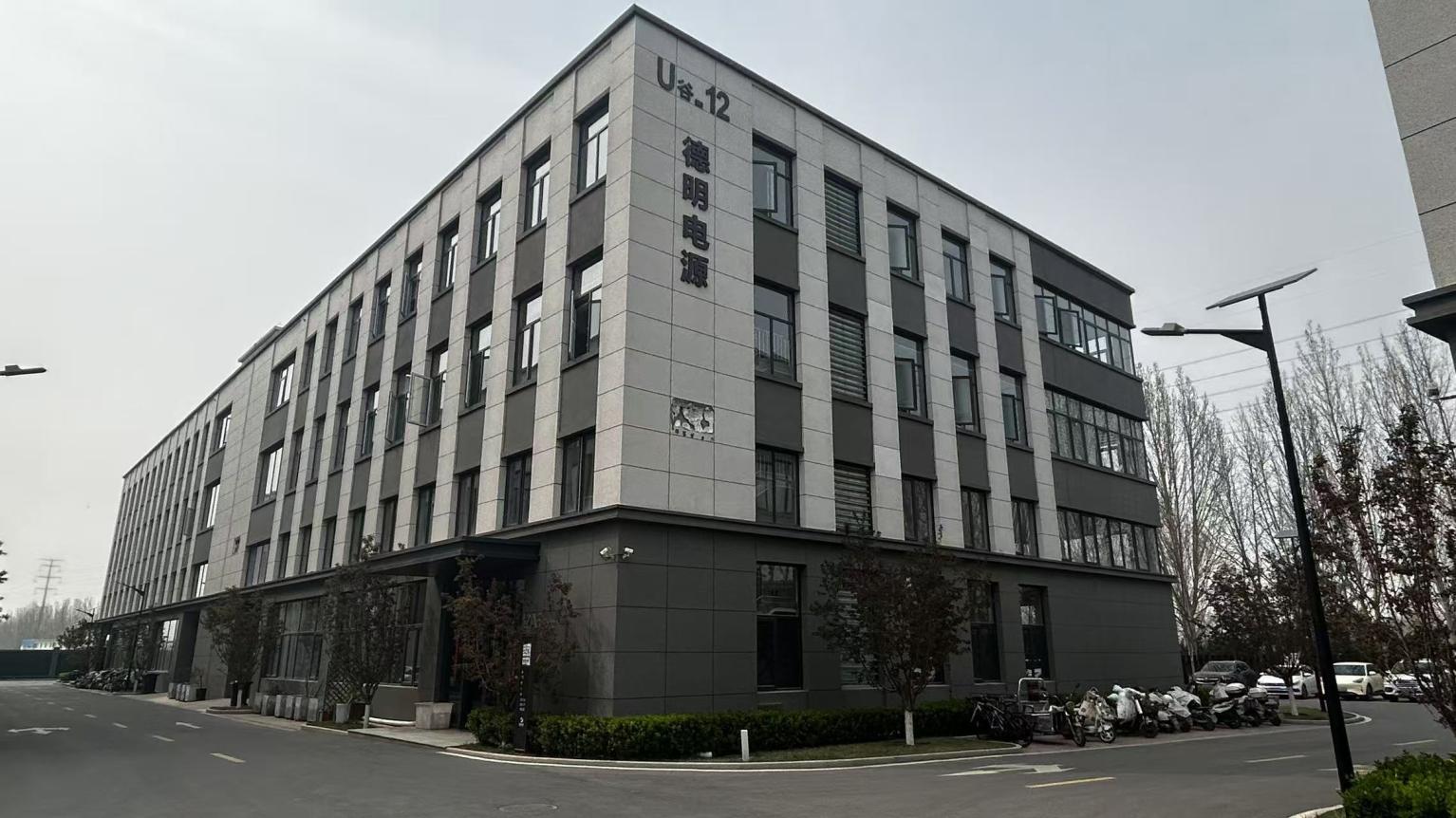
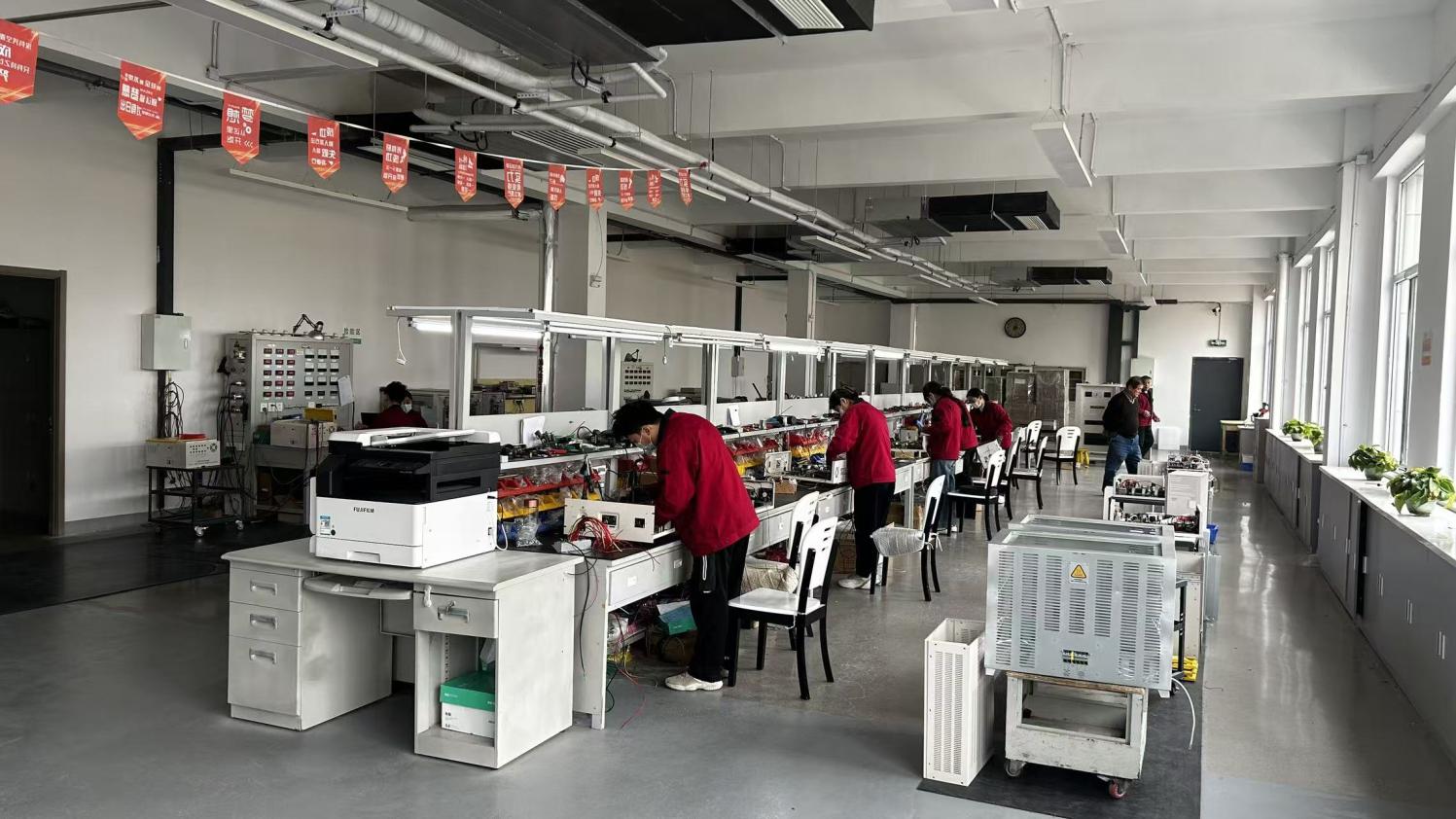
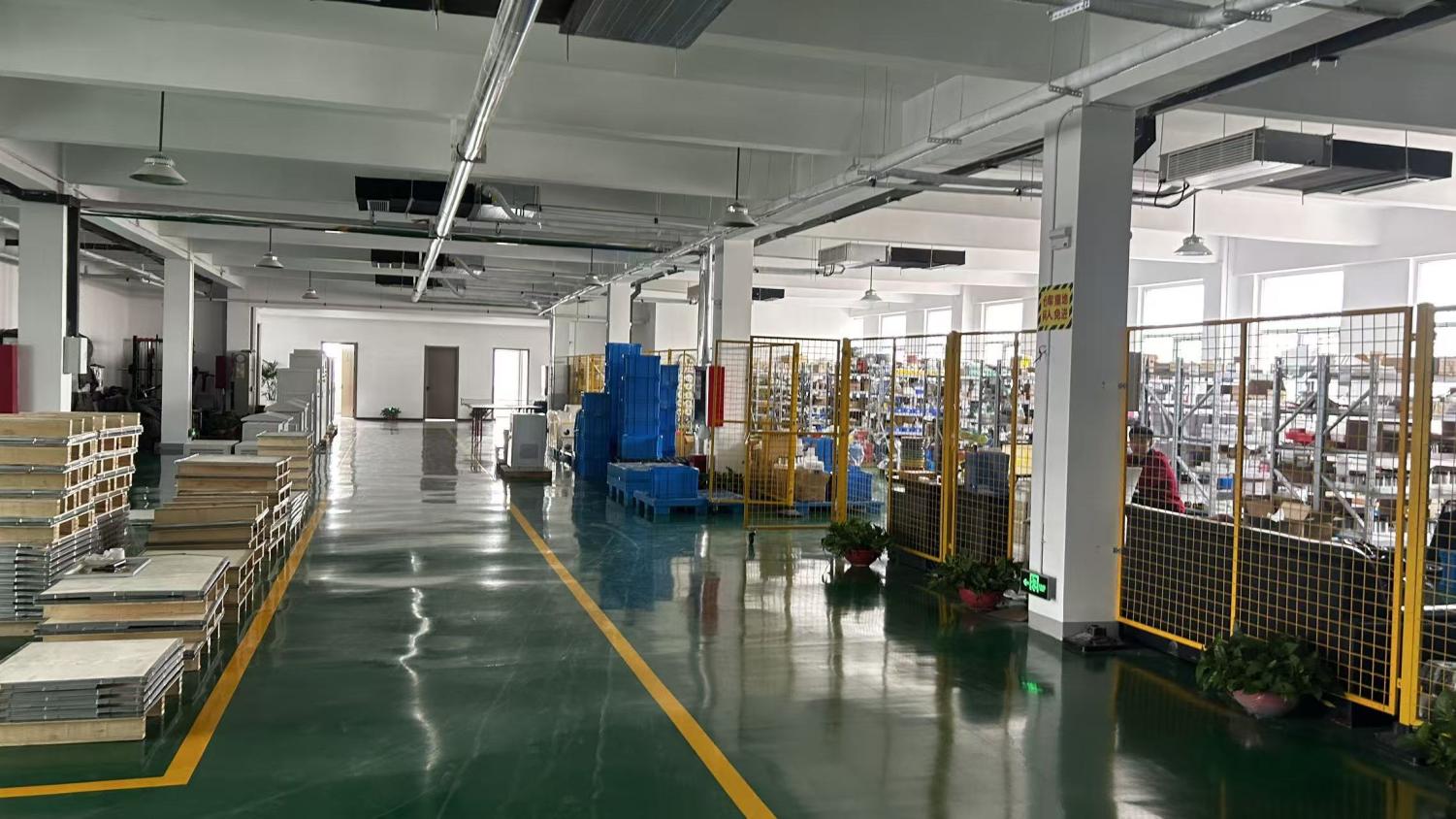
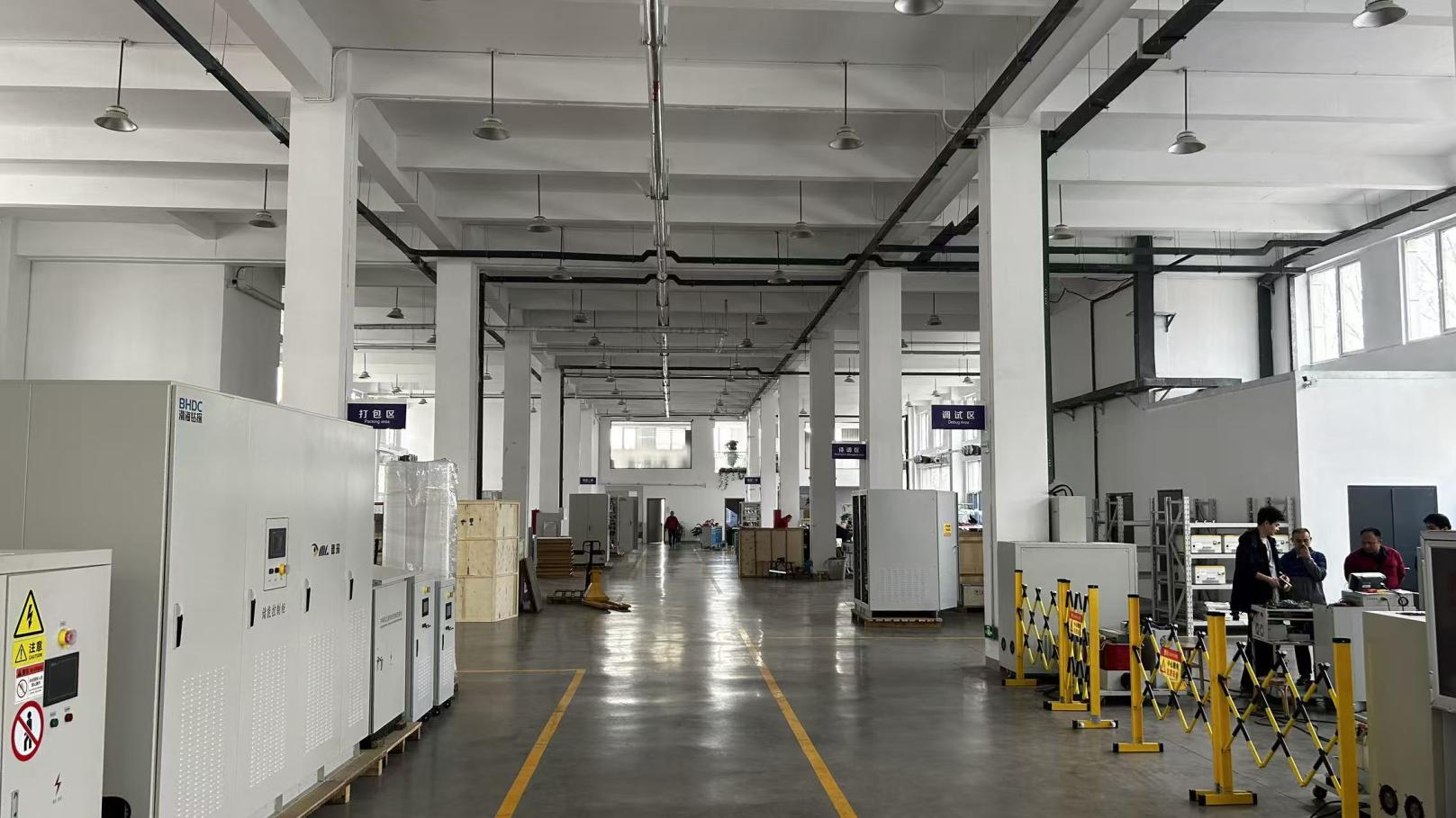
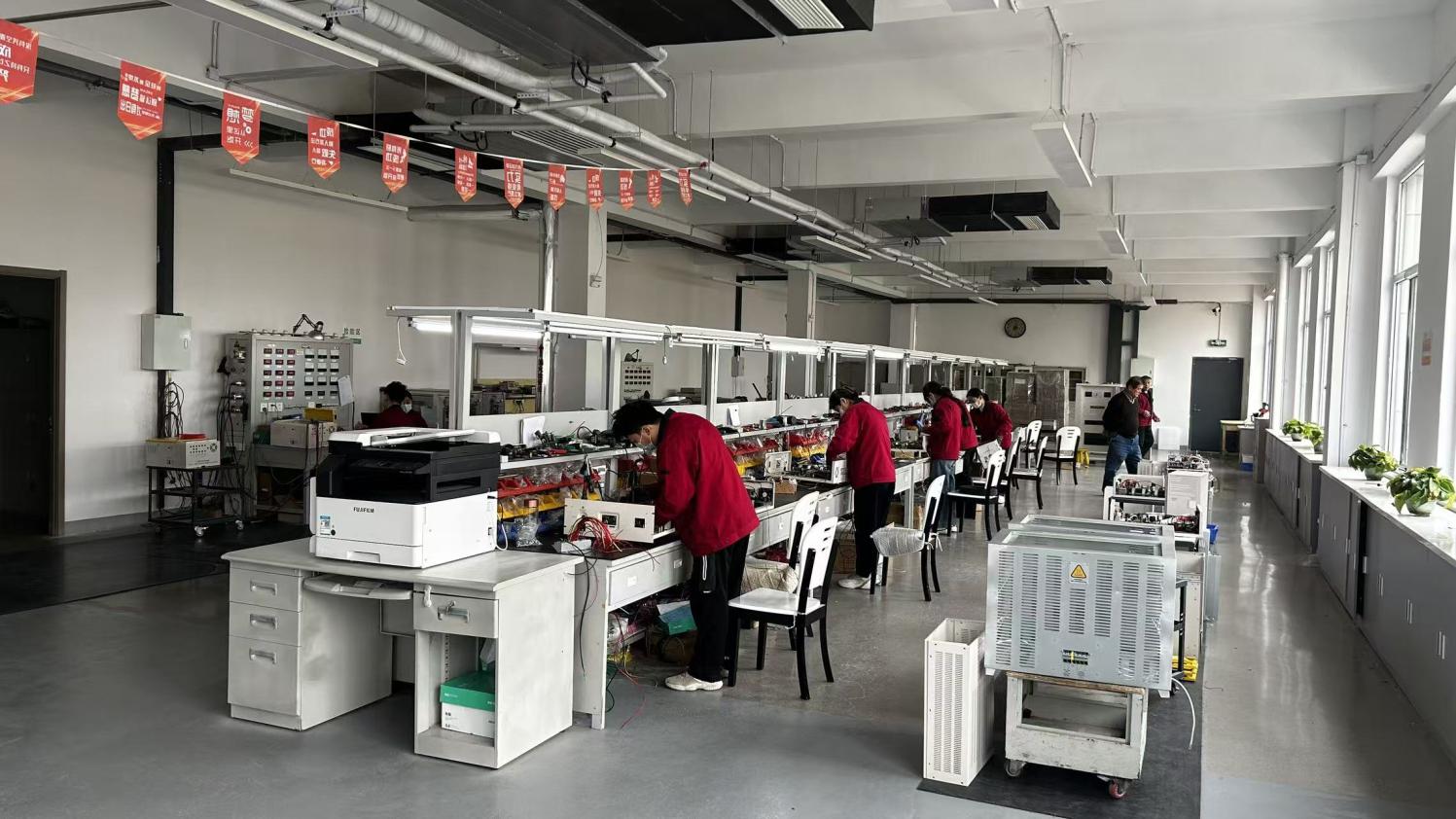
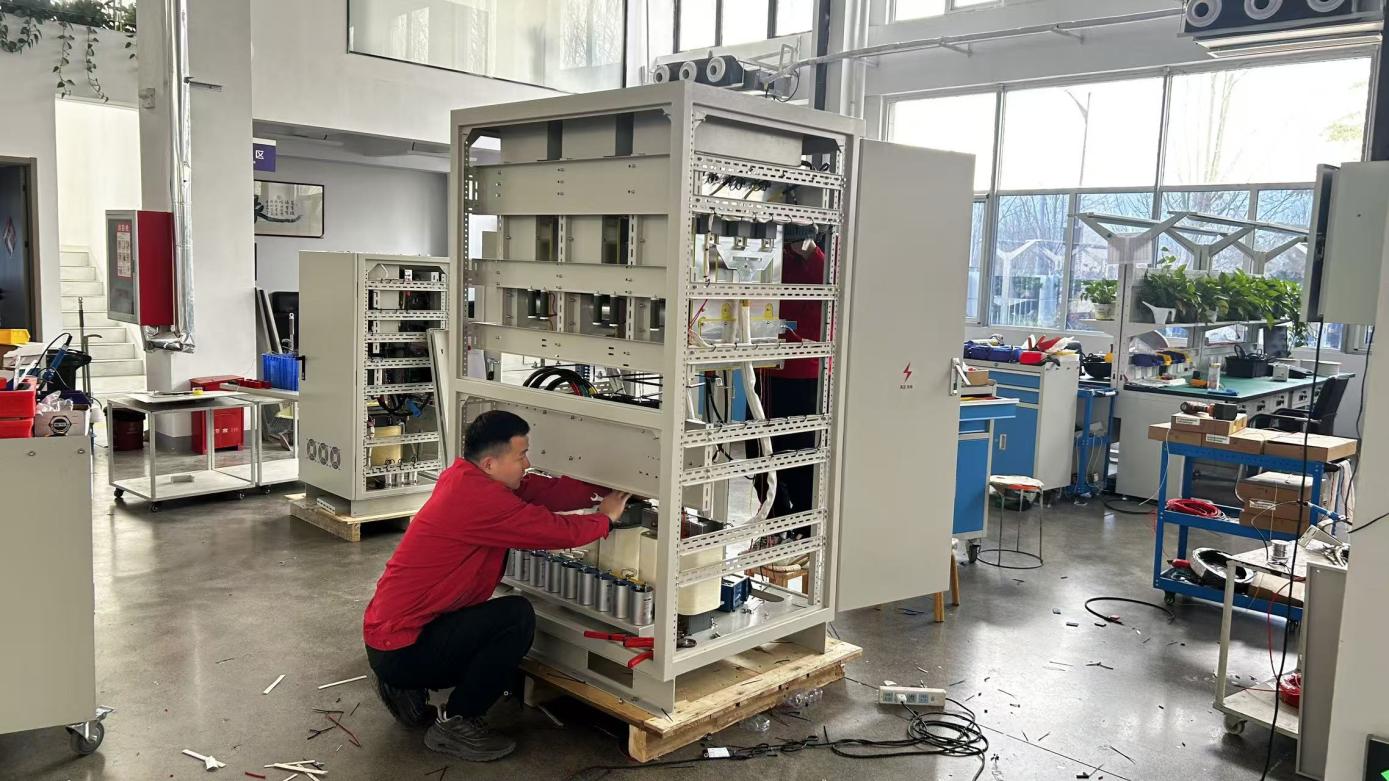
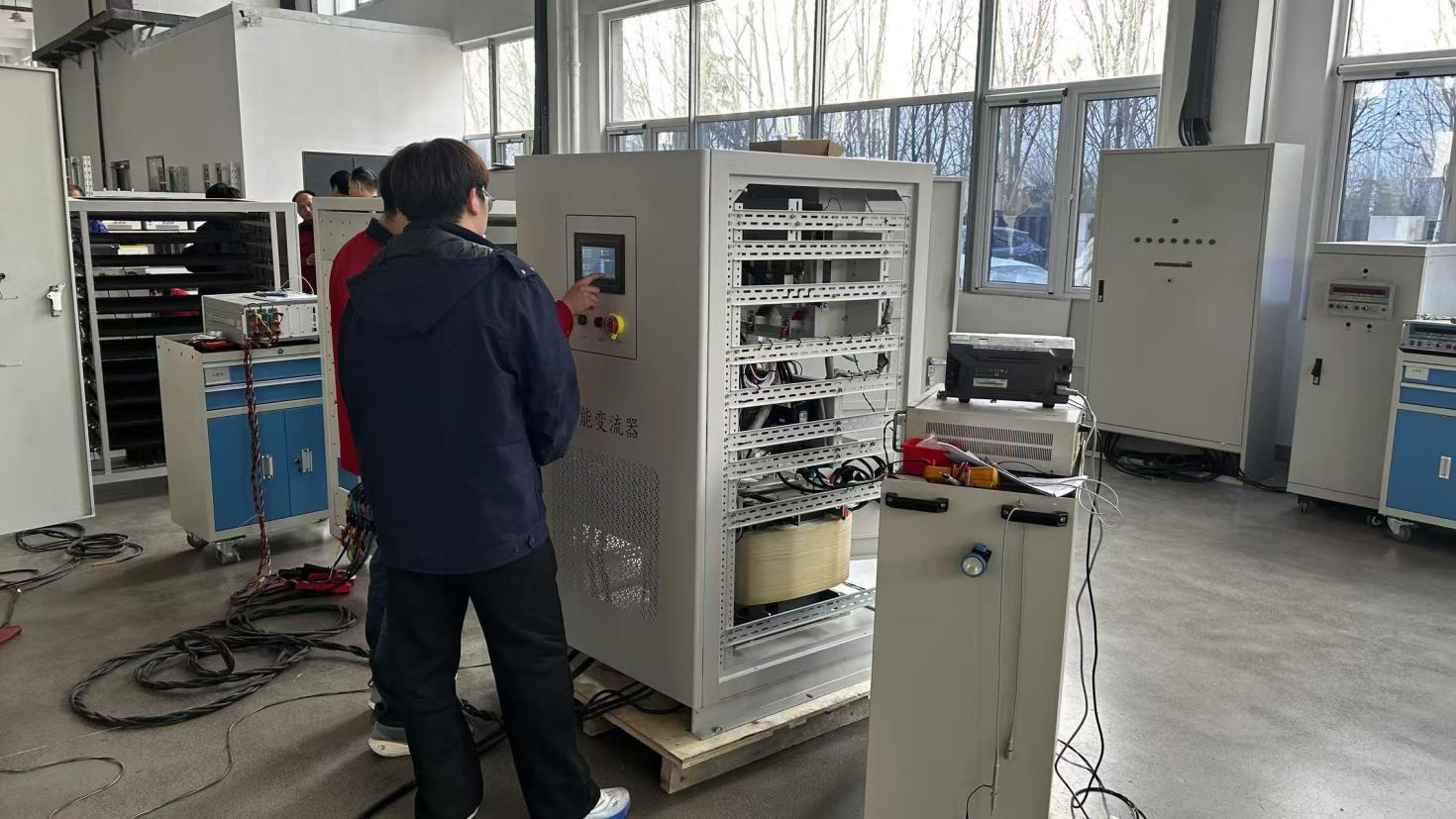
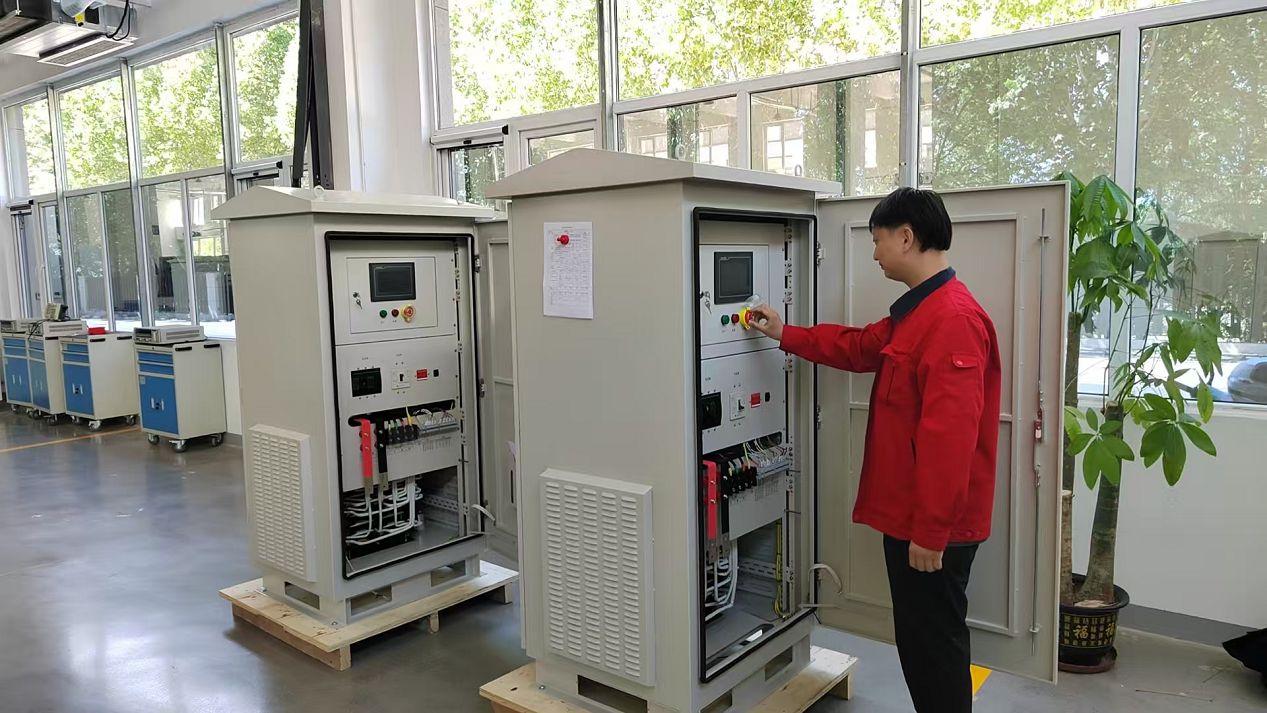
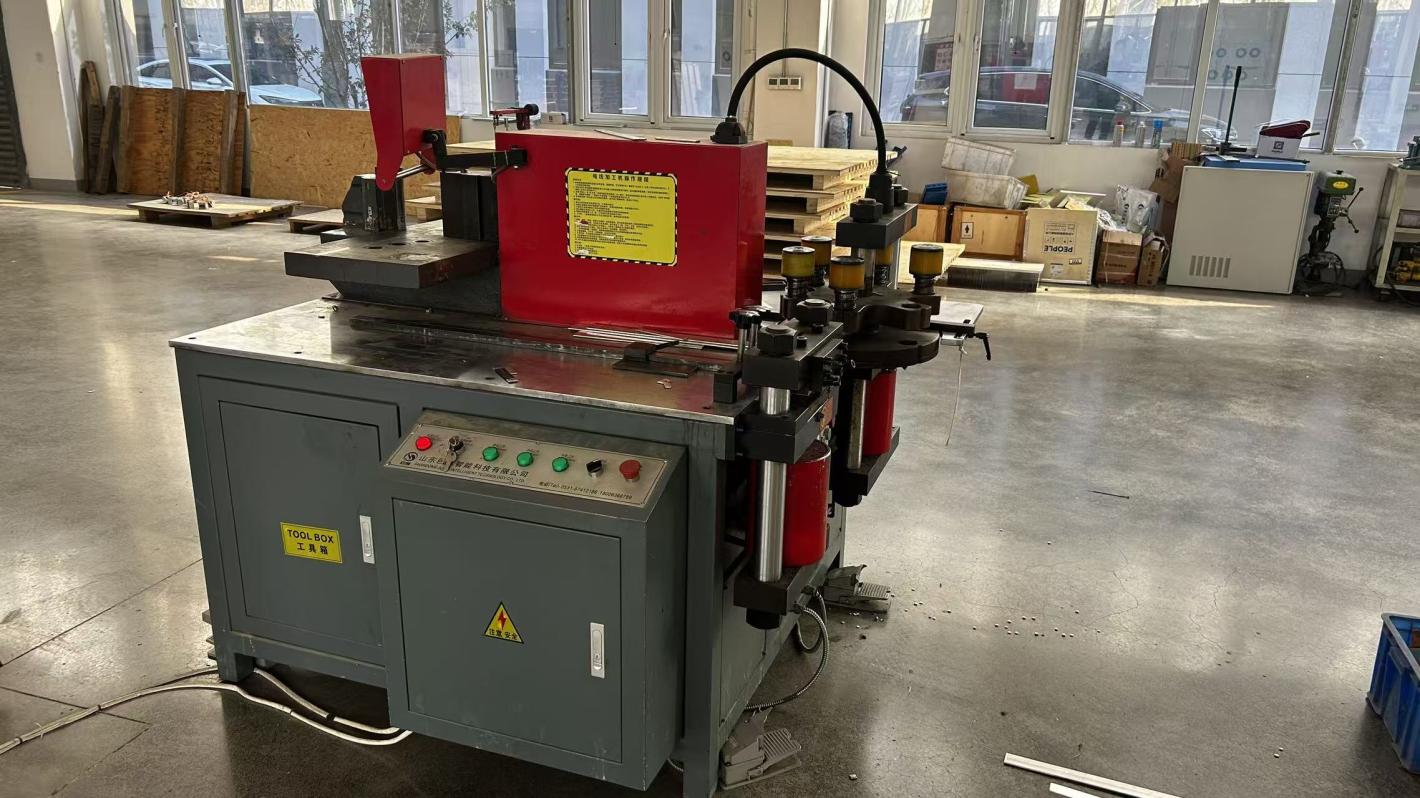
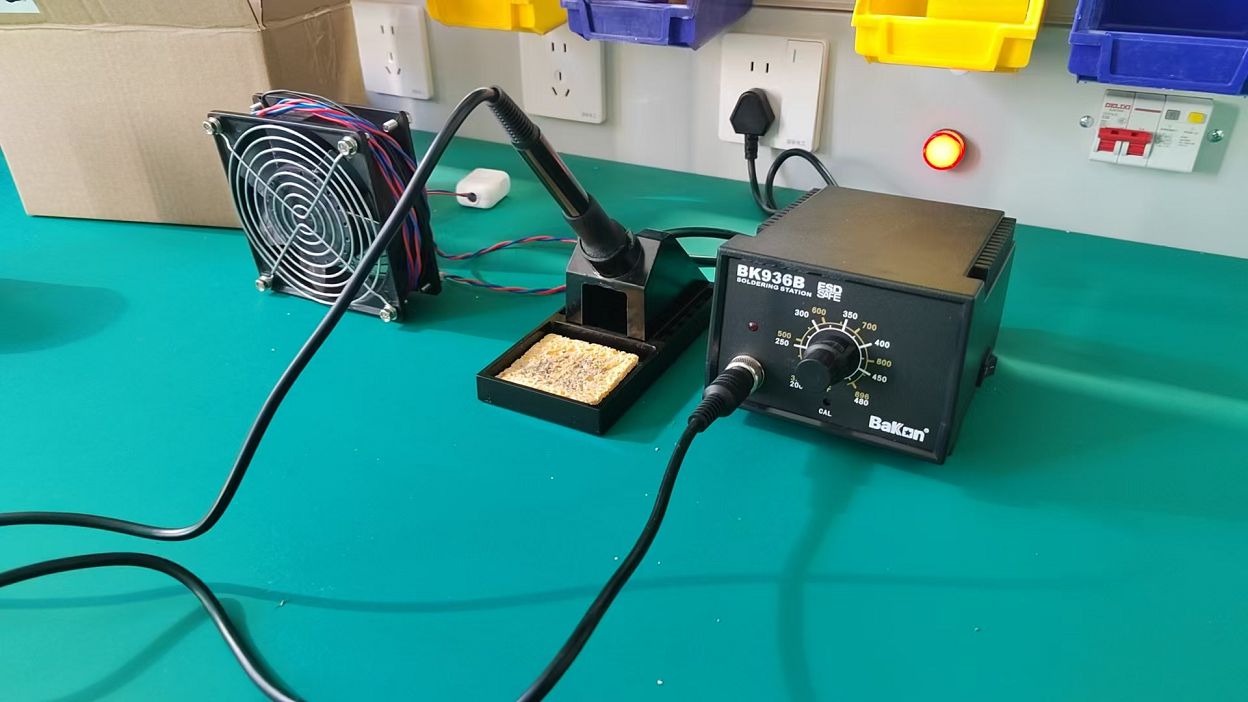
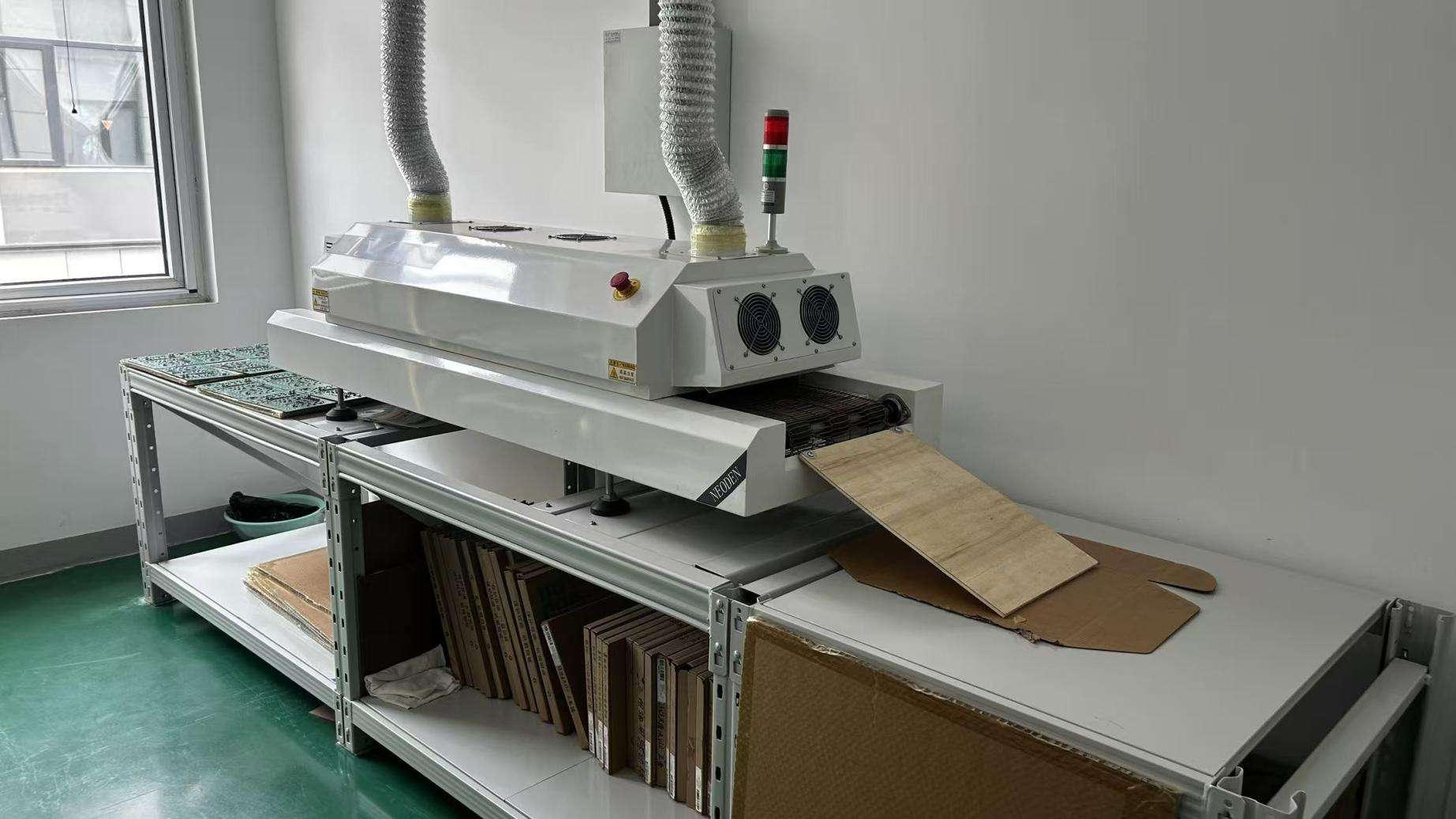
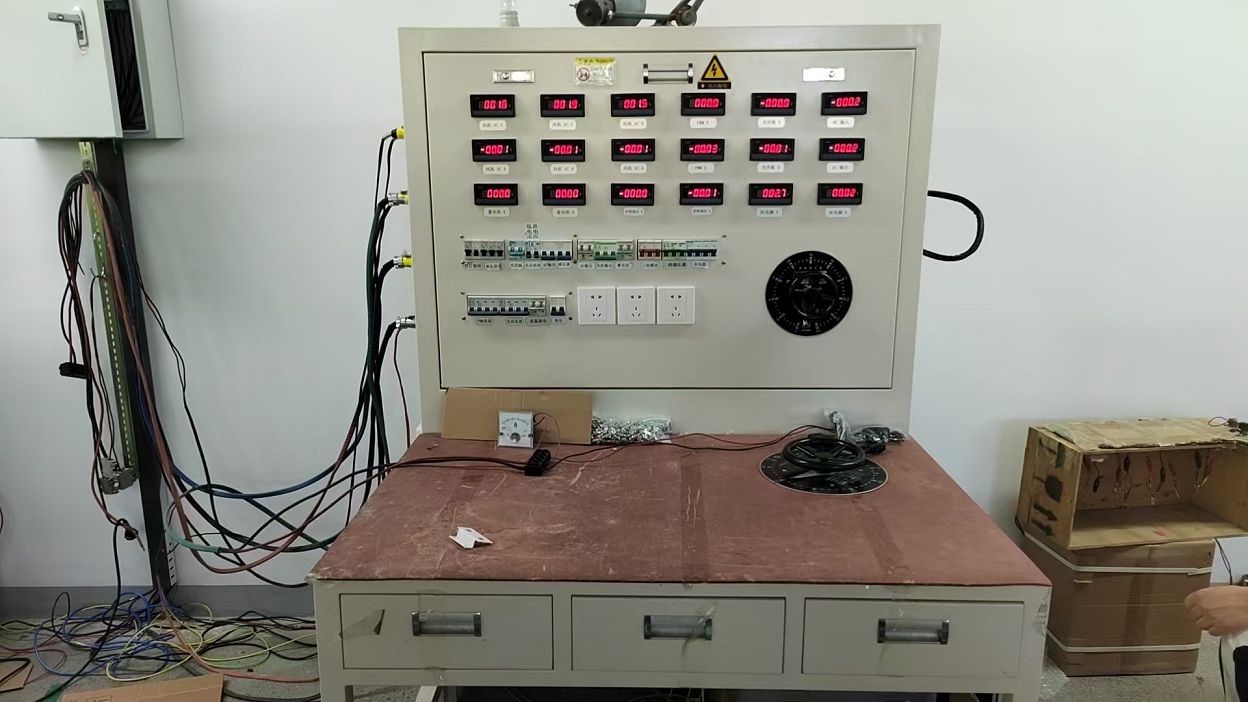
Jinan Deming Power Equipment Co., Ltd., established in 2004, is a national high-tech enterprise specializing in the design, development, and manufacture of advanced renewable energy power conversion solutions. Operating under a strict ISO9001:2015 certified quality management framework, our manufacturing plant incorporates Industry 4.0 automation, guaranteeing component-level traceability and zero-defect output.
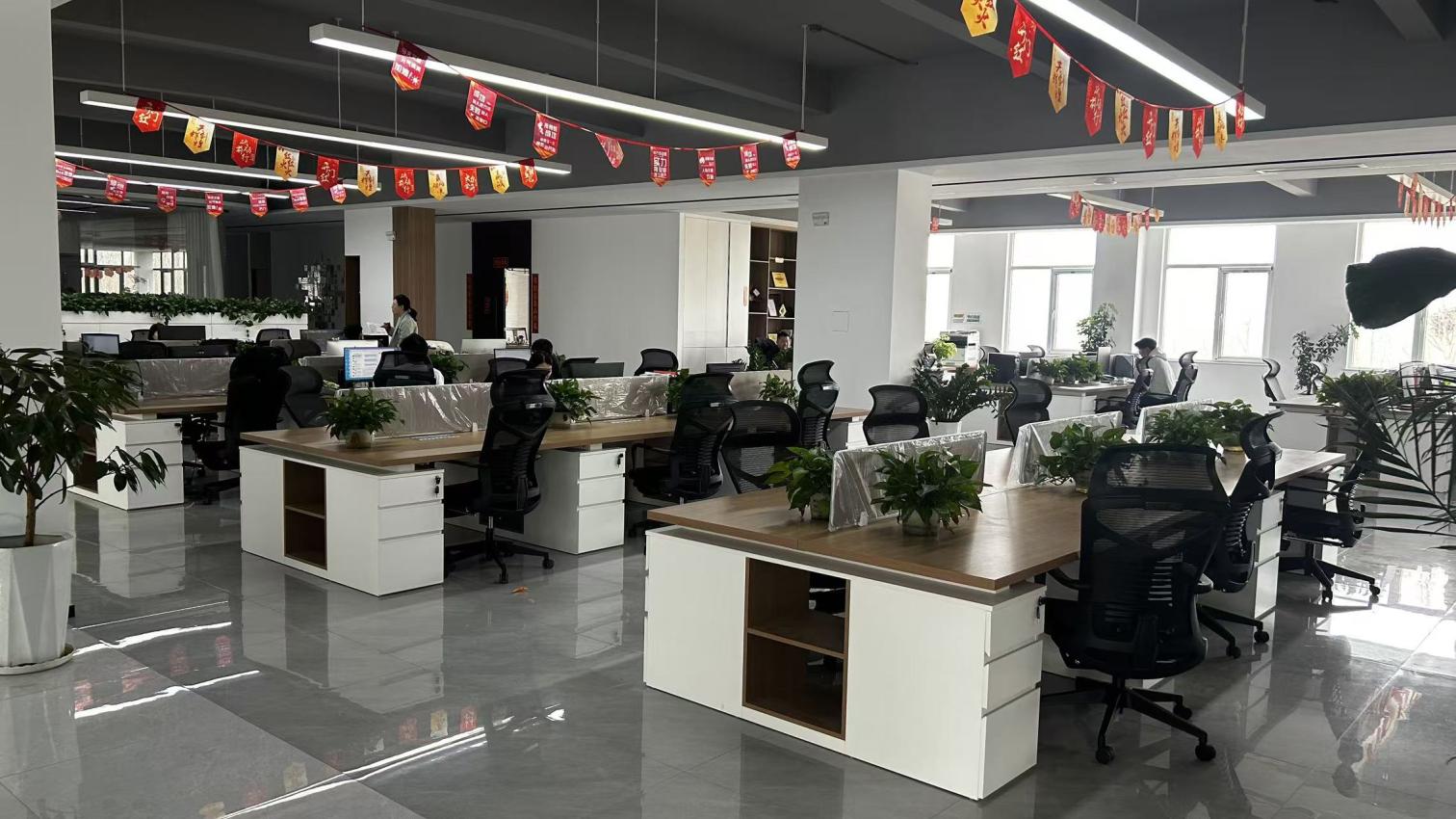
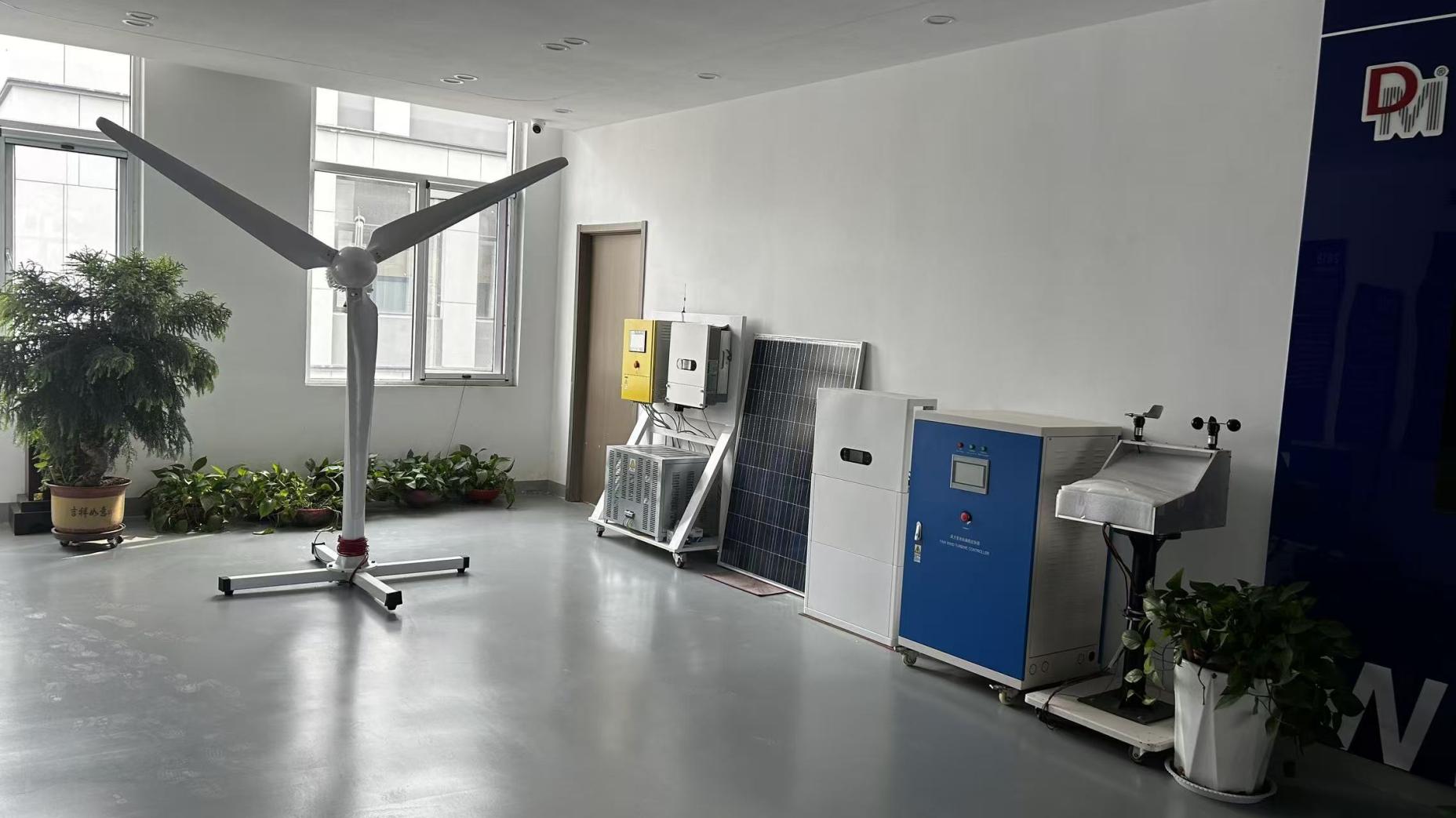
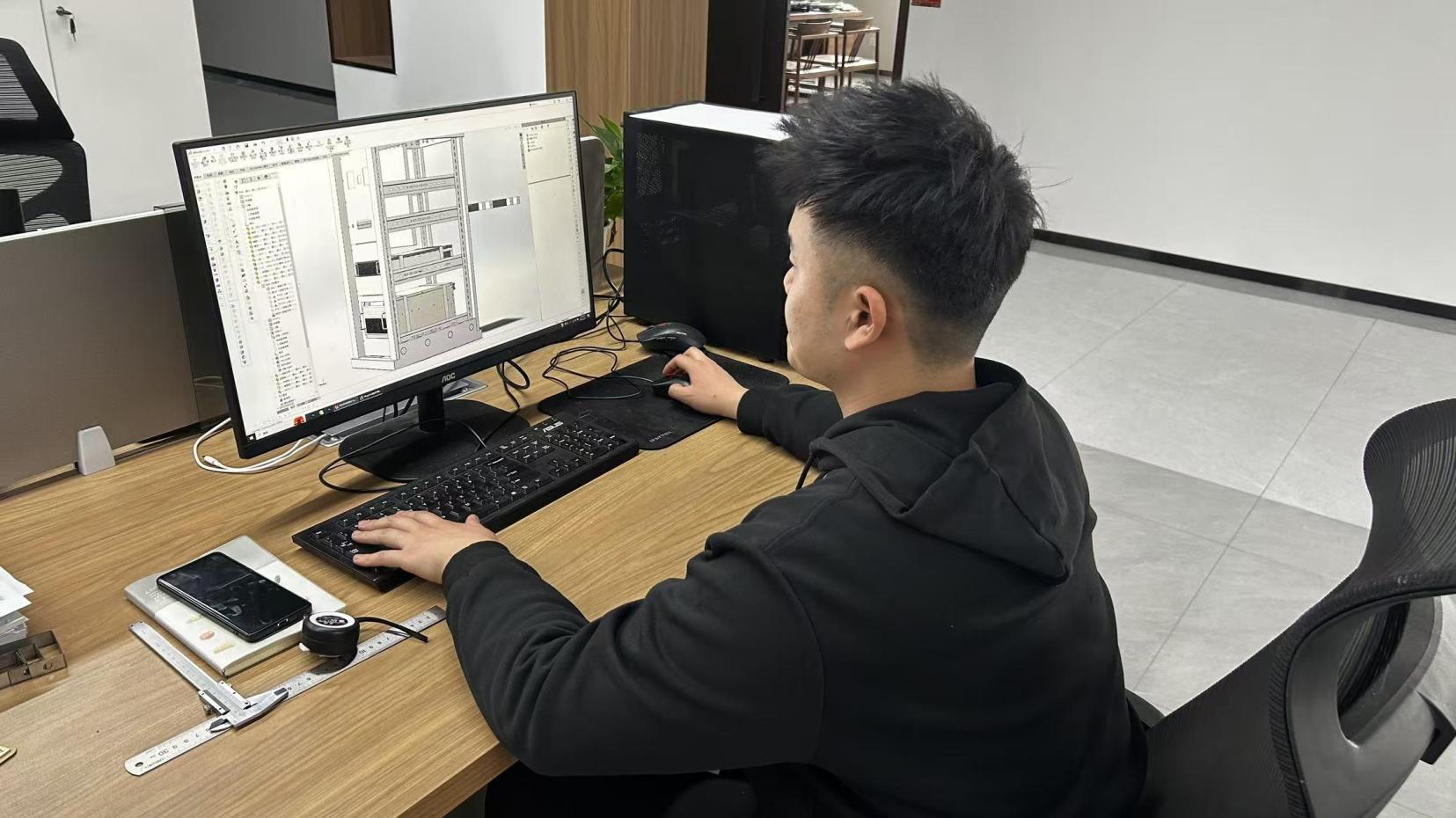
We host a highly qualified R&D engineering team composed of doctoral supervisors and master's degree holders. With at least 20% of annual revenue channeled directly back into our R&D center, we have successfully developed and commercialized 17 major technological projects in the past three years. This research-centric strategy yields high-power bidirectional converters, battery simulators, and wind/solar controllers designed to excel under challenging operating environments.
Our global supply chain operates with unparalleled resilience. By maintaining direct, long-term strategic relationships with premier semiconductor and magnetic component foundries, we protect our clients against chip shortages and ensure consistent, predictable lead times. This logistical advantage translates directly into timely project commissioning for our South American procurement partners.
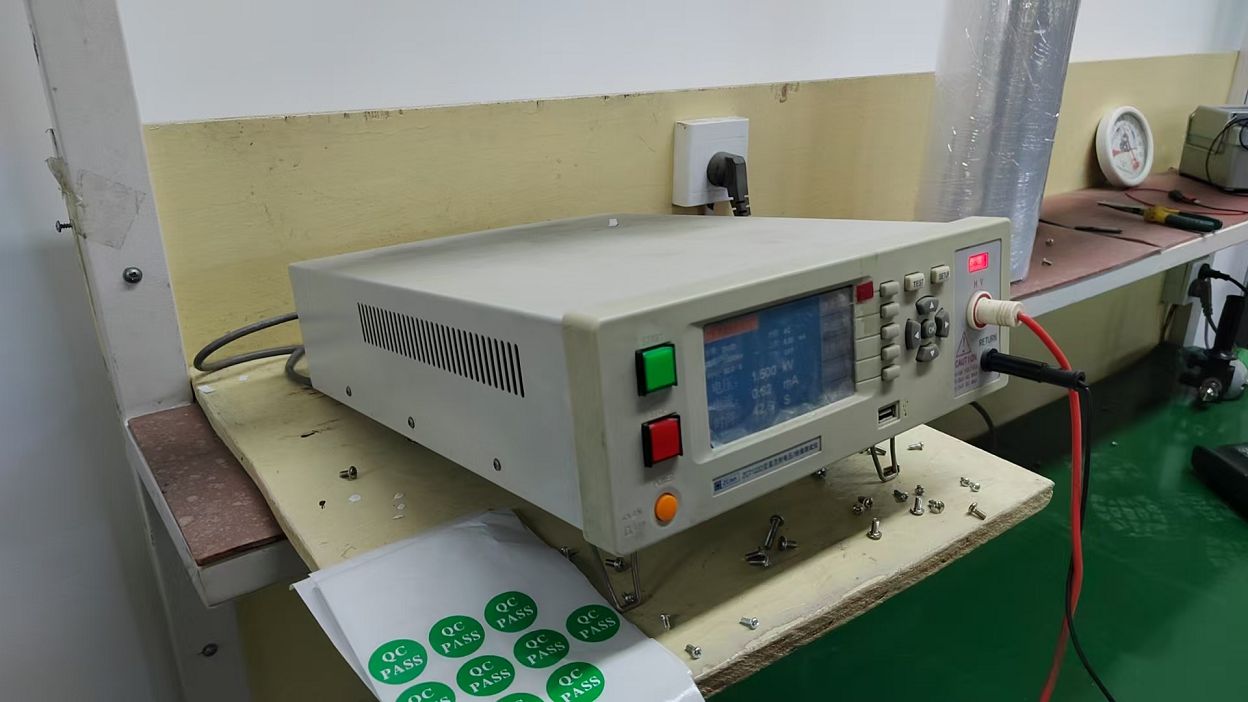
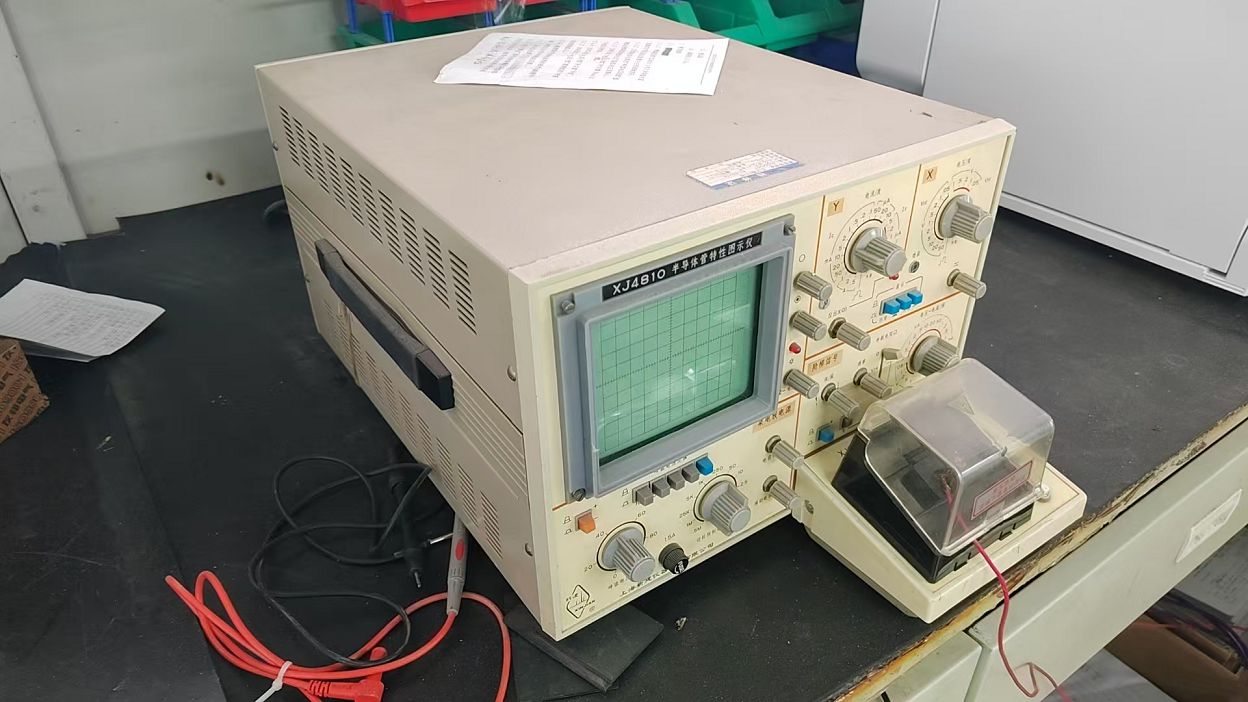
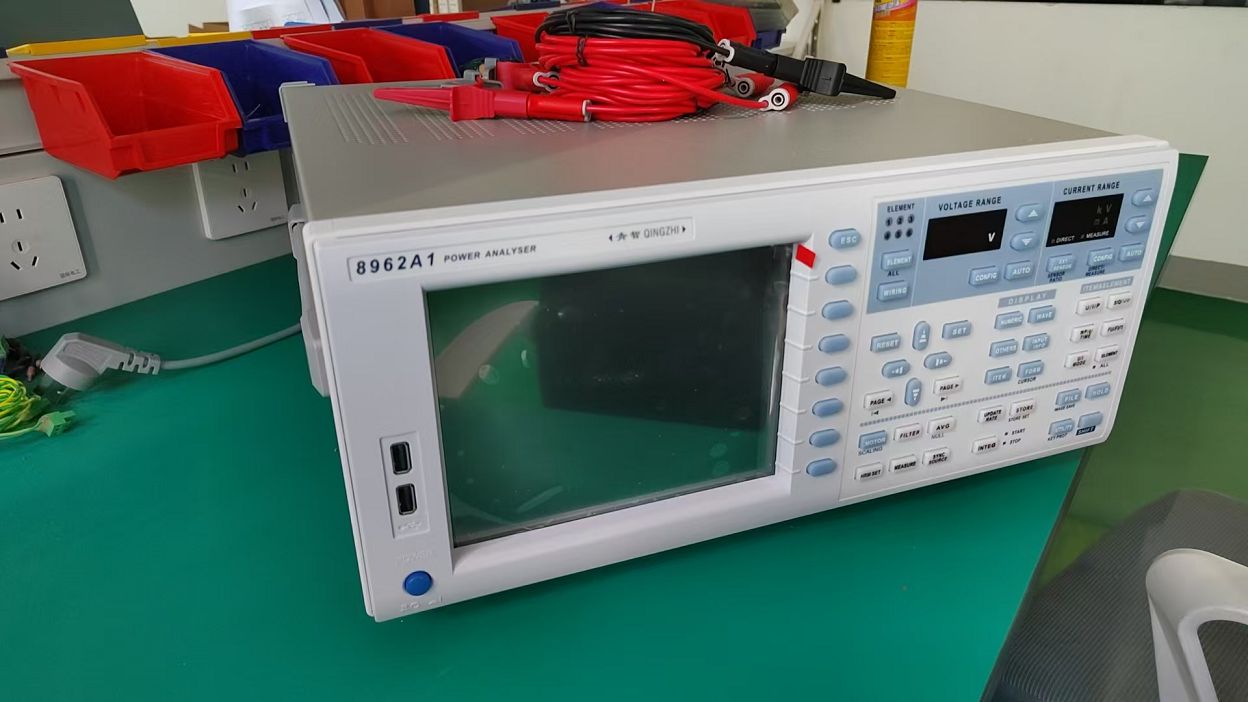
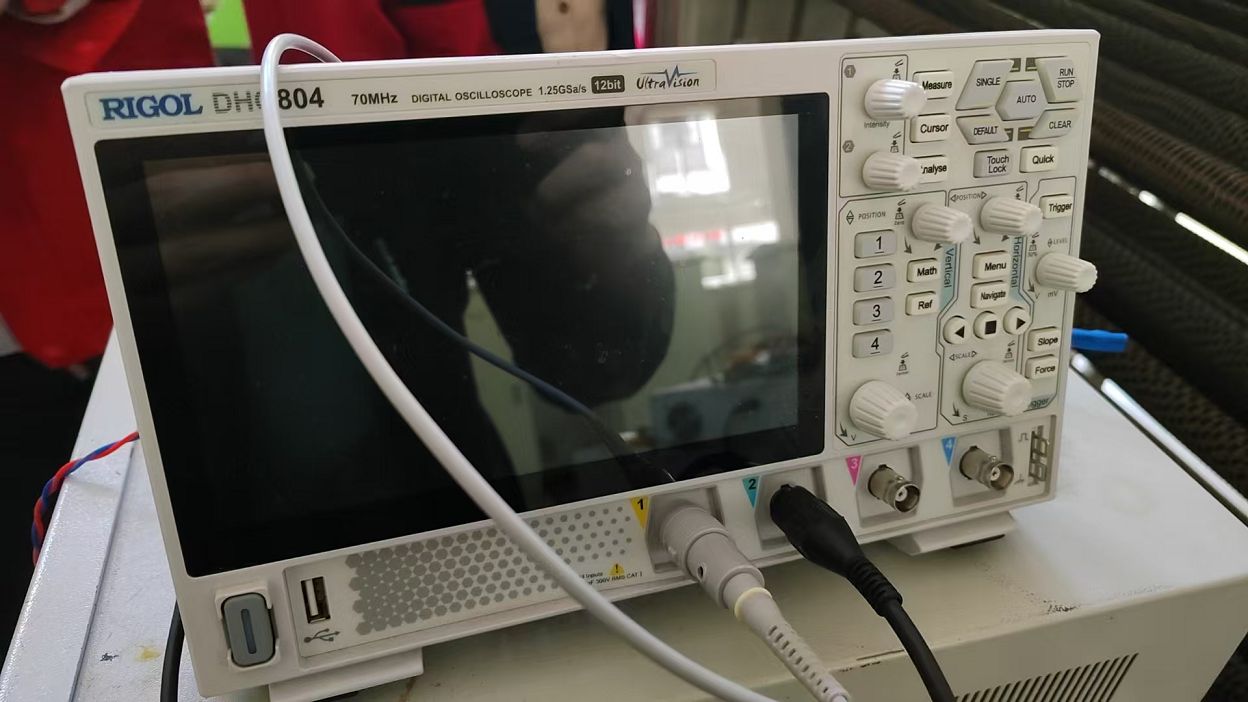
Navigating standards to ensure seamless integration and approval across national infrastructure projects.
Our bidirectional DC-DC converter series is engineered to fulfill global safety and grid-connection requirements. The systems comply fully with IEC 62109-1 and IEC 62109-2 standards, which govern the safety of power converters used in photovoltaic power systems. To guarantee grid stability under fluctuating conditions, the systems include comprehensive fault ride-through capabilities and low harmonic distortion metrics (THD < 3%), adhering to rigorous international grid standards.
Additionally, the hardware aligns with local regulatory protocols, including URSEA (Unidad Reguladora de Servicios de Energía y Agua) guidelines in Uruguay. This facilitates smooth compliance clearances for state-backed developments under UTE contracts.
We recognize that commissioning industrial-grade converters requires close coordination. To guarantee optimal performance, Deming Power provides comprehensive engineering assistance:
Explore our complete selection of modular, stackable, and high-voltage DC-DC converters engineered for microgrids, EV battery testing systems, and commercial BESS applications.
Technical guidance and application analysis from our senior R&D engineering division.
In high renewable penetration contexts (such as Uruguay's grid, which relies significantly on wind and solar power), generation is inherently intermittent. Bidirectional DC-DC converters facilitate active dynamic balancing. By allowing energy to flow both from energy storage systems (ESS) to the grid (discharge) and from the grid to the batteries (charge), these systems mitigate grid fluctuations, support voltage stability at the point of common coupling (PCC), and facilitate efficient peak shaving.
Integrated galvanic isolation via a high-frequency transformer decouples the DC input circuit (such as battery banks or solar arrays) from the output stage (which connects to the inverter or DC bus). This structural design prevents fault propagation (such as high-voltage DC short circuits) between stages, safeguarding delicate control electronics. Because we utilize high-frequency magnetic materials rather than bulky low-frequency copper components, the design maintains minimal physical space requirements while optimizing conversion efficiency.
Yes. For installations in coastal departments such as Maldonado or Montevideo, we provide optimized protection levels, including IP54-rated enclosures, anti-corrosion conformal coatings on internal circuit boards, and custom-designed thermal management configurations. These measures guard critical electronics against moisture ingress and airborne salt particles.
Our converters support industry-standard interfaces, including Modbus TCP/IP, Modbus RTU, and CAN bus protocols. This enables real-time monitoring of operational parameters (voltage, current, temperature, and status indicators) and allows centralized energy management systems (EMS) or SCADA platforms to dynamically adjust charge/discharge profiles.
Operating at 1500V DC compared to traditional 1000V DC levels reduces current density requirements for the same power throughput. This translates directly to smaller cable dimensions, reduced terminal and connection losses, and higher overall energy output. The system design reduces balance-of-system (BOS) capital costs and streamlines the engineering design of massive energy storage projects.
Yes. With a dedicated, in-house team of 16 research engineers, we possess extensive capacity for custom OEM/ODM solutions. We regularly modify input voltage profiles, current limits, control parameters, and housing formats to align with distinct operational specifications.
Our sales and application engineering divisions typically review and respond to technical requests within 24 to 48 hours. Custom schematic proposals, interface adaptations, and quotation packages are prepared rapidly to keep project timelines on schedule.
Connect with Jinan Deming Power Equipment's engineering team today. We provide reliable technical parameter matching, comprehensive project quotation, and integration consulting for the Uruguay market.
Send Inquiry Now Demin Power