Premium high-efficiency solutions optimized for Canada's battery energy storage and microgrid projects.
Canada is undergoing a rapid, policy-driven energy transition. With ambitious federal mandates targeting a net-zero electricity grid by 2035 and net-zero greenhouse gas emissions by 2050, the country is radically expanding its renewable infrastructure. The integration of variable wind generation in Alberta and Saskatchewan, combined with Hydro-Québec's expansive transmission systems and Ontario’s massive grid modernization projects, has accelerated the demand for high-reliability energy conversion equipment.
In this transitioning infrastructure, bidirectional DC-DC converters serve as the critical control nodes. They facilitate the high-efficiency link between modern battery energy storage systems (BESS), solar PV buses, electric vehicle fast chargers, and localized DC microgrids. By optimizing the bidirectional flow of power, industrial operators can achieve localized peak shaving, perform frequency regulation, and ensure continuous backup power in critical environments.
Operating in the Canadian market also demands extreme environmental engineering. From the sub-zero winters of the Northwest Territories to the humid summers of Southern Ontario, power electronics must withstand wide operating temperatures, requiring robust thermal layouts, high-frequency transformer isolation, and comprehensive surge protections.
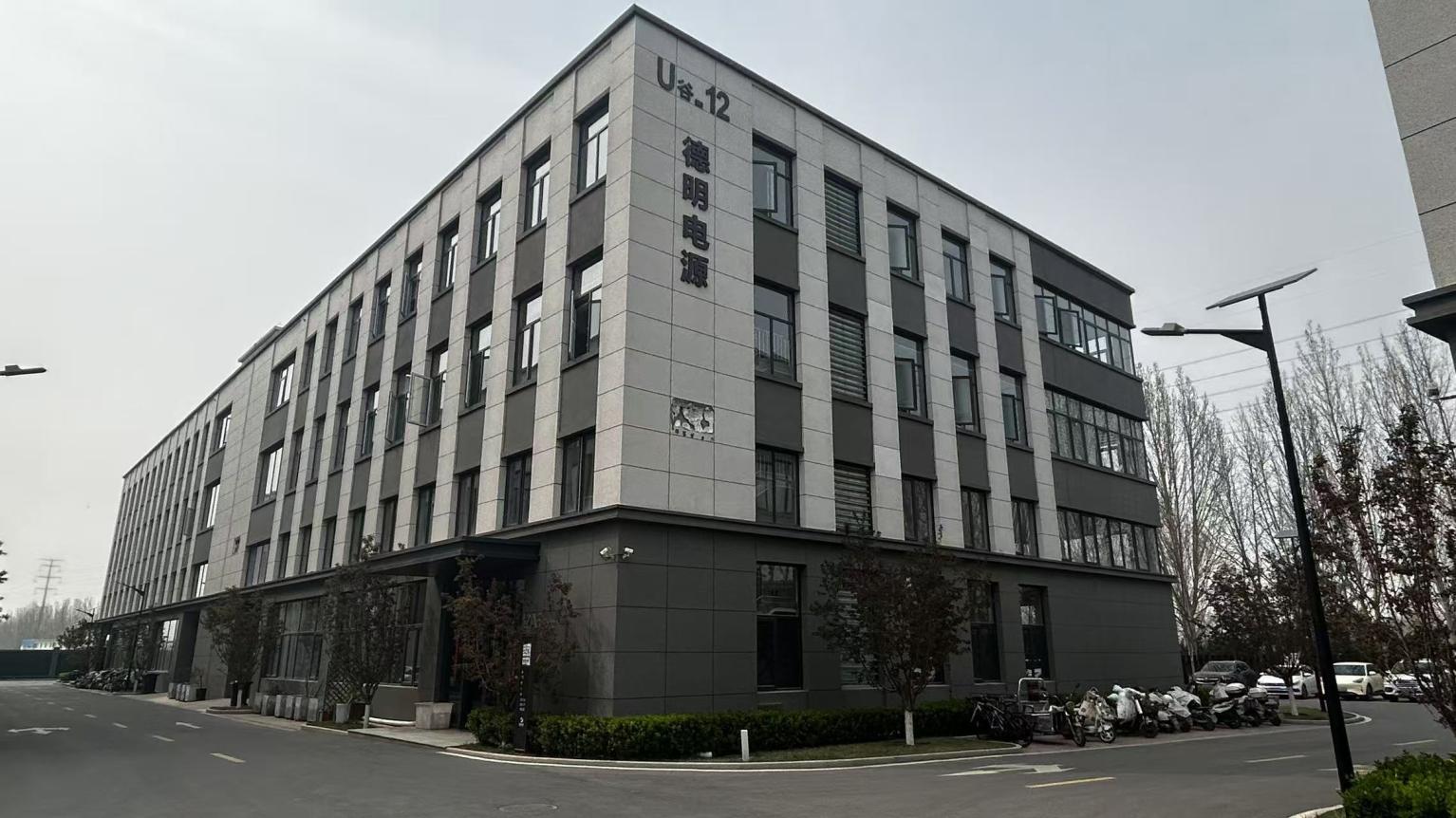
Deming Power systems are engineered specifically to match Canadian operational and climate challenges.
Over 200 remote communities and industrial mining operations in Northern Canada rely on diesel generators. Integrating solar, wind, and battery storage with our modular, isolated DC-DC converters significantly offsets diesel consumption, stabilizing isolated networks under high fluctuating loads.
Canadian commercial and industrial enterprises utilize battery energy storage (BESS) combined with 1500V modular DC-DC systems to bypass high peak-demand surcharges from local utilities in Ontario and British Columbia, feeding power back to the grid when utility demand peaks.
With Canada's aggressive EV sales targets, EV charging corridors require direct integration with local storage arrays. Our bidirectional converters bridge the voltage differences between high-voltage EV battery platforms (up to 800V/1000V) and centralized DC backup buses.
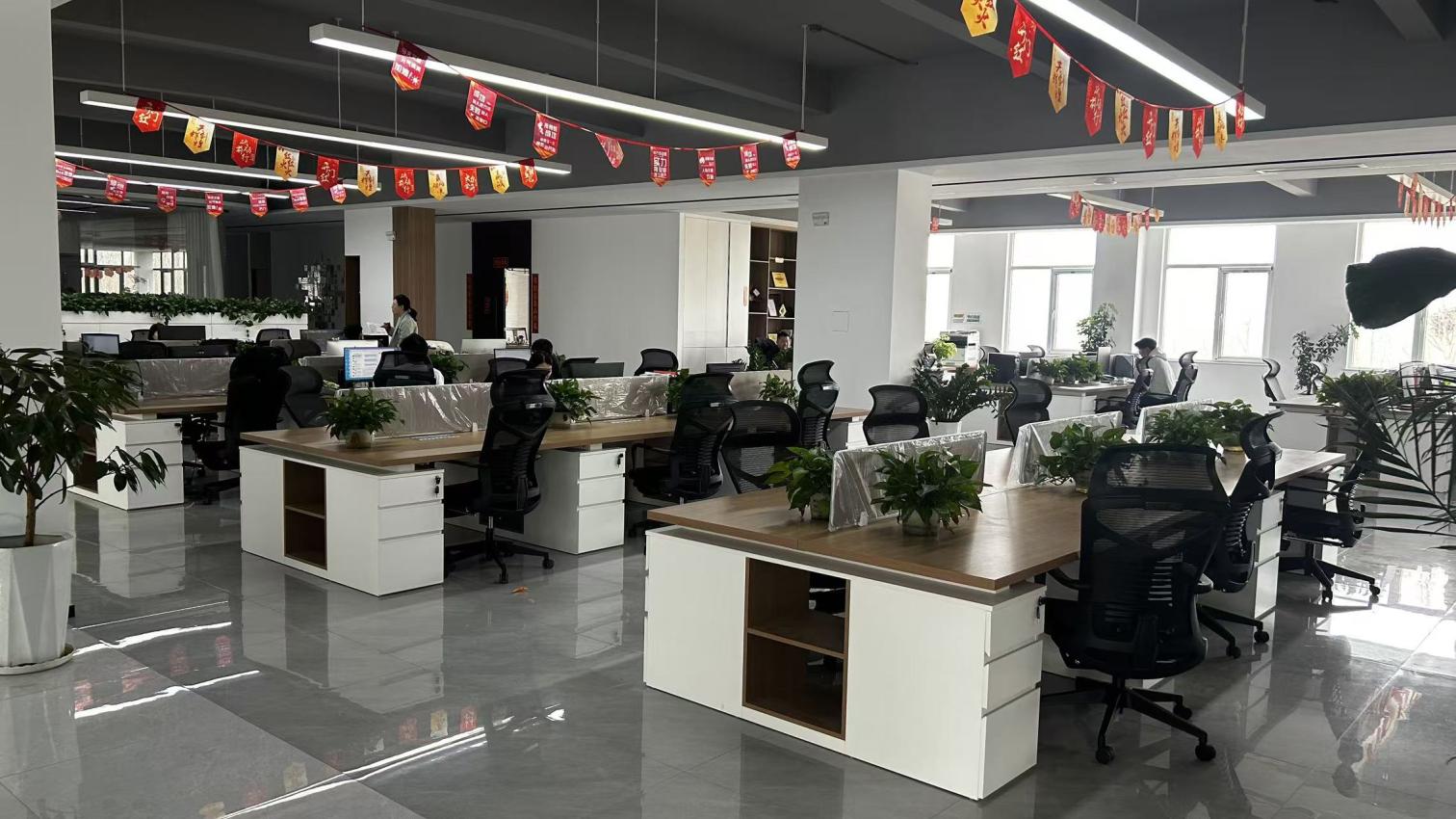
The power electronics industry is transitioning toward wider-bandgap semiconductors (Silicon Carbide - SiC, and Gallium Nitride - GaN). These advanced materials enable DC-DC systems to operate at significantly higher switching frequencies, which in turn reduces the physical size of magnetic components like isolation transformers and inductors. The result is higher power densities and conversion efficiencies exceeding 98.5%.
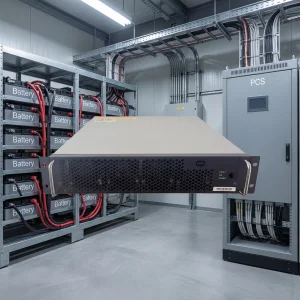
Additionally, modular architecture has become the global standard for industrial installations. Rather than relying on a single, monolithic converter that poses a single point of failure risk, engineering teams deploy stackable modules (e.g., 30kW, 50kW, or 100kW units). These modules operate in parallel, sharing load demands dynamically. If a single unit requires maintenance, it can be hot-swapped without shutting down the entire microgrid system, maintaining operational continuity.
Another major shift is the adoption of high-voltage 1500V DC buses. By elevating the DC operating voltage from 600V or 1000V to 1500V, system designers can significantly minimize copper cabling costs, reduce transmission current, and limit I2R heat losses across utility-scale operations.
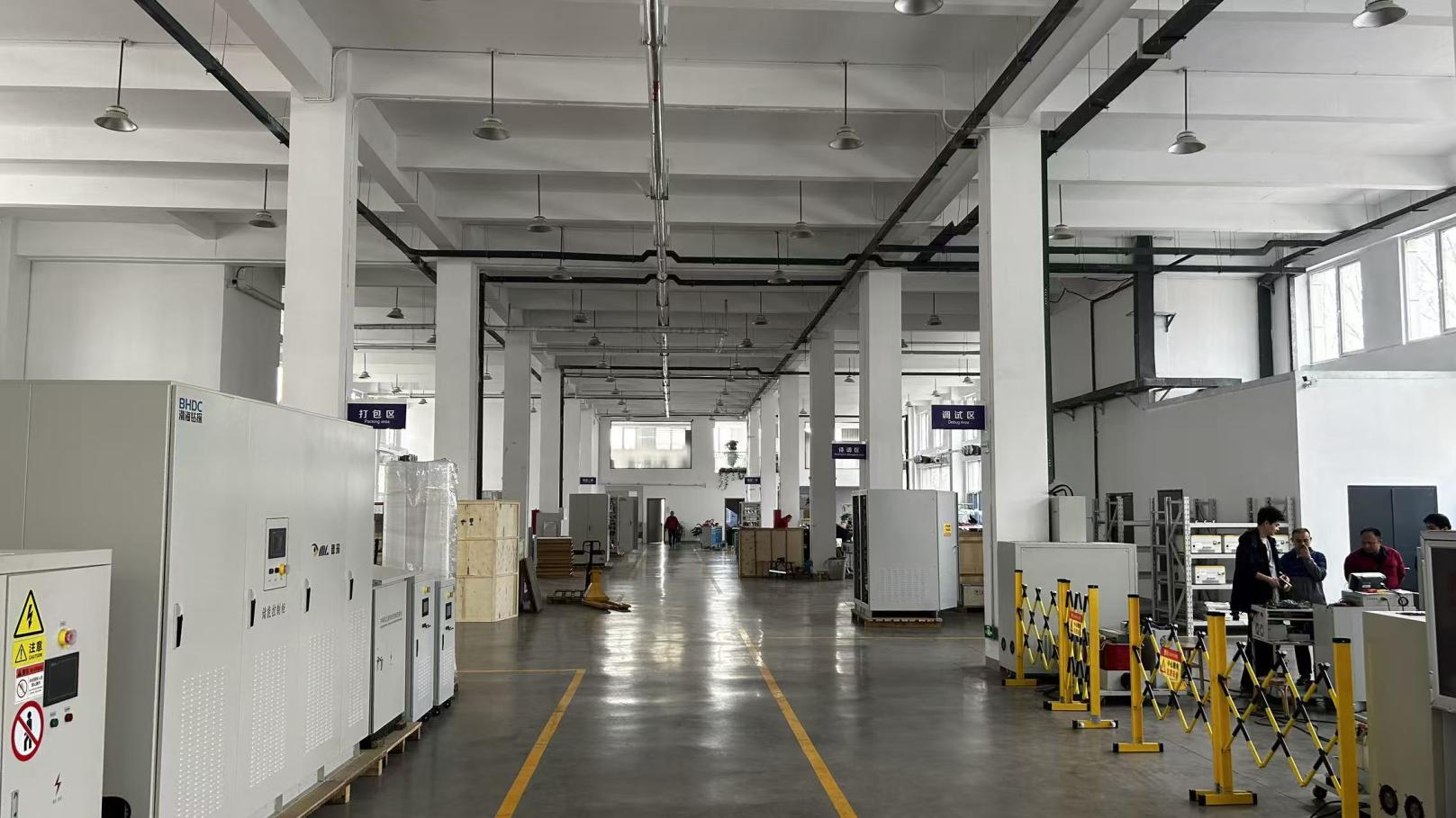
Established in 2004, Jinan Deming Power Equipment Co., Ltd. is a nationally recognized high-tech enterprise specializing in the R&D, manufacturing, and technical support of high-power renewable energy equipment. Holding ISO9001:2015 certification, the company has consistently modernized its manufacturing processes to align with global regulatory demands, exporting advanced equipment to over 120 countries, including Canada, the USA, Germany, Japan, and the UK.
What sets Deming Power apart is our intensive commitment to technology: no less than 20% of our annual sales revenue is reinvested directly into our R&D initiatives. Managed by an expert engineering team of 16 specialists—comprising doctoral supervisors and master’s degree holders—we have completed 17 major R&D projects over the past three years alone, successfully converting 16 scientific breakthroughs into robust, commercially available power systems.
By leveraging China's dense power electronics supply chains, we combine advanced manufacturing speed with stringent quality inspections. This integration allows us to offer custom-configured, highly reliable bidirectional DC-DC systems at highly competitive lead times and price points compared to domestic North American competitors, without compromising on component quality or engineering depth.
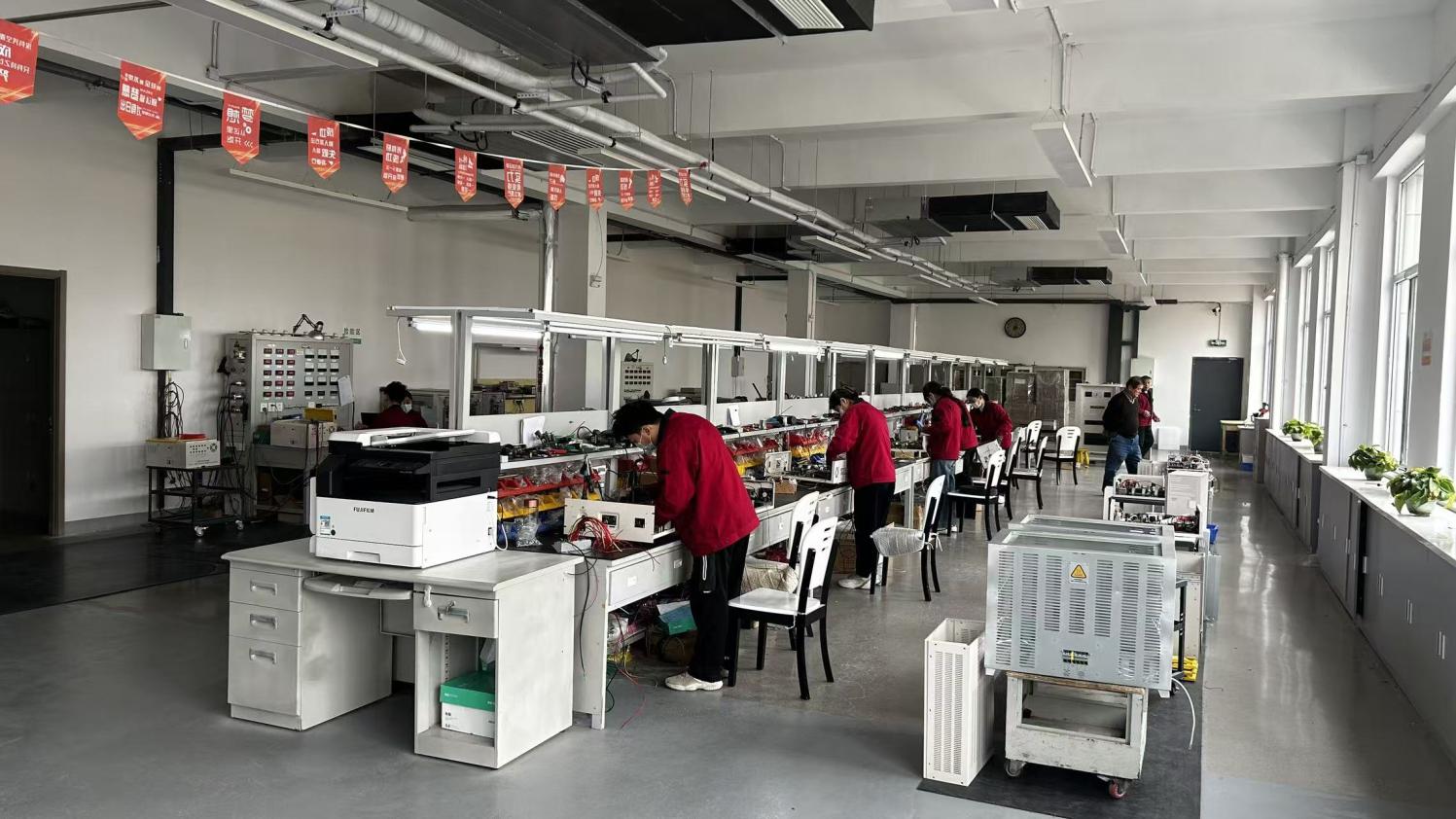
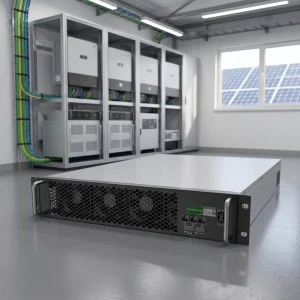
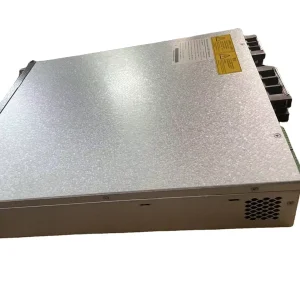
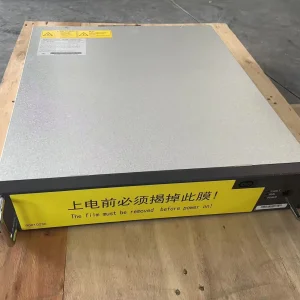
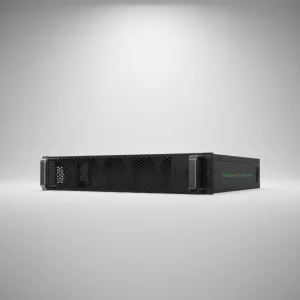
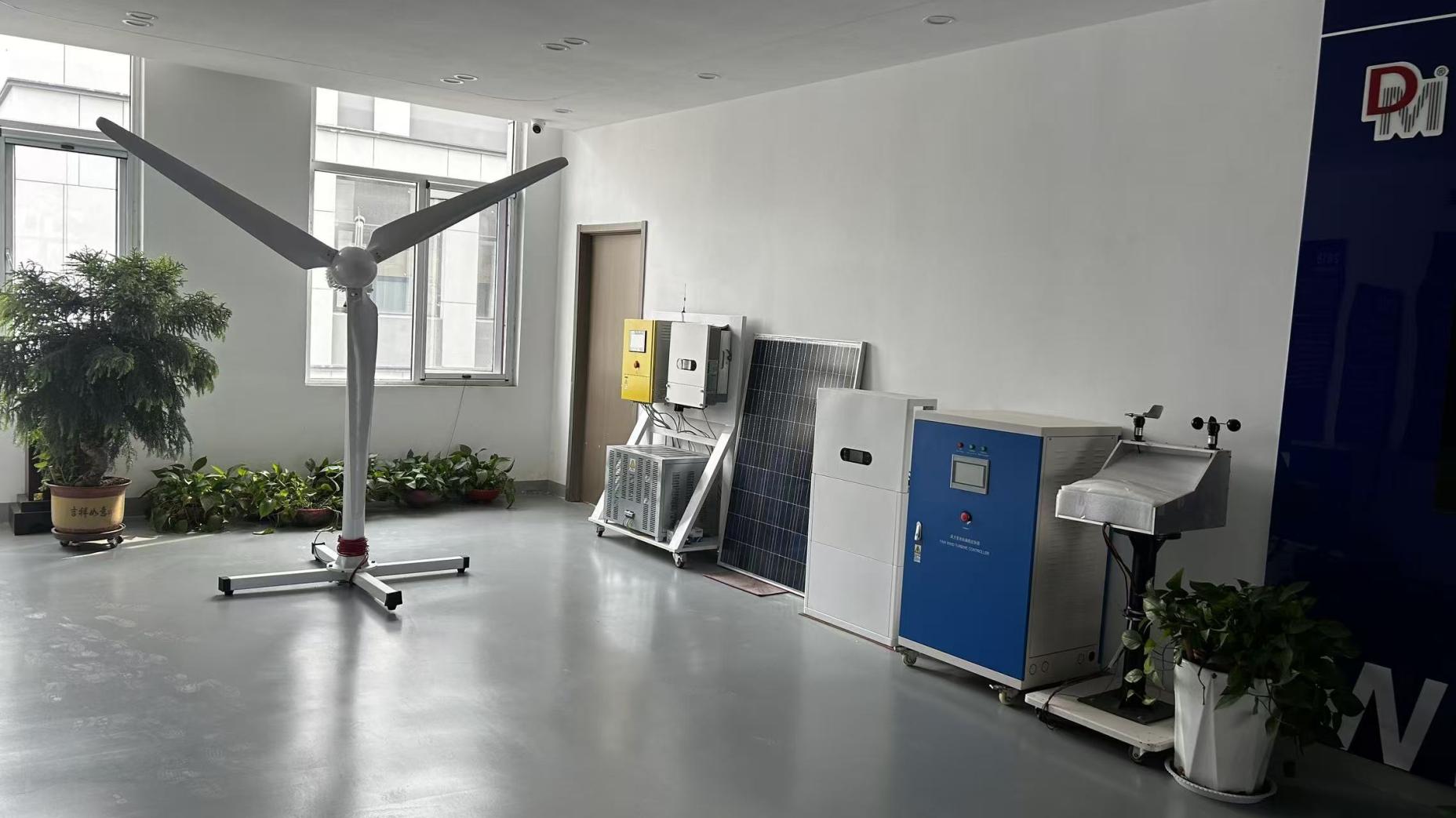
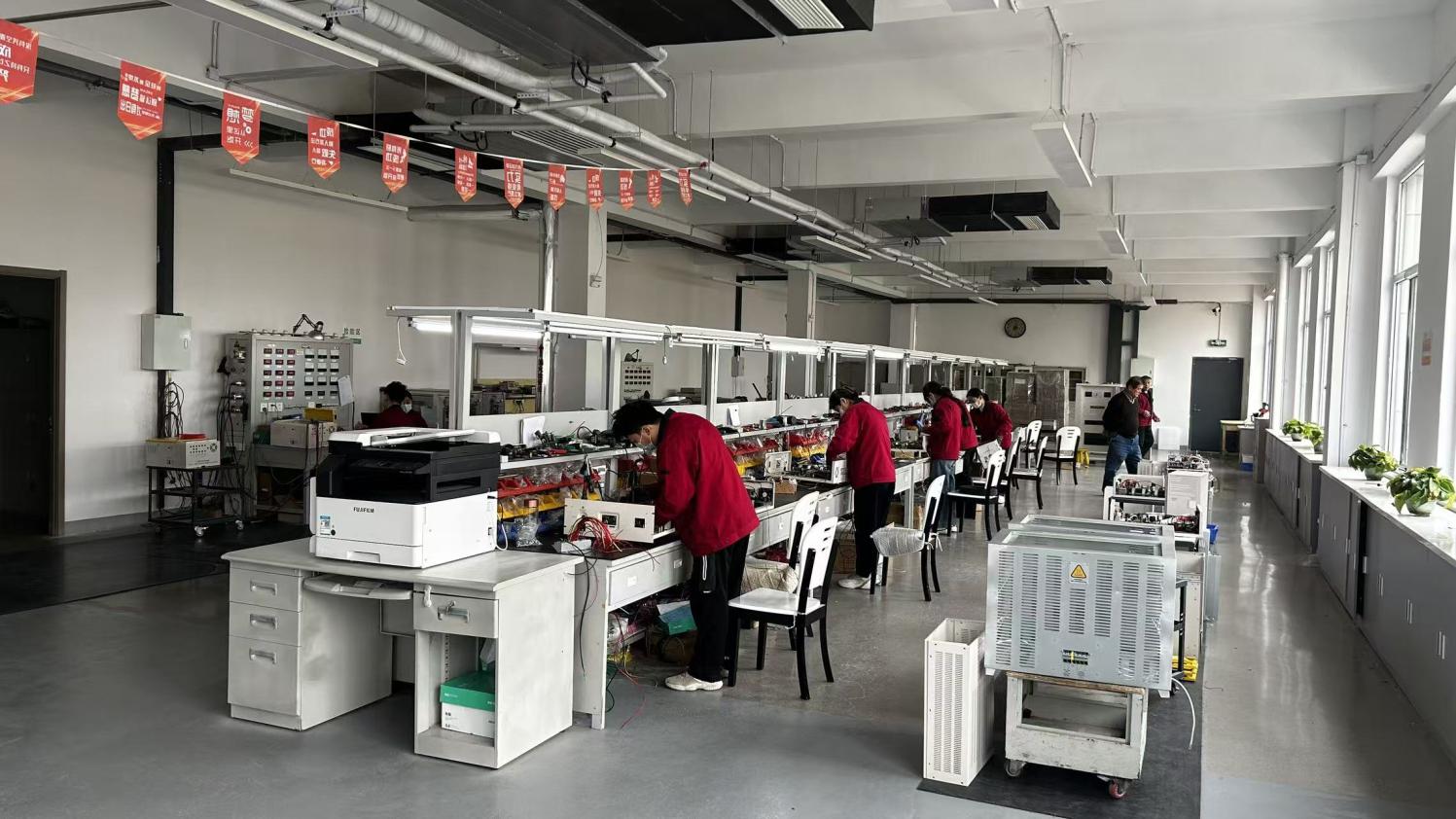
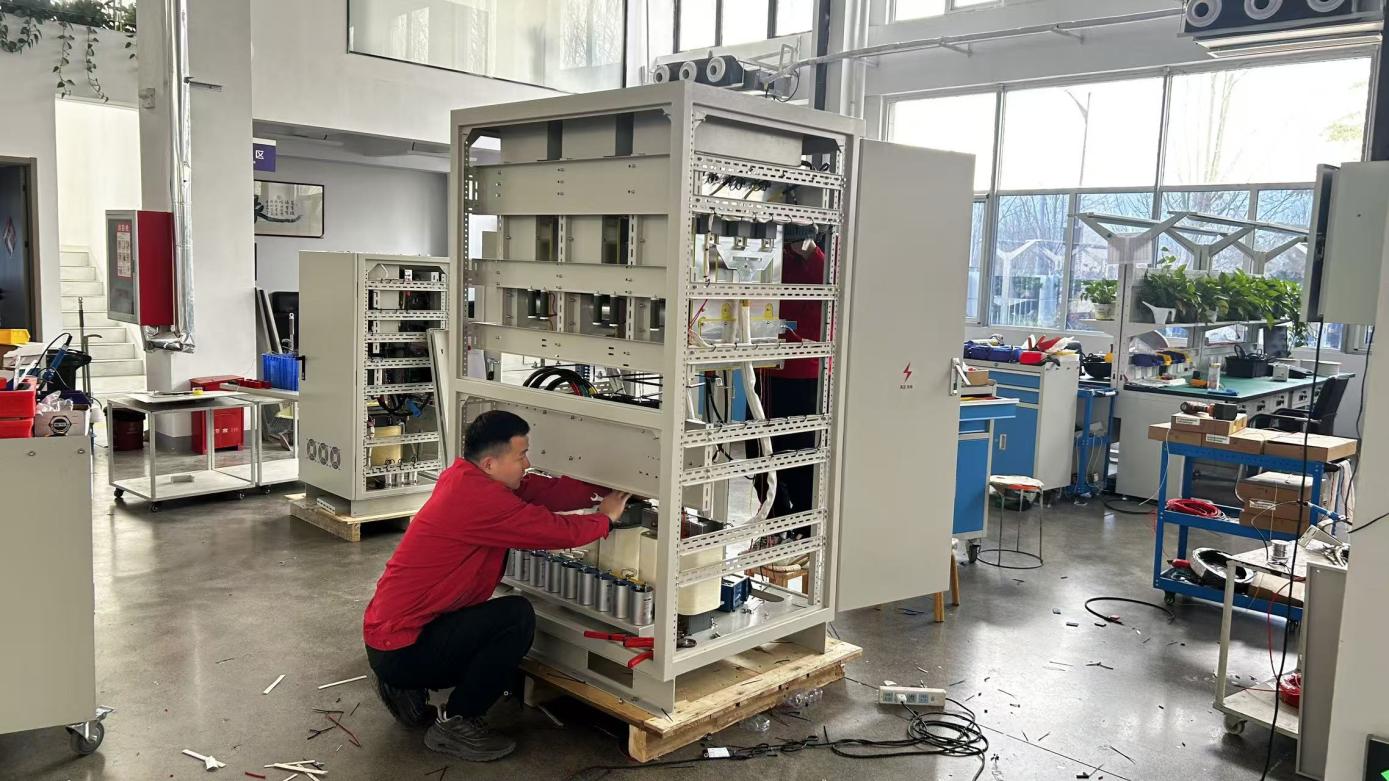
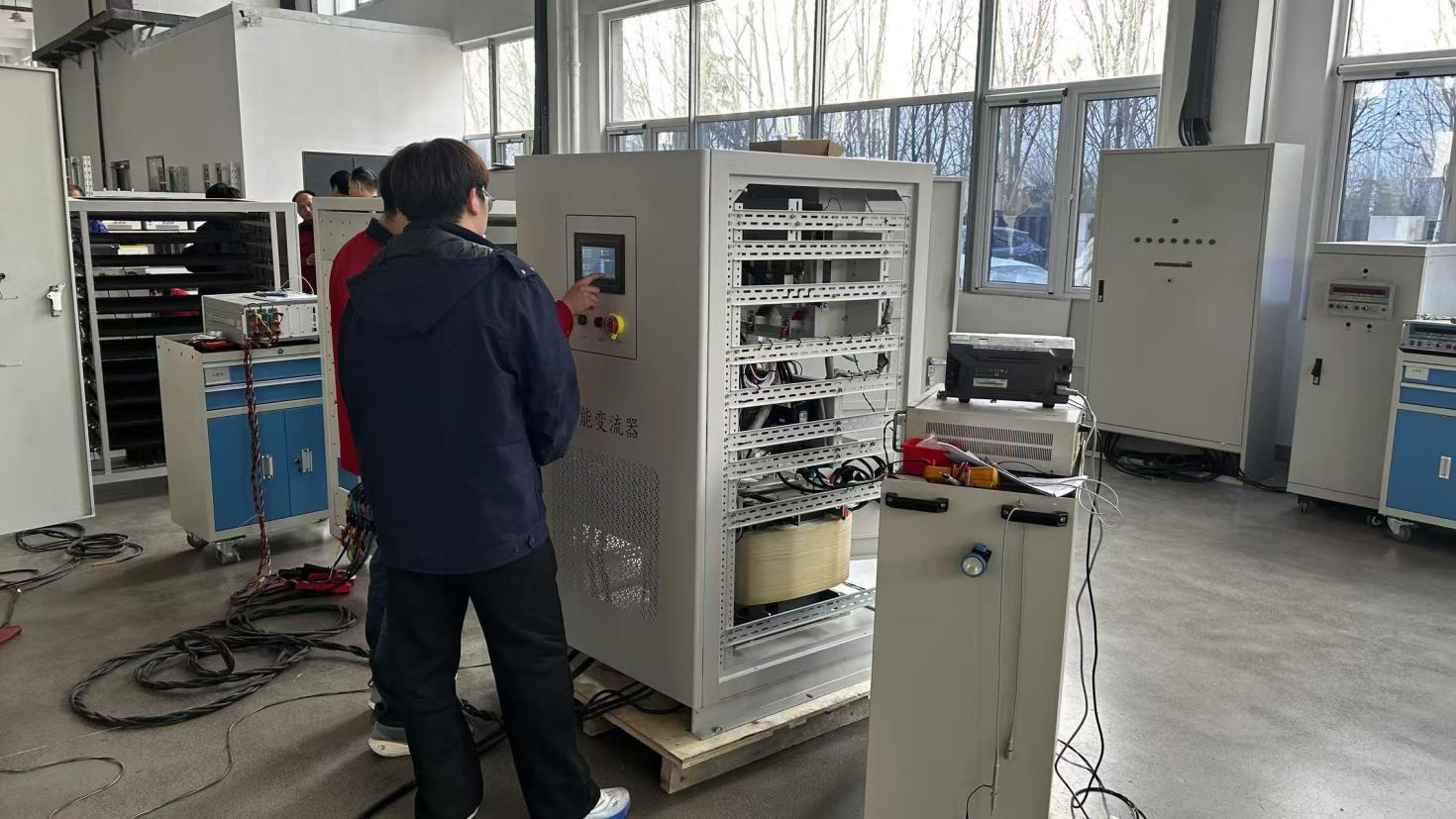
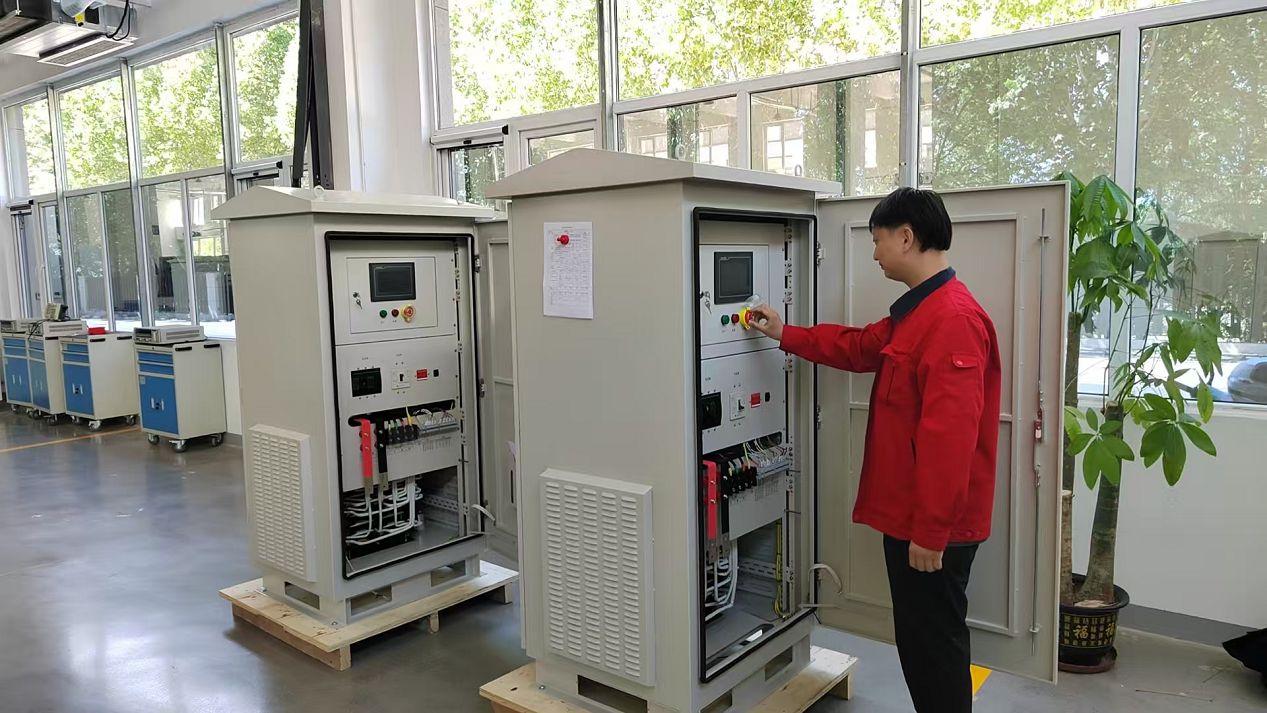
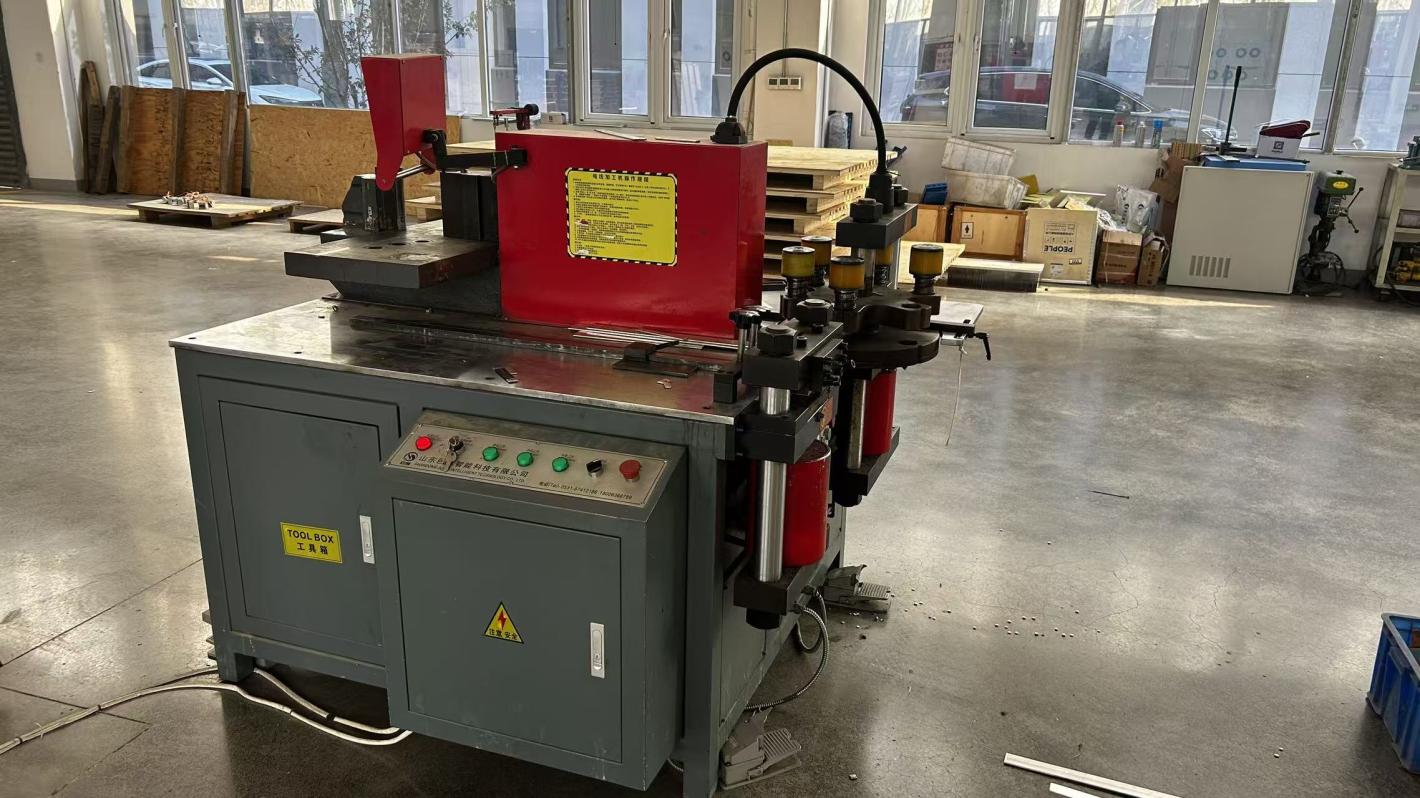
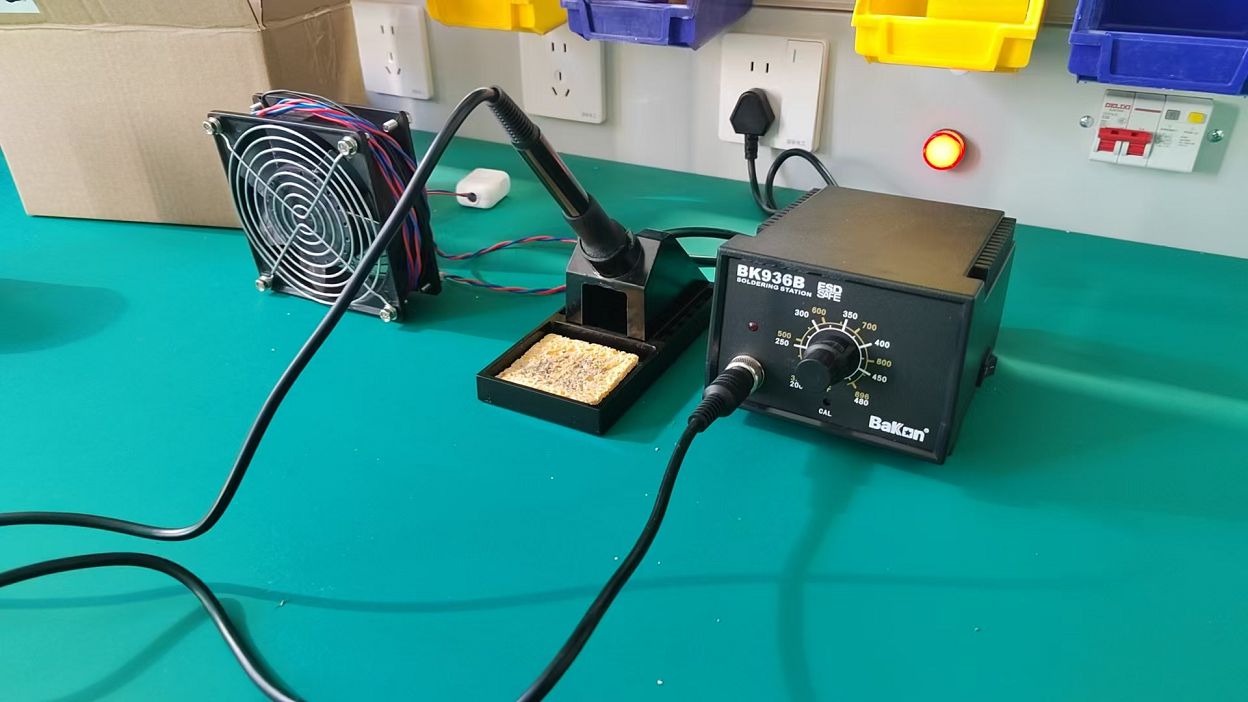
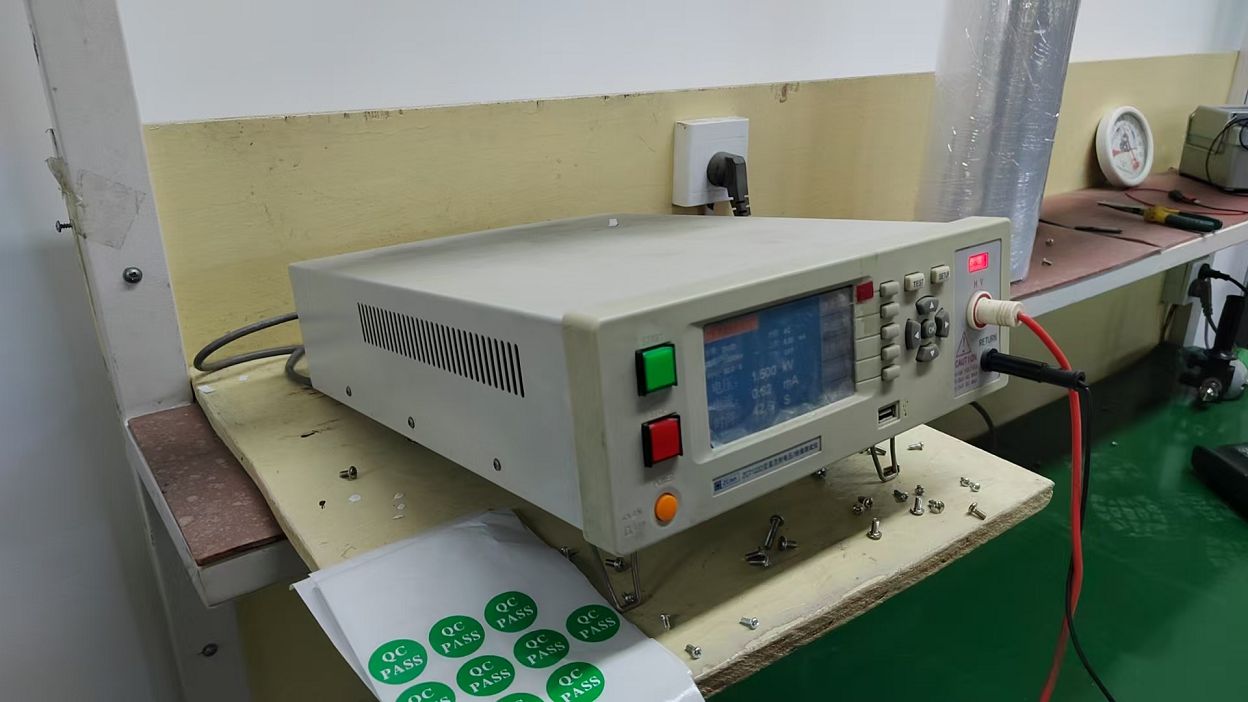
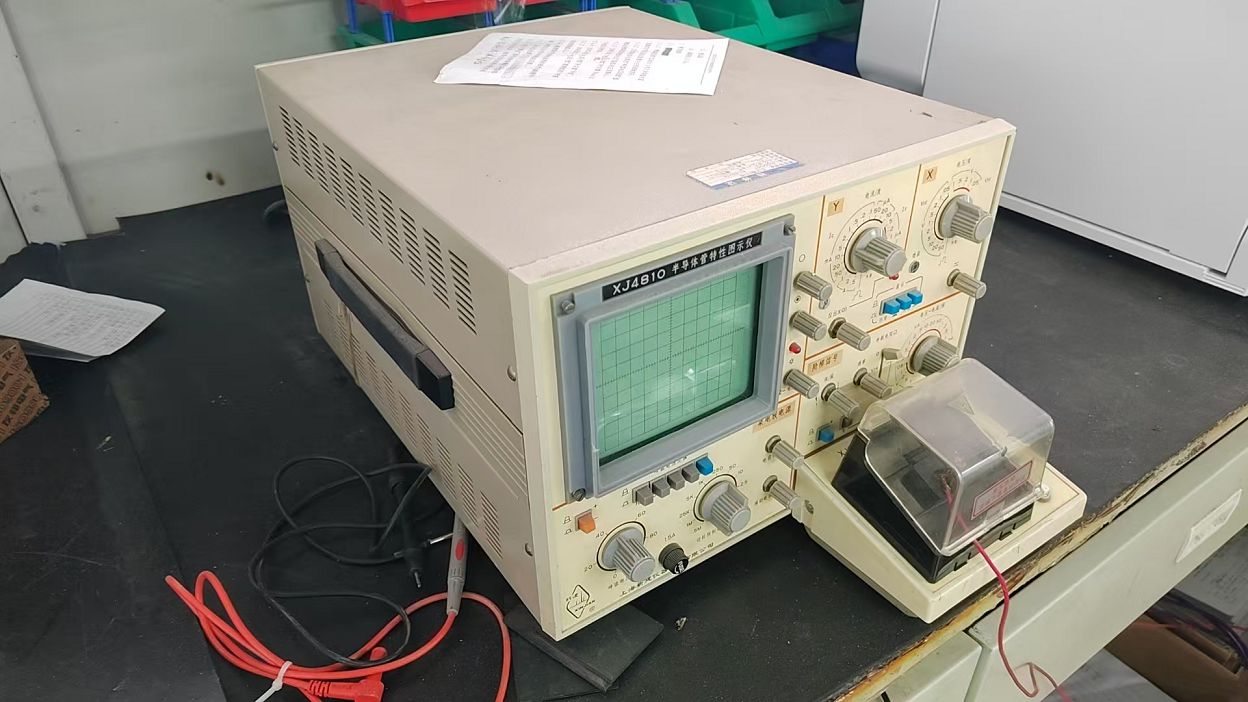
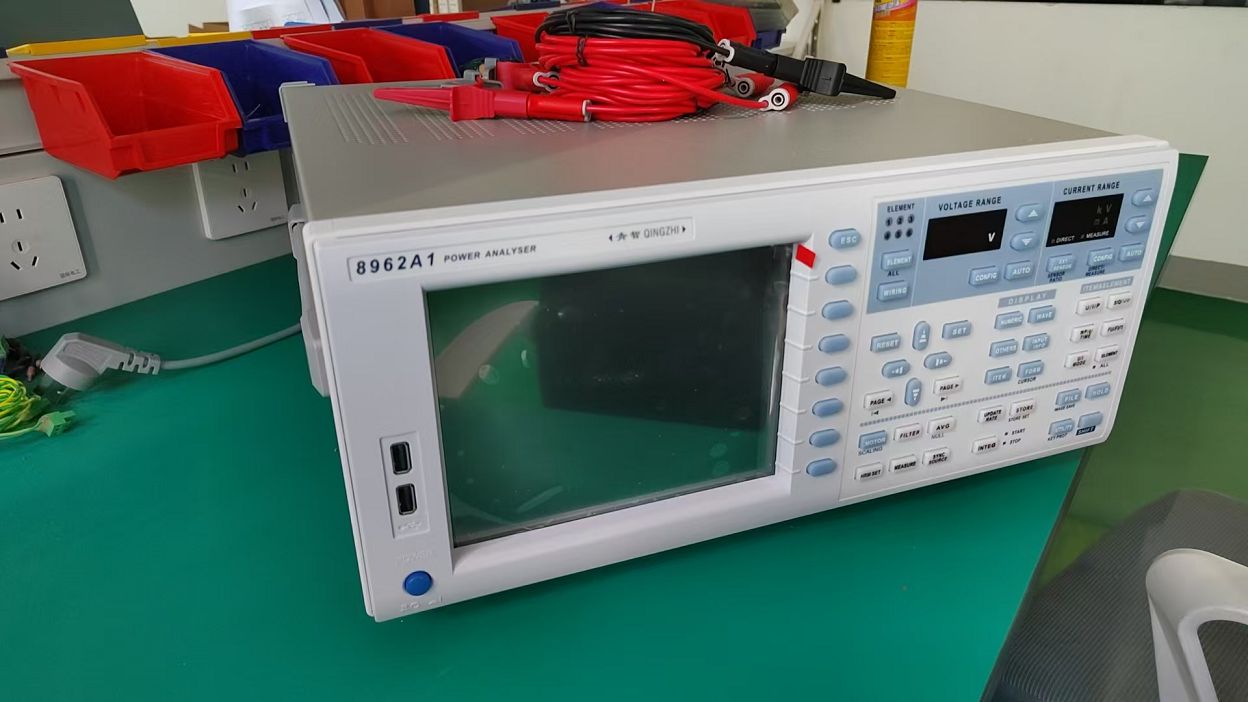
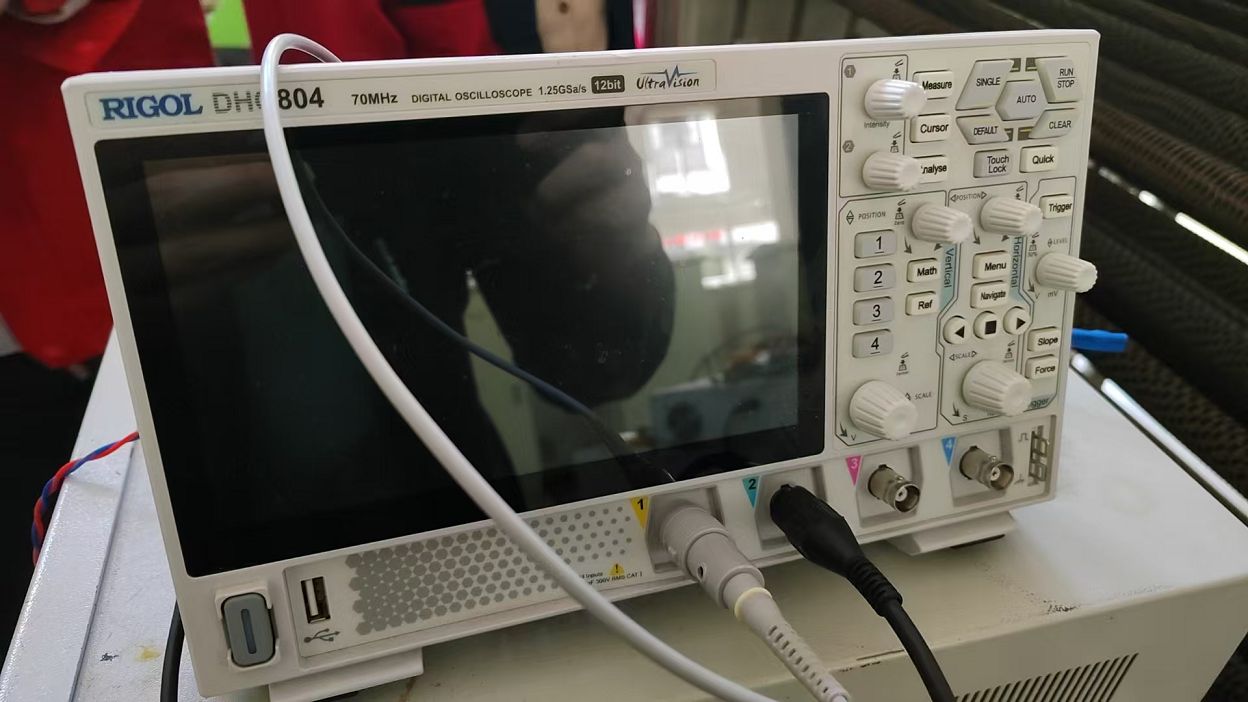
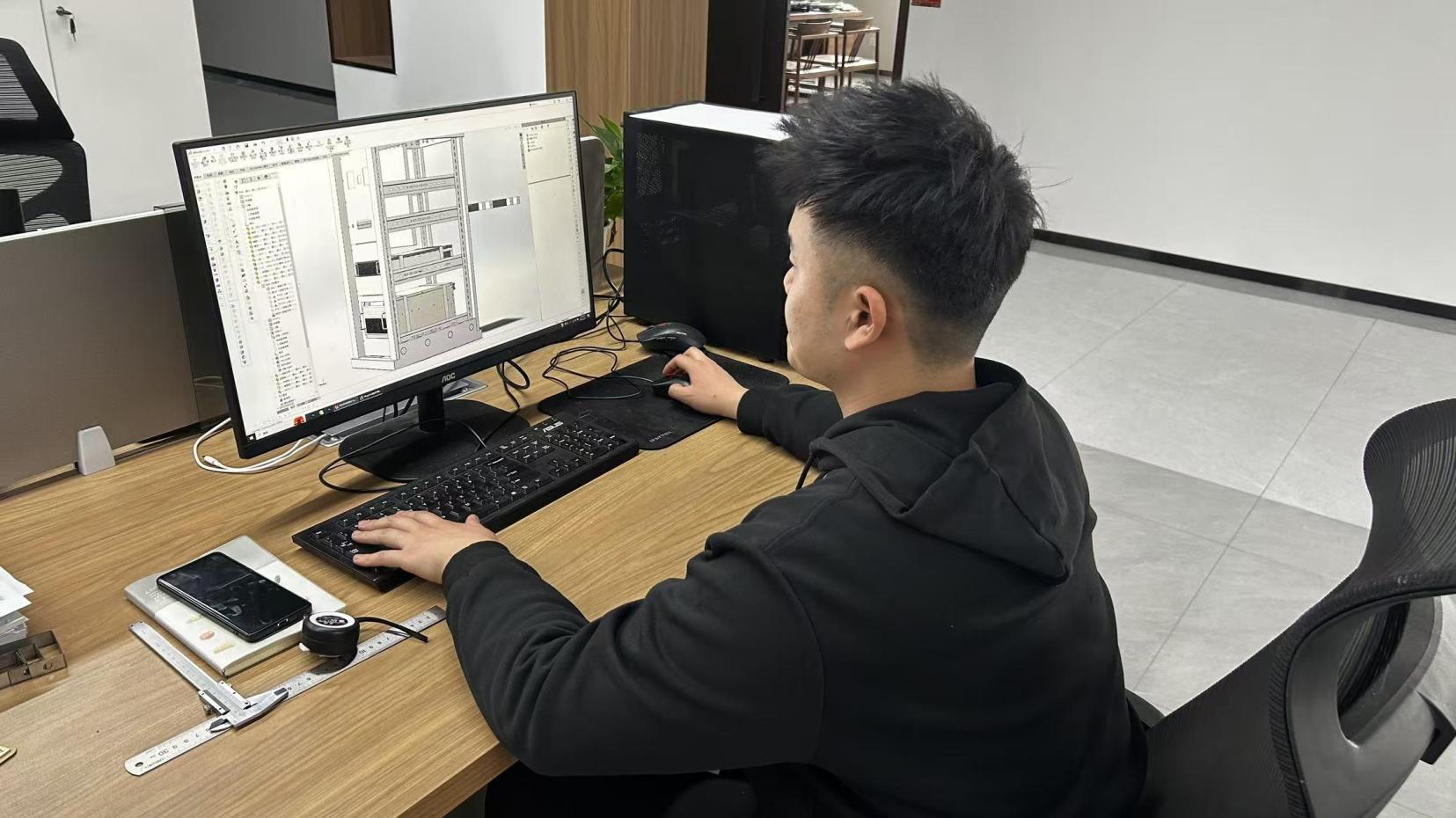
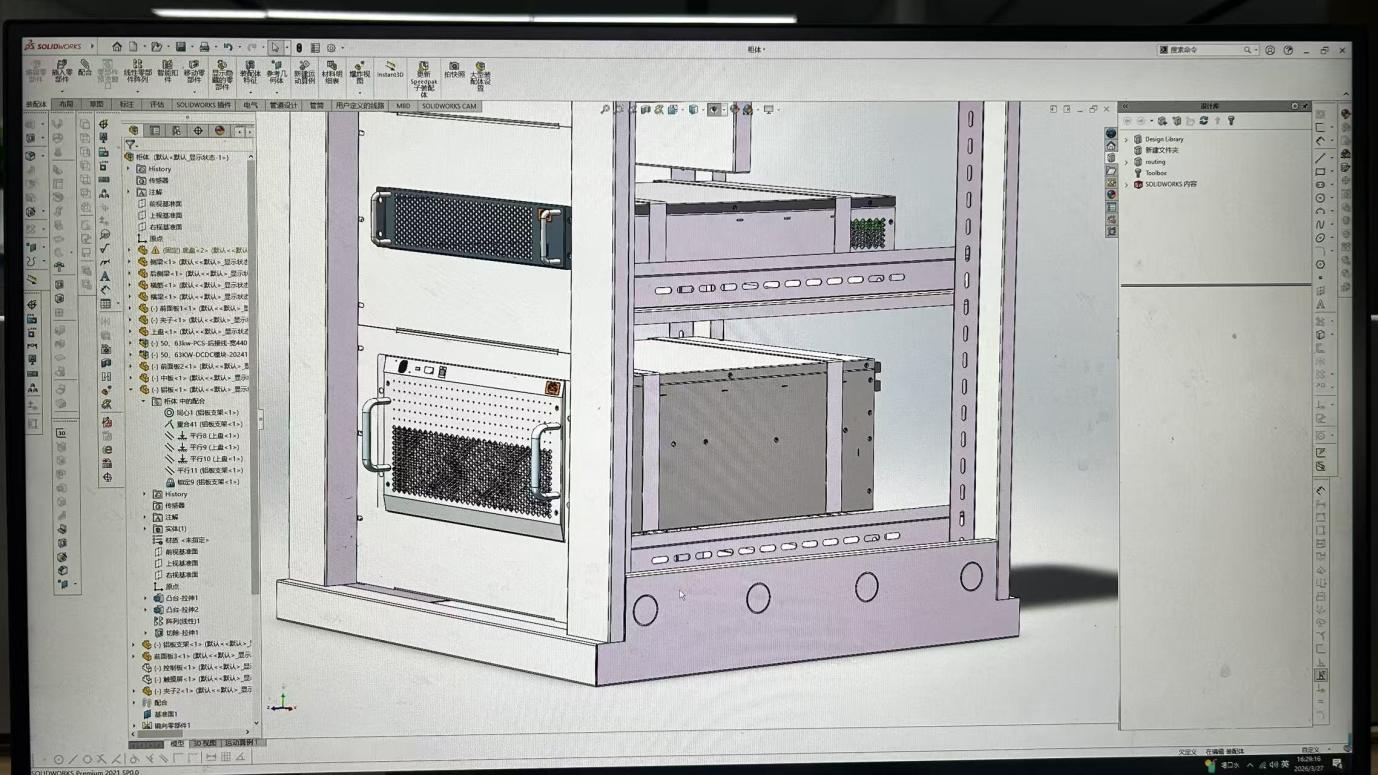
Explore our ISO9001:2015-certified manufacturing floor and our precision debugging processes.
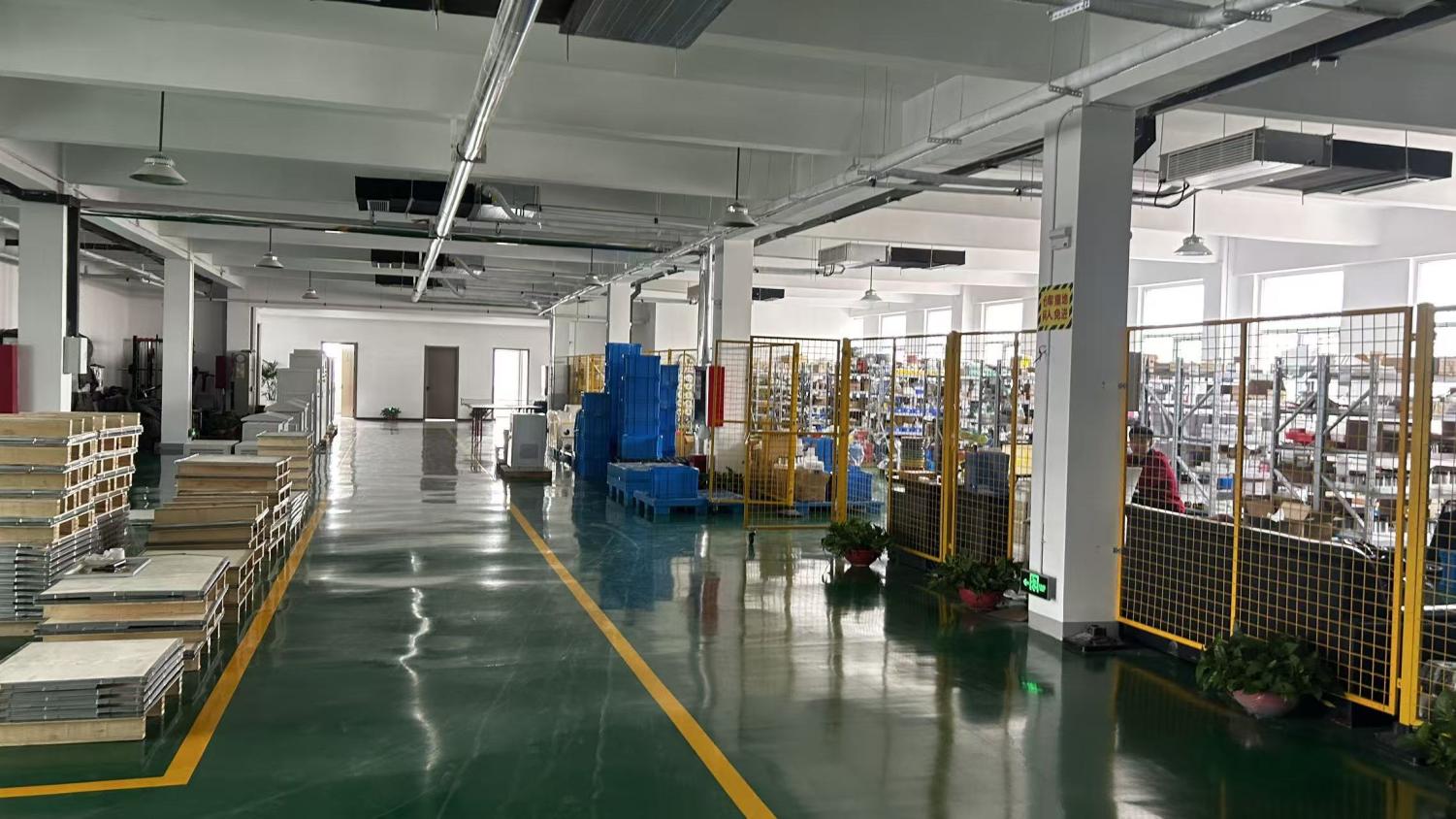
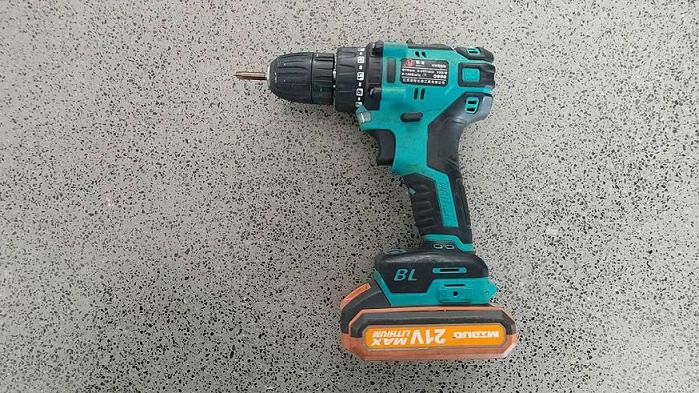
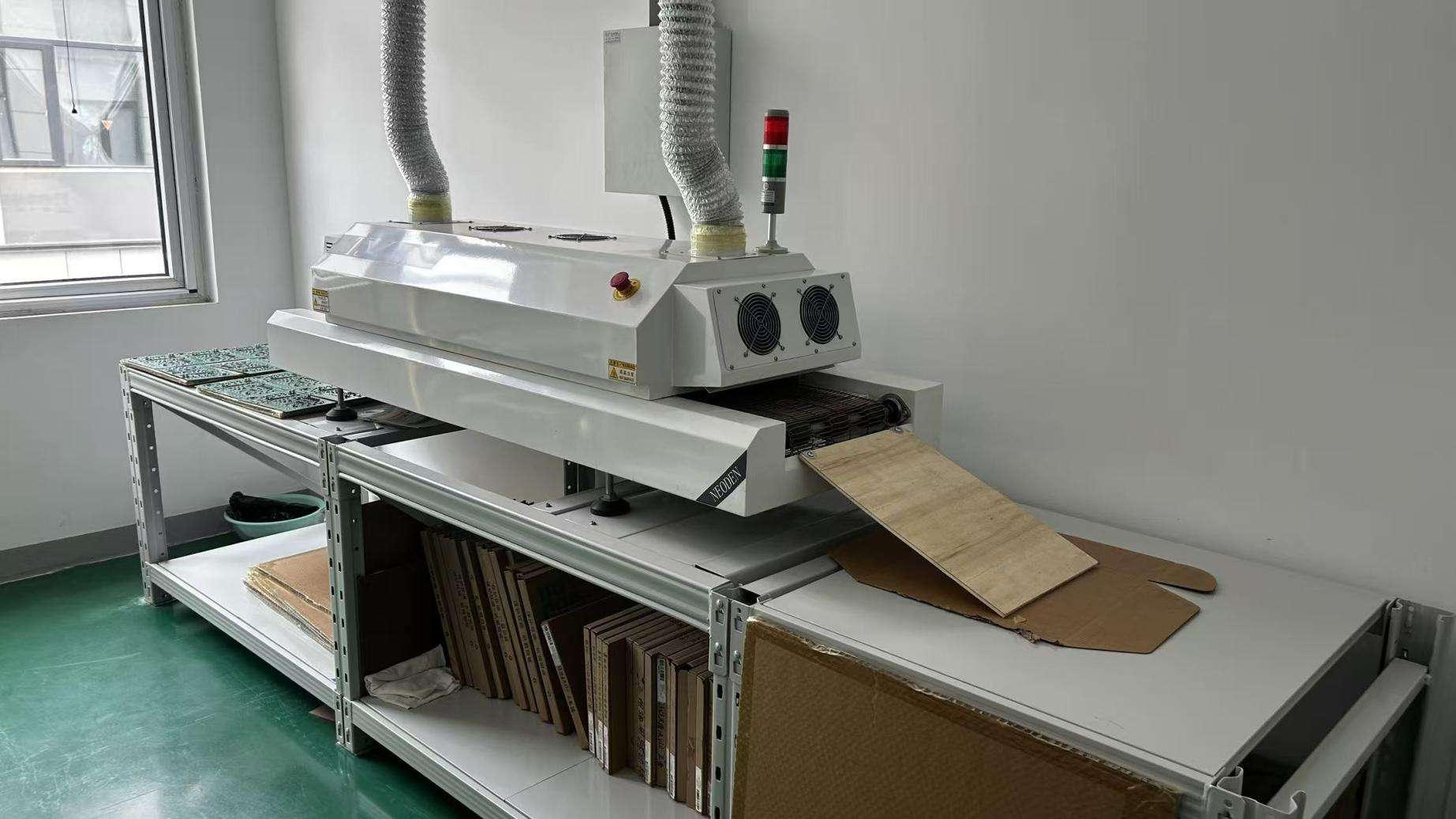
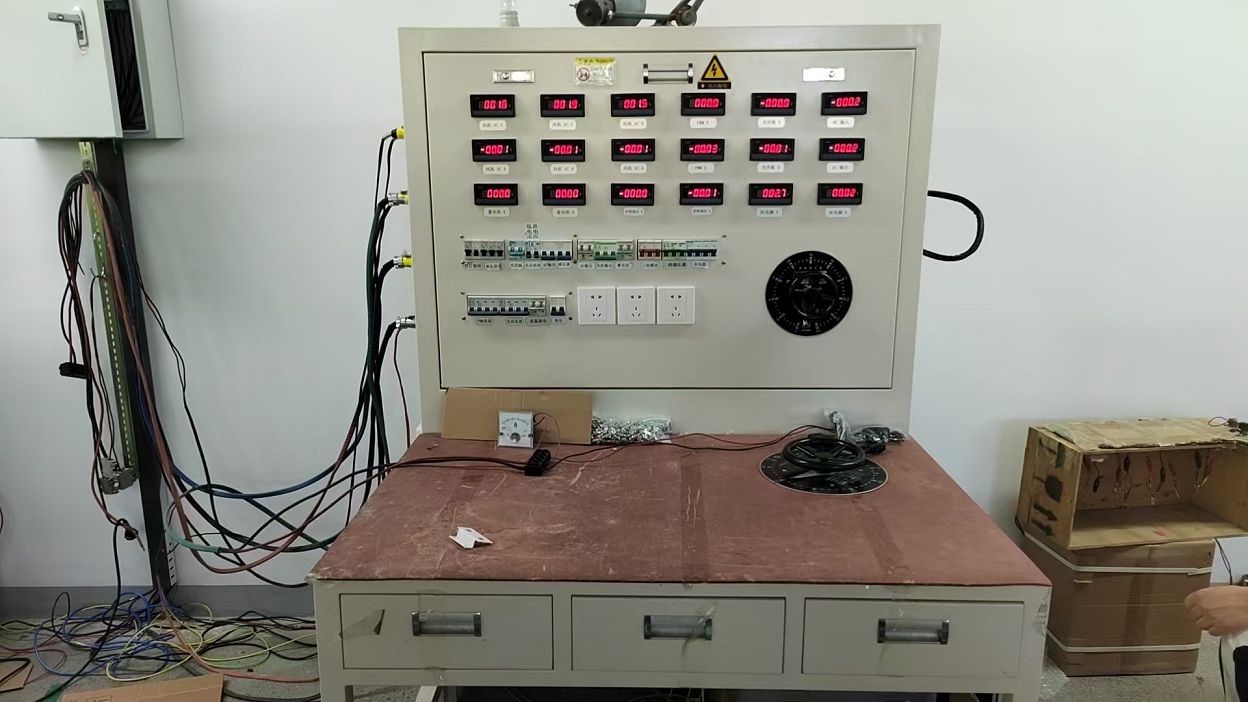
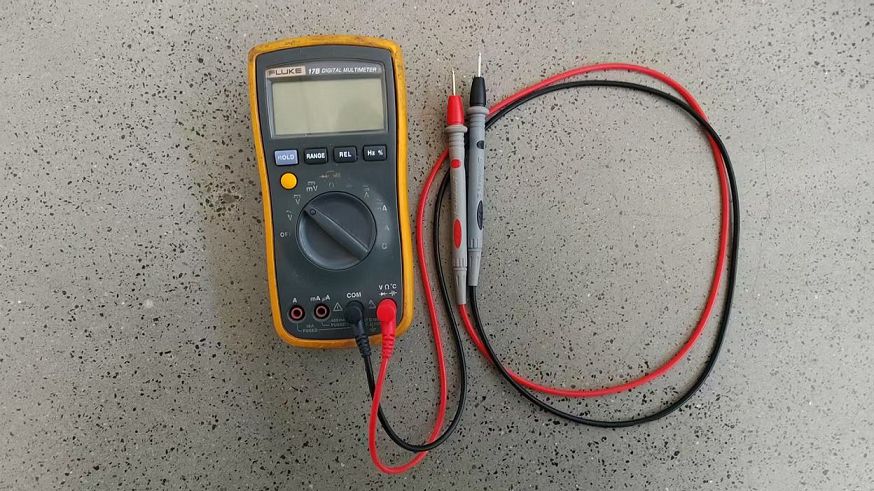
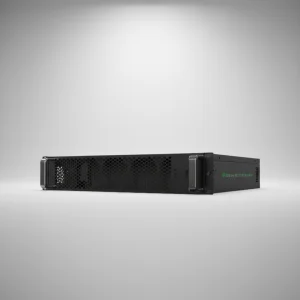
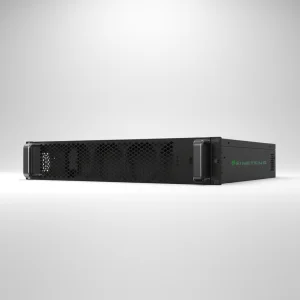
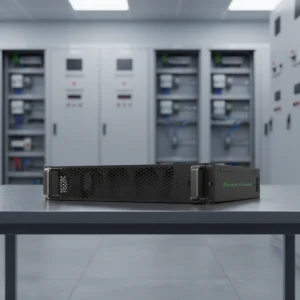
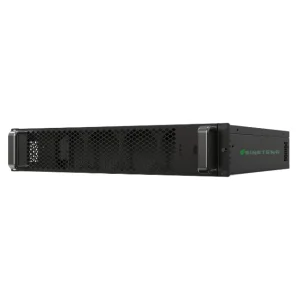
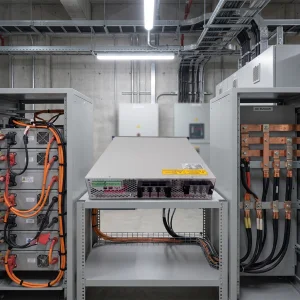
Flexible stackable units designed for rapid microgrid deployment and electric vehicle charging interfaces.
Critical checkpoints for Canadian procurement managers when selecting overseas DC-DC converter suppliers.
Sourcing high-power electronic components from overseas requires careful planning to ensure grid compliance, long-term technical reliability, and post-installation stability. Procurement teams should evaluate the following key parameters:
By partnering directly with Jinan Deming Power Equipment Co., Ltd., engineers gain access to transparent testing records, direct engineering lines for modular configuration, and comprehensive after-sales debugging documentation. Our ISO9001:2015 manufacturing workflows guarantee that each stackable converter unit meets high-voltage insulation tests and dynamic load responses before shipping to Canadian ports.
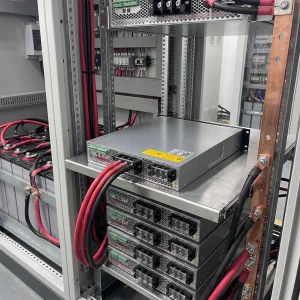
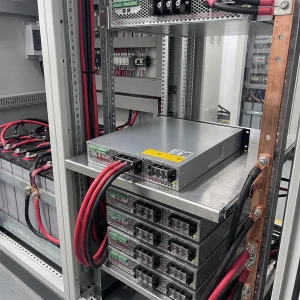
We work closely with local system integrators to pre-configure voltage setpoints and operational modes (Buck/Boost auto-sensing), lowering installation times on-site.
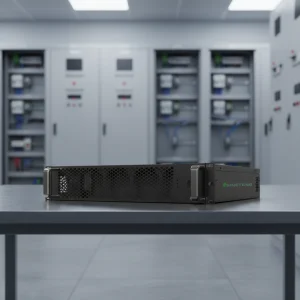
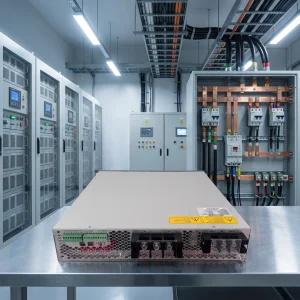
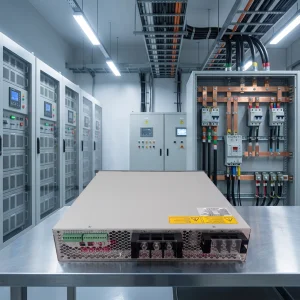
High-voltage modular converters supporting parallel expansion for microgrids and hybrid wind-solar facilities.
Direct technical answers addressing the key design parameters and operating criteria for Canada's power systems.
High-frequency galvanic isolation physically decouples the battery source circuit from the load DC bus. This protects sensitive battery chemistries from high-voltage spikes, transient grid faults, and common-mode electrical noise. It also allows system designers to ground the battery array and high-voltage DC bus independently, reducing grounding faults and ensuring compliance with Canadian safety guidelines.
Our converters use industrial-grade semiconductors, low-temperature-tolerant magnetic components, and intelligent pre-heating protocols. Before reaching high load currents, the system's firmware performs soft-start checks to minimize thermal shock on cold capacitors. This ensures smooth operations even in unheated enclosures down to -40°C.
Yes. Our stackable units (30kW, 50kW, and 100kW modules) are designed with a high-speed CAN bus communication interface. This enables centralized power sharing and active droop control, allowing up to 16 modules to operate in parallel on a single DC bus without current mismatching.
We natively support Modbus RTU (over RS485), Modbus TCP (over Ethernet), and CAN 2.0B protocols. This makes it straightforward to integrate our converters with popular European and North American EMS/BMS systems for real-time monitoring and parameter tuning.
Ready to discuss custom configurations, certification paths, or system integration timelines?
Send Inquiry Now Demin Power