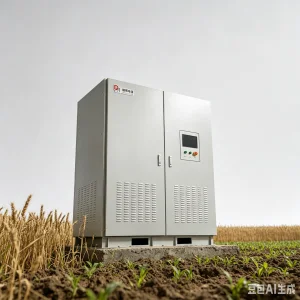
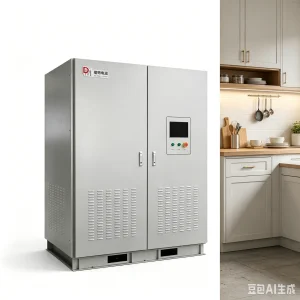
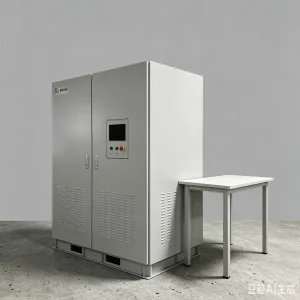
Engineered to support Brazil's dynamic transmission requirements with robust thermal management and standard-compliant bidirectional execution.
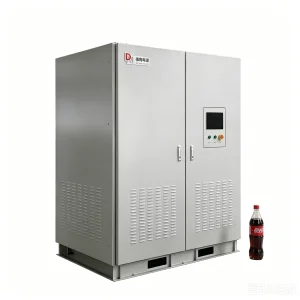
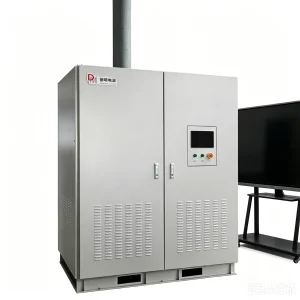
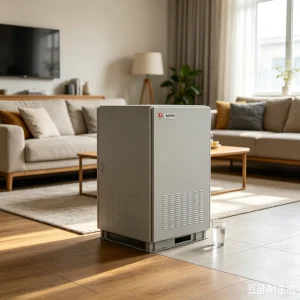
Analysis of grid dynamics, economic drivers, and distributed generation (GD) trends fueling the need for high-performance Power Conversion Systems (PCS).
Brazil is currently undergoing one of the fastest energy transitions globally. Driven by the expansion of distributed generation (Geração Distribuída - GD), solar photovoltaic (PV) generation, and wind power across regions like the Northeast and Minas Gerais, the national grid faces unprecedented stabilization challenges. Under the regulatory supervision of the National Electric Energy Agency (ANEEL) and the coordination of the National Grid Operator (ONS), power quality, peak load reduction, and frequency stability have become priority bottlenecks for large industrial users, solar plant operators, and rural microgrid systems.
In the commercial and industrial (C&I) sectors, Brazilian businesses face high peak-tariff rates (Horário de Ponta), where electricity cost can be up to five times more expensive than off-peak hours. High-capacity bidirectional Power Conversion Systems (PCS) act as the core brain of Battery Energy Storage Systems (BESS), allowing factories, agricultural projects, and mining facilities to execute peak shaving, manage demand response, and ensure reliable backup power during distribution anomalies.
Engineered with integrated isolation transformers and flexible grid configurations for maximum system safety and conversion performance.
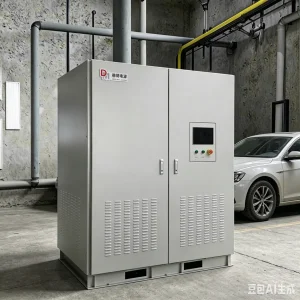
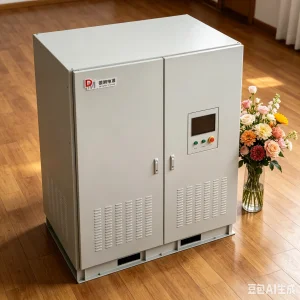
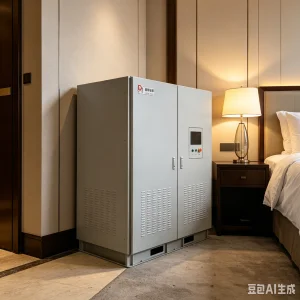
Engineering specifications and regulatory standards required for successful utility and C&I grid connection in Brazilian regions.
Unlike Europe or parts of Asia that utilize 50Hz transmission grids, Brazil operates on a strict 60Hz frequency. Additionally, nominal industrial and commercial voltages vary significantly across municipalities—ranging from 220V, 380V, 440V to 480V. Jinan Deming's series of bidirectional PCS inverters are equipped with flexible DSP-controlled software algorithms to operate flawlessly under variable voltage and 60Hz conditions, providing optimal harmonic control (THD < 3%) and stable active/reactive power delivery.
For systems connected to the National Interconnected System (SIN), PCS systems must demonstrate active grid support features. Under recent regulations, developers must implement systems capable of:
In many rural or heavy-industrial grids in Brazil, atmospheric discharges (lightning strikes) and distribution short-circuits are frequent. Integrating a galvanic isolation transformer in the PCS cabinet represents the gold standard for electrical protection. This prevents DC components from injecting into the AC grid, filters out high-frequency harmonics, and protects the expensive lithium-ion battery bank from high-voltage AC surges. Deming's built-in isolation transformer models (150kW to 500kW) ensure unmatched uptime in harsh tropical operational environments.
Regulatory Note: Our R&D division constantly updates control firmware to align with ABNT NBR guidelines and ONS procedures for distributed energy resource (DER) integration, simplifying the local homologation process for Brazilian EPCs and engineering houses.
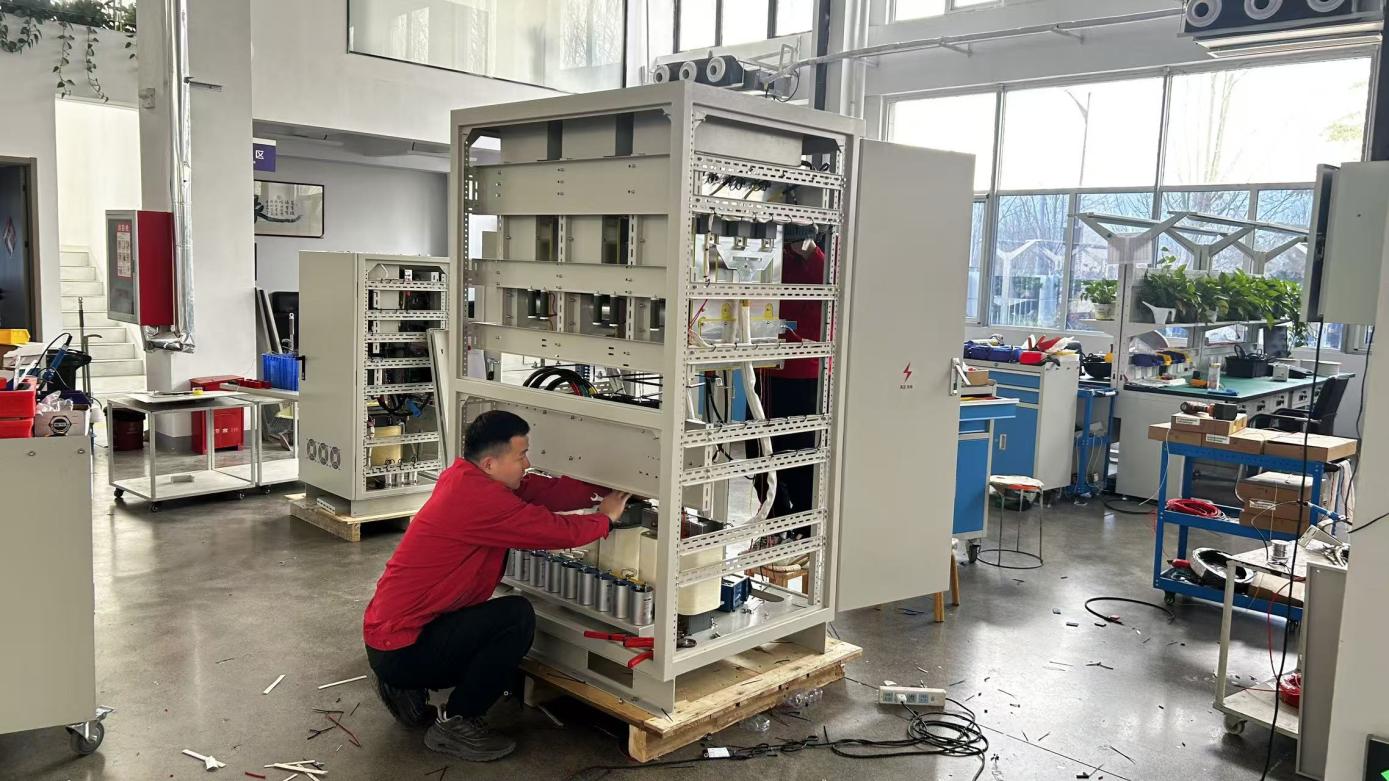
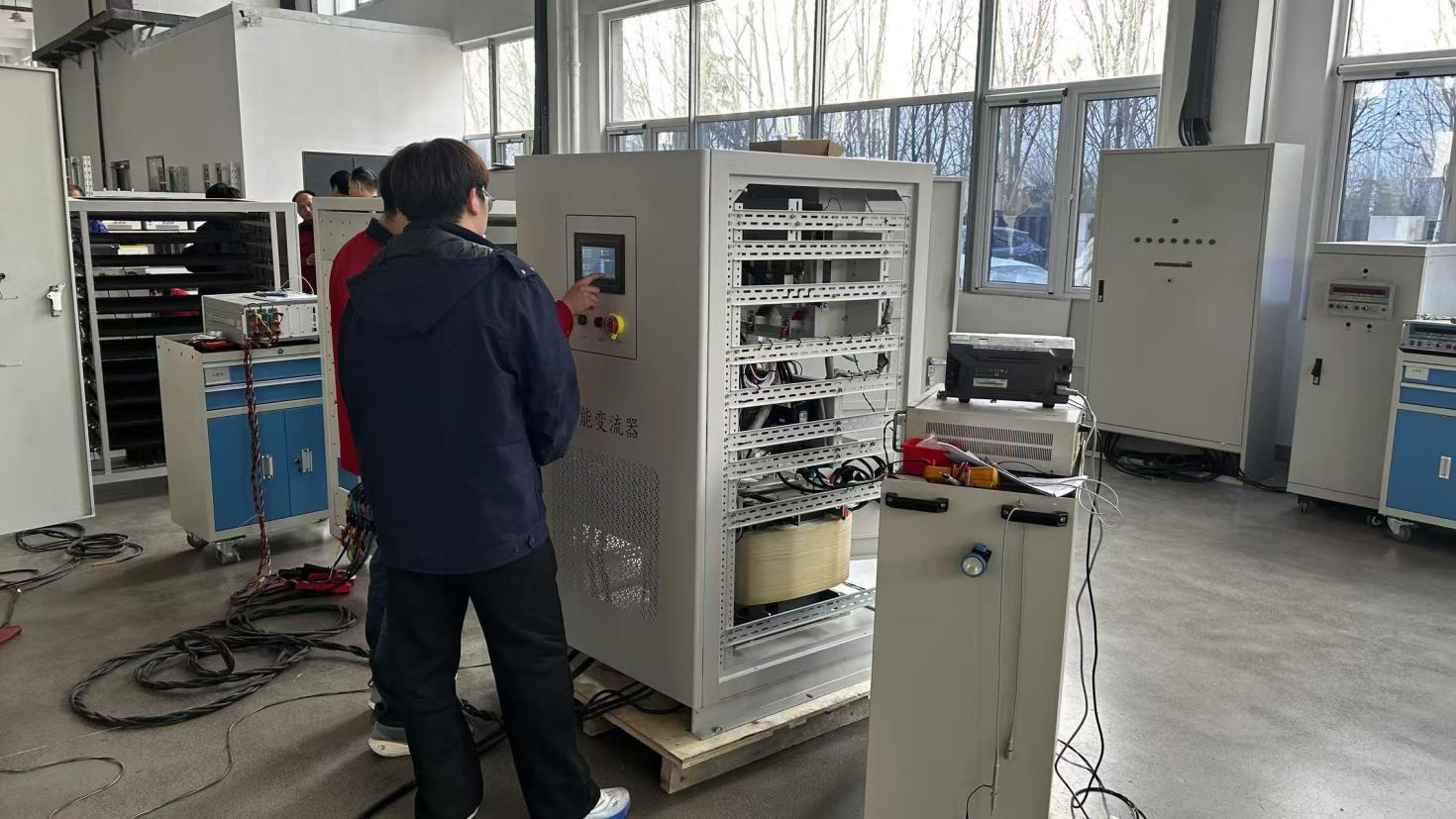
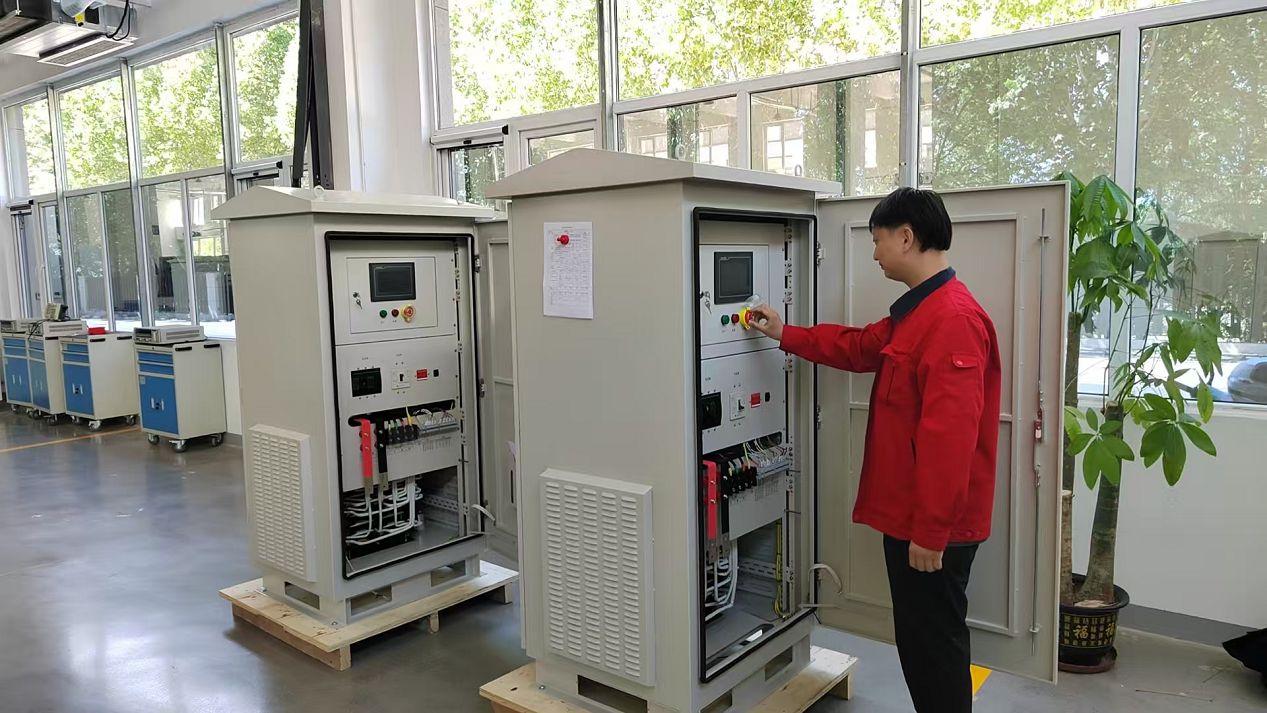
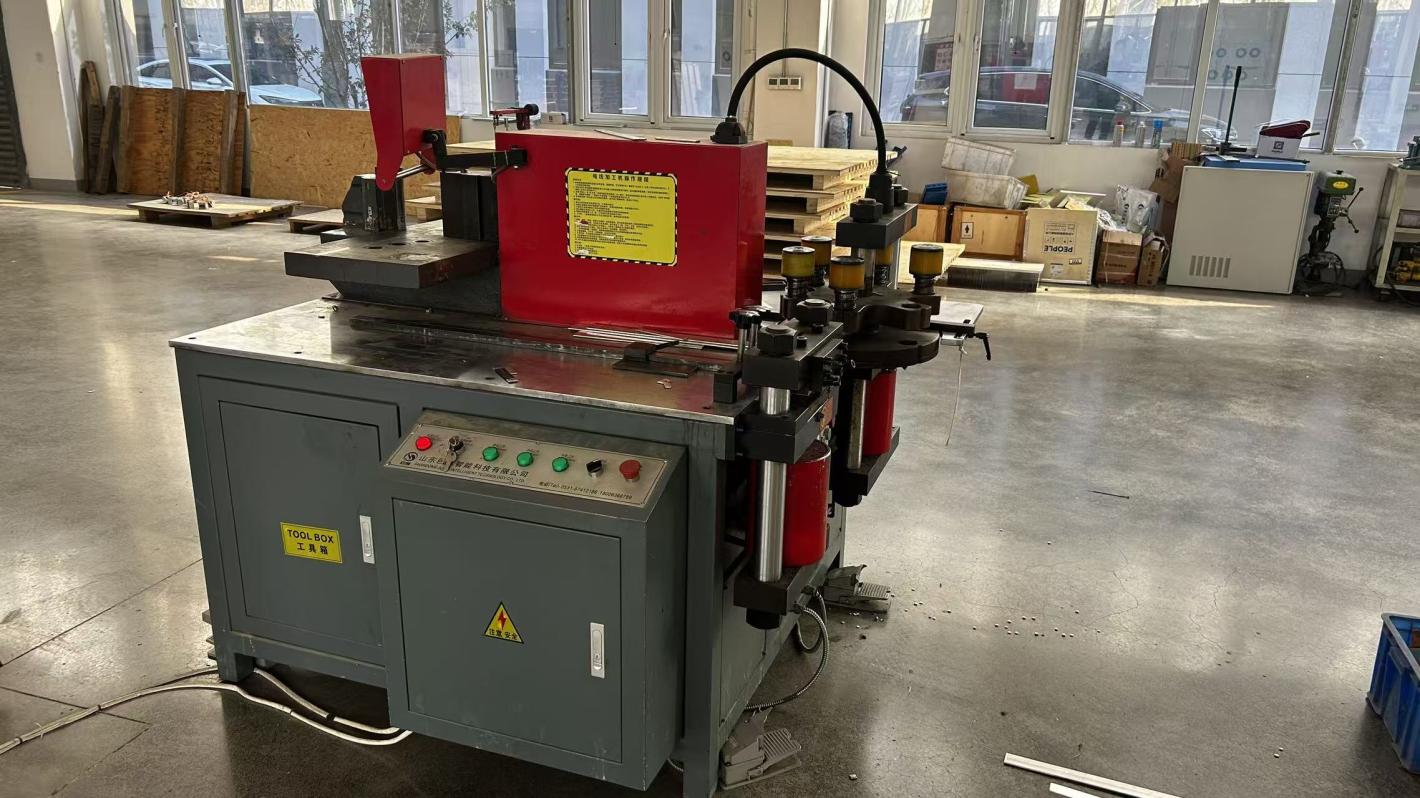
Deep dive into our ISO9001:2015 certified manufacturing plant, research capacity, and high-precision testing workflows.
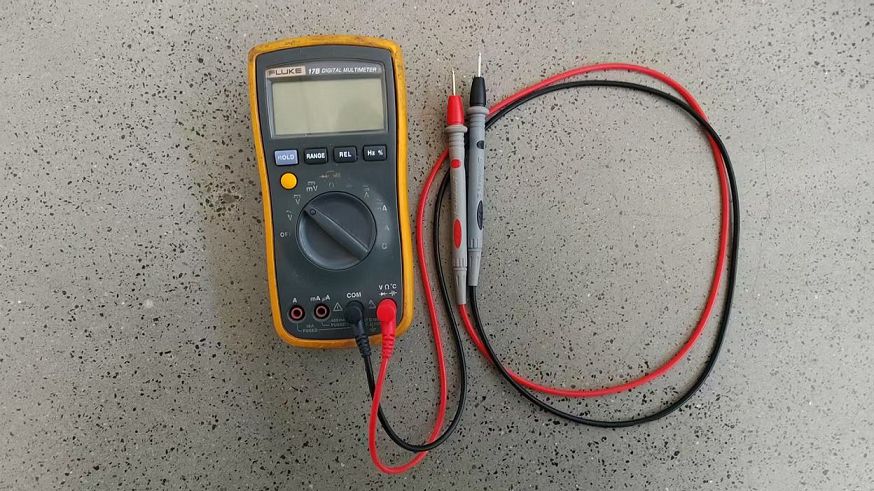
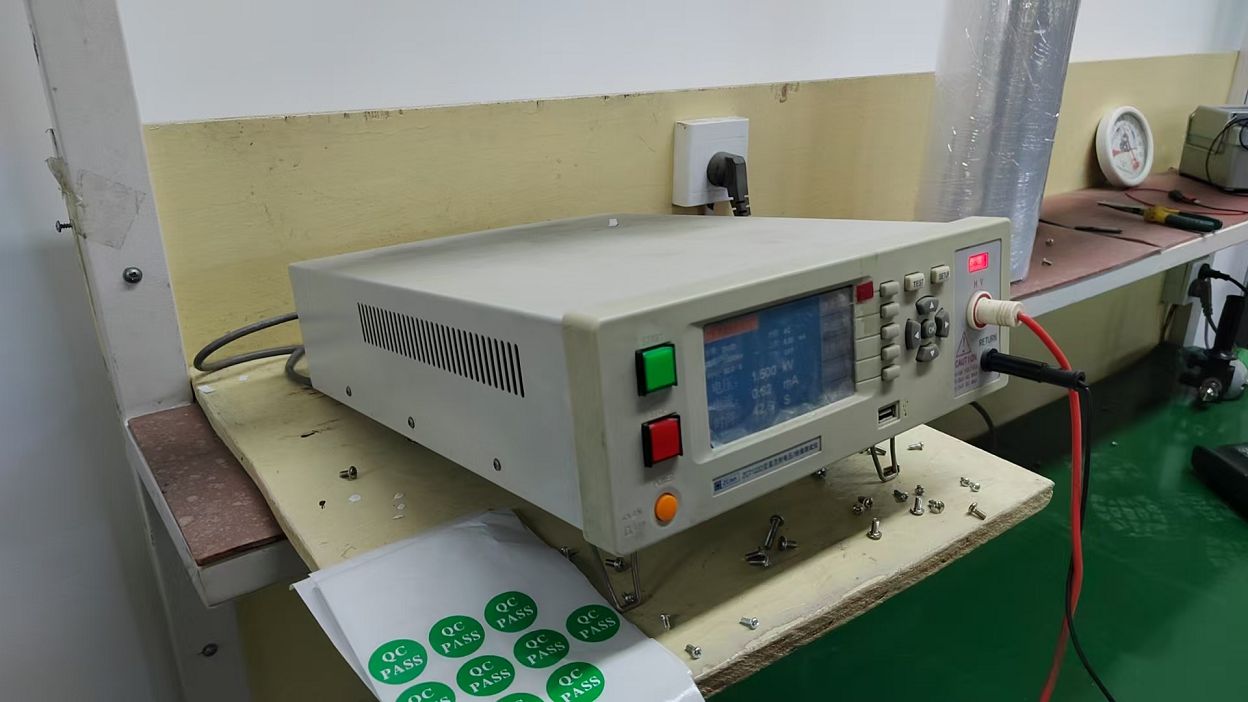
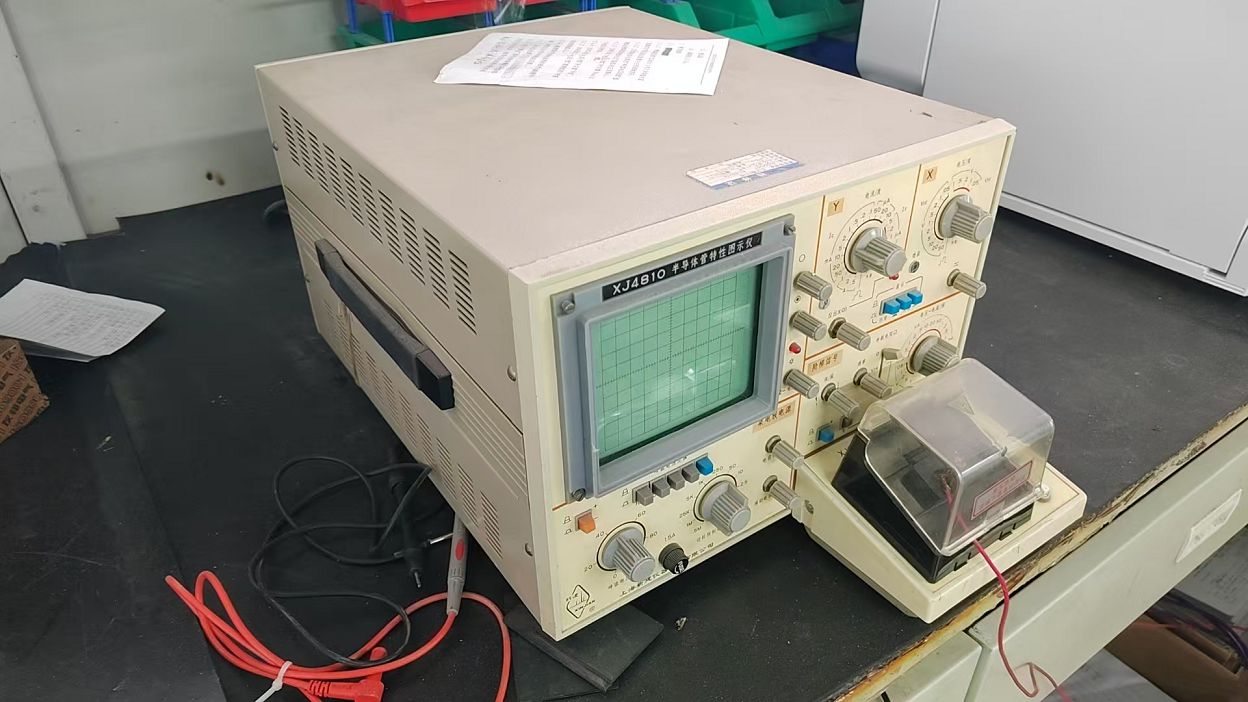
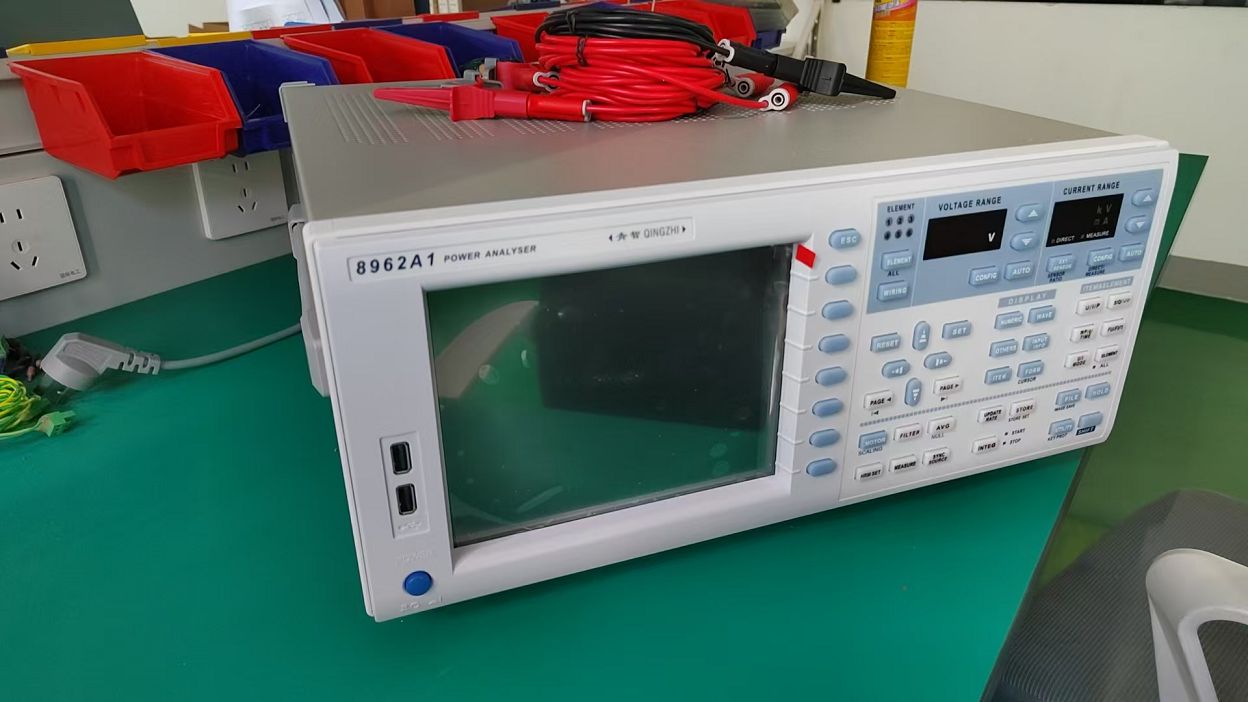
Jinan Deming Power Equipment Co., Ltd. is a nationally recognized high-tech enterprise established in 2004, specializing in the research, development, production, and service of renewable energy power equipment and advanced power testing solutions. The company holds ISO9001:2015 certification and has been recognized as a high-tech enterprise by the Chinese government multiple times (2015, 2018). With a dedicated R&D team of 16 engineers including doctoral supervisors and master's degree holders, Deming invests no less than 20% of annual sales revenue into technology development. The company has completed 17 R&D projects in the last three years with 16 scientific and technological achievements transformed into commercial products.
Deming's products have been exported to 120+ countries including Germany, Japan, the United States, UK, Canada, Australia, and Brazil, and the company has established cooperative relationships with Fortune 500 enterprises. The company's main products include wind/solar controllers, inverters, frequency converters, and high-power bidirectional DC test power supplies and battery simulators ranging from 150kW to 500kW.
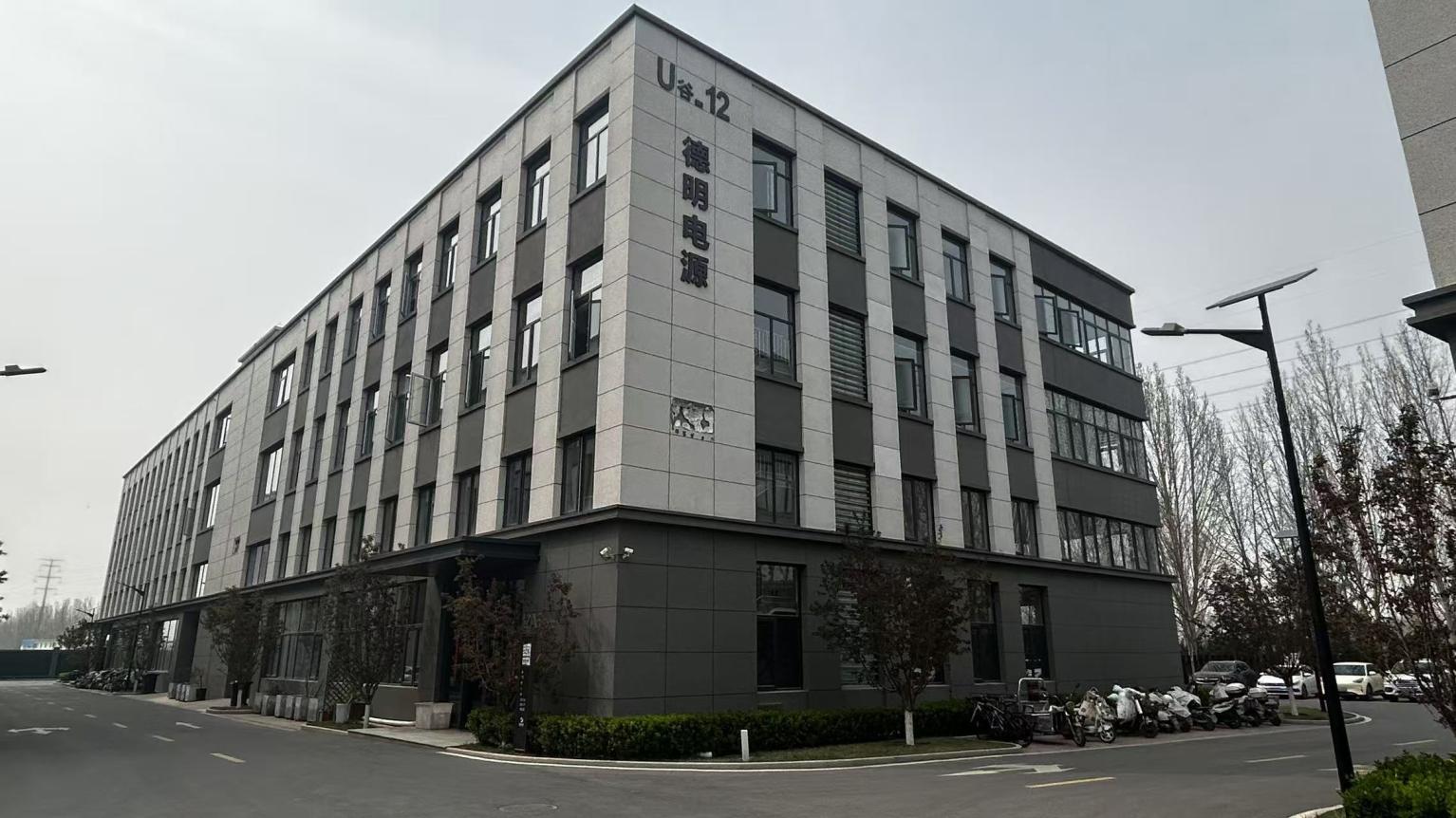
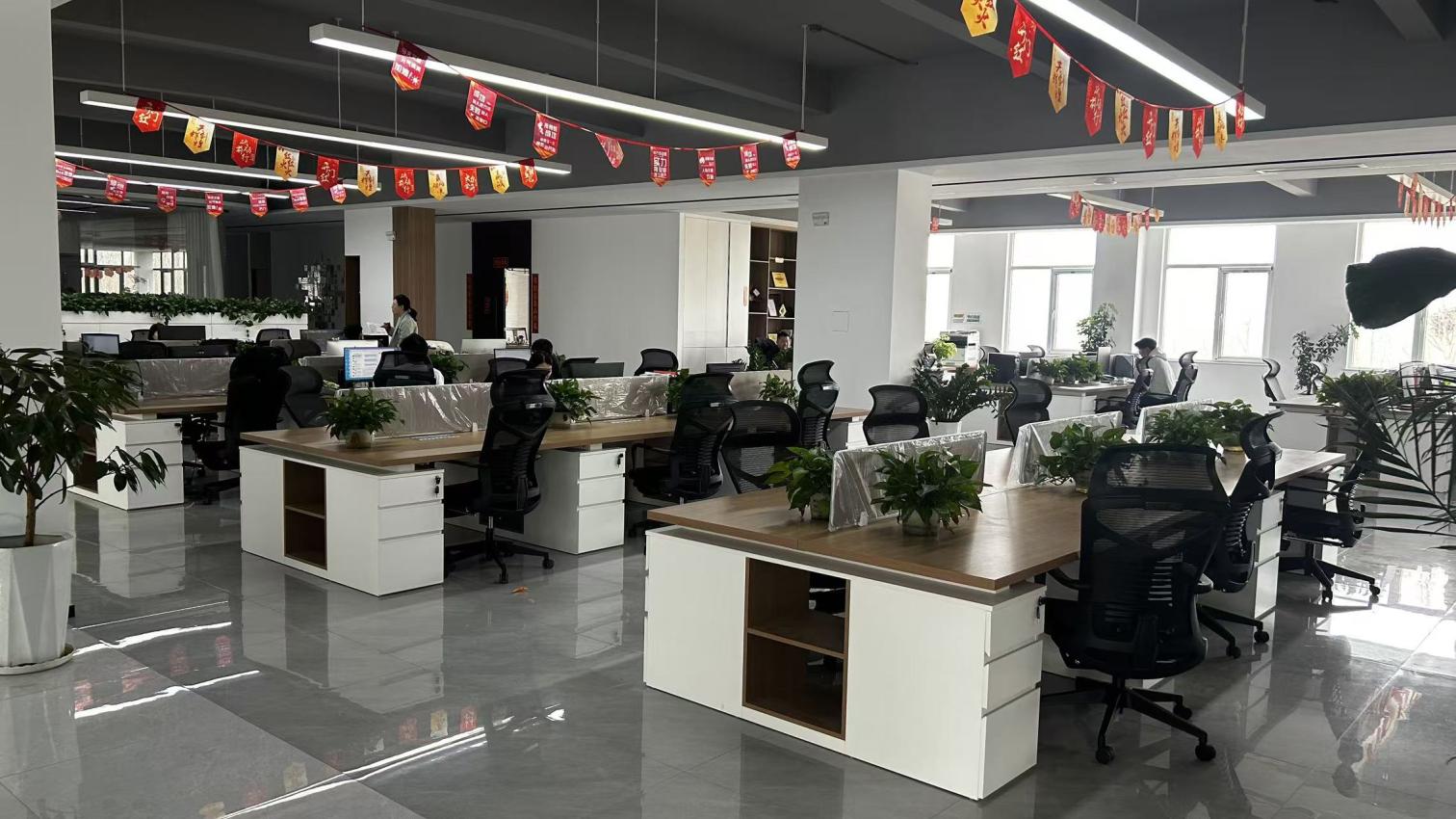
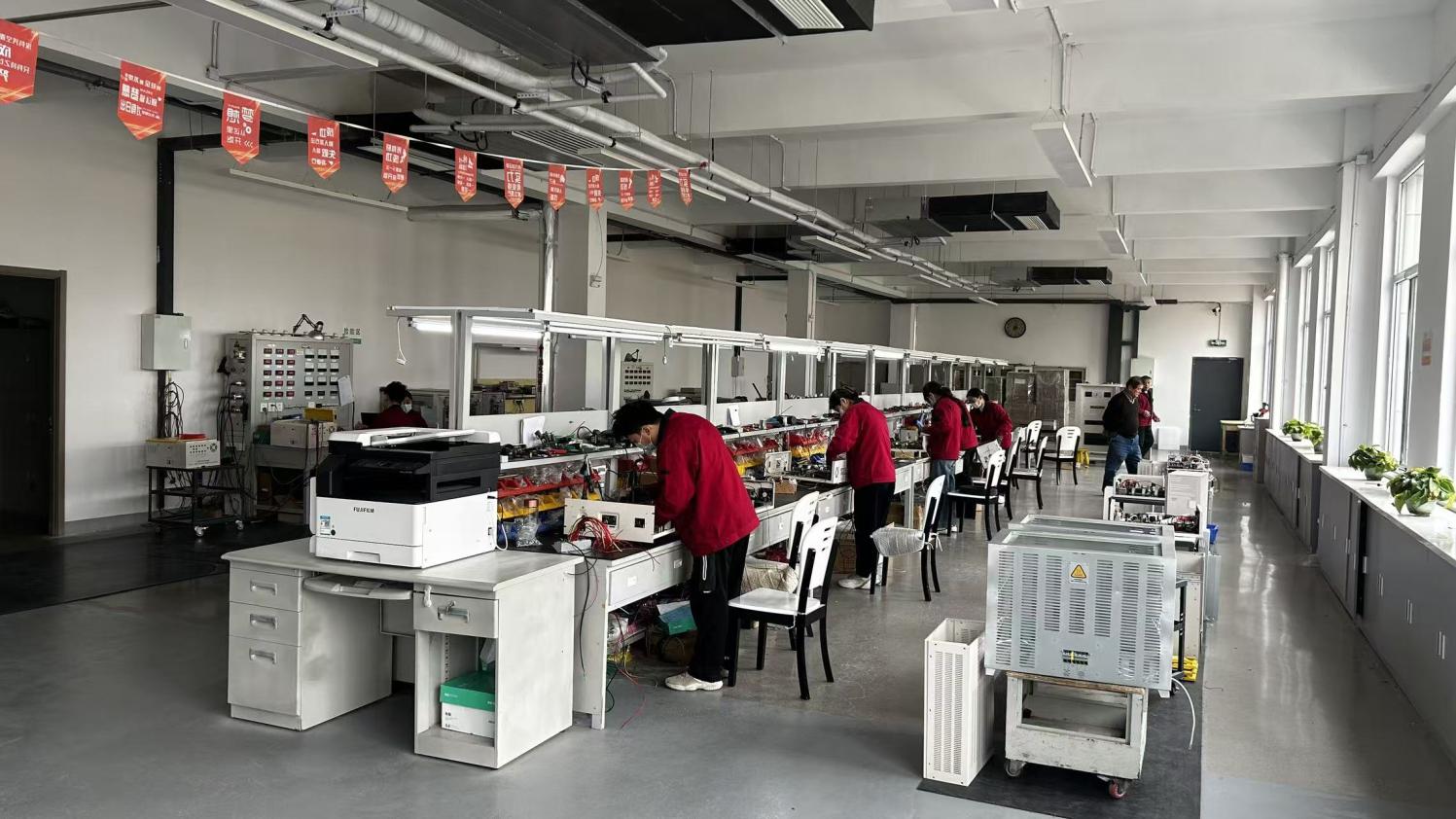
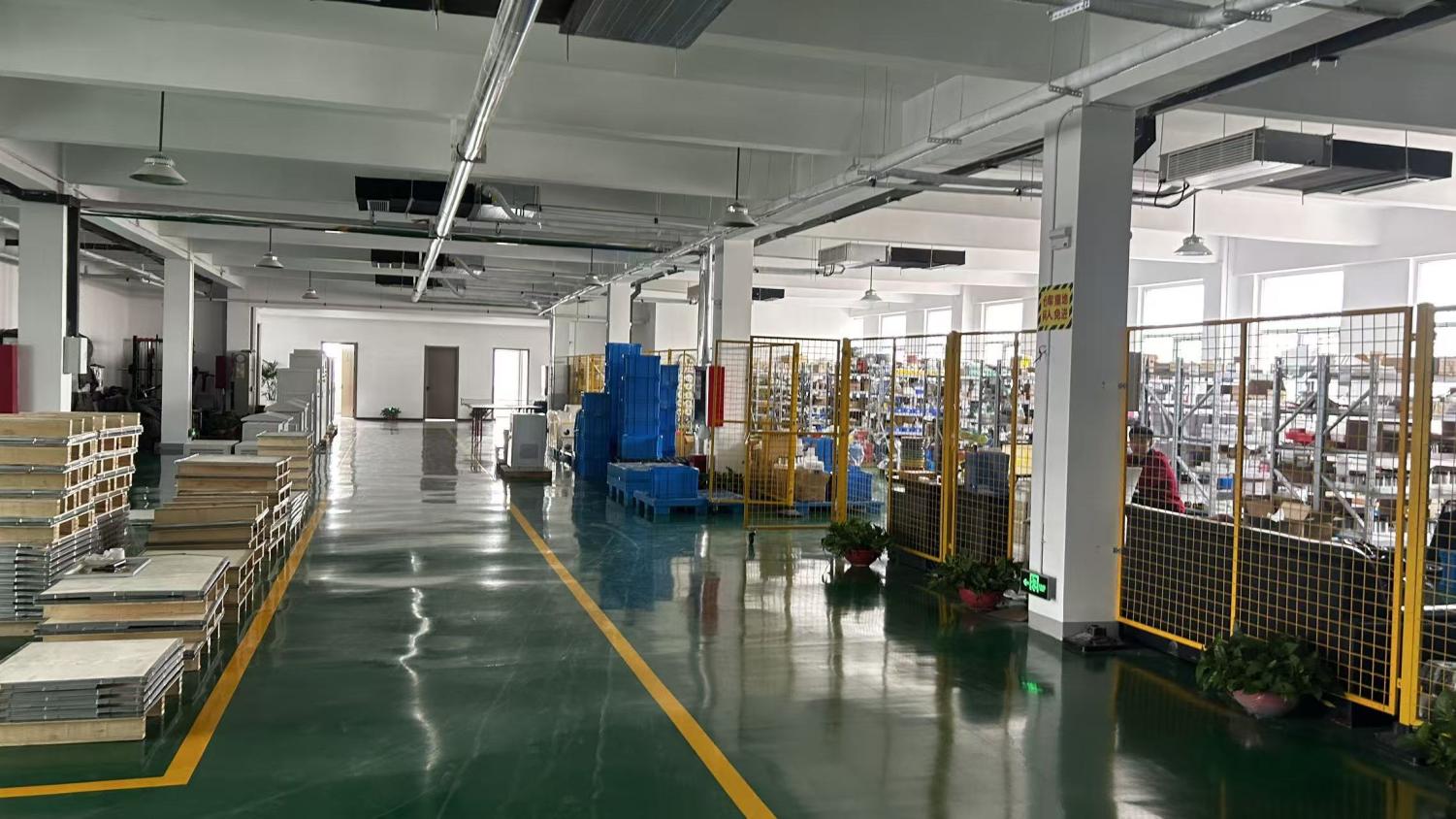
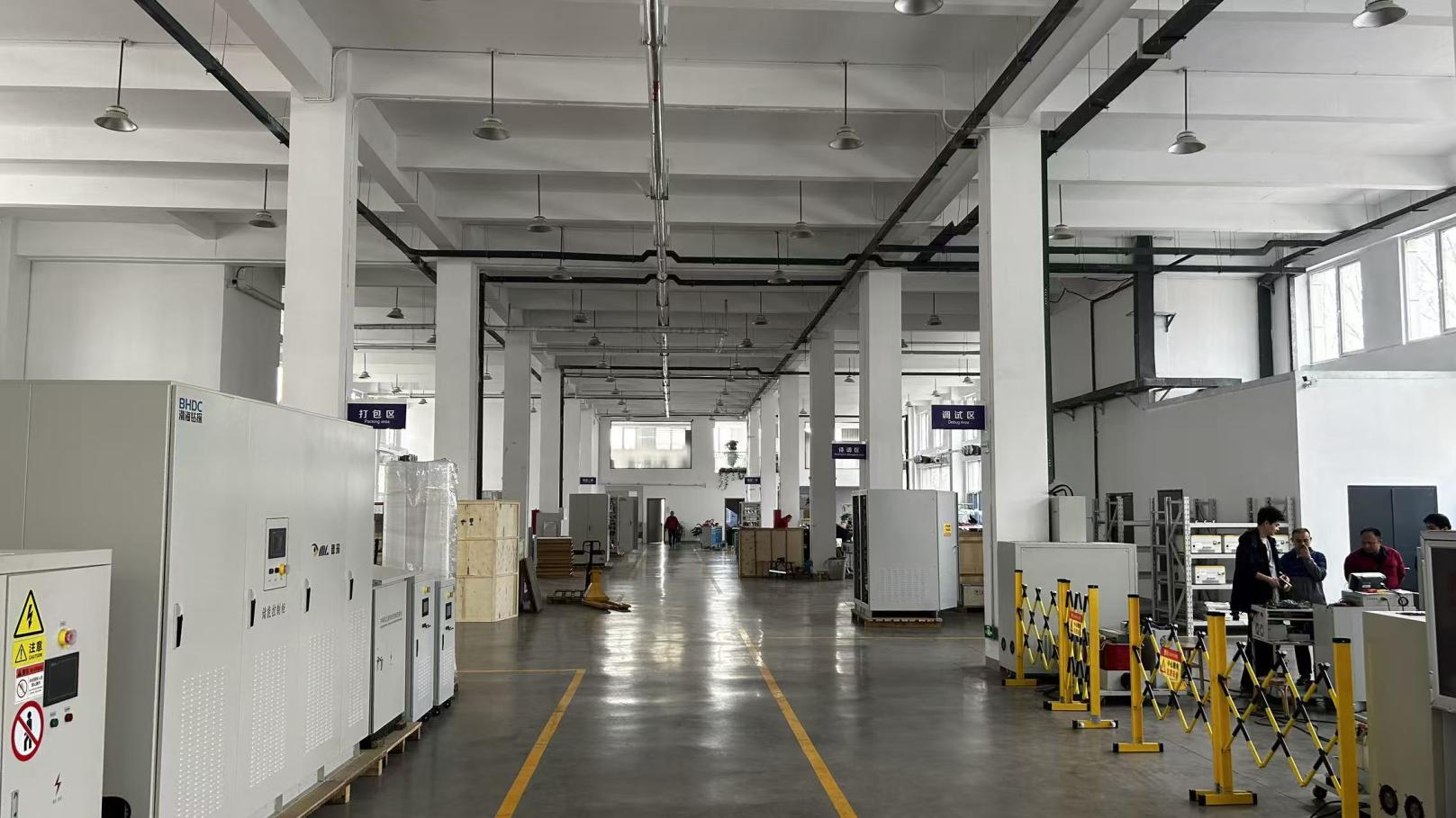
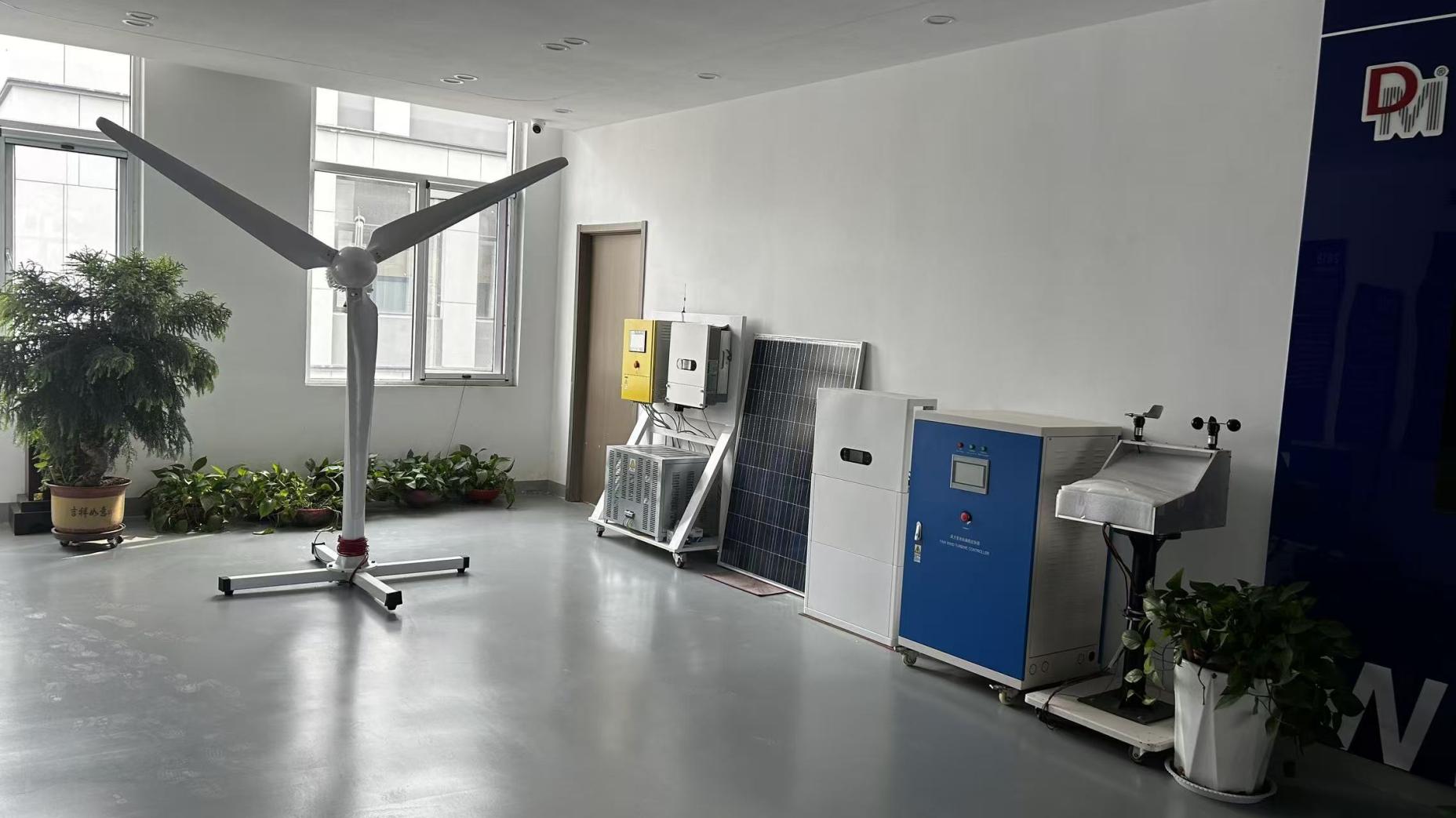
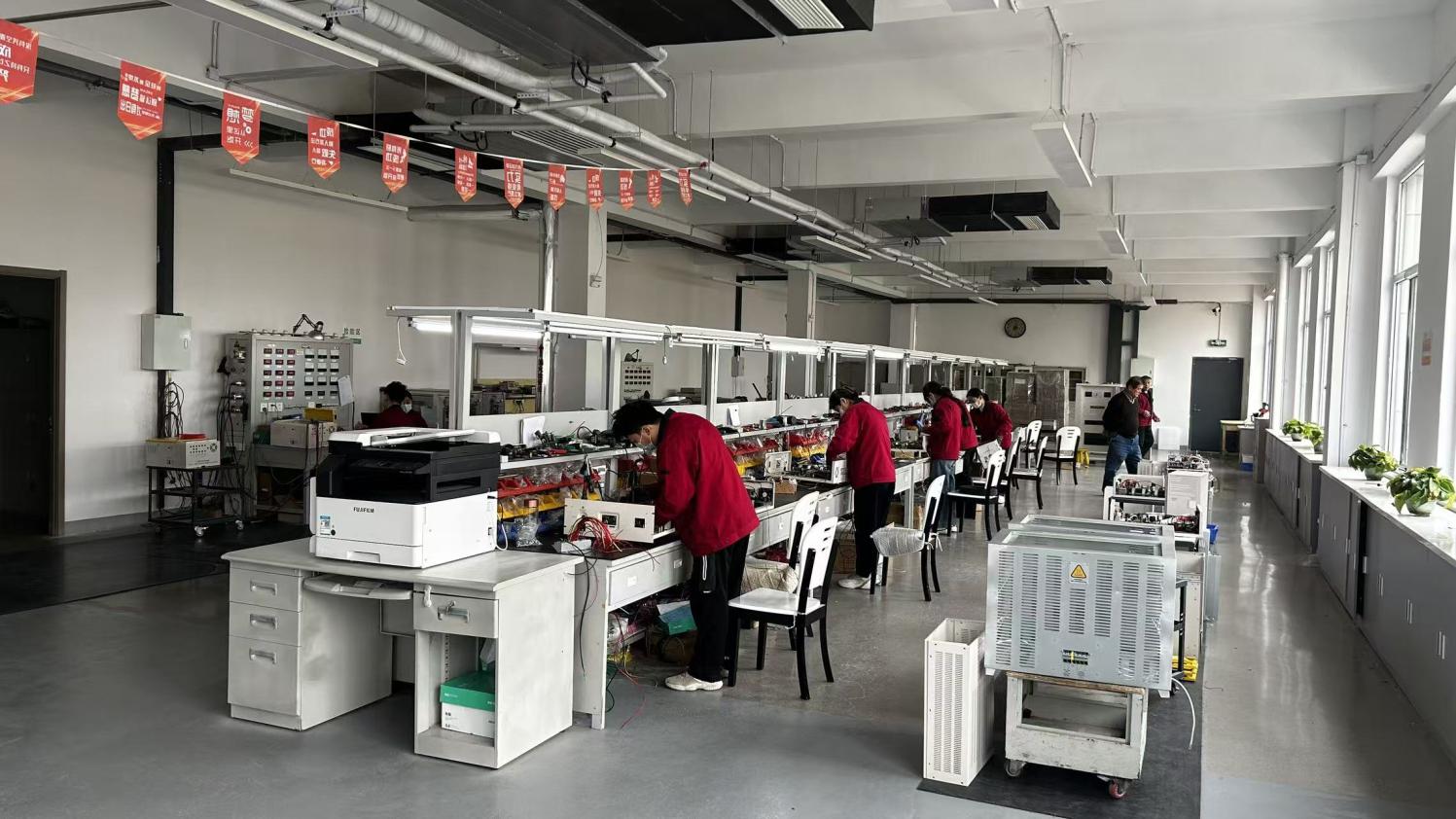
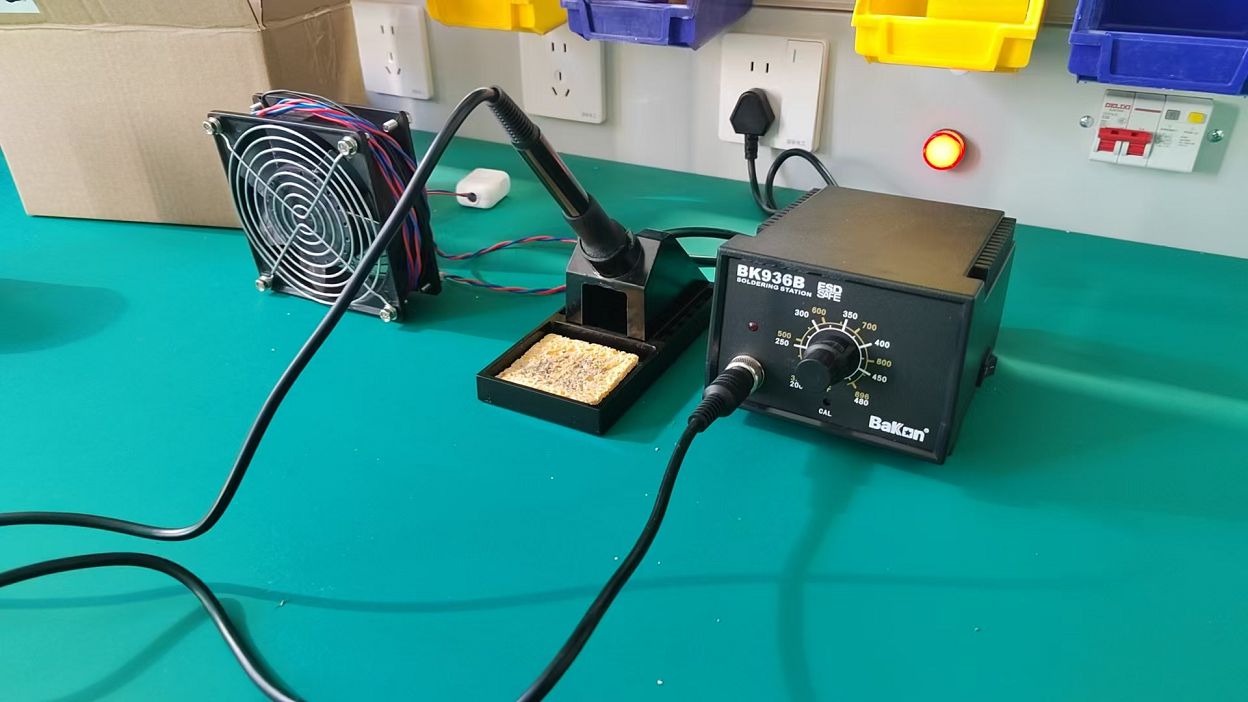
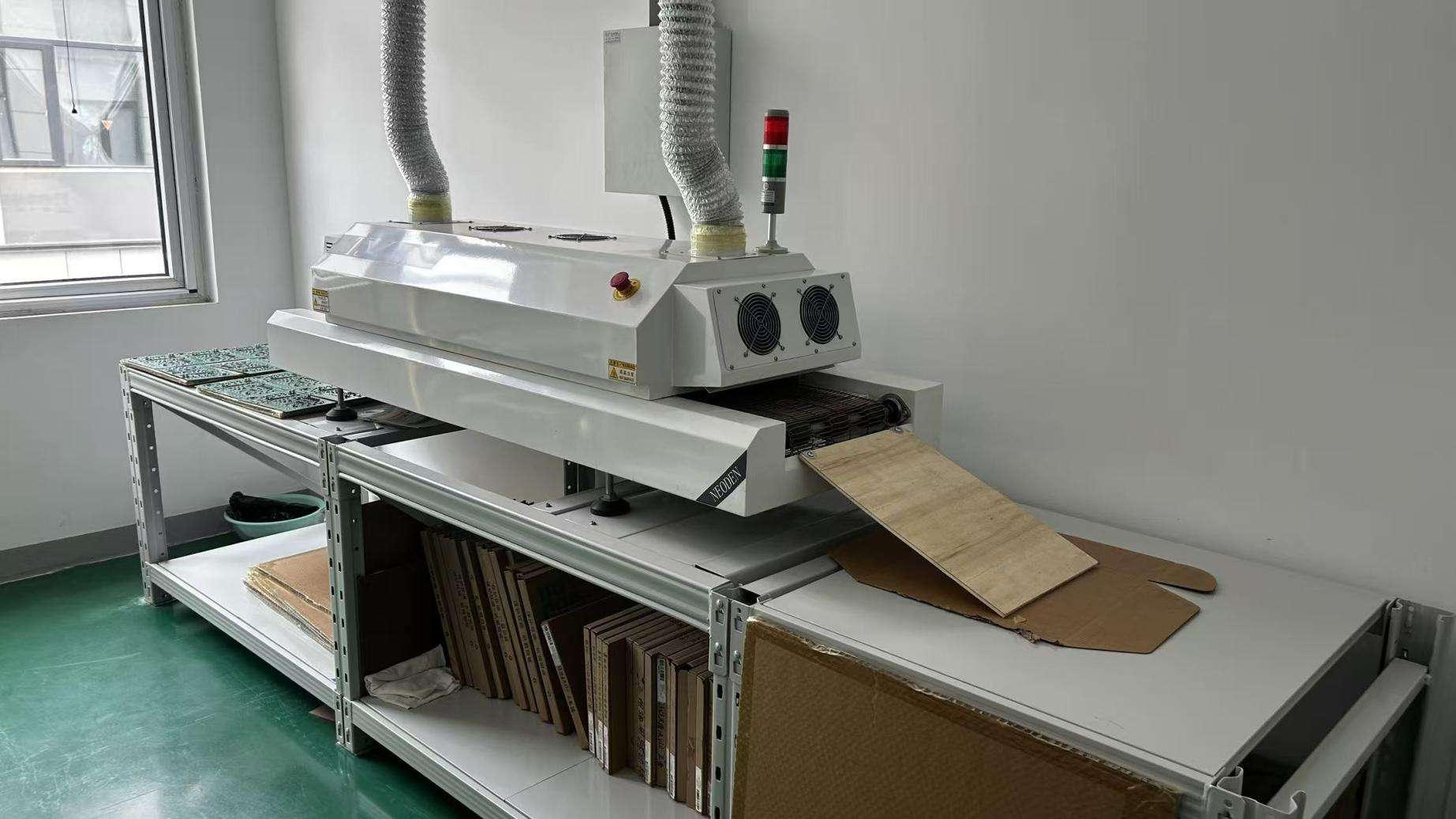
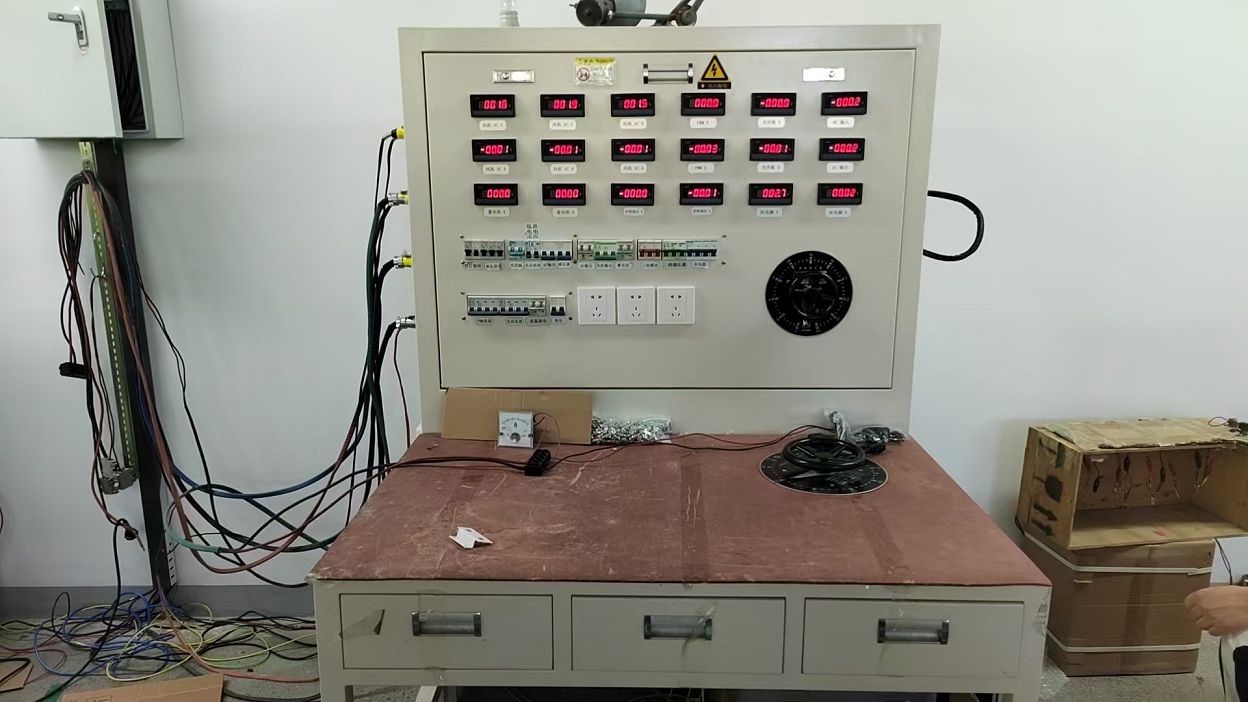
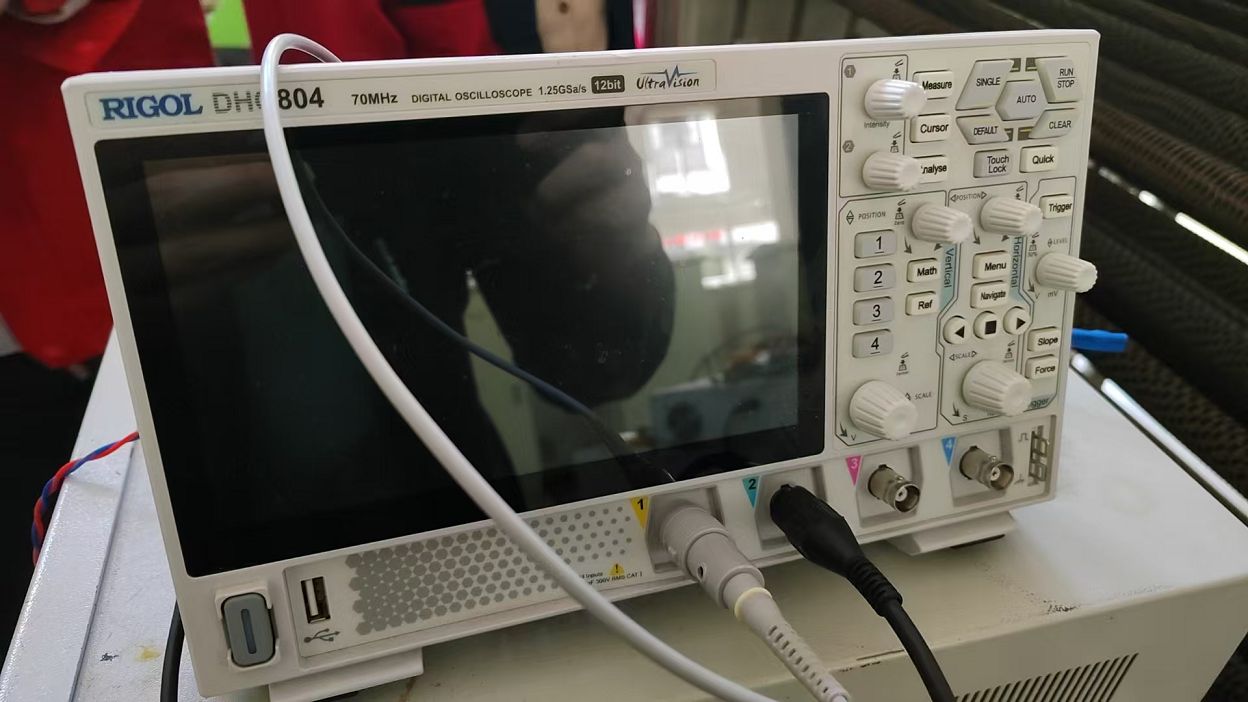
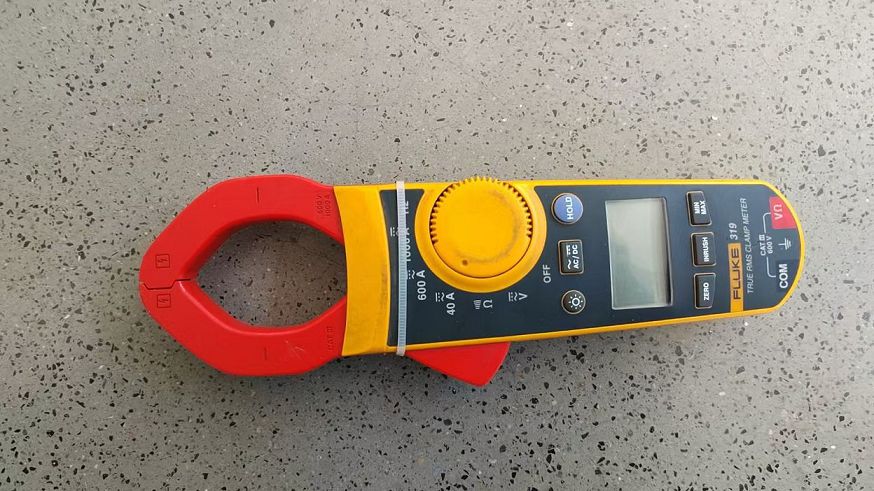
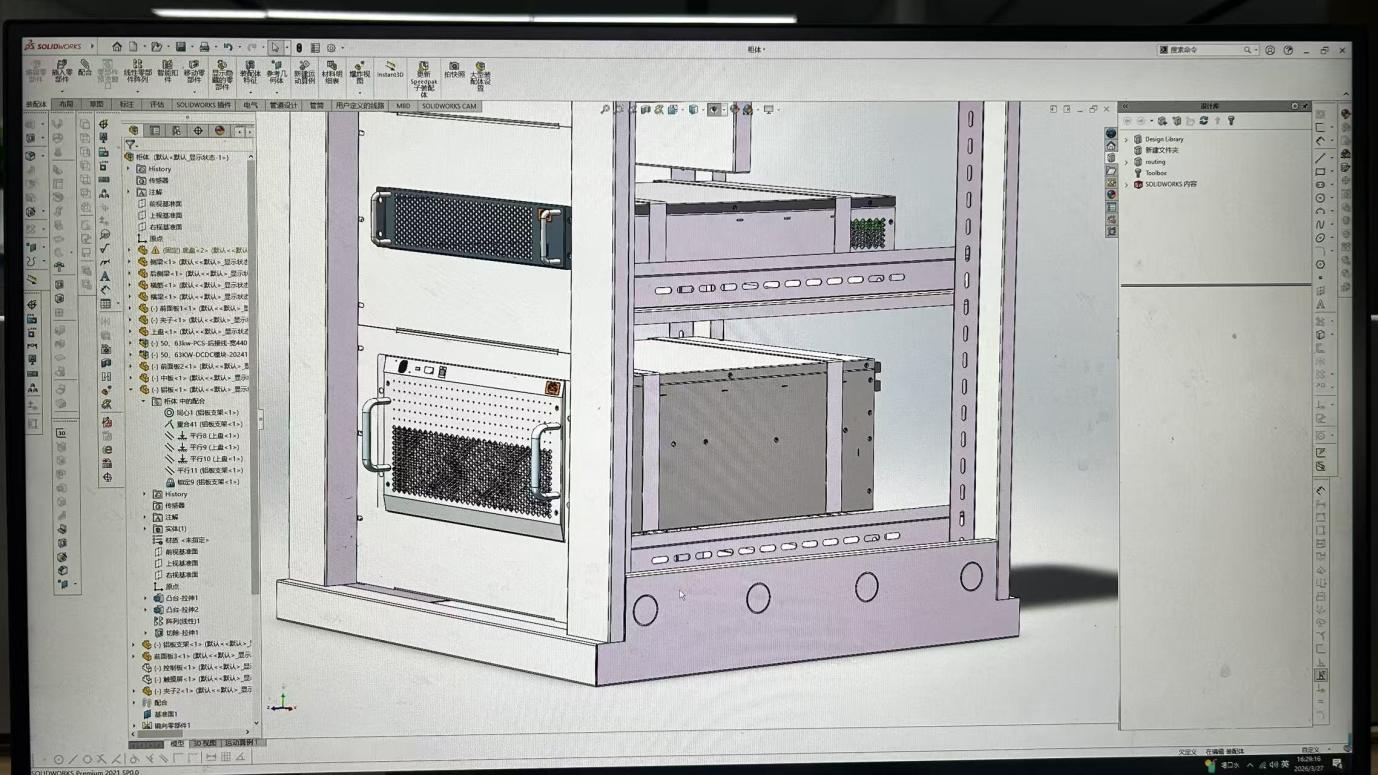
Explore our high-efficiency 300kW grid-tie and off-grid bi-directional power systems designed for heavy industrial use and utility-scale energy storage arrays.
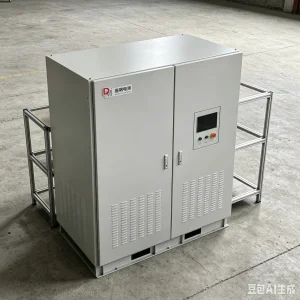
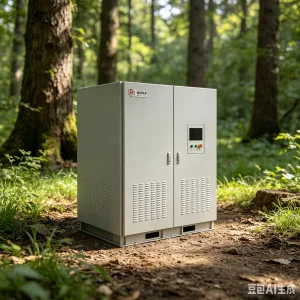
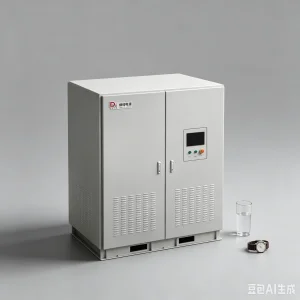
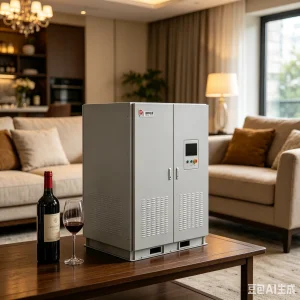
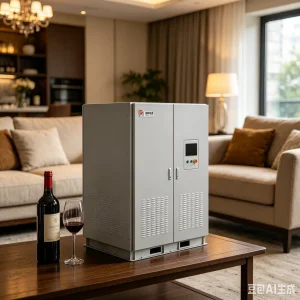
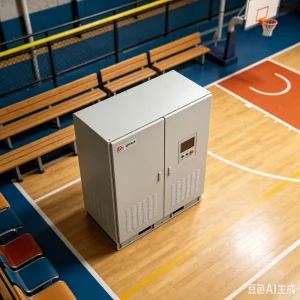
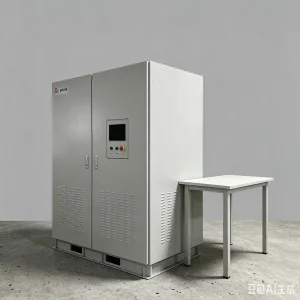
How our bidirectional power conversion technology interfaces with solar plants, heavy industries, and rural microgrids across Brazil.
Manufacturing plants in São Paulo and Rio de Janeiro face high capacity charges on their electricity bills. By deploying our 300kW PCS paired with LFP batteries, factories can charge the batteries during cheaper off-peak hours and discharge during high-tariff periods. This significantly drops operational expenses (OPEX) and secures an average investment payback period of 3.5 to 5 years.
Farming regions in Mato Grosso, Bahia, and Goiás suffer from voltage sags and frequent momentary power outages that shut down irrigation pivots, cooling rooms, and processing machinery. Deming's grid-forming PCS systems act as voltage and frequency anchors, keeping systems operational even when the primary utility supply experiences major fluctuations.
As wind power in the Northeast and large-scale solar in Minas Gerais grow, developers integrate BESS to prevent solar clipping and wind energy wastage. Our bidirectional PCS performs rapid dynamic active power ramping, smoothing the output profiles of large-scale green fields before they inject energy into local distribution grids.
Emerging tech architectures that Jinan Deming is integrating into the next generation of bidirectional systems.
Traditional inverters are grid-following; they require an active grid voltage reference to operate. Modern installations in isolated rural zones demand Grid-Forming (also known as Virtual Synchronous Generator - VSG) technology. Our engineering department is rolling out advanced control structures that allow our PCS units to behave as voltage sources, establishing the grid frequency autonomously and dynamically responding to physical inertia fluctuations.
To exceed current conversion efficiency limits, our technical pipeline involves integrating Silicon Carbide (SiC) MOSFETs into our switching bridges. SiC semiconductors support much higher switching frequencies with minimized thermal losses. This reduces the footprint of the filter components, increases the total PCS operating efficiency to over 99%, and allows for compact cabinet designs suitable for containerized outdoor systems.
While Lithium Iron Phosphate (LiFePO4) is the current industry benchmark, alternative chemistries like Sodium-Ion (Na-Ion) and Flow Batteries are emerging. Deming's PCS design features custom charging/discharging algorithms that can be programmatically adjusted to match the distinct voltage limits, thermal profiles, and charging requirements of various battery types, safeguarding the battery pack life cycle.
Detailed answers to the most common engineering and integration questions about Deming’s 300kW PCS converters in the Brazilian market.
Looking to deploy utility-scale or industrial BESS in Brazil? Get in touch with our R&D specialists to review single-line drawings, customize electrical parameters, and obtain formal pricing quotes.
Send Inquiry Now Demin Power