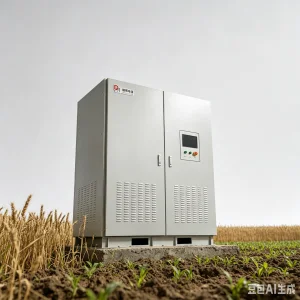
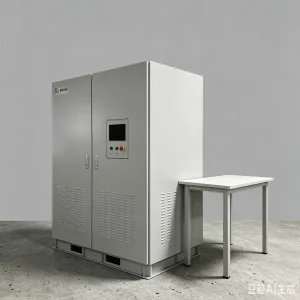
Engineered to support grid integration, high-altitude operational parameters, and dynamic frequency modulation.
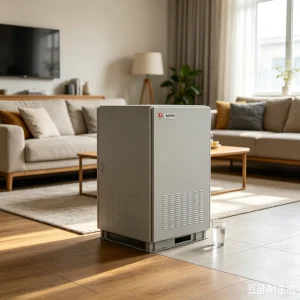
Lesotho, geographically situated at high altitudes with mountainous topography, presents unique challenges and opportunities for energy distribution. The country relies heavily on a mix of local hydropower—principally generated via the Muela Hydropower Plant—and electricity imports from the Southern African Power Pool (SAPP), specifically South Africa's Eskom and Mozambique's EDM. As regional power grids face persistent capacity stresses and load-shedding occurrences, Lesotho's industrial zones (such as Maseru and Maputsoe) and remote mining operations require localized grid resilience.
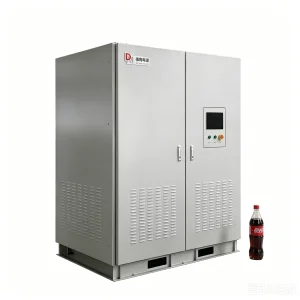
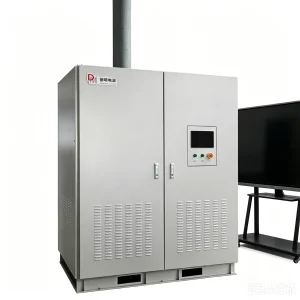
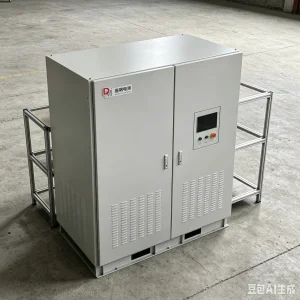
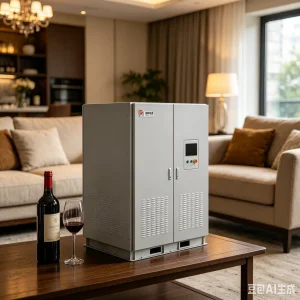
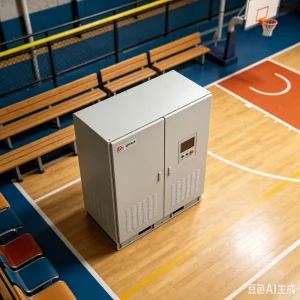
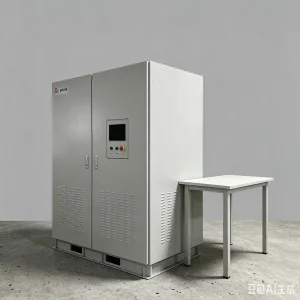
Implementing high-performance Power Conversion Systems (PCS) is critical for safeguarding Lesotho's commercial and industrial interests. Because Lesotho's elevation averages over 1,400 meters above sea level, electrical insulation performance, heat dissipation efficiency, and air cooling capacities degrade due to decreased atmospheric pressure. Standard commercial inverters will overheat or experience voltage breakdown if not properly derated. Deming's industrial-grade PCS systems are specifically built with enhanced clearance, creepage distances, and intelligent thermal management to guarantee trouble-free continuous operation up to 3,000 meters above sea level.
The global energy storage industry is shifting from traditional grid-following topologies to advanced grid-forming (GFM) control architectures. Modern PCS units act as voltage sources rather than simple current sources, establishing voltage and frequency stability in weak grids or isolated microgrid scenarios. This capability is paramount in remote industrial setups where diesel generators were traditionally the only option for black-start procedures.
Key global development trends include:
Why Jinan Deming Power Equipment represents the pinnacle of industrial energy reliability in Southern Africa.
Our bidirectional PCS systems fully comply with the stringent South African NRS 097-2-1 utility connection standards and international IEEE 1547 guidelines. This ensures seamless grid integration, rapid anti-islanding protection, and dynamic reactive power support during grid disturbances.
Optimized for Lesotho's unique geography. Our units feature wider electrical clearances, high-dielectric strength insulation materials, and heavy-duty thermal heat-sinks. Forced air convection systems are recalibrated to compensate for reduced air density at heights above 1,500m.
Engineered with dual-quadrant operation capabilities, allowing active control of real and reactive power flow. Supports seamless shifting from grid-connected modes (peak shaving, load shifting) to off-grid mode (backup power, microgrid stability) in less than 10 milliseconds.
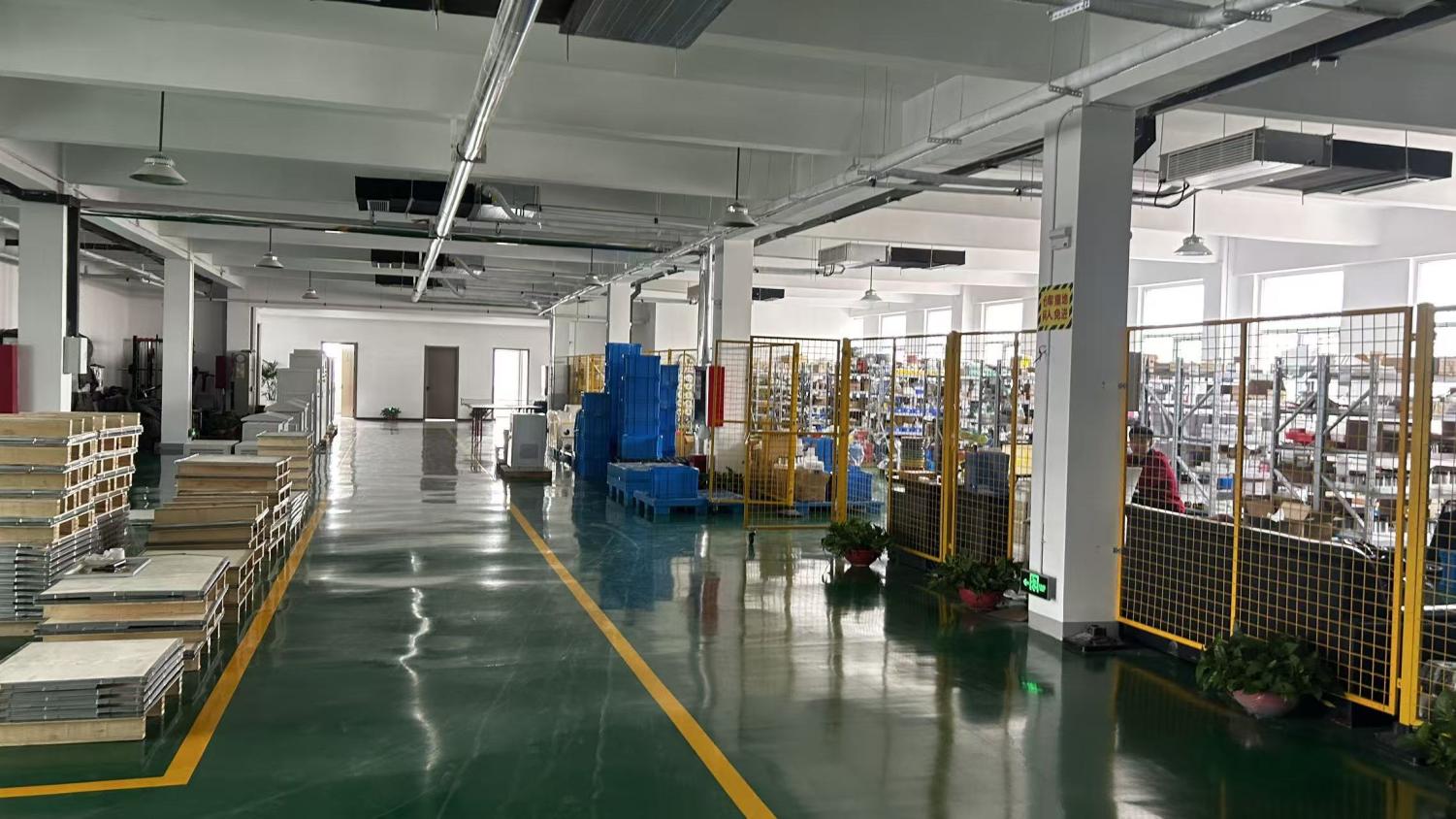
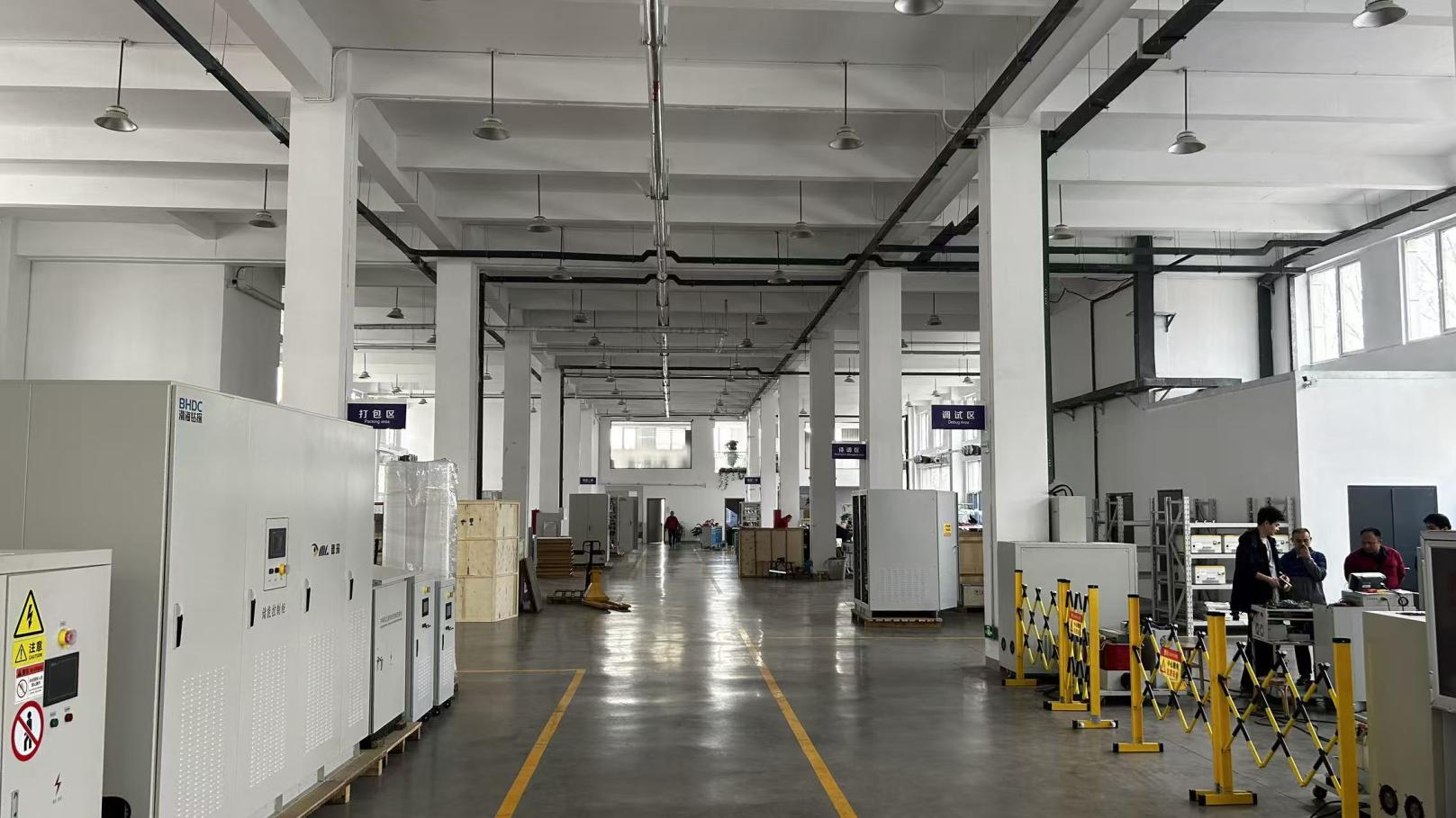
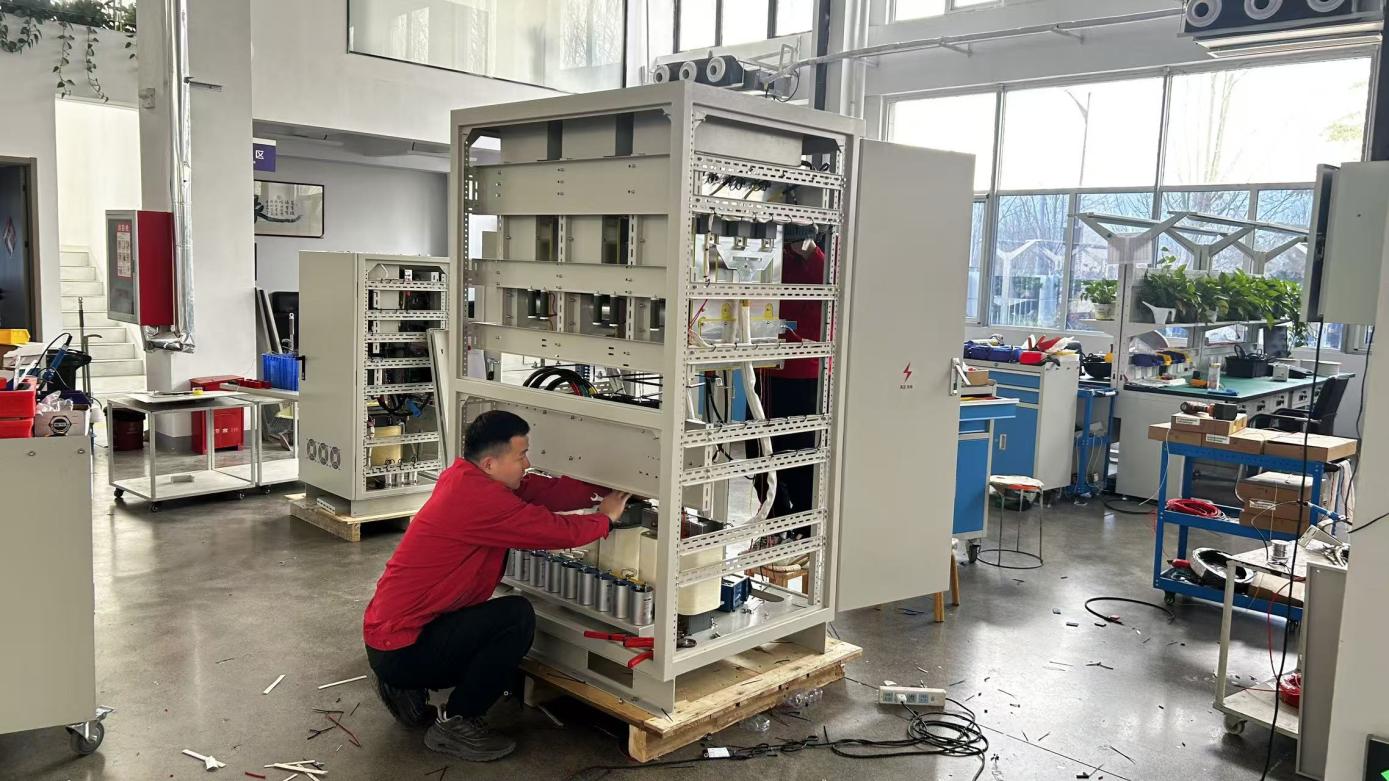
Established in 2004, Jinan Deming Power Equipment Co., Ltd. is a nationally recognized high-tech enterprise specializing in the research, development, and manufacture of advanced renewable energy power systems. Our facilities represent the cutting edge of power electronics production, incorporating strict digital workflow control and comprehensive automated testing protocols.
With ISO9001:2015 certification and multiple high-tech enterprise recognitions by the Chinese government (2015, 2018), Deming maintains a strong commitment to quality. Our dedicated R&D team comprises 16 senior engineers, including doctoral supervisors and master's degree holders, with at least 20% of annual revenue reinvested in technology development. Over the past three years alone, we completed 17 R&D projects, turning 16 scientific breakthroughs into market-ready commercial products deployed in over 120 countries.
Request Technical Factory Audit"Deming's products have been integrated into Fortune 500 energy grids. Our high-power bidirectional DC testing power supplies and battery simulators (ranging from 150kW to 500kW) deliver unparalleled grid testing precision for validation before shipping to high-altitude regions like Lesotho."
Addressing energy challenges and stabilizing critical infrastructure across the mountain kingdom.
Lesotho's famous diamond mines (such as Letšeng, located at 3,100 meters above sea level) require highly dependable off-grid power. Deming's 300kW PCS operates in tandem with large-scale diesel gensets and solar PV arrays, maintaining dynamic voltage support, managing load steps during heavy machinery startup, and reducing diesel consumption by up to 40%.
For textile and manufacturing facilities in the Maseru industrial zone, high peak-demand tariffs and grid instability threaten operational efficiency. Our 300kW bidirectional PCS enables peak shaving—discharging stored battery power during peak hours and recharging during low-rate night windows—shielding manufacturers from steep utility bills and sudden voltage sags.
Extending transmission lines to remote mountain villages is financially prohibitive. Community microgrids powered by mini-hydro or solar installations utilize Deming's utility-scale PCS to establish local mini-grids. Operating in grid-forming mode, our converter keeps local village grids stable, safe, and balanced without needing external grid references.
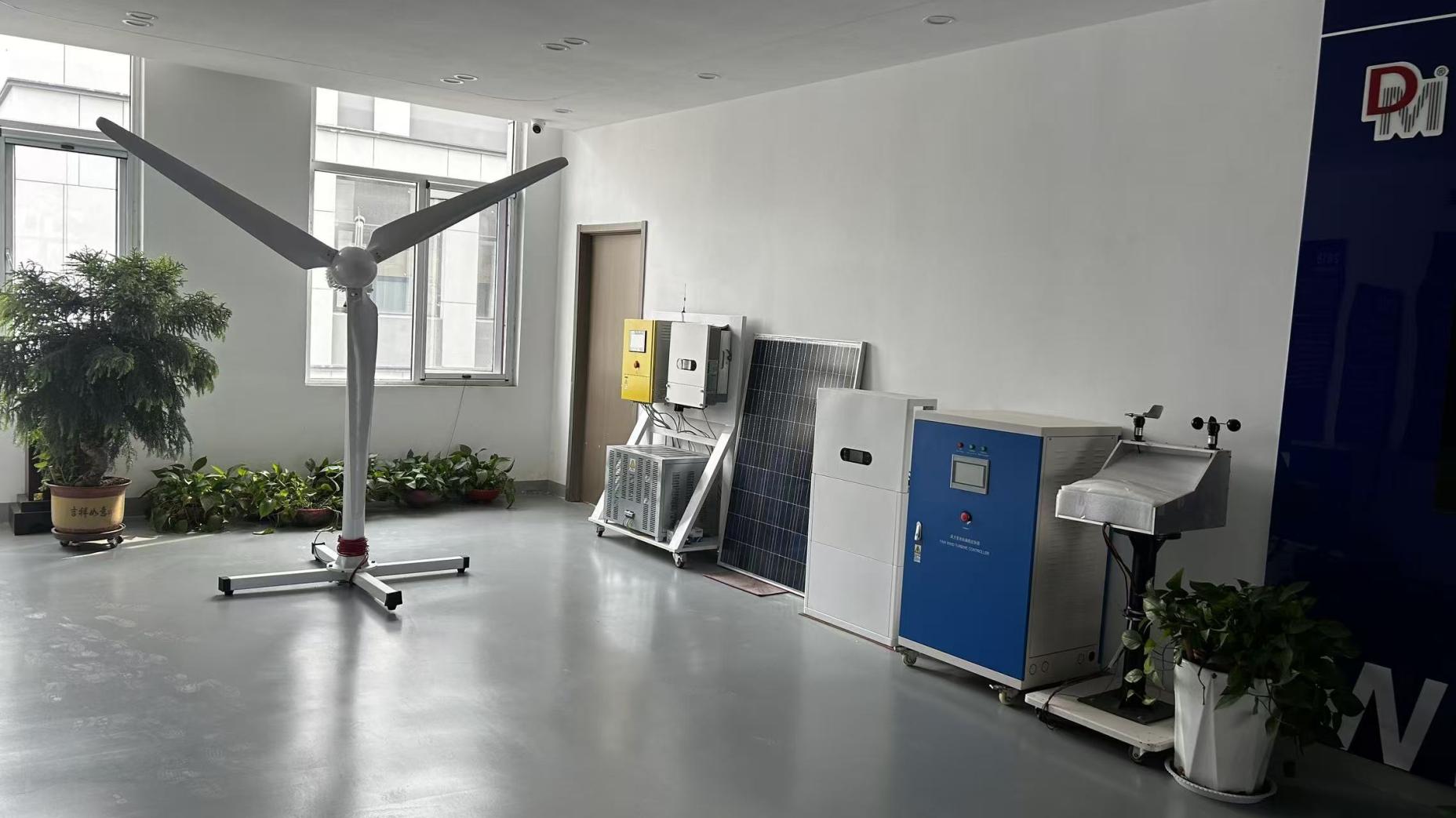
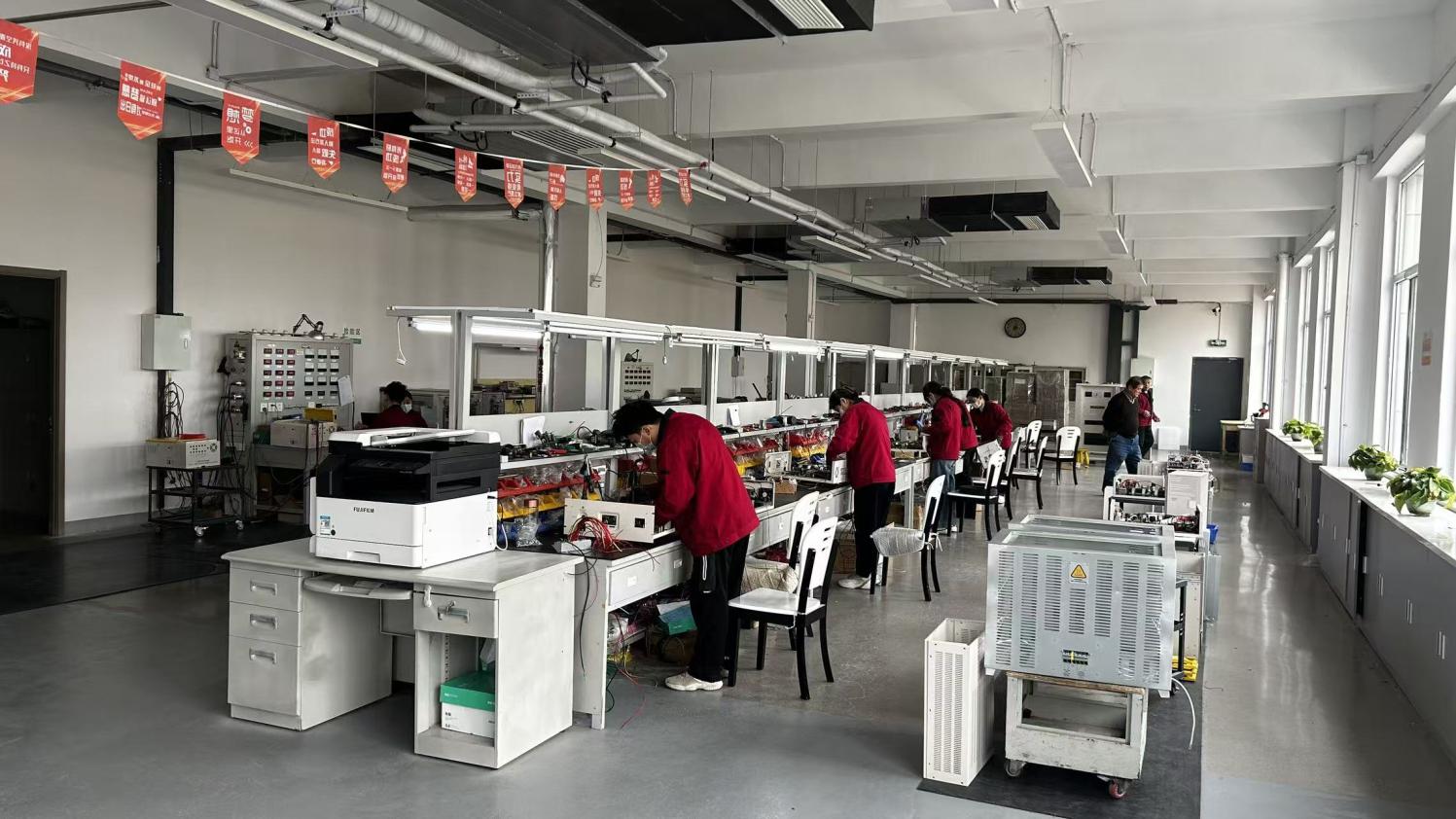
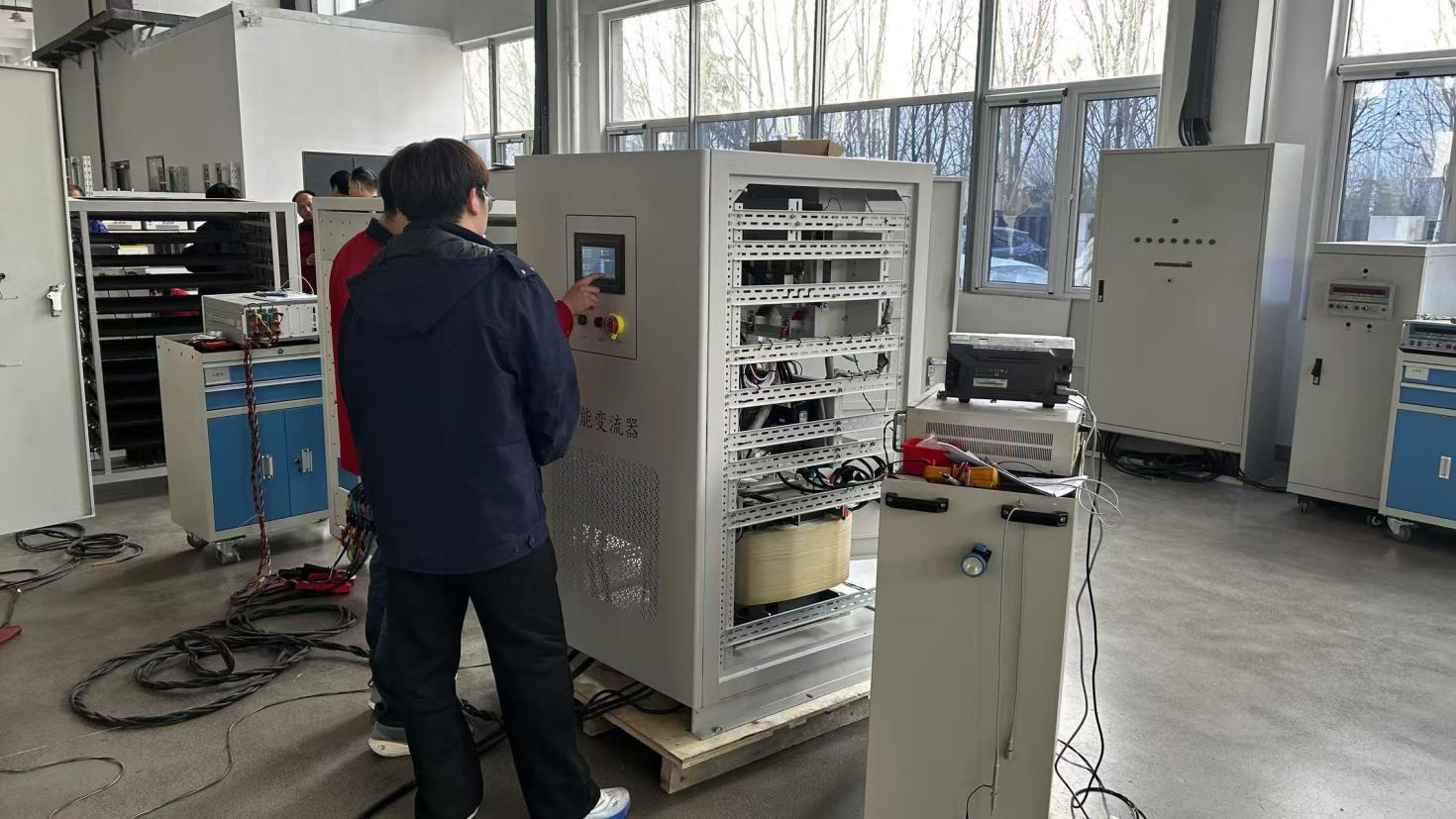
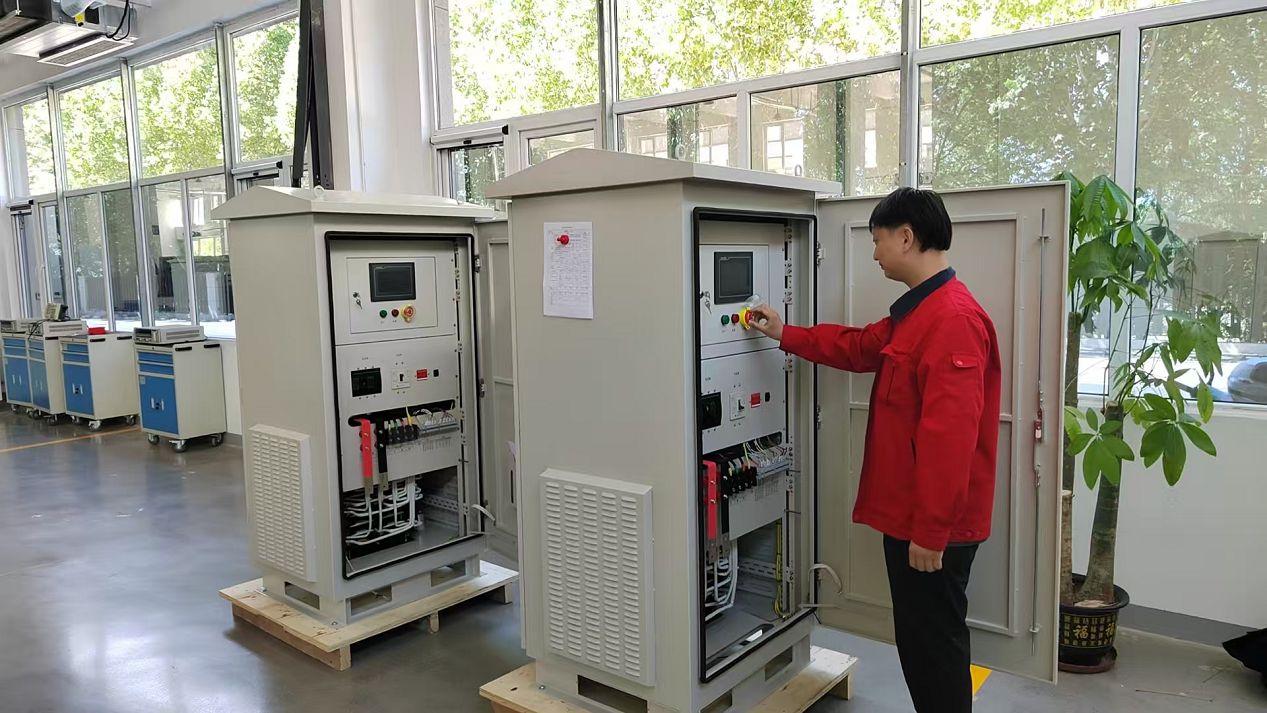
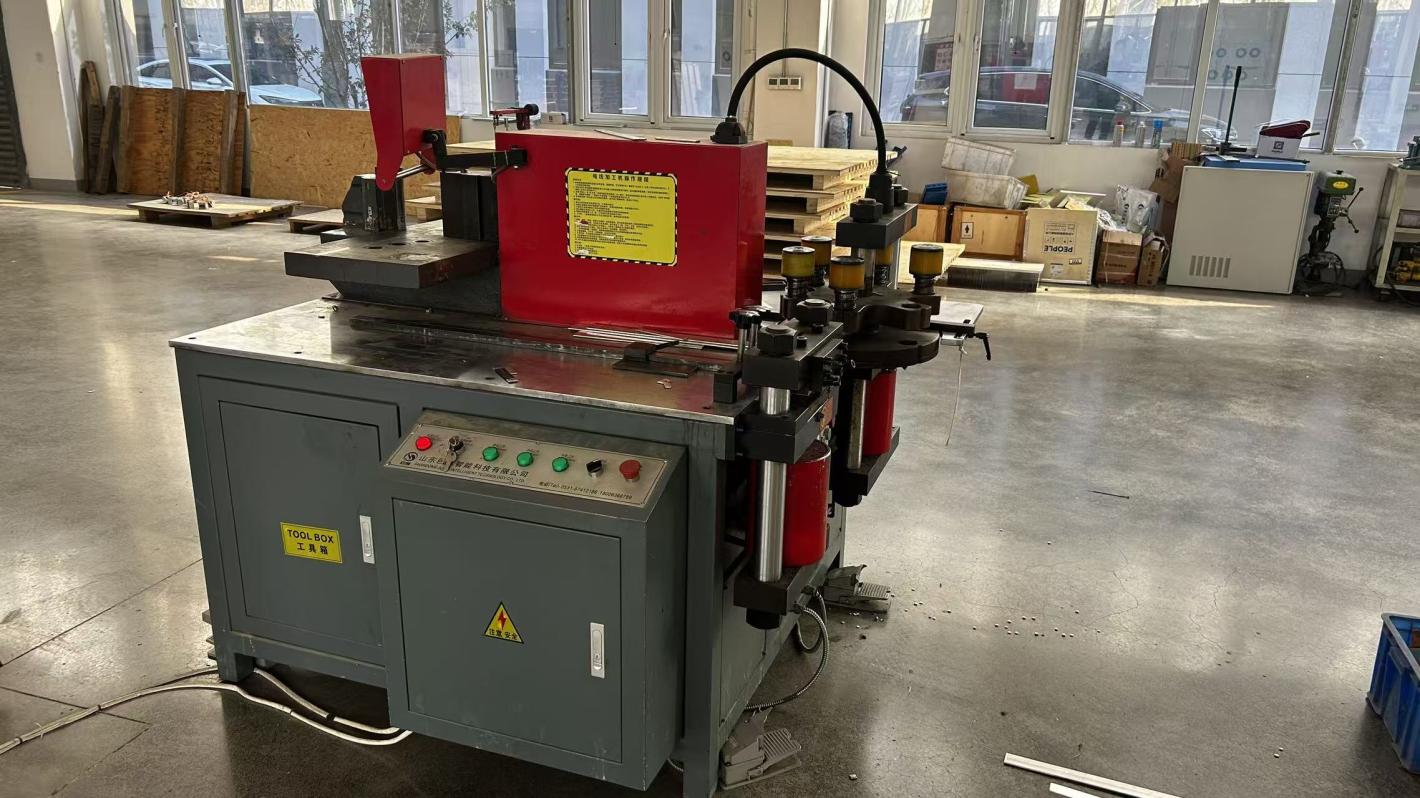
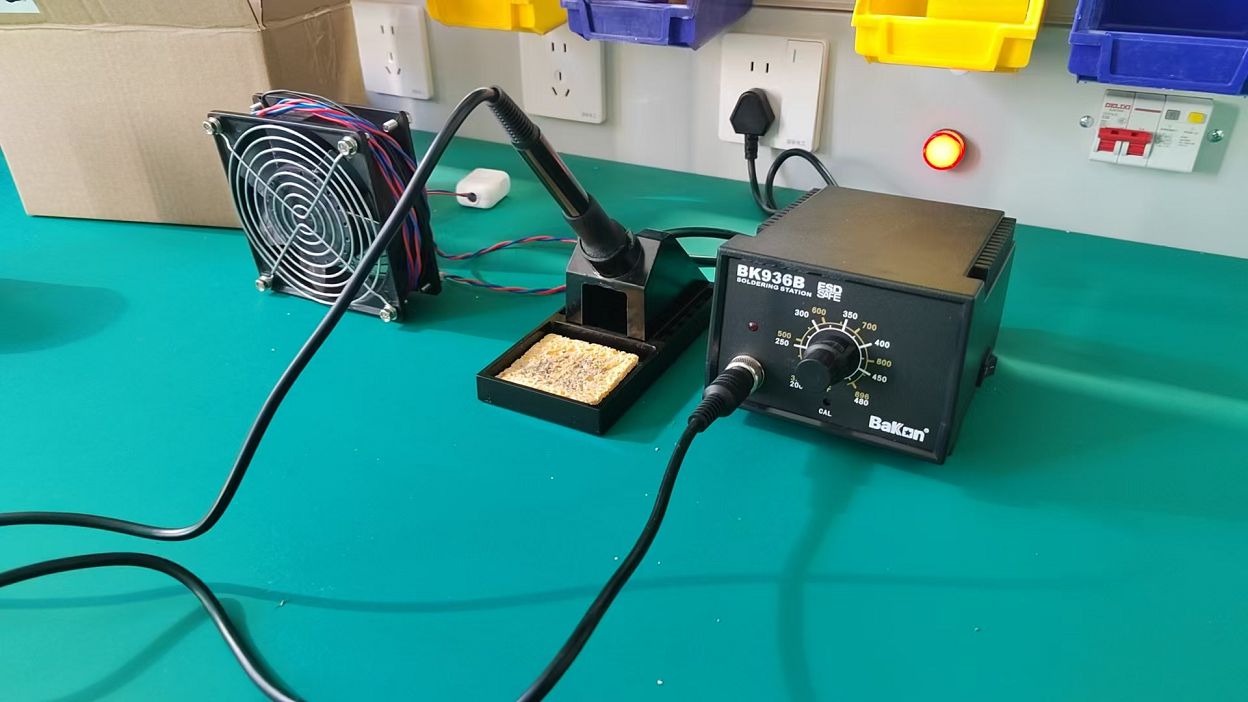
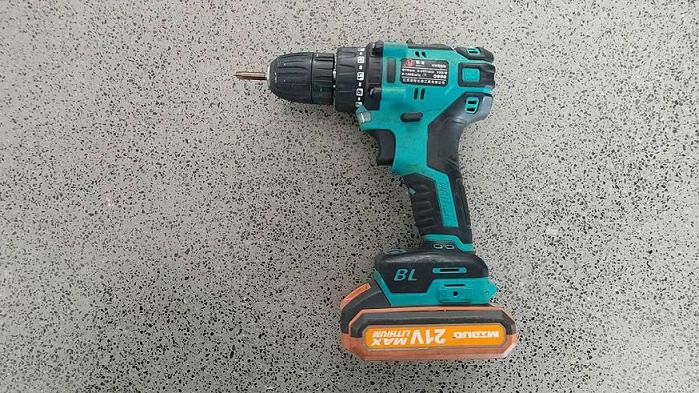
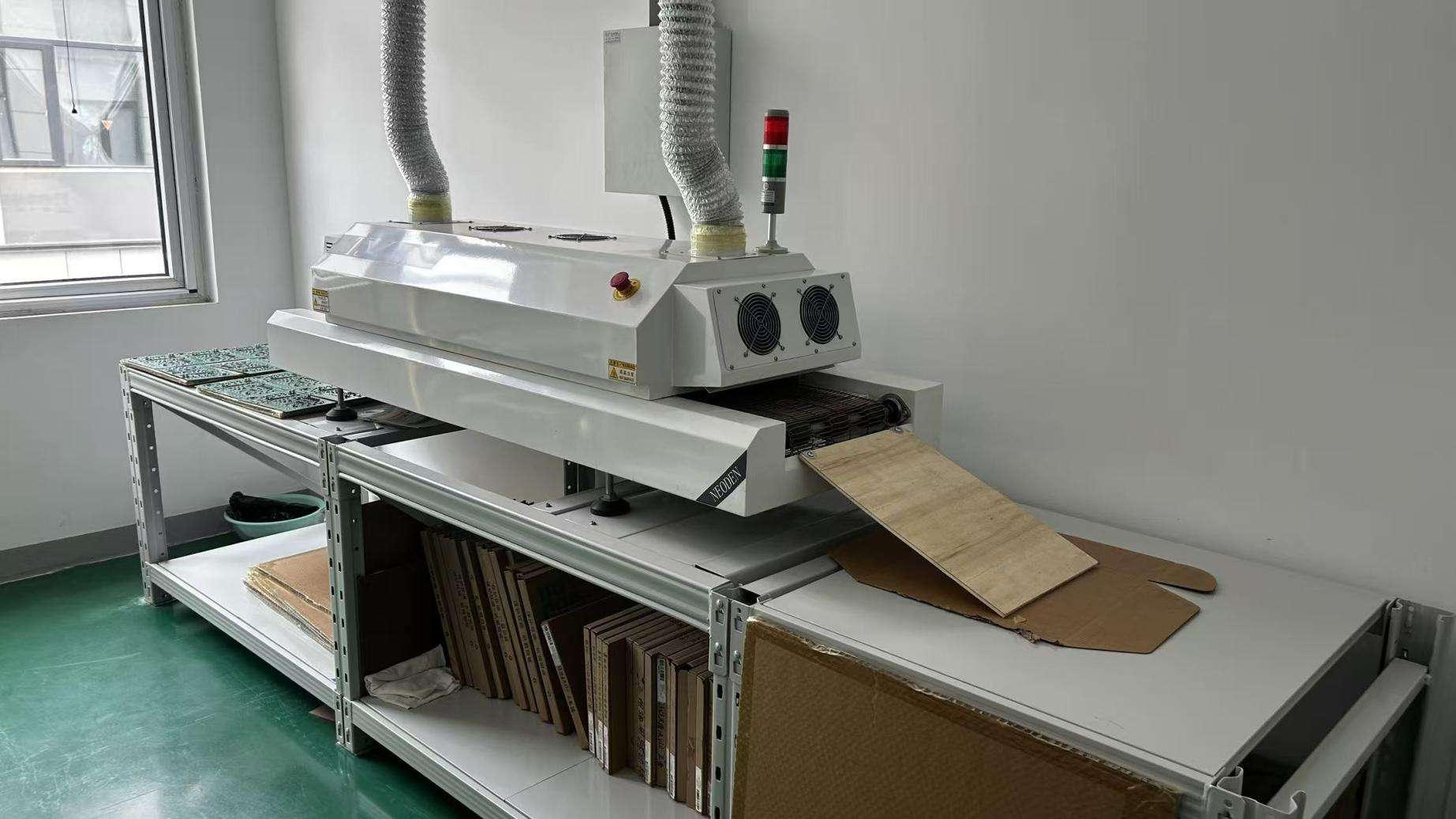
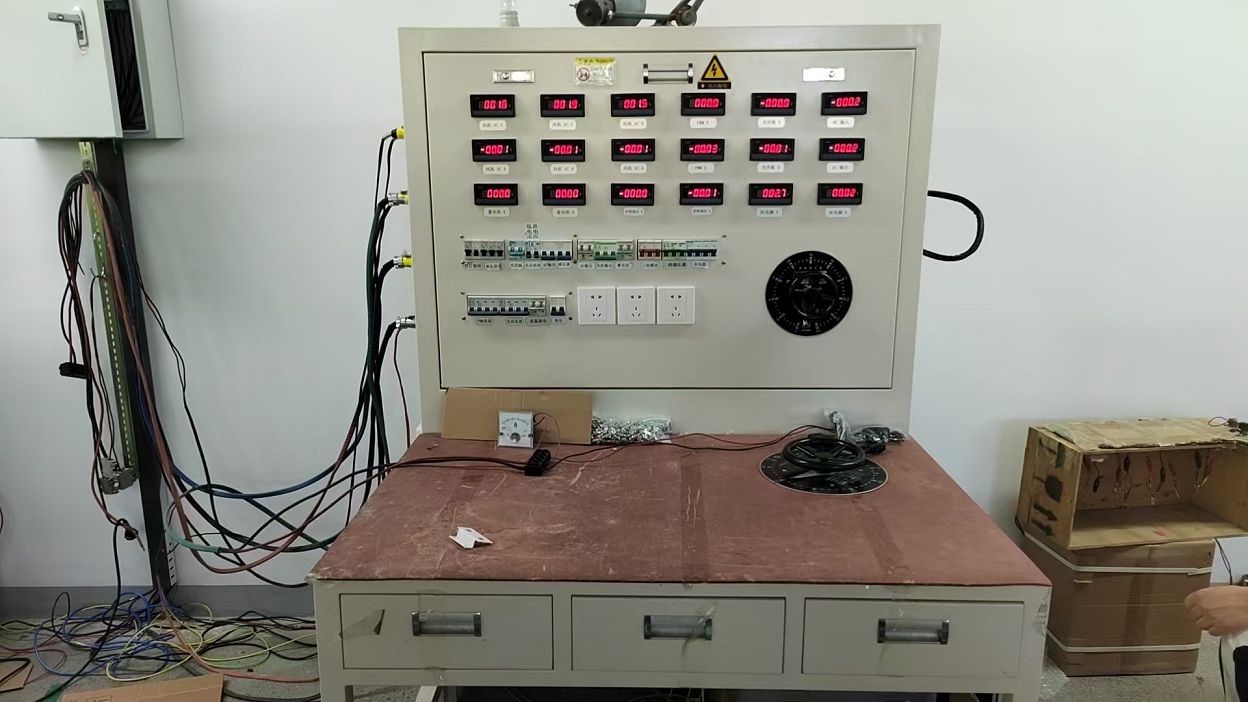
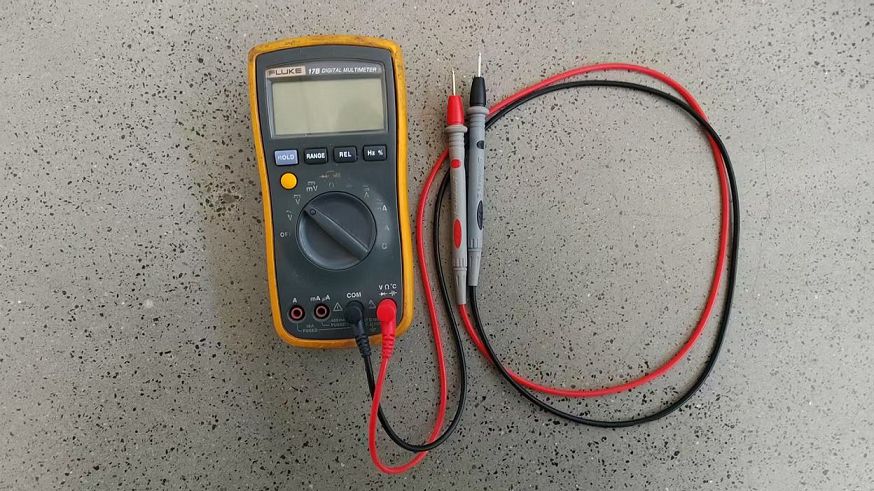
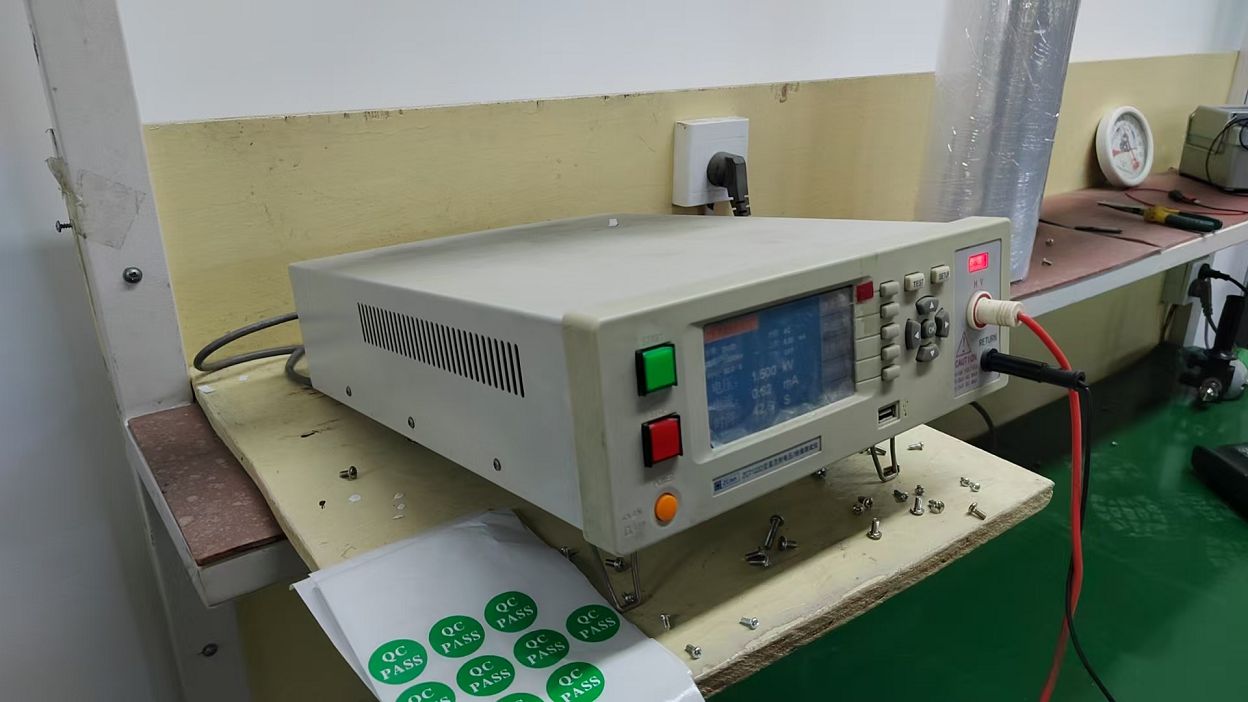
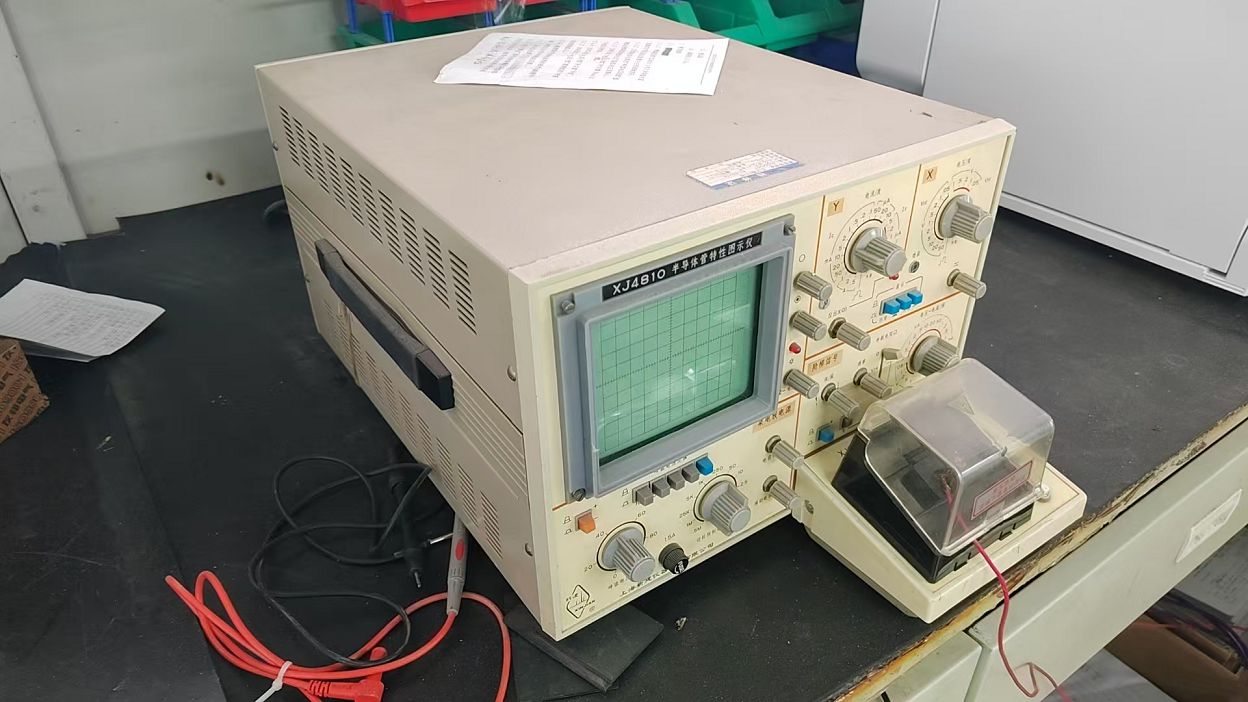
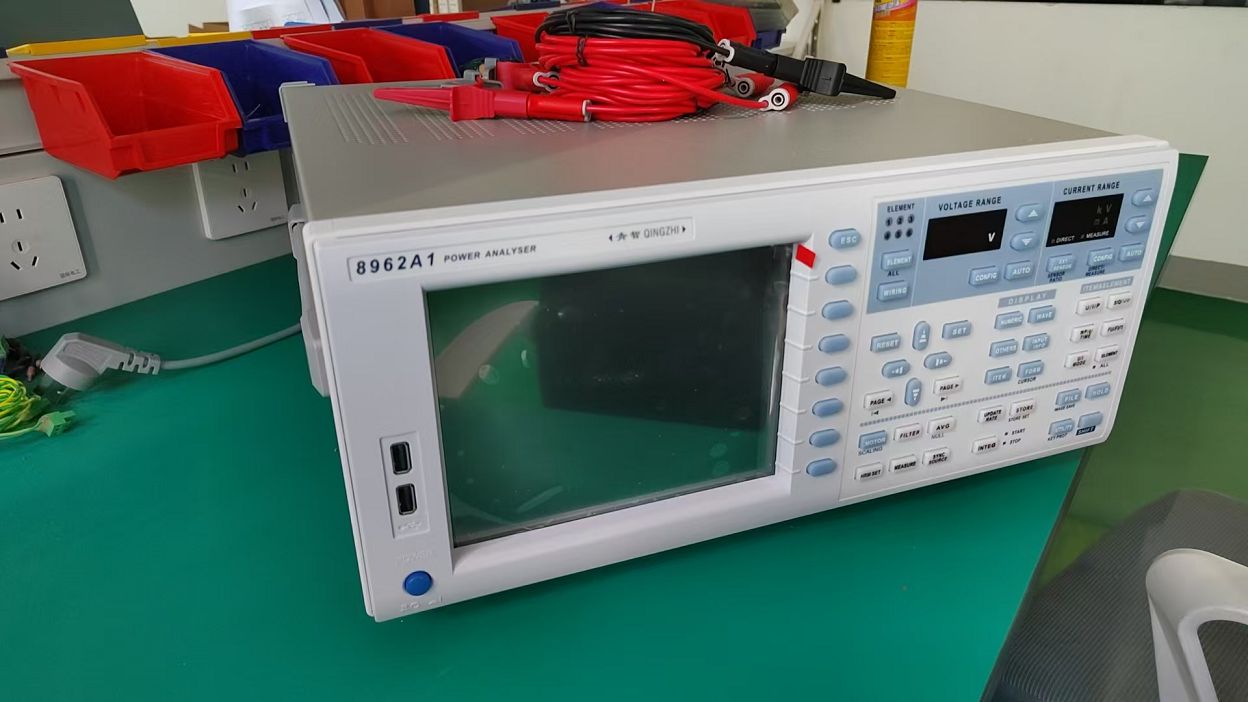
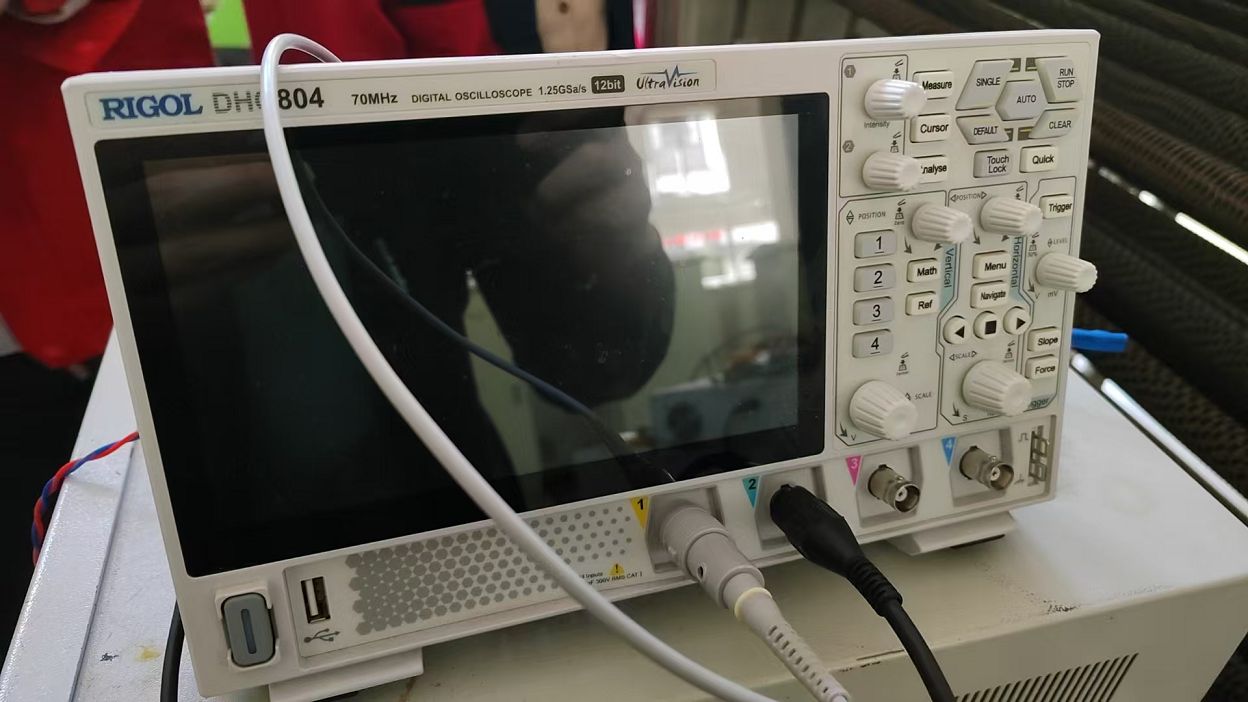
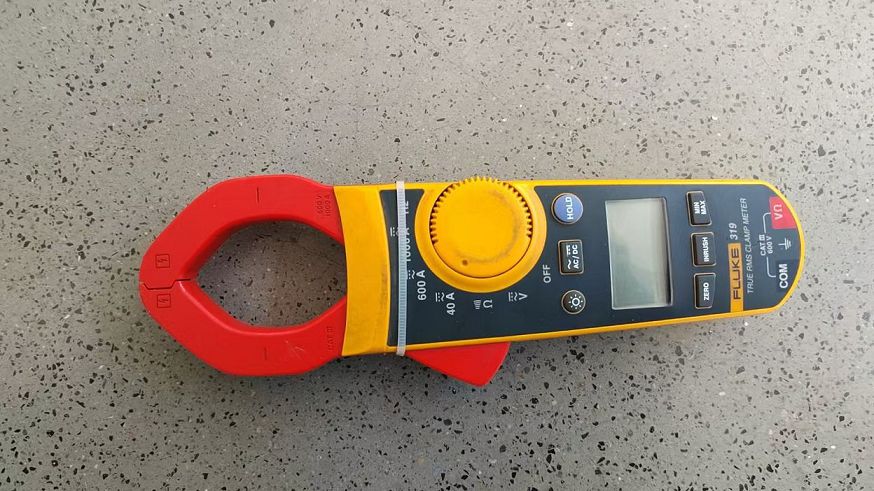
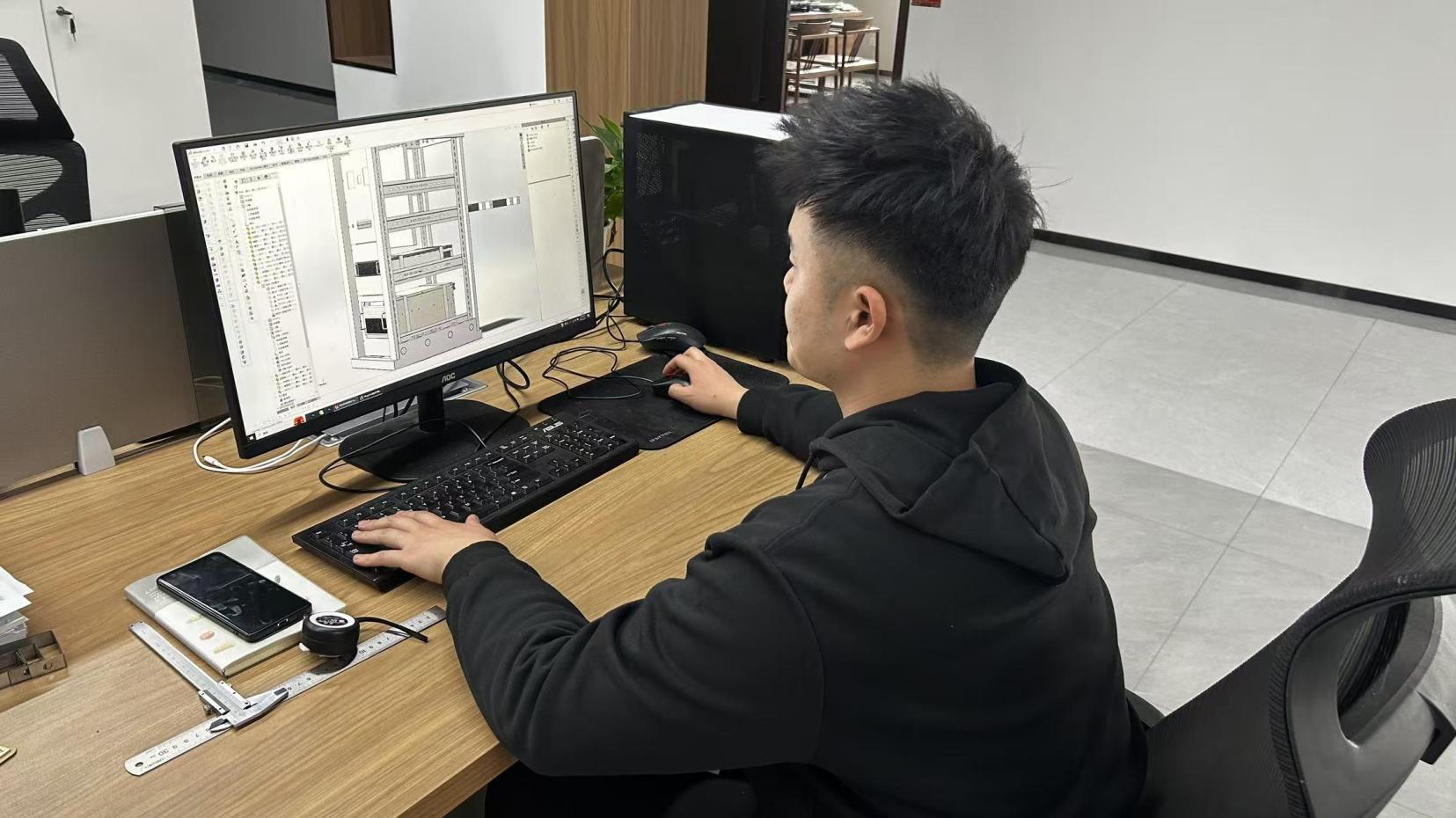
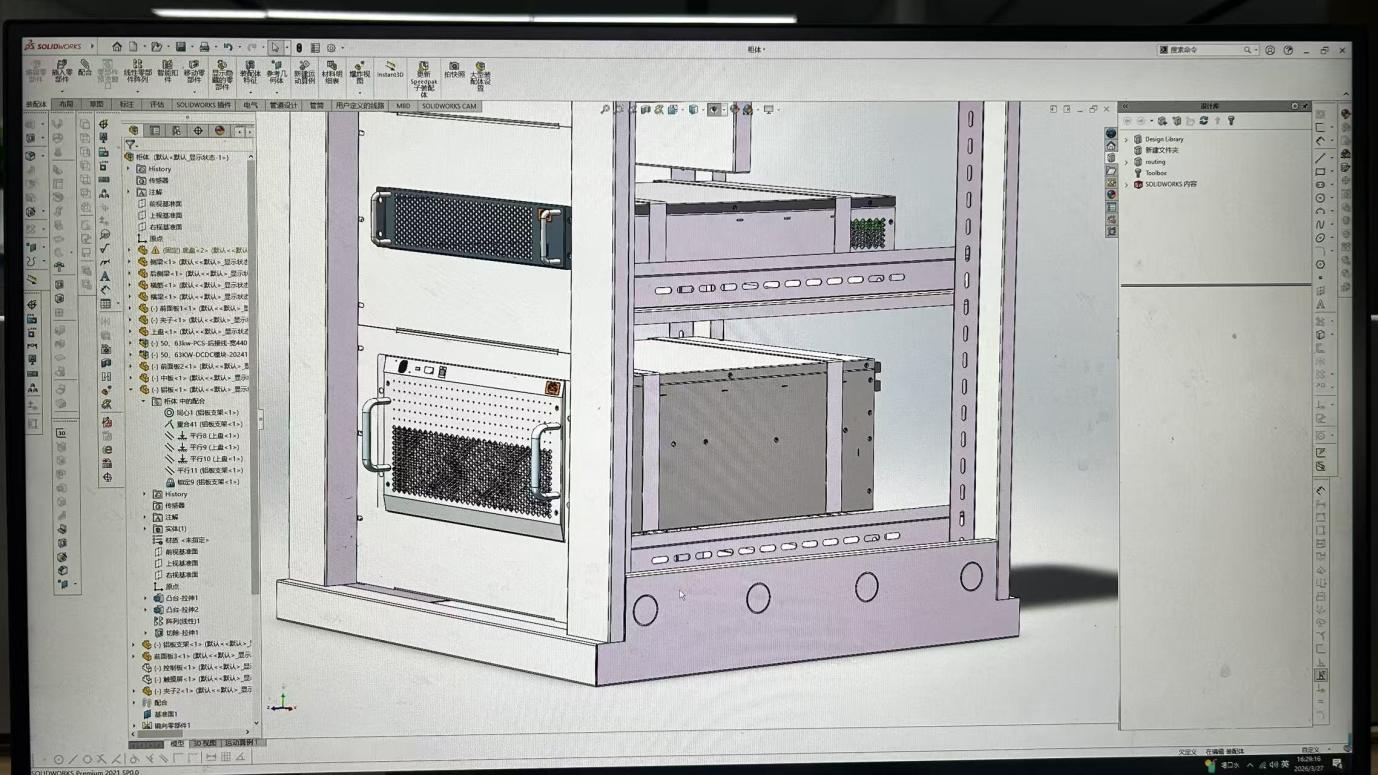
Jinan Deming's strict manufacturing control, advanced quality inspection, and R&D design operations.
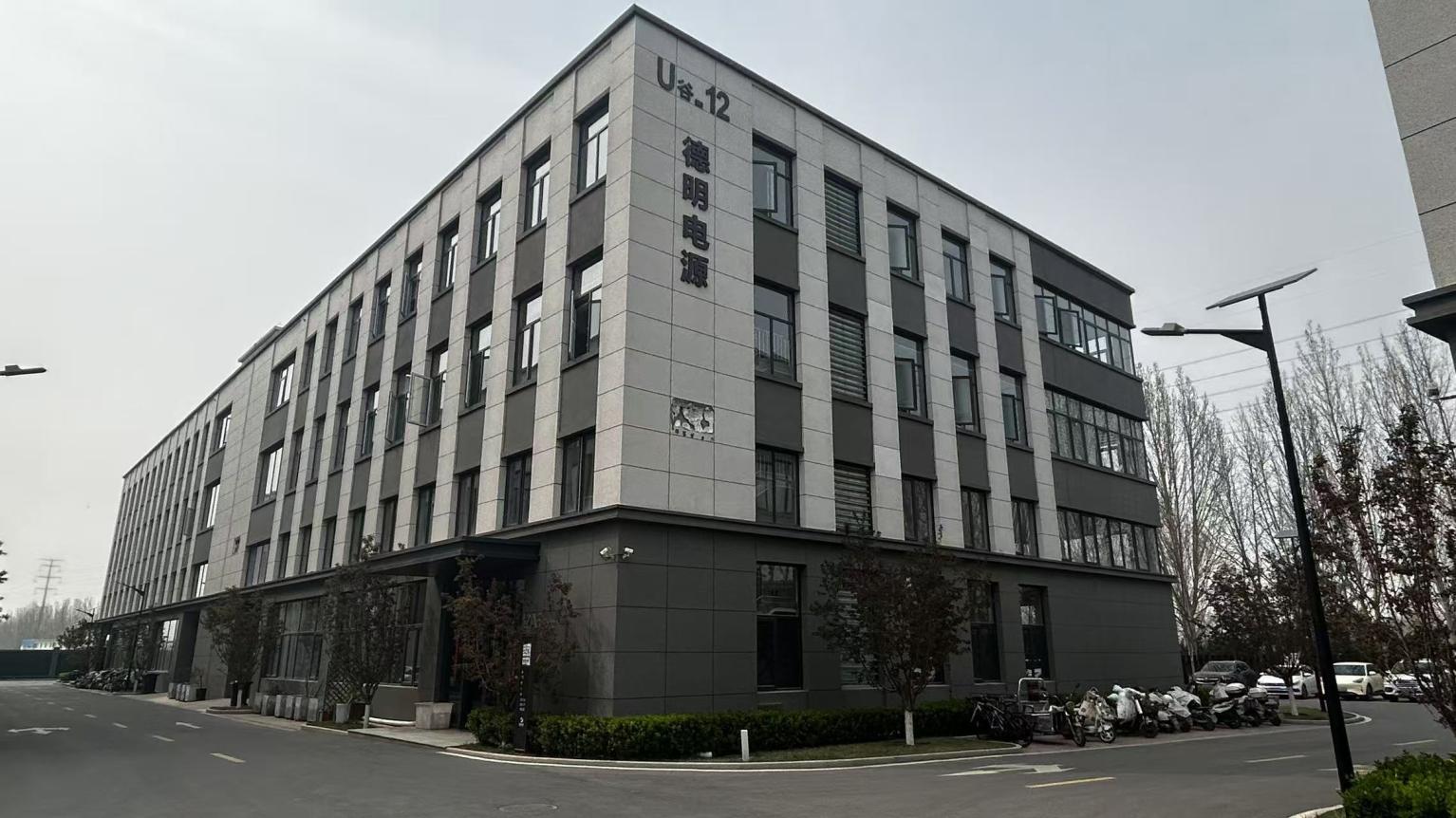
Advanced Production Bay
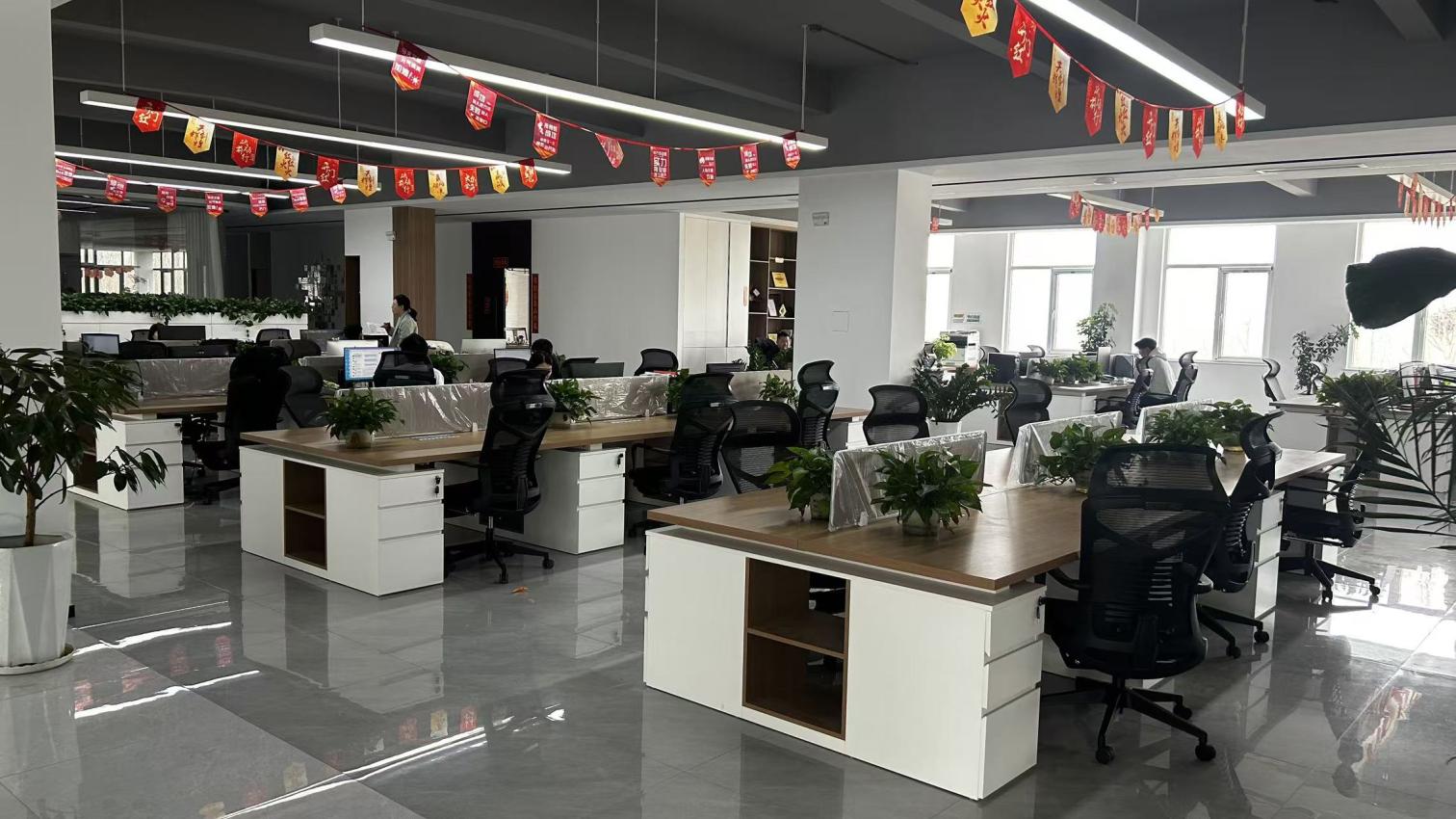
PCS Assembly Facility
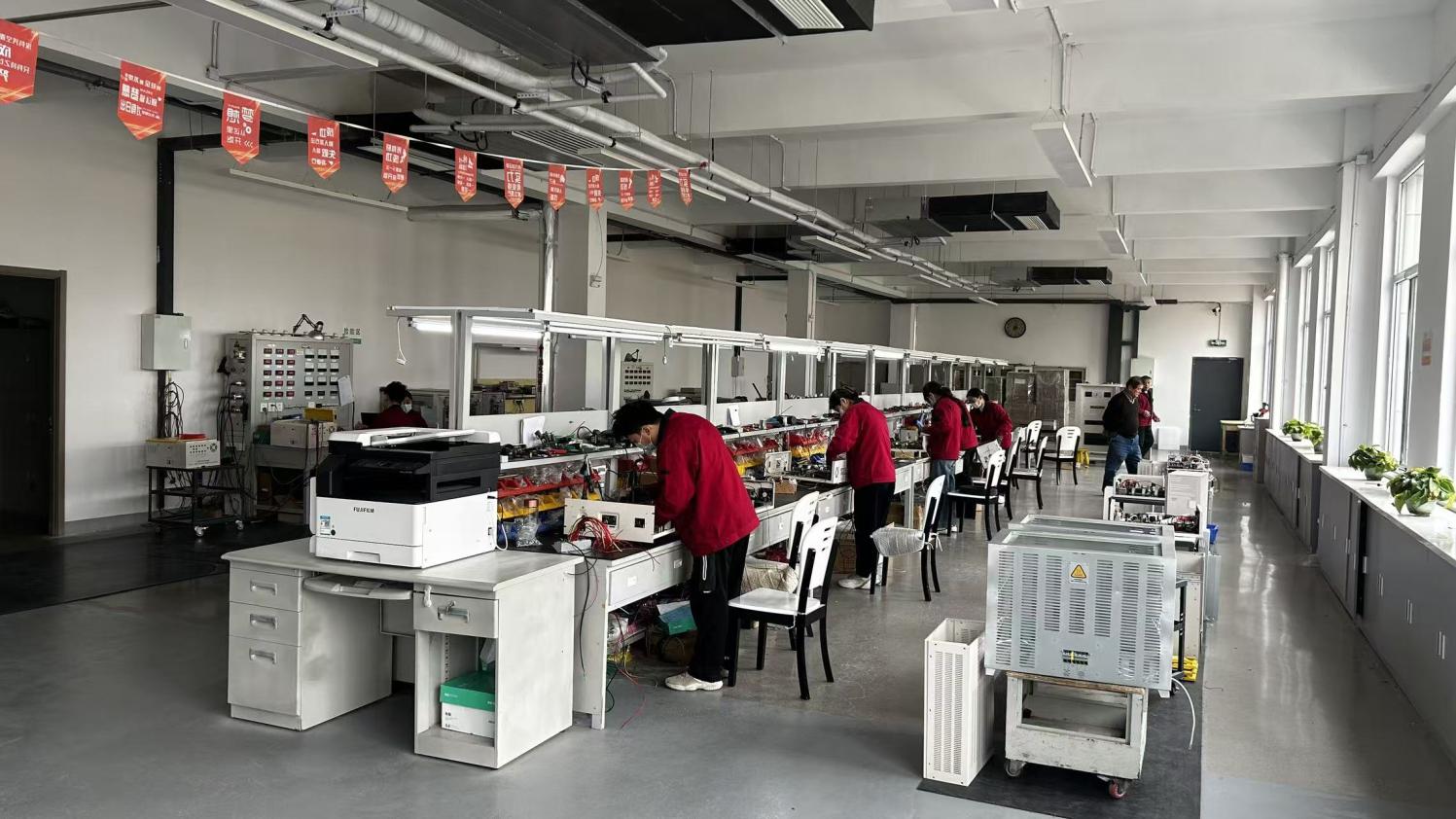
Quality Control Testing Lab
Control Panel Assembly
High-Power System Aging Chamber
Inverter Calibration & Verification
Critical engineering queries regarding PCS implementation in Southern Africa and high-altitude regions.
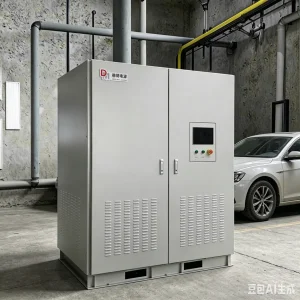
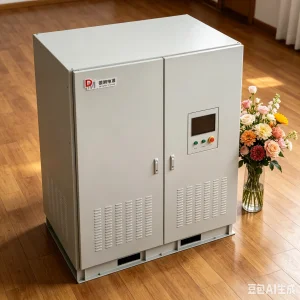
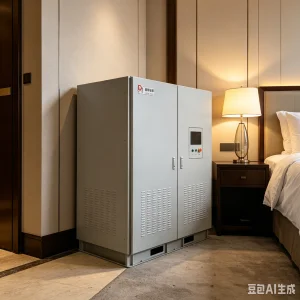
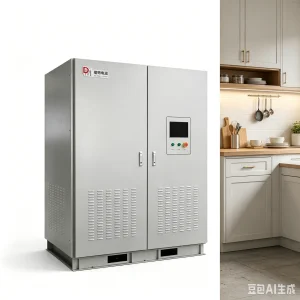
Explore our diverse specifications, including galvanic isolation, bidirectional microgrid integration, and containerized utility-scale configurations.
 Demin Power