Discover our range of highly reliable, high-protection controllers designed for small-to-medium wind turbines running on industrial, remote, and residential microgrids across San José, Alajuela, and Guanacaste.
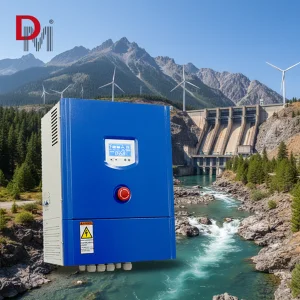
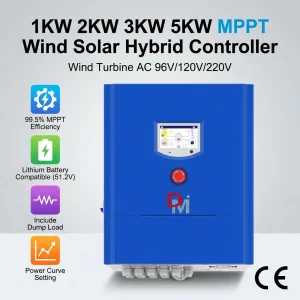
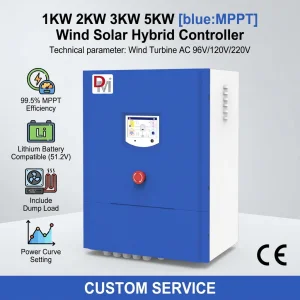
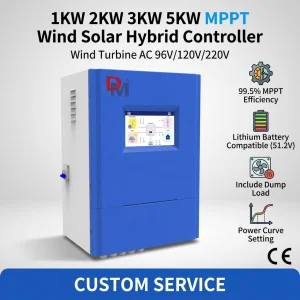
Costa Rica is a global model for sustainability, regularly producing over 98% of its electricity from clean sources like hydro, wind, and geothermal power. To support the country's ambitious National Decarbonization Plan 2018-2050, industrial plants, off-grid eco-lodges, agricultural centers, and telecom base stations are heavily deploying localized wind turbines and solar-wind hybrid microgrids.
Deploying energy equipment in Costa Rica comes with severe environmental challenges. Coastal zones (e.g., Guanacaste, Limón, Puntarenas) exhibit extreme atmospheric salinity, while rainforest microclimates subject electrical cabinets to relative humidity levels exceeding 95% on a daily basis. Elevated altitudes in parts of Cartago and San José introduce intense solar radiation alongside fluctuating ambient temperatures.
Without robust industrial design, standard wind turbine charger controllers quickly fall prey to oxide degradation, short-circuits, or thermal runaways. Reliable operations require state-of-the-art conformal-coated PCBs, high-performance thermal insulation, reliable three-phase ceramic dump loads, and lightning/surge protection modules capable of handling the frequent electrical storms typical of Costa Rica's green season.
In modern renewable systems, a wind turbine charger controller operates as the central neurological coordinator. Unlike solar panels that simply act as non-linear current sources, wind turbines are rotating kinetic generators that exhibit mechanical inertia, complex aerodynamic behaviors, and high voltage transients. Poor power tracking or inadequate braking response can result in mechanical stress, bearing destruction, and battery bank overloading.
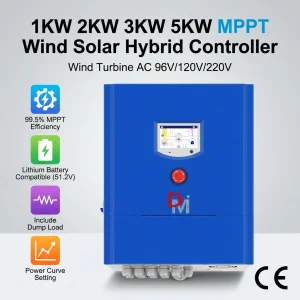
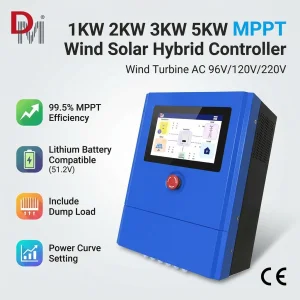
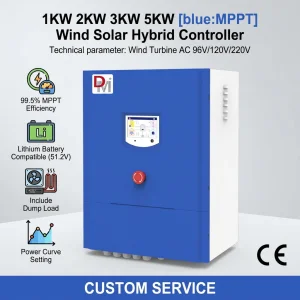
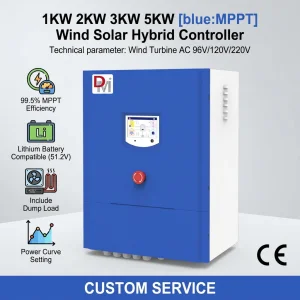
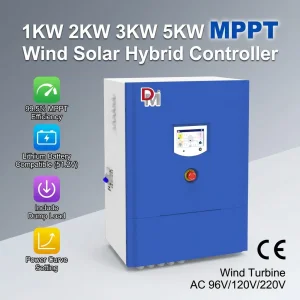
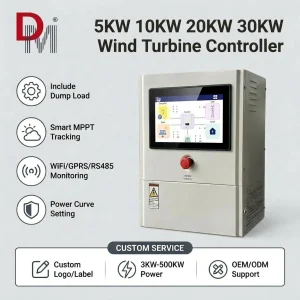
While PWM controllers are cost-effective, durable, and well-suited for stable wind conditions, they clamp the turbine's output voltage directly to the battery's current terminal potential. This significantly restricts energy yields in lower winds. Our high-efficiency MPPT algorithms track the turbine's dynamic power curve ($P \propto v^3$) in real-time, boosting voltage outputs in low-wind conditions to start battery charging much earlier. In regions with gusty wind distributions like the Central Valley mountains, MPPT technology recovers up to 25%-30% more energy annually than legacy PWM solutions.
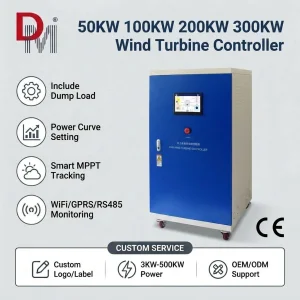
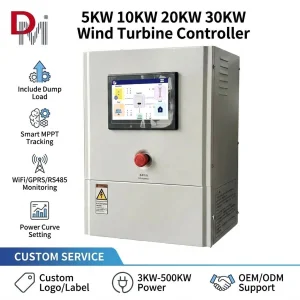
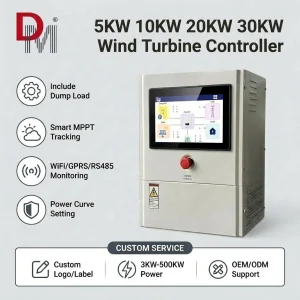
A critical weak point of small-scale wind installations is over-voltage control during full-battery conditions. Deming's controller incorporates a high-power dump load resistor array managed via high-speed IGBT duty-cycle variation. In the event of a sudden utility blackout or battery disconnect, the controller immediately switches the energy to the dump load system within milliseconds. This maintains mechanical load on the turbine blades, preventing run-away overspeed events and preserving mechanical integrity.
| Controller Parameter | Off-Grid Series (1kW - 5kW) | Commercial Grid-Tie Series (10kW - 50kW) | Industrial Multi-Megawatt Ready (50kW - 200kW) |
|---|---|---|---|
| Battery Voltage Compatibility | 24VDC / 48VDC / 96VDC | 120VDC / 220VDC / 360VDC | Custom DC Bus High-Voltage Integration |
| Control Algorithm | Hybrid MPPT / Step-less PWM | Multi-point MPPT / Fast IGBT Brake | PLC-controlled Dual-MCU Brake Vectoring |
| Braking Functions | Manual + Auto PWM Dump Load | Overspeed + Overvoltage + Overcurrent Auto-Brake | Triple Redundancy Fail-Safe + Mech/Elec Dual Braking |
| Communication Protocol | RS485 / GPRS (Optional) | Modbus RTU / CAN Bus / Ethernet | Fiber Optic Modbus / TCP-IP / Web portal monitoring |
| Operating Temperature | -25°C to +55°C (non-condensing) | -30°C to +60°C (with smart cooling) | -40°C to +65°C (military grade specs) |
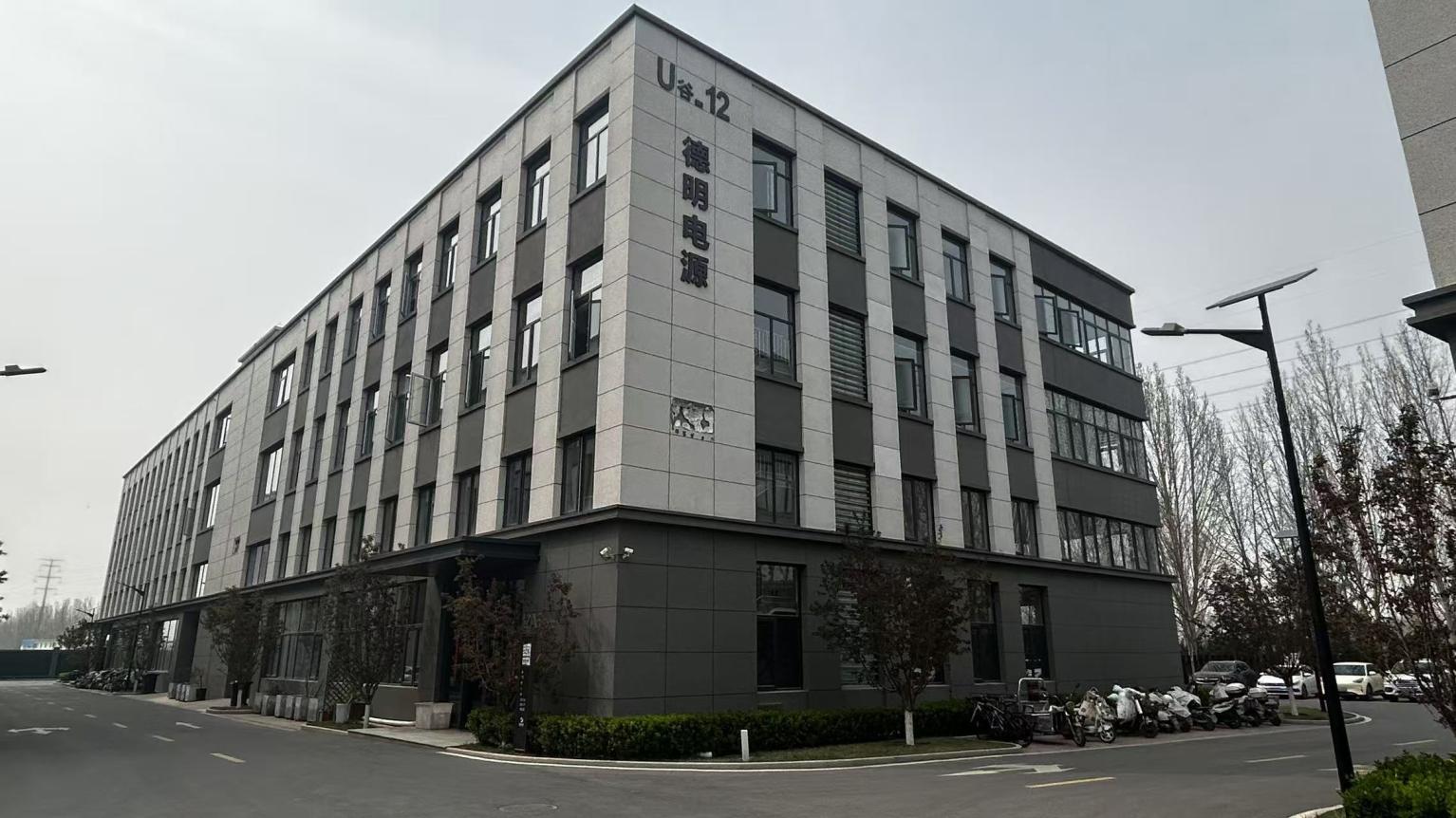
Jinan Deming Power Equipment Co., Ltd. is a nationally recognized high-tech enterprise established in 2004, specializing in the research, development, production, and service of renewable energy power equipment and advanced power testing solutions. The company holds ISO9001:2015 certification and has been recognized as a high-tech enterprise by the Chinese government multiple times (2015, 2018).
With a dedicated R&D team of 16 engineers including doctoral supervisors and master's degree holders, Deming invests no less than 20% of annual sales revenue into technology development. The company has completed 17 R&D projects in the last three years with 16 scientific and technological achievements transformed into commercial products.
Deming's products have been exported to 120+ countries including Germany, Japan, the United States, UK, Canada, Australia, and Brazil, and the company has established cooperative relationships with Fortune 500 enterprises. The company's main products include wind/solar controllers, inverters, frequency converters, and high-power bidirectional DC test power supplies and battery simulators ranging from 150kW to 500kW.
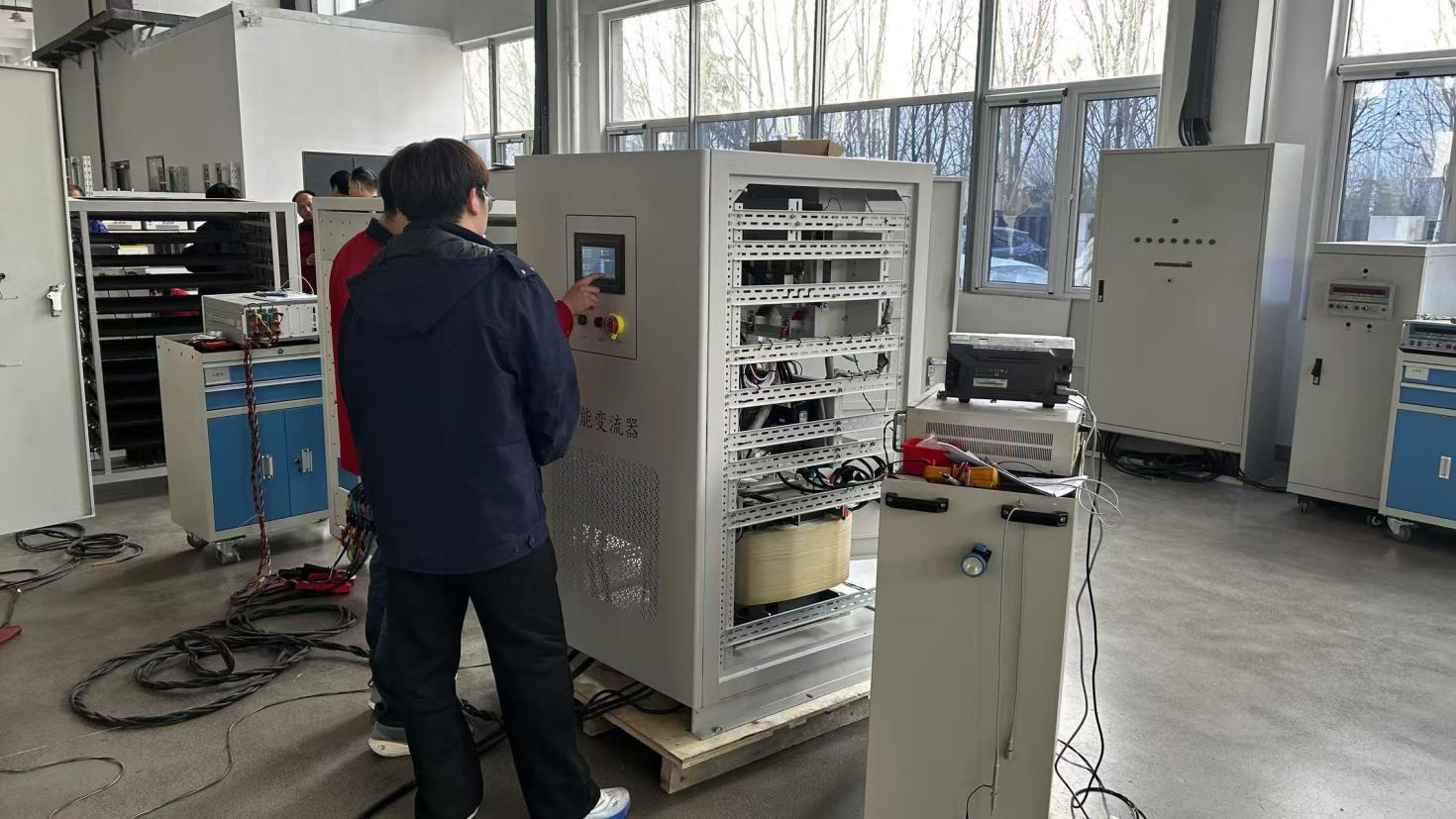
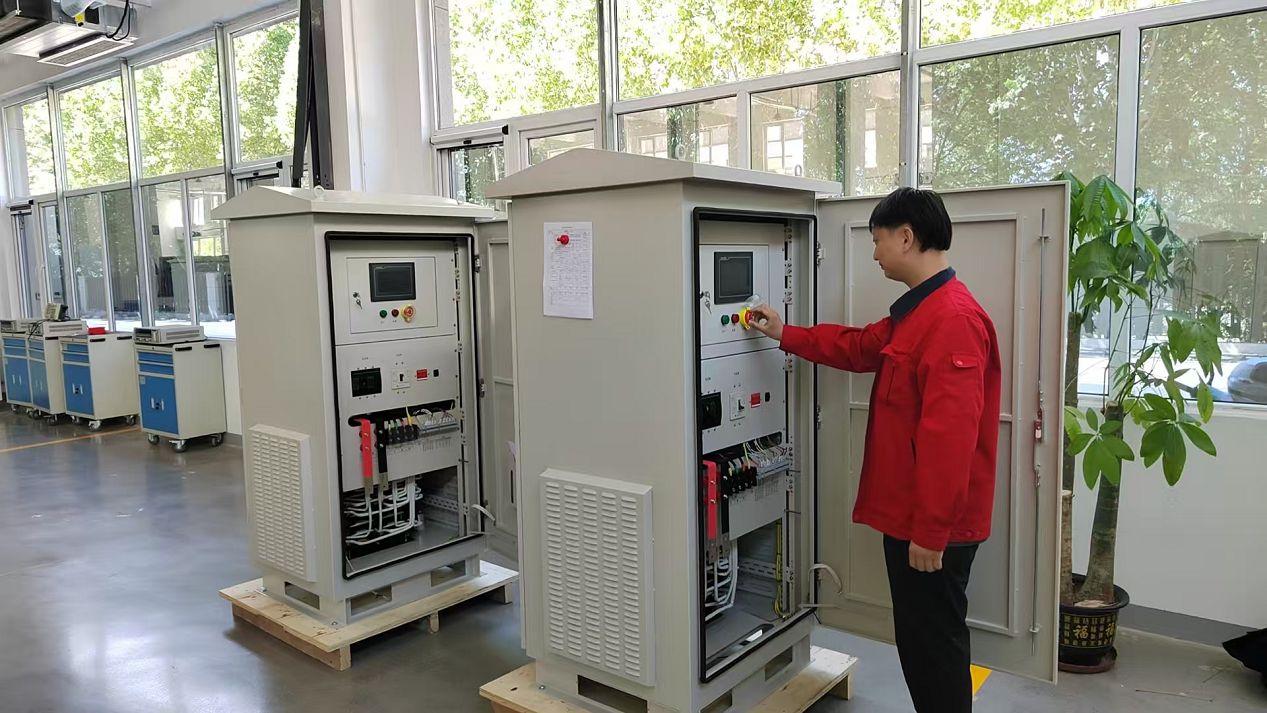
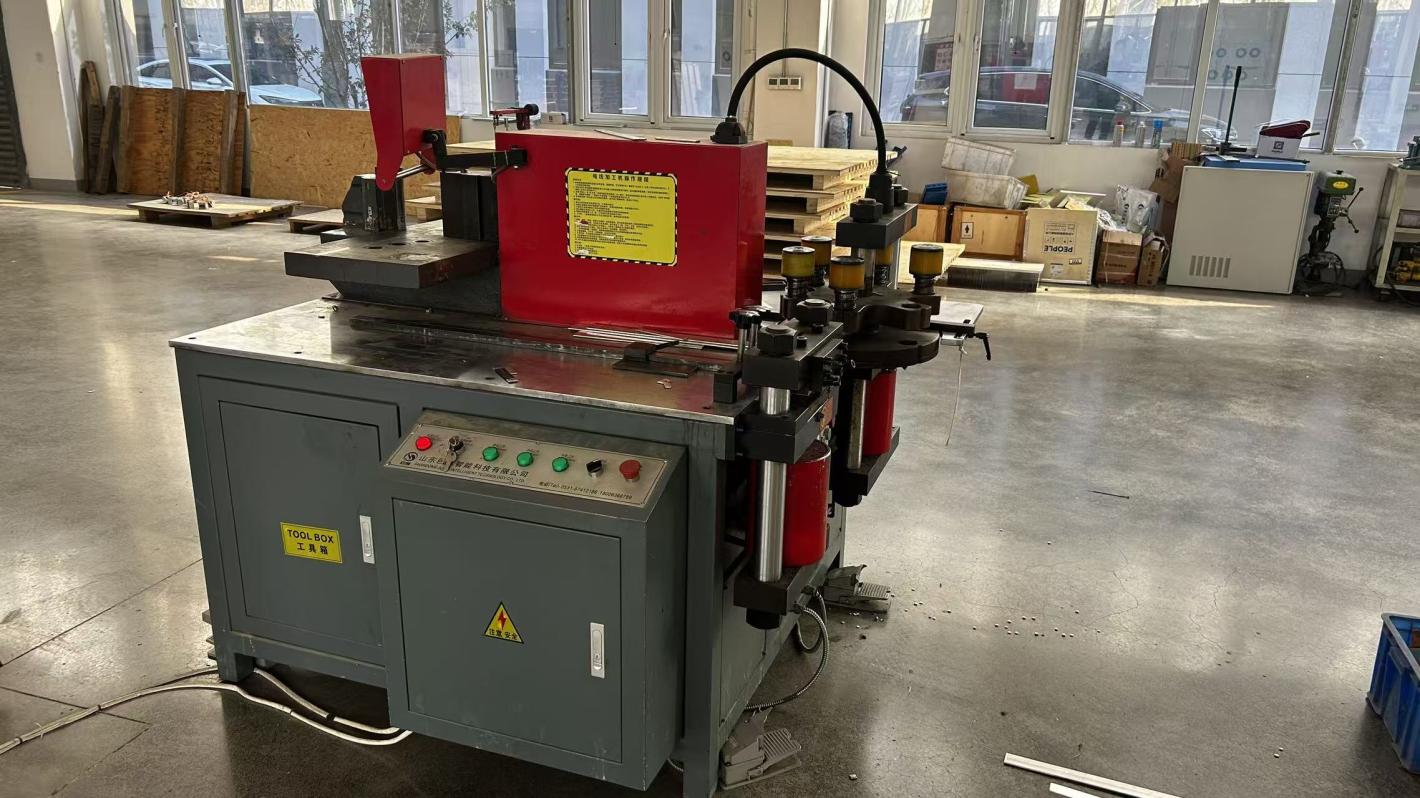
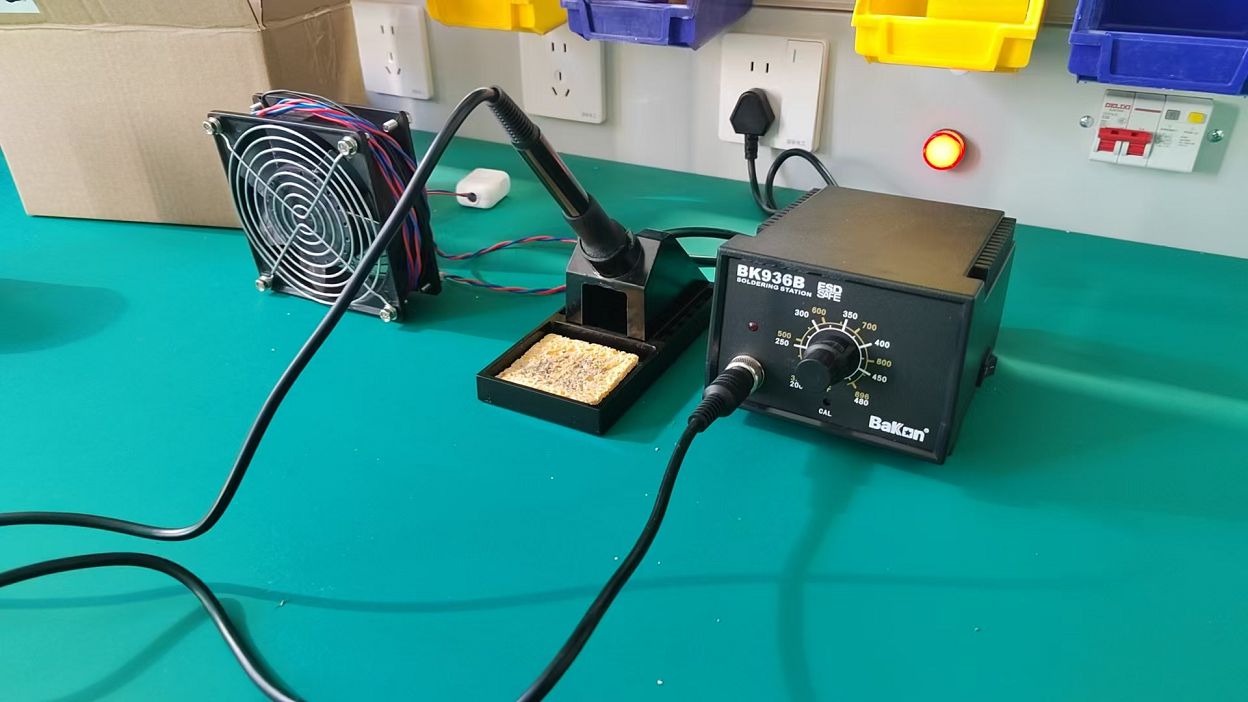
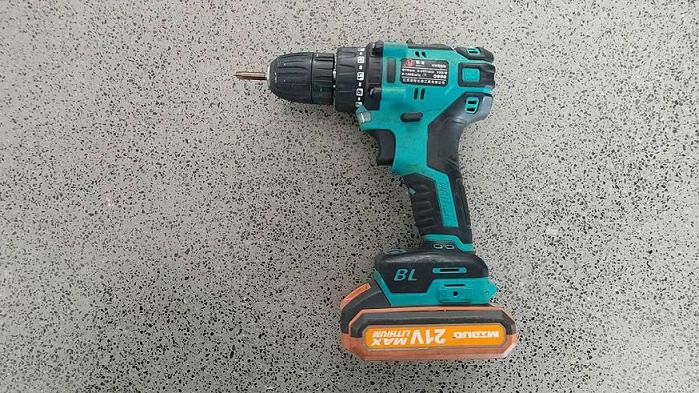
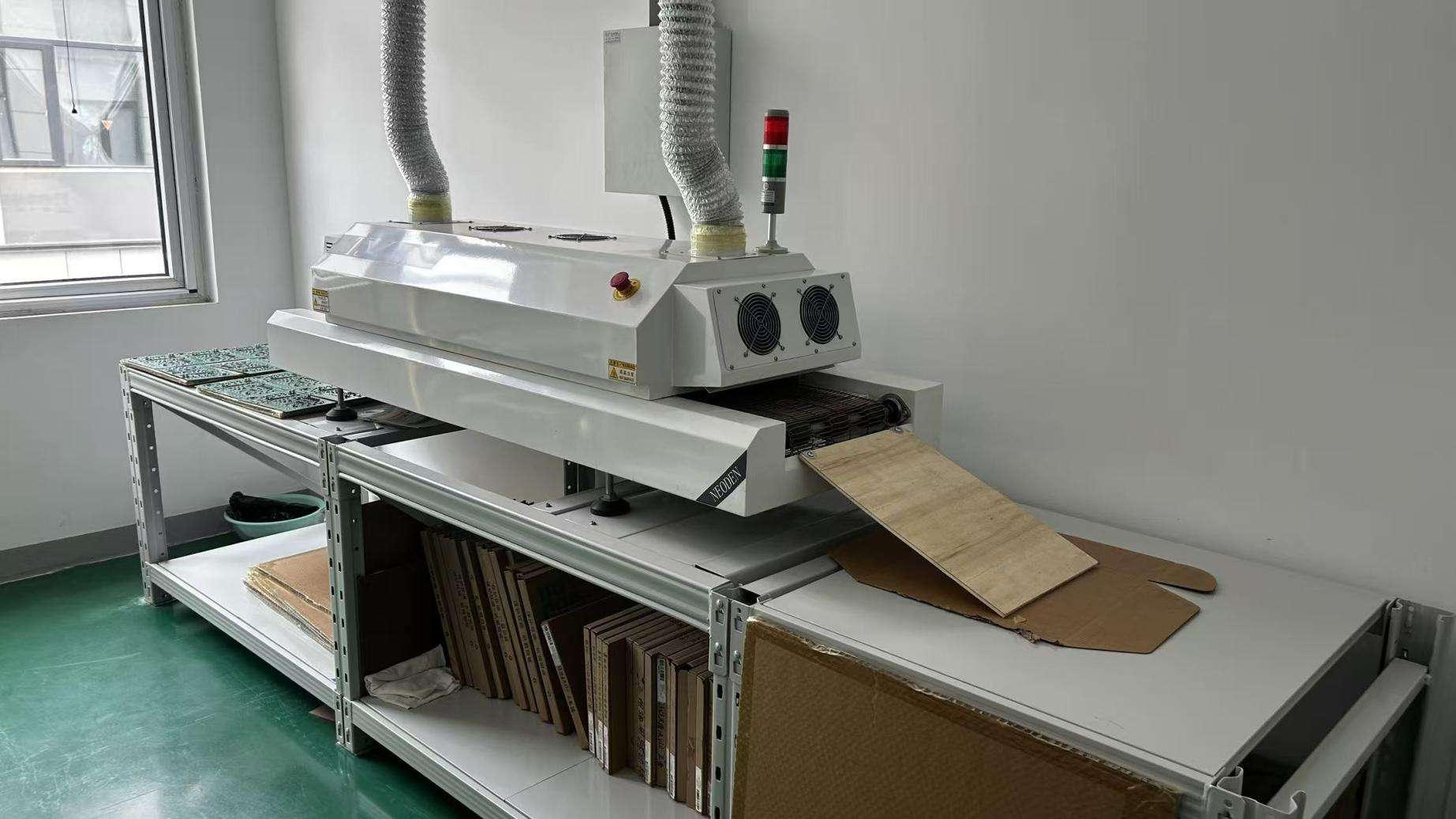
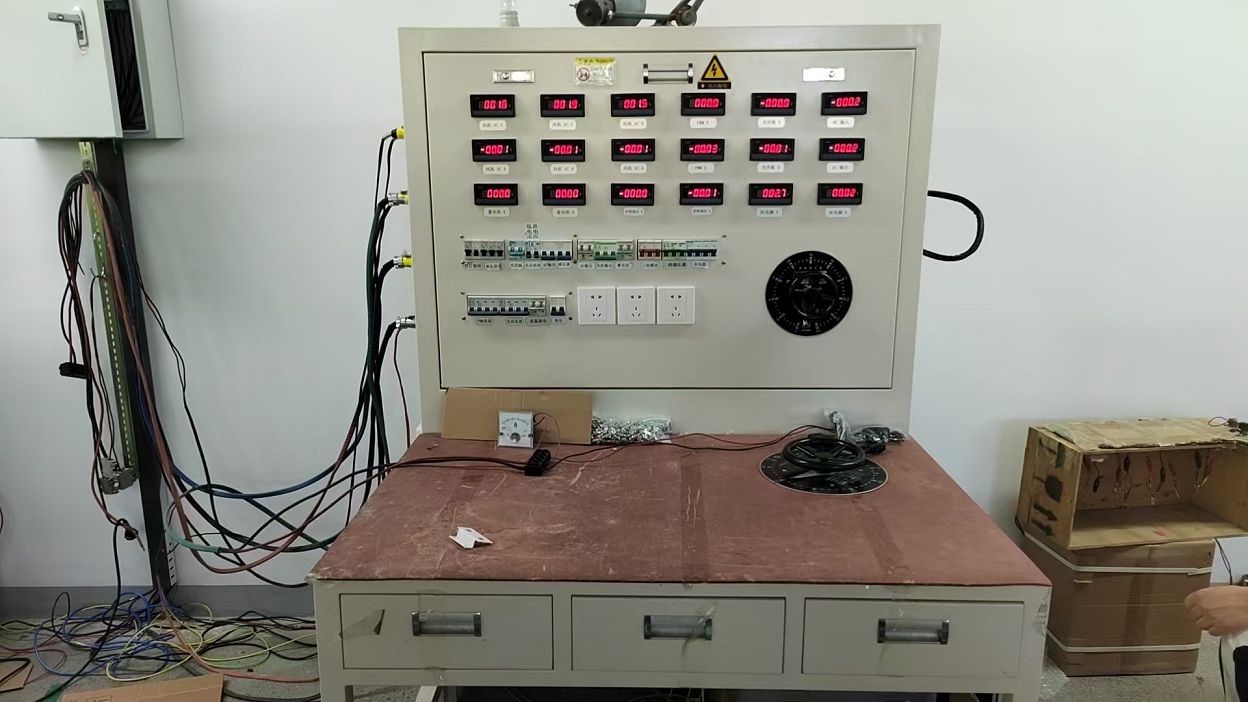
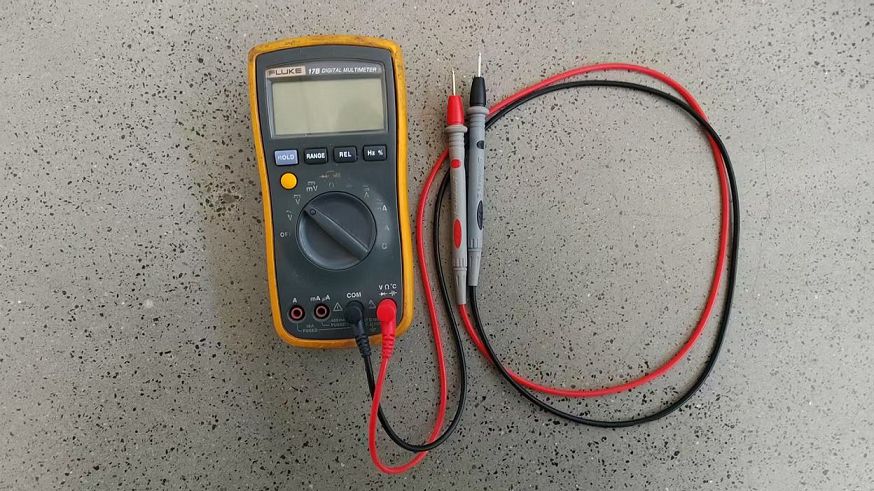
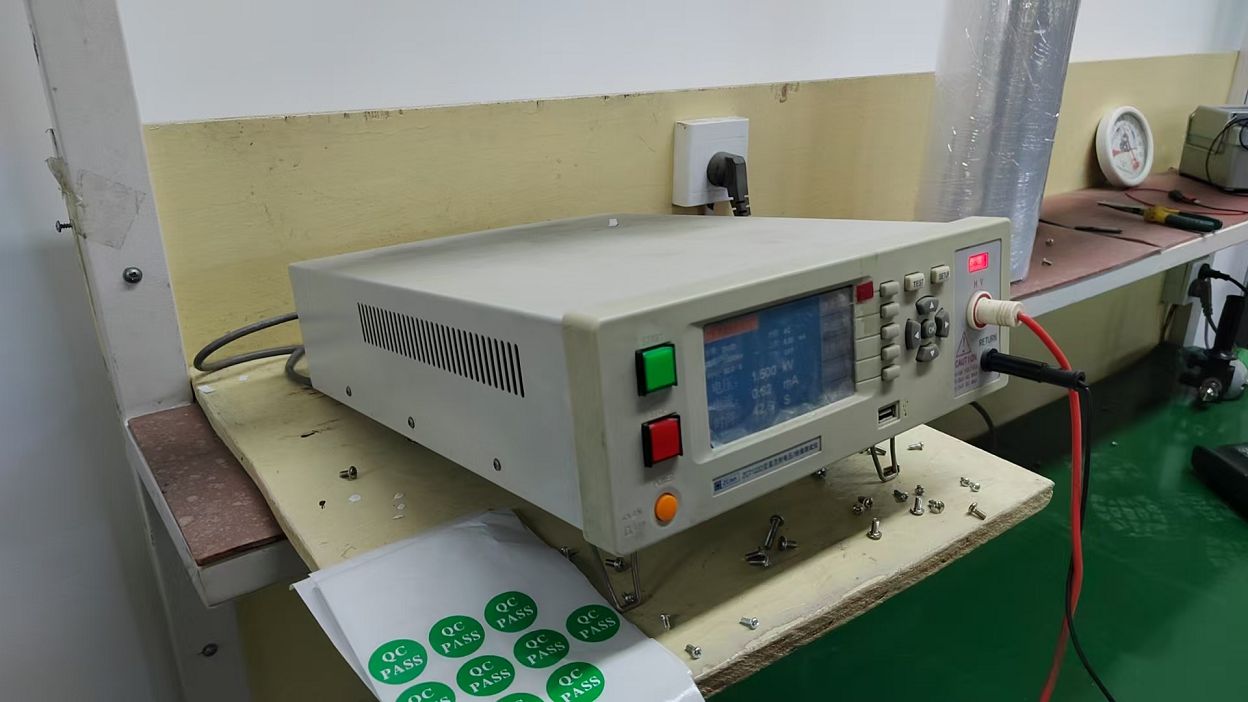
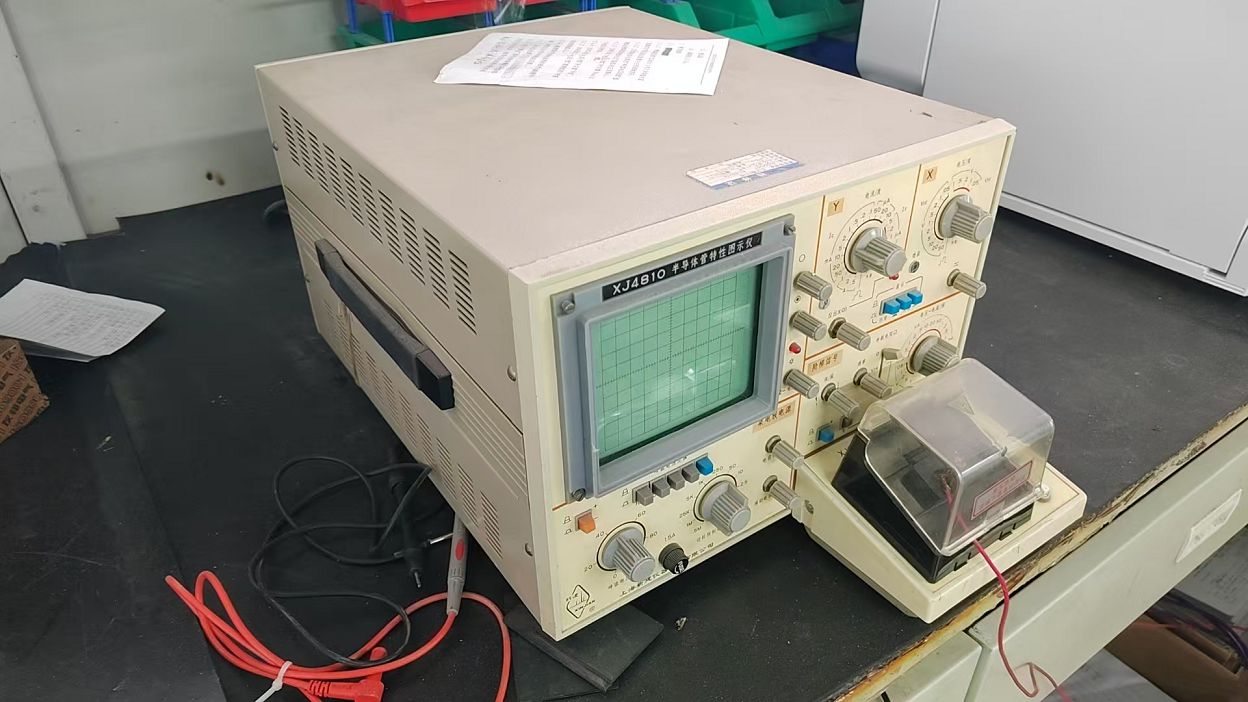
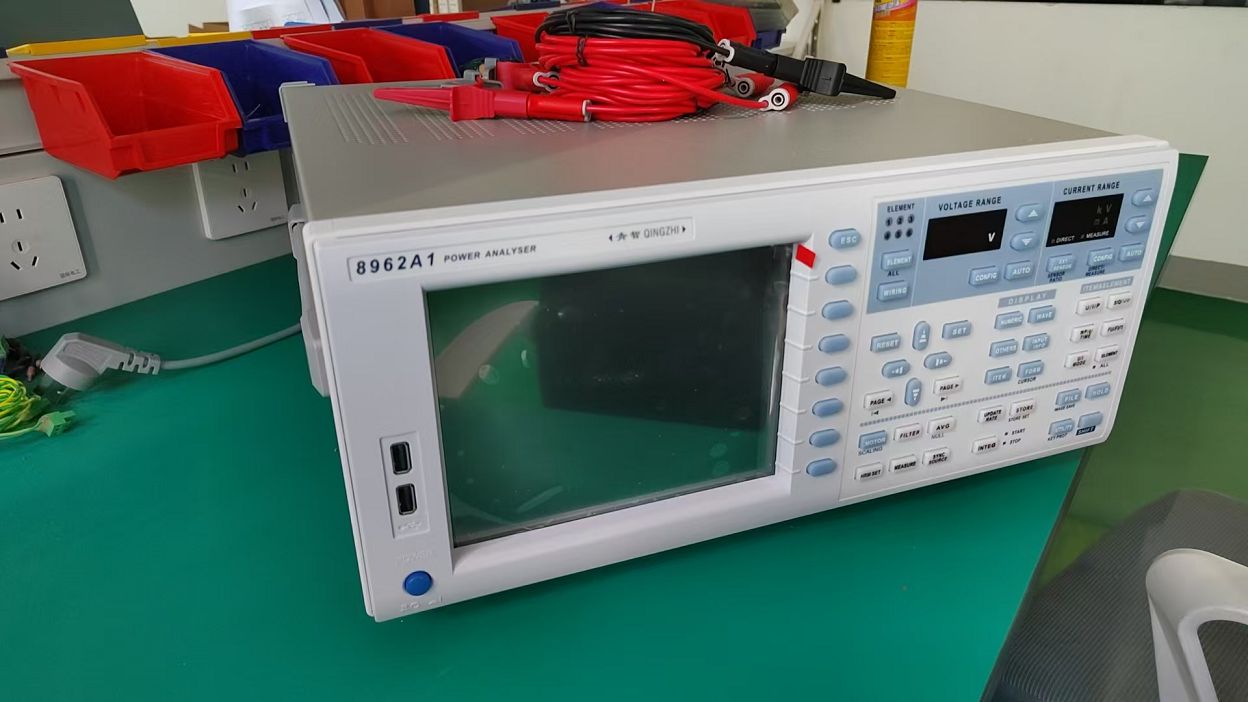
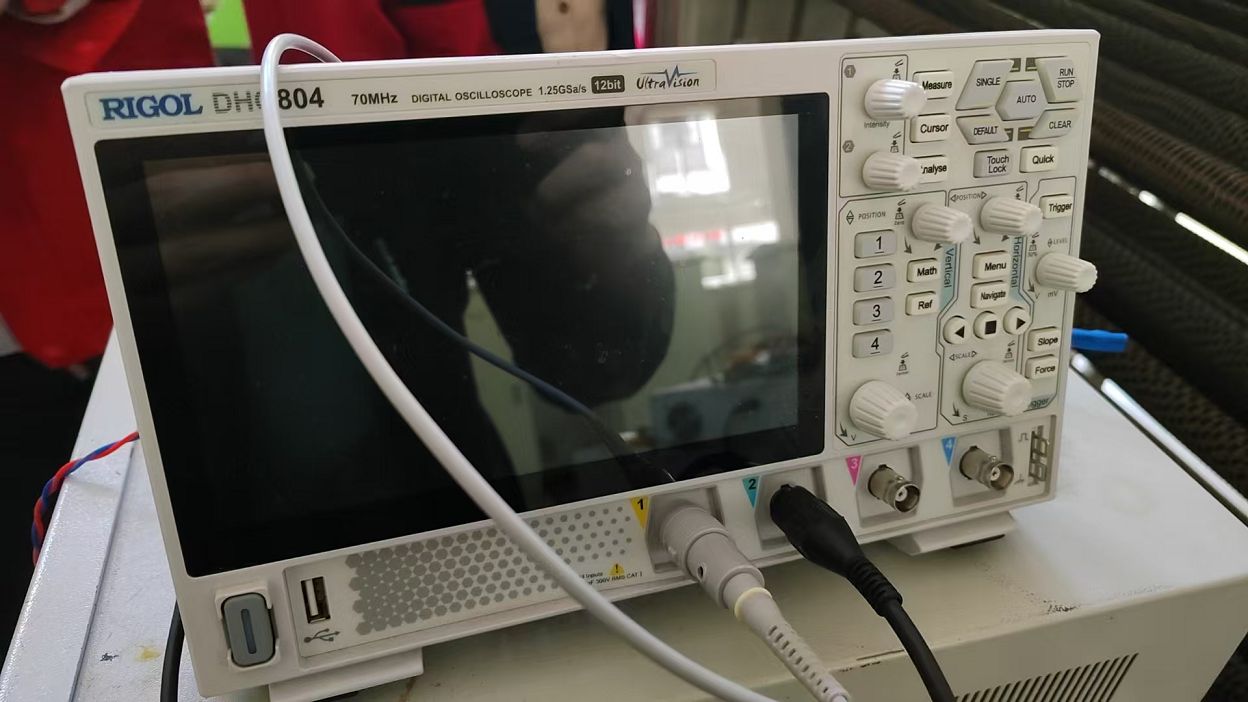
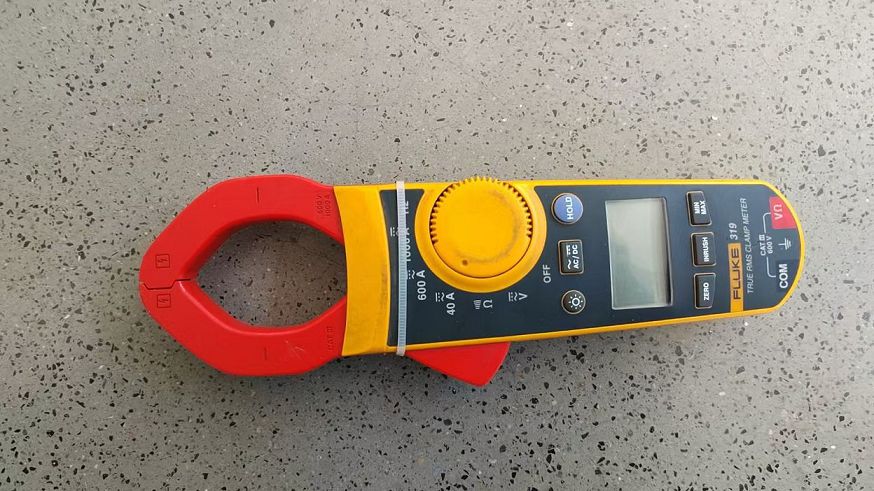
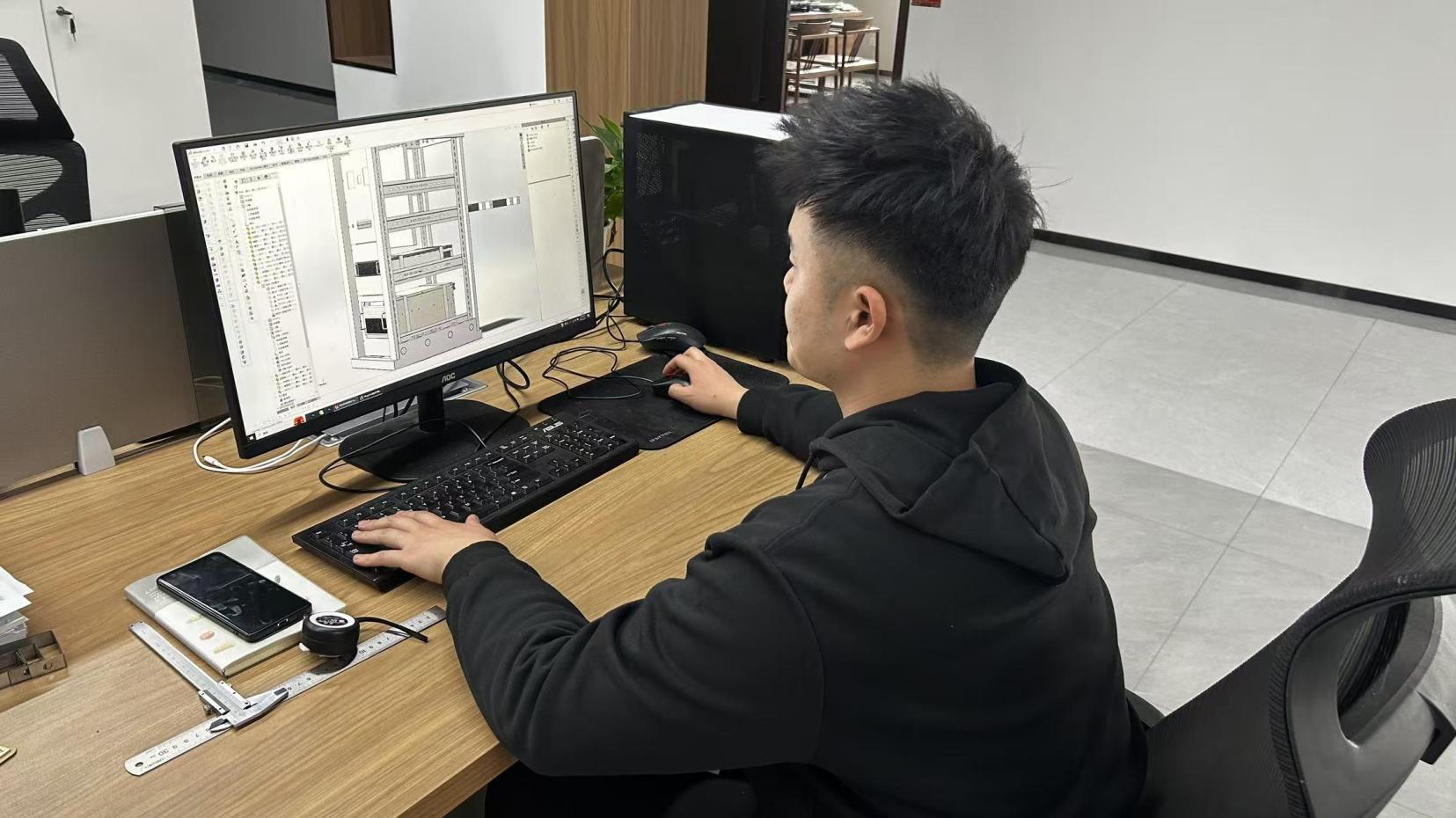
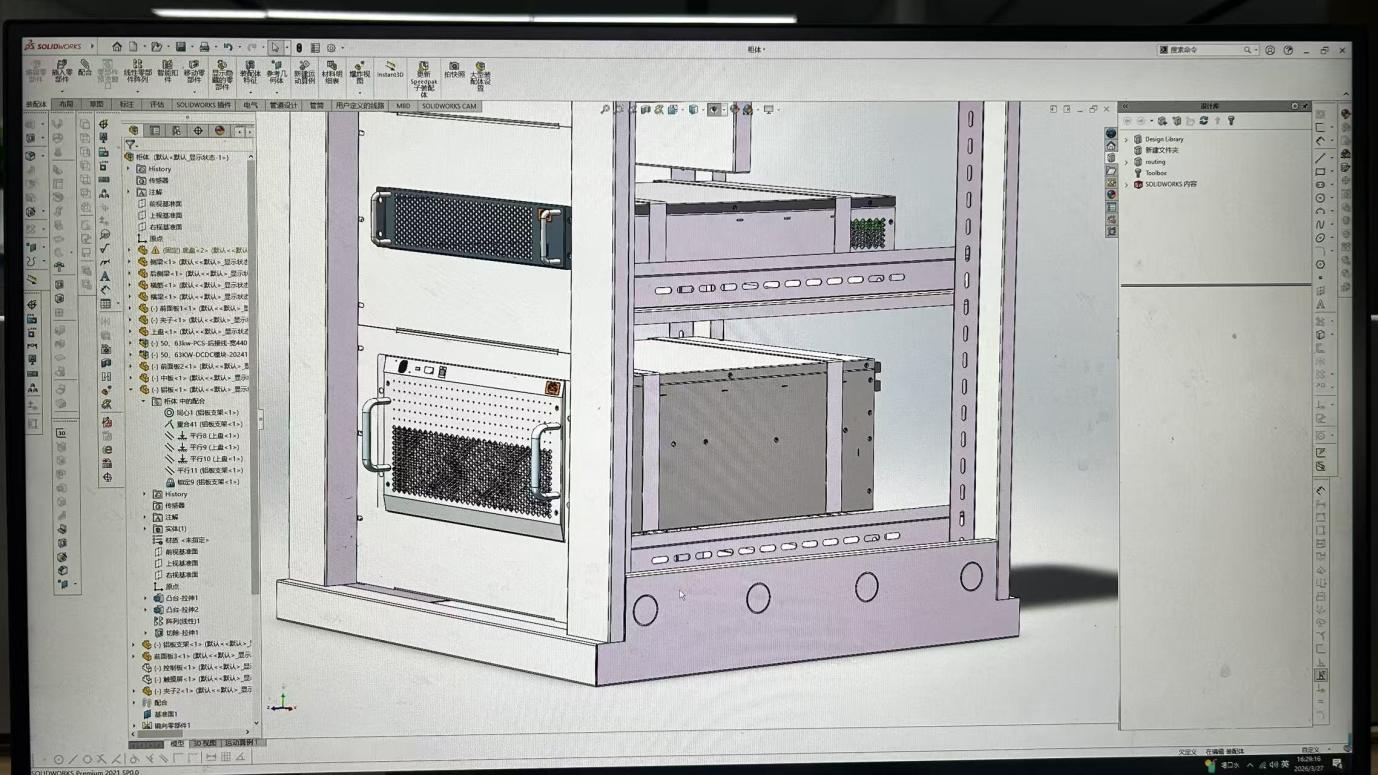
At Deming Power, we control every step of our manufacturing workflow. From PCB prototyping and SMT assembly to component debugging and heavy-load burn-in testing, our process ensures 100% reliability for Costa Rican microgrids.
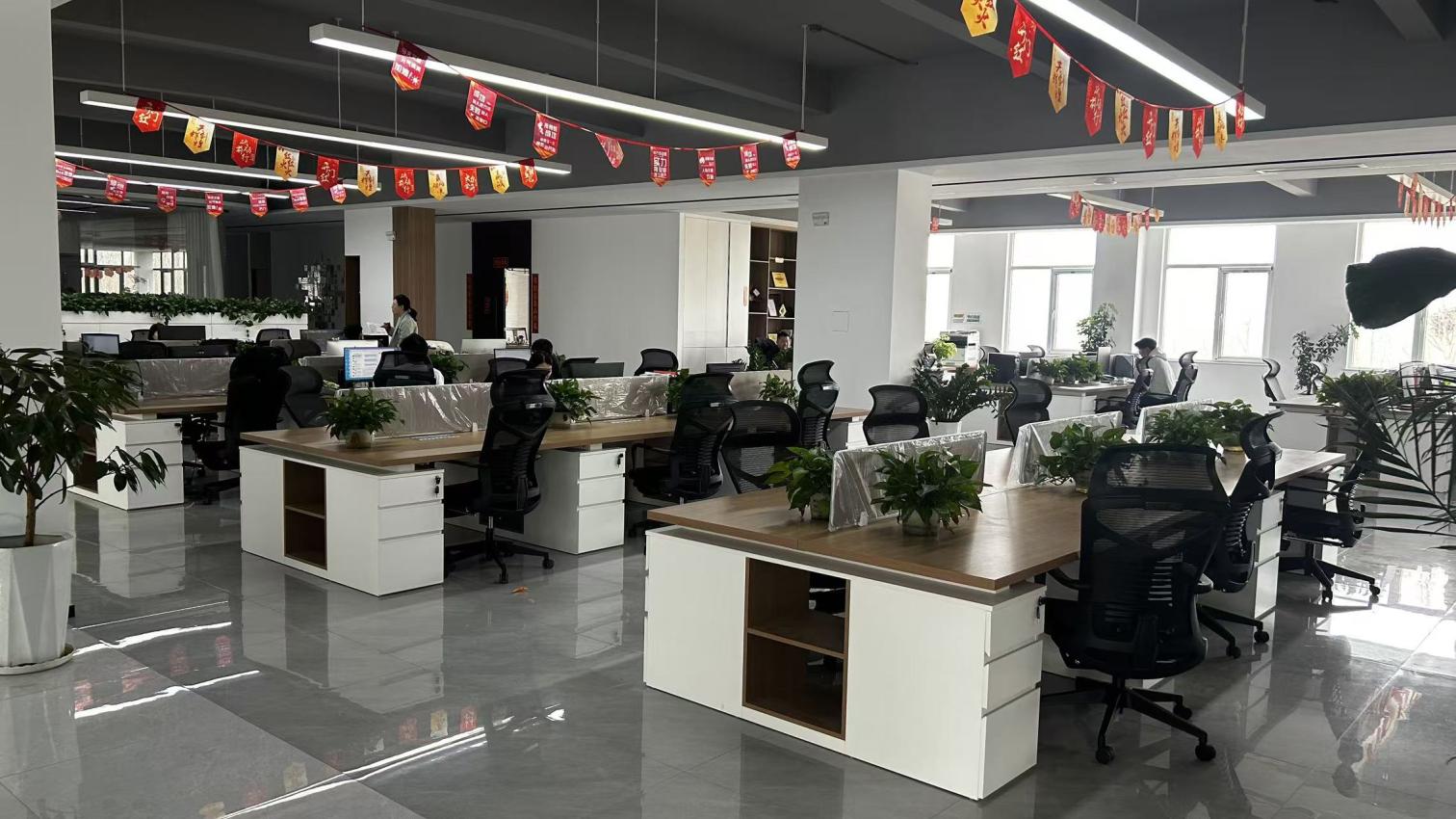
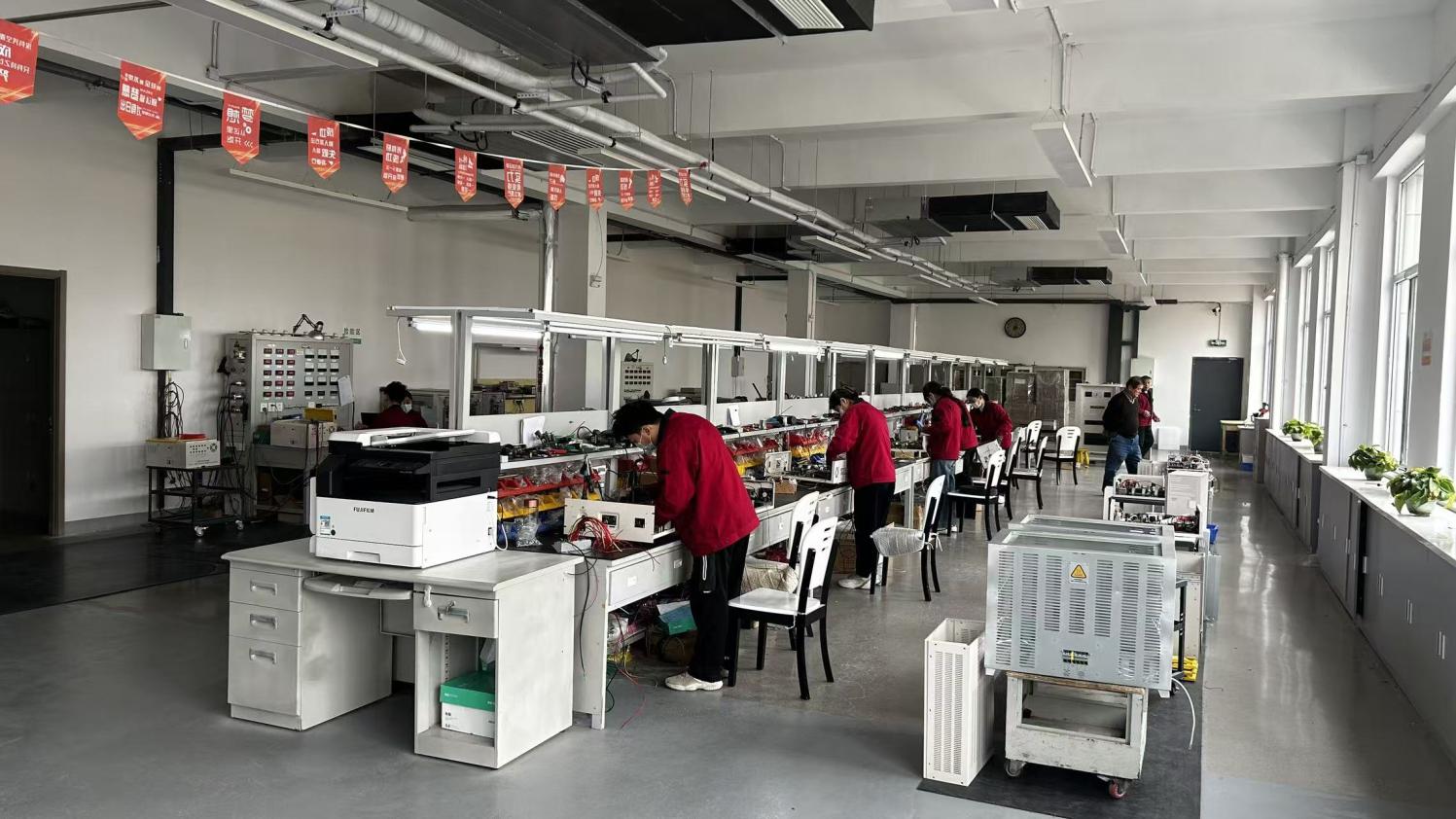
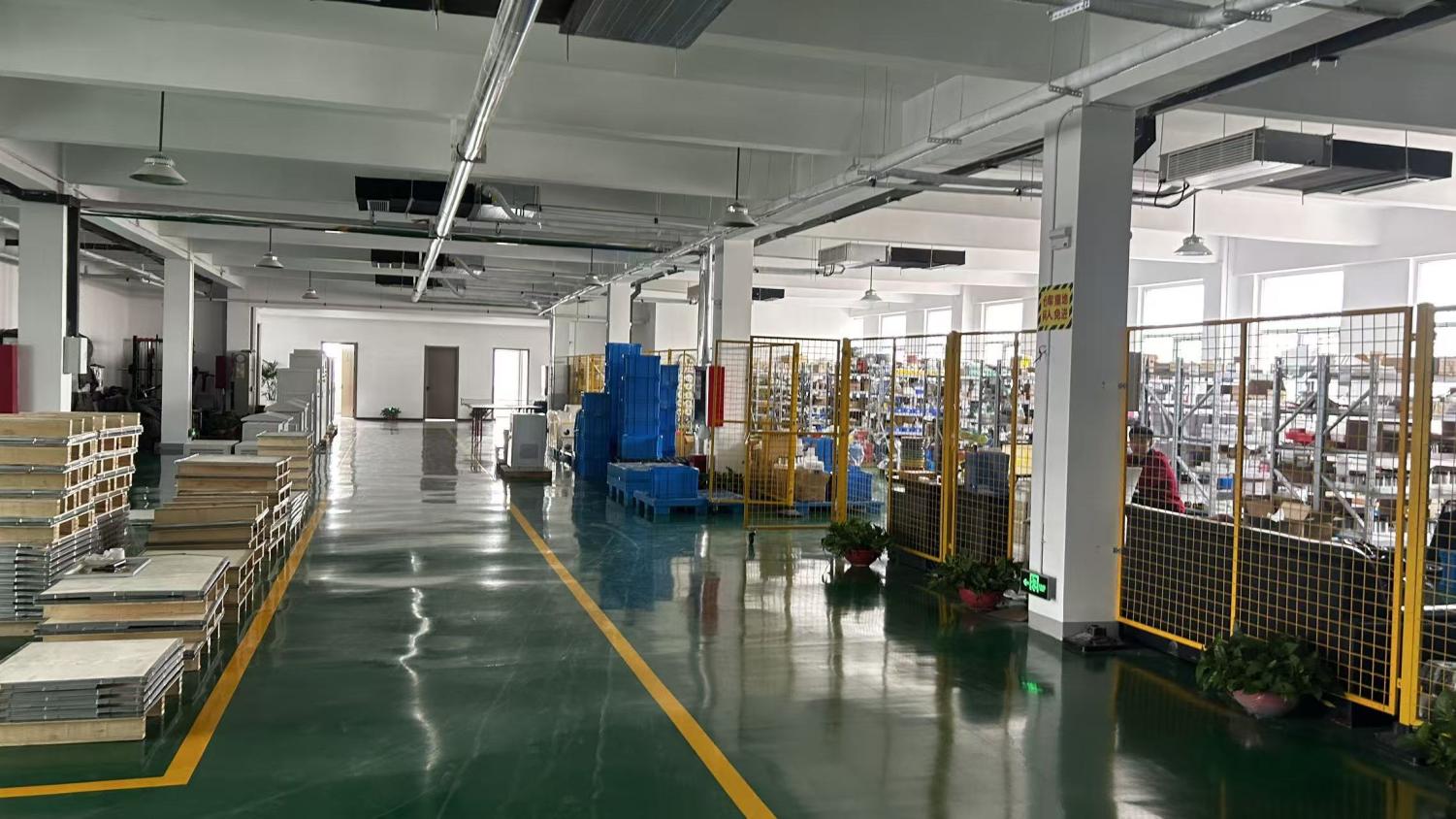
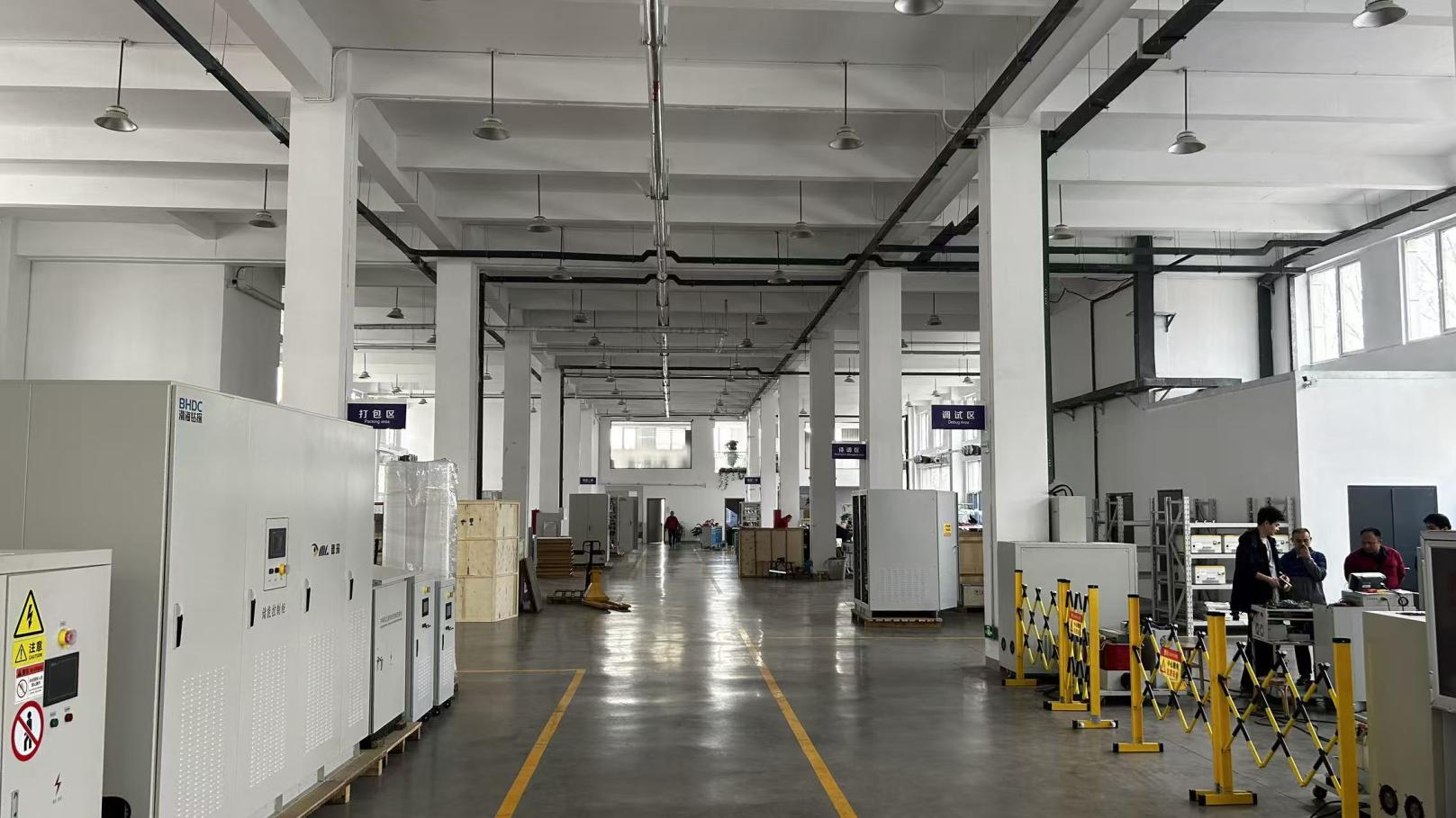
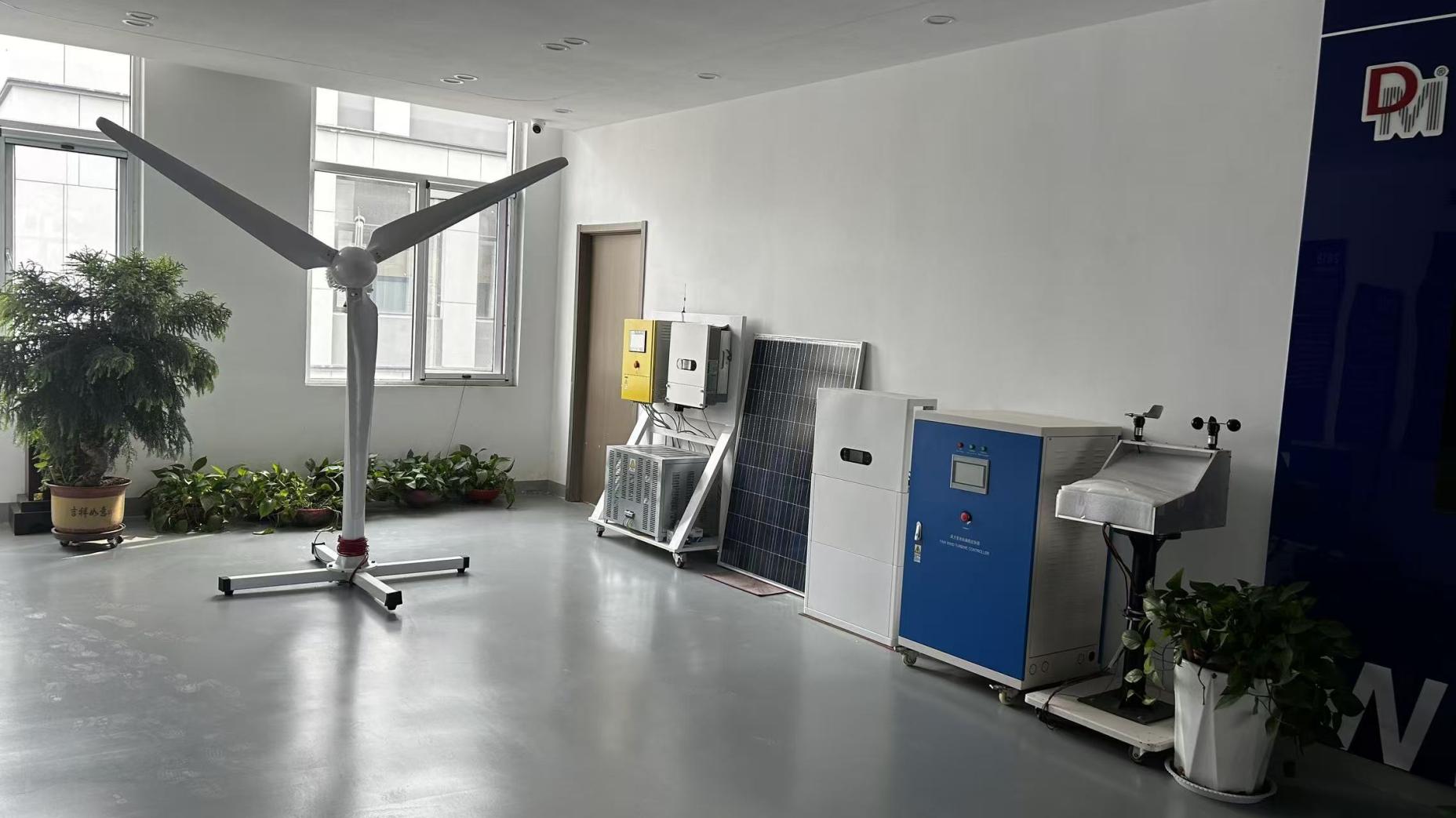
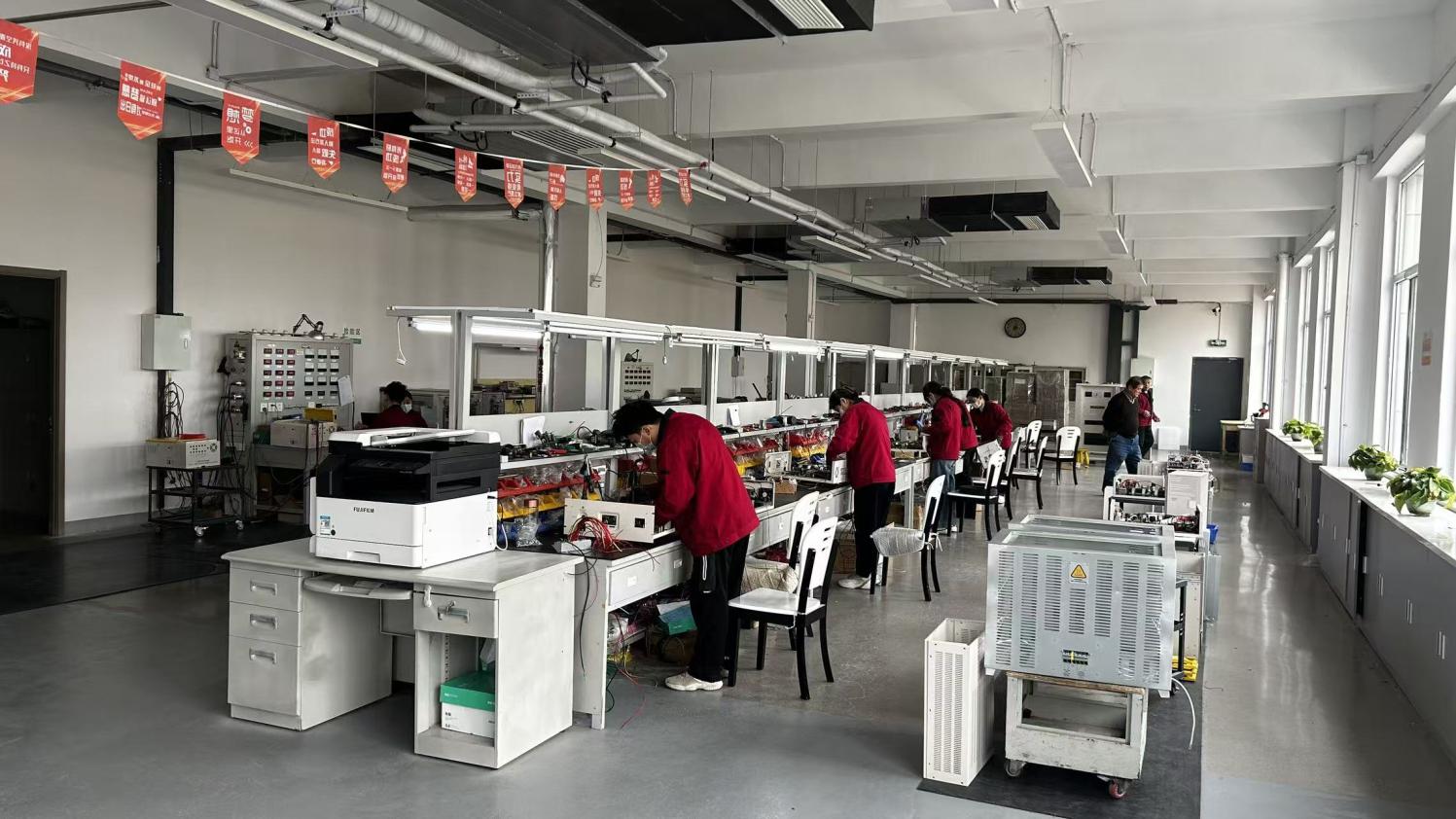
A look inside our technical assembly stations and precision metrology tools used by our 16 R&D engineers.
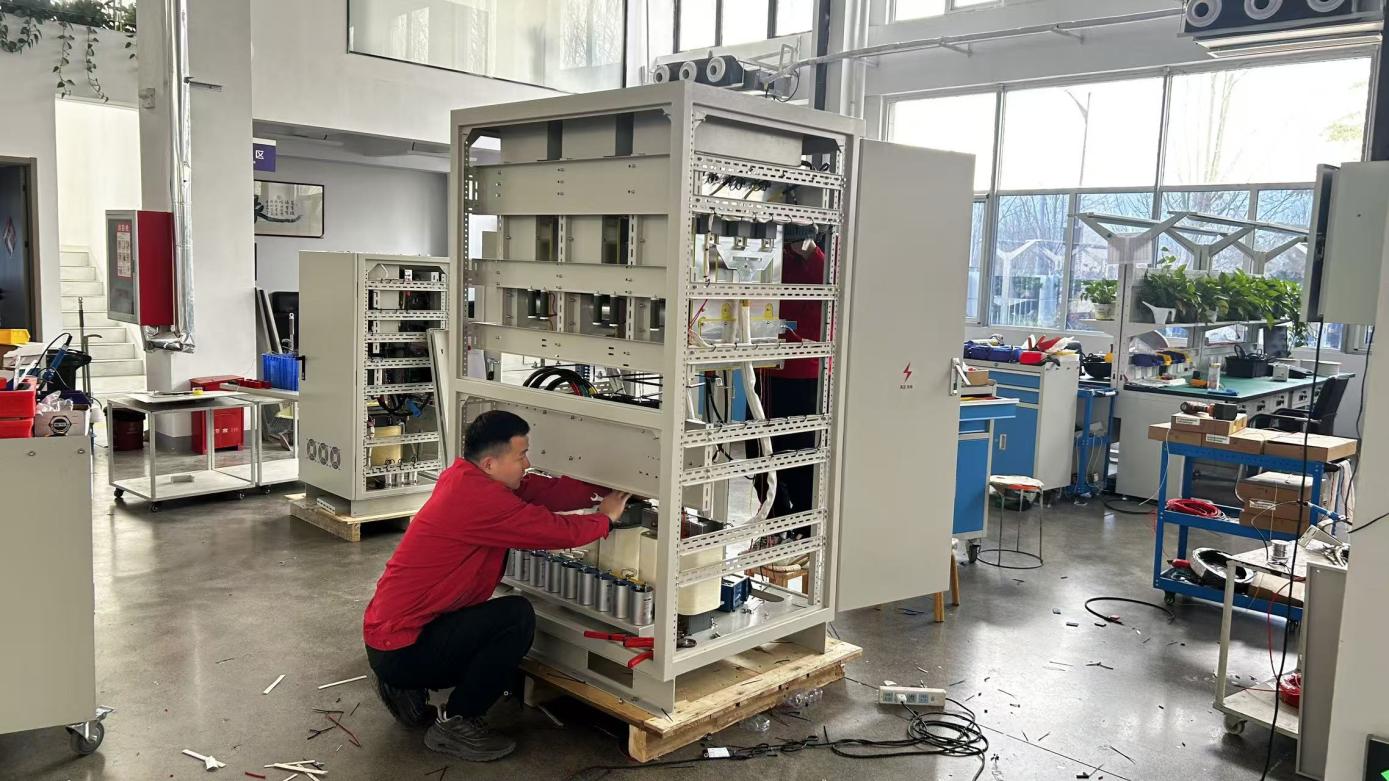
Deming's range of wind and hybrid controllers are pre-configured to adapt to three major local application models:
Cell towers situated along mountainous ridges in the Guanacaste province experience continuous wind, but are extremely difficult to access during heavy rainy seasons. The Deming off-grid controller featuring remote Modbus over GPRS allows engineers in San José to monitor charge status, battery parameters, and configure electromagnetic brake settings dynamically, minimizing physical maintenance visits.
Agricultural processing plants in Cartago and Alajuela require highly stable energy for milk cooling tanks and processing machinery. Fluctuations from local rural utility networks can damage compressors. Implementing a hybrid solar-wind system regulated by our high-performance hybrid charge controllers ensures seamless transition between wind, solar, and grid tie-ins.
Eco-resorts in Corcovado or the Arenal Volcano region prioritize zero-emission power grids. To avoid noisy diesel backup generators, small wind turbines are paired with solar arrays. Our hybrid PWM and MPPT controllers balance solar PV yields with night-time wind generation, delivering a single, smooth charge stream to deep-cycle lithium or gel batteries.
Our marine-grade customized controllers feature powder-coated enclosures and gold-plated terminals. These modifications are specifically deployed in coastal fishing microgrids along the Nicoya Peninsula to combat salt spray, high humidity, and early-morning condensation cycles.
Common technical questions regarding wind turbine charge controllers, battery compatibility, and shipping processes for the Costa Rican market.
Engineered for absolute performance and long-term durability. Click on any item below to view technical documentation and query pricing details.
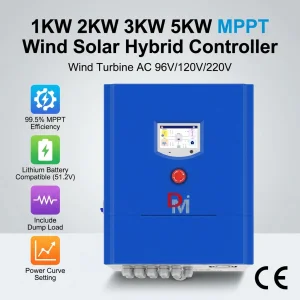
 Demin Power