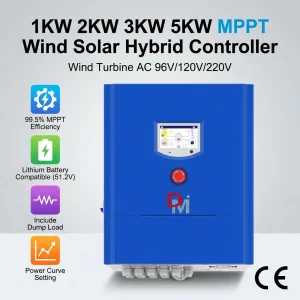
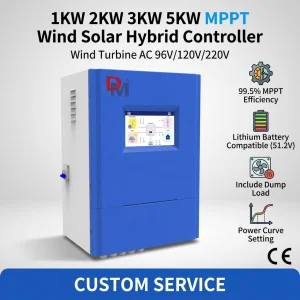
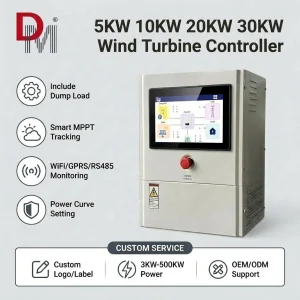
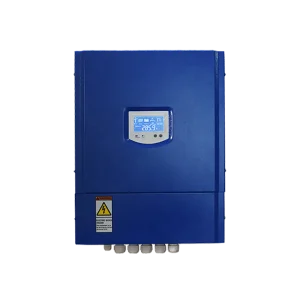
Engineered for high wind zones, microgrids, and coastal wind-solar installations across Auckland, Wellington, and Christchurch.
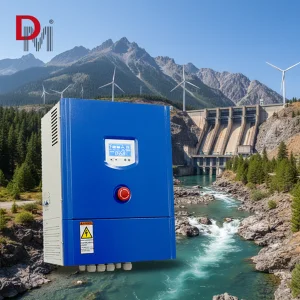
New Zealand is uniquely positioned directly in the path of the "Roaring Forties," giving the country some of the most consistent and powerful wind resources in the world. As the nation pushes towards its target of 100% renewable electricity generation by 2030, small-to-medium scale wind power systems and hybrid microgrids are becoming crucial assets. These installations are especially common for rural farm stations, off-grid telecom repeaters in the Southern Alps, coastal communities, and eco-tourism operations.
However, operating wind assets in New Zealand presents distinct environmental and technical challenges. Systems must withstand extreme wind gusts, fast-moving weather fronts, and highly corrosive maritime air. To prevent catastrophic failure, a wind turbine charge controller must feature rapid over-speed protection, robust thermal management, and dynamic dump load shedding. Standard off-the-shelf controllers often fail to handle these sudden wind shifts, risking system-wide damage.
For reliable deployment in New Zealand, wind turbine charge controllers must address critical engineering parameters:
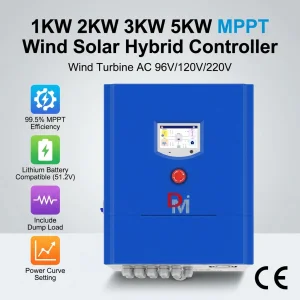
Extracts up to 30% more energy from variable wind flows than traditional PWM controllers by tracking the generator's optimal power curve in real time.
Combines electromagnetic braking with automatic mechanical furling trigger control to safeguard turbines against extreme wind events.
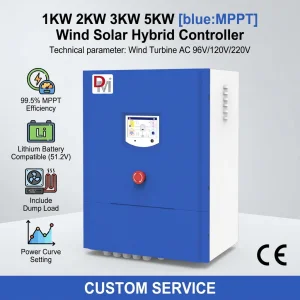
Integrates solar and wind charging on a single, unified bus structure, simplifying installation wiring and reducing system footprint.
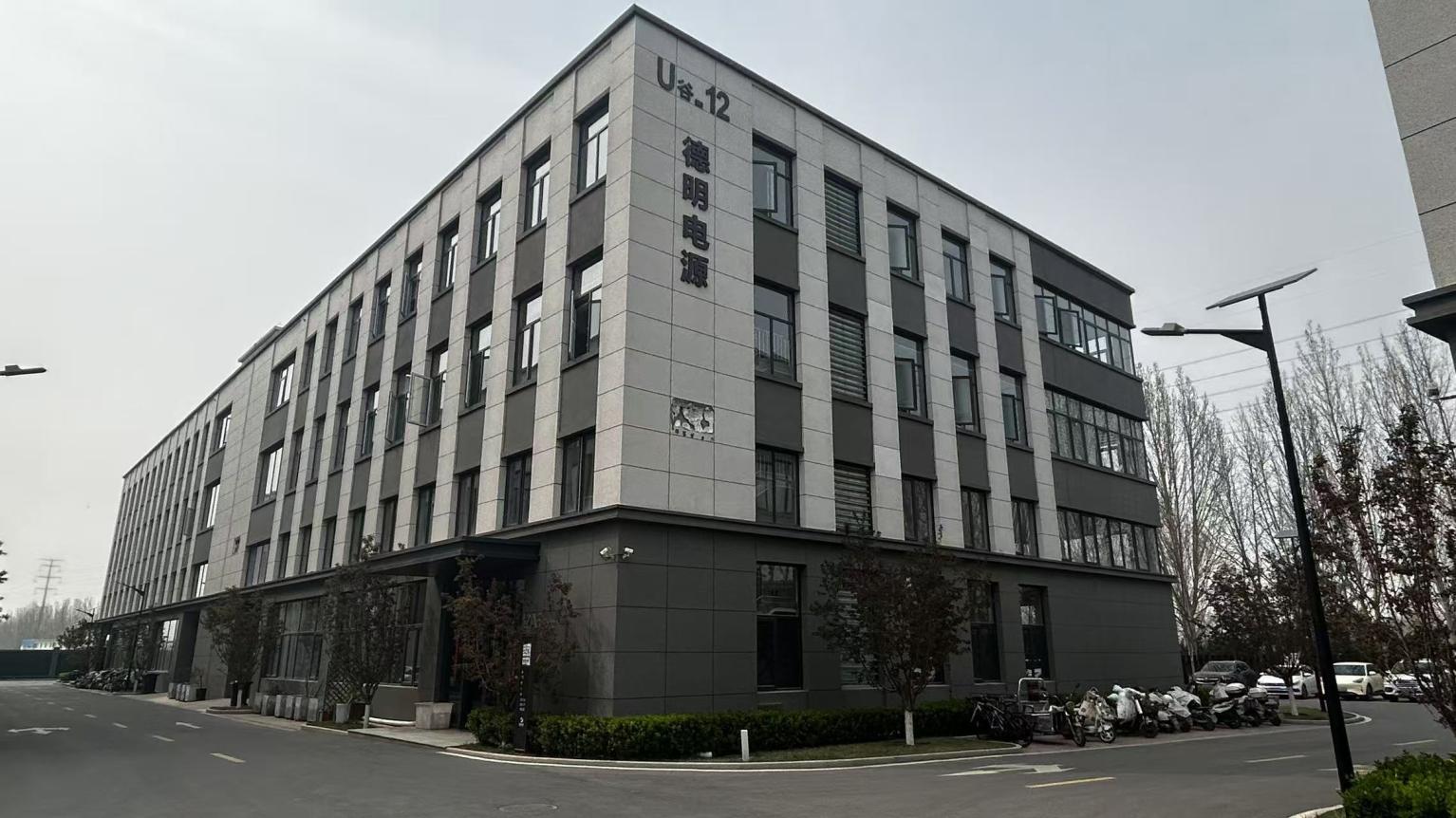
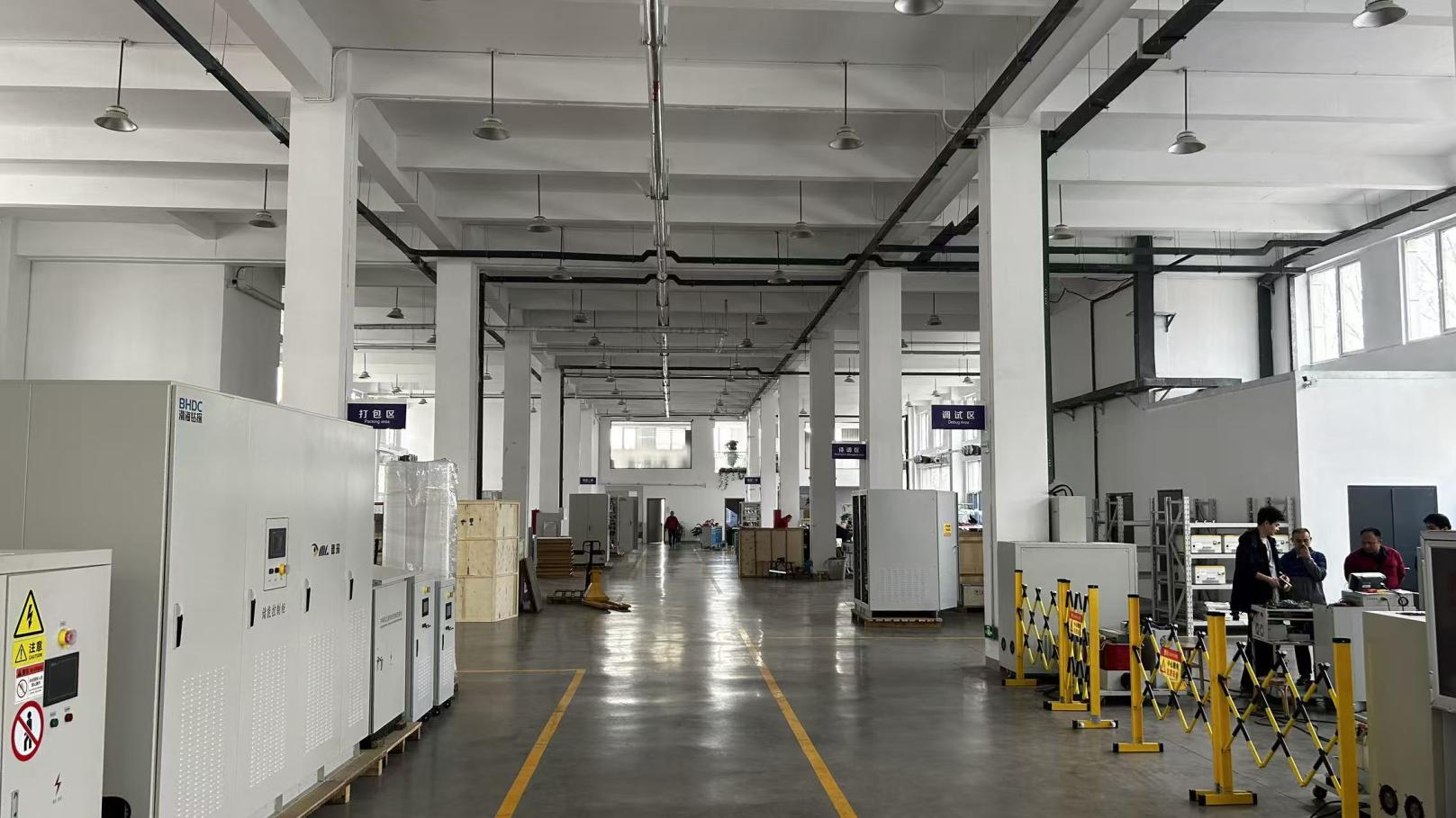
Jinan Deming Power Equipment Co., Ltd. - Driving global renewable energy growth with advanced R&D, certified quality systems, and global logistics since 2004.
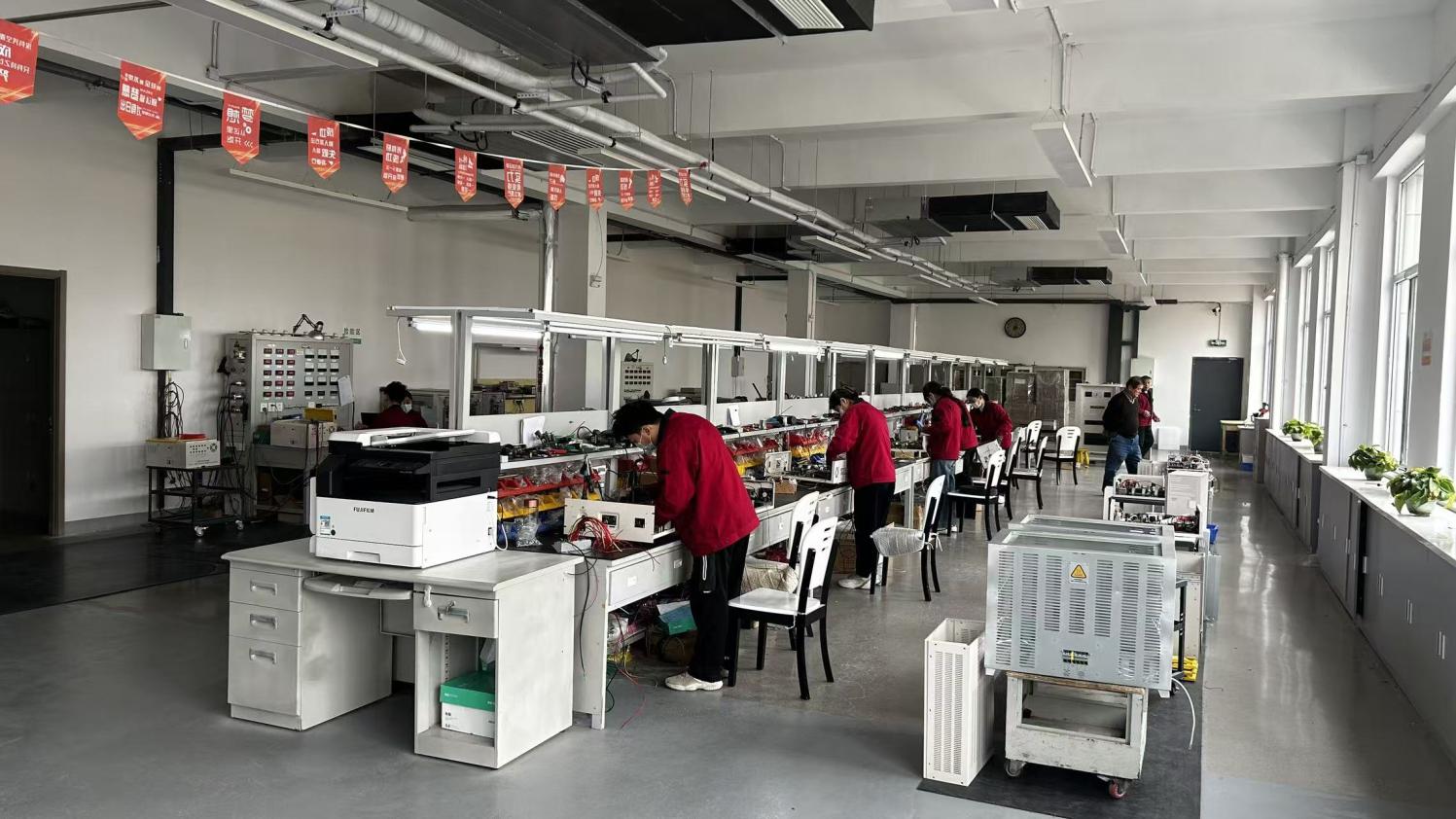
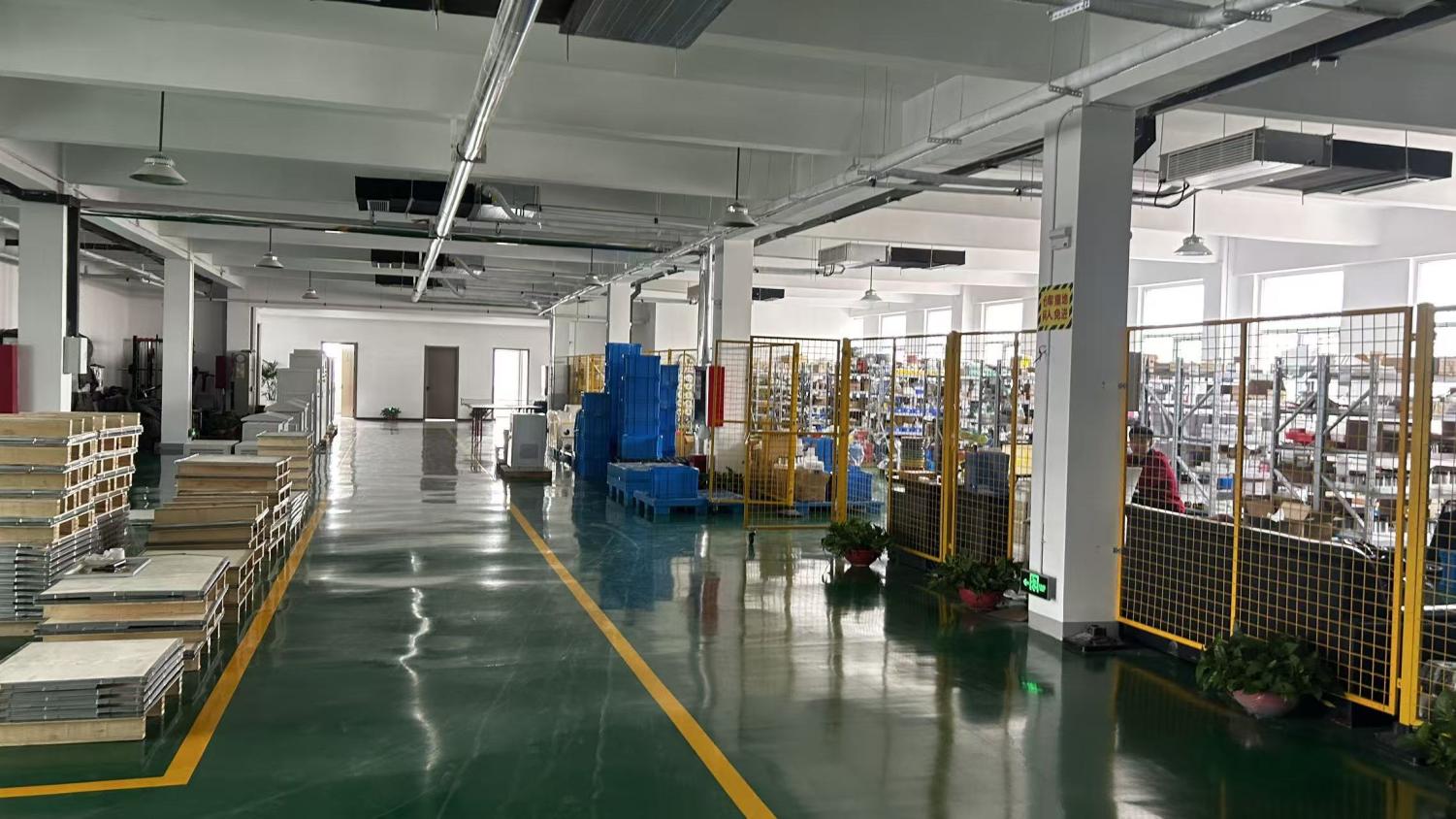
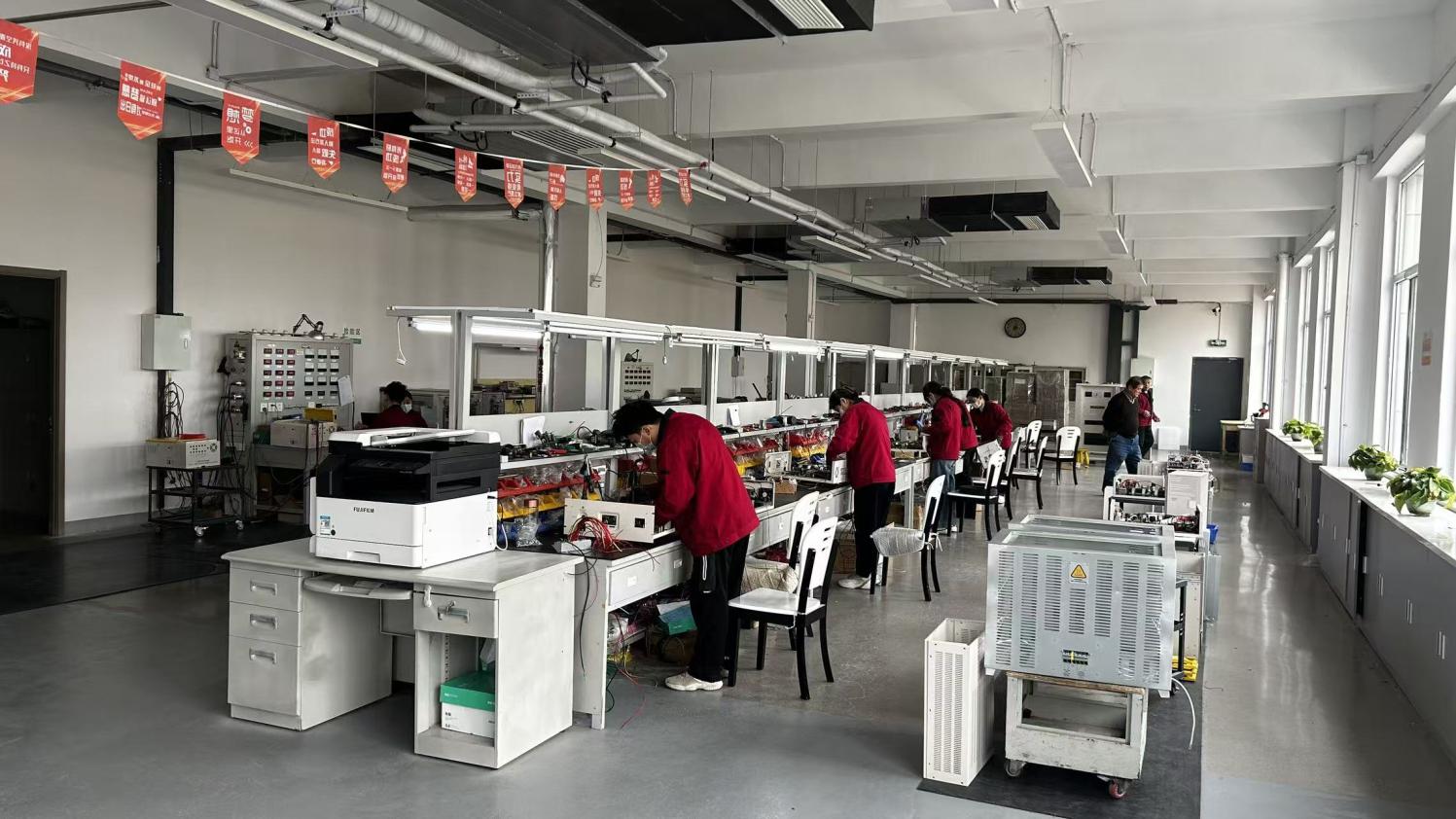
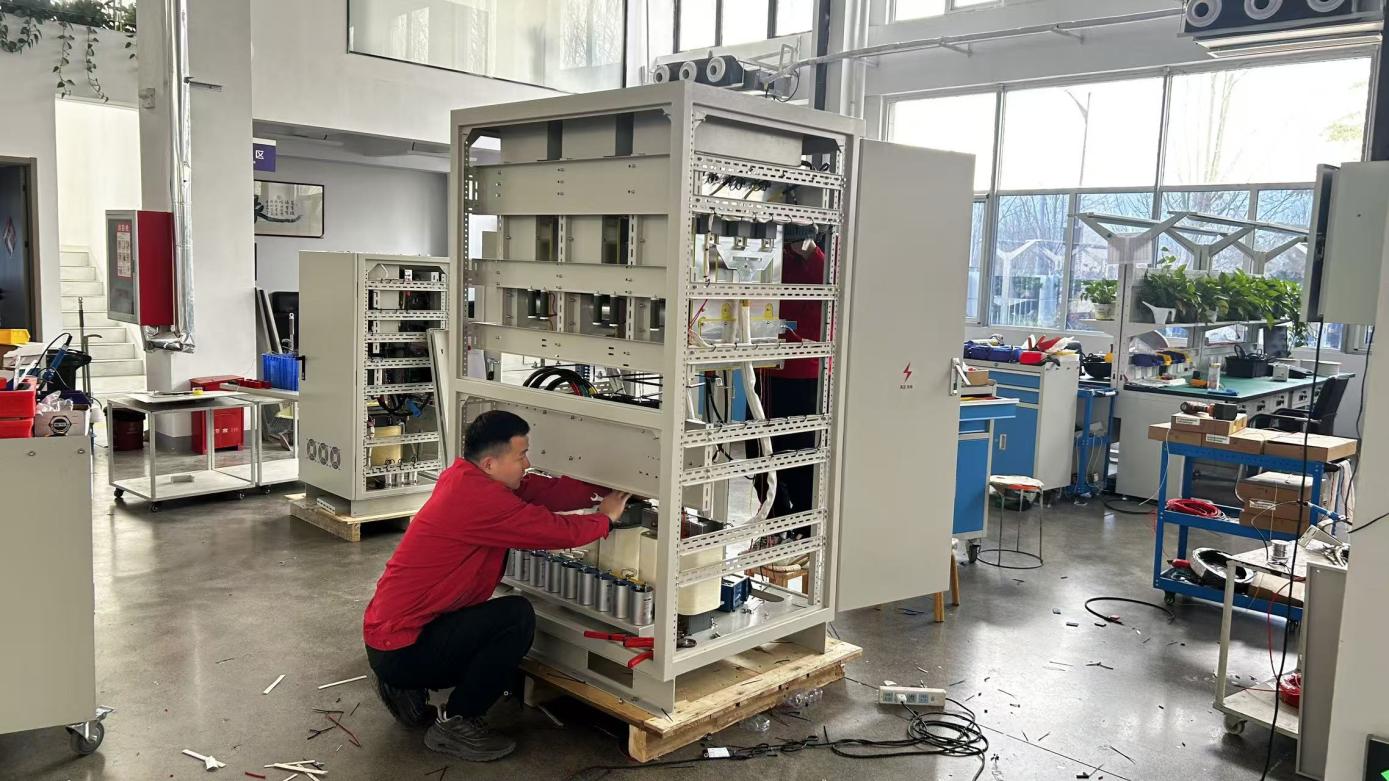
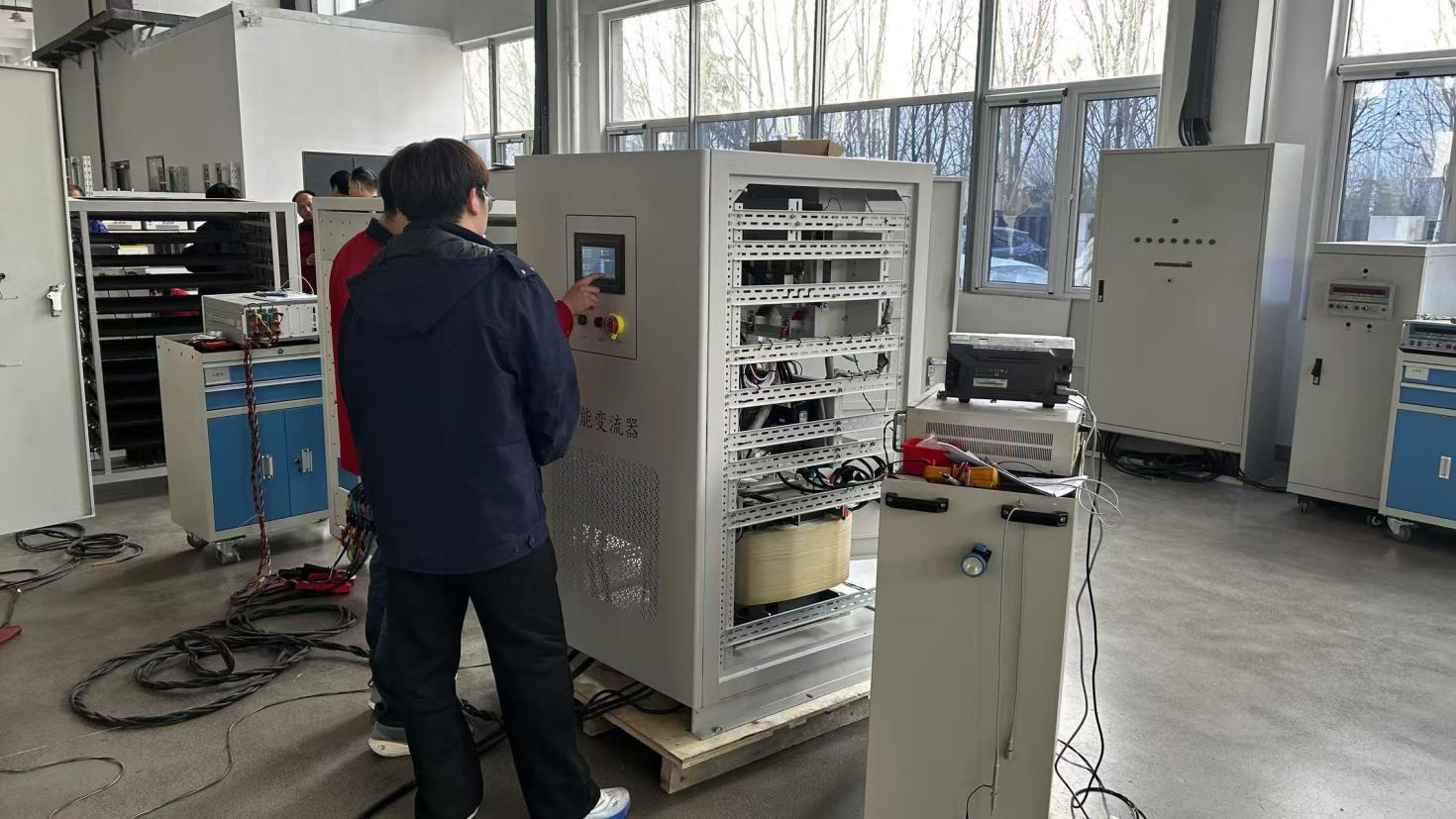
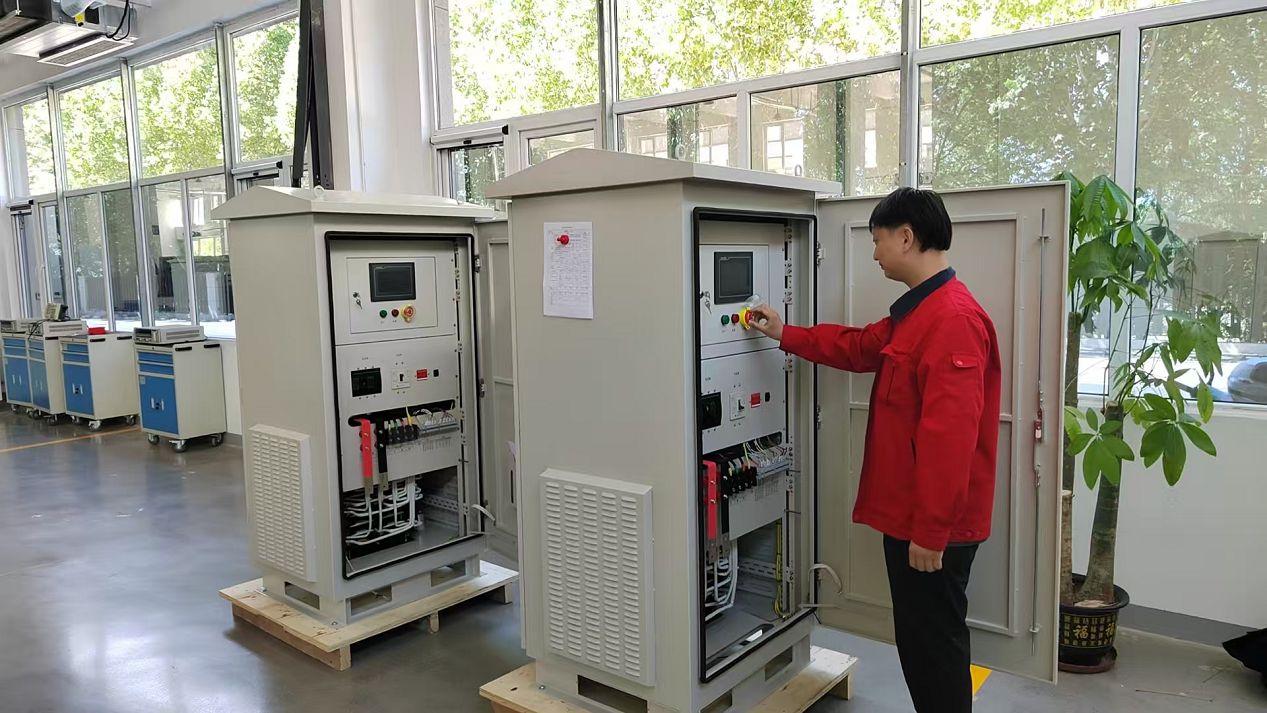
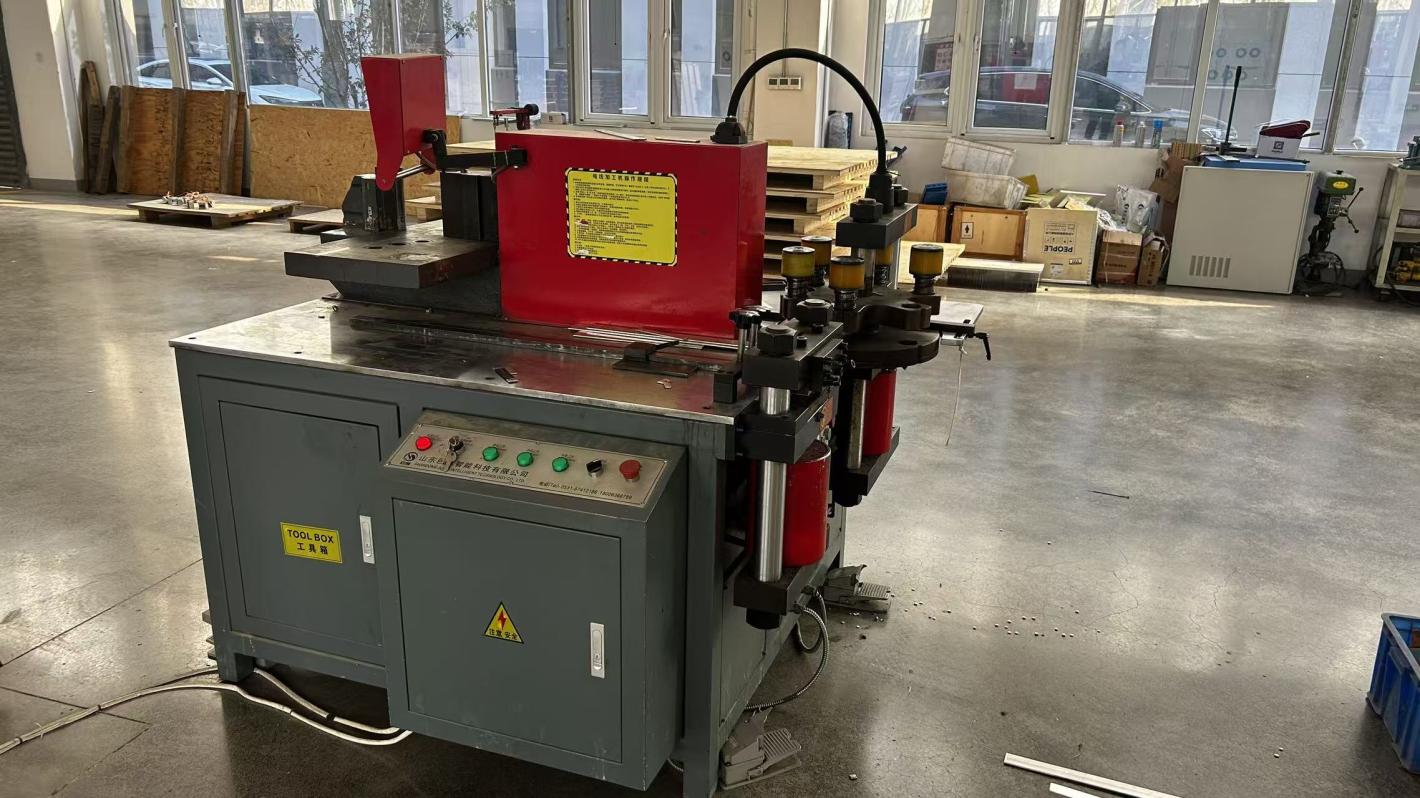
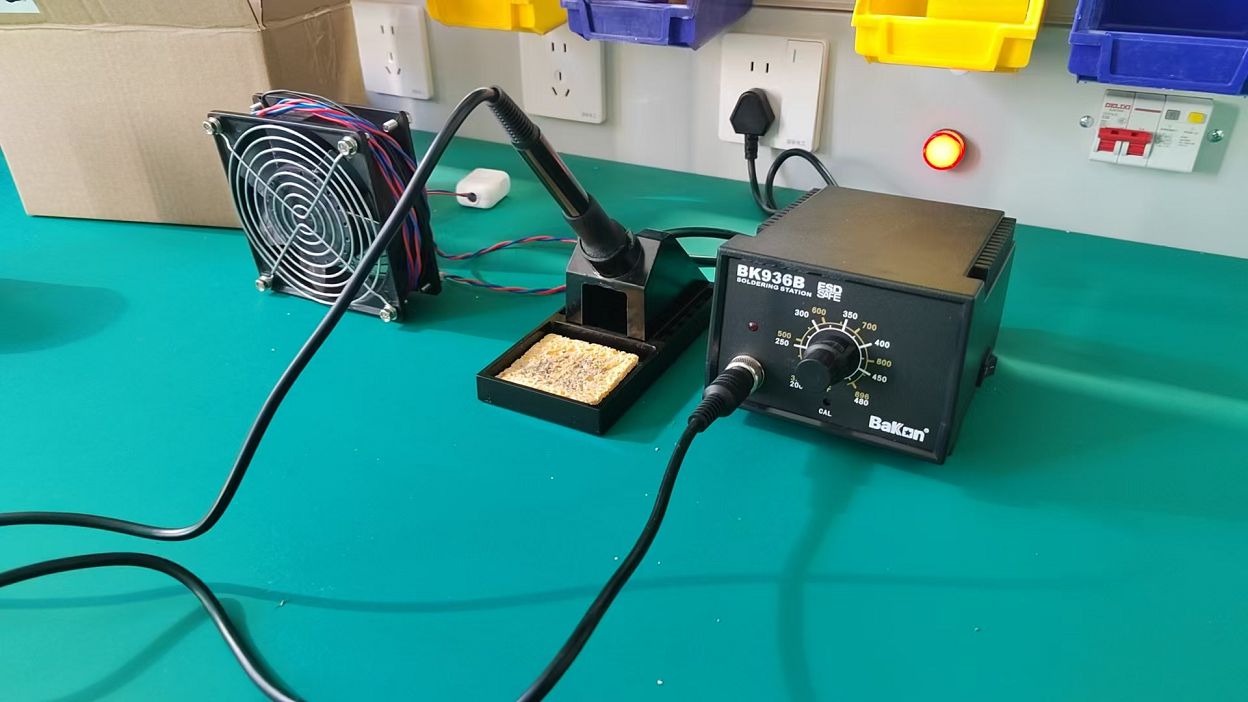
Established in 2004, Jinan Deming Power Equipment Co., Ltd. is a nationally recognized high-tech enterprise specializing in the research, development, production, and service of renewable energy power equipment and advanced power testing solutions. The company holds ISO9001:2015 certification and has been recognized as a high-tech enterprise by the Chinese government multiple times (2015, 2018).
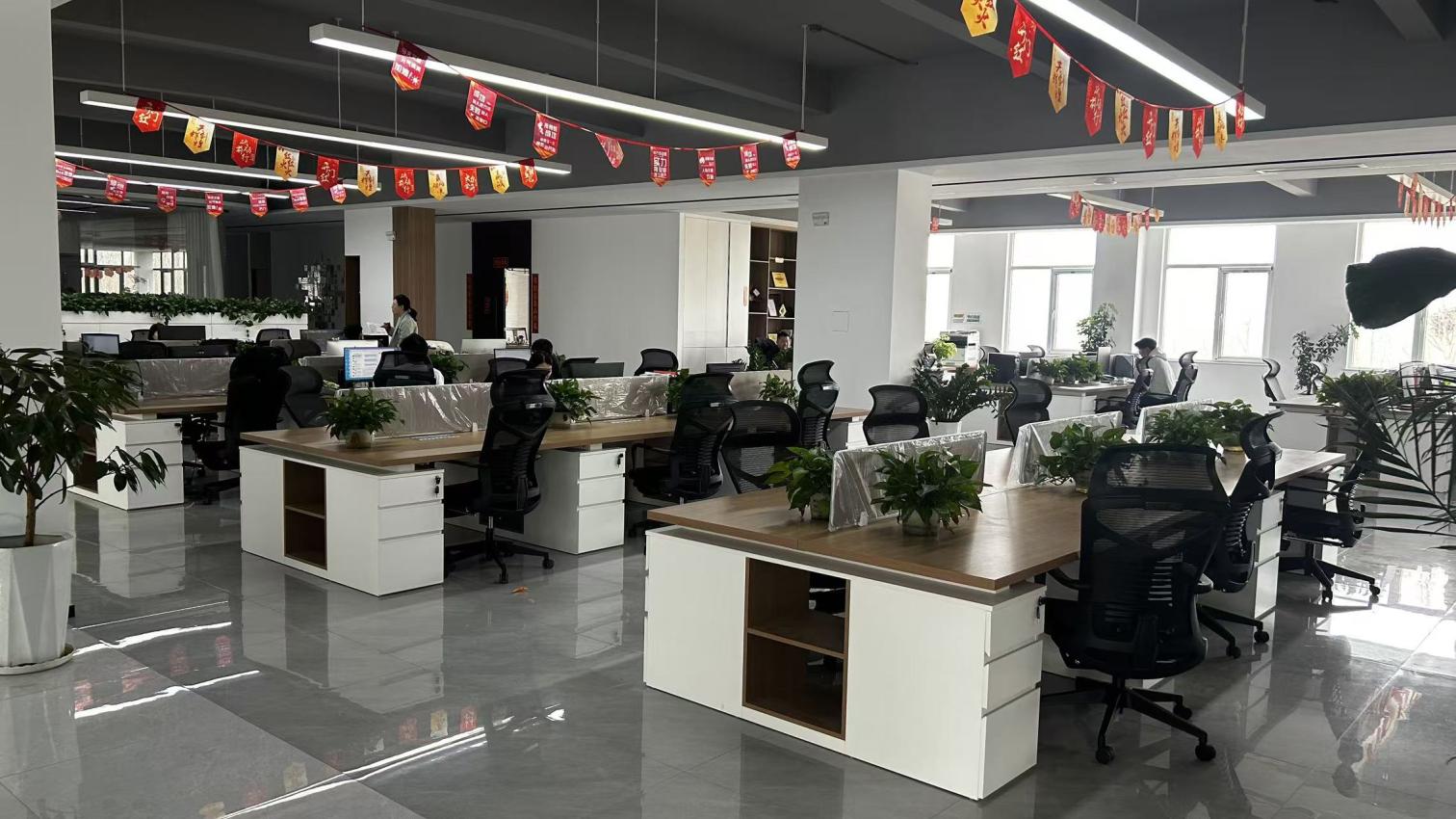
With a dedicated R&D team of 16 engineers including doctoral supervisors and master's degree holders, Deming invests no less than 20% of annual sales revenue into technology development. The company has completed 17 R&D projects in the last three years with 16 scientific and technological achievements transformed into commercial products. Deming's products have been exported to 120+ countries including Germany, Japan, the United States, UK, Canada, Australia, and Brazil, and the company has established cooperative relationships with Fortune 500 enterprises.
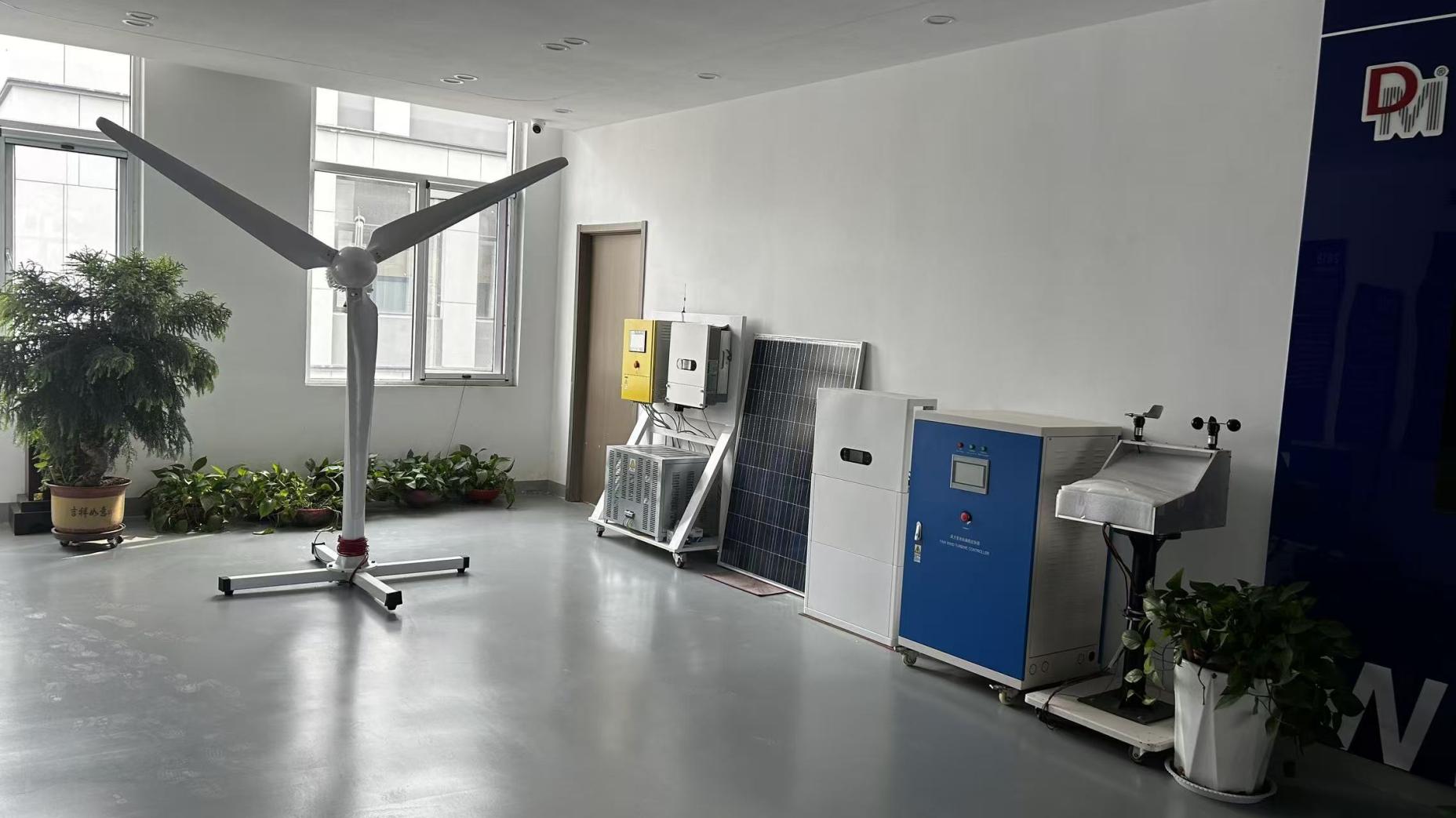
The company's main products include wind/solar controllers, inverters, frequency converters, and high-power bidirectional DC test power supplies and battery simulators ranging from 150kW to 500kW.
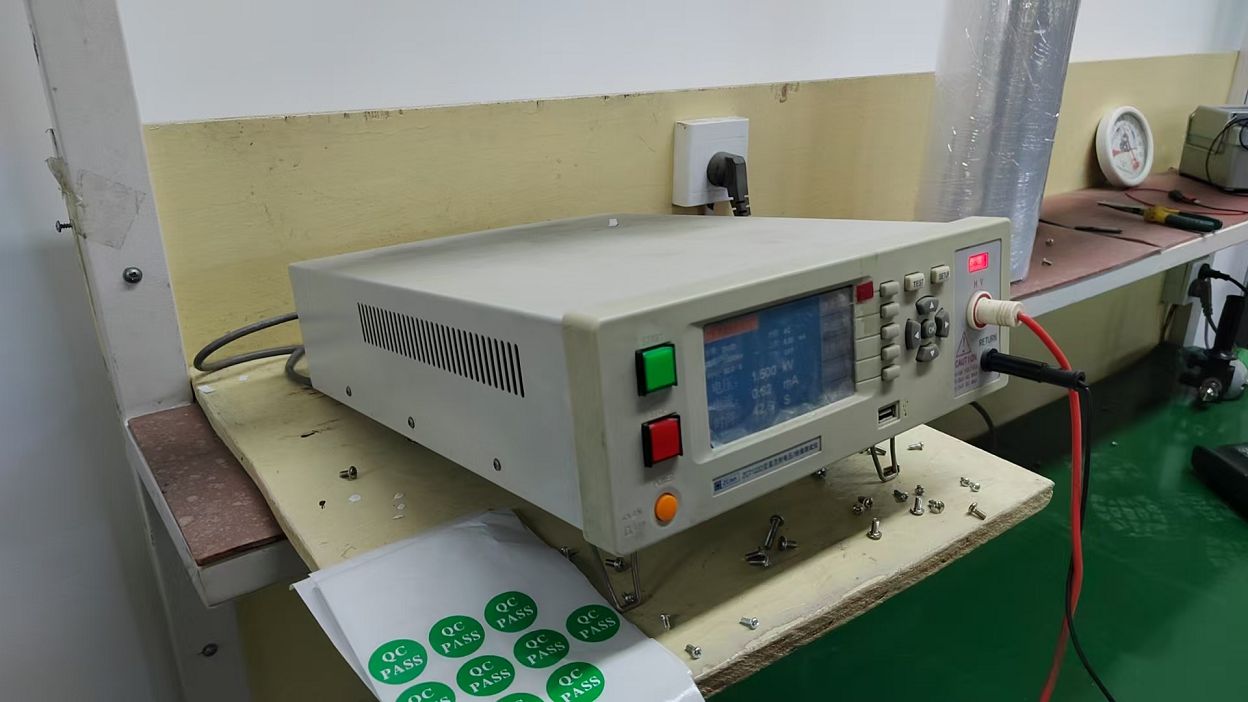
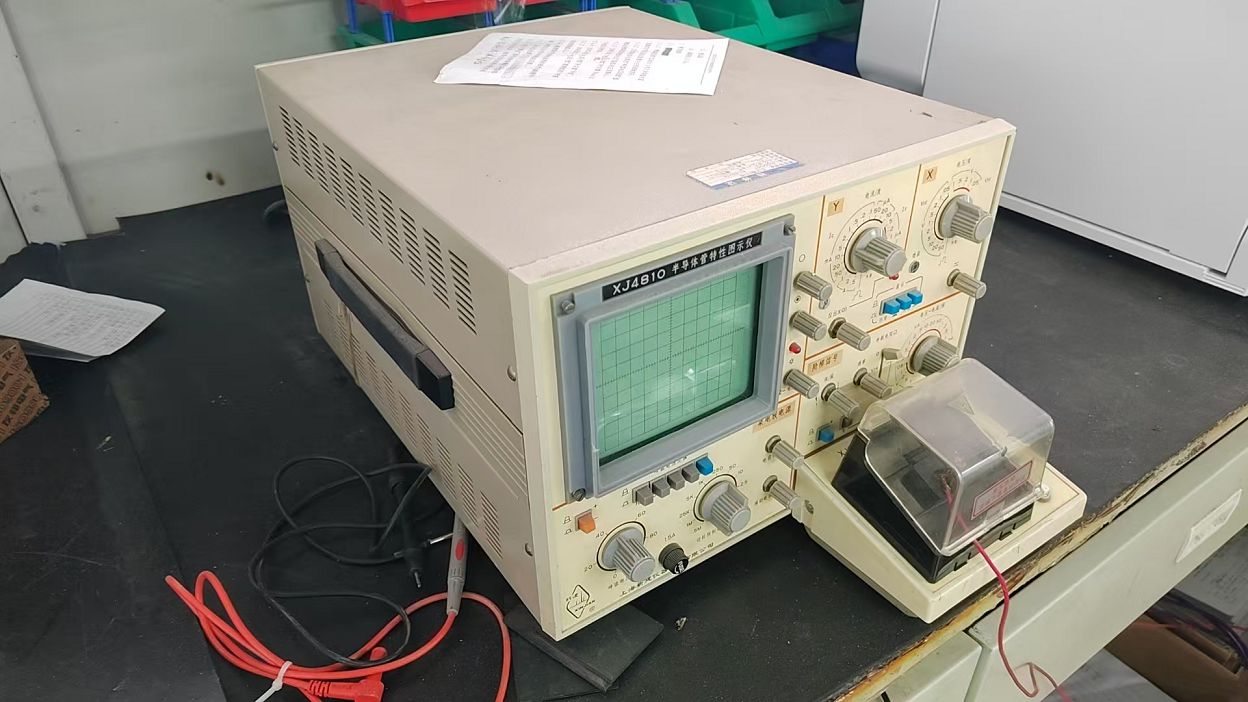
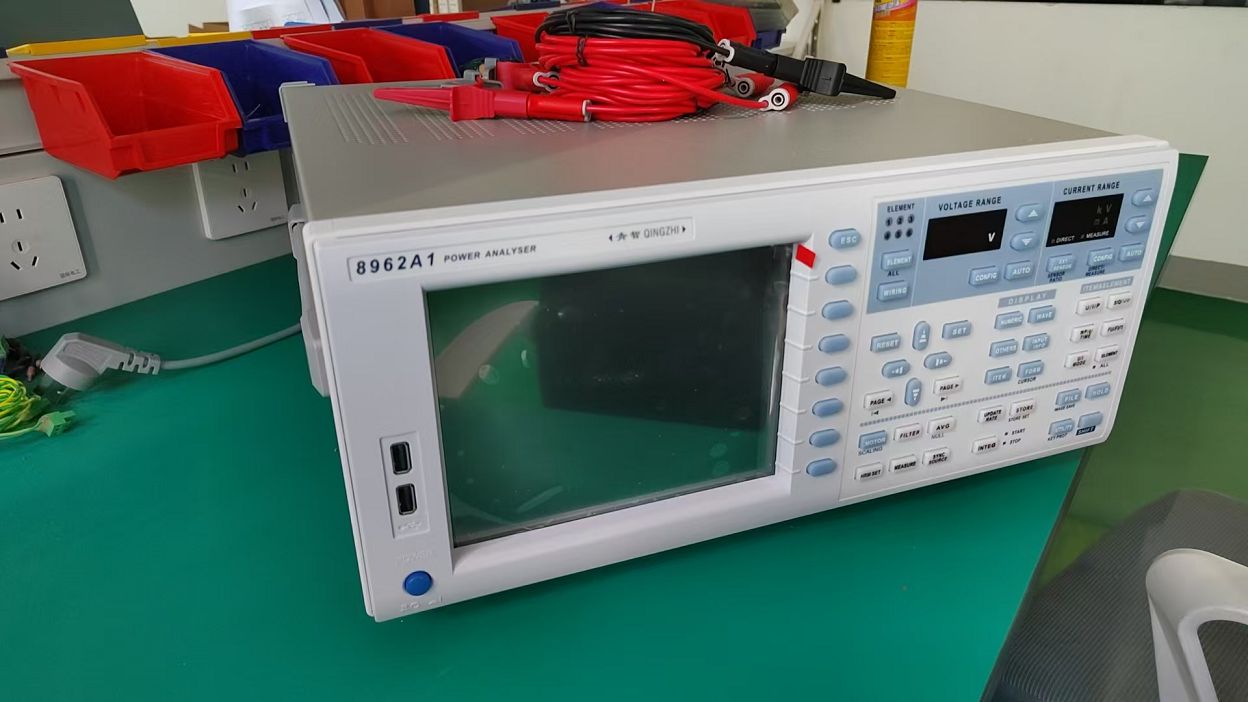
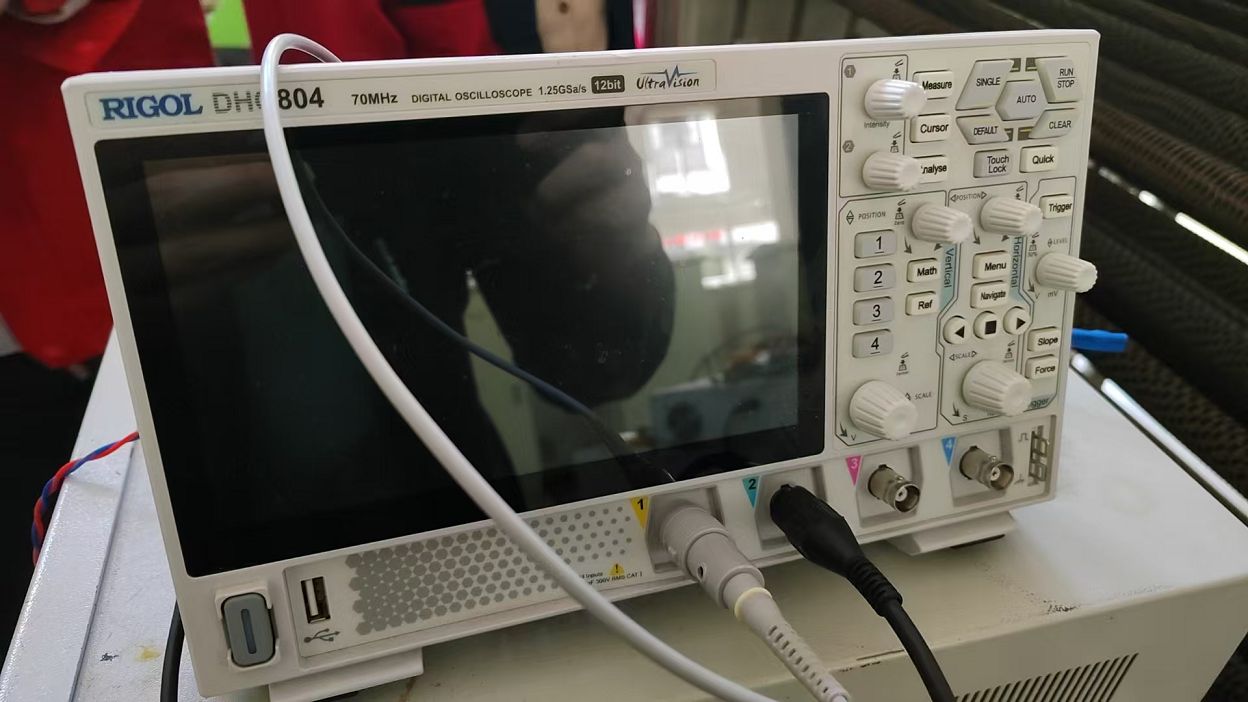
Modern wind systems require high-speed electrical management. Unlike solar energy, where panels can simply be open-circuited to stop power flow, wind turbines must always remain under load to prevent mechanical over-speed. When a turbine is disconnected from a load (like a battery bank) under high wind conditions, it can spin out of control, resulting in mechanical disintegration or alternator burnout.
Deming’s technology addresses this challenge through a multi-stage protection approach. By utilizing intelligent microcontroller-driven MPPT (Maximum Power Point Tracking) and high-performance IGBT components, our controllers react dynamically to voltage spikes within milliseconds.
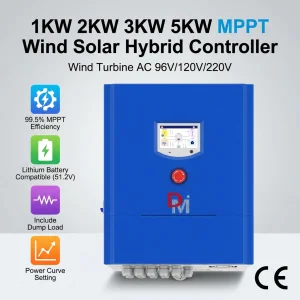
Across many parts of New Zealand, wind and solar assets complement each other. Solar output peaks during summer days, while wind energy performs best during winter storms and overnight. Deploying a hybrid charger controller reduces balance-of-system costs by routing both inputs through a single DC-to-DC conversion stage. Our hybrid controller series features independent solar and wind inputs, allowing microgrid operators to monitor and optimize both resource streams on a single unified display.
Explore our complete selection of certified controllers, including low-power wind-solar hybrid regulators and high-capacity industrial grid-tied systems.
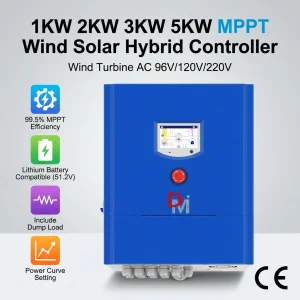
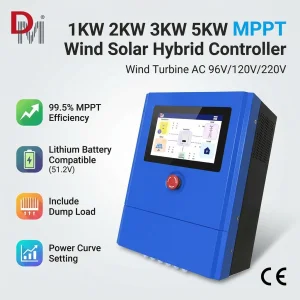
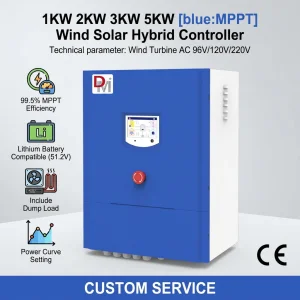
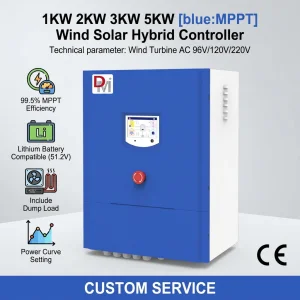
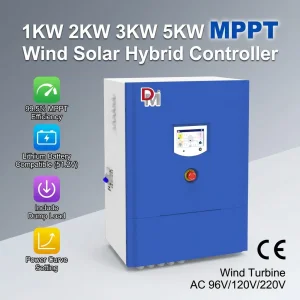
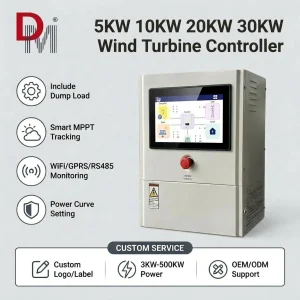
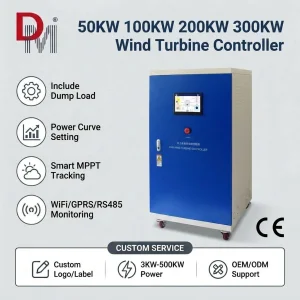
When specifying wind turbine charge controllers for commercial, municipal, or microgrid scale projects in New Zealand, utility and project procurement officers should focus on the following key operational parameters:
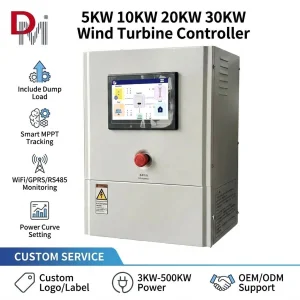
Turbines operating under high wind load can run out of control within seconds if connection to the load is lost. Our controllers feature multi-tiered safety systems including solid-state electromagnetic brakes, automated external dump loads, and manual override switches, protecting your wind turbine generator from mechanical damage during high-wind storms.
Managing energy assets on isolated sites—such as Stewart Island, Chatham Island, or remote farm boundaries in Otago—requires reliable telemetry. Our high-power controller units feature standard RS485 Modbus RTU communication interfaces, enabling easy integration with local SCADA networks, industrial PLC controllers, or cellular IoT gateways.
With the rapid adoption of lithium iron phosphate (LiFePO4) systems alongside traditional lead-acid and gel batteries, charging profiles must be highly customizable. Deming wind controllers feature programmable target charging voltages, preventing over-voltage trips or damage to lithium Battery Management Systems (BMS).
Expert insights on selecting, installing, and configuring wind turbine charge controllers for New Zealand conditions.
Connect with our technical engineering team. We provide custom voltage designs, system simulation, and complete support for commercial wind and hybrid power installations.
 Demin Power