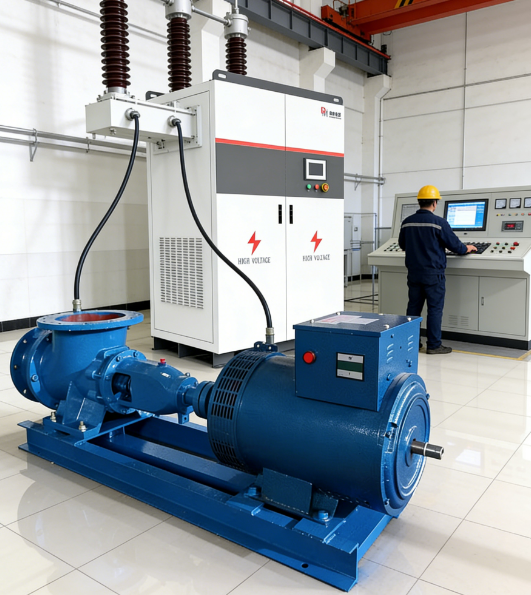
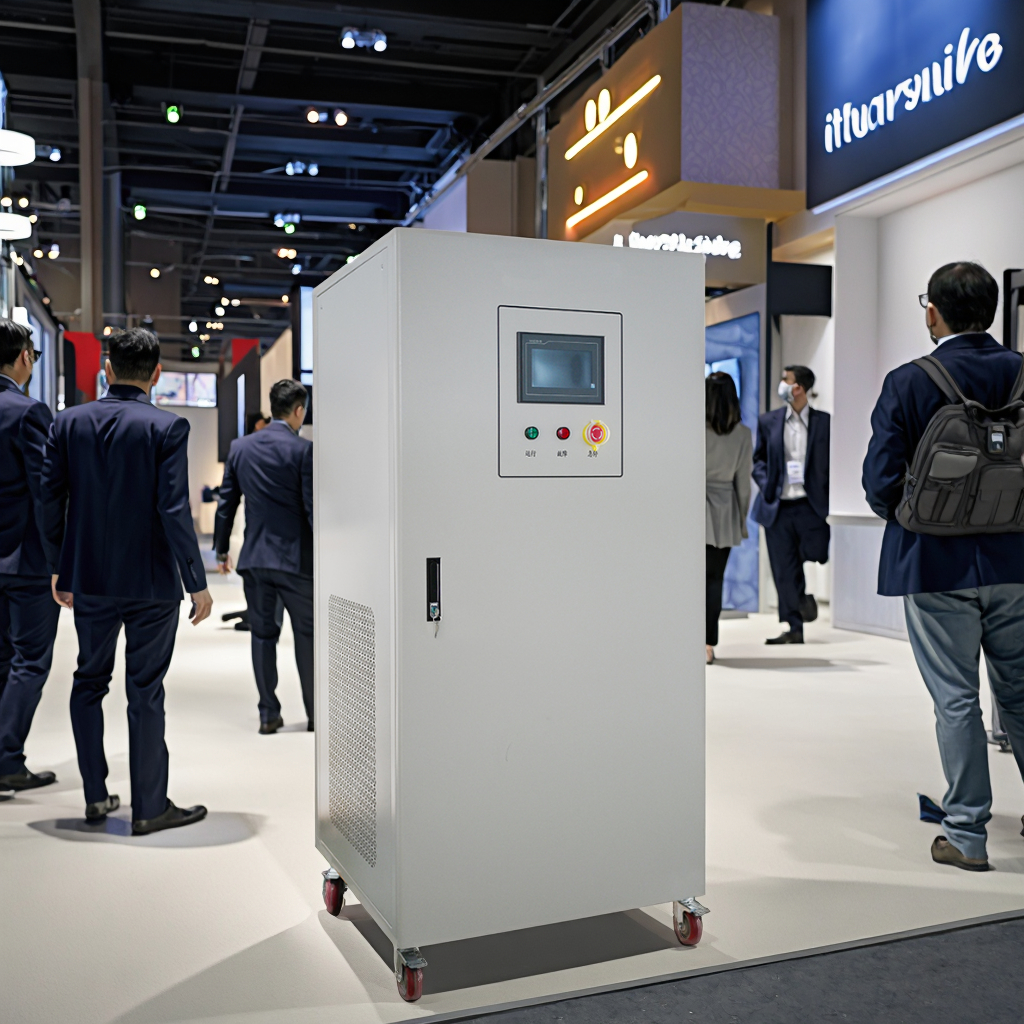
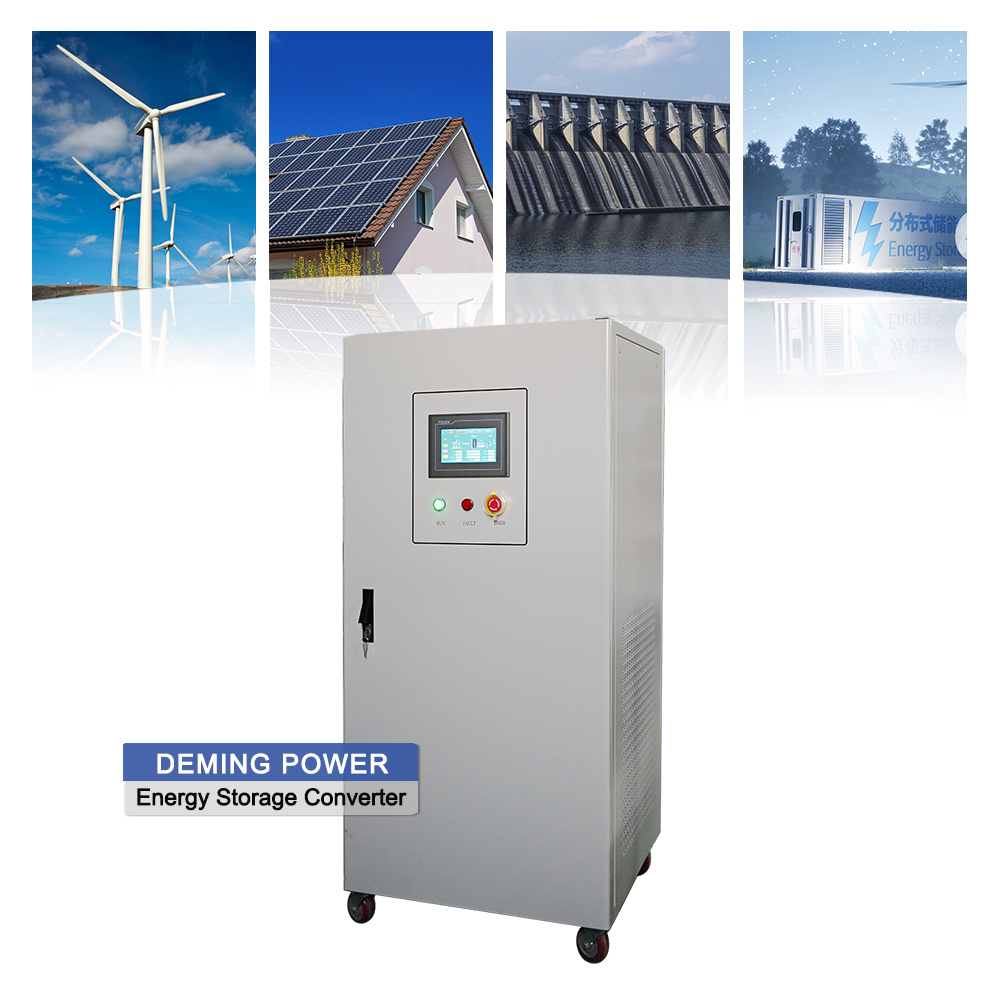
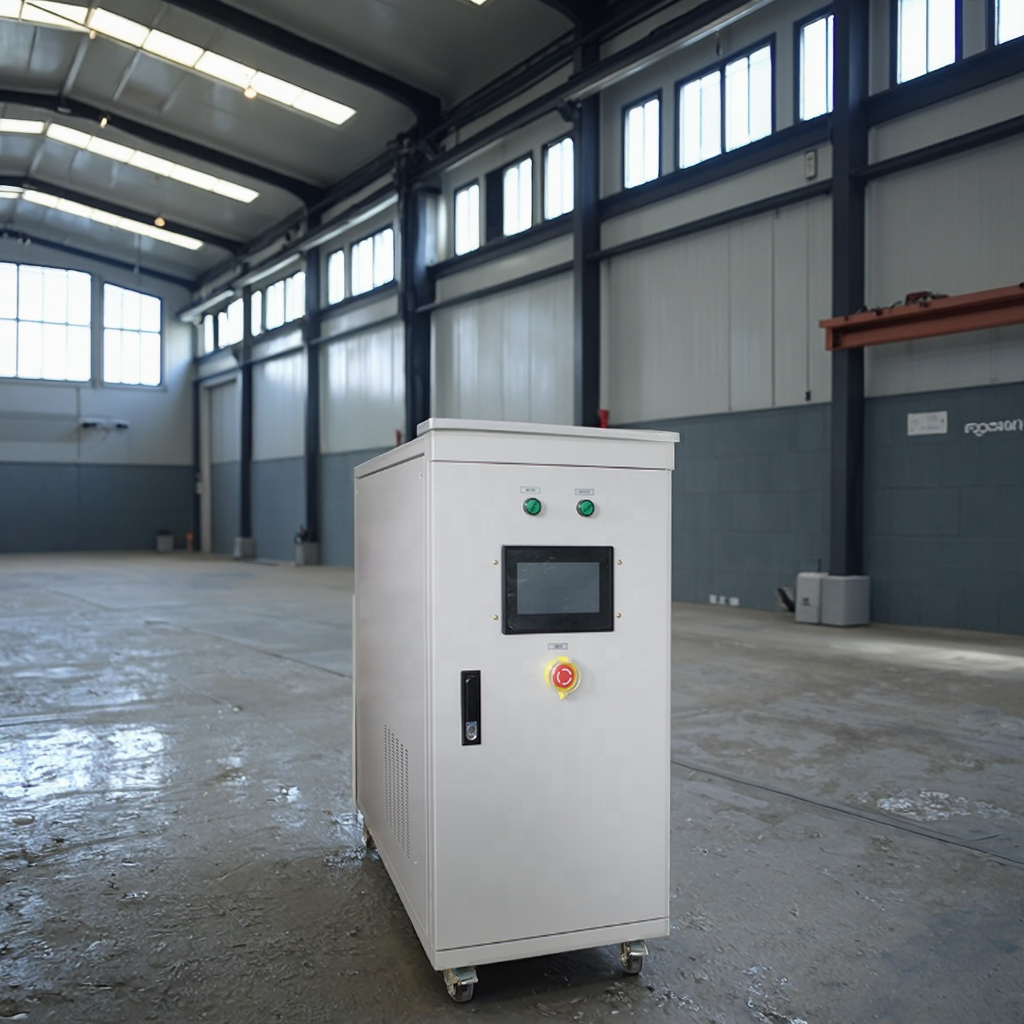
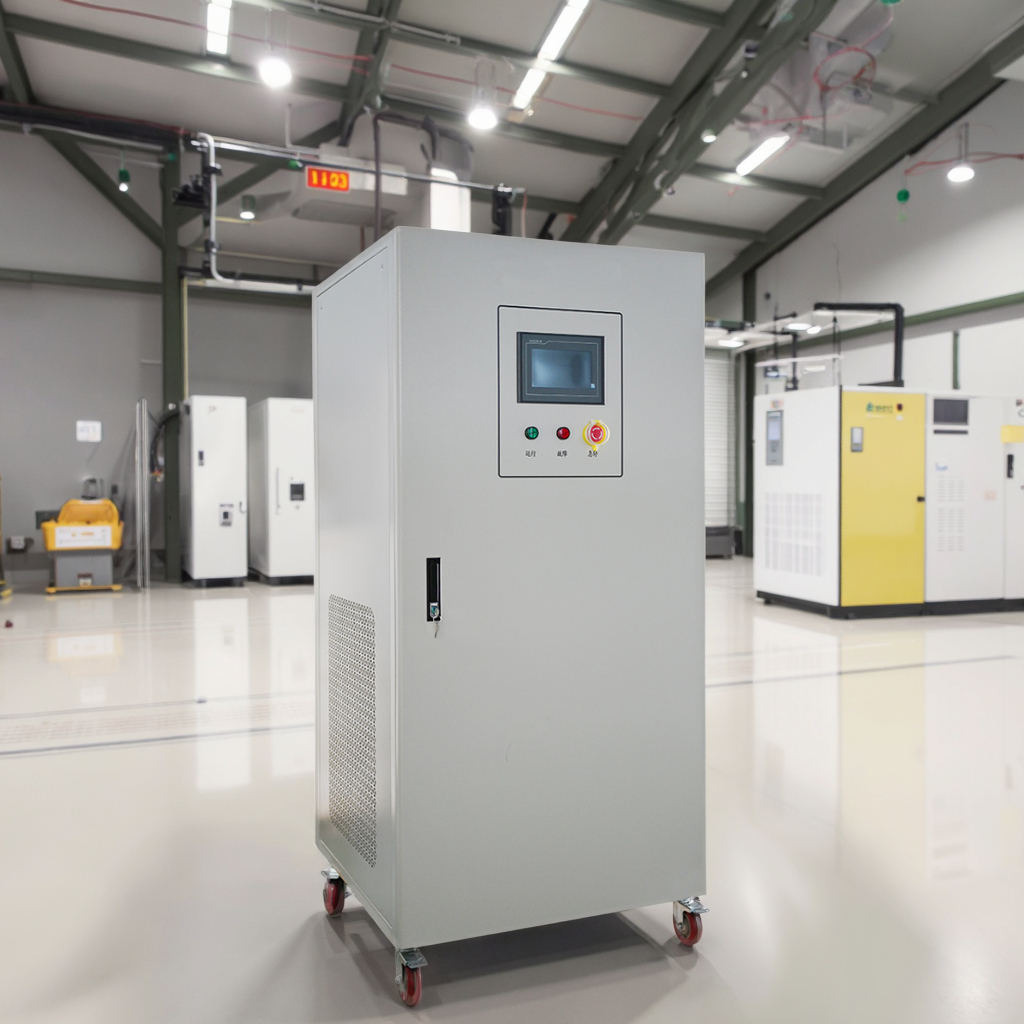
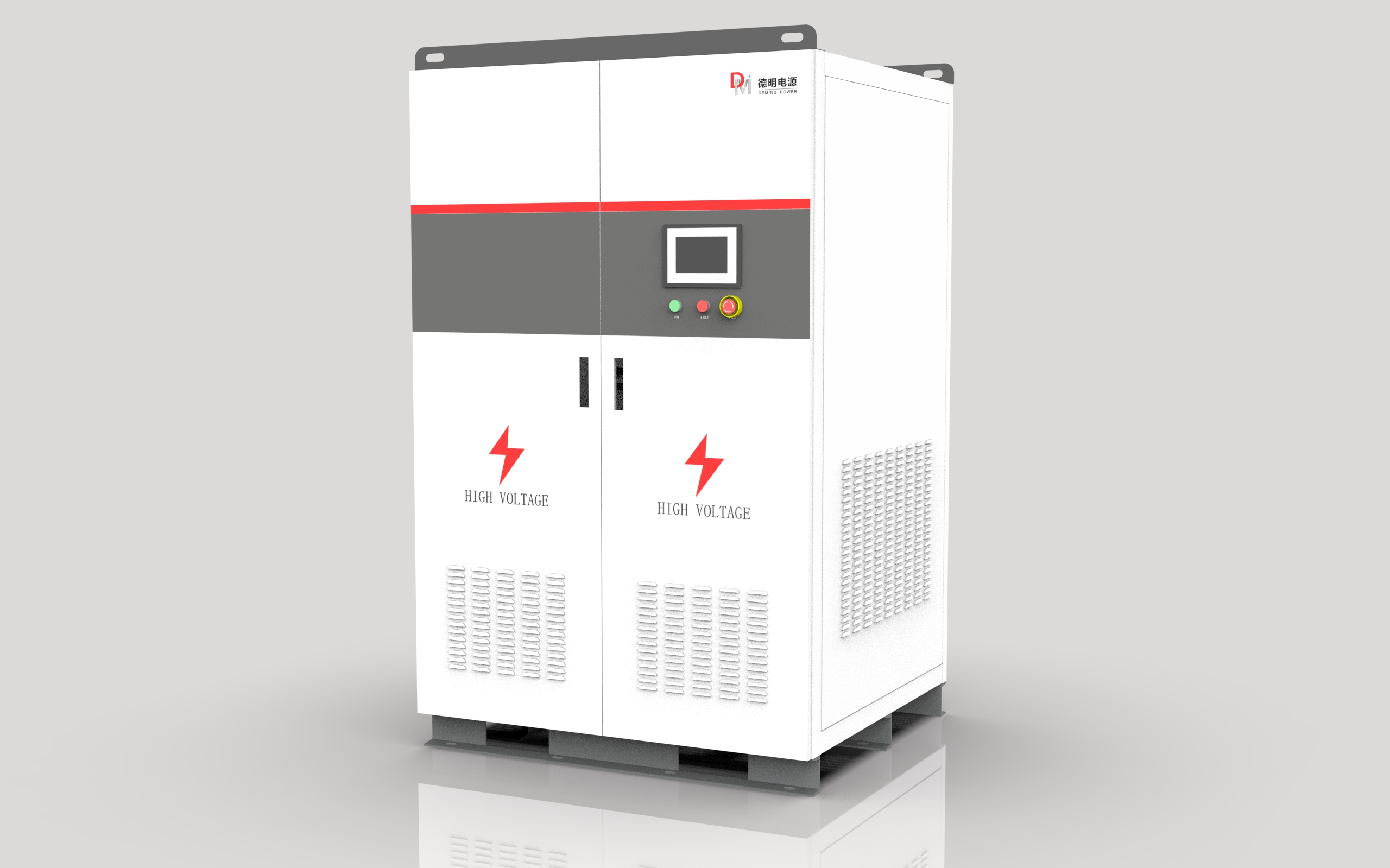
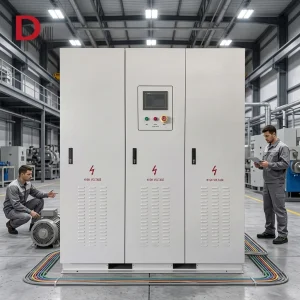
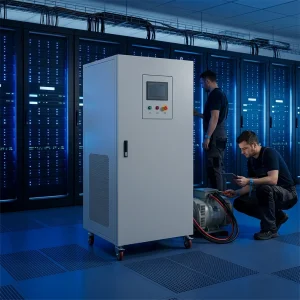
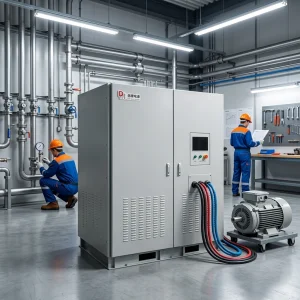
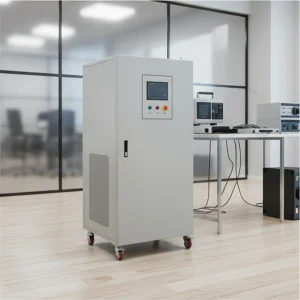
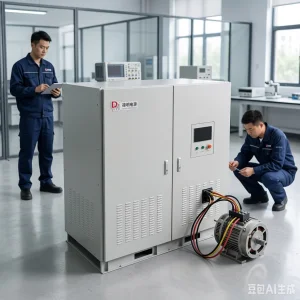
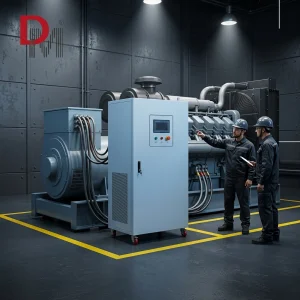
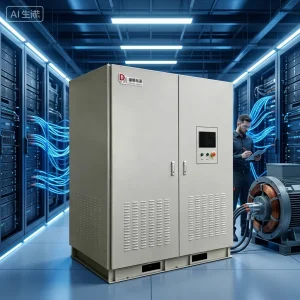
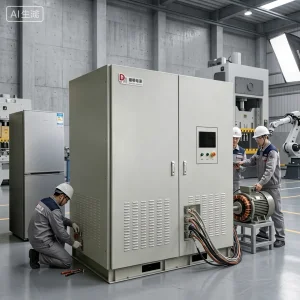
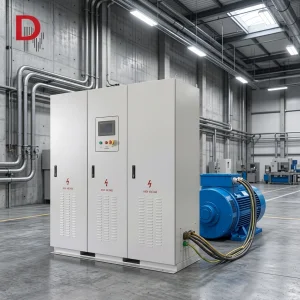
50KW Hydroelectric Power System Voltage and Frequency Regulator for on Grid Hydro Power Generator

Product Description

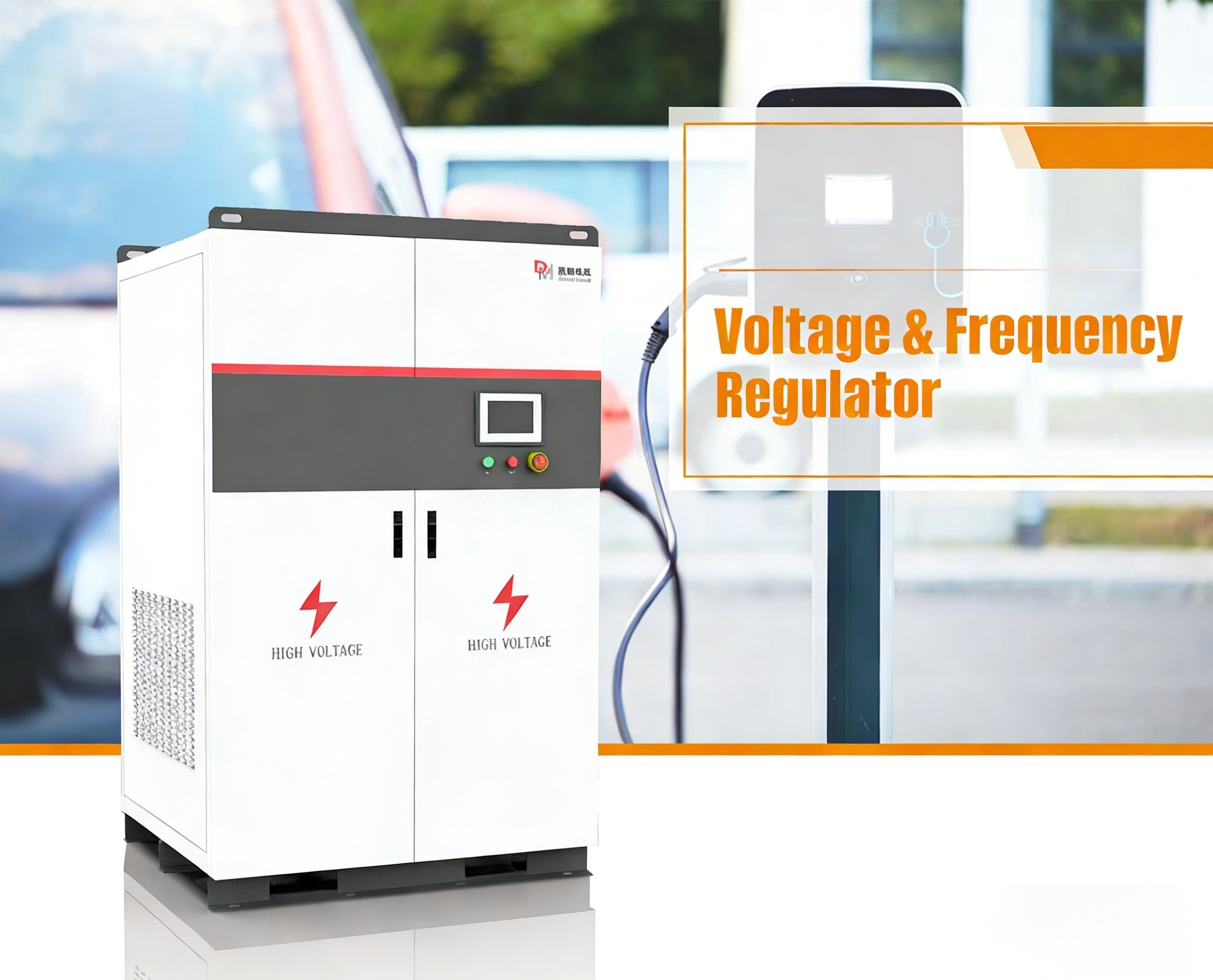
Voltage and Frequency Regulator Power Supply Banner
Product Description
i Voltage and Frequency Regulator (FVR) Power Supply Overview
Voltage and Frequency Regulator (abbreviated as FVR power supply) is a power electronic device that provides stable voltage and frequency output for loads. Using power electronic conversion technology, it converts unstable input power (such as mains supply, generators, etc.) into alternating current with precisely controllable voltage and frequency. It is widely used in applications with high requirements for power quality.
Voltage Stabilization

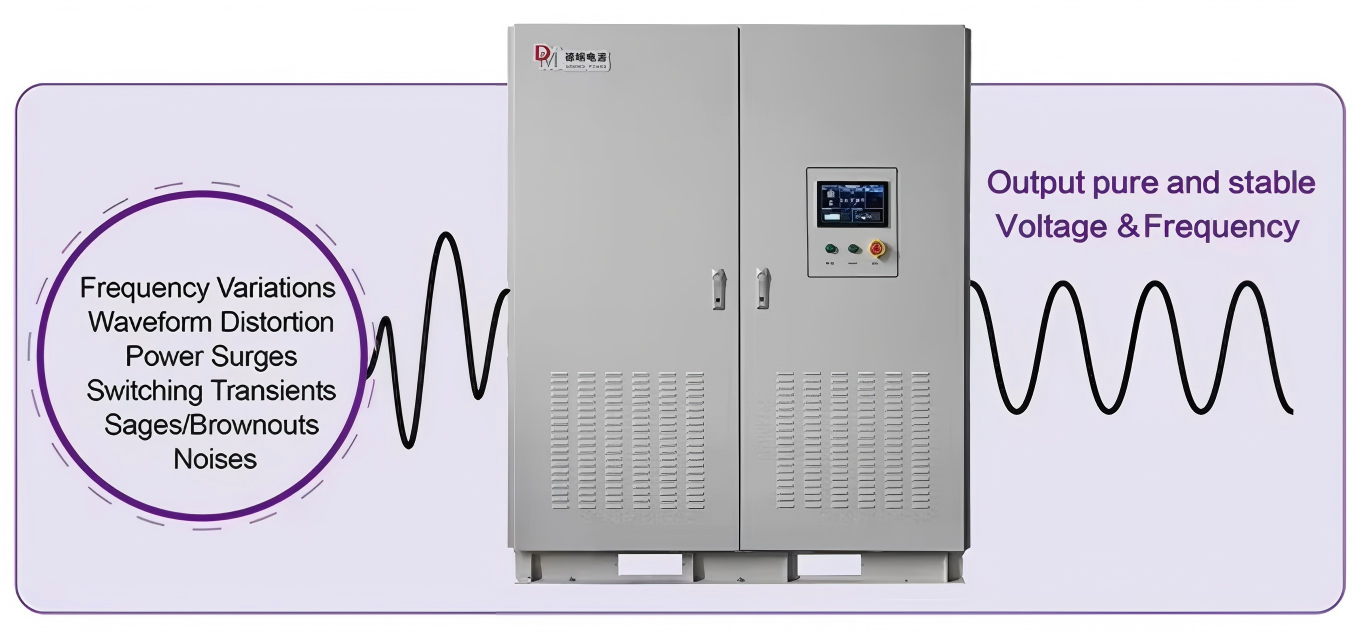
When the input voltage fluctuates (e.g., mains voltage ±10%~±20%), the output voltage is maintained within ±0.5%~±1% of the set value (up to ±0.1% for high-precision models). It also suppresses interference such as noise, surges and harmonics from the input source.

Frequency Stabilization

When the input frequency varies (e.g., frequency drift during generator operation) or there is no input frequency (e.g., DC-input inverter applications), the output frequency is locked at 50 Hz / 60 Hz or a customized frequency, with a typical accuracy of ±0.01 Hz~±0.1 Hz.

Waveform Correction

It converts distorted input waveform (e.g., square waves, distorted sine waves) into pure sine wave output (THD ≤ 1%~5%), meeting the waveform quality requirements of precision equipment.
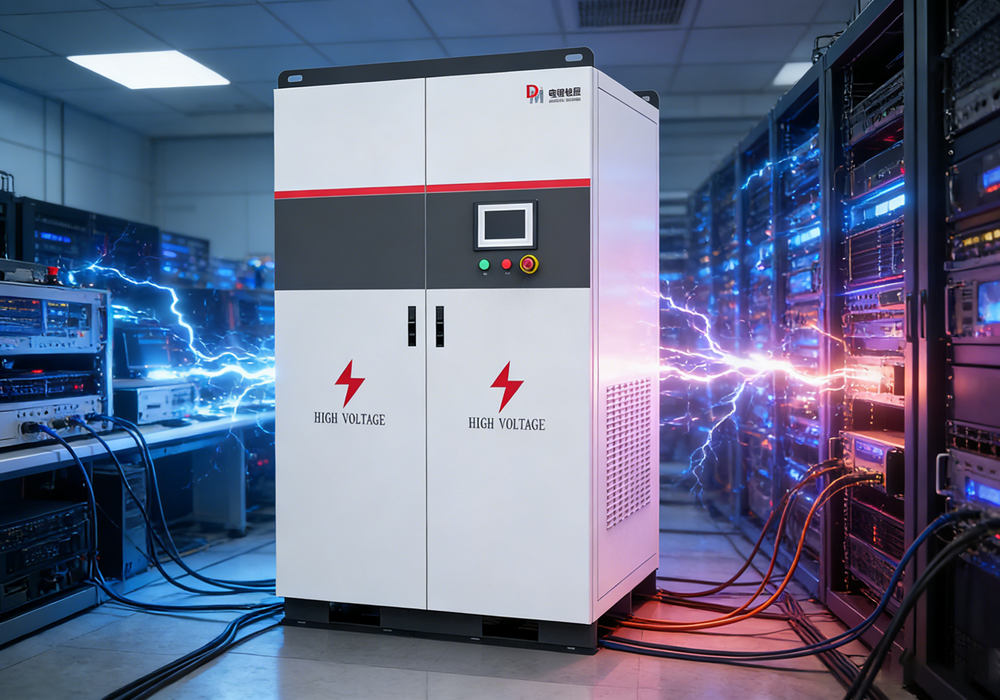
Voltage Regulation Output Graph
Frequency Regulation Output Graph
Waveform Correction Output Graph
Key Technical Specifications
  • Voltage Regulation: Output voltage fluctuation within ±0.5% when input voltage varies.
  • Frequency Regulation: Output frequency deviation within ±0.05 Hz when input frequency or load changes.
  • Dynamic Response Time: ≤ 200 ms for output to return to stable range under sudden load change (e.g., 0% → 100% load).
  • Efficiency: Generally higher than 85% (ratio of output power to input power).
  • Overload Capacity: Capable of withstanding 150% of rated power for a short period, protecting both the equipment and the load.
  • Wide Voltage & Frequency Output: Supports adjustable output voltage from 0 to 1000 V (customizable) and adjustable output frequency from 25 Hz to 400 Hz, meeting various application requirements.
  • Digital Control: Adopts digital control chips to implement high-precision control algorithms and improve dynamic response. Supports remote monitoring via RS485/RS232.
Technical Layout Graphic 1
Technical Layout Graphic 2
Main Types & Configurations
  • DMFVR11: Single-phase input, single-phase output
  • DMFVR13: Single-phase input, three-phase output
  • DMFVR31: Three-phase input, single-phase output
  • DMFVR33: Three-phase input, three-phase output
Selection Guidelines
  • Power Capacity: Select a rating of 1.5–2 times the rated power of the load to ensure sufficient overload margin.
  • Accuracy Level: Choose voltage/frequency accuracy according to load requirements (e.g., ±0.1% for laboratory equipment, ±1% for industrial equipment).
  • Input Conditions: Confirm input type and voltage range (e.g., wide voltage input AC 85–265 V).
Typical Applications

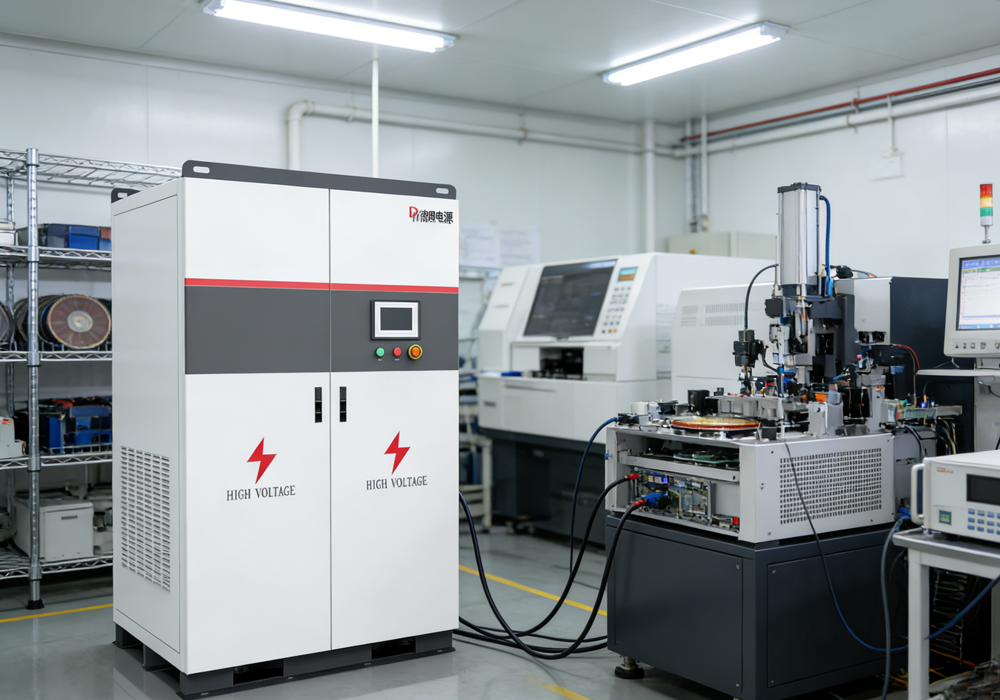
Industrial product testing, medical equipment, aerospace and scientific research, new energy and other fields.

Application Demonstration 1
Application Demonstration 2

The power supply can completely solve all power problems unless power off (such as frequency drift, waveform distortion, surge, sinking, transient overvoltage, voltage drop/sag, noise interference, etc.). It can provide you with an extremely stable, extremely pure sine wave AC power voltage/frequency, and can effectively replace standard AVRs that cannot stabilize frequency.


Recommend Products
Our Advantages
Our Advantages Infographic
Packing & Shipping
Packing Process 1
Packing Process 2
Packing Process 3
Packing Process 4
Shipping and Logistics
FAQ
Q What is a Voltage and Frequency Regulator (FVR) Power Supply?
An FVR power supply is an advanced electronic device designed to convert unstable input power sources (like fluctuating grid mains or generators) into alternating current with highly stable, precisely controlled voltage and frequency outputs.
Q What level of voltage and frequency stability does the FVR offer?
Under standard input voltage fluctuations of ±10% to ±20%, the system maintains output voltage stability within ±0.5% to ±1% (up to ±0.1% for high-precision models). The output frequency is locked to typical standard tolerances of ±0.01 Hz to ±0.1 Hz.
Q How does the FVR correct distorted input waveforms?
The FVR actively corrects waveform distortion (such as square waves or distorted sine waves) and outputs a pure sine wave with a Total Harmonic Distortion (THD) of ≤ 1% to 5%, meeting strict quality requirements for precision equipment.
Q What is the dynamic response time under sudden load changes?
The FVR features a dynamic response time of ≤ 200 ms. This allows the output to quickly return to a stable, safe operating range even during severe, sudden load steps from 0% to 100%.
Q How do I choose the correct capacity for my FVR Power Supply?
We recommend selecting a power supply capacity rating that is 1.5 to 2 times the rated power of your connected load. This ensures an adequate overload margin to handle startup spikes and dynamic changes safely.
Q What configurations and phases are available for the FVR series?
The FVR is available in four configurations: DMFVR11 (Single-phase input/output), DMFVR13 (Single-phase input, three-phase output), DMFVR31 (Three-phase input, single-phase output), and DMFVR33 (Three-phase input, three-phase output).
Certification and Quality Standards

Related Products