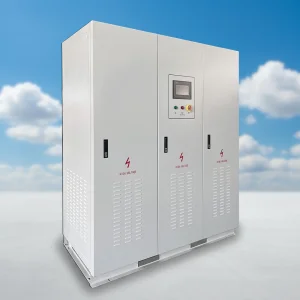
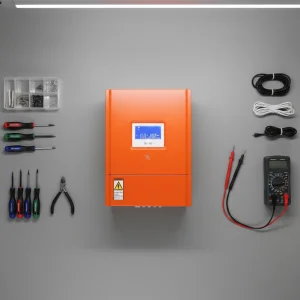
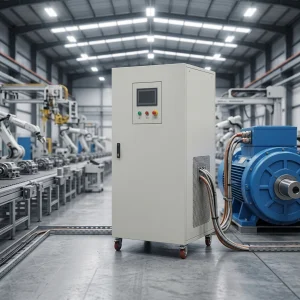
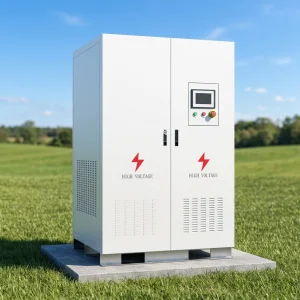
Leading-edge bidirectional converter matrices and system modules optimized for multi-source topologies and microgrid integration.
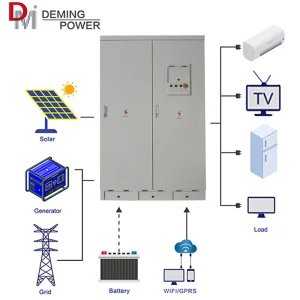
The global transition to a low-carbon economy has triggered an unprecedented evolution in electrical grid architecture. Traditional centralized grid topologies are rapidly decentralizing, giving rise to complex commercial and industrial (C&I) microgrids, hybrid renewable energy stations, and utility-scale battery energy storage systems (BESS). Within this structural realignment, high-power DC-DC converters serve as the critical hardware nexus. These advanced power electronics systems bridge the voltage gaps between variable sources—such as photovoltaic arrays, wind generators, and battery modules—and standardized high-voltage DC or AC transmission buses.
Modern applications demand more than simple voltage conversion. Industrial networks increasingly rely on bidirectional DC-DC topologies that facilitate dual-direction power flows. For instance, in automated manufacturing plants utilizing heavy machinery and regenerative energy mechanisms (such as crane hoists or robotic assemblers), bidirectional converters allow recovered kinetic energy to feed back into battery storage banks instead of being dissipated as heat. Concurrently, the rise of megawatt-class EV charging plazas requires robust isolated DC-DC systems that match volatile battery requirements while ensuring complete galvanic safety for end-users. The global market is transitioning rapidly towards higher voltage thresholds—often shifting from 400V to 1000V and up to 1500V DC buses—which dramatically reduces copper cable losses and system-wide installation costs.
The technical roadmap for high-efficiency DC-DC converters is defined by two primary vectors: semiconductor materials and circuit topologies. At the component level, the shift from traditional Silicon (Si) IGBTs to Wide Bandgap (WBG) materials, such as Silicon Carbide (SiC) and Gallium Nitride (GaN), has revolutionized switching efficiency. SiC MOSFETs operate at significantly higher frequencies (ranging from 50 kHz to several hundred kHz) while simultaneously reducing switching losses. High-frequency operation directly minimizes the physical envelope of passive components—such as magnetic cores, inductors, and filter capacitors—resulting in compact, stackable converter structures with power densities exceeding 10 kW/L.
From a topology perspective, resonant converter topologies (such as LLC and dual-active bridge or DAB configurations) have become the industry standard for high-performance DC-DC design. LLC topologies enable Zero Voltage Switching (ZVS) and Zero Current Switching (ZCS), allowing the system to achieve peak conversion efficiencies up to 99%. This high-efficiency performance limits thermal dissipation, allowing operators to downsize active cooling systems and improve the Mean Time Between Failures (MTBF). Future engineering directions point toward modular parallel operations, wherein multi-phase interleaved structures distribute thermal load dynamically and offer N+1 redundancy. This architecture ensures that if one module undergoes service, the remaining parallel network sustains the operational load without interrupting industrial operations.
Analyzing the practical deployment of high-power DC-DC converters across vital, harsh, and modern grid infrastructures worldwide.
Direct integration into utility-scale BESS. Multi-megawatt DC-DC systems regulate battery discharge curves, manage individual pack state-of-charge (SoC), and stabilize voltage levels before grid-tie inversion, enabling precise peak-load management.
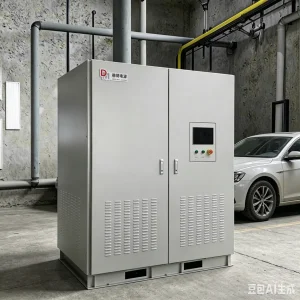
Automotive testing laboratories employ bidirectional DC-DC simulators to emulate real-world electric vehicle battery pack behavior. Systems provide dynamic voltage curves from 150kW to 500kW to validate EV powertrains and traction inverters.
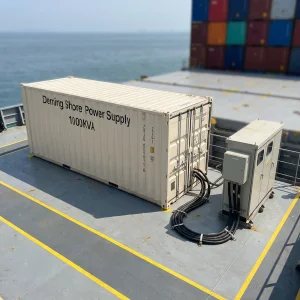
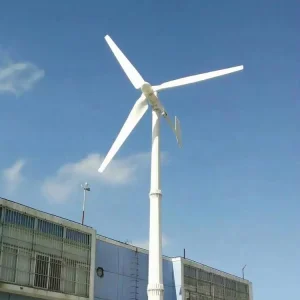
Bridging the volatile energy harvested by wind generators and solar PV networks in extreme climates. Features high isolation ratings, conformal-coated circuit designs, and IP54+ ratings to survive harsh, corrosive marine environments.
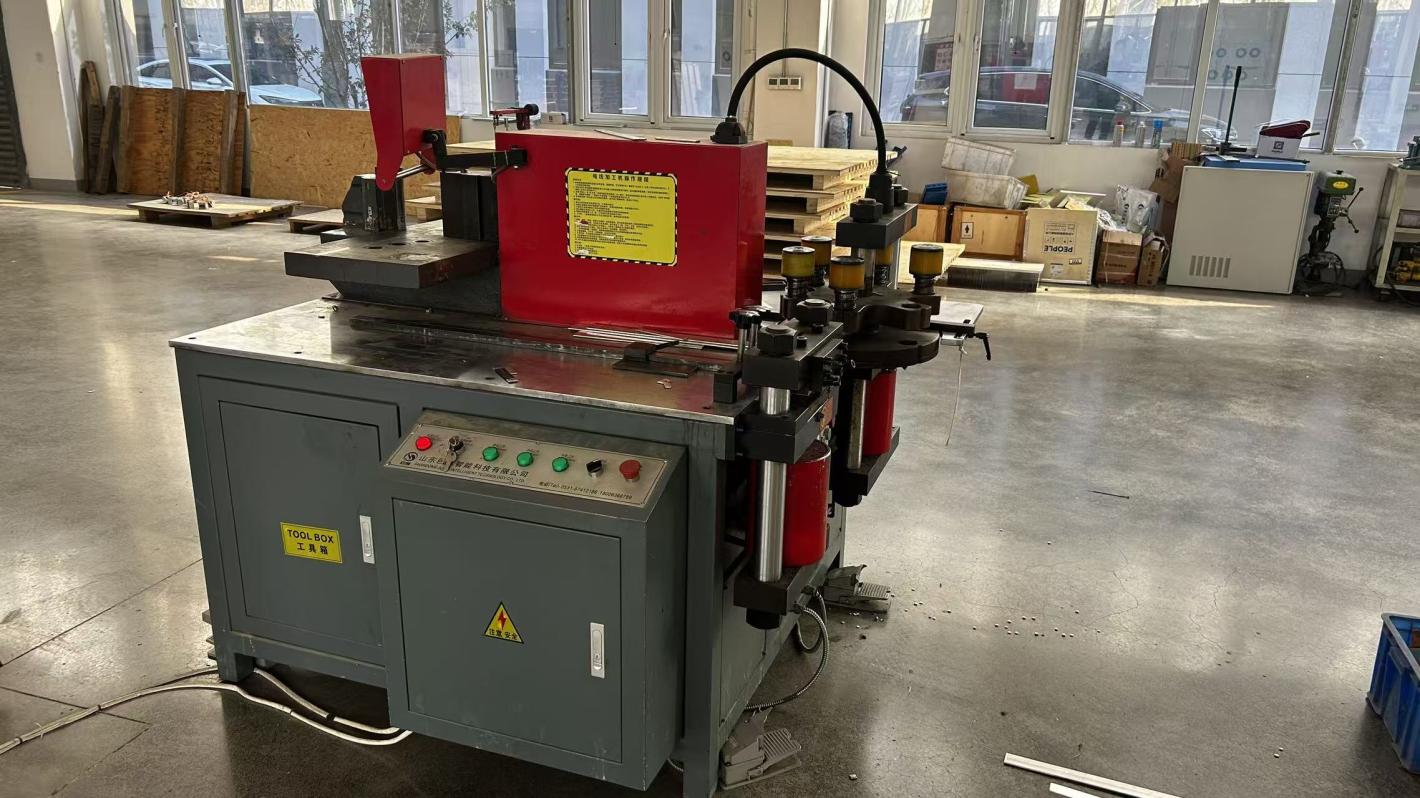
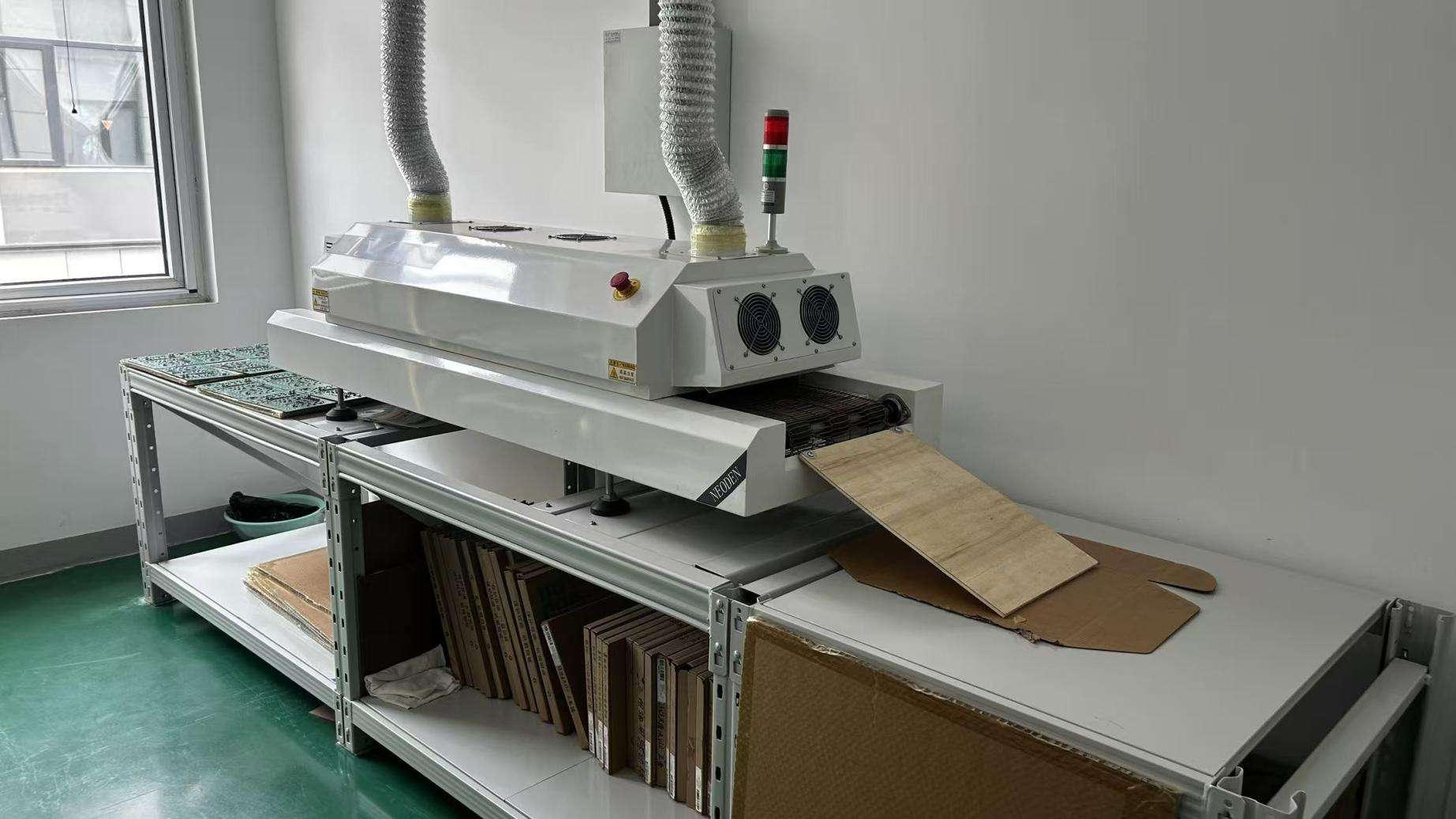
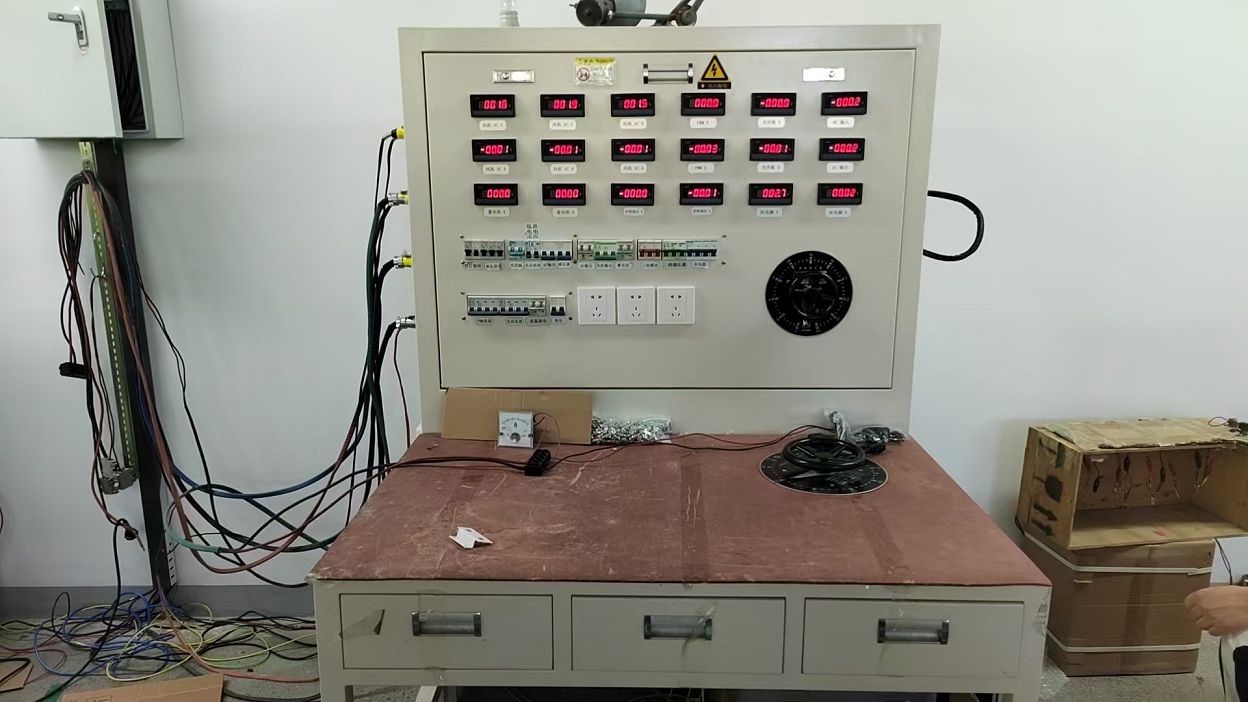
China's dominance in the global power electronics sector is built on robust component supply chains, cluster-based sourcing, and highly specialized manufacturing facilities. Key components—such as magnetic cores, copper busbars, high-frequency transformers, and heat-sink enclosures—are sourced from integrated industrial regions. This localized cluster-based sourcing drastically reduces lead times and insulates international buyers from cross-border supply chain volatility. Crucially, Chinese power system factories utilize automated surface-mount technology (SMT) lines, computerized copper bar bending machinery, and automated testing rigs to secure consistent production output.
Jinan Deming Power Equipment Co., Ltd. is a representative example of this industrial and technological capacity. Established in 2004, Jinan Deming is a nationally recognized high-tech enterprise specializing in the R&D, manufacturing, and support of clean energy power hardware and high-capacity testing systems. The enterprise holds formal ISO9001:2015 certification and has repeatedly secured official high-tech credentials. Deming maintains a dedicated R&D team consisting of 16 senior engineers—including doctoral supervisors and master's degree holders. To sustain technological leadership, Deming reinvests no less than 20% of its annual sales revenue back into product development. This continuous funding has yielded 17 advanced R&D projects over the past three years alone, successfully converting 16 scientific and technological innovations into commercially active products. To date, Deming's power solutions have been exported to over 120 countries, including Germany, Japan, the United States, the UK, Canada, Australia, and Brazil, with deep partnerships extending to Fortune 500 enterprises.
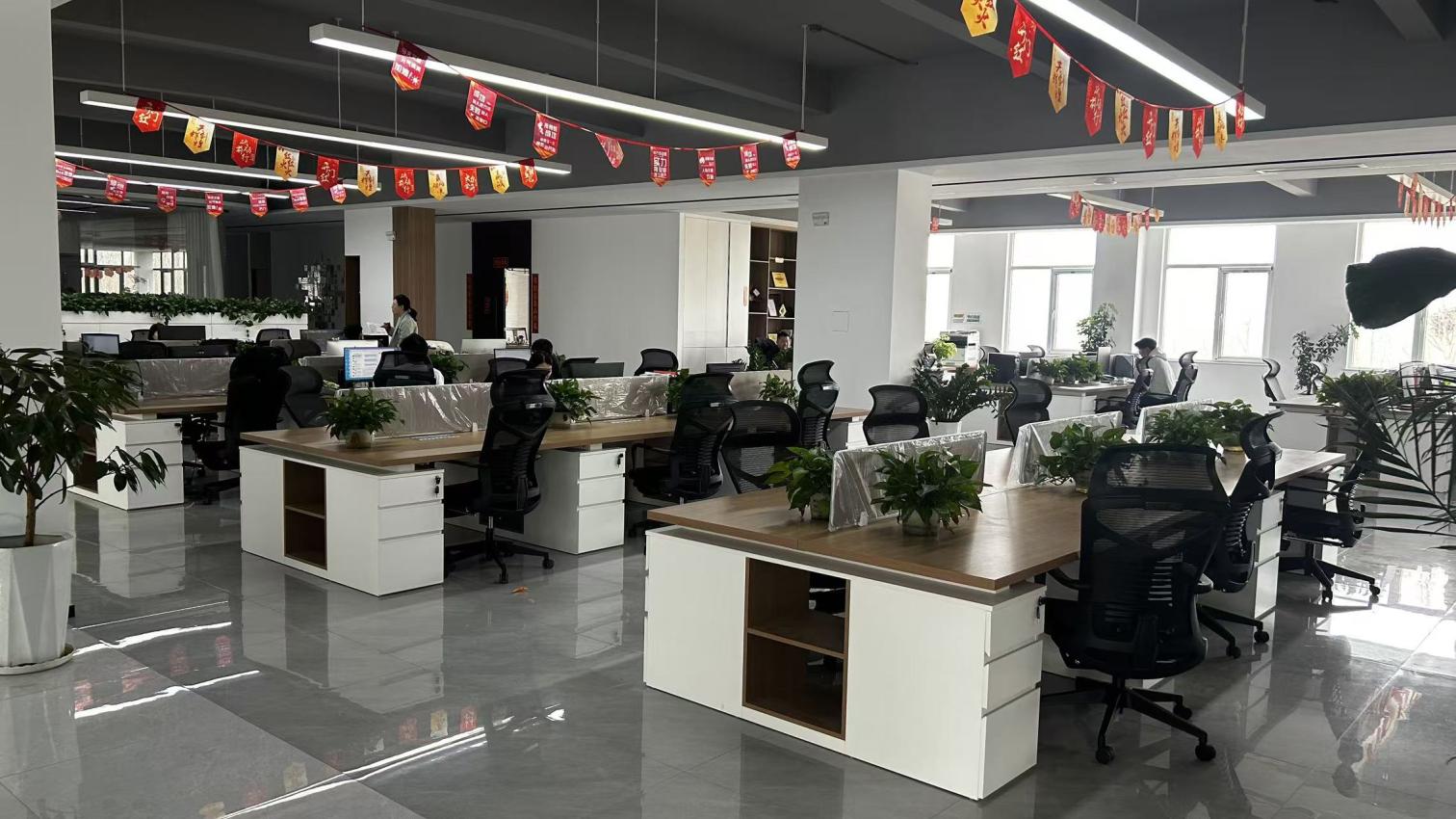
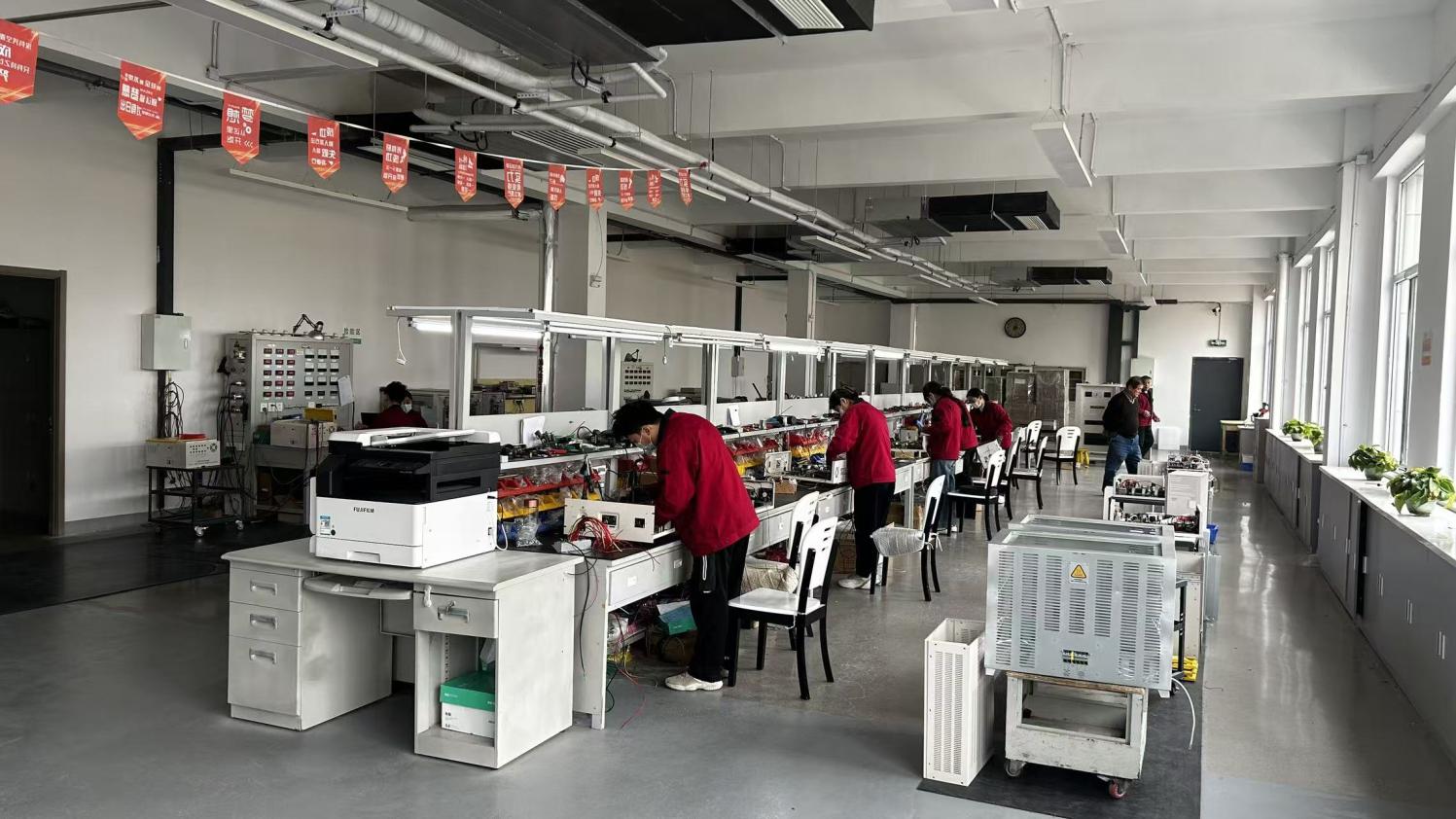
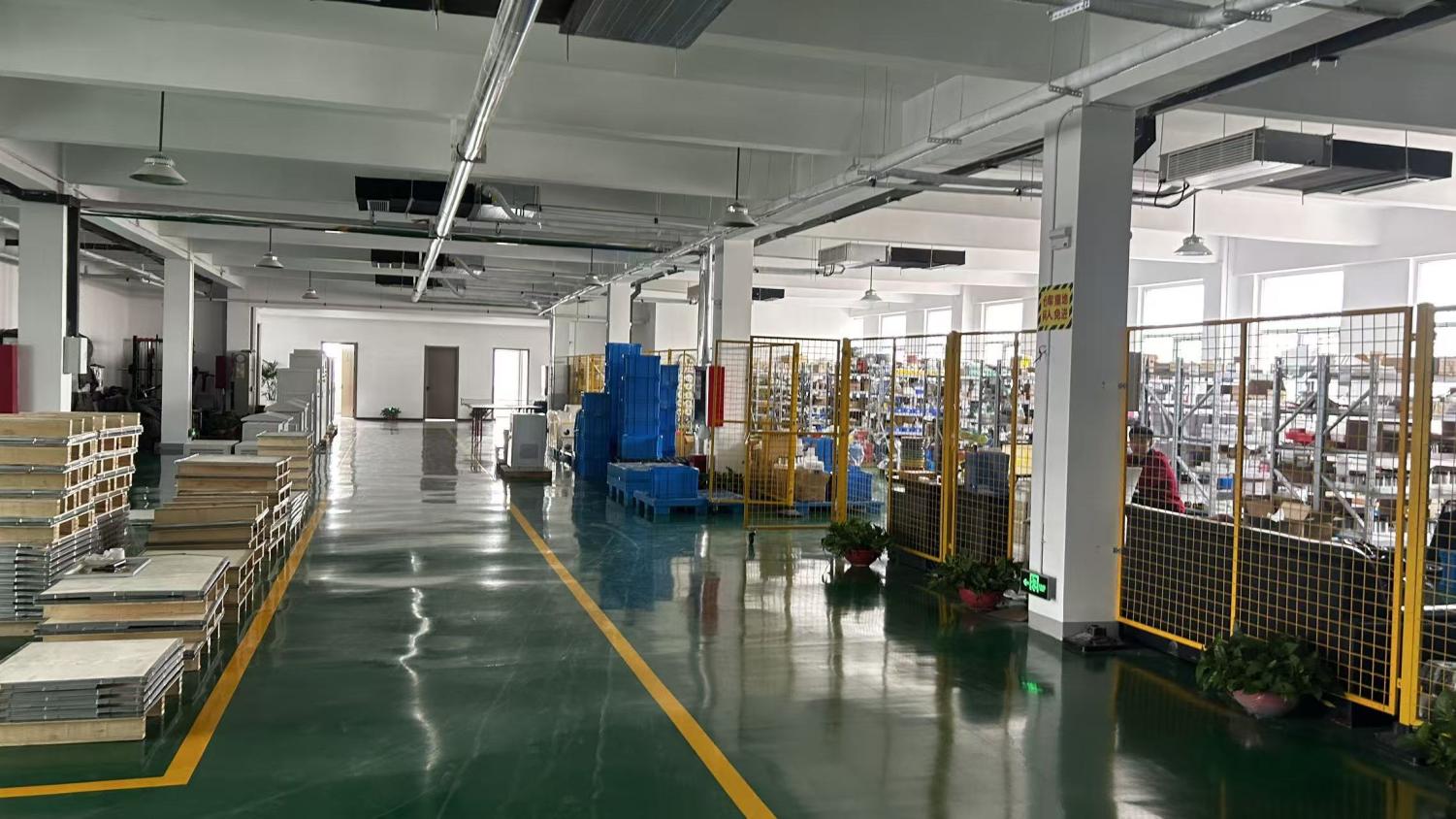
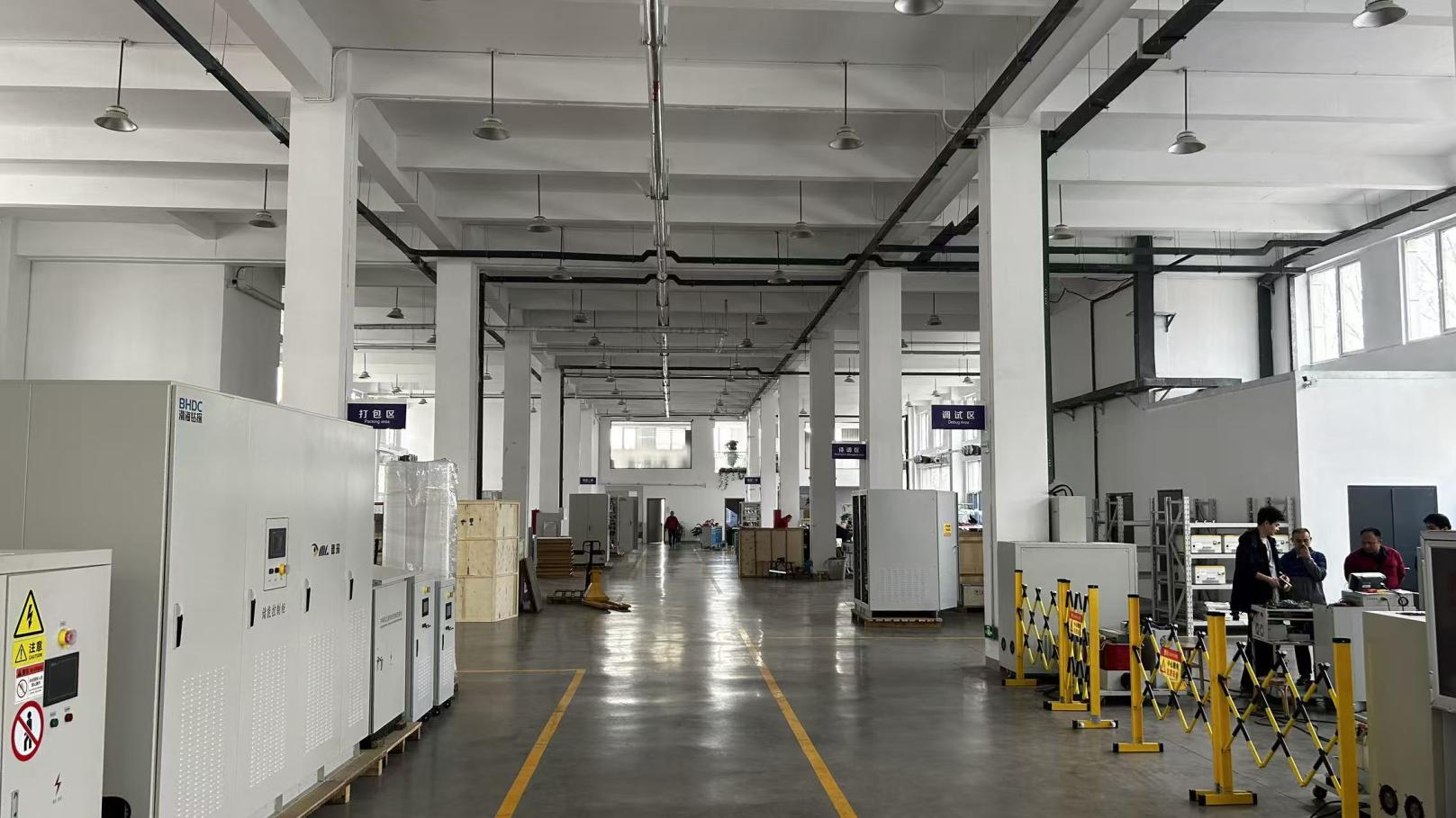
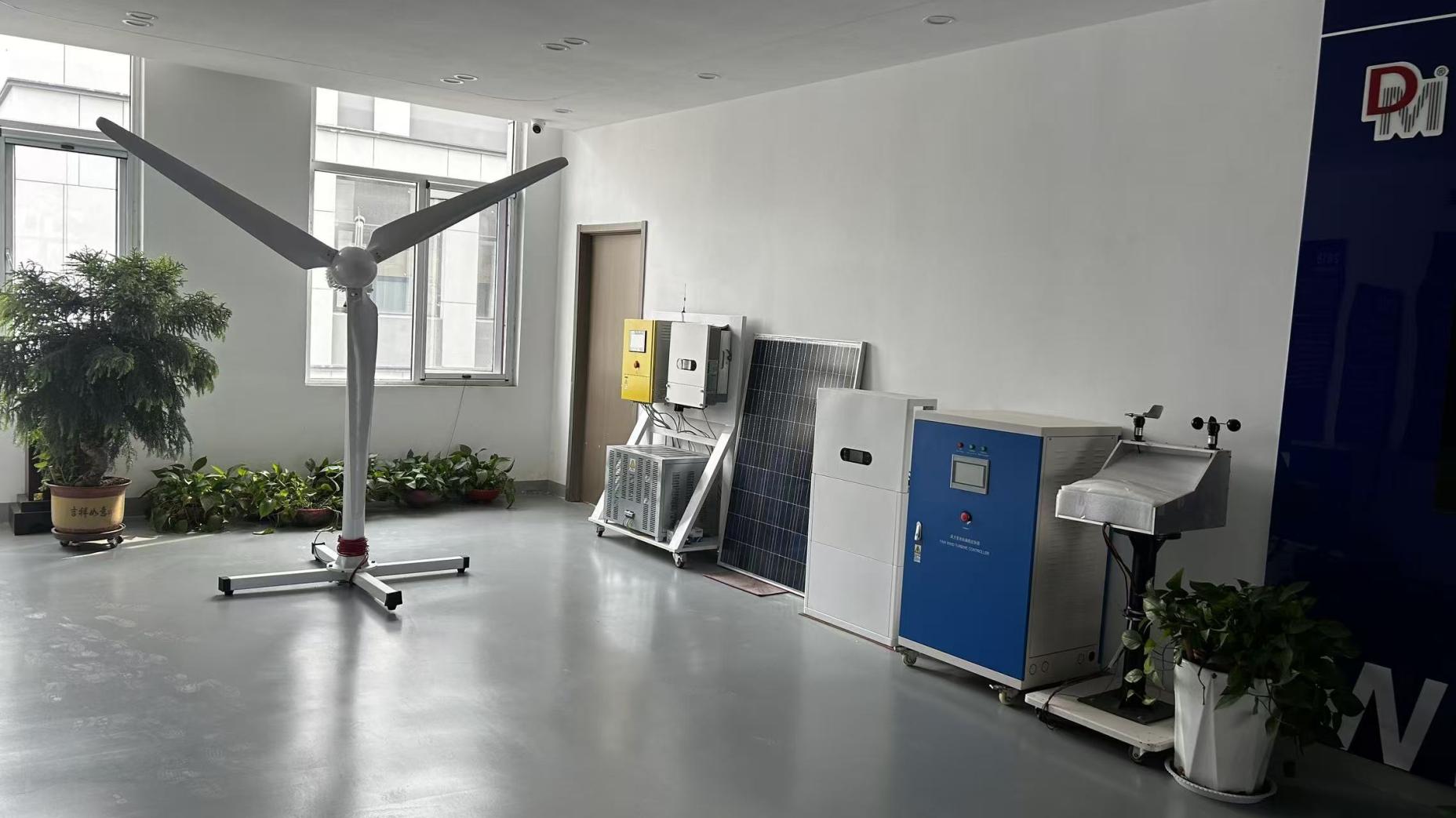
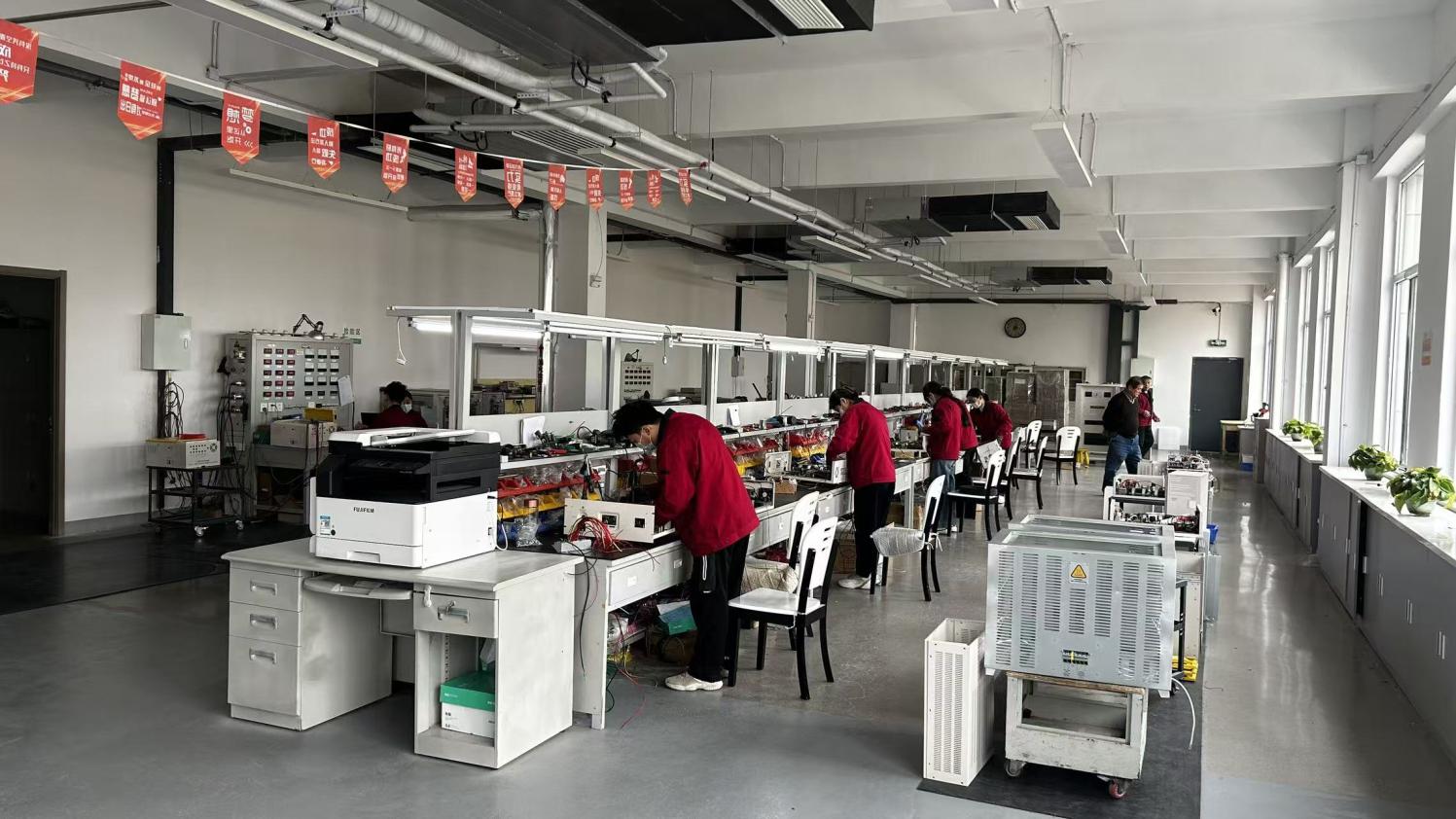
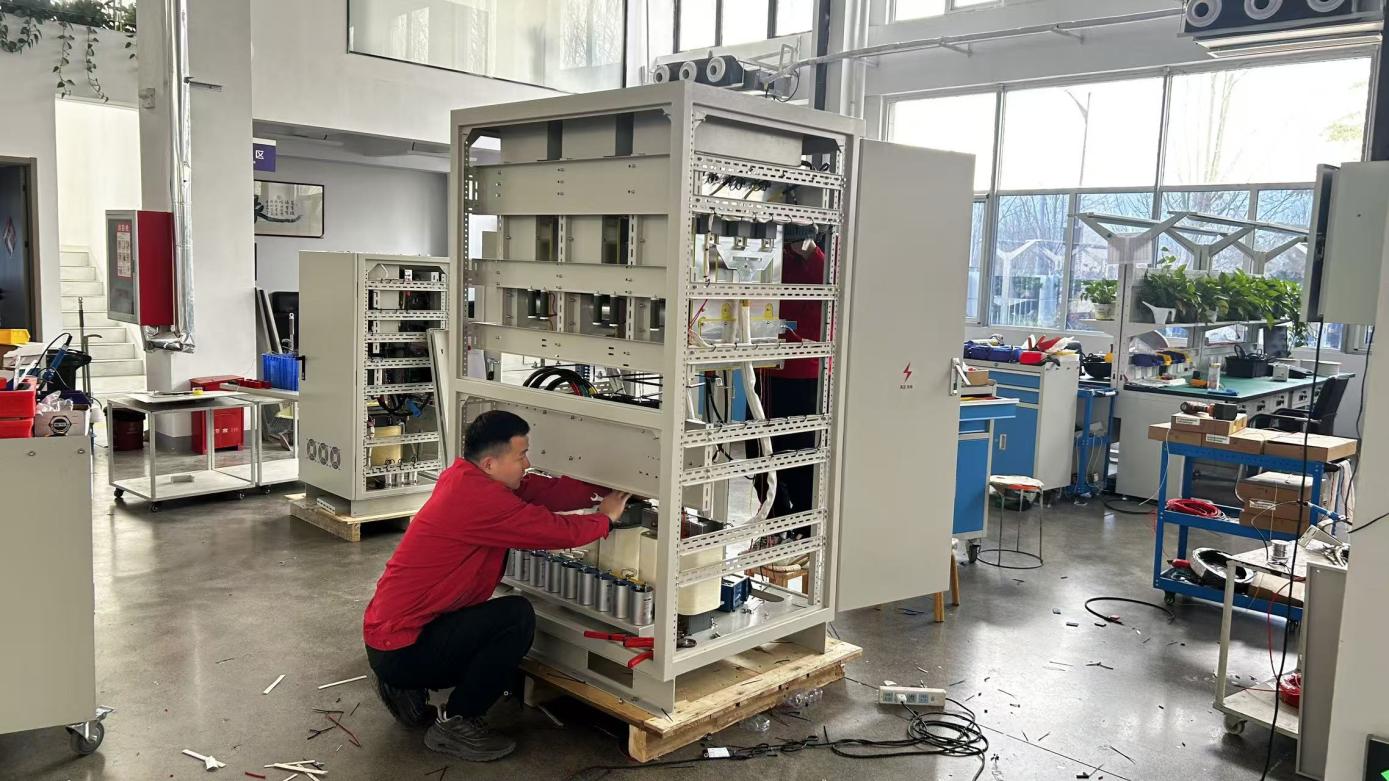
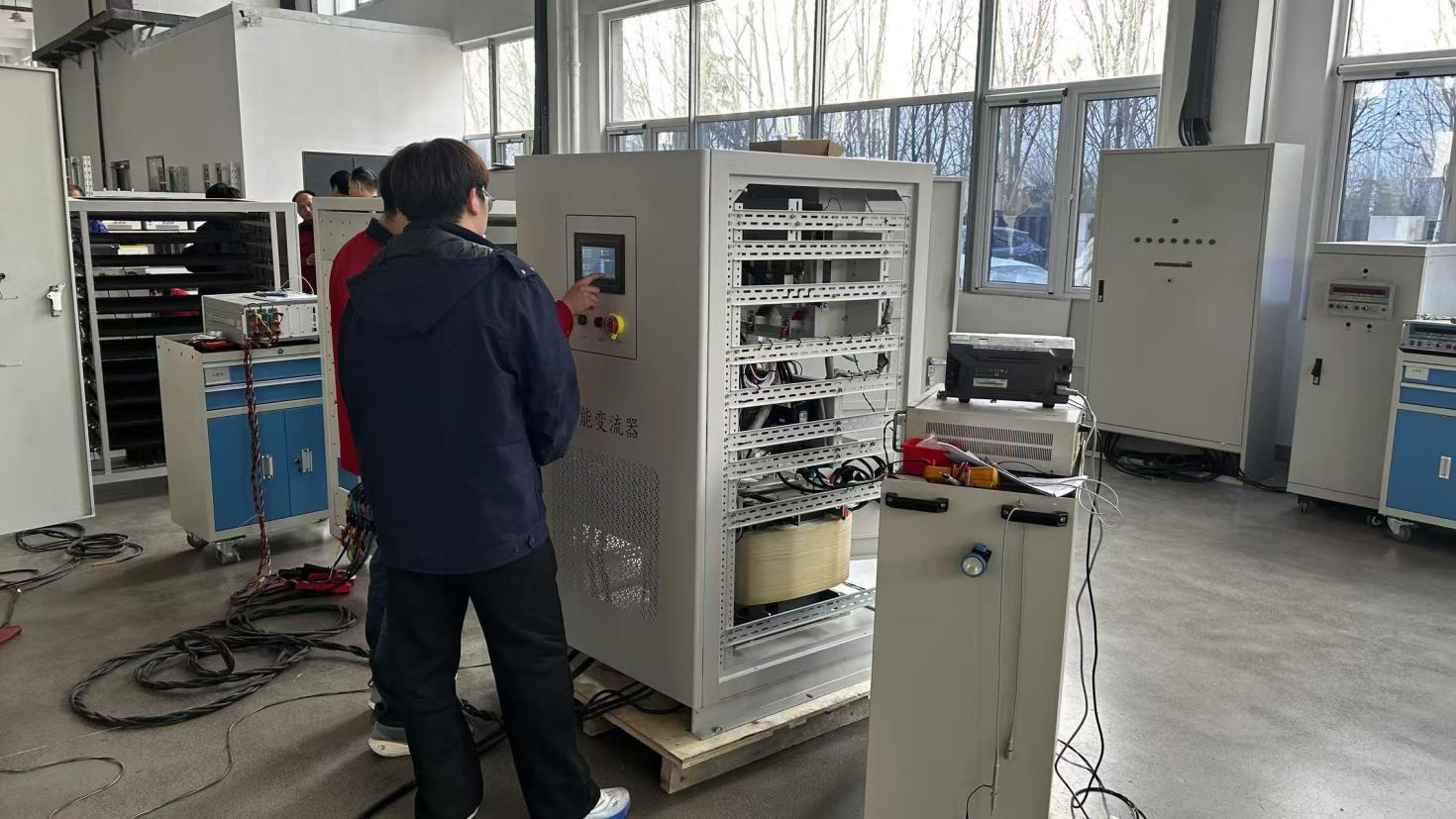
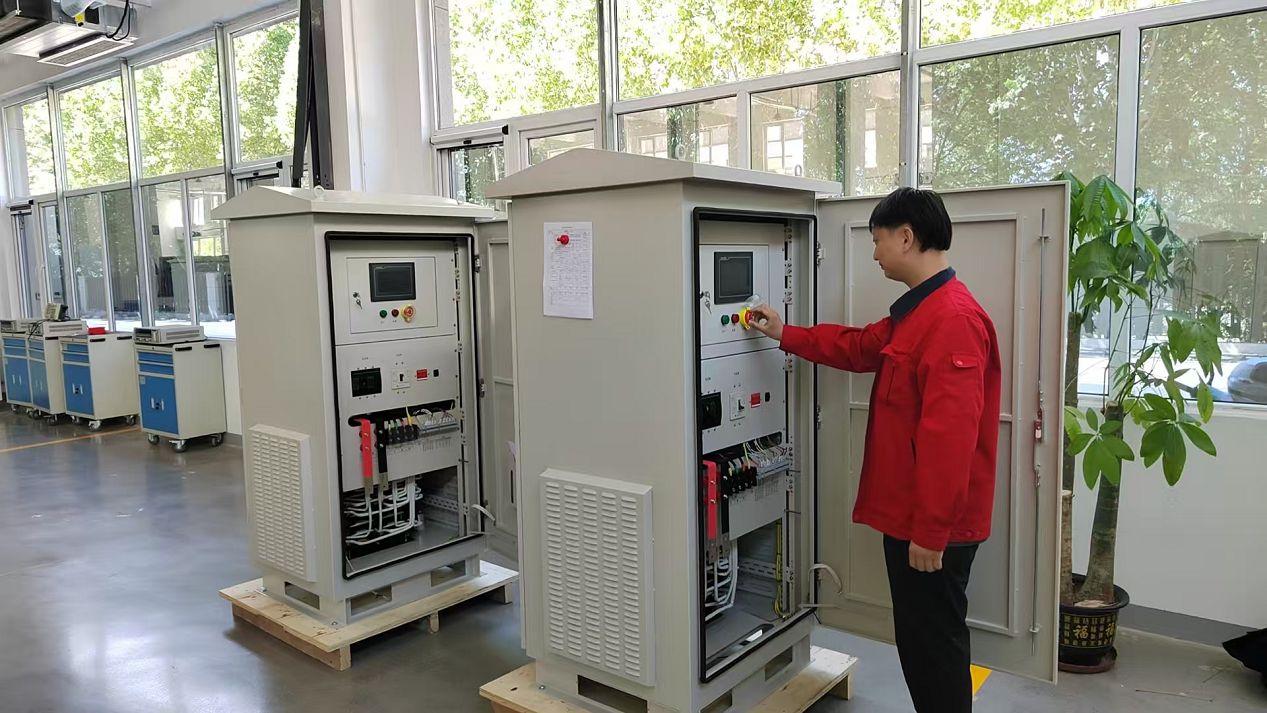
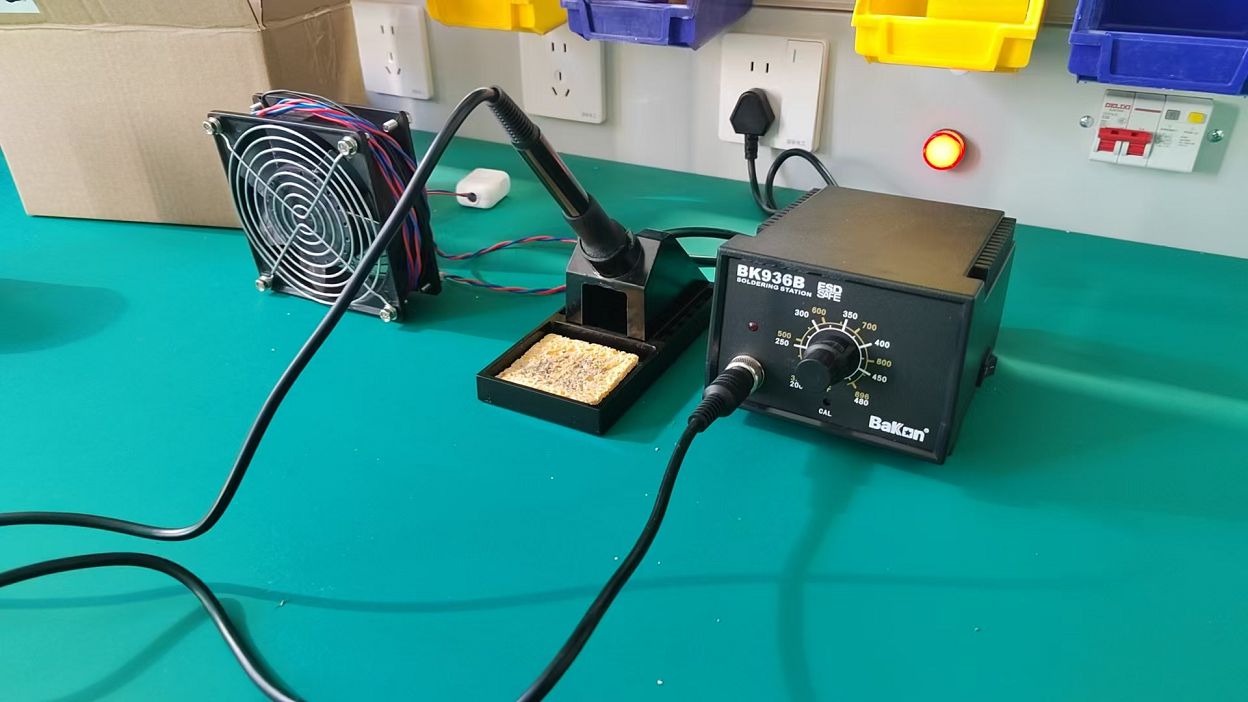
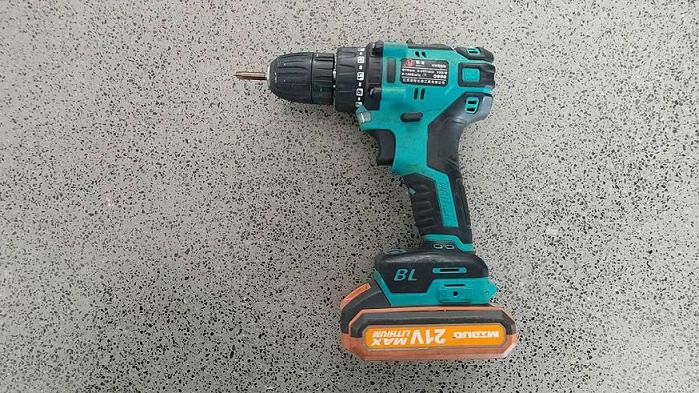
Direct transparency into the industrial equipment, rigorous quality controls, and precision instrumentation deployed at Jinan Deming Power Equipment Co., Ltd.
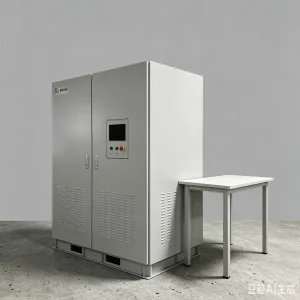
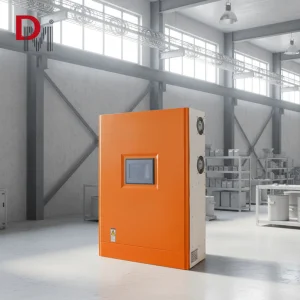
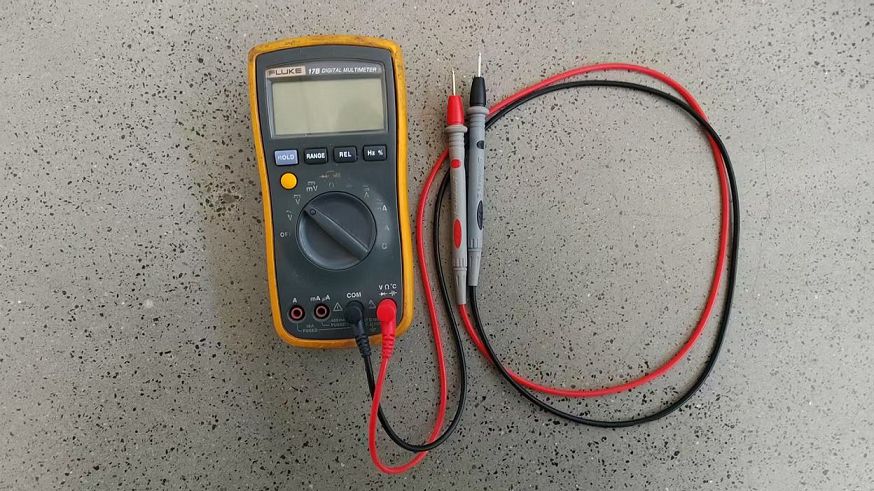
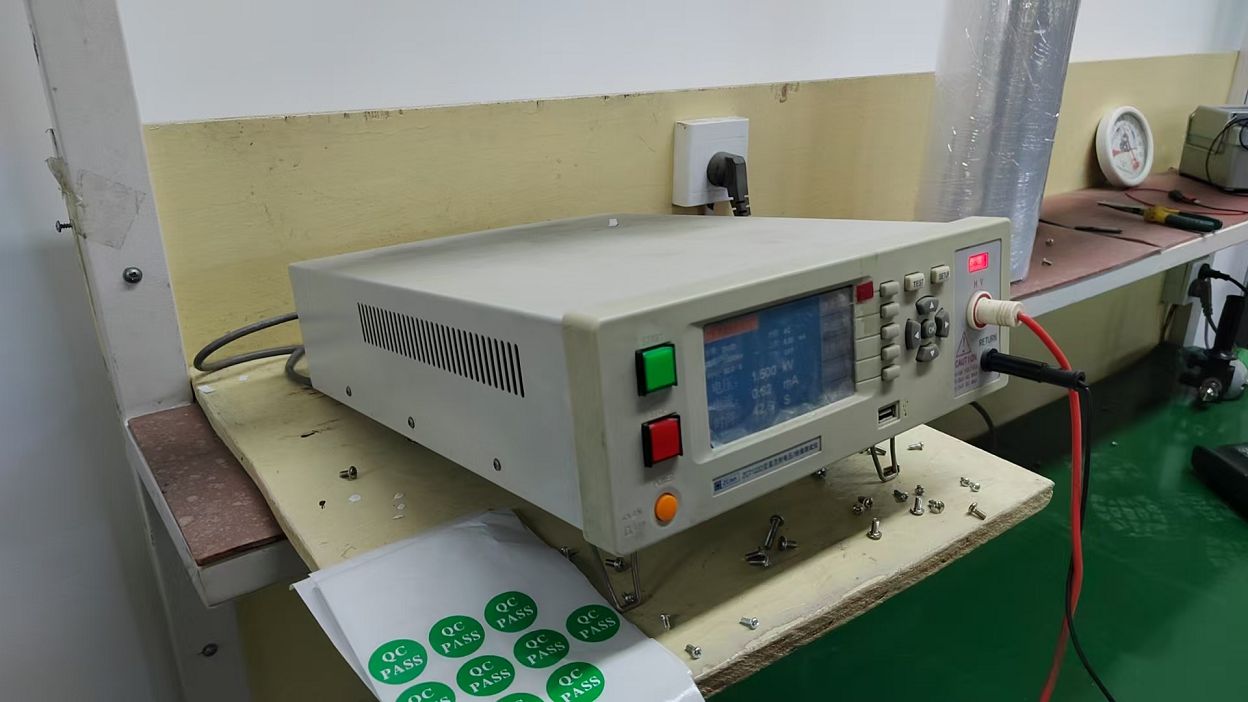
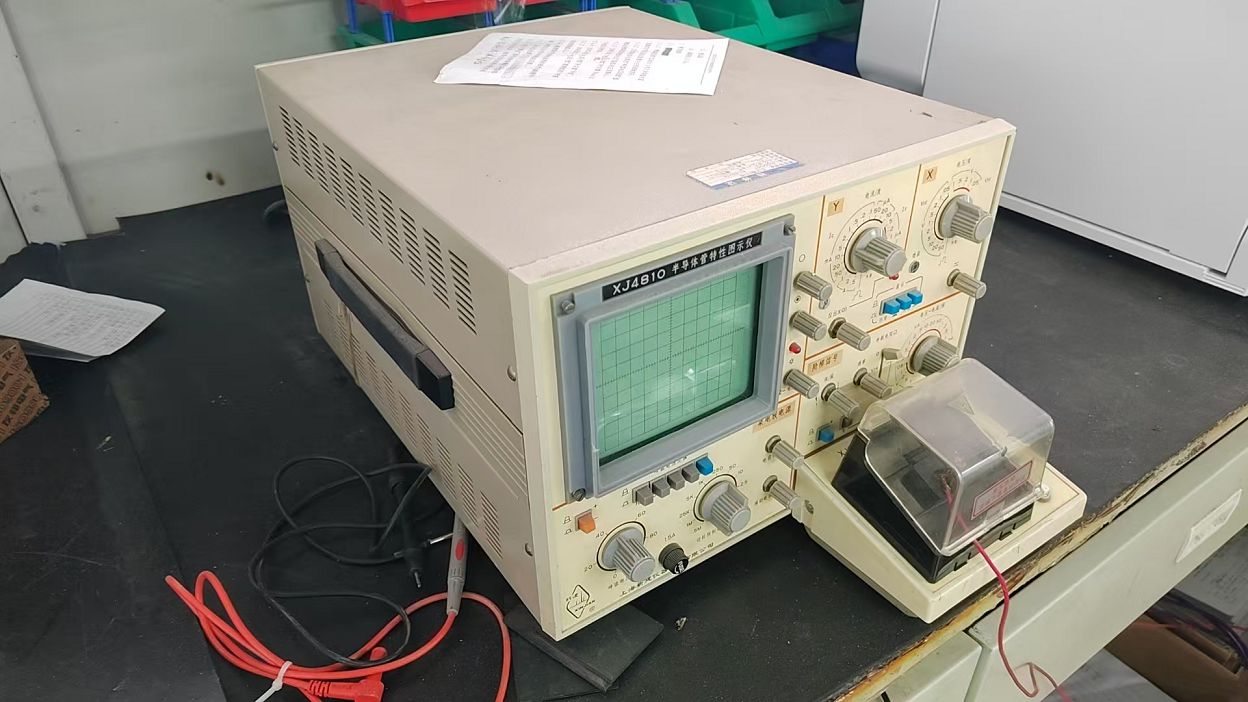
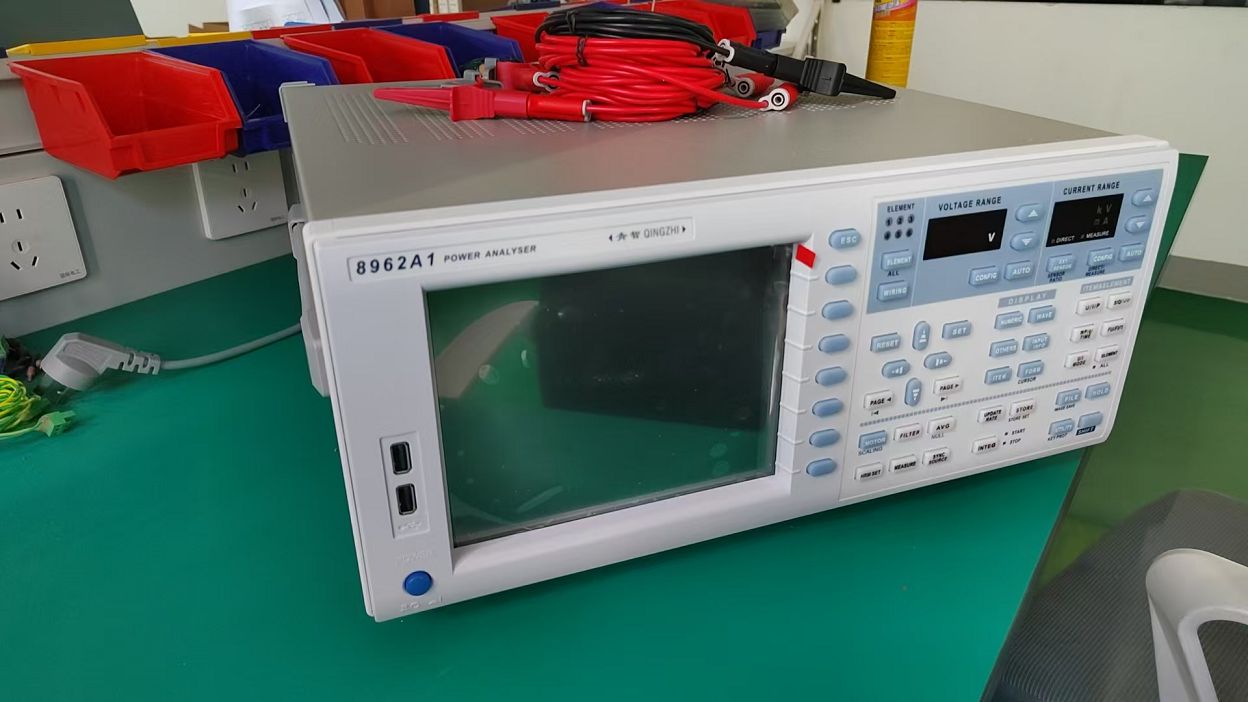
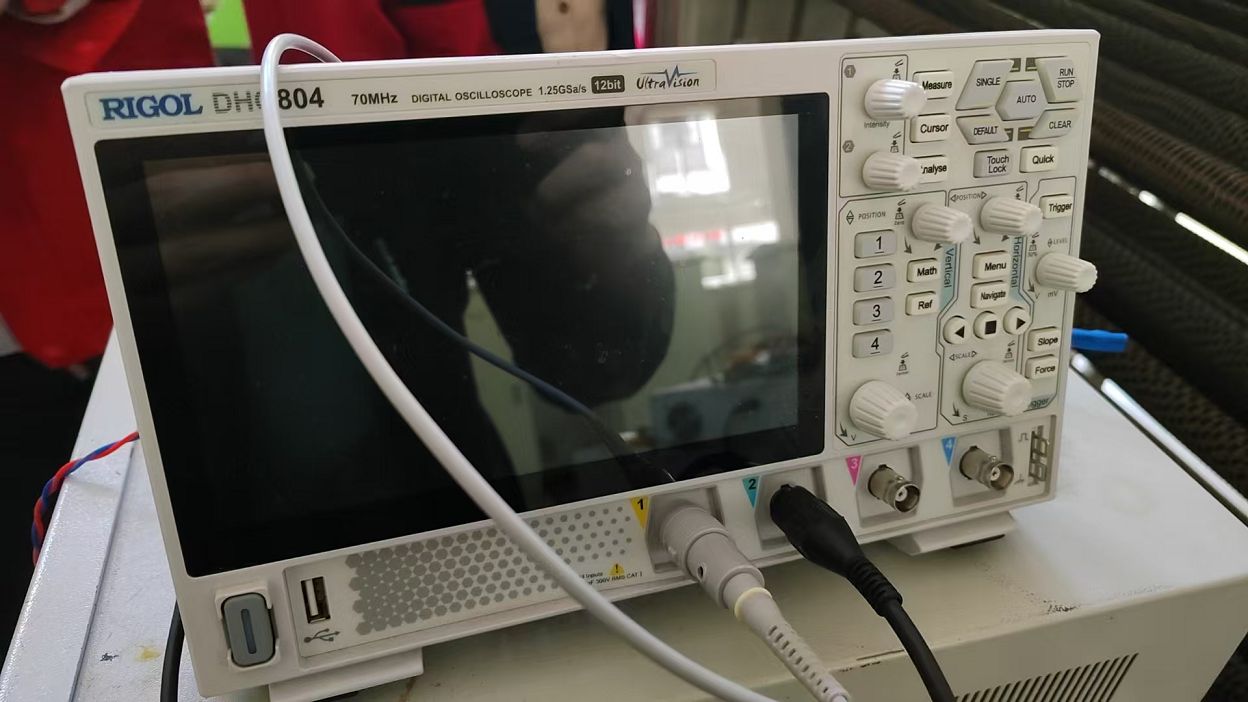
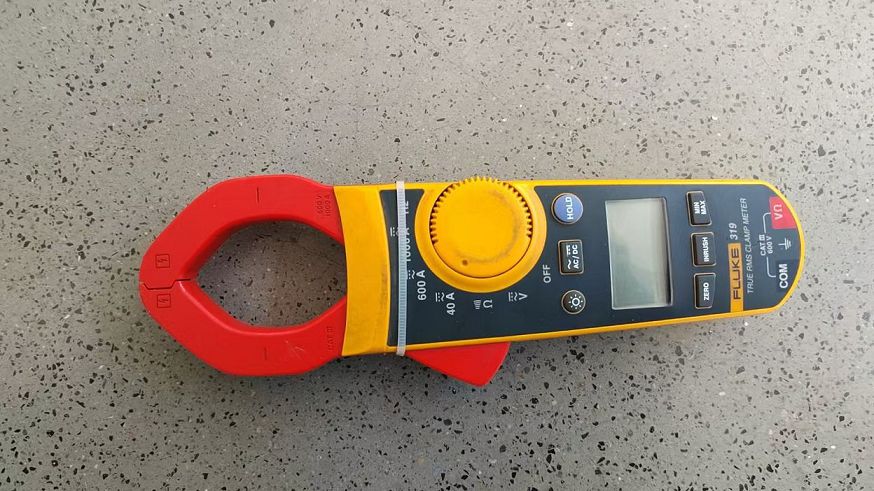
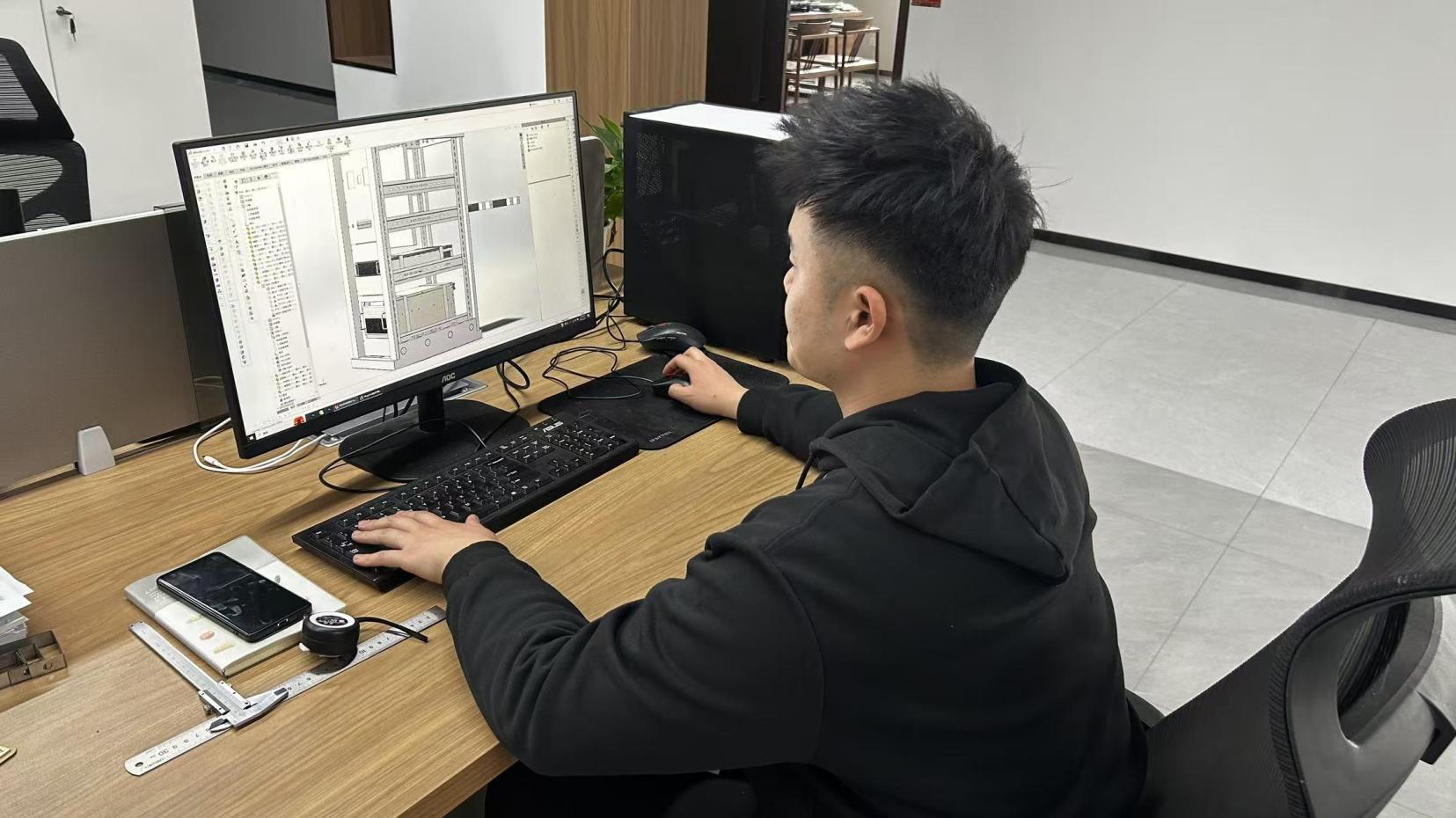
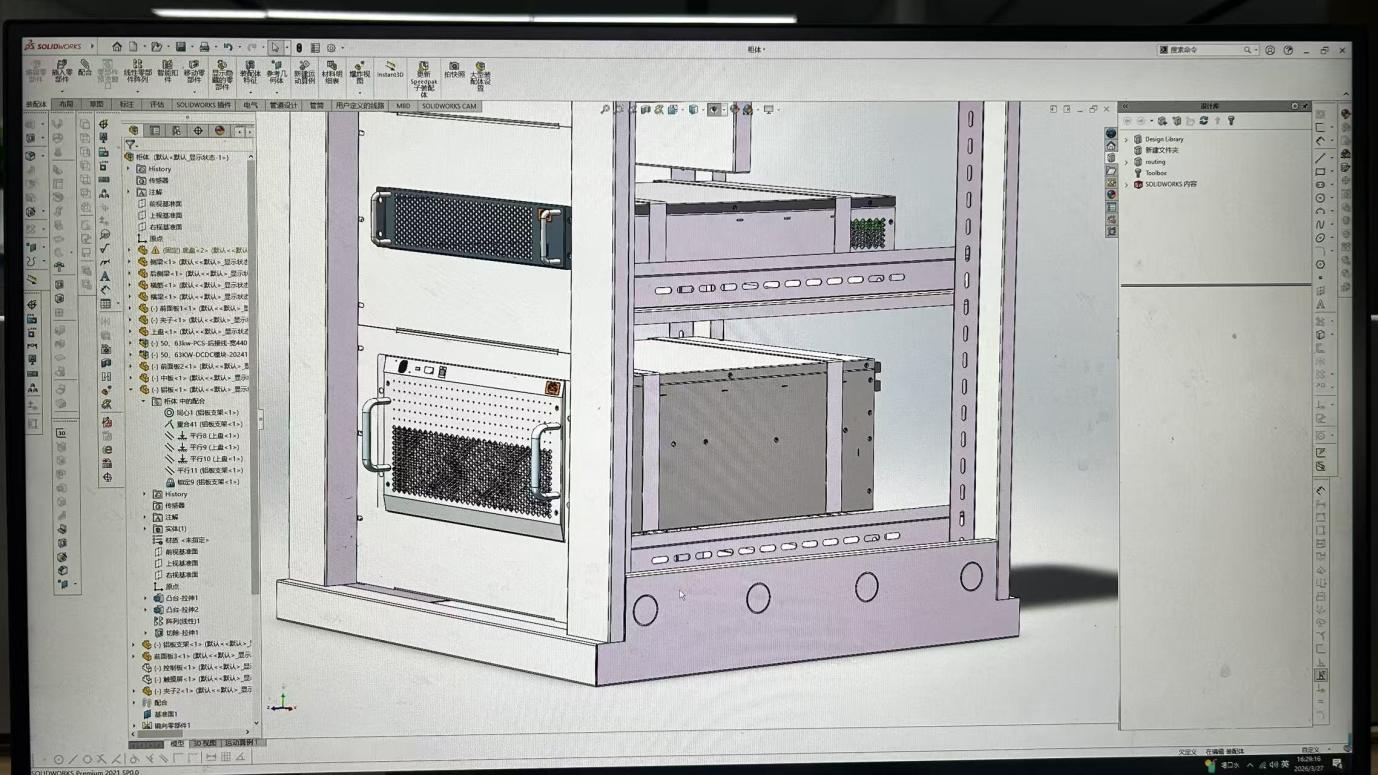
Our manufacturing and assembly plant integrates state-of-the-art tooling to handle heavy-duty power cabinets up to 500kW capacity. Each unit goes through systematic manufacturing phases: structural design, precision electrical assembly, high-current copper bar routing, automated reflow soldering, and multi-layered testing. The engineering laboratory contains specialized wave-form analysers, insulation testers, and high-voltage semiconductor plotters to verify that every DC-DC system and power supply meets strict operational thresholds before leaving the warehouse floor.
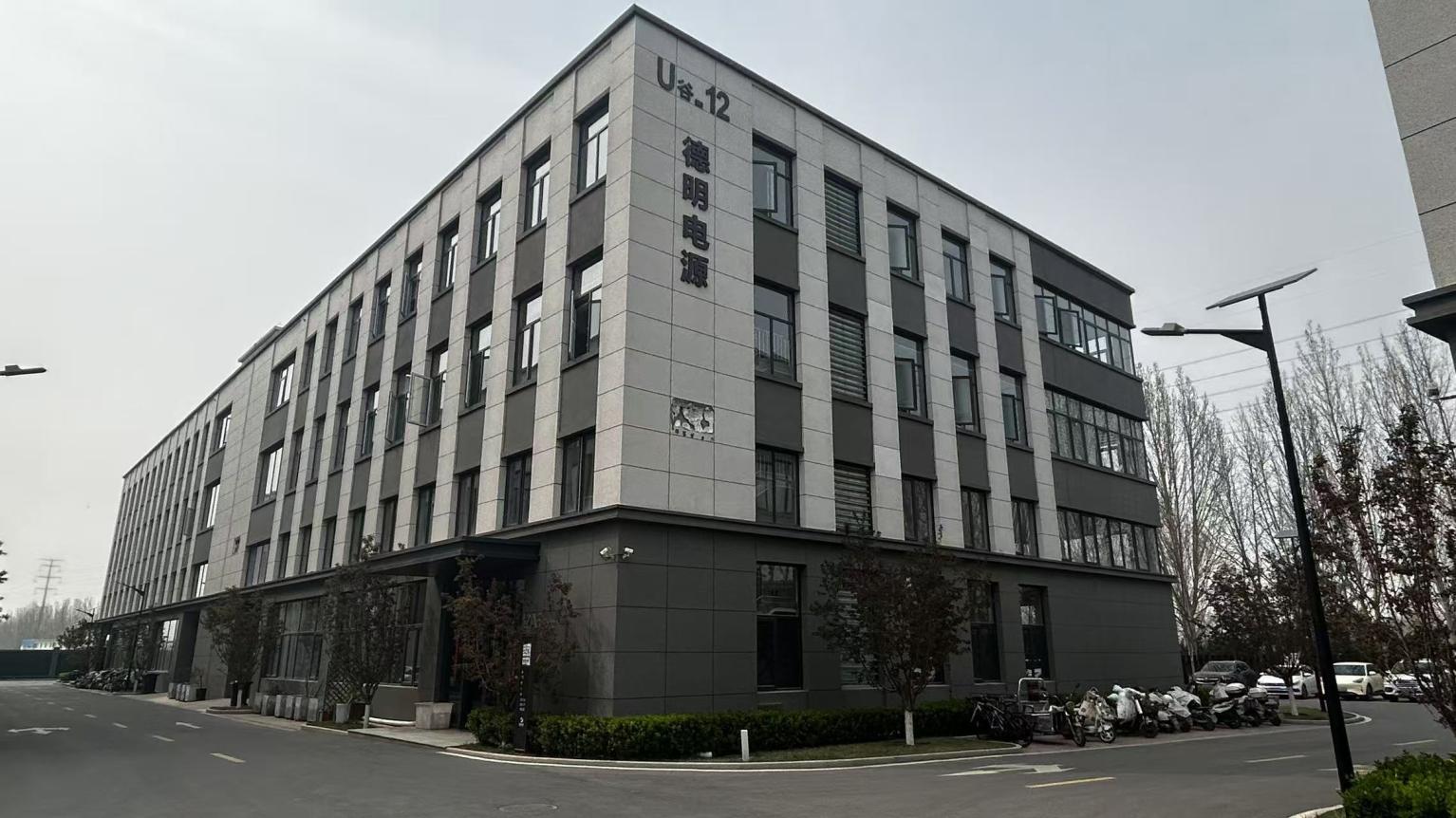
Deploying heavy industrial and utility-grade power converters globally requires systematic alignment with regional compliance frameworks and grid codes. Deming ensures that its products are fully certified according to recognized global benchmarks, including CE (LVD and EMC directives), RoHS, and general ISO9001:2015 quality pathways. For specialized wind, solar, and hybrid inverter integrations, compliance with grid-interconnection standards such as UL 1741, IEEE 1547, and IEC 62109 is key to facilitating quick authorization from local Distribution System Operators (DSOs).
Recognizing that technical challenges require rapid resolution, Jinan Deming provides structured technical support. This support framework includes:
Critical technical answers for systems integrators, electrical engineers, and commercial buyers sourcing power hardware.
Robust power control, stabilization, and generation technologies designed for permanent magnet and wind-solar hybrid configurations.
 Demin Power