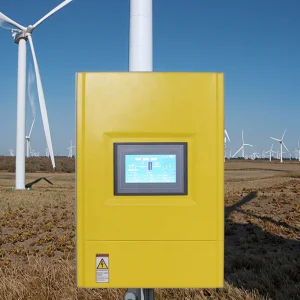
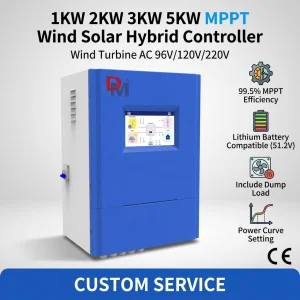
Premium grid-tied bidirectional power conversion subsystems, MPPT wind/solar controllers, and customized frequency systems supporting international geothermal integration projects.
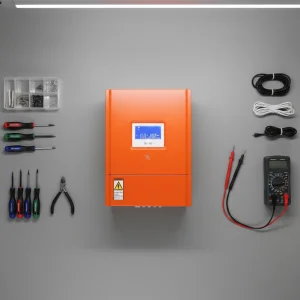
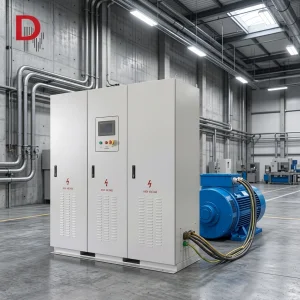
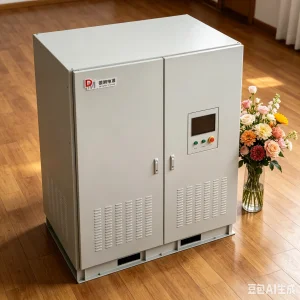
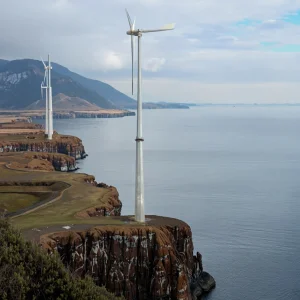
As the international community accelerates its path toward decarbonization, Geothermal Energy has emerged as a cornerstone of the global clean energy transition. Unlike solar and wind energy, which are inherently intermittent and dependent on atmospheric conditions, geothermal energy offers a continuous, baseline power supply. This unique, constant output profile makes geothermal power plants vital for stabilizing utility grids and driving localized microgrids. However, the engineering complexity of capturing thermal fluid pressure, converting kinetic or thermodynamic energy via Organic Rankine Cycle (ORC) steam turbines, and conditioning that energy to match strict grid codes demands next-generation power electronics.
In this comprehensive paper, we explore the macroeconomic dynamics of geothermal systems, technical pathways for integration, how advanced bidirectional power conversion systems (PCS) act as the link between variable geothermal generation and high-reliability grids, and Jinan Deming Power Equipment Co., Ltd.'s strategic role as an enabling hardware manufacturer.
Geothermal power production utilizes heat extracted from the Earth's crust to generate electricity or supply direct heating. Broadly divided into Dry Steam, Flash Steam, and Binary Cycle geothermal plants, the industry is witnessing a significant shift toward Binary Cycle systems, particularly those utilizing Organic Rankine Cycle (ORC) technologies. Binary systems are capable of generating electricity from low-to-medium temperature geothermal reservoirs (between 80°C and 150°C), which constitute the vast majority of accessible geothermal assets worldwide.
From a global market perspective, regions like North America, East Africa (the Rift Valley), Central and Northern Europe, and Southeast Asia are experiencing rapid growth in geothermal exploration. In remote volcanic areas or isolated island nations (such as Iceland, Indonesia, and the Philippines), geothermal power represents a path to complete energy independence. However, the turbine technologies utilized—such as high-speed radial inflow turbines—experience fluctuating operational conditions due to changes in geothermal reservoir pressure and fluid thermal characteristics. These turbine speed variations require robust power electronics, including high-voltage grid-tied frequency converters, to match the nominal line frequency of local utilities (e.g., 50Hz/60Hz).
To safely feed geothermal electricity into the public distribution grid, developers rely on specialized variable-speed generators. Historically, geothermal plants relied on synchronous generators running at fixed speeds. However, modern ORC turbine efficiency is maximized by allowing the turbine speed to vary with reservoir flow rates. This requires a variable-frequency-to-fixed-frequency conversion system.
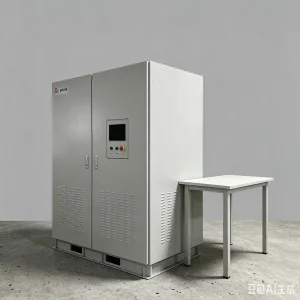
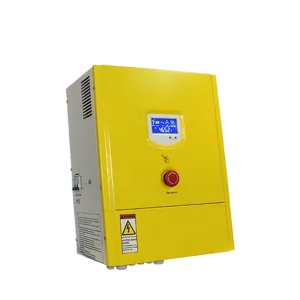
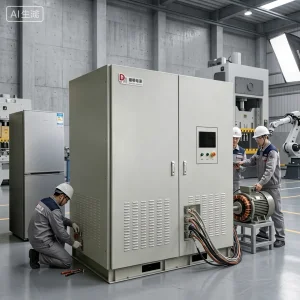
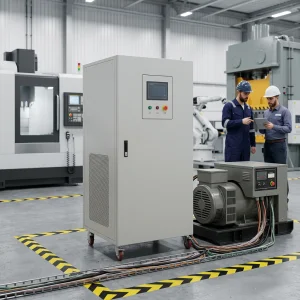
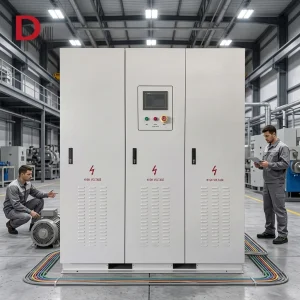
This is where specialized industrial frequency converters, such as the 500kW High Voltage Grid-Tied Generator Frequency Converter, play a vital role. These units perform a double-conversion process (AC-DC-AC). By decoupling the generator’s output frequency from the grid's electrical frequency, they allow the geothermal turbine to operate at its peak hydrodynamic efficiency point across varying wellhead pressures. Furthermore, this dual-stage architecture prevents grid disturbances (such as voltage dips or frequency deviations) from mechanically shocking the generator rotor, thereby extending the mechanical lifespan of the turbine system.
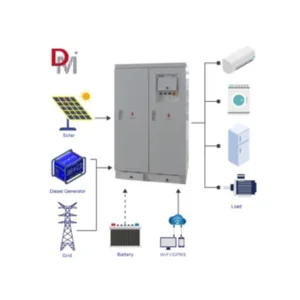
Though geothermal is a reliable baseload generator, modern grids face highly dynamic peak-shaving and ramp-up demands driven by the integration of intermittent wind and solar assets. Consequently, modern industrial geothermal developers are designing **Hybrid Geothermal-Storage Microgrids**. By combining geothermal baseline generation with a Battery Energy Storage System (BESS), operators can instantly dispatch power during peak load periods and store excess energy when grid demand plummets.
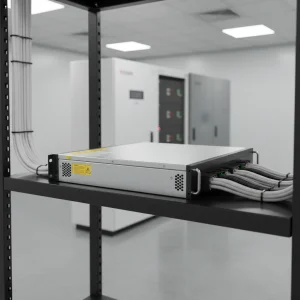
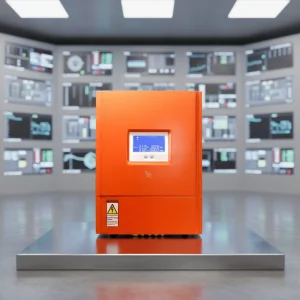
Deploying energy storage systems requires robust **Bidirectional Power Conversion Systems (PCS)** and highly accurate DC-DC regulators. For example, Deming’s 300kW Bidirectional PCS and Bidirectional DC-DC Converter Buck-Boost Regulators facilitate seamless bidirectional power flow between high-voltage lithium battery banks and the AC microgrid. By regulating charge/discharge profiles and acting as grid-forming inverters, these units allow geothermal power installations to offer ancillary services like frequency response and voltage stabilization.
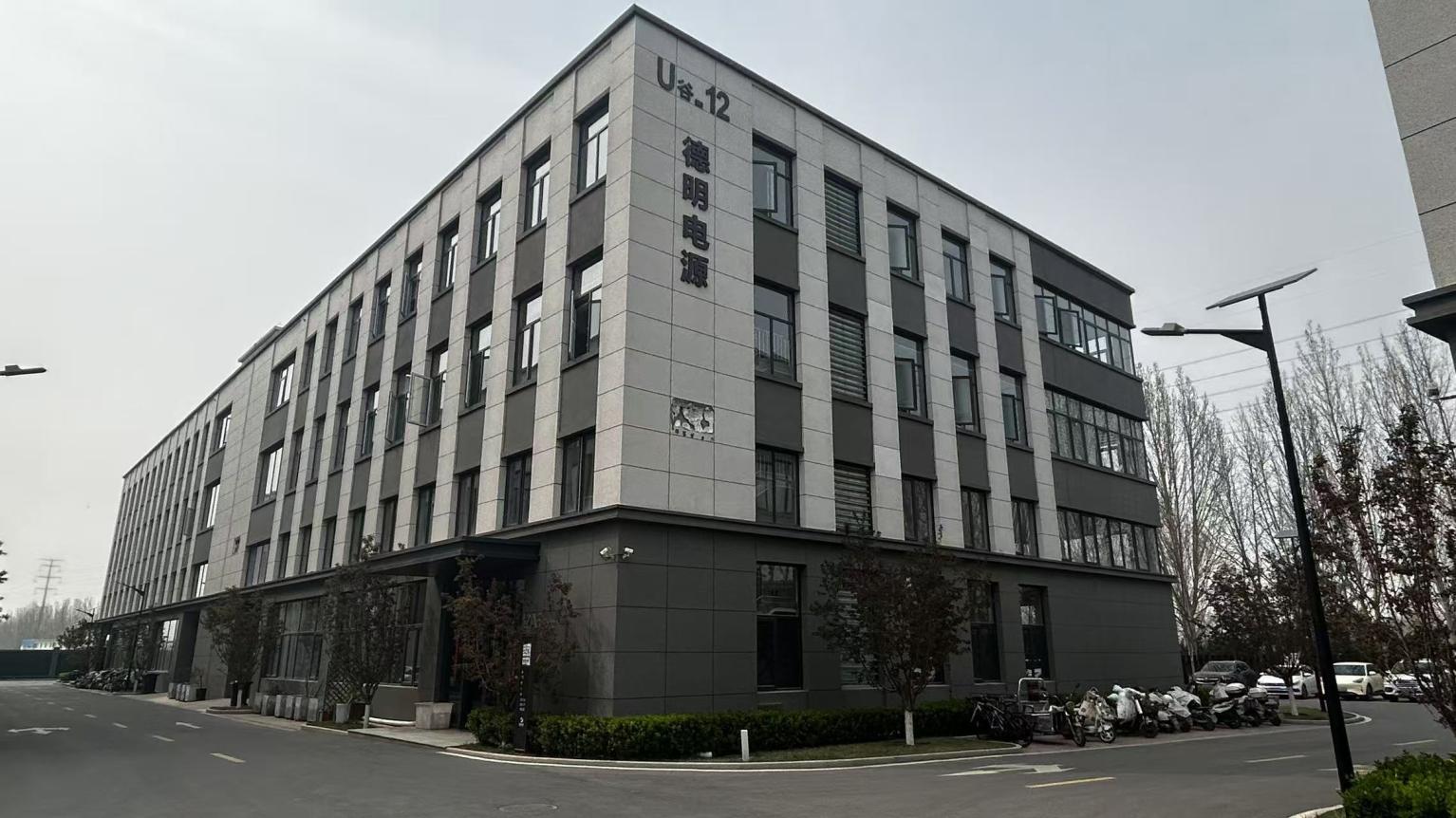
Jinan Deming Power Equipment Co., Ltd., founded in 2004, is a nationally recognized high-tech enterprise specializing in the R&D, production, and service of renewable energy power equipment and testing solutions. Deming operates a state-of-the-art facility certified under the ISO9001:2015 international quality management system, and has been officially recognized as a High-Tech Enterprise by the Chinese government multiple times (in 2015 and 2018).
The core of Deming's competitive advantage lies in its world-class engineering team. Composed of 16 highly experienced R&D engineers, including doctoral supervisors and master’s degree holders, the department is continuously pushing the boundaries of high-power converter topologies, thermal management systems, and DSP controller algorithms. To maintain technological leadership, Deming systematically reinvests no less than 20% of its annual sales revenue back into technology research and development. This sustained investment has culminated in the successful completion of 17 major R&D projects over the past three years alone, successfully converting 16 scientific and technological breakthroughs into commercialized, industrial-grade products exported to over 120 countries, including Germany, Japan, the United States, UK, Canada, Australia, and Brazil.
A look inside our ISO9001:2015 certified production lines and R&D verification laboratory.
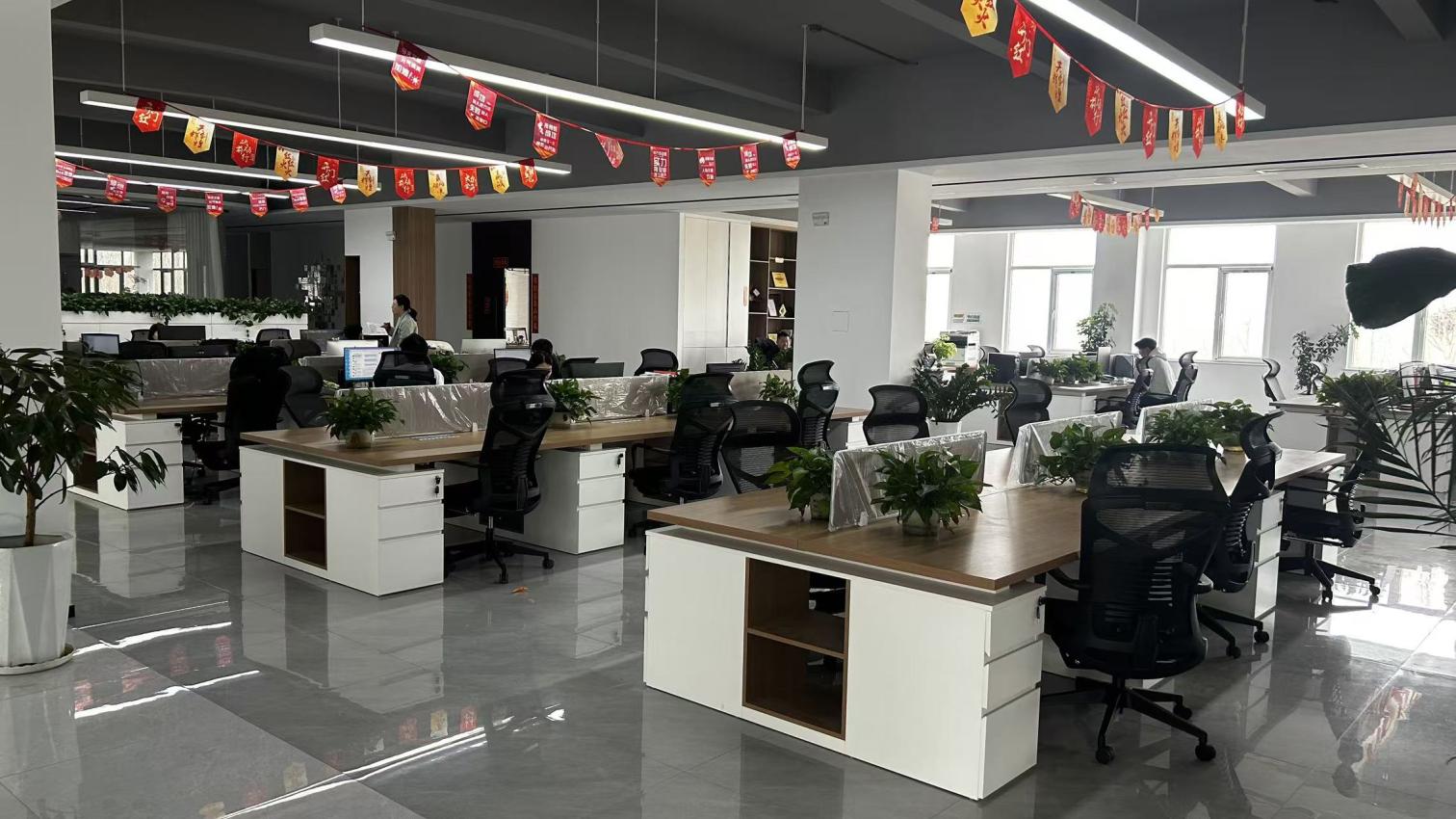 Production Process Detail
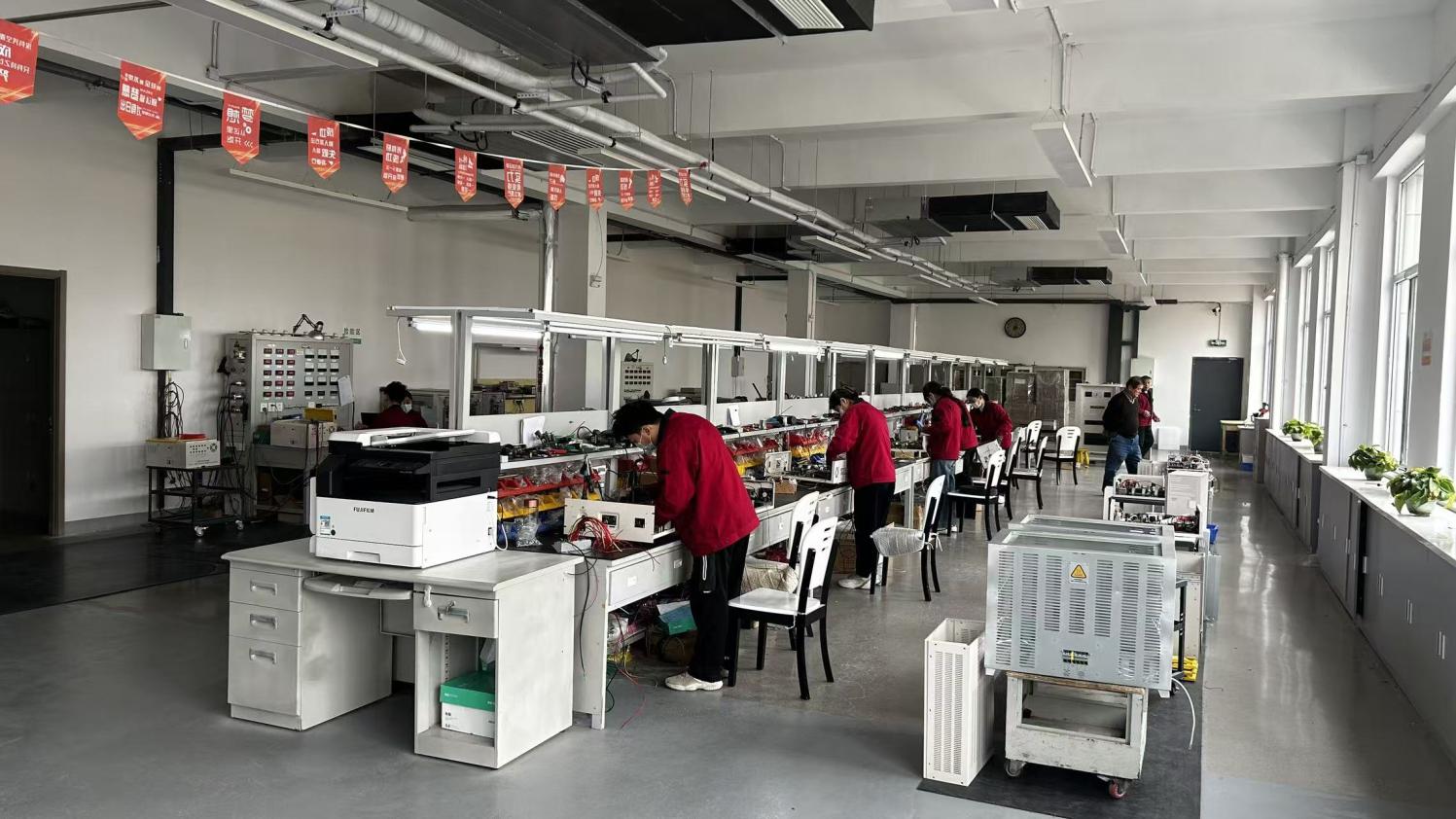 Assembly Facility
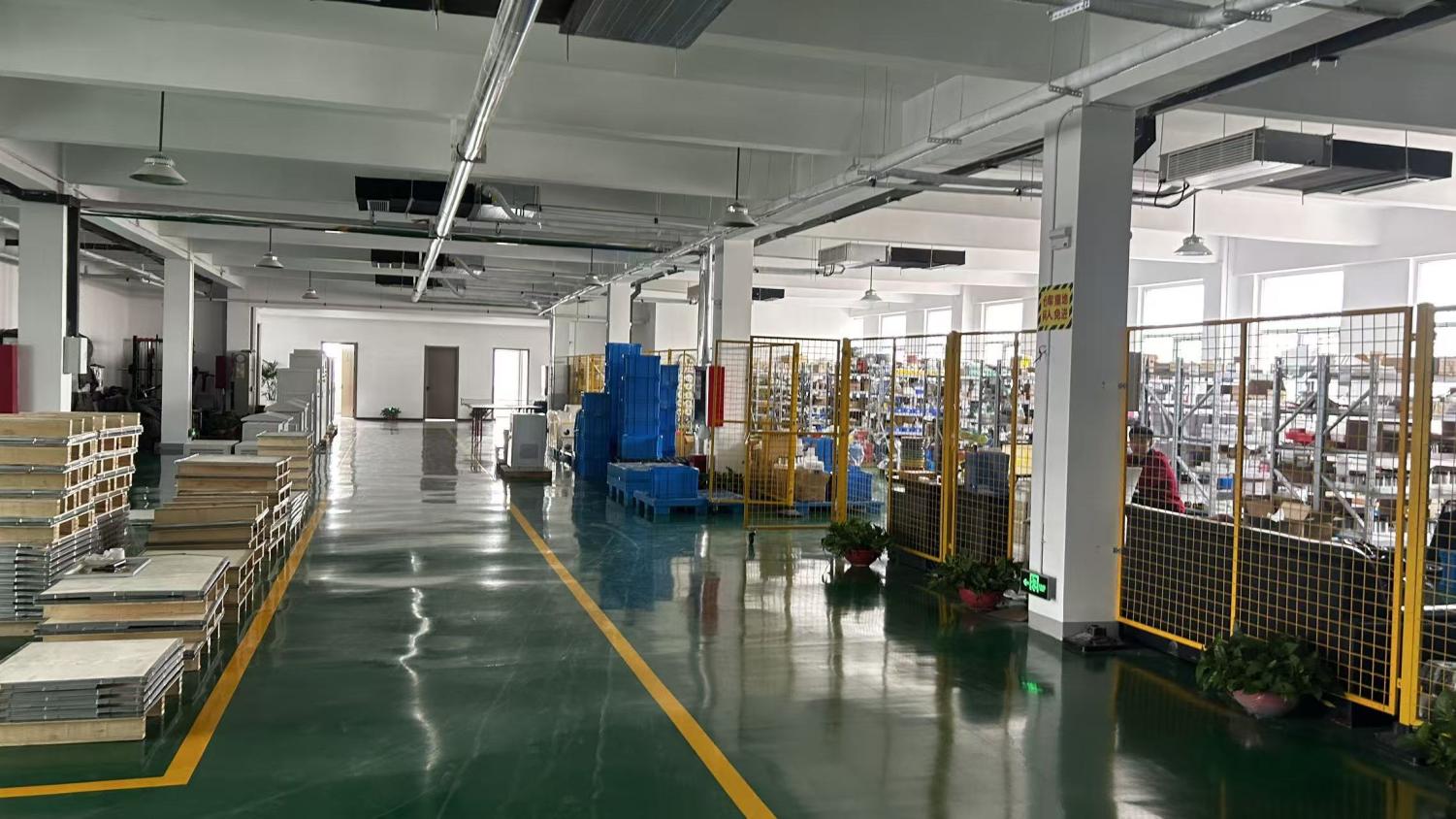 Quality Control Area
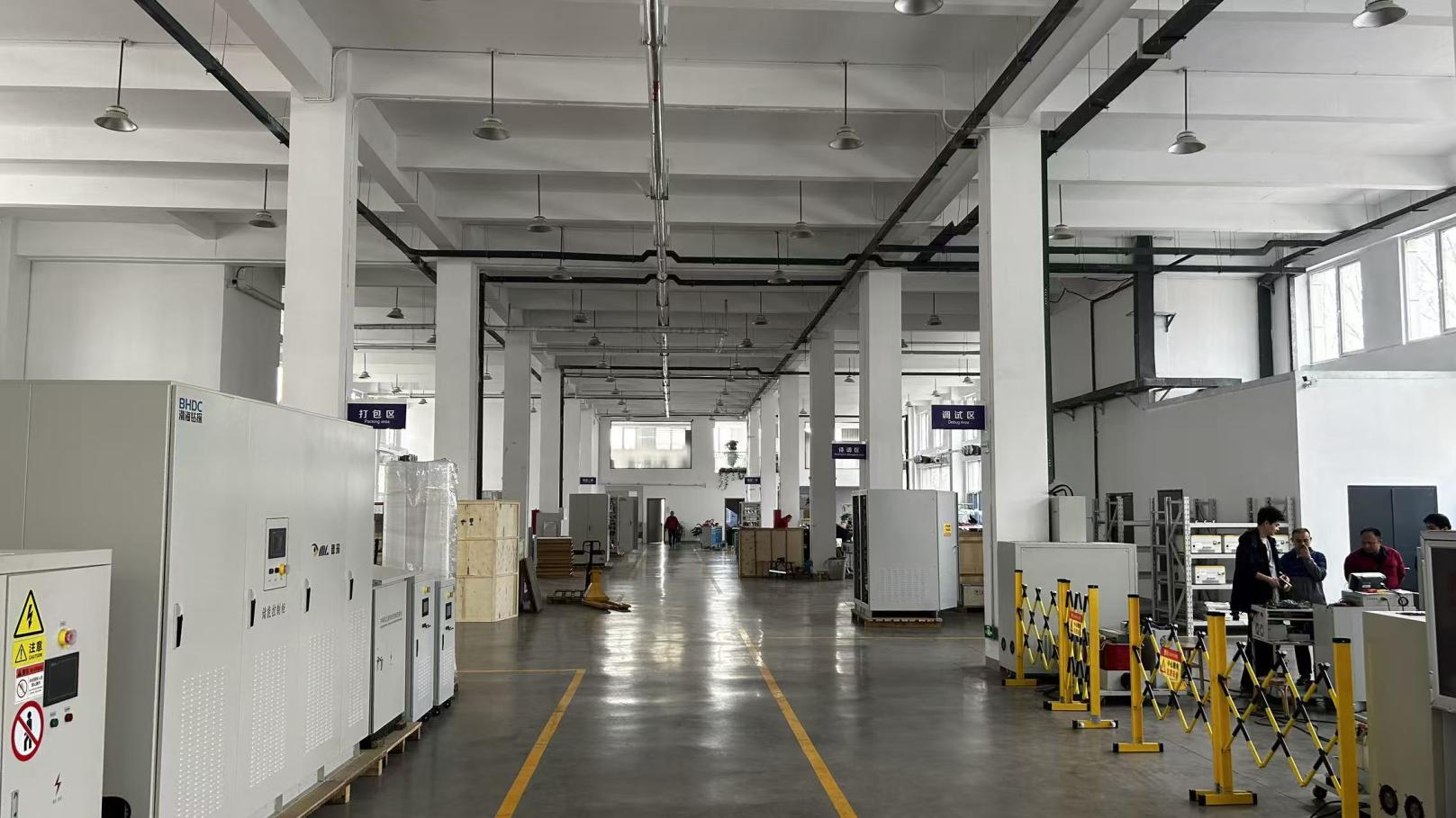 Finished Product Warehouse
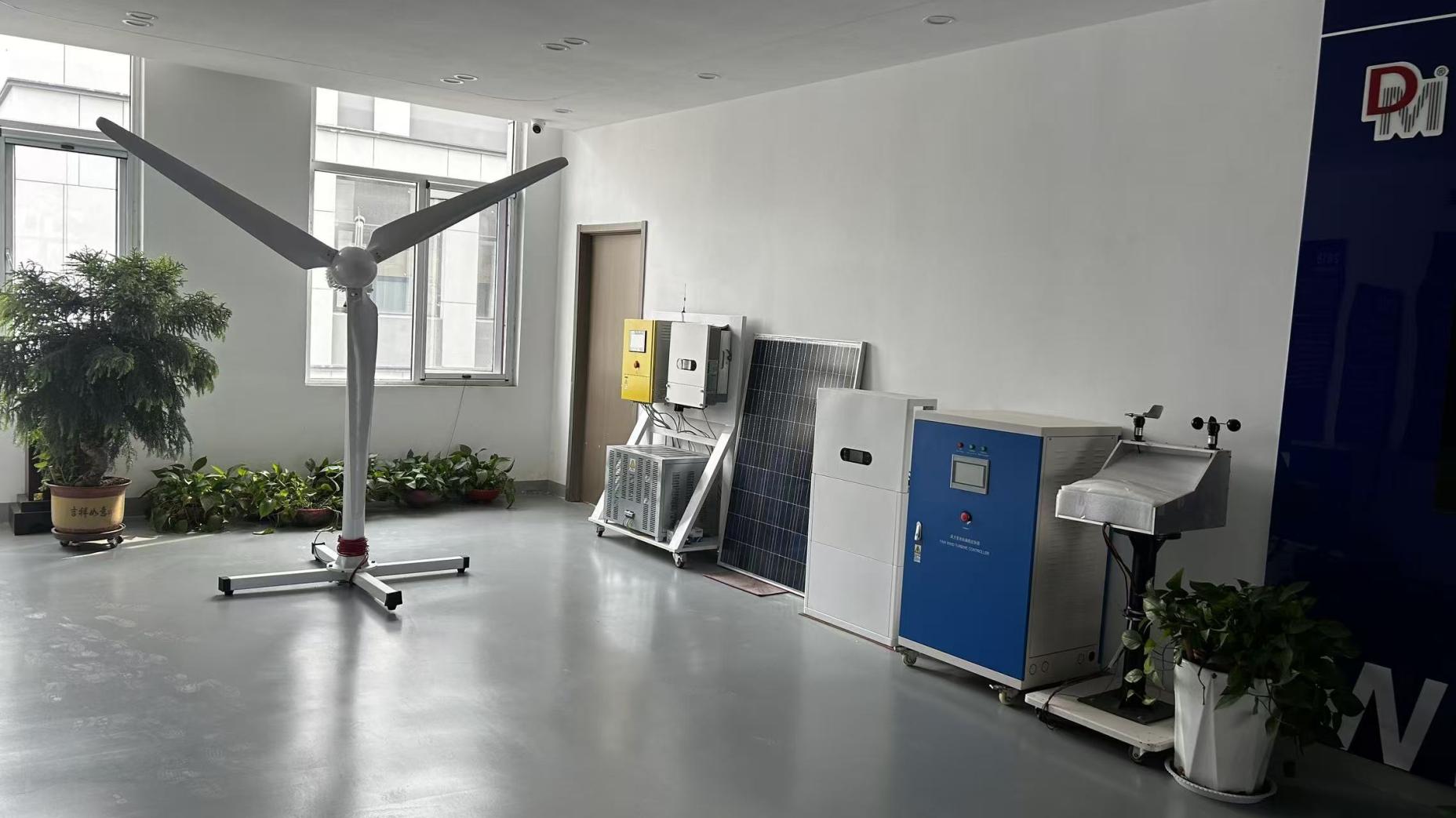 Testing Center Hub
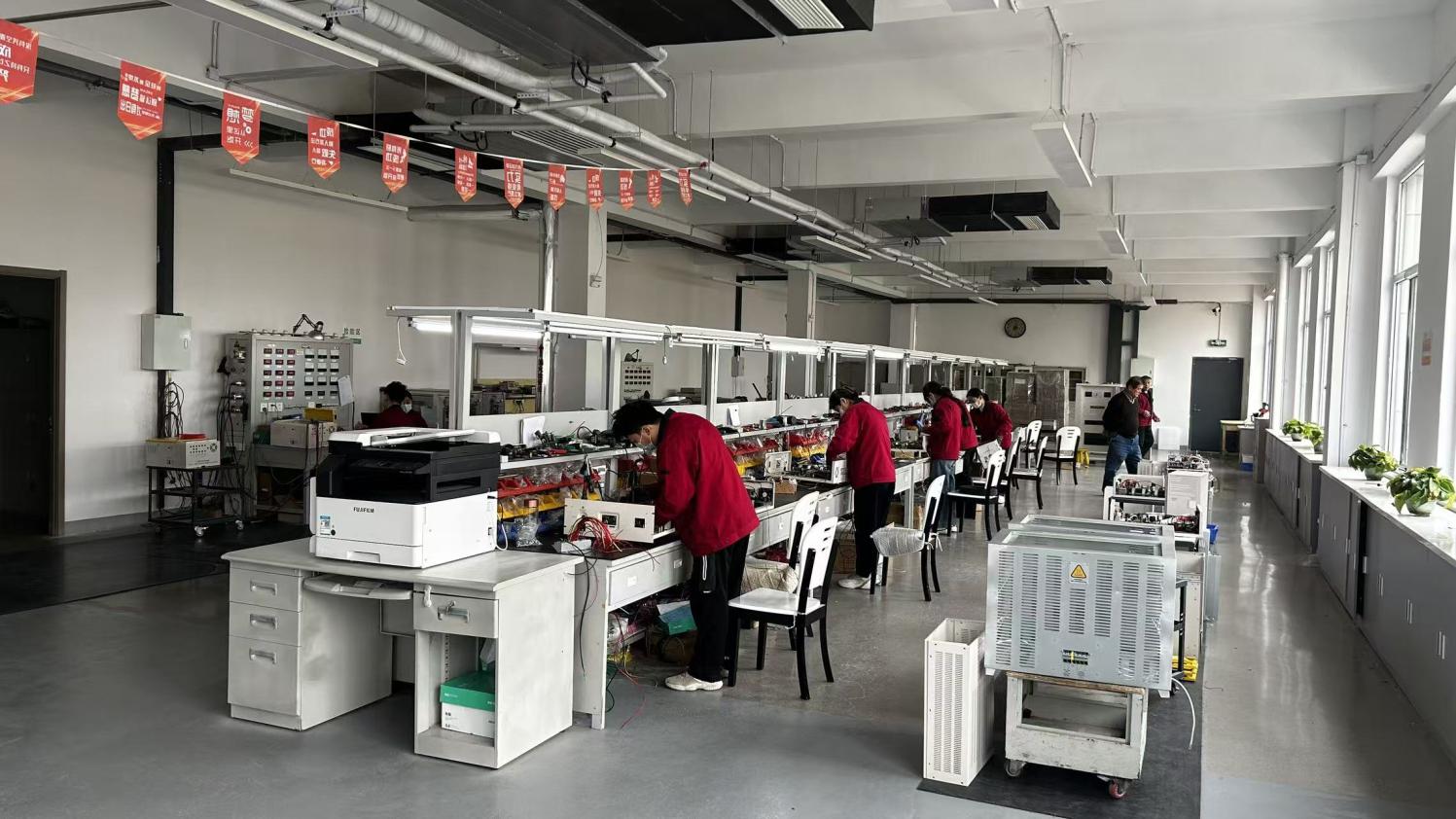 Circuit assembly
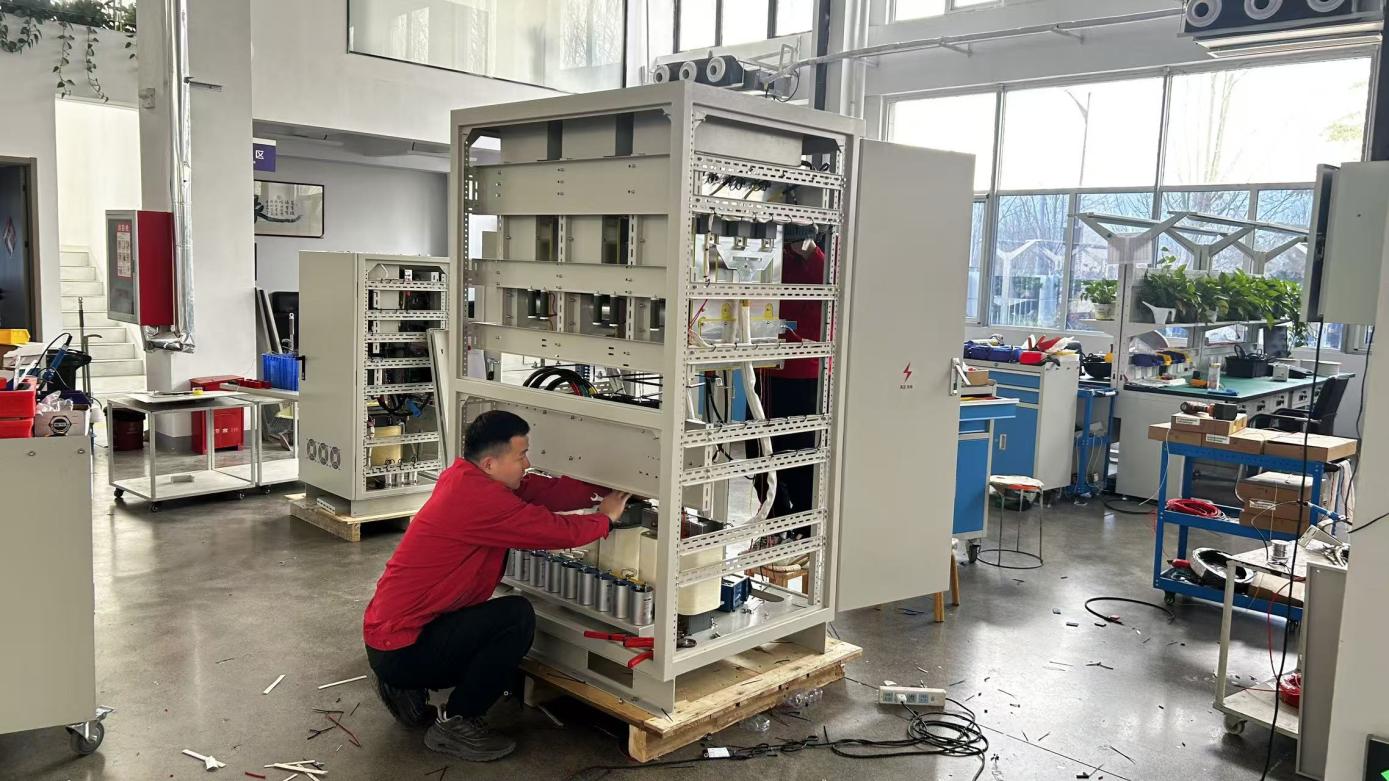 Circuit board assembly
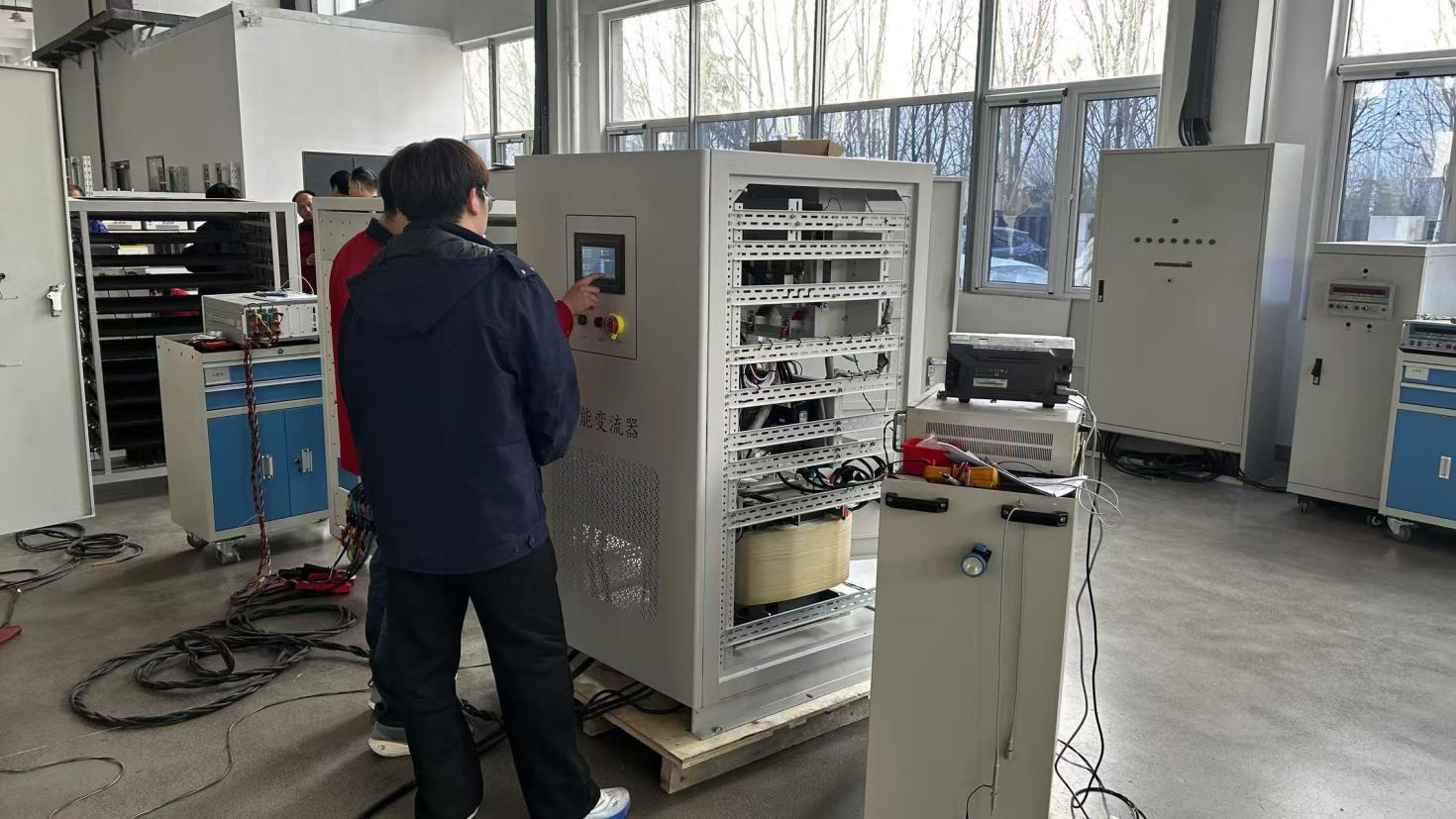 Debugging process
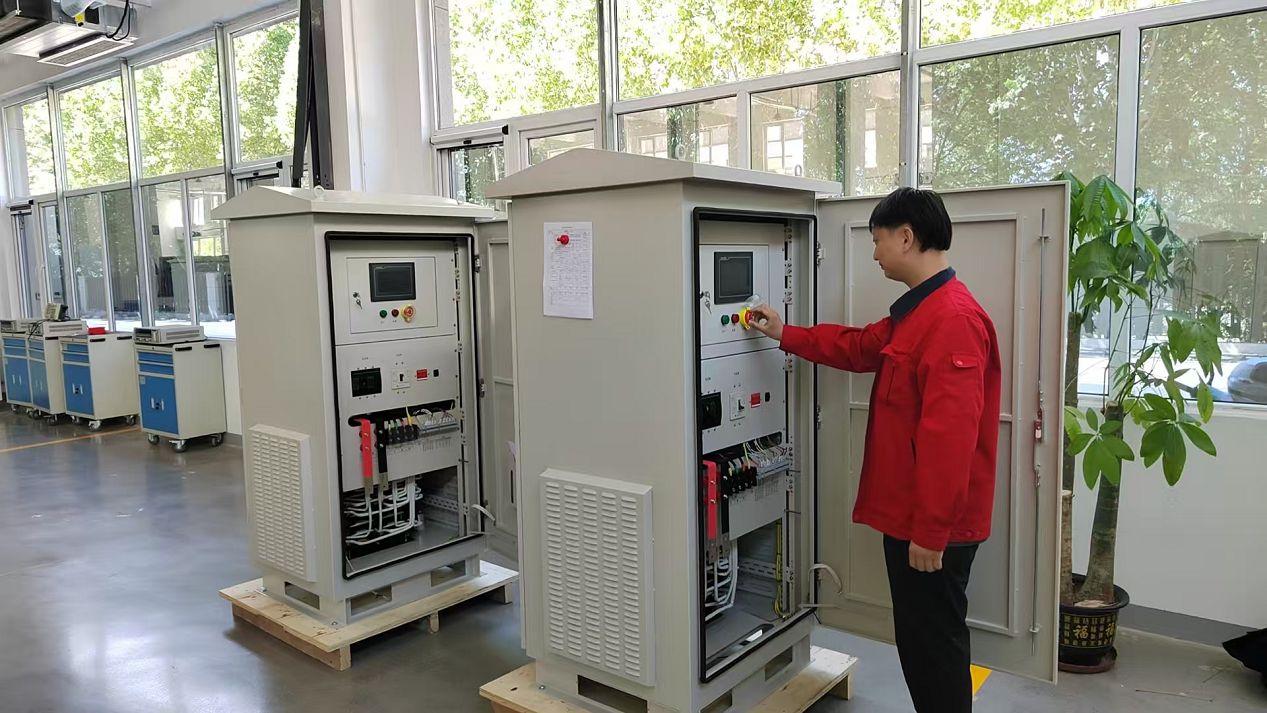 Quality inspection process
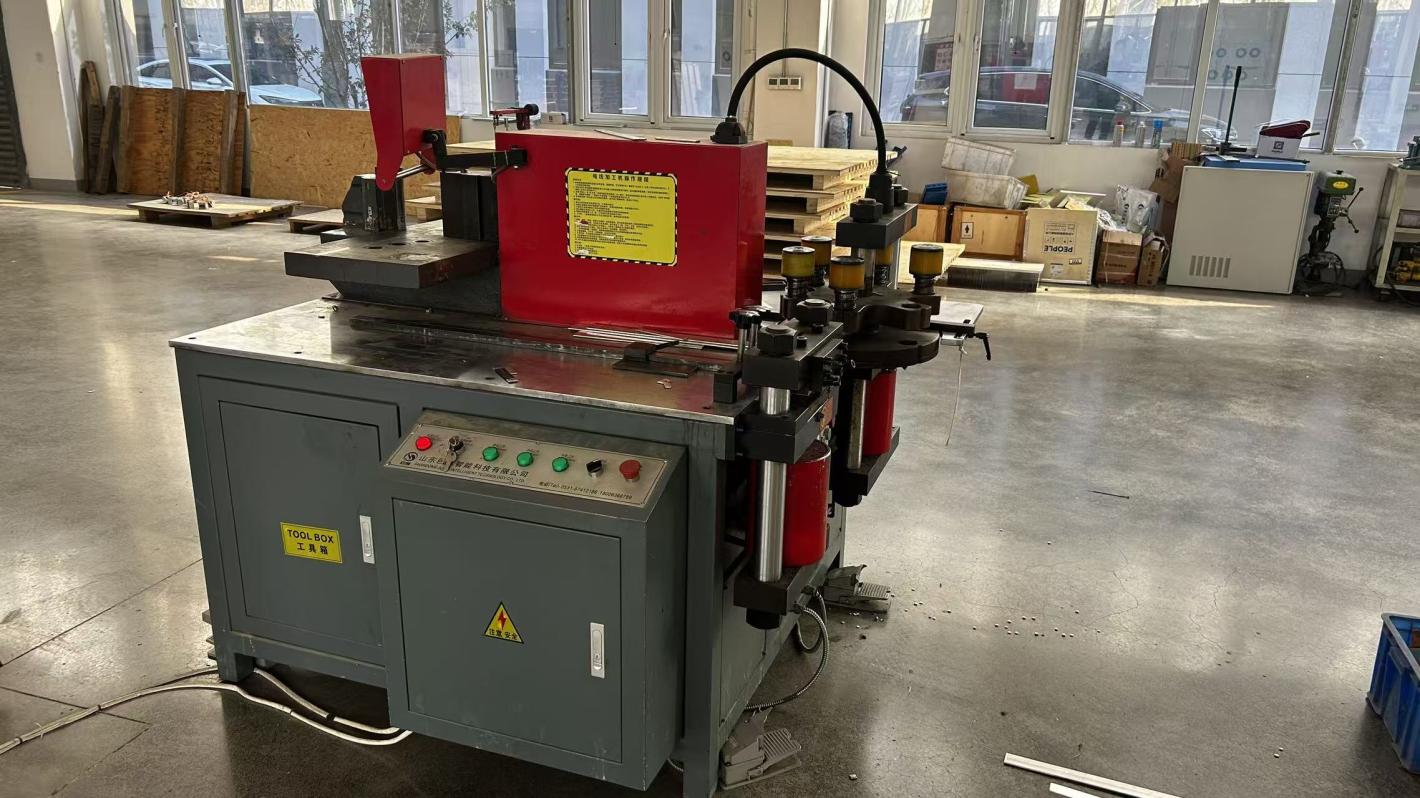 Copper bar production equipment
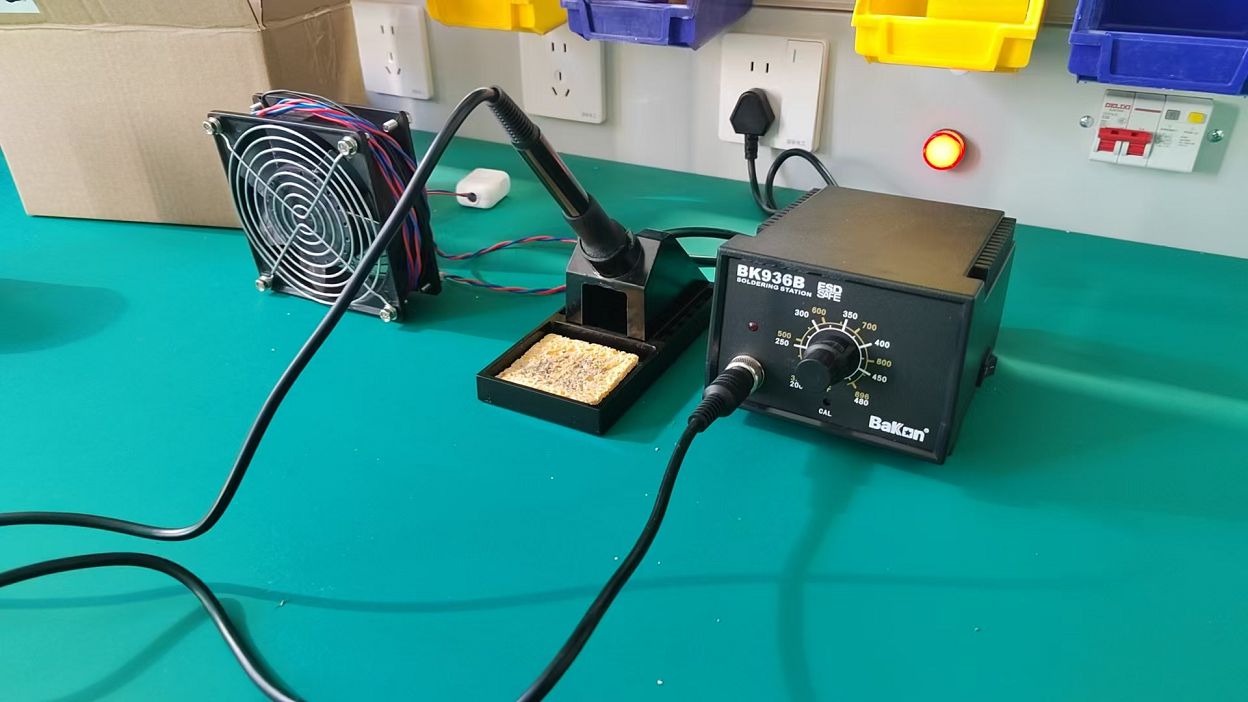 Electric ferrowire
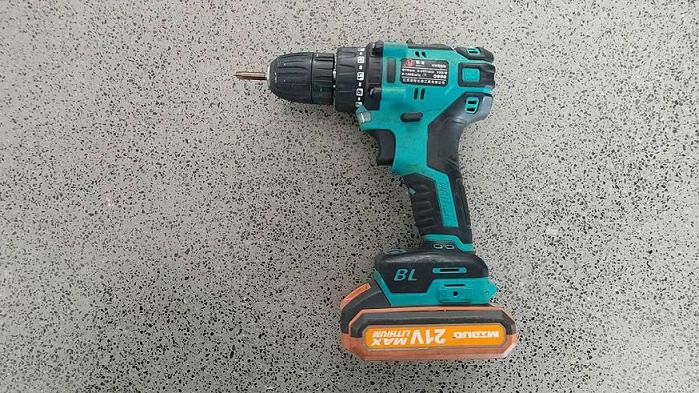 Electric drill
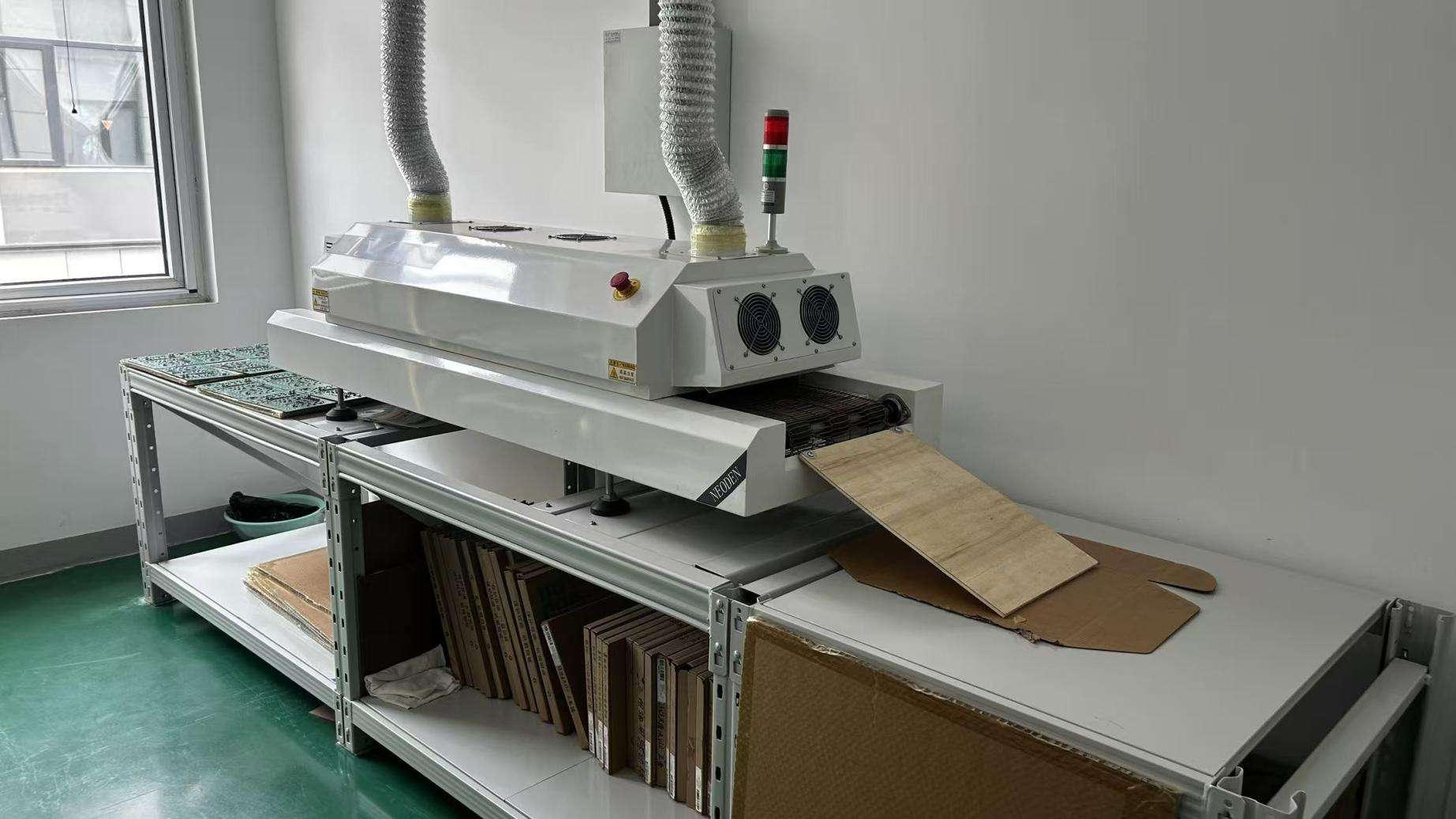 Reflow soldering machine
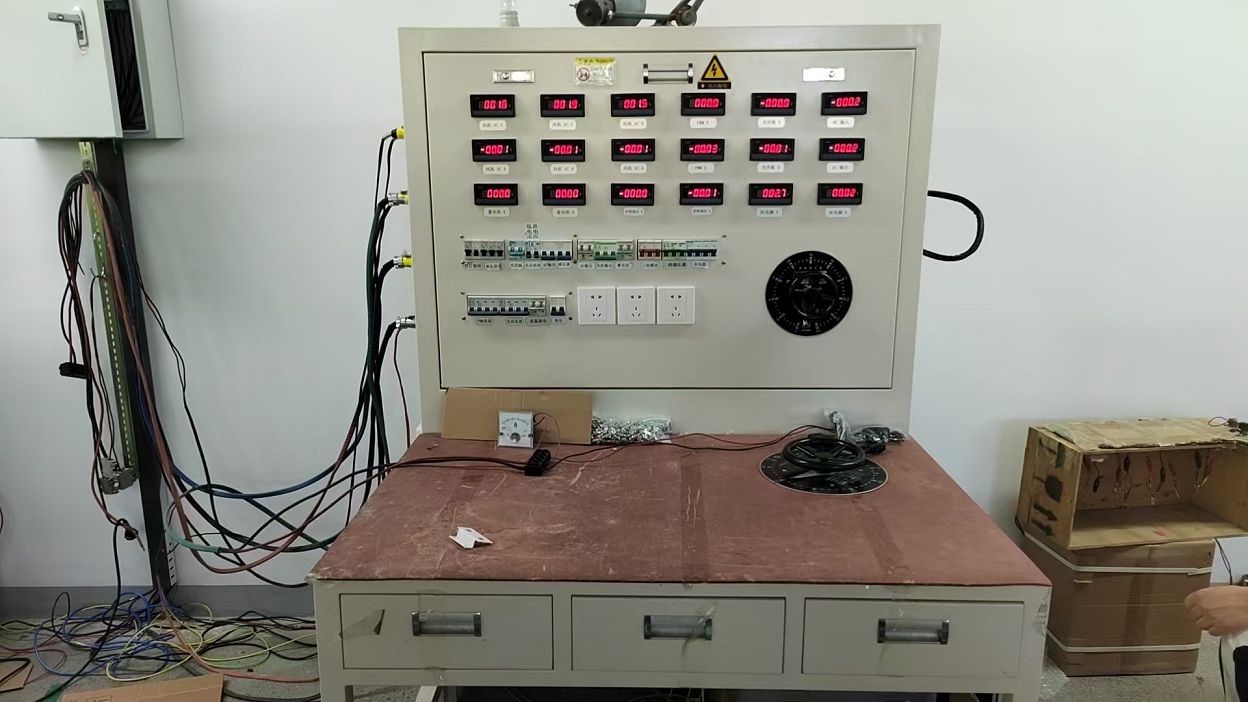 Workbench
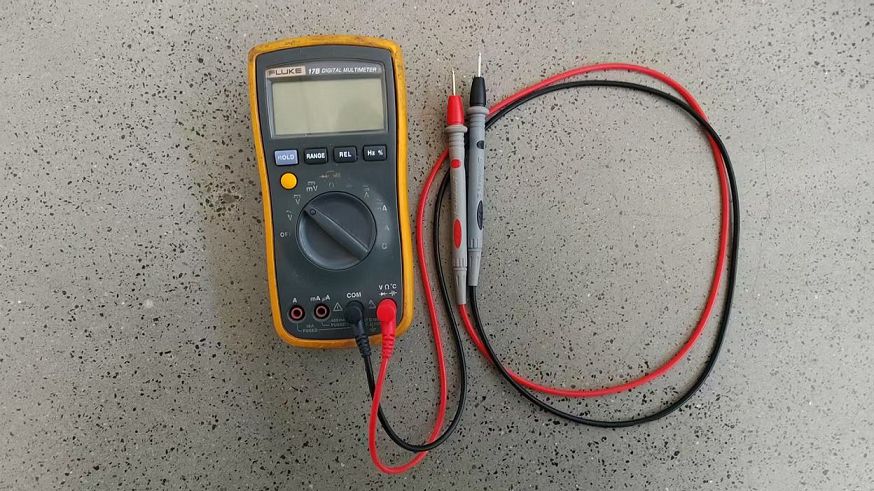 Multimeter
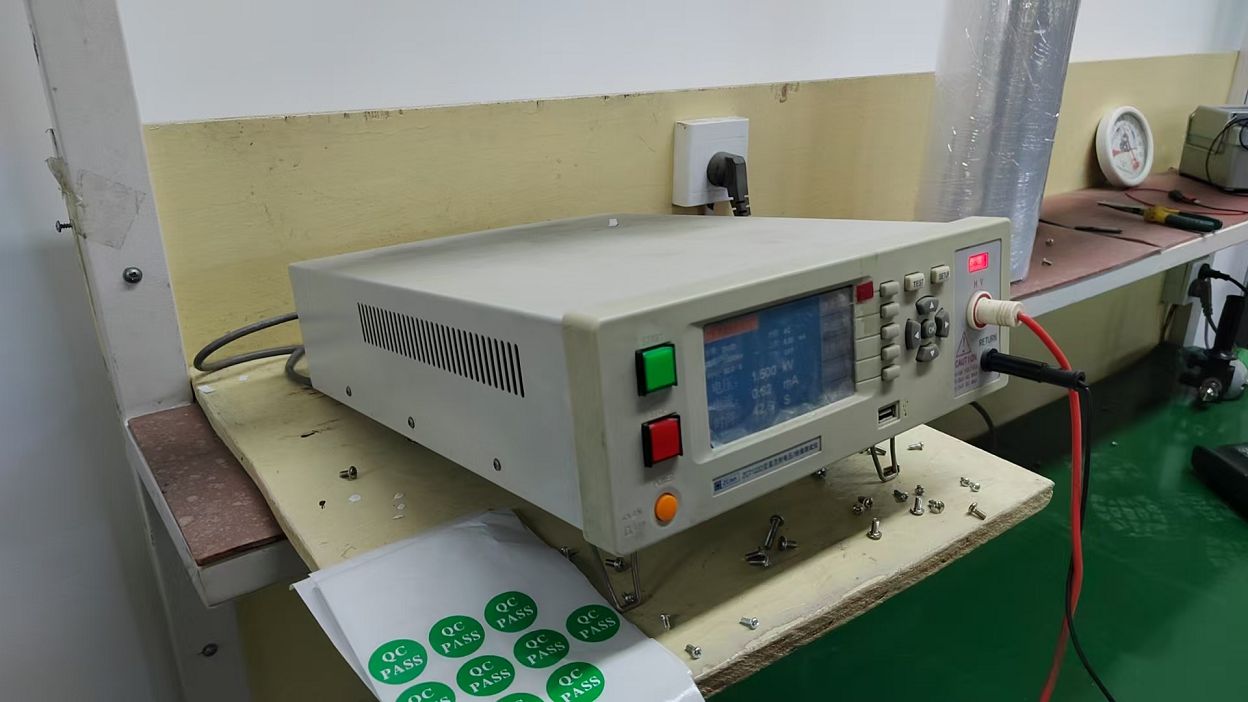 LCR AutoTester
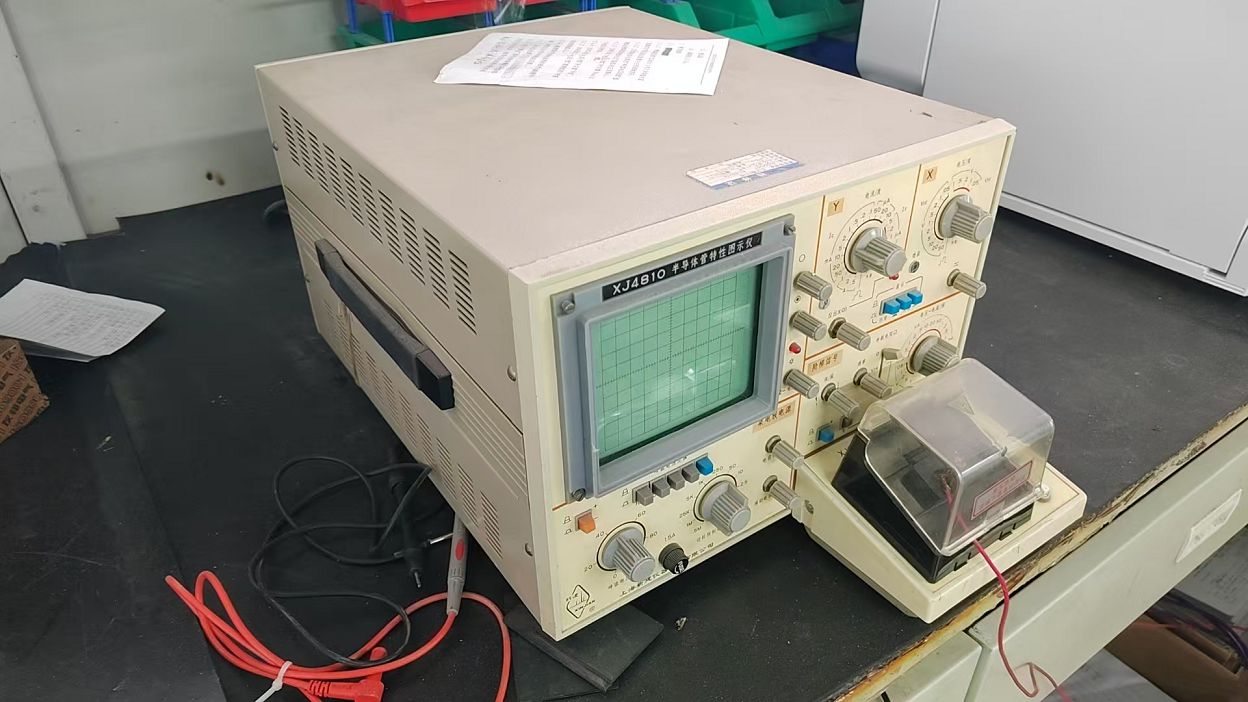 Semiconductor Characteristic Plotter
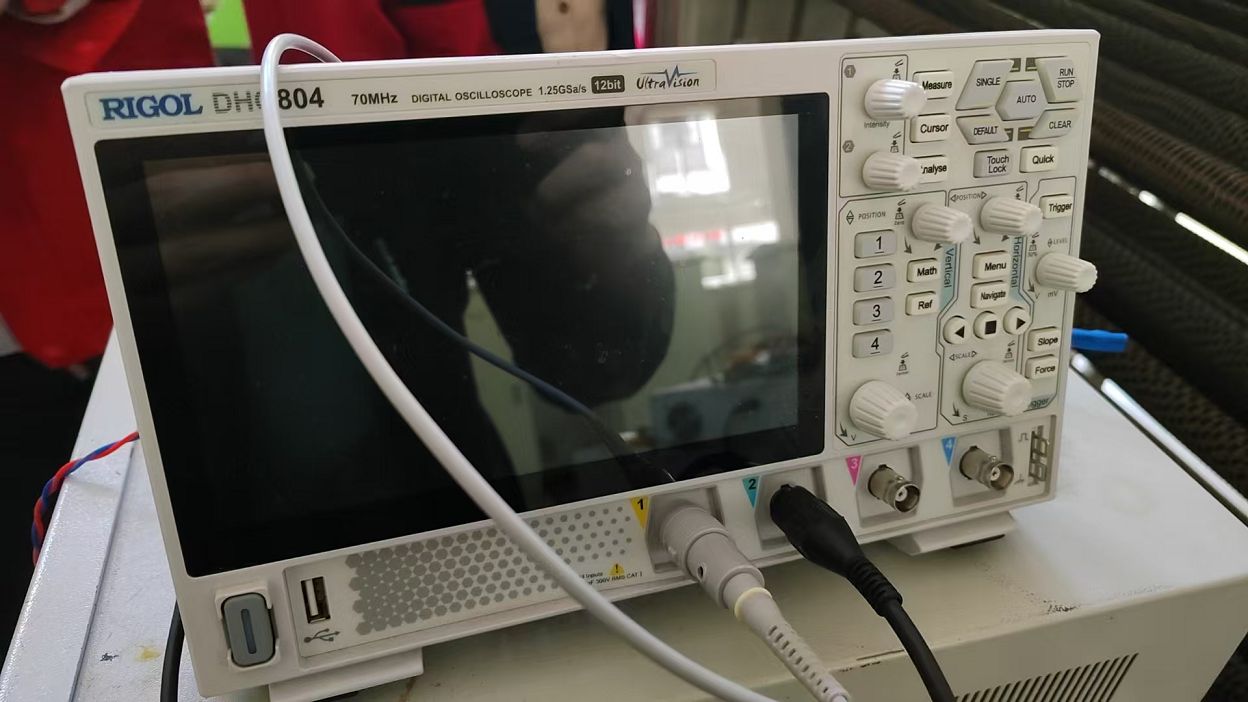
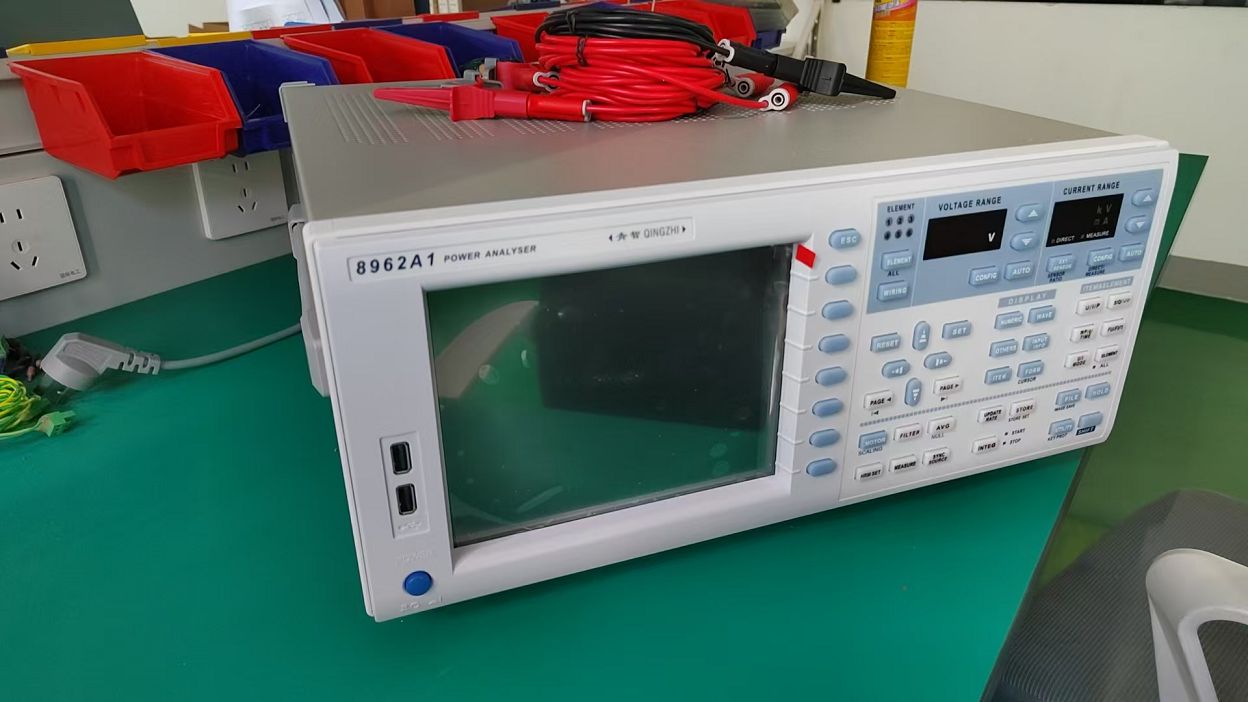 Digital Oscilloscope
 Power Quality Analyzer
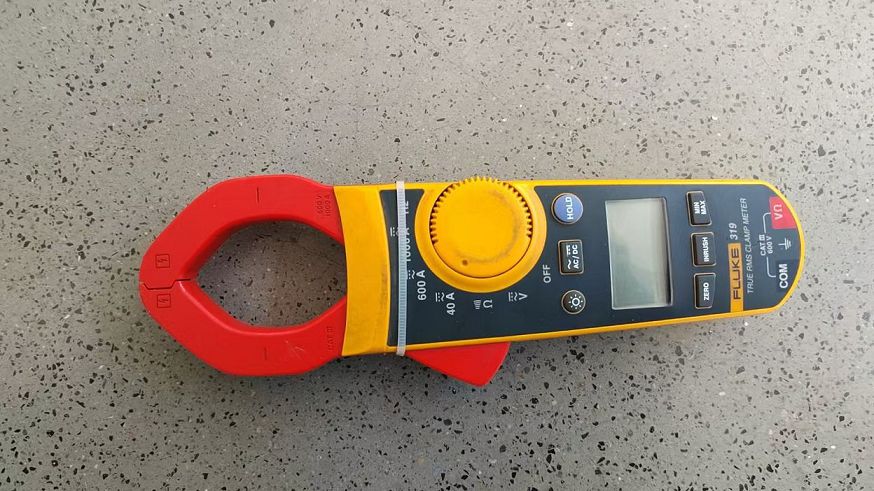 Clamp current meter
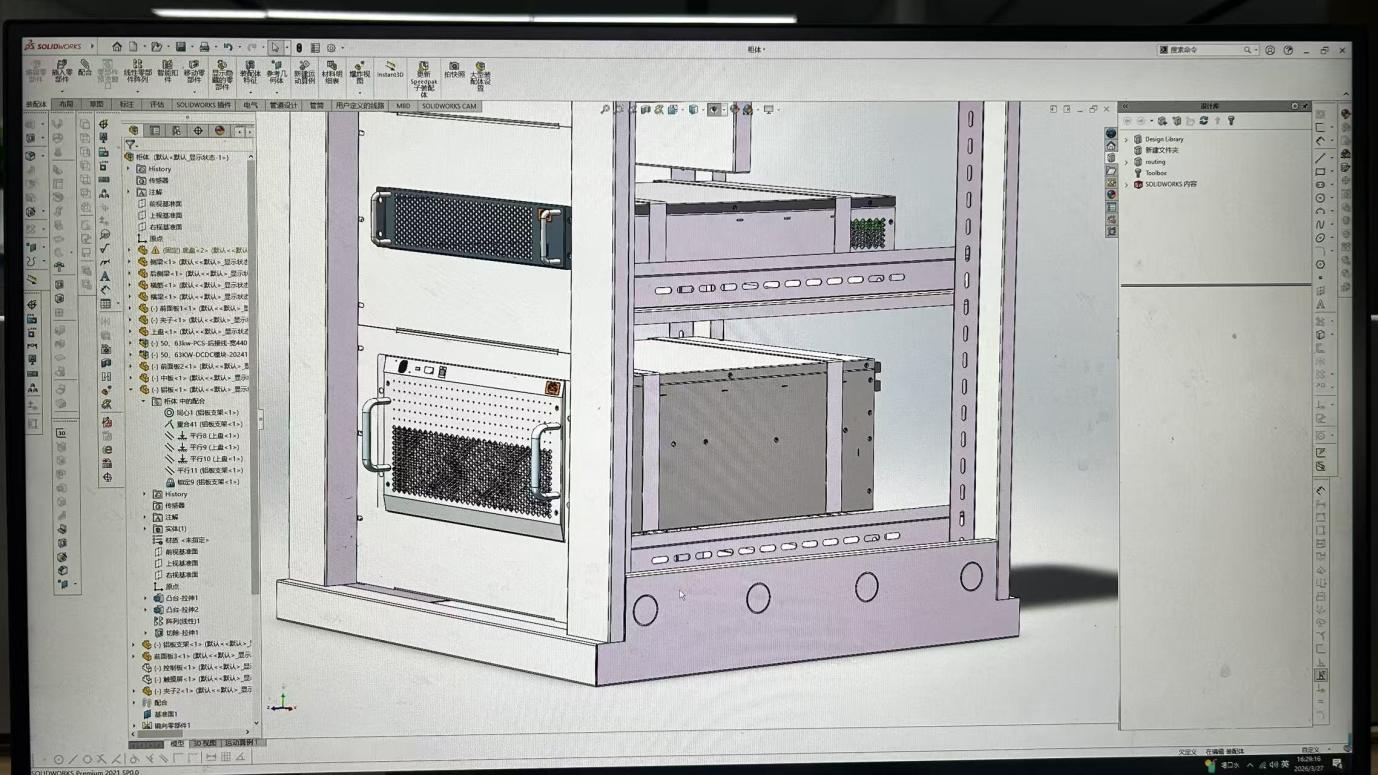
 Drawing Design
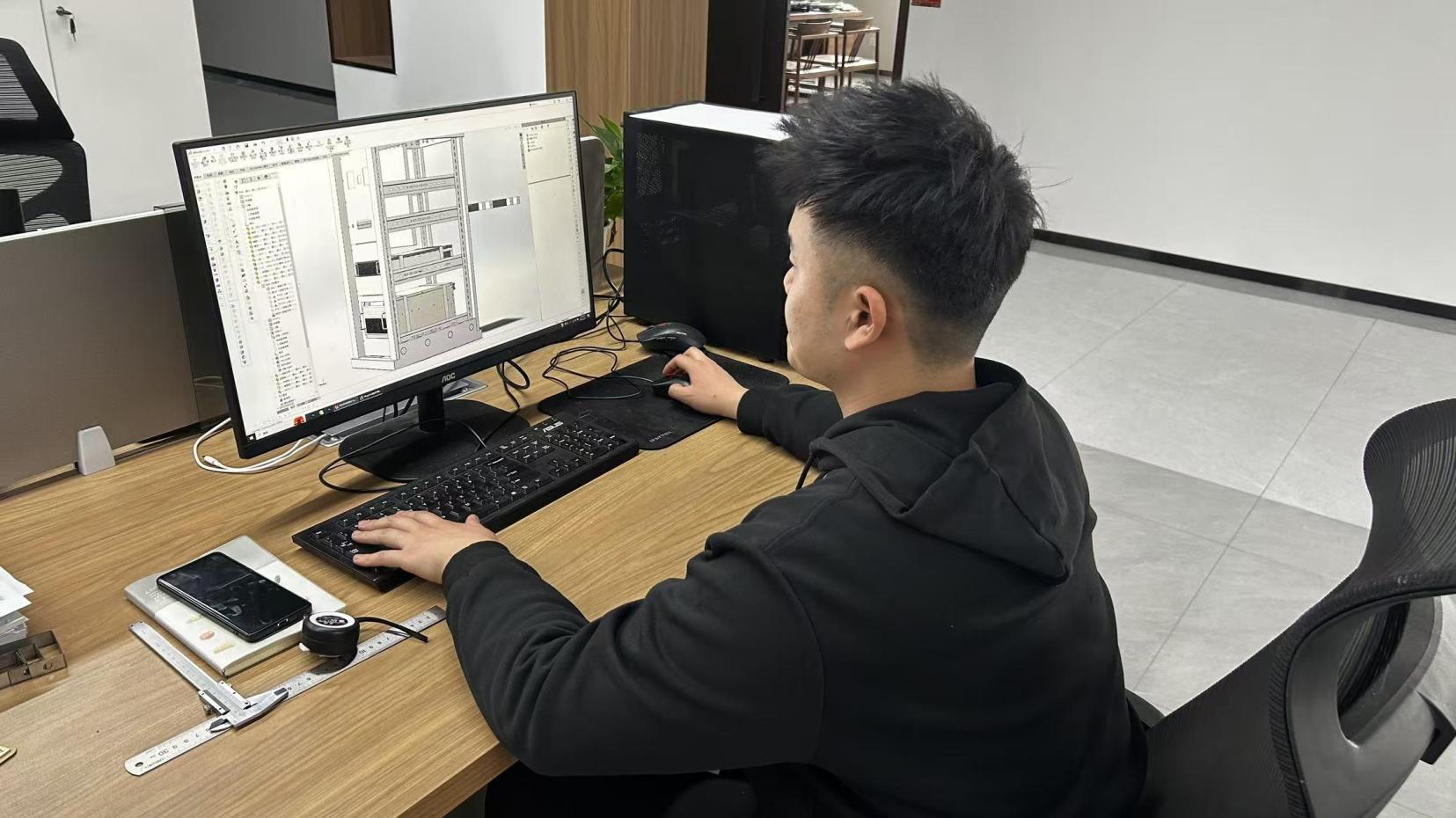
 Computer
Deploying heavy utility-scale or industrial-scale power equipment requires deep alignment with localized grid connection standards and environmental safety certificates. Every region presents unique regulatory landscapes:
Deming mitigates installation friction by configuring its bidirectional converters and frequency controllers with adjustable parameters, managed through user-friendly LCD interfaces. This flexible configuration ensures that whether a system is commissioned in the US, Germany, or Brazil, it complies seamlessly with localized codes.
The future of geothermal systems is deeply connected to two technical developments: Enhanced Geothermal Systems (EGS) and Supercritical Deep Geothermal Wells. EGS opens up geothermal production in geographical areas lacking natural convective hydrothermal systems by injecting high-pressure water into deep dry-rock basements. This high-pressure environment demands large-scale, variable-speed water pumps and high-power frequency converters to manage hydraulic circulation.
In parallel, the grid integration roadmap is transitioning from "grid-following" systems to "grid-forming" systems. Grid-forming converters act as virtual synchronous generators, providing voltage and frequency references in microgrids. Modern hybrid projects integrate wind, solar, hydro, and geothermal components. Multi-source topologies rely on high-capacity bidirectional grid-tied converters, like Deming’s 500kW Customized Bi-directional Generator Converters, to regulate energy flows across wind, solar, and geothermal systems, preventing system collapses.
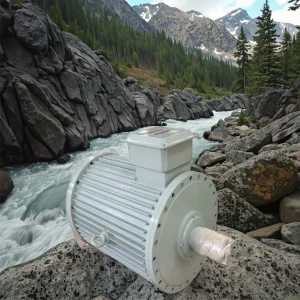
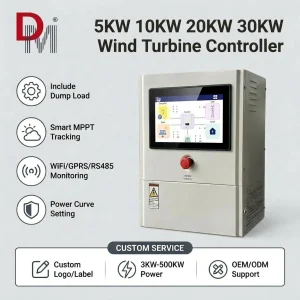
Explore our specialized hydro generators, converters, solar hybrid inverters, and high-performance wind turbine controllers.
 Demin Power