Explore Jinan Deming’s state-of-the-art power conversion and grid-tied load control systems deployed worldwide.
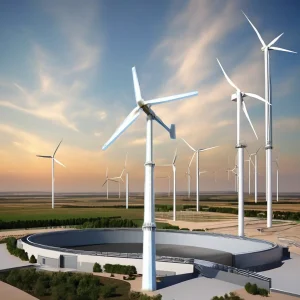
Load management has evolved from a basic strategy of balancing supply and demand to a sophisticated cornerstone of the modern smart grid. As the world transitions toward distributed energy resources (DERs) such as solar photovoltaics, wind energy, and green hydrogen, power grids face unprecedented volatility. The stochastic nature of wind and solar output requires real-time control, voltage regulation, and robust frequency stabilization mechanisms.
Modern electrical infrastructures can no longer rely solely on dispatchable fossil-fuel generators to cover load variance. Instead, dynamic demand-side load management, localized battery energy storage systems (BESS), and intelligent frequency conversion represent the frontier of grid design. By shedding or redirecting excess generation to dynamic dump loads, operators prevent grid failure and extend the functional lifespan of high-value transformers and switchgear.
Global engineering procurement companies (EPCs), industrial site operators, and harbor developers encounter significant technical bottlenecks when source-specifying power electronics. The critical pain points encompass harmonic distortion (THD), thermal management efficiency under continuous full-load environments, system safety under fault conditions, and strict compliance with local grid codes (such as IEEE 1547 or EN 50549).
To overcome these challenges, international buyers demand robust engineering architectures. This includes galvanic isolation design, wide voltage window inputs to handle peak transient surges, and modular parallel configurations that facilitate future scaling. Jinan Deming Power Equipment address these demanding metrics through specialized high-power testing systems, marine shore-to-ship power configurations (ranging from 500kW to 5MW), and digitalized wind/solar hybrid control units integrated with automated dynamic dump loads.
Our proprietary technology stack delivers maximum operational stability, energy conversion efficiency, and digital grid integration.
High-speed DSP algorithms process voltage and current feedback loops simultaneously to regulate transients within <5 milliseconds.
Integrating next-generation semiconductor topologies boosts operational conversion efficiencies up to 98.7% while significantly minimizing thermal signatures.
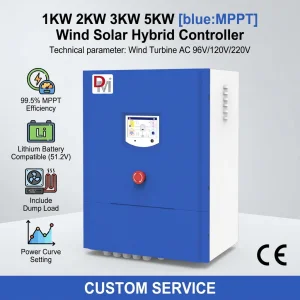
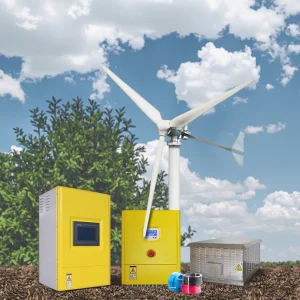
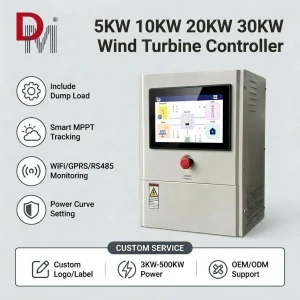
Active overload protection systems divert excess generation energy to resistively coupled arrays, ensuring physical protection against wind turbine runaway speed.
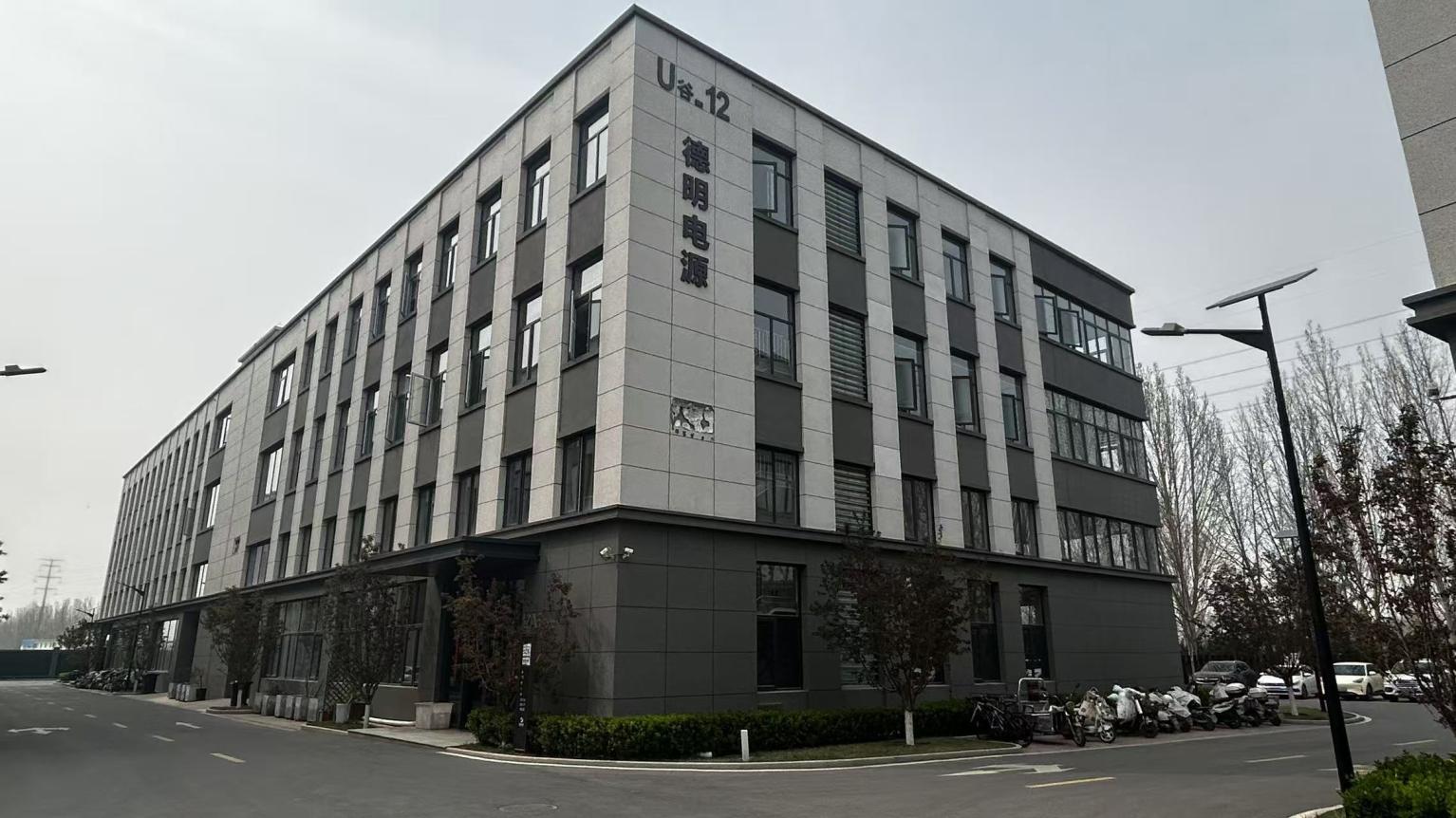
Established in 2004, Jinan Deming Power Equipment Co., Ltd. represents the absolute pinnacle of high-tech manufacturing, strict quality control systems, and innovative engineering.
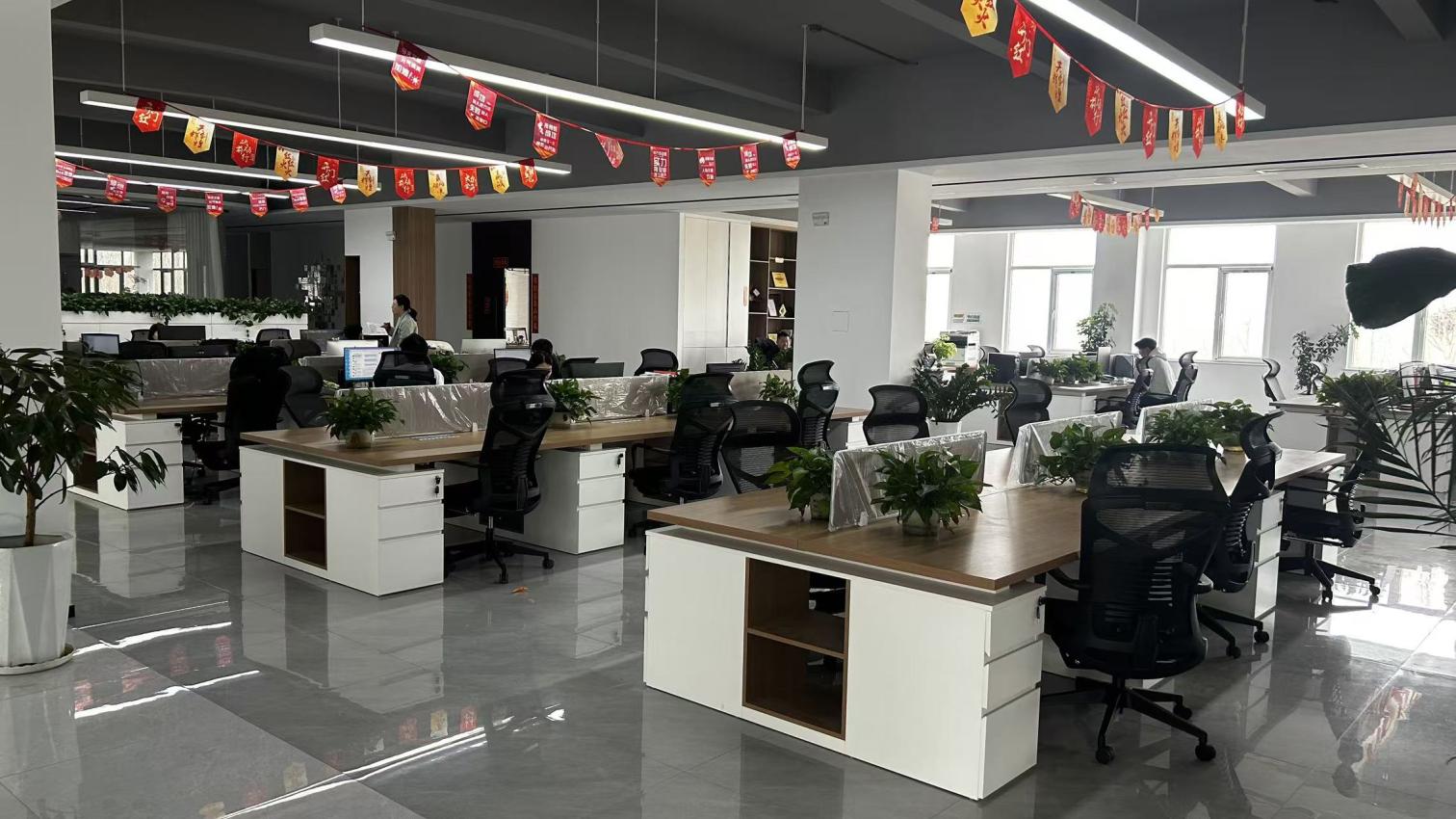
As a nationally recognized high-tech enterprise, Deming Power has continuously invested more than 20% of its annual sales revenue into advanced research and product optimization. Backed by a high-caliber R&D cohort consisting of 16 senior engineers—including doctoral supervisors and master’s degree holders—we have successfully transformed 16 scientific and technological achievements into commercialized global energy infrastructure components within the last three years alone. This robust R&D foundation is paired with strict adherence to ISO9001:2015 standards, ensuring that every wind/solar controller, high-power bidirectional converter, or marine shore power system leaving our facilities meets absolute operational compliance.
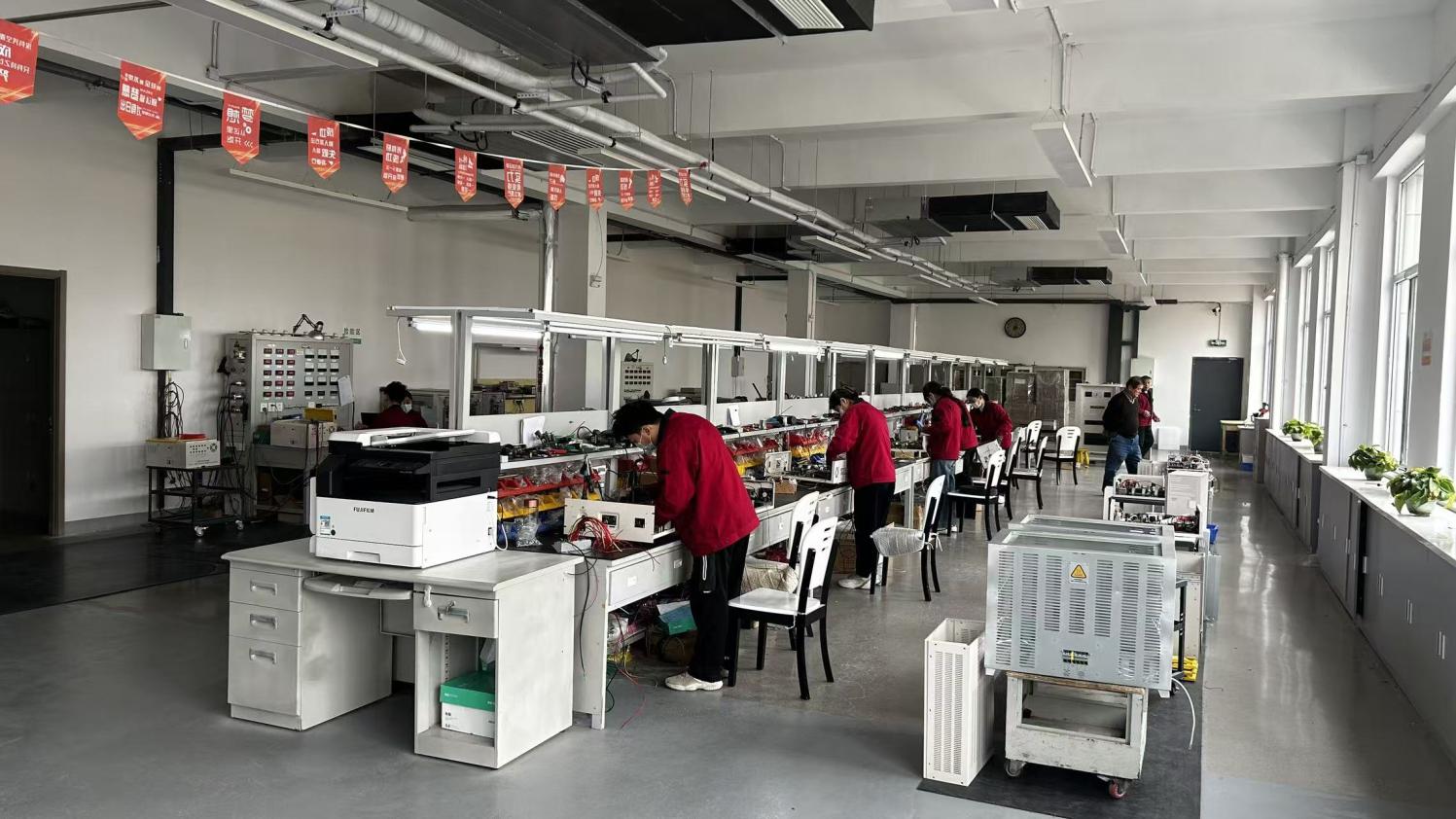
Our localized supply chain integration provides a highly resilient response time. By manufacturing critical copper bars, fabricating customized metal enclosures, and assembling circuit boards (PCBA) within controlled environments, we shield global clients from supply-chain bottlenecks. These localized production capabilities allow us to support high-scale customization, providing specialized voltages (such as 600V, 680V, or 1500V systems) that meet the complex grid configurations of Germany, Japan, the United States, Australia, Brazil, and other major markets.
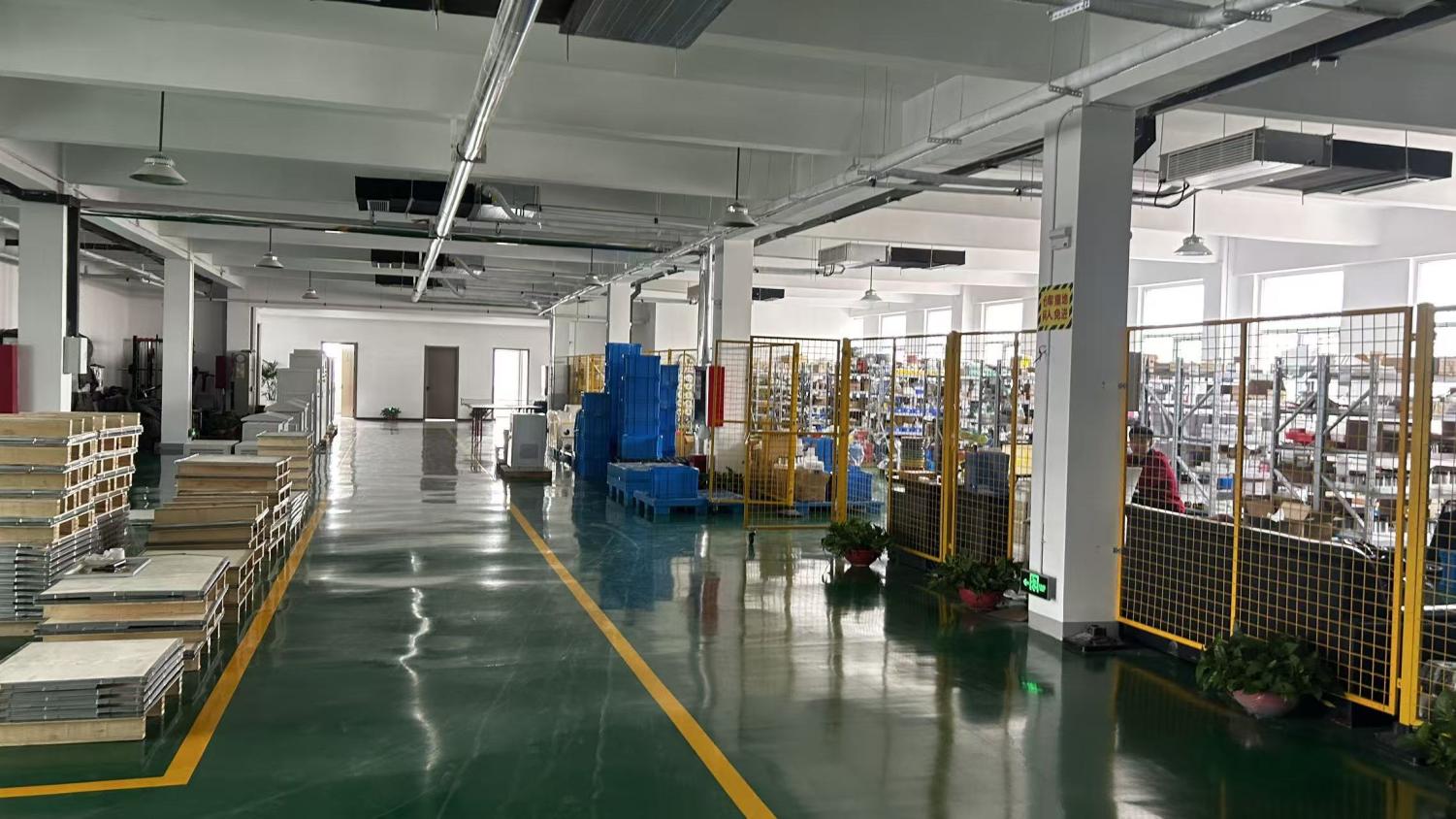
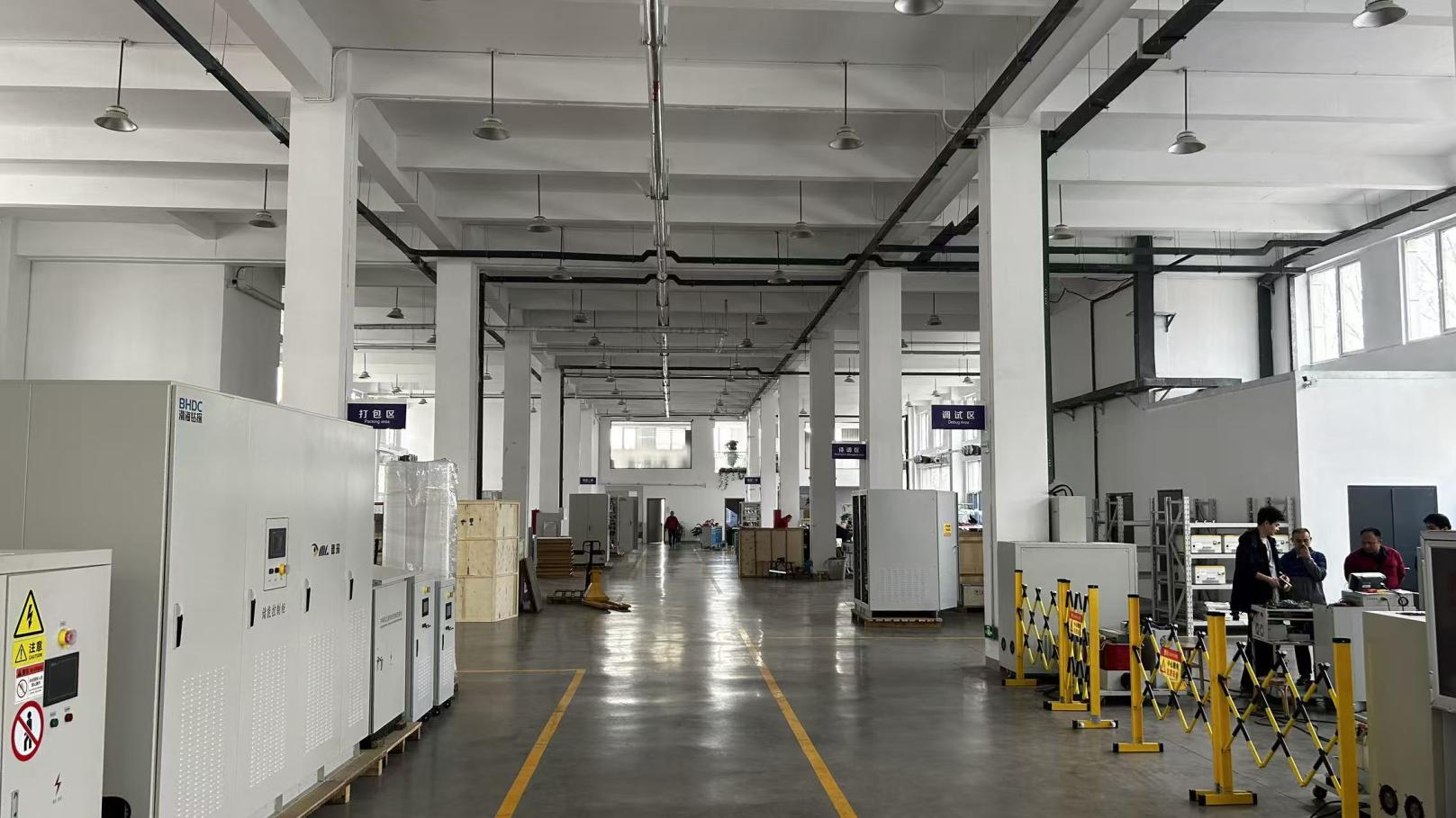
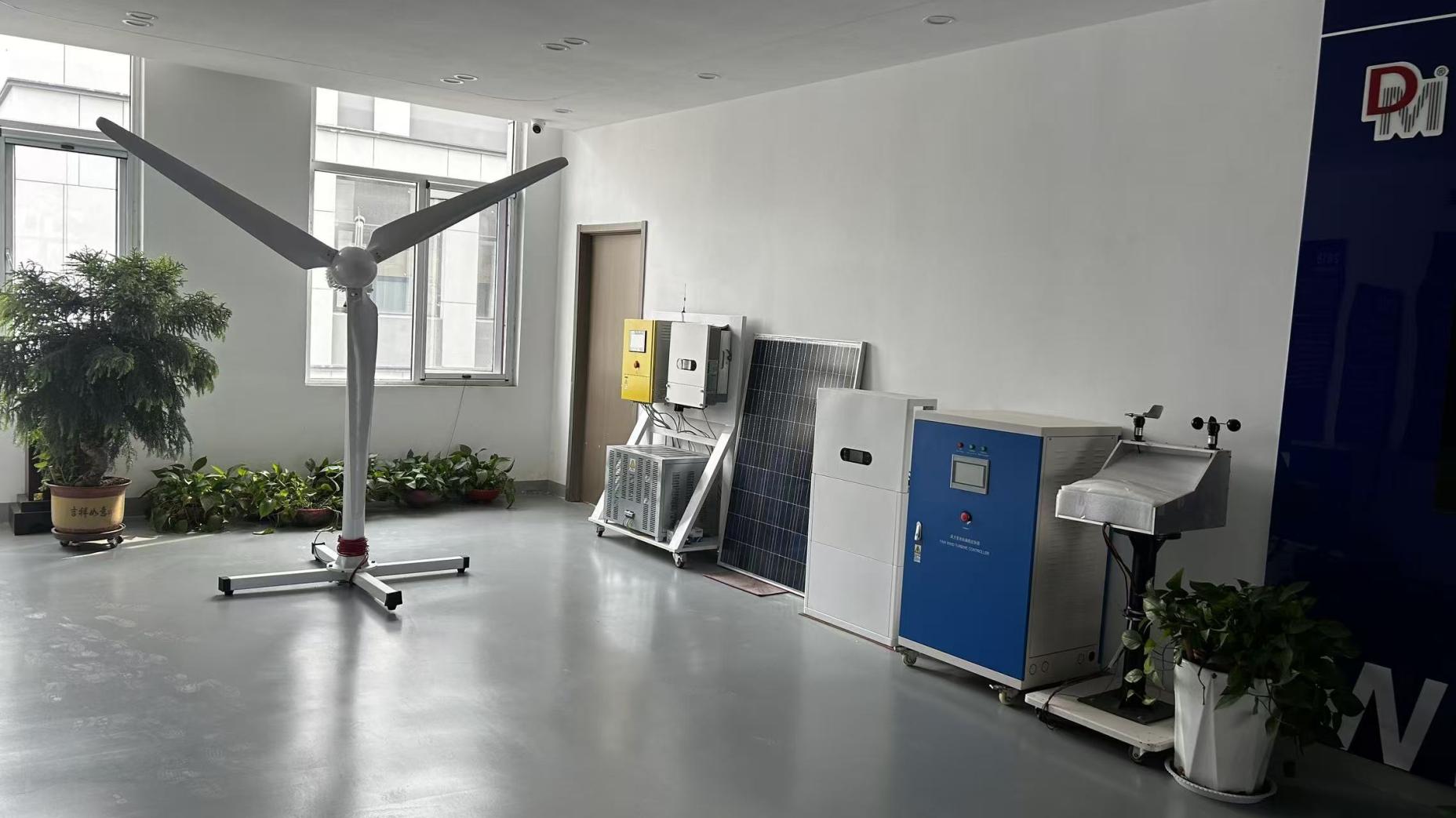
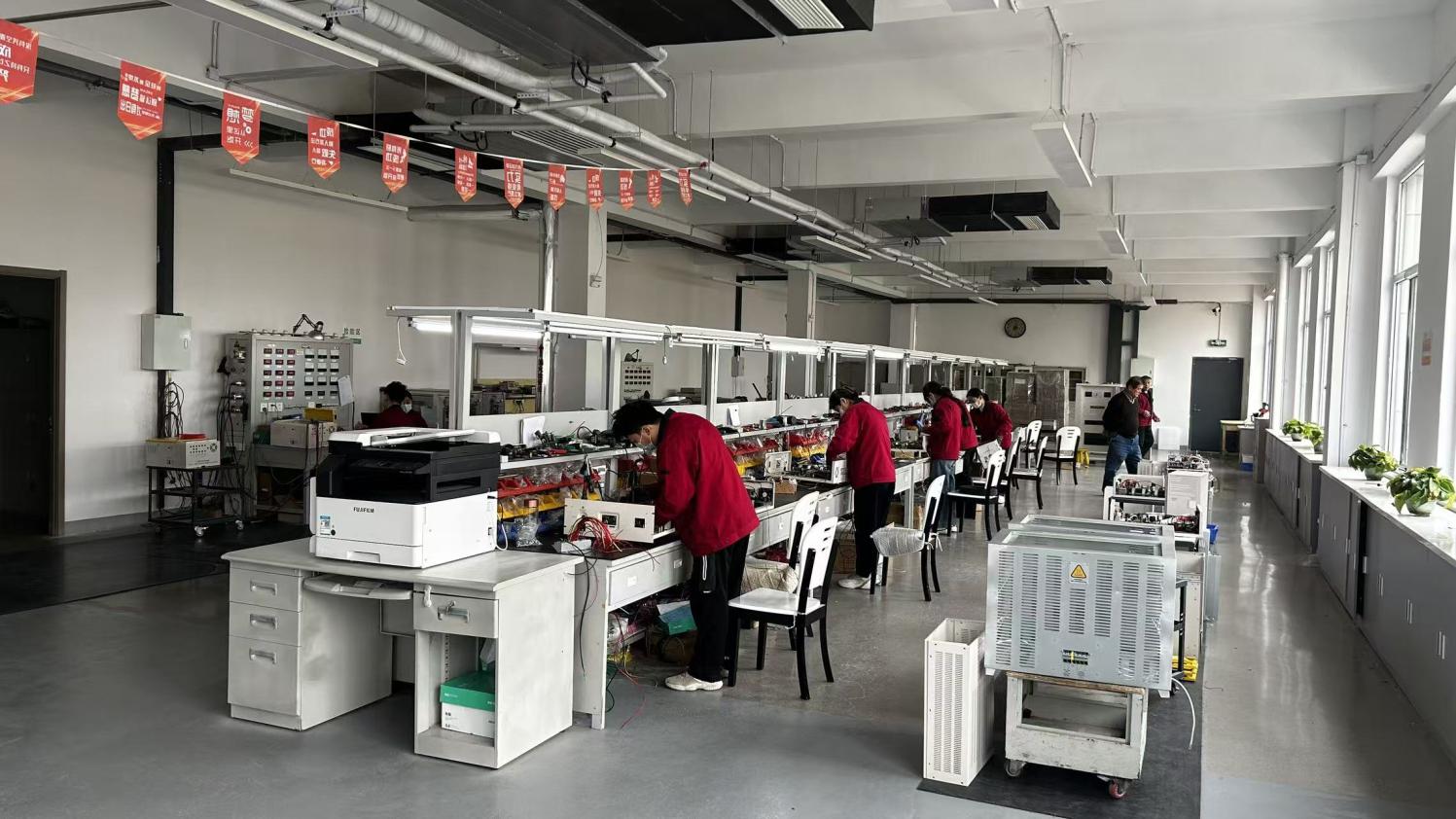
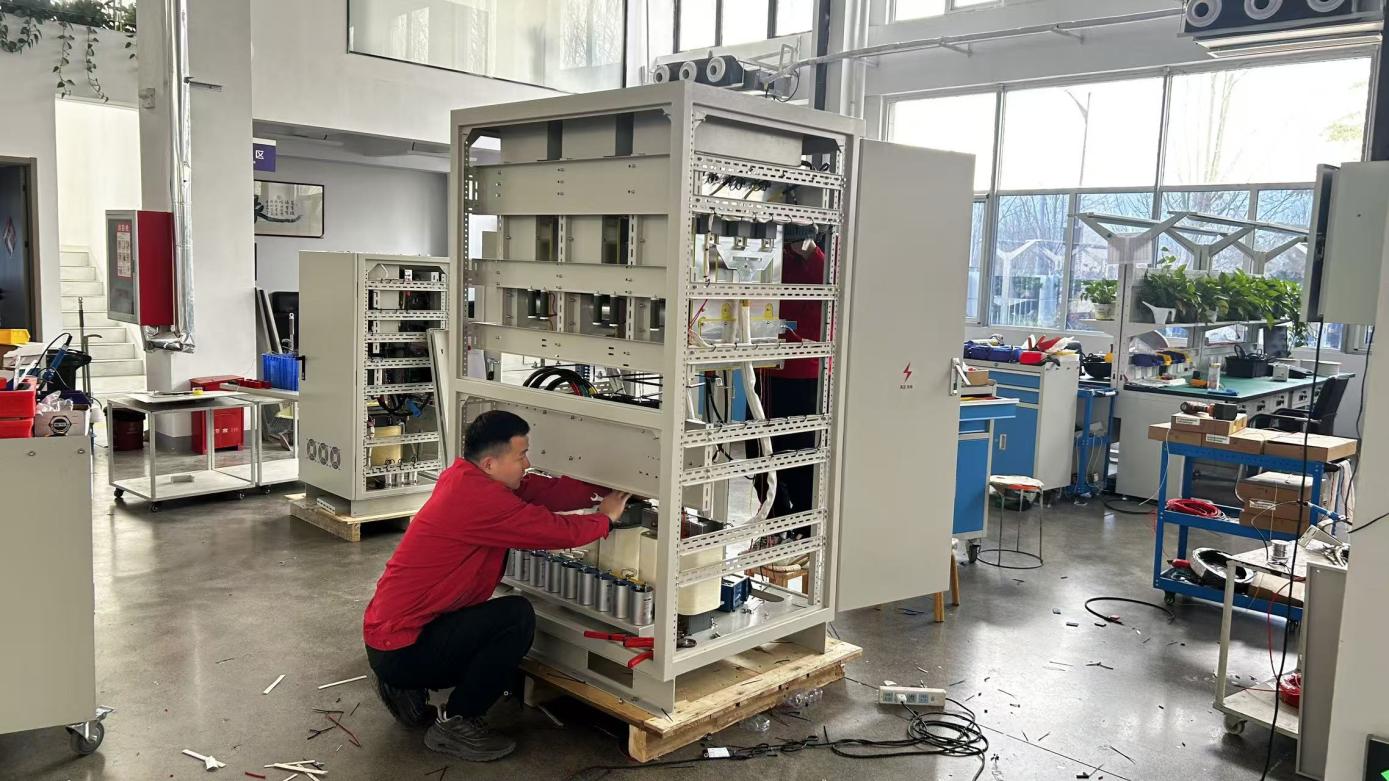
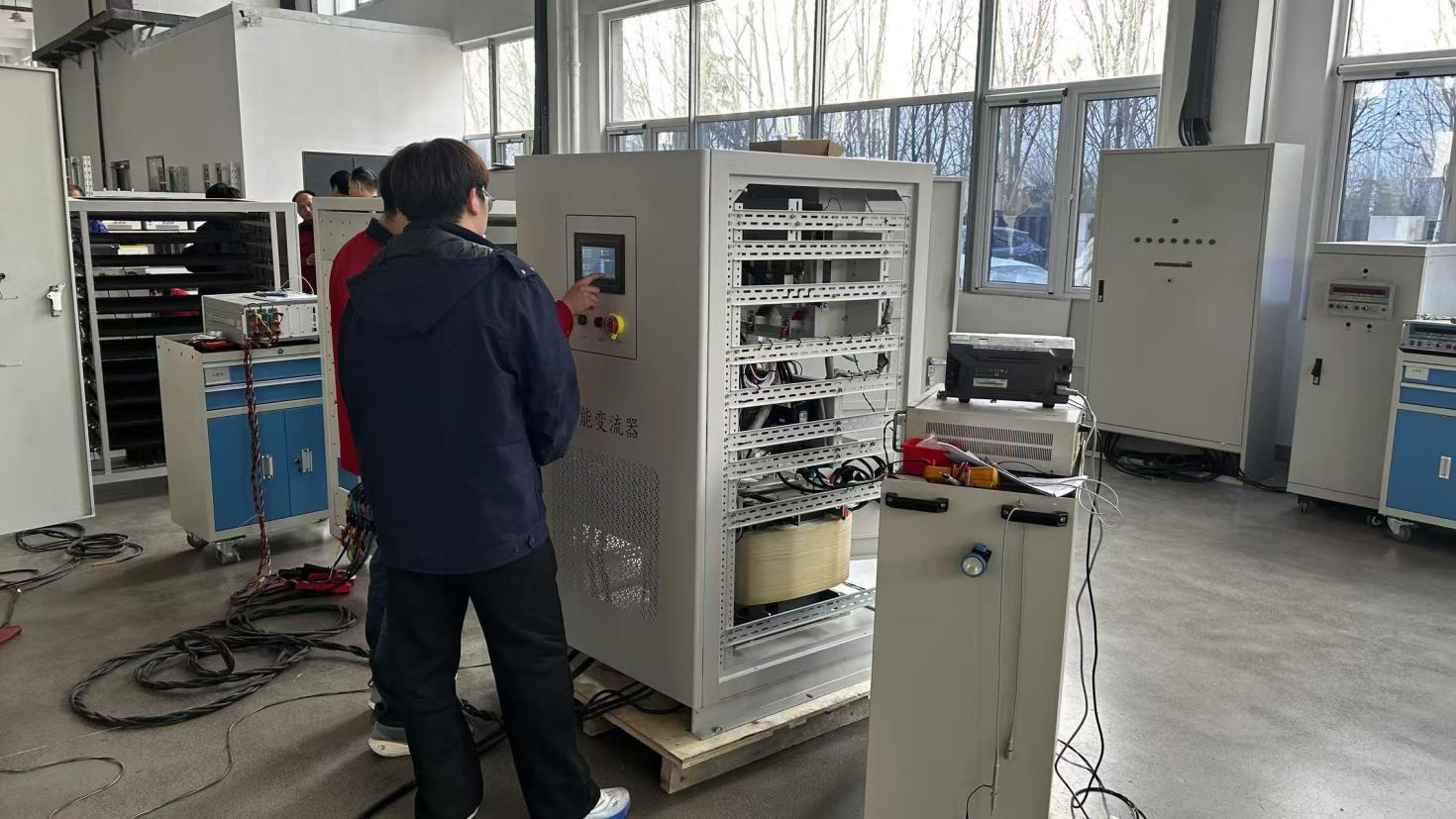
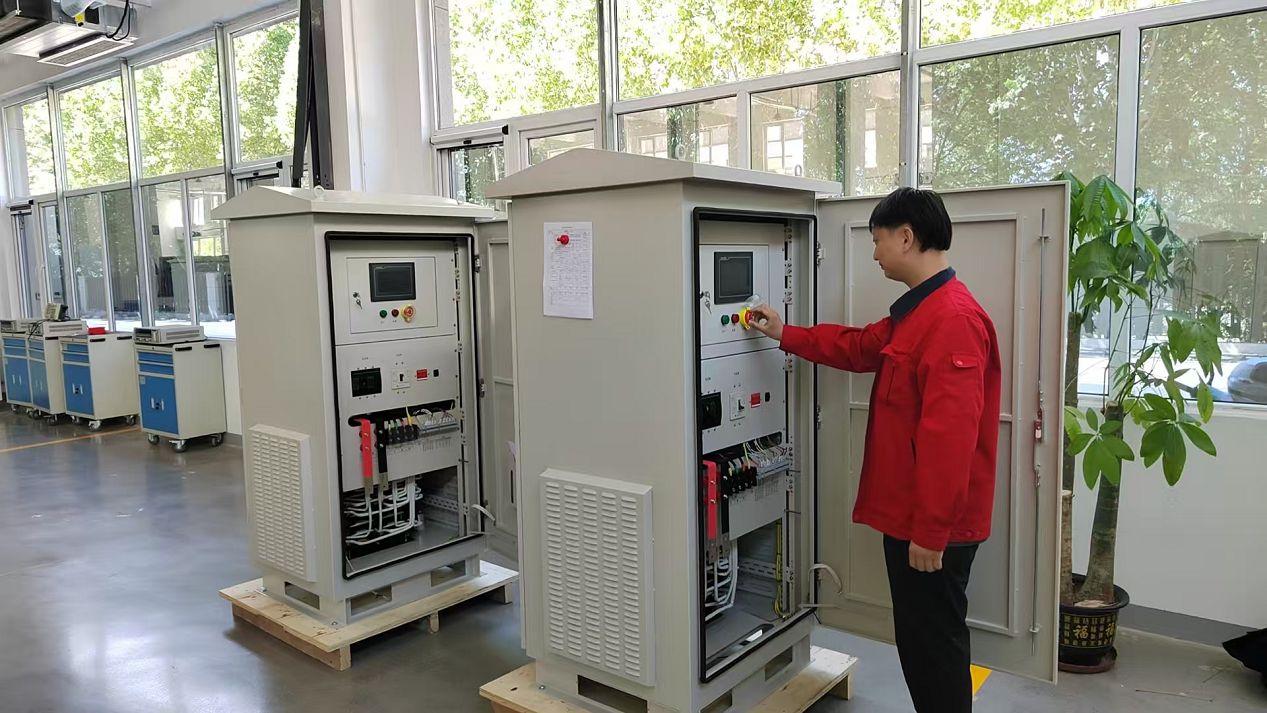
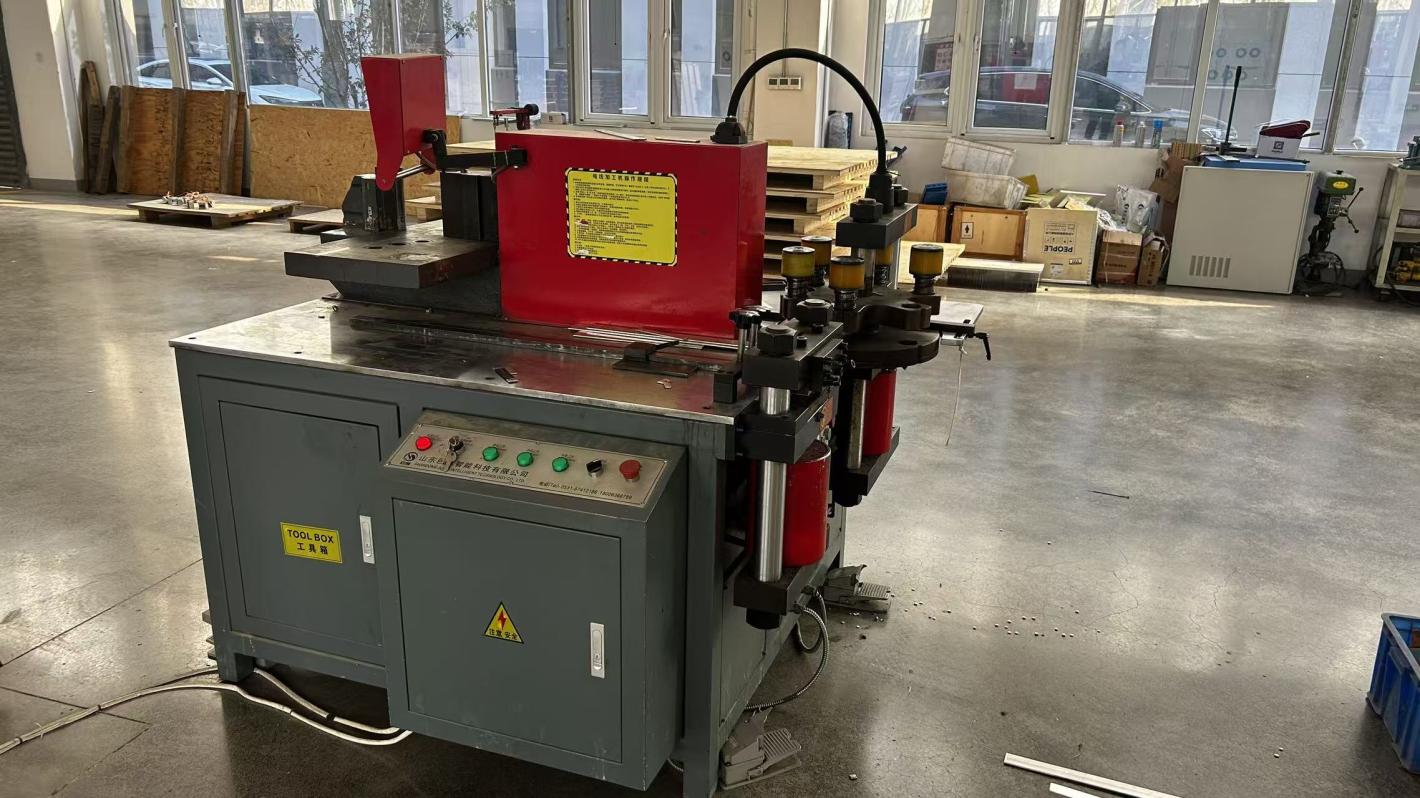
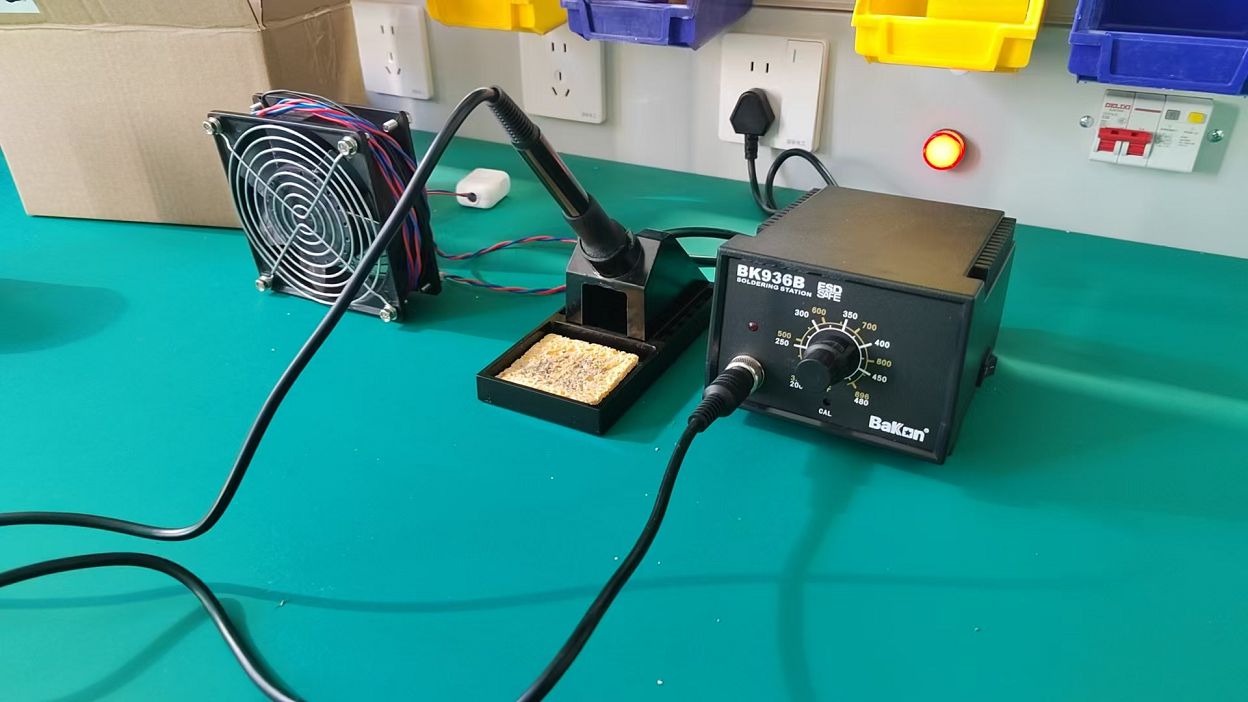
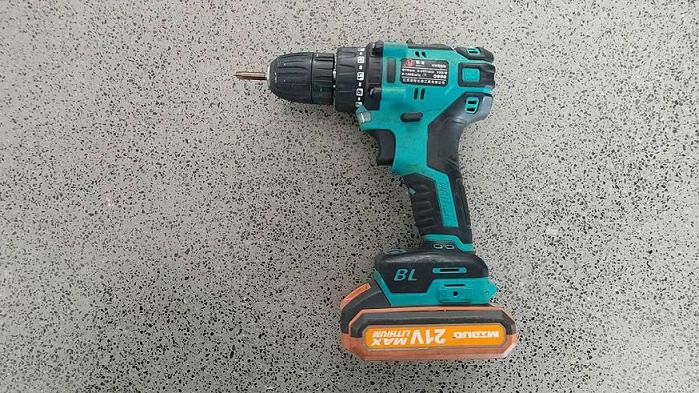
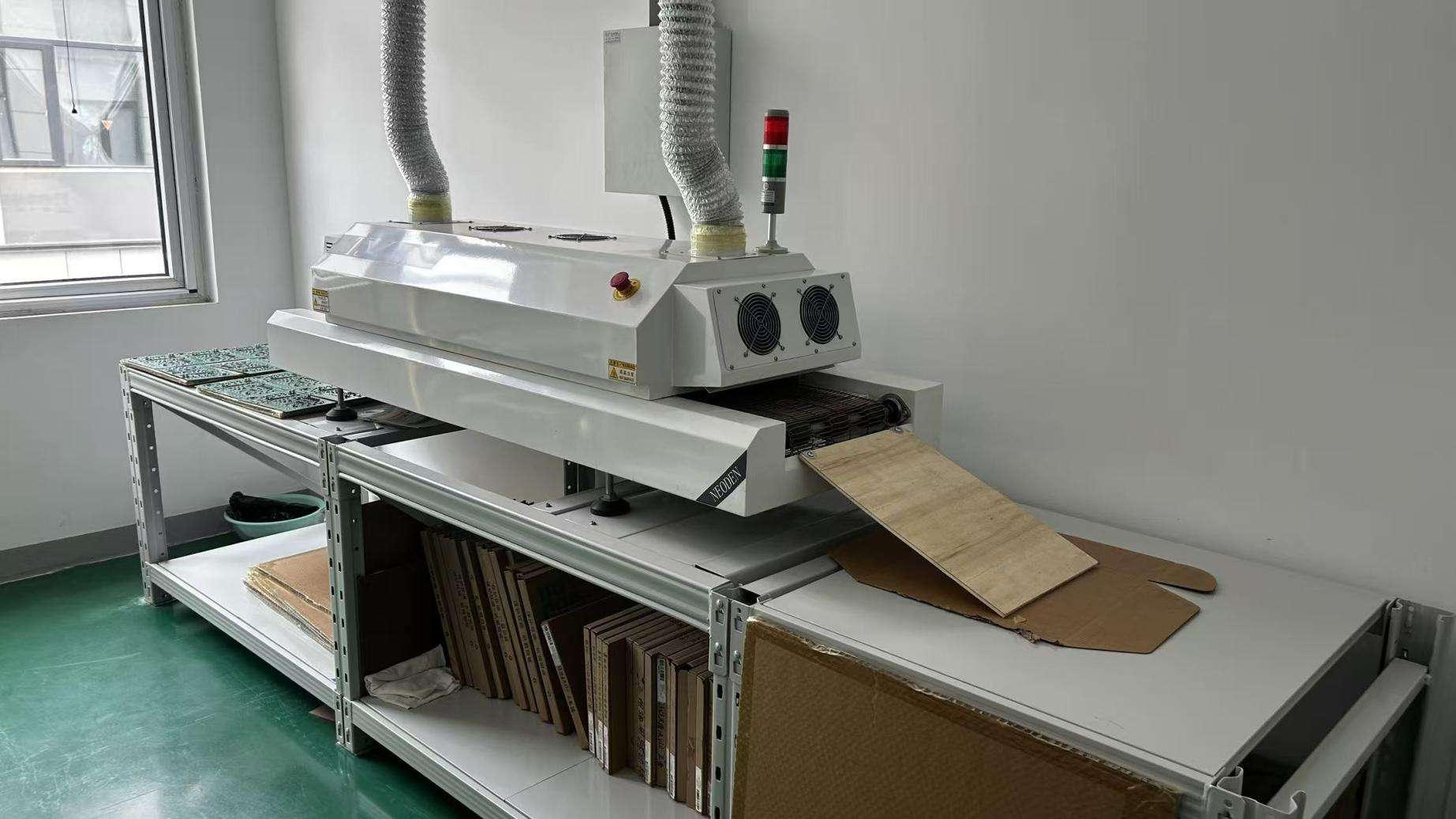
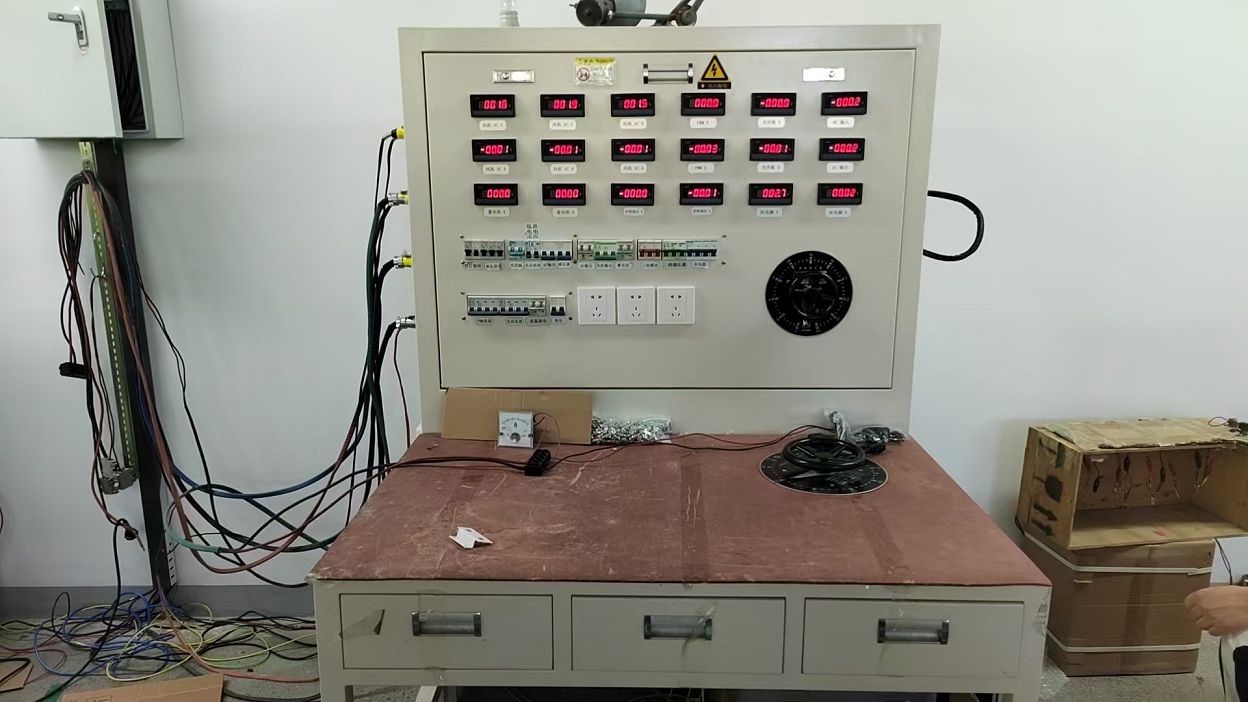
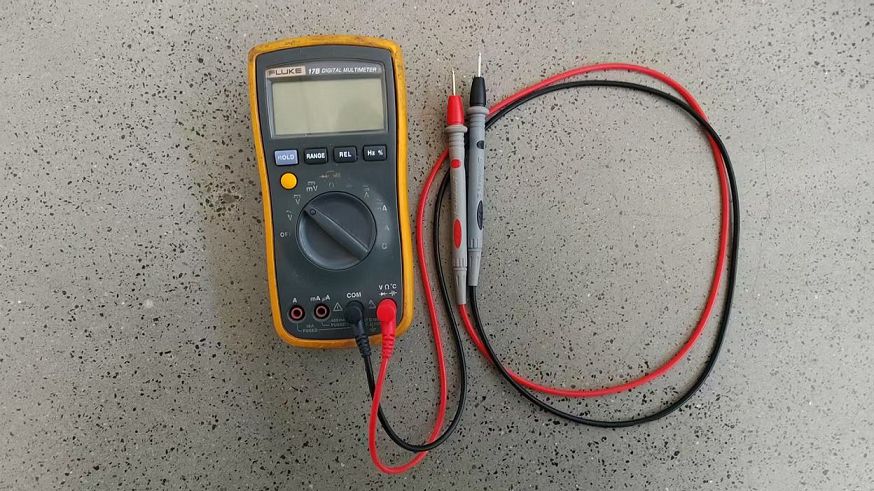
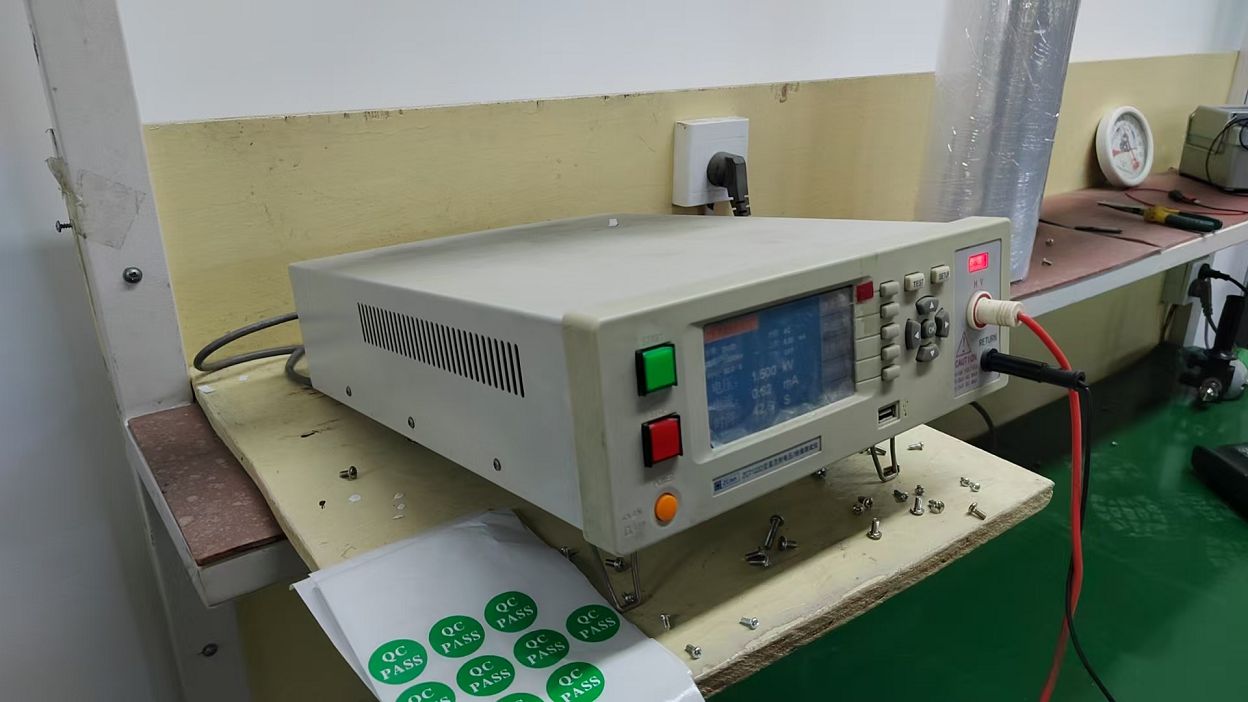
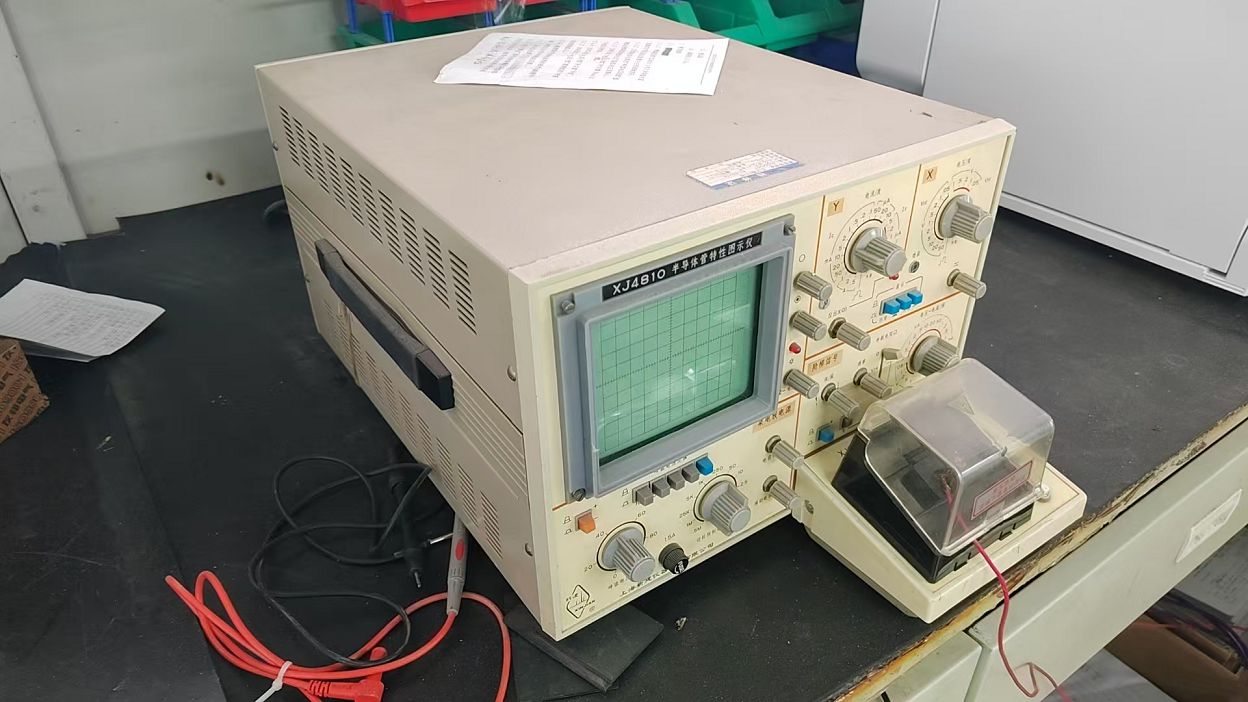
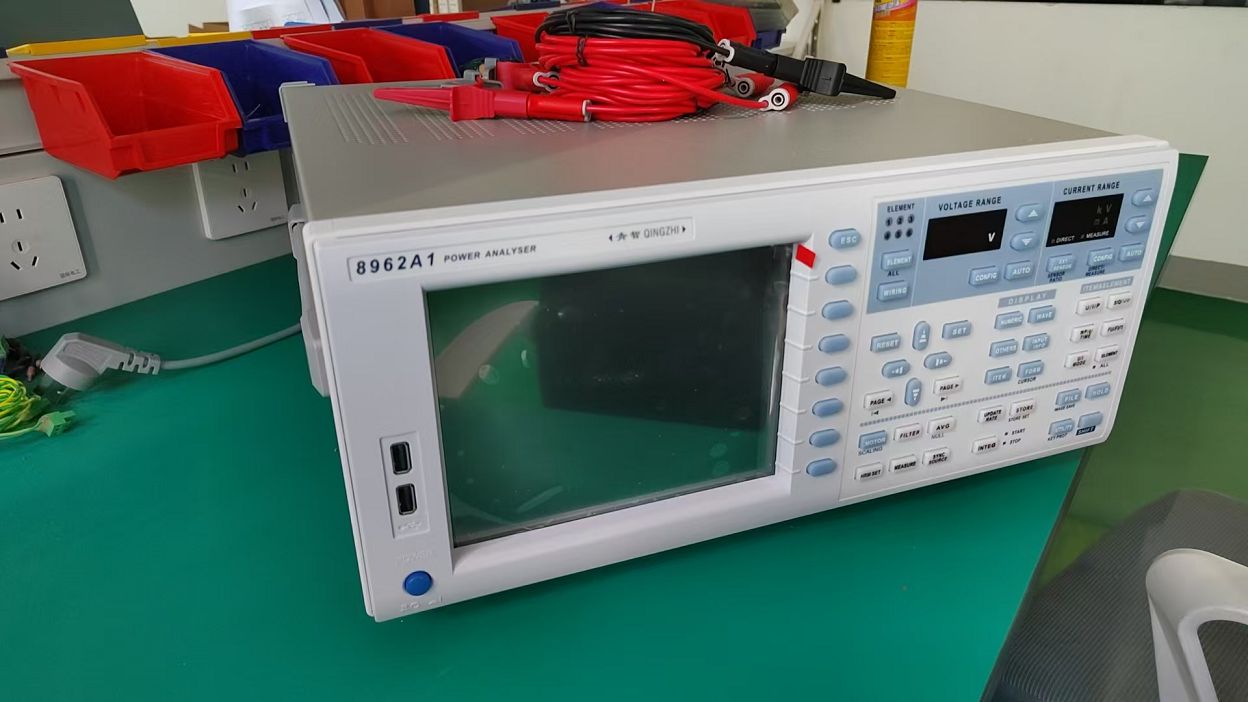
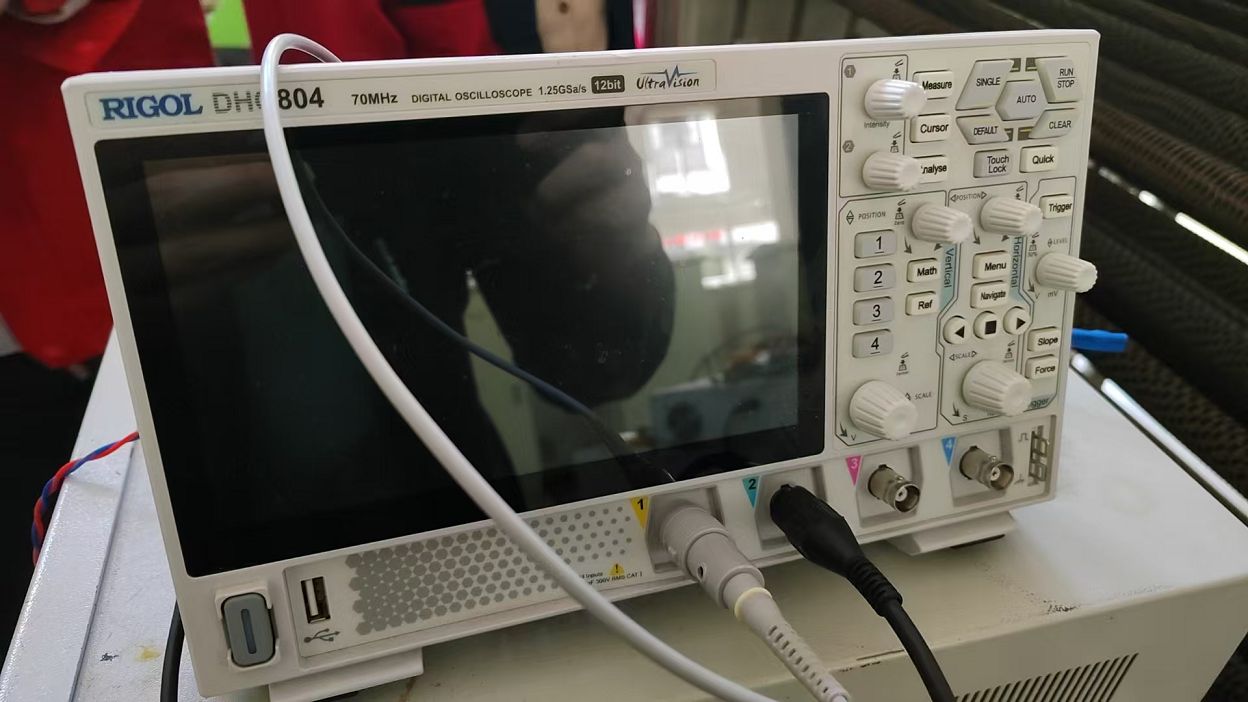
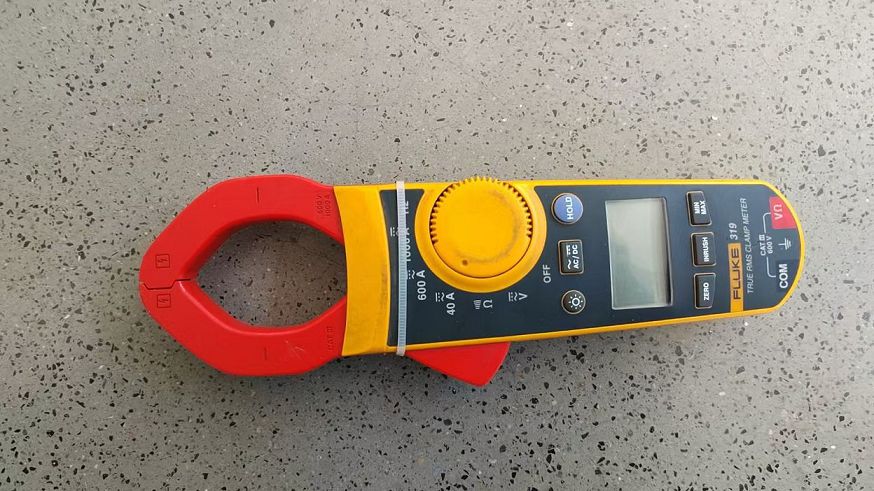

Our power converters and energy system platforms are optimized for complex operating conditions across various application scenarios.
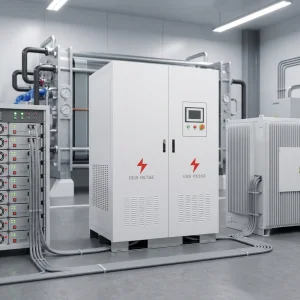
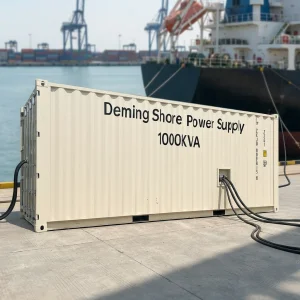
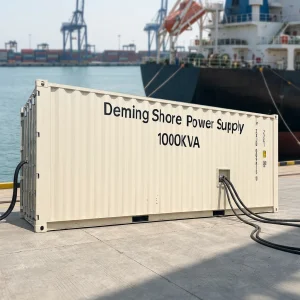
In harbor ports, berthed commercial vessels generate high levels of local particulate matter emissions by running auxiliary diesel engines. Our 500kW to 5MW Marine Onshore Power Supply (OPS) systems step down distribution-level voltages while adjusting frequency (e.g., 50Hz to 60Hz conversion) to allow shipboard systems to connect seamlessly to municipal electricity grids, reducing environmental footprint and fuel consumption.
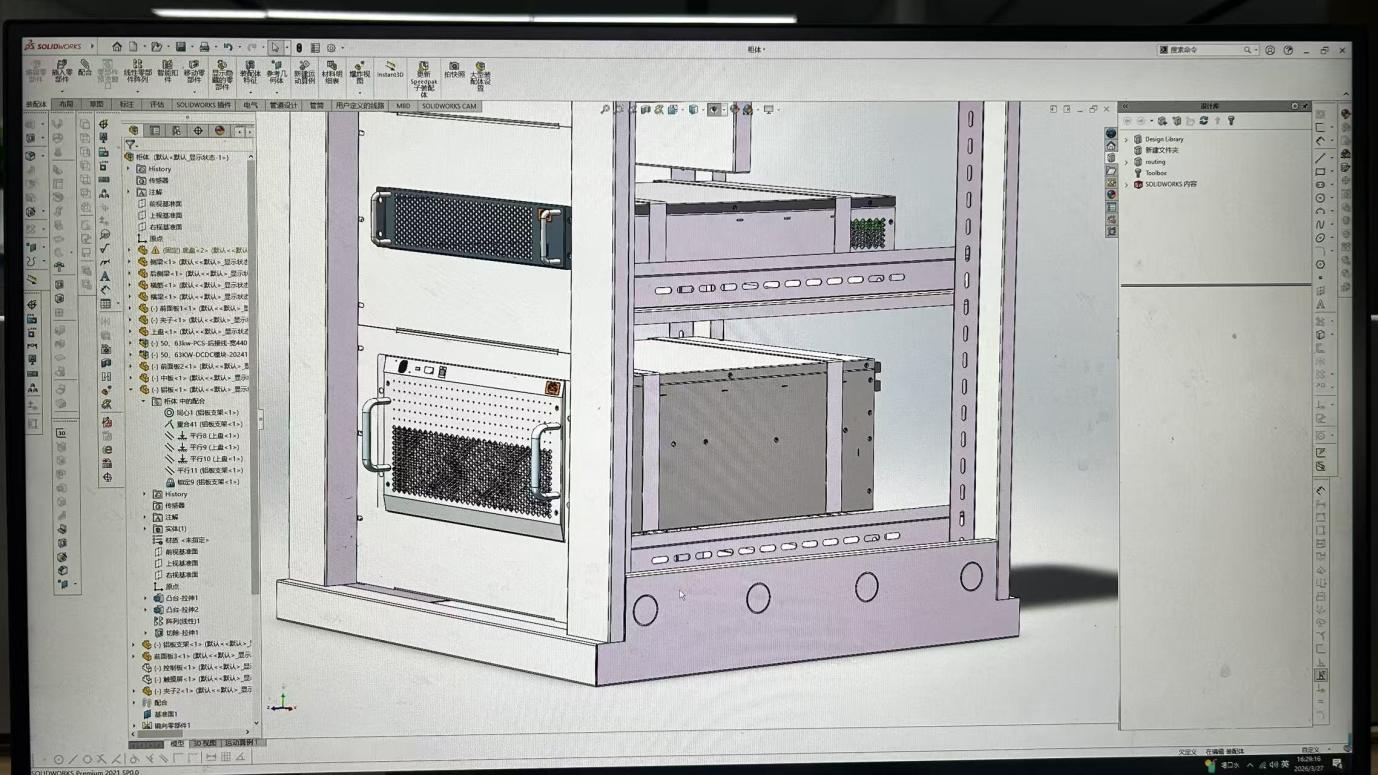
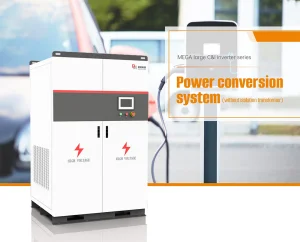
Hydrogen fuel cell stacks feature unstable, low-voltage DC discharge properties. Developing bidirectional converters that step up voltage to the 1500V standard used by commercial battery energy storage systems requires robust, high-efficiency architectures. Deming’s 200kW-300kW bidirectional DC-DC modules deliver rapid dynamic response and minimize voltage ripple to extend stack life.
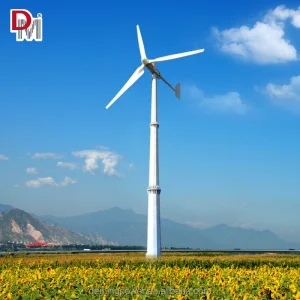
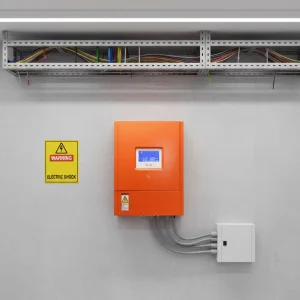
Off-grid community microgrids rely heavily on variable wind energy. Our wind-turbine and hybrid solar controllers monitor system bus voltage in real-time. If consumption falls below wind generation levels, our high-power dump load units deploy immediately to divert excess current into a resistive thermal network, preventing turbine runaway and stabilizing microgrid frequency.
Expert technical answers to common queries regarding grid integration, system selection, and design standards.
Unlike solar arrays, which can simply be disconnected or open-circuited to stop power output, wind turbines cannot be left running under zero load in high-wind conditions. Doing so risks overspeed damage, high mechanical stress, and voltage spikes that can damage connected electronics. An active dump load system functions as an electronic braking mechanism, routing excess energy to protective heating resistors to stabilize microgrid voltage and rotor speeds.
Marine shore power installations operate in high-humidity, high-salinity, and corrosive marine dock environments. They require enhanced IP protection ratings (often IP55 or higher), anti-corrosion coatings, and integrated isolation transformers to prevent galvanic corrosion between the vessel and land-side earthing networks. They must also deliver high-scale frequency translation (changing 50Hz to 60Hz or vice versa) and dynamic voltage stabilization to accommodate changing power demands as ship systems cycle on and off.
Our hydrogen fuel cell converters utilize multi-phase interleaved topology, which reduces input current ripple and output voltage ripple. This is critical for preventing degradation of the fuel cell membrane. Using low-loss magnetic components and optimization of gate-driver switching profiles enables our bidirectional converters to achieve conversion efficiencies of up to 98% under typical loads, reducing thermal load and overall system footprint.
We customize our control software parameters—such as under-voltage/over-voltage trip points, active frequency response slopes, and power ramp rates—to meet regional grid standards like Germany's VDE, Australia's AS4777, and US IEEE standards. Backed by our 16-engineer R&D team and utilizing advanced power quality analyzers, we pre-test configurations to ensure compliance prior to shipping.
Discover additional solutions from our portfolio, ranging from scalable converters to marine shore power units.
 Demin Power