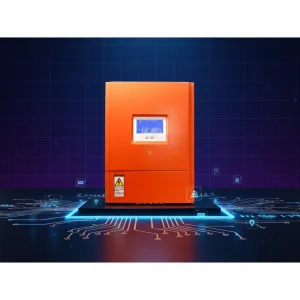
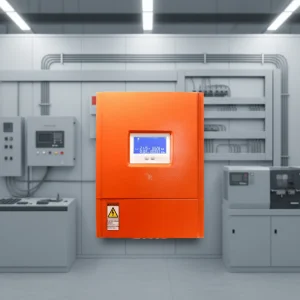
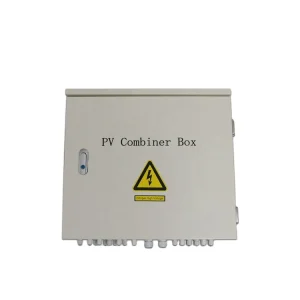
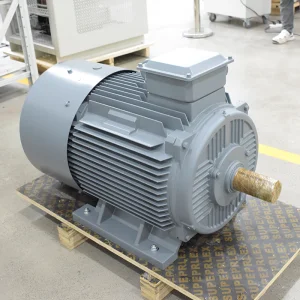
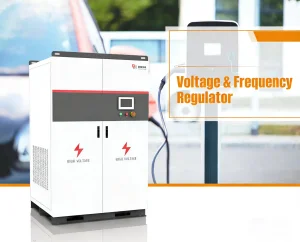
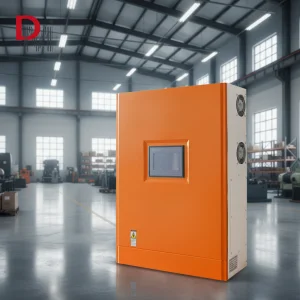
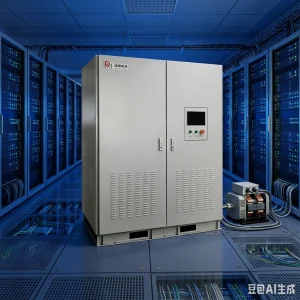
High-efficiency bidirectional converters, solar charge controllers, and specialized industrial energy control units.
The contemporary global energy network is undergoing a tectonic paradigm shift from centralized, fossil-fuel-based power generation to highly decentralized, bidirectional, dynamic Smart Grids. Central to this transition is the installation of advanced smart metering infrastructure (AMI), combined with state-of-the-art energy converters, bi-directional DC-DC converters, and real-time remote telemetry processors. As utilities strive to meet ambitious net-zero carbon mandates, the demand for highly reliable hardware that acts as both a power control mechanism and a data telemetry gateway has escalated.
In Europe, North America, and parts of the Asia-Pacific region, commercial and industrial (C&I) sectors are experiencing heavy penetration of distributed energy resources (DERs) such as micro-wind systems, industrial photovoltaic installations, and battery energy storage systems (BESS). Balancing these volatile power injections requires sub-millisecond precision in metering and power conversion. A typical industrial smart grid interface relies not just on static billing calculations, but on high-power bidirectional conversion systems that interface with advanced metering mechanisms. These components continuously communicate system frequency, voltage levels, active power parameters, and harmonic distortion rates directly back to utility control offices via SCADA frameworks.
"Modern energy networks do not simply consume power; they exchange it. Advanced smart metering requires robust power conversion hardware capable of adjusting load profiles and matching phase angles within fraction-of-a-second windows."
Jinan Deming Power Equipment Co., Ltd. is a nationally recognized high-tech enterprise established in 2004, specializing in the research, development, production, and service of renewable energy power equipment and advanced power testing solutions. The company holds ISO9001:2015 certification and has been recognized as a high-tech enterprise by the Chinese government multiple times (2015, 2018).
Unlike simple assembly operations, Deming maintains a deeply integrated, science-driven approach to manufacturing. With a dedicated R&D team of 16 engineers including doctoral supervisors and master's degree holders, Deming invests no less than 20% of annual sales revenue into technology development. This continuous funding ensures that our smart energy products and power conversion interfaces remain compatible with the latest smart grid and telemetry communication protocols globally. The company has completed 17 R&D projects in the last three years with 16 scientific and technological achievements transformed into commercial products.
ISO9001:2015 certified company with multi-stage automated optical inspection (AOI) and quality verification lines.
R&D focusing on custom high-power bidirectional DC simulators, microgrid converters, and marine frequency stabilization systems.
Strategic export operations supplying tier-1 EPC contractors and smart grid integrators across 120+ countries.
Deming's product lines—ranging from high-power bidirectional converters to wind/solar grid controllers—incorporate embedded metering systems capable of providing real-time data logs, modifying system configurations, and communicating directly with IoT smart meters. This unique blend of power electronics and smart communication enables industrial facilities to establish robust energy profiles that satisfy strict utility grid codes.
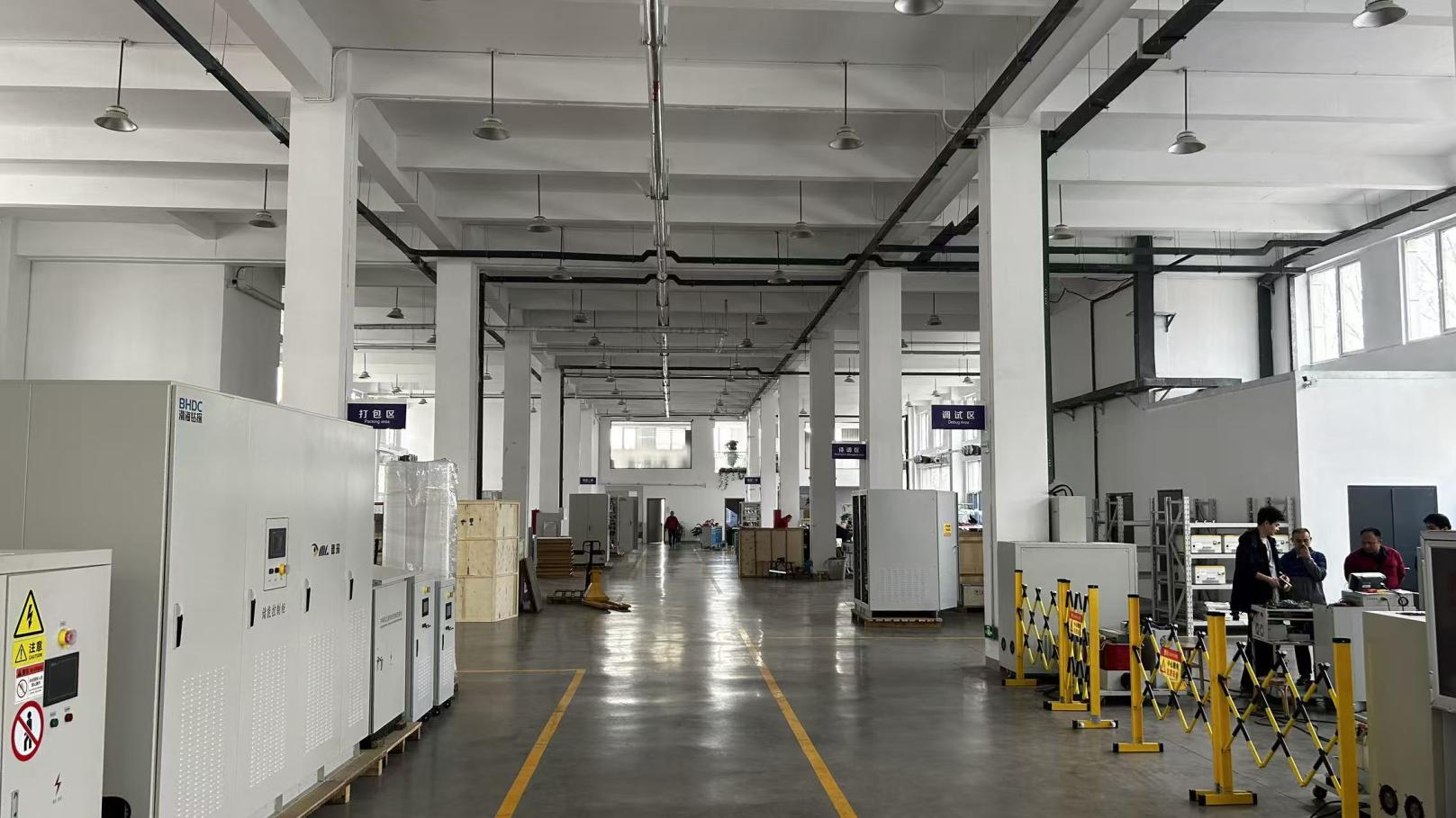
China stands as the undisputed global hub for electronic component assembly, semiconductor packaging, and power electronics manufacturing. By operating from Jinan, Deming Power capitalizes on a highly mature localized supply chain. Raw silicon, IGBT modules, high-frequency magnetic cores, and high-precision PCBs are sourced within a tight geographical ecosystem. This vertical integration significantly reduces production lead times and lowers shipping costs while ensuring consistent physical component quality.
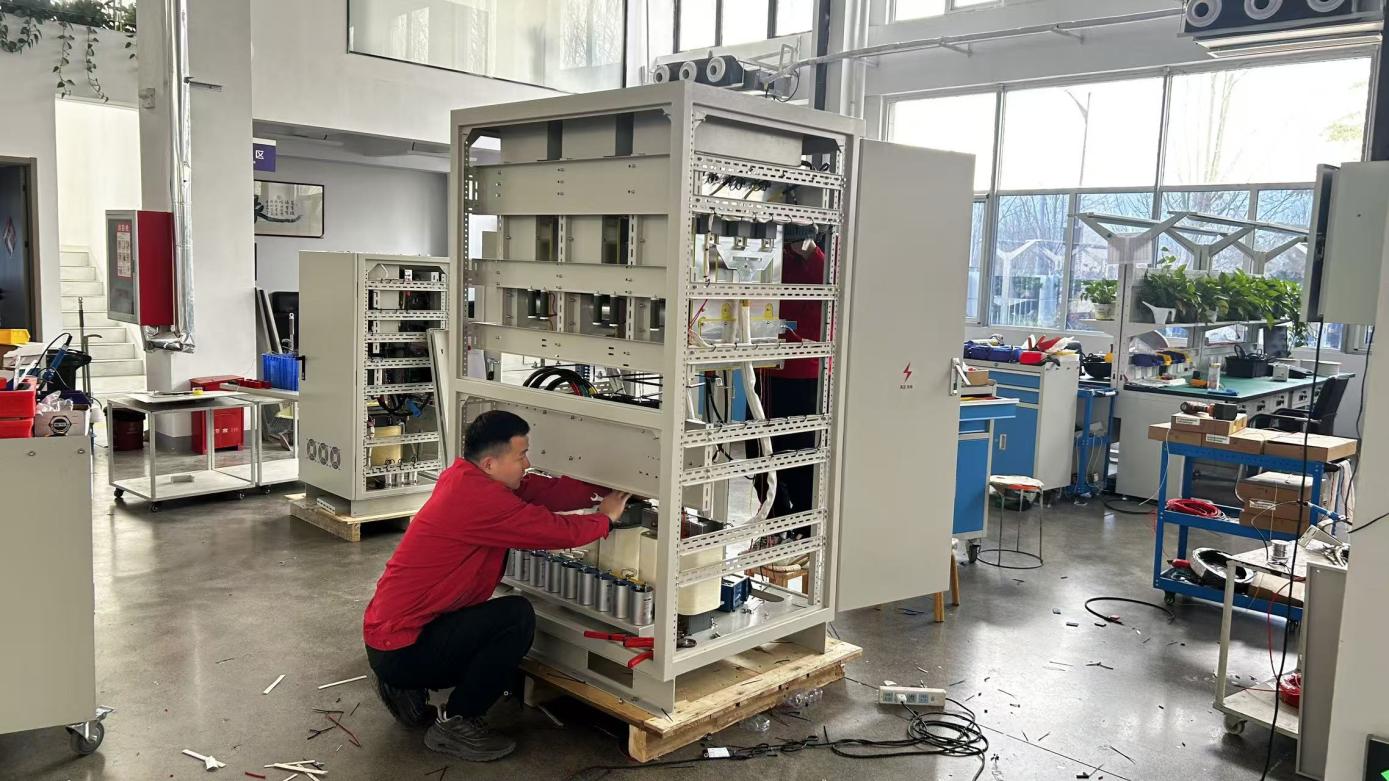
Moreover, the transition from simple component manufacturing to digitalized, high-end engineering processes allows Chinese factories to offer customizable OEM/ODM solutions. Deming Power utilizes specialized production machinery, computerized circuit testing, and automated reflow systems to manufacture highly reliable electrical hardware. The capability to design, fabricate, and test devices under one roof enables us to guarantee 99% conversion efficiency in industrial applications.
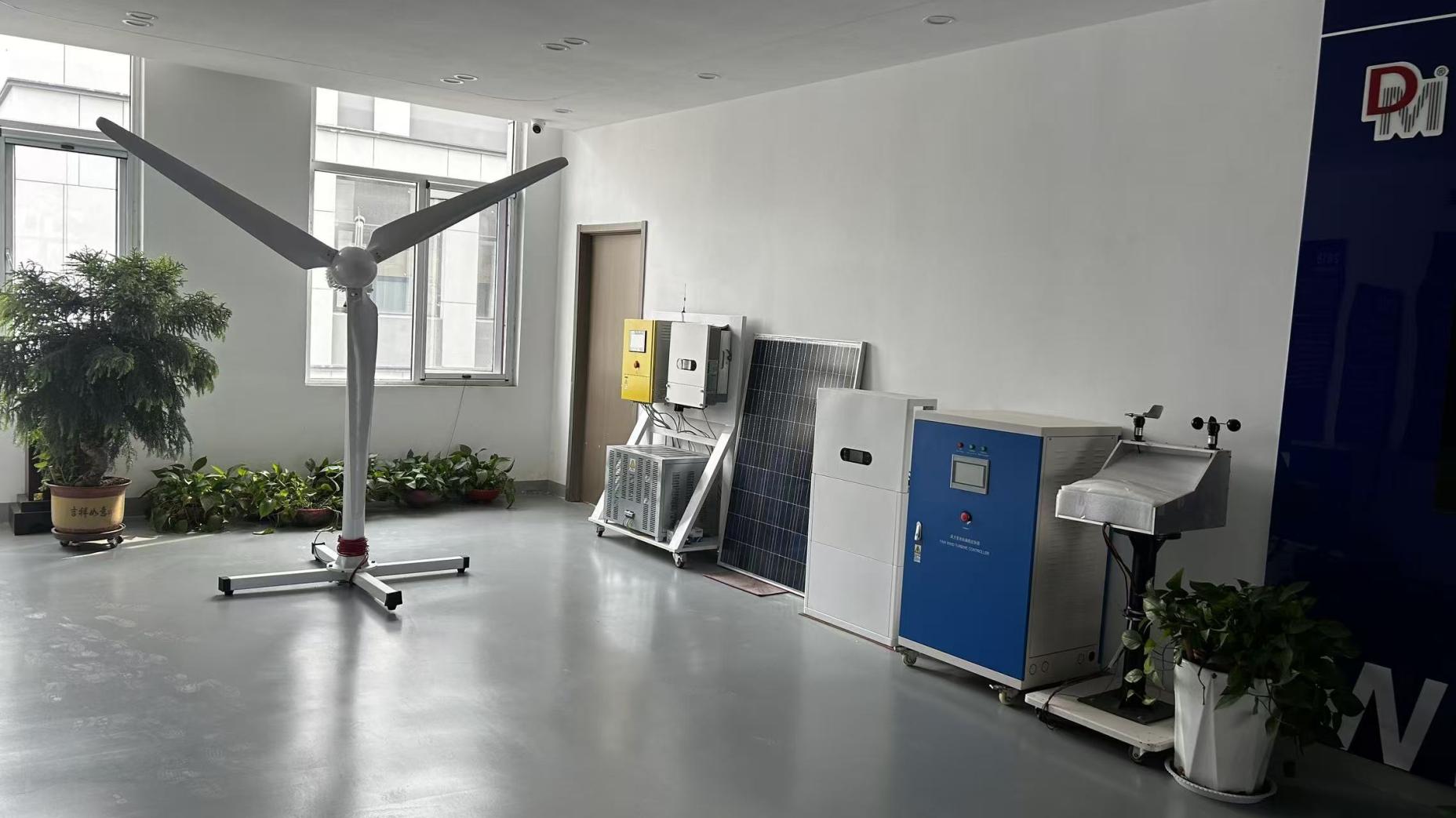
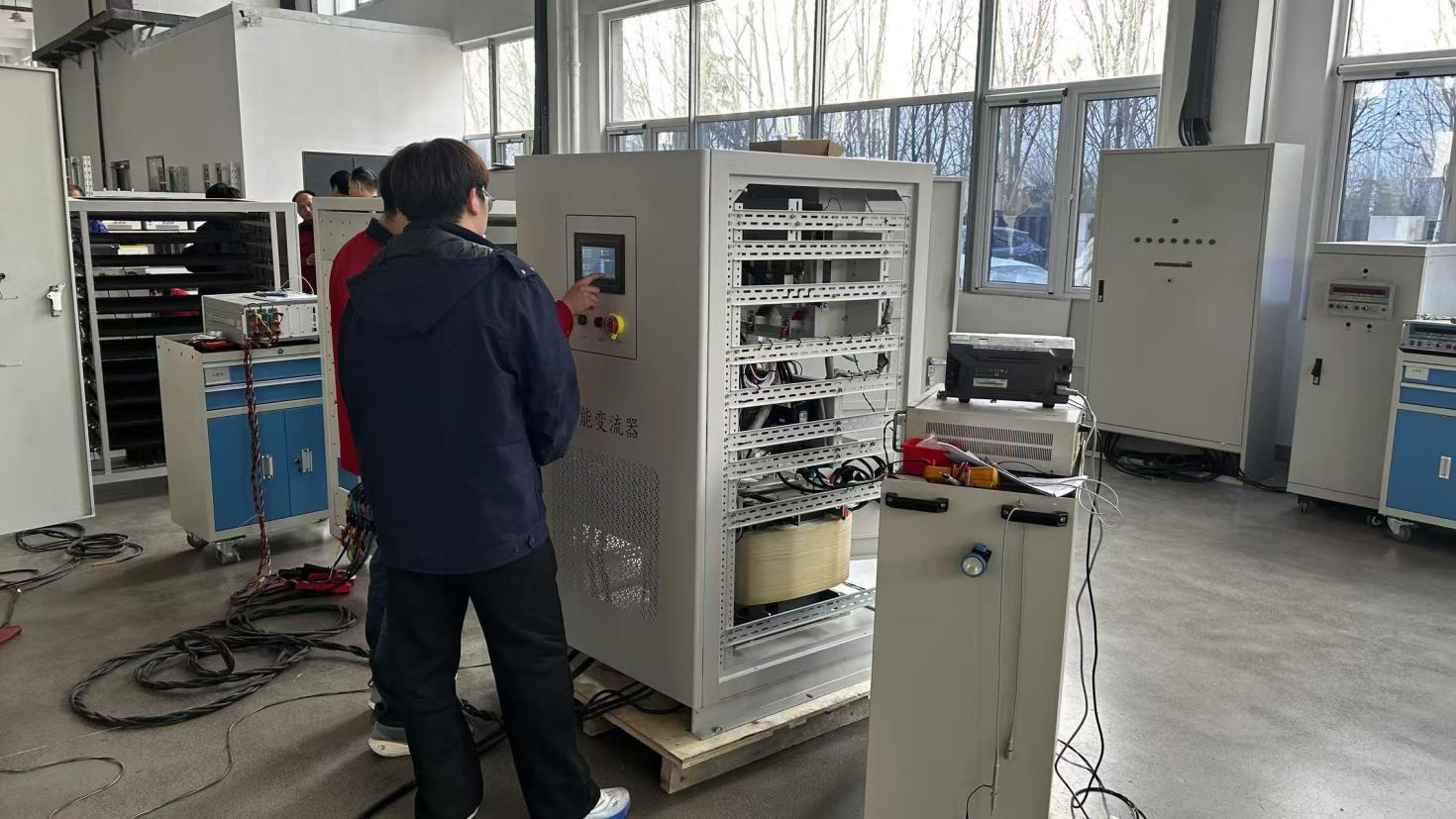
A transparent overview of our corporate infrastructure, assembly floors, and precision testing instrumentation. We guarantee absolute compliance with international utility standards via rigorous, verified internal testing protocols.
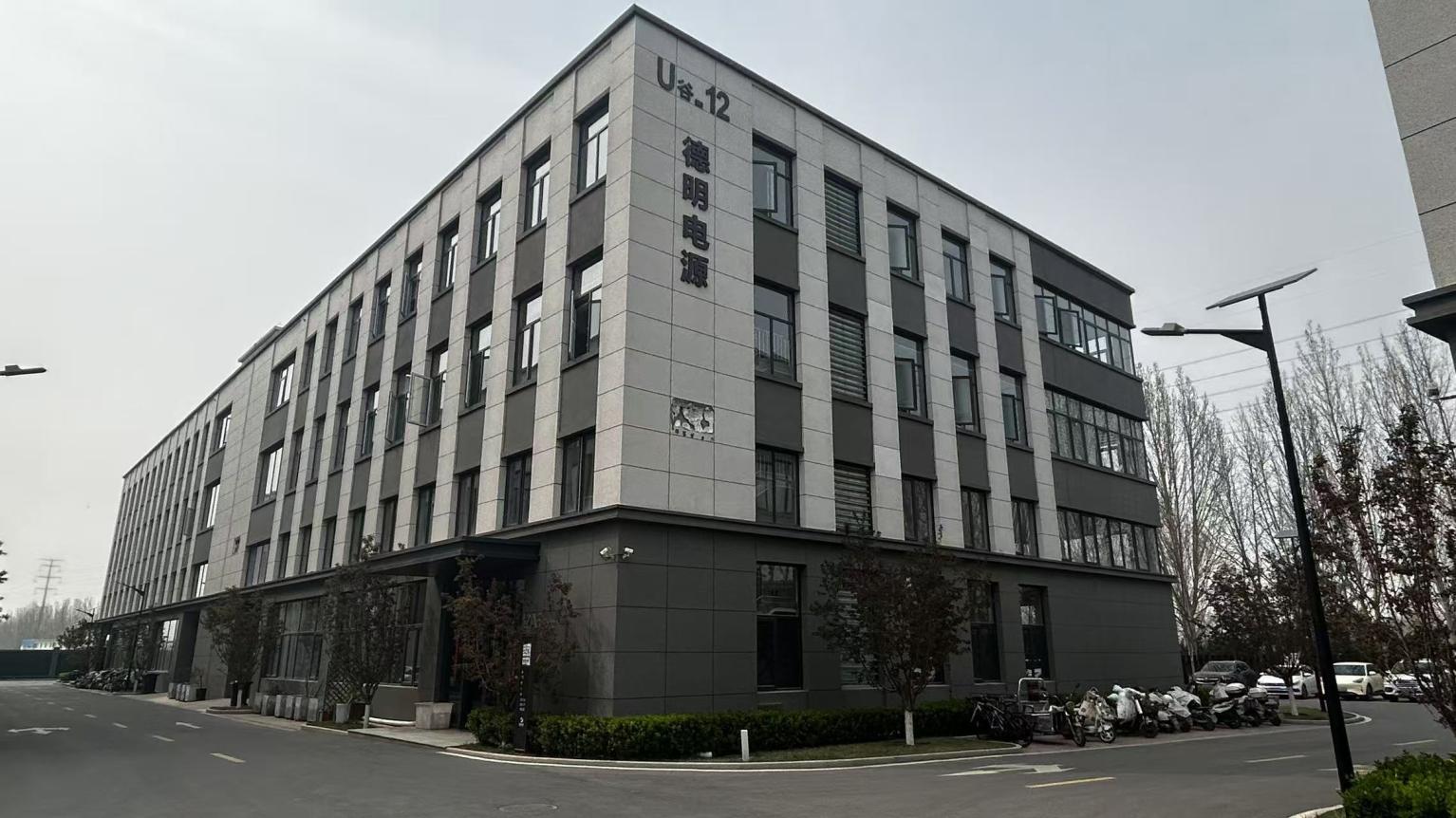
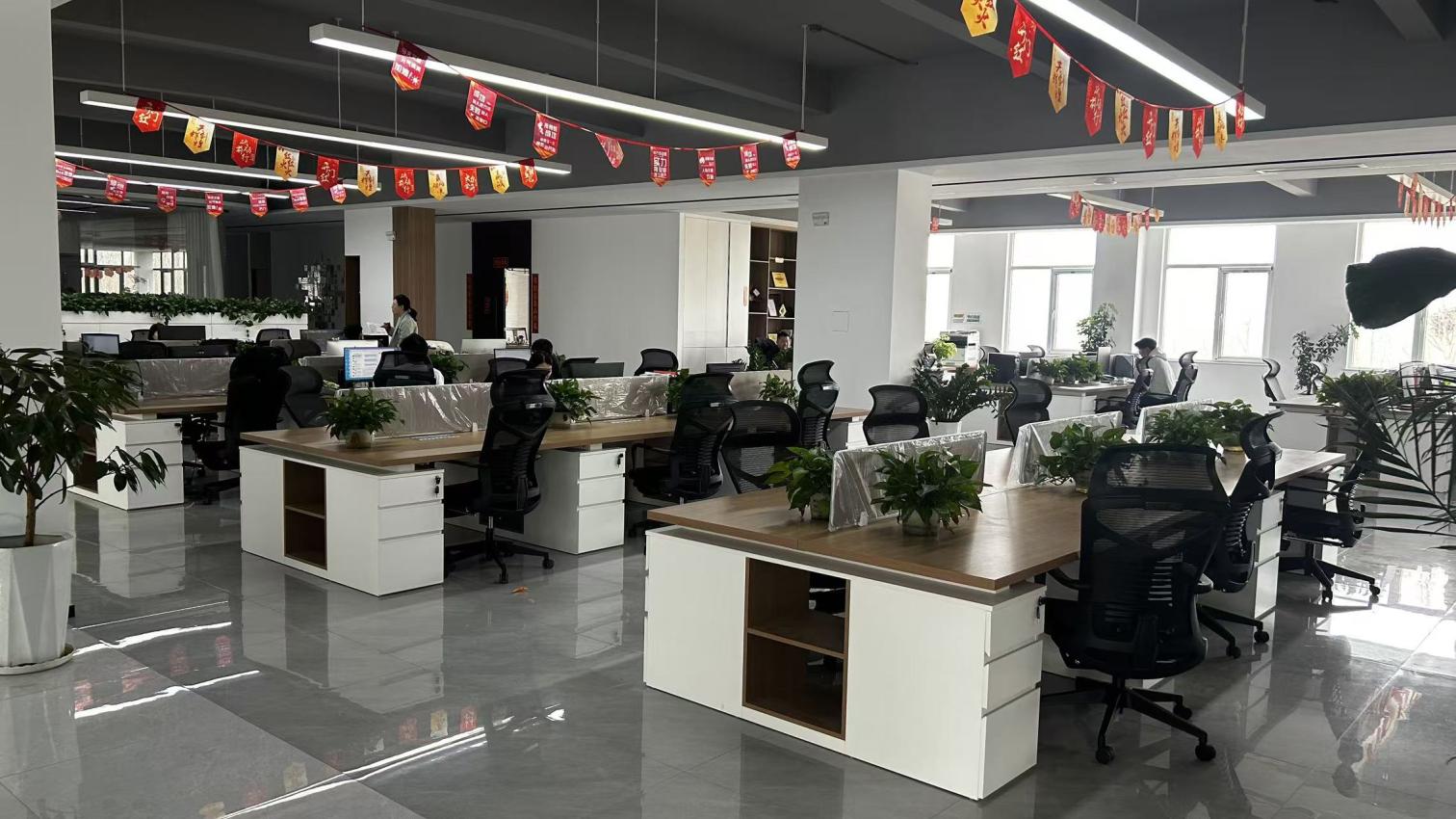
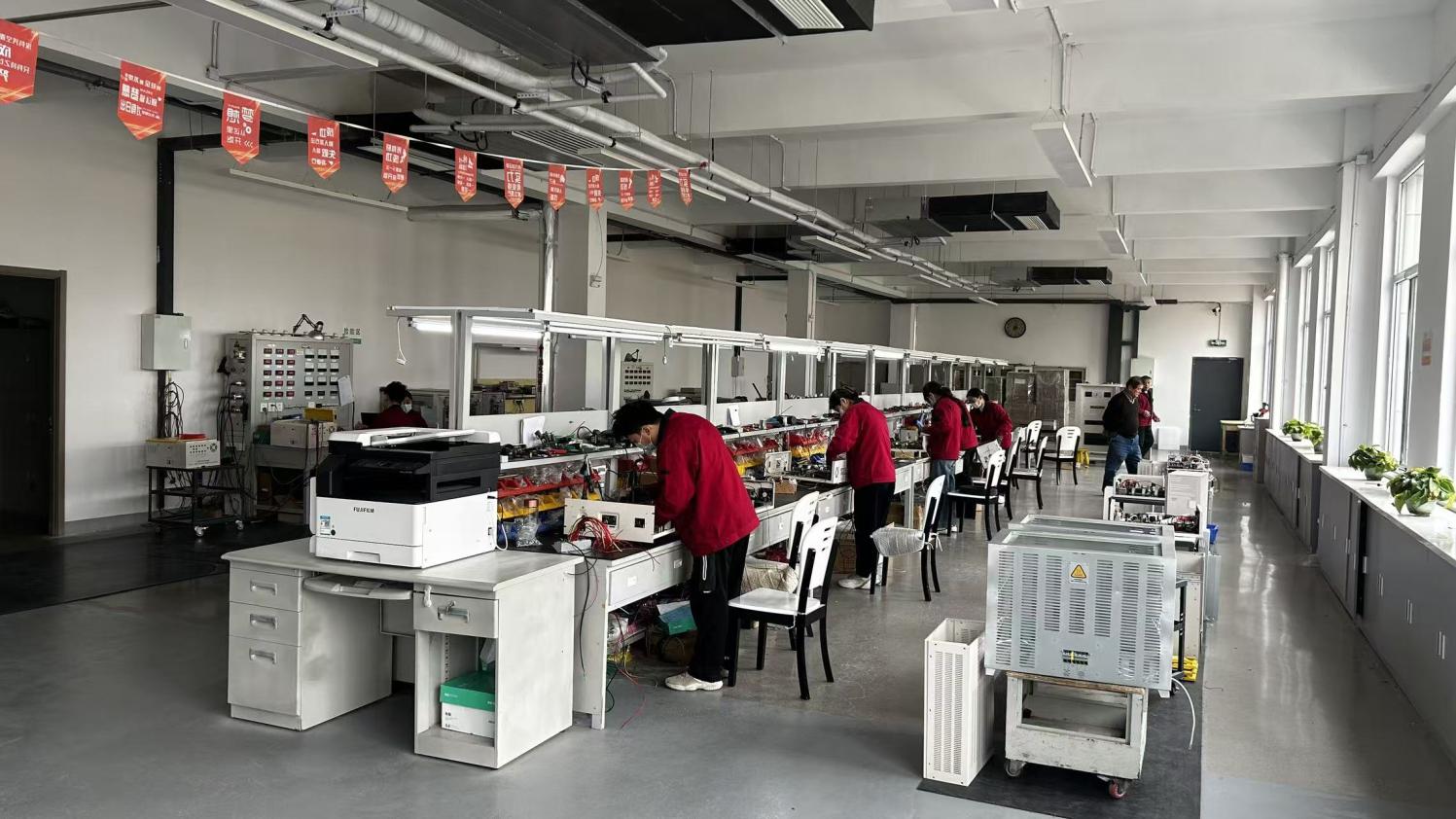
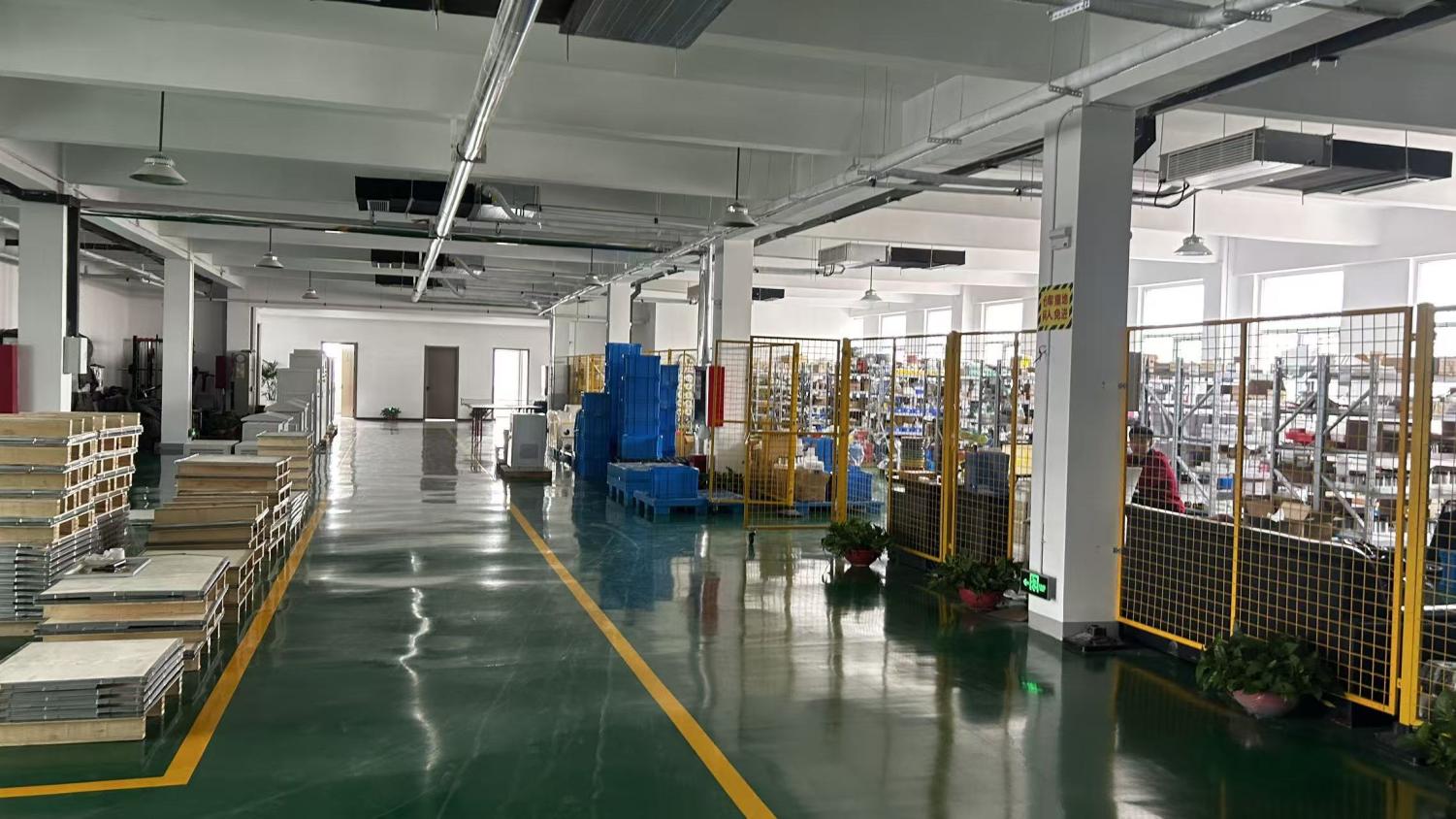

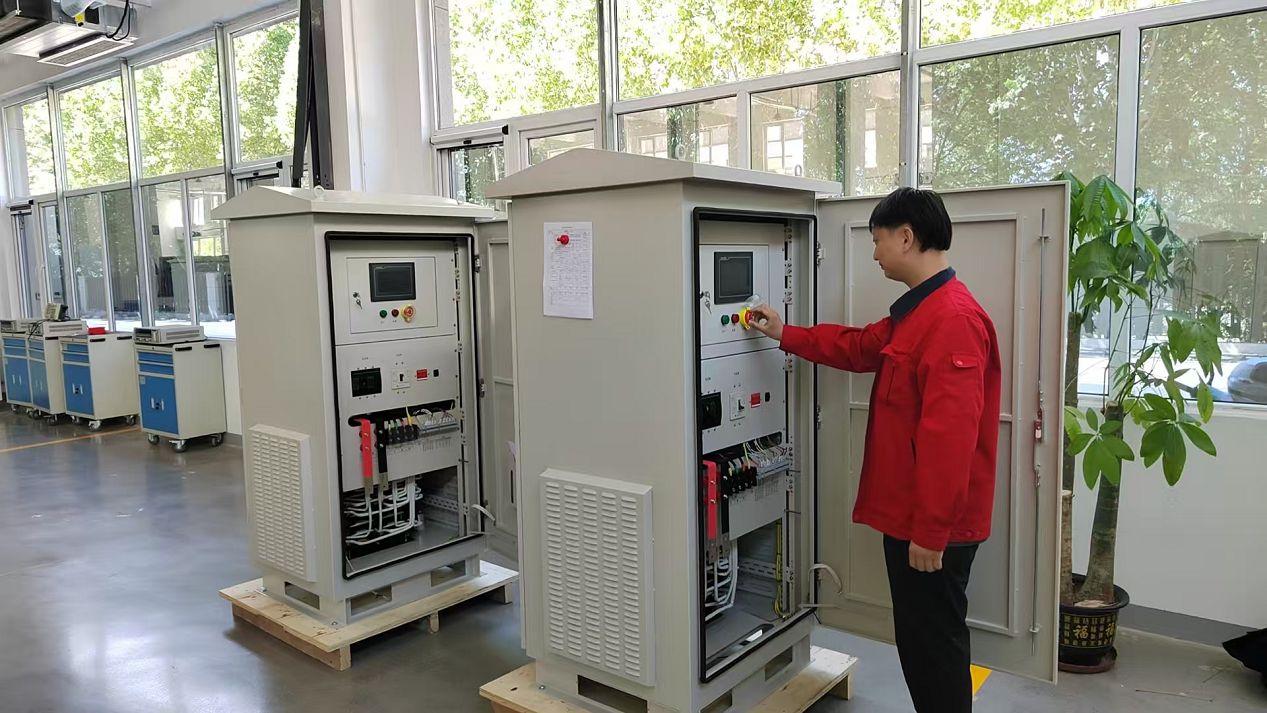
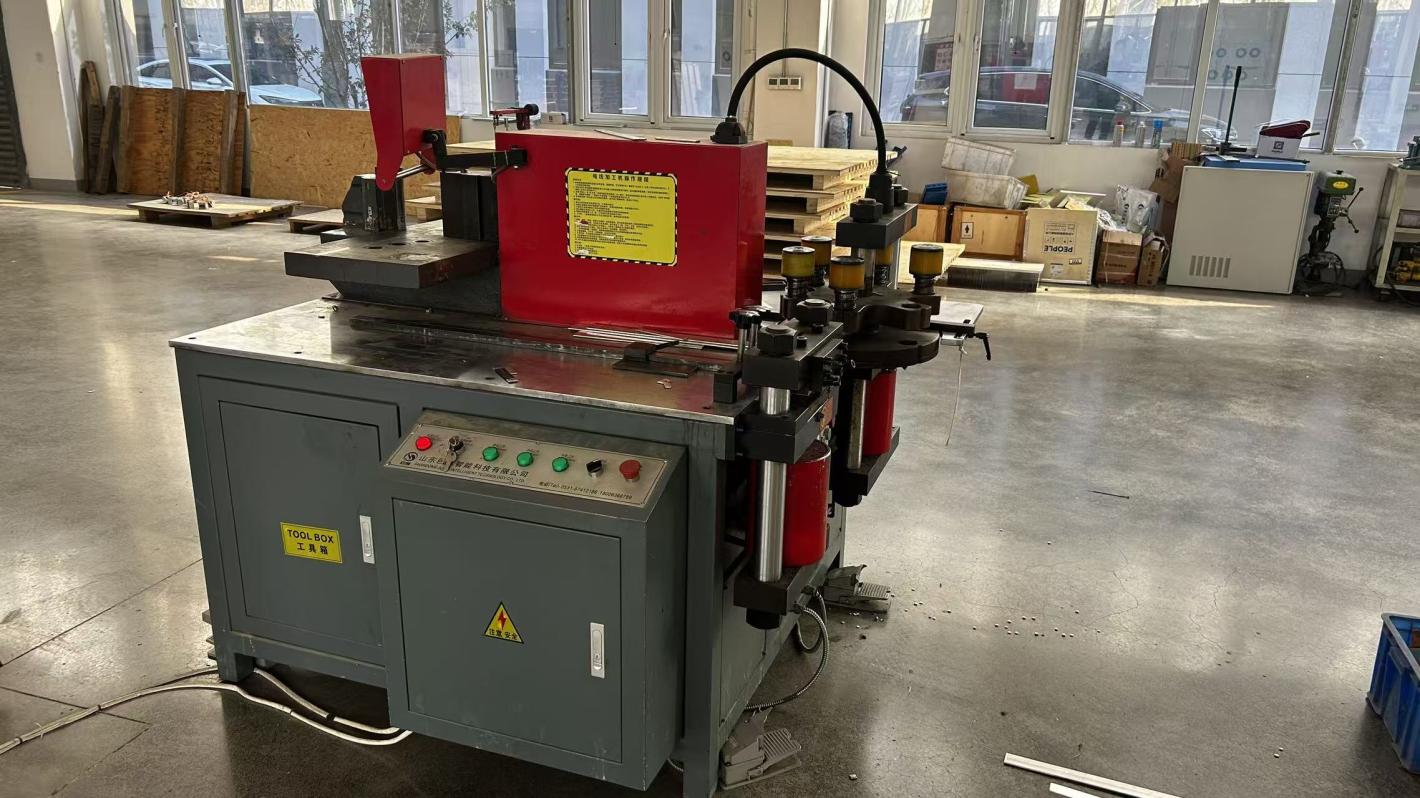
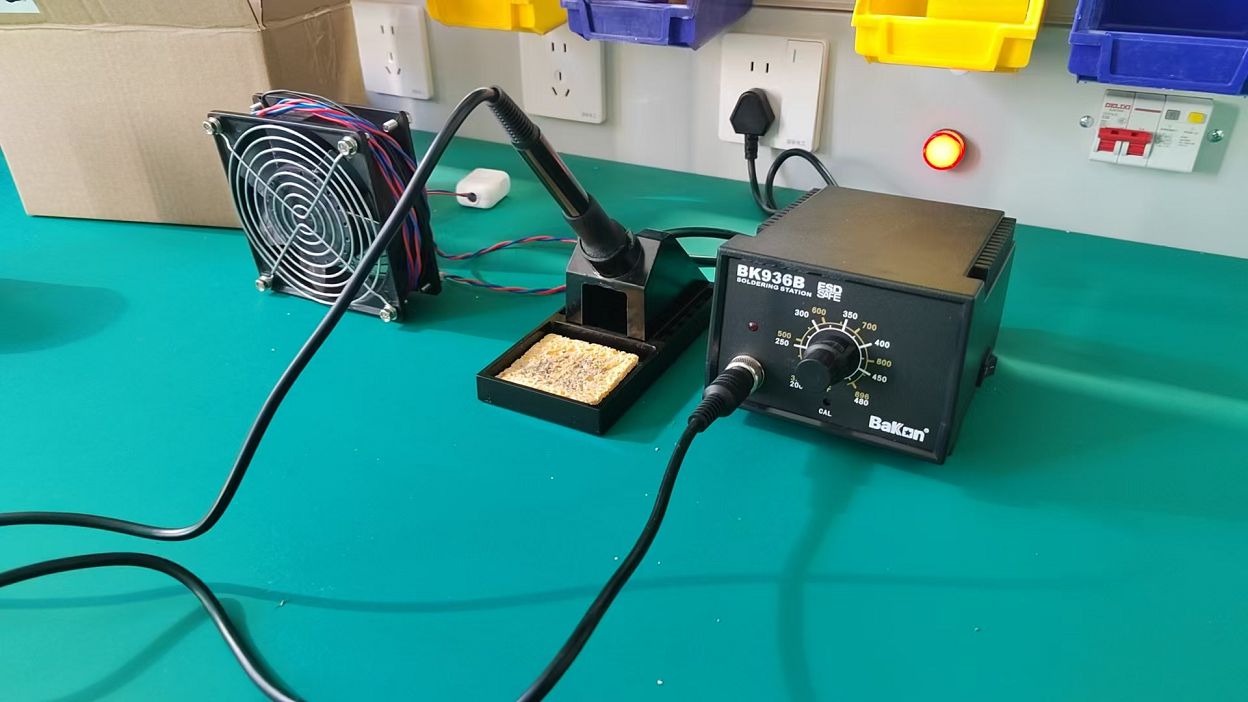
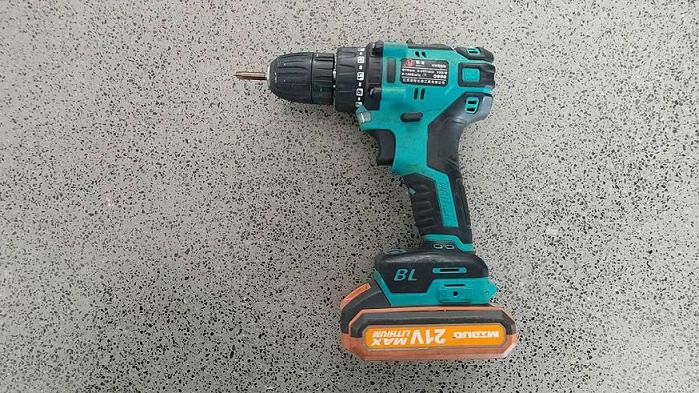
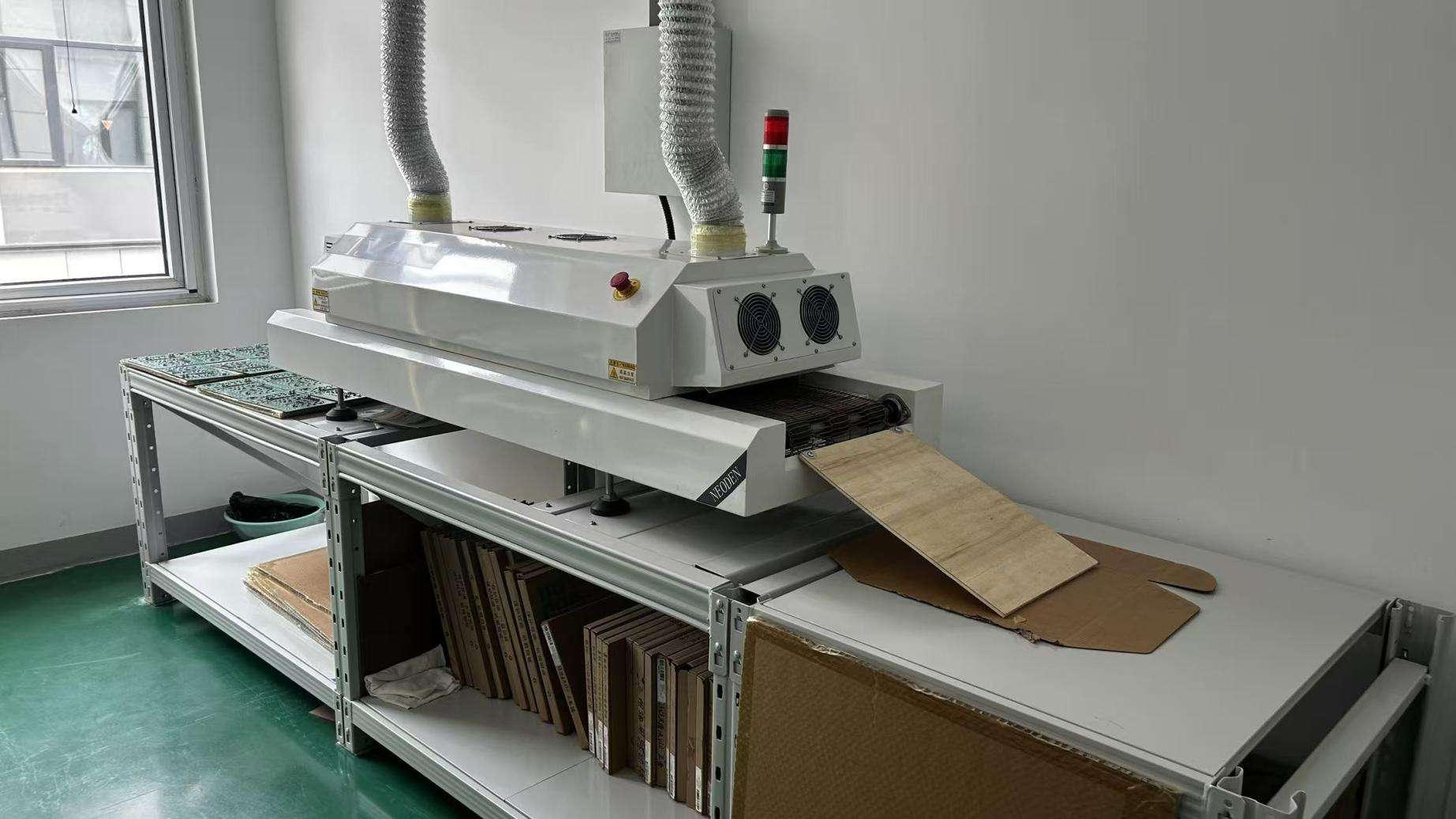
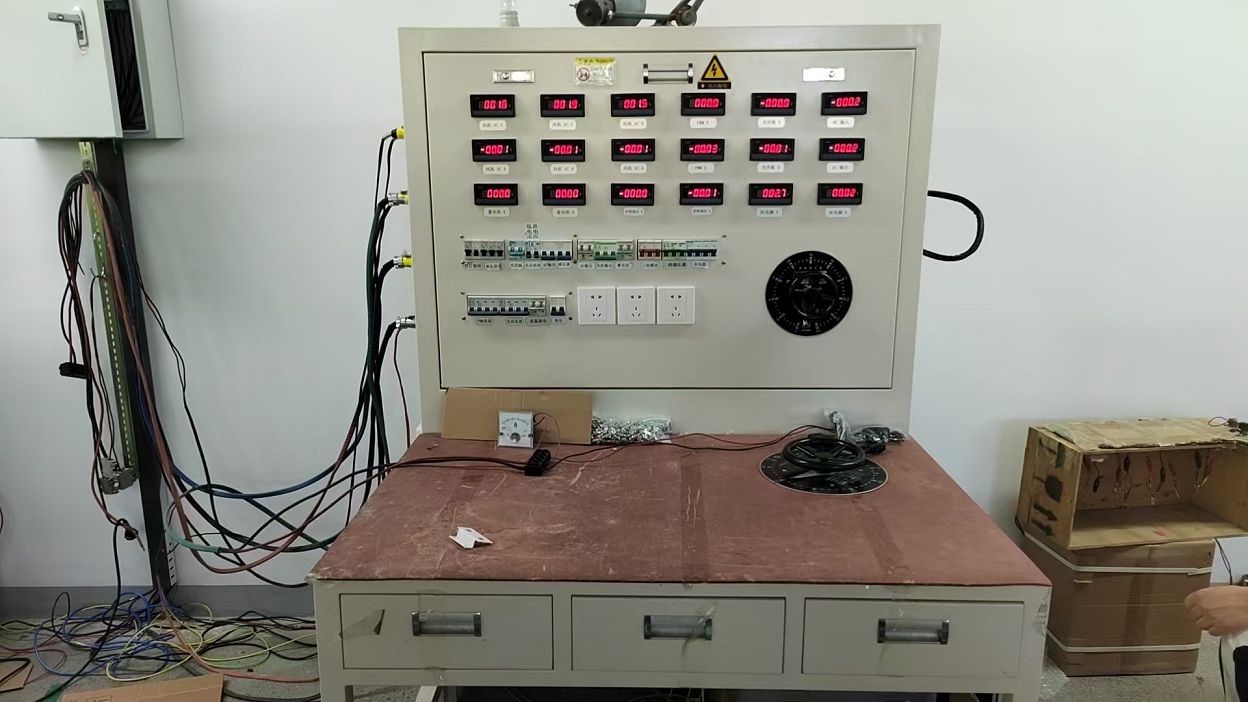
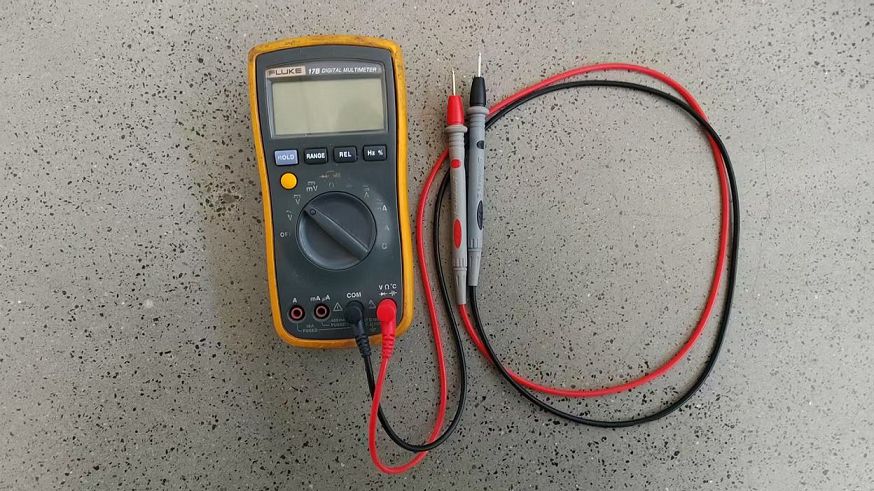
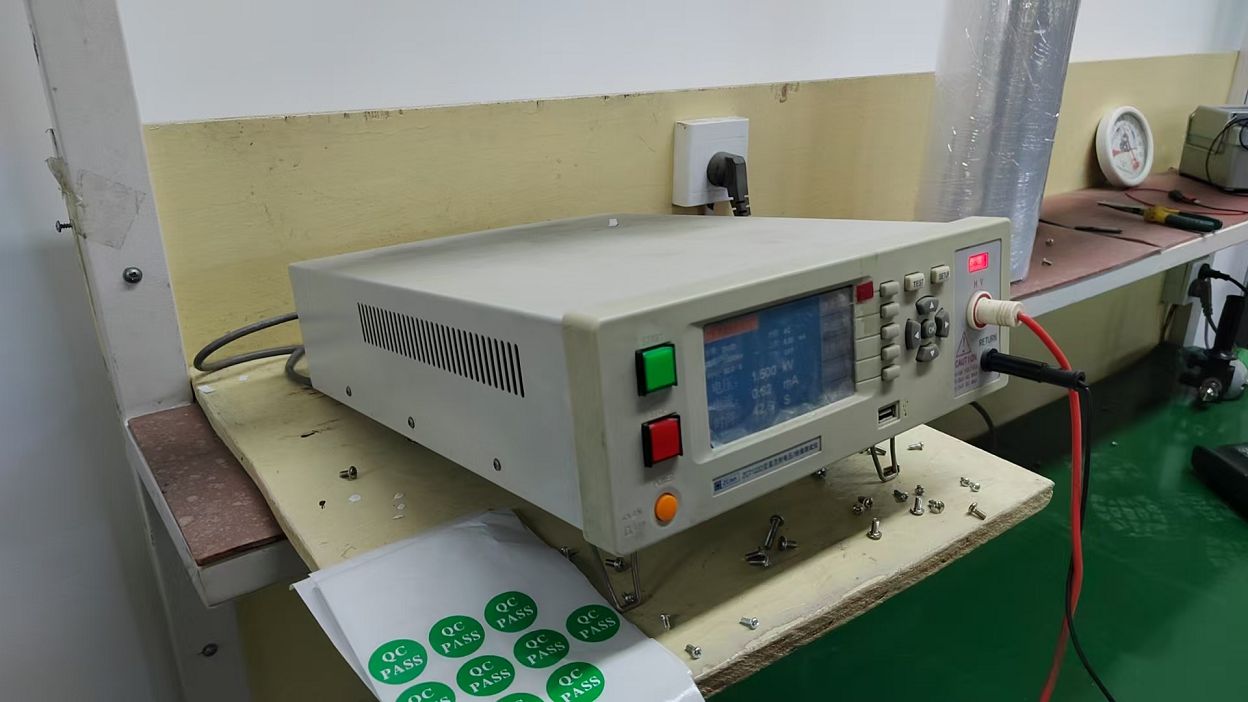
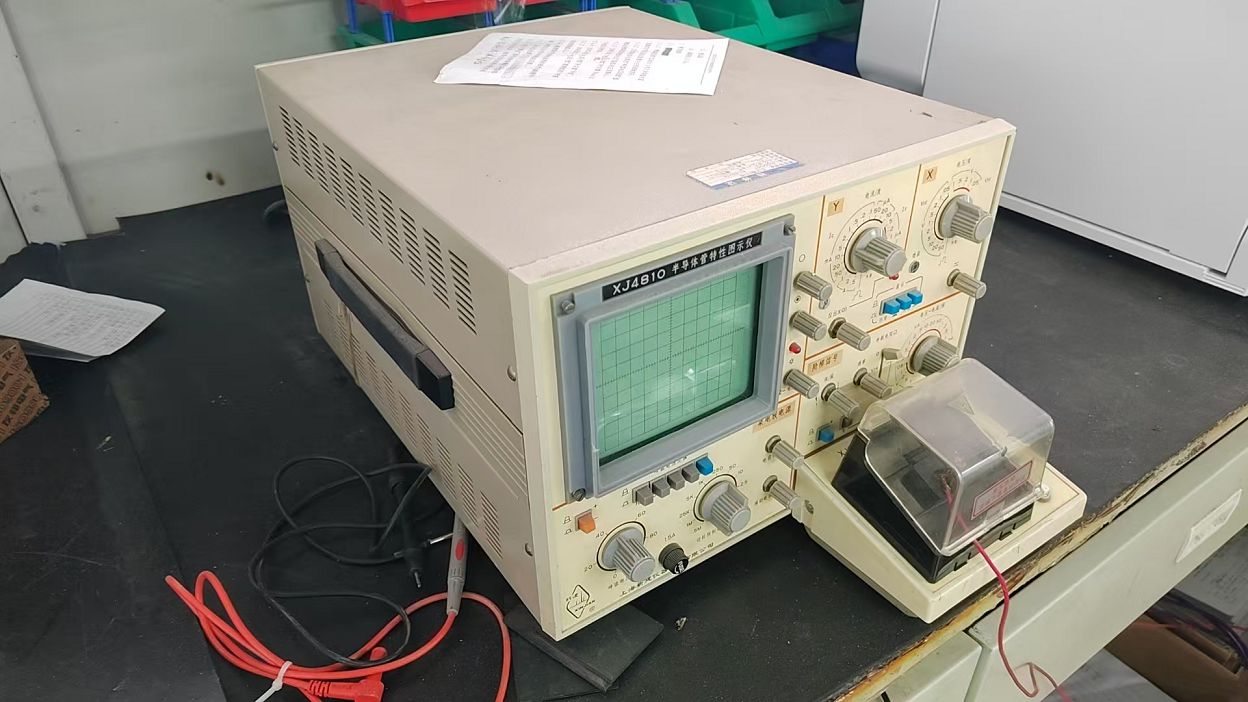
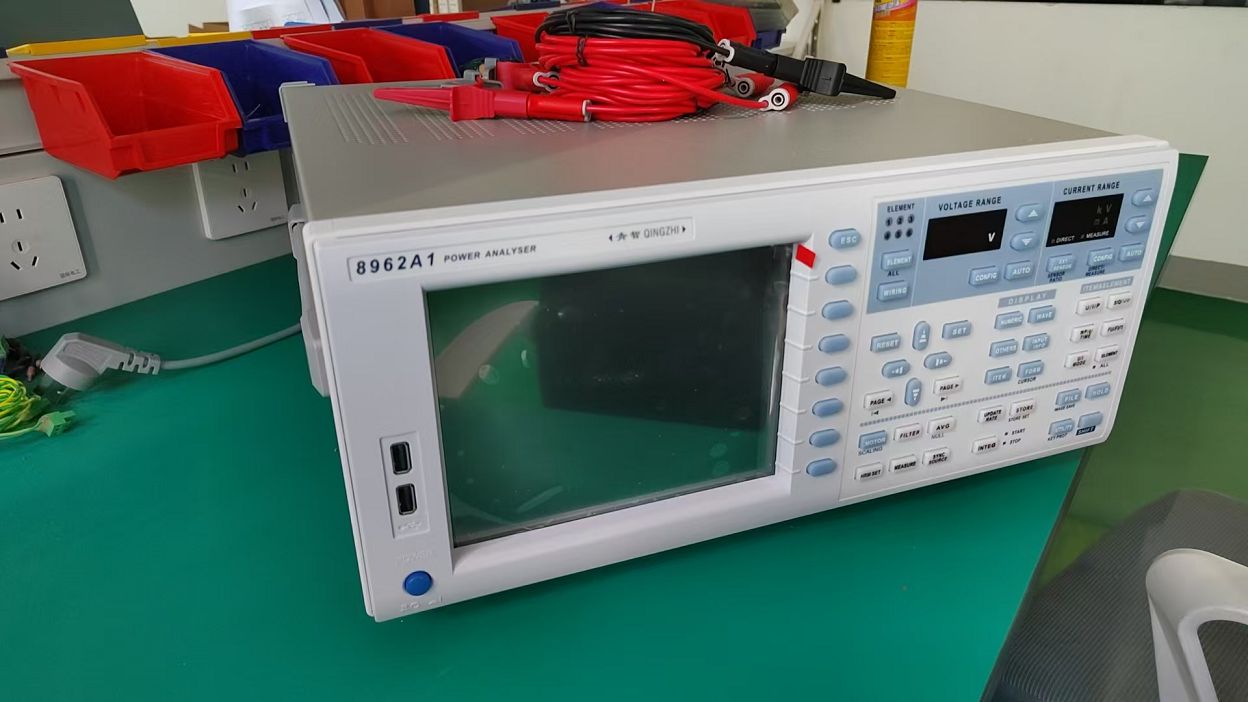
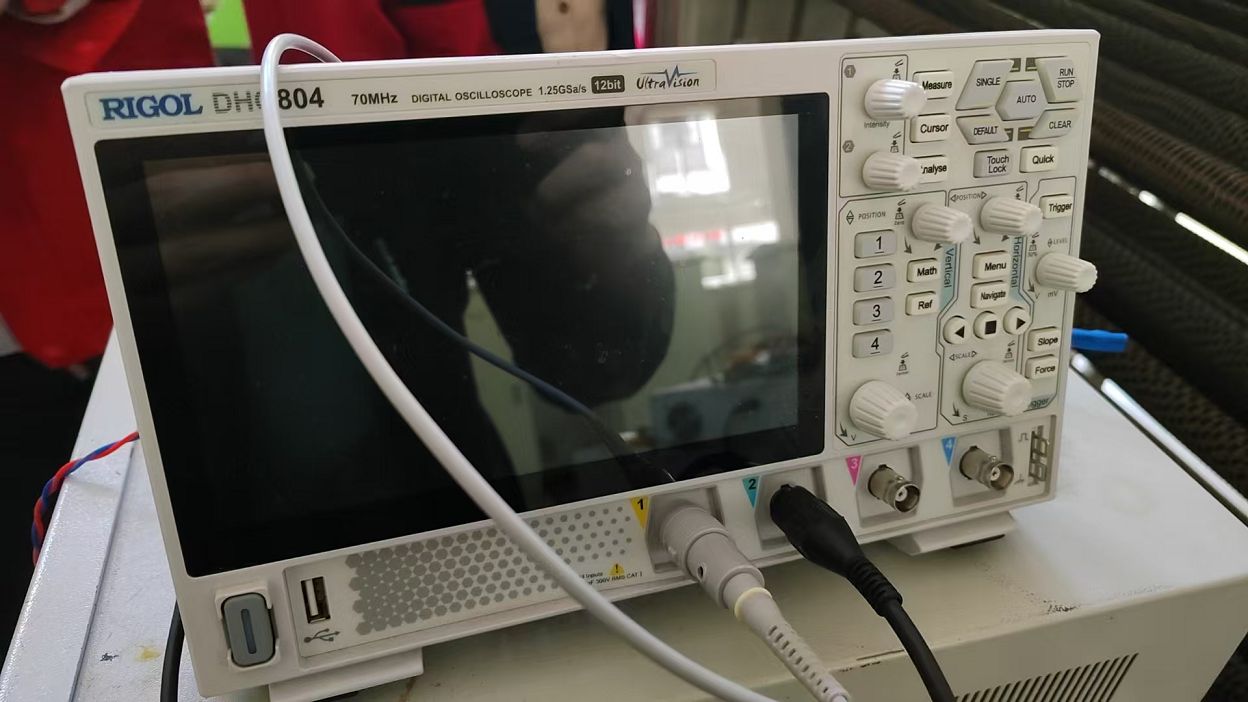
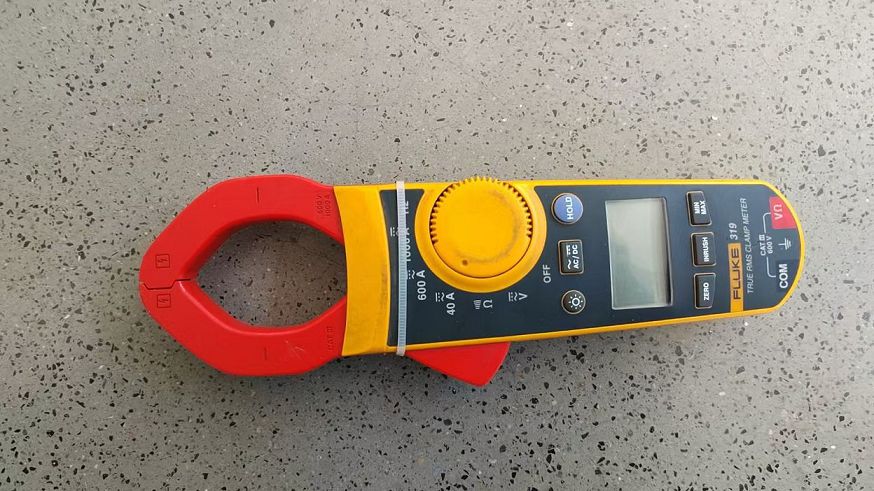
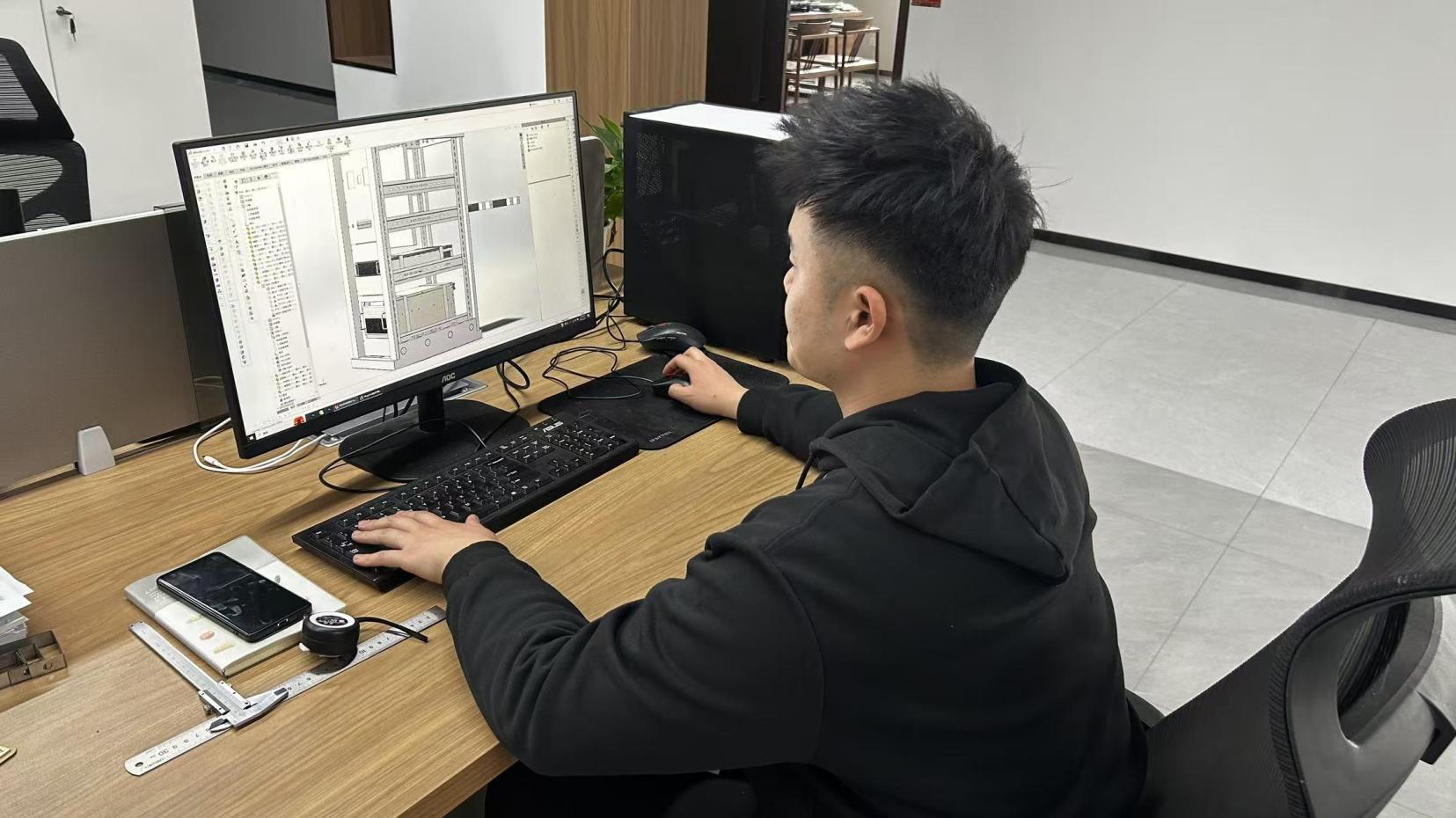
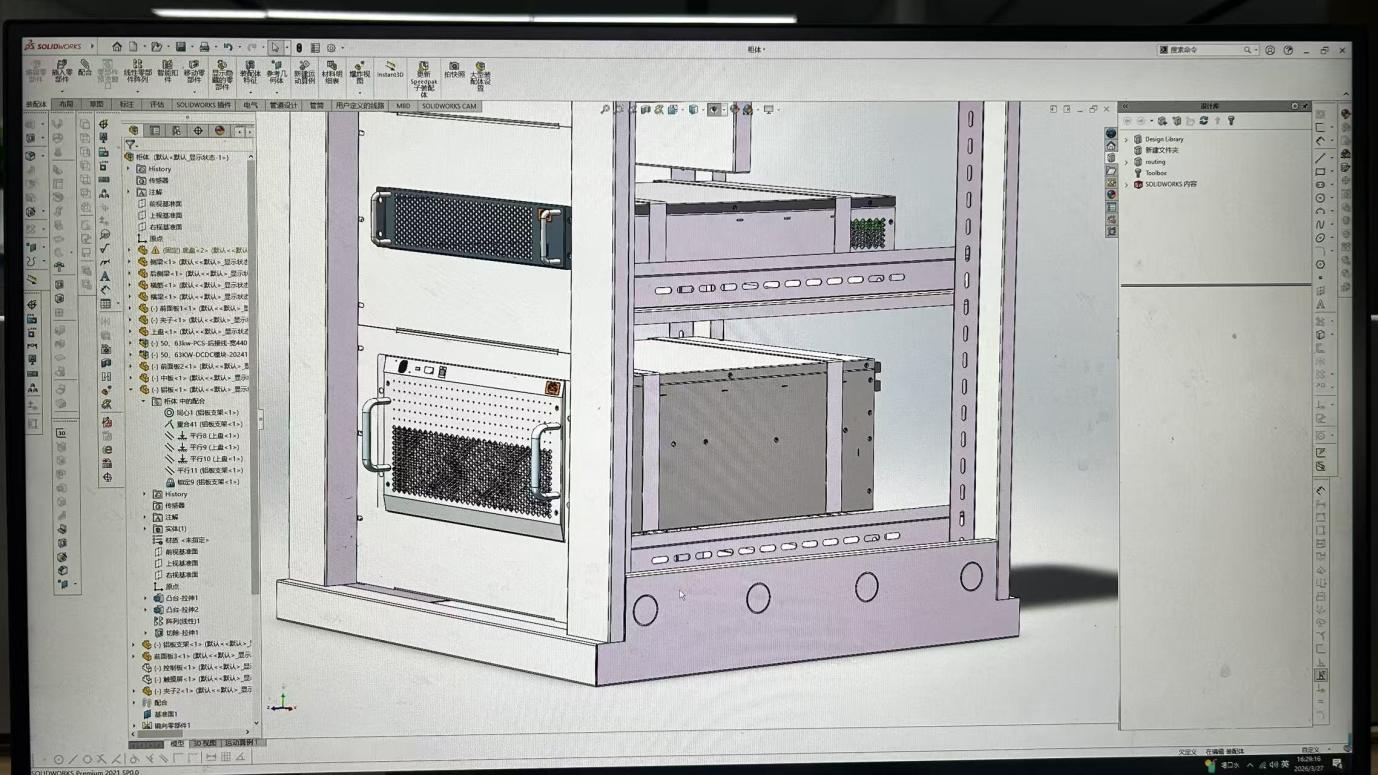
Industrial power conversion and energy monitoring hardware are rarely deployed in isolation. Real-world implementation demands strict adaptation to local environmental, chemical, and physical constraints. Below, we highlight three critical configurations where Deming Power's hardware integrates seamlessly with automated industrial monitoring loops.
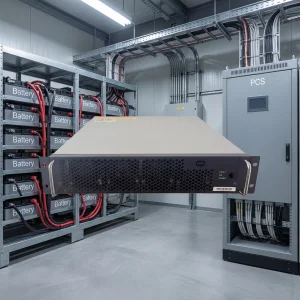
In smart microgrid facilities, bidirectional DC-DC converters act as the central interface between common DC voltage buses and battery storage stacks (e.g., LiFePO4 or Flow batteries). Deming's 100kW Bidirectional DC-DC Converter handles transient surges and guarantees system stability during step-load changes. The smart telemetry interface links directly with local Energy Management Systems (EMS) to relay temperature, current levels, and internal resistance, preventing runaway thermal events and extending system life.
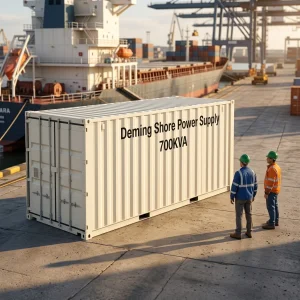
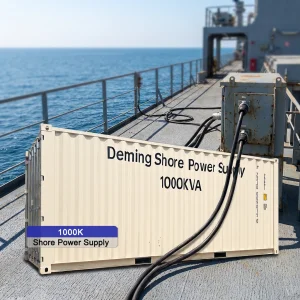
Marine vessels and port equipment require conversion systems capable of handling corrosive sea air, mechanical vibrations, and varying grid frequencies (e.g., converting 50Hz shore power to 60Hz vessel requirements). Deming's 700kVA and 1000KVA marine shore power systems feature forced convection cooling, industrial IP-rated enclosures, and high-efficiency transformers. They isolate external utility fluctuations, ensuring stable sine-wave power delivery to sensitive onboard instrumentation and communications systems.
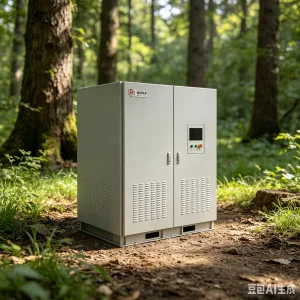
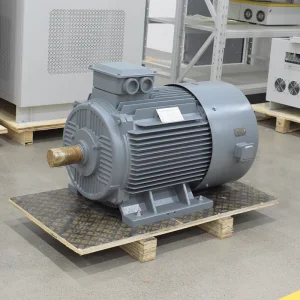
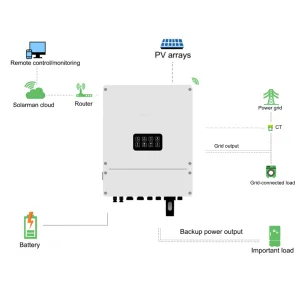
Remote regions rely heavily on localized solar arrays and micro-hydro turbines. These setups demand robust solar charge controllers and off-grid high-capacity inverters that can run continuously without active field technicians. Deming's MPPT solar controllers and permanent magnet generator regulators stabilize output voltage and track optimal solar peak-power intervals even under heavy cloud cover, maximizing the conversion of raw green energy to the localized grid.
As smart grids evolve, several trends are reshaping the procurement parameters of major energy operators:
International engineering, procurement, and construction (EPC) firms face complex certification hurdles. Sourcing hardware that is low-cost but fails localized electrical safety and radio-frequency emission tests is a costly risk. B2B buyers must partner with suppliers that own in-house testing equipment (such as semiconductor characteristic plotters and power quality analyzers) to confirm actual system ratings prior to shipment.
Deming Power addresses these challenges directly. Our 20% annual research investment enables our engineering teams to supply custom design configurations (such as custom input/output voltages or marine-grade enclosures) backed by full electrical validation diagnostics. This process assures international buyers that they will pass municipal and national safety code checks during final site testing.
Bidirectional DC-DC converters, such as Deming's 100kW platform, act as active energy routing systems. They are equipped with smart telemetry interfaces (RS485, CAN bus, or Modbus TCP/IP) that communicate directly with regional smart meters or an overall Energy Management System (EMS).
By mapping current, voltage levels, and power flow direction, the converter reports net-metering statistics. This enables utilities to accurately track energy drawn from the grid versus solar energy pushed back to the grid, establishing automated utility billing and demand-response capabilities.
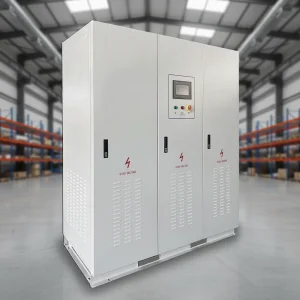
With 20 years of research and production expertise, an ISO9001:2015 certified process, and a dedicated team of 16 research engineers, Deming manages structural modifications end-to-end. We customize input voltage ranges, dynamic cooling configurations, communications configurations, and chassis sizing.
Every customized system undergoes comprehensive testing with our internal diagnostic suite, which includes semiconductor characteristic plotters, LCR auto-testers, and power quality analyzers.
Our 99% conversion efficiency is achieved through the use of high-grade copper windings, optimized topology design, and premium switching components. By minimizing internal thermal dissipation, we reduce cooling demands and operating costs for off-grid and heavy industrial operations.
A Power Quality Analyzer measures Total Harmonic Distortion (THD), phase synchronization, and voltage ripples. High THD causes heating in transformers and electrical noise.
We use these analyzers to calibrate our sine-wave outputs, ensuring that all marine shore power converters and three-phase off-grid inverters deliver pure, clean power (THD < 3%) to prevent damage to sensitive downstream equipment.
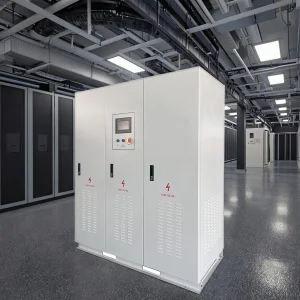
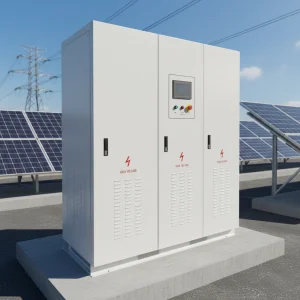
High-capacity shore converters, voltage regulators, and off-grid solar-wind hybrid systems built to endure harsh conditions.
 Demin Power