Advanced high-capacity on-grid and bidirectional conversion equipment engineered for multi-megawatt systems, marine microgrids, and large-scale commercial generation plants.
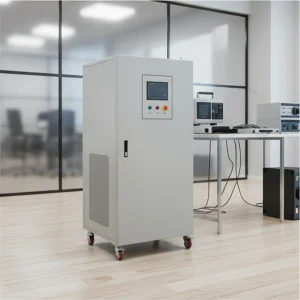
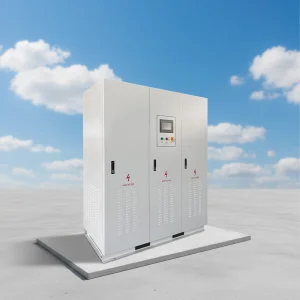
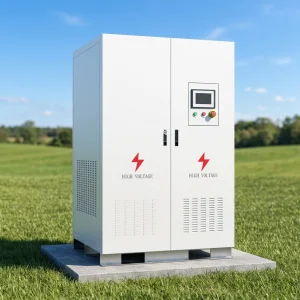
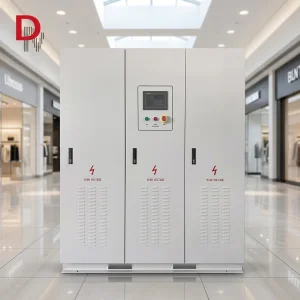
Evaluating commercial-grade grid integration, supply-chain resilience, and engineering considerations for EPC contractors and project developers.
Modern electrical infrastructure requires compliance with grid codes such as IEEE 1547-2018 and UL 1741 SB. Manufacturers must engineer advanced active voltage regulation, dynamic low/high-voltage ride-through (L/HVRT), and precise frequency stabilization metrics into their converters to avoid distribution level disruption.
High-power systems necessitate optimized thermal designs. Utilizing forced-air smart cooling systems or closed-loop liquid cooling configurations determines the degradation curve of key semiconductor modules (IGBTs & SiC MOSFETs), significantly extending operational lifetimes in harsh industrial environments.
Maximizing overall conversion efficiency up to 99% reduces auxiliary power consumption and increases system performance index. Standardizing on-grid components with high MTBF (Mean Time Between Failures) lowers maintenance costs and secures project bankability.
Established in 2004, Jinan Deming Power Equipment Co., Ltd. is a nationally recognized high-tech enterprise specializing in the research, development, production, and service of renewable energy power equipment and advanced power testing solutions.
The company holds ISO9001:2015 certification and has been recognized as a high-tech enterprise by the Chinese government multiple times (2015, 2018). With a dedicated R&D team of 16 engineers including doctoral supervisors and master's degree holders, Deming invests no less than 20% of annual sales revenue into technology development.
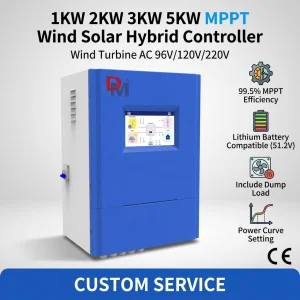
Deming has completed 17 R&D projects in the last three years with 16 scientific and technological achievements transformed into commercial products. The products have been exported to 120+ countries including Germany, Japan, the United States, UK, Canada, Australia, and Brazil, and the company has established cooperative relationships with Fortune 500 enterprises. The main products include wind/solar controllers, inverters, frequency converters, and high-power bidirectional DC test power supplies and battery simulators ranging from 150kW to 500kW.
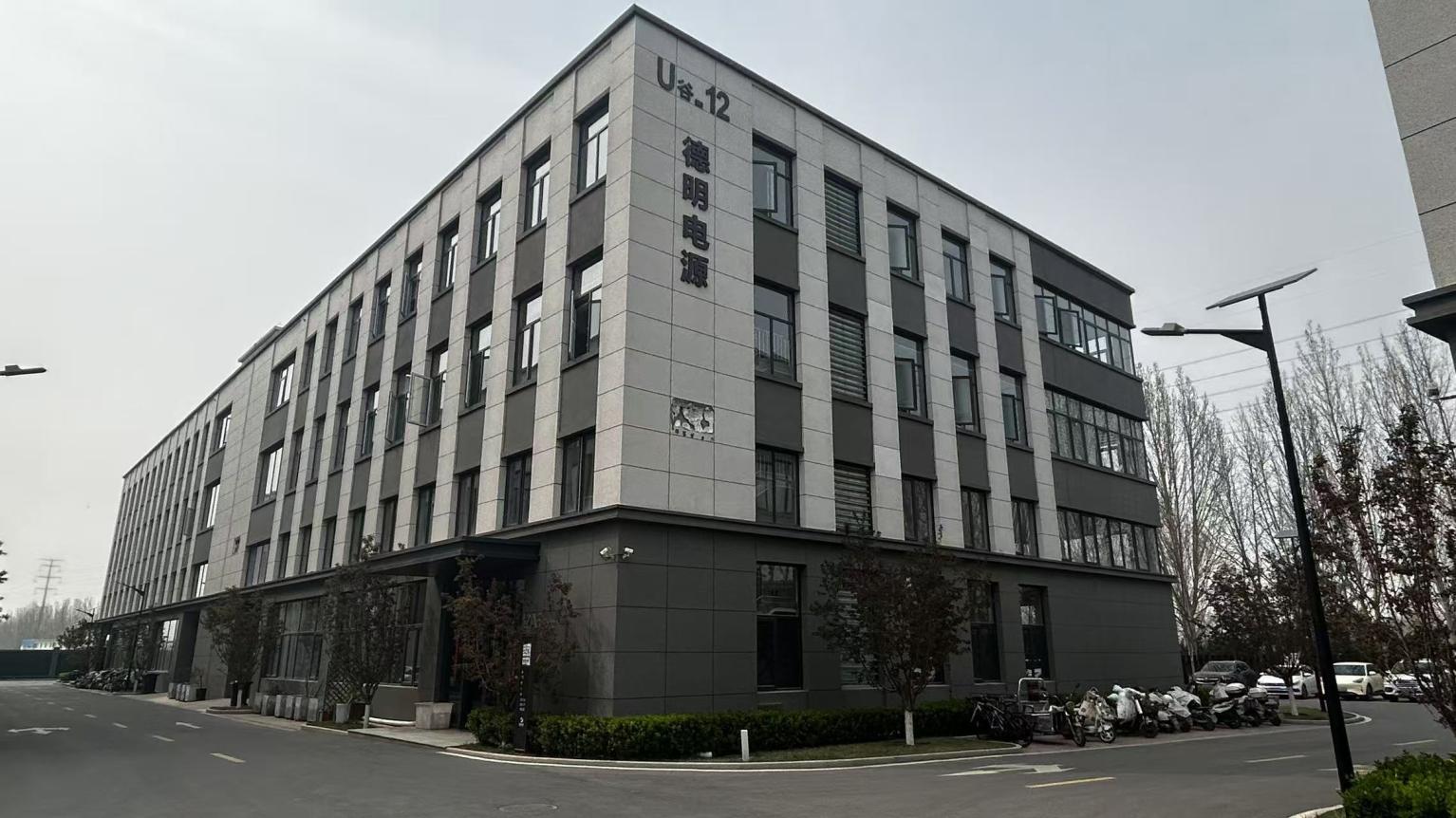
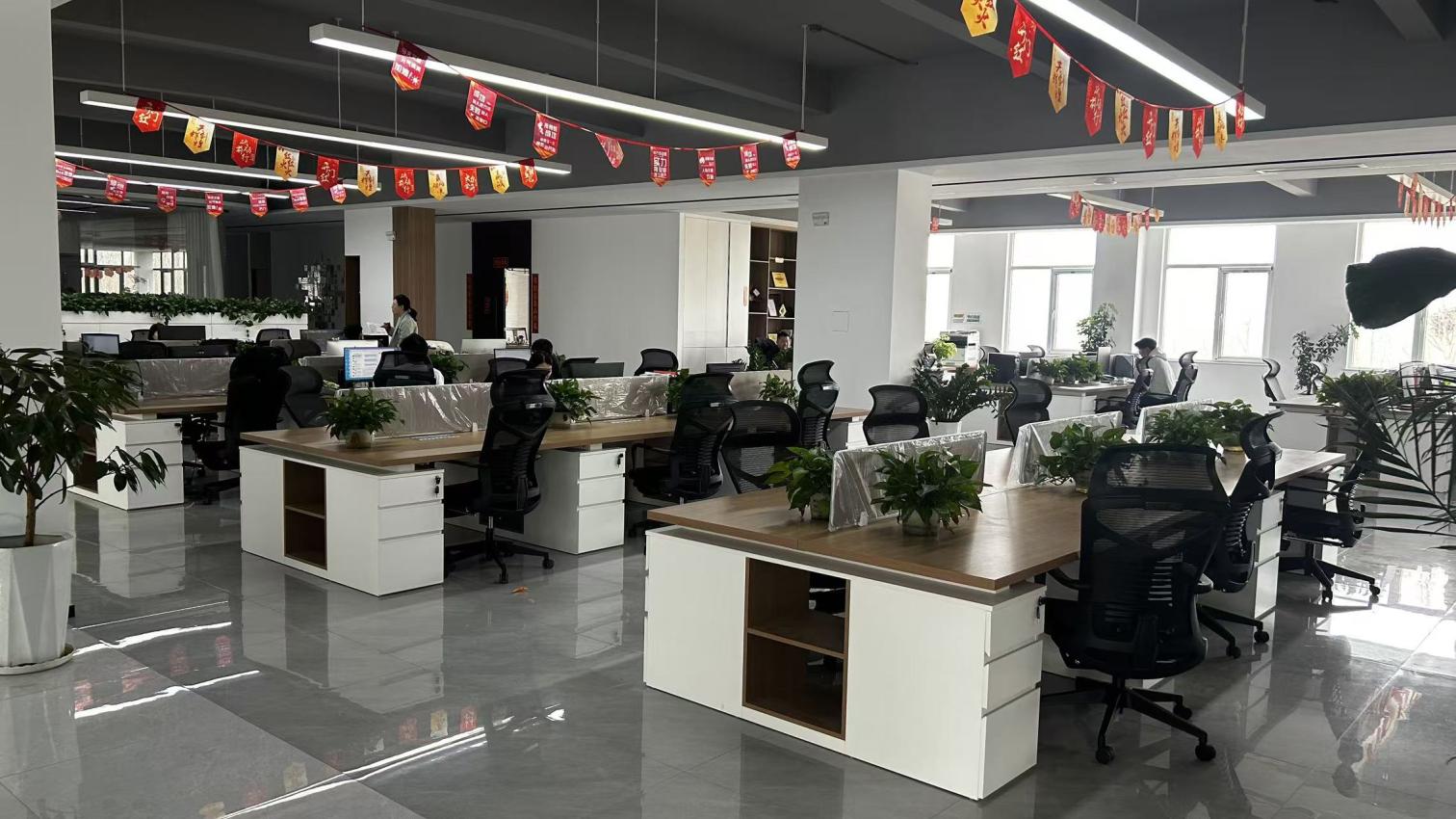
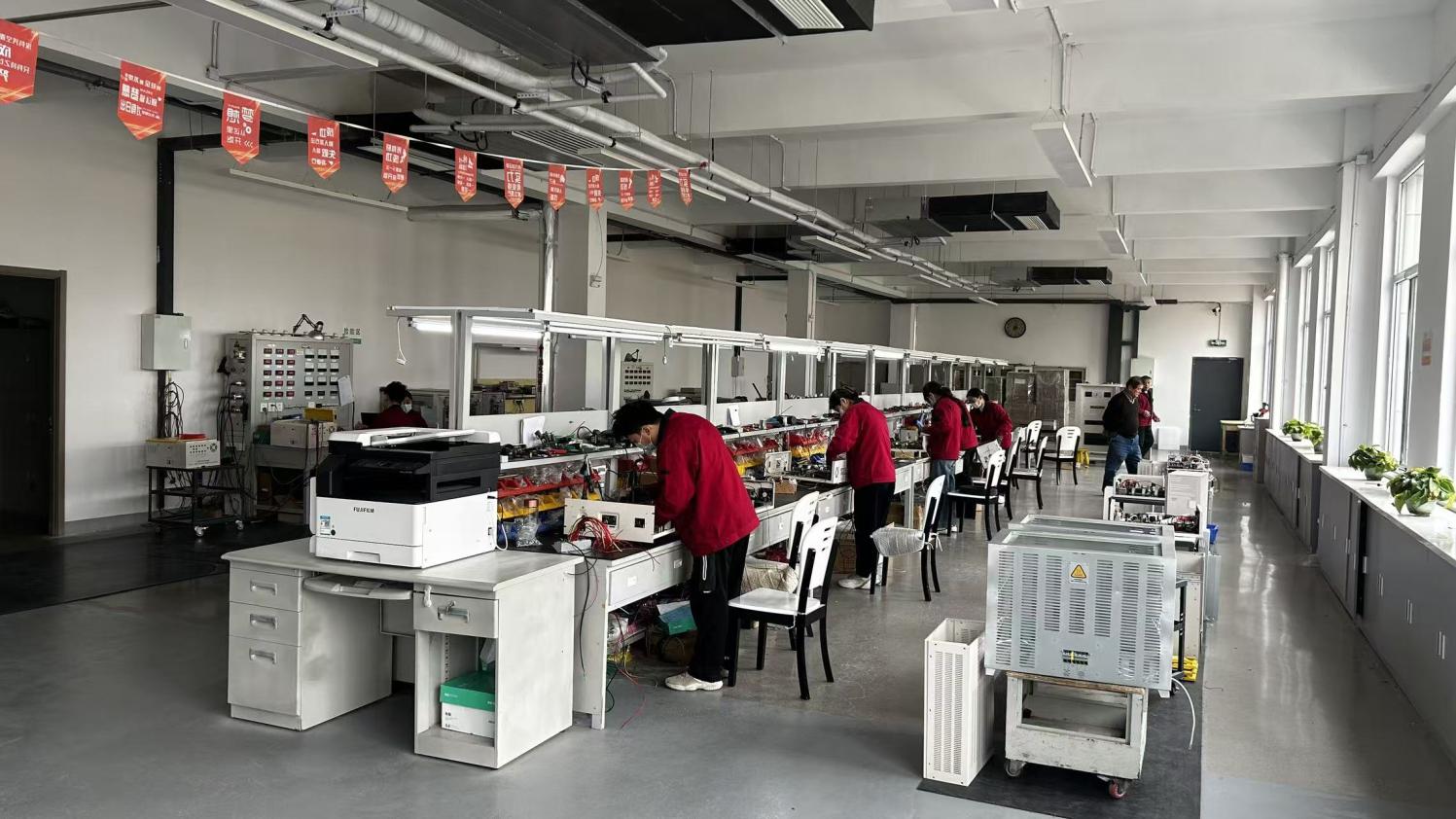
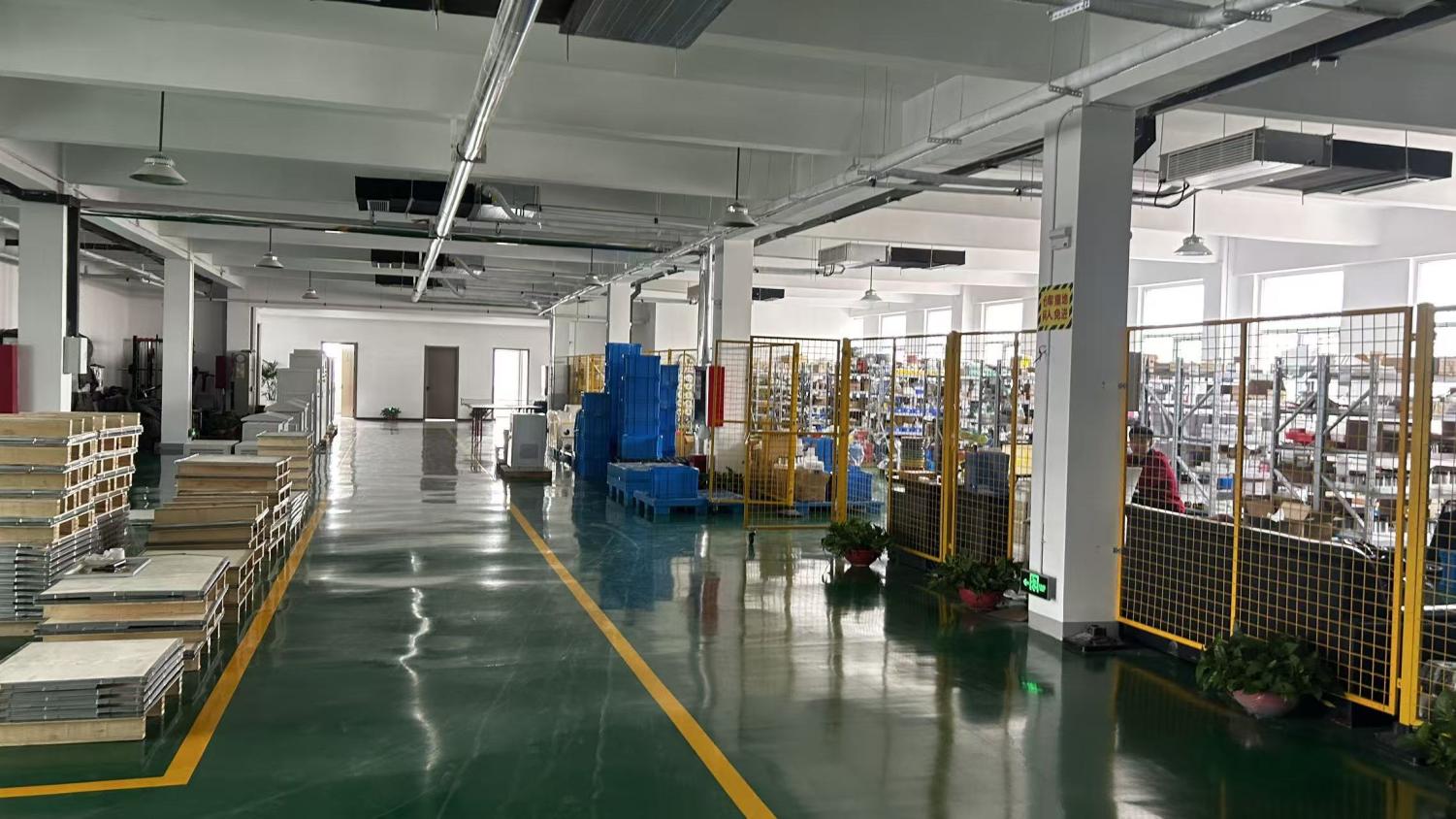
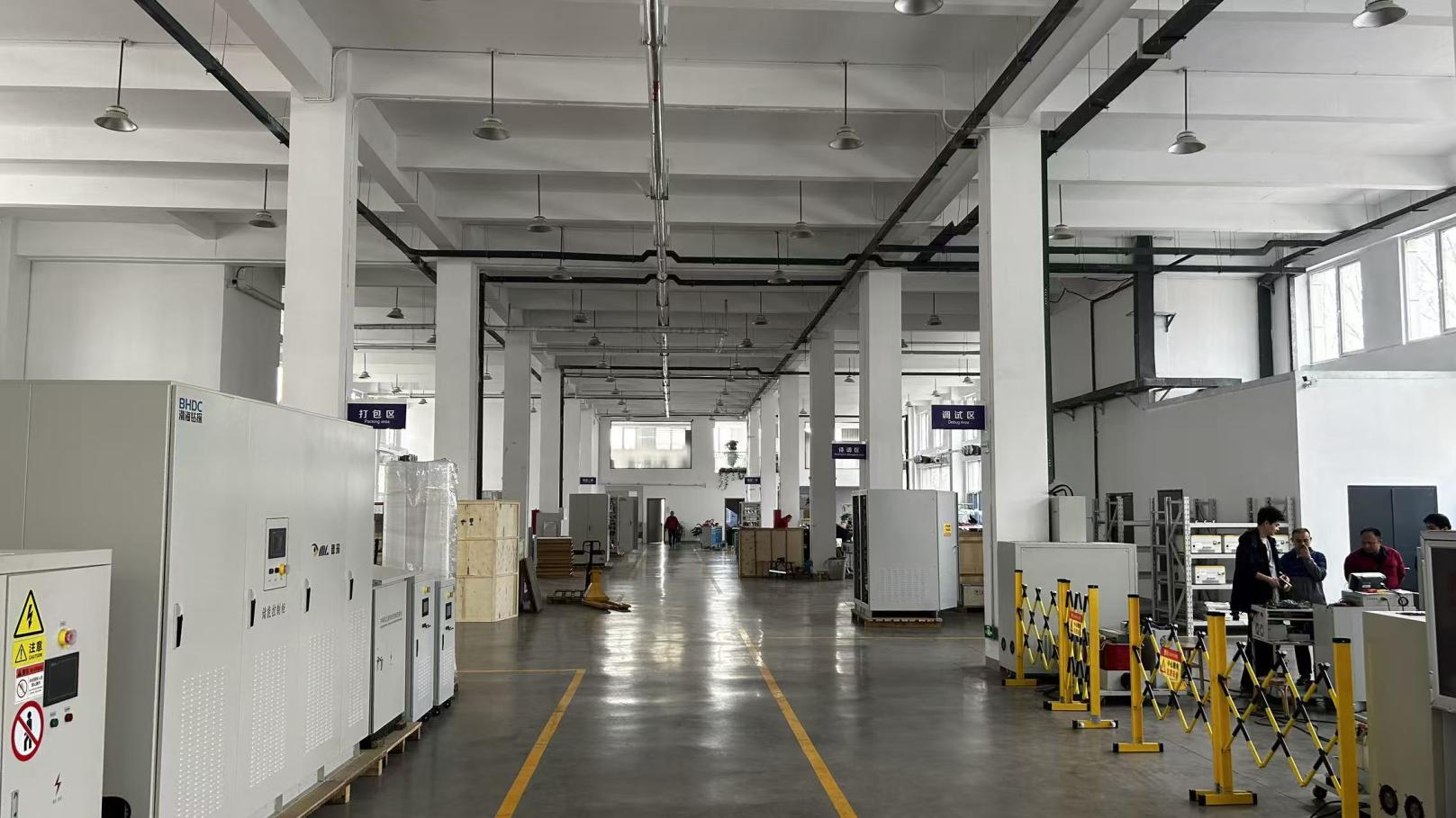
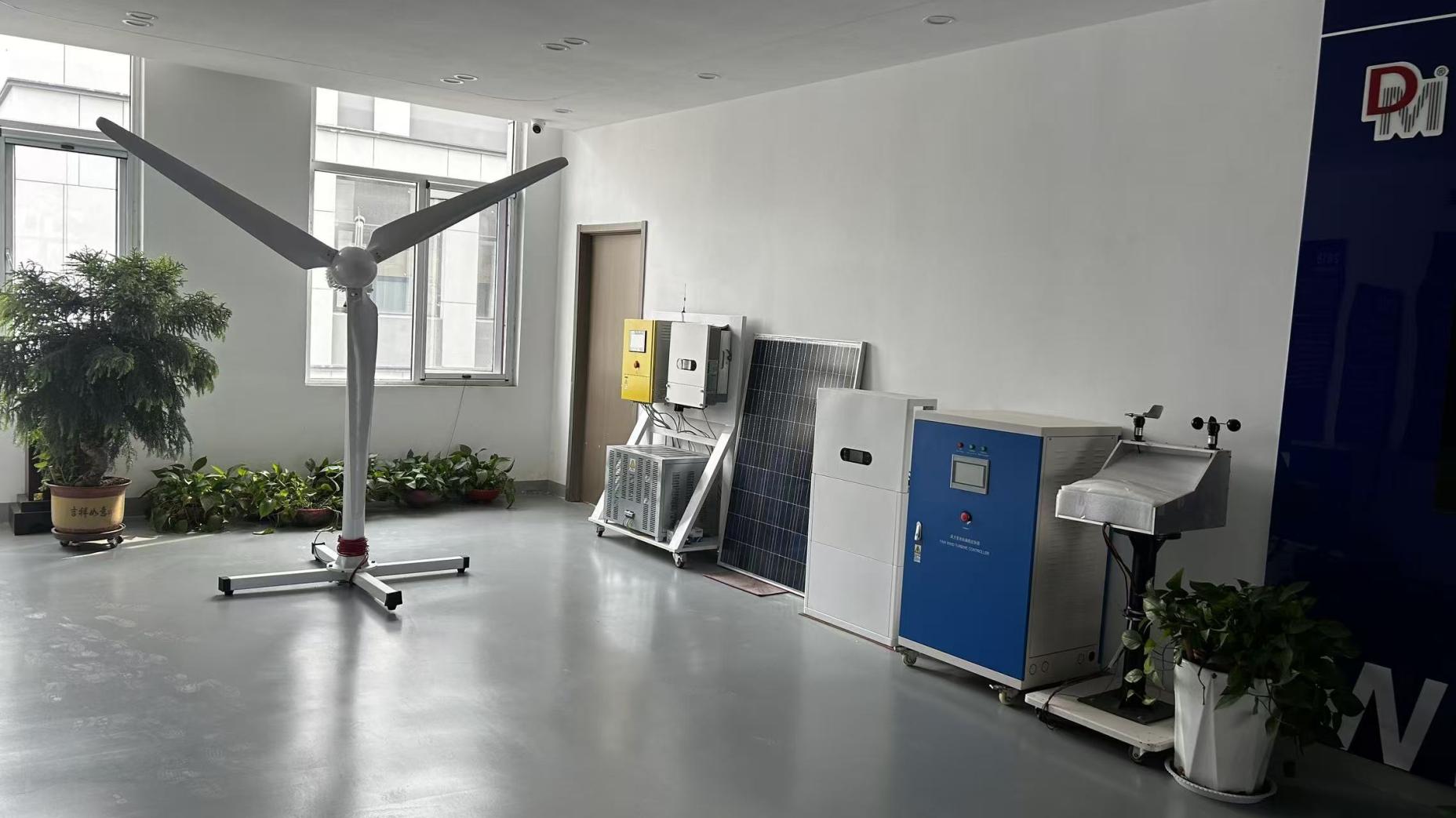
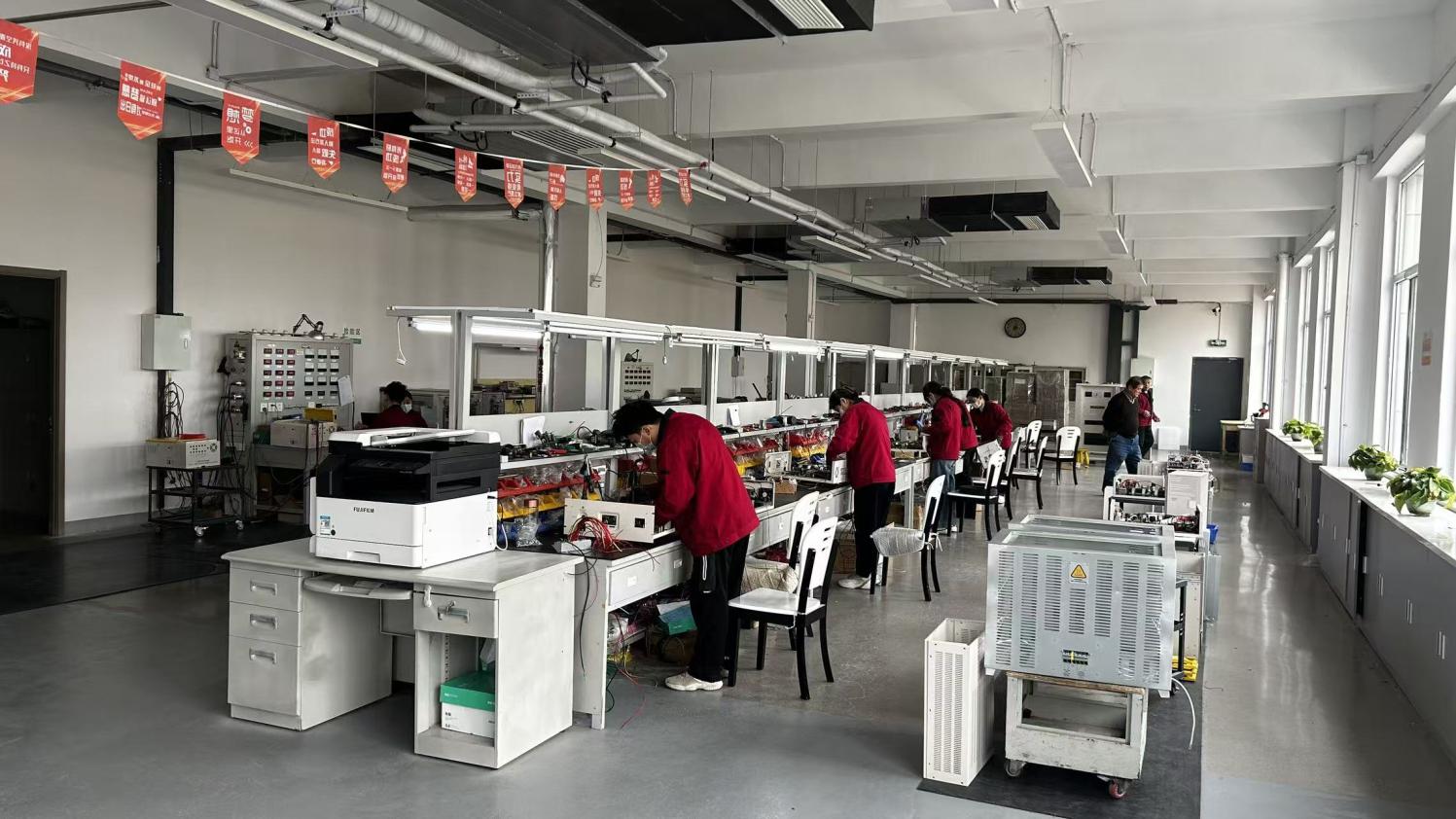
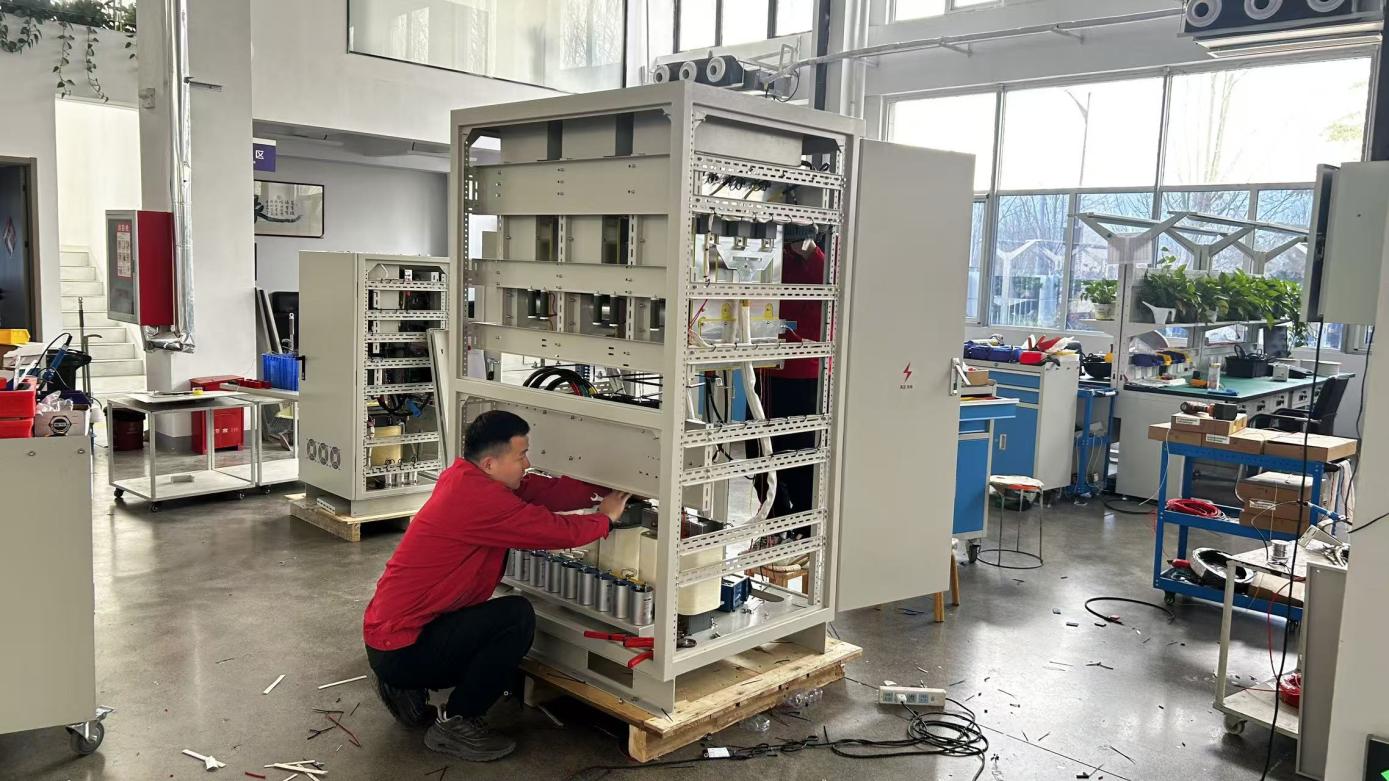
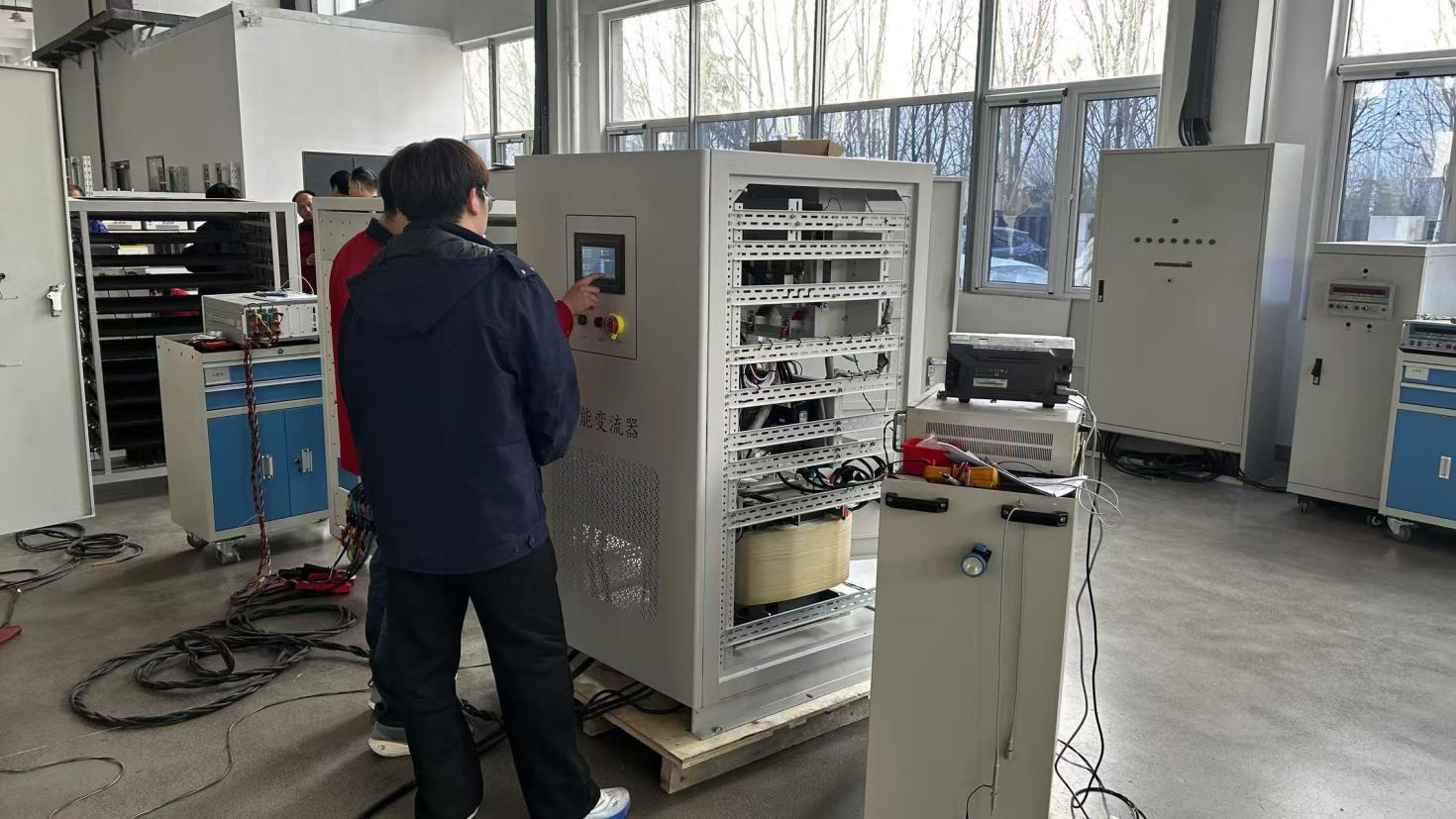
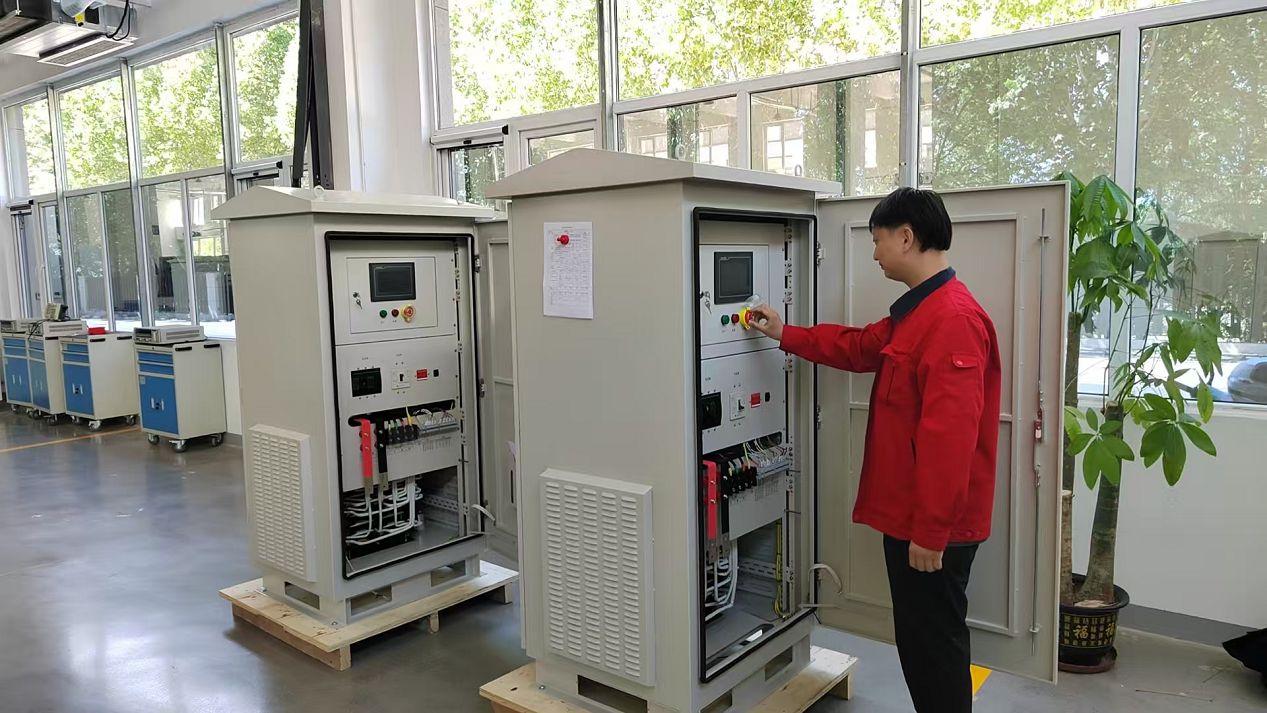
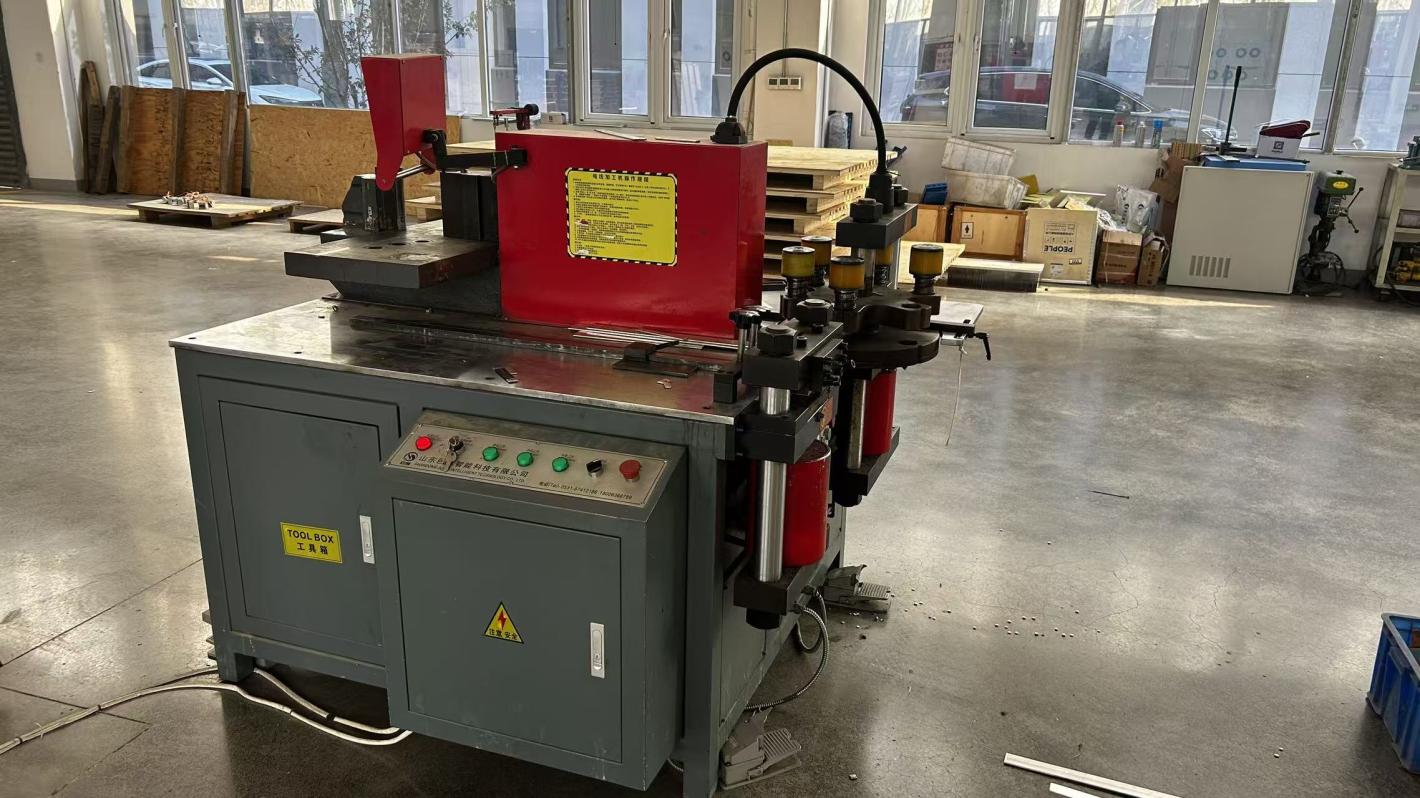
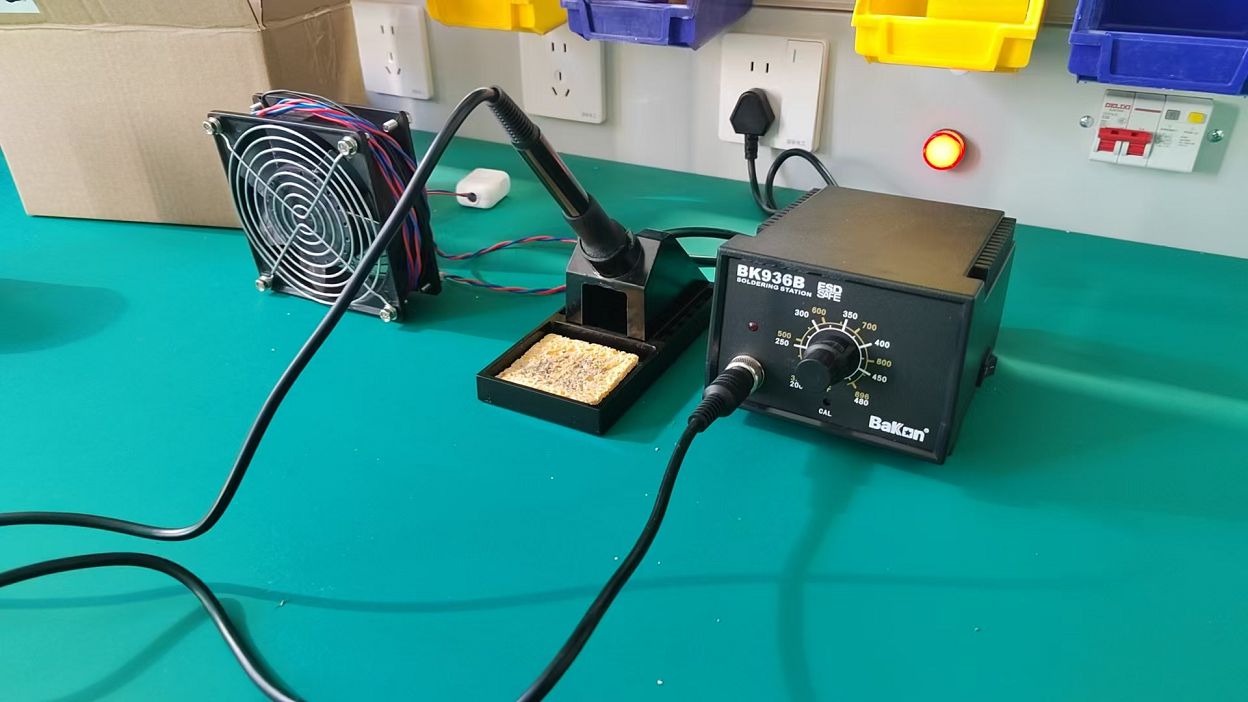
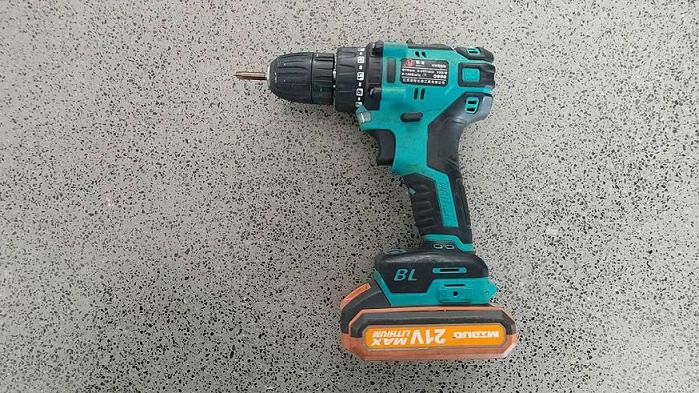
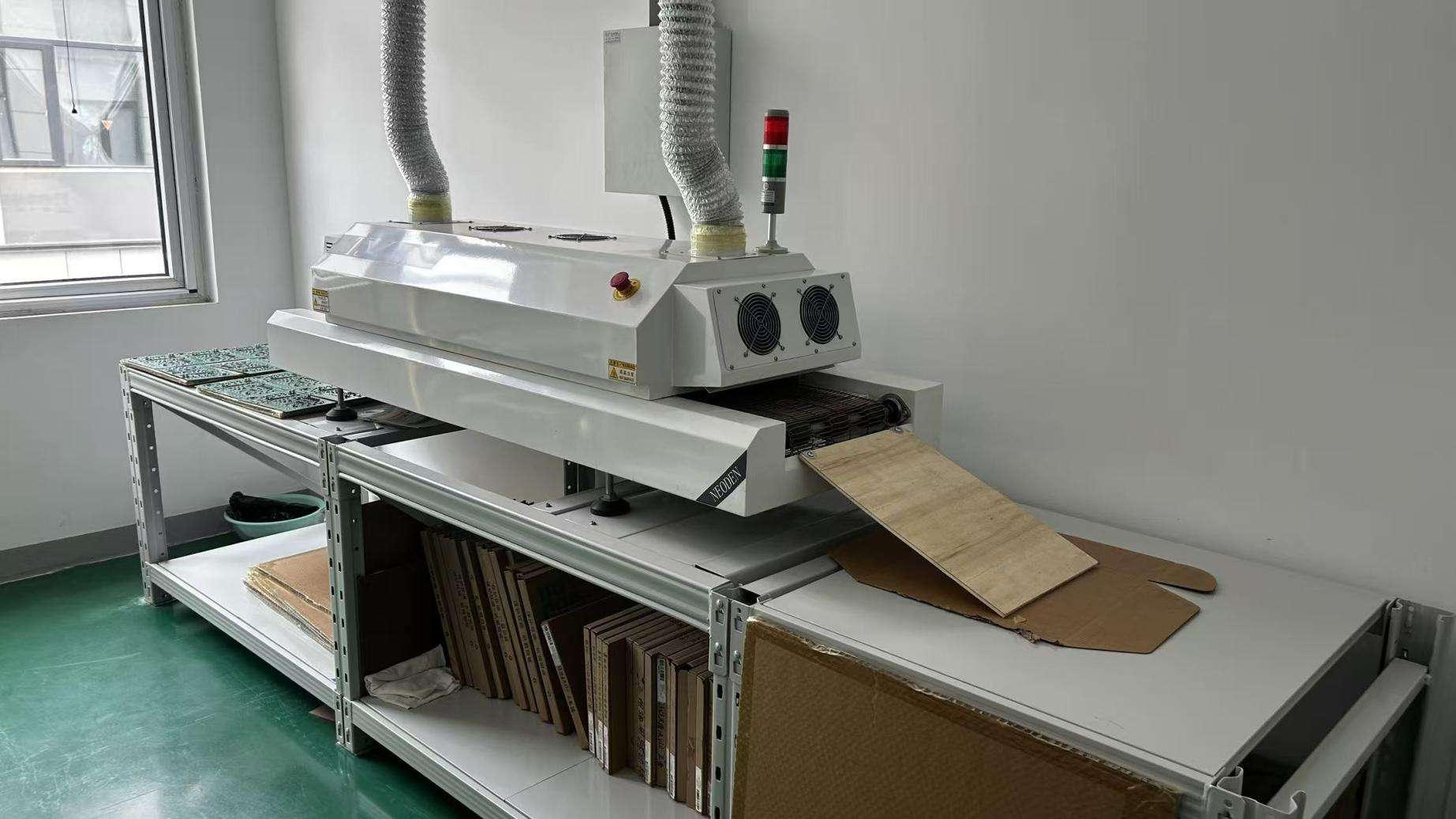
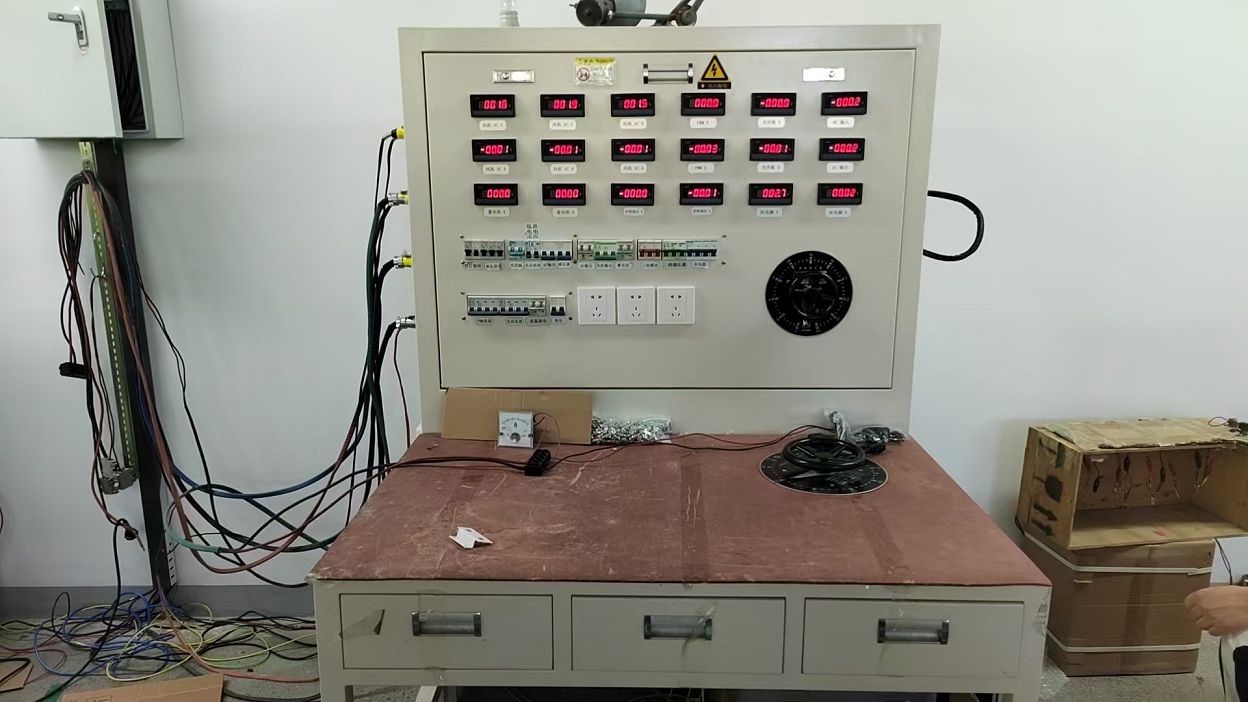
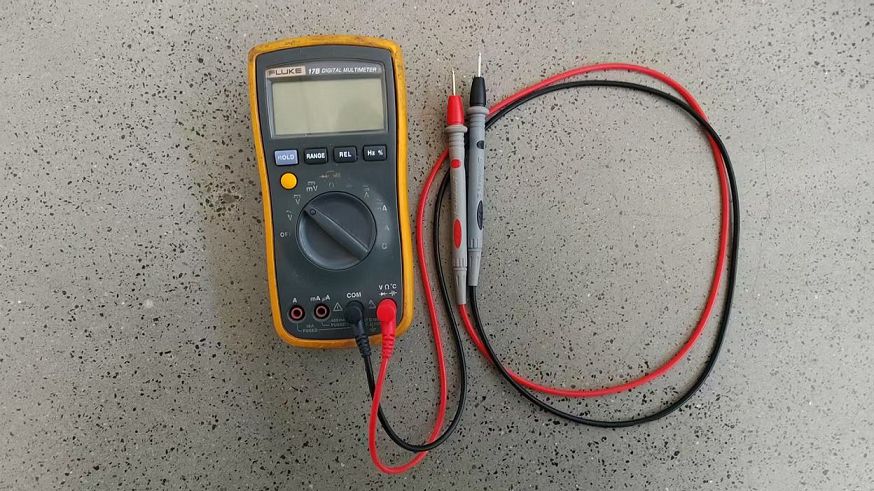
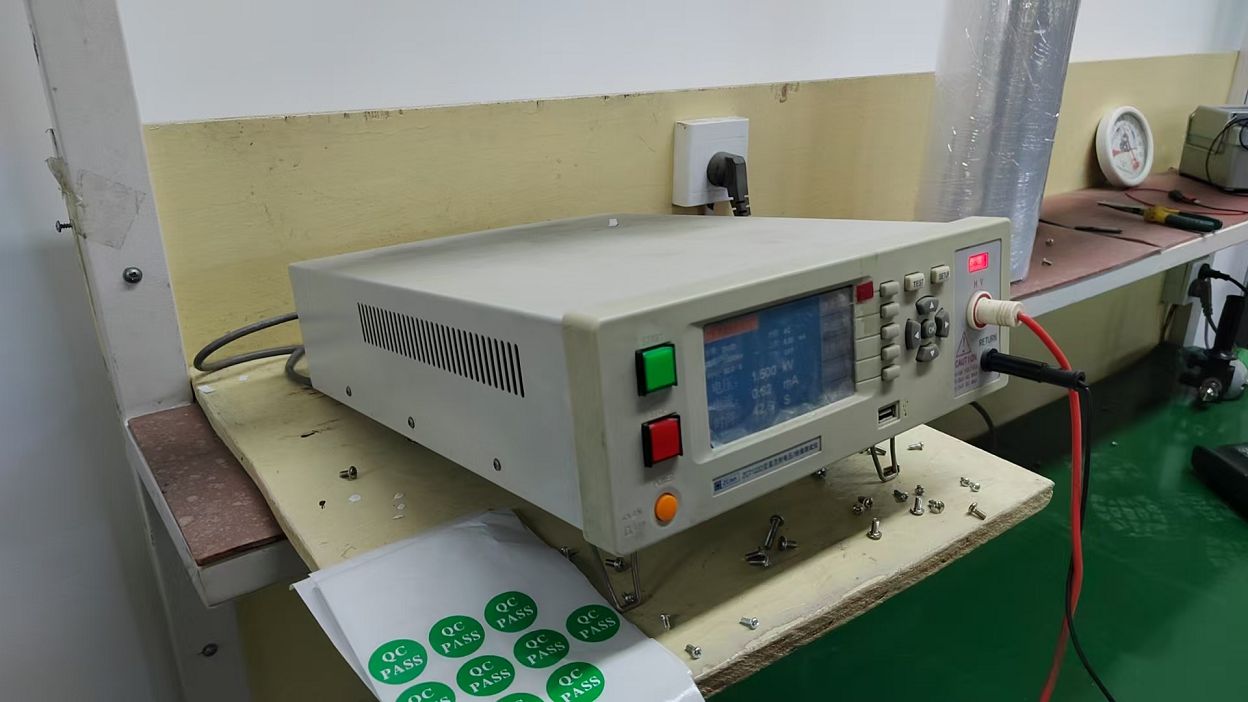
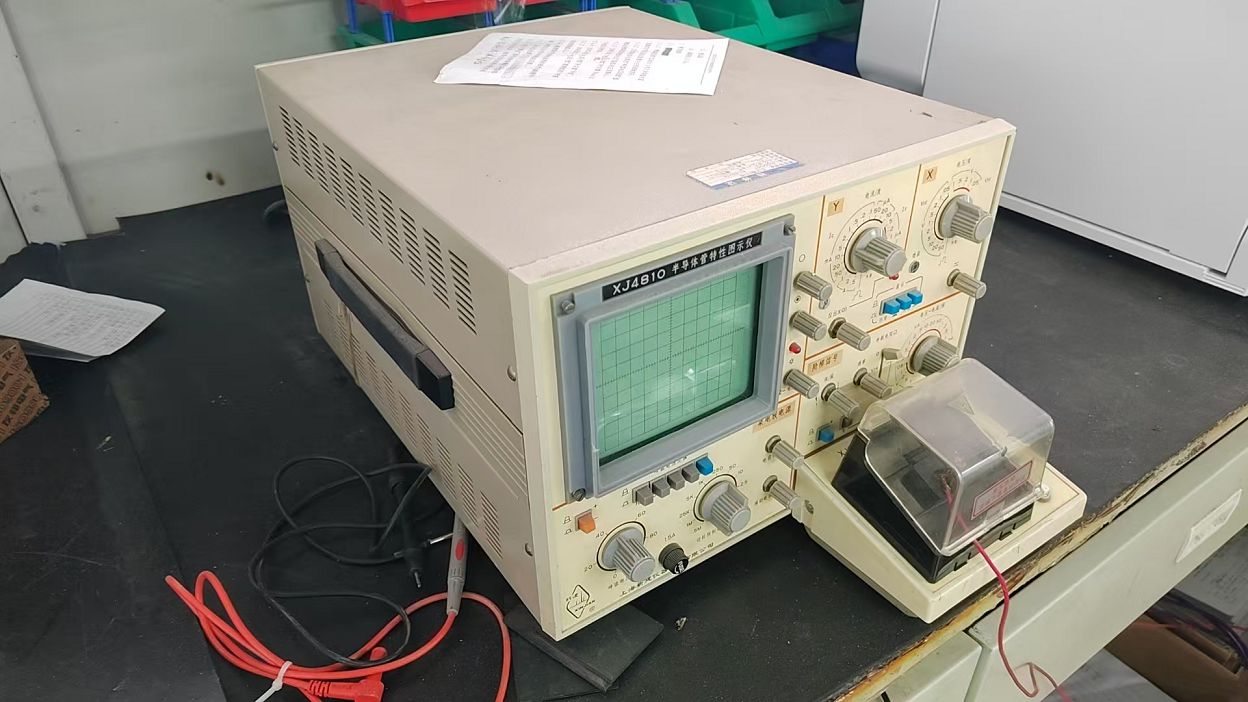
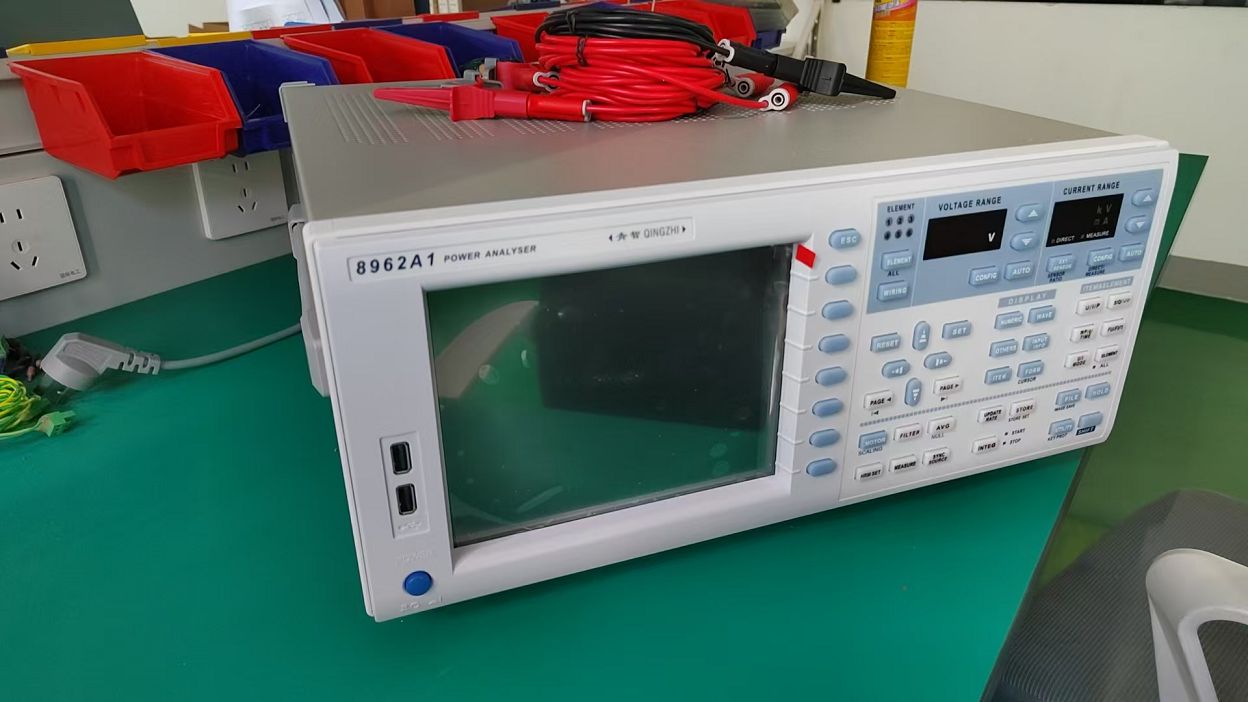
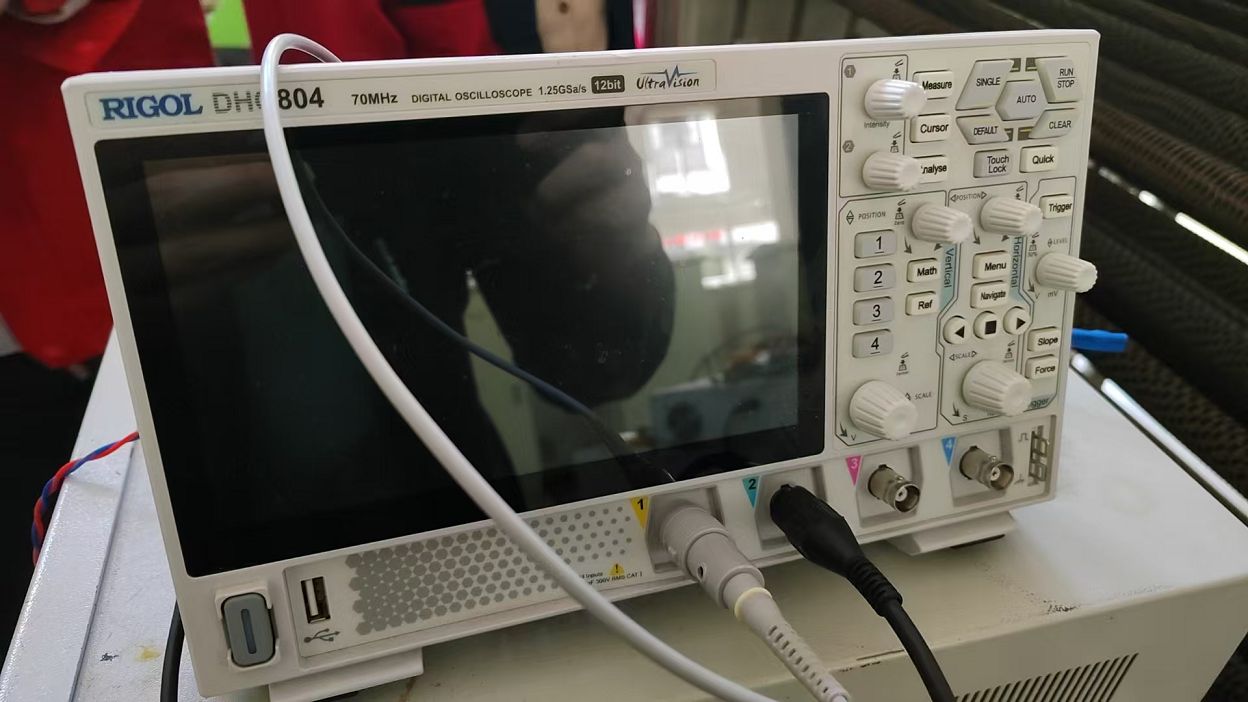
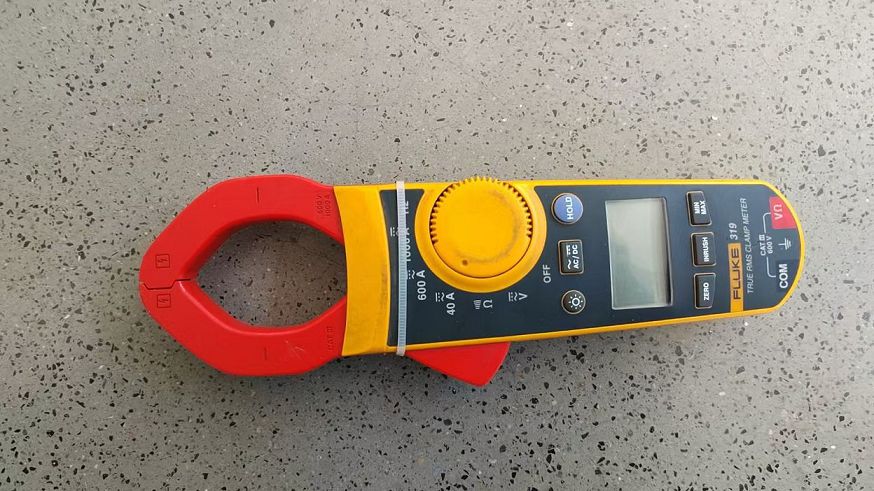
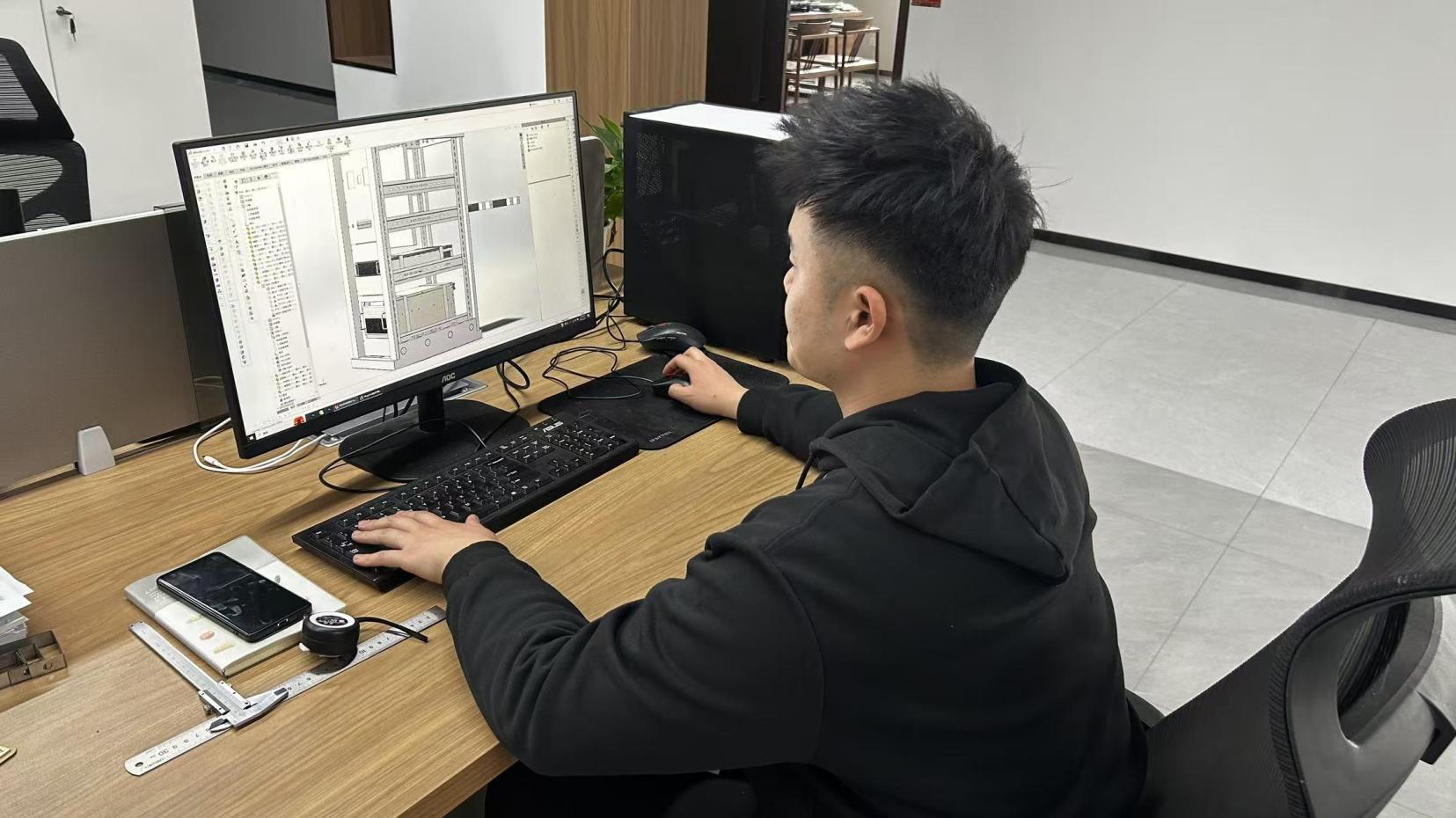
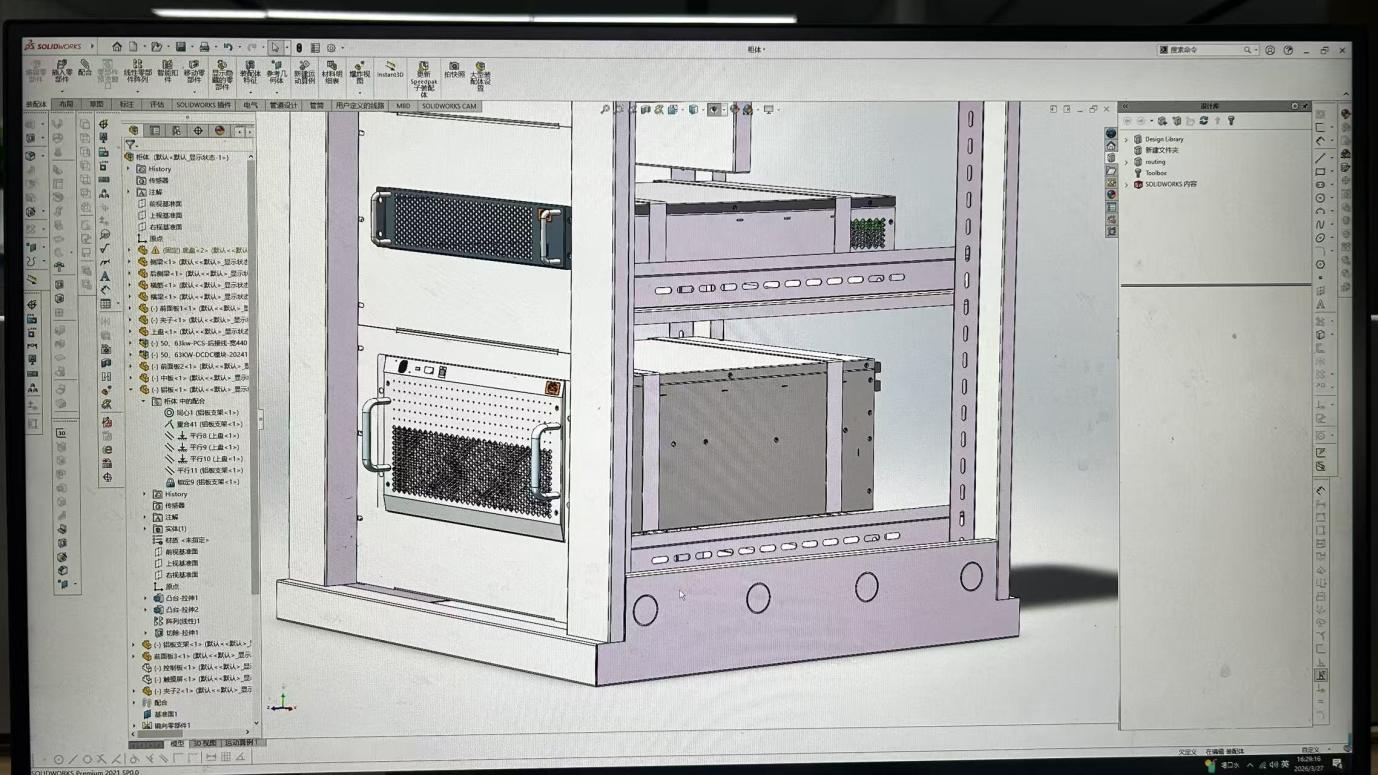
To guarantee operational reliability and precision performance across extreme application environments, our state-of-the-art testing facility employs precision instruments checking every stage of power circuit construction.
Analysis of leading industrial on-grid inverter manufacturers based on bankability, technology solutions, customization adaptability, and global service capabilities.
R&D Specialization: Custom industrial high-power bidirectional conversion systems (PCS), marine-grade tidal and wind converters, wide voltage range stabilization equipment.
Core Advantage: Deep integration capability for variable speed wind turbines, hydro systems, and hybrid microgrids. Strong technical validation backed by an institutional R&D team investing 20% of revenue.
R&D Specialization: Utility-scale central inverters and outdoor string conversion systems.
Core Advantage: Extreme volume manufacturing capabilities globally. Standardized modular system architectures suitable for massive solar PV installations.
R&D Specialization: Smart string inverters utilizing AI diagnostic tools and digital control loops.
Core Advantage: High integration of digital technologies, automated fault diagnostics, and integrated battery energy storage safety management.
R&D Specialization: High-performance grid-forming control algorithms and commercial string systems.
Core Advantage: Premium German engineering standards, high compatibility with complex electrical grids, and robust support networks across the EU and Americas.
R&D Specialization: Dual-stage utility central converters and three-phase C&I products.
Core Advantage: Highly durable enclosures designed for extreme environments (desert, sub-zero, heavy humidity) and reliable high-voltage output.
R&D Specialization: Multi-MPPT single and three-phase grid-tied string inverters.
Core Advantage: Cost-effective engineering, highly responsive production lines, and rapid adaptation of residential/C&I smart grid interface regulations.
R&D Specialization: Hybrid energy storage inverters and C&I grid-tied units.
Core Advantage: Integration of smart energy management systems (SEMS) for tracking dynamic PV curves and battery health parameters.
R&D Specialization: User-friendly smart monitoring integration and scalable micro-converter technology.
Core Advantage: Extensive distribution networks in developing markets and highly competitive hardware-software bundles.
R&D Specialization: High-density power electronics, industrial automation integrations.
Core Advantage: Advanced thermal dissipation technologies and stable mechanical design profiles tailored for factory automation lines and marine grids.
R&D Specialization: High-power central converters for utility PV, wind, and storage.
Core Advantage: Experienced engineering integration for railway and large wind farms requiring customized active control interfaces.
The transition toward high-efficiency materials, grid-forming intelligence, and hybrid microgrid stability mechanisms.
The integration of Silicon Carbide (SiC) and Gallium Nitride (GaN) MOSFET modules replaces traditional Silicon IGBT configurations. This shifts switching frequencies higher while reducing thermal dissipation losses, bringing conversion system efficiency to >99.5%.
Unlike standard grid-following systems that require a stable grid voltage source, modern converters utilize GFM control systems. These simulate virtual inertia, supporting islanded microgrid structures and reinforcing unstable remote networks during fluctuations.
By implementing multi-level topologies and advanced LCL harmonic filters, developers can push Total Harmonic Distortion (THD) below 1.5%. This ensures clean power delivery that prevents electromagnetic interference with sensitive industrial instrumentation.
Configuring robust converters to solve stability issues in complex global commercial deployment setups.
Seaports require clean, stable grid connection interfaces to power berthed ships. Using high-power static frequency converters (such as 1MW–3MW systems) allows smooth transition between fluctuating national grids (50Hz) and shipboard electrical systems (60Hz), lowering port emission footprints.
Remote industrial setups often rely on microgrids that combine solar, wind, and storage. Bidirectional power conversion systems (PCS) manage energy flow between high-capacity batteries and the dynamic local grid, stabilizing energy distribution despite intermittent wind or solar generation.
Critical regional standards required to safely connect converters to local electrical grids.
Mandatory certifications verifying grid-connected inverters shut down during grid outages (anti-islanding) and support active power reduction when voltage fluctuates.
European Union safety benchmarks regulating electromagnetic radiation limits (EMC) and standardizing connections for generators linking to low-voltage networks.
Strict grid code compliance pathways for China, Australia, and ASEAN regions. These focus on withstanding tropical environments and handling rapid fluctuations in voltage.
Direct technical answers addressing system engineering, grid stabilization, and hardware configuration questions from procurement engineers.
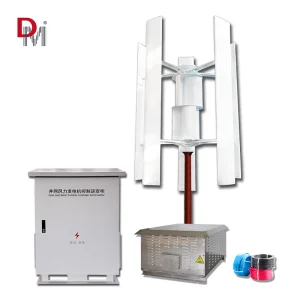
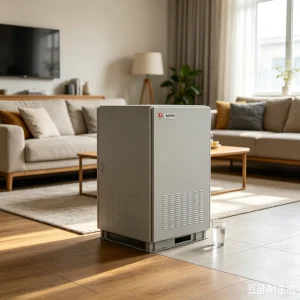
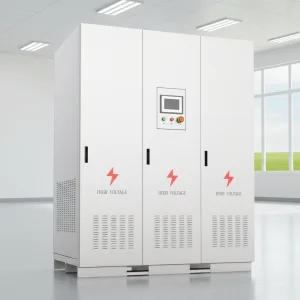
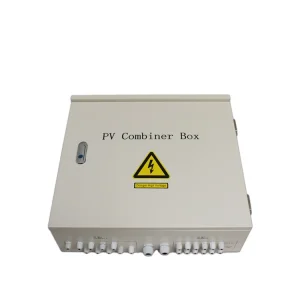
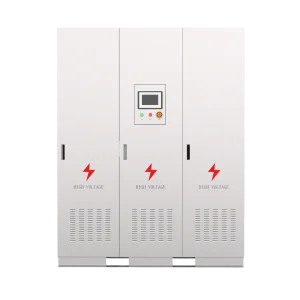
Flexible distribution systems, home energy units, combiner boxes, and bidirectional DC converters for smart commercial power setups.
 Demin Power