Discover high-efficiency bidirectional energy storage inverters, frequency converters, and industrial-grade power accessories engineered for maximum thermal and grid stability.
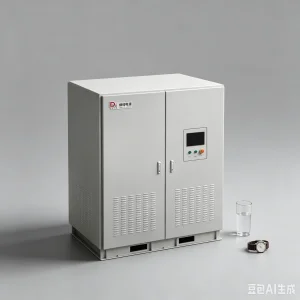
As the global community shifts toward decentralized renewable energy architectures, the Power Conversion System (PCS) has emerged as the definitive bridge between generated clean energy and electrical transmission networks. Modern grid structures demand high dynamic response speeds, flawless bidirectional energy flow, and absolute stability. These metrics are no longer merely optional benefits—they are strict, regulated operating requirements.
To support multi-megawatt battery energy storage systems (BESS), modern PCS topologies must maintain high round-trip efficiency (RTE) while integrating advanced grid-forming and grid-following software stacks. System engineers look beyond the nameplate inverter ratings to inspect thermal management structures, isolation topology, and digital communication capabilities.
"A modern utility-scale grid interface requires a system that handles dynamic transient control, low-voltage ride-through (LVRT), and high-frequency active/reactive power modulation. Our engineering standard targets minimal THD (Total Harmonic Distortion) under severe load changes, ensuring stable, reliable microgrids."
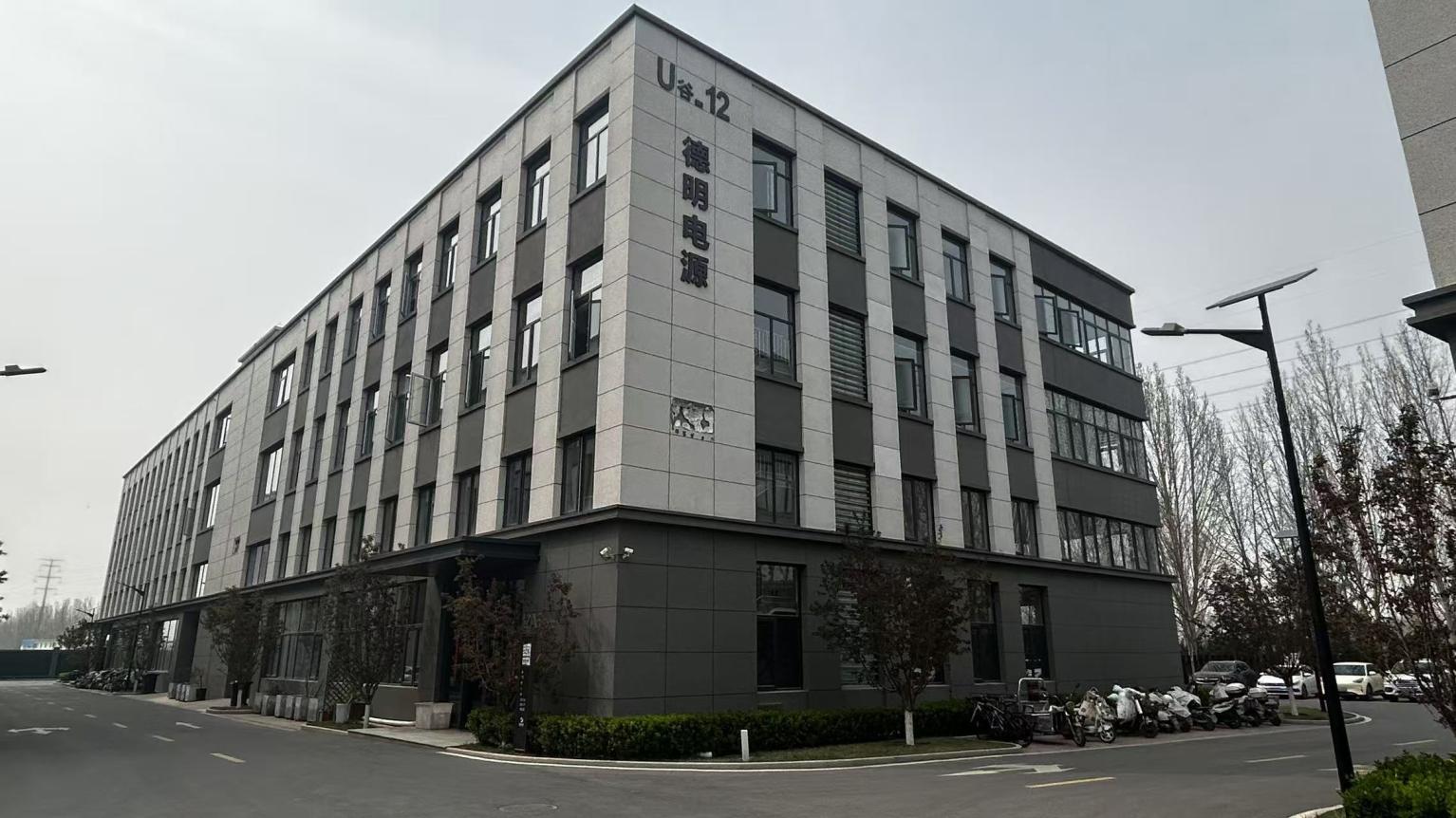
Established in 2004, Jinan Deming Power Equipment Co., Ltd. is a nationally recognized high-tech enterprise specializing in the research, development, and production of renewable energy power equipment and testing solutions. Deming operates out of a modernized facility structured around ISO 9001:2015 standards, maintaining an in-house engineering lab where more than 20% of annual revenue is re-invested into technology development.
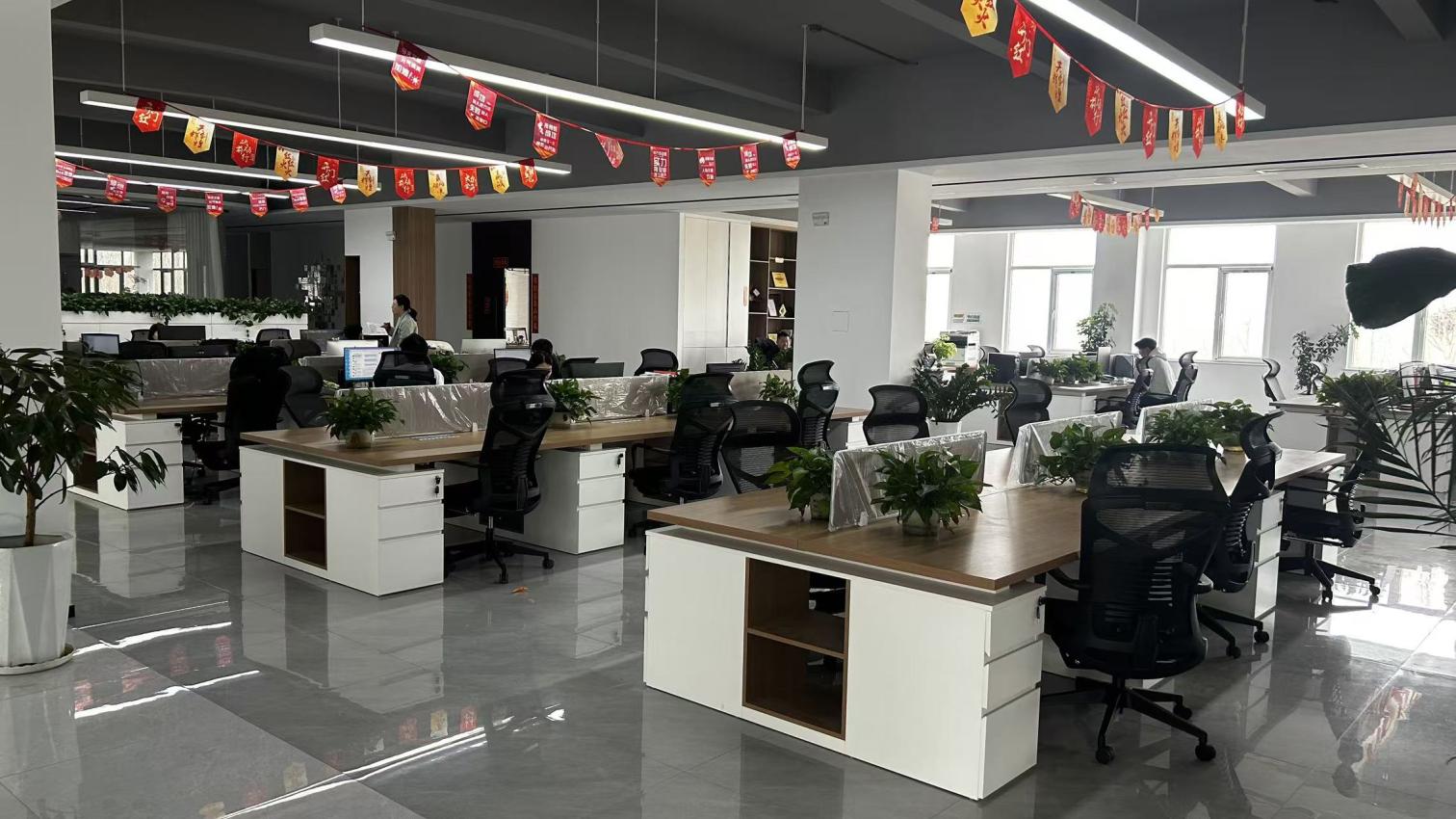
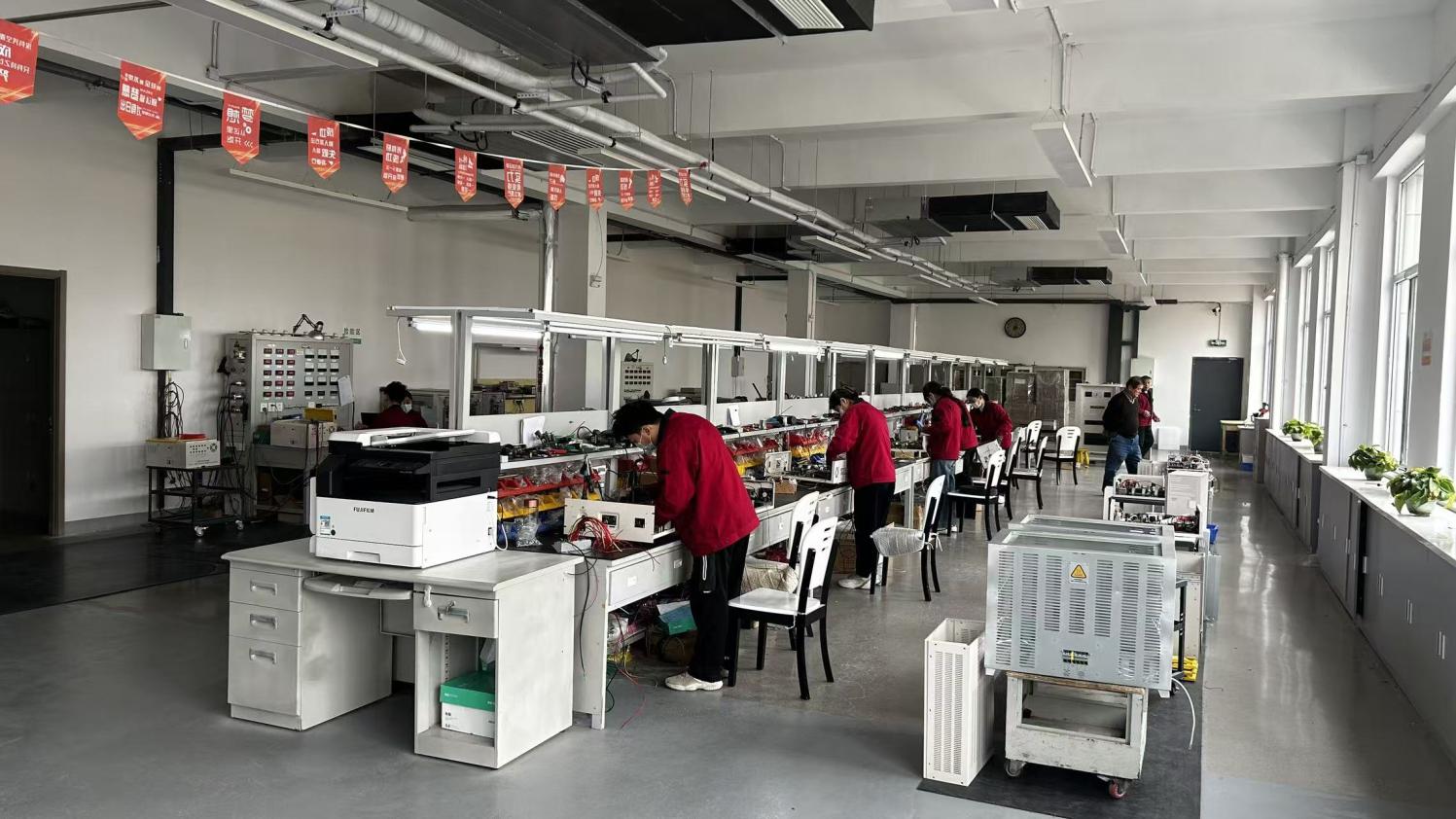
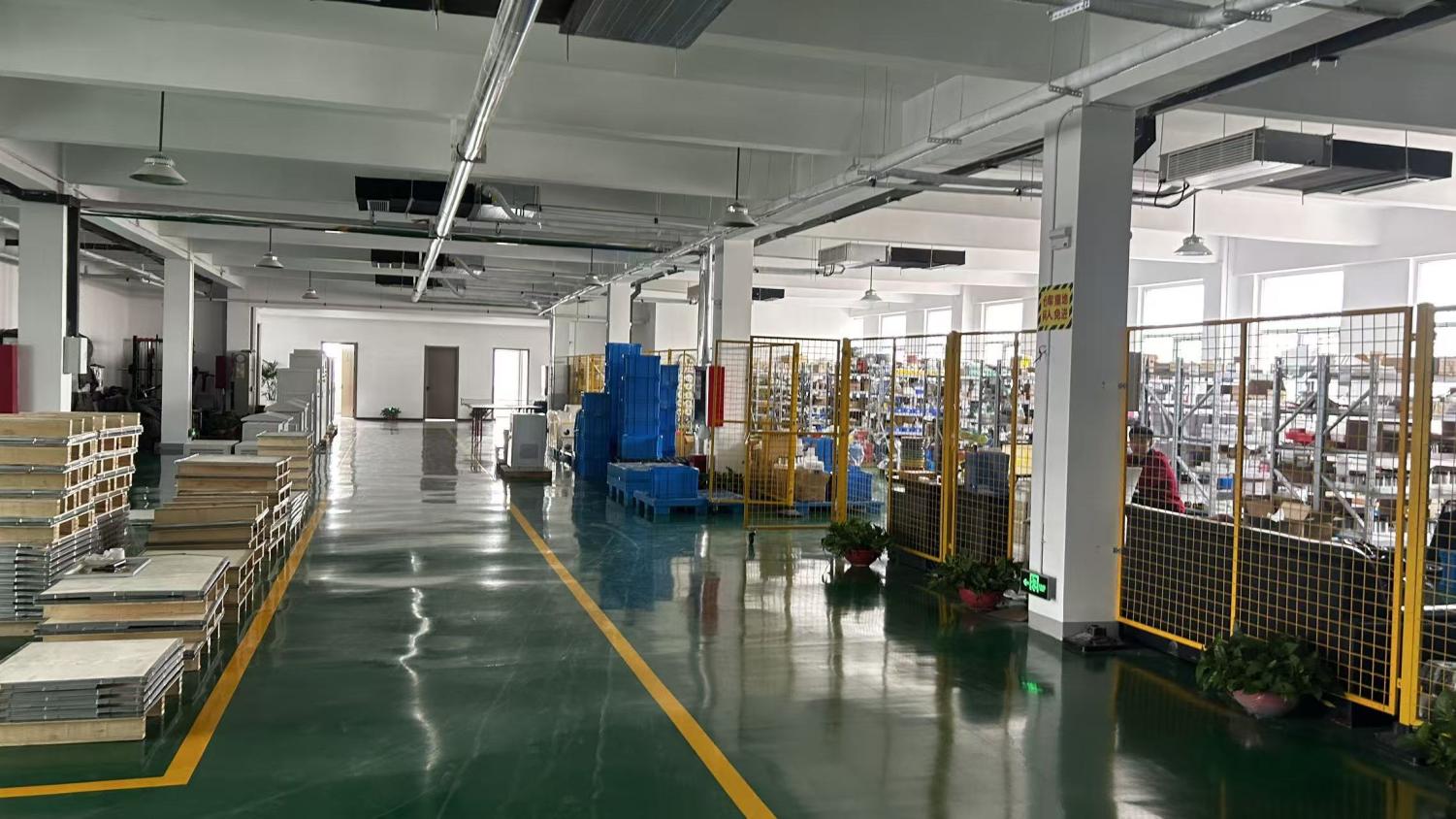
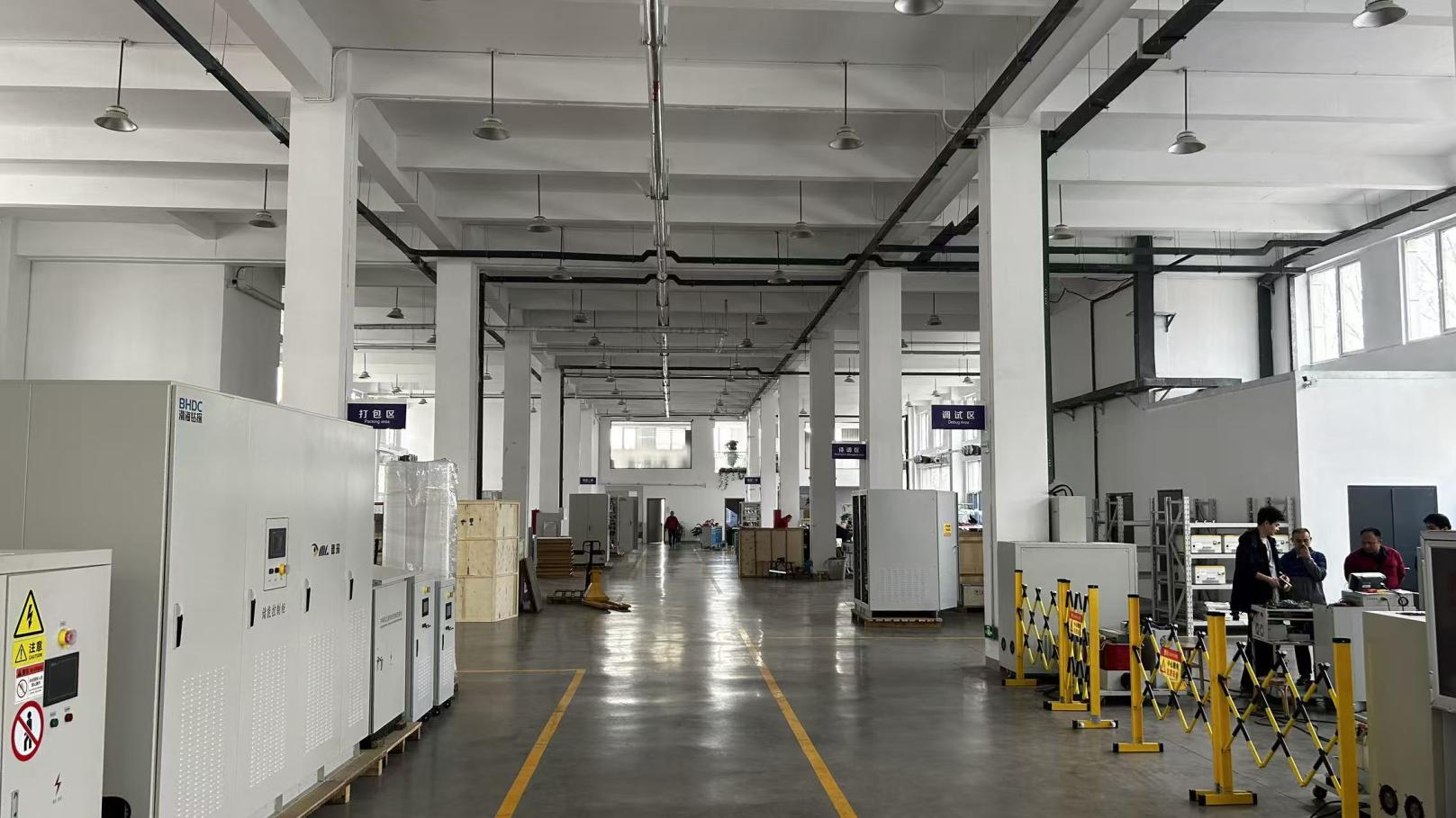
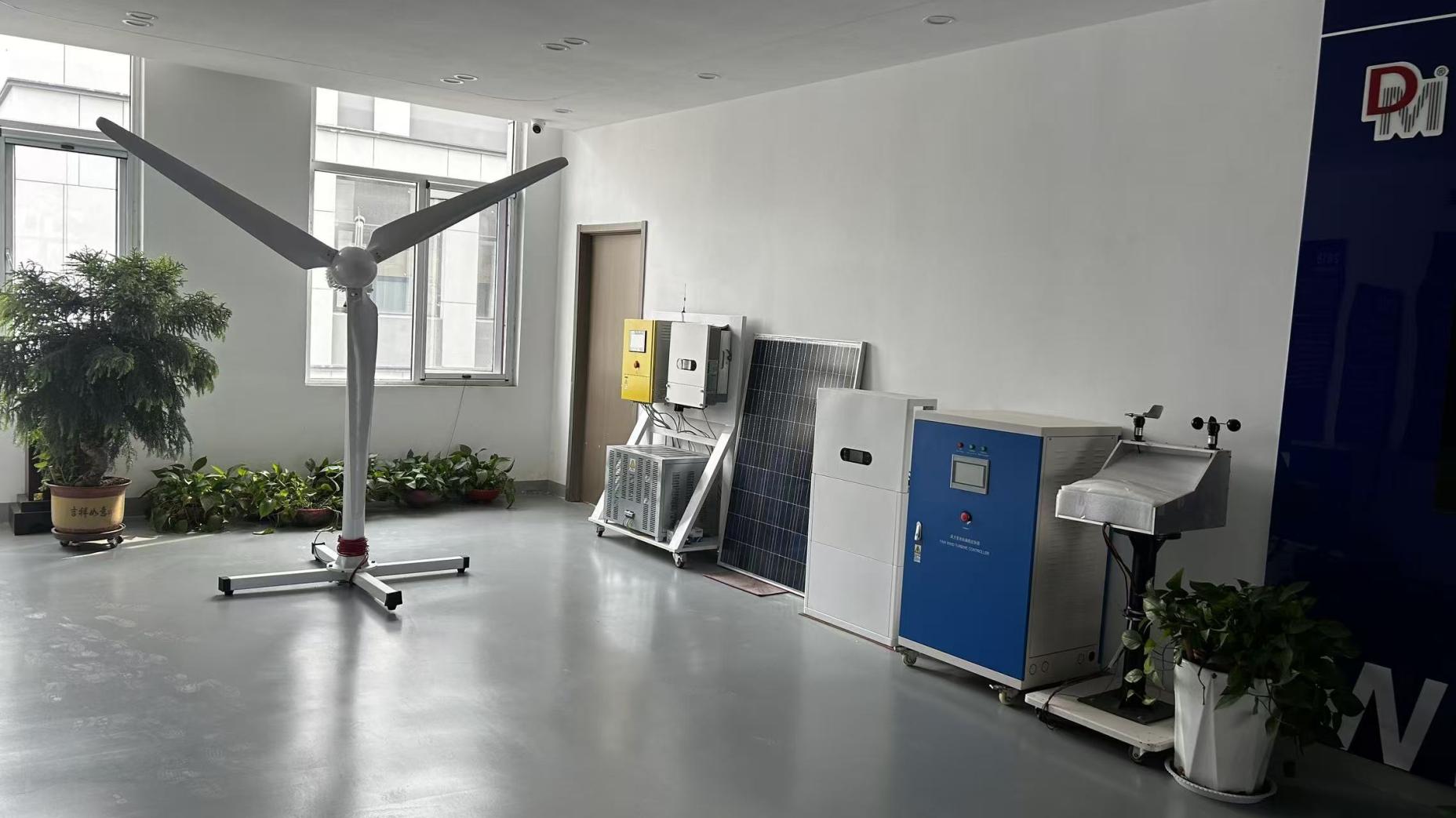
Quality and precision are the core pillars of the Deming production philosophy. By employing semi-automated component insertion and surface-mount technologies (SMT) alongside robust mechanical frame construction, each PCS module is built to withstand demanding environments—ranging from saline shore installations to high-altitude utility installations.
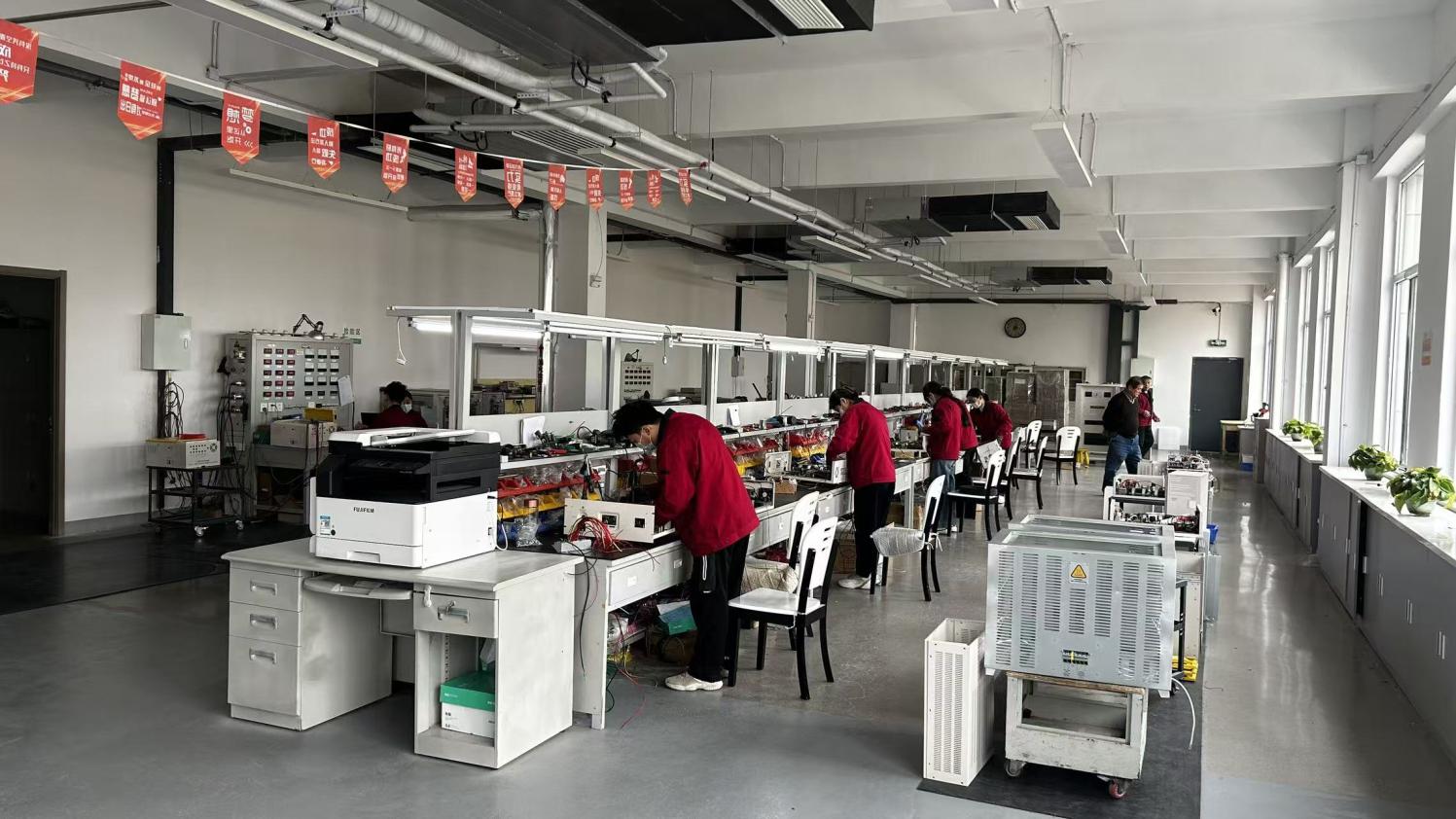
Circuit Assembly
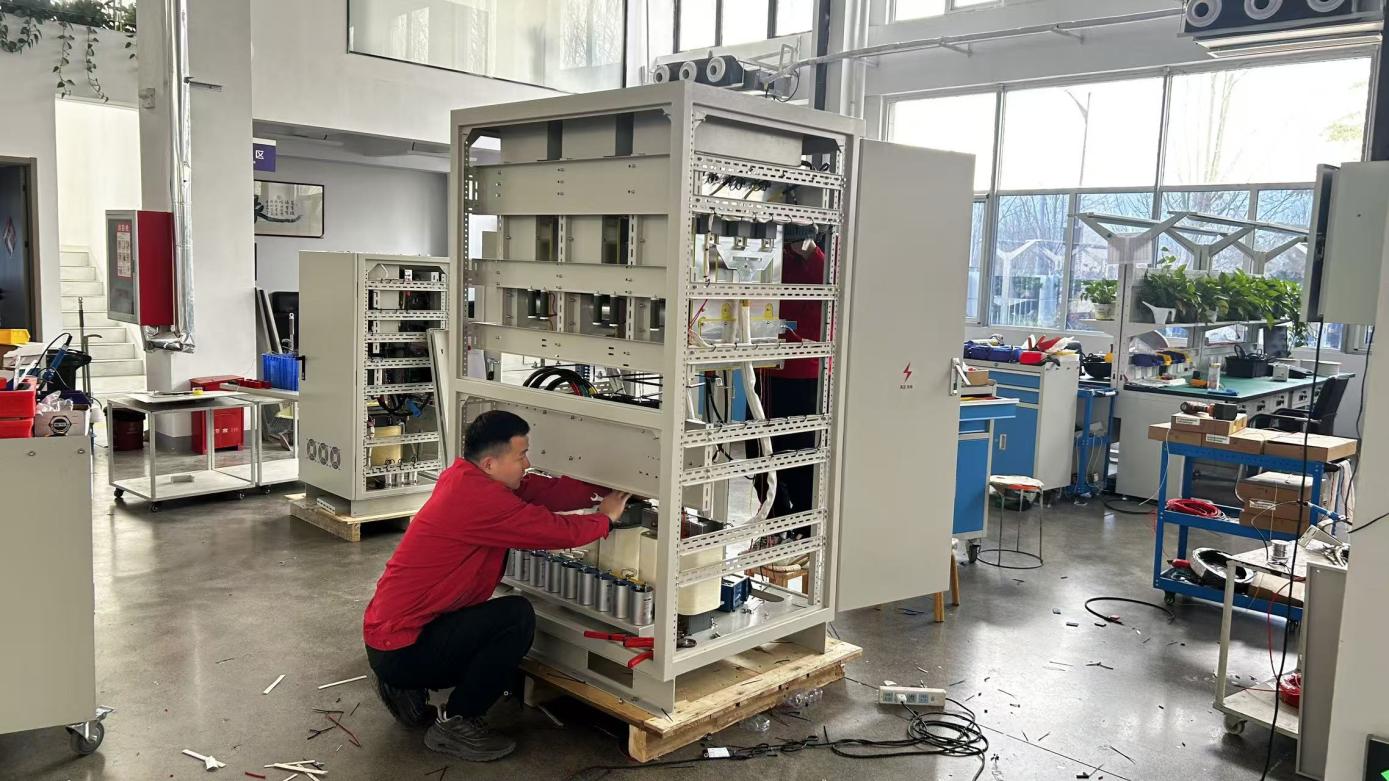
Circuit Board Assembly
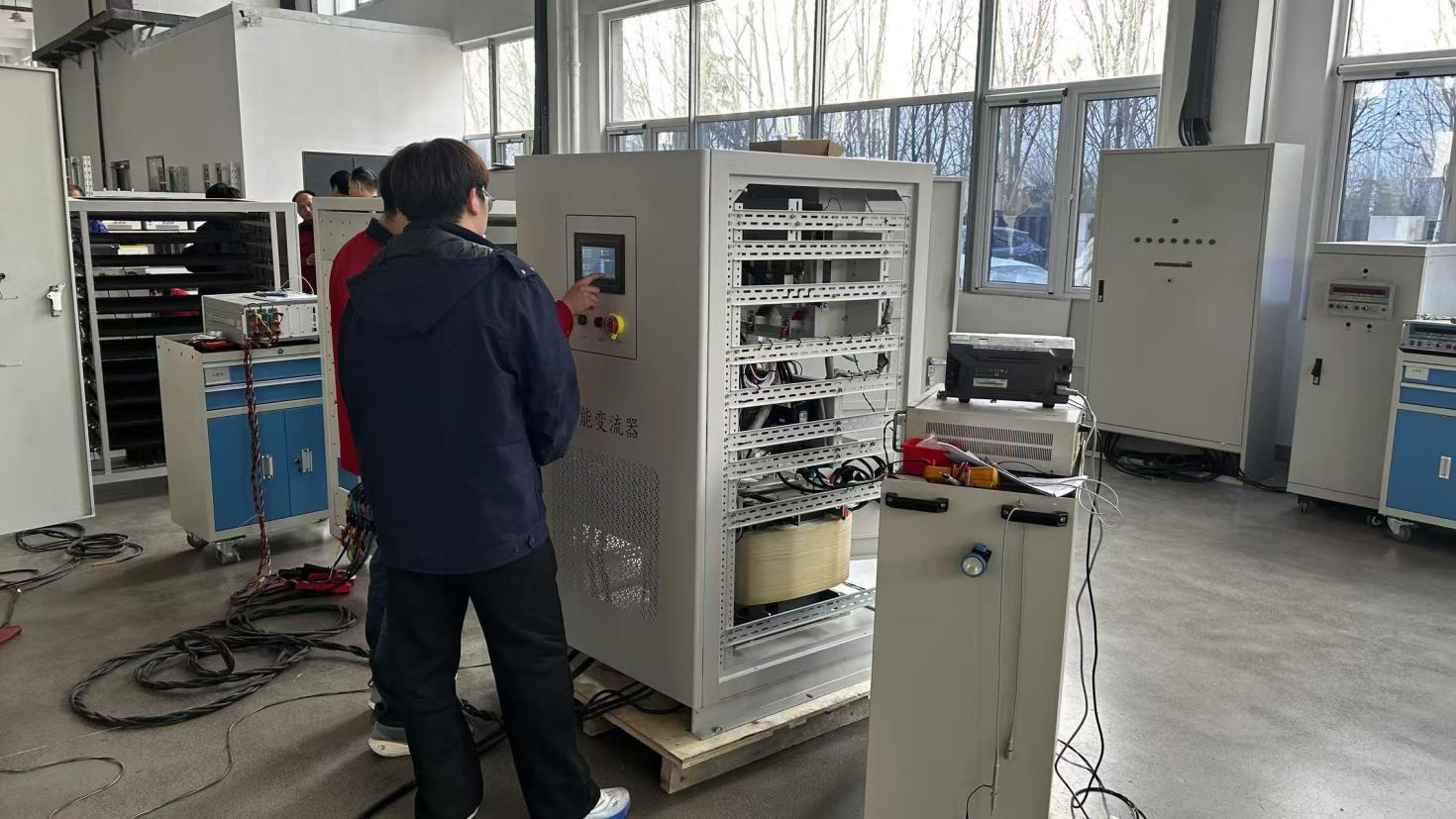
Debugging Process
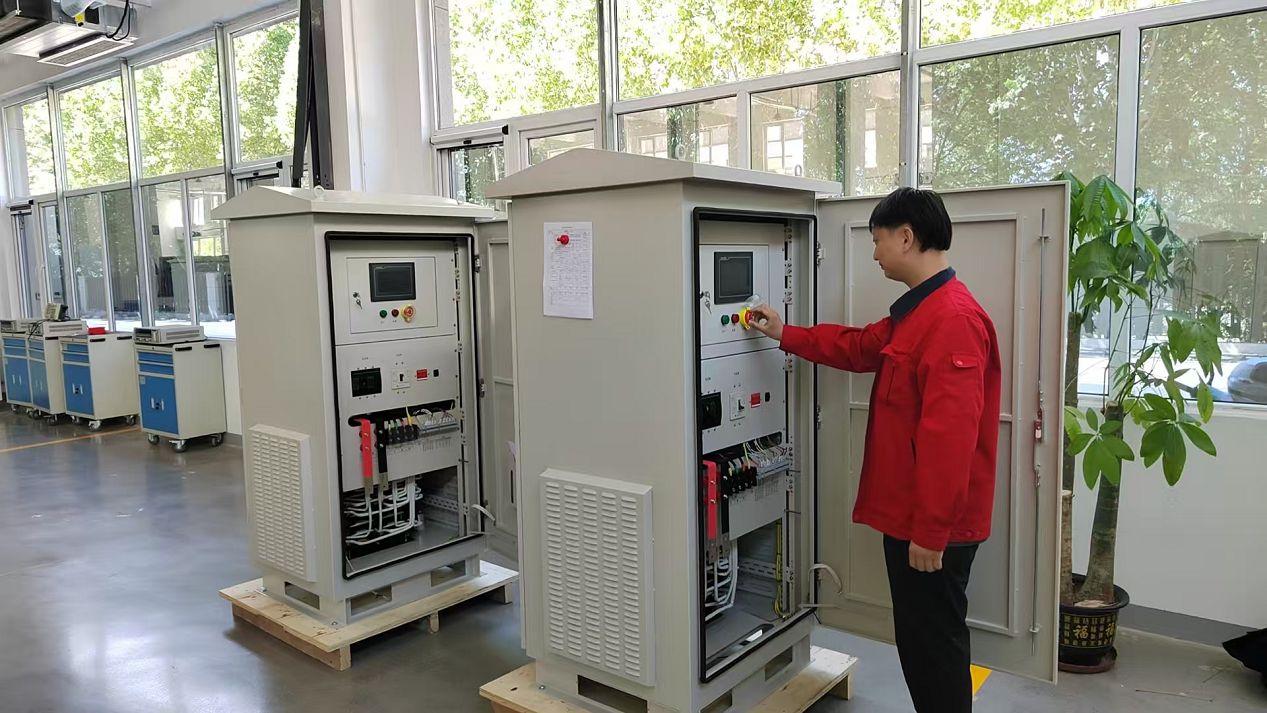
Quality Inspection Process
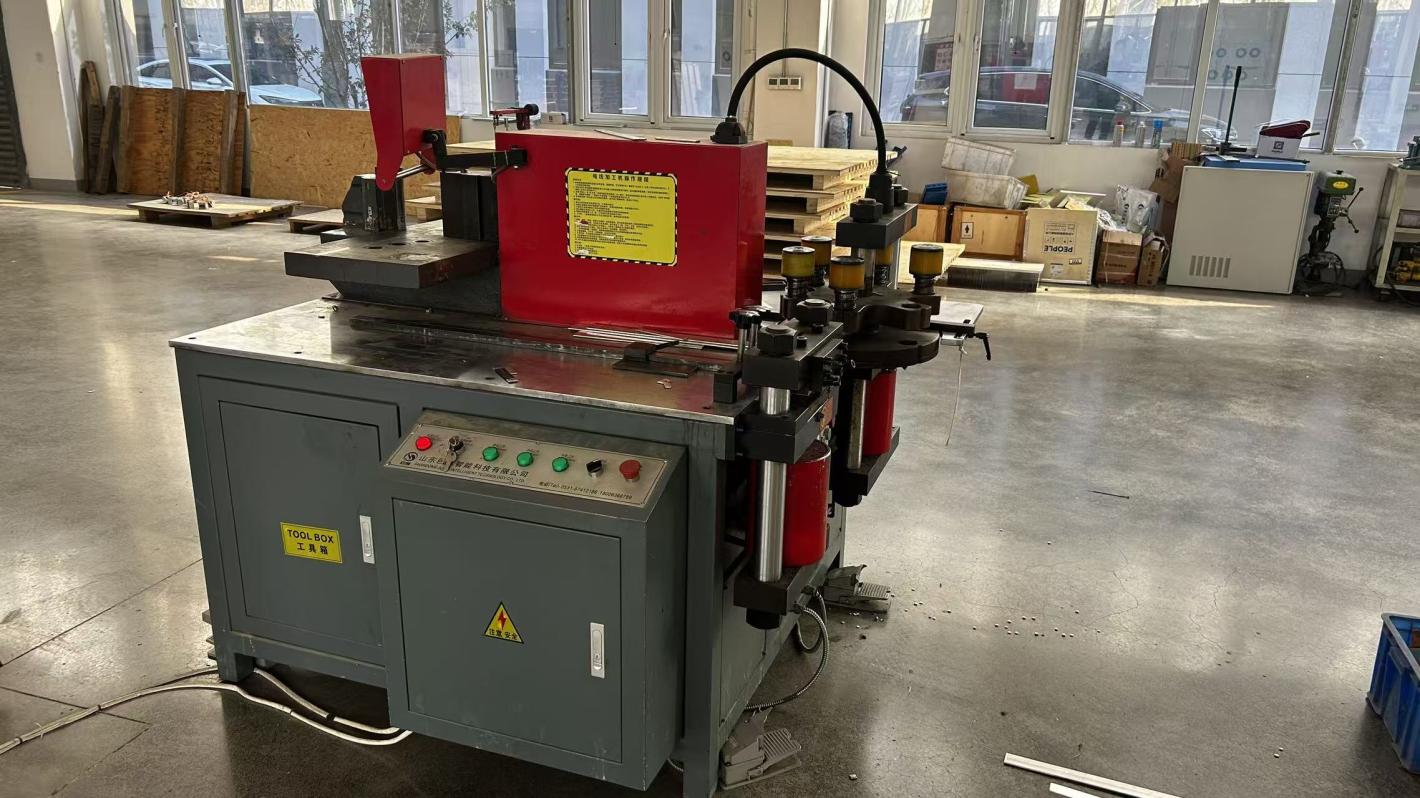
Copper Bar Production Equipment
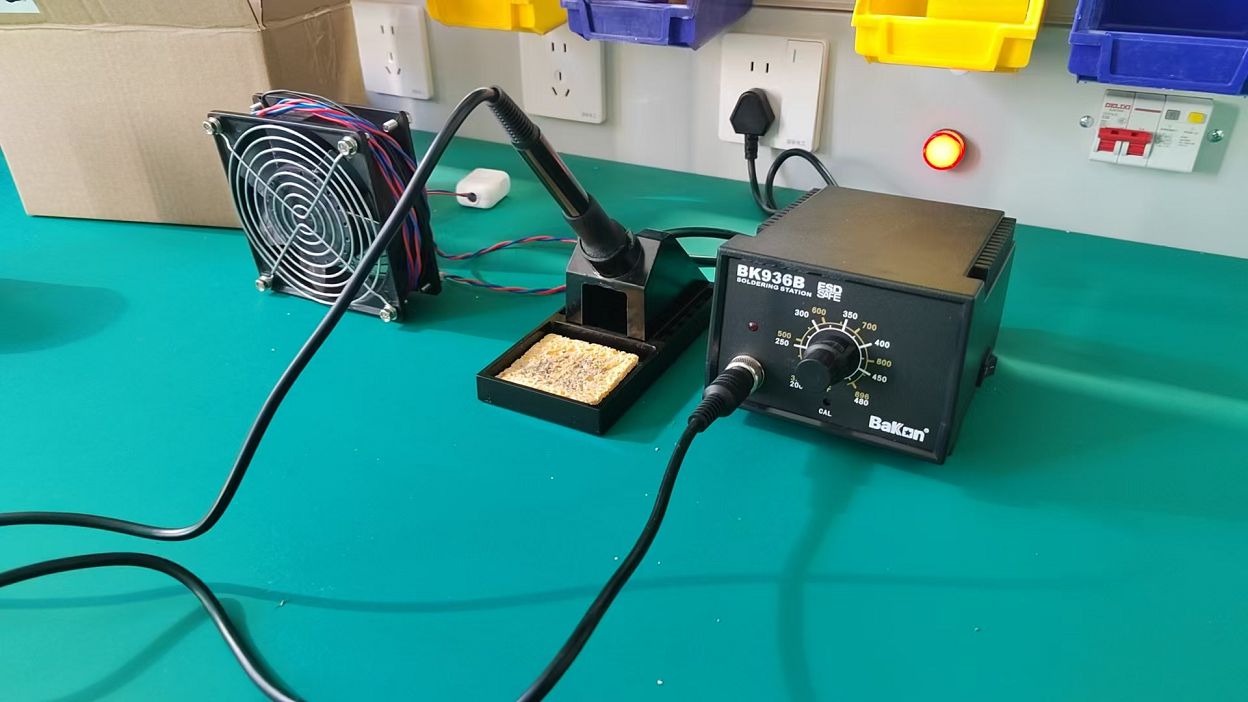
Electric Ferrowire Station
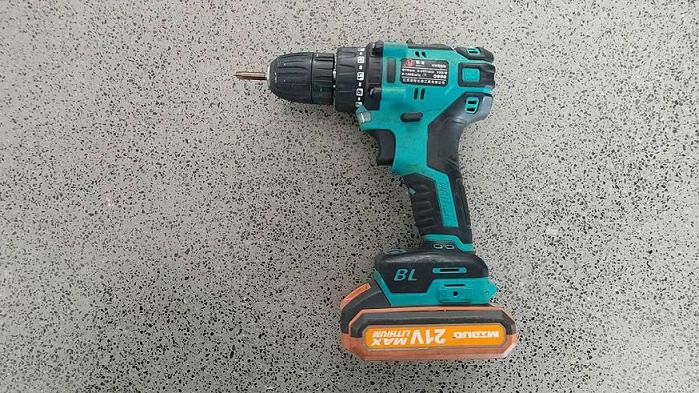
Precision Drills
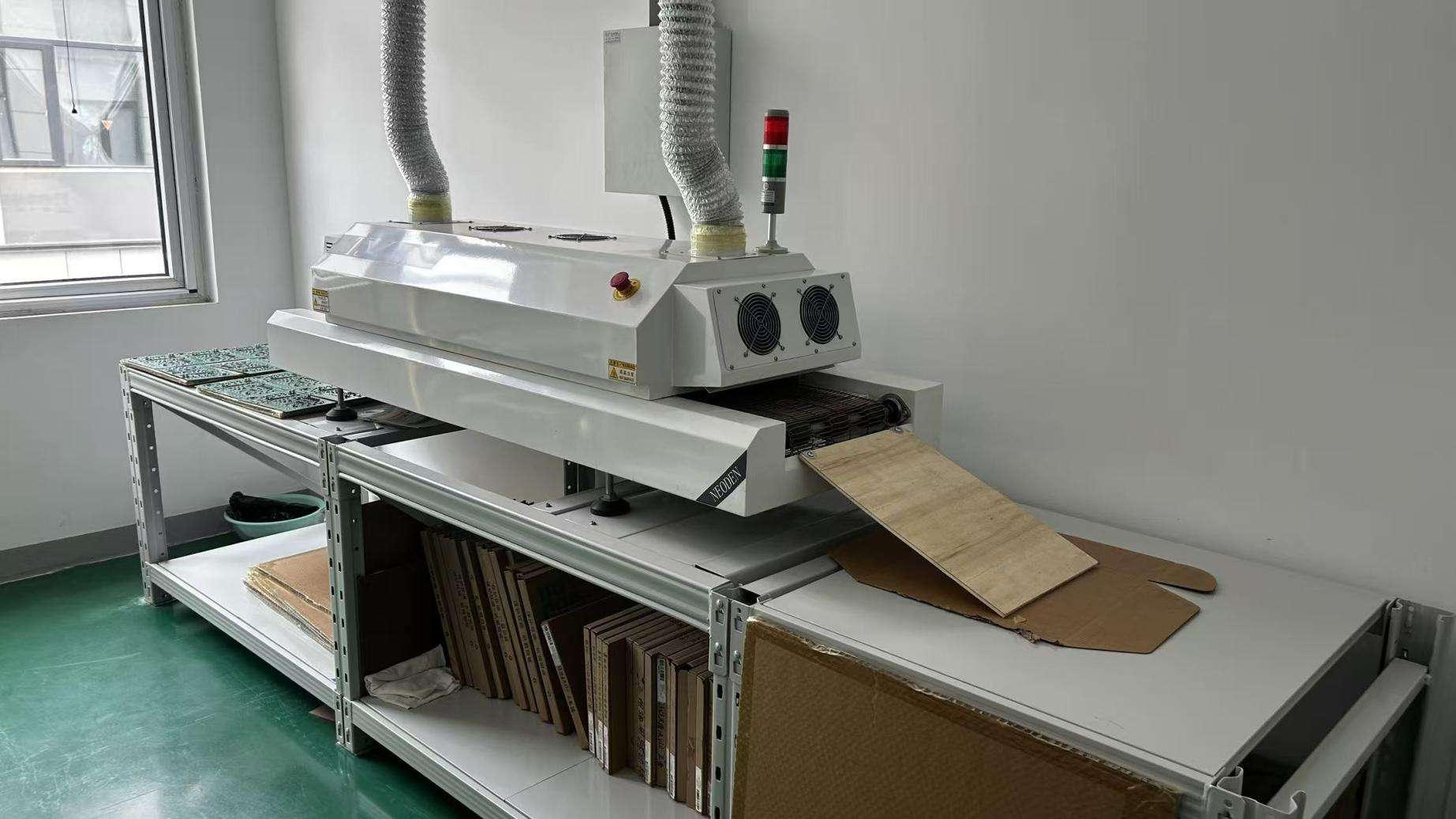
Reflow Soldering Machine
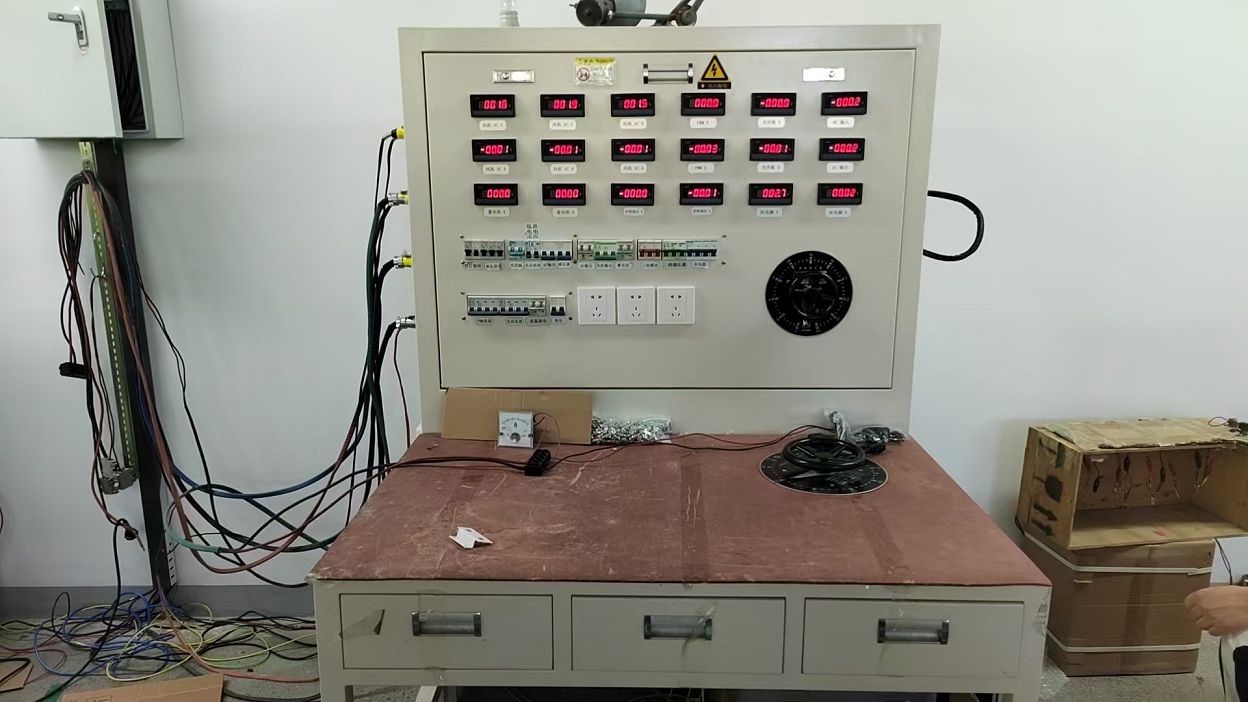
Ergonomic Assembly Workbench
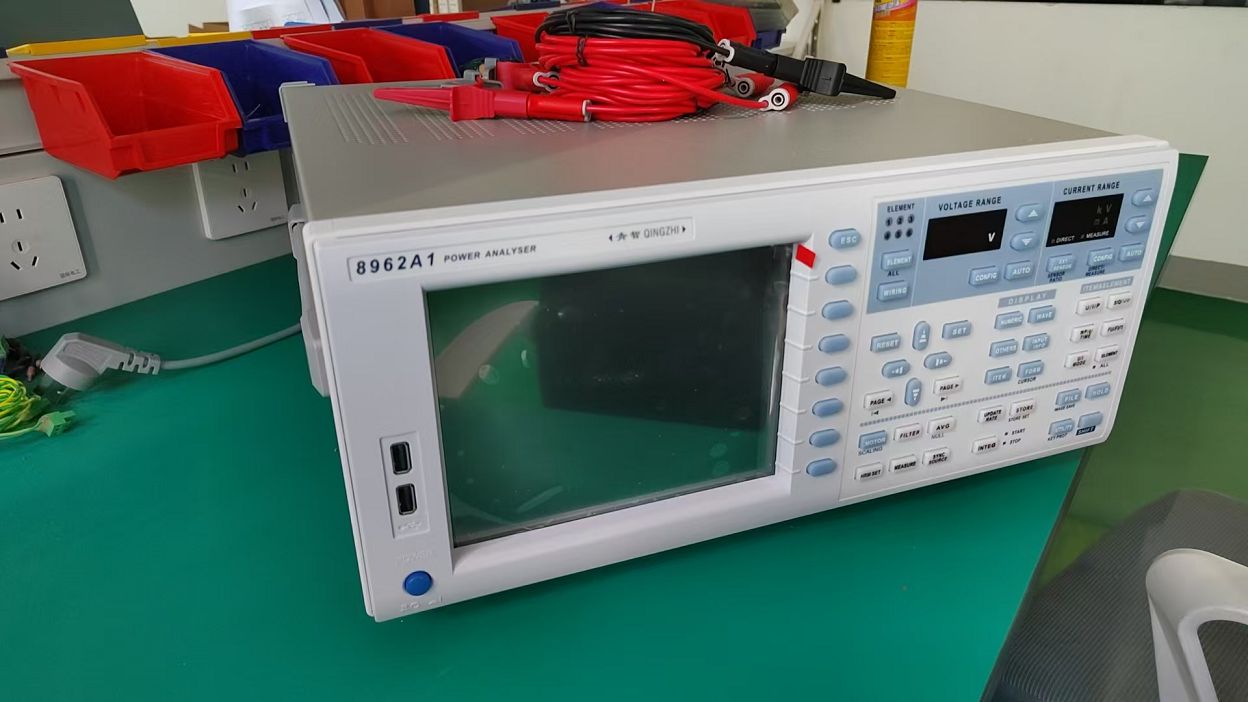
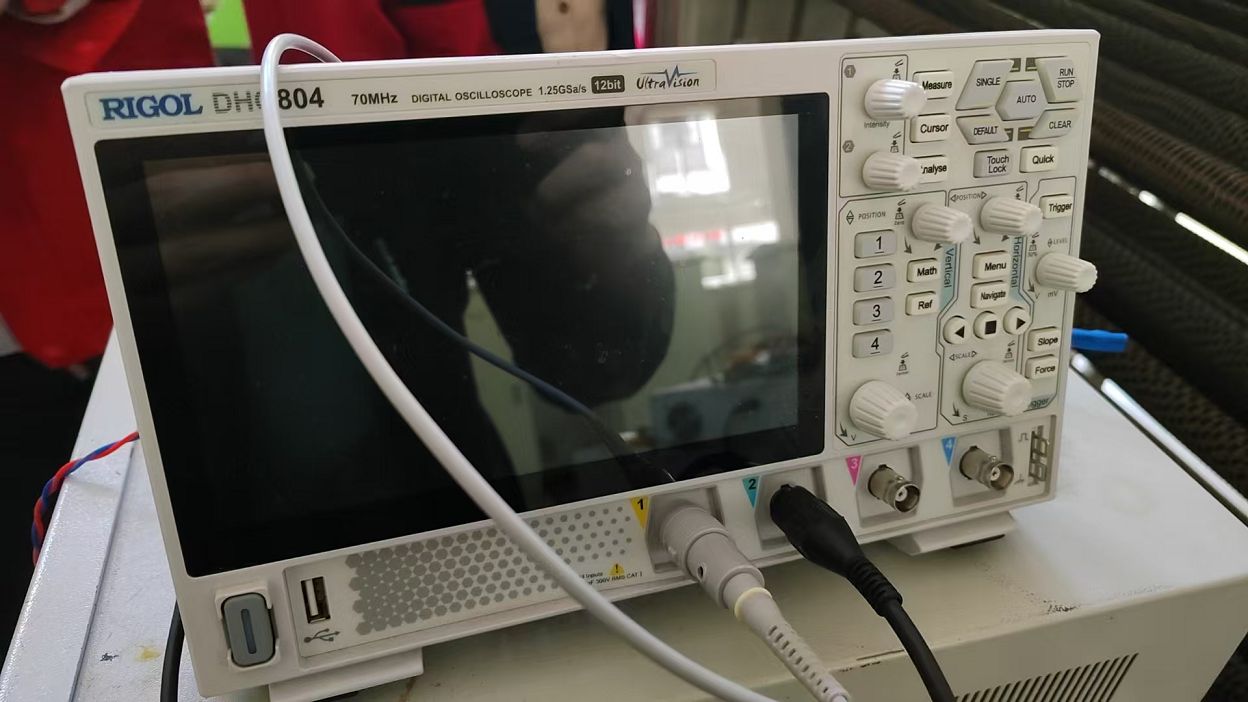
Our commitment to Reliability and Safety is validated by an array of high-precision metrology tools. Power electronic sub-systems must navigate complex testing programs that challenge their component limits before shipping. We ensure all parameters align with strict CE, UL, and IEEE grid compliance standards.
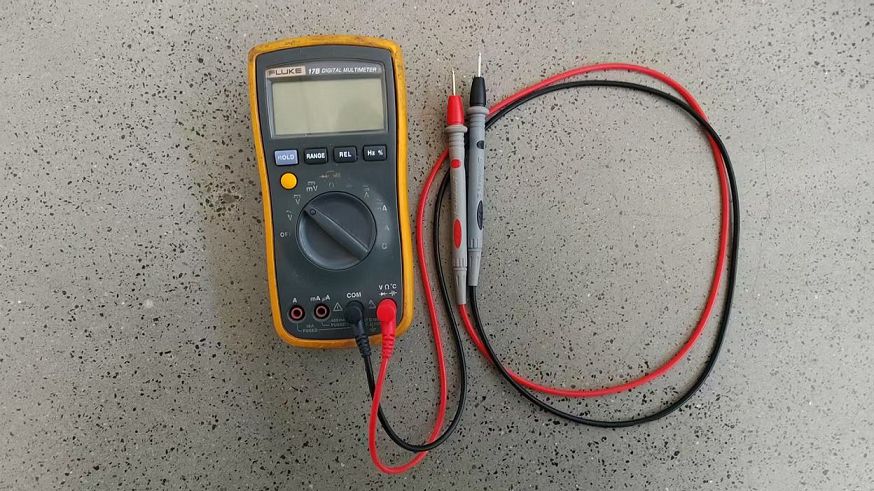
Multimeter Calibration
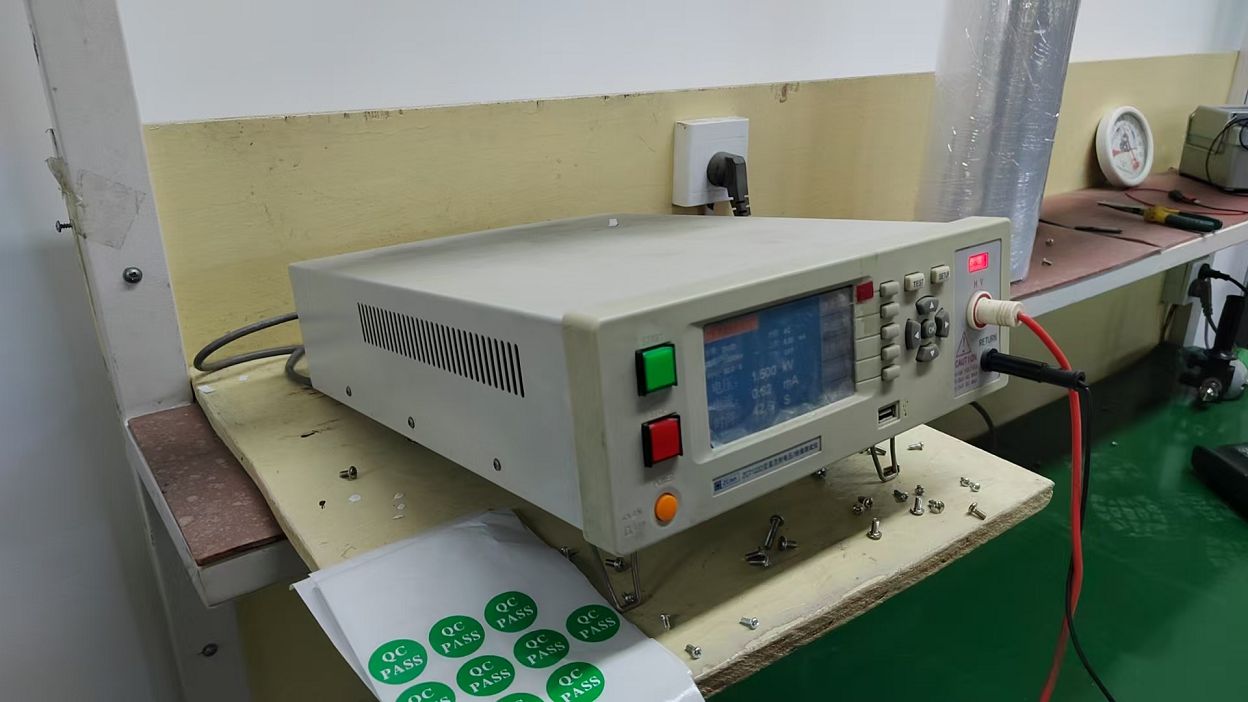
LCR AutoTester Station
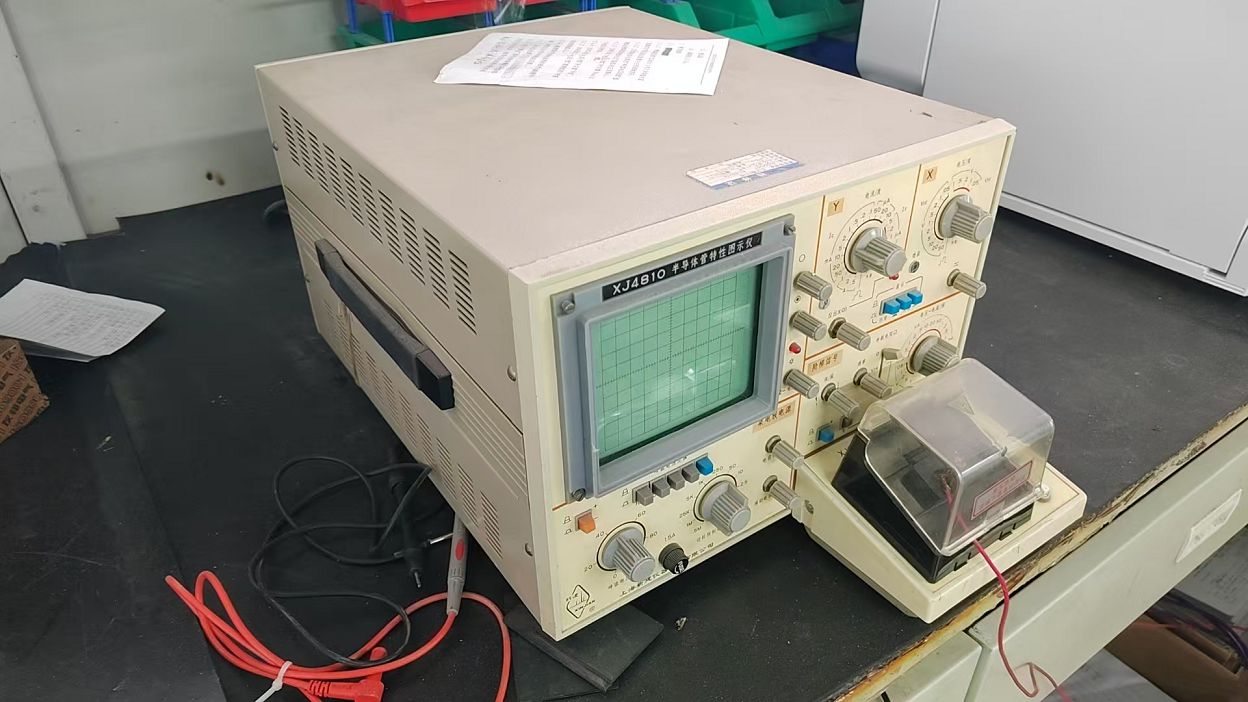
Semiconductor Characteristic Plotter
Digital Oscilloscope Analysis
Power Quality Analyzer
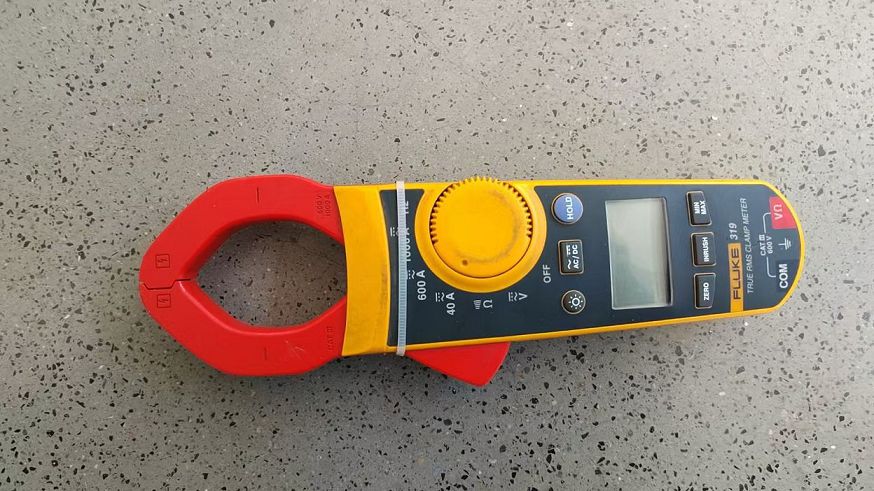
Clamp Current Metrology
The manufacturing process begins at the drawing board. Our R&D engineers utilize hardware-in-the-loop (HIL) simulation and specialized CAD packages to model thermal dispersion, transient voltage peaks, and electromagnetic interference (EMI). This process guarantees that every structural copper bar and inductor cabinet layout is optimized before fabrication.
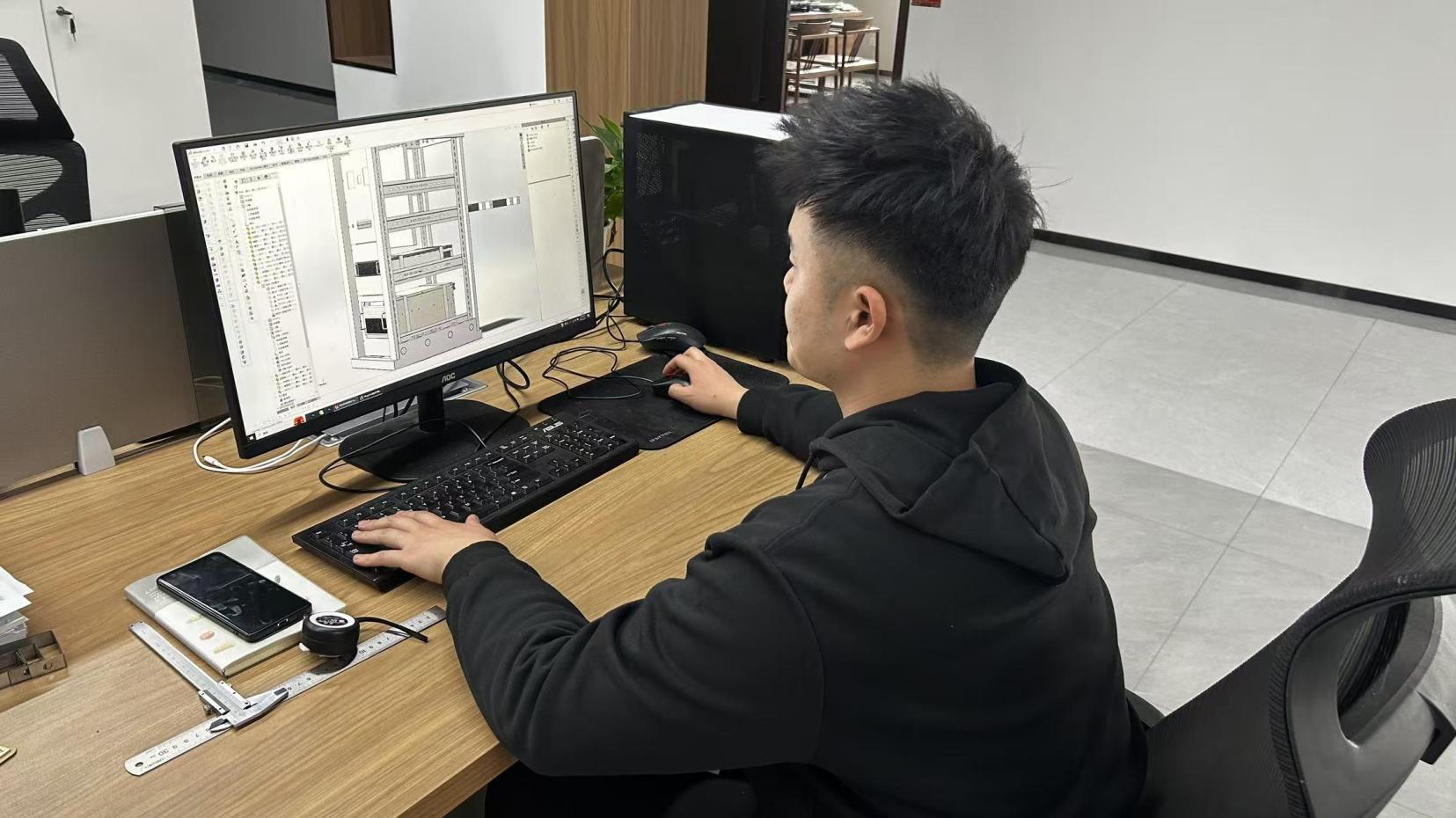
Drawing Design
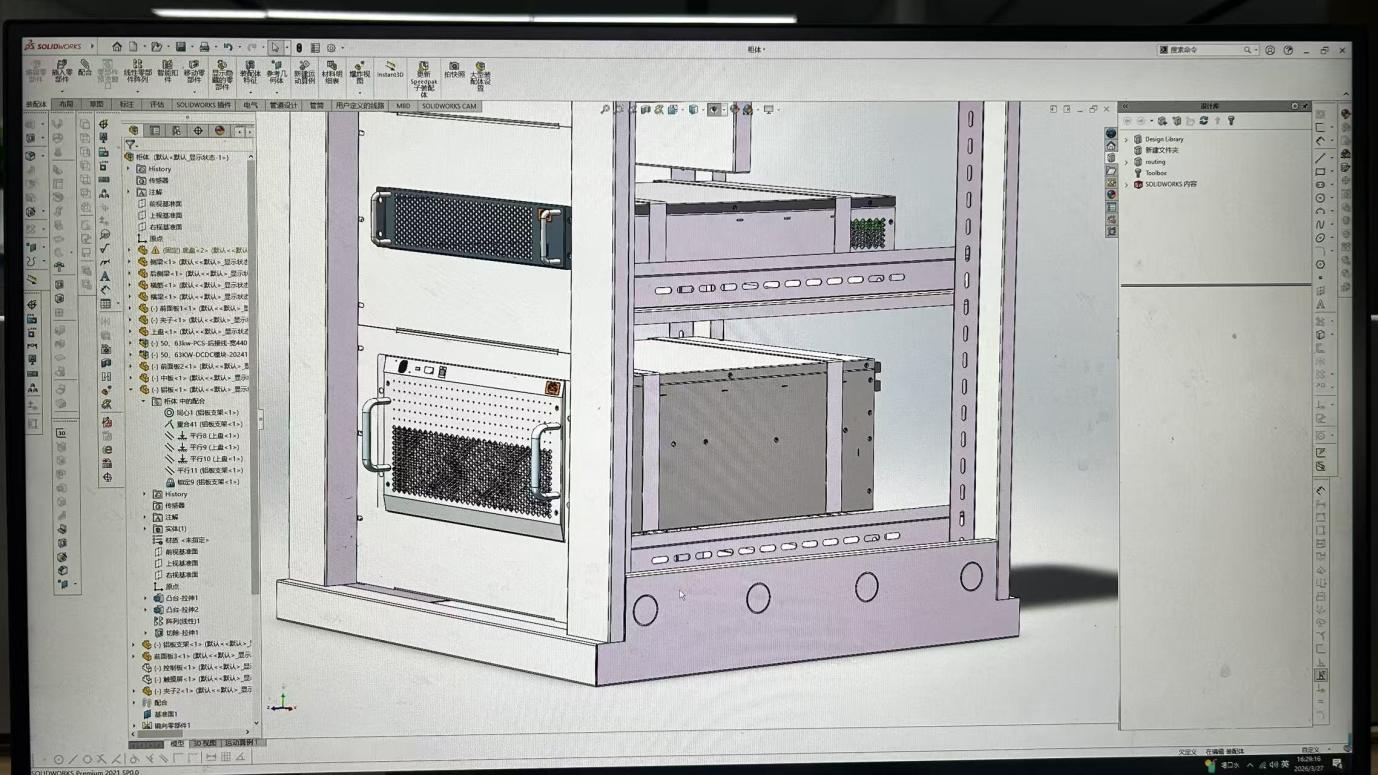
CAD Station Modeling
Procuring utility-grade power conversion equipment requires navigating a complex matrix of regulatory, geographical, and technical factors. Industry procurement teams should prioritize the following key benchmarks during the vetting stage:
Ensure the equipment supports required local codes such as IEEE 1547, UL 1741, or European CE rules. Systems must offer adjustable reactive/active power curves and support Low-Voltage Ride-Through (LVRT) to ensure grid stability.
Outdoor applications require robust dust and water protection, typically NEMA 3R or IP55/IP66 enclosures. High-ambient locations demand intelligent forced-air or liquid cooling systems to maintain performance.
TCO is driven by conversion efficiency and component durability. Procuring equipment with high conversion efficiency (such as 99% AC/DC designs) directly reduces energy losses and maximizes lifetime ROI.
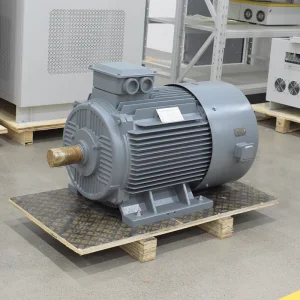
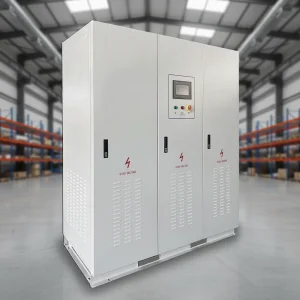
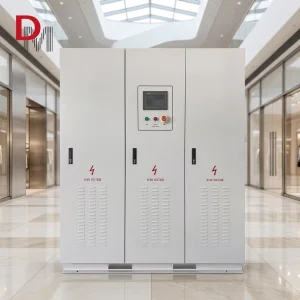
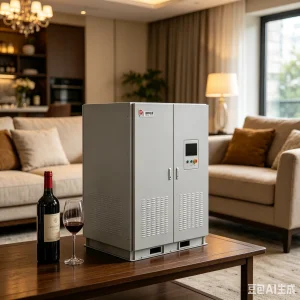
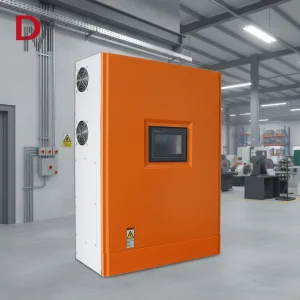
In facilities operating heavy automated production machinery, power quality variations can trigger expensive process shutdowns. Deploying three-phase bidirectional inverters with advanced voltage regulation prevents localized voltage drops and buffers reactive power surges, shielding downstream precision equipment.
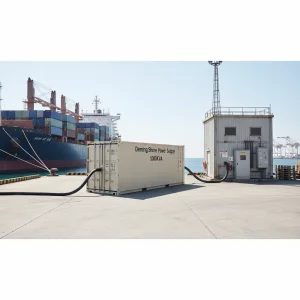
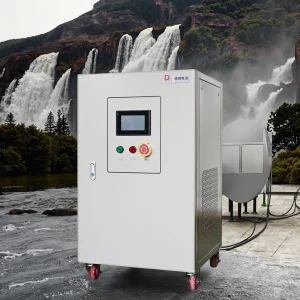
Modern commercial ports are moving away from onboard diesel auxiliary engines to reduce localized emissions. Highly robust portside shore power converters bridge the gap between regional 50Hz/60Hz grids and maritime distribution boards, ensuring clean, high-power energy transfer under changing load demands.
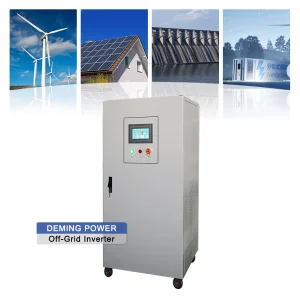
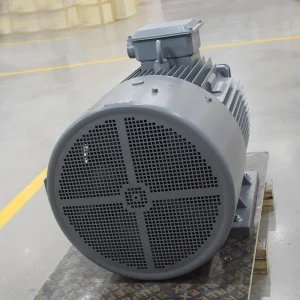
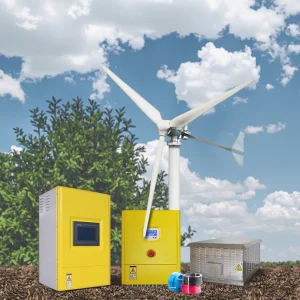
Off-grid sites depend on reliable voltage regulation to handle the intermittent nature of wind and hydro resources. Permanent magnet generators combined with automatic voltage regulators (AVR) ensure smooth electrical output, preventing equipment damage caused by wind gusts or water flow variations.
Critical engineering answers to guide energy storage procurement teams and plant managers.
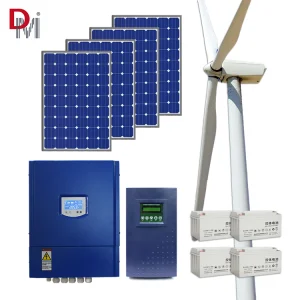
Browse our broader range of high-performance charge controllers, hybrid wind-solar systems, and megawatt-ready components.
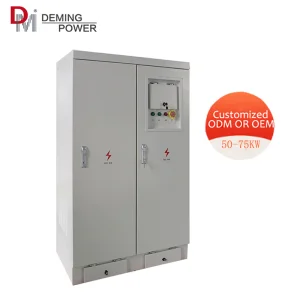
 Demin Power