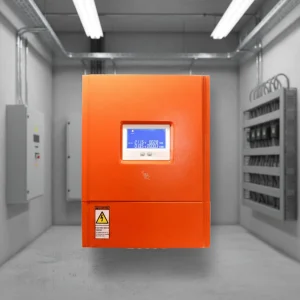
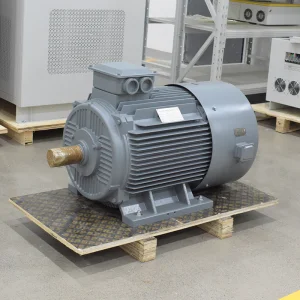
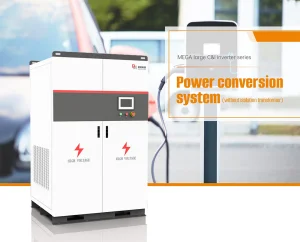
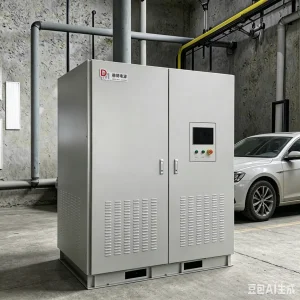
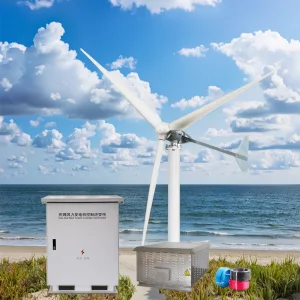
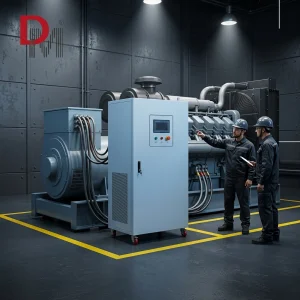
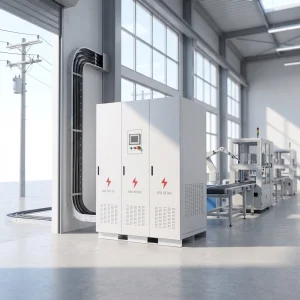
Explore our core engineering catalog featuring advanced grid-tied converters, robust voltage regulators, and high-efficiency permanent magnet systems designed for fluctuating ocean environments.
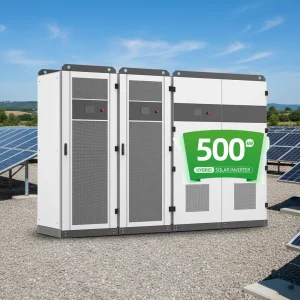
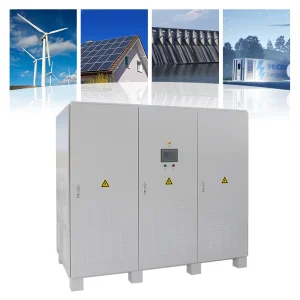
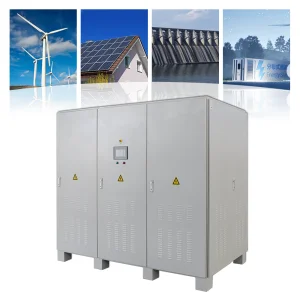
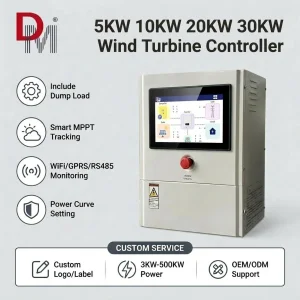
A comprehensive industrial analysis of hydrodynamic challenges and advanced power conversion topologies.
As global power markets pivot toward decarbonization, marine renewable energy (MRE)—specifically tidal stream, tidal range, and wave energy—presents an untapped frontier of baseload-like energy. Unlike standard onshore wind or solar PV installations, which are vulnerable to localized meteorological shifts, ocean currents are driven by gravitational forces. This makes them highly predictable days, months, and even years in advance.
Despite this potential, commercial scale has long been hindered by the extreme stress of marine deployment. Tidal turbines operates in high-salinity, high-pressure environments, requiring underwater power conversion architectures that can withstand harsh operating conditions. Deming Power specializes in solving these issues by designing systems that rectify variable frequency and amplitude outputs from subsea permanent magnet generators (PMGs) and convert them into stable AC/DC grids.
At the core of ocean kinetic energy conversion is the variable-speed generator control. Marine turbines generate power over a broad range of rotational speeds (RPM). Standard grid-tied converters fail under these conditions because they lack the high-frequency response needed to handle rapid torque transitions.
Deming Power's dual-stage converters utilize active front-end (AFE) rectifiers, enabling real-time maximum power point tracking (MPPT) tailored specifically for hydrodynamics. This allows the system to maximize energy extraction from slow tidal streams while protecting structural components against electrical overload during peak storm conditions.
How Jinan Deming Power Equipment Co., Ltd. builds industrial-grade power electronics for offshore ecosystems.
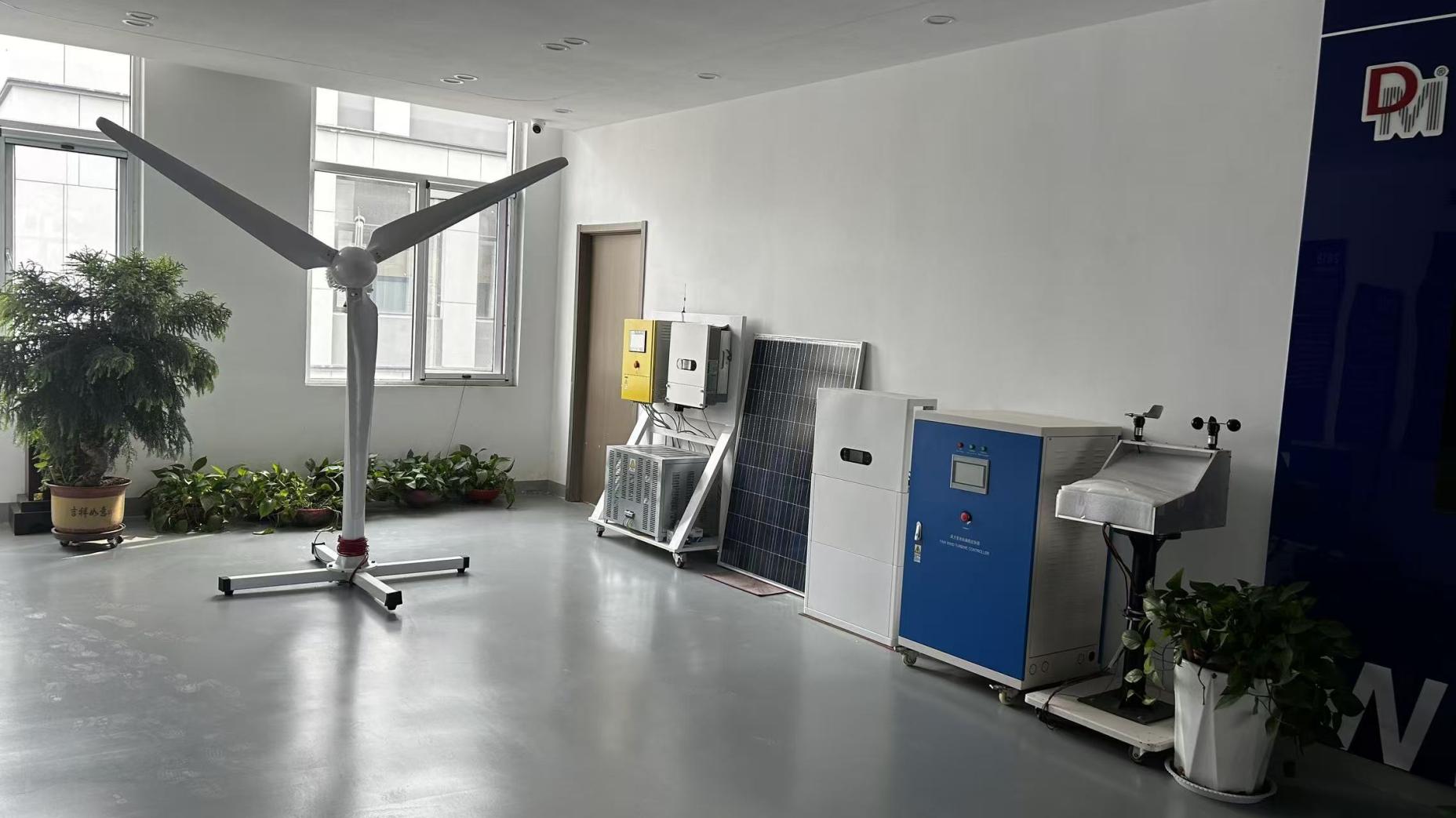
Established in 2004, Jinan Deming Power Equipment Co., Ltd. is a nationally recognized high-tech enterprise. For over two decades, we have focused on the research, development, production, and service of renewable energy power equipment and testing solutions. With ISO9001:2015 certification, we have been recognized as a high-tech enterprise by the Chinese government multiple times (2015, 2018).
Our engineering department is powered by 16 senior engineers, including doctoral supervisors and master's degree holders. We invest no less than 20% of annual sales revenue directly back into R&D. This continuous support has enabled us to finish 17 comprehensive R&D projects in the last three years, transforming 16 scientific and technological achievements directly into commercial products.
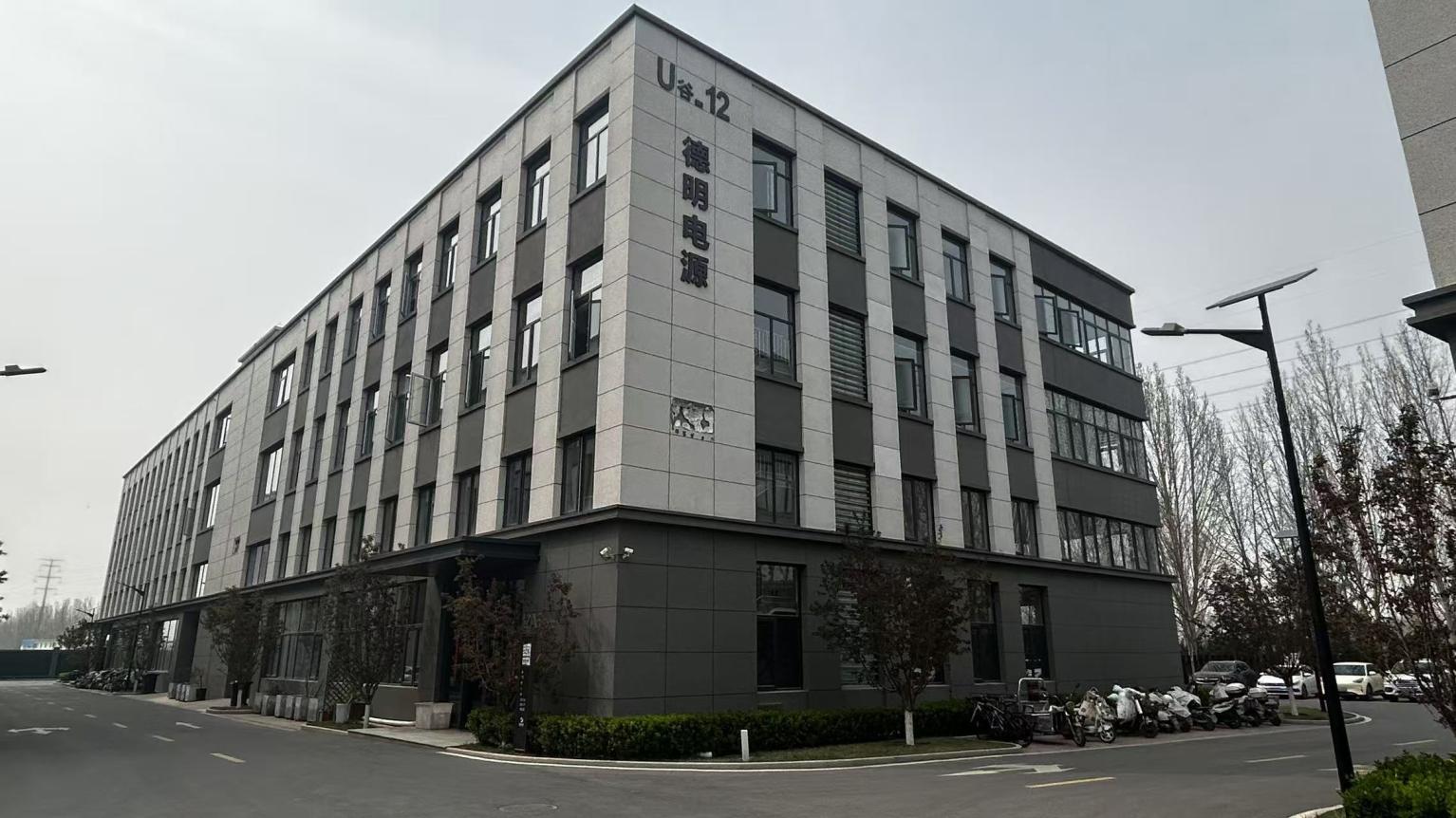
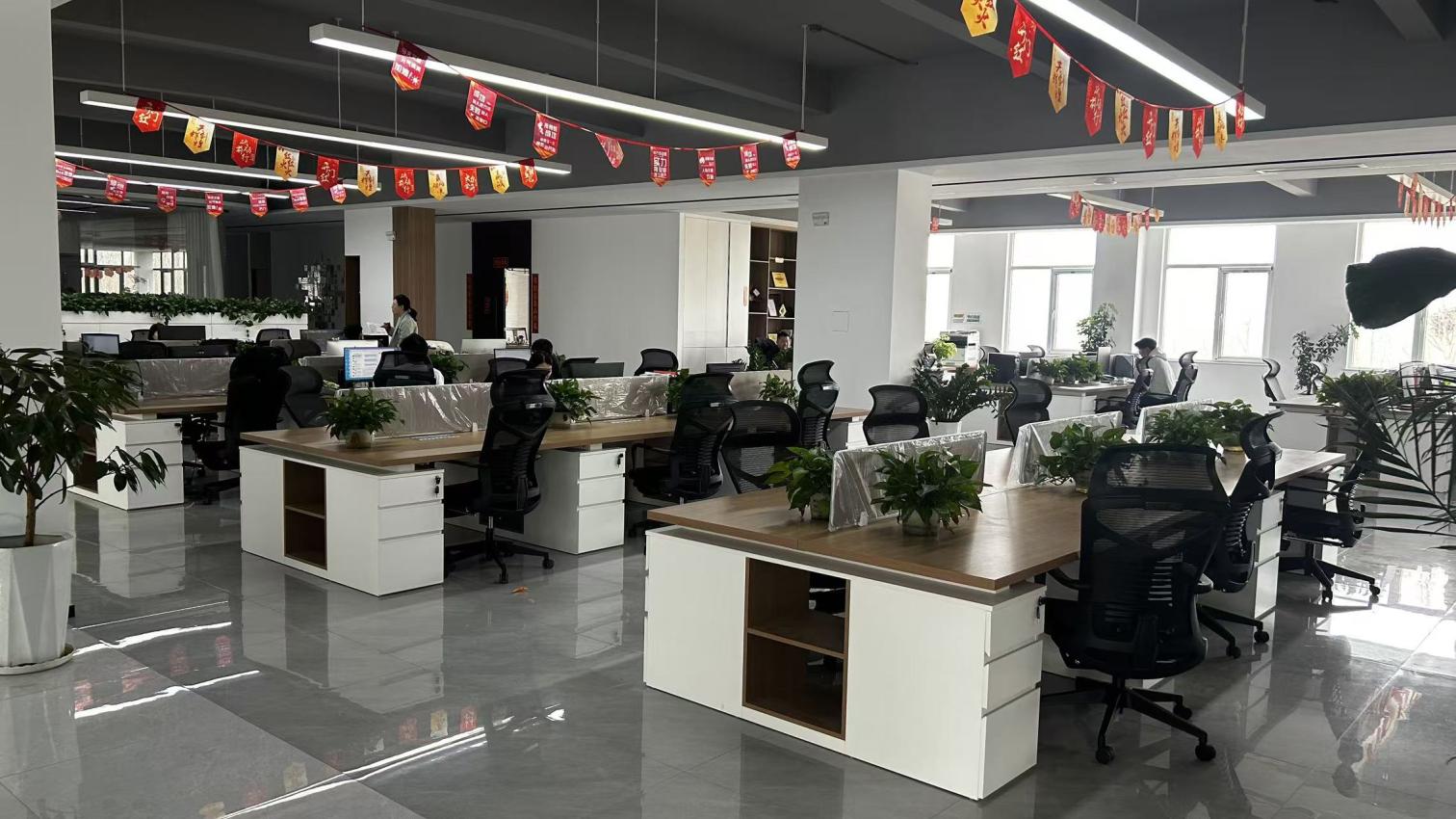
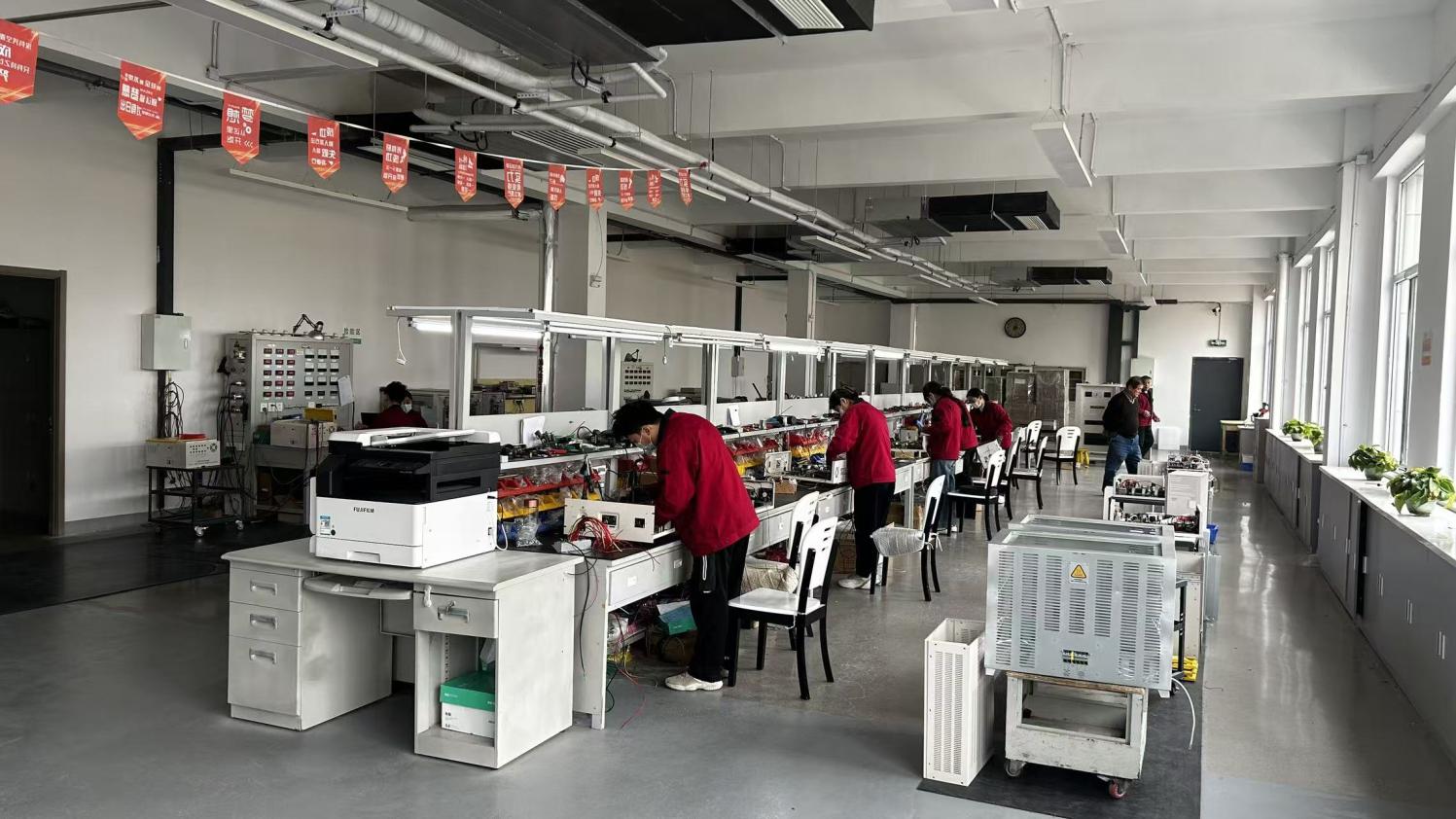
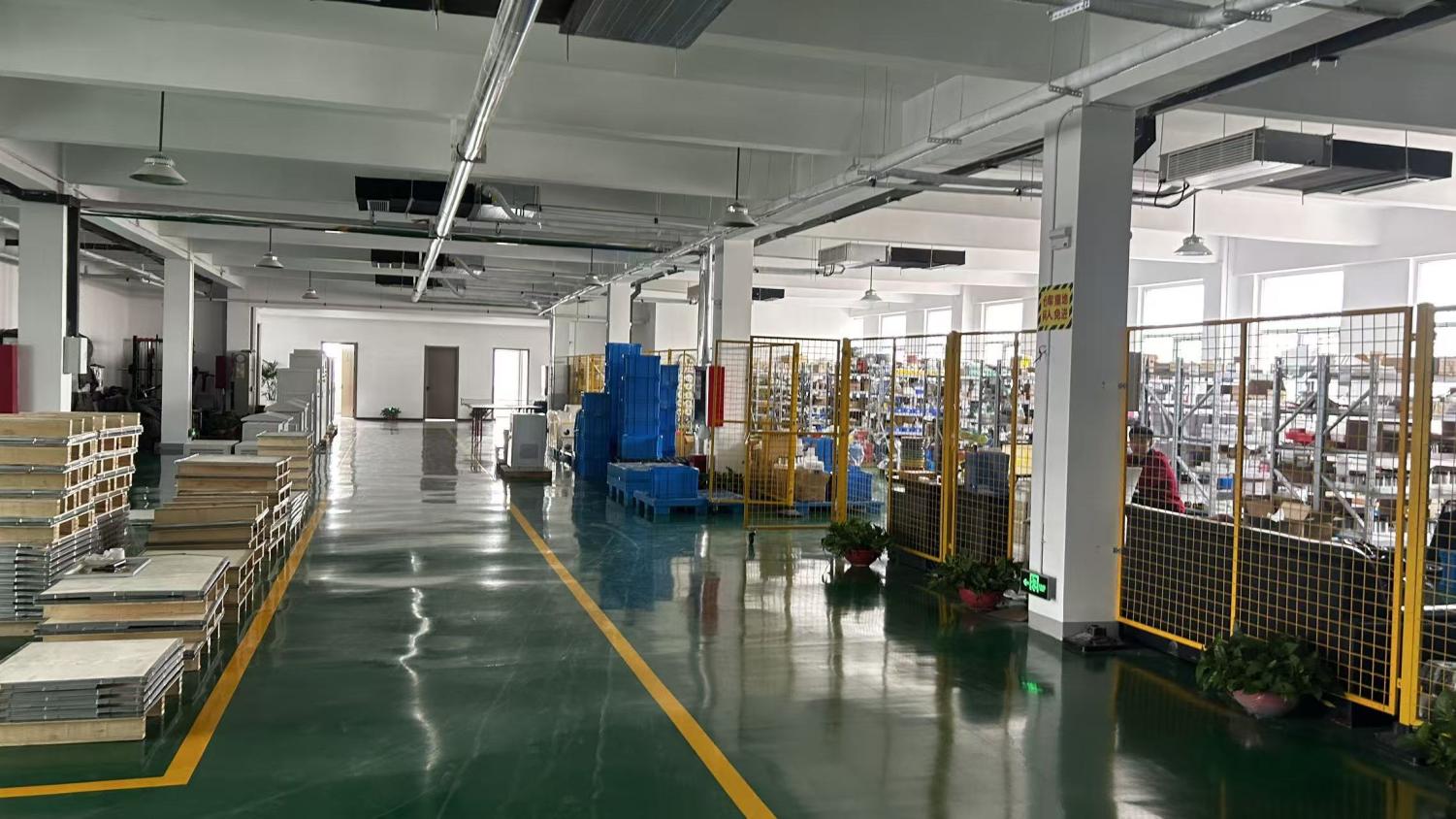
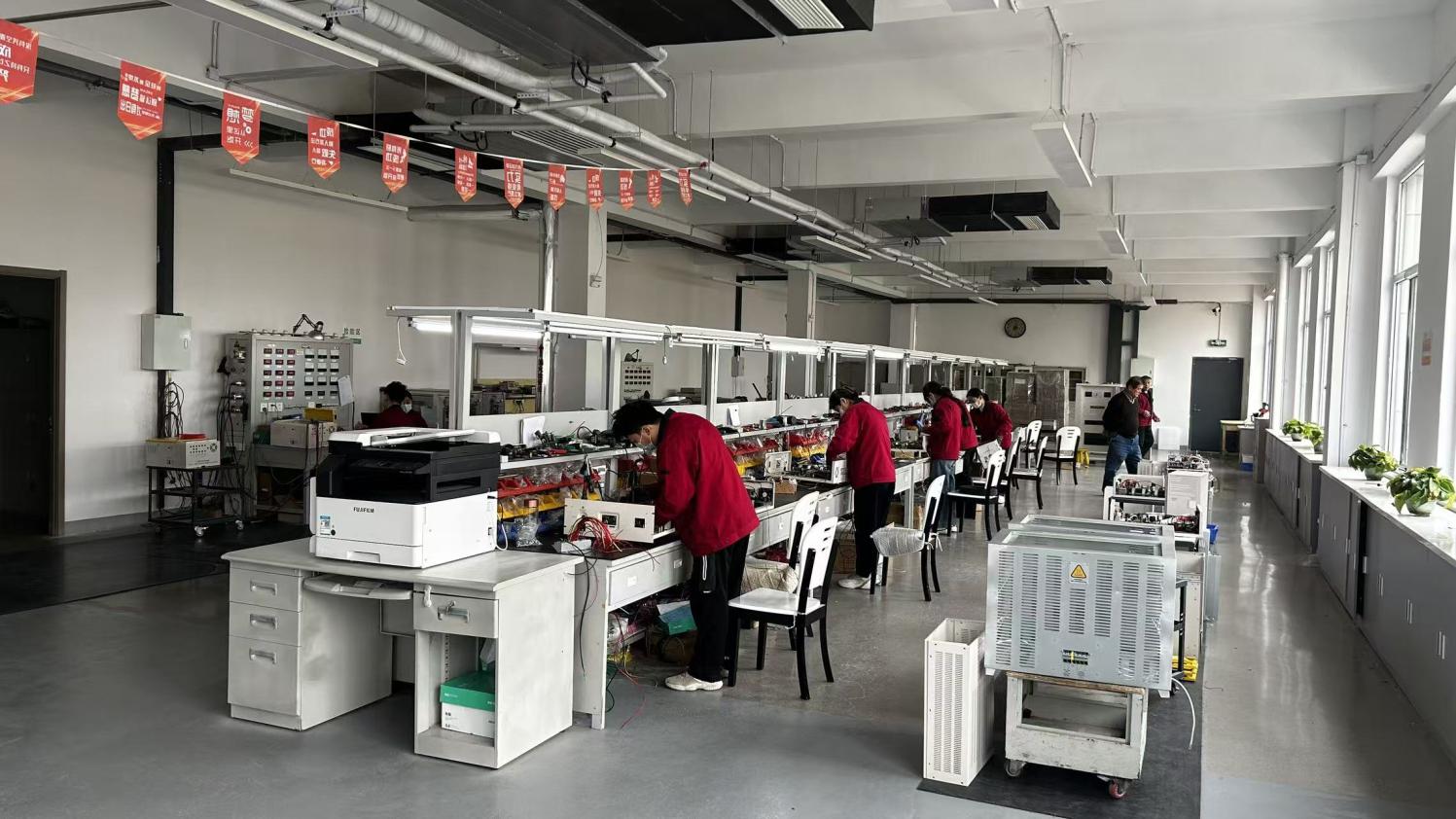
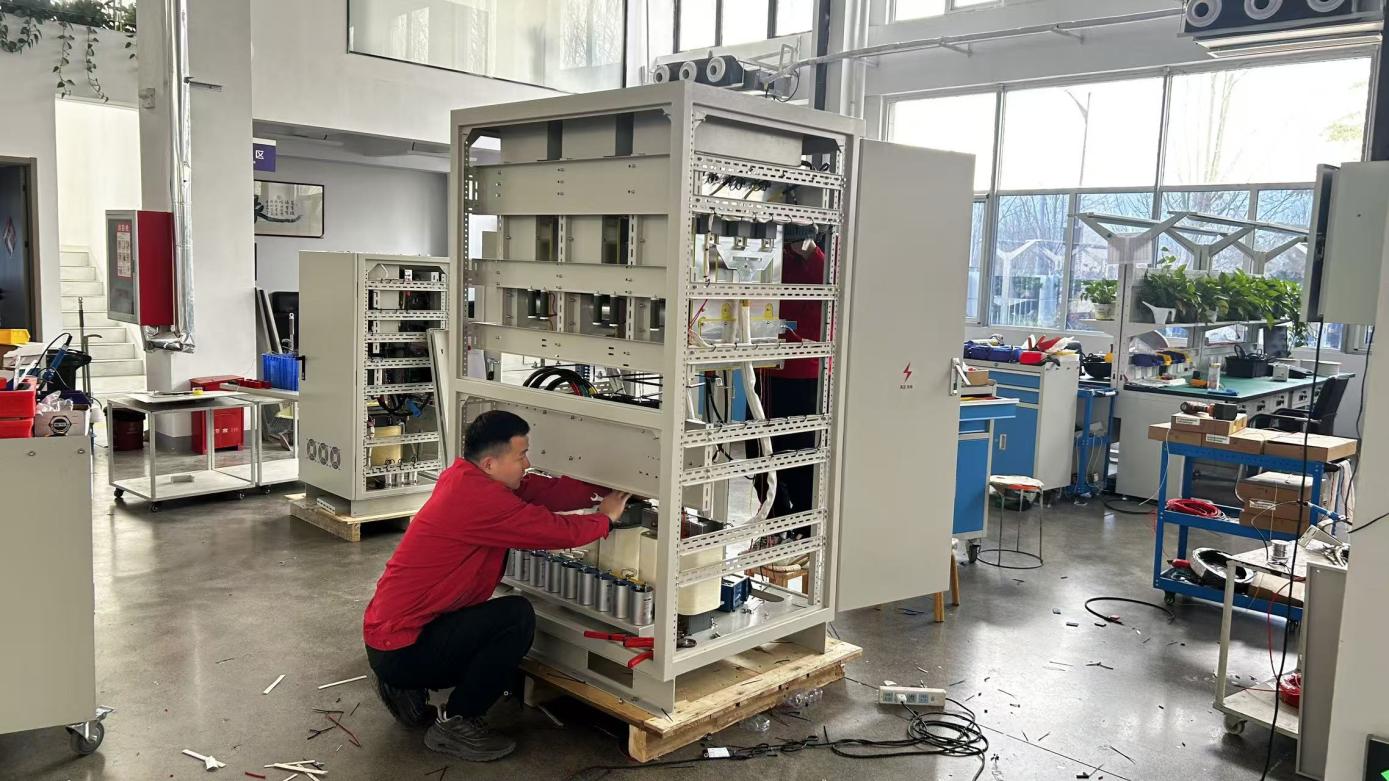
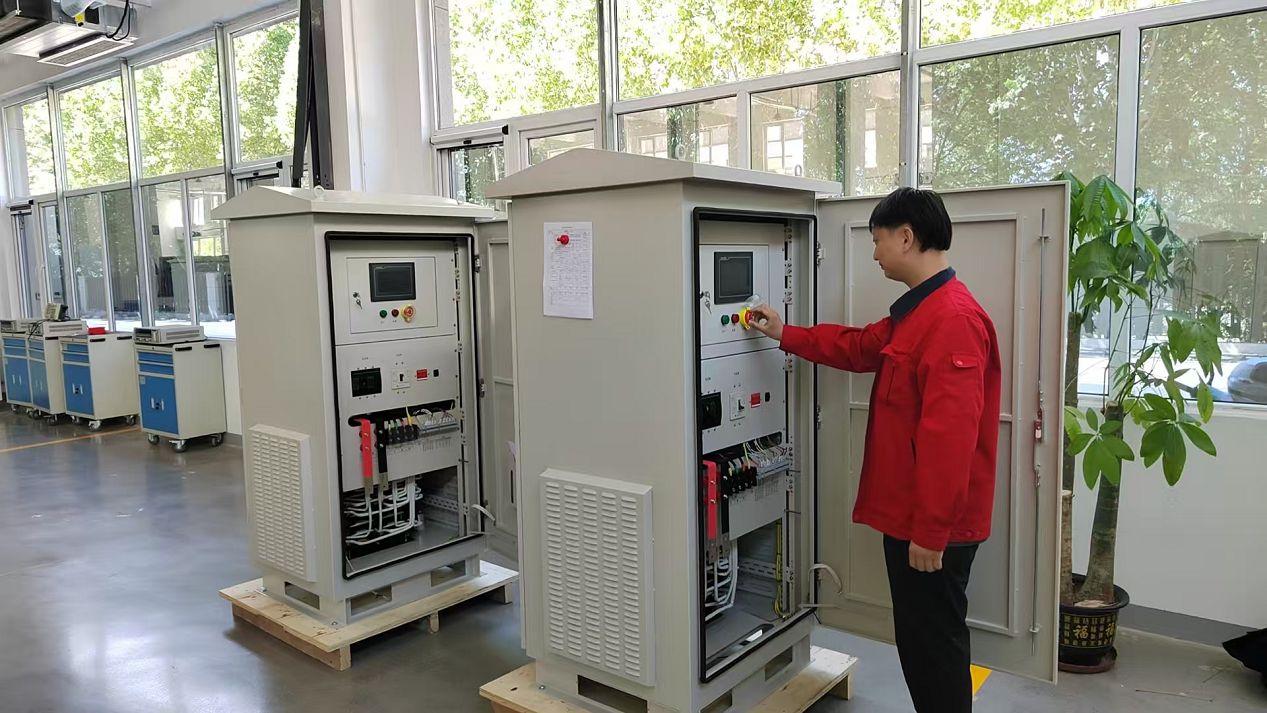
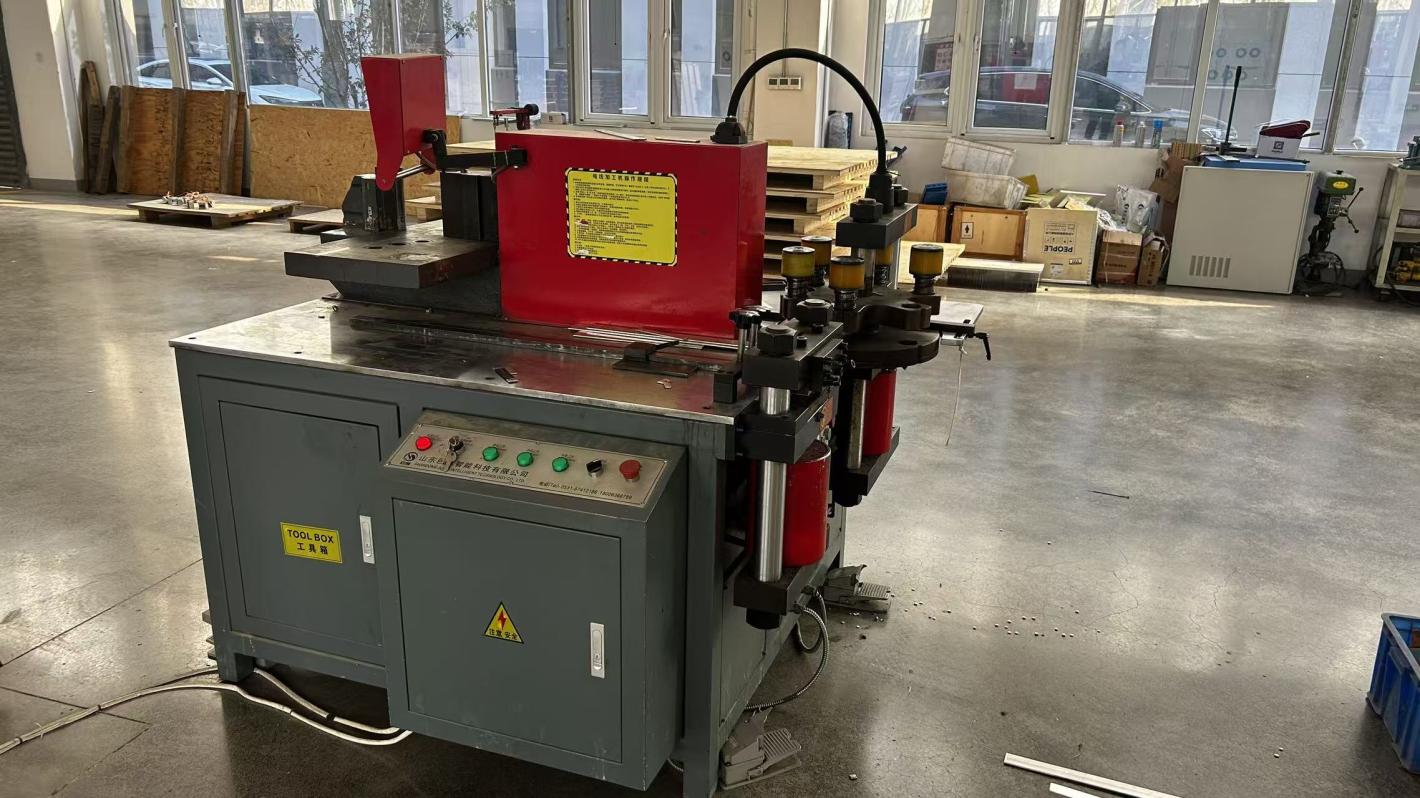
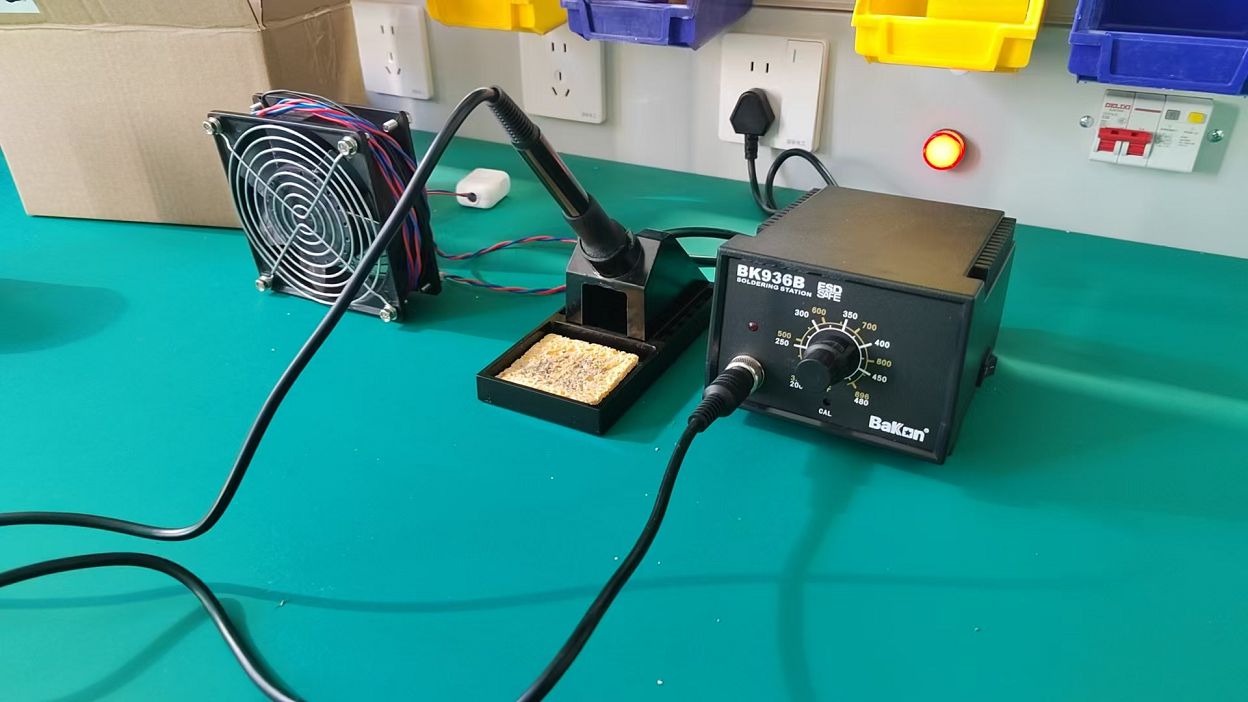
Building hardware for ocean wave and tidal applications requires rigorous quality control. High humidity, salinity, and temperature variations can degrade power electronics. We manage this through automated SMD assembly, multi-pass wave soldering, conformal coating application, and thermal chamber stress tests on all PCBs.
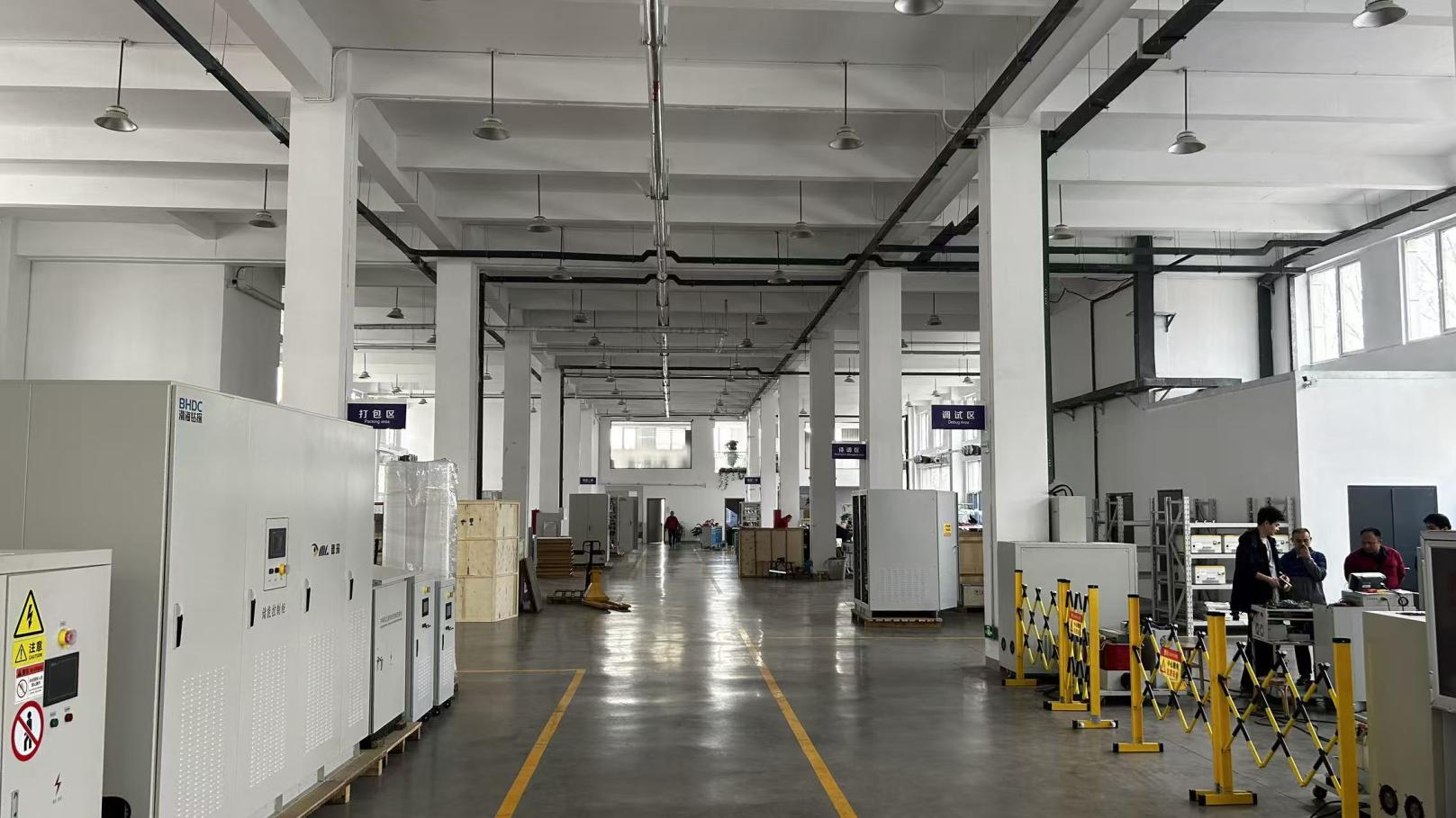
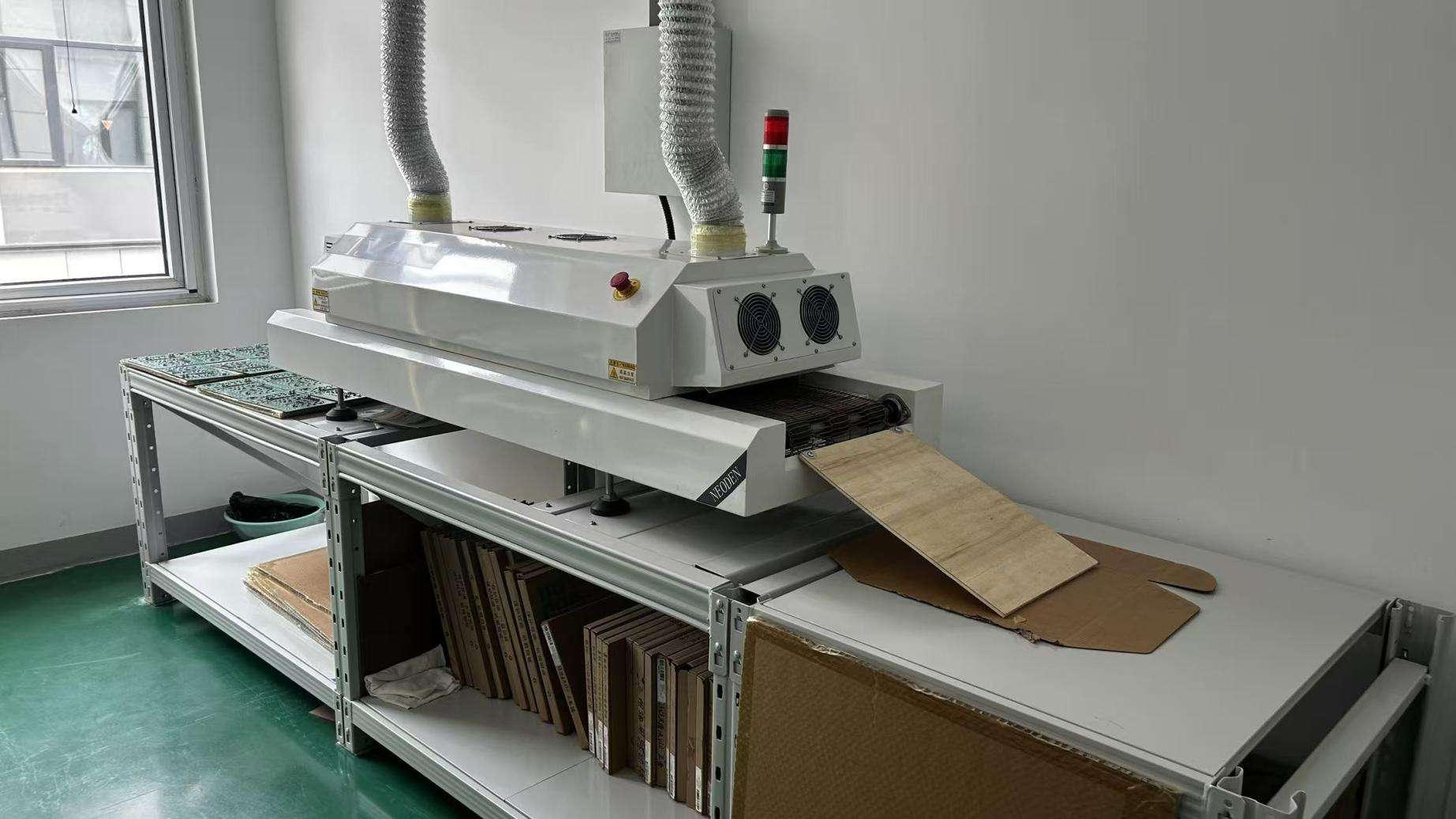
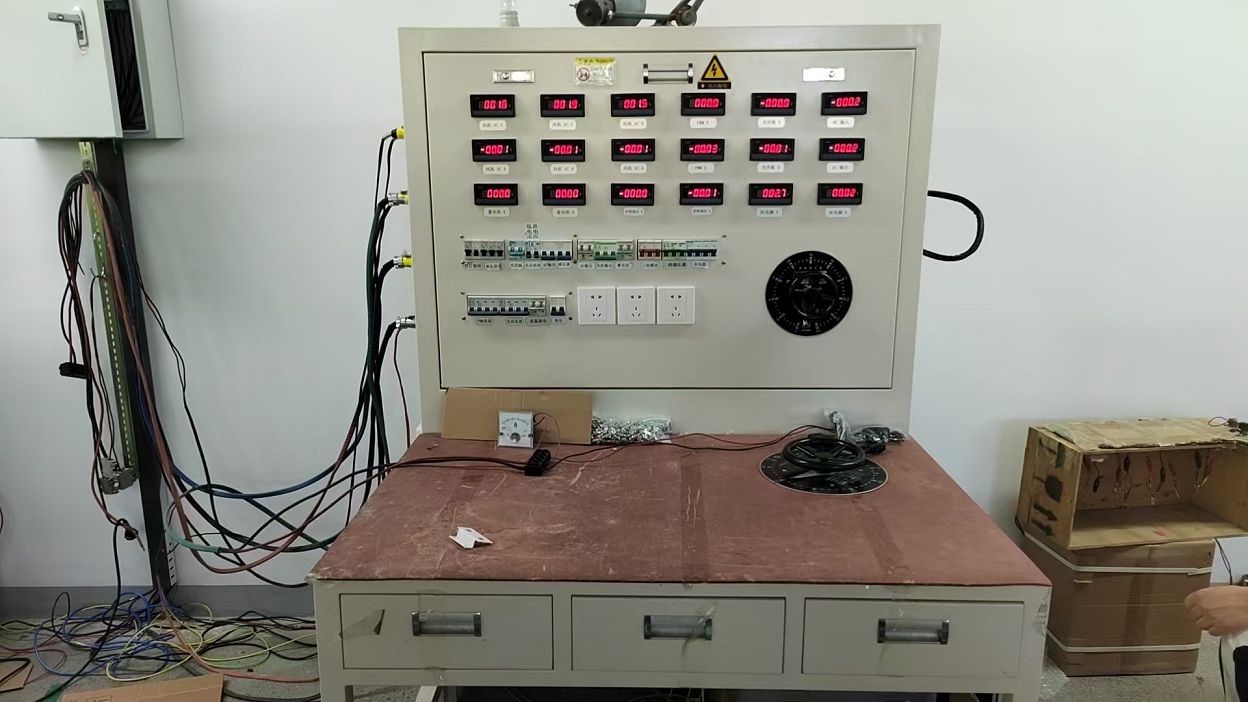
Enabling safe, compliant, and optimized deployments in localized coastal grids worldwide.
Grid operators maintain strict requirements for the injection of renewable energy. Ocean energy conversion systems must comply with standards like IEEE 1547, UL 1741, and European grid codes such as EN 50549. High-power systems must manage reactive power control, prevent harmonic distortion, and offer low-voltage ride-through (LVRT) capabilities.
Deming Power converters address these needs through built-in active filtering that keeps Total Harmonic Distortion (THD) below 3%. This prevents voltage fluctuations and safeguards local substations against electrical disruptions.
Our converters are configured for diverse off-grid and grid-connected maritime configurations:
How we utilize advanced measurement tools to guarantee field performance in extreme locations.
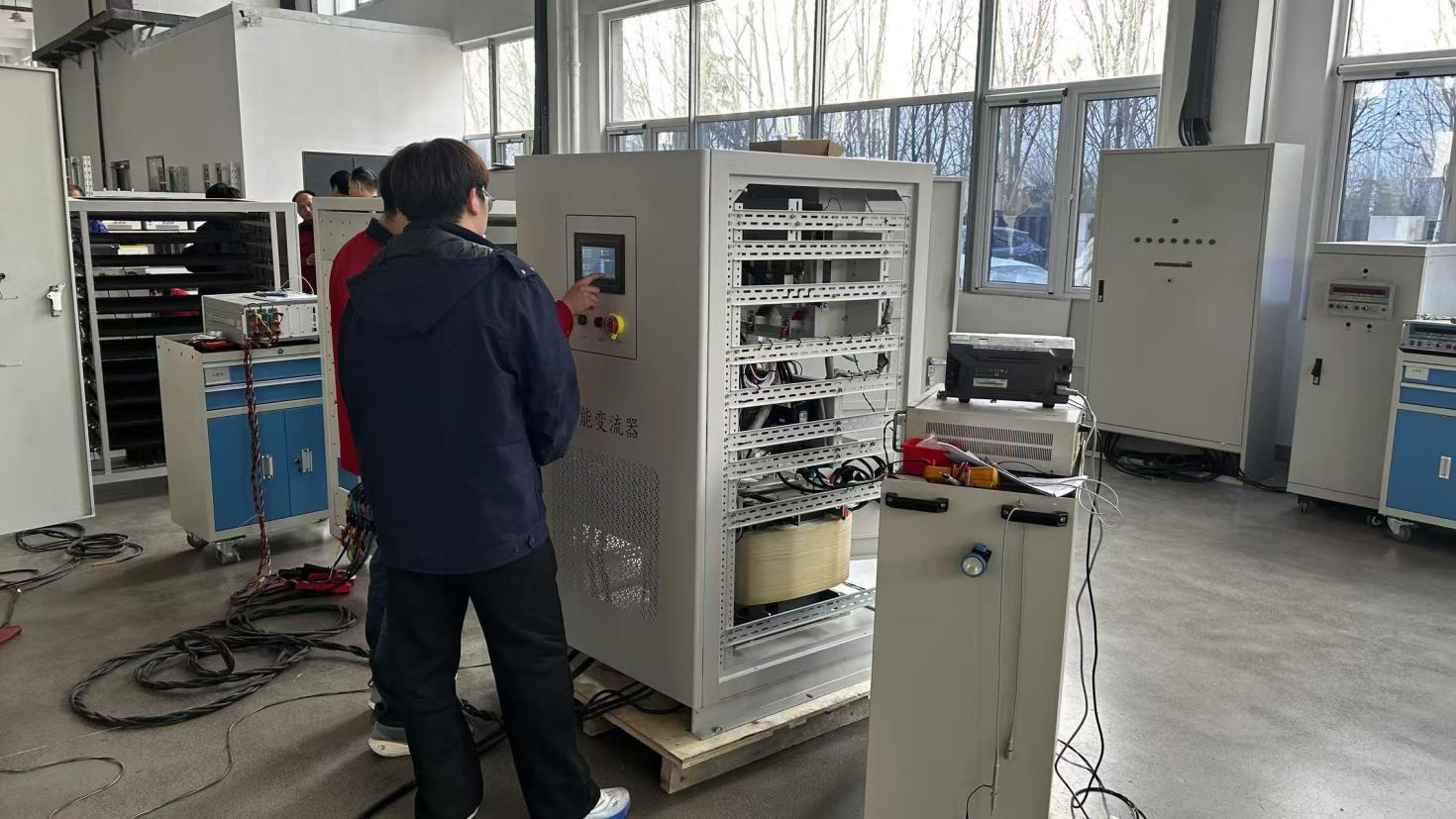
We run a state-of-the-art testing facility. Our engineers use high-precision tools to test and verify phase angles, wave stability, and thermal limits before shipping. This setup helps prevent onsite failures and shortens commission times.
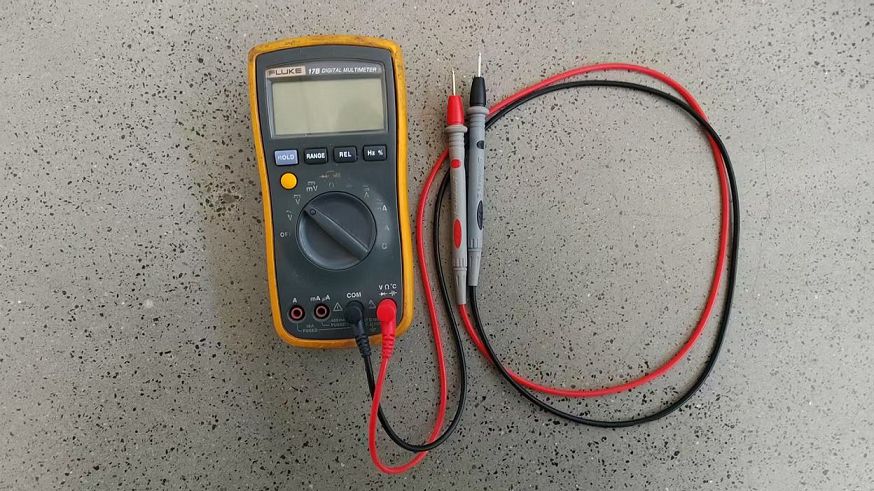
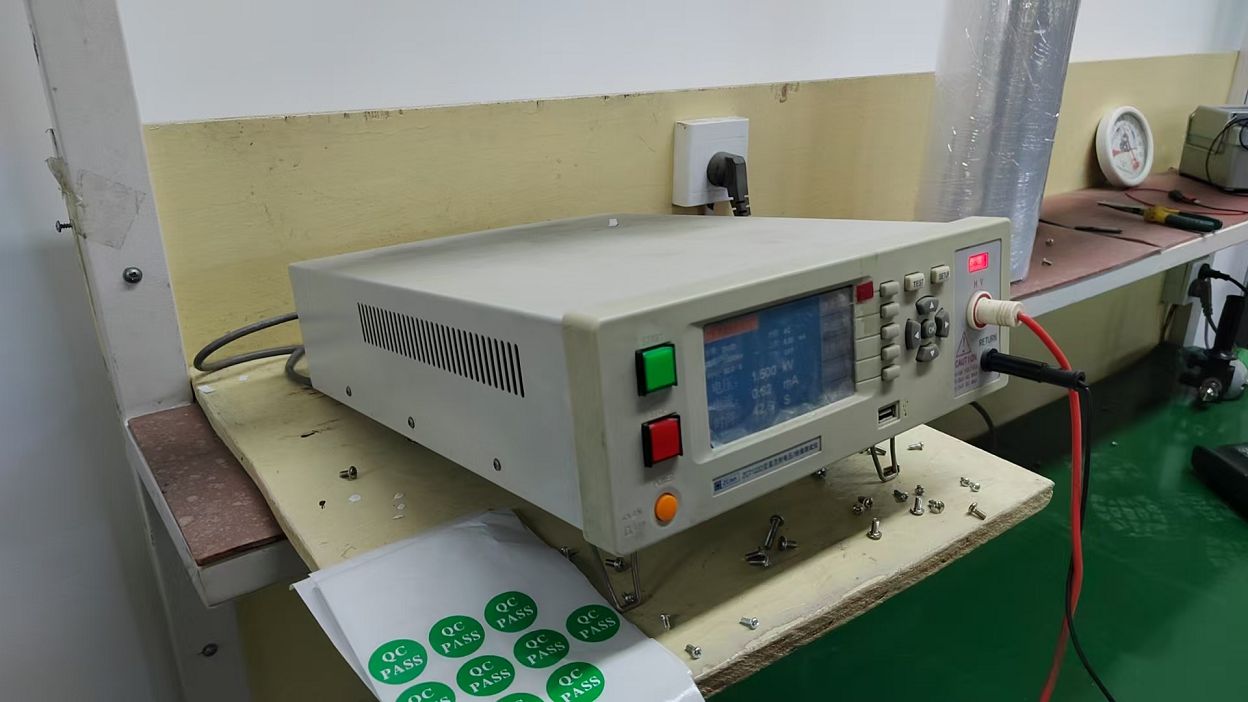
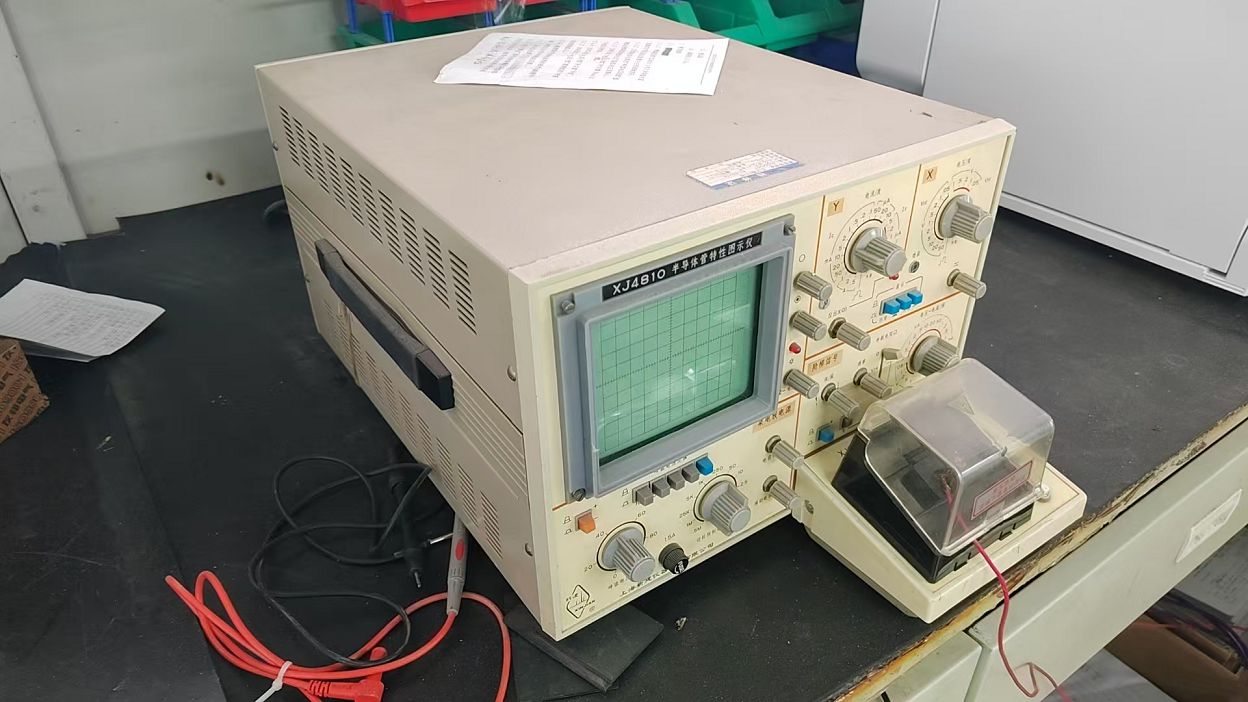
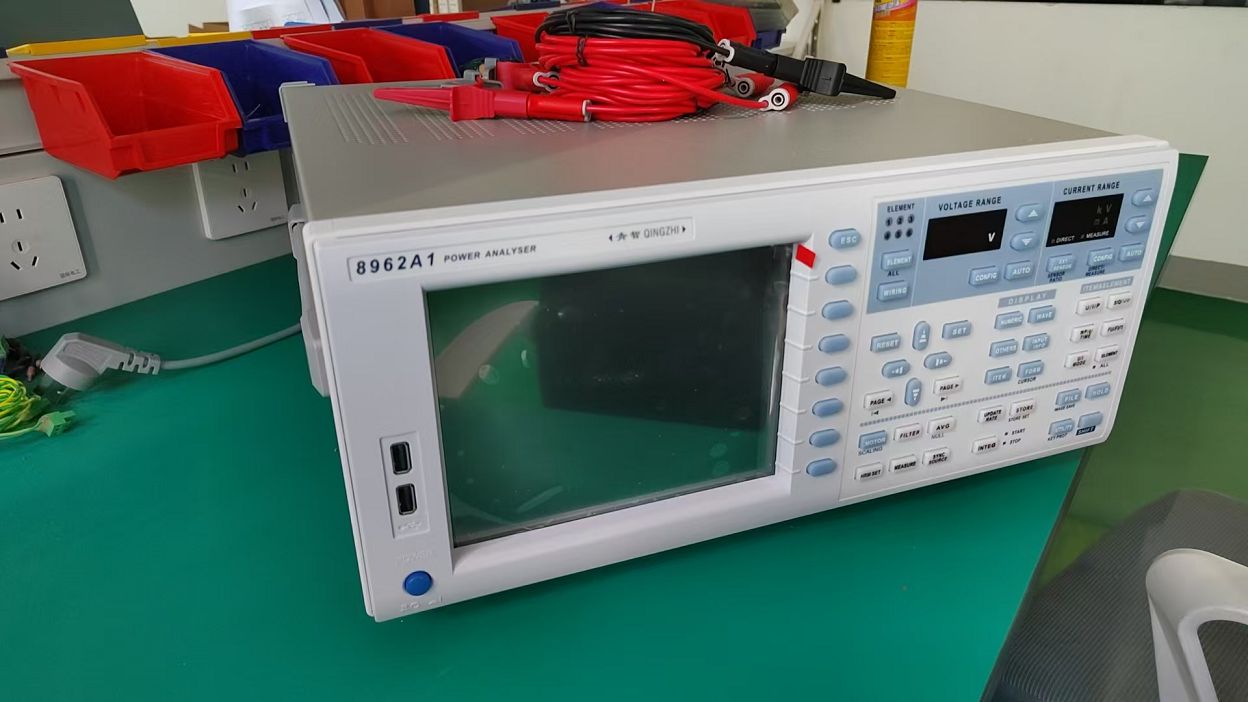
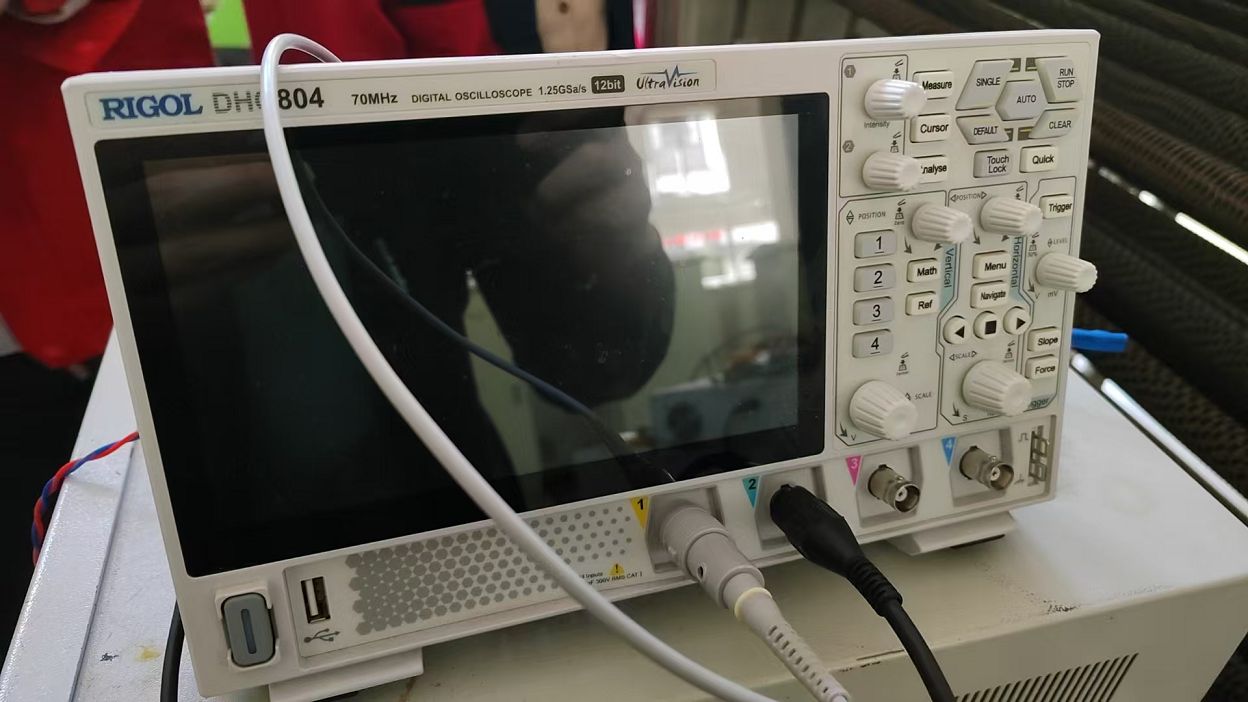
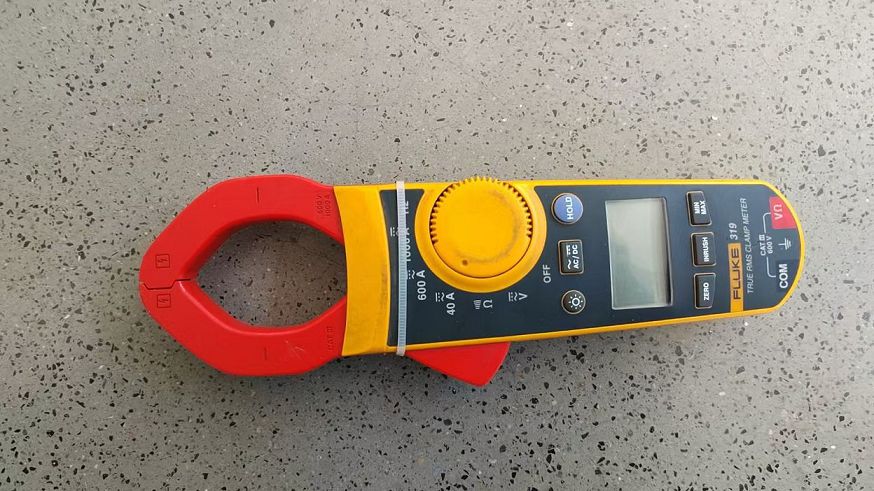
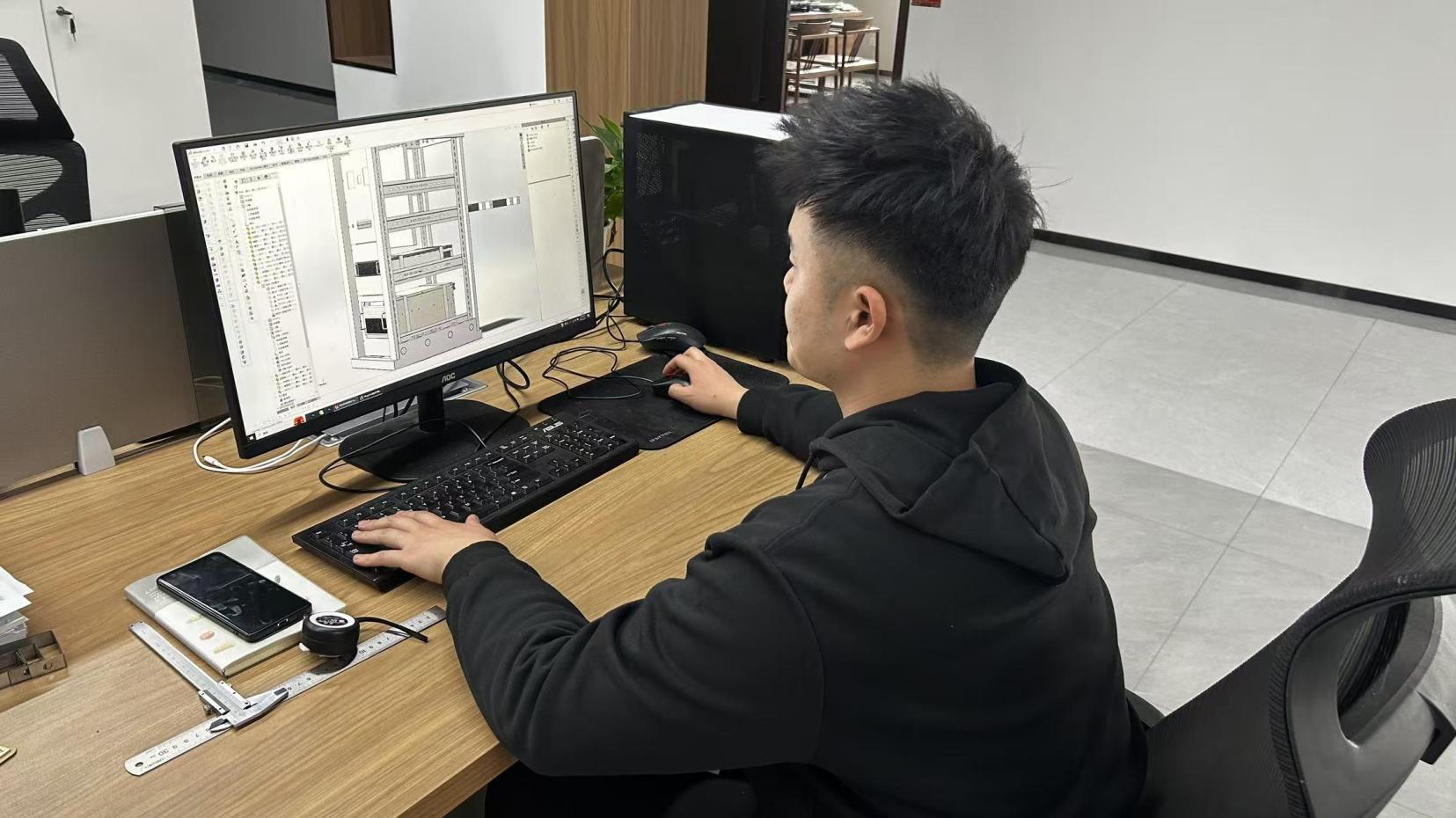
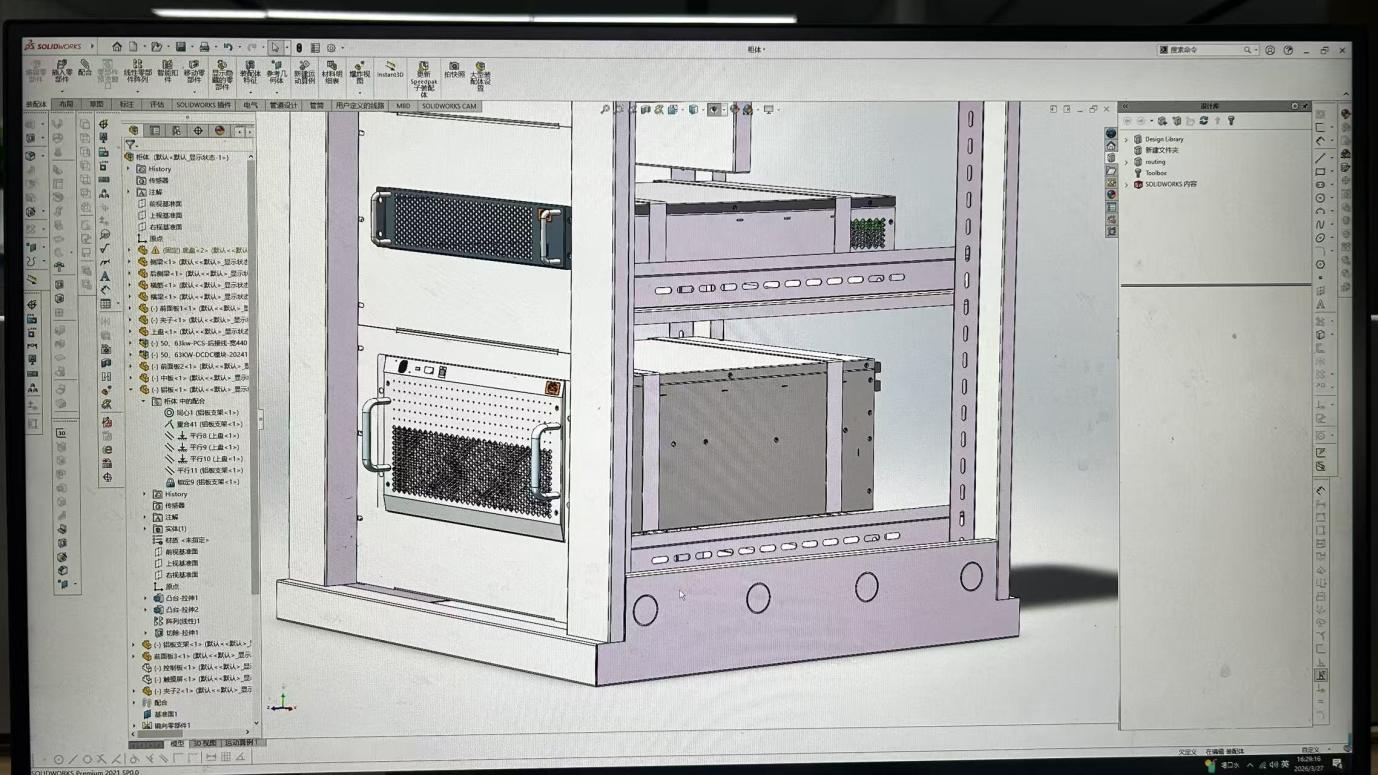
Every piece of hardware undergo a comprehensive testing process. Before the system reaches the field, we verify the dynamic performance of each converter using our digital oscilloscopes, LCR autotesters, and power quality analyzers. This confirms low harmonic distortion, stable voltage output, and safe operational parameters.
Our strategic vision for the next generation of ocean kinetic energy systems.
Developing fully integrated, underwater converter topologies that eliminate the need for long subsea cables, minimizing line losses and reducing installation complexity.
Integrating artificial intelligence into control loops to predict incoming wave swells, allowing the converter to pre-adjust magnetic resistance for maximum energy capture.
Moving from traditional IGBT modules to SiC technology to increase conversion efficiency from 97.5% to over 99.2%, reducing system weight and heat dissipation requirements.
Find answers to common questions about grid code compliance, hardware longevity, and deployment engineering.
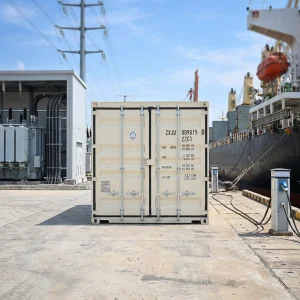
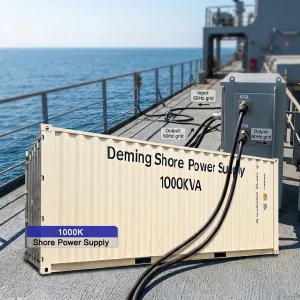
Engineered for vessel berthing, variable speed wave energy systems, and high-efficiency wind/hydro power networks.
 Demin Power