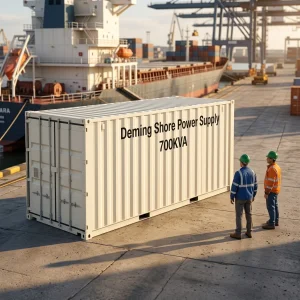
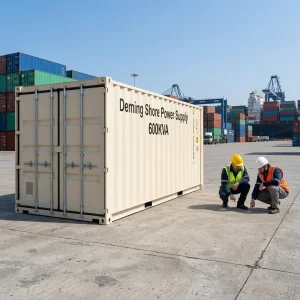
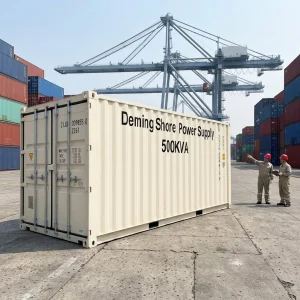
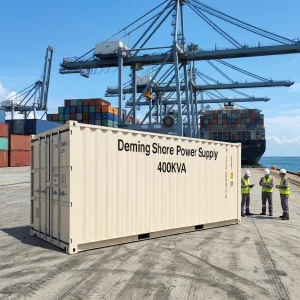
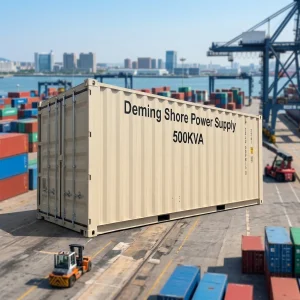
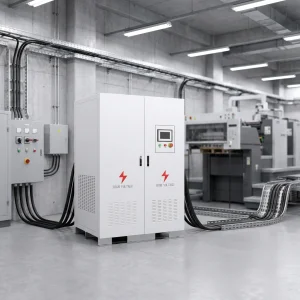
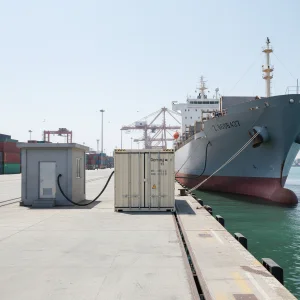
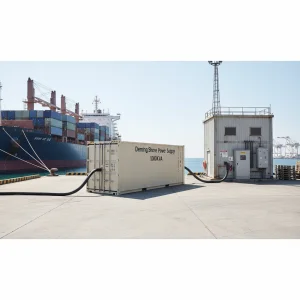
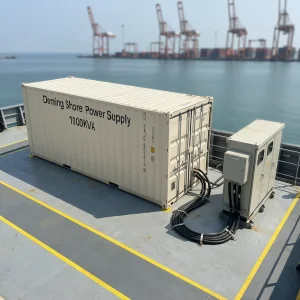
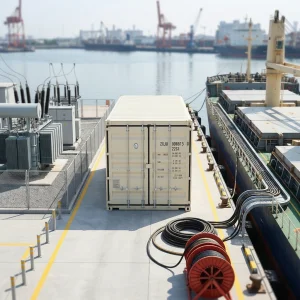
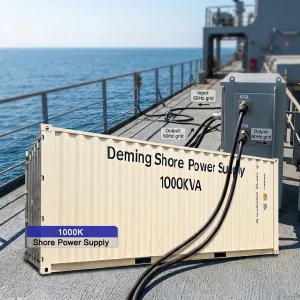
Our frontline marine-grade frequency converters are engineered to deliver clean, stabilized electricity directly to berthing vessels, mitigating localized grid fluctuations and establishing absolute operational reliability.
As the principal gateway and commercial hub of Saint Lucia, the city of Castries serves as a vital maritime corridor for cruise liners, container vessels, and regional shipping operations. Port Castries handles intensive cargo transit and high-capacity luxury cruise berths daily. Operating in these coastal tropical environments presents strict technical demands for local and international operators. With Saint Lucia's domestic utility grid running on a 50Hz frequency, incoming cruise liners and global cargo vessels—predominantly engineered to run on 60Hz marine electrical architecture—cannot directly connect to the shore utility line without specialized frequency adaptation.
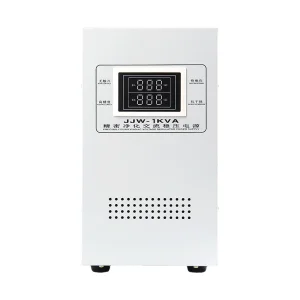
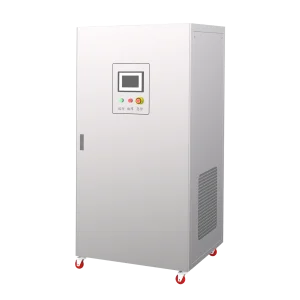
Historically, vessels docked at Castries have relied on burning auxiliary onboard diesel generators (cold ironing barriers) to maintain power. This process releases massive quantities of particulate matter (PM2.5), sulfur oxides (SOx), and carbon emissions into the local air basin, impacting both tourism aesthetics and public health. Resolving this gap requires highly efficient, robust Static Frequency Converters (SFC) and Shore-to-Ship Power systems. Jinan Deming Power Equipment provides tailored AC power source configurations capable of taking the fluctuating 50Hz local utility supply and outputting clean, stabilized, and galvanically isolated 60Hz or variable frequency (24Hz to 400Hz) electrical power.
Caribbean utility systems are prone to voltage sags, brownouts, and frequency deviations caused by extreme weather patterns and varying grid impedance. Our AC Power Sources isolate load-side equipment from supply disruptions using advanced double-conversion topology (AC-DC-AC) and PWM synthesis.
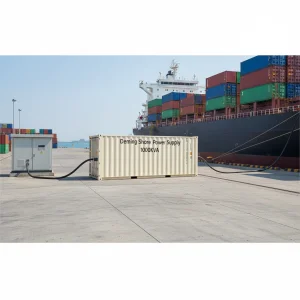
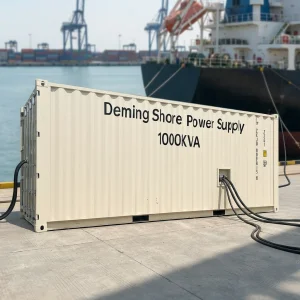
Enabling seamless utility-to-ship connections that match the vessel's internal distribution parameters (e.g., 440V, 480V, 660V, or medium voltage 6.6kV/11kV) at exactly 60Hz. This completely eliminates the need for auxiliary engines during port berthing, satisfying modern decarbonization mandates.
Designed to operate reliably under extreme humidity, high ambient temperatures, and corrosive salt-air conditions typical of Castries and the wider Lesser Antilles. Features include conformal-coated PCB assemblies, IP54 stainless enclosure designs, and heavy-duty marine paint systems.
For industrial research, smart-grid development, and clean energy storage simulation, we deploy high-power bidirectional DC simulators and grid-tied systems. These setups allow local St. Lucia research networks and industries to test and feedback energy without thermal dissipation losses.
Established in 2004, Jinan Deming Power Equipment Co., Ltd. is a nationally recognized high-tech enterprise specializing in the research, development, production, and service of renewable energy power equipment and advanced power testing solutions. Guided by strict adherence to international electrical standards, we bridge the gap between complex power conversion and robust industrial performance.
With an elite engineering team comprising doctoral supervisors and master’s degree holders, our research initiatives have yielded 17 advanced R&D projects in the past three years alone, successfully converting 16 breakthroughs into commercial products. Holding ISO9001:2015 certifications and maintaining long-standing business partnerships with Fortune 500 enterprises, Deming ensures every AC Power Source, frequency converter, and DC battery simulator meets top-tier quality benchmarks.
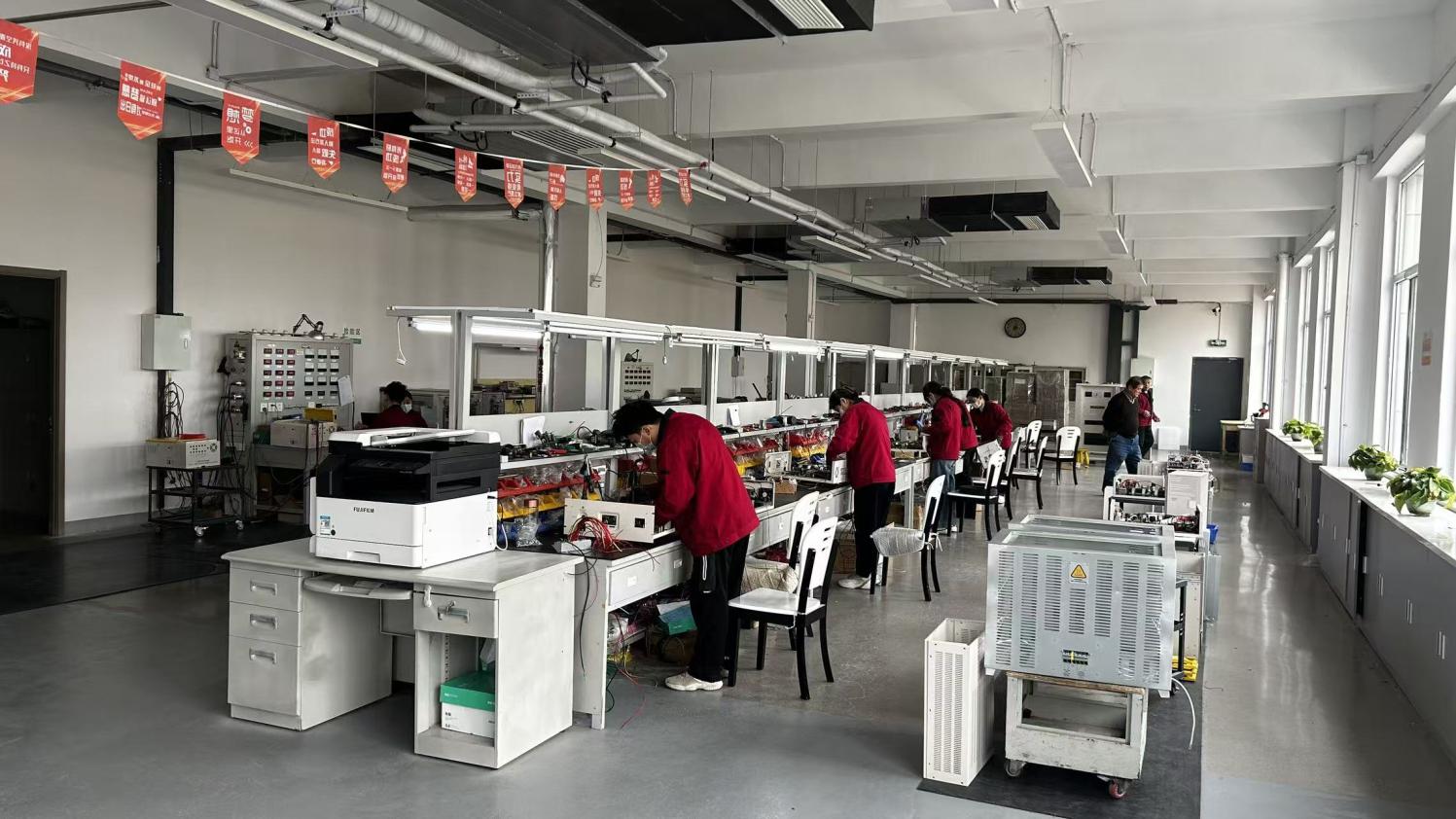
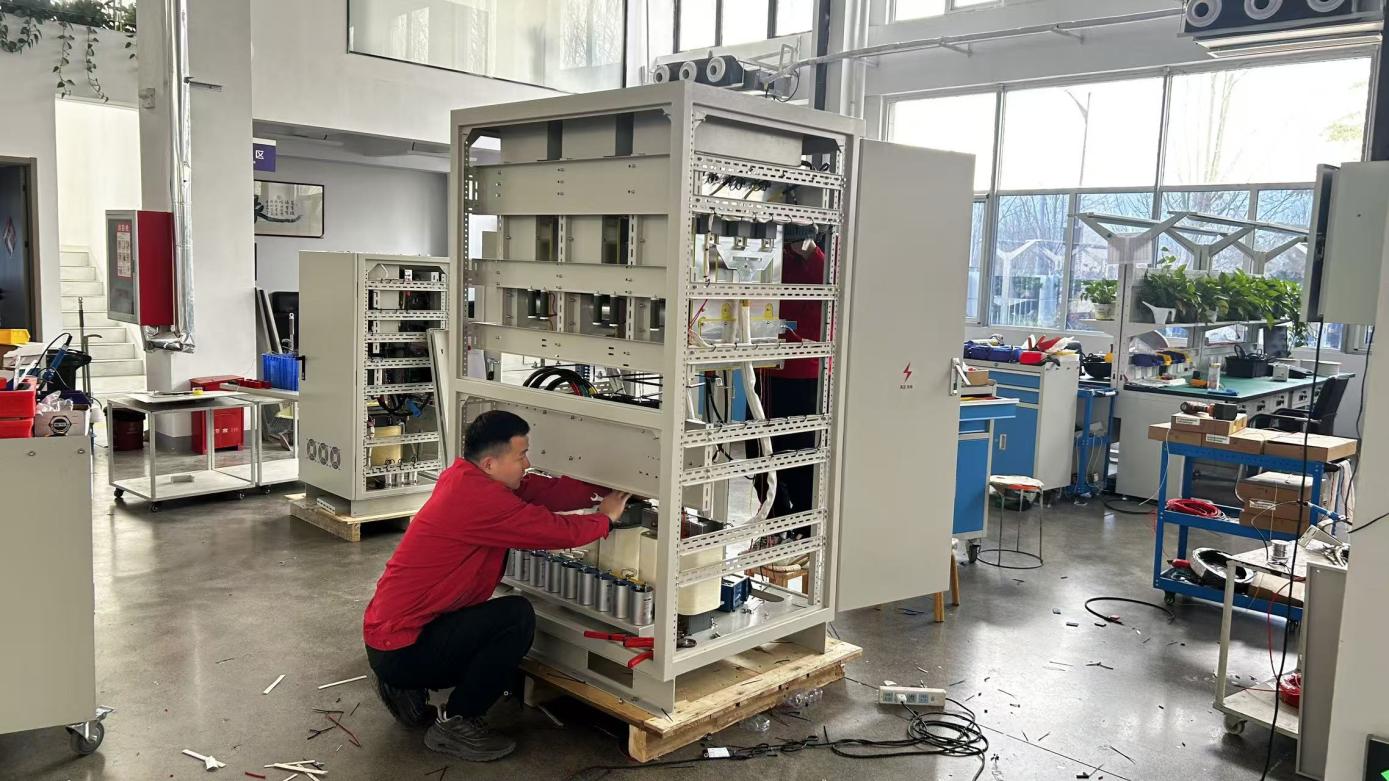
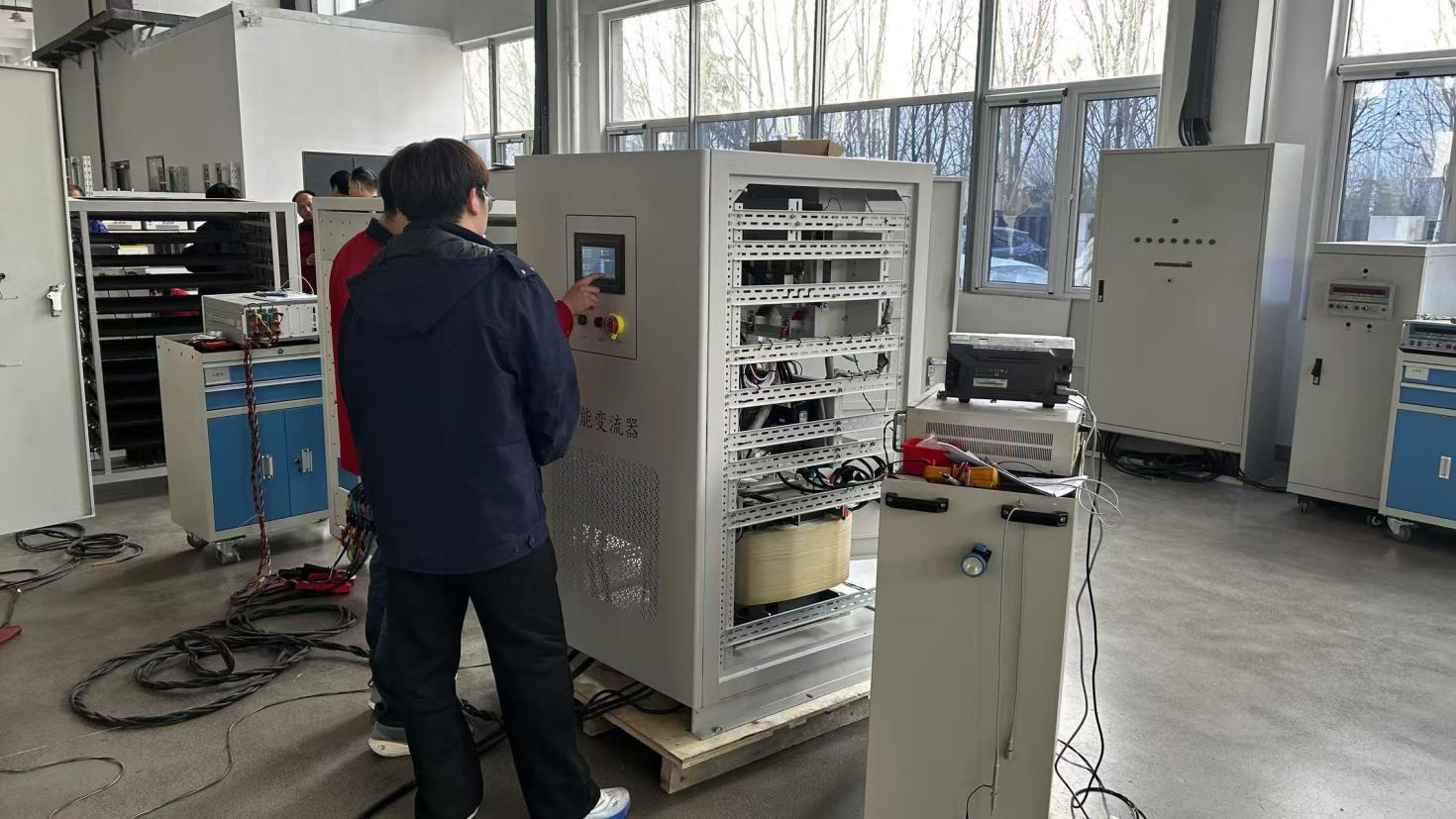
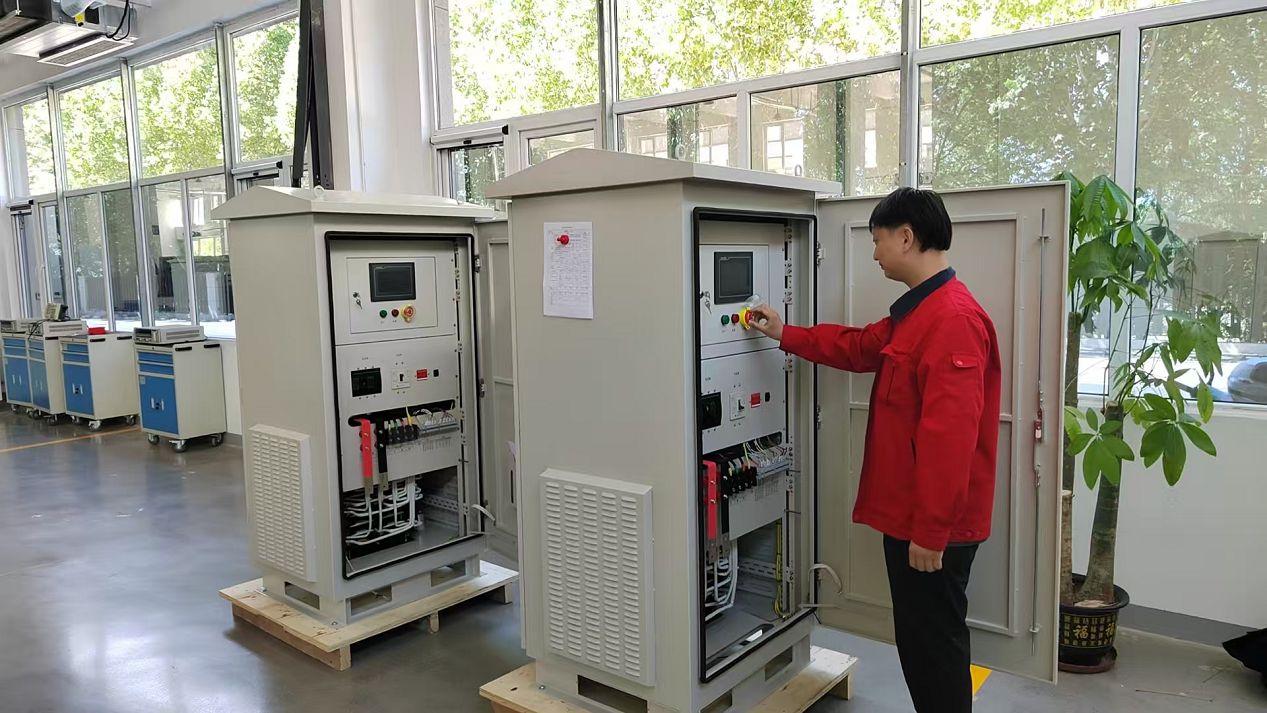
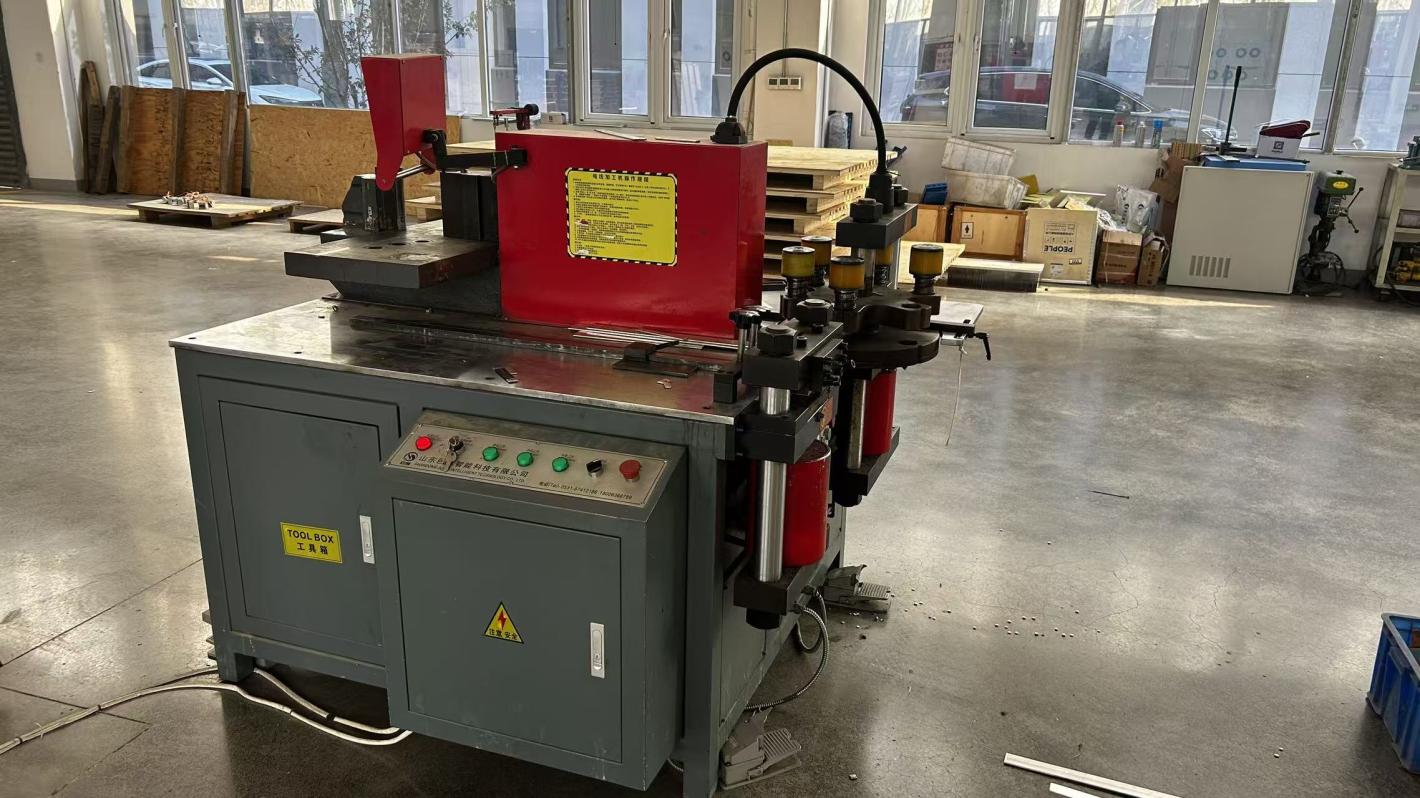
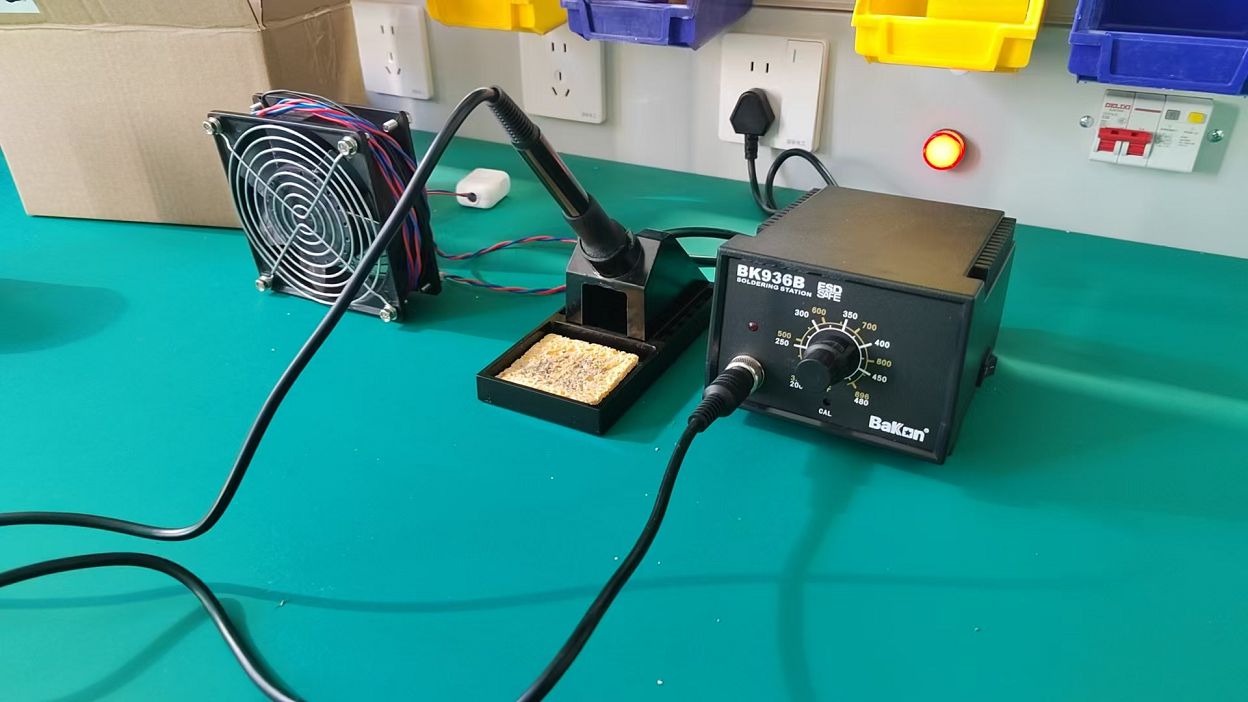
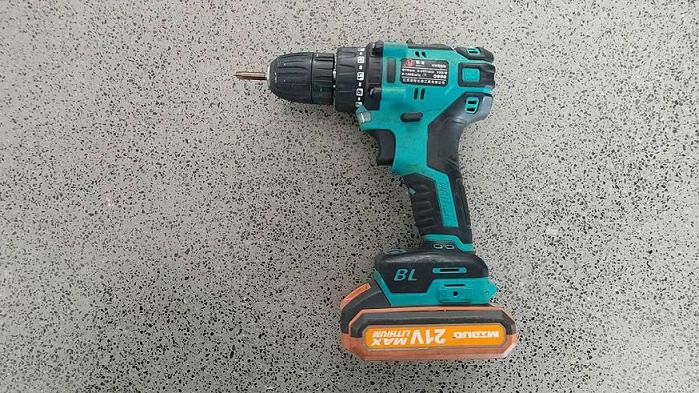
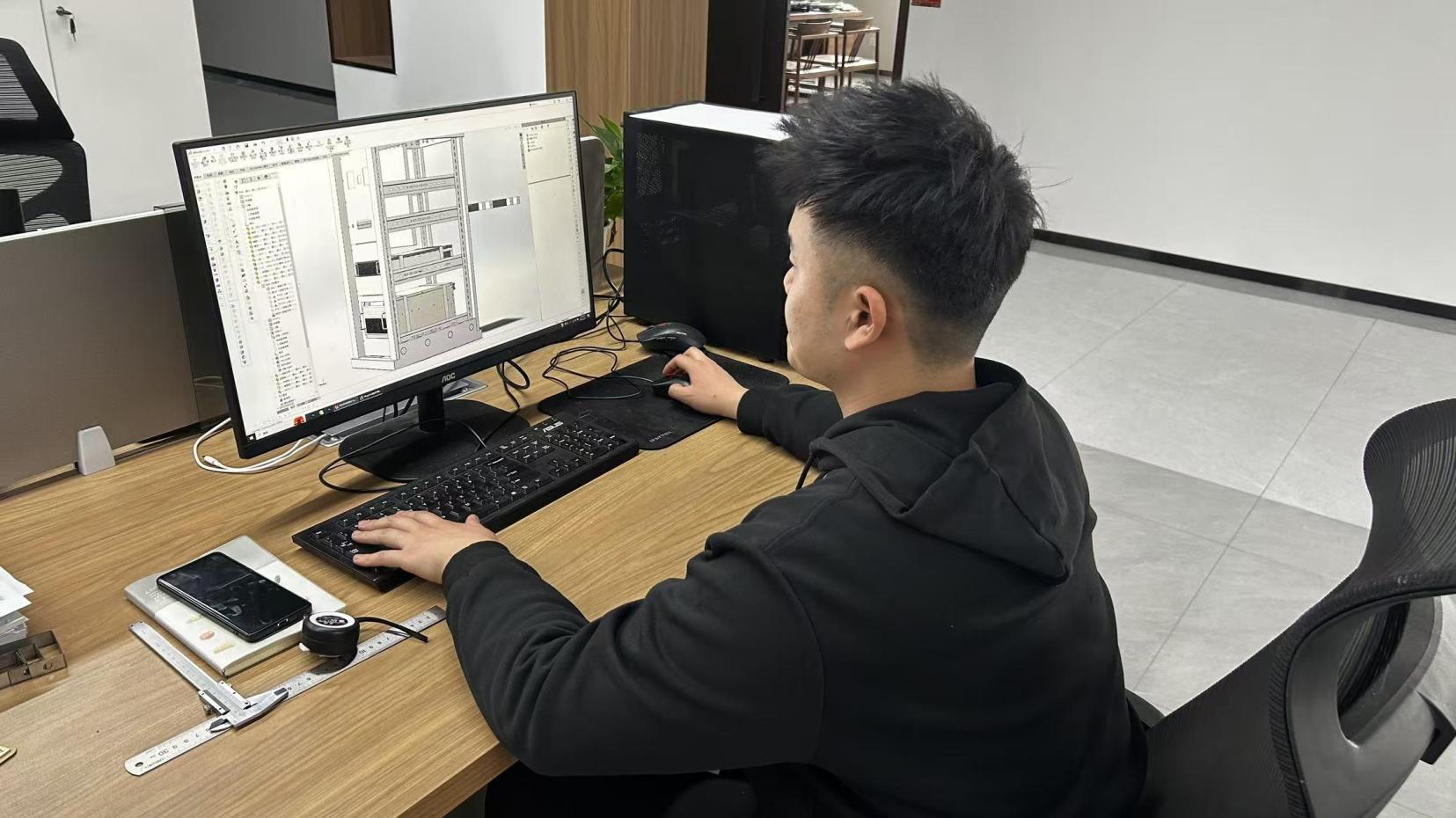
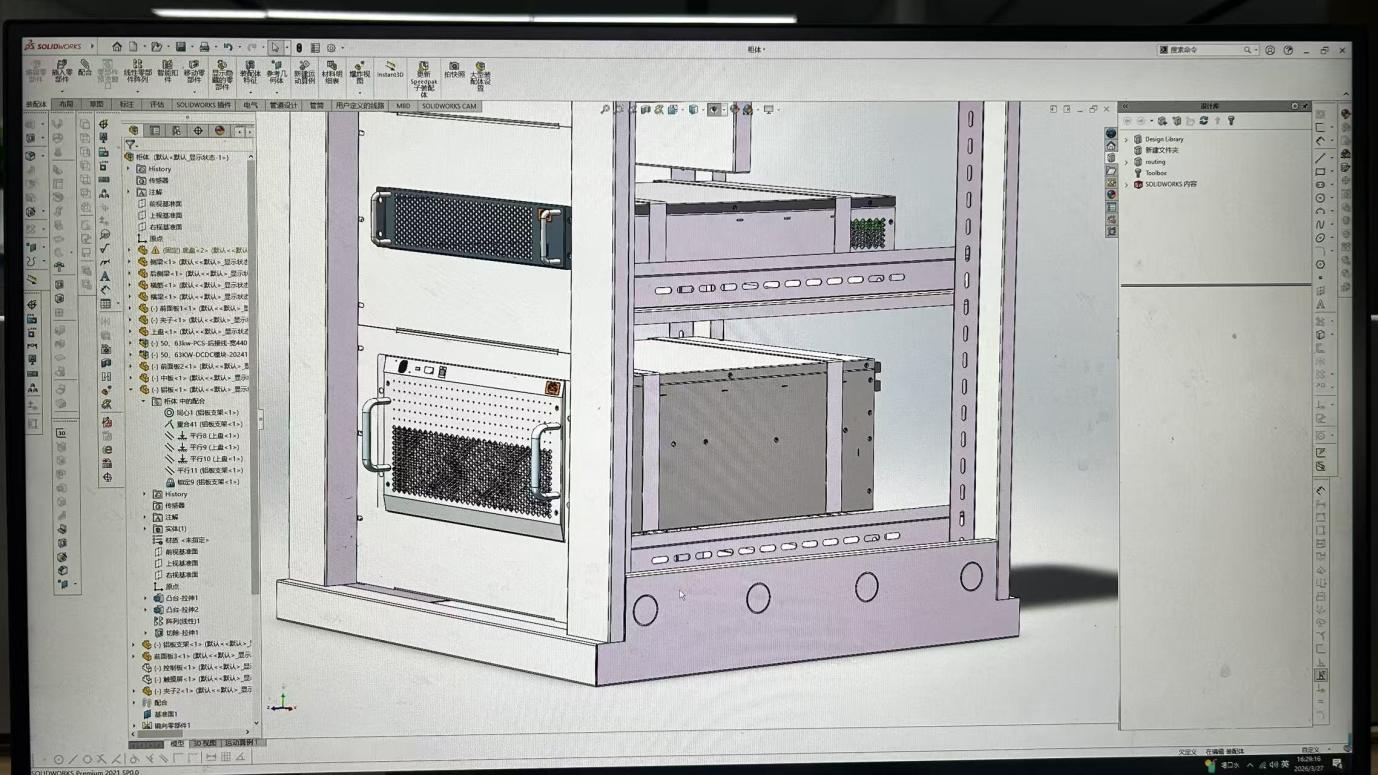
To deliver flawless performance in demanding maritime and grid-stabilization deployments, every stage of our assembly process is subjected to strict quality control. From copper bar profiling to precision thermal mapping, our facilities utilize advanced diagnostic instruments to guarantee high reliability.
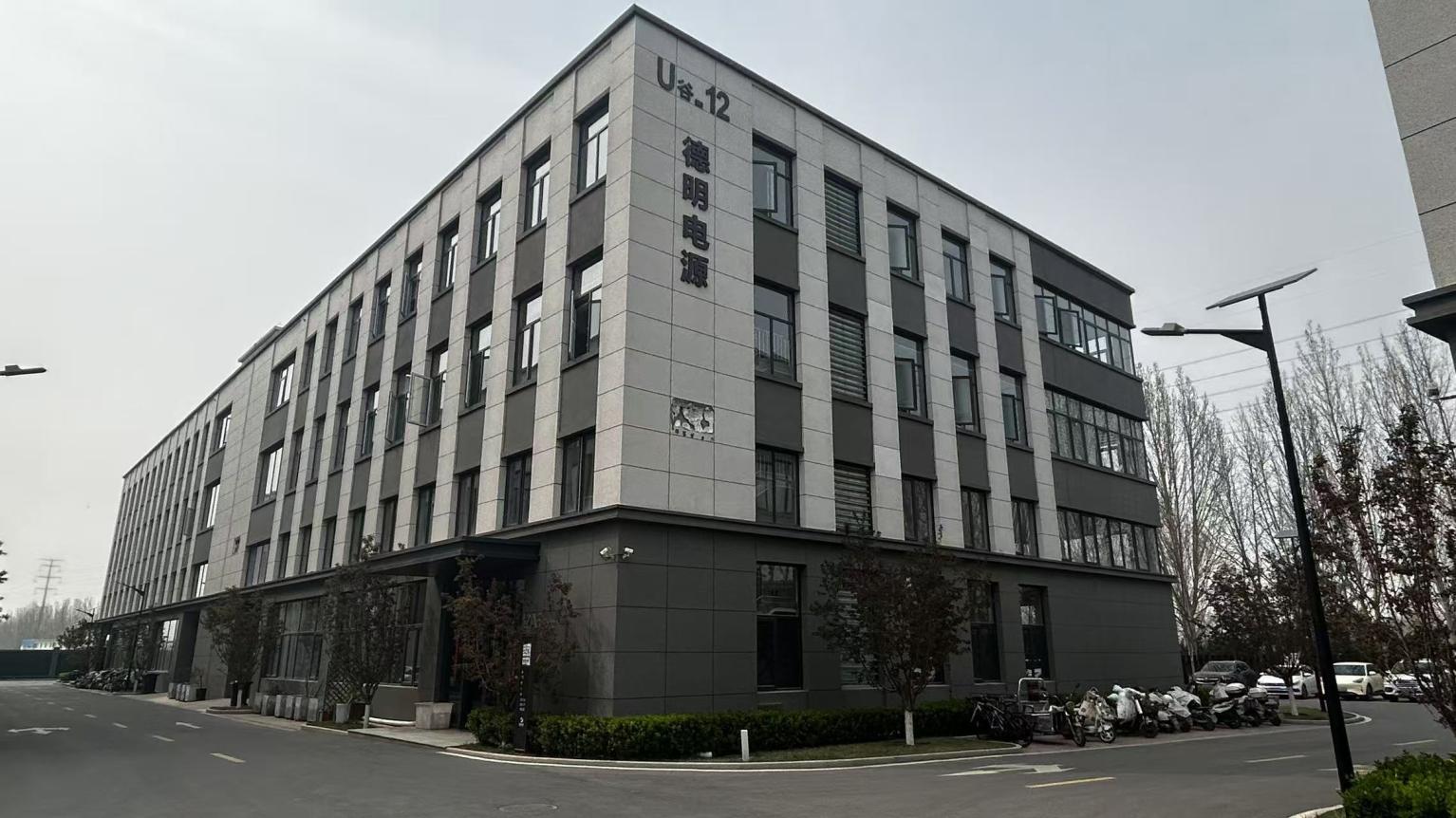
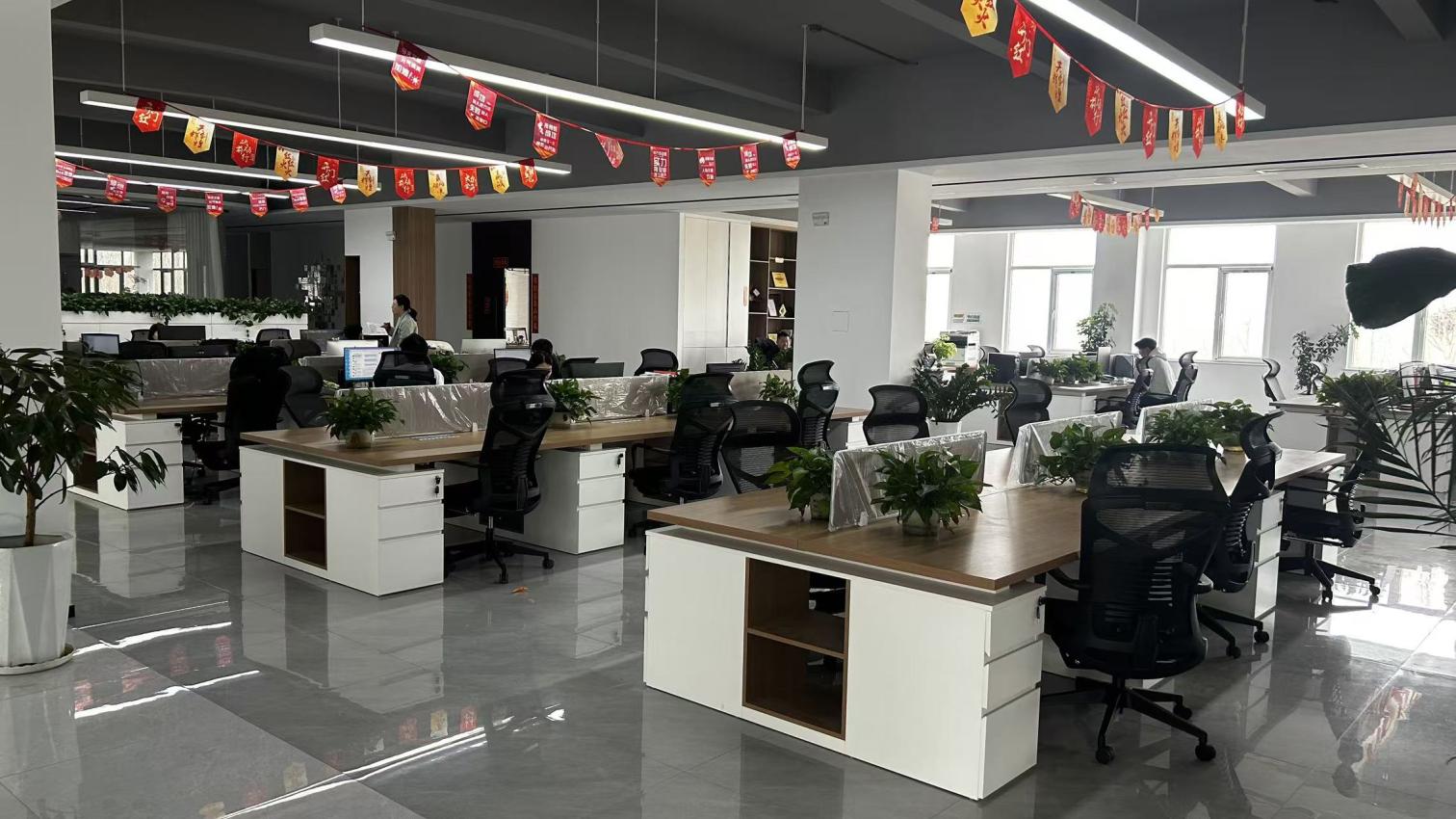
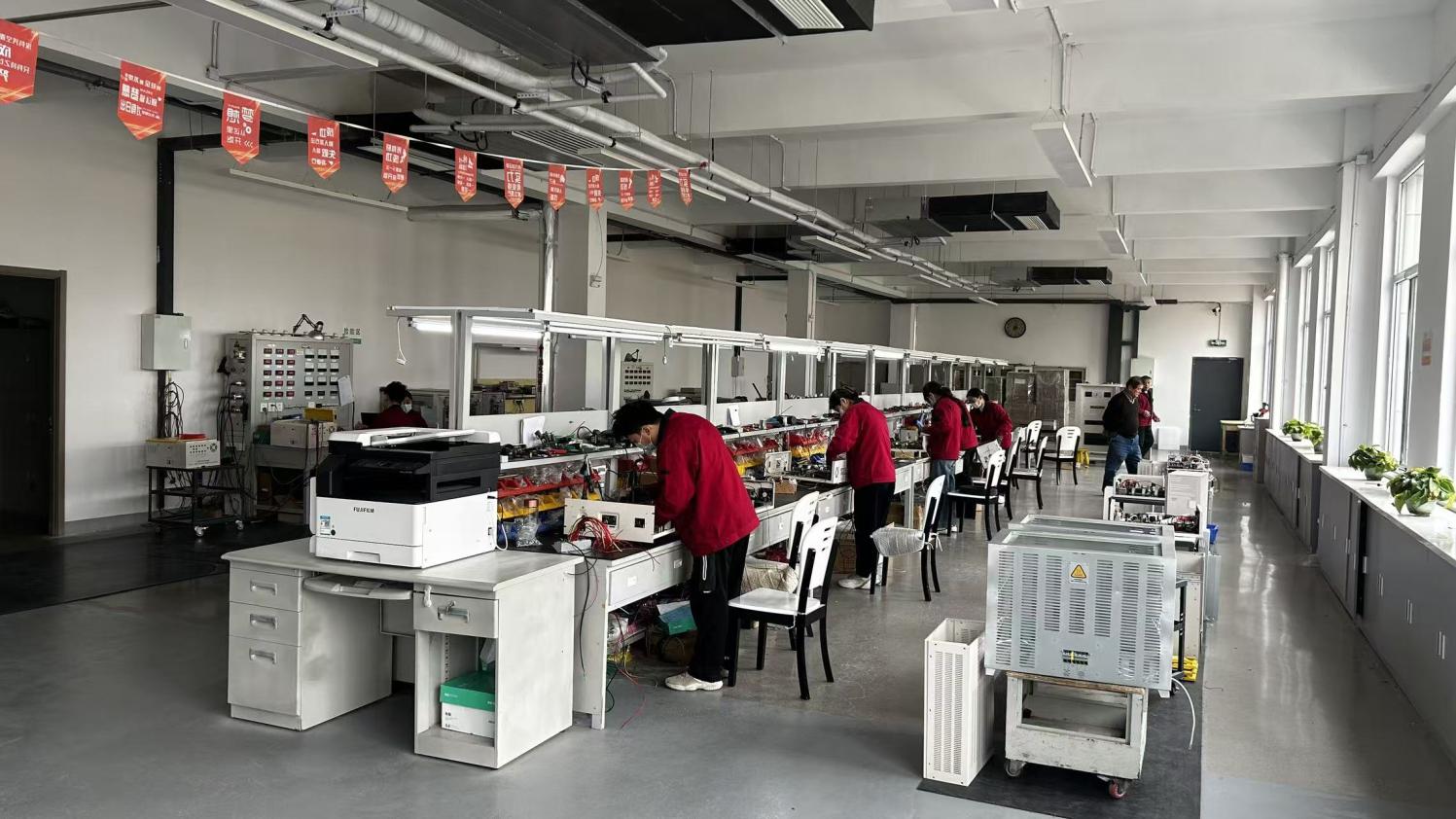
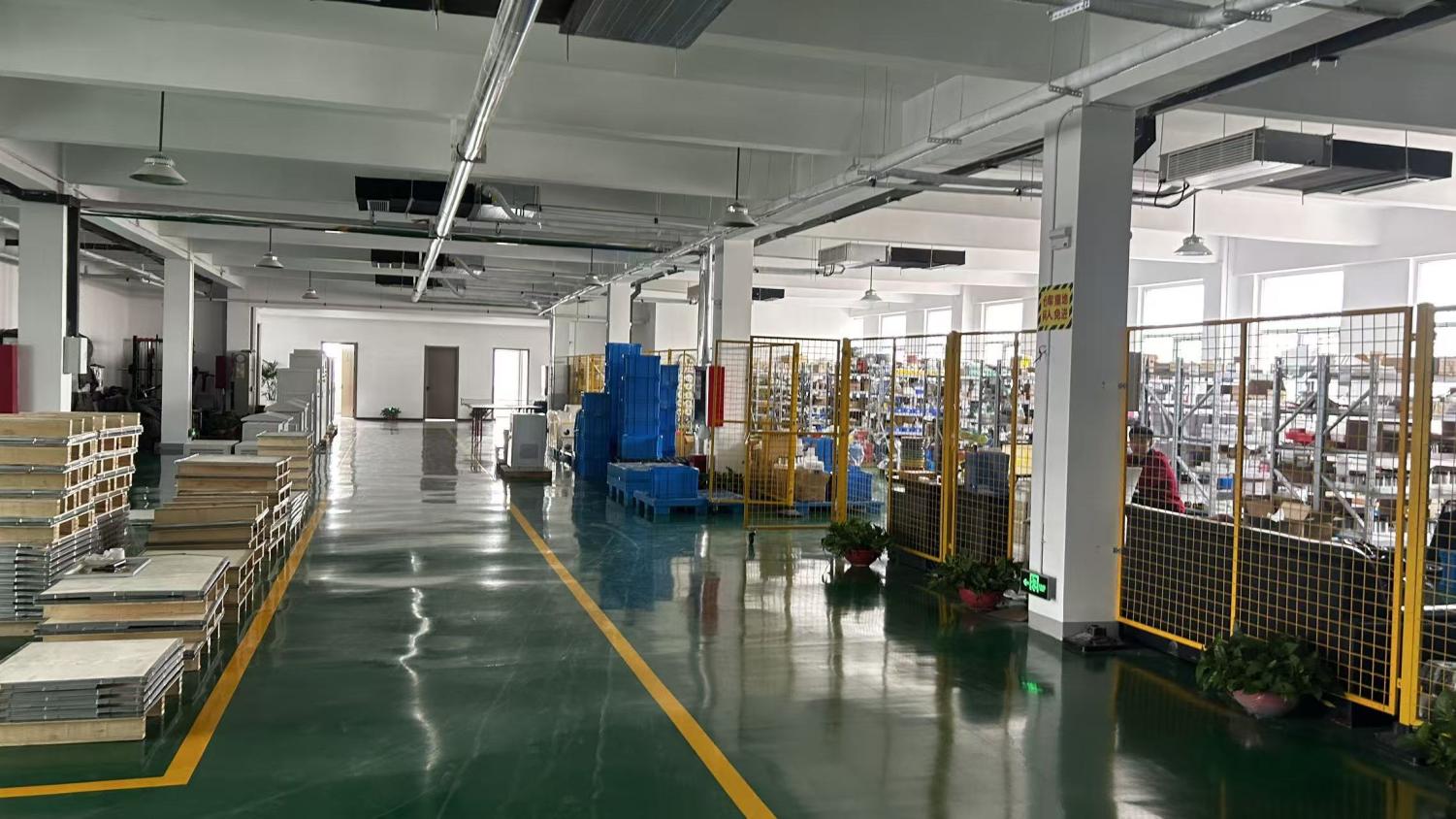
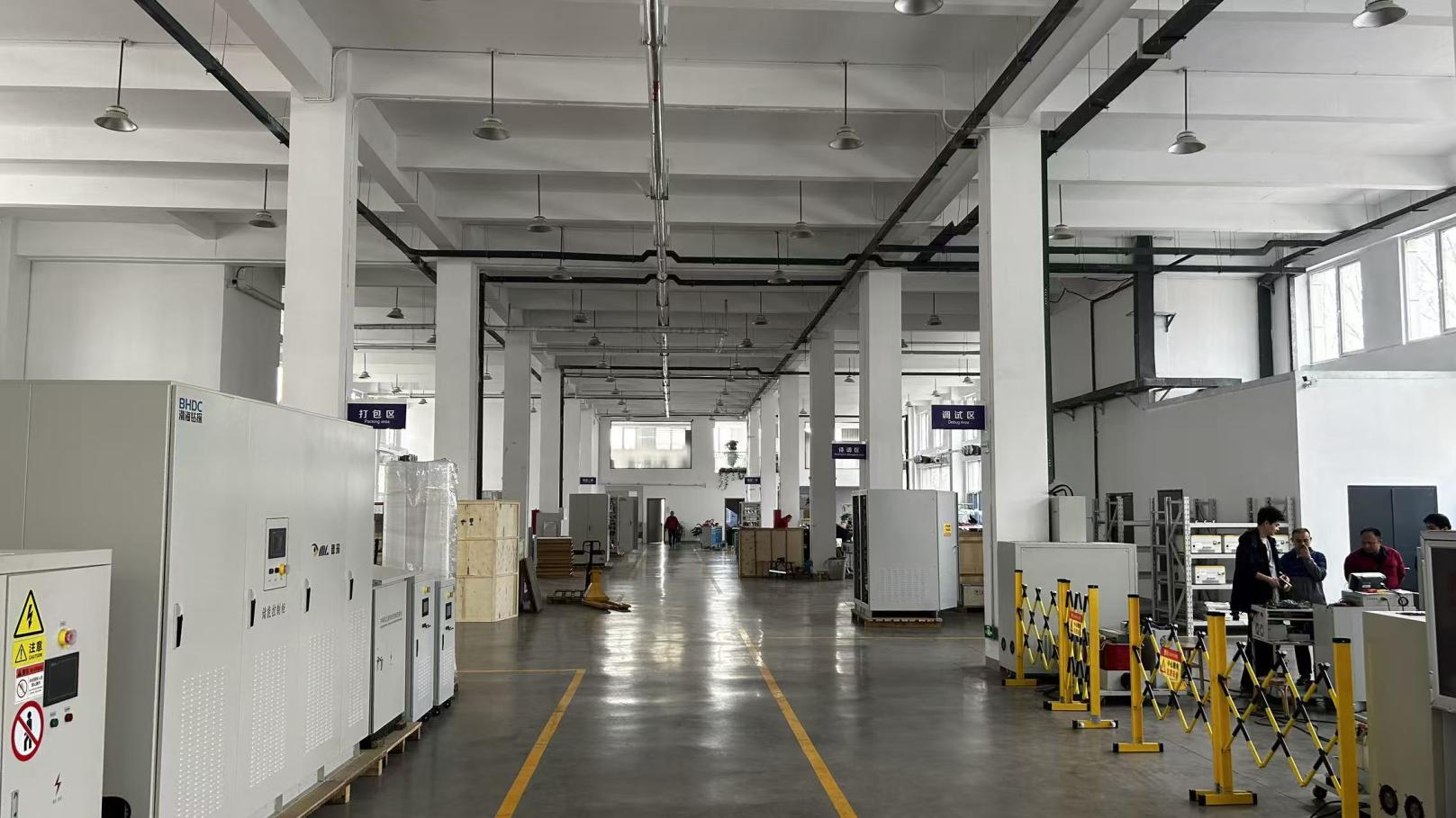
We control every step of assembly. These internal production stages demonstrate our meticulous workflow, from copper busbar forming to advanced oscilloscope analysis.
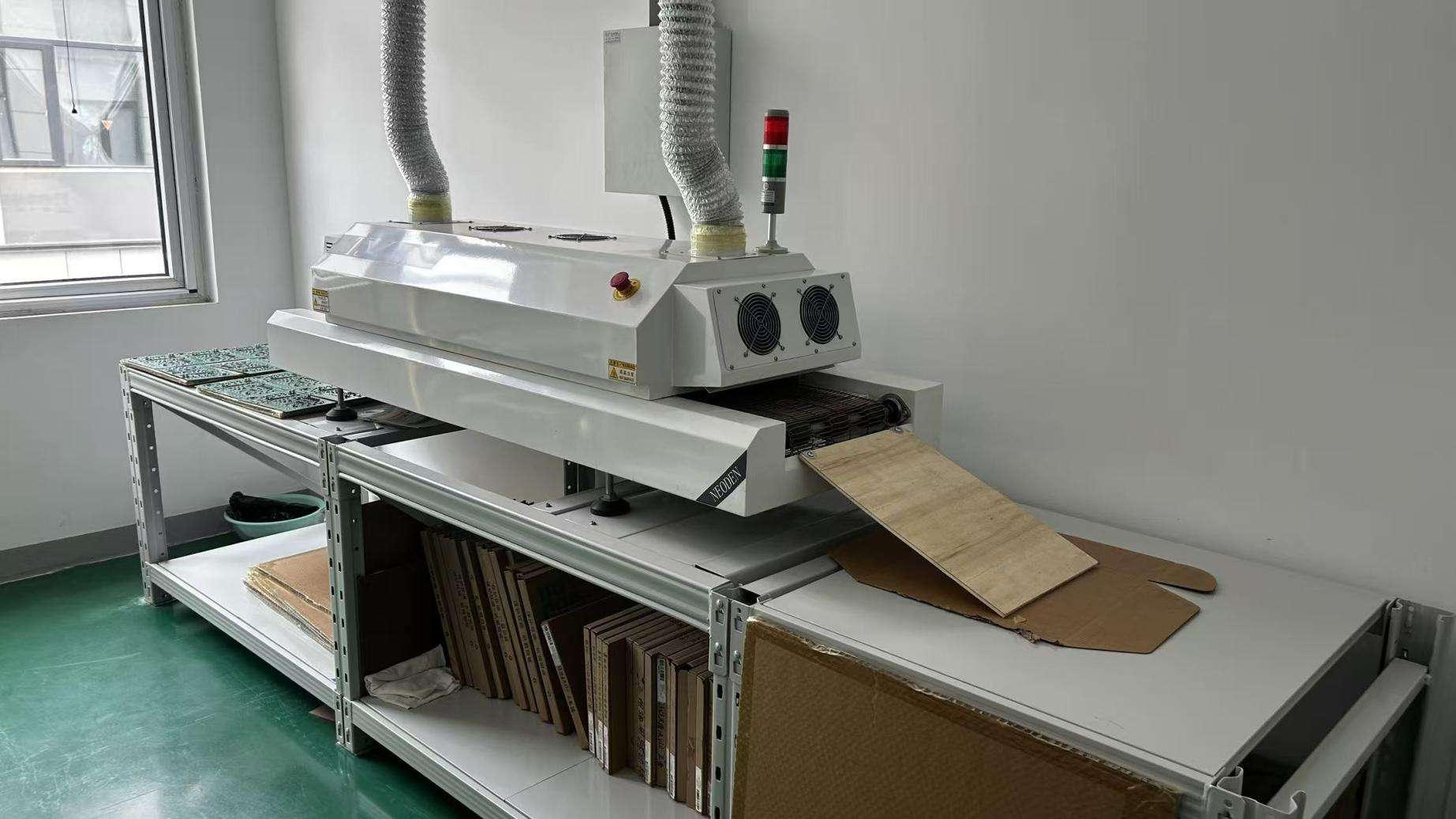
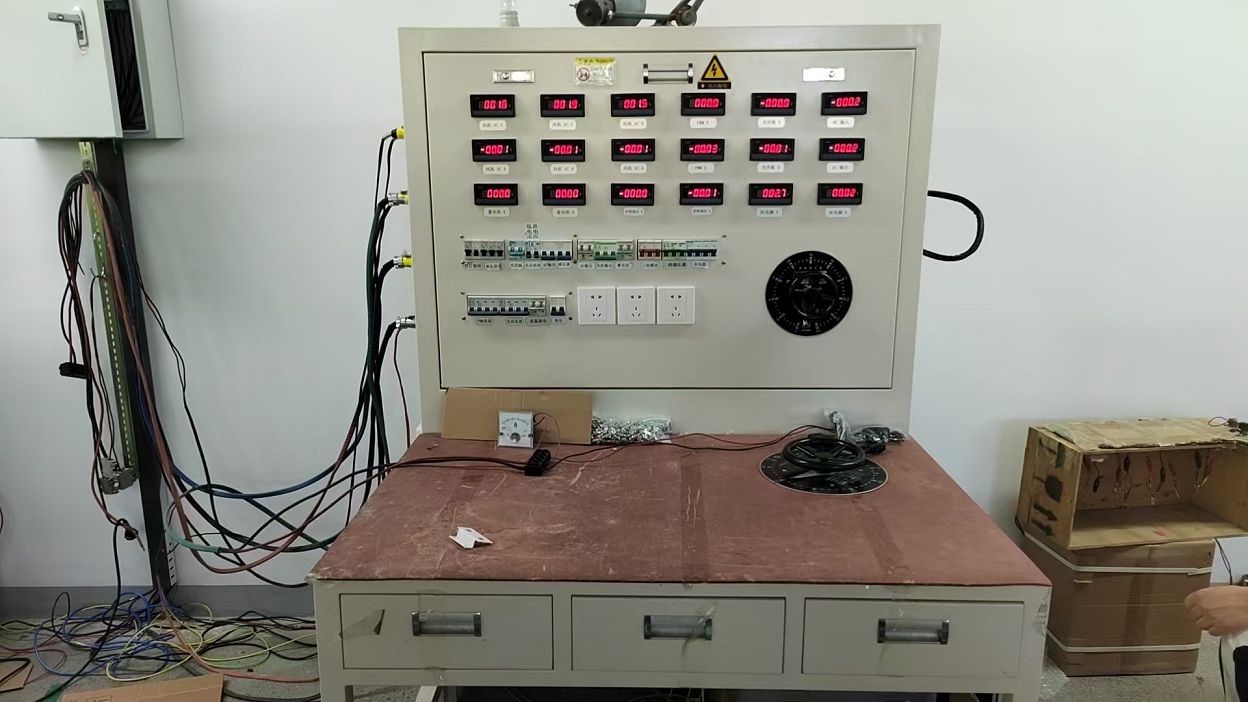
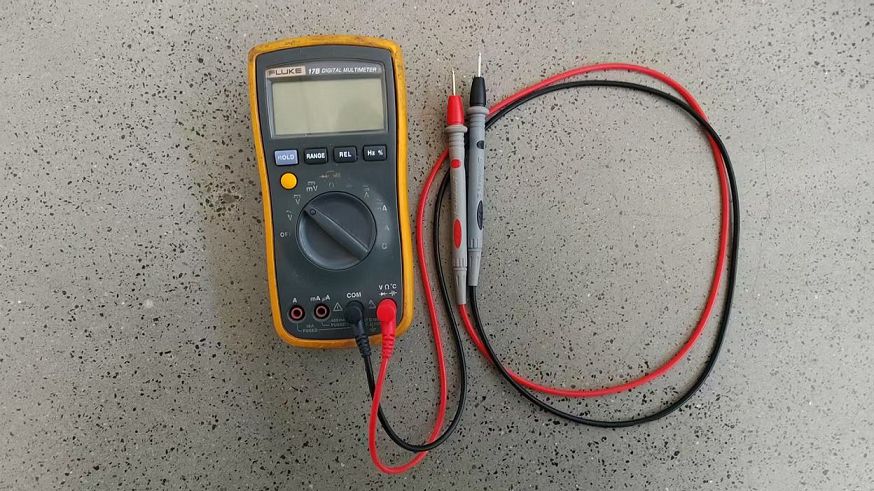
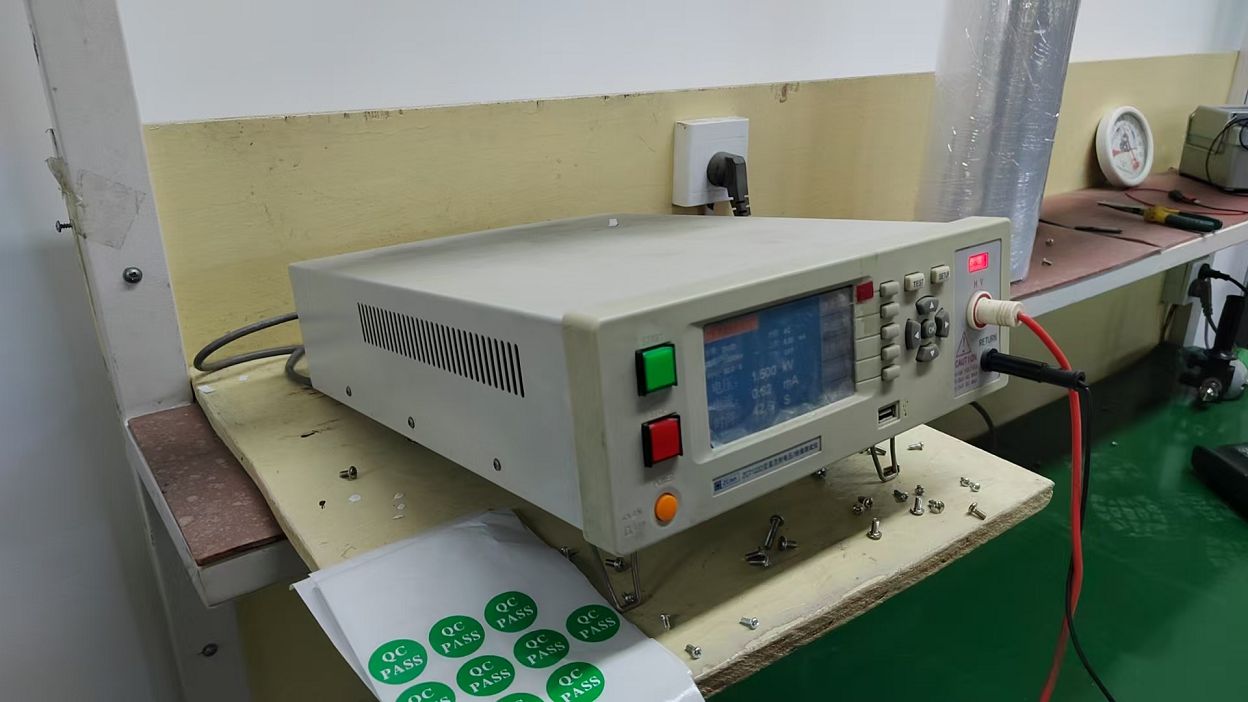
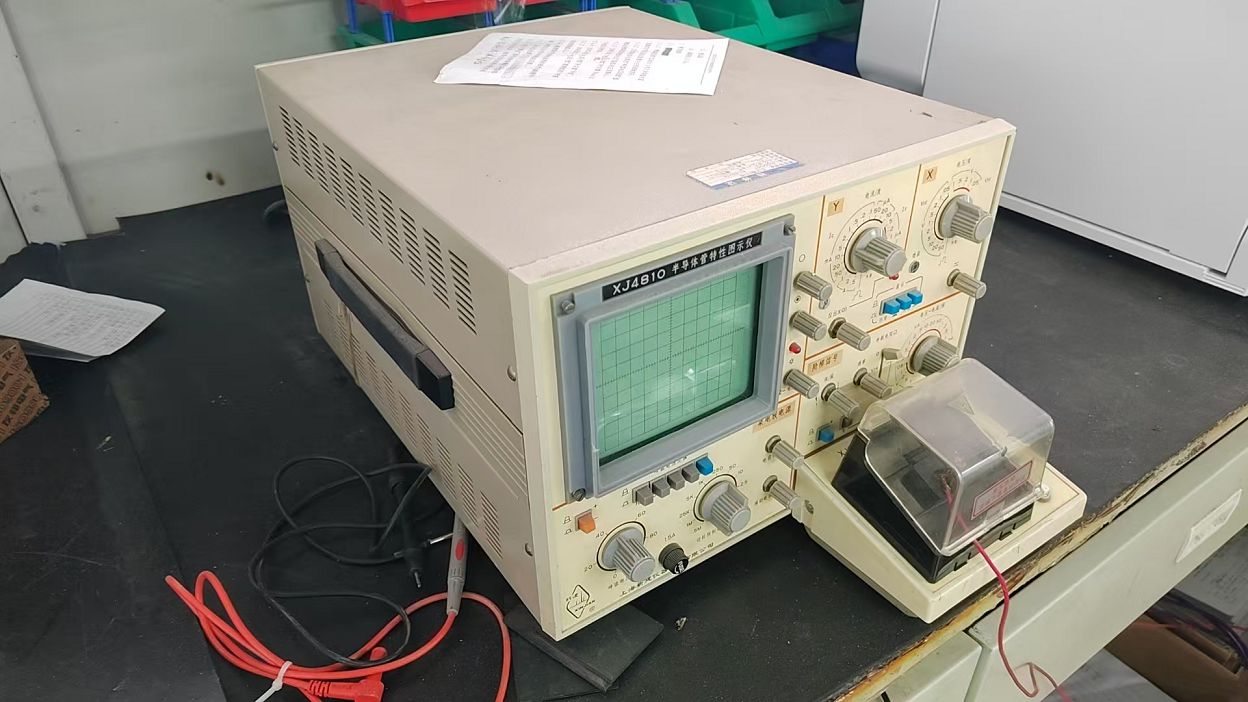
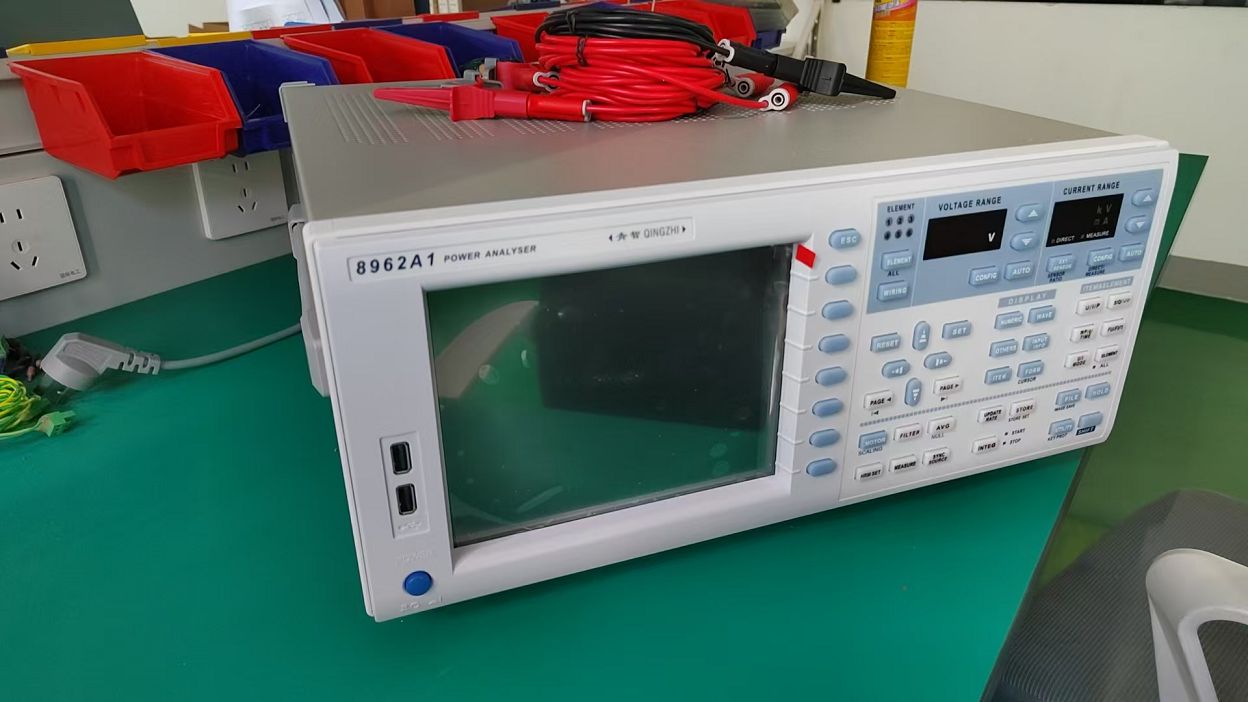
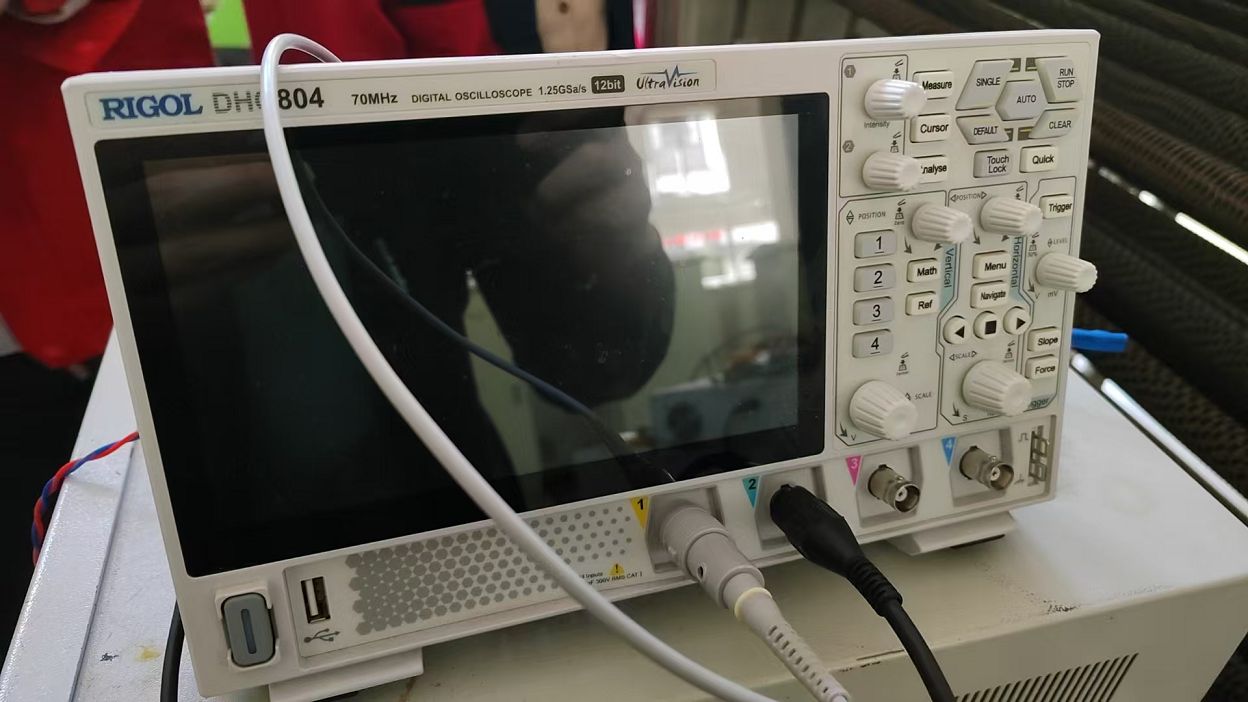
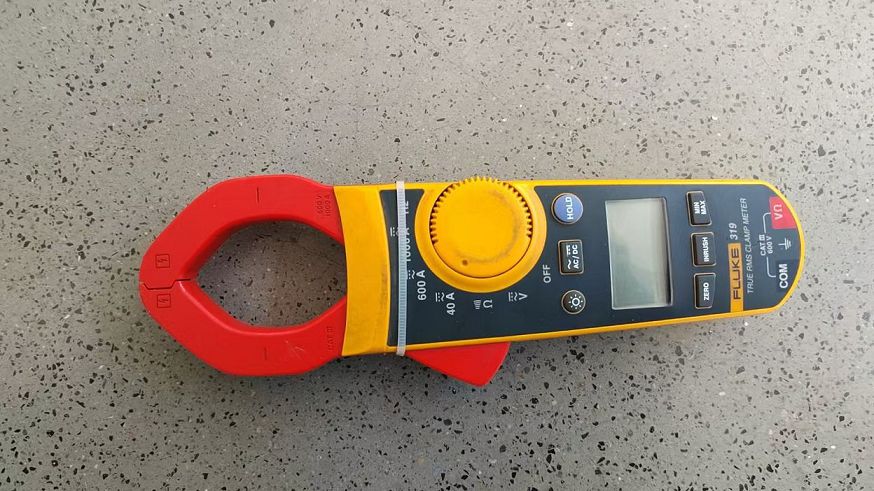
Modern commercial infrastructure demands electrical conversion solutions that achieve both high power density and reliable thermal performance. Standard rotary frequency converters struggle with mechanical wear, frequent bearing maintenance, and large installation footprints. Deming’s Static Frequency Converters (SFC) utilize solid-state IGBT (Insulated Gate Bipolar Transistor) technology to synthesize pure sinusoidal voltage wave output. This ensures total isolation between utility input and load output, suppressing harmonic feedback into the local grid.
For vessels docked in Castries Port, our shore-to-ship connection boxes and high-power substation designs provide high safety. Built-in protection covers phase loss, short circuits, overcurrent, overvoltage, and overtemperature conditions, ensuring stable shore power delivery.
Explore our full range of solid-state converters, distribution connection boxes, and customized industrial power supplies, all built to help Castries facilities run efficiently.
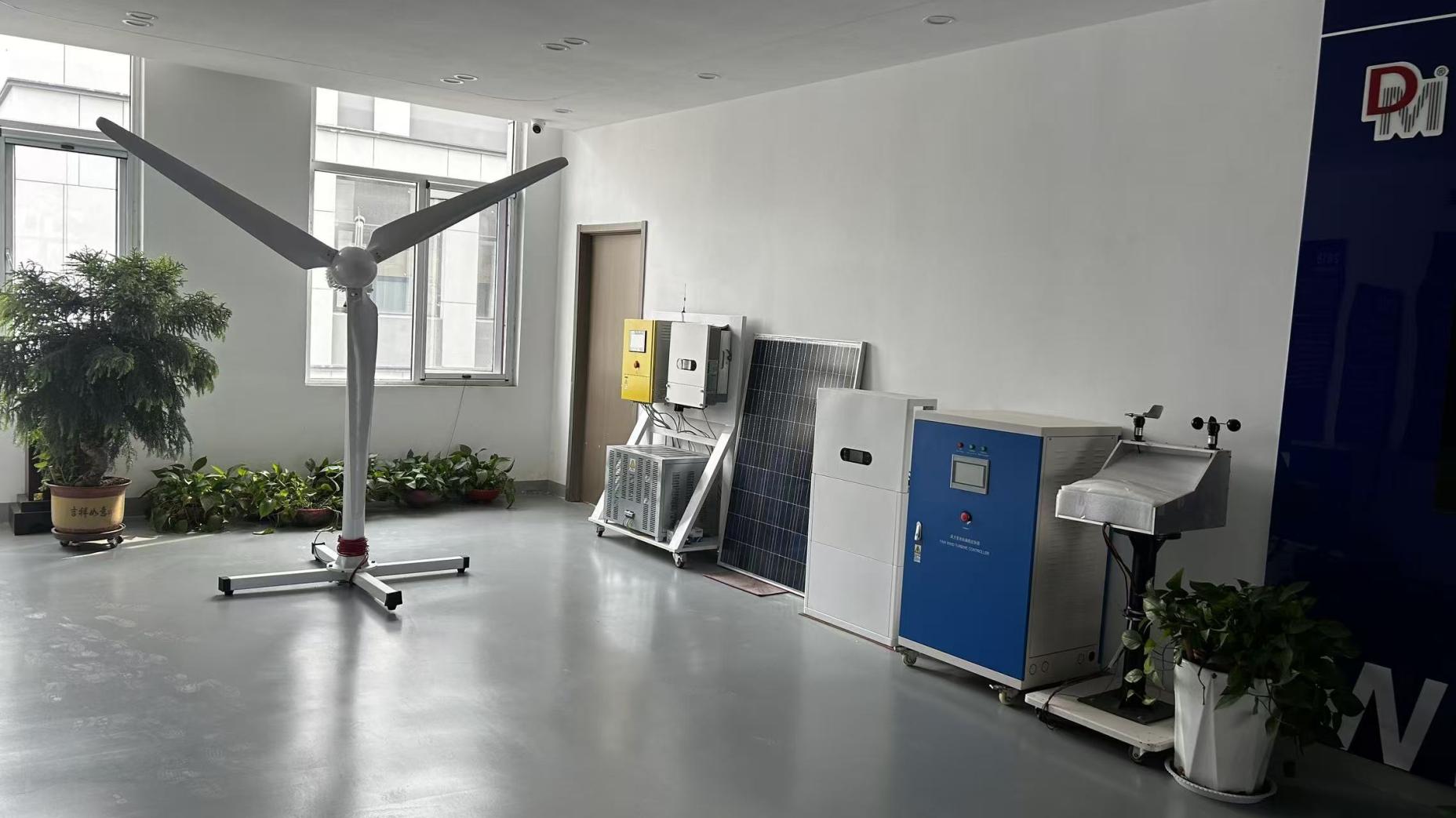
Maritime ports and industrial zones are increasingly transitioning toward integrated microgrids that combine utility power with local renewable resources, such as solar photovoltaic (PV) systems, wind turbines, and Battery Energy Storage Systems (BESS). Connecting these systems to fluctuating port loads requires advanced power conversion architectures.
Deming's future engineering roadmap centers on developing smart, interconnected power systems featuring:
This technical foundation helps port authorities in the Caribbean scale up shore power installations to meet international maritime regulations, while ensuring local energy systems remain stable.
Industrial power systems operating in coastal locations face demanding environmental challenges. Deming’s AC Power Sources and shore connection boxes are engineered to comply with major international and marine safety standards, including IEEE 80005-1 (high voltage shore connections), IEC 60092 (electrical installations in ships), and CE marking standards.
We provide comprehensive support for every project in Saint Lucia, including:
Need a custom power configuration for your maritime or industrial application in Castries?
Send Inquiry Now Demin Power