Industrial-grade generation solutions engineered to deliver clean, grid-compliant power under dynamic hydraulic and variable load conditions across Argentina.
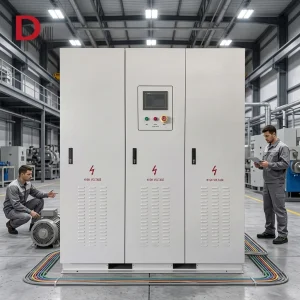
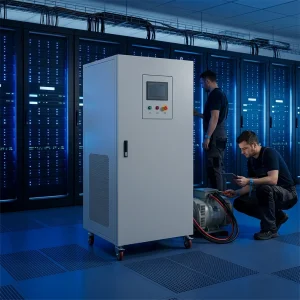
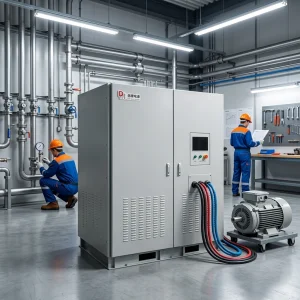
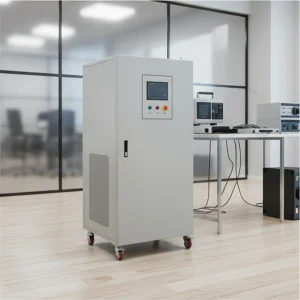
Argentina represents one of Latin America's most dynamic yet complex energy environments. With geographical regions ranging from the high-altitude Andean run-of-river streams in the Cuyo and North-West (NOA) regions to the immense river flows of the Paraná and Uruguay basins in the Litoral, hydro power stands as the historical backbone of the nation's grid stability. As the national grid administrator, CAMMESA, tightens grid compliance standards under the *Régimen de Fomento Nacional de las Fuentes de Energía Renovables* (RenovAr Initiative and MATER framework), the demand for high-efficiency power conversion has scaled exponentially.
Traditional fixed-speed hydroelectric systems are increasingly struggling against changing river flows, seasonal meltwater shifts, and strict active-reactive power regulation requirements. Transitioning to variable-speed run-of-river generators and low-head turbines requires state-of-the-art power converters capable of decoupling turbine generator speeds from the rigid 50Hz utility grid. Our systems ensure optimum power point tracking (MPPT) under variable hydraulic heads while delivering low harmonic distortion (THD < 3%) directly matching CAMMESA's stringent grid codes.
Our hydro converters adapt in milliseconds to hydraulic fluctuations, ensuring stable frequency conversion even in high-altitude run-of-river operations across Mendoza and Neuquén.
Full support for Low-Voltage Ride-Through (LVRT) and reactive power injection (Q-control) matching the complex regional connection mandates of Argentinian distribution cooperatives.
The global shift towards permanent magnet synchronous generators (PMSG) in small and medium-scale hydro facilities requires full-scale back-to-back converter topologies. By decoupling generator frequency from grid frequency, our converters enable hydraulic turbines to run at their peak efficiency curve, reducing mechanical stress and increasing annual energy yield by up to 15-25%.
Water flow is highly dynamic, especially in Andean rivers affected by seasonal snowmelt. Our proprietary MPPT control algorithms continuously calculate hydraulic power output, optimizing turbine speed dynamically. This ensures that even under low-head, low-flow autumn conditions, your generator produces the maximum possible kW.
From micro-grids in remote Patagonian estancias to tidal energy arrays along the Atlantic coast, the versatility of our IP68 marine-grade and industrial converters ensures continuous operation in corrosive or highly humid environments, bridging the gap between isolated generation and stable AC supply.
We customize our engineering output to resolve local distribution, voltage instability, and remote geography challenges unique to South American grids.
Operating in regions like Salta, Jujuy, or Mendoza requires coping with massive seasonal flow variations and low atmospheric density, which impacts heat dissipation. Our converters feature high-altitude derating adjustments, heavy-duty liquid/air-forced cooling options, and wide voltage input ranges to accommodate the high rotation speeds of Pelton and Turgo turbines during rapid melting phases.
Vast sections of southern Argentina remain disconnected from the SADI (Sistema Argentino de Interconexión). Large farms, mining sites, and local agricultural cooperatives rely on micro-hydro installations. Our off-grid controllers with integrated battery simulator functions and bidirectional capabilities provide stable, pure sine-wave 380V/400V power, preventing motor start-up voltage drops in heavy industrial machinery.
Under the MATER program, private companies purchase green energy directly from private generators. Our hybrid solar-wind-hydro converters allow single-point connection for multi-source systems. Combining local hydro base loads with daytime solar or erratic Patagonian wind ensures consistent output, maximizing industrial PPA contract compliance.
The agricultural heartland of Argentina features extensive canal networks. Low-head ultra-micro hydro units (10kW to 100kW) utilizing permanent magnet generators can tap this resource. Our DM-100K series provides stable AC outputs directly from variable low-speed hydraulic rotations without requiring complex mechanical gearboxes, minimizing maintenance and maximizing system uptime.
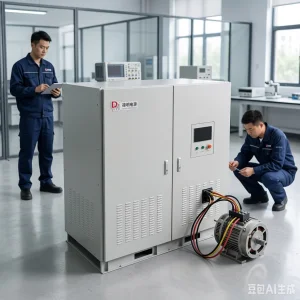
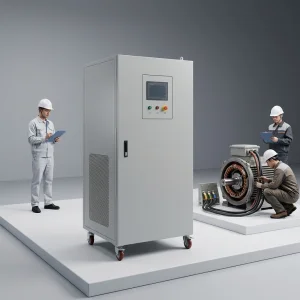
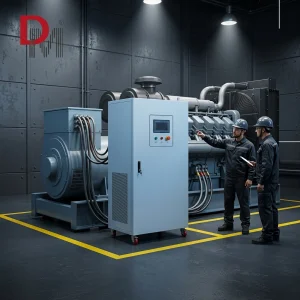
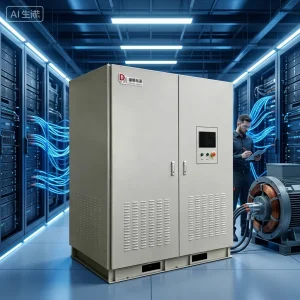
Adaptable power solutions designed for complex environmental deployments, featuring multi-source synchronization and IP68 protection ratings.
Founded in 2004, Jinan Deming Power Equipment Co., Ltd. is a national high-tech enterprise dedicated to engineering, developing, and manufacturing advanced renewable energy converters, grid-tied inverters, and high-precision battery simulation systems. Backed by ISO9001:2015 standards, the company continuously injects more than 20% of its annual sales revenue into R&D, maintaining a specialized laboratory staffed by 16 senior engineers, doctoral supervisors, and power electronics experts.
With dozens of proprietary intellectual property patents, Deming has successfully executed 17 major R&D projects over the past three years alone, transforming 16 advanced scientific designs into commercially viable industrial products. Our systems are operational in 120+ countries, establishing partnerships with Fortune 500 enterprises and global utility departments. When serving the Argentinian market, we offer customized control algorithms, local voltage adaptability, and complete engineering documentation to simplify grid integration and ensure long-term site reliability.
How our hardware and software architecture ensures maximum power harvest and unmatched grid stability.
Our converters utilize full-controlled IGBT active rectifiers on the generator side. Unlike passive diode bridges, AFE technology allows dynamic control of generator stator currents, ensuring optimal electromagnetic torque control, reducing harmonic thermal losses in generators, and permitting high-efficiency generation across the turbine's entire speed spectrum.
Driven by dual-core Texas Instruments DSPs, the control system operates with a high sampling rate. It dynamically tracks grid phase angles using advanced Phase-Locked Loop (PLL) algorithms, allowing instantaneous synchronization and grid reconnection in under 20ms following localized faults.
To eliminate high-frequency switching noise, every grid-connected unit is integrated with a tuned LCL filter. This ensures compliance with IEEE 519 standards for harmonic distortion, protecting sensitive local communications and transformer units within public utility lines.
From variable speed grid-tied converters to permanent magnet alternator solutions, these systems represent the pinnacle of Deming's hydro engineering capabilities.
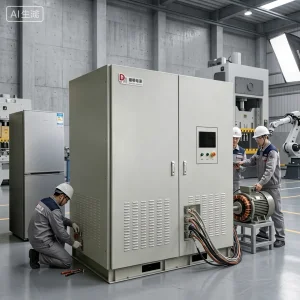
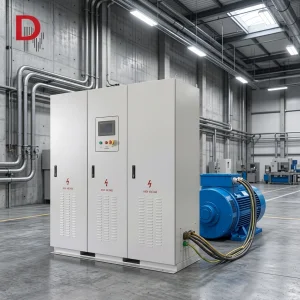
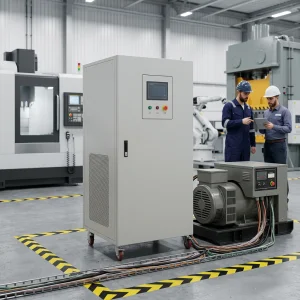

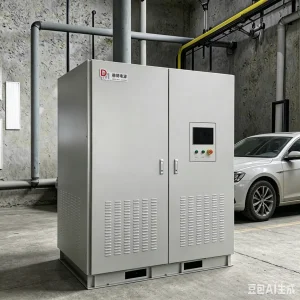
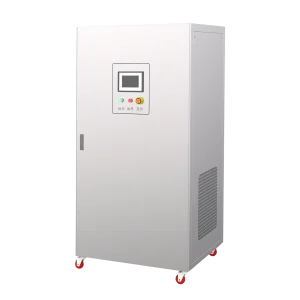
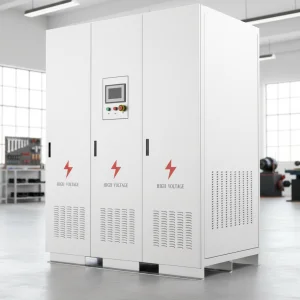
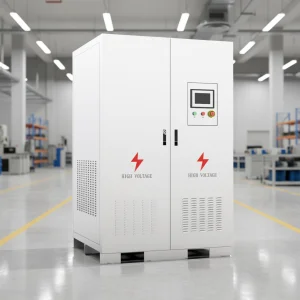
From raw board mounting to multi-scenario stress analysis, our industrial testing rigs ensure failure-free deployments in remote areas.
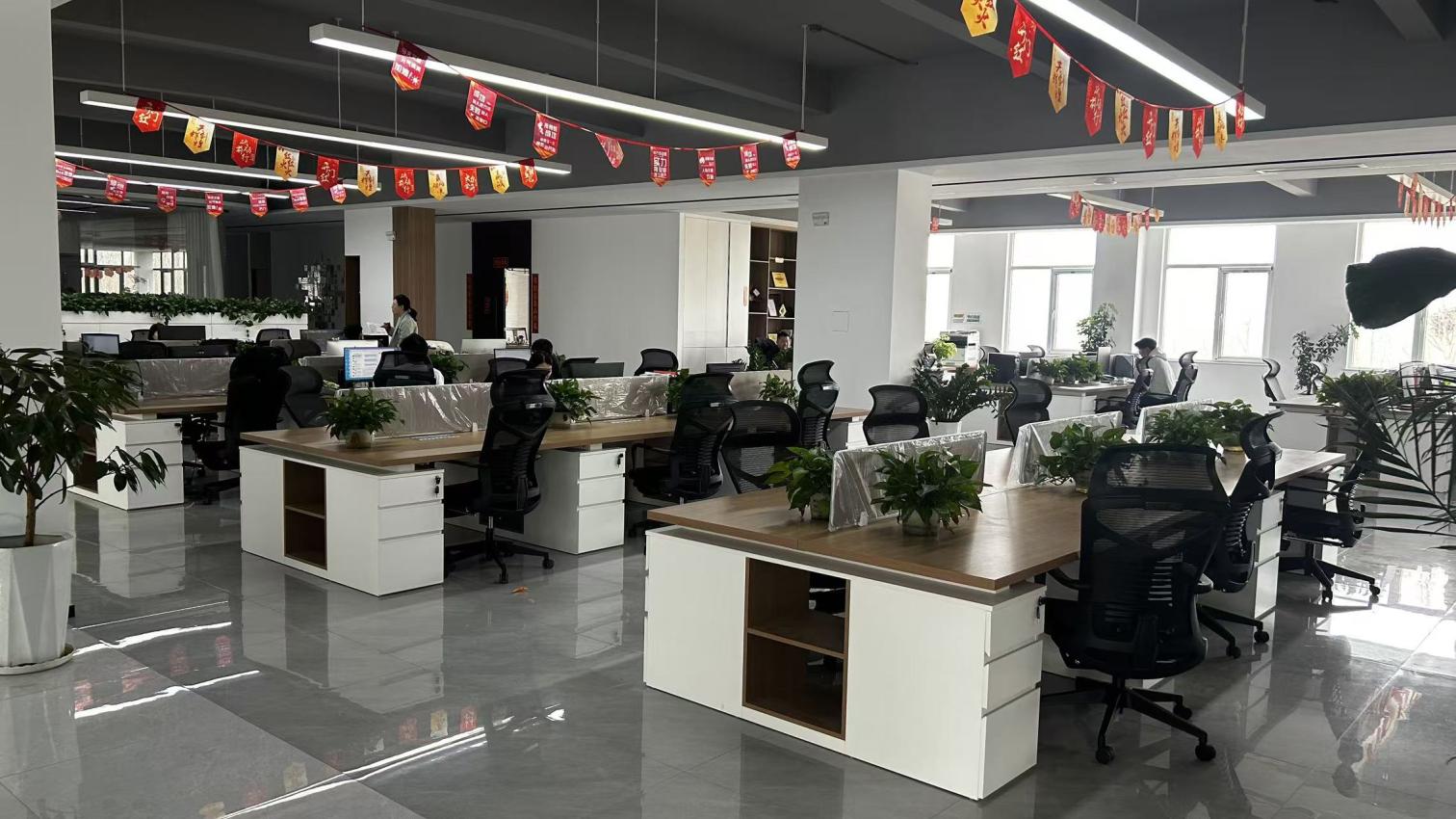
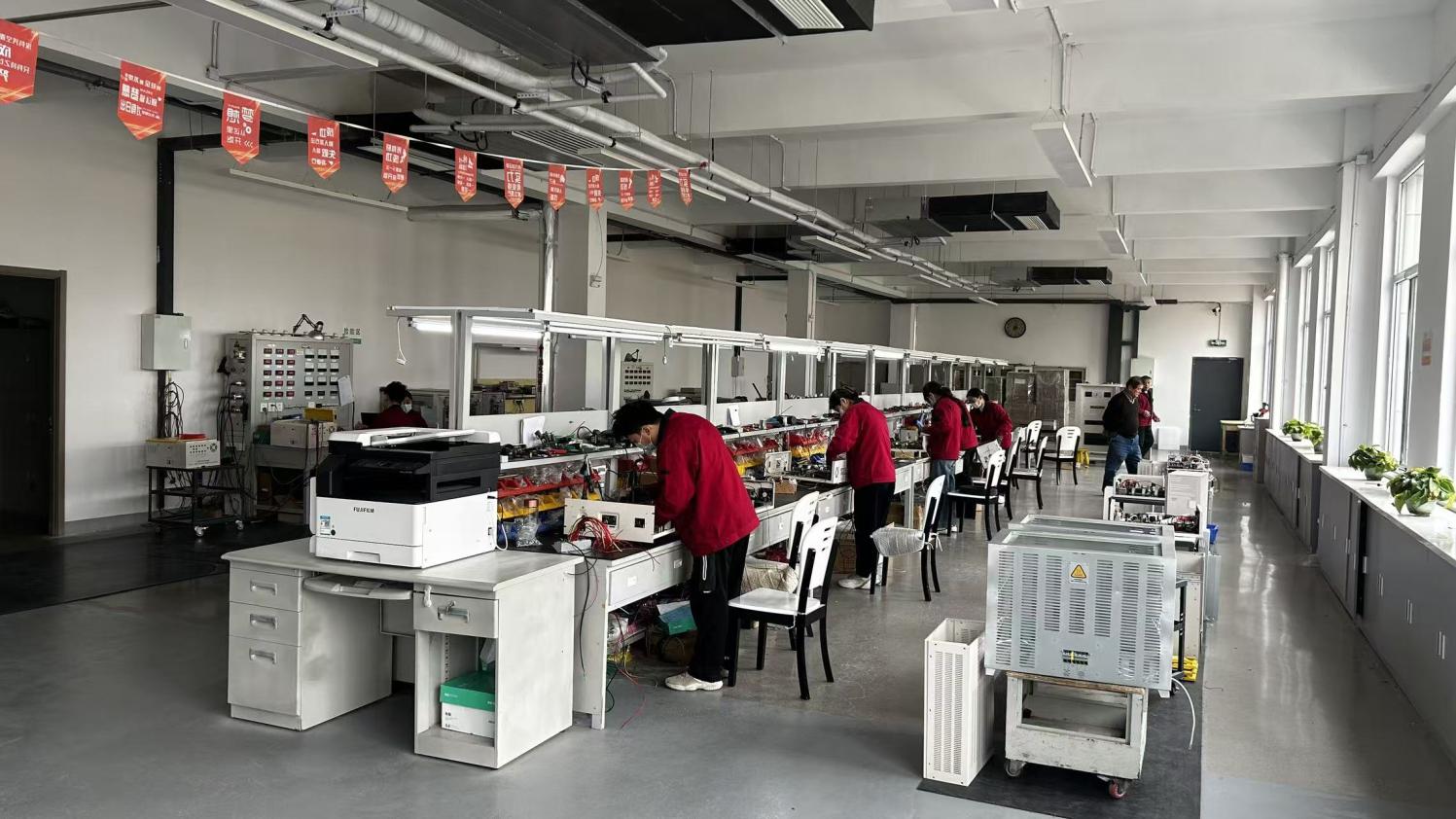
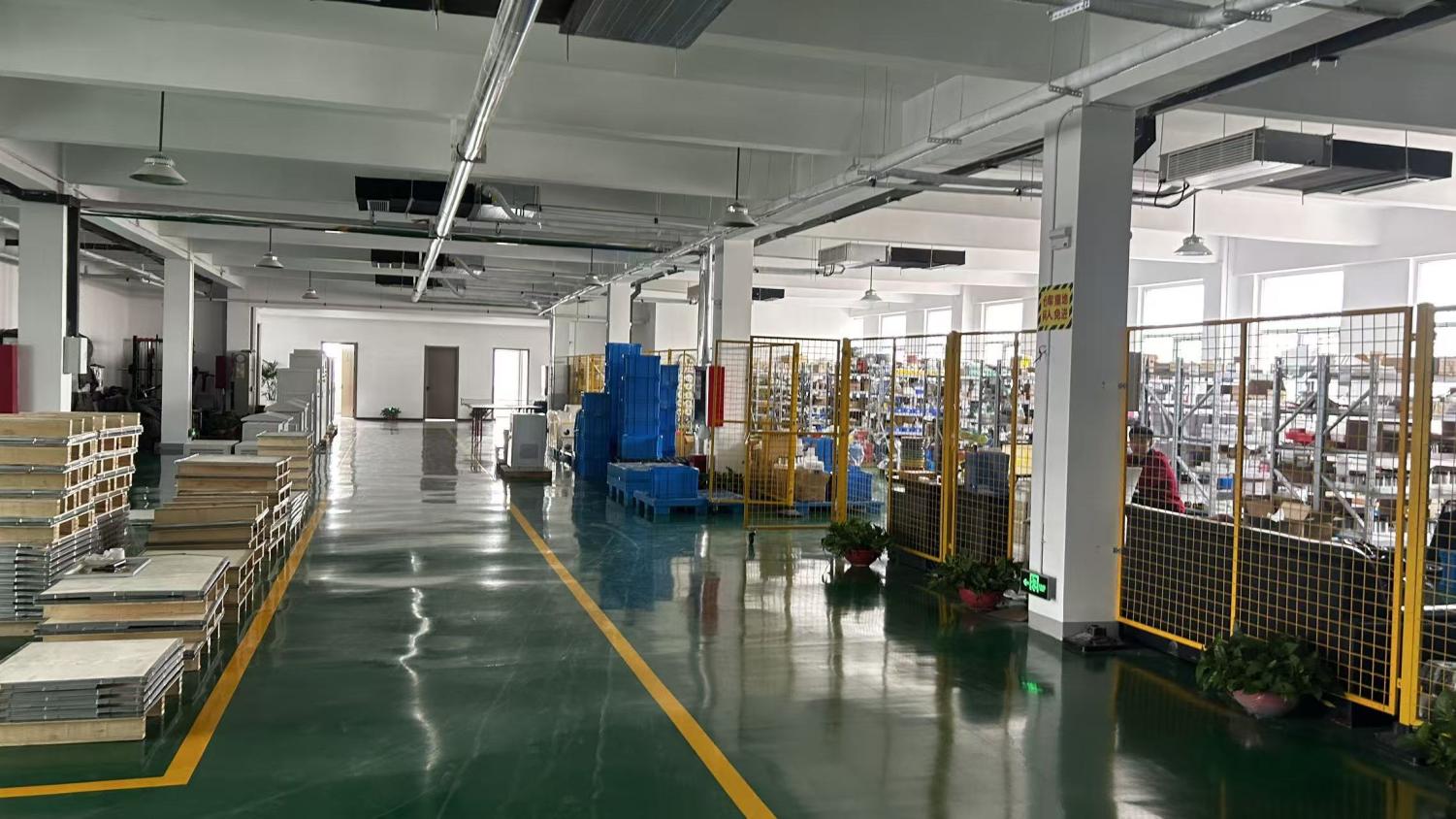
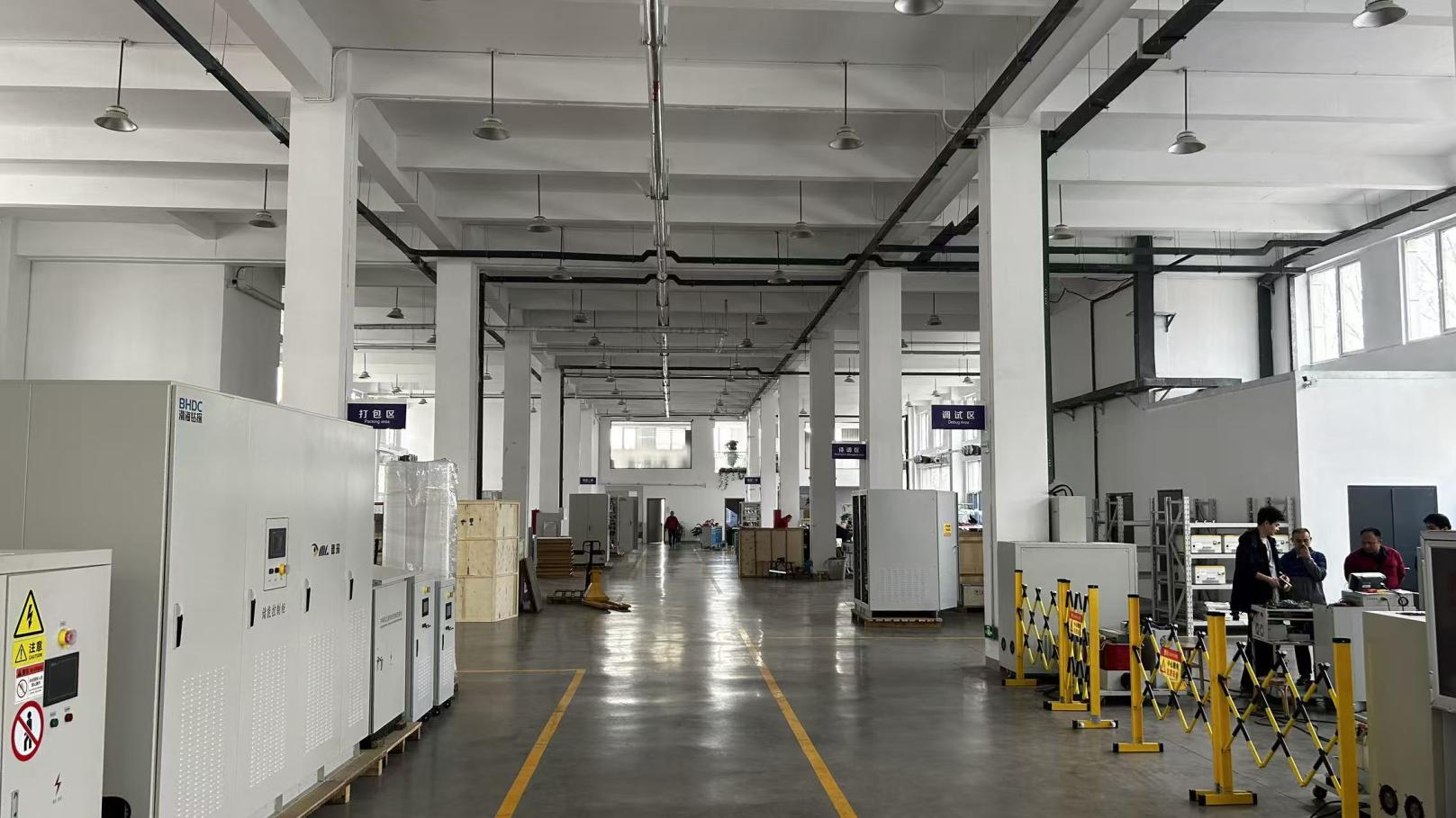
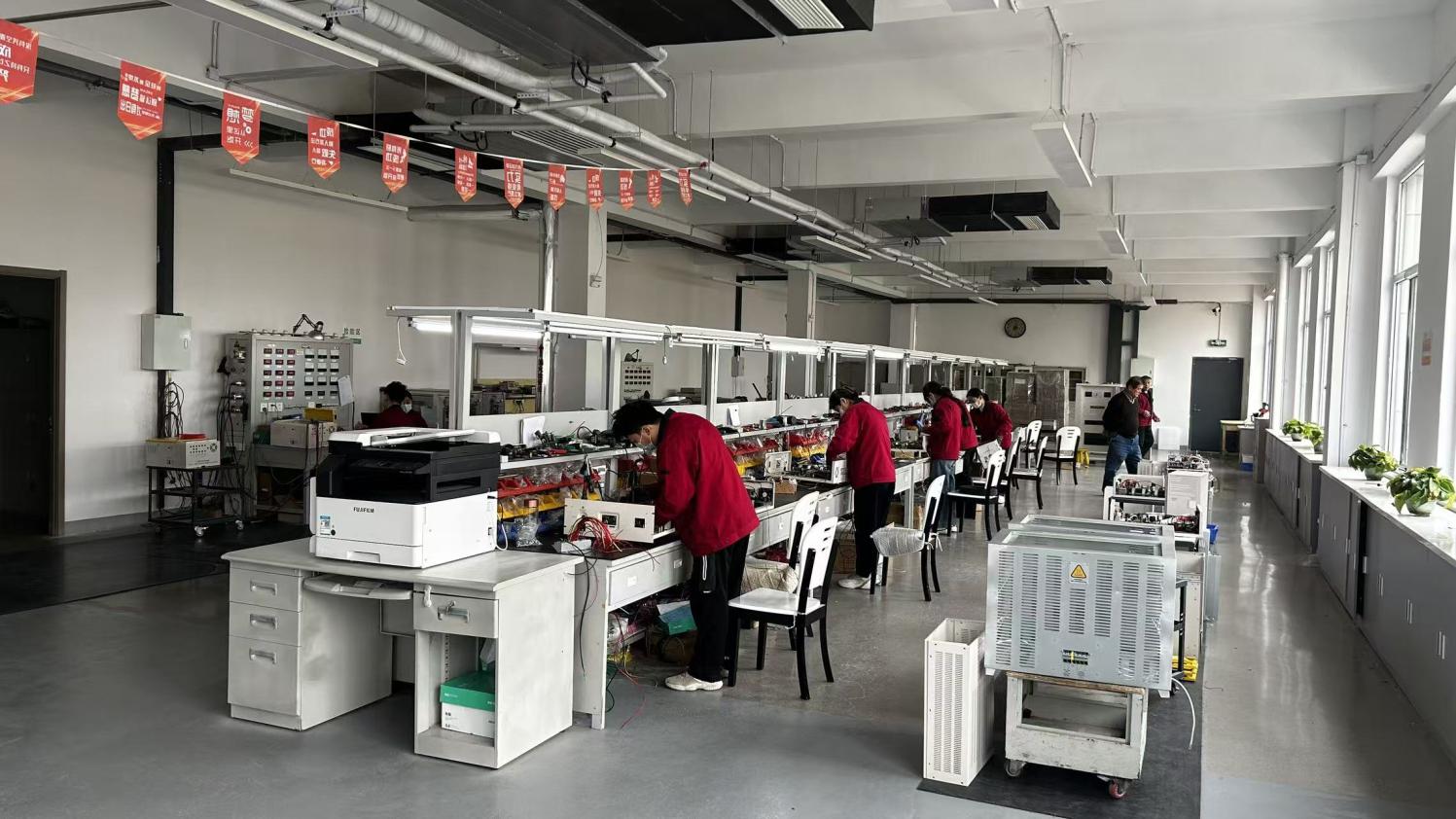 Circuit assembly
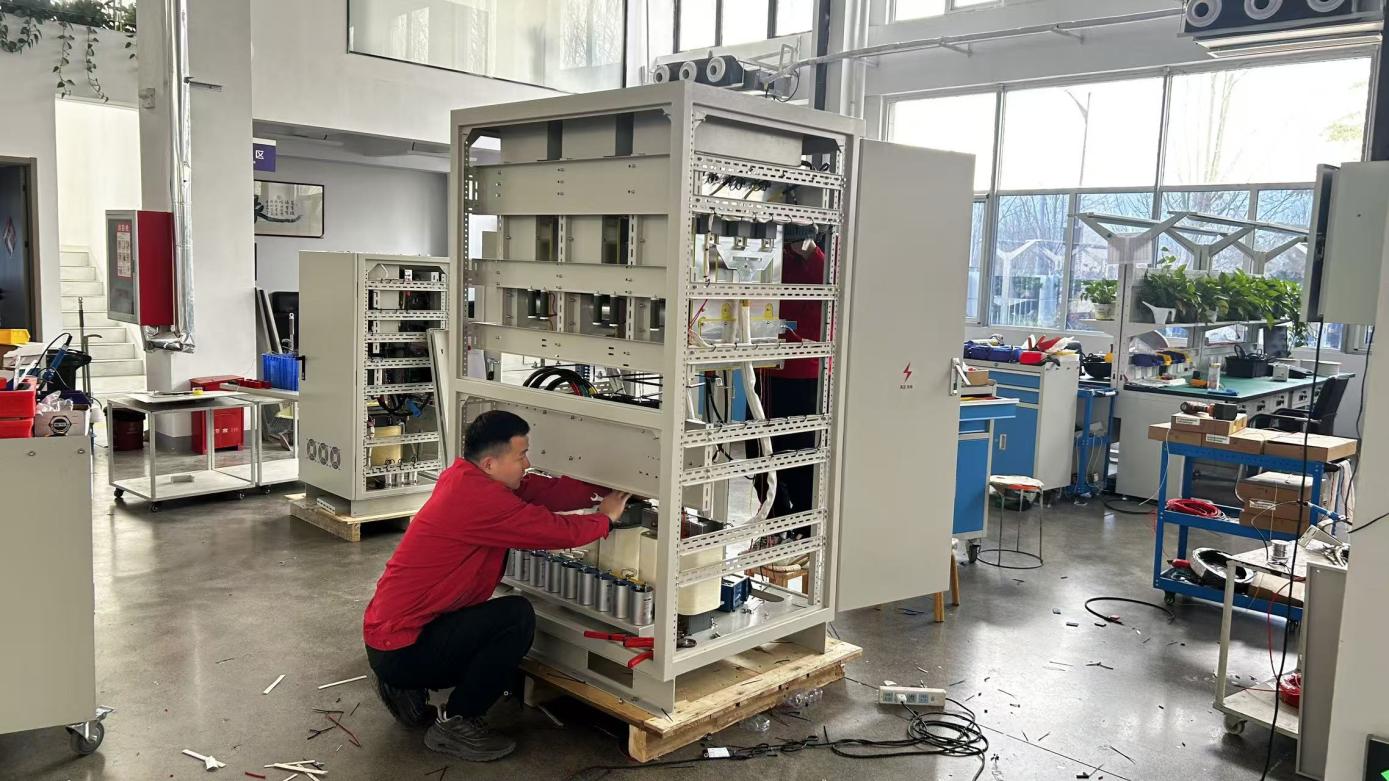 Circuit board assembly
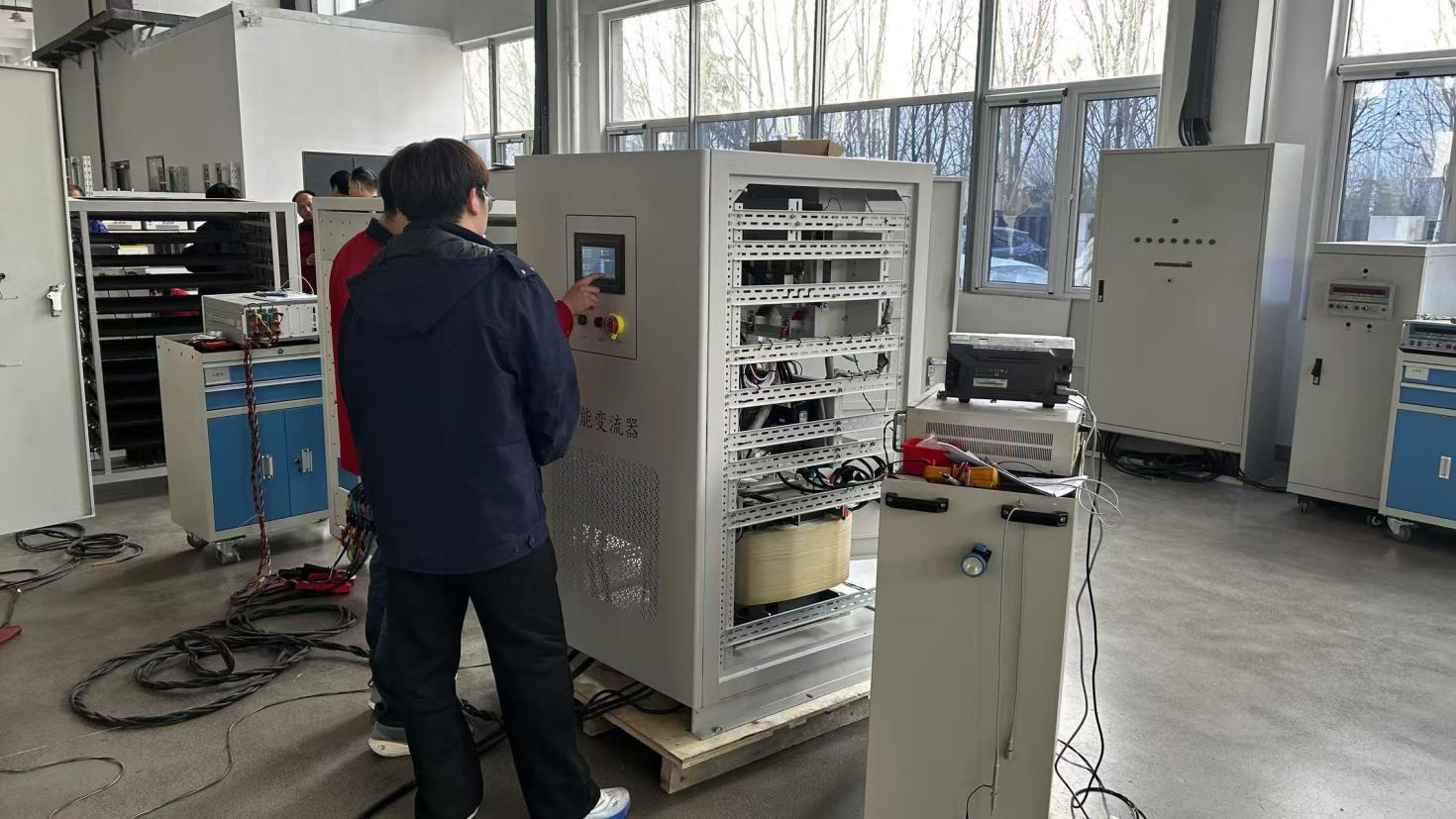 Debugging process
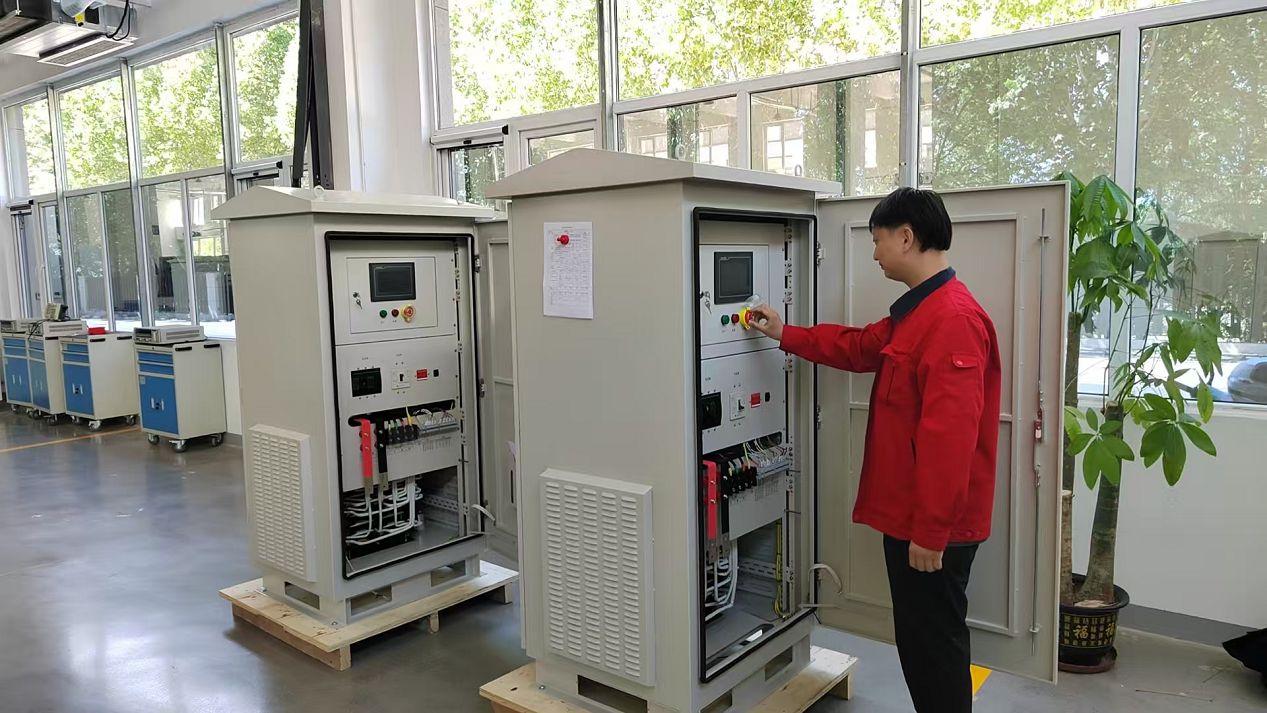 Quality inspection process
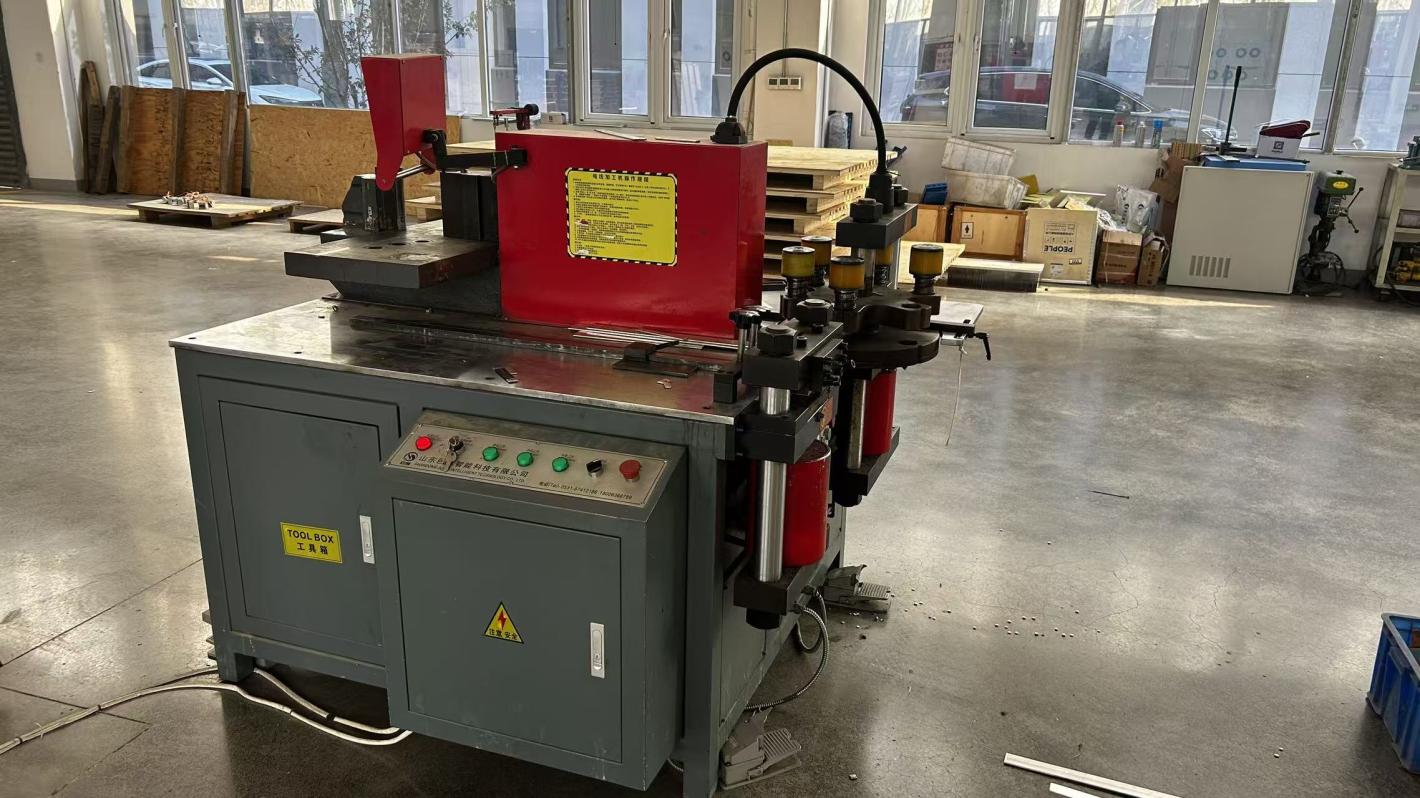 Copper bar production equipment
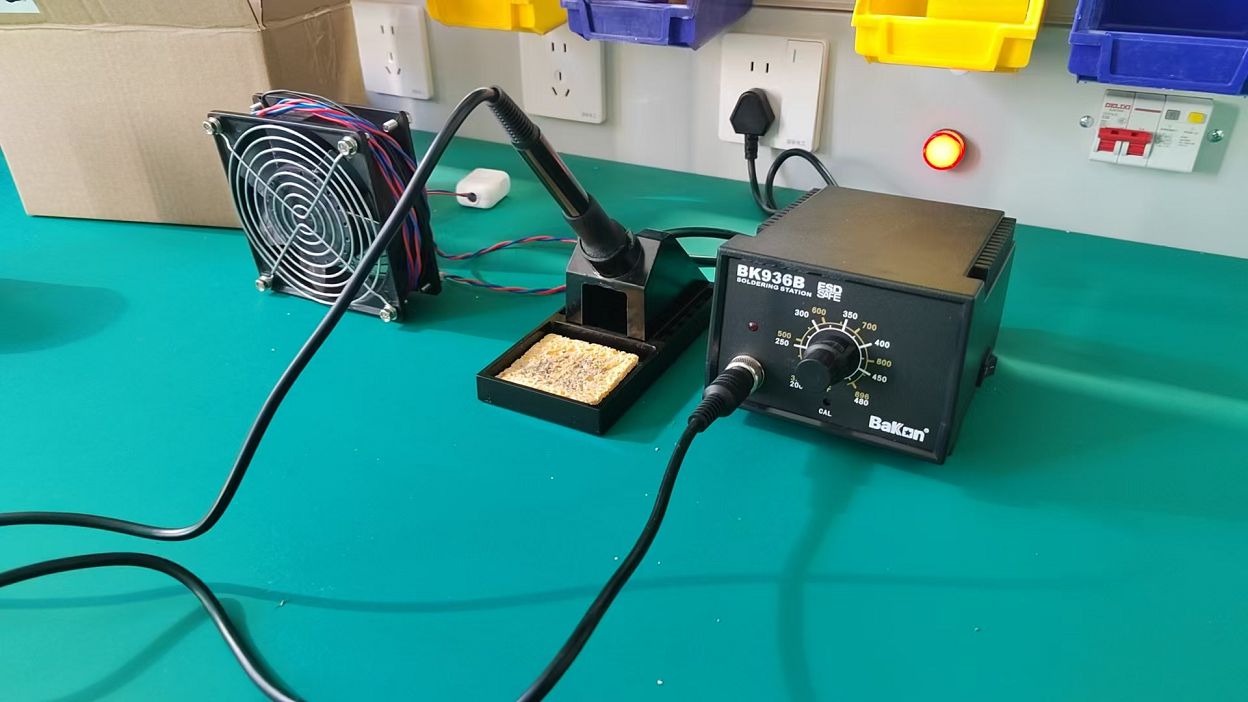 Electric ferrowire
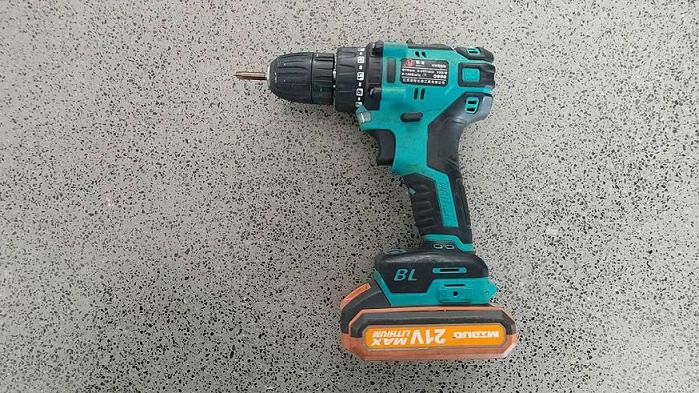 Electric drill
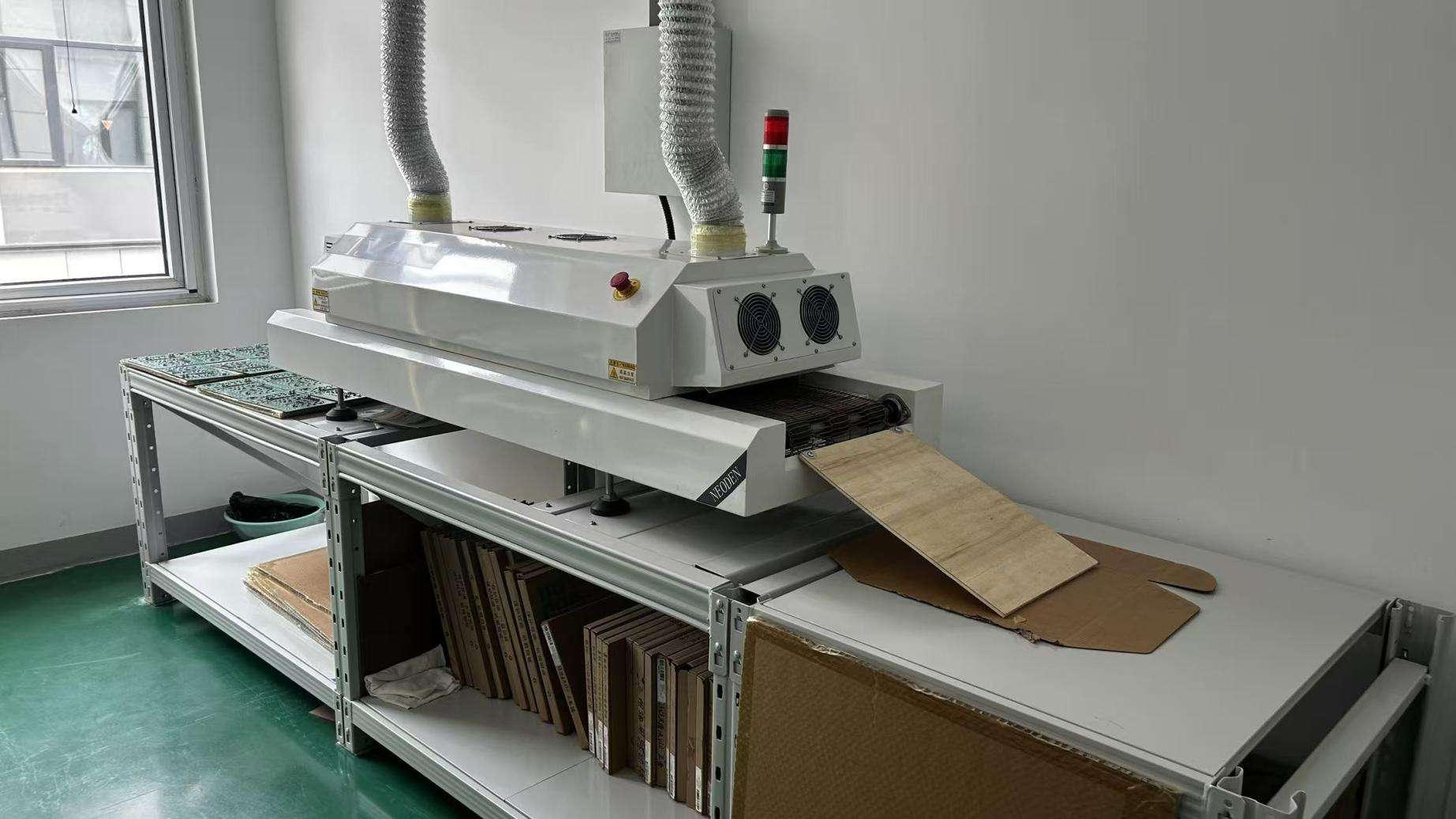 Reflow soldering machine
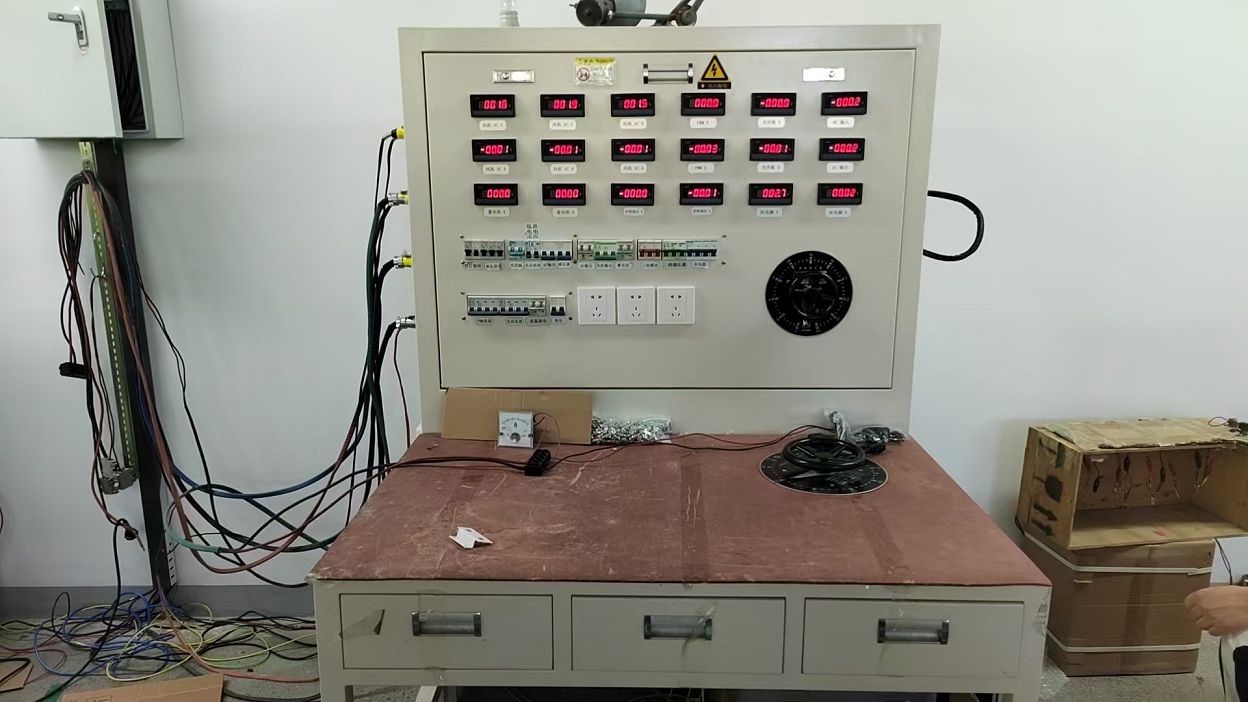 Workbench
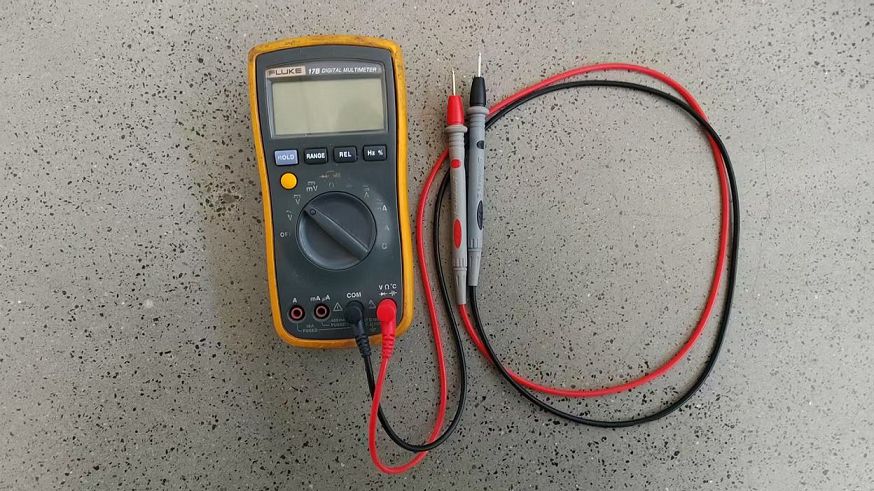 Multimeter
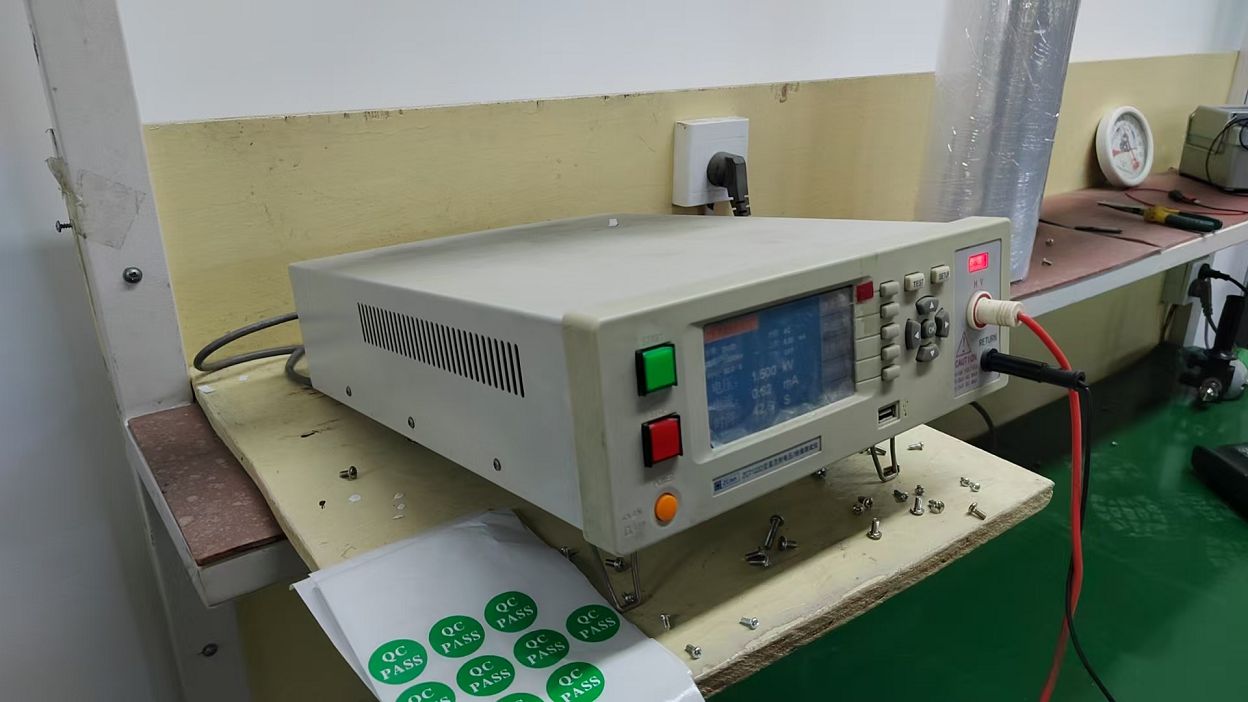 LCR AutoTester
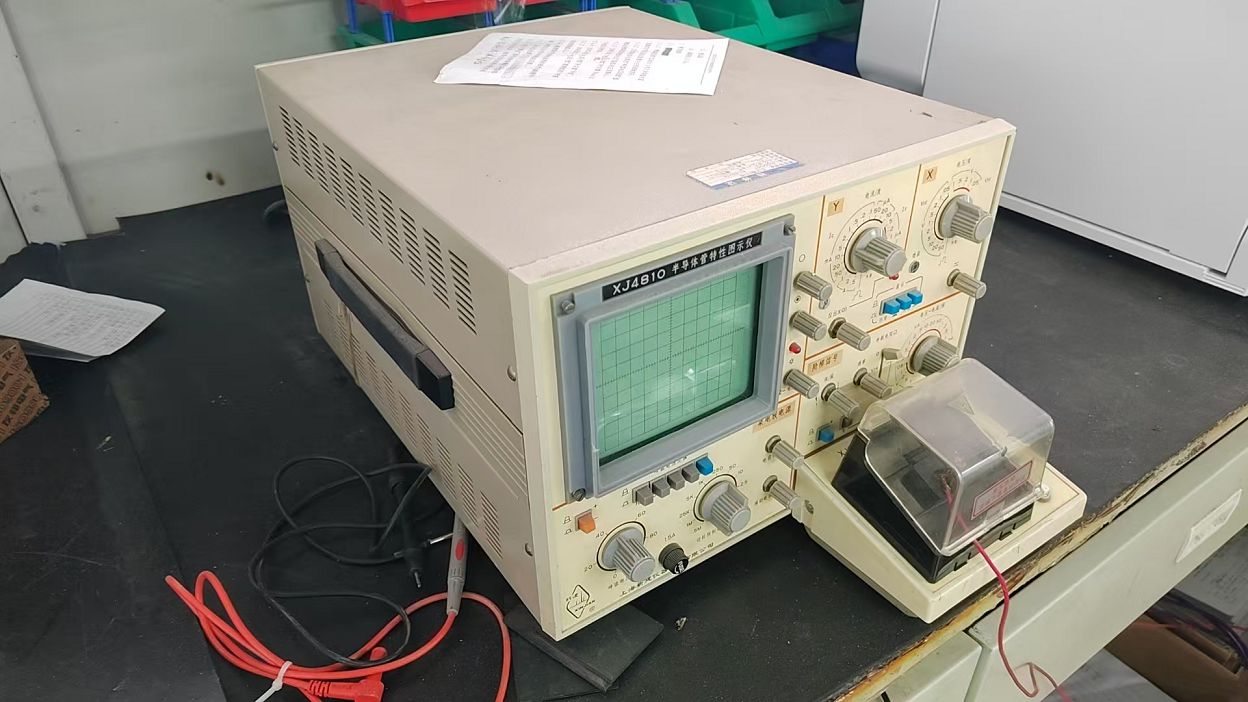 Semiconductor Characteristic Plotter
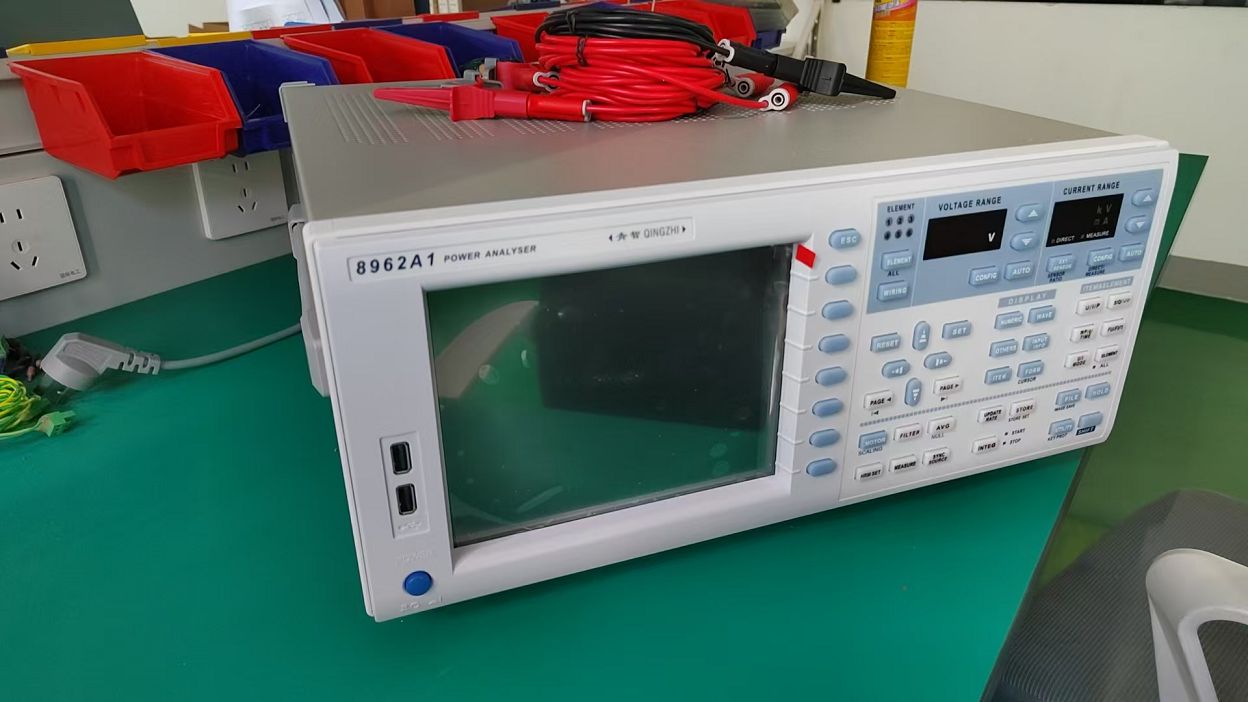 Digital Oscilloscope
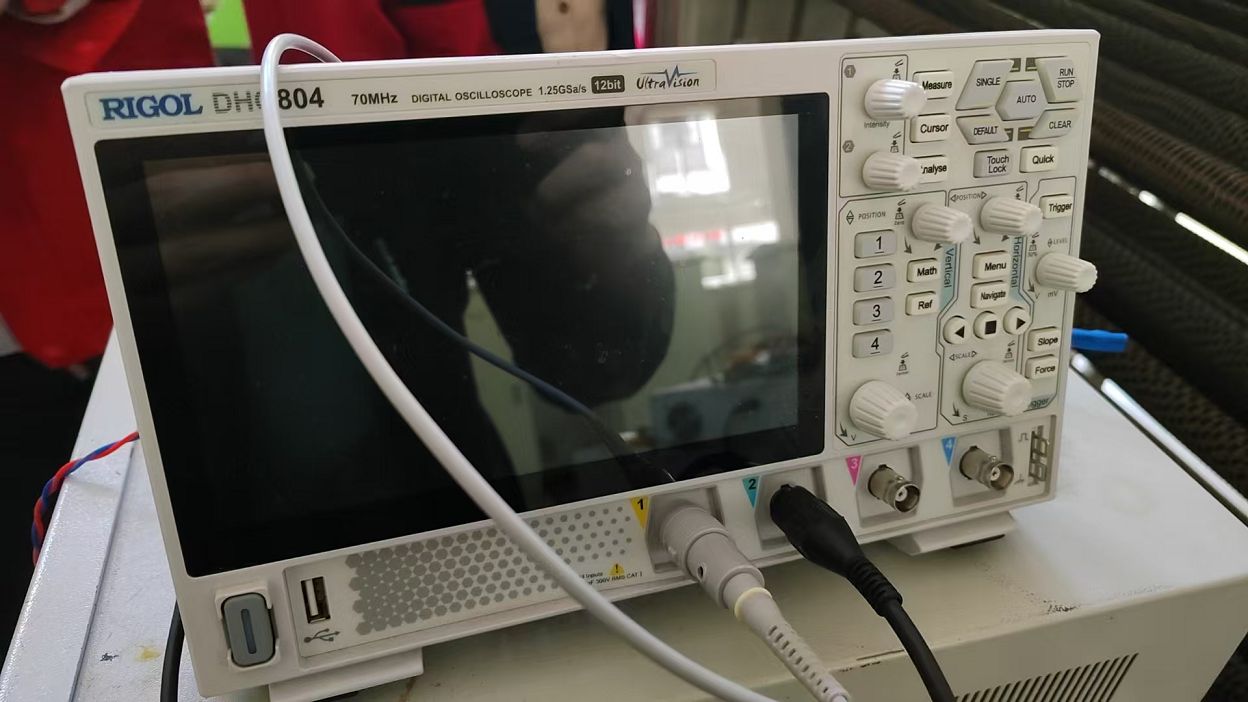 Power Quality Analyzer
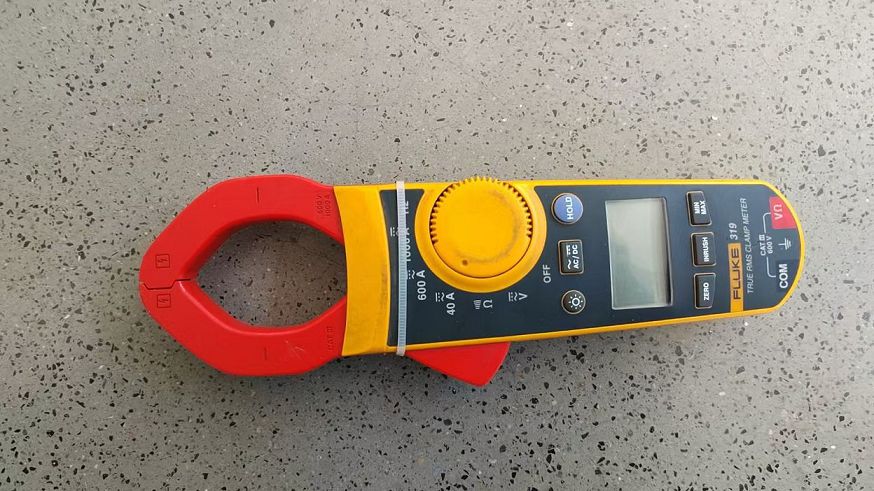 Clamp current meter
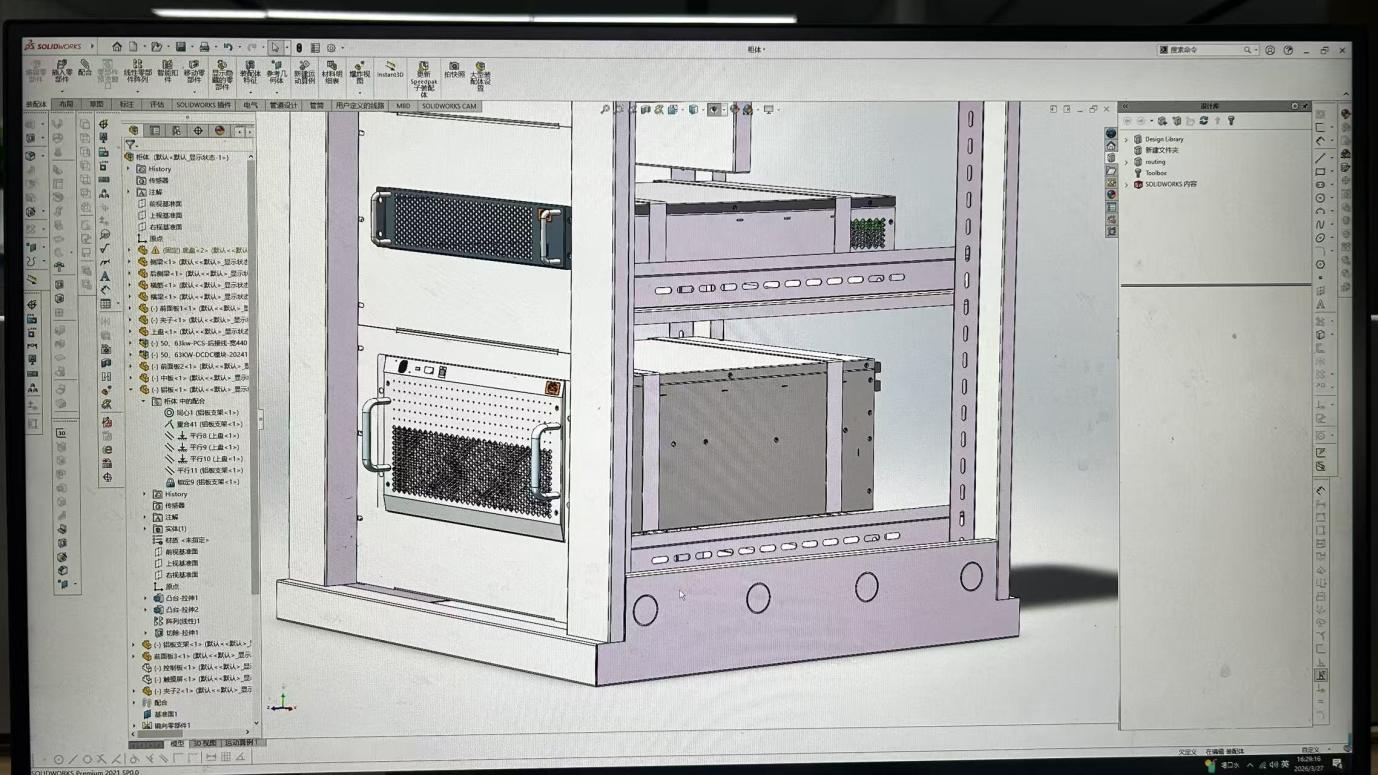
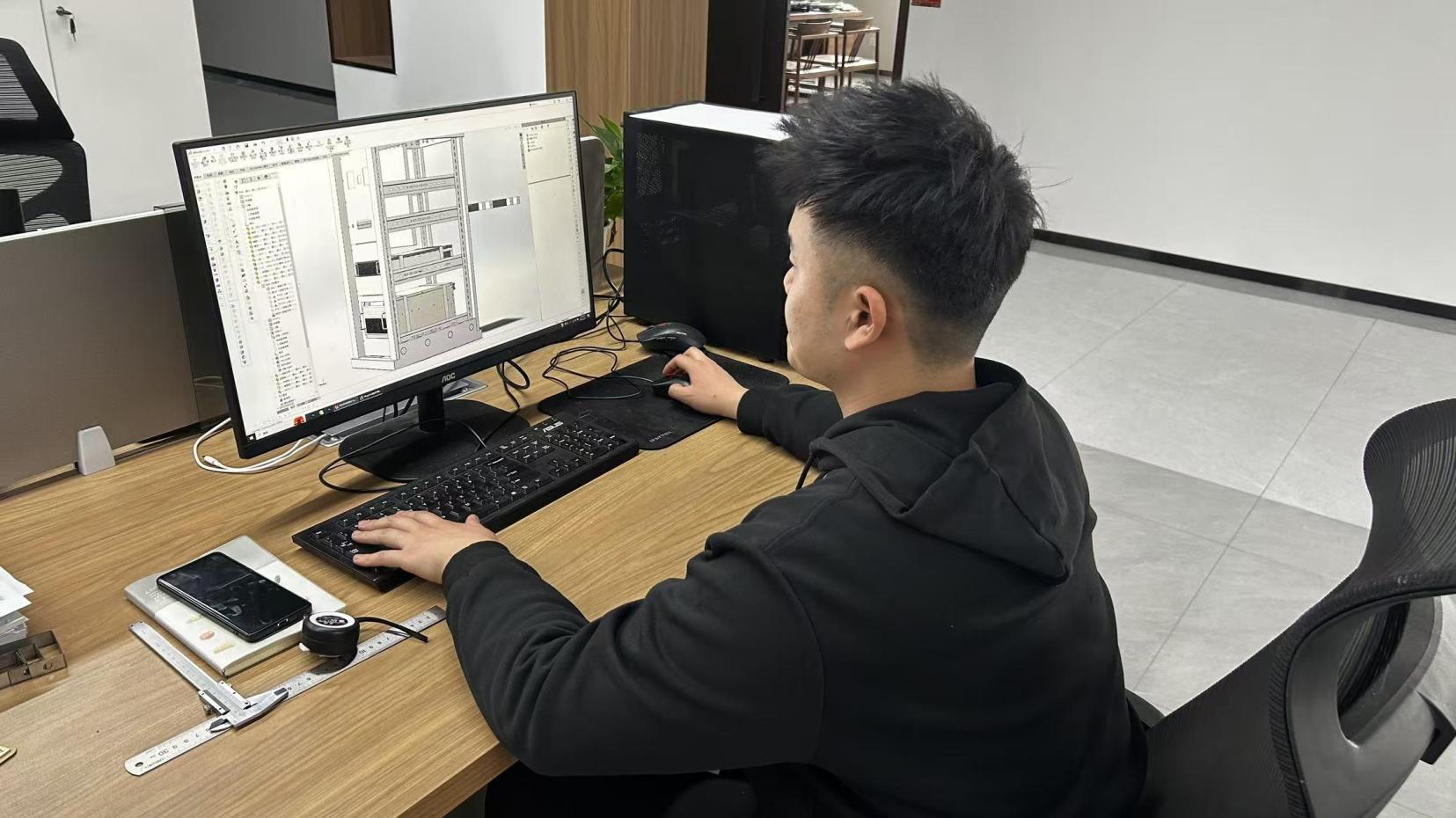 Drawing Design
Get answers to critical design, compatibility, and grid compliance questions commonly encountered during Argentinian hydro installations.
Variable speed converters decouple the generator's rotational speed from the utility grid frequency (50Hz in Argentina). In traditional installations, the turbine must spin at a fixed speed to match grid frequency, leading to large efficiency drops when the water flow or head fluctuates. Decoupled operation allows the turbine to run at its optimum hydraulic speed, increasing annual energy generation by up to 25%, while mitigating blade cavitation and turbine stress.
Yes. Our grid-connected models feature programmable parameters to comply with CAMMESA requirements, including grid voltage and frequency tracking limits. They support Low-Voltage Ride-Through (LVRT) to remain online during short-term grid faults and support static VAR regulation (reactive power compensation) to stabilize long regional transmission lines common in southern and western Argentina.
Absolutely. Our off-grid controllers feature programmable output frequency (50Hz/60Hz) and stable output voltage control. They are frequently integrated with dump loads to divert excess hydro-mechanical energy and can operate alongside battery storage or diesel backup systems to form stable, high-reliability microgrids in high-altitude Andean environments.
We provide full design integration support, including customized drawings and parameter configuration matching local distribution utility demands. For large industrial sites, we offer direct remote engineering support, troubleshooting diagnostics, and complete installation manuals. Our systems utilize top-tier international components (like Infineon IGBT modules), easing the sourcing of local spare parts if ever required.
 Demin Power