Demin Power
1 / 5





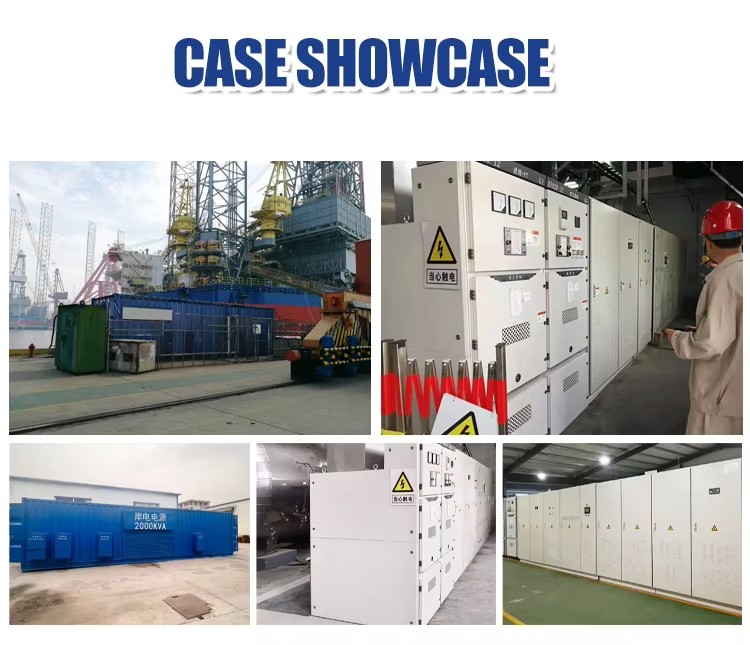

A load bank is designed to produce electrical loads for testing power sources, such as generators, uninterruptible power supplies (UPS), and batteries, simulating real-use conditions without connecting to the actual facility grid.
Regular load bank testing prevents "wet nesting" (undisturbed fuel accumulation) in diesel engines, verifies the system's capacity to handle its maximum rated load, and ensures overall operational reliability during critical power outages.
Resistive load testing simulates active power (kilowatts) using heating elements to apply a load to the engine. Reactive testing simulates electromagnetic loads (kilovolt-amperes reactive) using inductors or capacitors to test the engine's power factor control.
Yes, power testing systems can be custom-engineered to meet specific industrial voltage parameters, frequency standards, and environmental conditions to suit various global testing regulations.
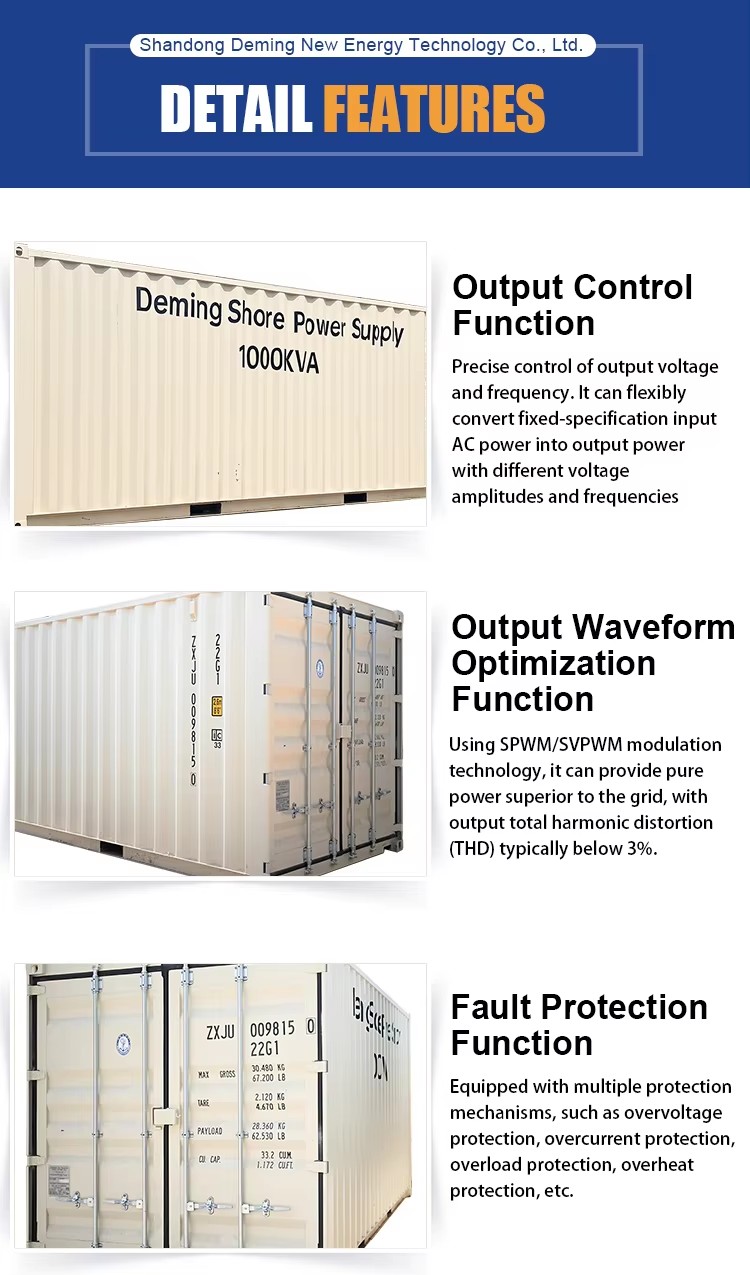
Modern systems are equipped with multi-level safety features including over-temperature protection, fan status detection, over-voltage/under-voltage shutoffs, and emergency stop controls to ensure secure operational testing environments.
Load banks can be operated using manual local switches, remote wired control consoles, or via integrated software communication protocols for automated test sequencing and data collection.