The dynamic integration of multi-source renewable systems demands a foundational shift in how electrical networks distribute, control, and process active power vectors. Conventional power grids operate on top-down radial distribution configurations designed around centralized, dispatchable generation nodes. Today, the rapid proliferation of distributed energy resources (DERs) like localized commercial solar arrays, sub-megawatt wind generation, and high-capacity battery systems requires bidirectional power flow controls at the grid edge. Smart grid technology provides the vital control link that stabilizes local voltage fluctuations and manages active and reactive power components dynamically.
Globally, the commercial and industrial (C&I) sectors are experiencing aggressive grid modernization mandates. For instance, the European Union's REPowerEU framework enforces stringent structural regulations on energy efficiency, necessitating smart metering, rapid fault clearing, and harmonized grid-interconnection parameters. Under these conditions, the acquisition of CE (Conformité Européenne) marking is not merely a legal checkbox but a guarantee of electromagnetic compatibility (EMC), low voltage safety compliance (LVD), and strict thermal and acoustic performance limits under harsh operating scenarios.
Modern decentralized utility interfaces require dynamic frequency and voltage stabilization algorithms. Deploying subsystems without appropriate power quality controls can result in harmonic pollution, localized phase imbalances, and premature transformer failure.
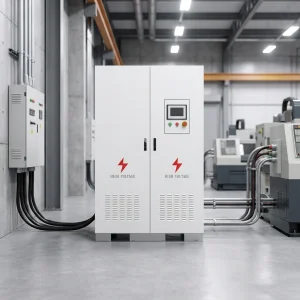
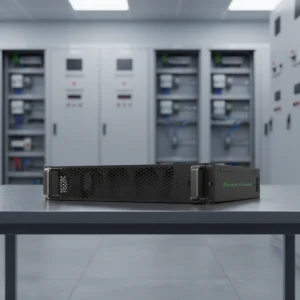
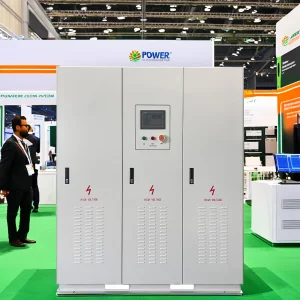
At the core of smart grid integration are power electronics systems capable of high-frequency switching with minimal losses. The transition from simple unidirectional rectifiers to bidirectional, multi-quadrant converters allows industrial facilities to treat their electrical storage systems as both loads and virtual power plants. Deming's development in 300kW Power Conversion Systems (PCS) demonstrates this transition, employing advanced IGBT (Insulated Gate Bipolar Transistor) topologies that manage power flow in both buck and boost modes.
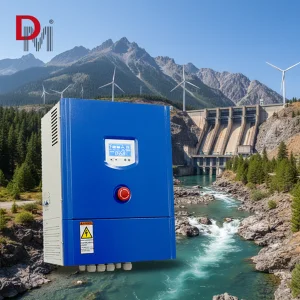
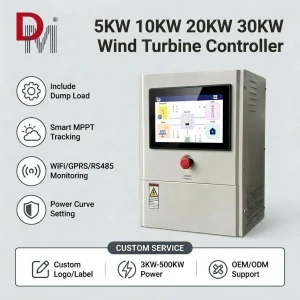
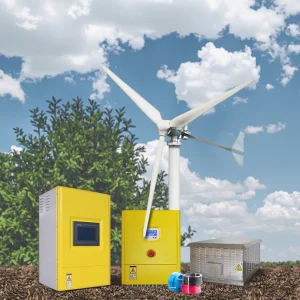
Furthermore, wind and solar power generation are inherently variable. High-power wind turbine controllers must manage erratic generator outputs while maintaining precise voltage regulation. Through the implementation of active dump load controls and frequency monitoring systems, modern wind controllers prevent turbine runaway while ensuring the output matches grid parameters.
| Technology Node | Core Control Parameter | Standard Smart Grid Requirement | Deming Industrial Implementation |
|---|---|---|---|
| Power Conversion (PCS) | Bidirectional Active/Reactive Power Flow | IEEE 1547, EN 50549 Compliant | 300kW - 500kW Dual-Active Bridge Topology |
| Wind Grid Interface | Over-speed Voltage Control & Dump Load Regulation | Response time < 100ms | Dynamic frequency monitoring with PID brake loops |
| Solar Charge Control | Maximum Power Point Tracking (MPPT) | Tracking efficiency > 99% | Multi-phase buck-boost converters up to 800V DC |
| EV Integration | High-speed Bidirectional DC-DC Converter | Isolation resistance > 10MΩ | Wide bandgap semiconductor (SiC) integration |
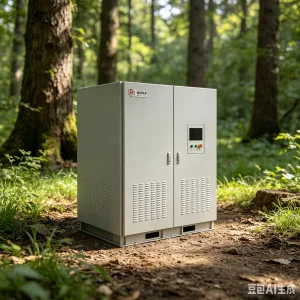
Implementing smart grid technologies requires adapting to diverse geographic and regulatory environments. In localized off-grid scenarios, such as remote mining facilities, rural microgrids, or islanded power networks, maintaining grid stiffness without coal-fired generation is a major technical challenge. This requires a coordinated combination of hydroelectric water turbines, high-power wind turbine generators, and commercial-scale solar installations.
In urban settings, the rapid adoption of electric vehicles requires localized DC fast-charging stations. These setups can strain distribution transformers. By integrating bidirectional DC-DC converters, these stations can transition to vehicle-to-grid (V2G) systems, utilizing EV batteries to shave peak loads during high-demand periods. Similarly, industrial sites utilize 300kW energy storage systems to store off-peak power and release it during peak pricing windows, reducing peak-demand charges.
Combining wind controllers, solar inverters, and hydroelectric water turbine generators into a unified localized grid, stabilized by high-capacity bidirectional energy storage converters.
Implementing large-scale commercial hybrid energy storage systems that automatically absorb excess local wind or solar energy, returning it during periods of high peak rates.
Employing high-efficiency bidirectional buck-boost DC-DC power converters to support high-speed charging while preventing local transformer overloading.
The next five years will define a new paradigm in smart grid electronics. Current grid-following converter designs, which synchronize with existing grid voltages, are being replaced by grid-forming systems. These next-generation systems can establish voltage and frequency reference frames independently, allowing microgrids to restart and operate reliably during complete utility outages.
On the semiconductor level, the integration of Wide Bandgap (WBG) materials, such as Silicon Carbide (SiC) and Gallium Nitride (GaN), is replacing legacy silicon IGBTs. These new materials allow higher switching frequencies with significantly reduced switching losses. This enables the production of smaller filters, reduces device footprint, and increases total conversion efficiency to over 98.5%.
Simultaneously, edge-based machine learning algorithm integration is expanding. Real-time control nodes will soon be capable of predicting battery degradation, running adaptive MPPT tracking routines based on localized weather predictions, and automatically scheduling load shedding routines to optimize battery life.
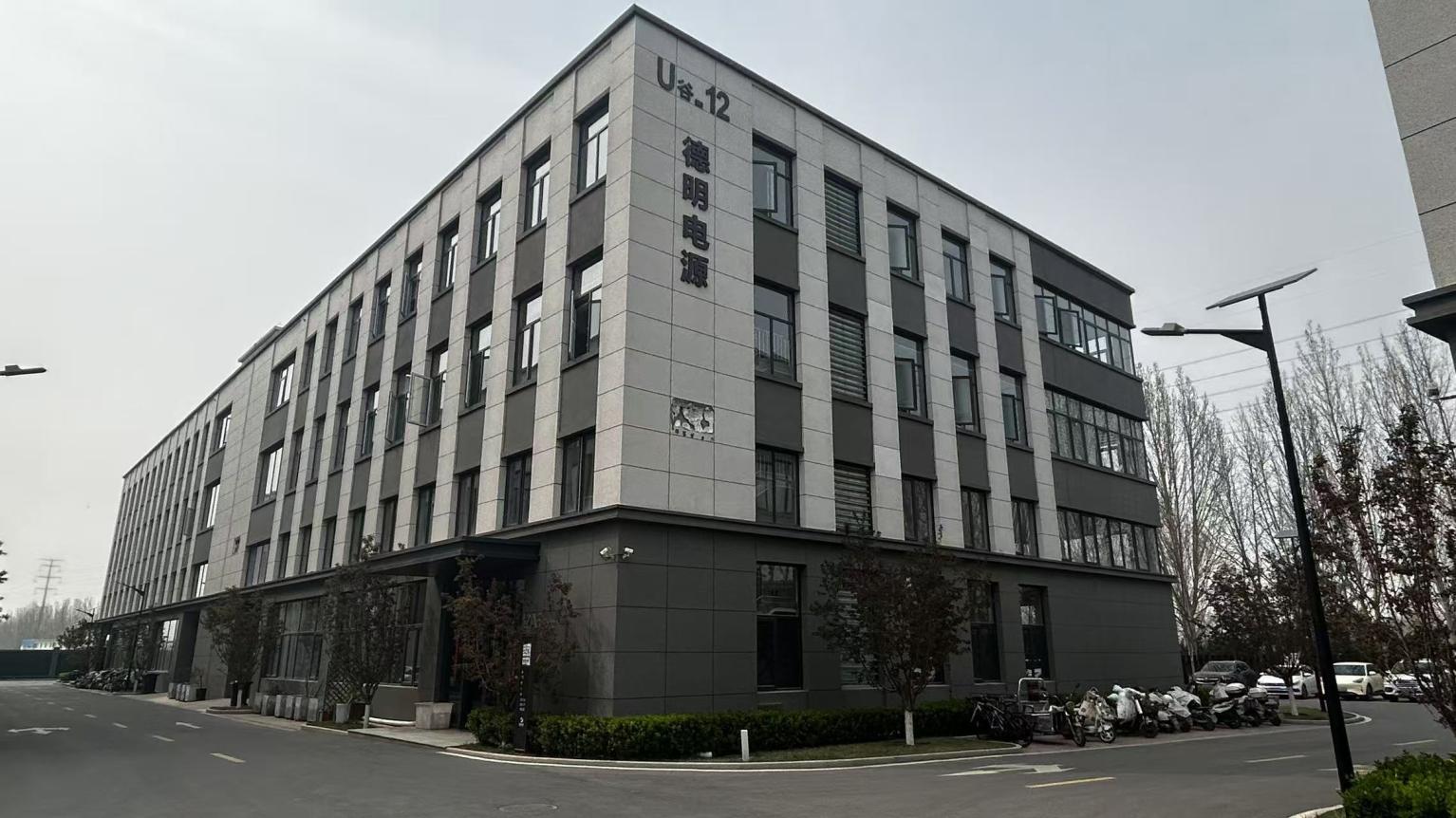
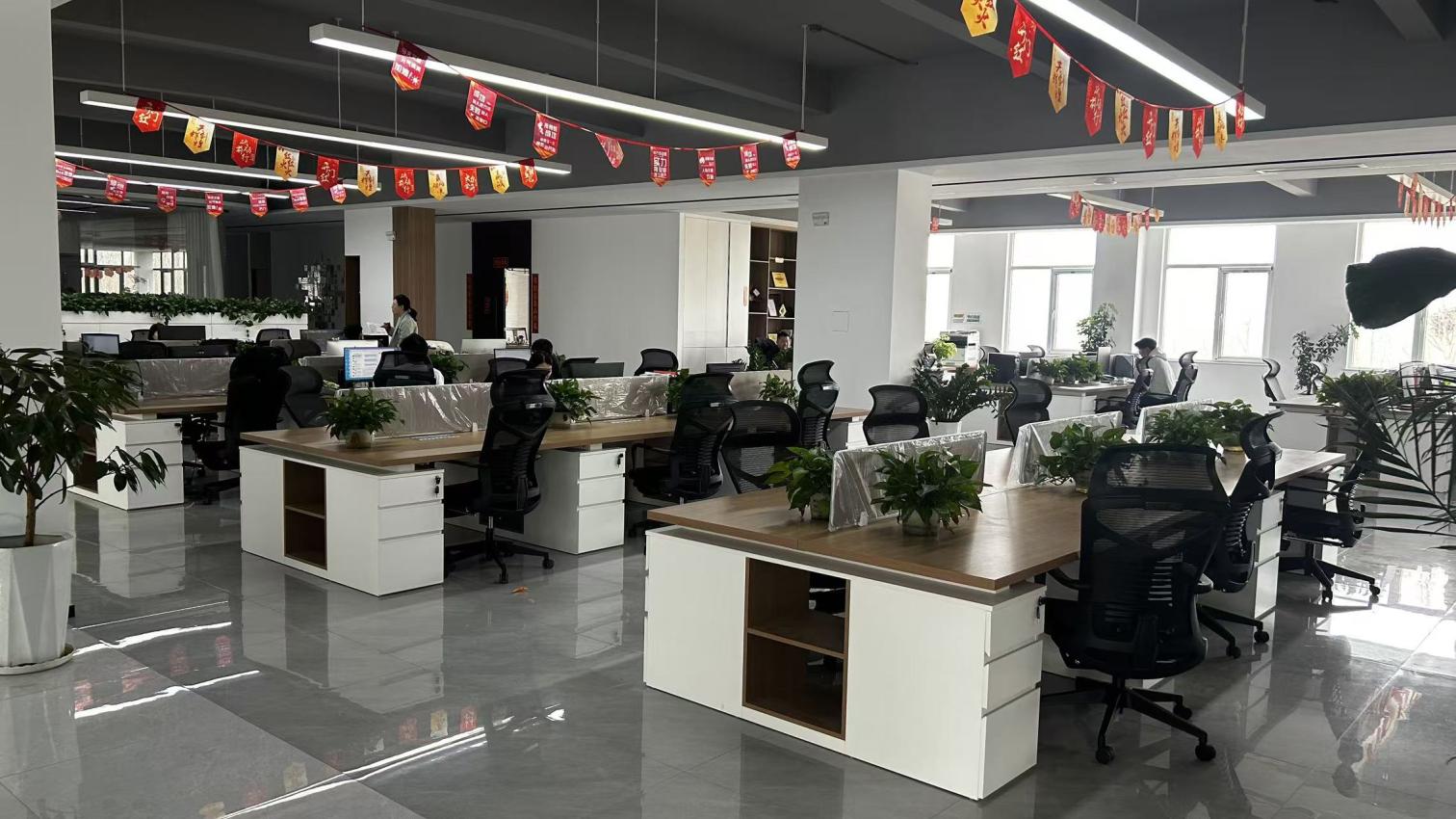
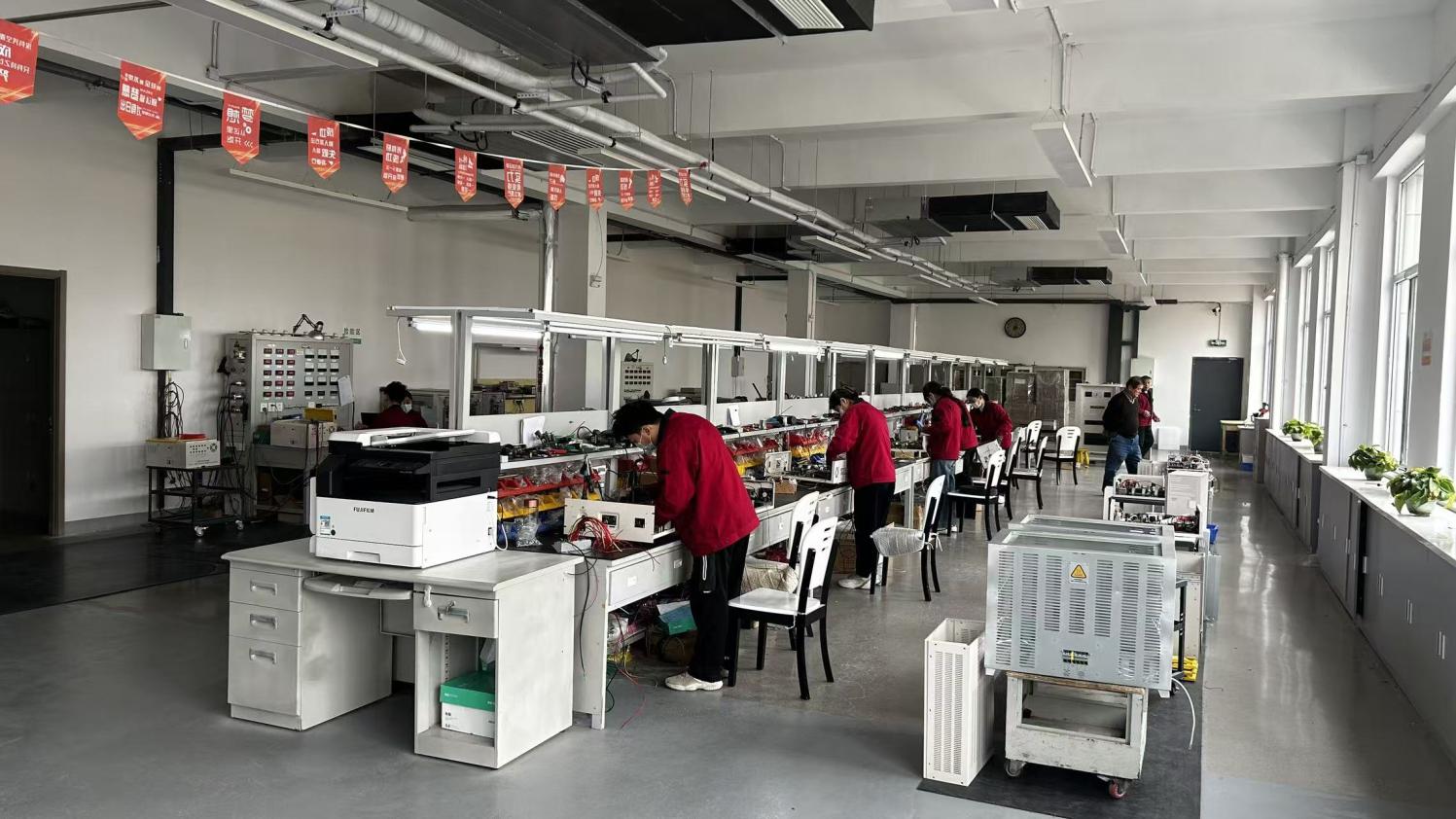
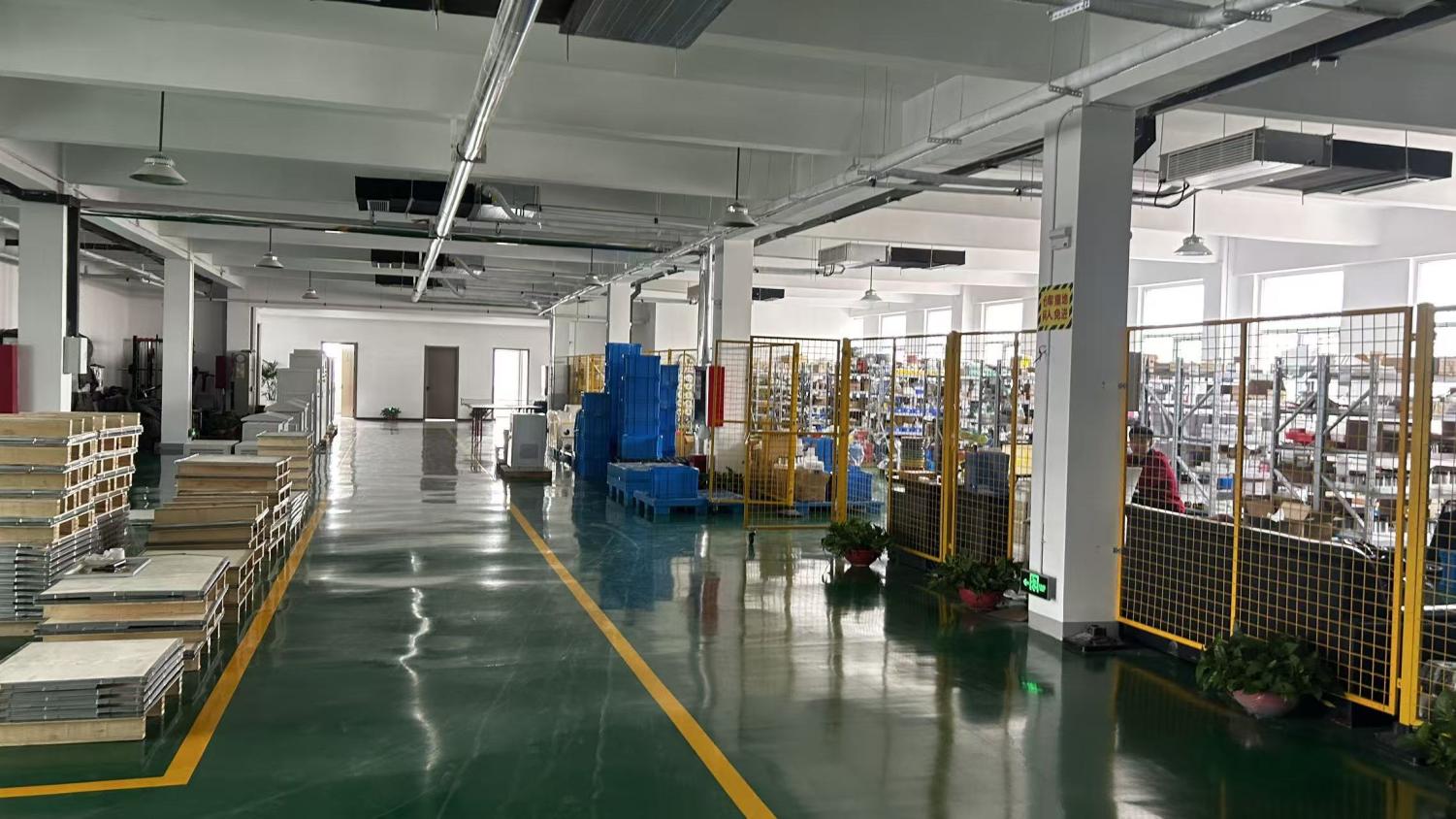
Jinan Deming Power Equipment Co., Ltd. is a nationally recognized high-tech enterprise established in 2004, specializing in the research, development, production, and service of renewable energy power equipment and advanced power testing solutions. The company holds ISO9001:2015 certification and has been recognized as a high-tech enterprise by the Chinese government multiple times (2015, 2018). With a dedicated R&D team of 16 engineers including doctoral supervisors and master's degree holders, Deming invests no less than 20% of annual sales revenue into technology development. The company has completed 17 R&D projects in the last three years with 16 scientific and technological achievements transformed into commercial products. Deming's products have been exported to 120+ countries including Germany, Japan, the United States, UK, Canada, Australia, and Brazil, and the company has established cooperative relationships with Fortune 500 enterprises. The company's main products include wind/solar controllers, inverters, frequency converters, and high-power bidirectional DC test power supplies and battery simulators ranging from 150kW to 500kW.
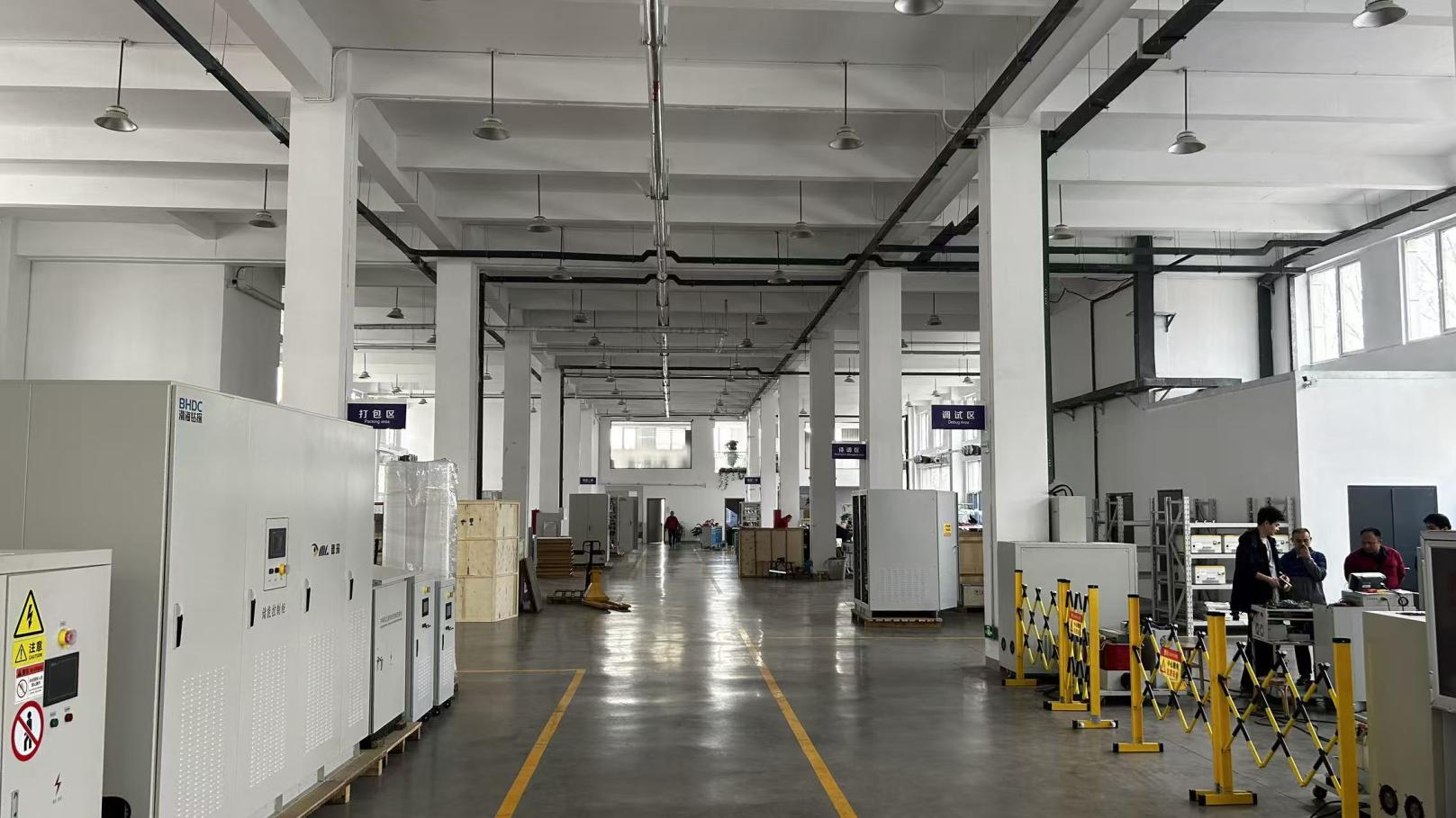
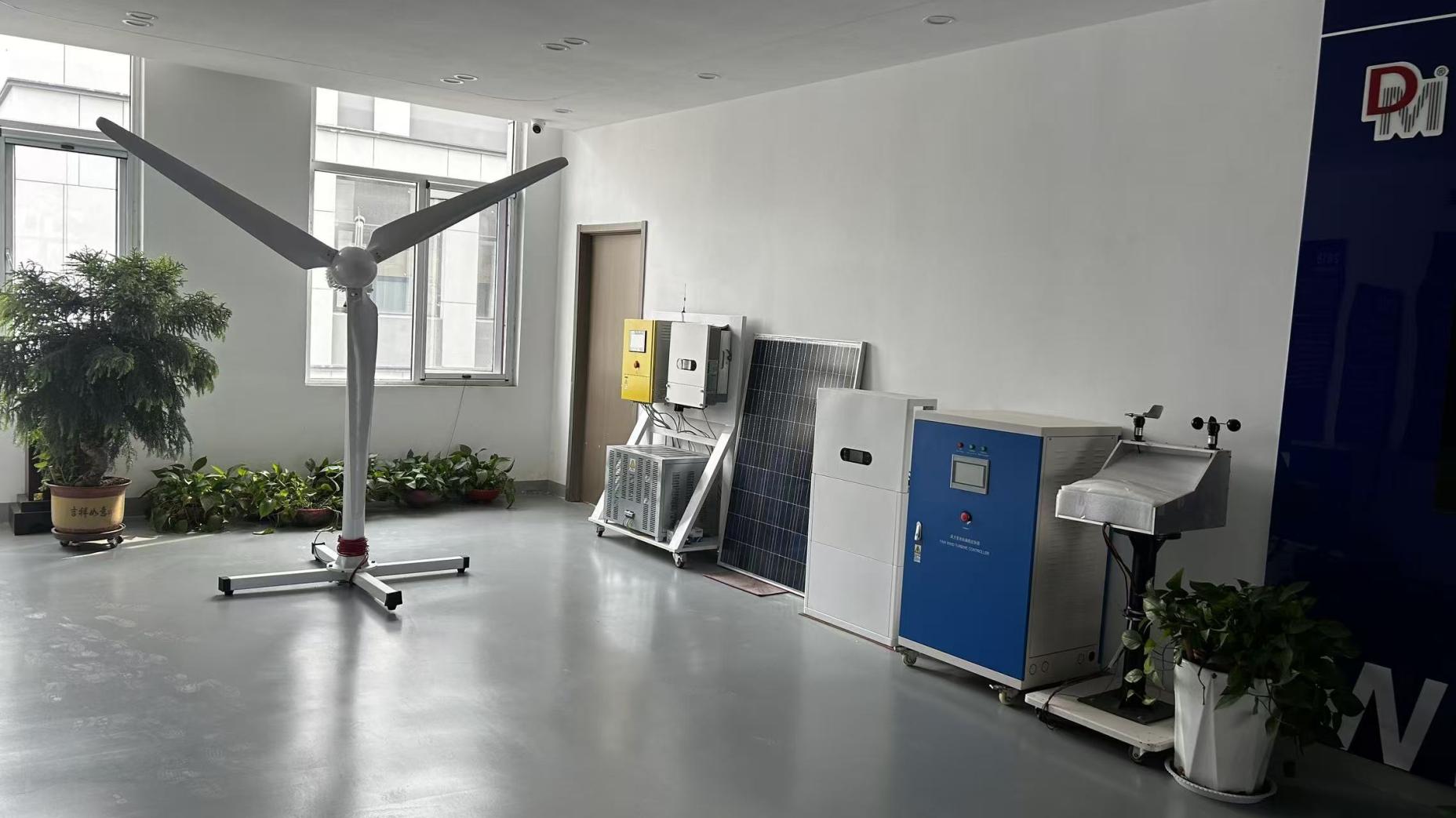
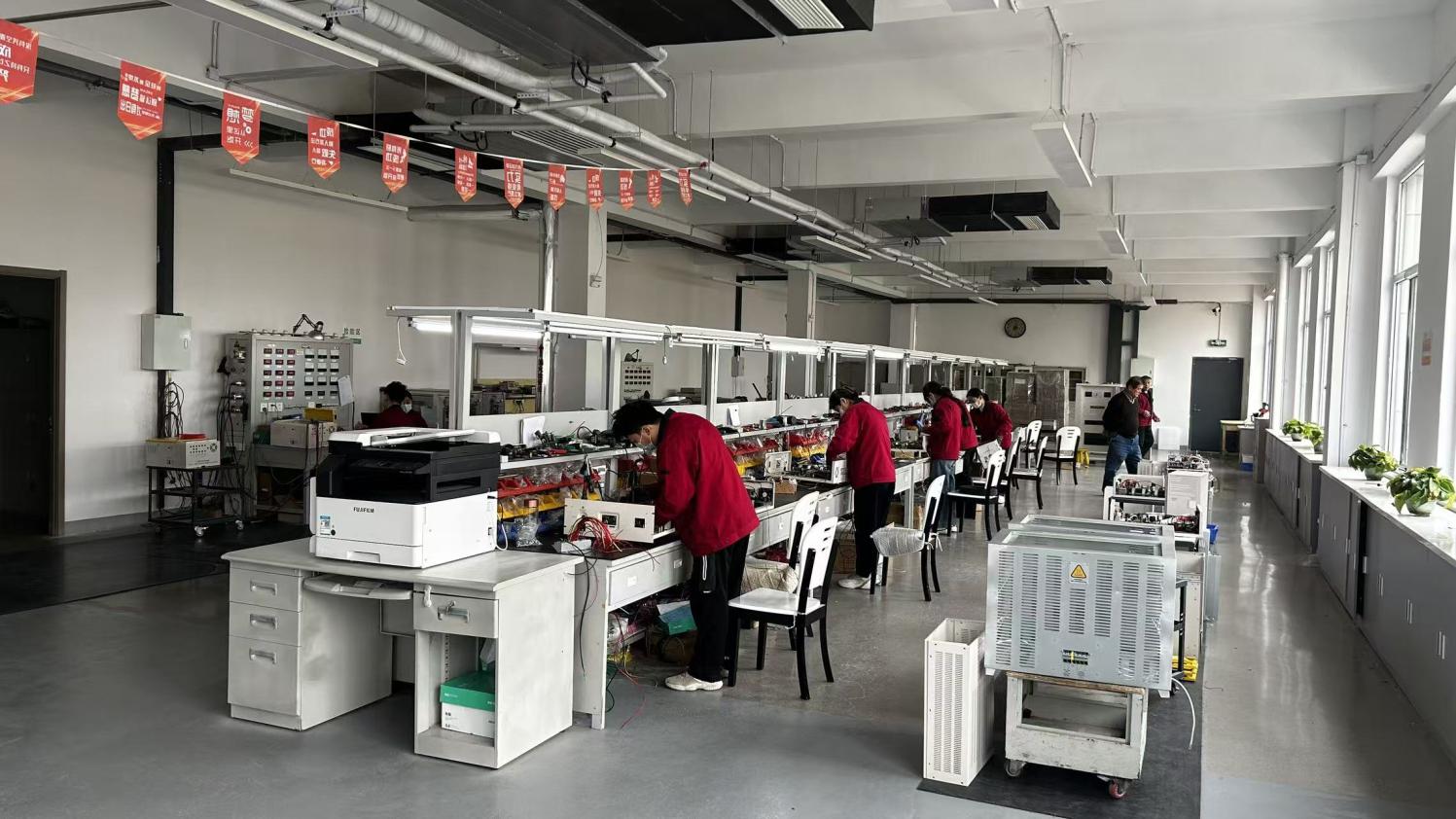
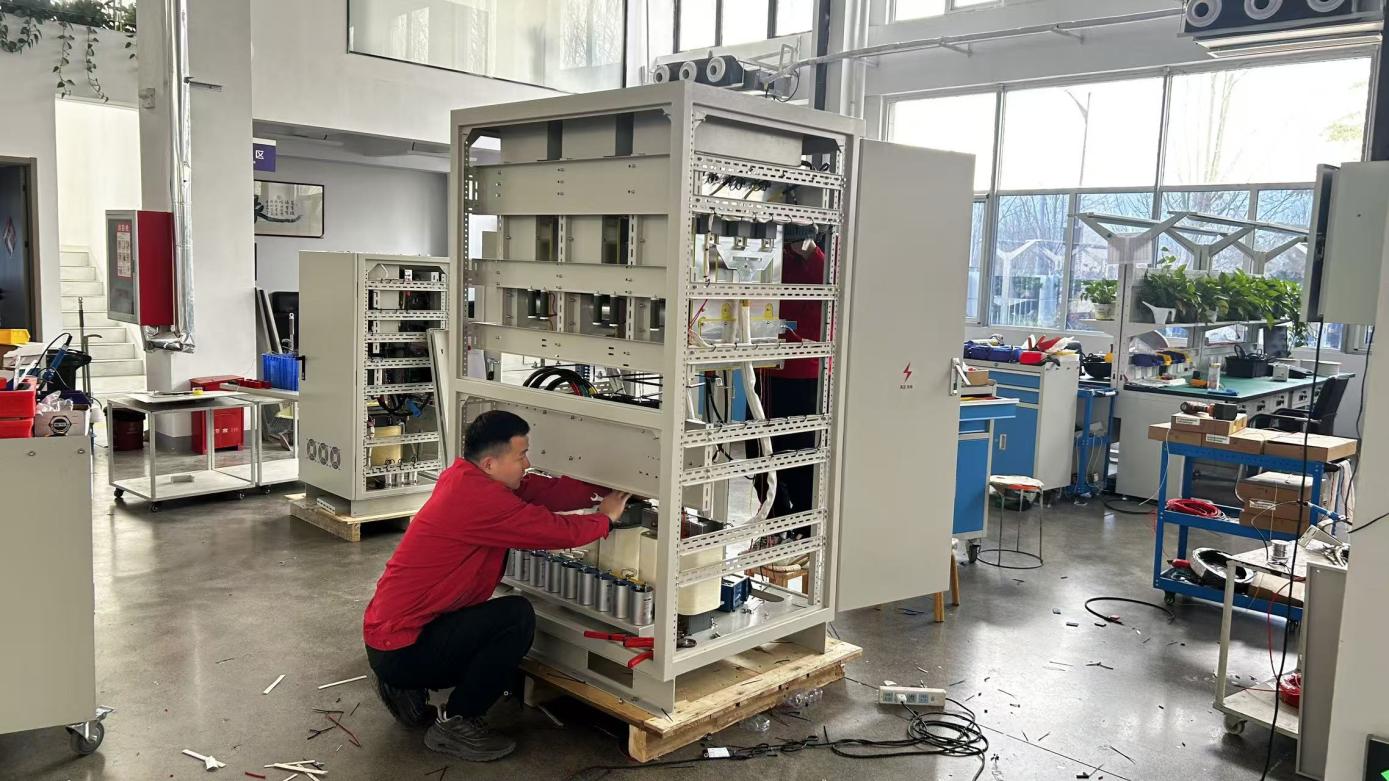
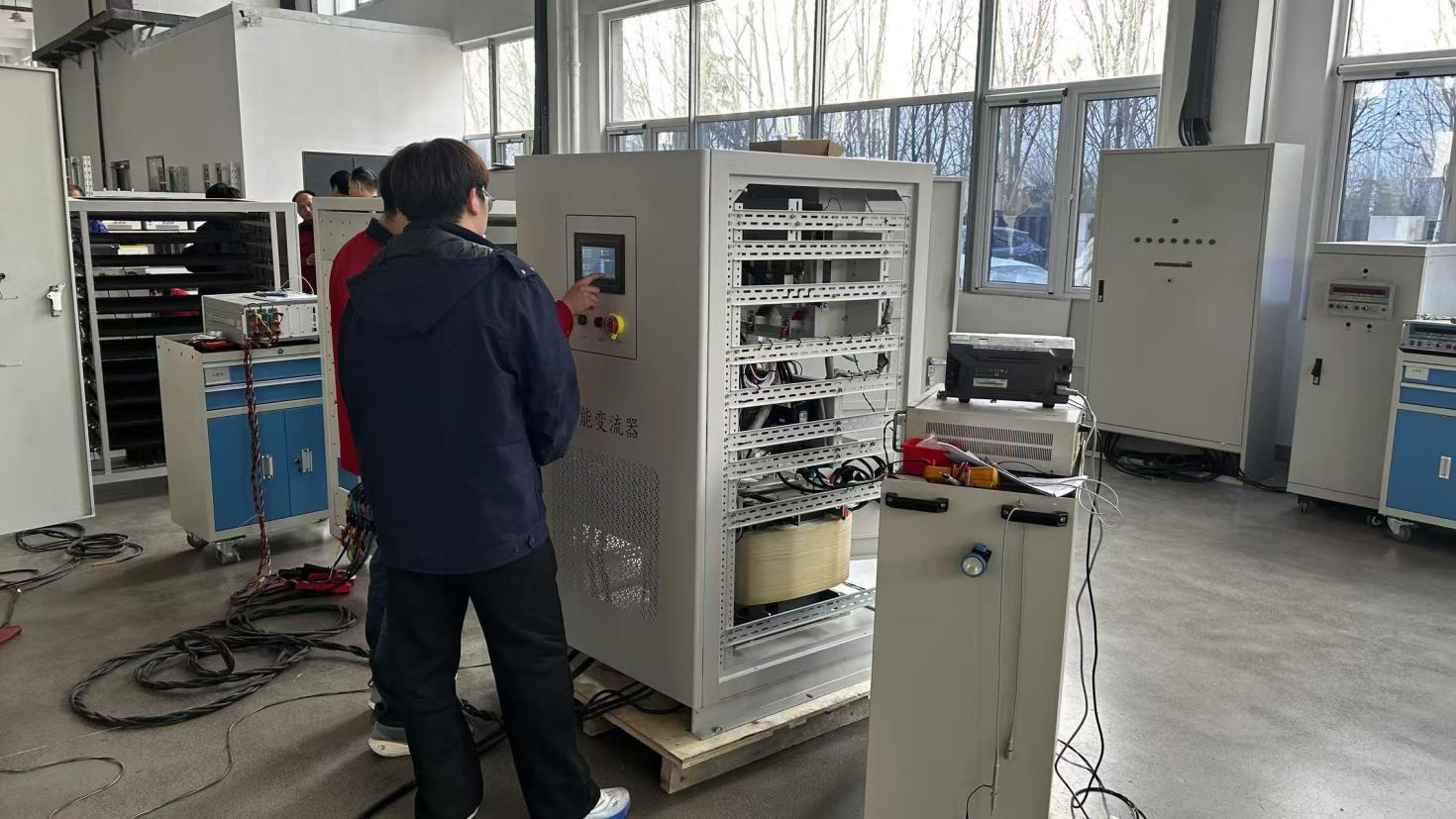
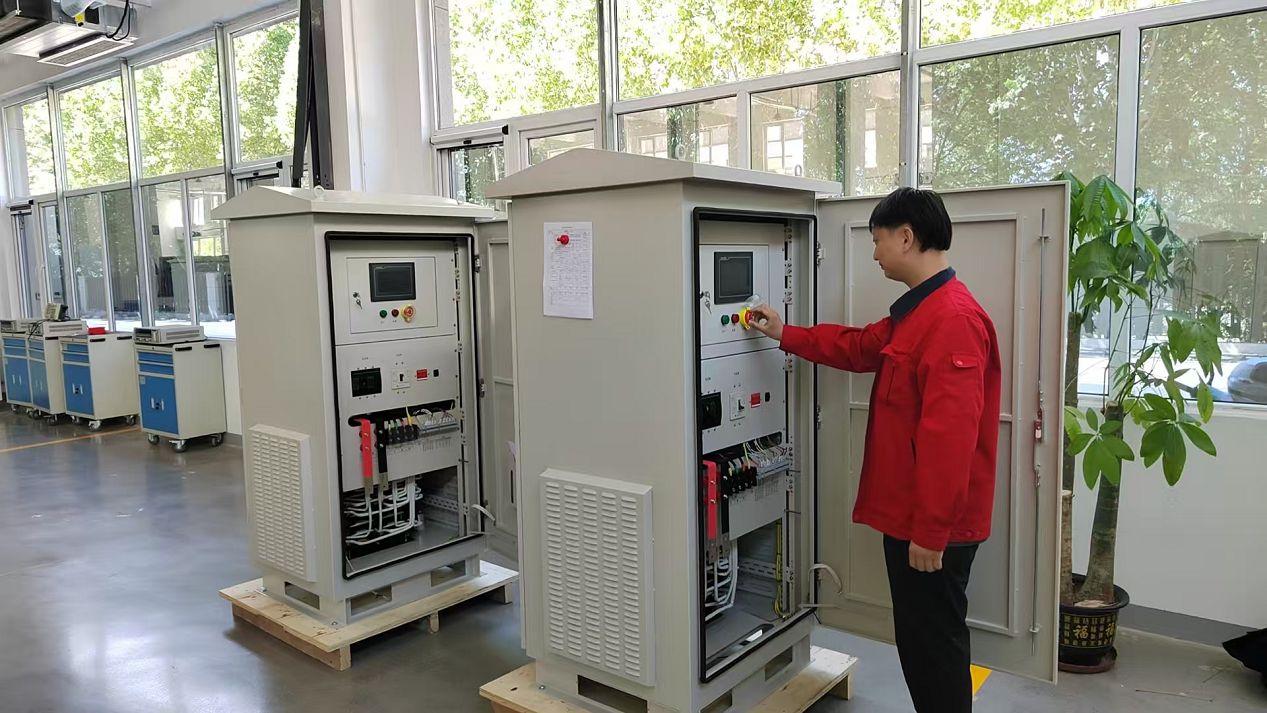
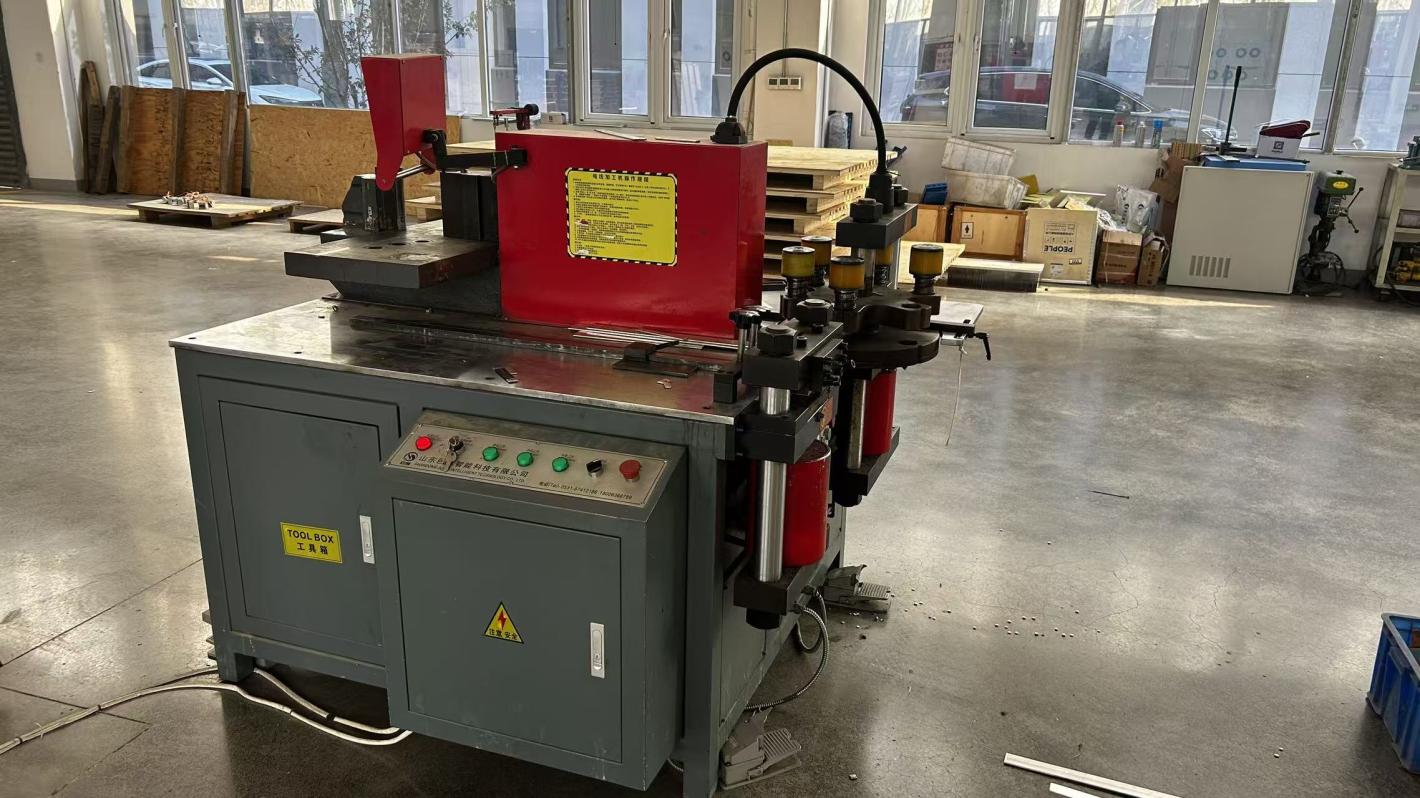
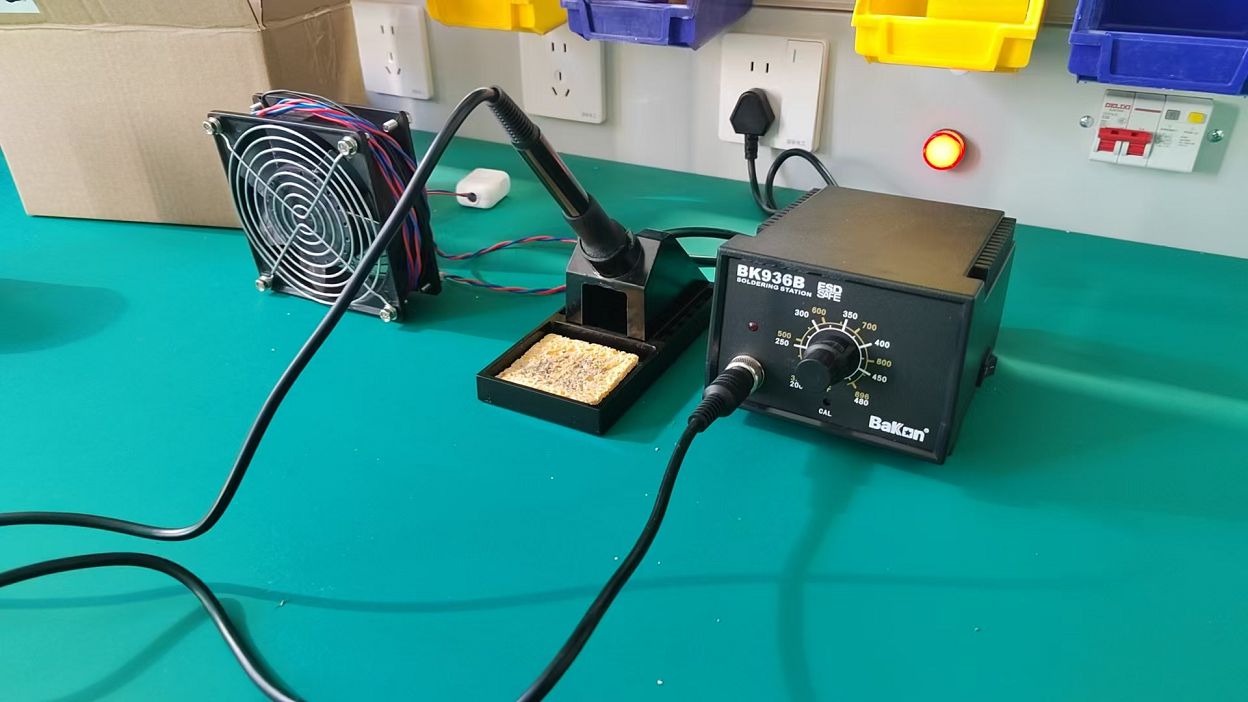
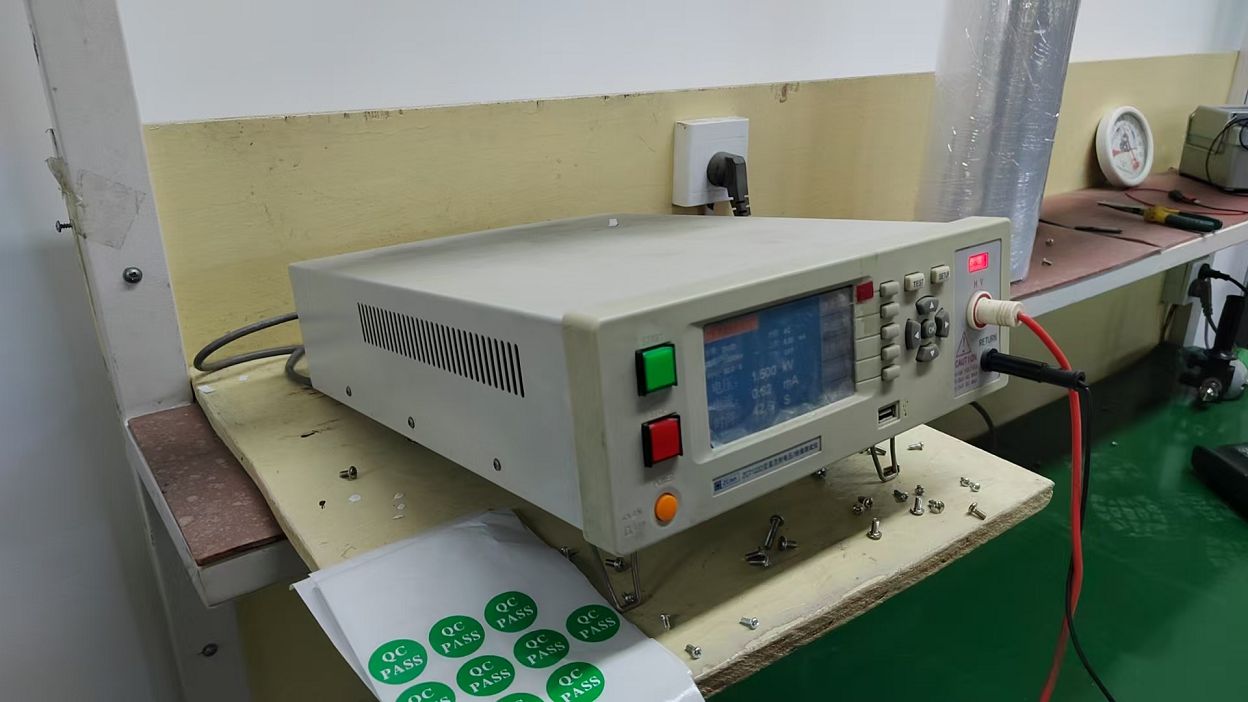
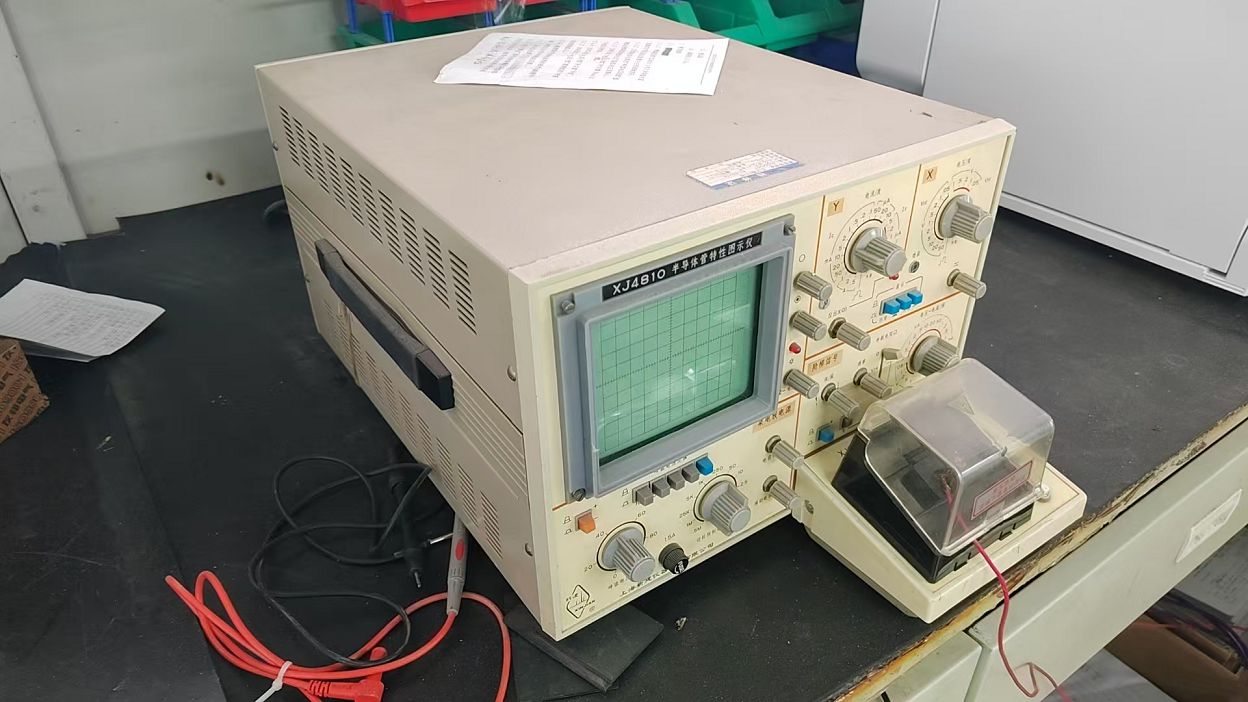
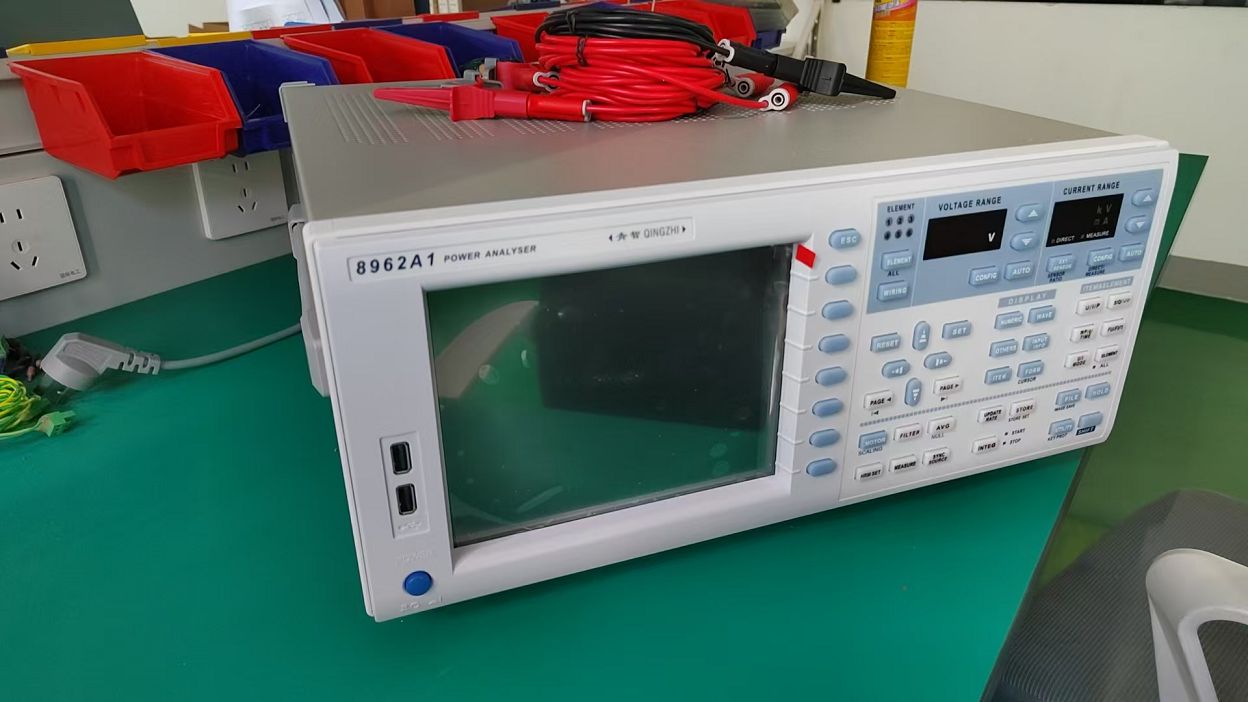
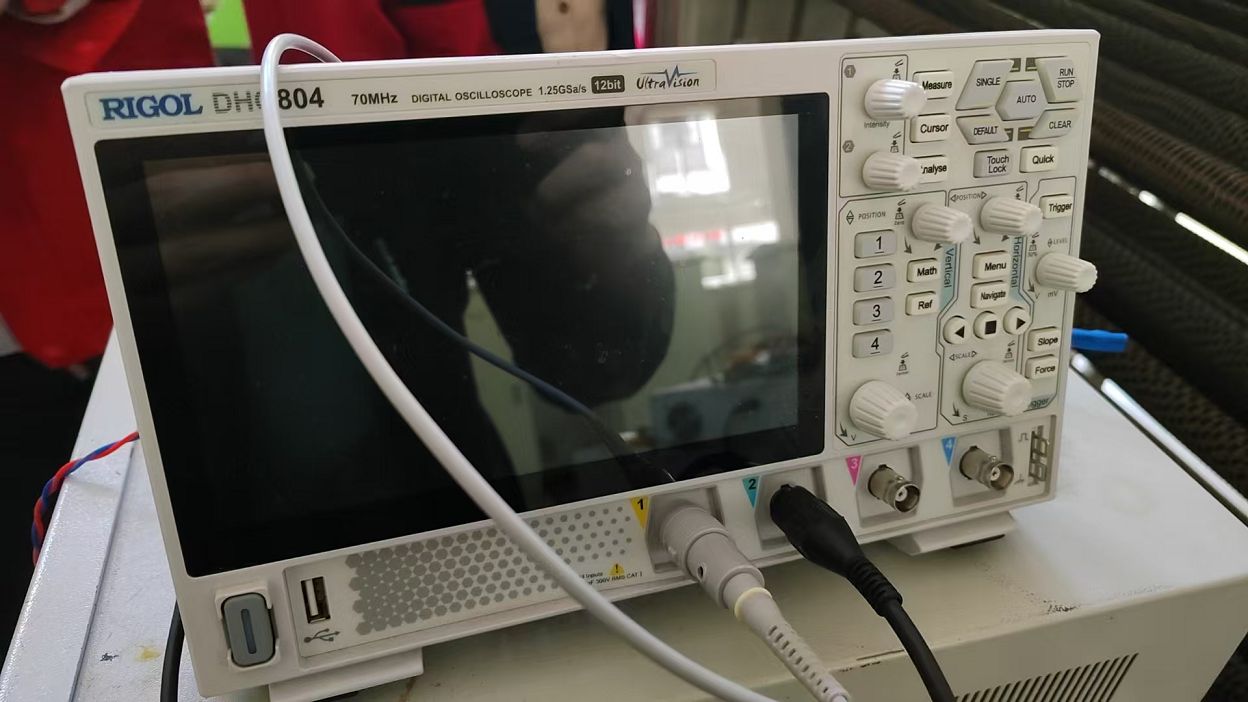
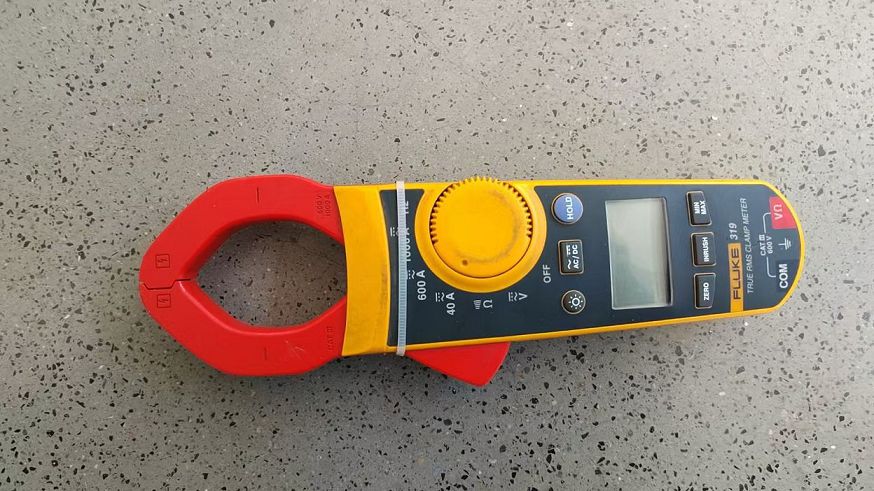
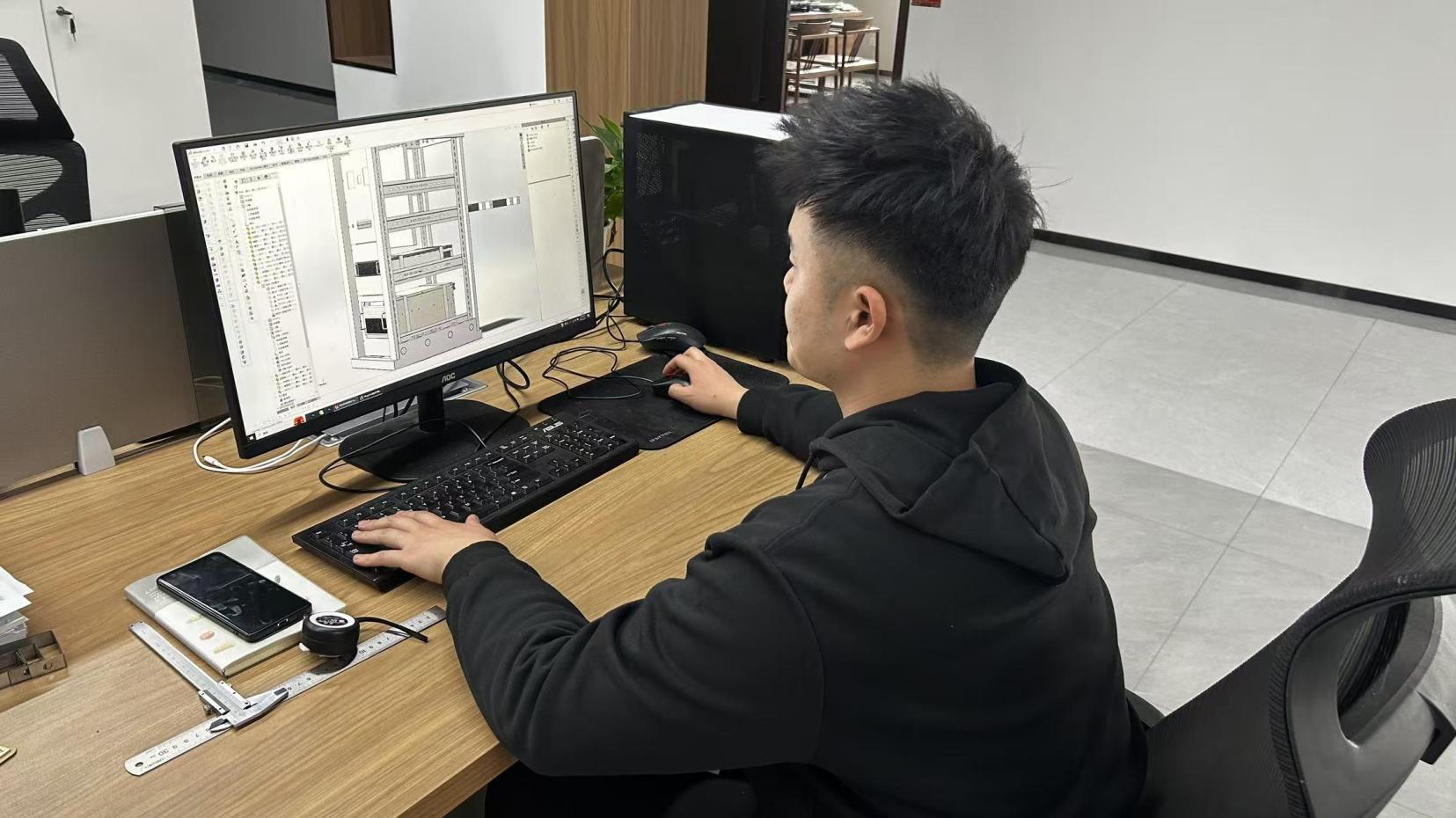
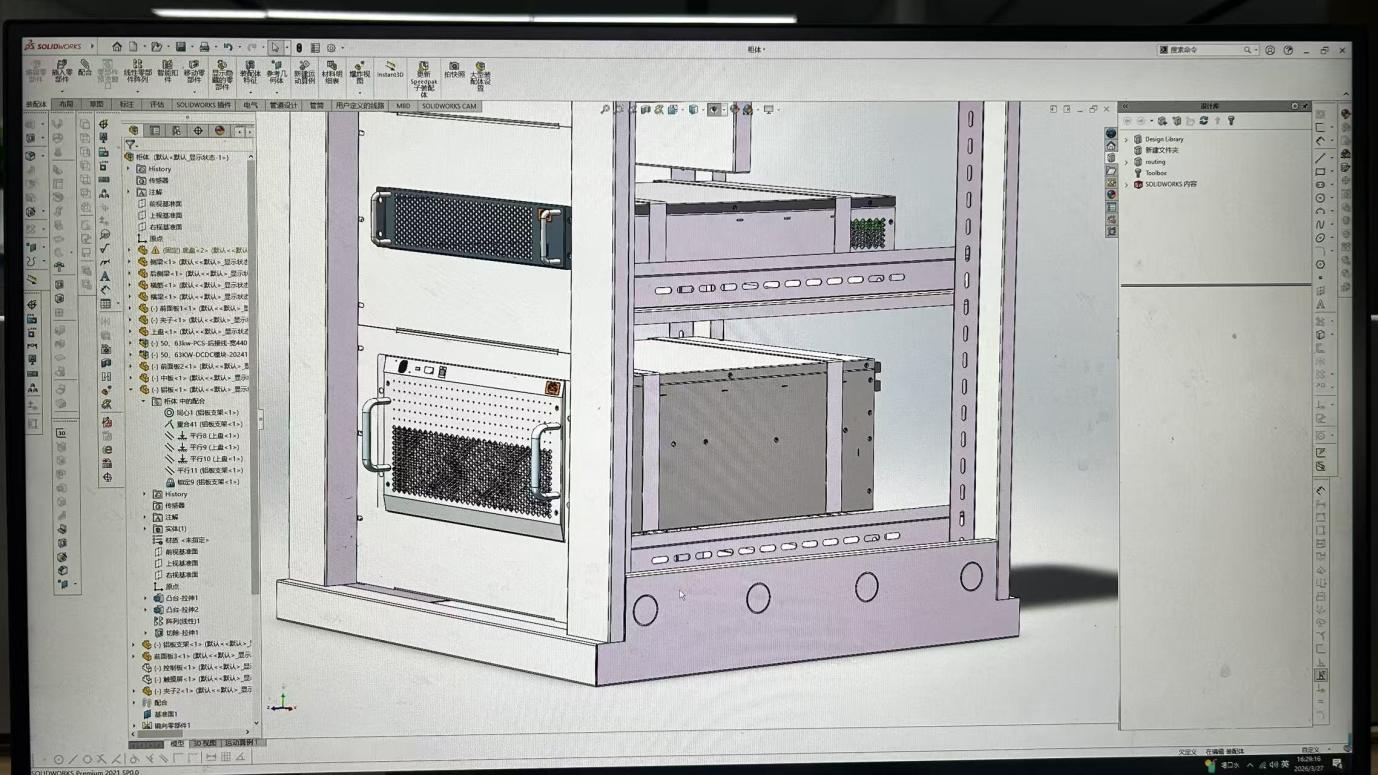
Our CE certified systems comply with European harmonized standards, including the Low Voltage Directive (LVD 2014/35/EU) and Electromagnetic Compatibility Directive (EMC 2014/30/EU). Specifically, this guarantees design testing under EN 62109-1 & -2 (safety of power converters in solar systems), and EN 61000-6-2 & -4 (EMC immunity and emission regulations for industrial zones), ensuring high operational reliability.
The bidirectional converter works via dual-active bridge topology, utilizing high-frequency switching cells. During vehicle charging, the system functions in buck mode, stepping down the DC bus voltage to battery level. When the grid requests peak shaving support, the device activates boost mode, stepping up the battery voltage to feed clean power back to the DC link or AC inverter interface.
Deming's wind controllers utilize dynamic micro-second braking loops coupled with solid-state dump loads. If grid connection fails or wind speeds exceed threshold limits, the controller redirects energy to the dump load system within milliseconds. This manages voltage levels and protects the generator coils and downstream inverter components from thermal or mechanical runaway.
Yes. The controllers support multiple battery chemistries, including LiFePO4, Ternary Lithium, and traditional Lead-Acid profiles. Users can program the charging curves, equalization cycles, and over/under-voltage protection cutoffs through RS485 modbus protocols, ensuring compatibility with commercial Battery Management Systems (BMS).
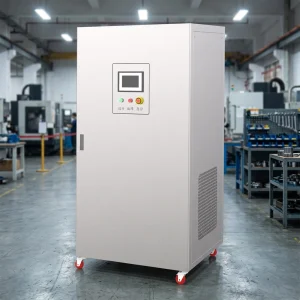
 Demin Power