Featured Industrial-Grade High-Efficiency Products Engineered for Critical Grid Infrastructures
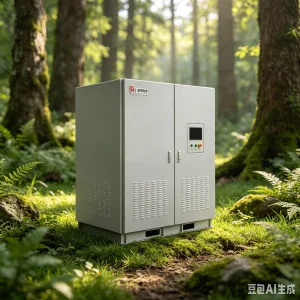
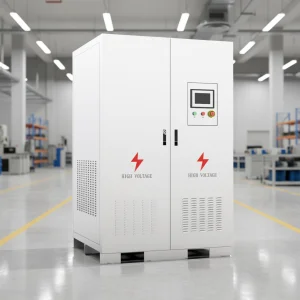
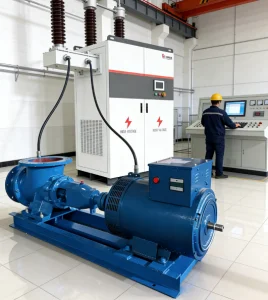
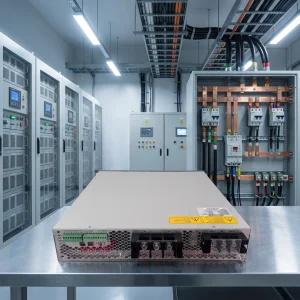
In an era dominated by strict carbon emission reduction schedules and unstable grid configurations, global power distribution requires solutions that go beyond standard equipment provision. Industrial energy efficiency is no longer just about reducing electricity bills; it represents a comprehensive system optimization challenge. Jinan Deming Power Equipment Co., Ltd. has been at the forefront of this industrial transformation since 2004. By manufacturing advanced power conversion equipment and integrating microgrid control systems, Deming enables global enterprises to improve grid compatibility, minimize system line loss, and enhance energy storage utilization.
Modern decentralized energy systems suffer from inherent harmonic distortions, power fluctuations, and reactive losses. Advanced bidirectional topologies, combined with multi-level grid-tie regulation, are necessary to bridge the gap between volatile local renewable generation (such as wind and solar) and sensitive load demands. Designing structures like three-phase triple-output sine-wave AC/DC converters and hybrid smart energy storage PCS units with galvanic isolation transformers involves balancing efficiency and long-term operating life under extreme temperatures.
Recognized as a national high-tech enterprise since 2004 and re-certified in 2015 and 2018, Jinan Deming Power Equipment Co., Ltd. has developed specialized competence in designing robust, durable power conditioning systems. With a highly qualified R&D team consisting of 16 senior engineers—including doctoral supervisors and master’s degree holders—the organization commits a minimum of 20% of its annual sales revenue to engineering research. This consistent investment has yielded 17 major R&D projects over the past three years, with 16 scientific and technological achievements commercialized directly.
Operating out of sophisticated industrial production facilities in Shandong, China, Deming's products are trusted by Fortune 500 companies and critical utility operators across 120+ countries, including Germany, Japan, the United States, the UK, Canada, Australia, and Brazil. Our comprehensive portfolio includes high-power wind/solar controllers, off-grid and grid-tie inverters, bidirectional DC test power supplies, and high-performance battery simulators ranging from 150kW to 500kW.
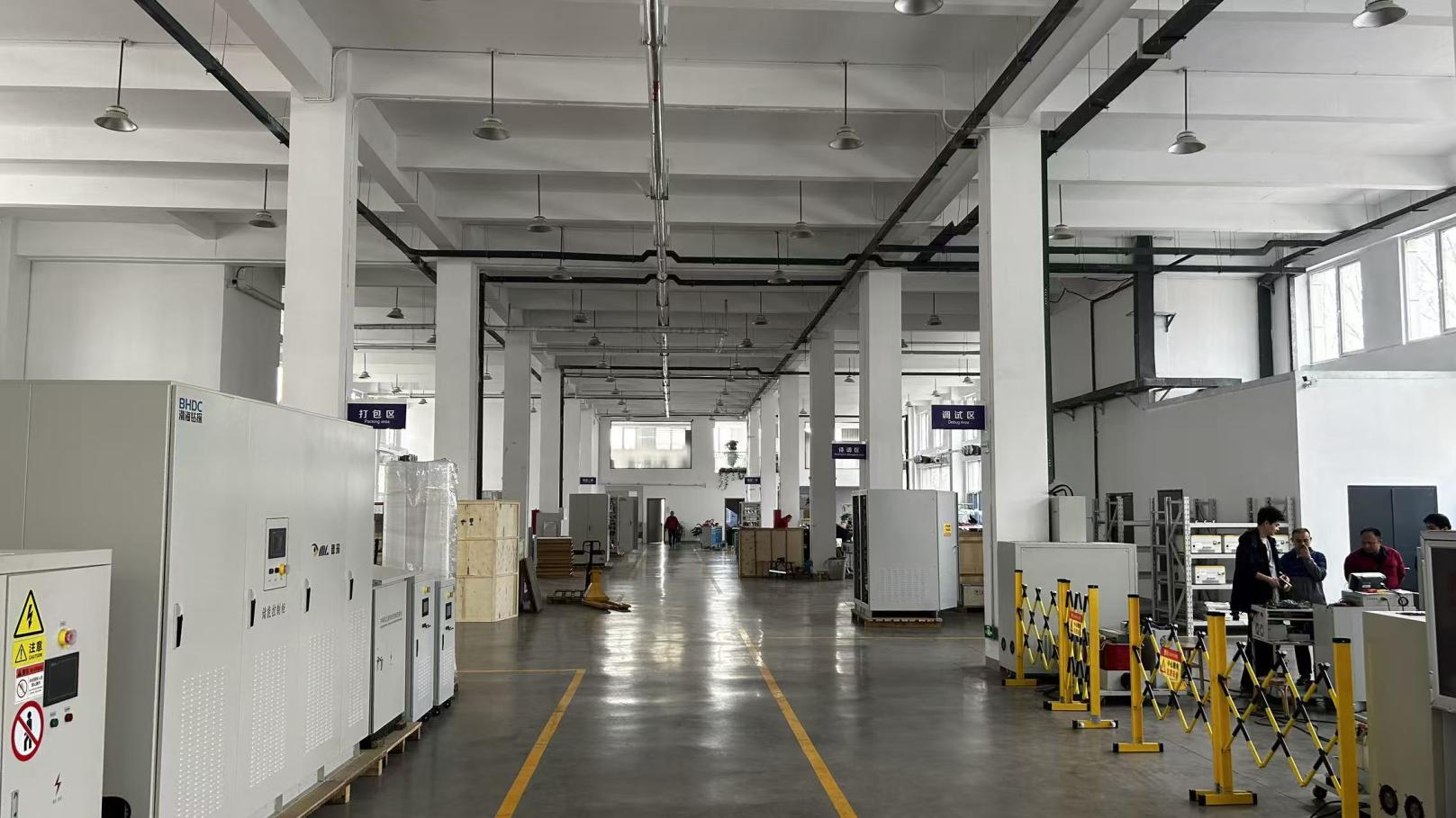
A detailed look into our state-of-the-art manufacturing, inspection protocols, and advanced production machinery.
In power electronics manufacturing, quality is defined by consistency down to the microscopic scale. Deming’s Factory 4.0 infrastructure utilizes automated surface mount technology (SMT), reflow soldering ovens, and computerized copper bar bending machinery. This equipment ensures that high-power electrical paths maintain minimal contact resistance, which is critical for reducing thermal stress in high-load setups.
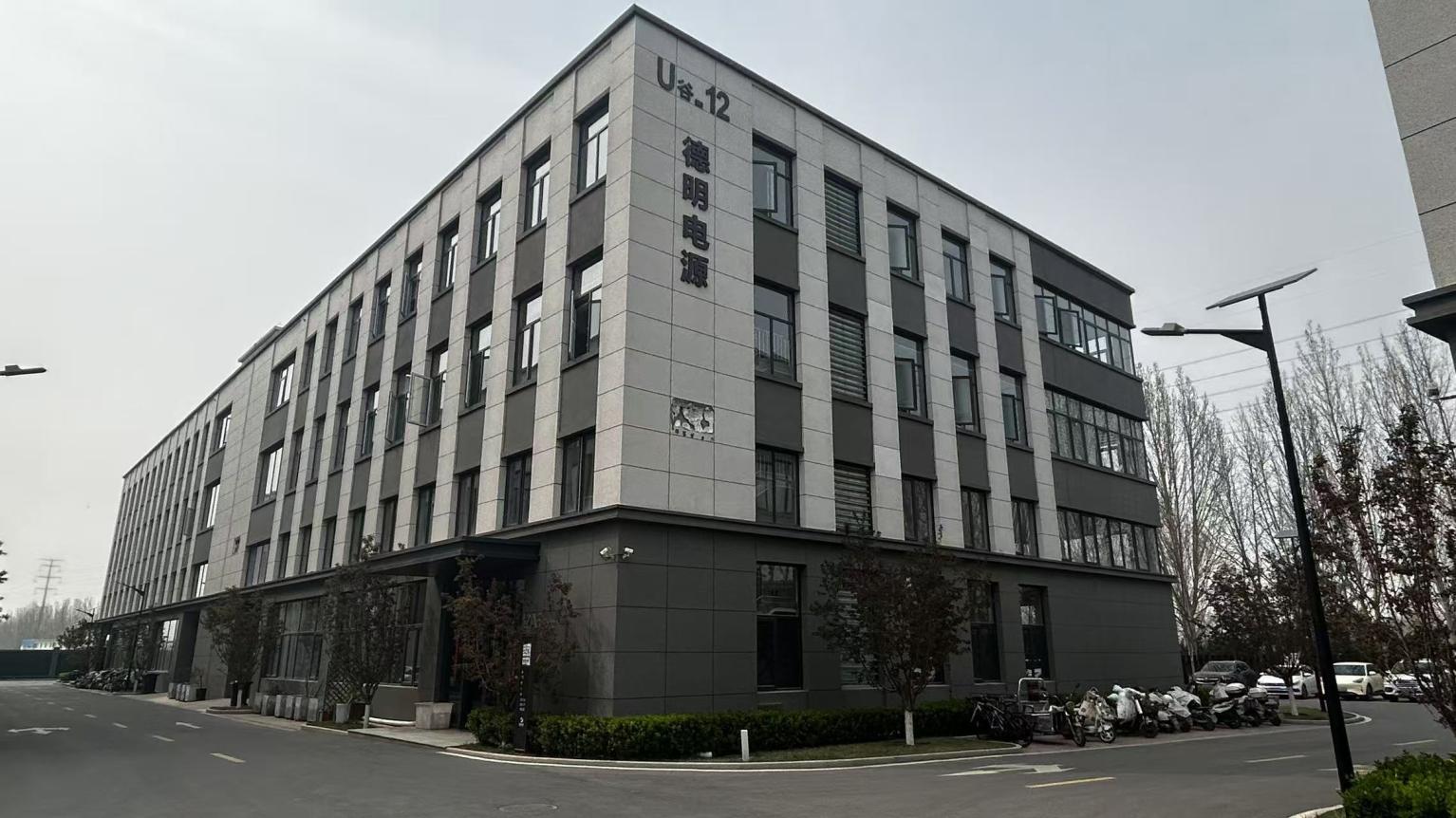 Factory Facility Overview
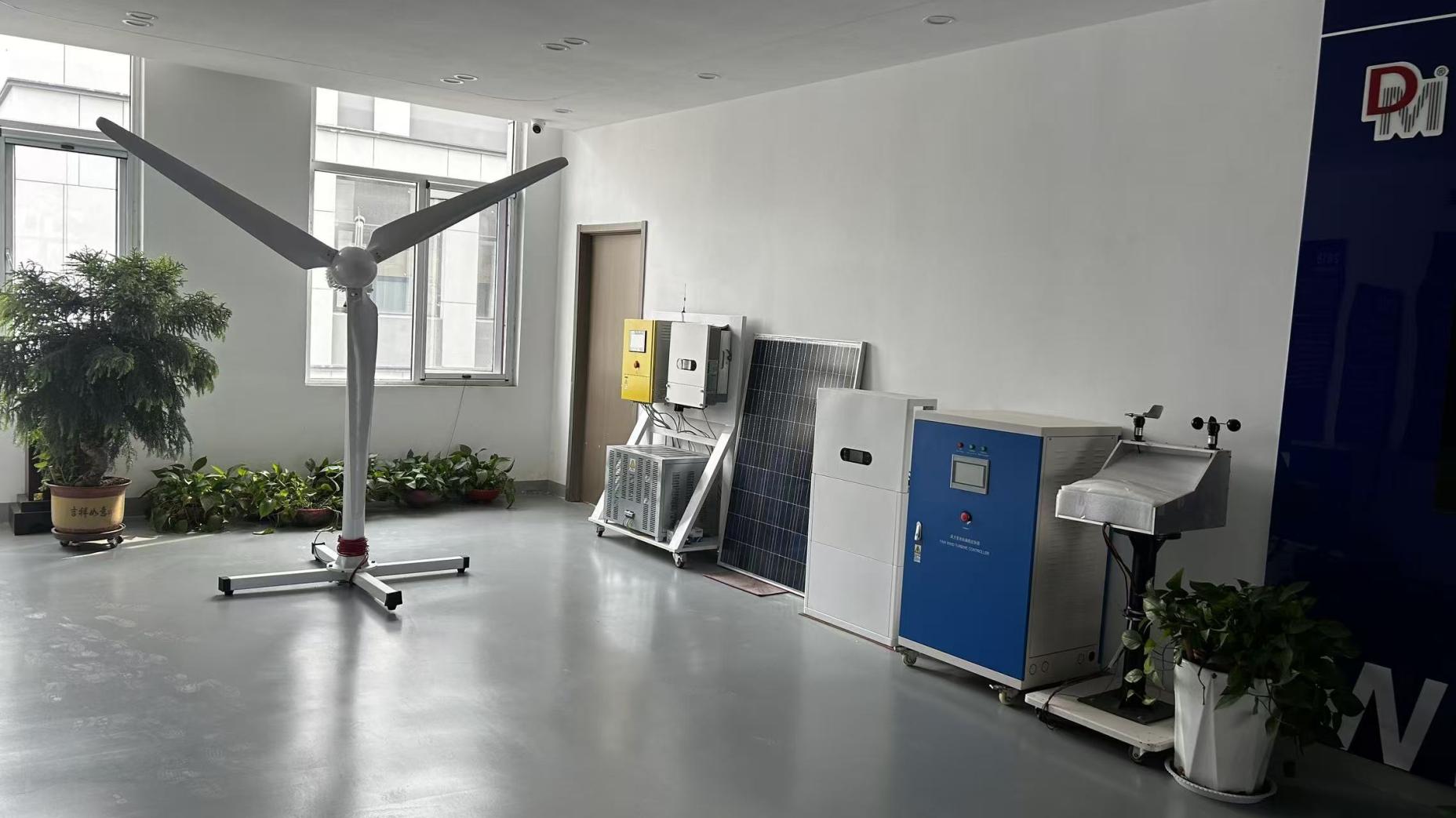
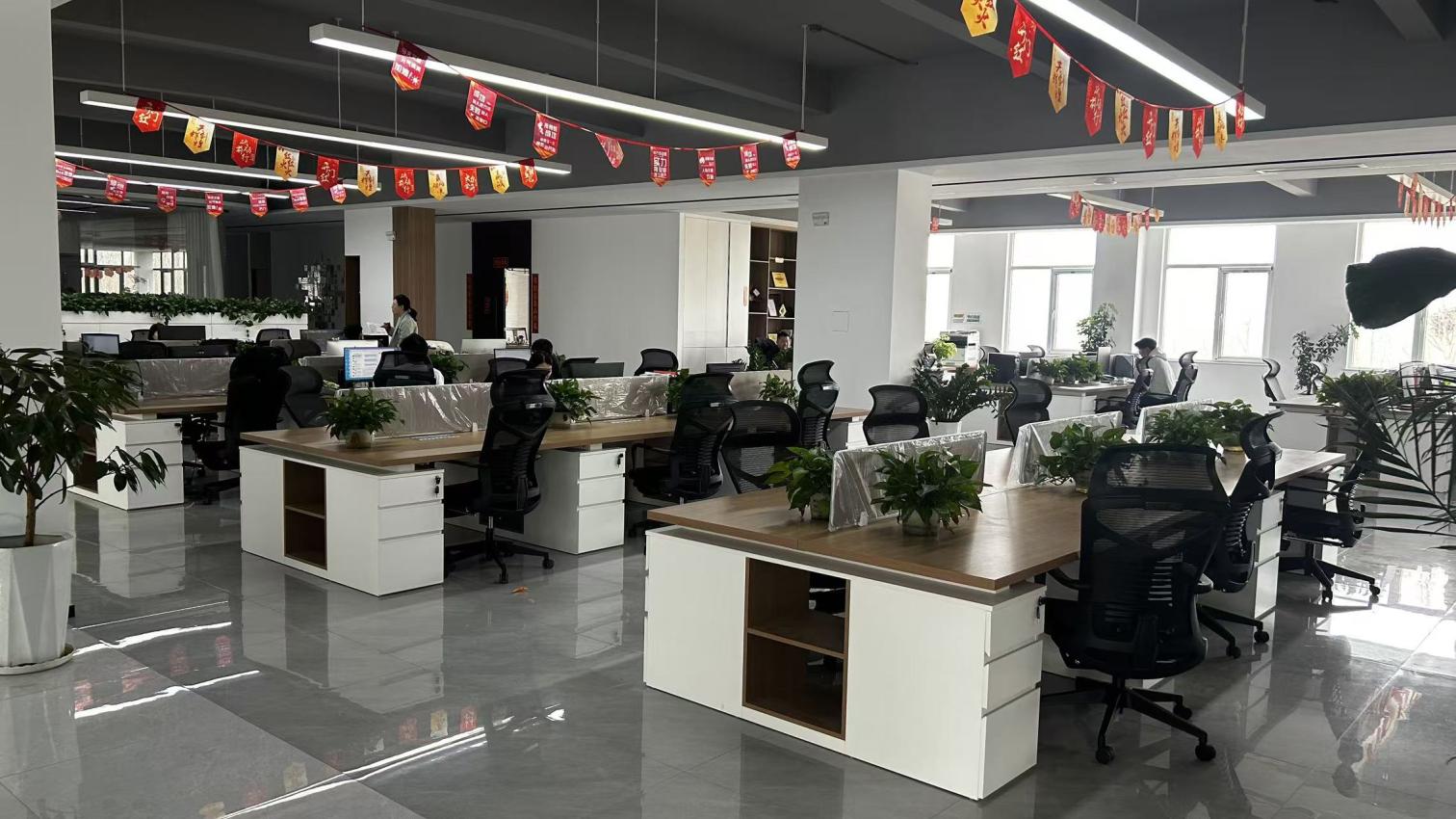 Industrial Power Integration
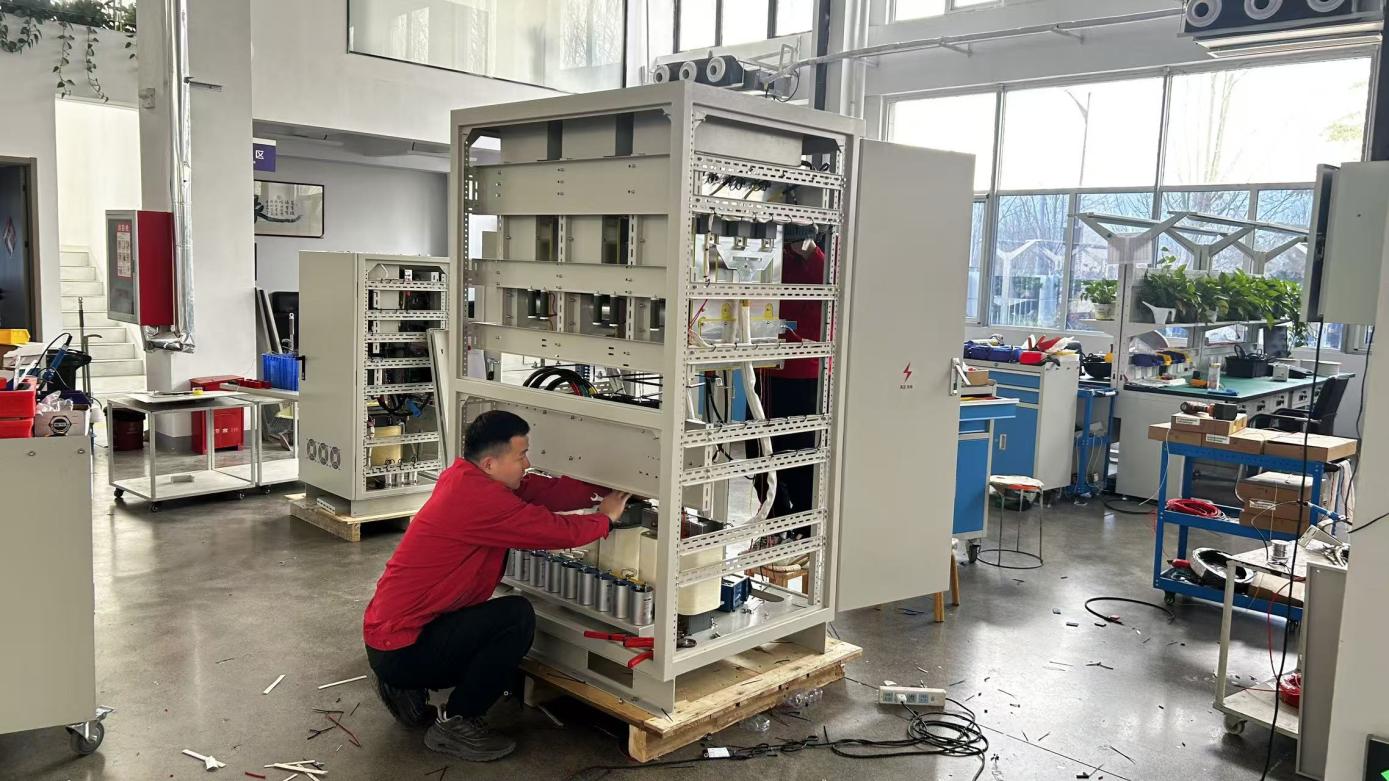
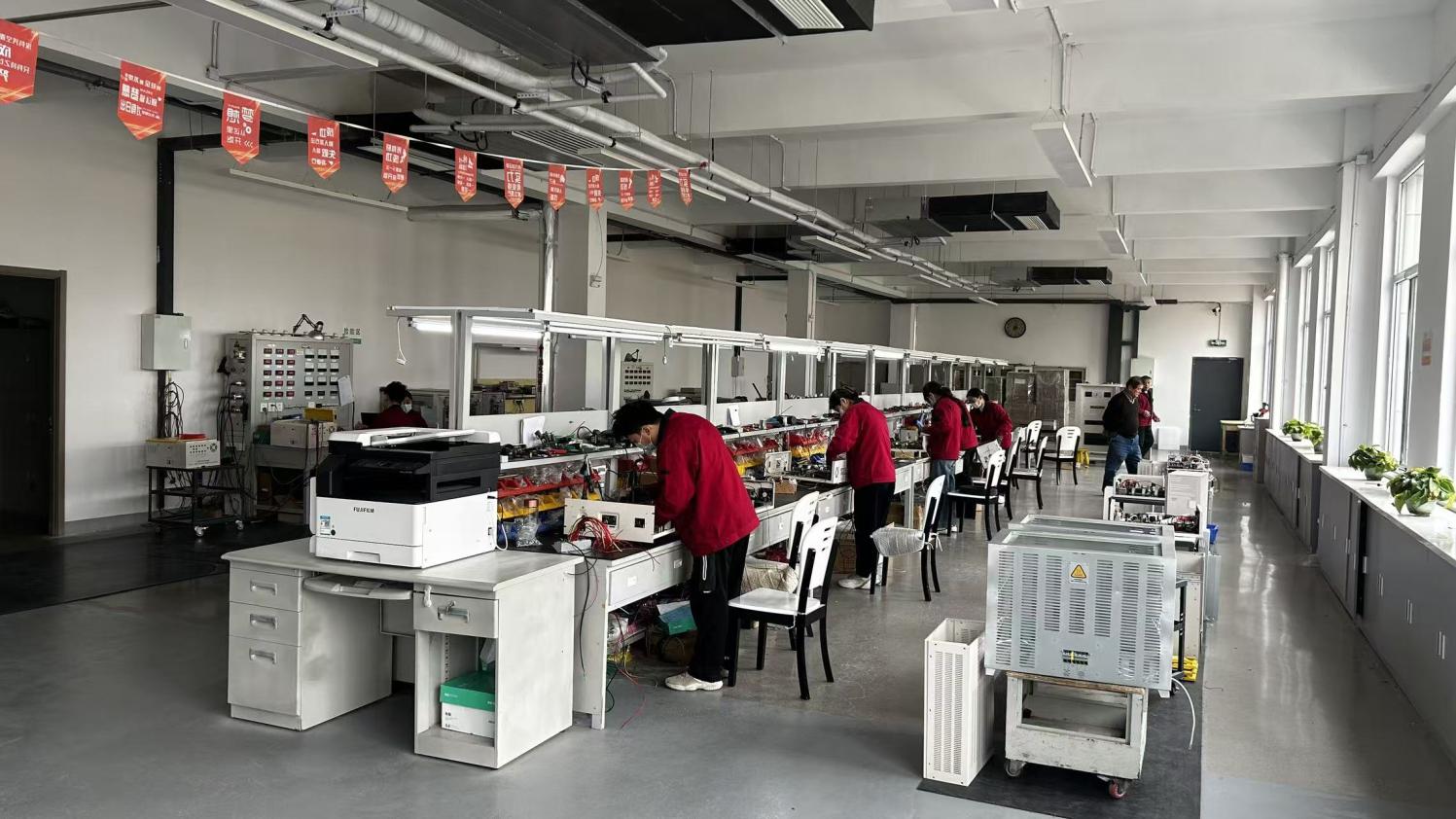 Cabinet Assembly Area
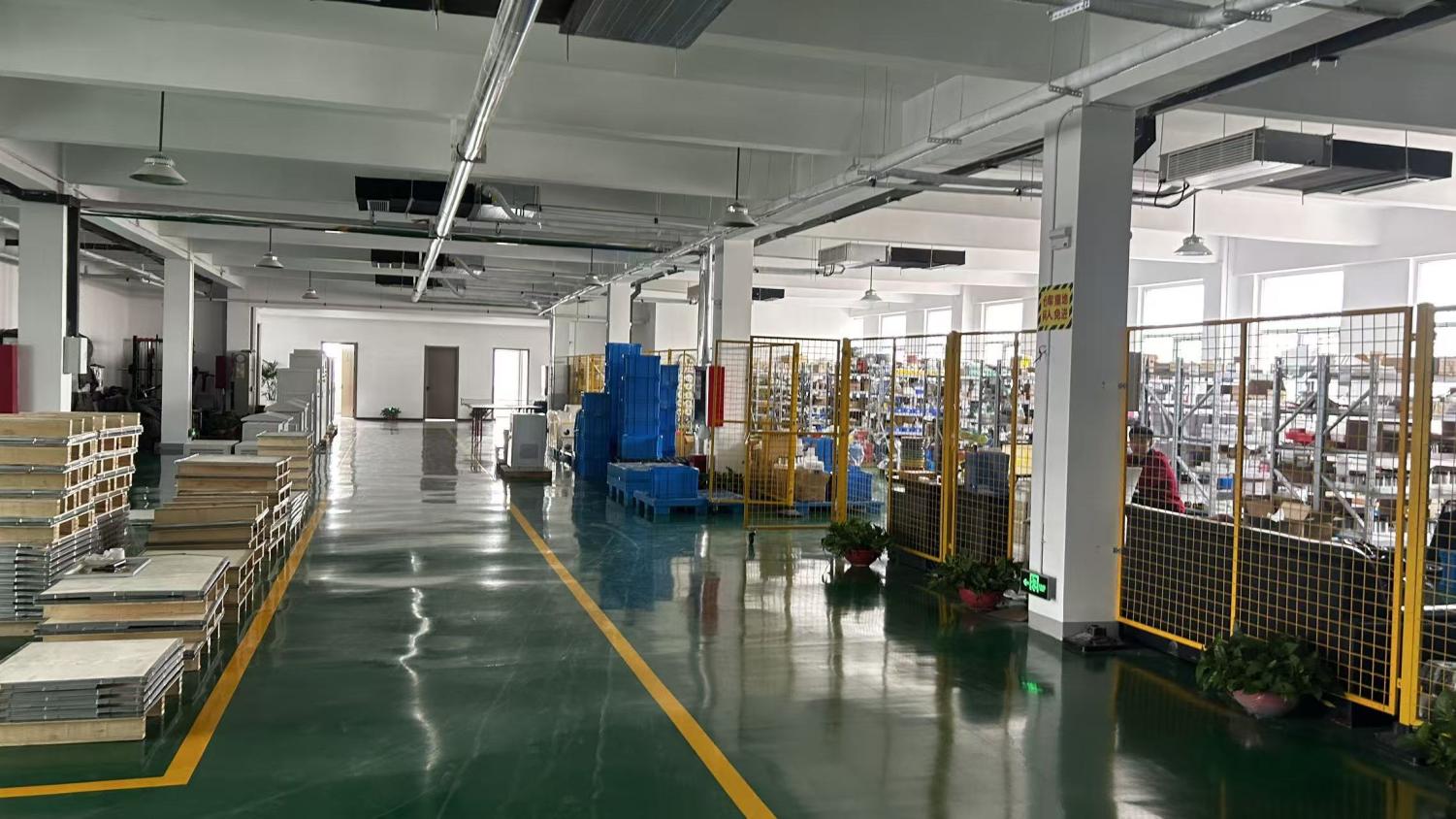 Quality Control Systems
 System Testing Bay
 Inventory & Logistics
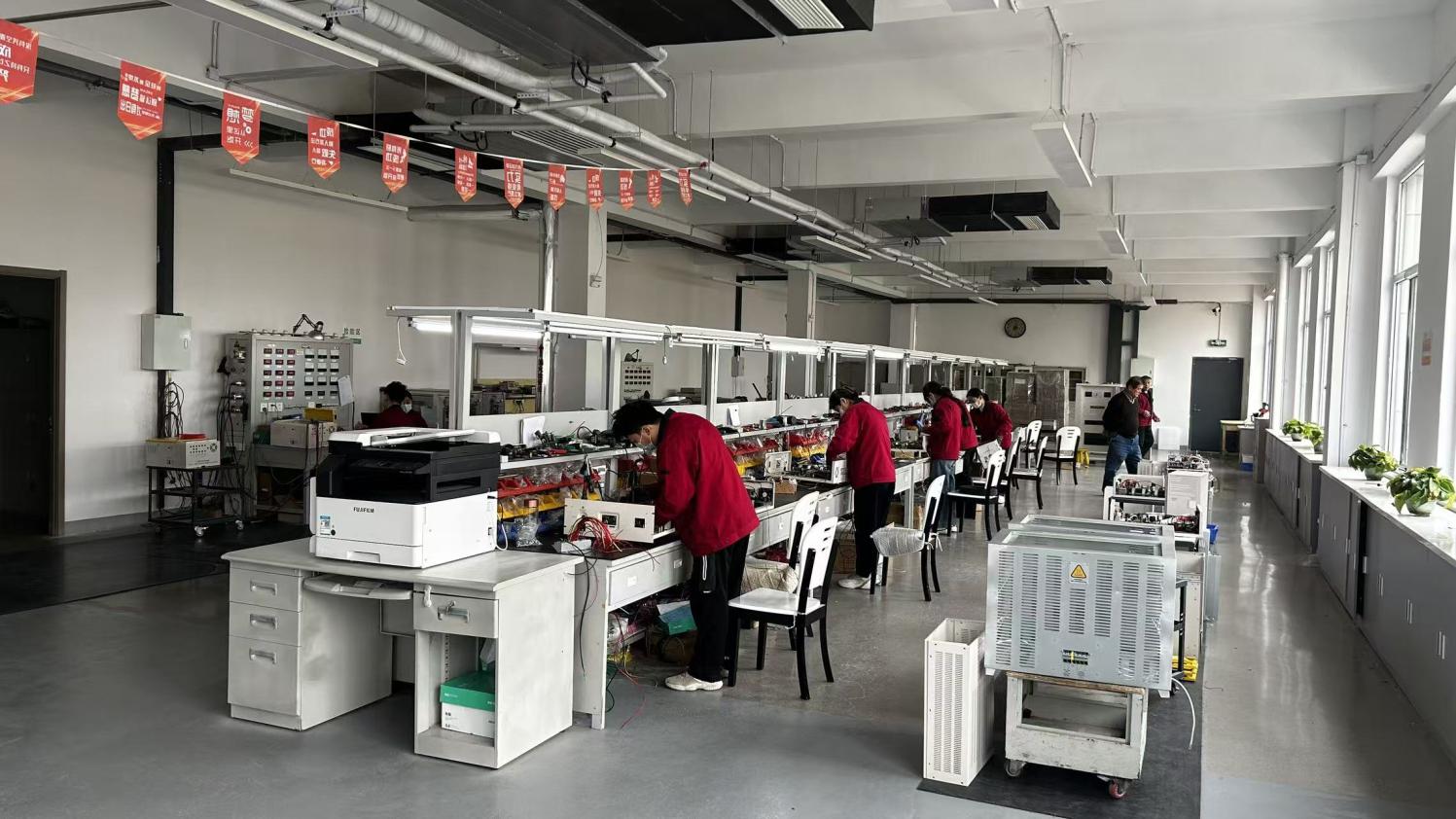 Circuit assembly
 Circuit board assembly
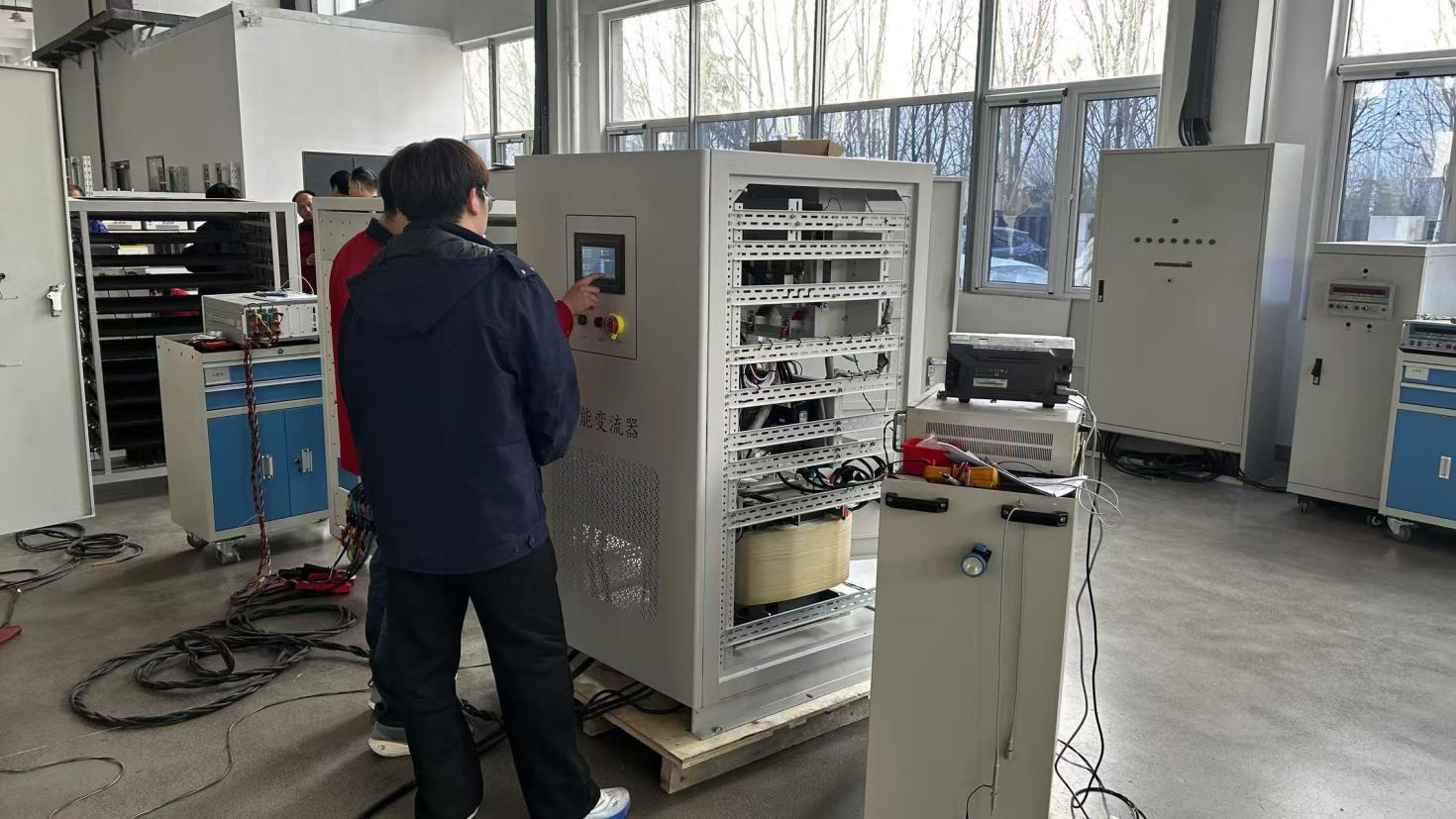 Debugging process
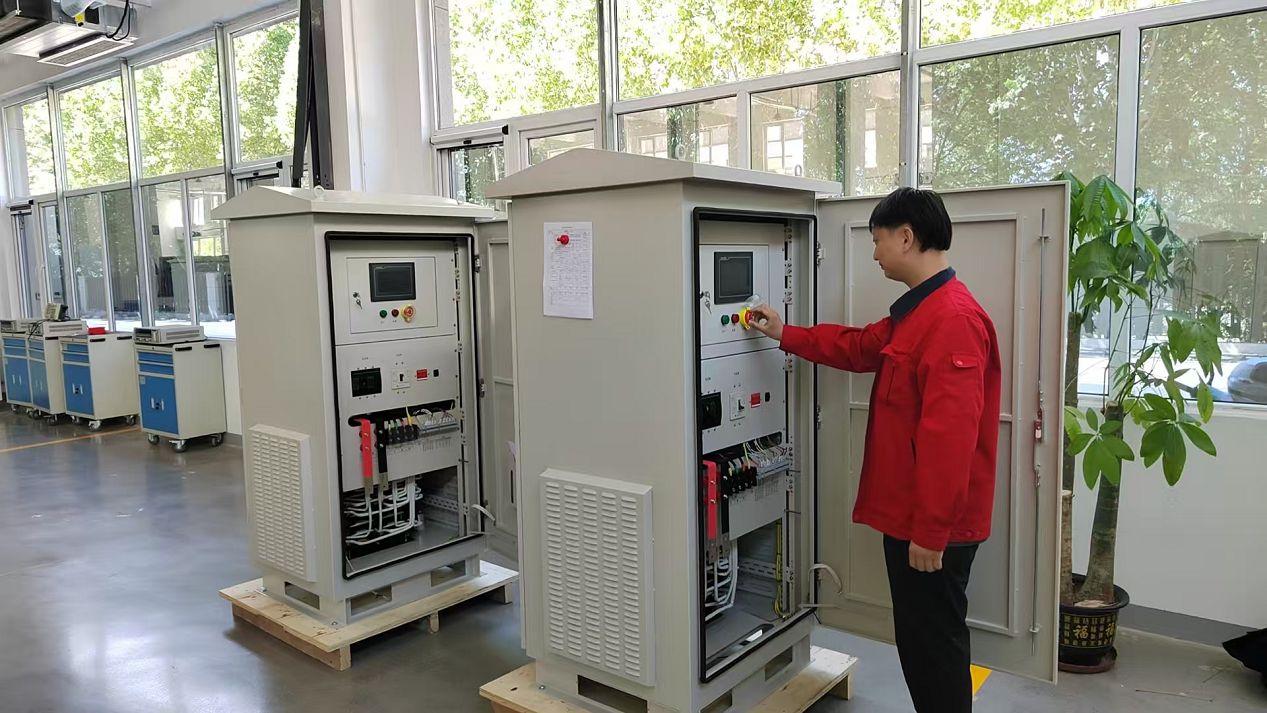 Quality inspection process
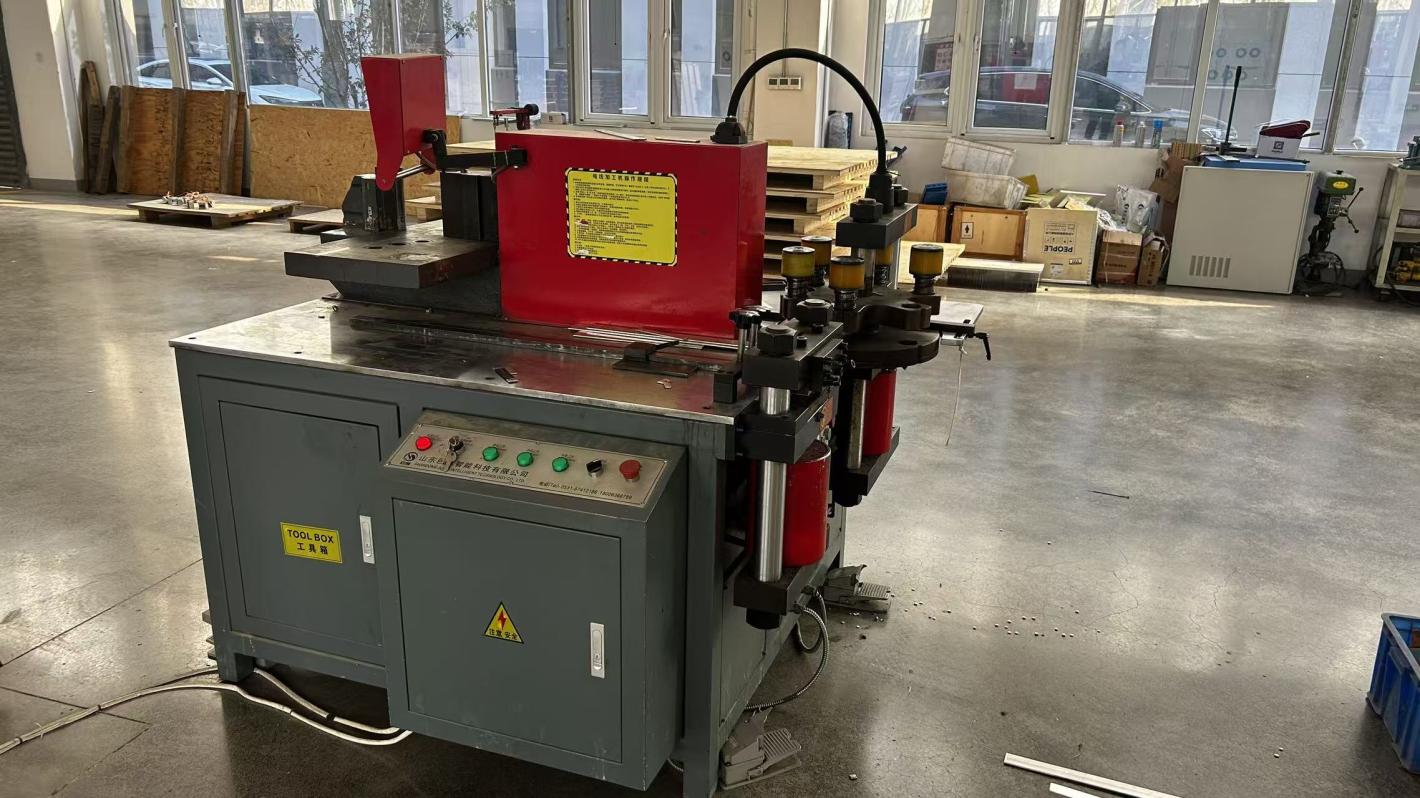 Copper bar production
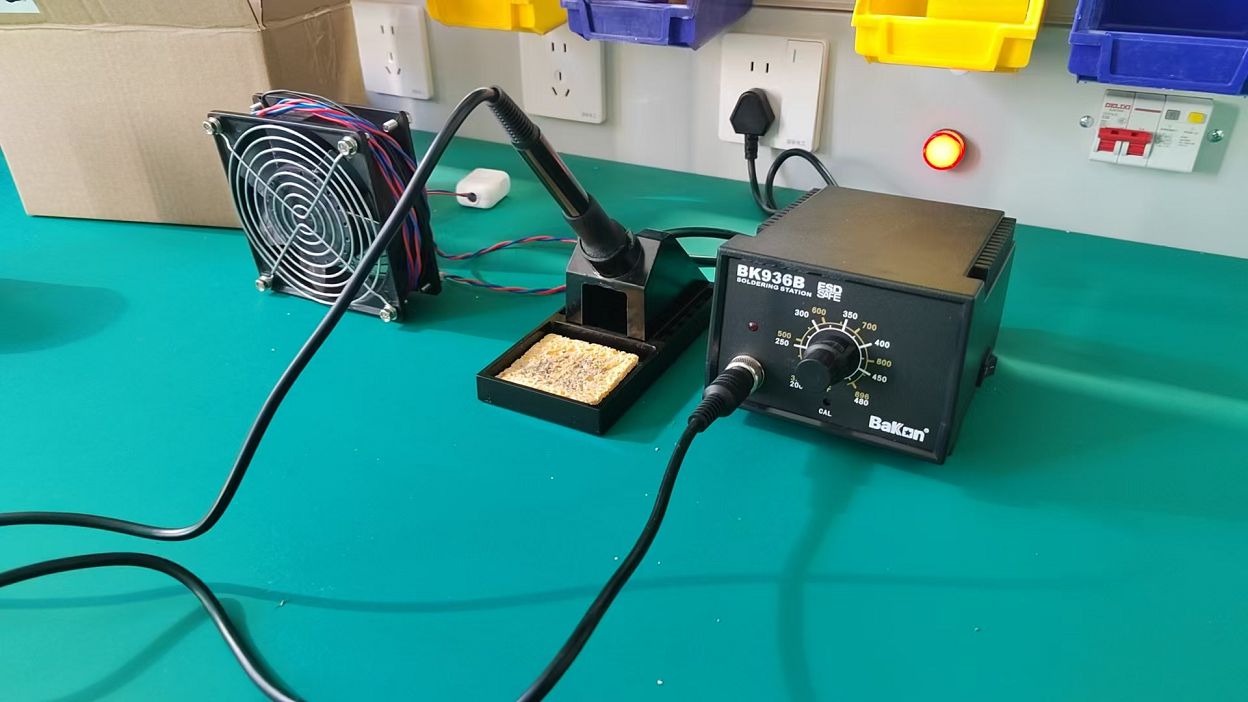 Electric ferrowire
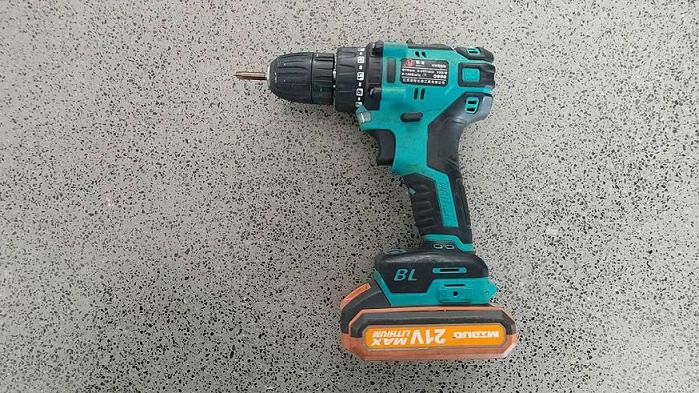 Electric drill
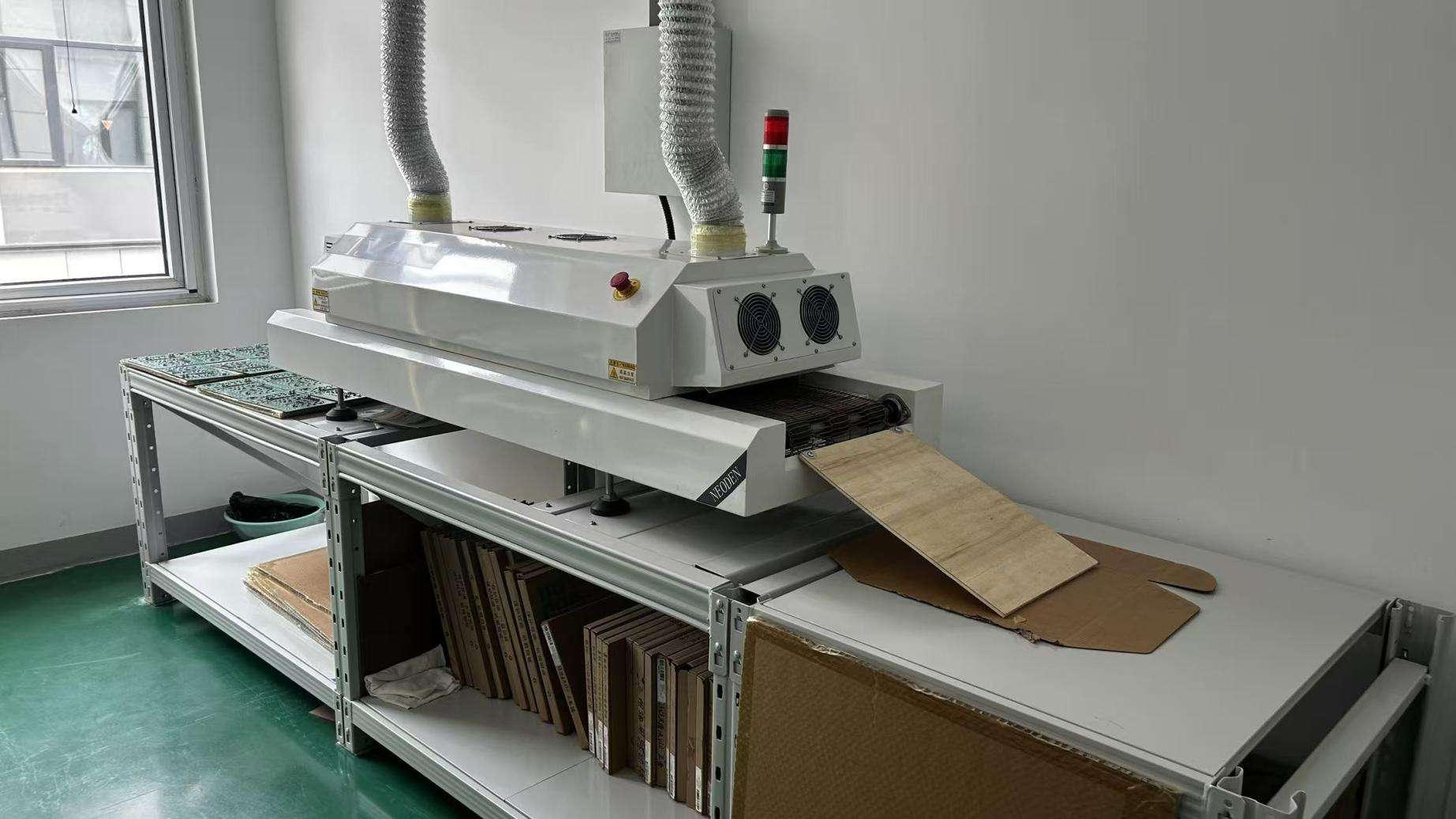 Reflow soldering machine
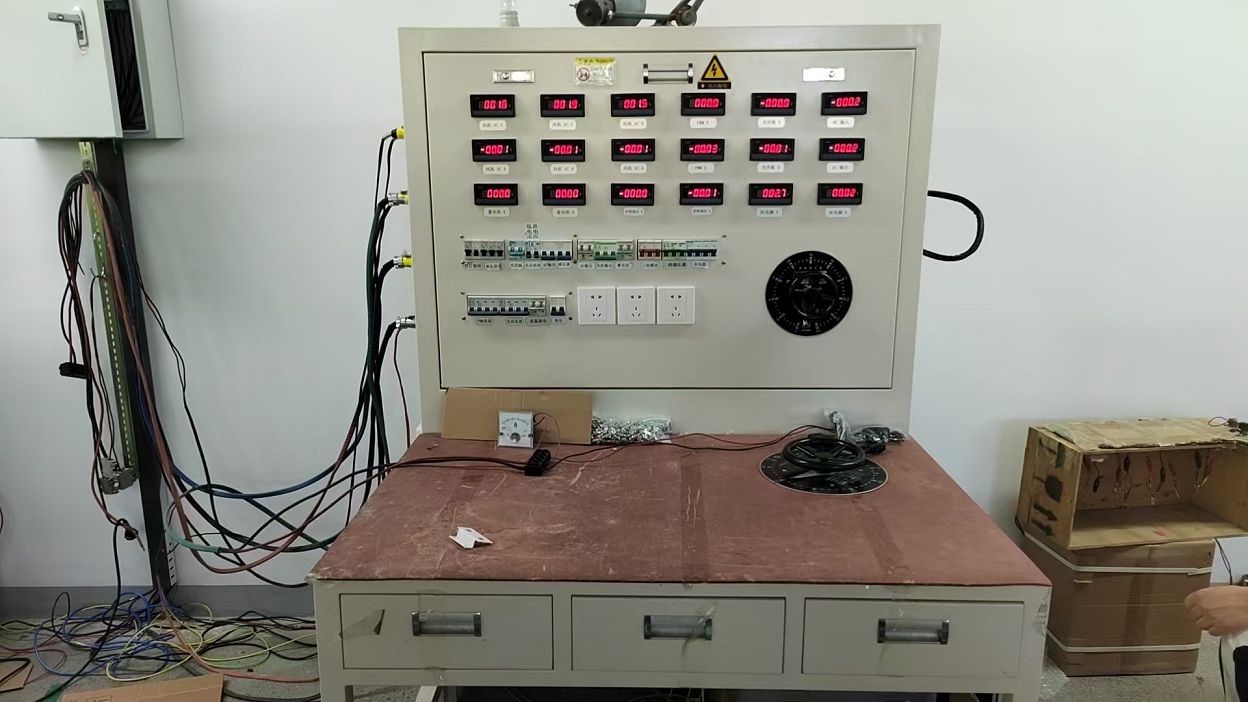 Workbench
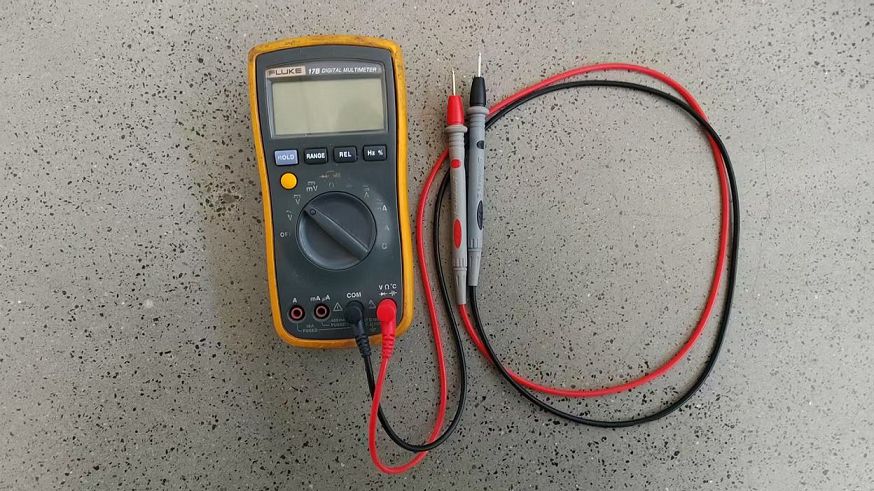 Multimeter
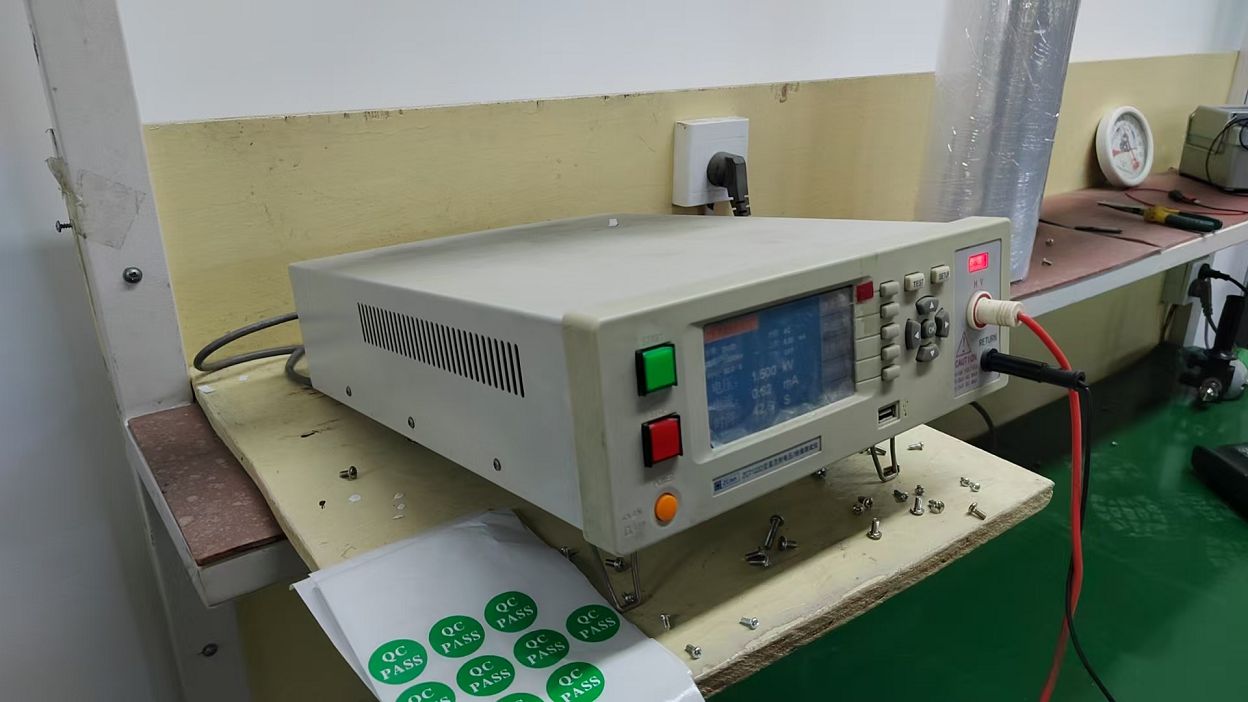 LCR AutoTester
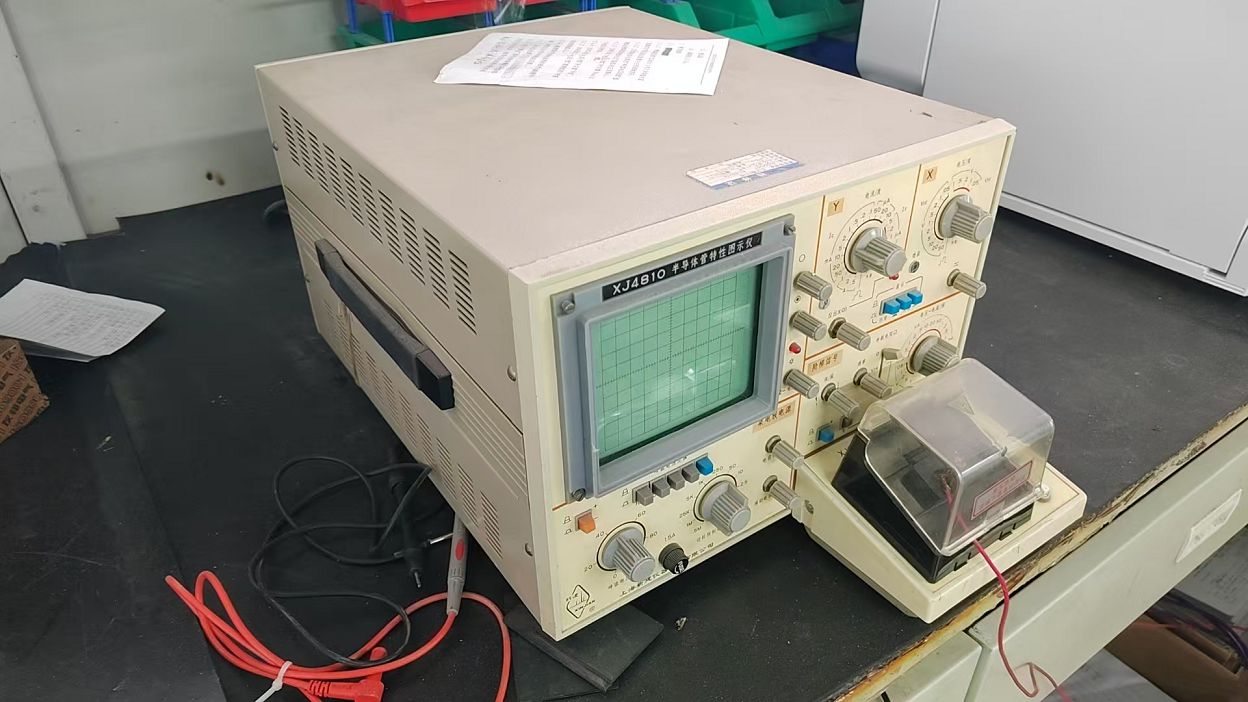 Semiconductor Plotter
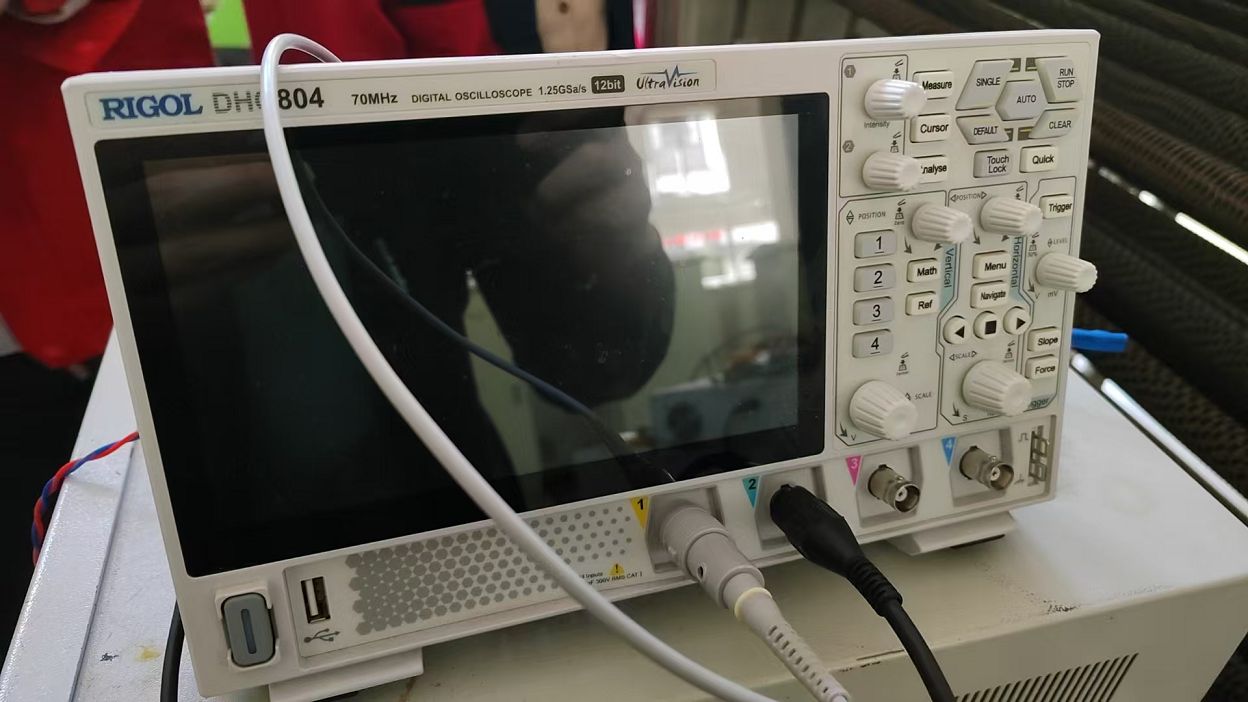
 Digital Oscilloscope
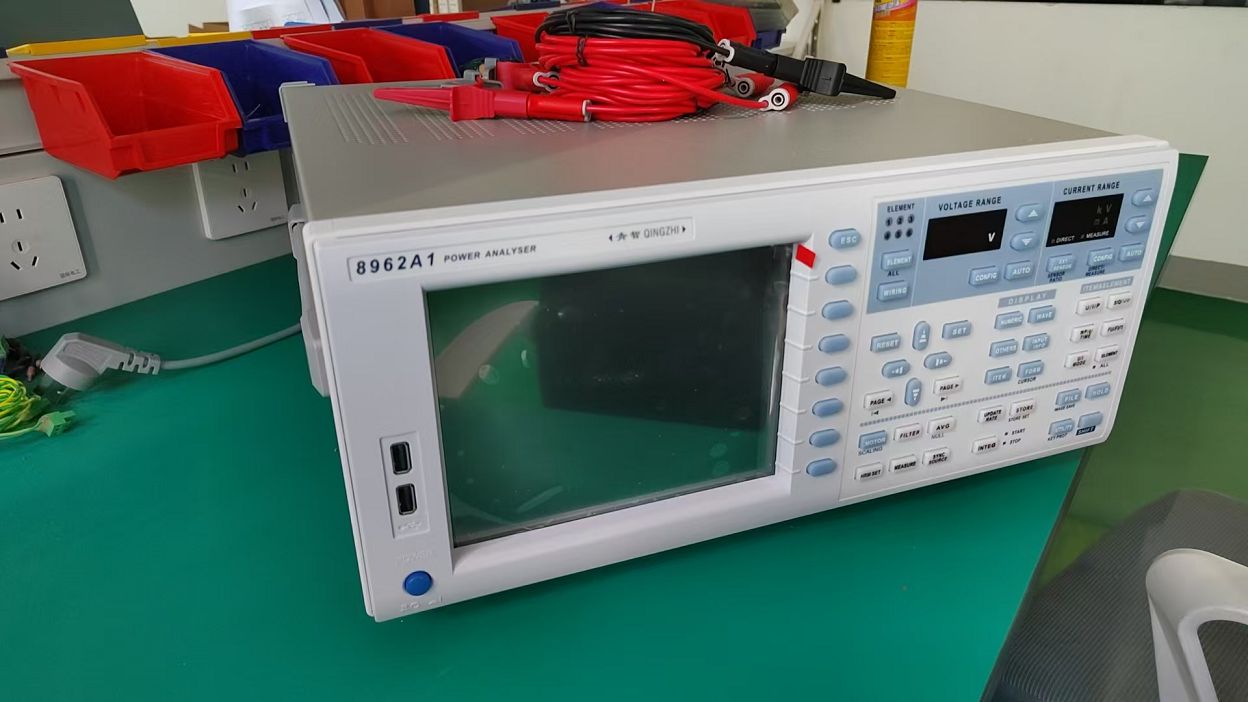
 Power Quality Analyzer
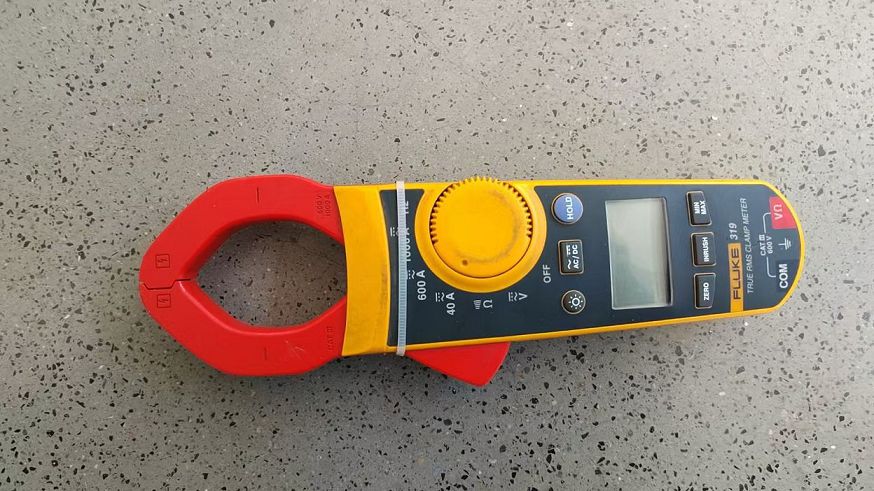 Clamp current meter
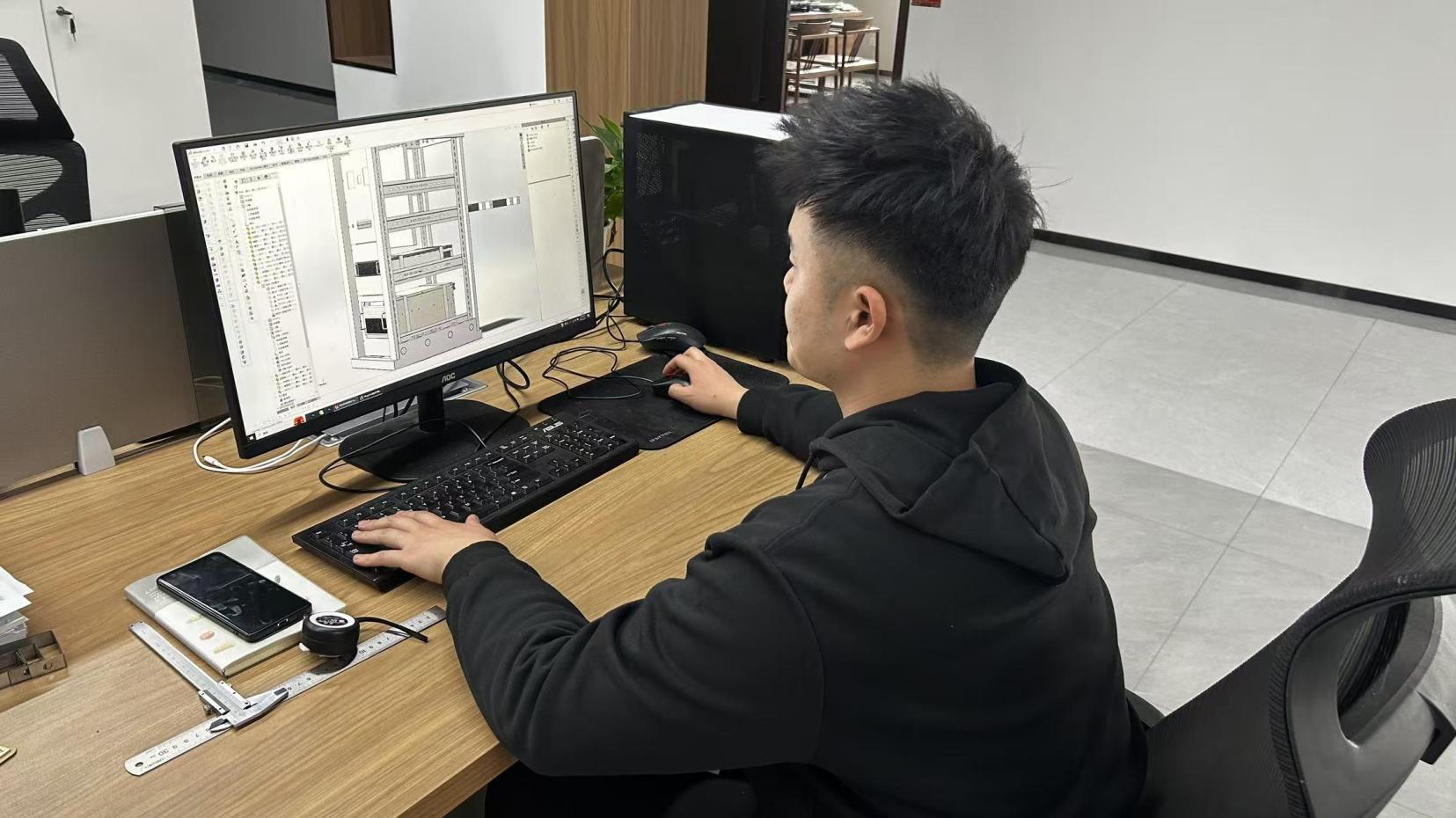 Drawing Design
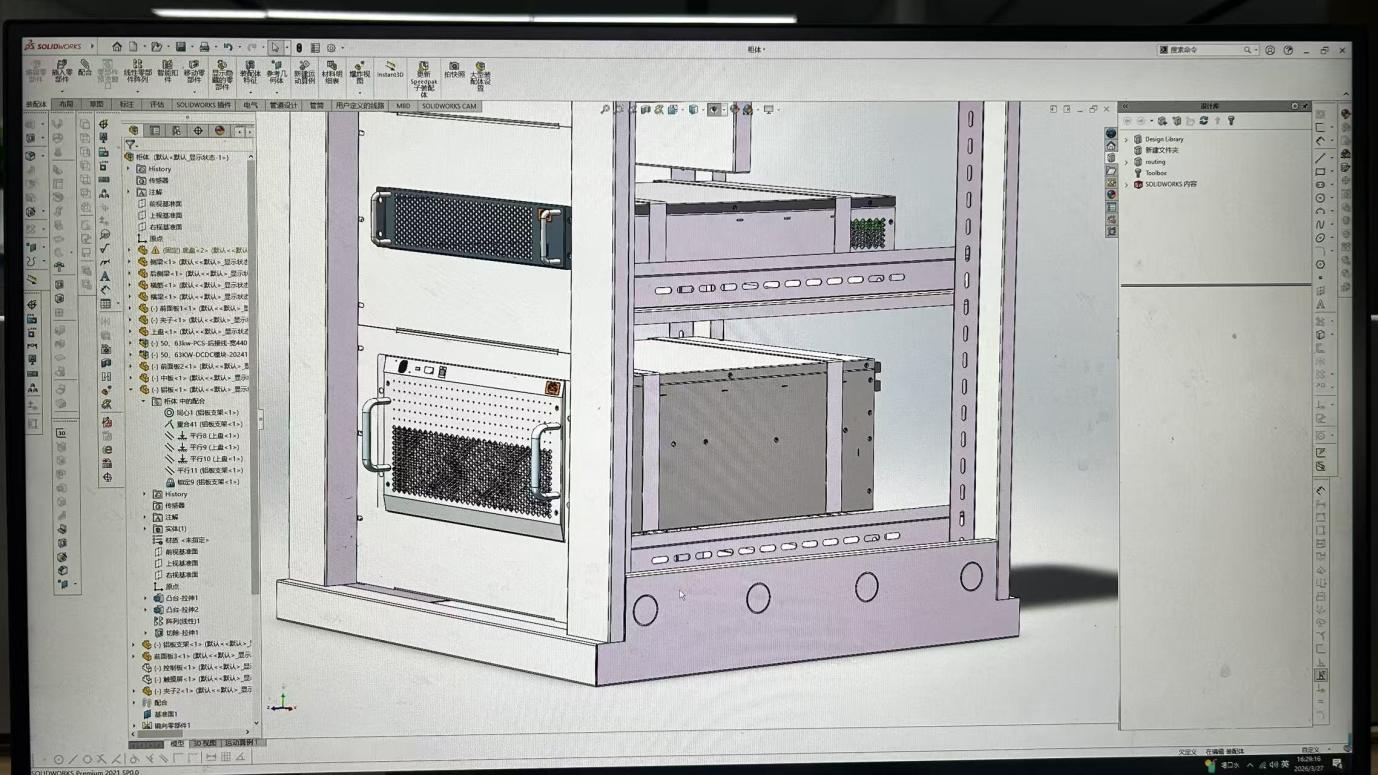 CAD Engineering Center
Adapting power conversion and control mechanisms to specialized vertical applications globally.
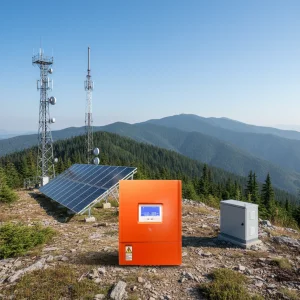
Renewable power generation is inherently intermittent. To address this, Deming utilizes dynamic MPPT solar charge controllers and automated wind turbine frequency regulators. These components actively stabilize variations in generator output voltages, preventing grid faults and maintaining power quality.
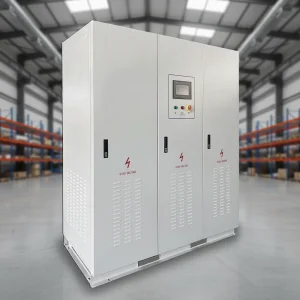
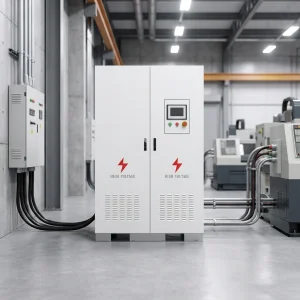
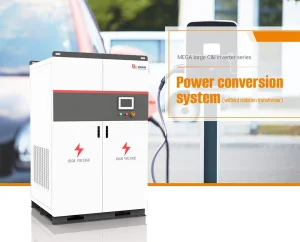
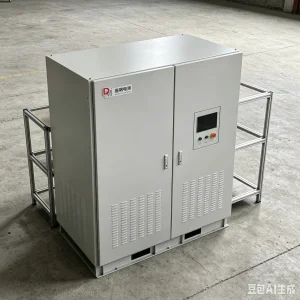
Using 300kW bidirectional PCS converters featuring integrated isolation transformers, C&I installations can operate with complete galvanic separation. This setup protects sensitive internal electronic systems from external grid faults and helps reduce peak demand charges through scheduled energy dispatch.
Our bidirectional DC test power supplies and high-accuracy battery simulators allow developers to replicate complex EV battery packs. This setup enables the testing of drivetrains and traction inverters without using hazardous chemical batteries during validation runs.
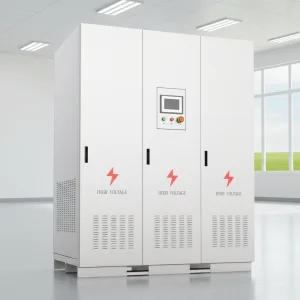
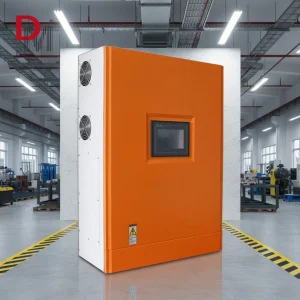
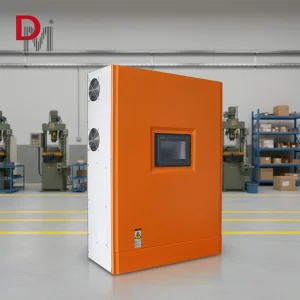
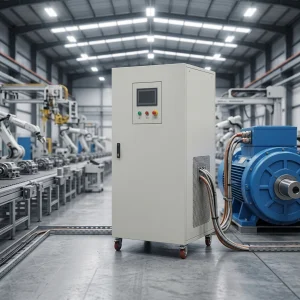
A common challenge in industrial power networks is isolating phase fluctuations. Fluctuating loads from mechanical machinery cause severe voltage imbalances. Standard power converters often struggle under these conditions, leading to thermal shutdowns. Deming's three-phase triple-output converters address this by utilizing independent stage regulation.
By isolating the DC link from the AC outputs through high-frequency switching, the system operates stably even during asymmetrical load configurations (up to 100% imbalance). This design improves reliability and helps prevent outages in continuous manufacturing lines.
The power conversion industry is transitioning toward higher switching frequencies, increased power densities, and intelligent thermal management. The integration of wide-bandgap (WBG) semiconductors, such as Silicon Carbide (SiC) and Gallium Nitride (GaN), represents a major shift in system design. Jinan Deming Power Equipment is currently integrating these advanced technologies into its converter designs to reduce switching losses by up to 40% compared to traditional IGBT systems.
Standard silicon-based switches limit high-temperature and high-frequency performance due to thermal dissipation constraints. By transitioning to SiC architectures, our next-generation 300kW bidirectional PCS converters will operate at higher switching frequencies. This change reduces the size of the required inductors and capacitors, resulting in a more compact system footprint.
Hardware stability must be paired with smart management software. Our engineering roadmap includes the roll-out of cloud-integrated controllers that use predictive algorithms to analyze local meteorological forecasts. This software adjusts solar and wind MPPT tracking in real-time, helping optimize battery energy reserves before weather changes occur.
Modern utility regulations place strict limits on Total Harmonic Distortion (THD). Our ongoing development efforts focus on refining LCL filter designs and DSP control algorithms. This ensures that when feeding energy back into the utility grid, the THD remains below 2.5%, satisfying even the most demanding electrical standards worldwide.
Deploying electrical equipment globally requires strict adherence to local regulatory frameworks. Operating without certifications like CE, RoHS, or UL can lead to project delays and compliance issues. Deming's design processes incorporate these international standards directly into the development phase.
Every component shipped from our facility complies with ISO9001:2015 Quality Management Systems. For European installations, our grid-tie controllers and converters carry CE marks and comply with RoHS directives to protect environmental safety. Additionally, we provide localized remote engineering support to assist during on-site commissioning and grid integration testing.
Certified ISO9001:2015 manufacturing process, ensuring traceability and consistency across all production batches.
Engineered to meet national grid requirements worldwide, featuring programmable voltage protection settings.
RoHS certification ensures that our products minimize the use of hazardous substances in their electronics.
Direct technical answers to common integration questions from procurement teams and electrical engineers.
Complete the procurement lineup with specialized controllers, wind turbine voltage regulators, and high-current chargers.
 Demin Power