Explore our first tier of advanced industrial components, built for extreme environments and variable frequency applications.
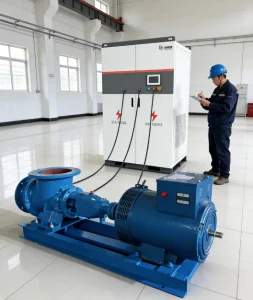
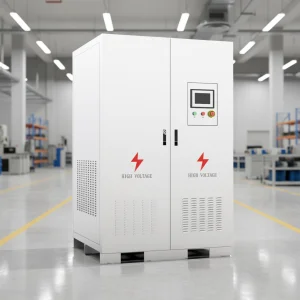
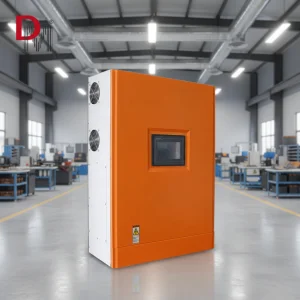
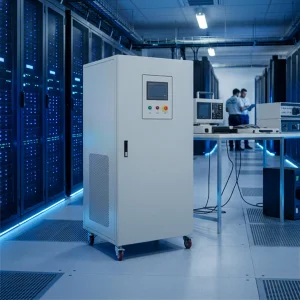
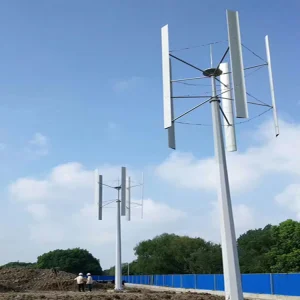
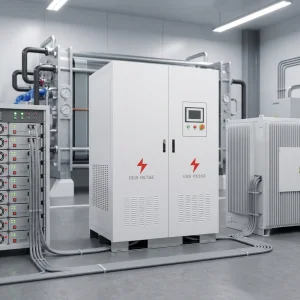
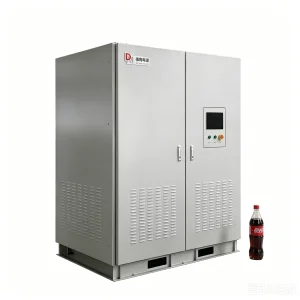
In the contemporary landscape of power grid architectures, frequency regulation stands as the primary bulwark of grid stability. The sudden integration of decentralized, intermittent renewable energy sources—such as wind farms, photovoltaic arrays, and high-capacity storage facilities—has rendered conventional grid control mechanisms obsolete. Grids now operate with significantly lower rotational inertia, making them highly susceptible to voltage and frequency fluctuations caused by transient load shifts.
As a result, high-precision industrial frequency regulators and converters are no longer secondary system accessories; they are vital, structural nodes within the macro-energy pipeline. From mitigating instantaneous active power deficits to providing sub-millisecond frequency response curves, modern solid-state frequency regulators utilize active droop control algorithms to balance power supply and demand continuously.
Internationally, standard requirements such as IEEE 1547 and EN 50549 demand that grid-connected generators actively participate in dynamic voltage and frequency support. Consequently, global buyers seek factories that offer scalable, resilient topologies capable of operating seamlessly under varying voltage levels and utility standards.
A deep look into our ISO9001:2015 certified R&D processes, engineering capabilities, and global partnership networks.
Established in 2004, Jinan Deming Power Equipment Co., Ltd. has evolved into a nationally recognized high-tech enterprise, specializing in the research, development, manufacturing, and distribution of renewable energy power equipment and testing solutions. Recognized multiple times as a national high-tech enterprise by the Chinese government (in 2015 and 2018), Deming maintains a rigorous quality framework governed by the ISO9001:2015 international quality standards.
Our commitment to technical innovation is anchored by a highly skilled R&D team comprising 16 senior engineers, led by master’s degree holders and doctoral supervisors. To maintain absolute market leadership and provide genuine *Information Gain* to our industrial partners, we systematically invest no less than 20% of our annual sales revenue into technology development. This long-term dedication to innovation has resulted in 17 major R&D projects completed in the last three years alone, successfully translating 16 scientific and technological breakthroughs directly into commercial-grade products.
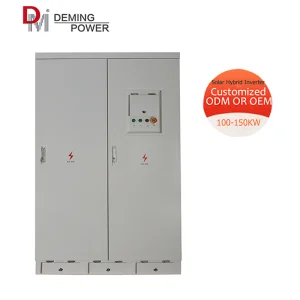
Today, our high-power bidirectional DC testing power supplies, battery simulators, grid-tied inverter topologies, and hybrid controllers (ranging from 150kW to 500kW) are exported to over 120 countries—including Germany, Japan, the United States, the UK, Canada, Australia, and Brazil. Our engineering capacity and reliable product lifespans have solidified long-term cooperative partnerships with multiple Fortune 500 enterprises.
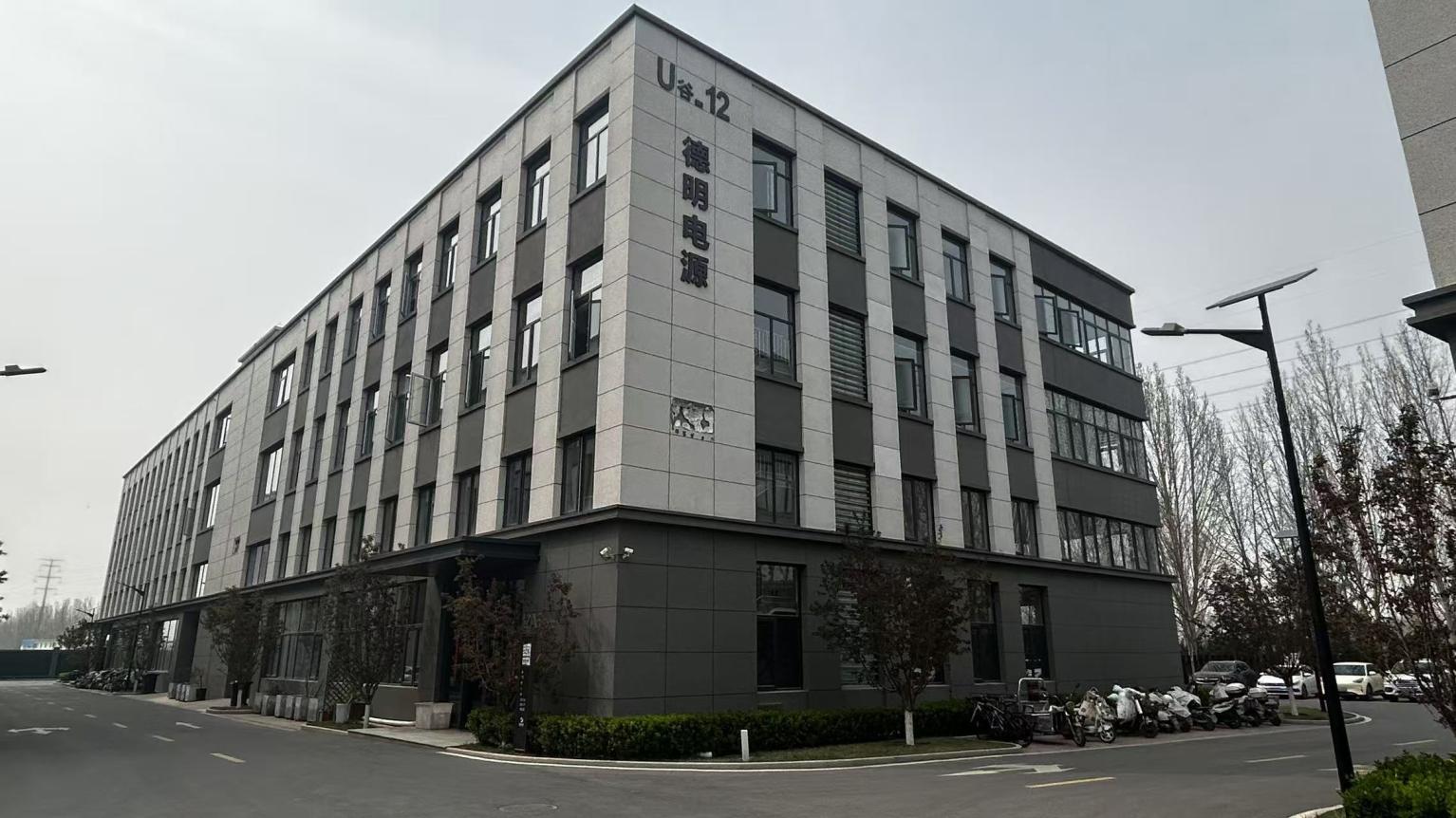
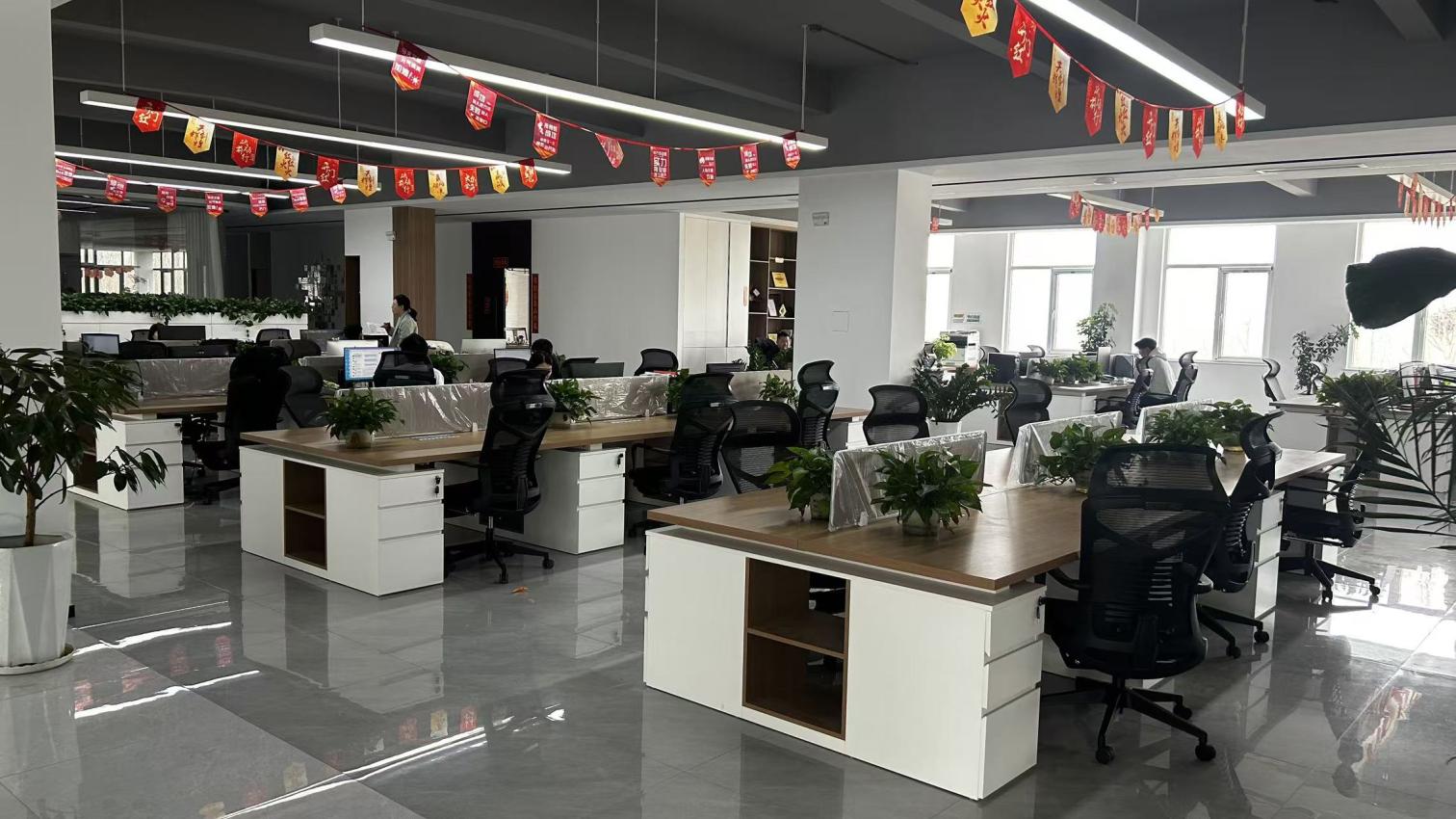
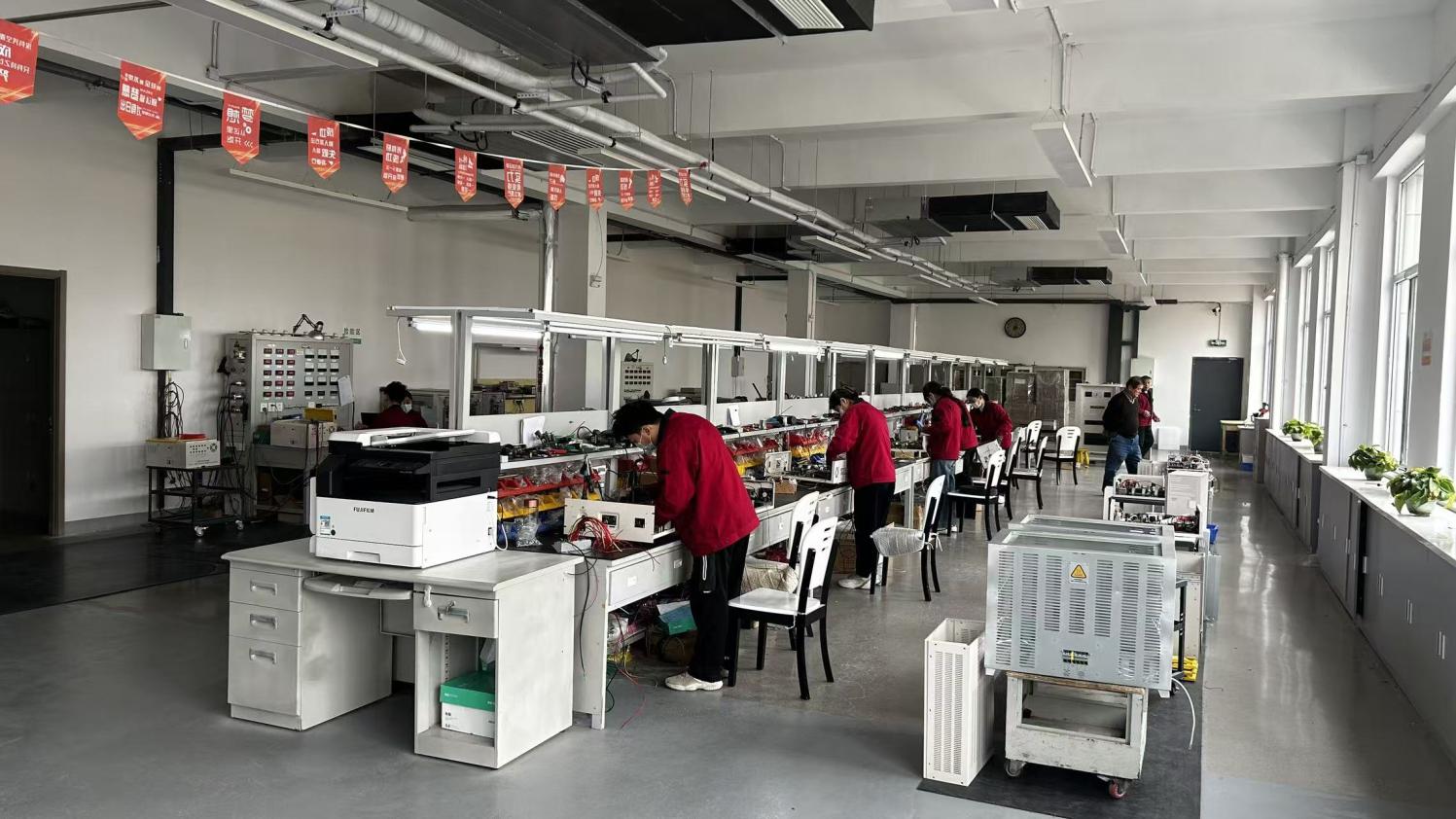
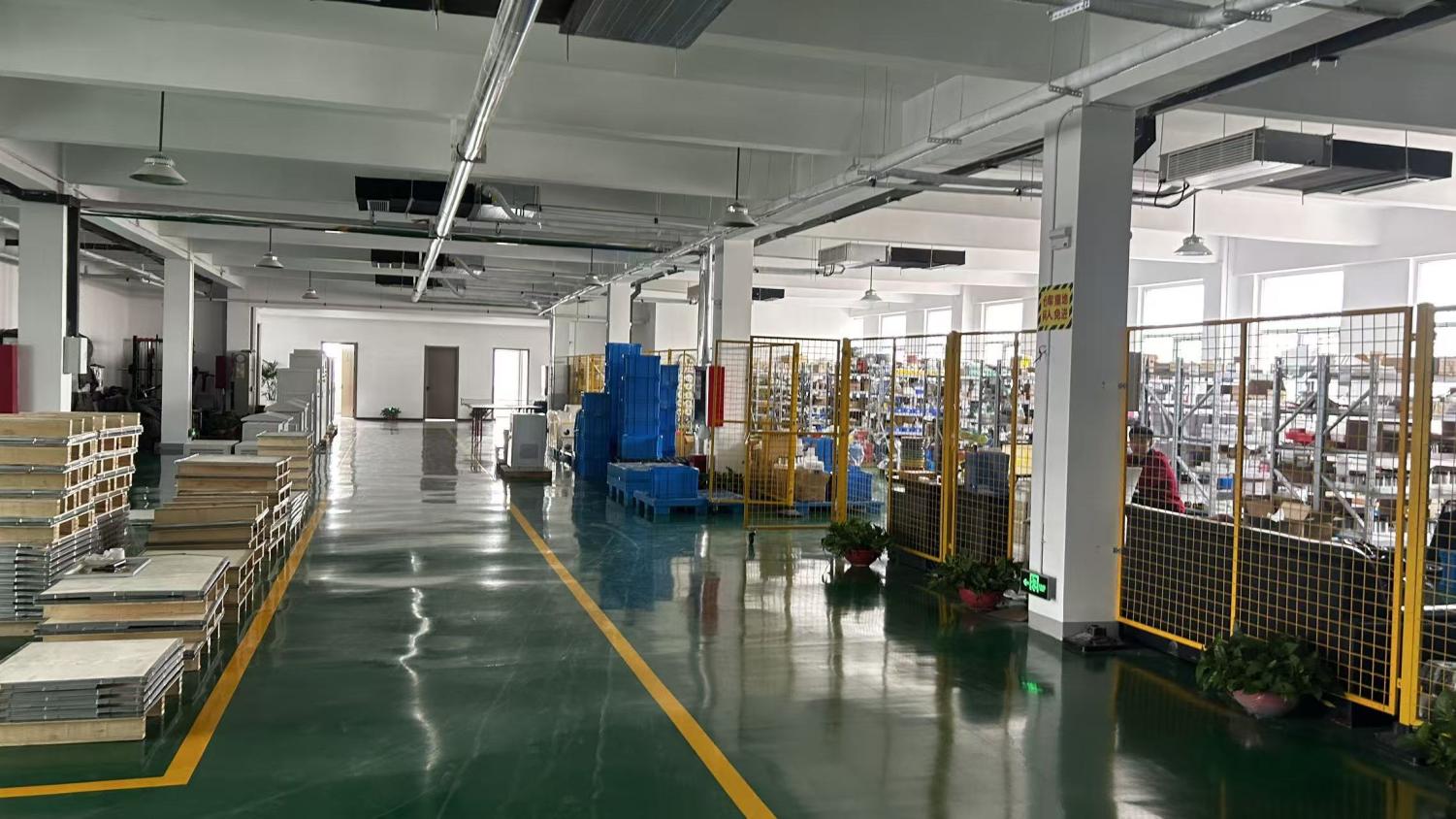
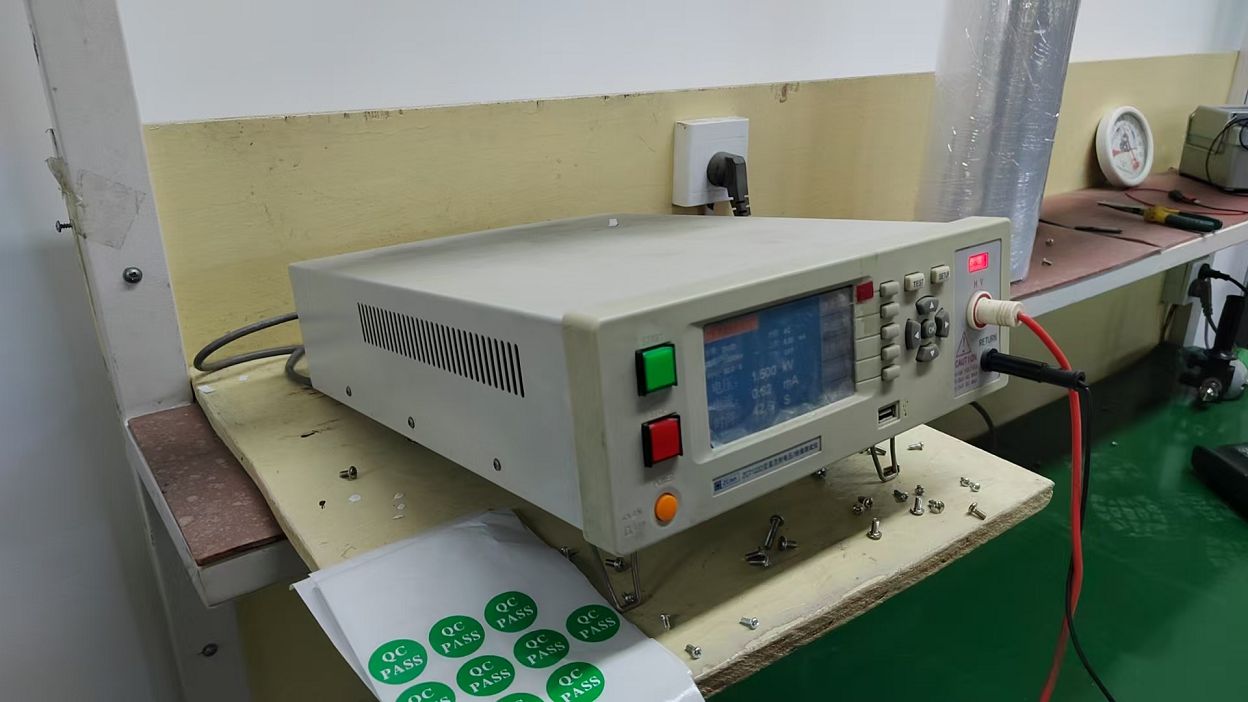
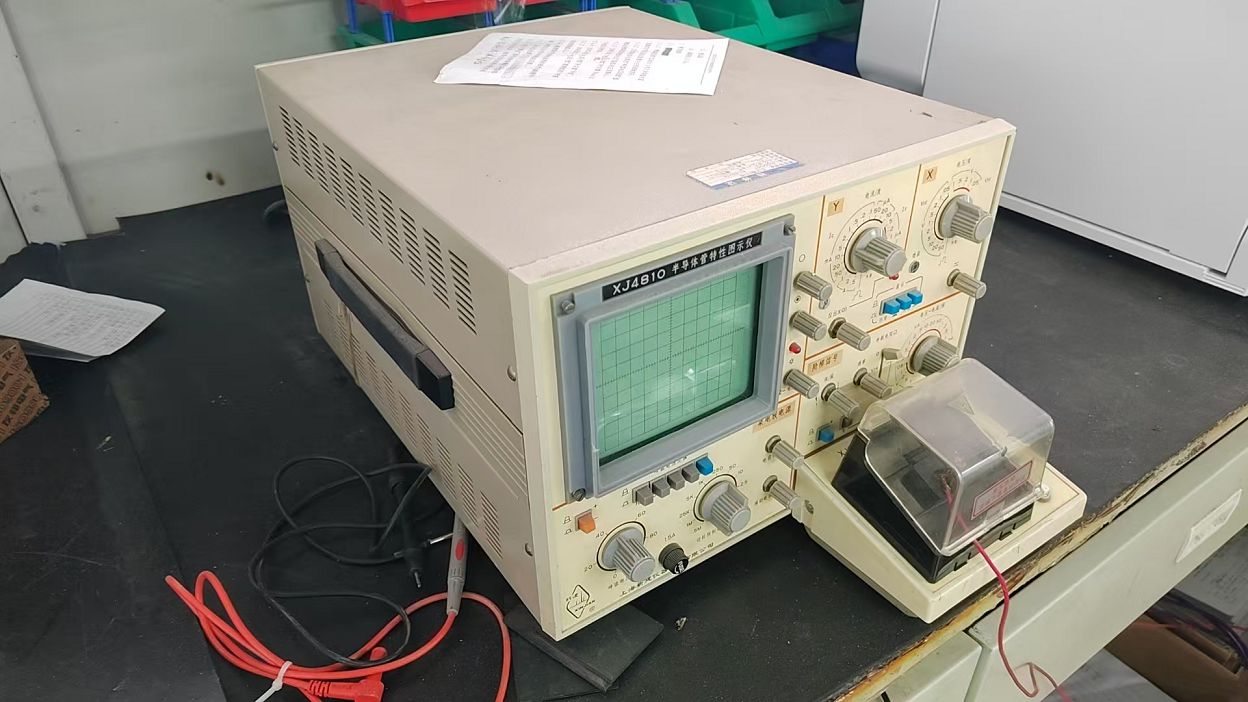
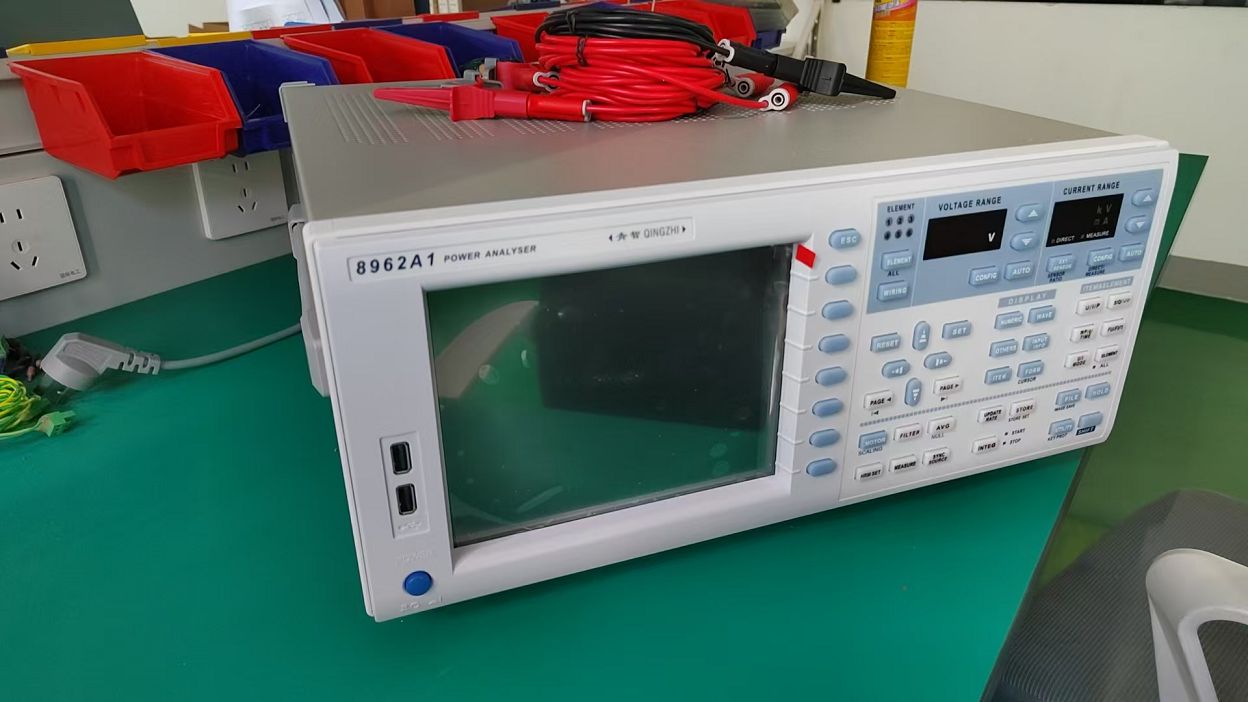
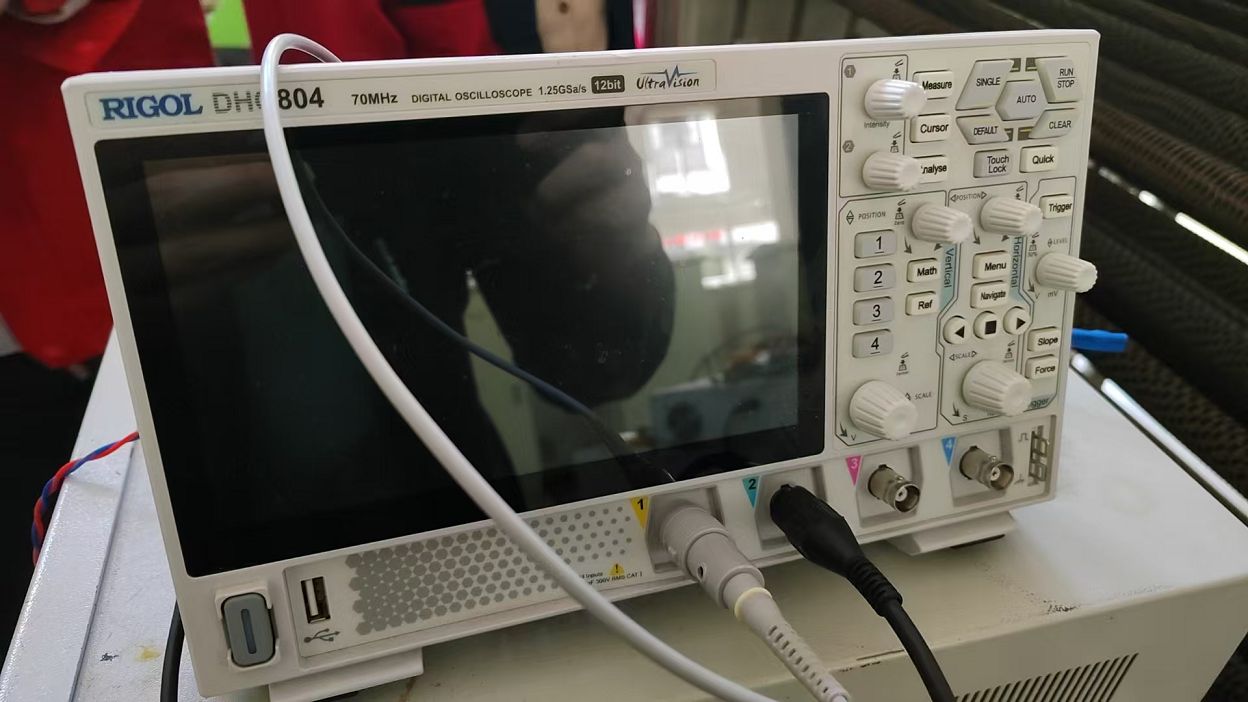
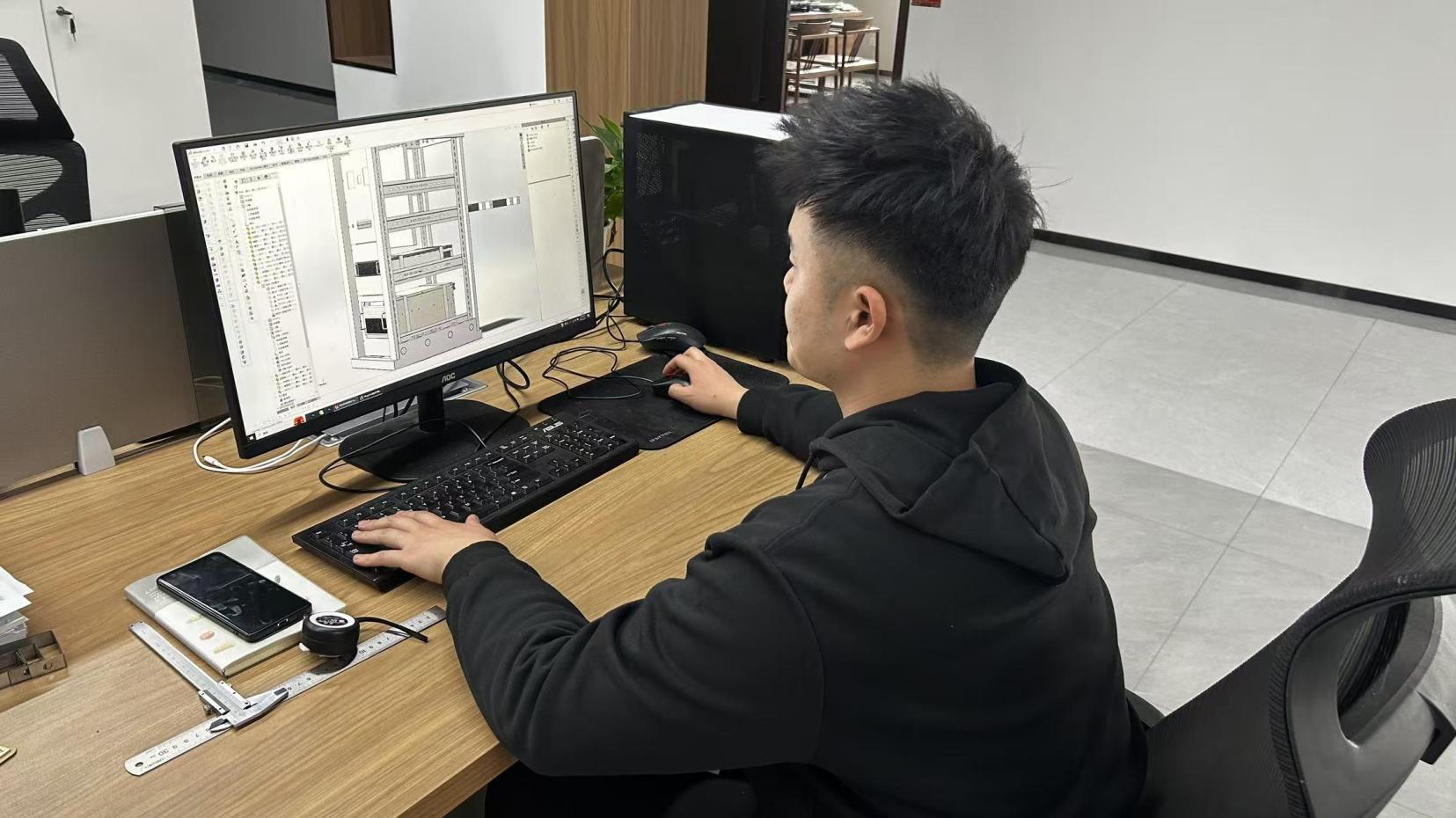
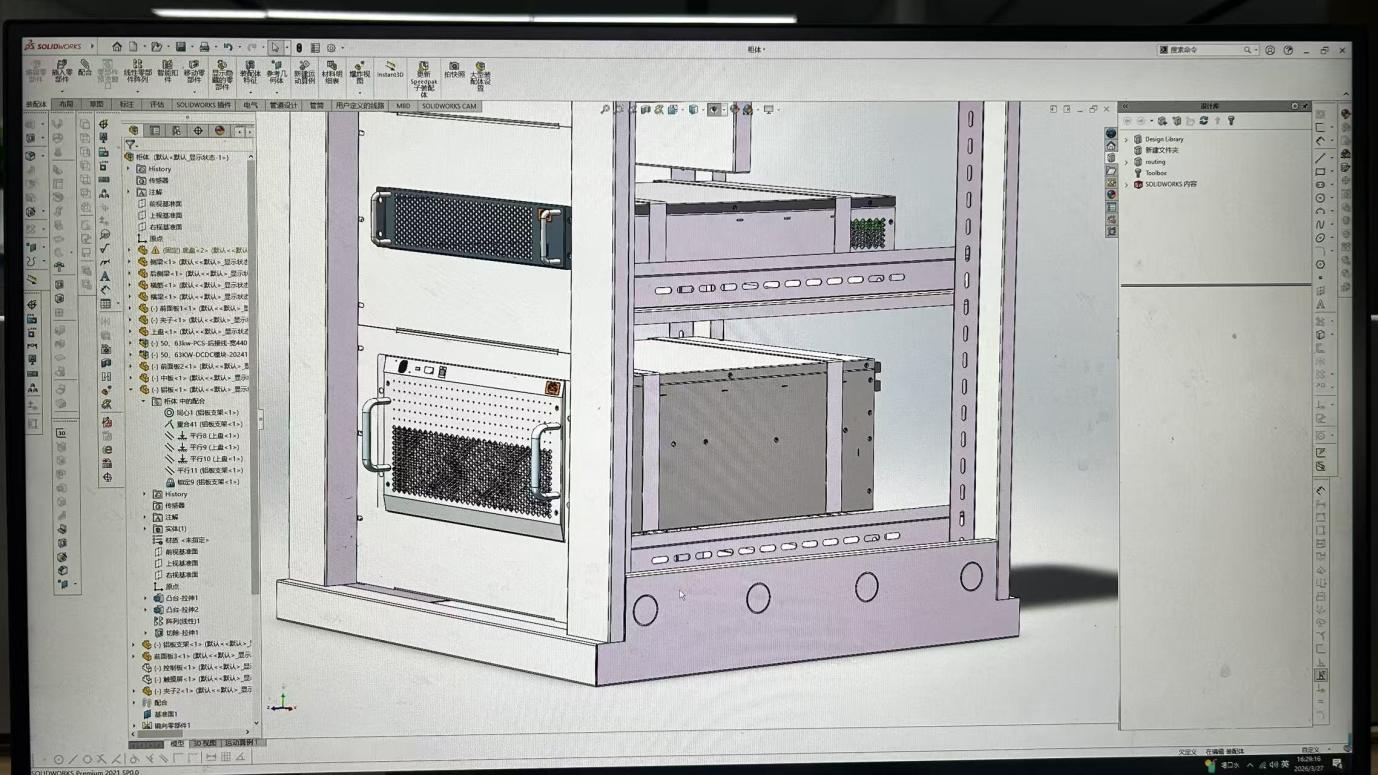
Step inside our state-of-the-art production floor and validation lab, where high-power electronics are built to last.
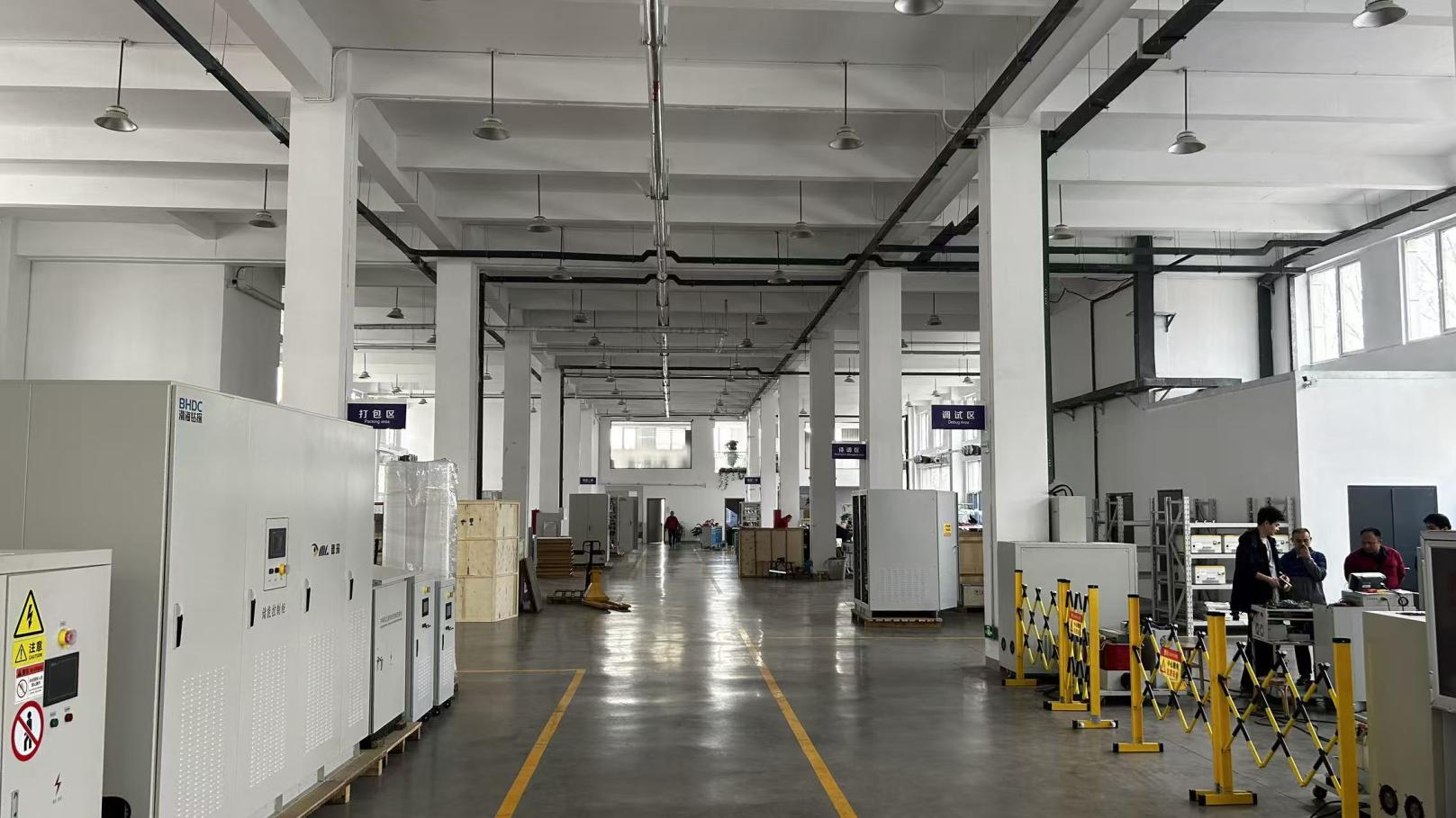
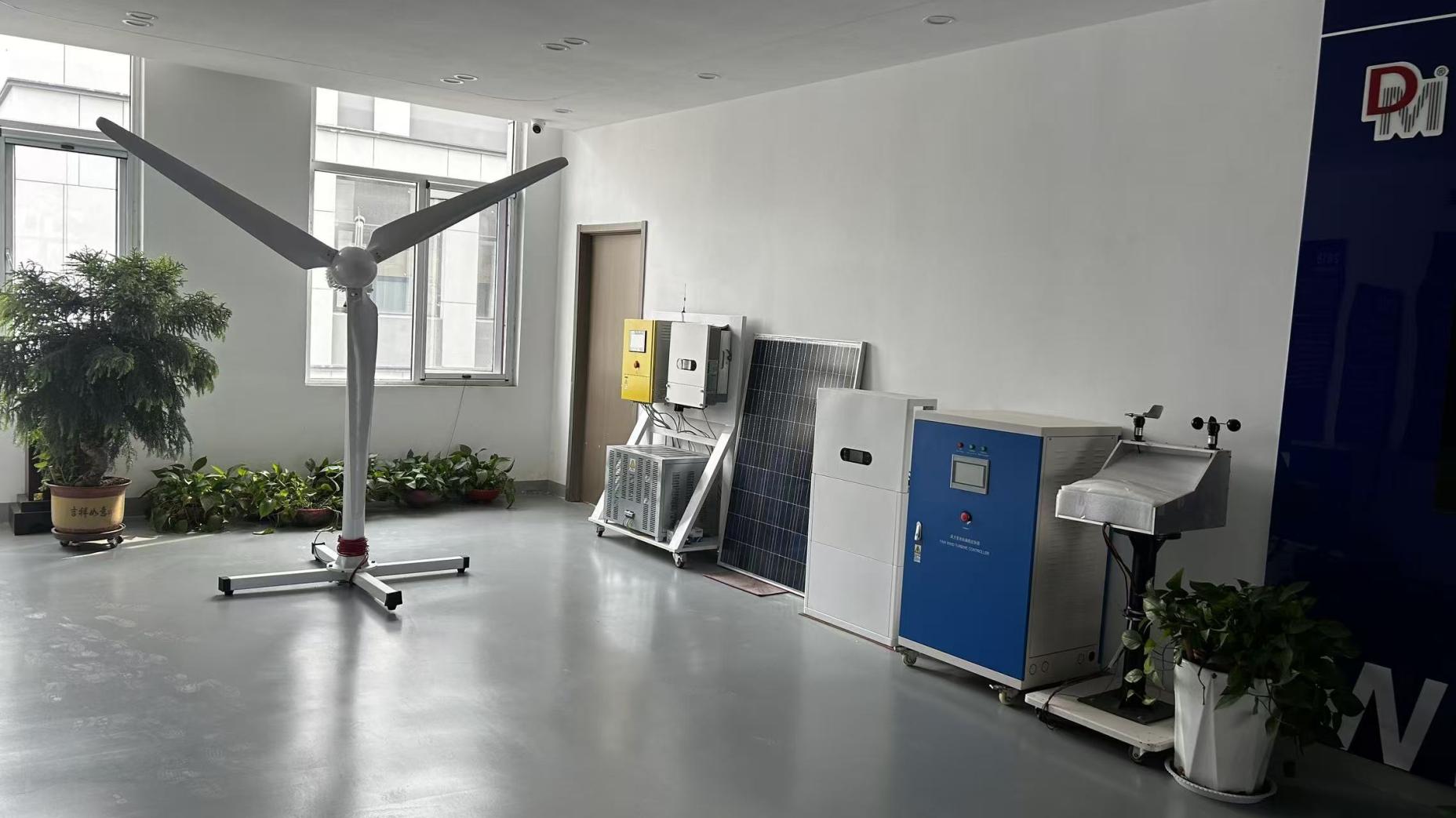
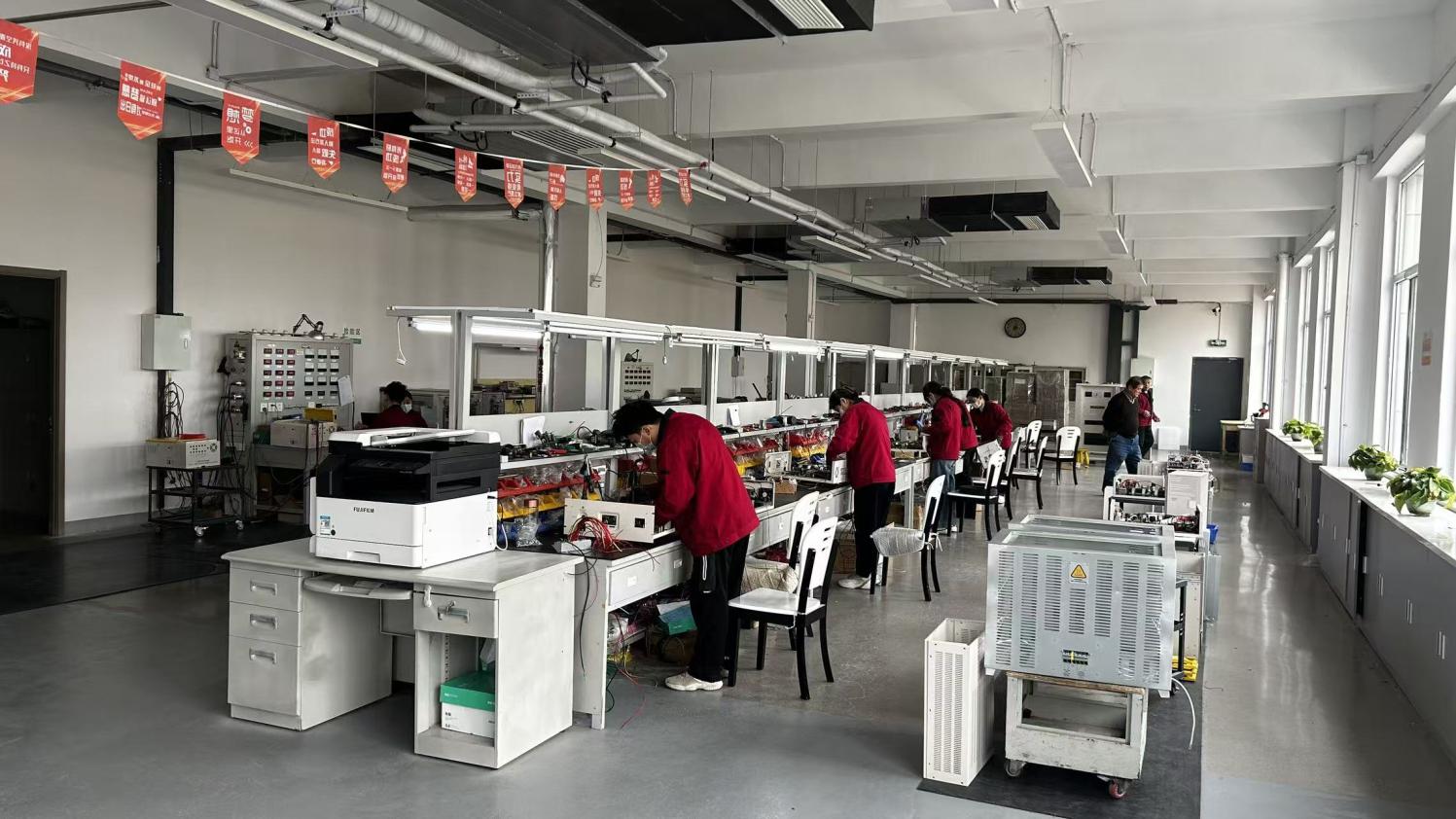
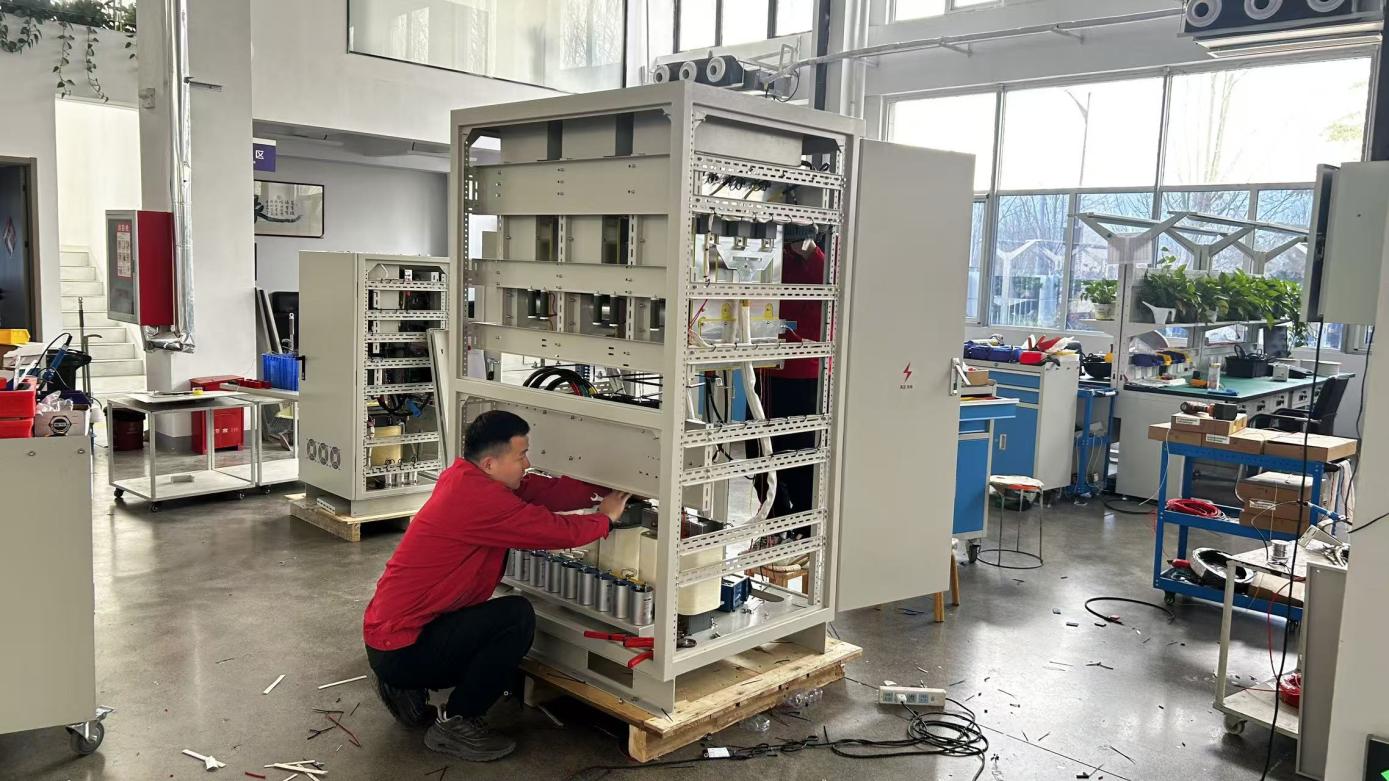
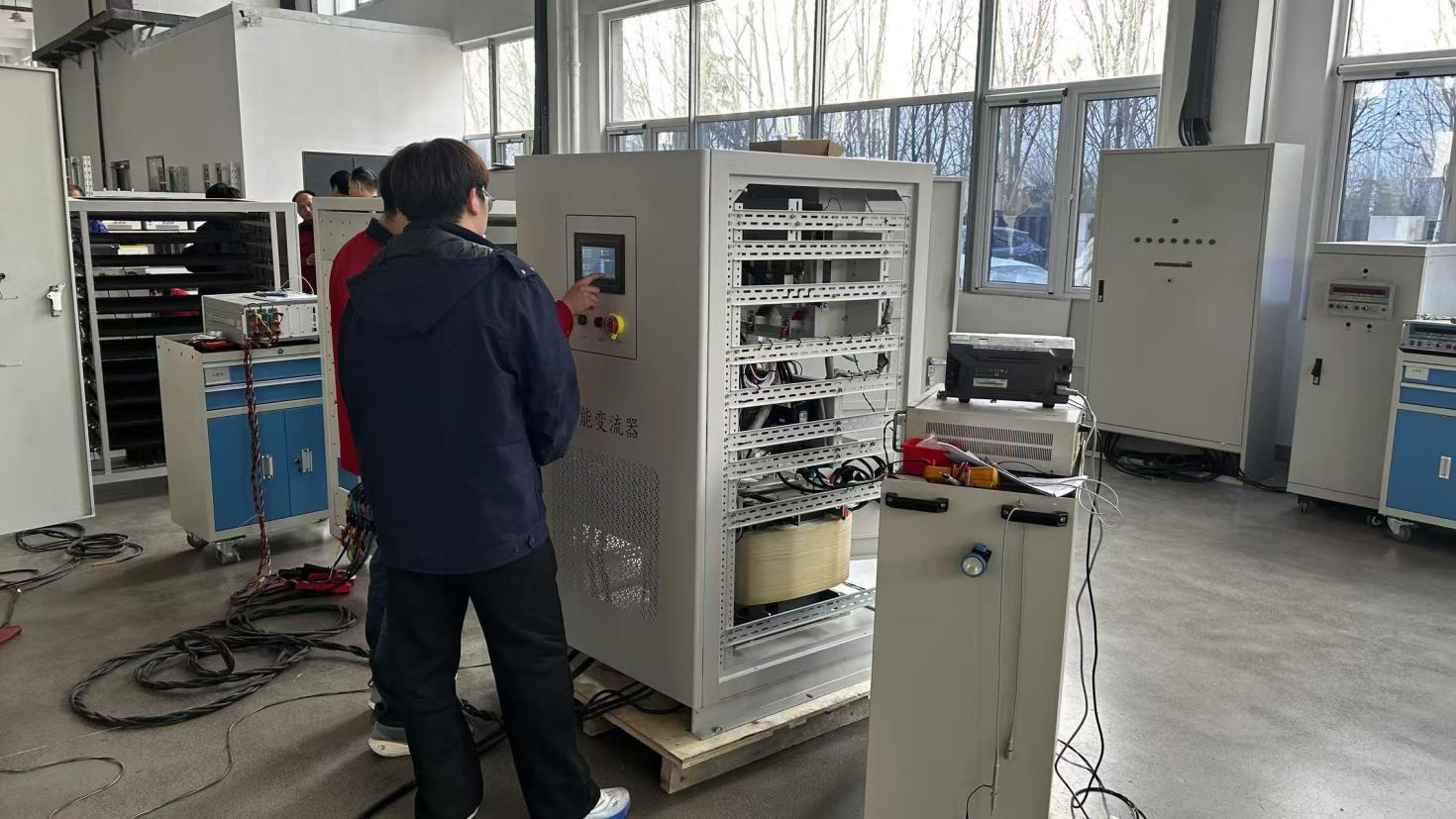
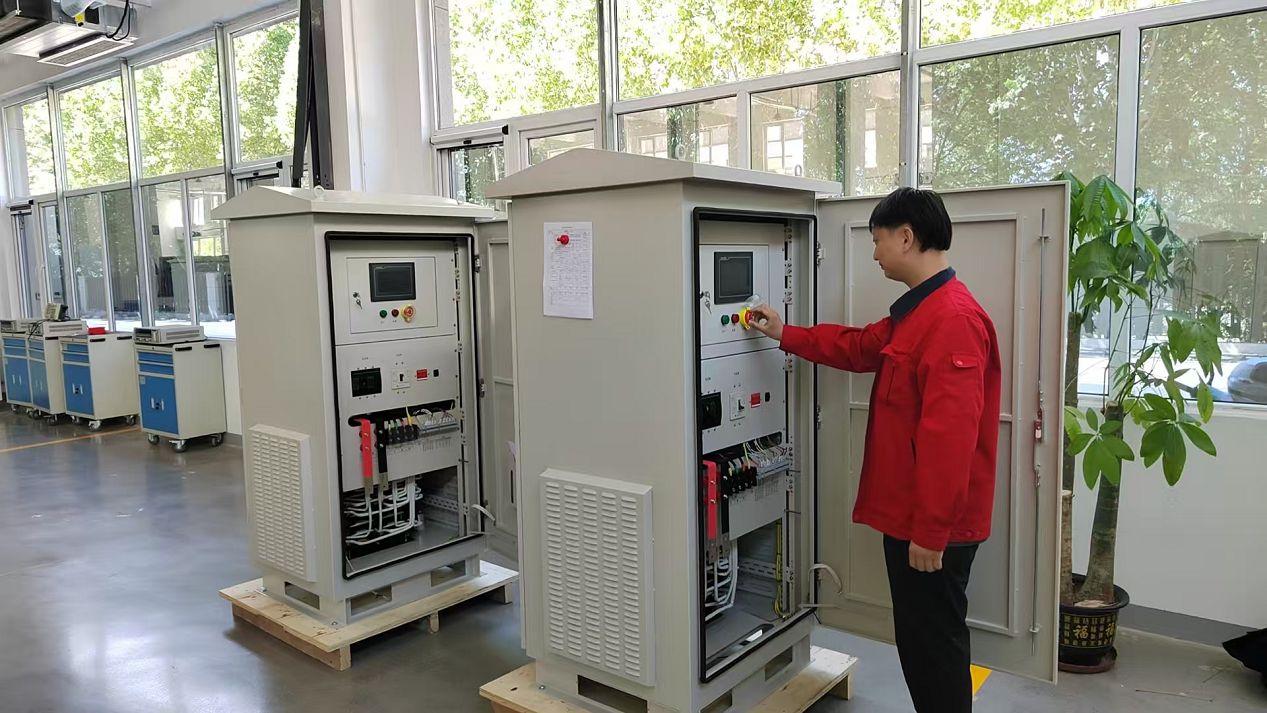
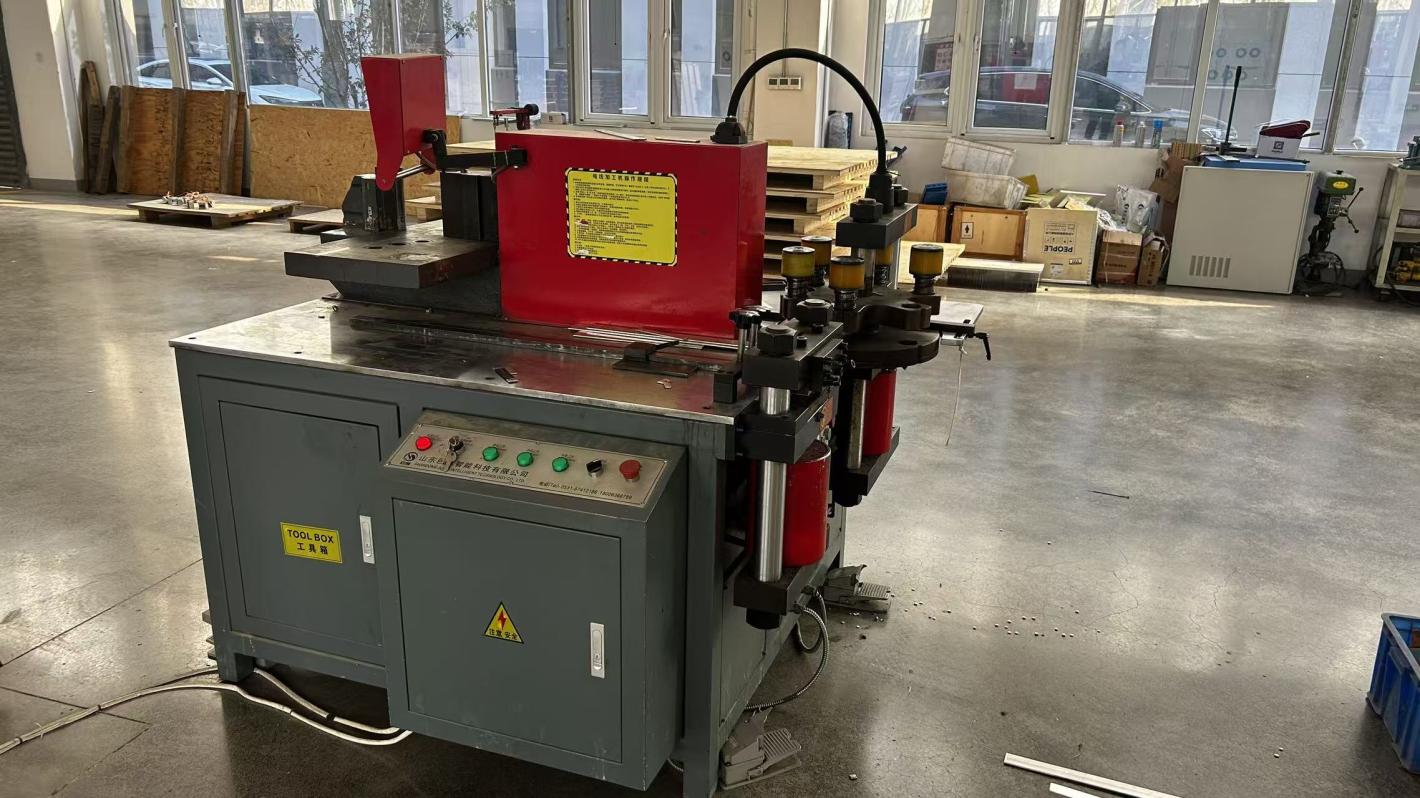
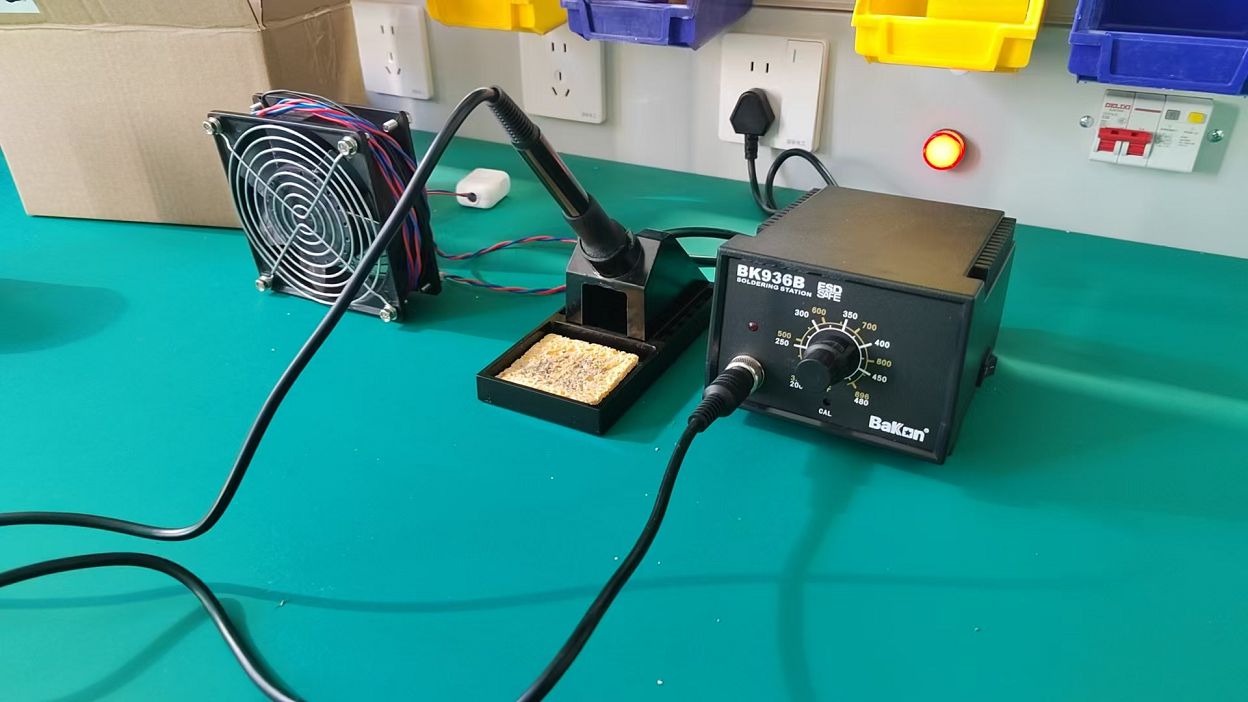
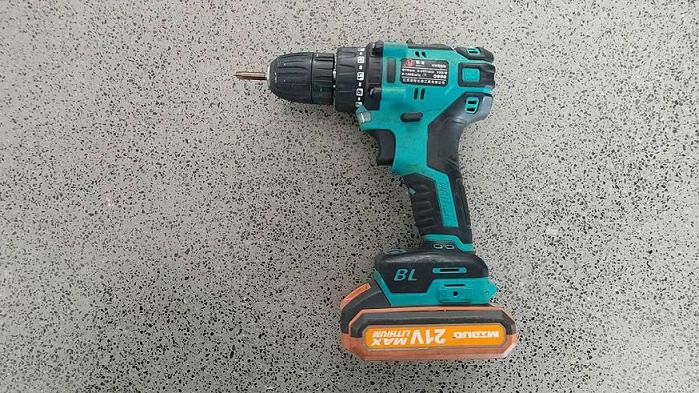
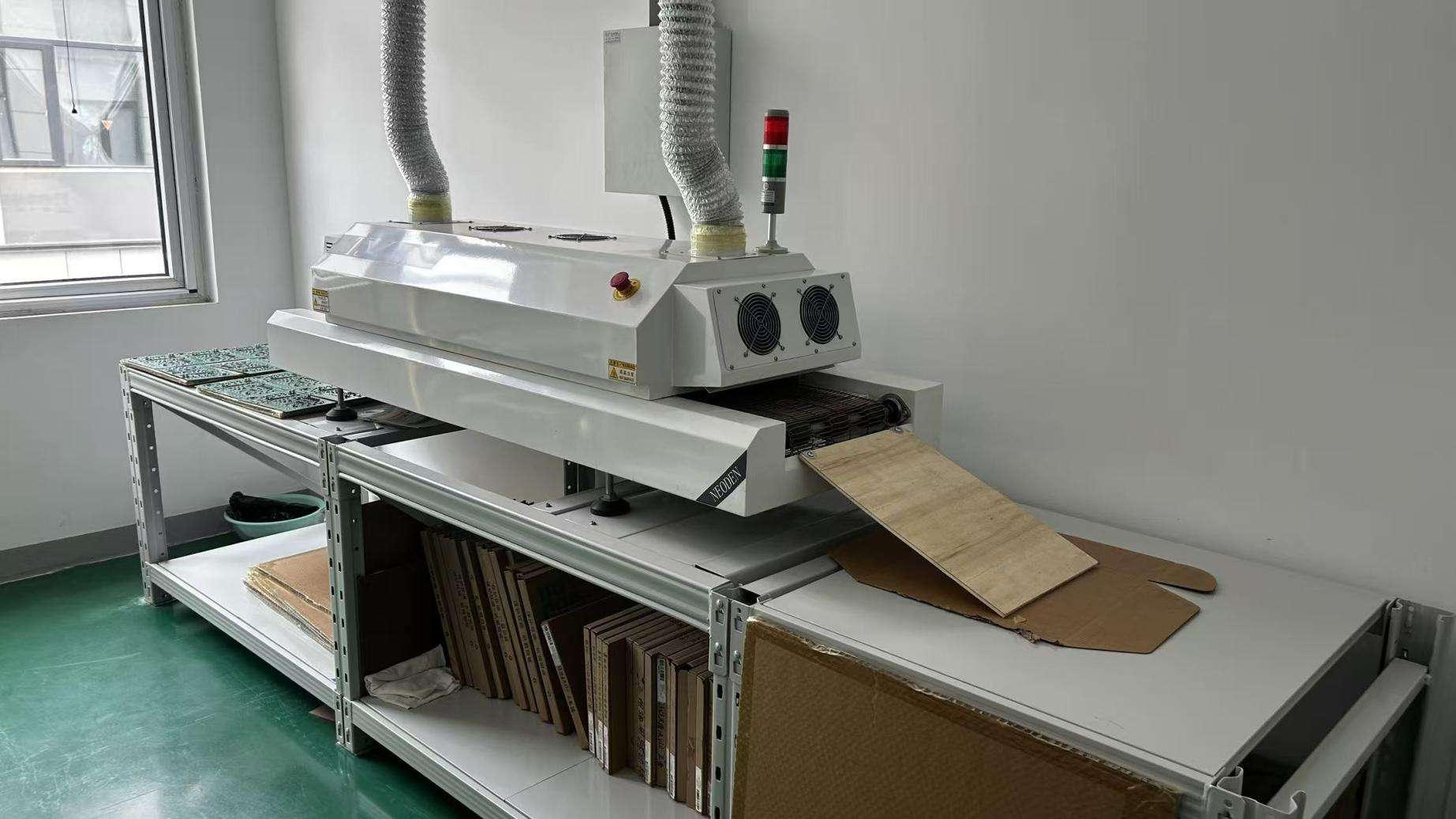
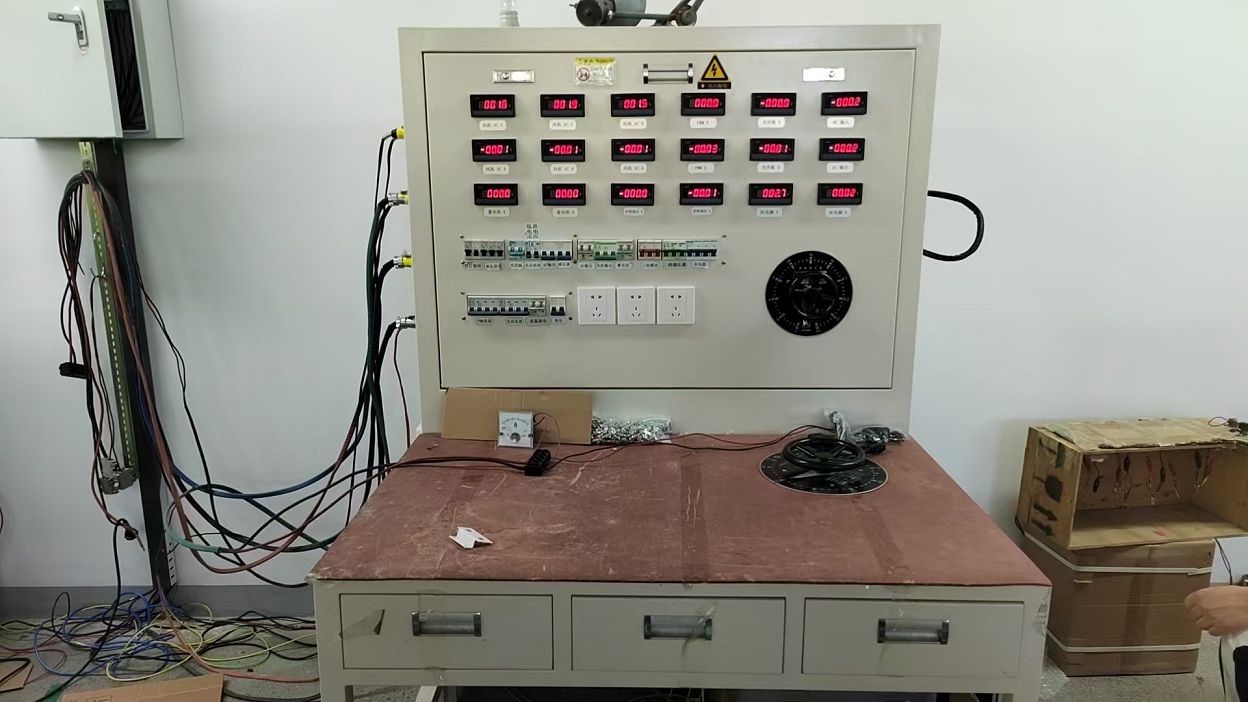
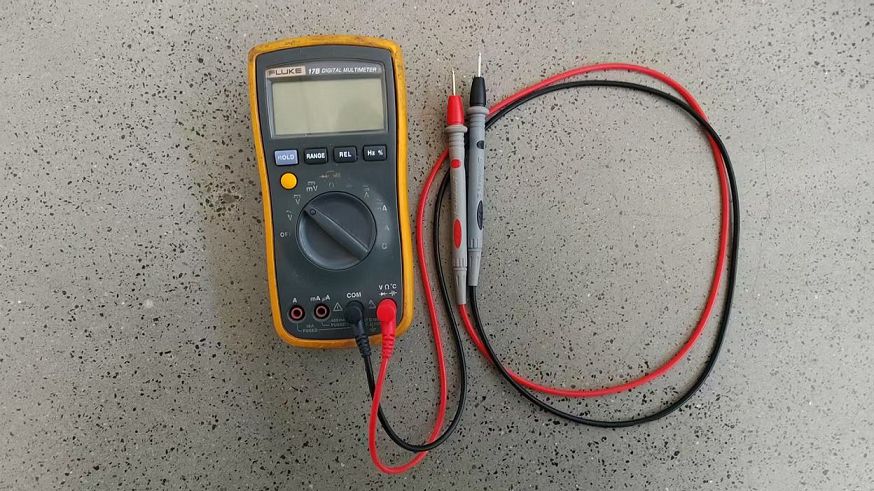
How Deming Power is preparing for the next generation of global grid environments.
Traditional silicon-based IGBTs face fundamental switching speed and thermal dissipation limitations. Deming's future product lines are transitioning to Silicon Carbide (SiC) and Gallium Nitride (GaN) topologies. This shift enables switching frequencies to exceed 100 kHz, reducing passive component sizes by 40% and pushing conversion efficiencies past 99.2%.
Tomorrow's frequency regulators must act as active virtual synchronous machines. By integrating neural networks directly into DSP controllers, our hardware dynamically predicts transient voltage drops caused by load switching, executing sub-millisecond grid corrective actions before conventional protection circuits trip.
Microgrid trends point to a shift toward high-voltage direct current (HVDC) bus lines. Our bidirectional power modules are optimized to handle up to 1500V DC inputs, reducing cabling losses, streamlining component integration, and facilitating simple connectivity between PV arrays, BESS, and fuel cells.
| System Category | Topological Architecture | Maximum Efficiency | Dynamic Response Speed | Primary Industrial Use Case |
|---|---|---|---|---|
| ESS Bidirectional PCS | Three-Level NPC Topology | > 98.7% | < 5 ms | Peak Shaving, Microgrid Voltage Support, Grid Stabilization |
| Marine Shore Power Systems | Transformer-Isolated Double Conversion | > 96.0% | < 10 ms | Harbor Grid Decoupling (50Hz to 60Hz Converter / 400Hz Military Shore Supply) |
| CVCF Pure Sine Wave Supplies | Phase-Controlled PWM Inverter with LC Filter | > 97.0% | < 2 ms | Semiconductor Fabrication, Metrology Laboratories, High-end CNC |
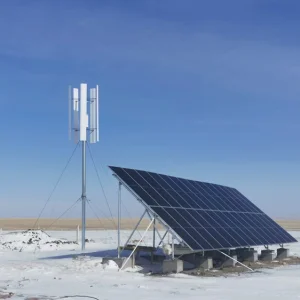
| Solar/Wind Hybrid Regulators | Multi-Channel Interleaved Buck-Boost (MPPT) | > 99.0% | < 50 ms | Off-Grid Industrial Telemetry, Rural Hybrid Electrification |
Discover how Deming systems solve practical operational challenges globally.
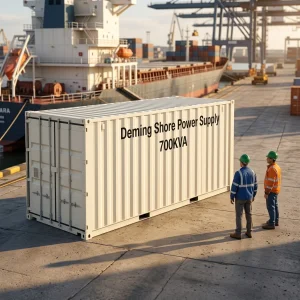
Marine vessels operate on localized electrical distribution systems, frequently at 60Hz, whereas national distribution networks operate at 50Hz. Deming’s 700kVA Shore Power Systems isolate and transform municipal grids to high-current, low-noise marine frequencies, allowing vessels to shut down aux-diesel generators and eliminate port-side emissions.
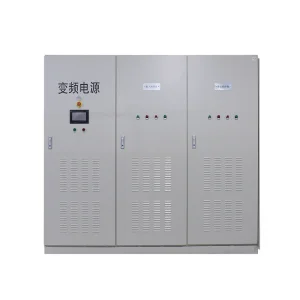
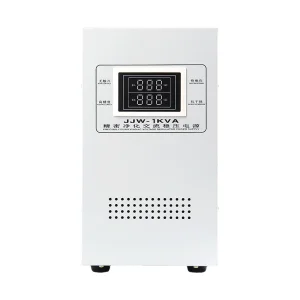
Micro-lithography machinery requires stable, noise-free voltages. A single millisecond sag or frequency drift can ruin silicon wafers. Our Pure Sine Wave CVCF Power Supplies act as physical buffers, reconstructing input voltages into low-impedance sine wave power with touch-screen controls.
Electric vehicle manufacturers and battery manufacturers need to simulate complex charge-discharge behaviors. Our high-power bidirectional power supplies serve as dual-quadrant source-sink systems, capturing discharged power and feeding it back into the facility’s utility grid with minimal losses.
Direct answers to the most common engineering queries regarding industrial frequency regulation.
Discover the second tier of our high-power converters, wind hybrid regulators, and isolated solar inverters.
 Demin Power