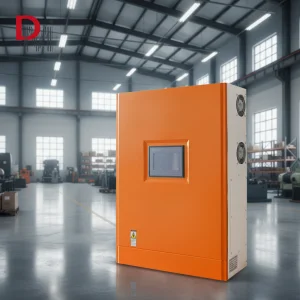
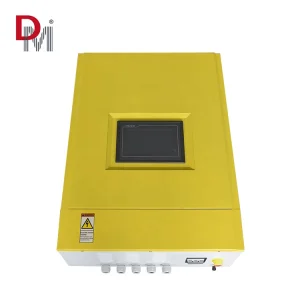
High-performance sustainable power generators and energy conversion subsystems engineered to maximize power outputs under dynamic conditions.
The world is undergoing a significant transition from fossil fuels to decentralized green microgrids. Under the pressure of global carbon-neutral goals, industrial enterprises face a massive challenge: grid instability due to the intermittent nature of wind and solar sources. The modernization of grid infrastructure relies heavily on advanced power conversion technologies. A simple PV panel array or wind turbine cannot guarantee stable current without sophisticated energy management systems. This has resulted in a massive surge in demand for commercial-scale bidirectional inverters, battery management systems, and high-efficiency permanent magnet generators.
As grids shift to high-voltage, high-capacity architectures, the integration of multi-source inputs—such as combining wind, solar, and hydroelectric power with hydrogen energy storage—is becoming standard. System integrity is key. Engineering departments no longer buy isolated components; they require interconnected ecosystems where the AC/DC converters, charge controllers, and bidirectional power supplies talk to each other seamlessly. This level of system cohesion prevents power surges, optimizes conversion efficiency, and protects valuable downstream battery packs (such as lithium iron phosphate or vanadium flow batteries).
Local microgrids reduce transmission line losses and secure localized power supply for remote mines, industrial compounds, and island communities.
Modern Energy Storage Systems (ESS) do not just store power; they feed power back into the grid, balancing frequency fluctuations in real-time.
Converting excess wind and solar power into green hydrogen requires isolated, ultra-high-current DC/DC power conversion setups.
Global procurers prioritize hardware tested under harsh environments, possessing certifications like ISO9001:2015 to prevent downtime losses.
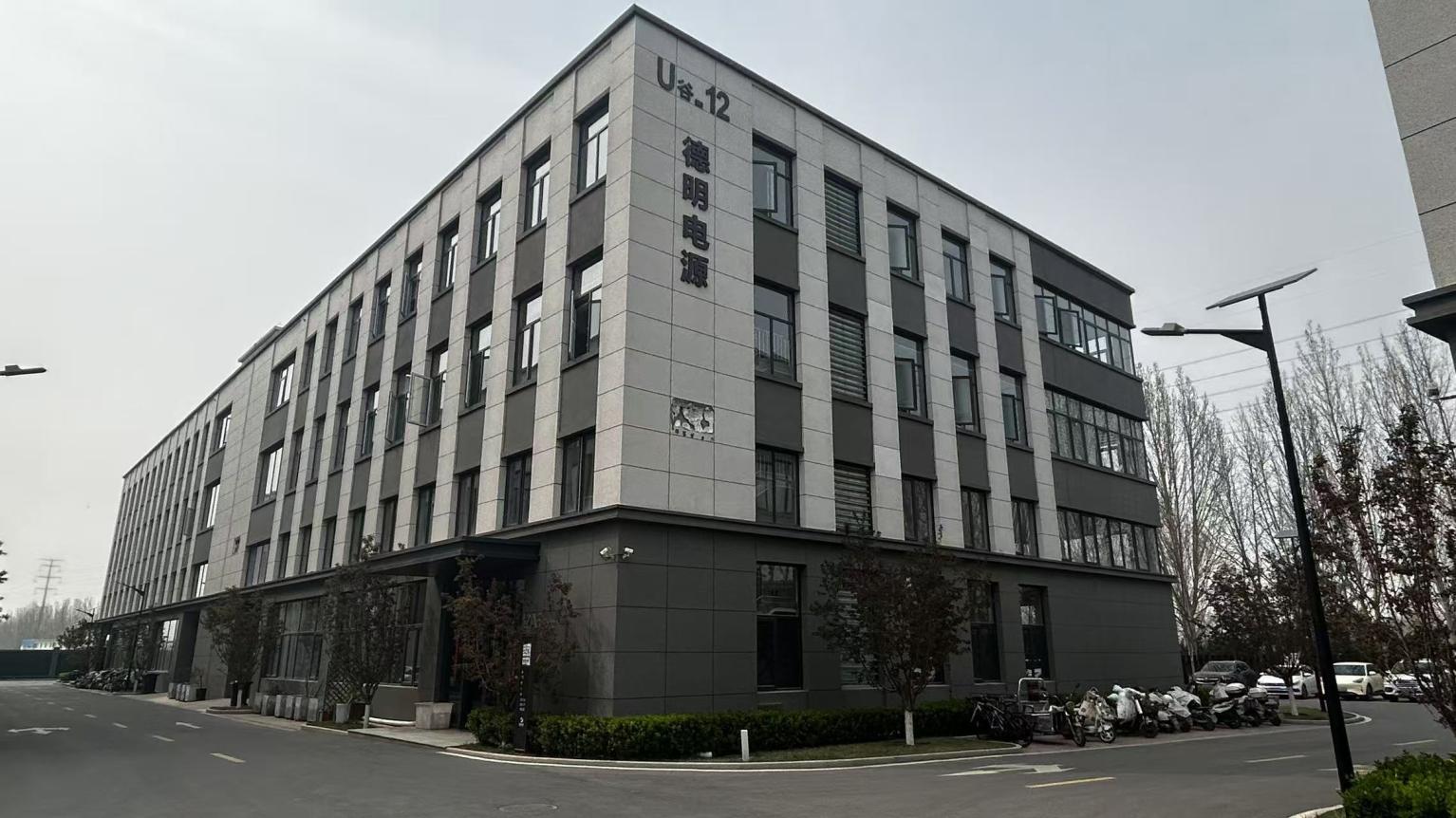
When purchasing sustainable energy systems at a wholesale scale, international procurers focus on two main concerns: supply chain resilience and technical expertise. Jinan Deming Power Equipment Co., Ltd., established in 2004, stands at the intersection of these needs. Recognized as a national high-tech enterprise, Deming has developed a system that integrates research, development, and advanced manufacturing under ISO9001:2015 standards.
What sets Jinan Deming apart is its consistent investment in innovation. With a dedicated R&D team comprising 16 engineers—including doctoral supervisors and master's degree holders—the company reinvests a minimum of 20% of its annual sales revenue back into tech development. Over the last three years, this has yielded 17 R&D projects and 16 commercialized technological breakthroughs. For global buyers, this means access to cutting-edge designs, lower heat dissipation ratios, and enhanced safety circuits built directly into the products.
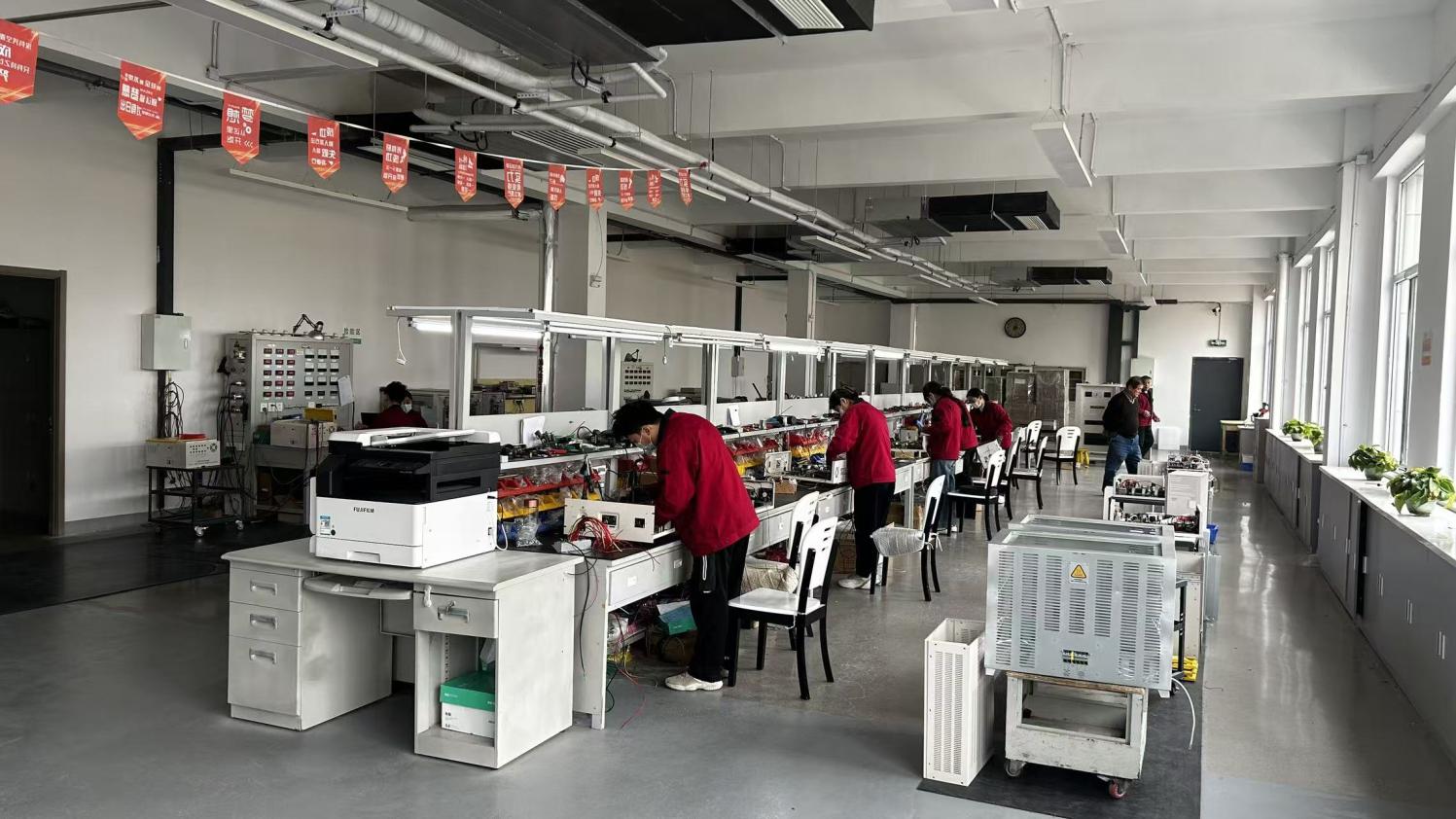
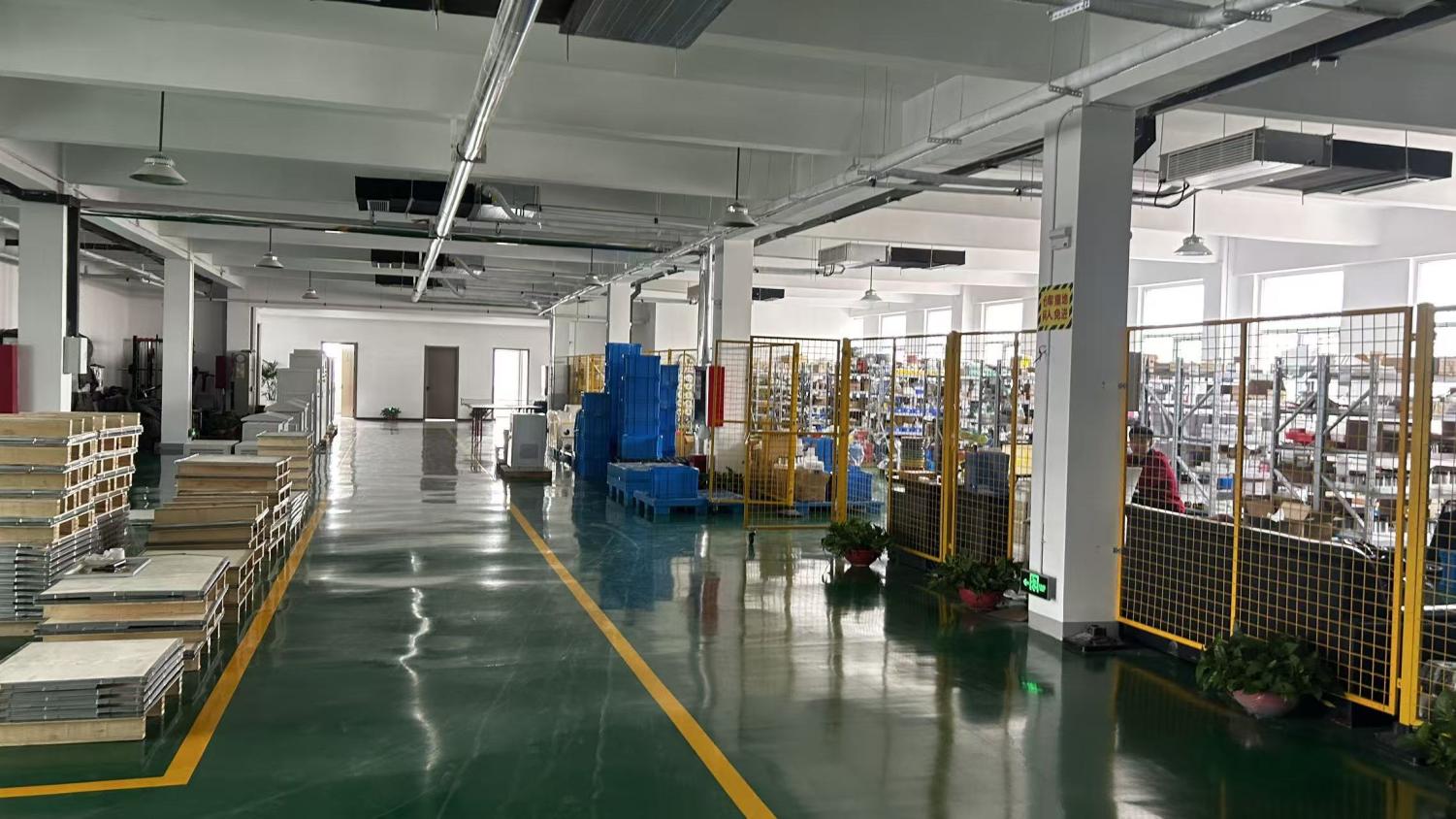
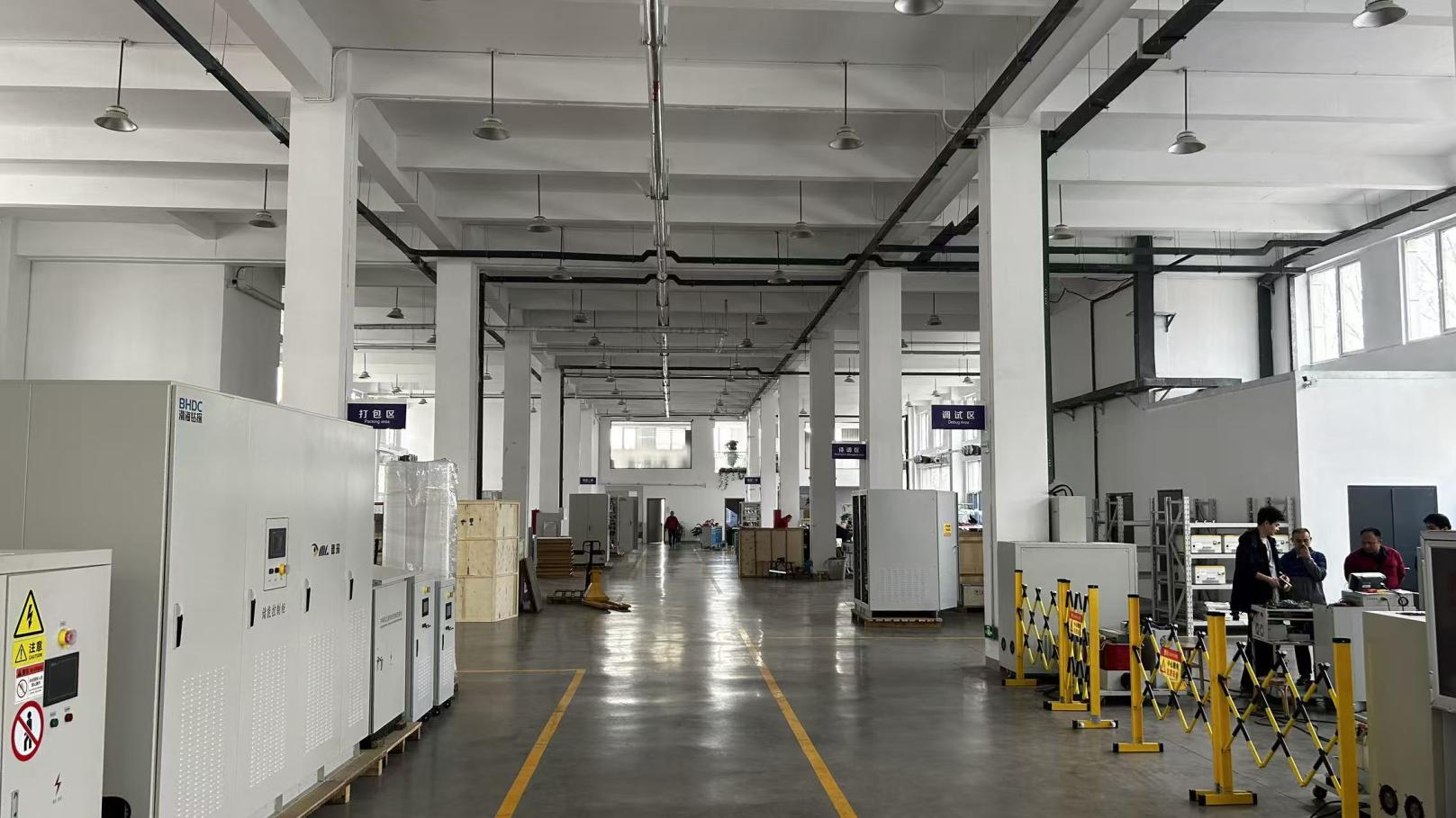
The company's facility utilizes Industry 4.0 production standards, employing reflow soldering machines, advanced copper bar production equipment, and precise testing machinery. This ensures every product—from a 3KW wind turbine charge controller to a massive 500kW bidirectional DC converter—is built to last.
Commercial and industrial setups have unique needs based on geography, regulatory environments, and raw resource availability. A successful energy strategy relies on adapting high-power equipment to these specific local conditions:
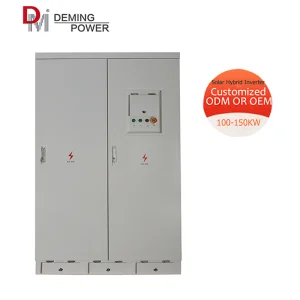
Islands often rely on diesel generators, which are costly and bad for the environment. By combining low-RPM permanent magnet water turbines, wind turbines, and smart hybrid inverters, remote areas can establish reliable off-grid microgrids. Deming's 100kW to 300kW three-phase off-grid solar inverters manage source shifting, ensuring continuous power even when wind or solar inputs drop.
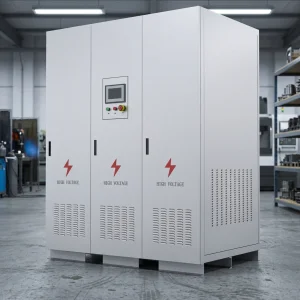
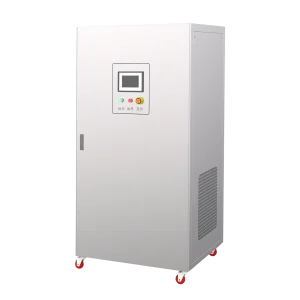
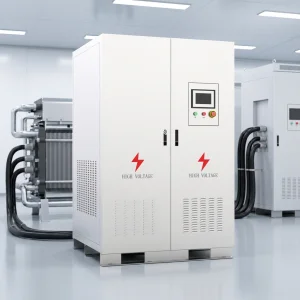
For large factories, electricity rates peak during high-demand hours. By implementing a 300kW ESS Power Conversion System (PCS) Bidirectional Inverter, industrial parks can store electricity when rates are low (or from on-site solar panels) and discharge it during peak periods. This reduces electric utility bills and relieves stress on the public grid.
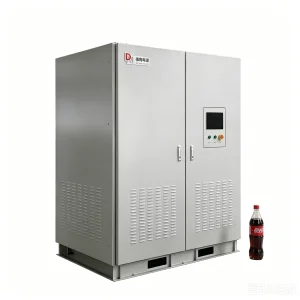
Before battery packs are installed in electric vehicles or utility-scale stations, they undergo charge and discharge tests. Deming's bidirectional DC/DC converters (300kW to 500kW) simulate different battery load configurations. This provides battery manufacturers with stable, highly responsive testing equipment, recycling power back into the utility grid to save energy during tests.
Hydrogen electrolyzers require low-voltage, high-current DC inputs. Using Deming's 100kW triple-output DC/DC converter for hydrogen fuel cell systems, companies can safely step down high-voltage grid or solar arrays with built-in transformerless isolation. This protects the hydrogen infrastructure from electrical faults.
Our facility is equipped with specialized assembly machinery and precision diagnostic tools, ensuring every component meets high standards before shipping.
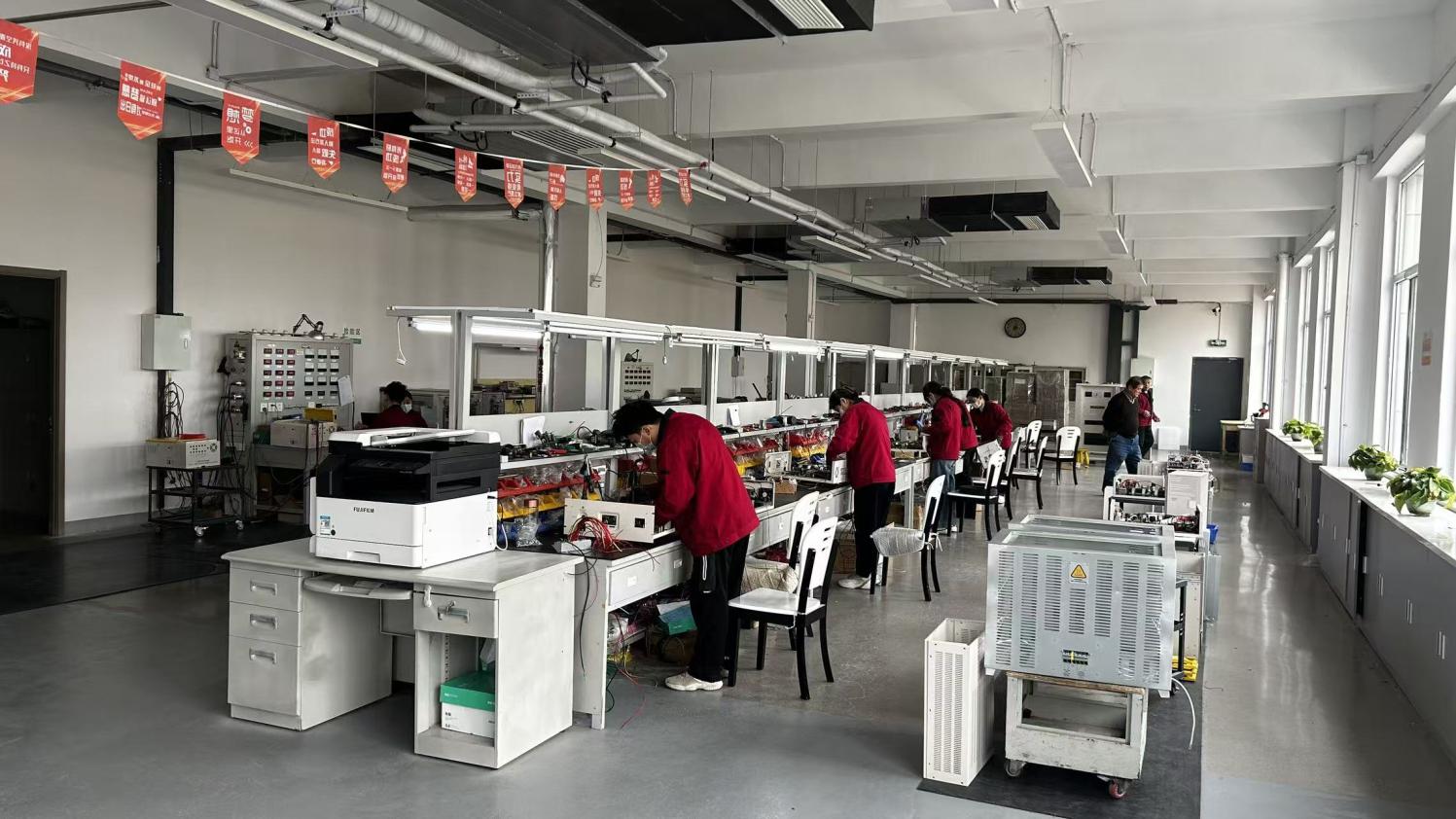 Circuit assembly
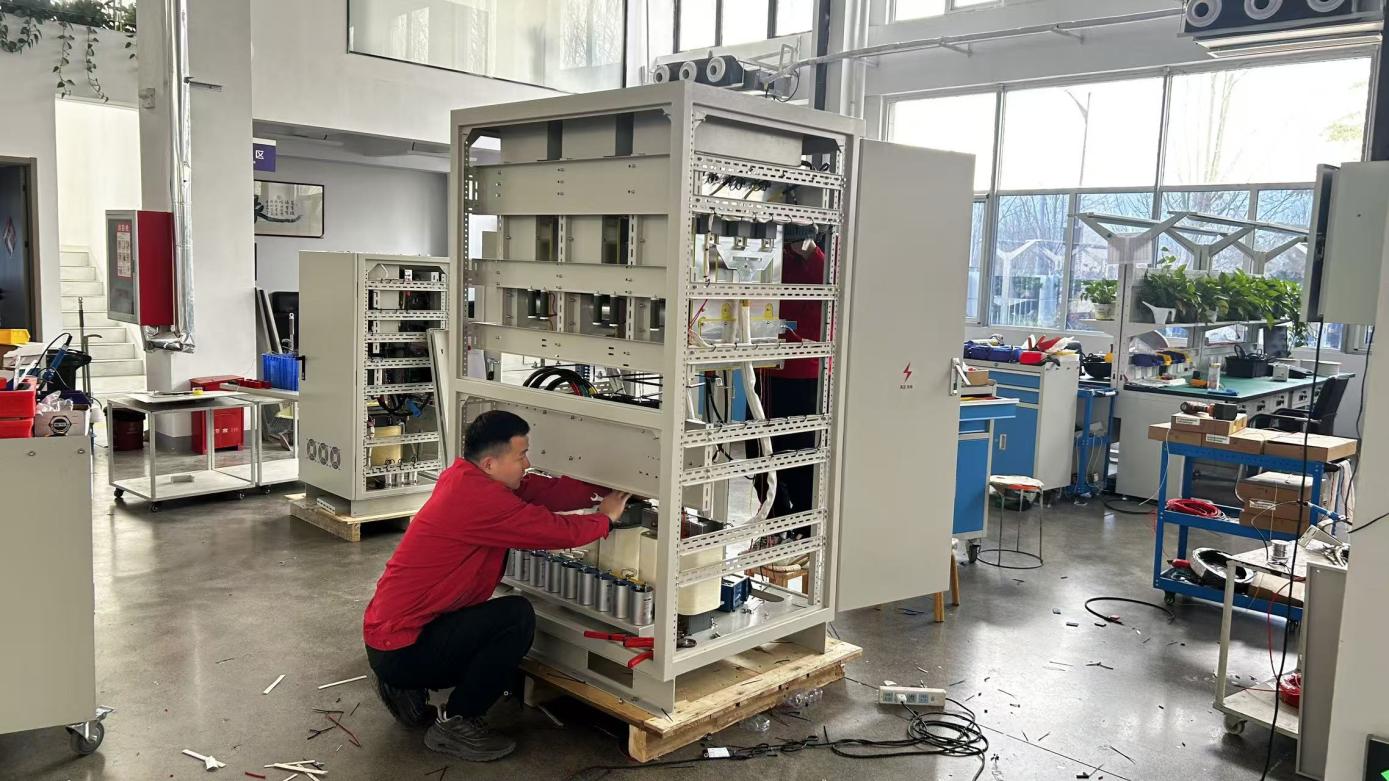 Circuit board assembly
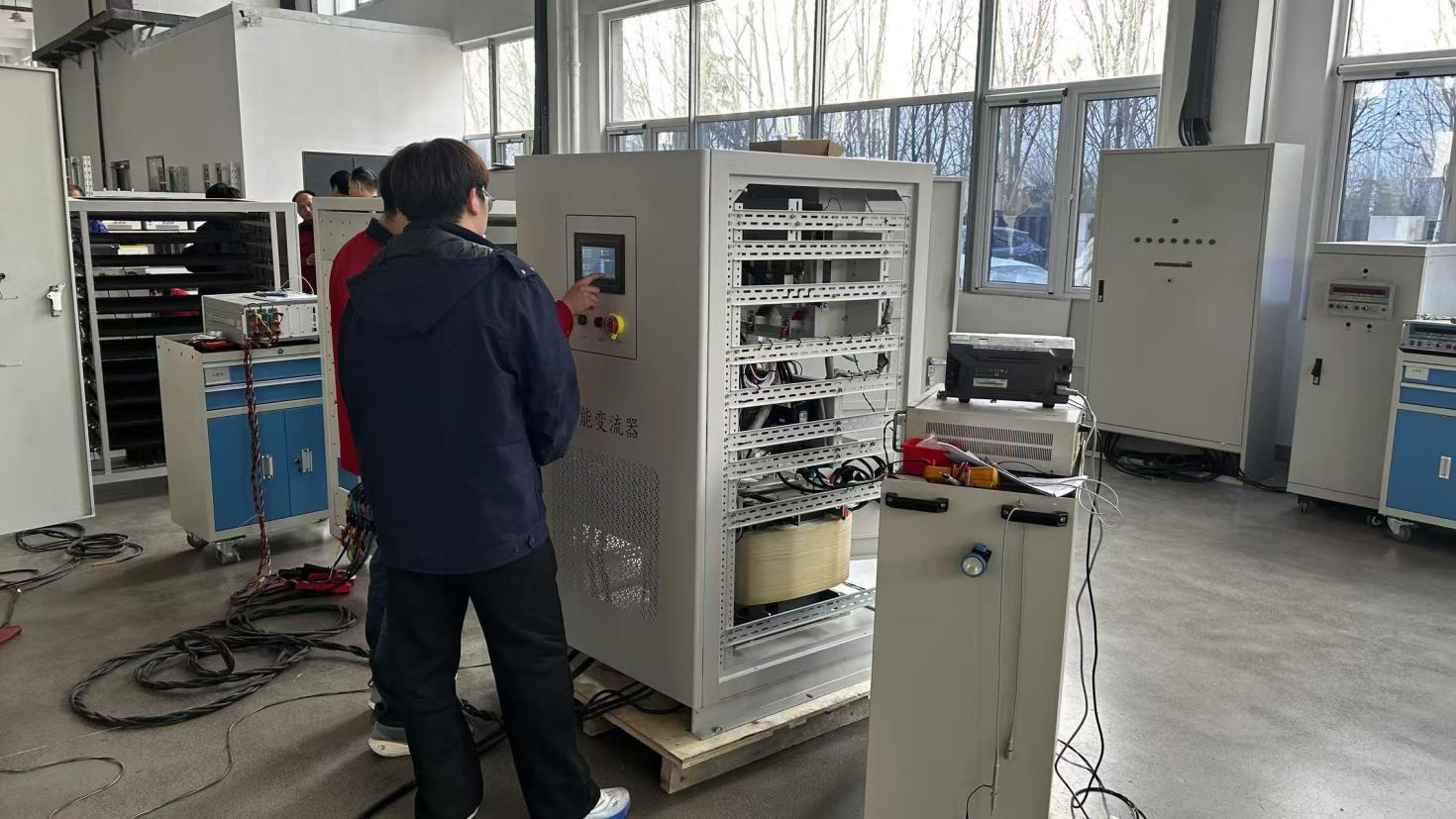 Debugging process
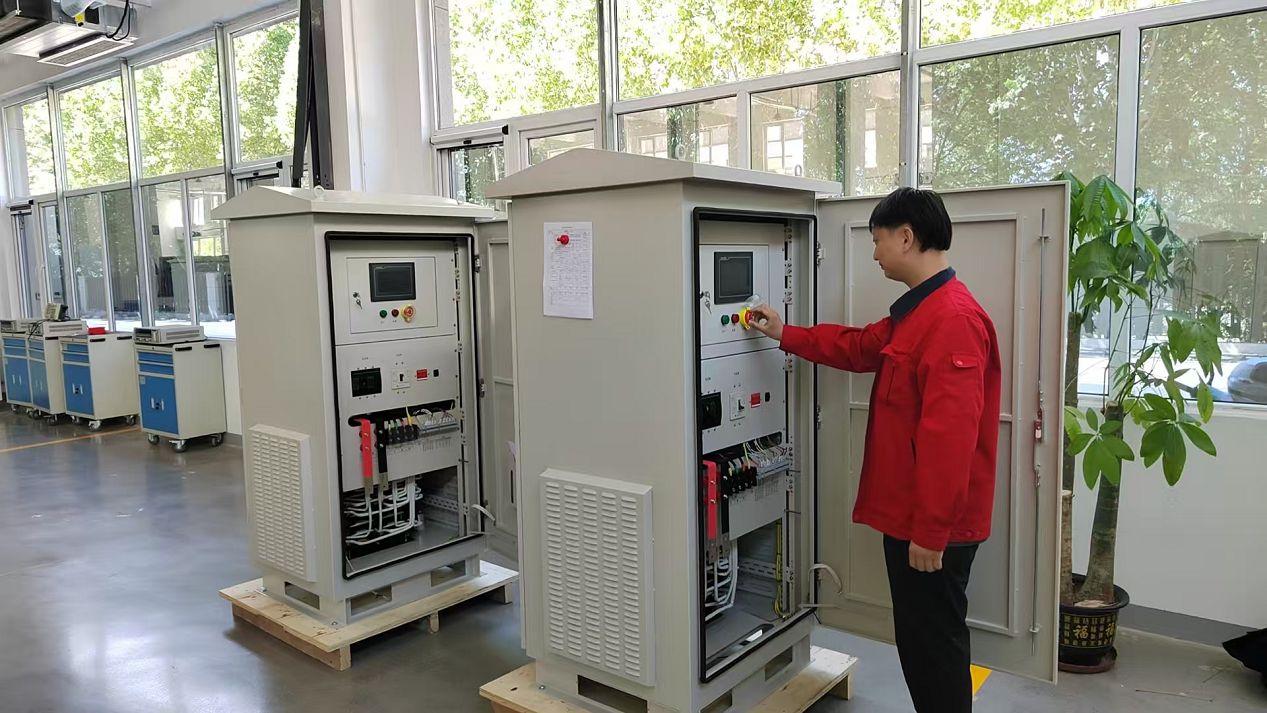 Quality inspection process
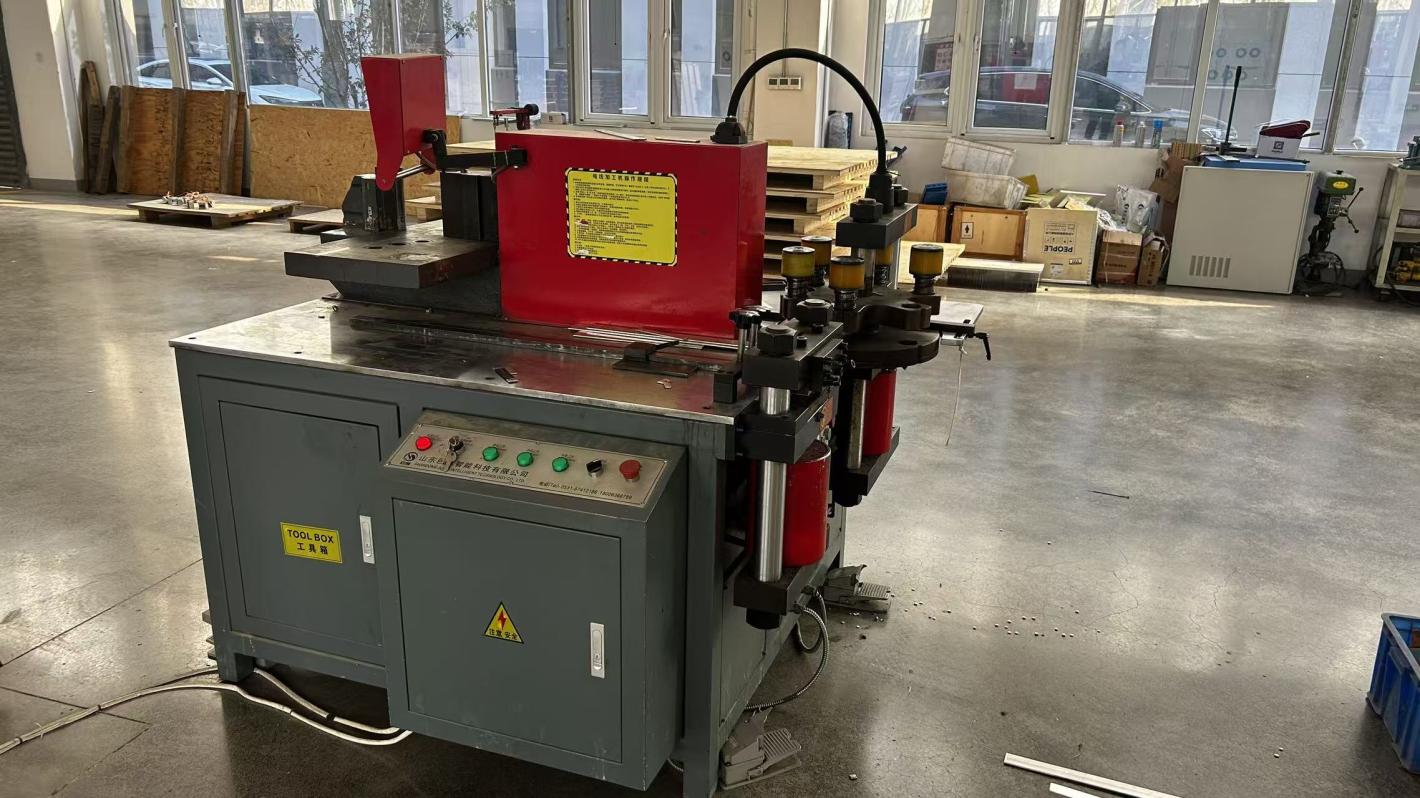 Copper bar production equipment
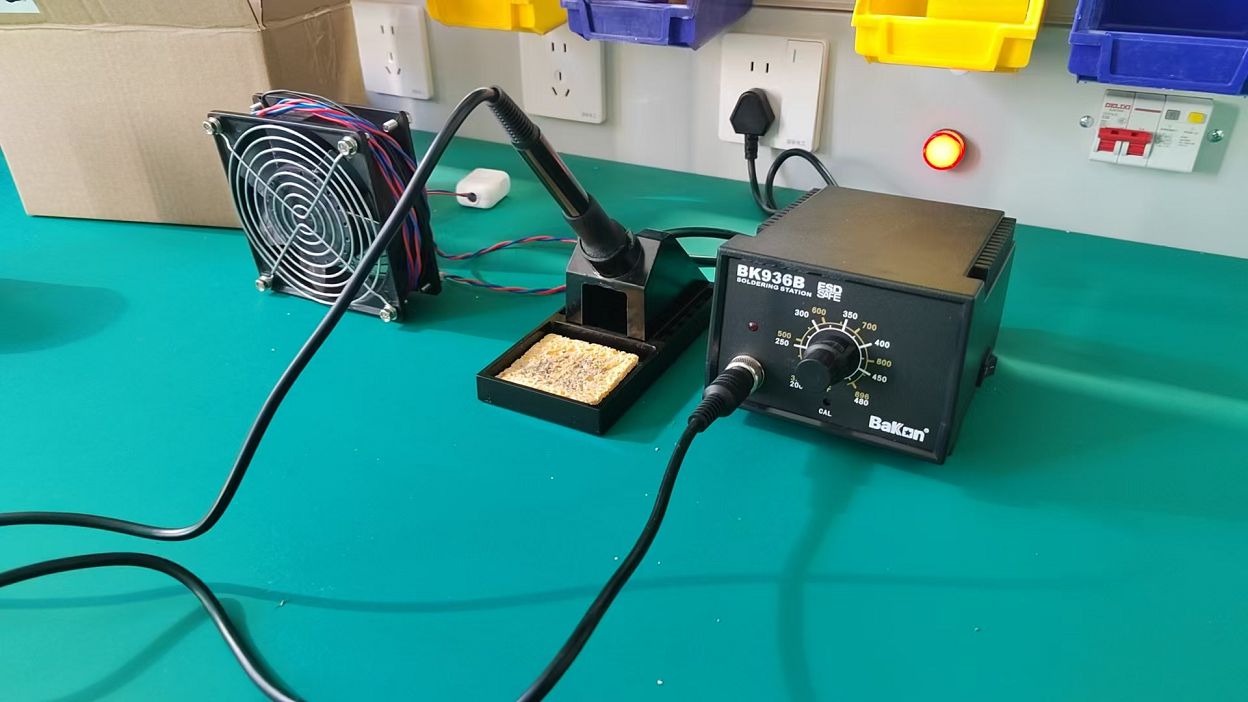 Electric ferrowire
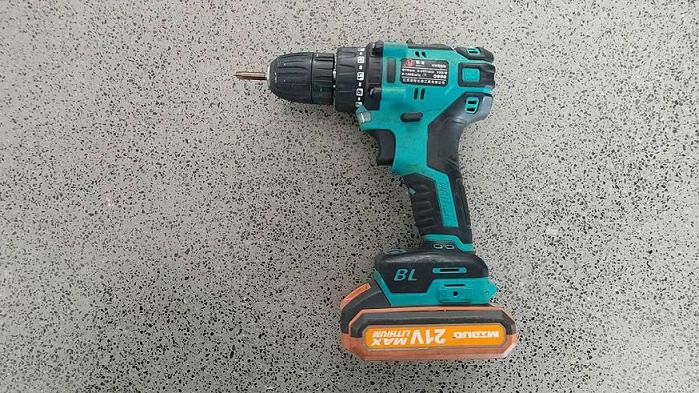 Electric drill
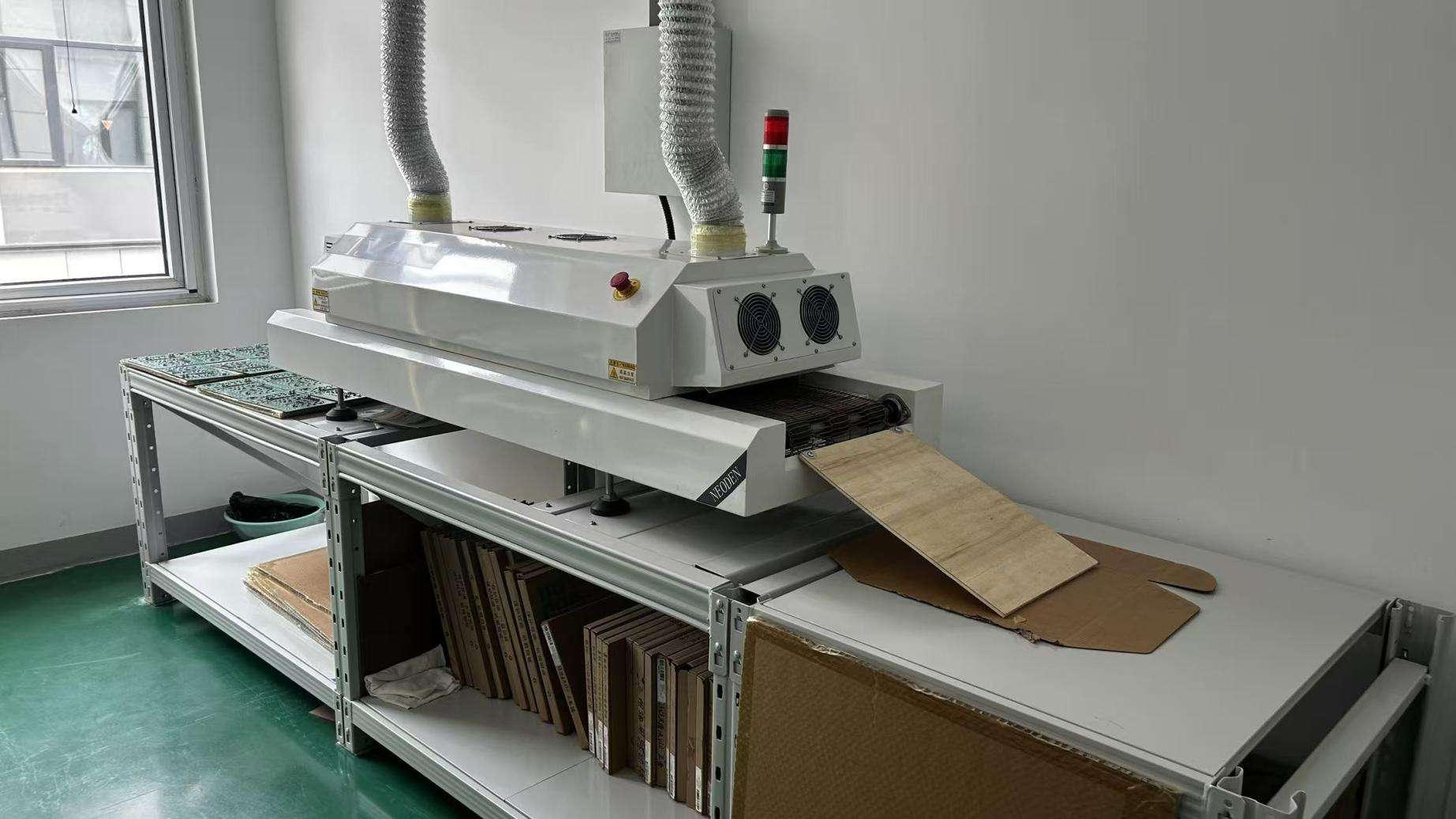 Reflow soldering machine
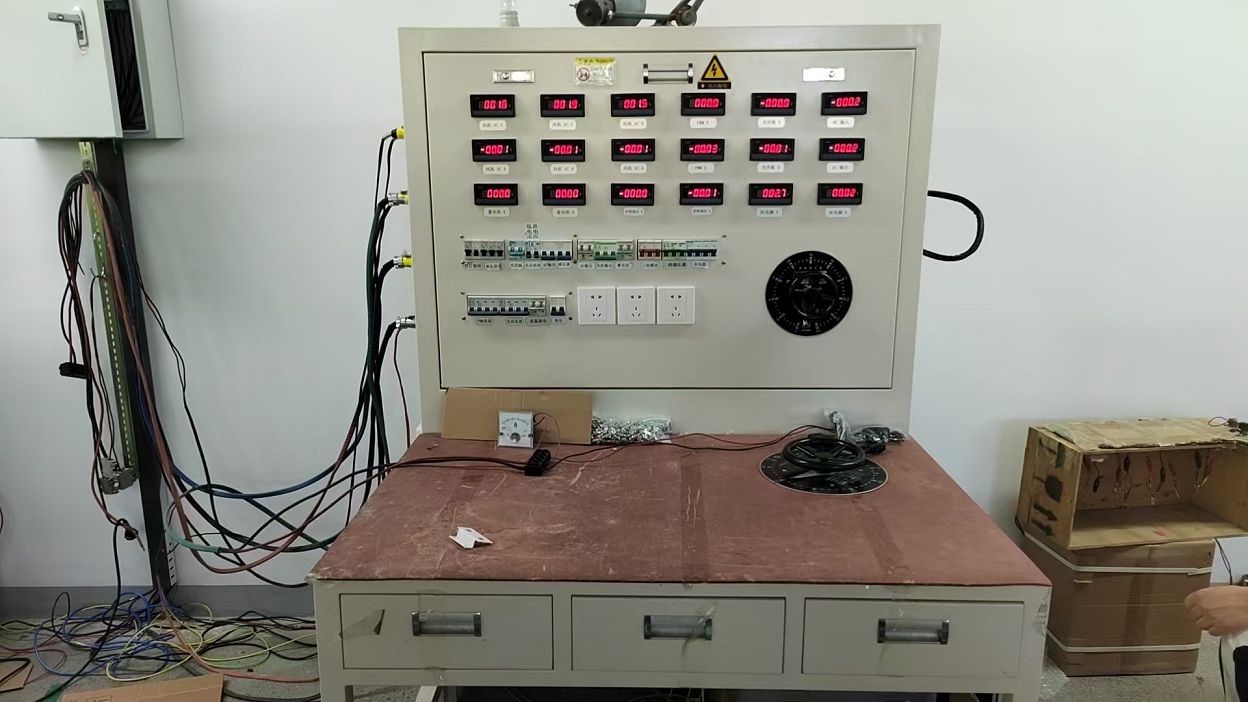 Workbench
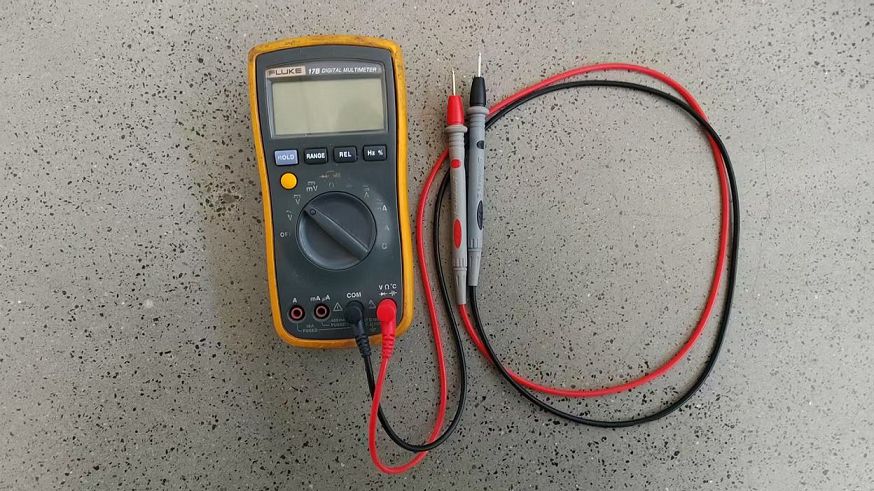 Multimeter
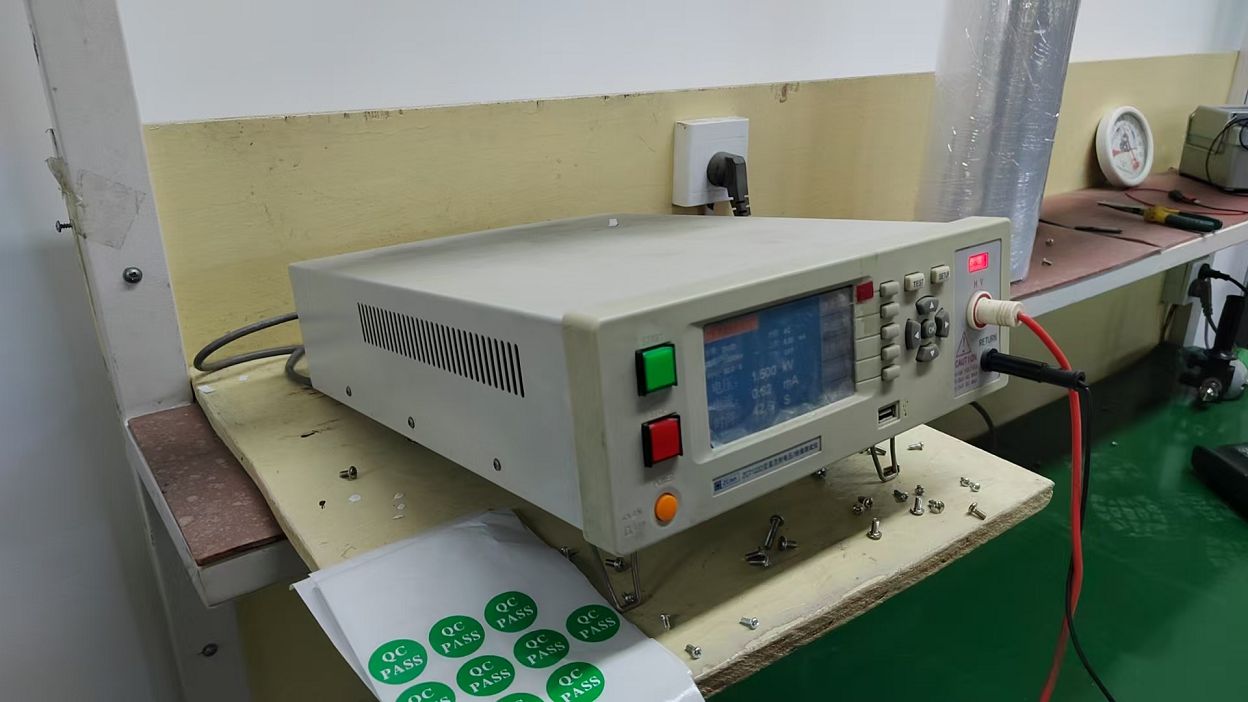 LCR AutoTester
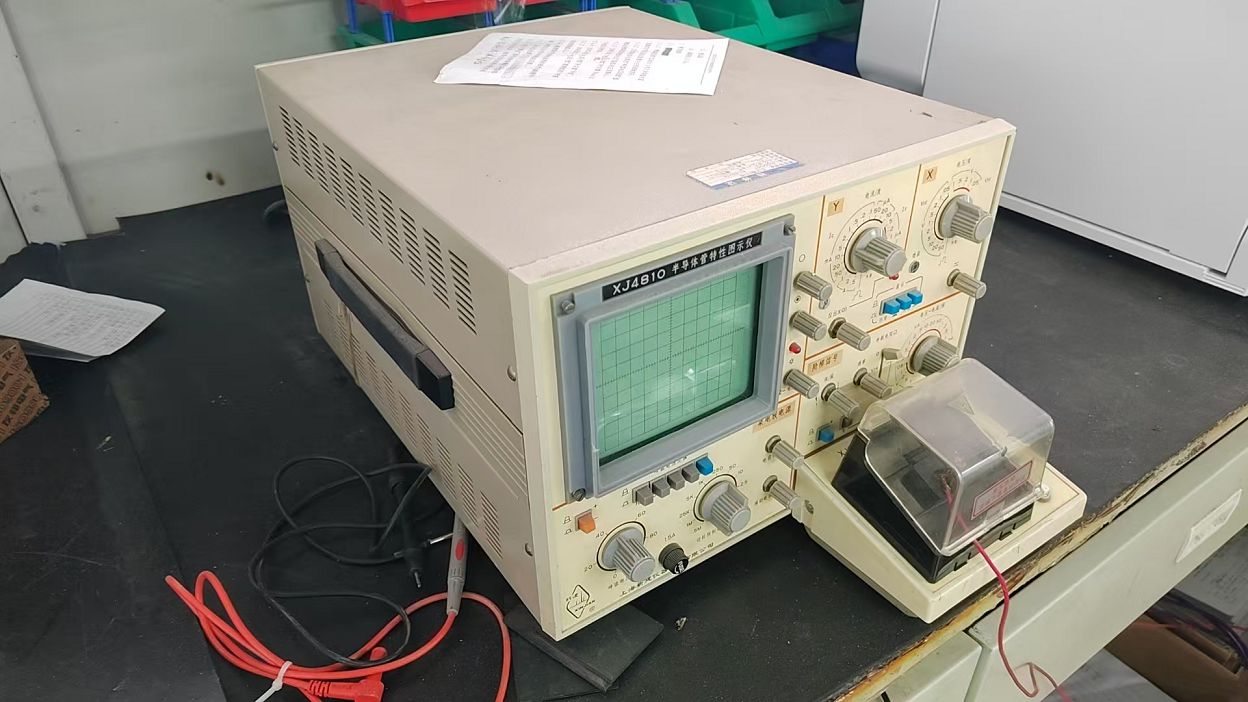 Semiconductor Characteristic Plotter
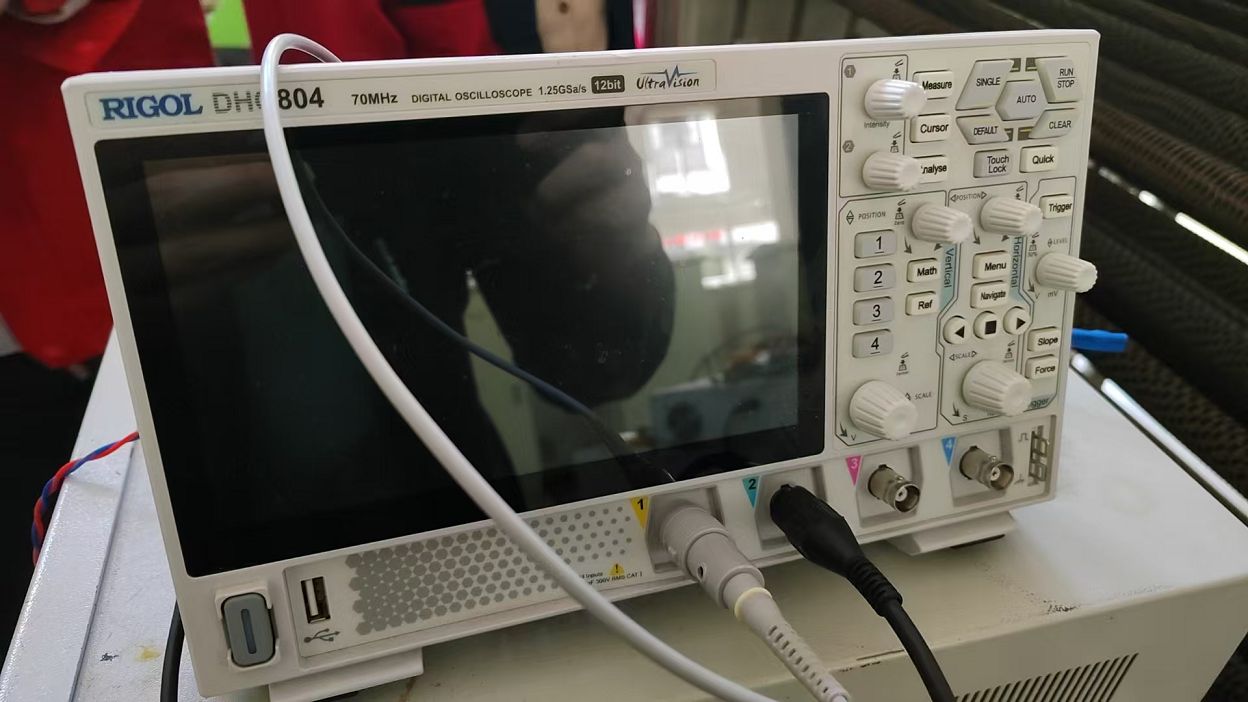
 Digital Oscilloscope
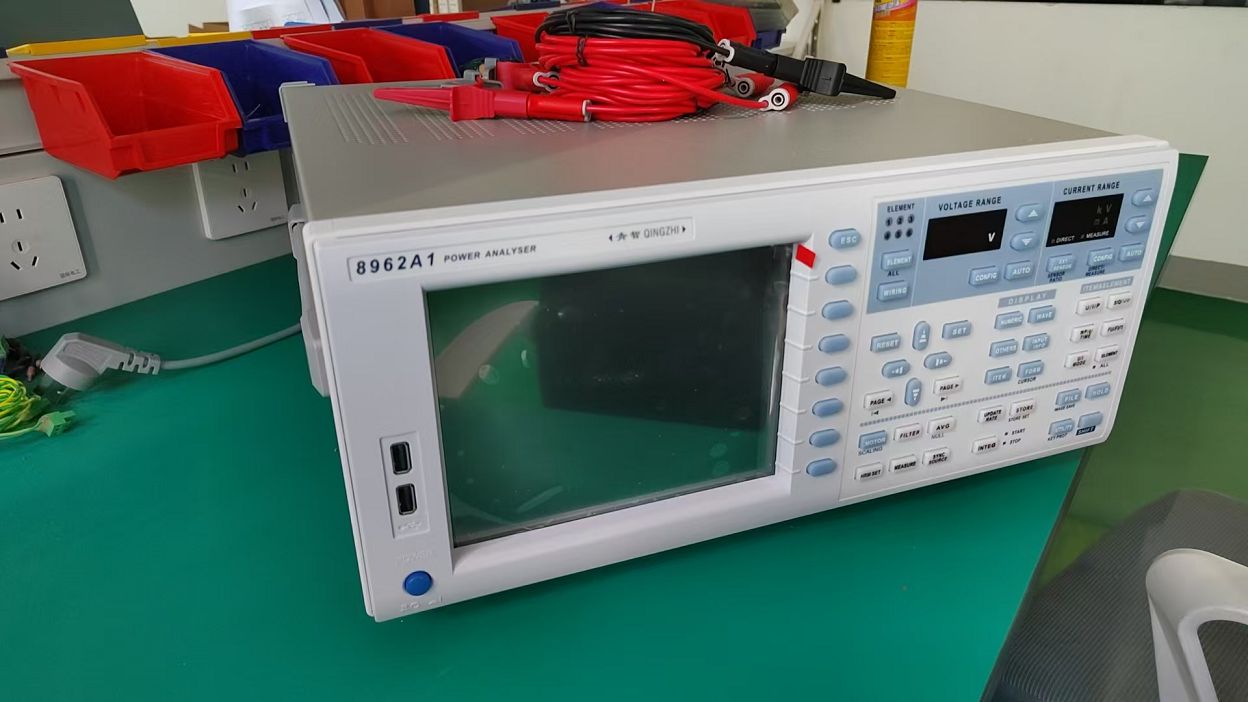
 Power Quality Analyzer
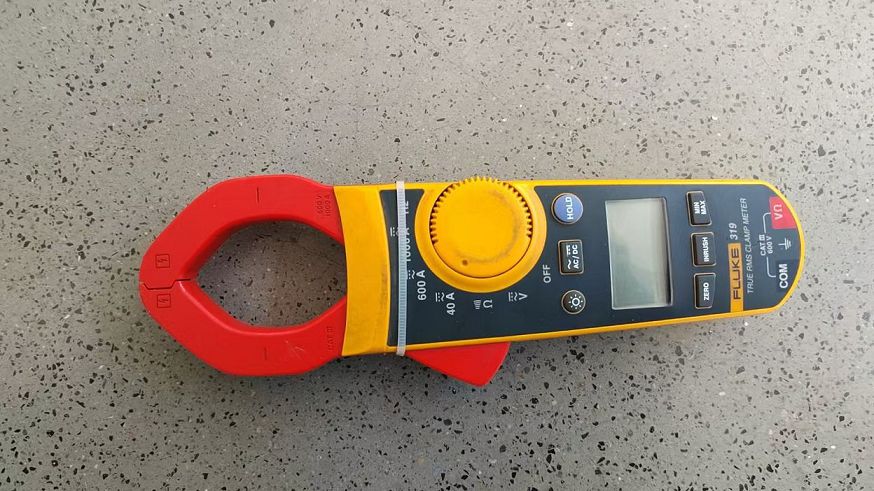 Clamp current meter
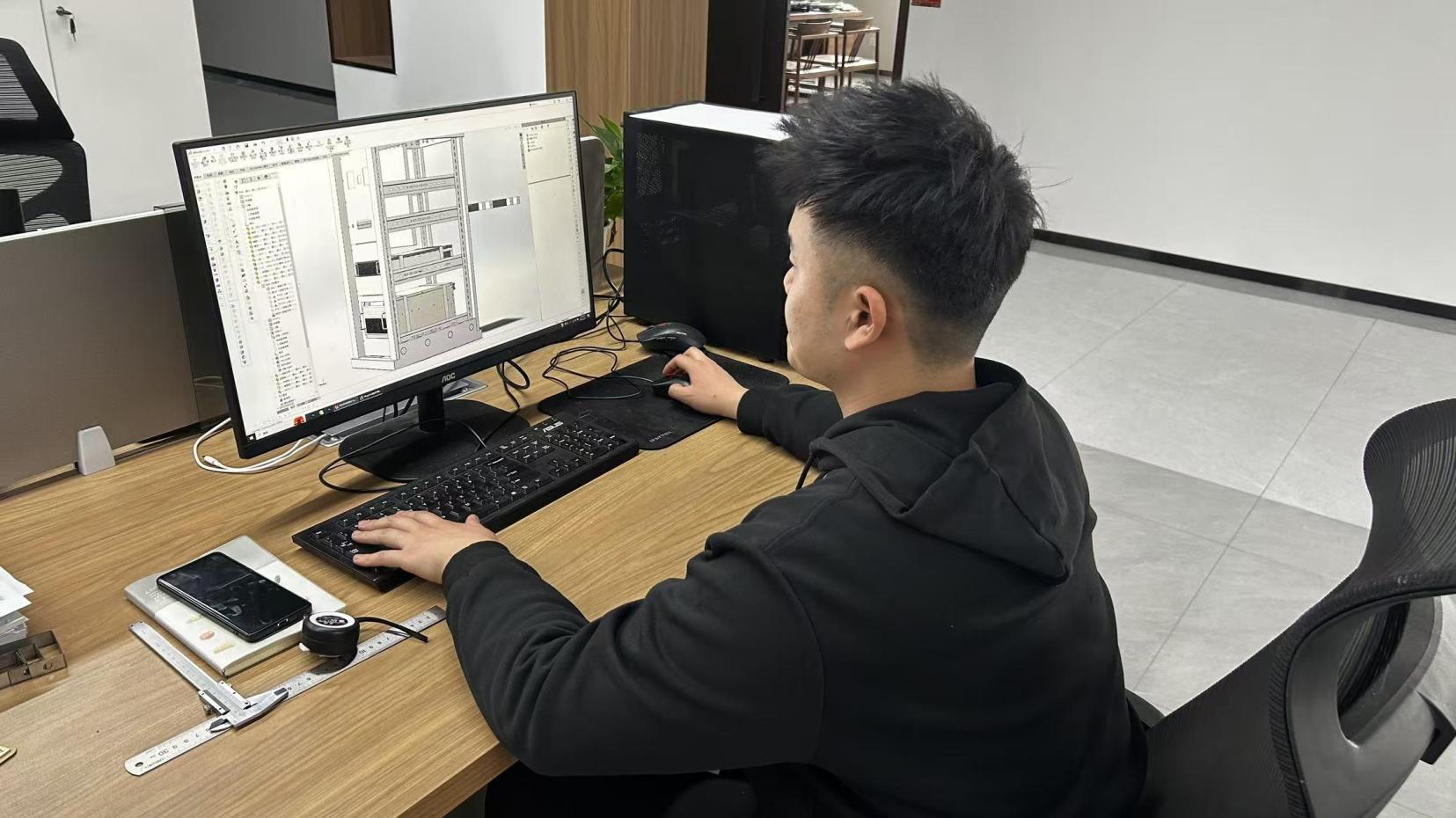 Drawing Design
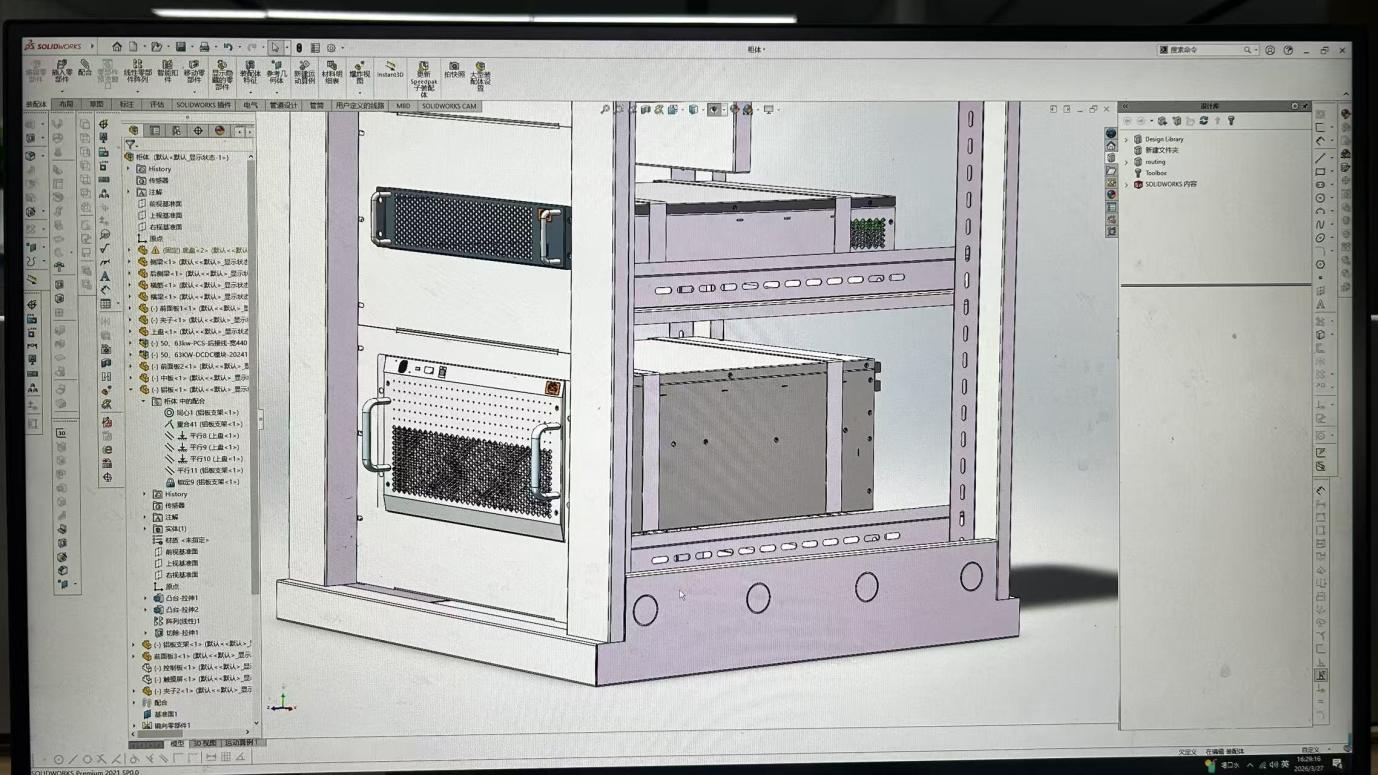 Computer Center
Integrating renewable energy resources like wind and hydro into an existing grid layout requires balancing voltage and frequency. Fluctuations in input can damage sensitive equipment. To address this, developers use specialized voltage regulators, smart controllers, and dump load systems to redirect excess energy.
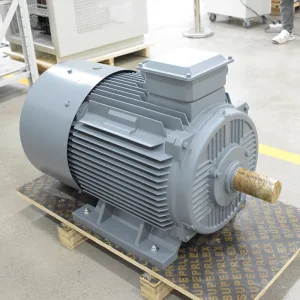
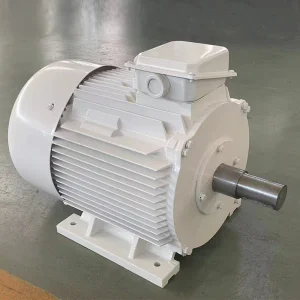
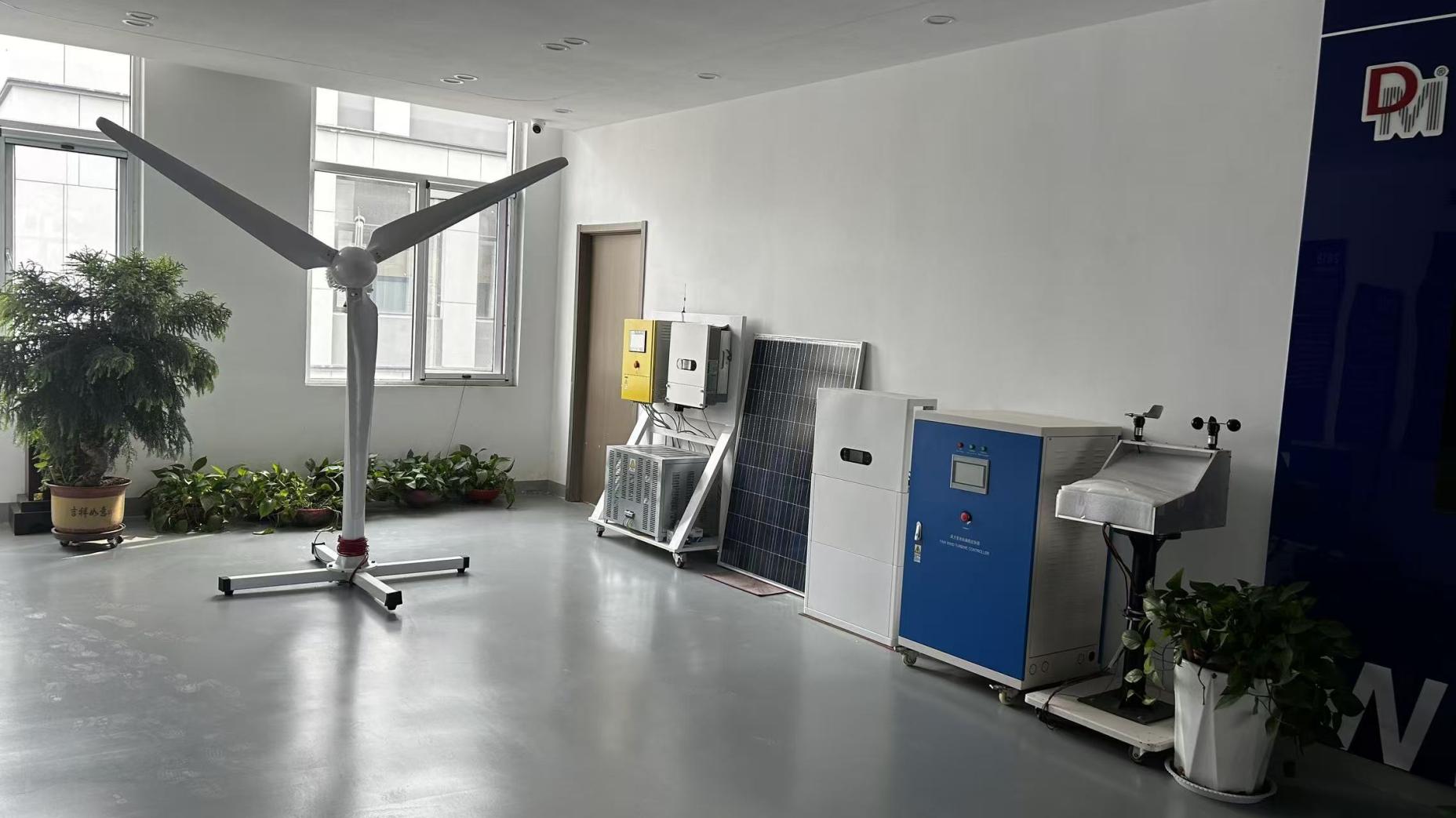
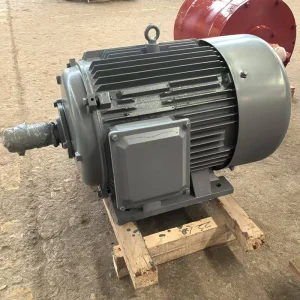
For instance, when utilizing a 15kw to 100kw Hydroelectric Water Turbine Generator, the rotational speed (RPM) changes based on seasonal water flow rates. Without dynamic voltage regulation, the resulting output voltage fluctuates. Using low-RPM permanent magnet alternators coupled with off-grid three-phase converters helps stabilize output at 220V/380V and 50Hz/60Hz, maintaining power quality.
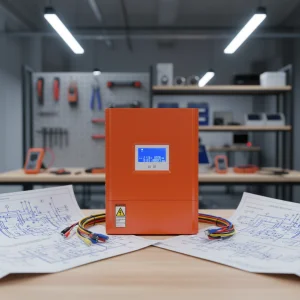
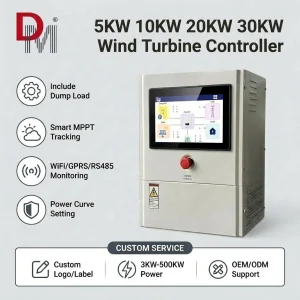
Wind power generation systems require a similar balance. Sudden wind gusts can spin turbine blades beyond safe limits. High-power wind turbine charge controllers feature pulse-width modulation (PWM) dump load circuits. When a battery bank is fully charged or wind speeds exceed limits, the system diverts excess power to a resistor-based dump load. This keeps the generator running within its optimal thermal range and prevents mechanical failure.
Find technical answers regarding integration, compliance, and custom power modifications for Deming systems.
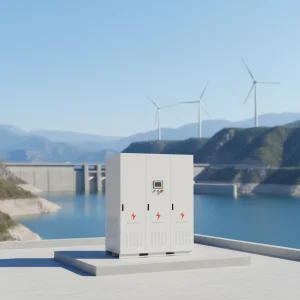
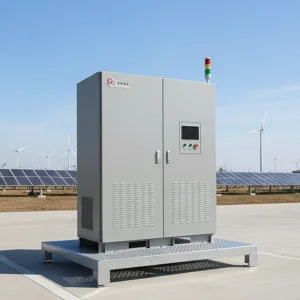
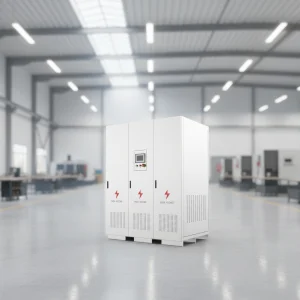
High-power bidirectional systems and regulatory equipment designed for energy storage integration.
 Demin Power