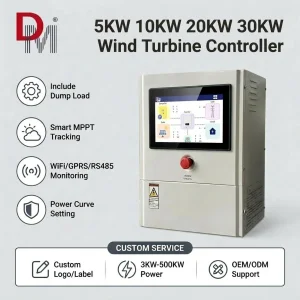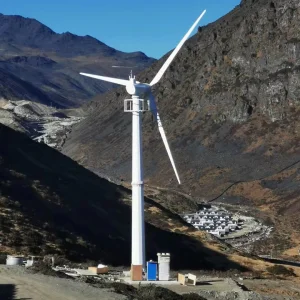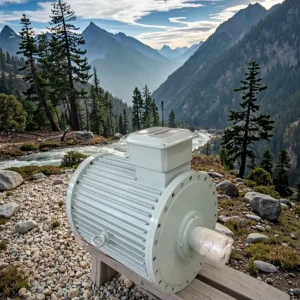
The international transition toward carbon neutrality and advanced electrification has propelled the power electronics market into a critical developmental phase. Modern industrial grids, utility-scale renewable systems, microgrids, and electric vehicle (EV) testing systems require unprecedented levels of power conversion efficiency, structural durability, and high switching frequencies. Across Europe, North America, and the Asia-Pacific region, the structural integration of renewable energy grids relies directly on the resilience of variable wind/solar controllers, bidirectional active front-end (AFE) rectifiers, and high-frequency DC-DC converter designs.
Modern system architects are abandoning legacy linear power supplies and low-frequency analog switches. The current standard mandates intelligent, digitally controlled topologies capable of real-time monitoring, high efficiency, and seamless grid compliance. With the rapid deployment of decentralized microgrids, the convergence of wind, solar, and battery storage architectures necessitates bidirectional modular DC-DC systems capable of high voltage transformations (up to 1500V DC) and wide-input MPPT/PWM tracking algorithms to stabilize variable dynamic loads.
"The technological pivot point in global heavy industries is no longer just power generation; it is the precision control, conversion, and feedback efficiency of that power within complex micro-environments and utility grid systems."
Achieved through optimized SiC/GaN hybrid switches and digital phase-shift control loops.
Fully compliant units deployed across Germany, Japan, USA, UK, Australia, and Brazil.
Engineered for modern multi-megawatt microgrids and utility-scale battery testbeds.
Established in 2004, Jinan Deming Power Equipment Co., Ltd. has spent over two decades engineering, fabricating, and certifying high-capacity renewable power equipment and specialized testing systems. As an ISO9001:2015 certified company, Deming has repeatedly earned national recognition as an official High-Tech Enterprise by the Chinese government (2015, 2018). Unlike typical assembly-only suppliers, Deming integrates vertical R&D with structured, high-volume production lines to provide real technological depth to our global OEM partners.
Our commitment to R&D is represented by a core engineering team of 16 senior specialists, including doctoral supervisors and masters of electrical engineering. We reinvest a minimum of 20% of annual sales revenue directly back into technological R&D, focusing on wide bandgap semiconductor integration, advanced cooling design, and digital signal processor (DSP) algorithm development. In the past three years alone, this has yielded 17 major R&D projects and 16 fully commercialized technological achievements deployed in municipal infrastructure and industrial applications worldwide.
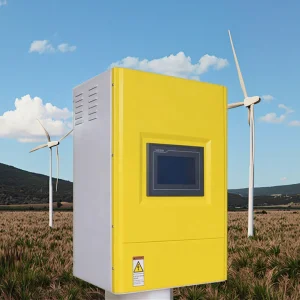
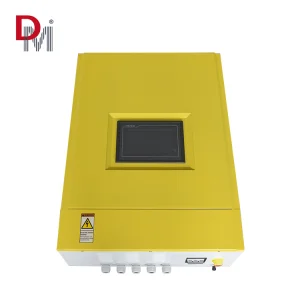
Our core portfolio ranges from low-voltage wind/solar MPPT charge controllers to massive high-power bidirectional DC test power systems and advanced battery simulators (150kW to 500kW) designed for industrial vehicle electrification test rigs and grid-level simulation.
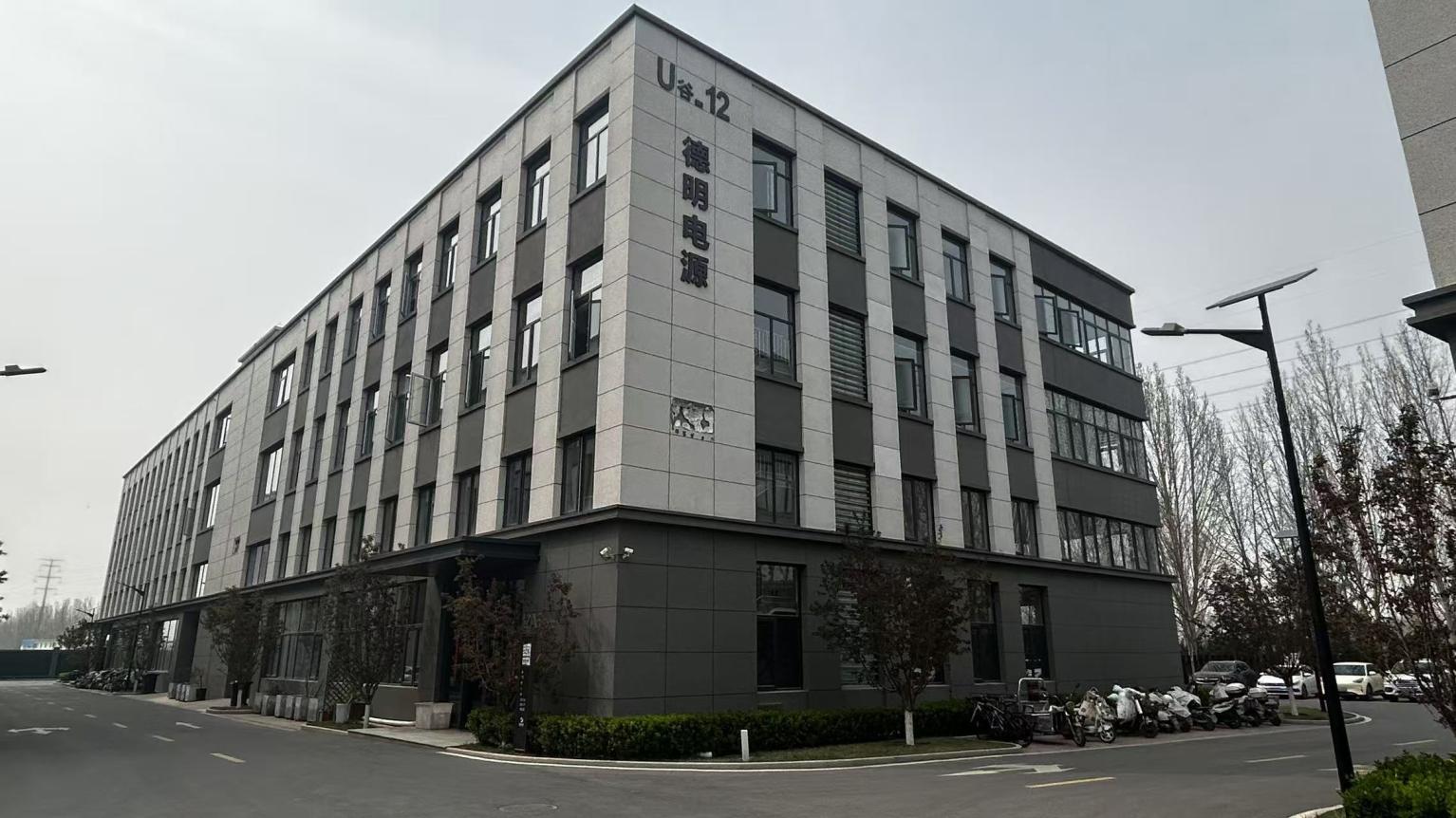
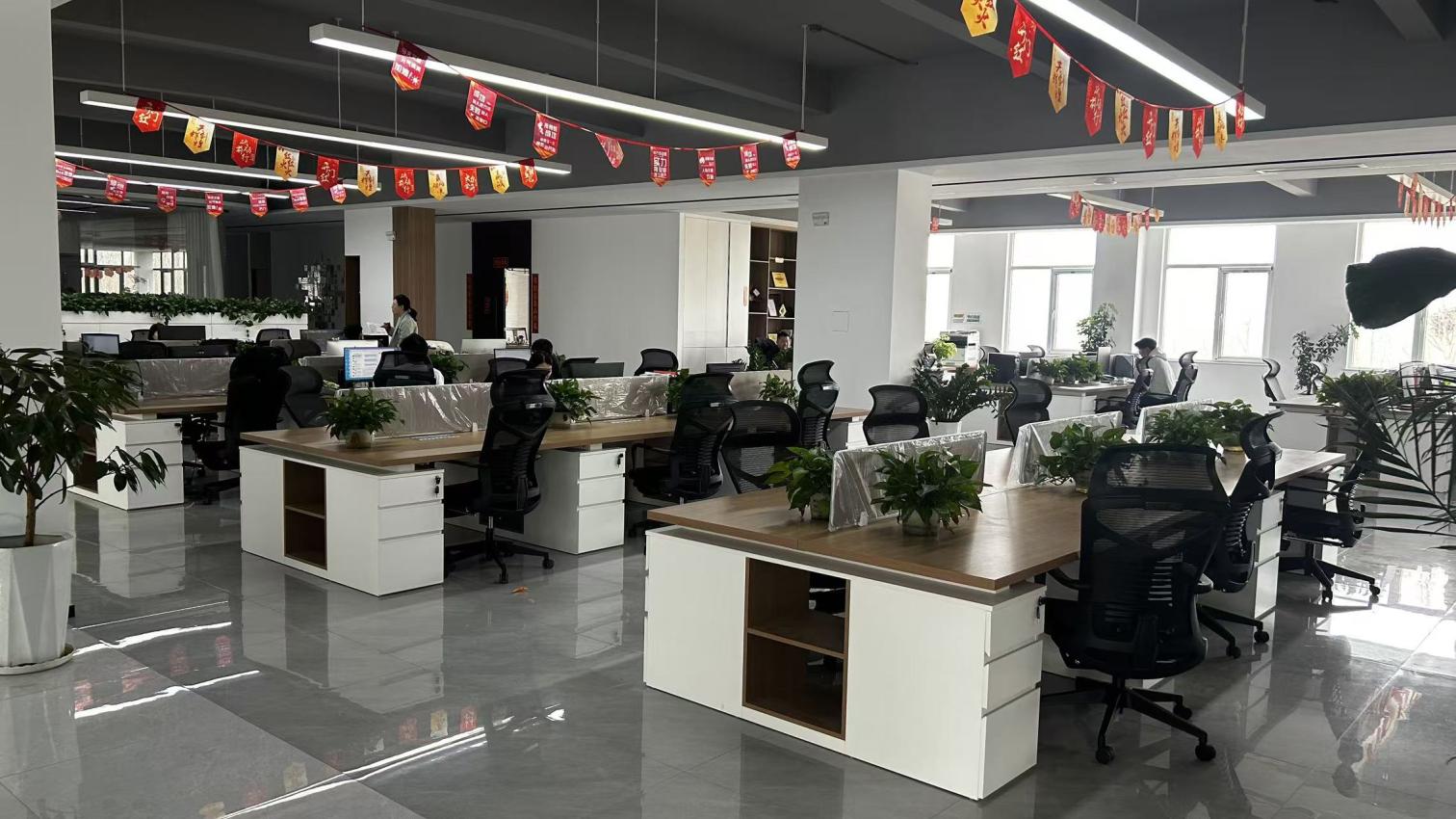
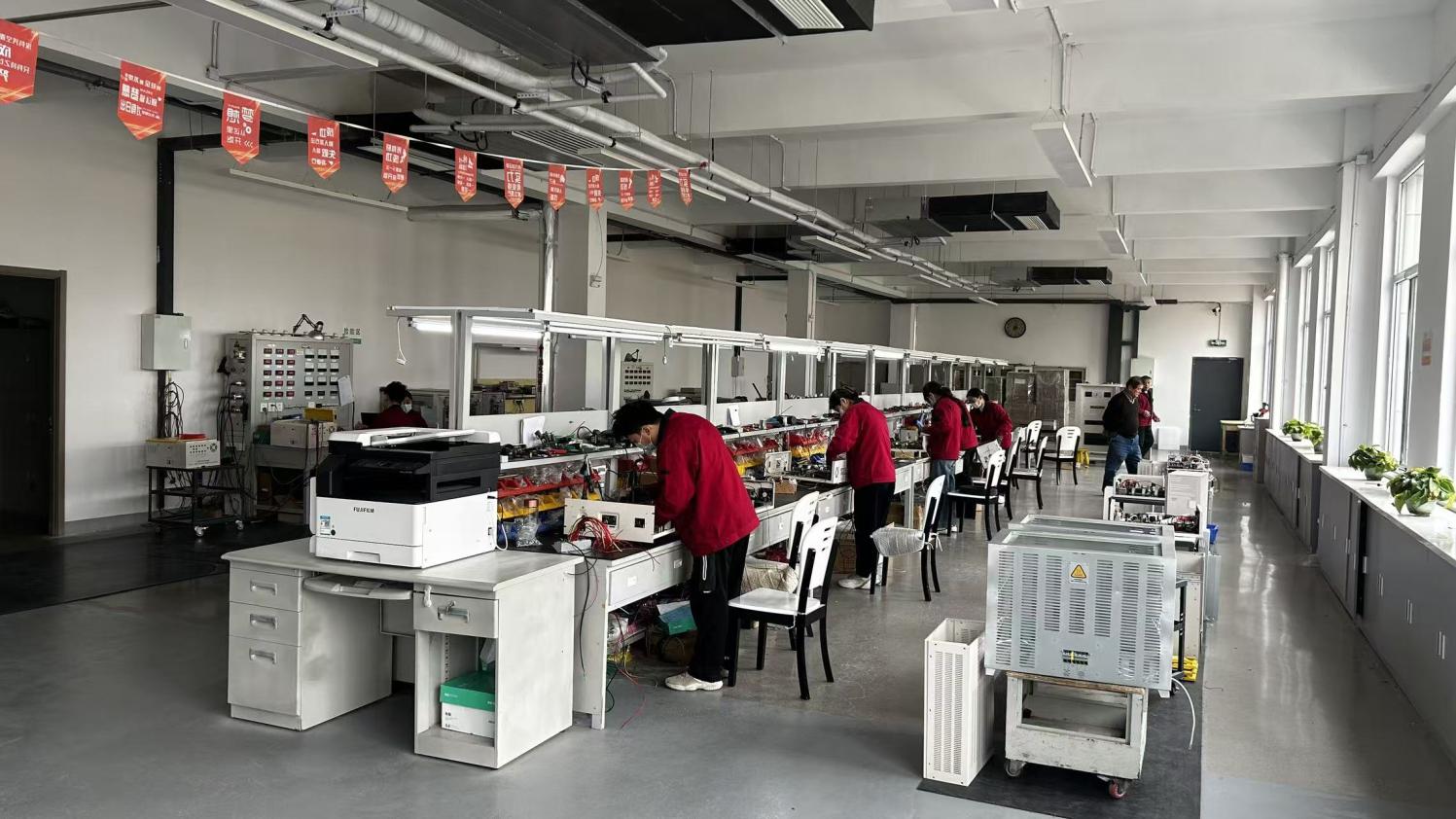
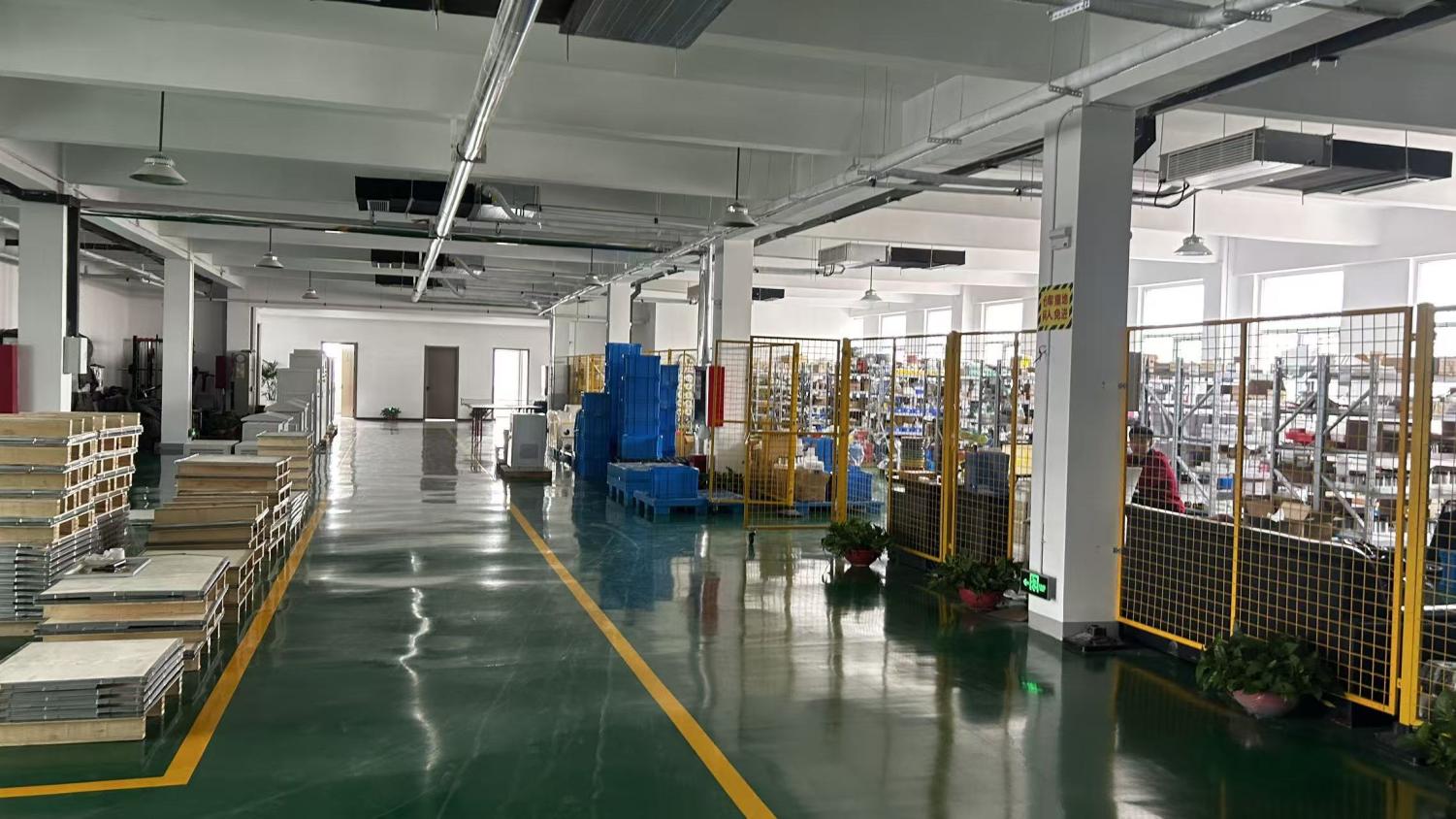
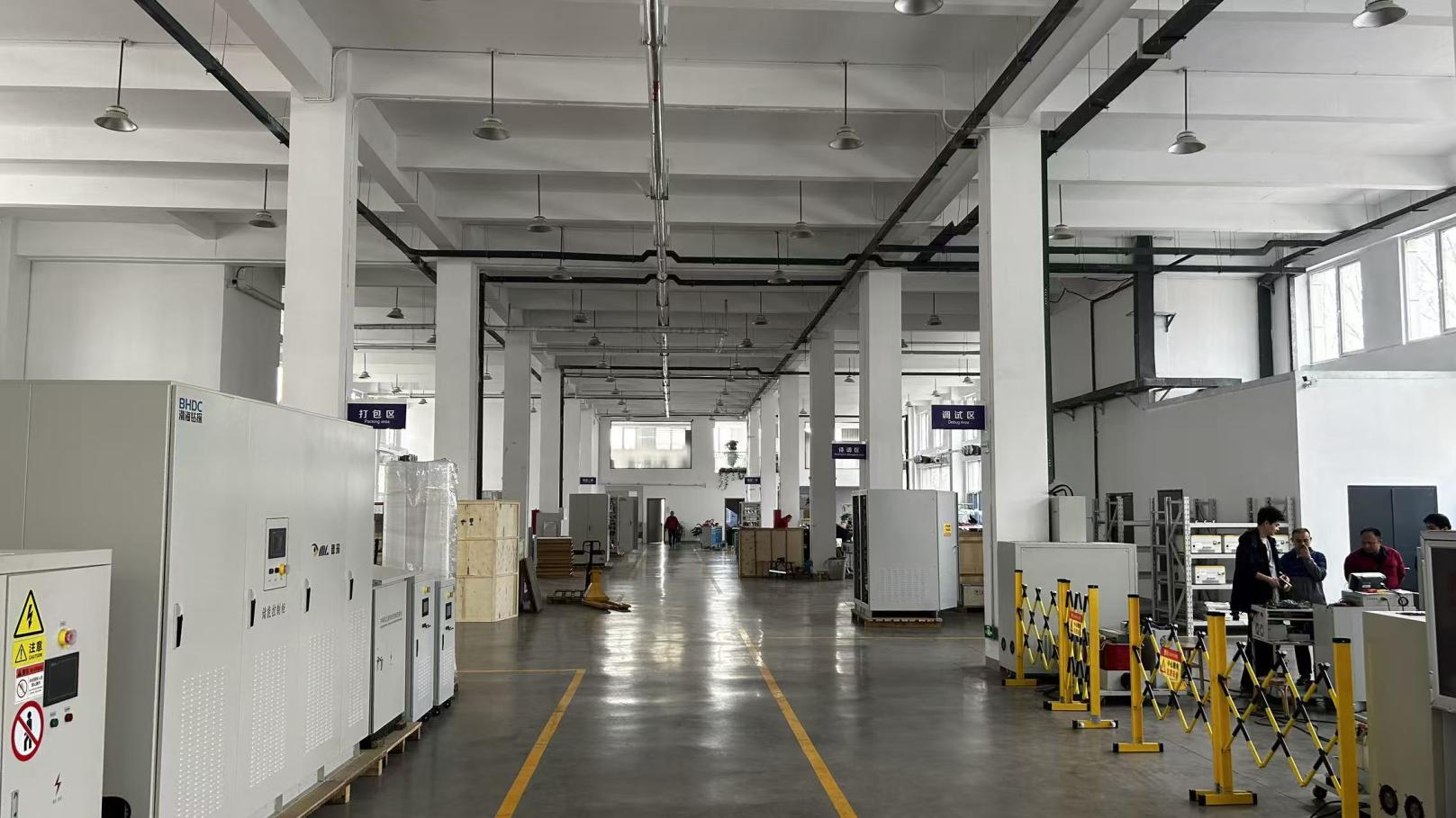
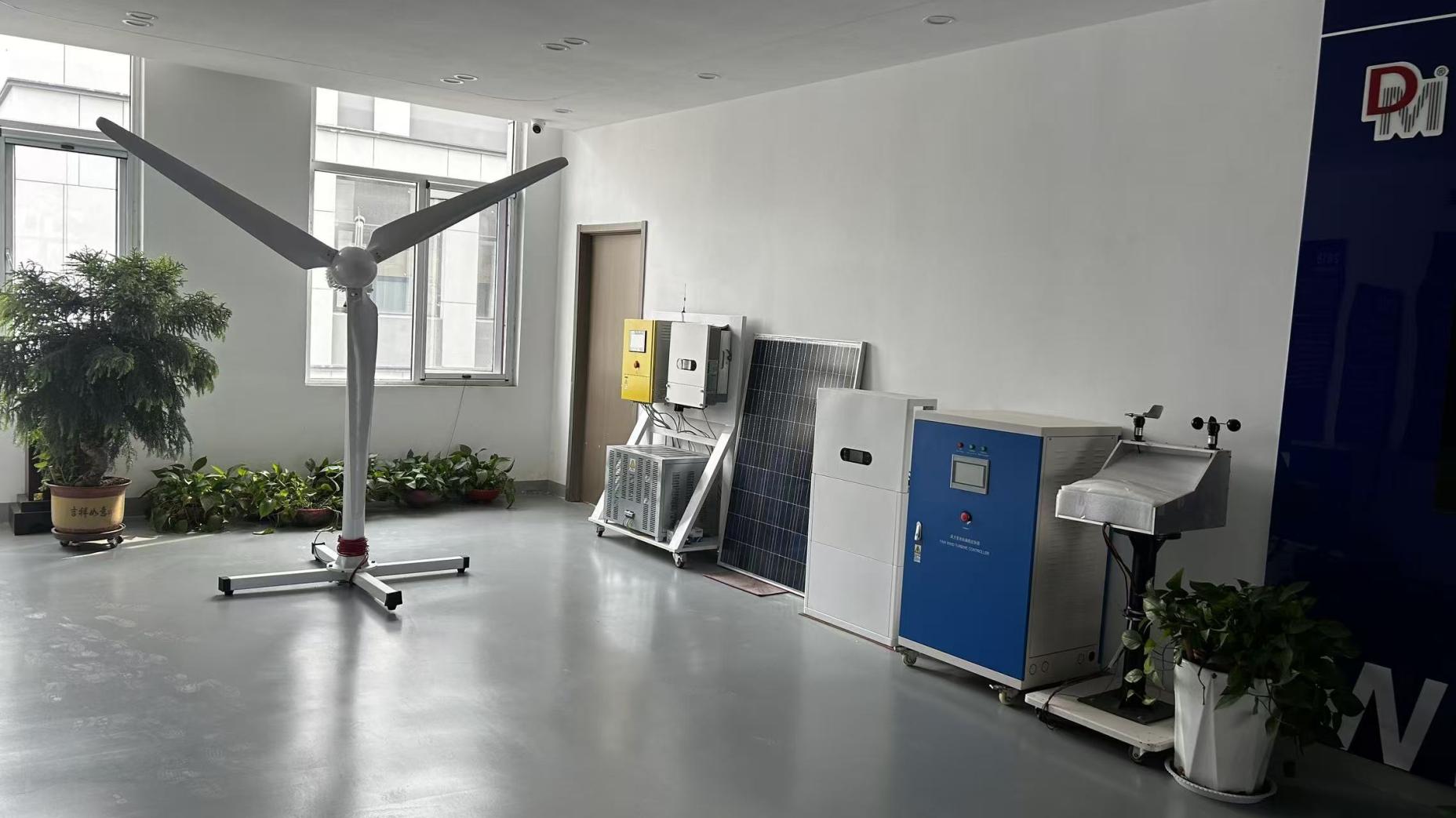
The Chinese power electronics manufacturing sector offers significant advantages for global industrial buyers, primarily driven by dense localized supply chains, access to high-grade components, and highly skilled engineering staff. In Jinan, Shandong, Deming Power leverages these regional synergies to shorten design-to-prototype cycles down to a fraction of the time required by Western competitors, without compromising design depth or testing protocols.
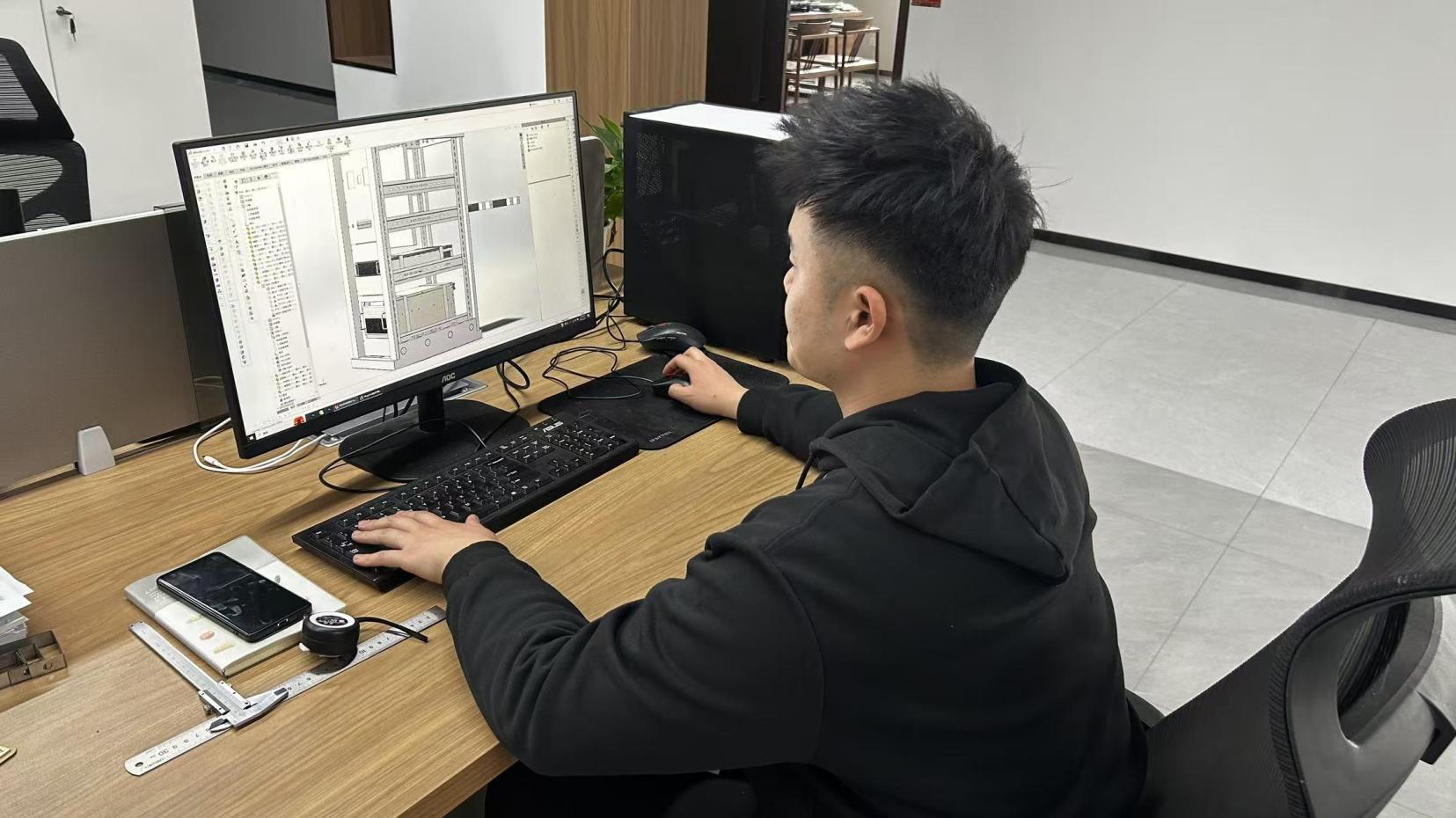
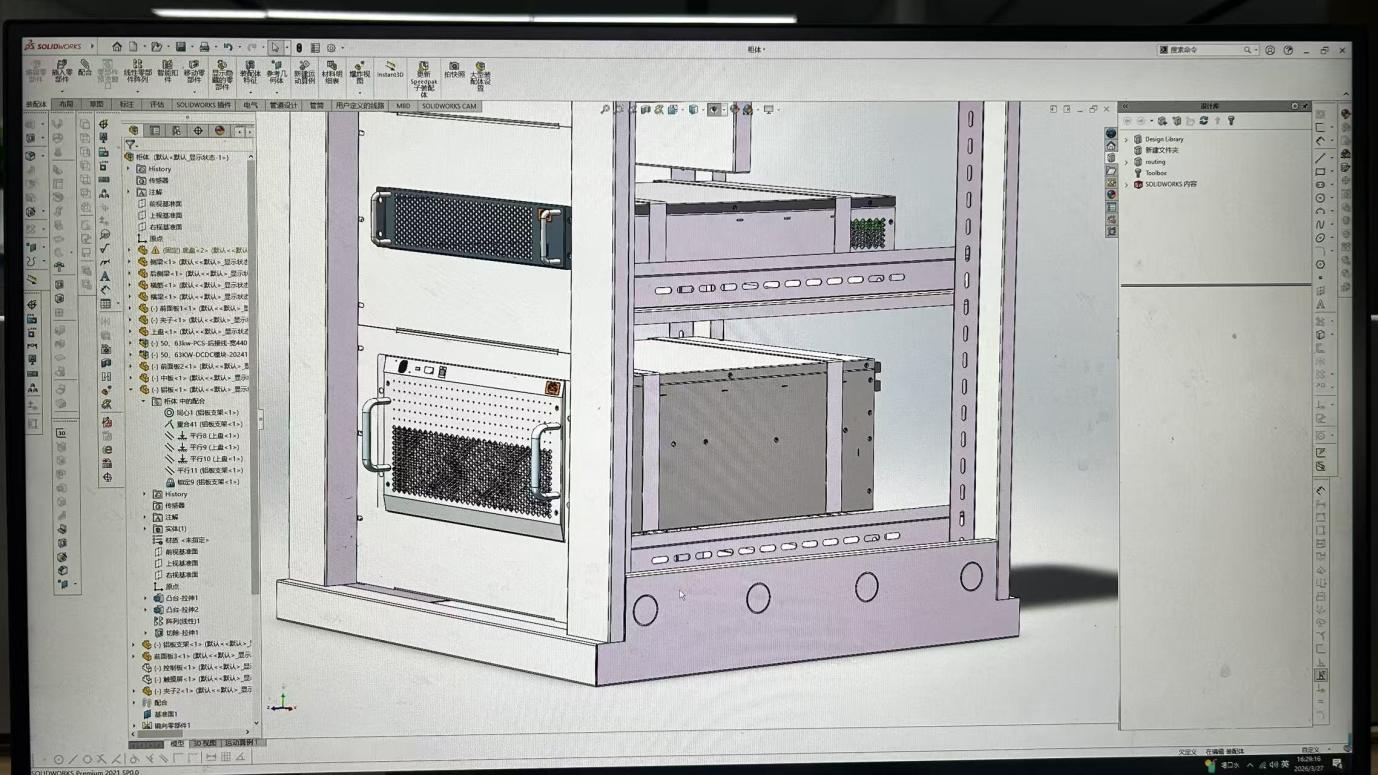
Because we handle design, PCB routing, component sourcing, mechanical enclosure fabrication, and copper busbar routing in-house, we can adjust technical specifications on the fly. Whether a client requires customized input-voltage parameters, variable frequency limits, or specialized communication protocols (Modbus RTU, CANopen, Profinet), our production cycles remain highly efficient. The cost efficiency achieved through this concentration of manufacturing capability allows us to invest heavily in premium structural materials, such as double-sided, high-thickness copper PCBs, Siemens IGBTs, and MBI power drivers.
To maintain strict quality control, every stage of our design and assembly process is documented, tracked, and verified. By combining automated processes with human expertise, we ensure that every system leaving our factory is optimized for continuous 24/7 industrial use.
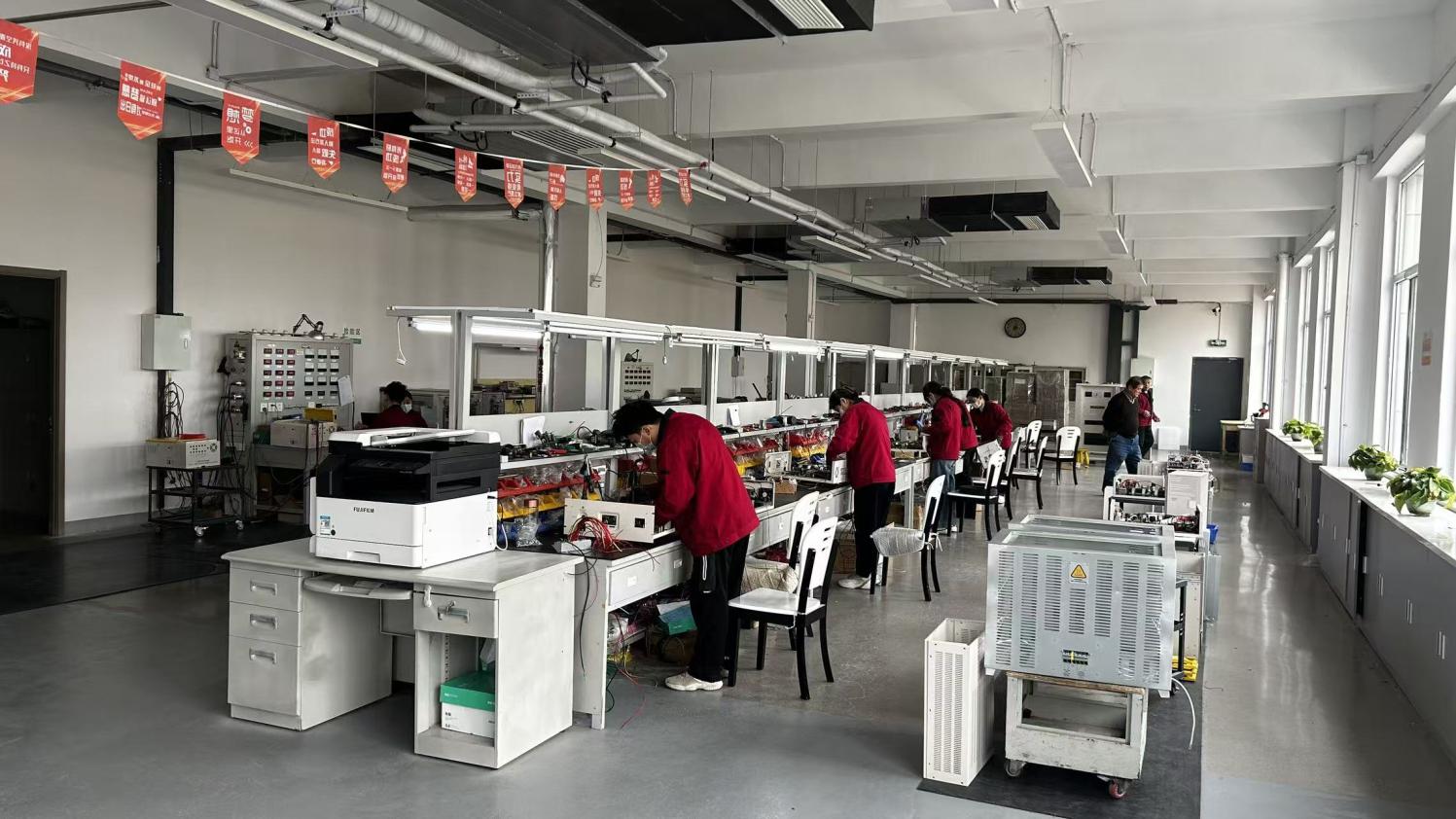
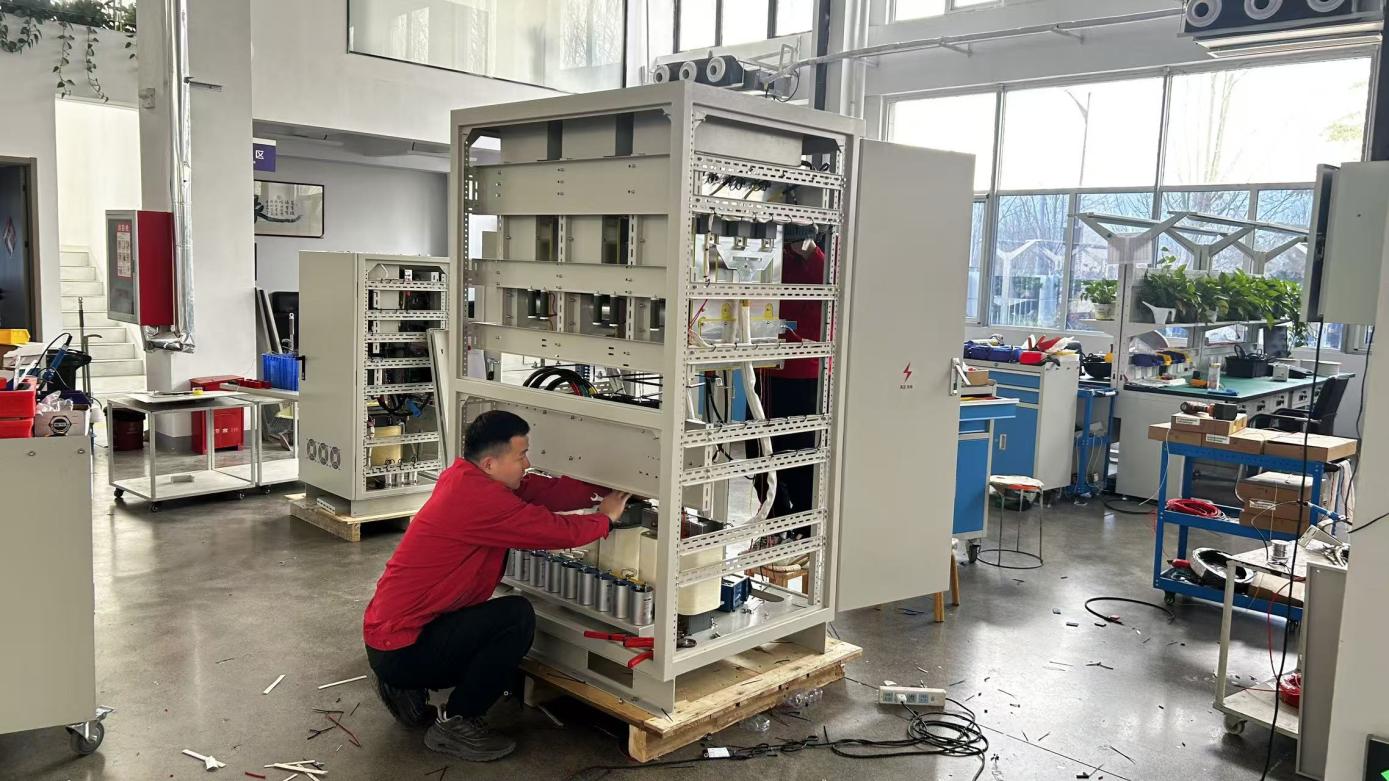
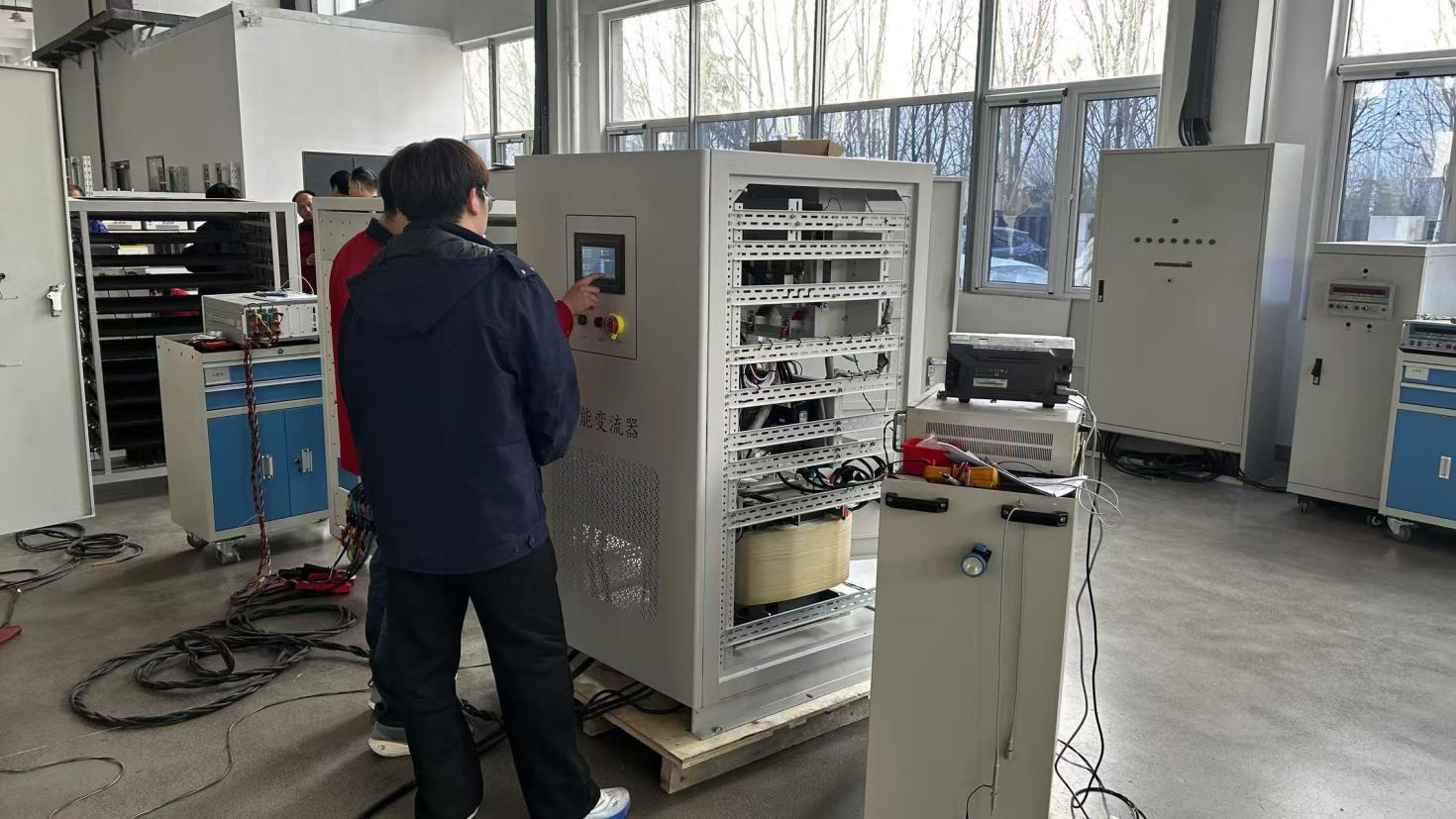
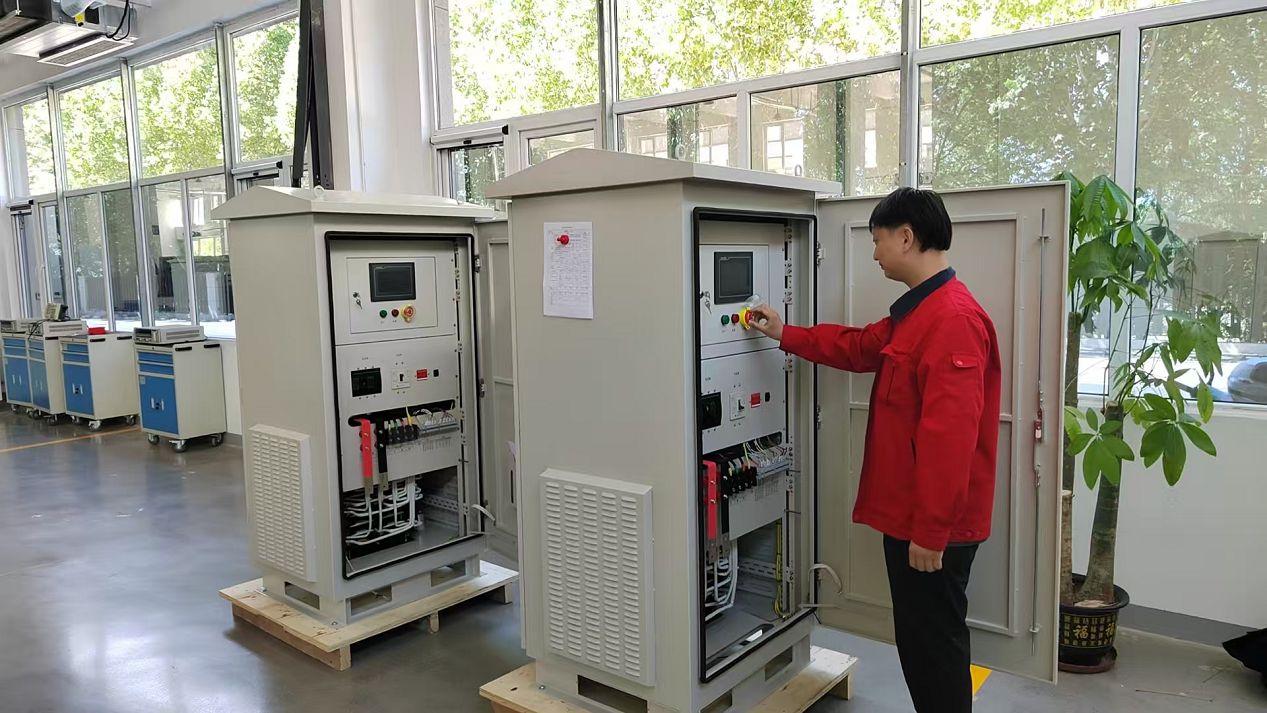
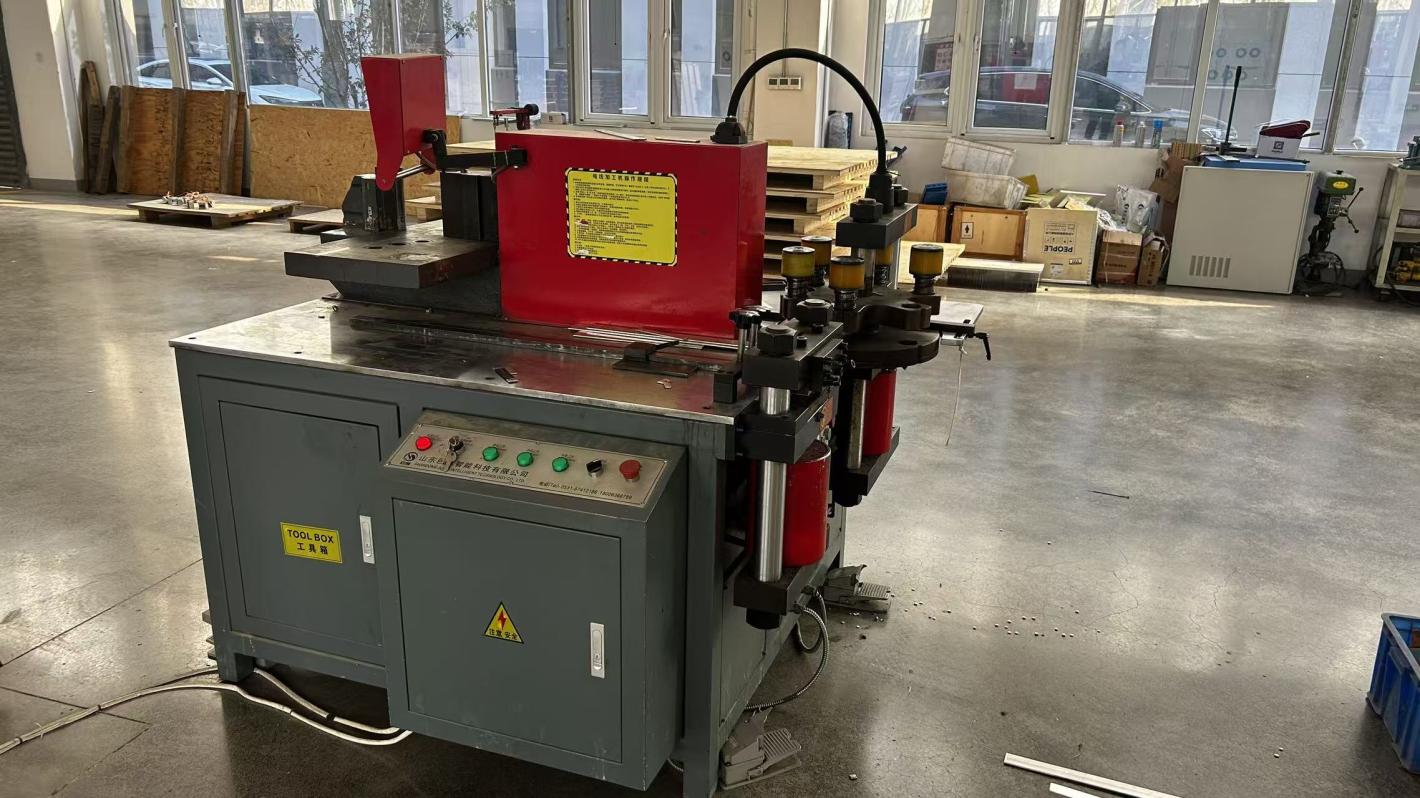
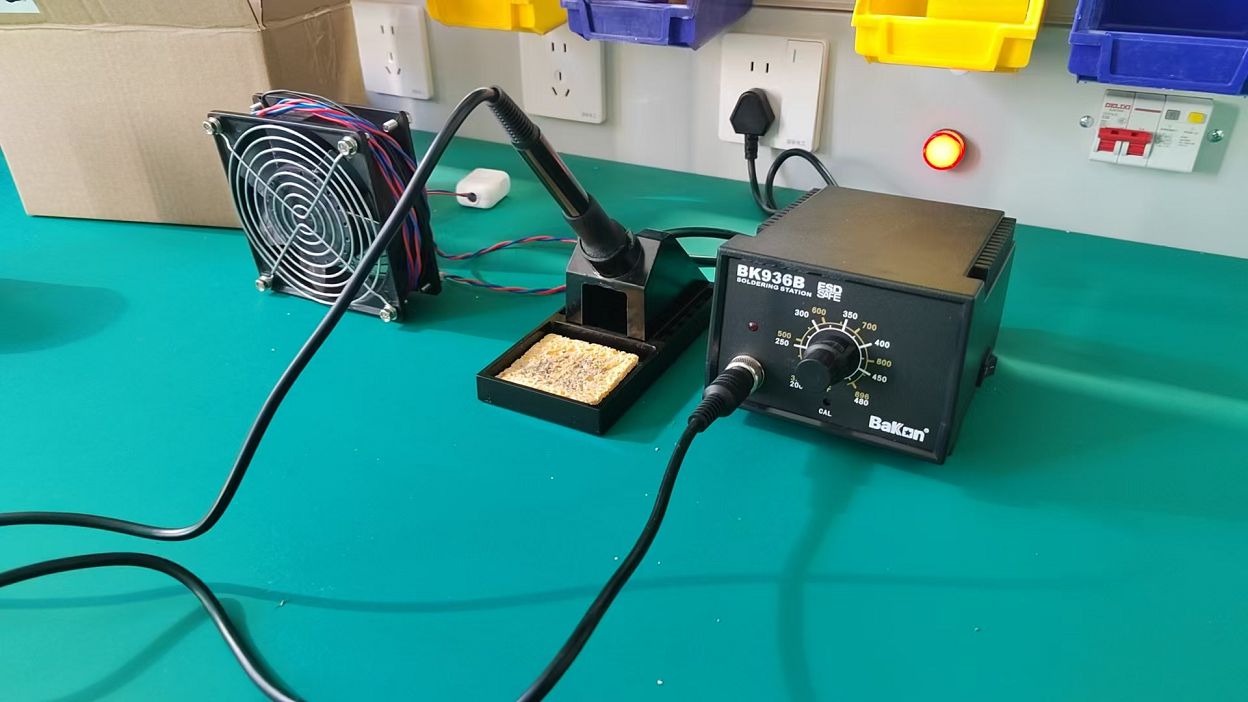
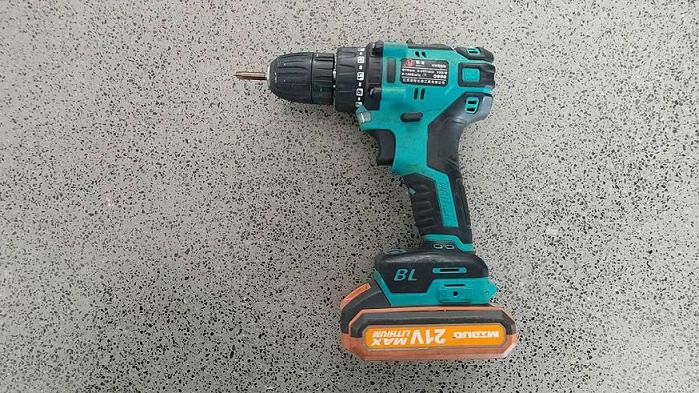
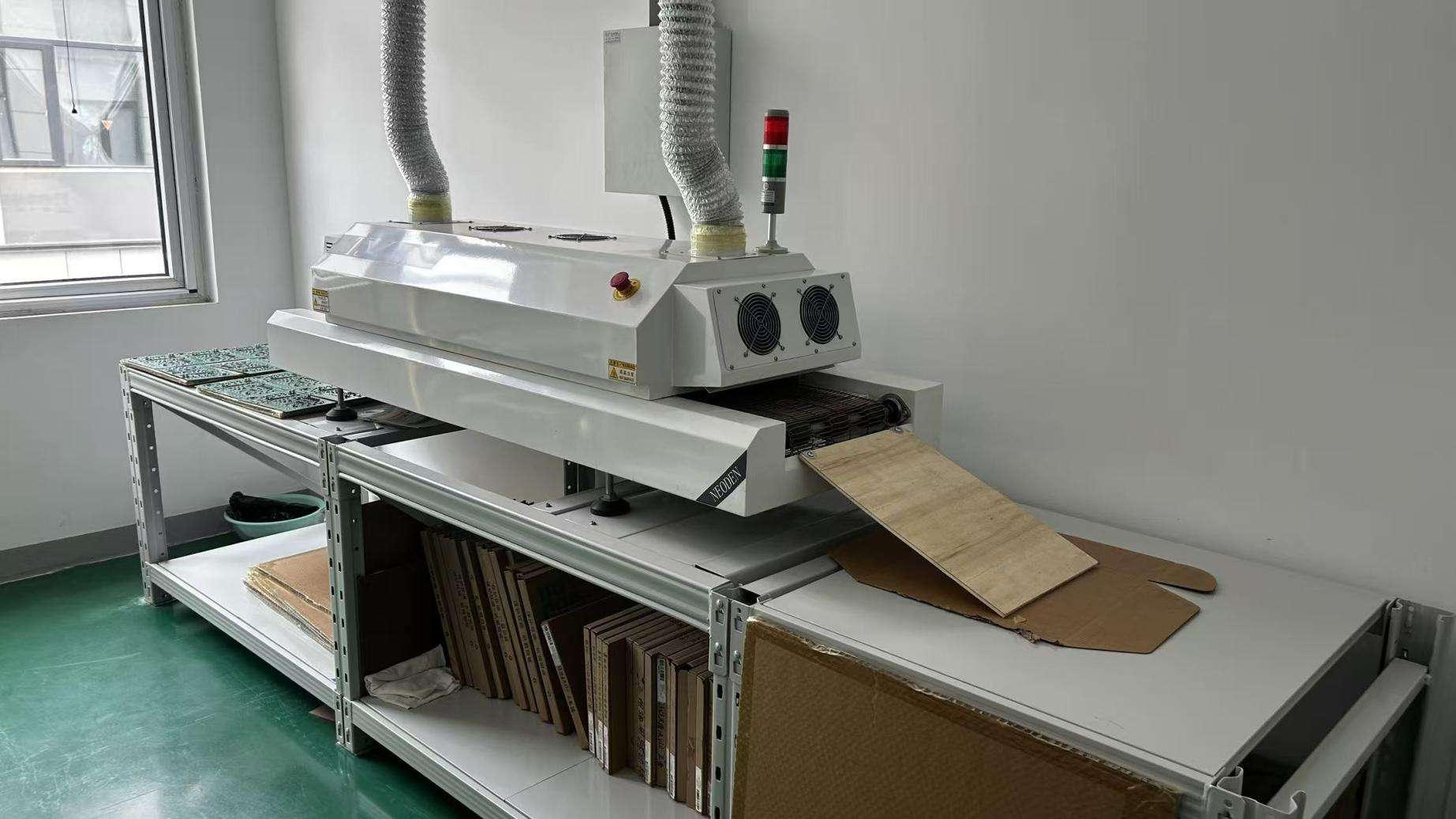
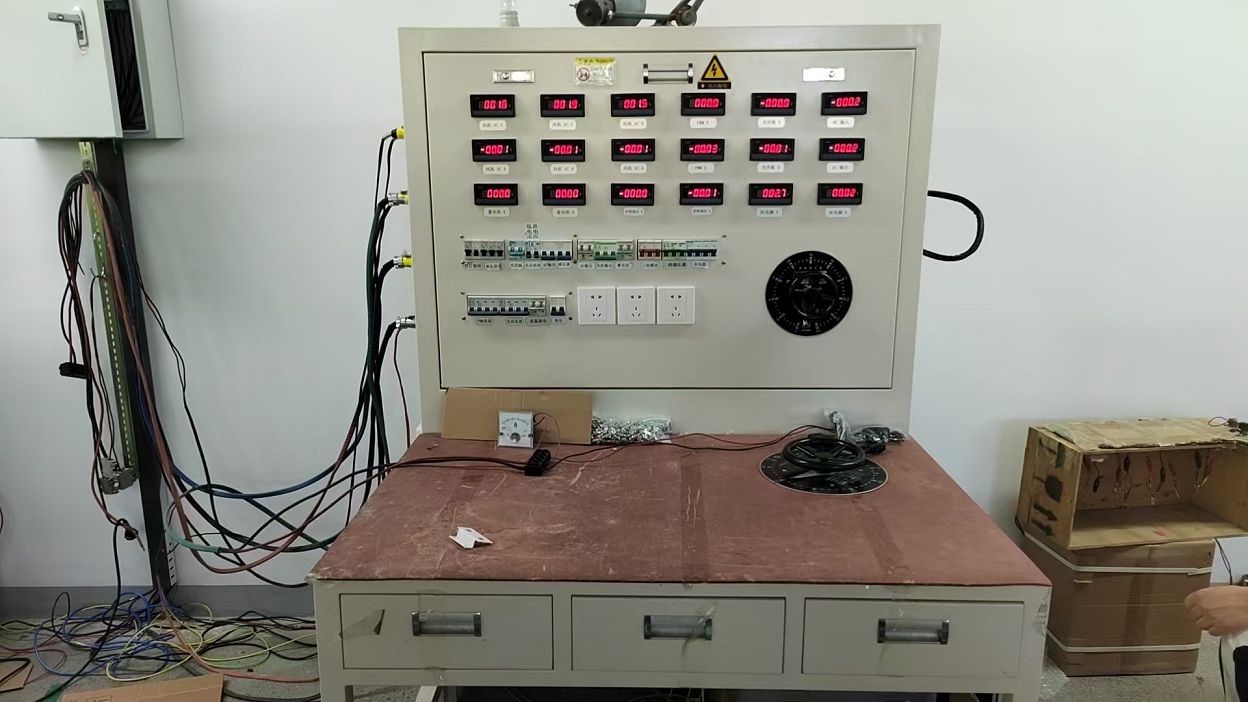
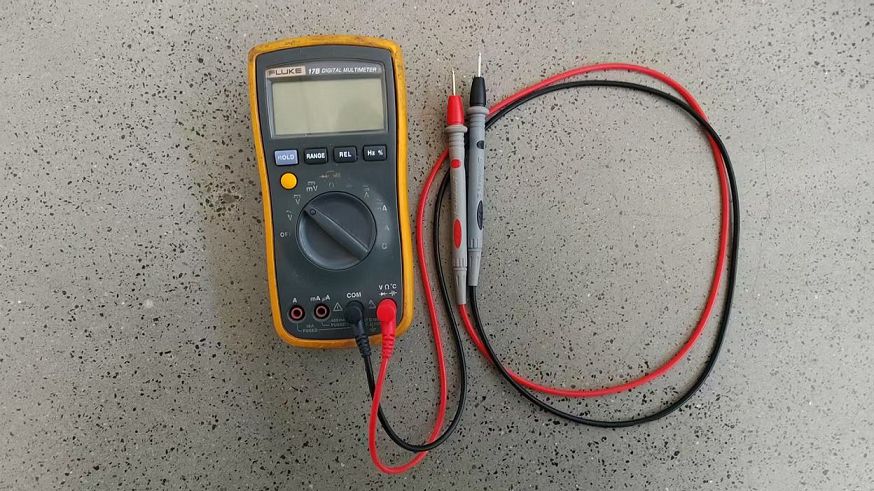
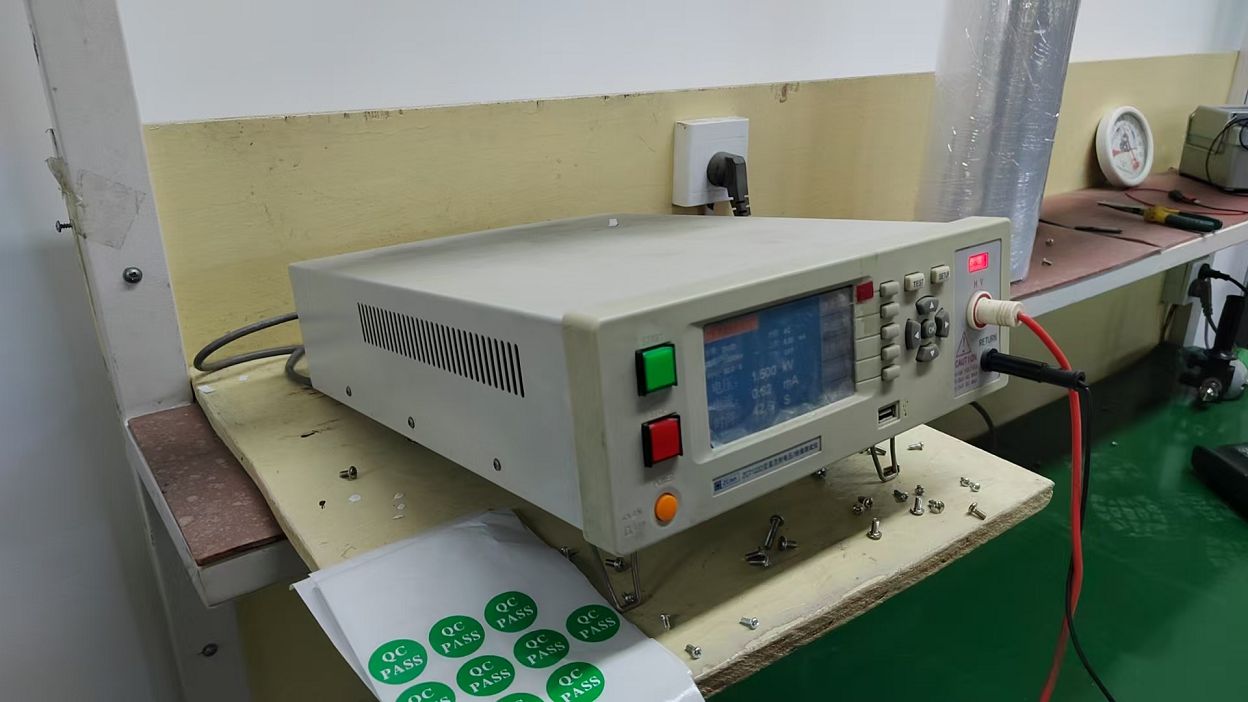
High-power electrical systems demand extreme stability and minimal harmonic distortion. To ensure clean power quality, transient response stability, and robust EMC behavior, our laboratory is equipped with high-precision instruments. We test and calibrate every unit against critical power parameters prior to shipment.
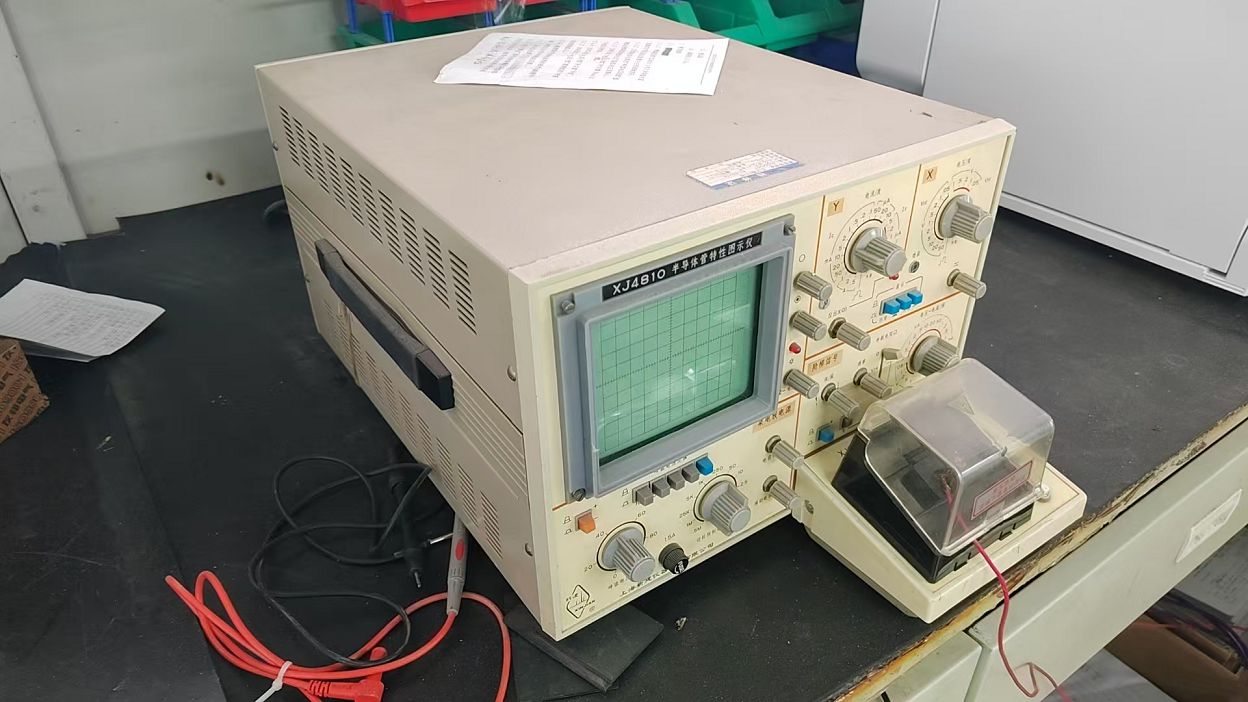
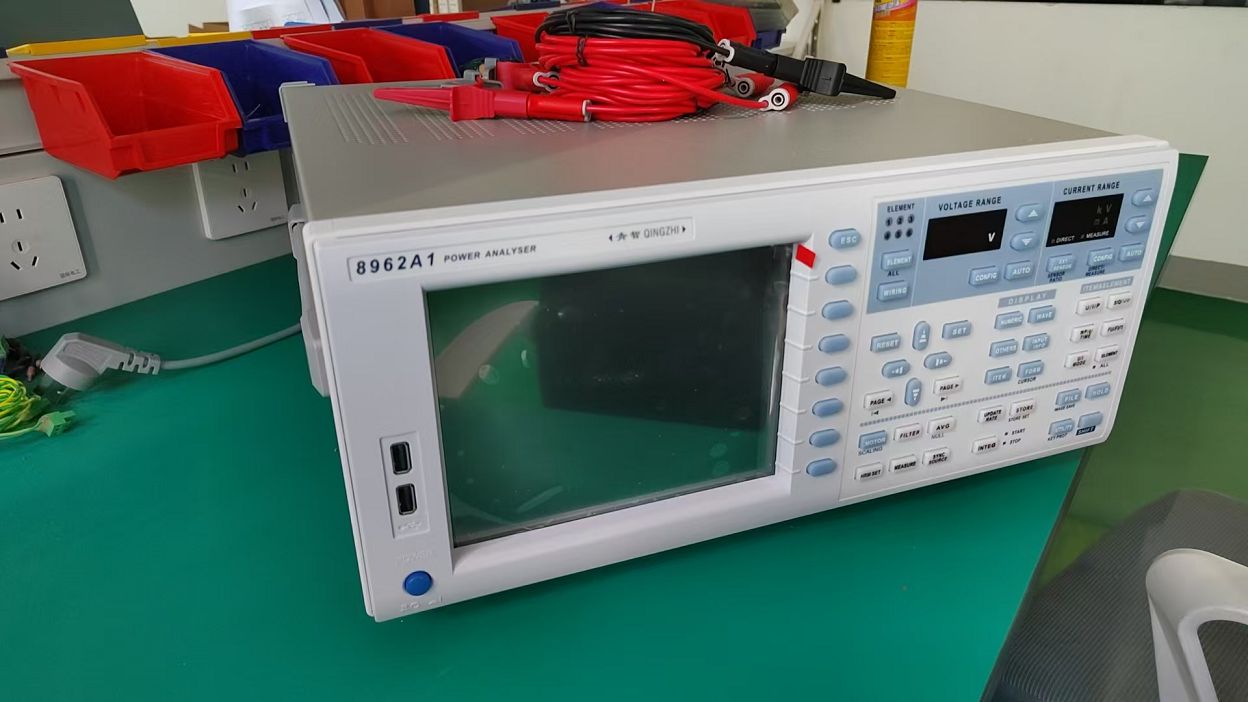
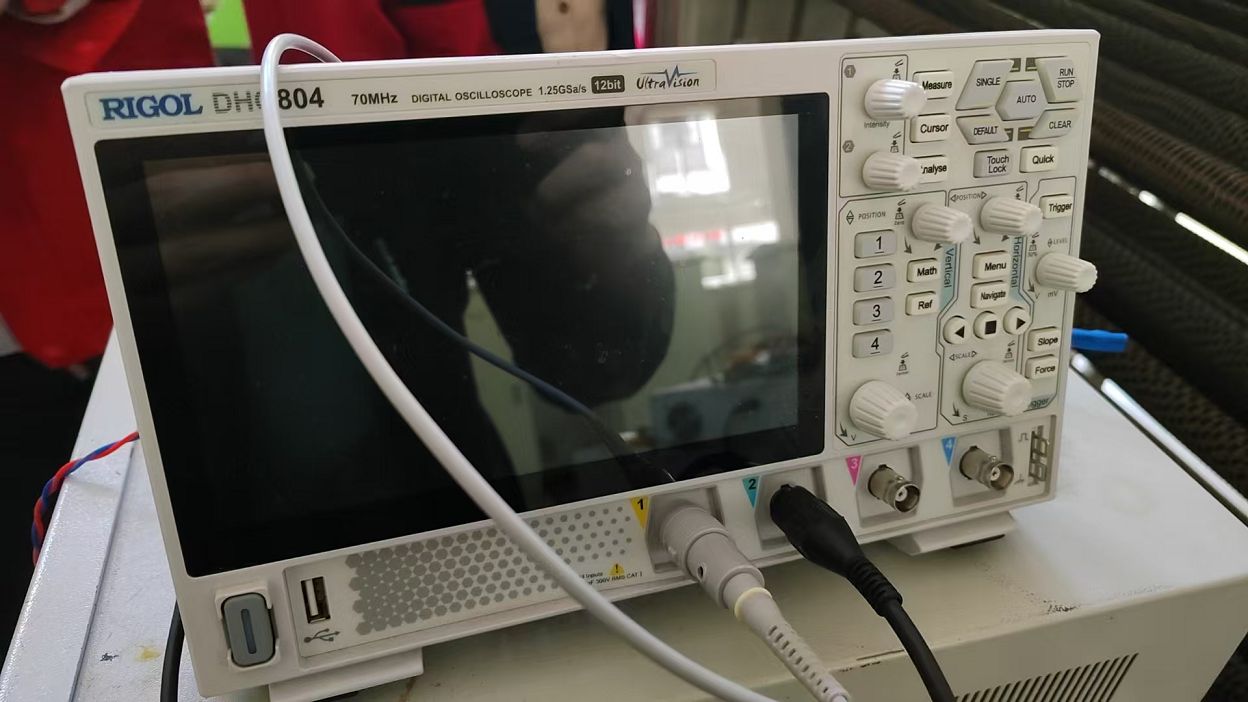
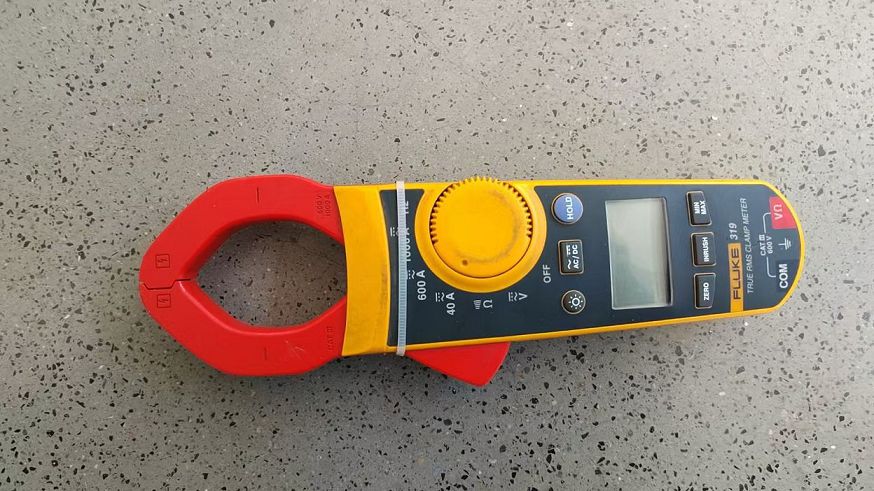
As power requirements become more specialized, we adapt our hardware topologies to support critical infrastructure and demanding industrial environments worldwide.
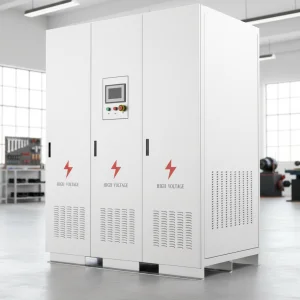
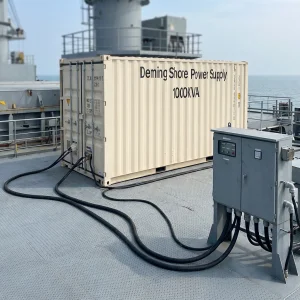
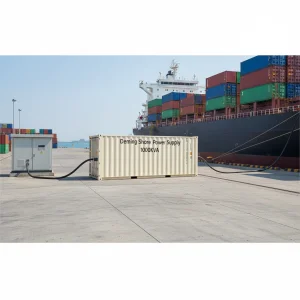
Modern commercial shipyards require clean 60Hz marine frequency converters when docking vessels built to international maritime specifications in regions utilizing a 50Hz utility grid. Our 800KVA shore power systems isolate the ship's electrical grid from local grid disturbances, suppress phase shifts, and stabilize voltage delivery, ensuring uninterrupted operation of critical onboard systems.
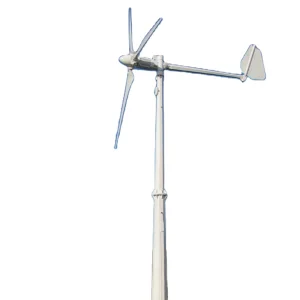
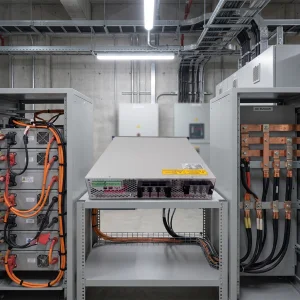
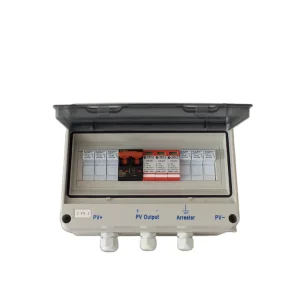
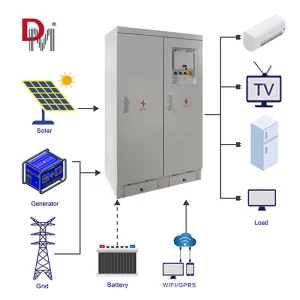
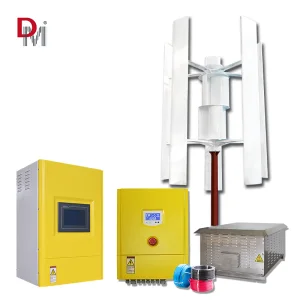
By combining our modular stackable 1500V DC-DC converters, high-capacity hybrid solar inverters, and three-phase wind controllers, microgrid operators can integrate solar panels, wind turbines, and hydro generators into a unified energy storage bus. This configuration supports high dynamic range loading, controls peak demand, and prevents grid-tie feedback issues.
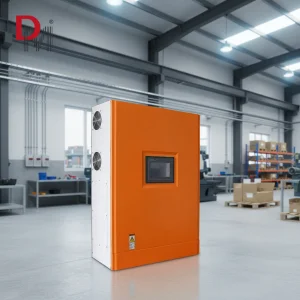
As automotive industries transition toward high-voltage platforms, testing requires flexible, high-power bidirectional power supplies. Our 150kW to 500kW systems act as accurate battery simulators, sourcing and sinking high-voltage DC power to validate traction inverters, battery management systems (BMS), and charging controllers under realistic operational conditions.
The future of industrial power electronics lies in Wide Bandgap (WBG) semiconductors, particularly Silicon Carbide (SiC). Switching to SiC allows for higher switching frequencies, which reduces the size and weight of magnetics (inductors, transformers) by up to 40%. Deming Power is actively integrating SiC switches into our high-power converters to improve heat dissipation, minimize thermal losses, and increase overall system efficiency.
For global procurement directors, purchasing power electronics involves evaluating long-term reliability and compliance alongside initial acquisition costs. Selecting low-cost systems with poor harmonic profiles or insufficient protection loops can lead to field failures, grid utility fines, and costly downtime.
At Jinan Deming Power Equipment, we address these procurement risks by focusing on technical compliance and structural quality:
 Demin Power