Premium grid-tie converters, charge controllers, and advanced marine shore power solutions customized for global OEM thermal and battery storage utilities.
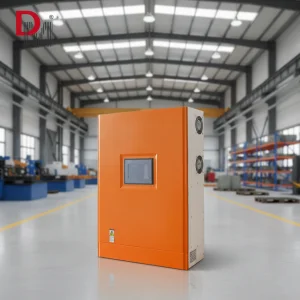
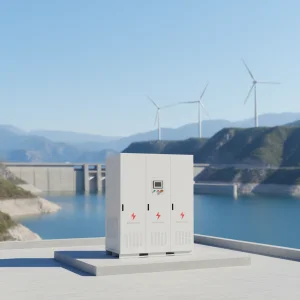
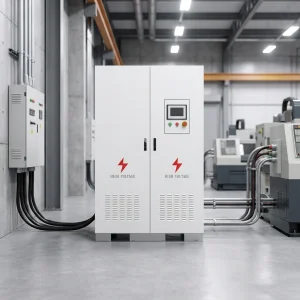
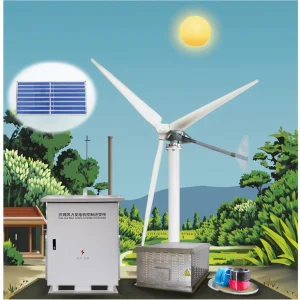
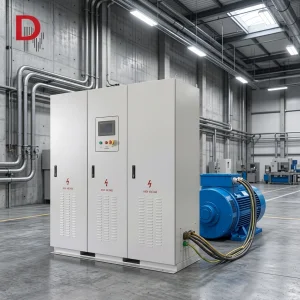
As the global community shifts toward aggressive decarbonization targets, the limitation of traditional lithium-ion battery storage in handling high-temperature industrial heat requirements has become apparent. Thermal Energy Storage (TES) technologies—ranging from sensible heat storage in molten salts or concrete to latent heat storage using advanced Phase Change Materials (PCMs)—are emerging as the primary infrastructure for decarbonizing industrial heat, district heating networks, and heavy manufacturing.
In modern industrial facilities, heat accounts for over 70% of total energy use. TES systems capture surplus green electricity from wind and solar during low-demand periods or utilize direct solar thermal capture to store thermal energy. This stored heat can then be discharged as high-pressure steam, hot water, or hot air for direct industrial applications or run through steam turbines to regenerate electricity during peak periods. Achieving this high-efficiency transition requires highly integrated power conversion infrastructure to control, invert, and manage massive currents.
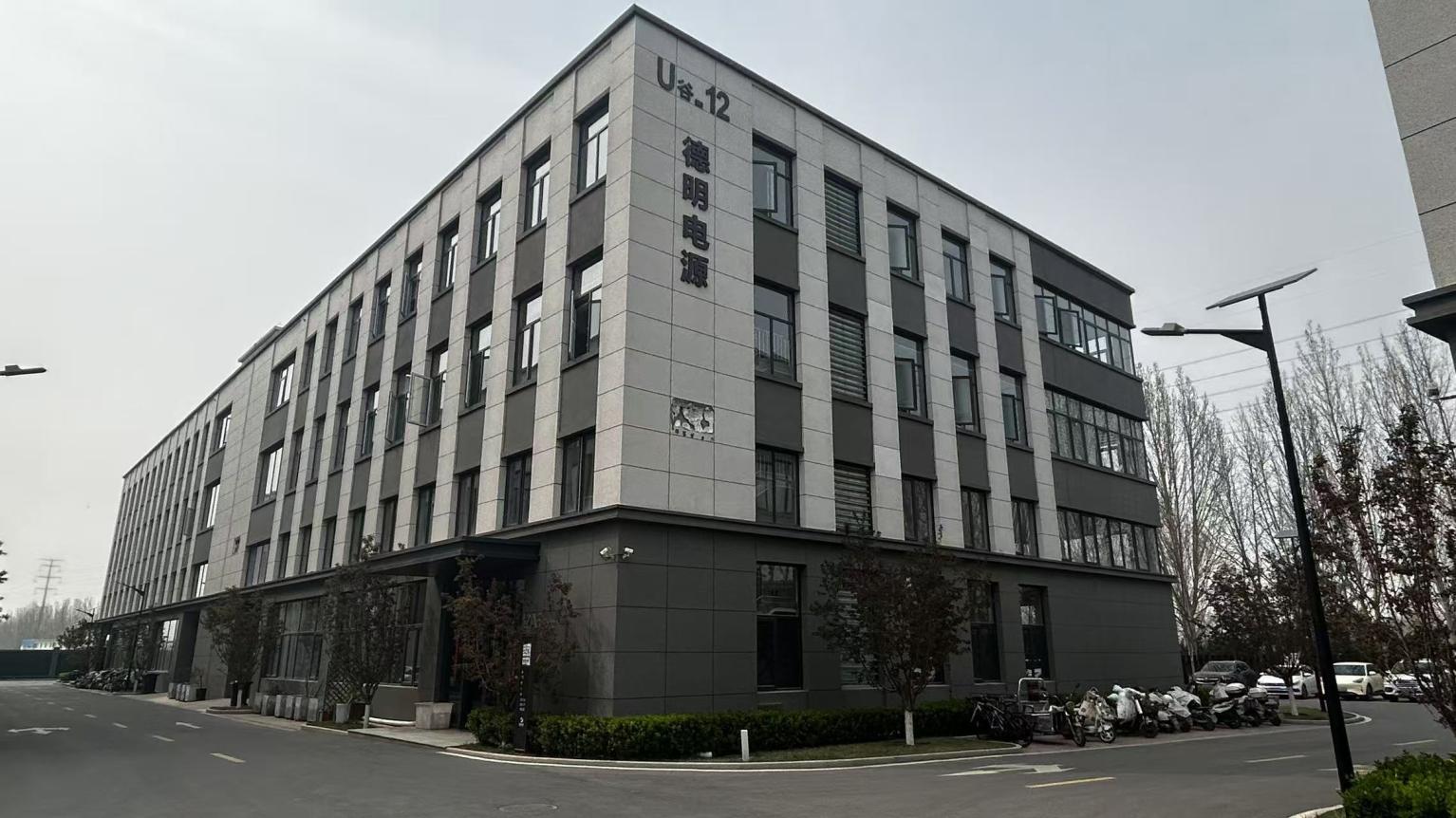
How Jinan Deming Power Equipment combines advanced national high-tech manufacturing with rigorous R&D investments to optimize cost, delivery, and reliability.
Jinan Deming Power Equipment Co., Ltd. is a nationally recognized high-tech enterprise established in 2004, specializing in the research, development, production, and service of renewable energy power equipment and advanced power testing solutions. The company holds ISO9001:2015 certification and has been recognized as a high-tech enterprise by the Chinese government multiple times (2015, 2018).
With a dedicated R&D team of 16 engineers including doctoral supervisors and master's degree holders, Deming invests no less than 20% of annual sales revenue into technology development. The company has completed 17 R&D projects in the last three years with 16 scientific and technological achievements transformed into commercial products. Deming's products have been exported to 120+ countries including Germany, Japan, the United States, UK, Canada, Australia, and Brazil, and the company has established cooperative relationships with Fortune 500 enterprises.
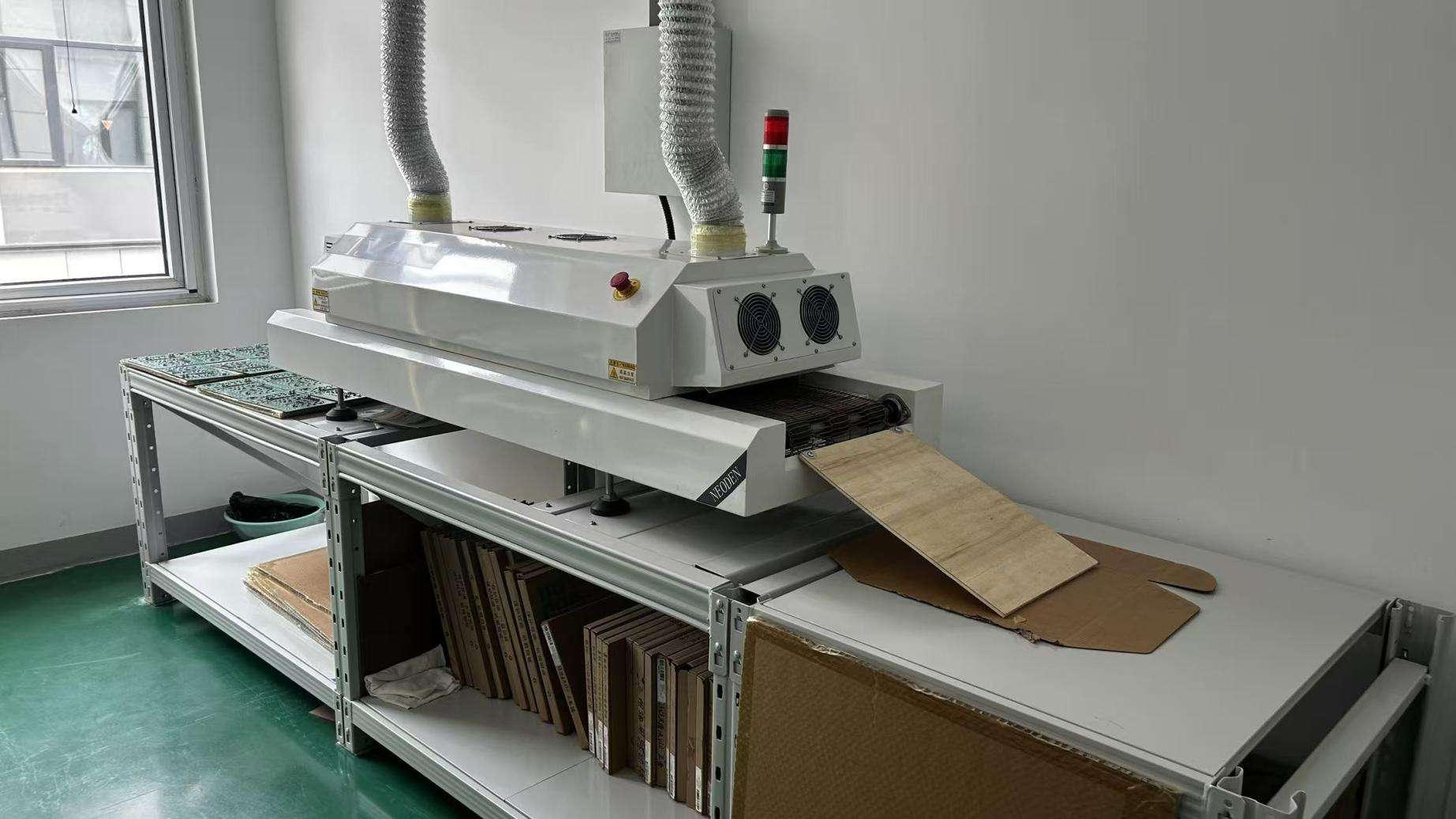
China’s production efficiency in power electronics provides global buyers with an unparalleled competitive advantage. By centering supply chains, using automated reflow soldering, and employing advanced copper bar production tools in-house, we achieve rapid customization paths for multi-megawatt systems. This allows customized OEM controllers to transition from engineering layouts to active physical deployment in half the time of Western competitors.
Year Established
Annual Revenue Reinvested in R&D
Countries Exported To
Patented Tech Commercializations
Deming power converters, wind/solar controllers, and bidirectional DC systems excel in distinct industrial landscapes across global markets.
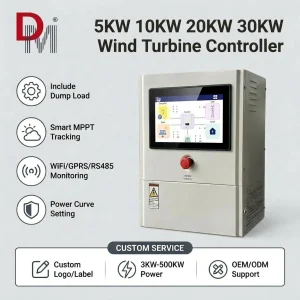
In countries like Germany, Denmark, and Canada, district heating systems utilize high-voltage grid-tied converters and wind generators to transform excess grid wind energy into thermal energy stored in massive water tanks or sand batteries. Our controllers govern the bidirectional power flow, protecting the grid against rapid current surges.
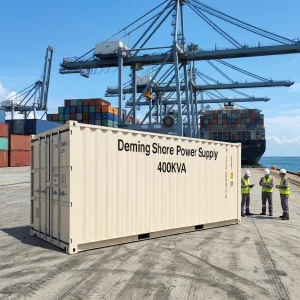
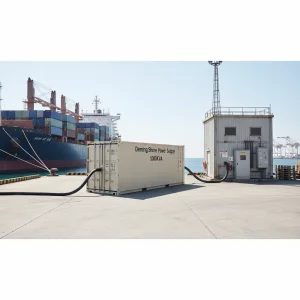
Maritime ports globally are enforcing strict emission rules requiring ships to shut off auxiliary diesel generators at berth. Deming's 400kVA Shore Power Converters supply 400Hz frequency stability with up to 96% conversion efficiency, directly converting variable local shore grids into clean marine ship power.
Automotive and battery manufacturers in the US and Japan leverage our bidirectional DC-DC power supplies. By simulating precise lithium battery profiles up to 500kW, our systems let researchers safety-test battery cells, chargers, and hybrid thermal-electric inverters under high stress.
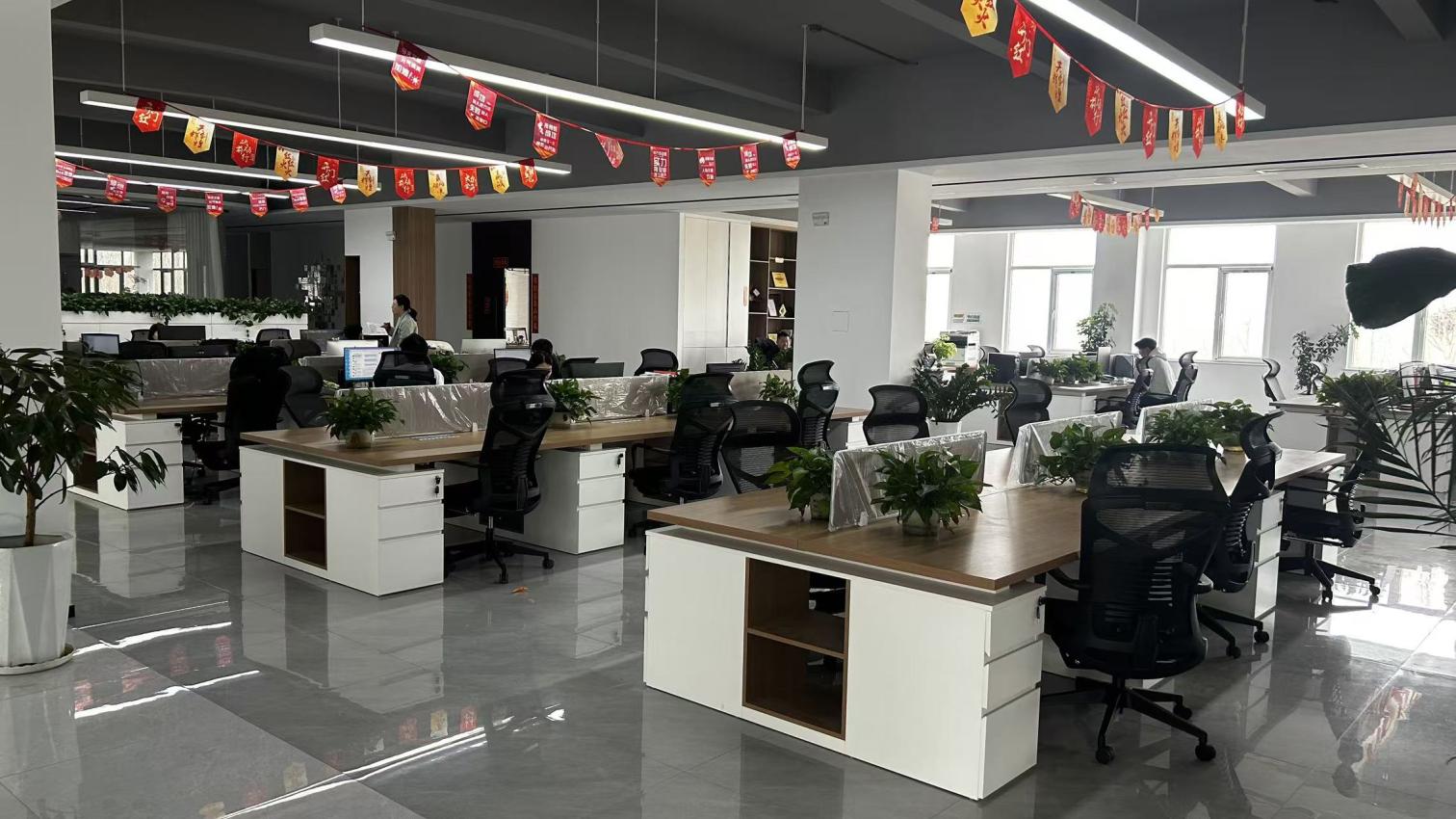
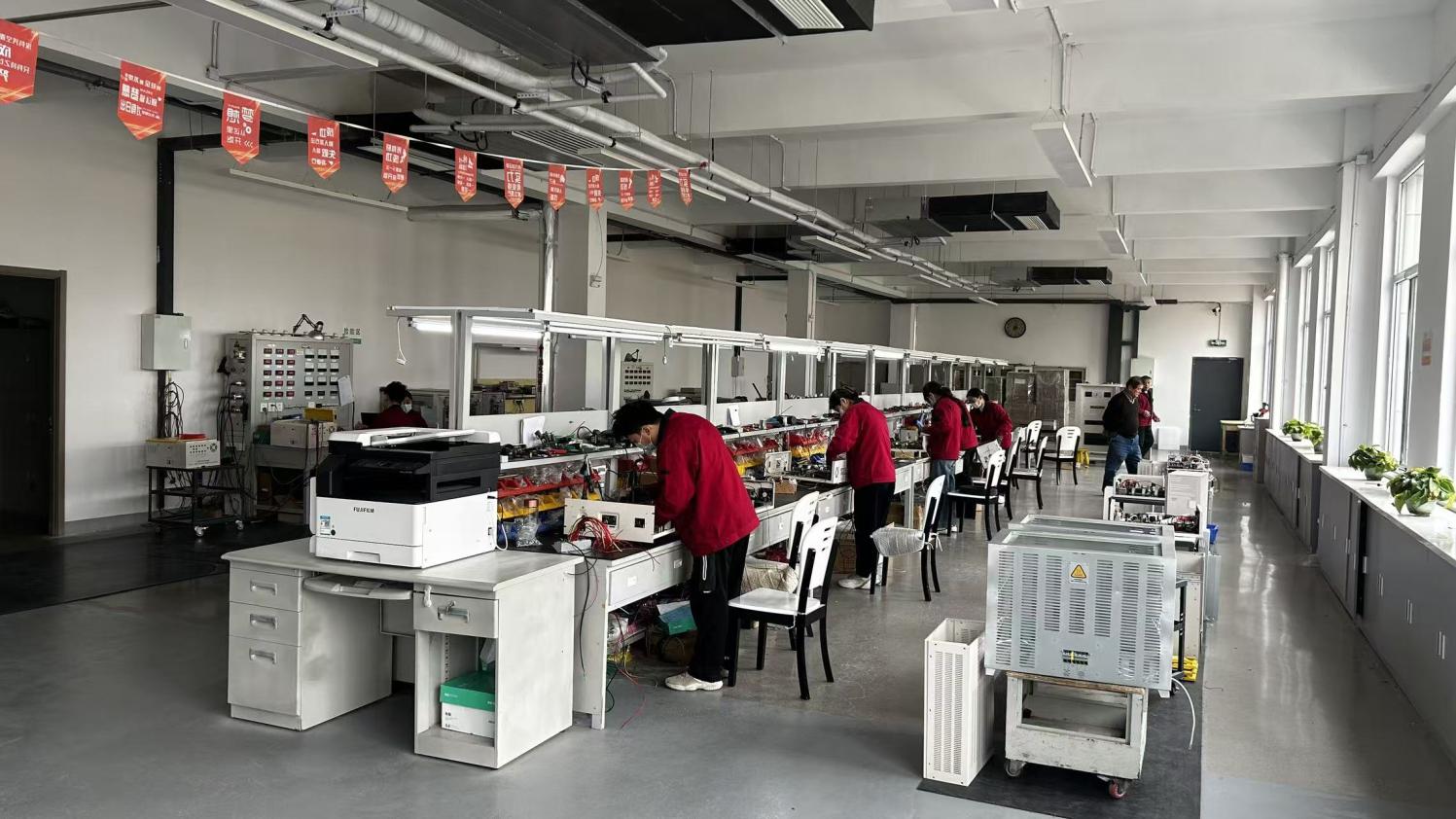
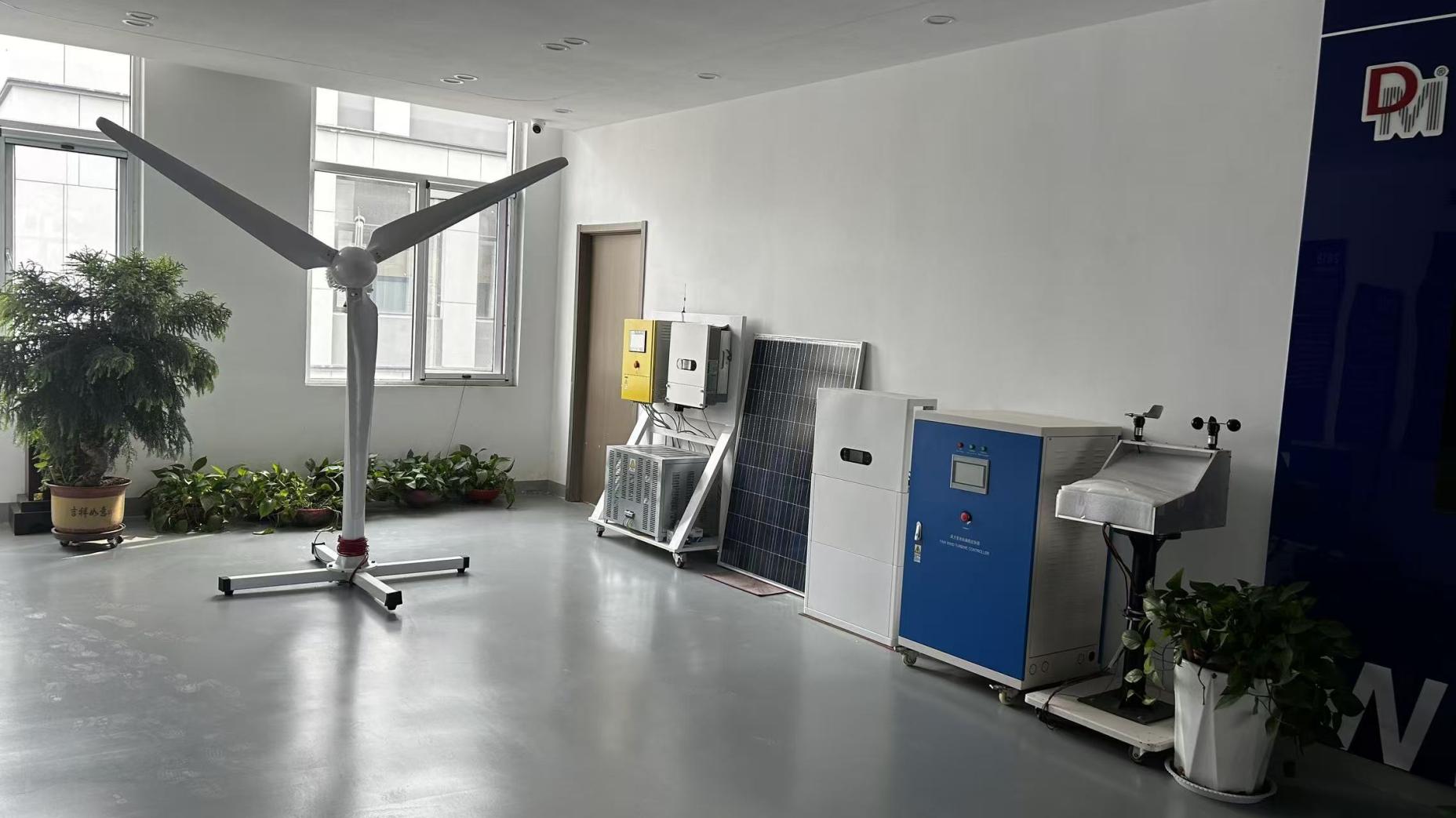
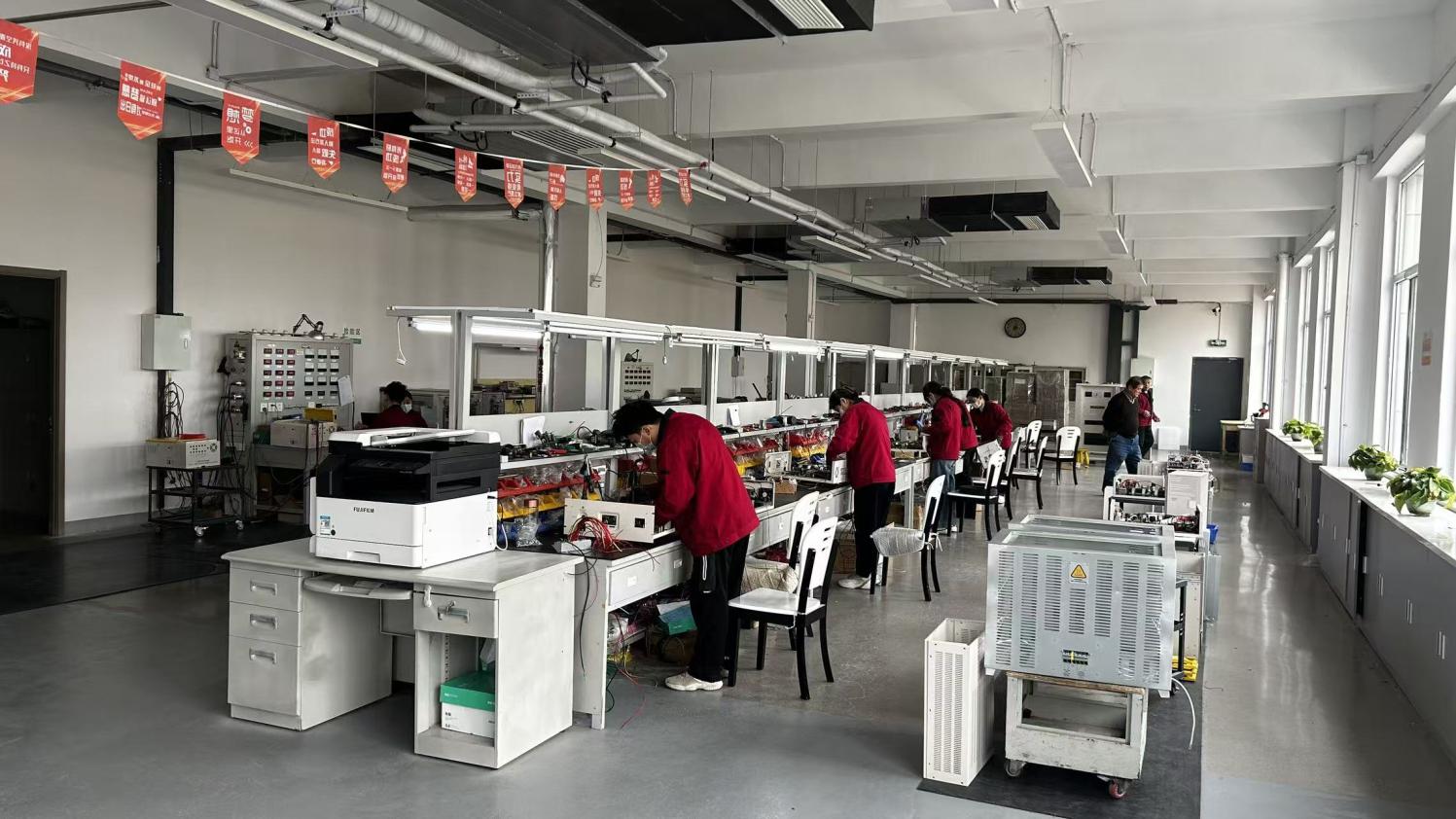
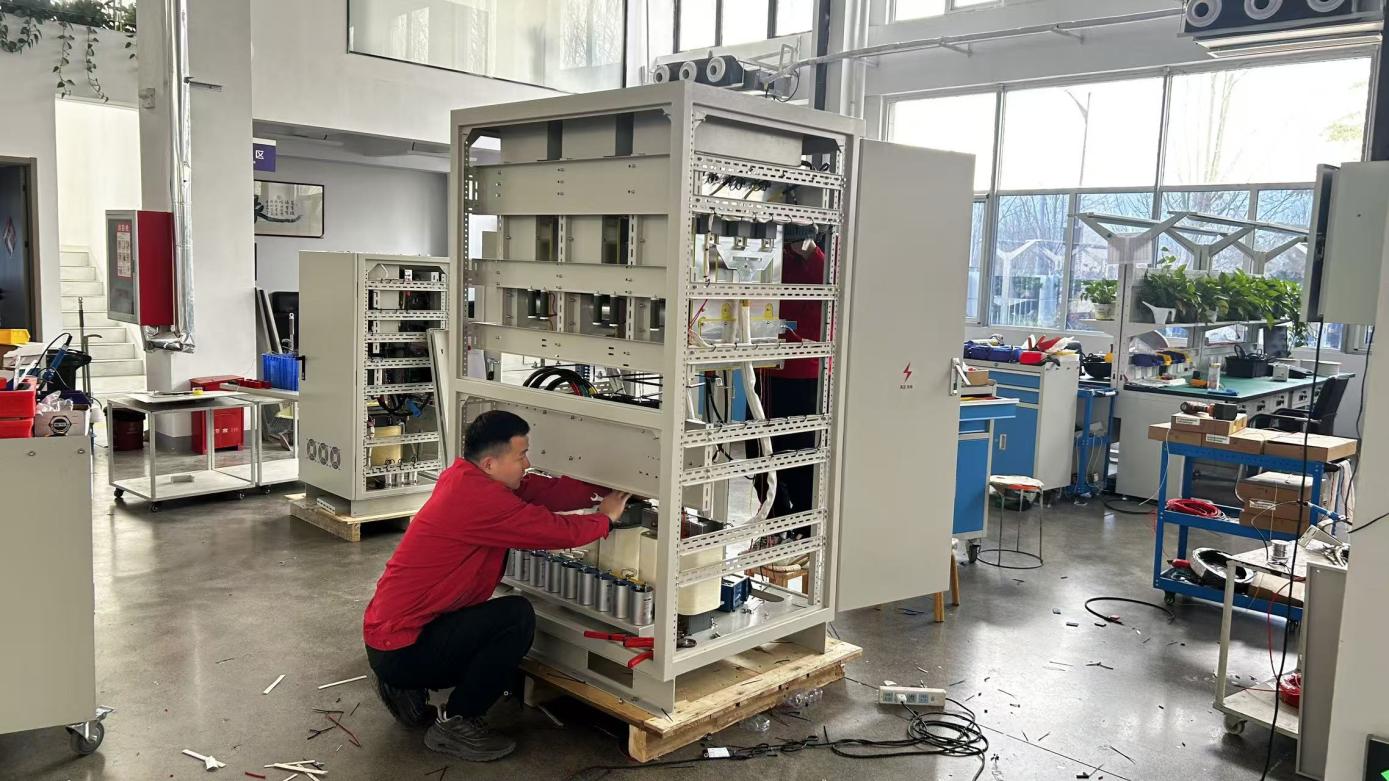
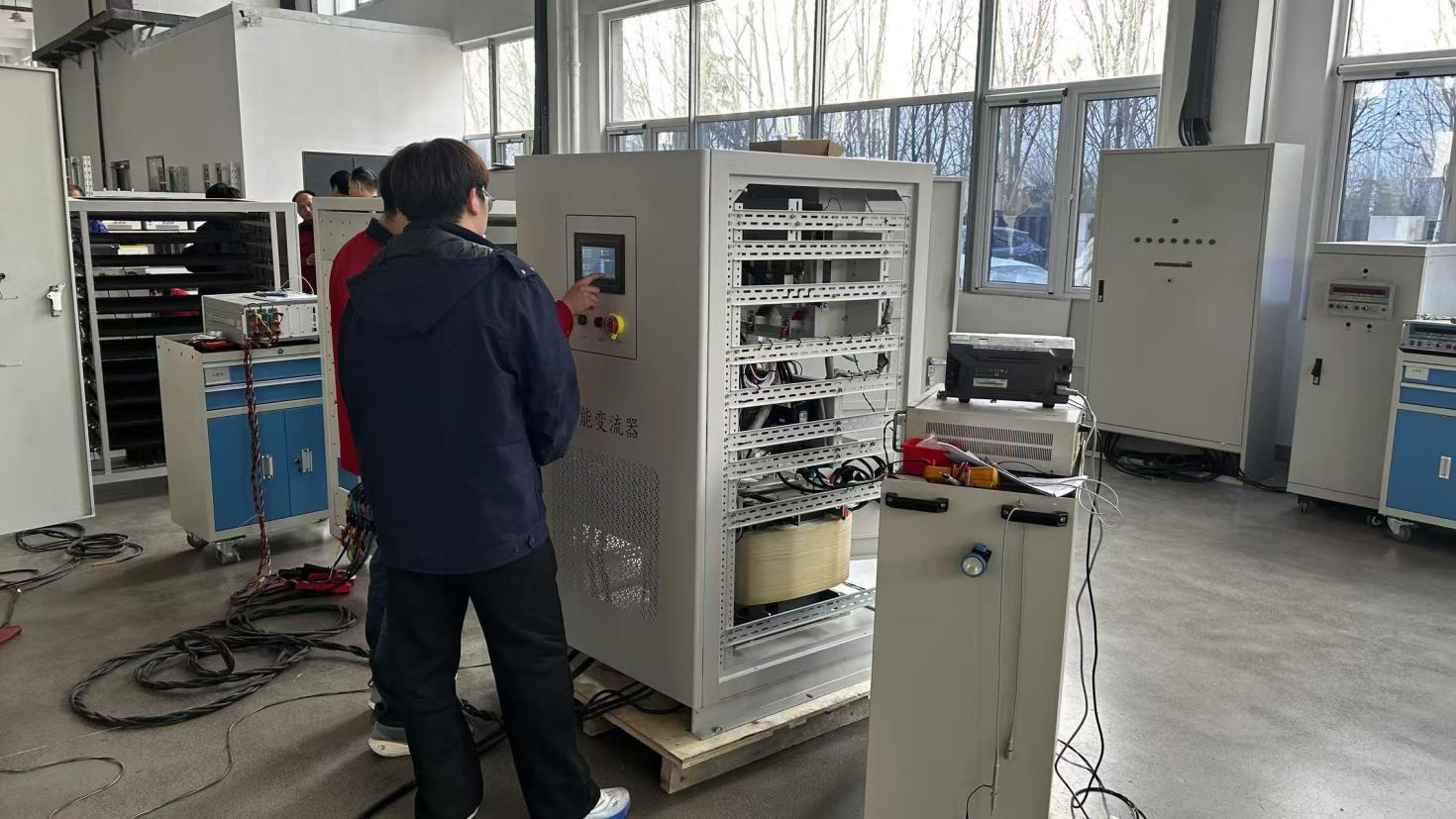
A transparent look inside the Jinan Deming facilities, showing our ISO9001-compliant production, assembly, and quality verification workflows.
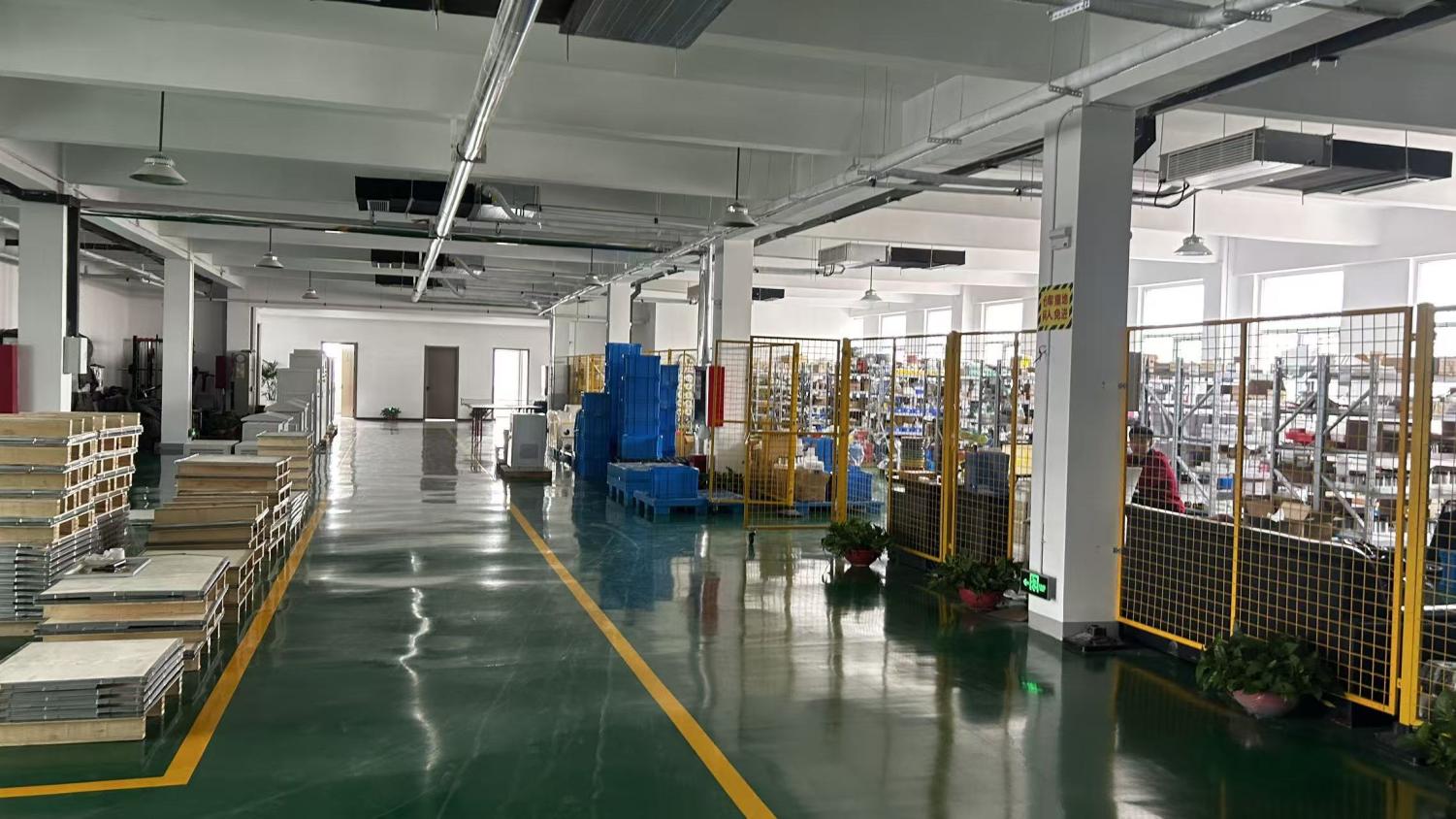
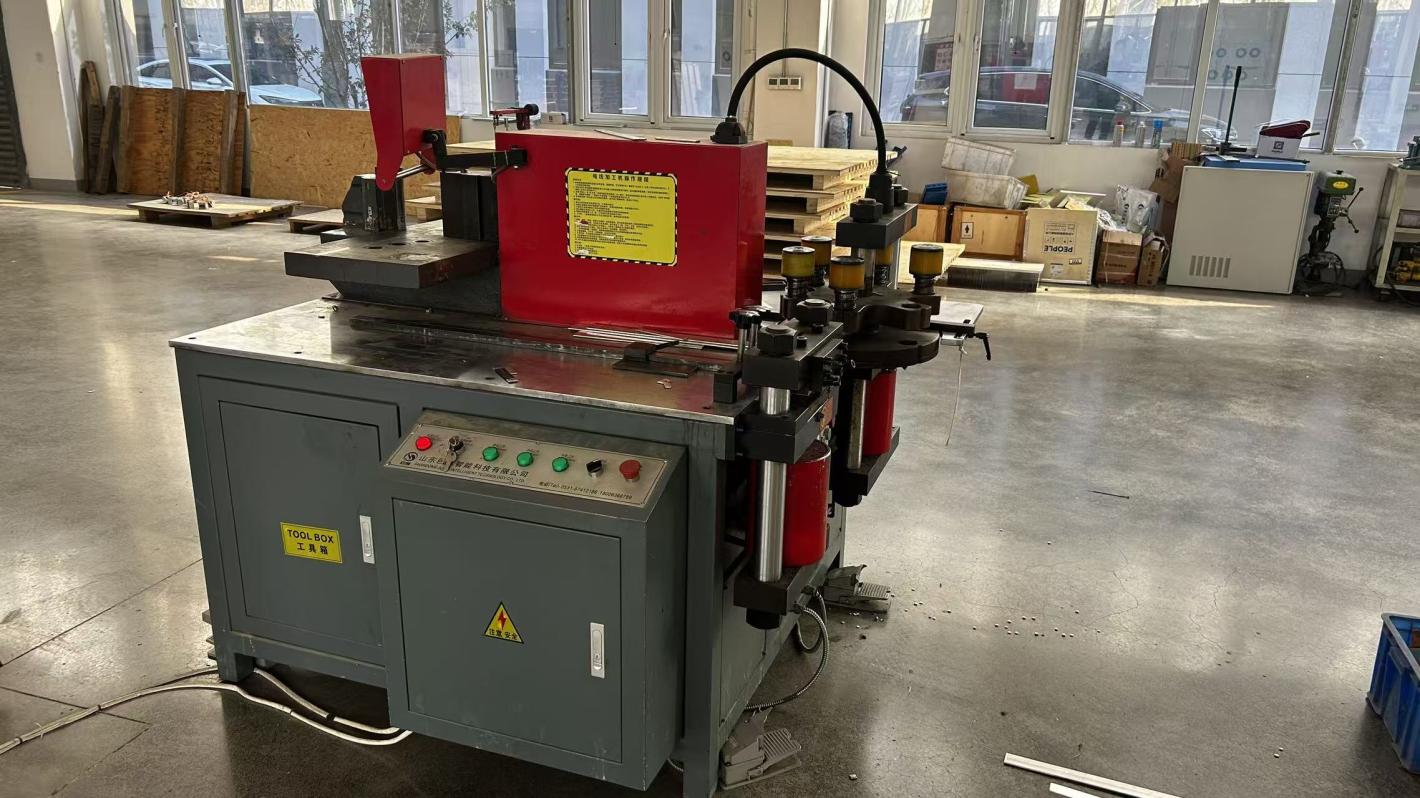
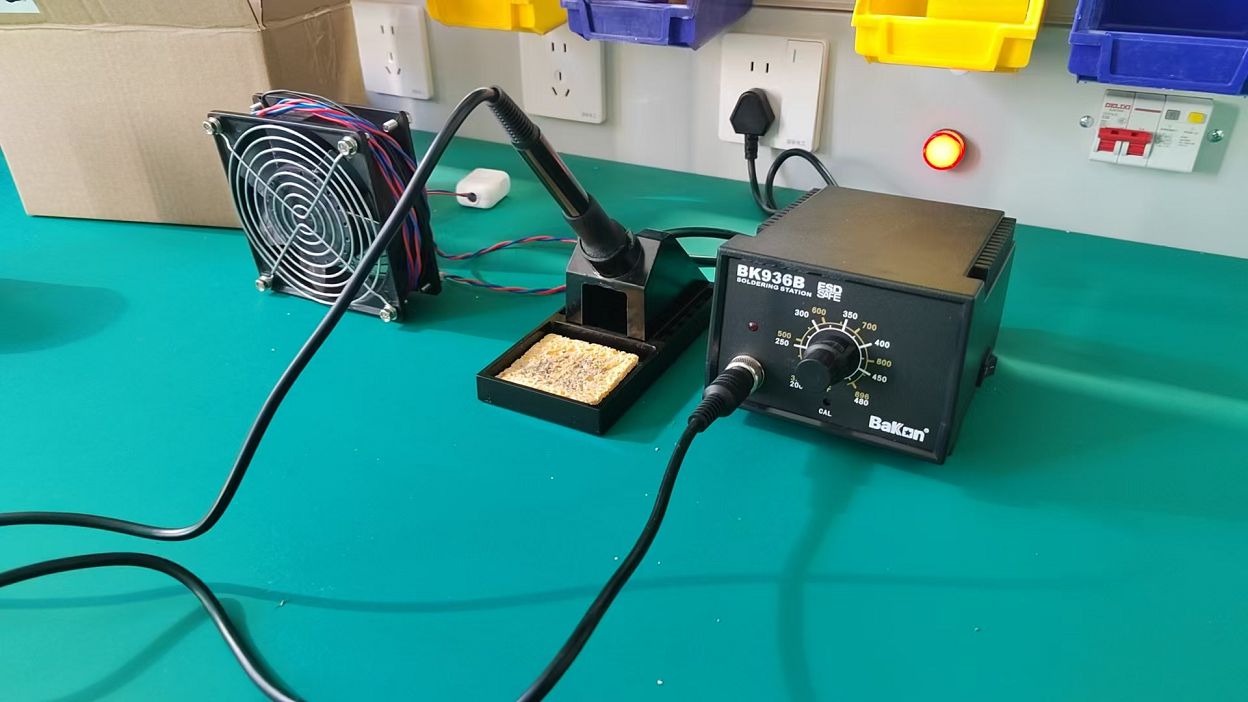
Quality reliability in power conversion is determined by thermal management and high-accuracy software calibration. Every unit we construct undergoes circuit board assembly on automated reflow soldering lines, followed by copper bar production using heavy-duty bending tools.
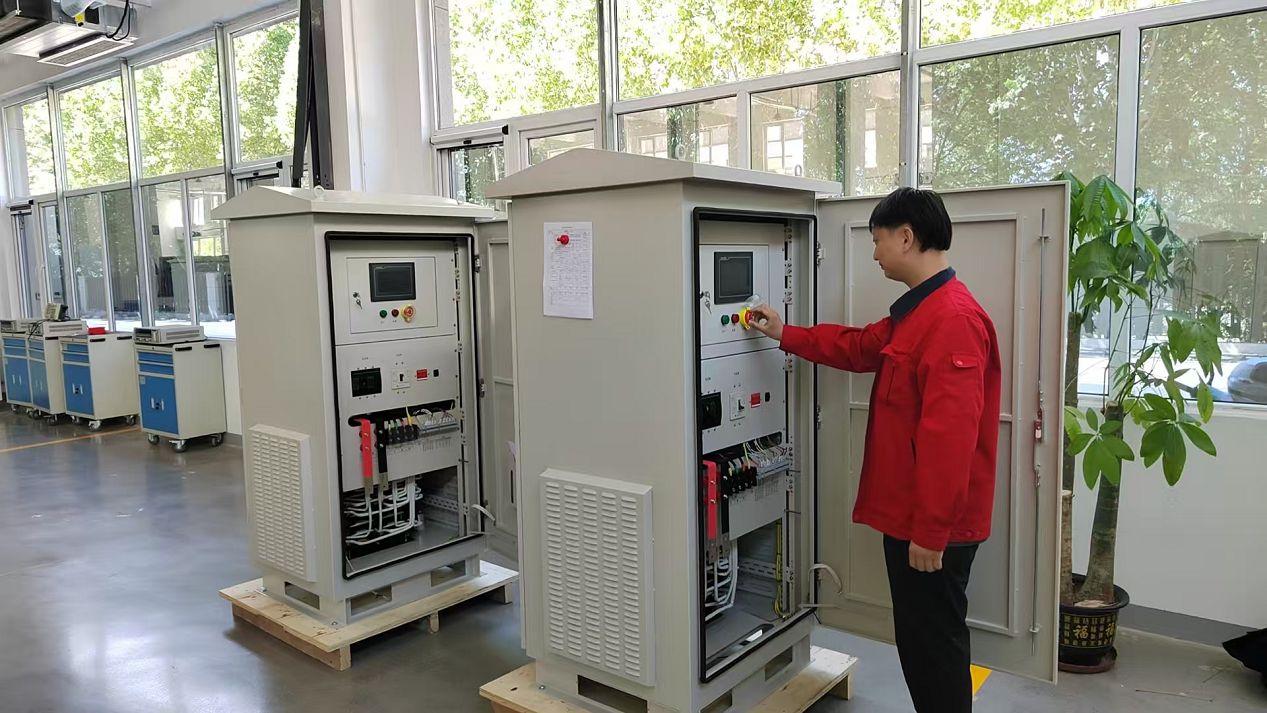
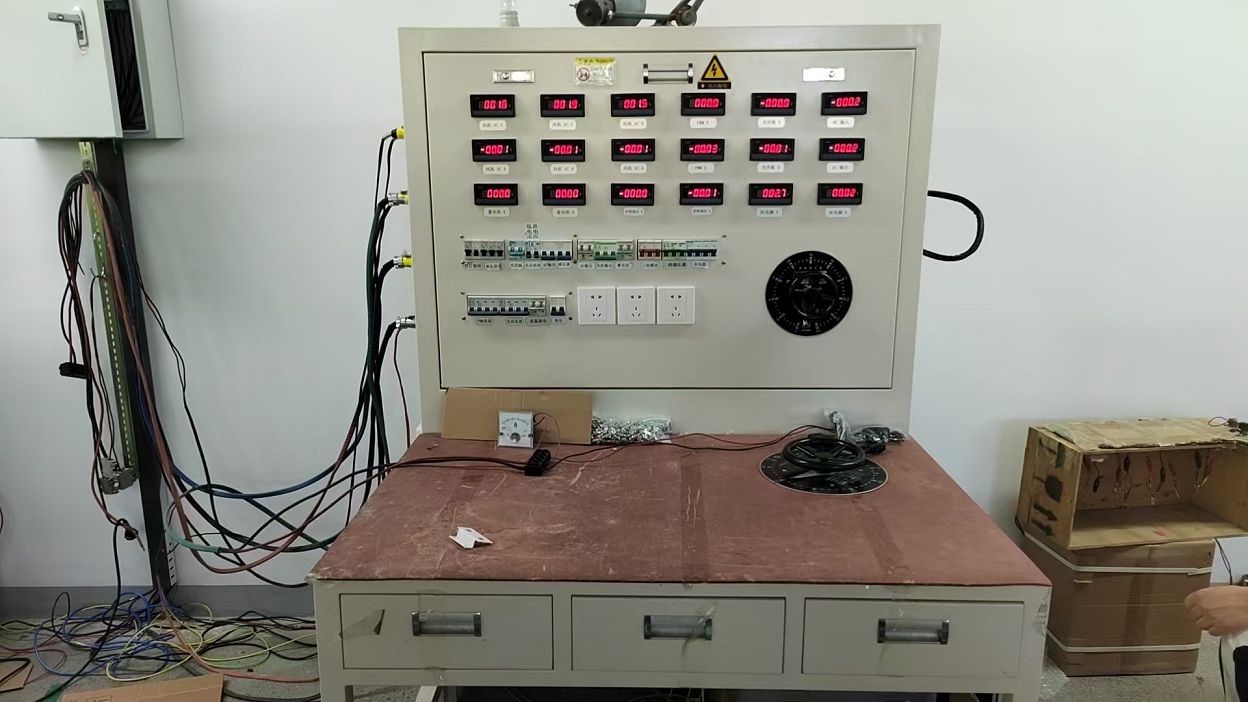
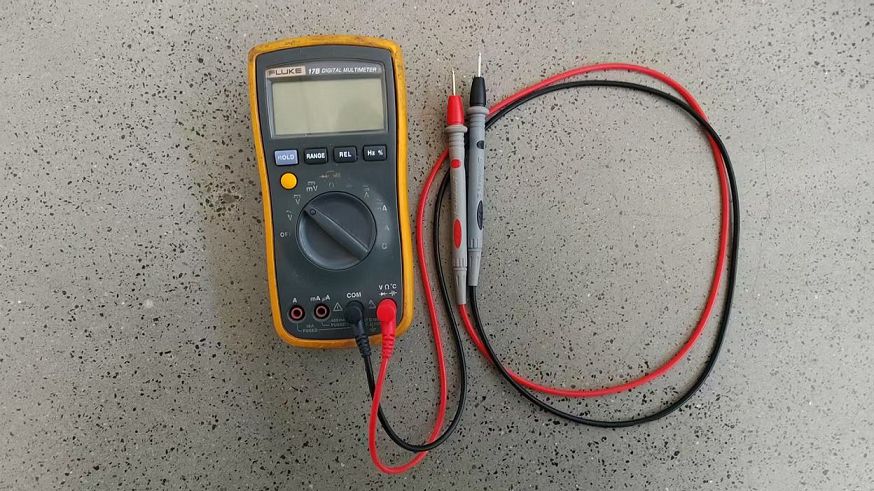
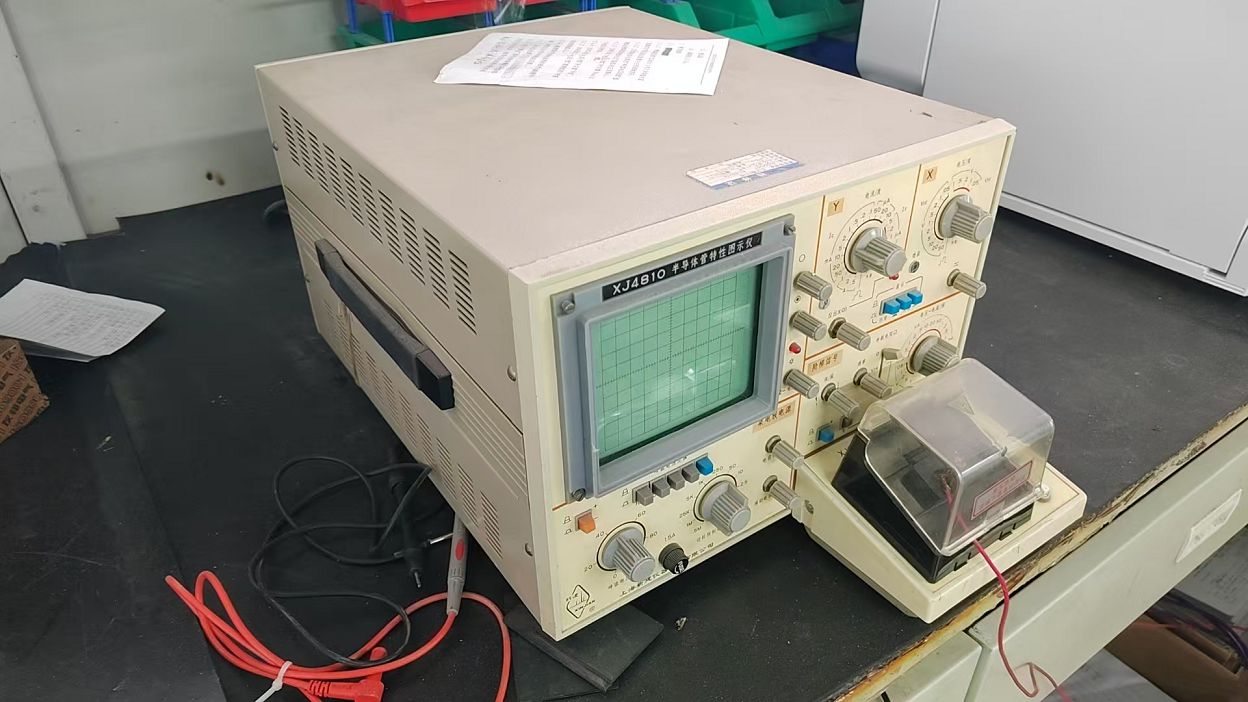
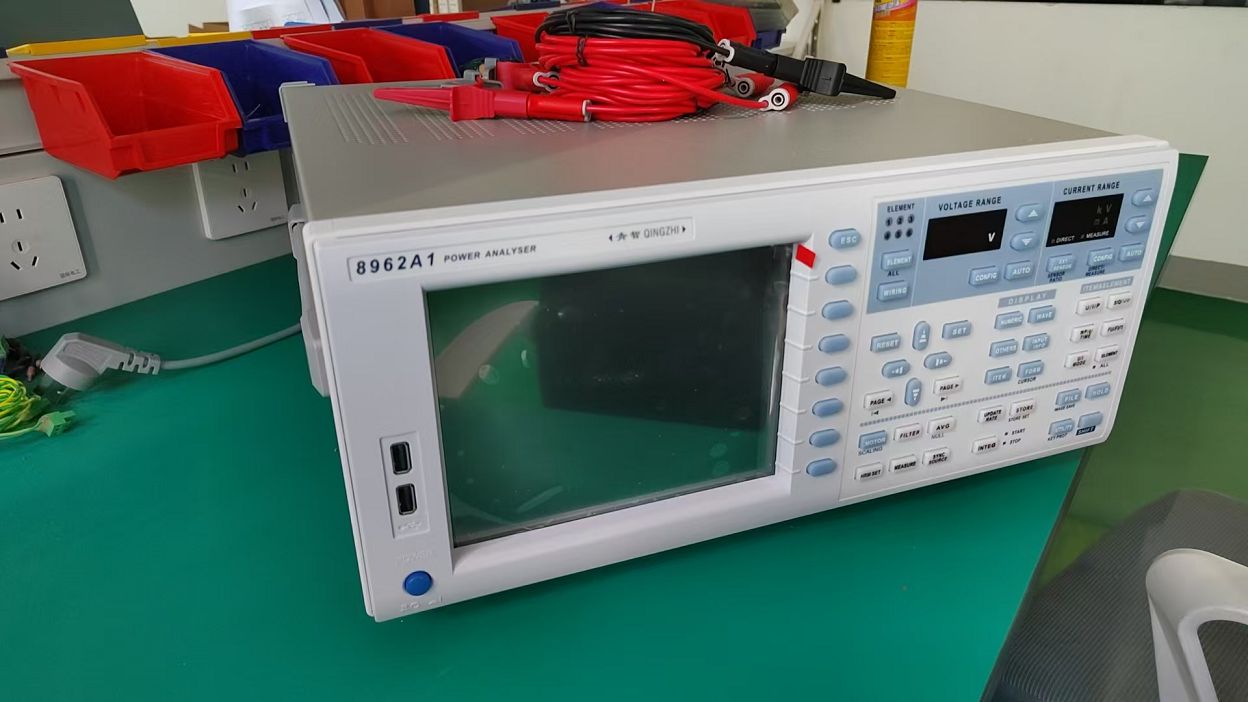
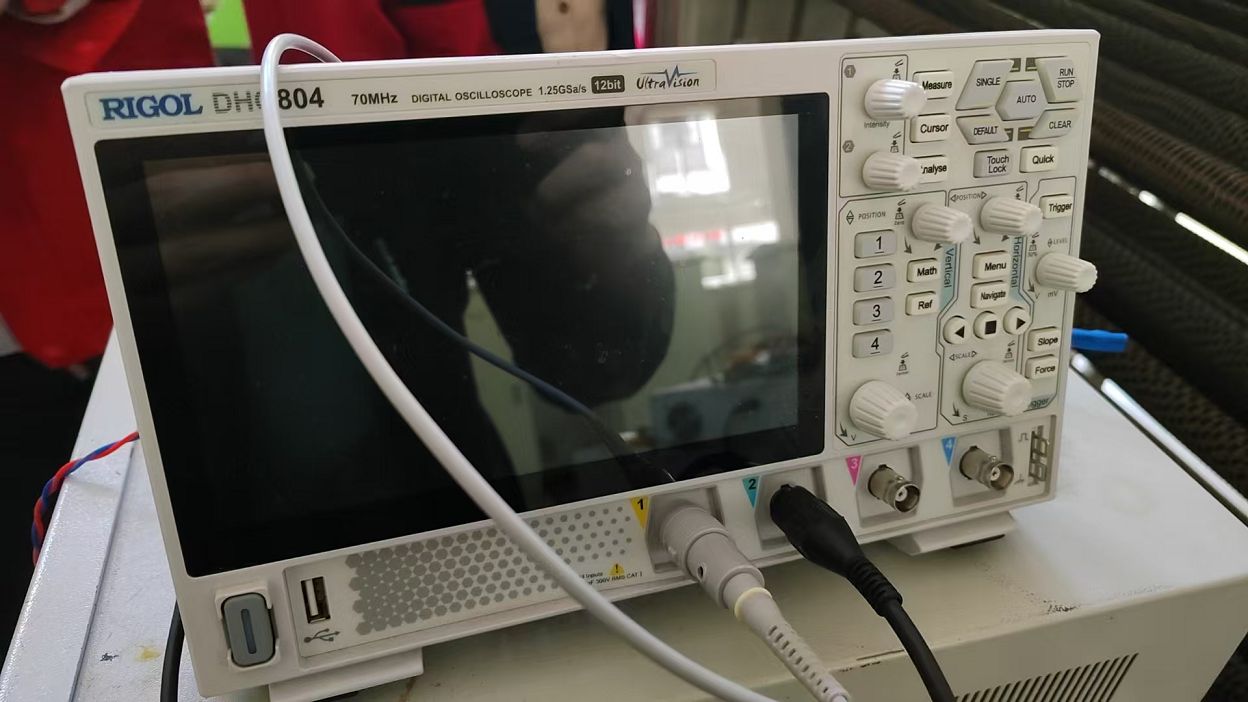
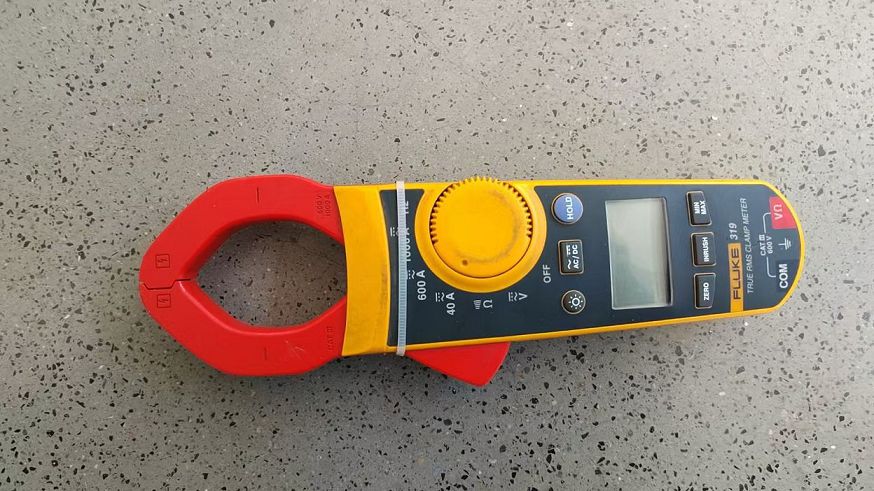
Our final step is dynamic debugging using high-precision digital oscilloscopes, clamp meters, and power quality analyzers. Systems undergo continuous load-testing at maximum thermal capacity for 48 to 72 hours before container packing and export shipment.
Fully automated surface mounting and reflow soldering ensure consistent solder joint performance under high temperatures.
Precision hydraulic tooling forms custom copper busbars, minimizing contact resistance and structural heat losses.
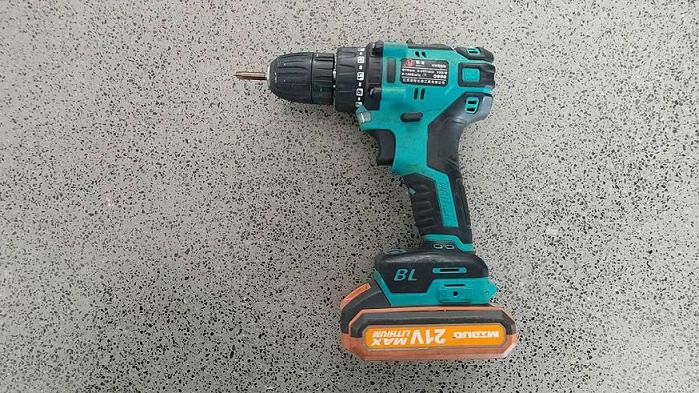
Skilled electricians construct sub-assemblies and wire terminal connections according to structural plans.
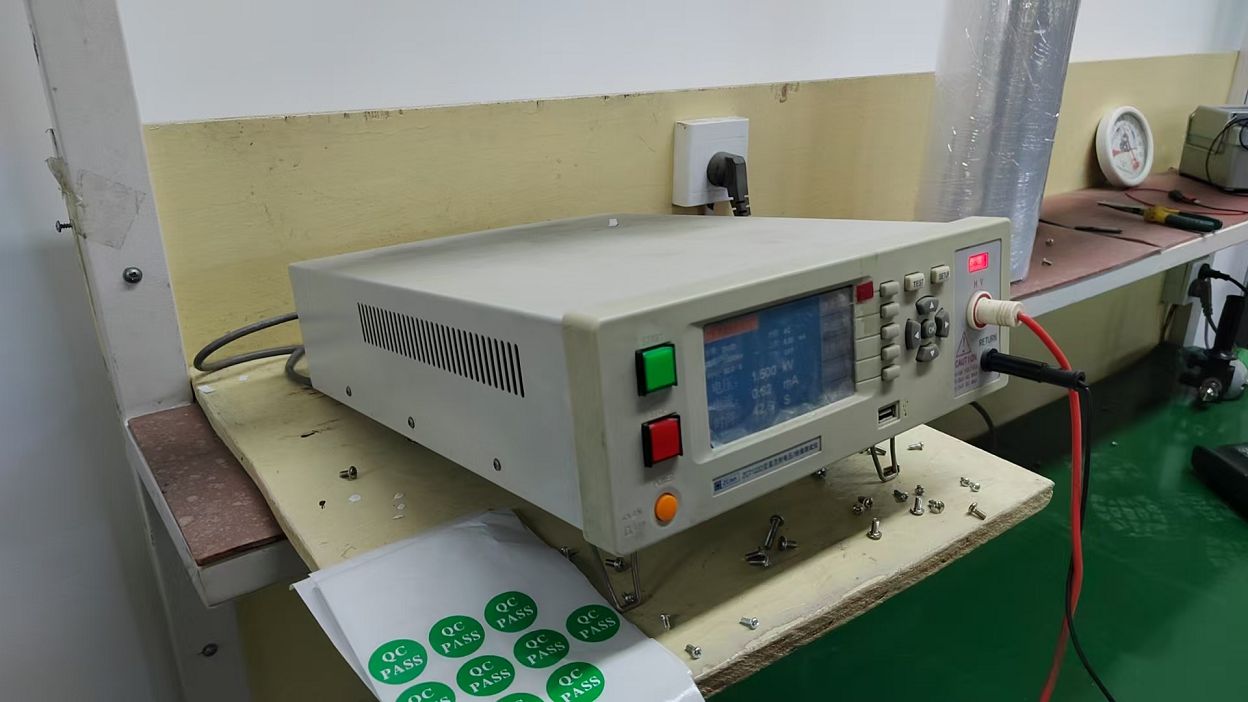
Testing with LCR AutoTesters and power analyzers verifies that harmonics and efficiency meet export certifications.
In-house machinery and diagnostic instruments that guarantee the precision of every custom OEM energy system.
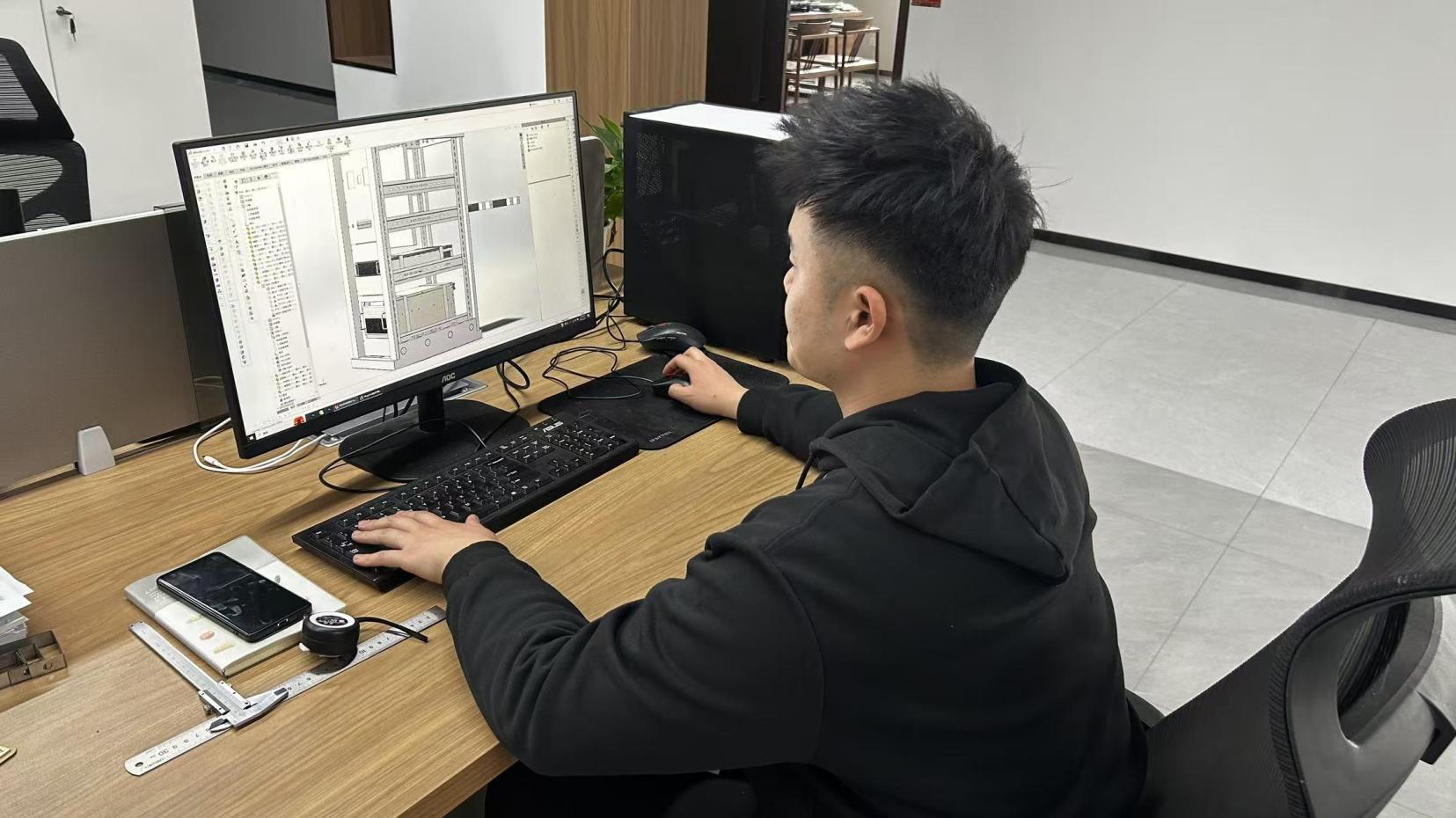
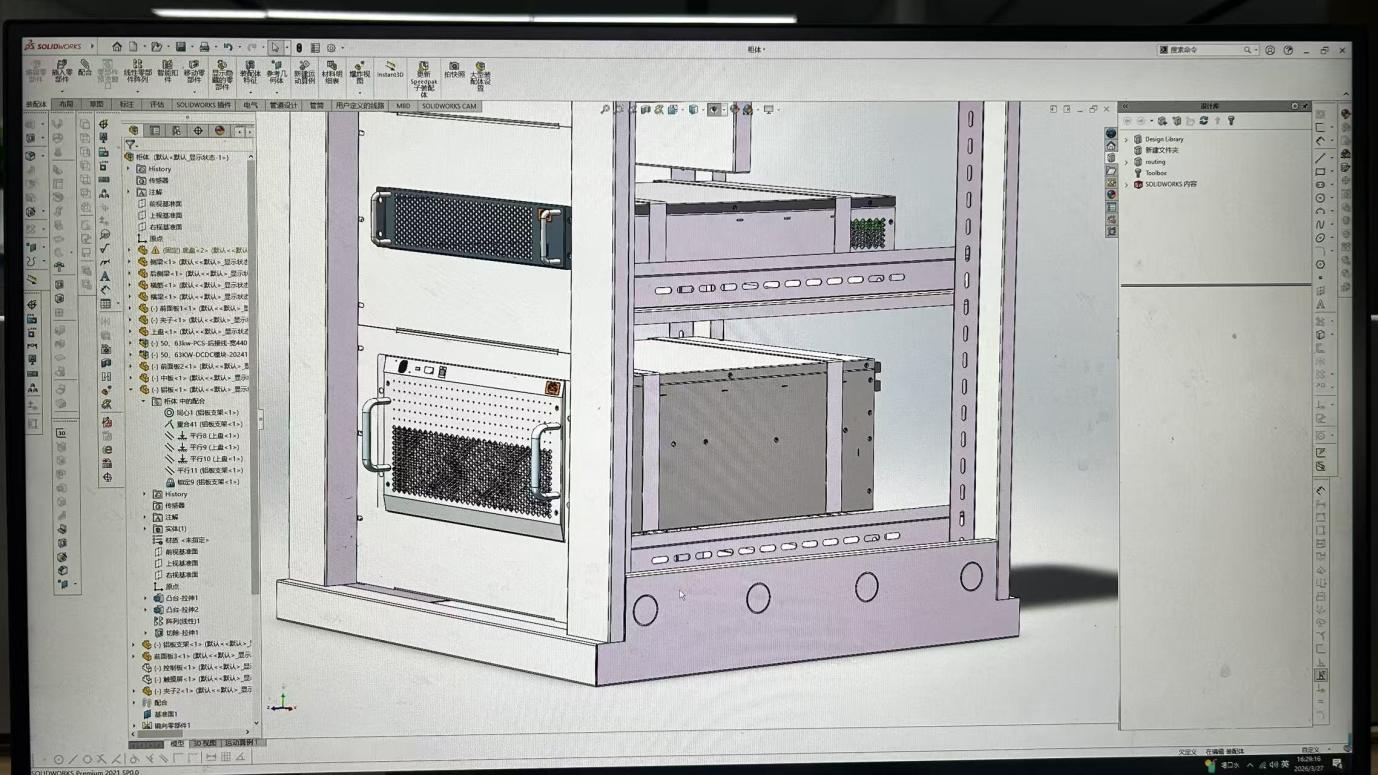
The global transition to decentralized clean grids is accelerating the convergence of thermal and electrochemical energy storage technologies. This change is driven by several key technical trends that procurement managers must evaluate:
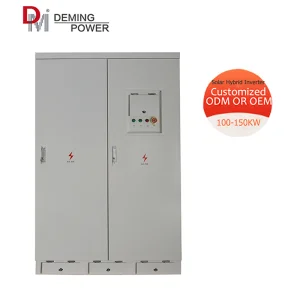
Jinan Deming stays ahead of these technical trends. Our 30kW to 500kW bidirectional converters feature high-voltage ranges and flexible DSP software architectures to interface with diverse storage chemistry layouts.
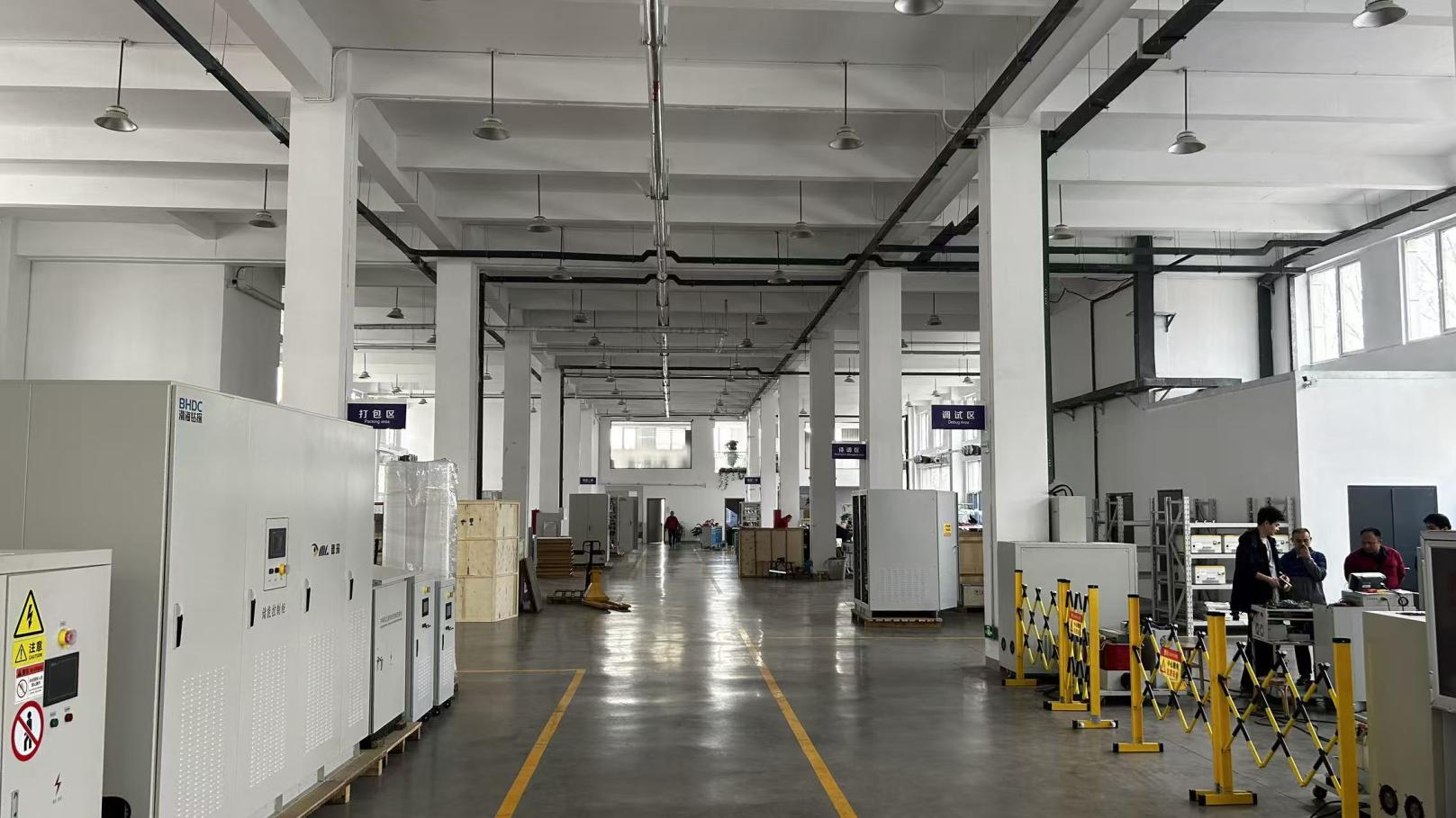
Key technical criteria that engineering firms and utility purchasers prioritize when sourcing high-power conversion hardware.
Different regions enforce unique interconnection requirements (UL 1741 in North America, CE-LVD/EMC in Europe, AS4777 in Australia). Selecting hardware from a manufacturer with testing experience saves months in grid licensing.
Industrial storage units operate under challenging environmental conditions. Selecting conversion hardware with forced air-cooling or liquid-cooling blocks ensures safe operation under persistent peak thermal loads.
No two thermal or battery storage projects share identical specifications. Having access to responsive R&D engineering allows for tailored software control algorithms, specialized enclosure sizes, and custom input/output voltages.
In-depth technical answers addressing common challenges in thermal energy integration, power conversion, and OEM specifications.
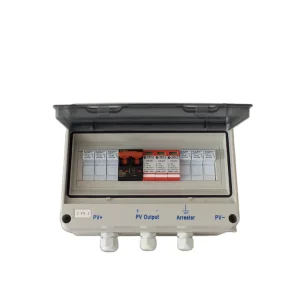
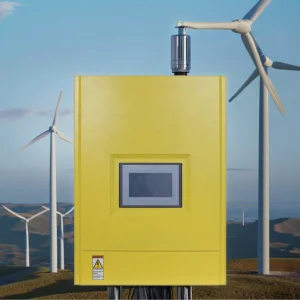
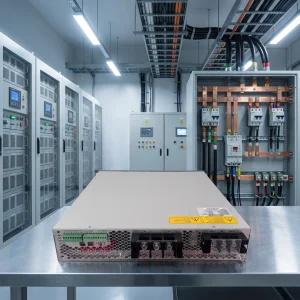
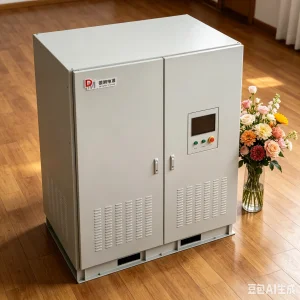
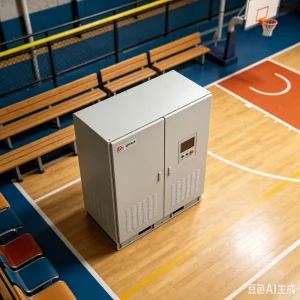
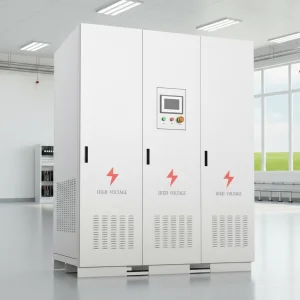
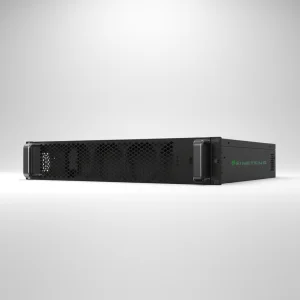
Complete power electronics and energy management products designed for high-capacity industrial applications.
 Demin Power