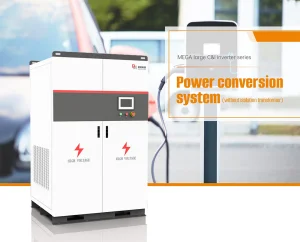
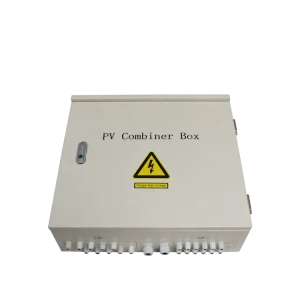
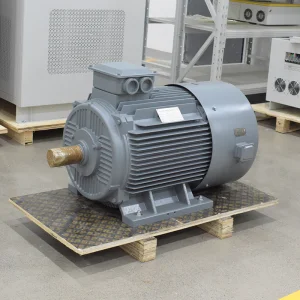
Explore our top-performing wind turbine controllers, multi-phase converters, and permanent magnet generators engineered for modern distributed microgrids.
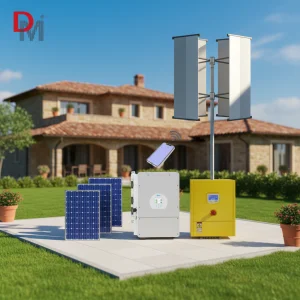
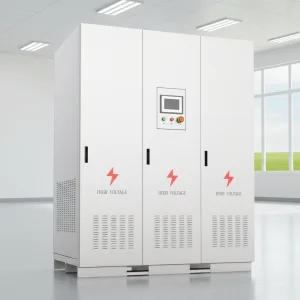
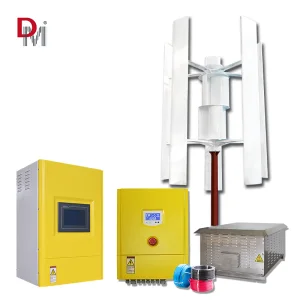
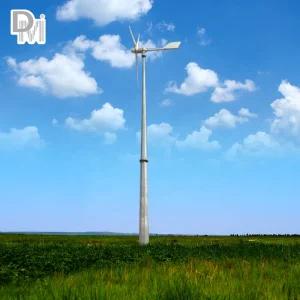
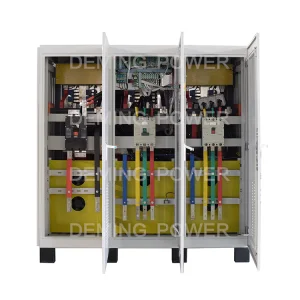
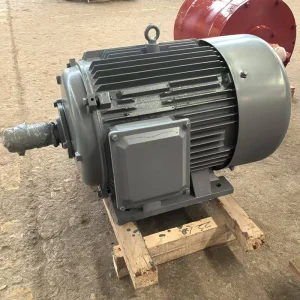
How high-power electronic topologies, bi-directional energy systems, and specialized industrial test simulators empower critical operations against modern grid volatility.
Modern energy systems are undergoing a rapid decentralized shift. High penetration of intermittent renewable resources like solar photovoltaics and wind turbines, coupled with sudden industrial demand shocks and extreme weather events, exposes conventional grids to frequency instability, voltage sags, and cascade blackouts. Building true energy resilience demands robust, bidirectionally capable power electronics that can adapt dynamically to fluctuating loads.
Whether configured for remote utility networks, military microgrids, or industrial processing facilities, OEM/ODM Resilient Energy Systems act as the stabilizing core. By integrating high-efficiency MPPT (Maximum Power Point Tracking) algorithms, ultra-fast PWM dynamic switching controllers, and automated voltage-frequency regulators, these systems guarantee power continuity.
"Energy resilience is not merely about surviving a power outage. It is the architectural capability of a localized microgrid to absorb dynamic input frequency surges, transition into autonomous off-grid islanding mode seamlessly, and maintain operational stability under extreme thermal and electrical stress."
As a leading powerhouse of smart grid manufacturing based in Jinan, China, the integration of advanced logistics, dense material sourcing, and specialized engineering clusters gives our OEM/ODM clients a distinct strategic advantage:
Direct cooperation with leading domestic academic institutions and doctoral researchers ensures continuous software-hardware optimization. Over 20% of annual revenue is re-invested into state-of-the-art laboratory environments.
From custom copper-bar layout designs to custom-engineered power semiconductors, we execute low-level adjustments to control loops, dynamic response values, and system protection profiles.
Jinan Deming Power Equipment maintains ISO9001:2015 certifications, ensuring that factory-floor processes, automated reflow soldering, and electrical safety validation align perfectly with CE, UL, and IEEE grid codes.
Established in 2004, Jinan Deming Power Equipment Co., Ltd. is a nationally recognized high-tech enterprise specializing in the research, development, production, and service of renewable energy power equipment and advanced power testing solutions. The company holds ISO9001:2015 certification and has been recognized as a high-tech enterprise by the Chinese government multiple times (2015, 2018).
With a dedicated R&D team of 16 engineers including doctoral supervisors and master's degree holders, Deming invests no less than 20% of annual sales revenue into technology development. The company has completed 17 R&D projects in the last three years with 16 scientific and technological achievements transformed into commercial products. Deming's products have been exported to 120+ countries including Germany, Japan, the United States, UK, Canada, Australia, and Brazil, and the company has established cooperative relationships with Fortune 500 enterprises. The company's main products include wind/solar controllers, inverters, frequency converters, and high-power bidirectional DC test power supplies and battery simulators ranging from 150kW to 500kW.
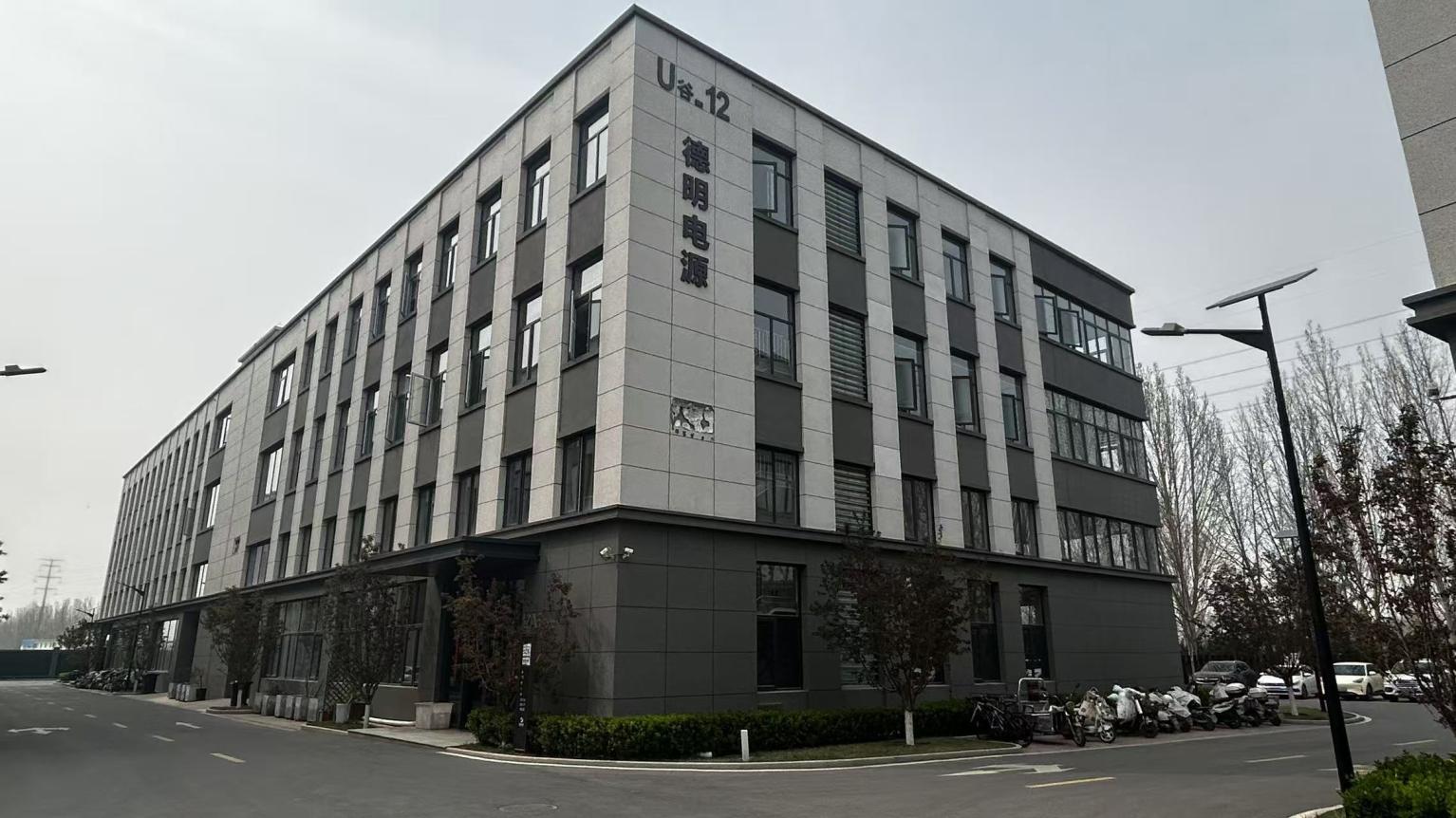
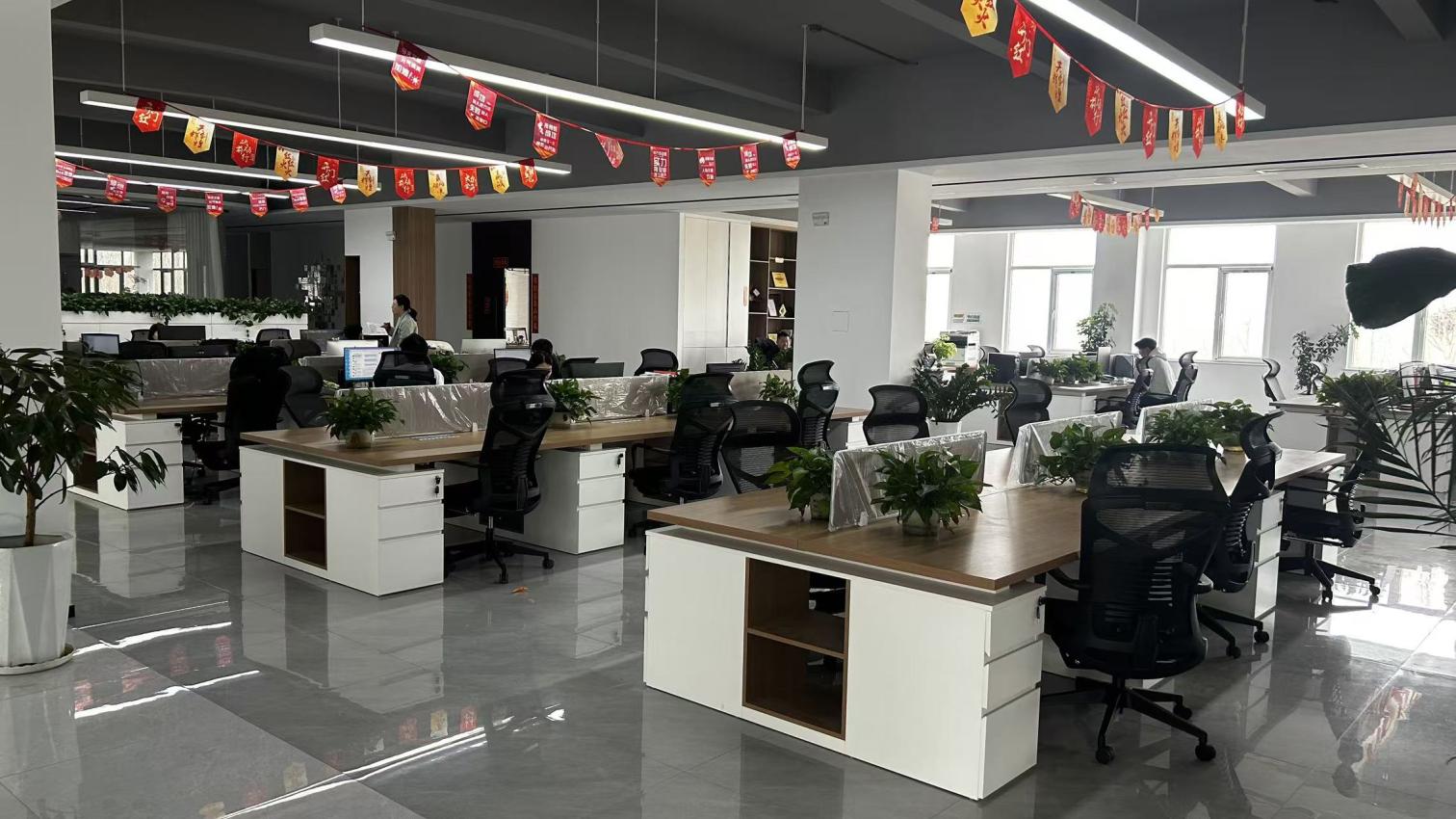
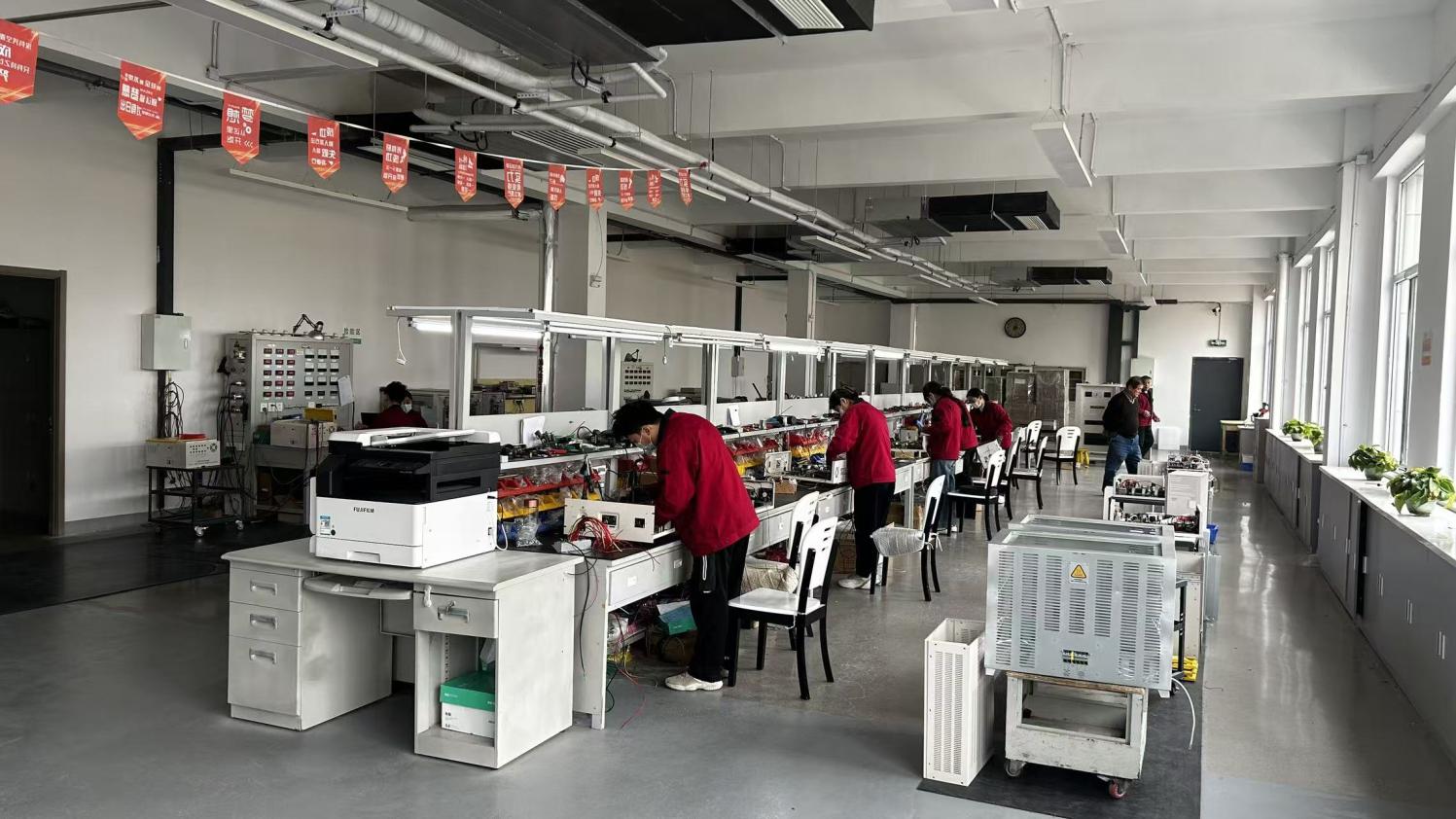
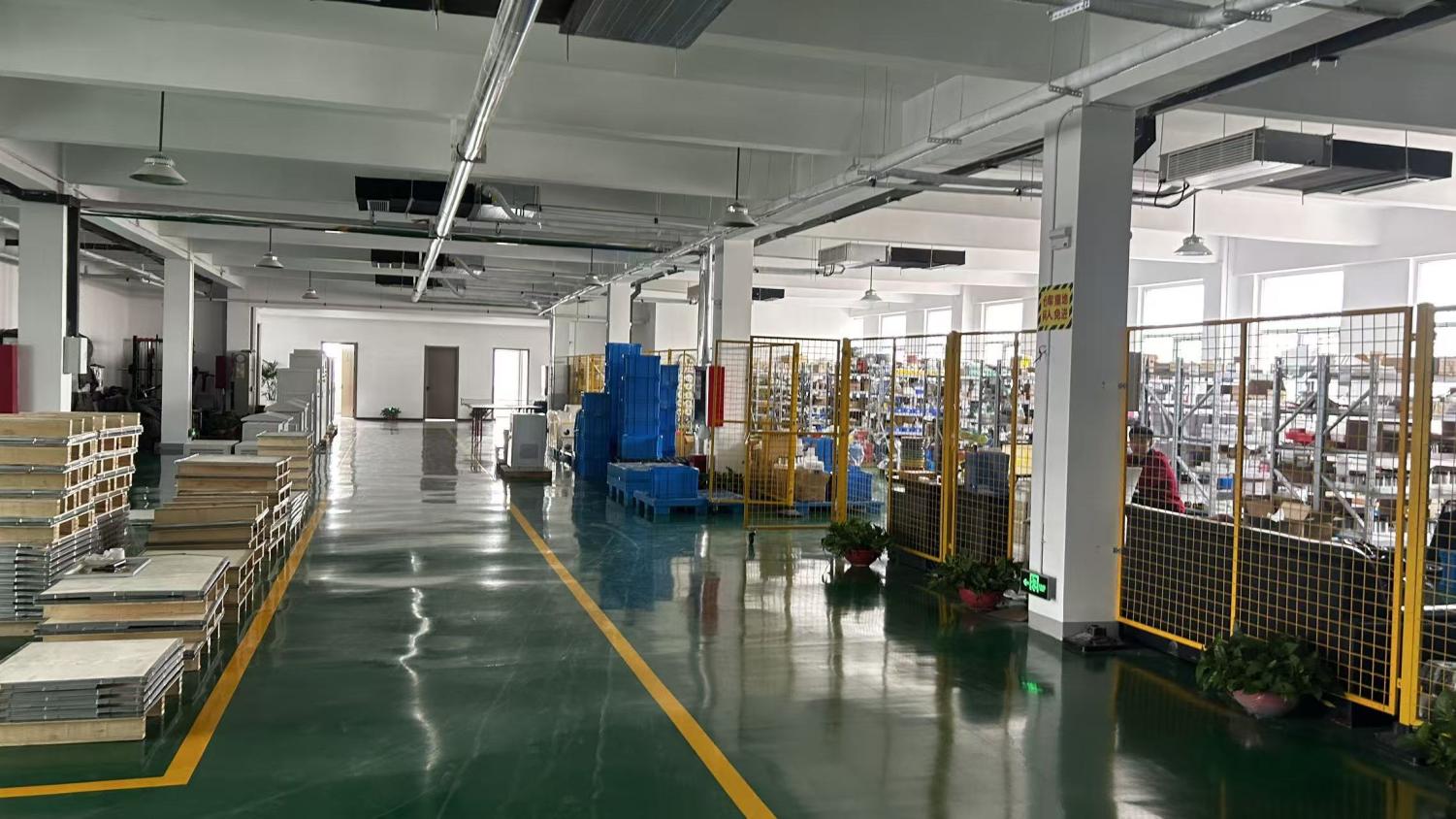
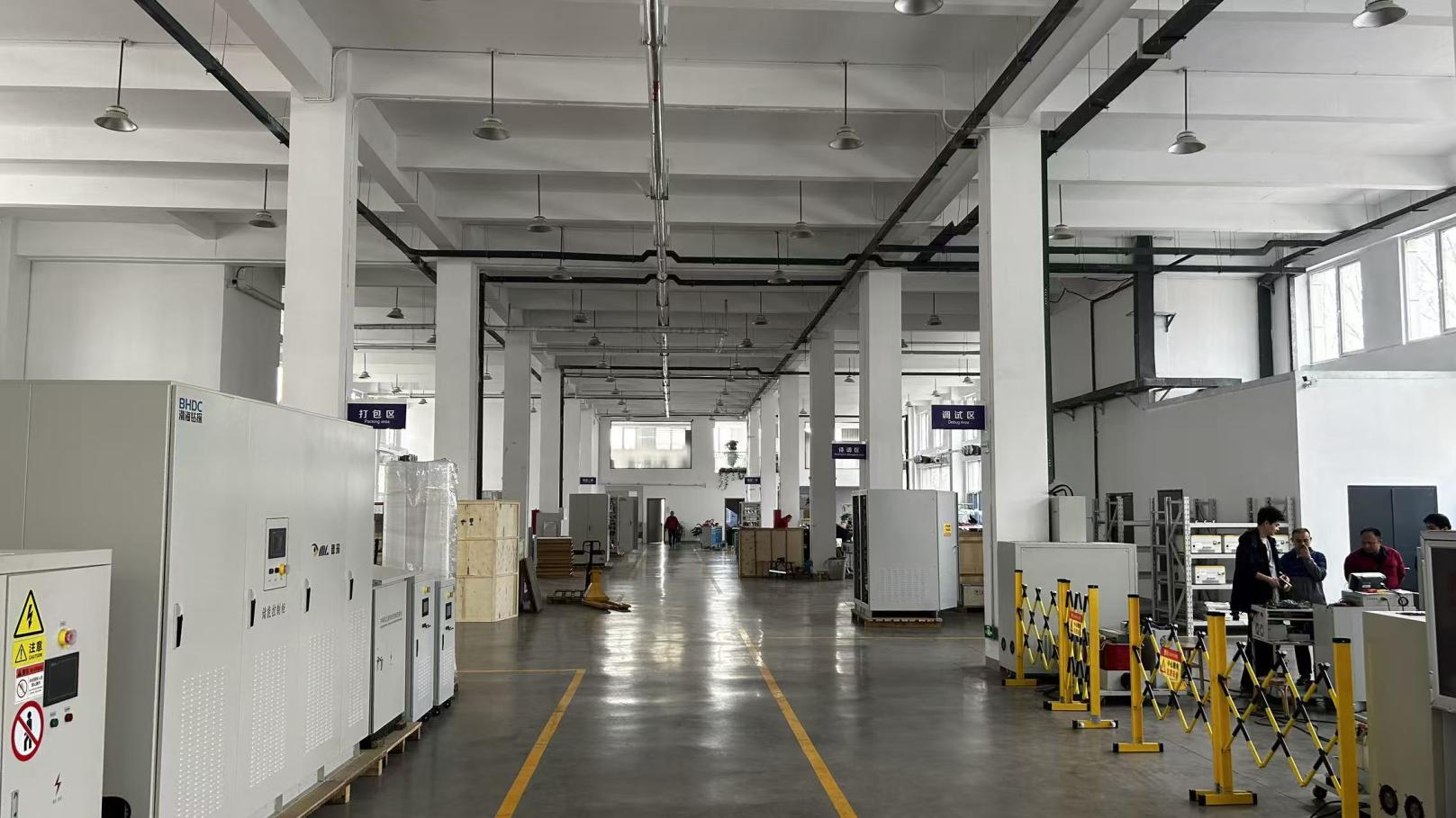
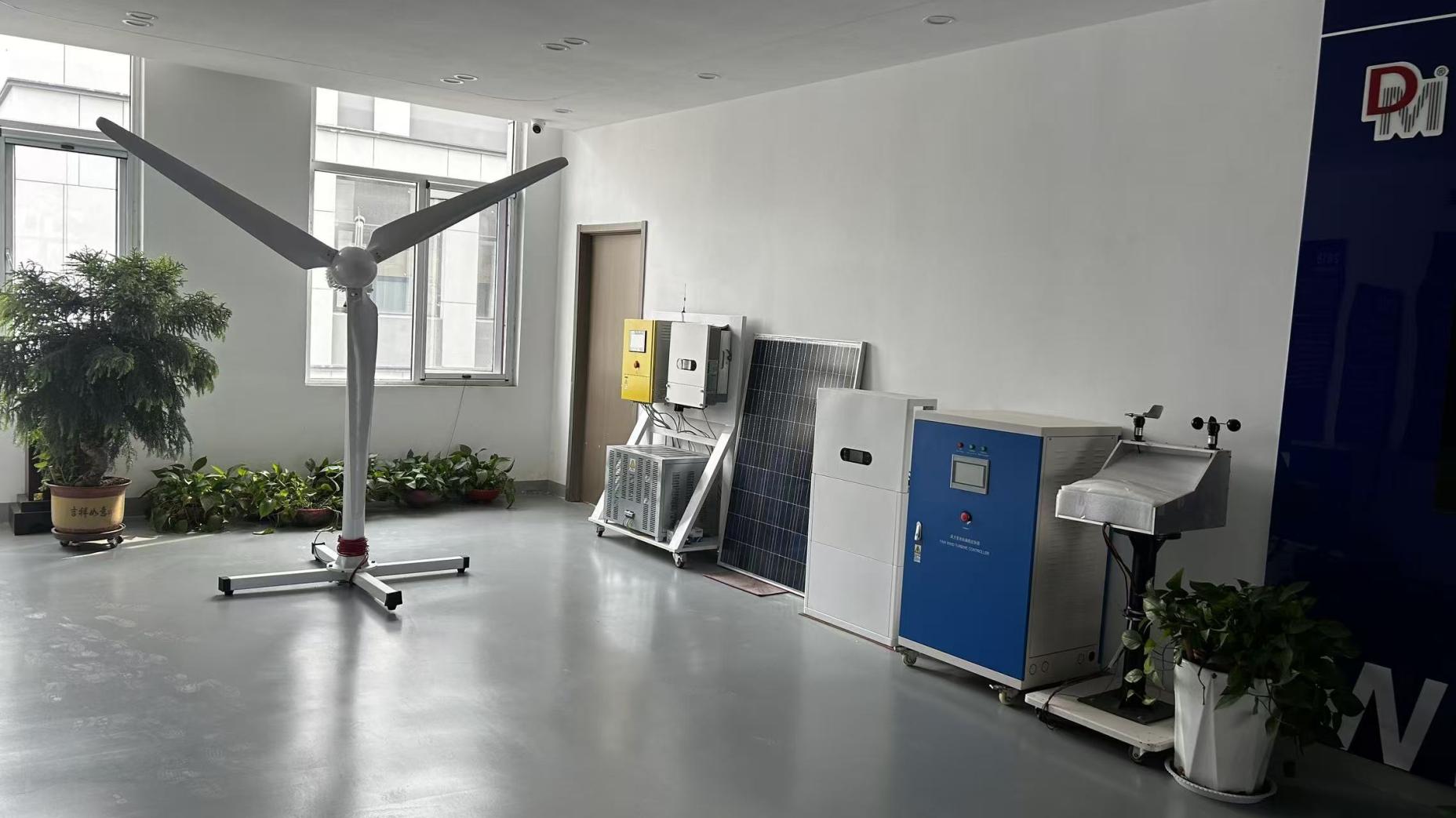
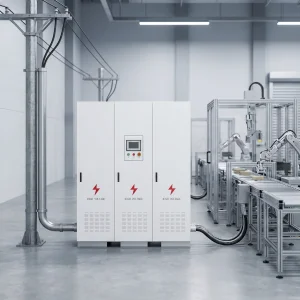
Building high-power bidirectional systems requires meticulous assembly, strict board inspection, and advanced thermodynamics simulation. The manufacturing line integrates automatic placement machines, high-precision copper bar forming machines, and automated wave-soldering.
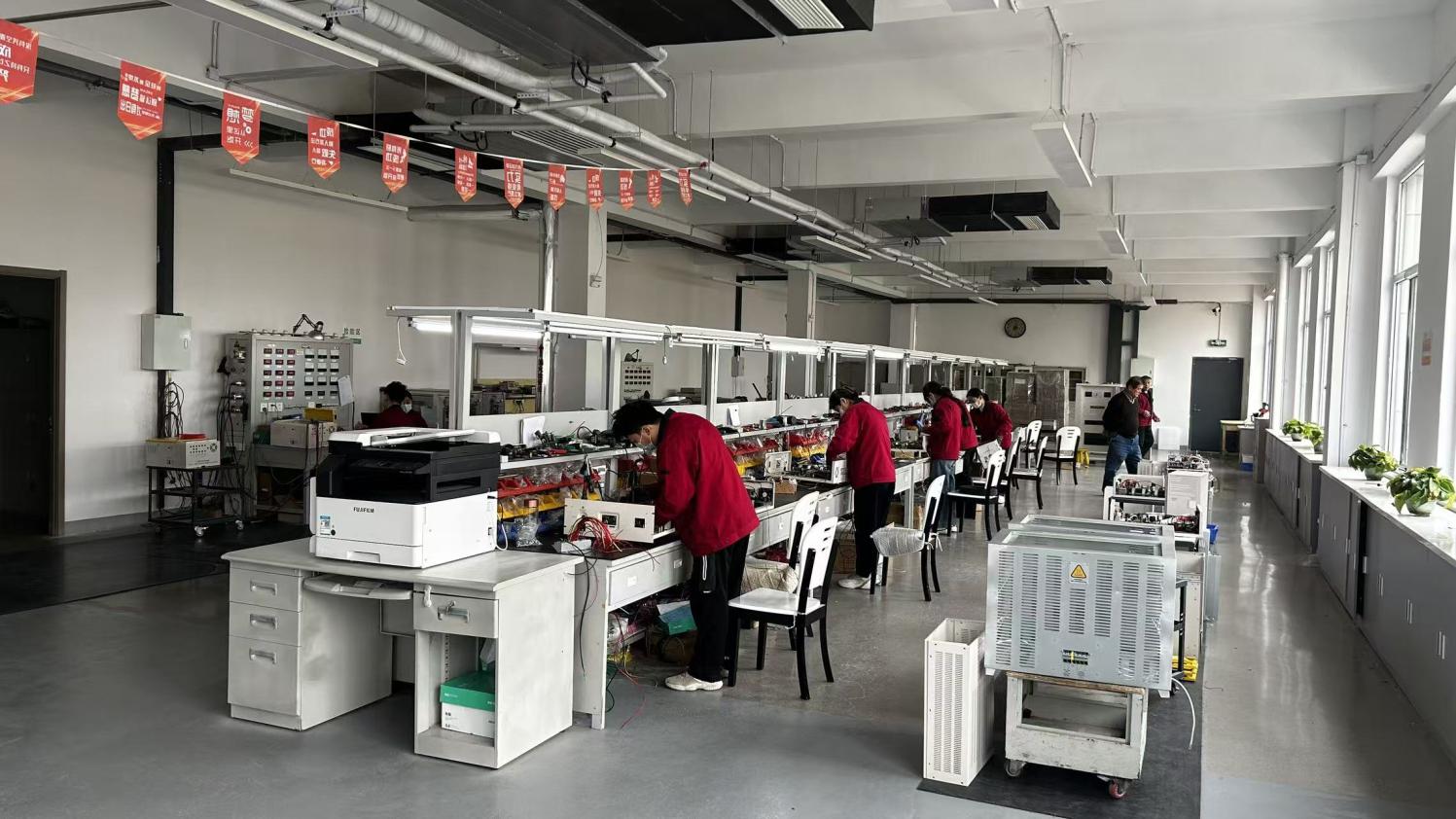
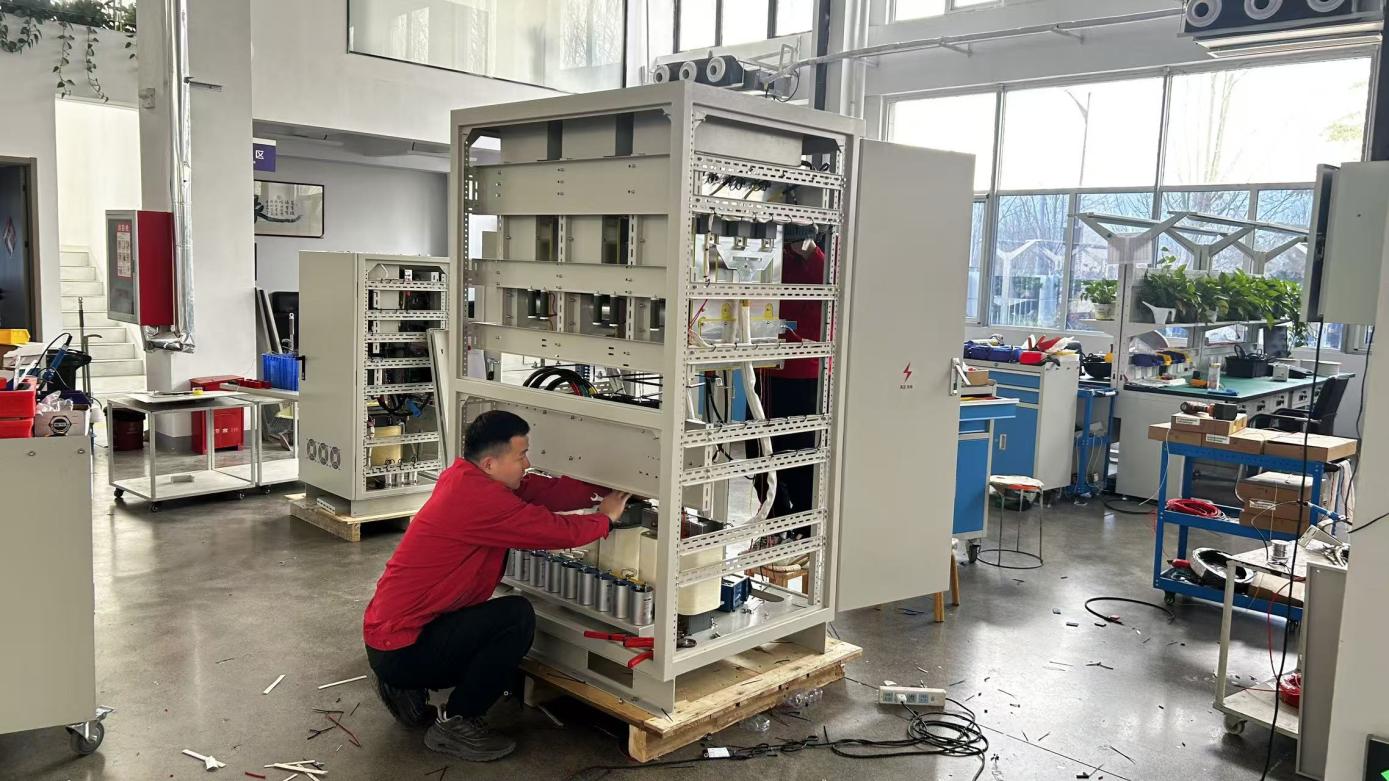
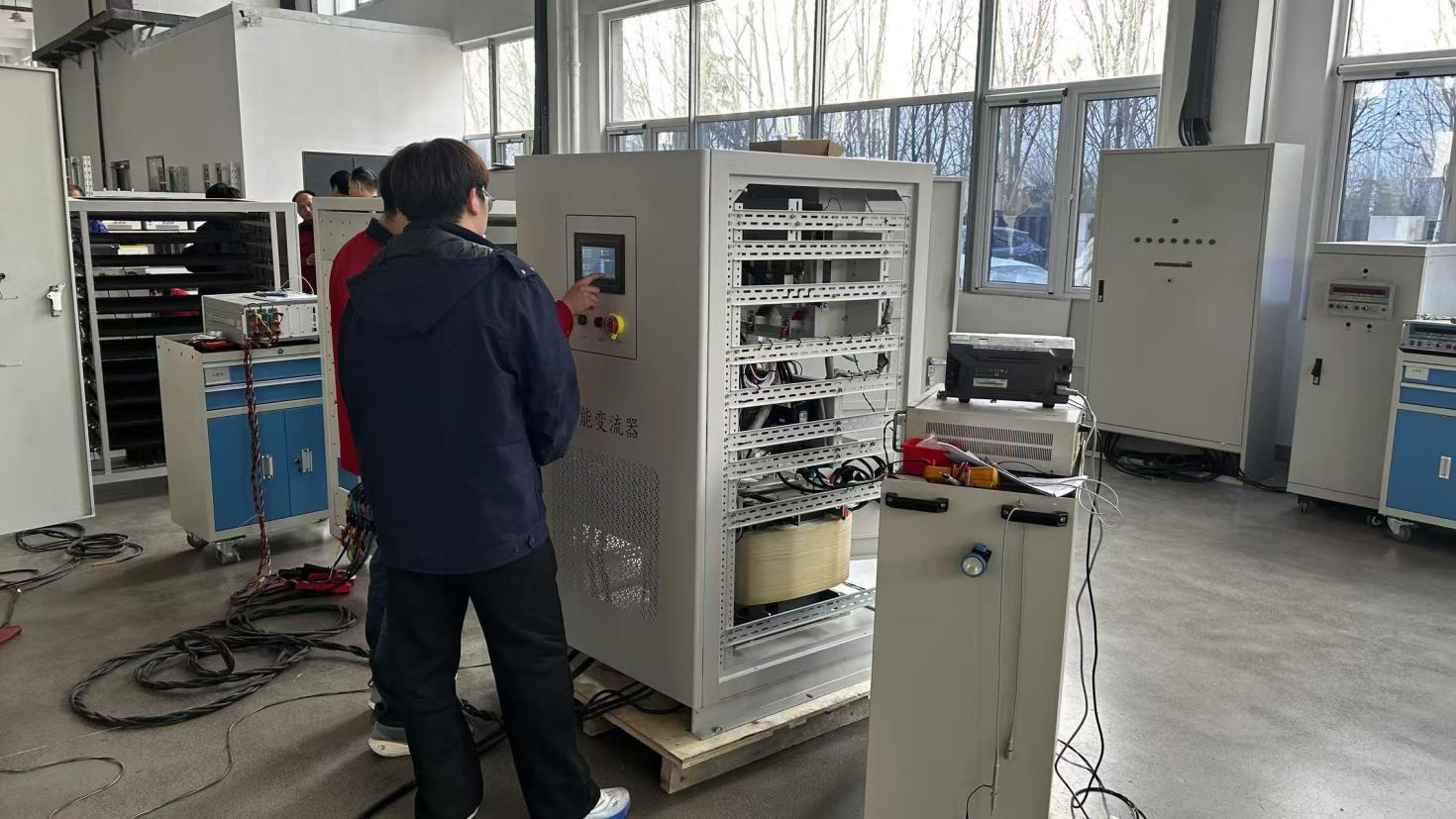
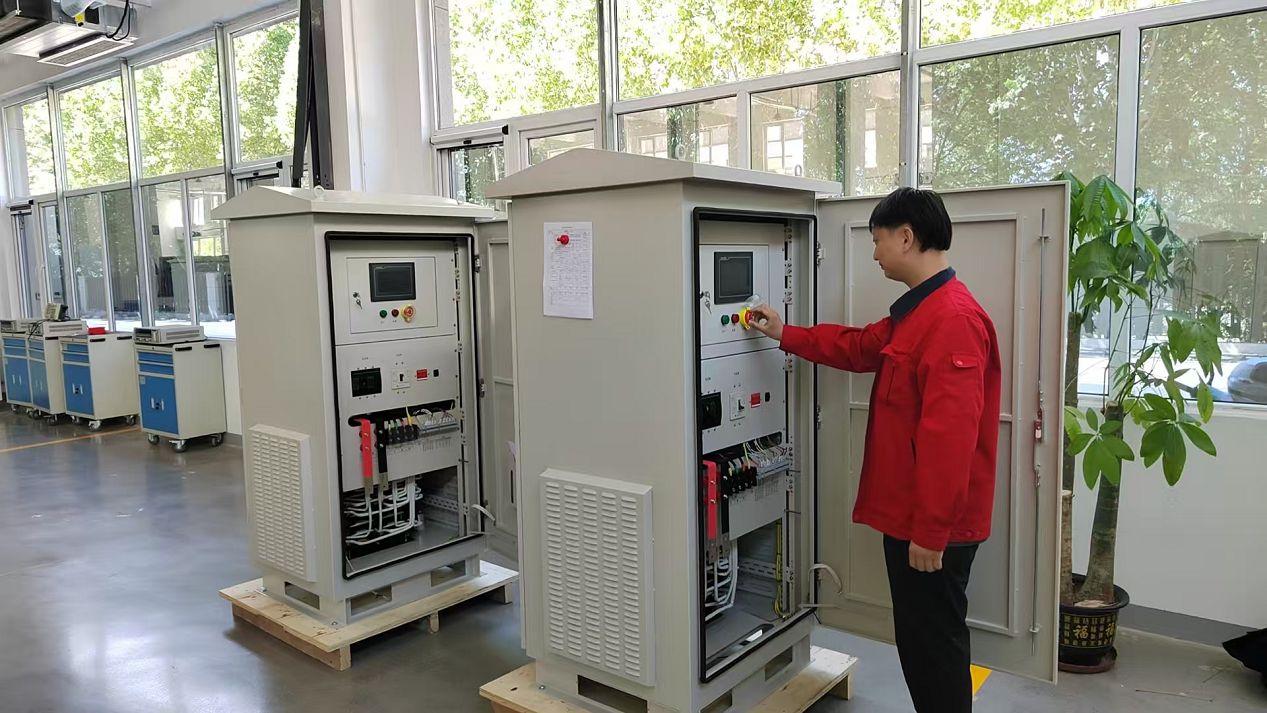
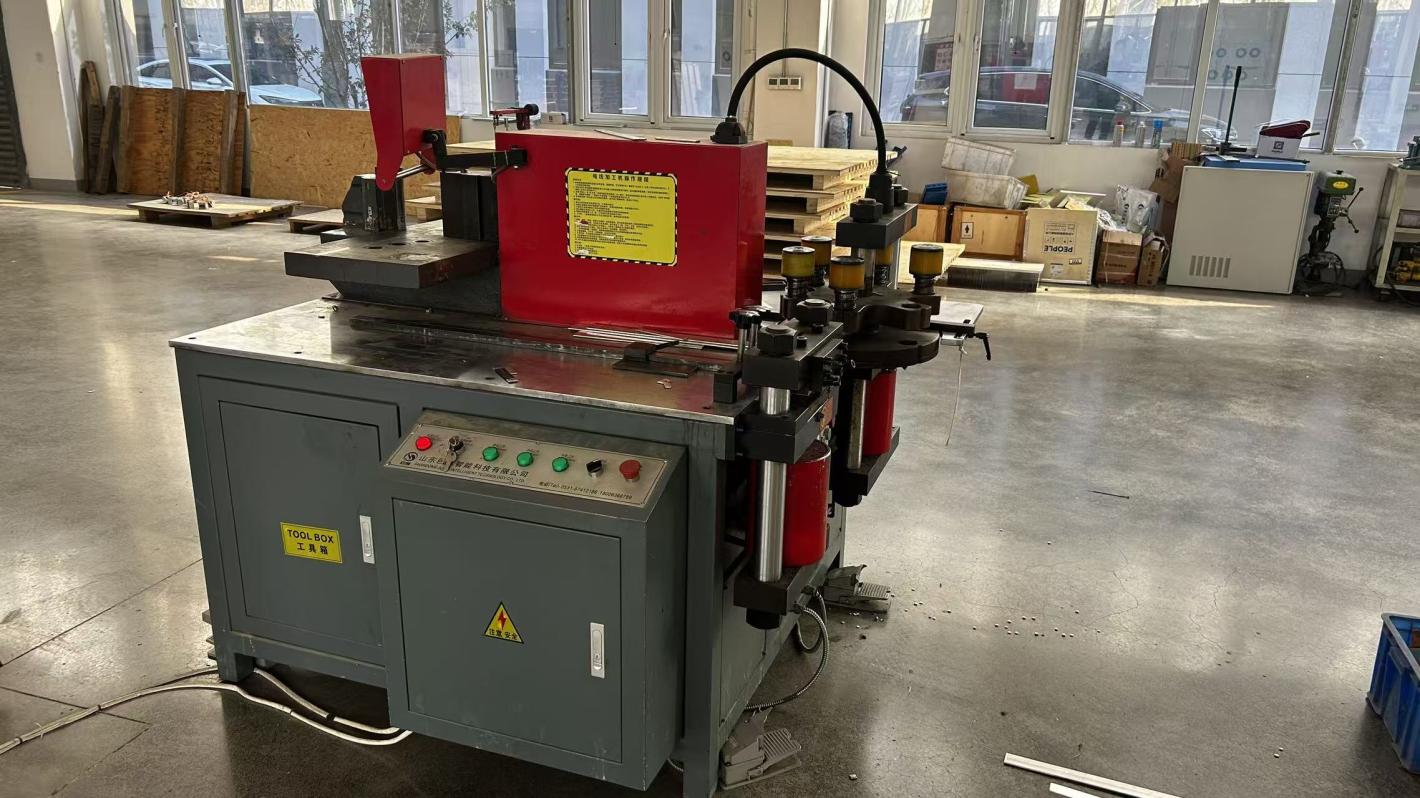
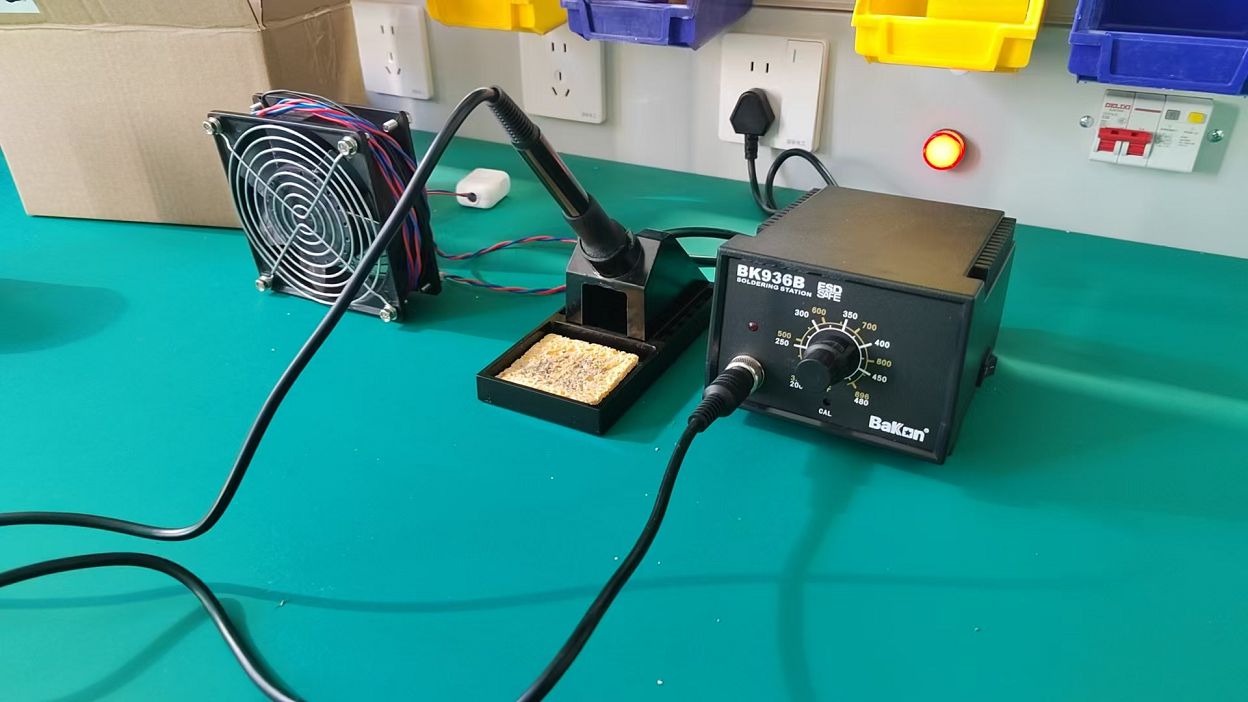
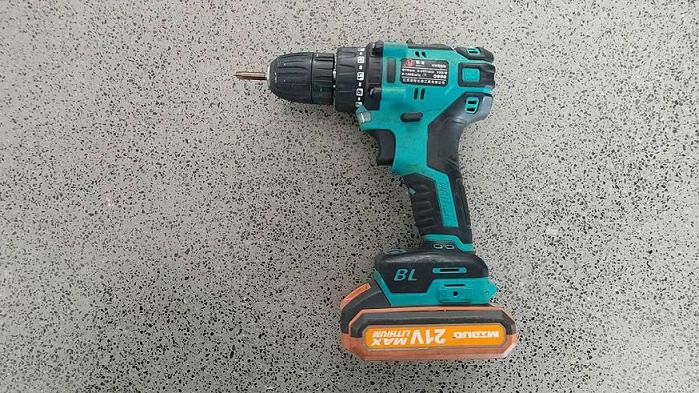
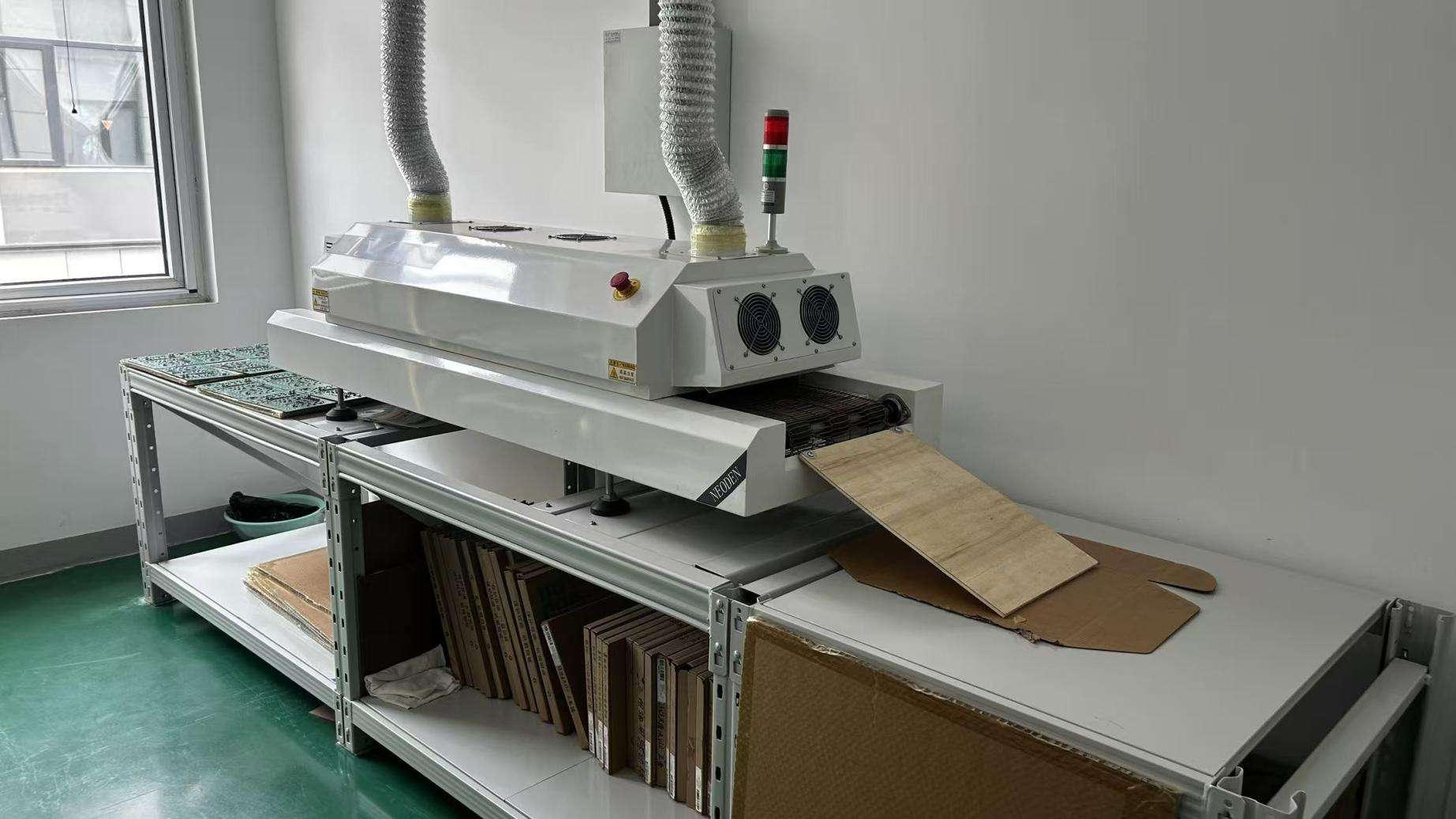
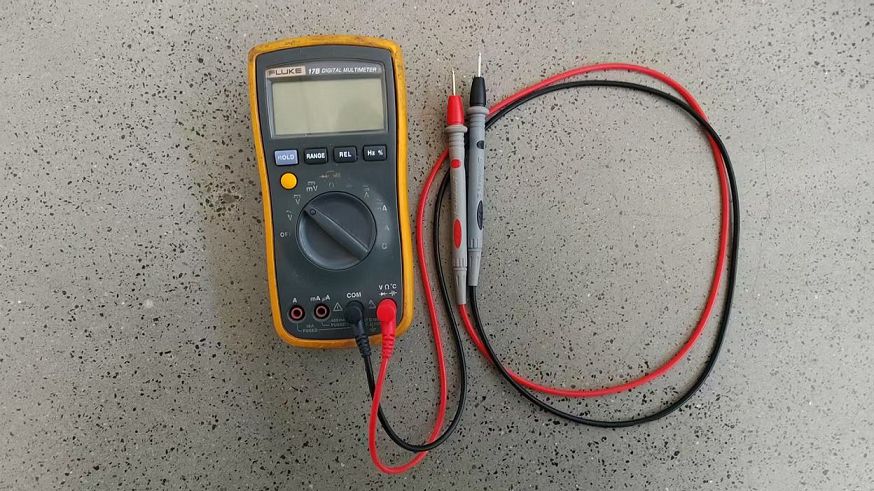
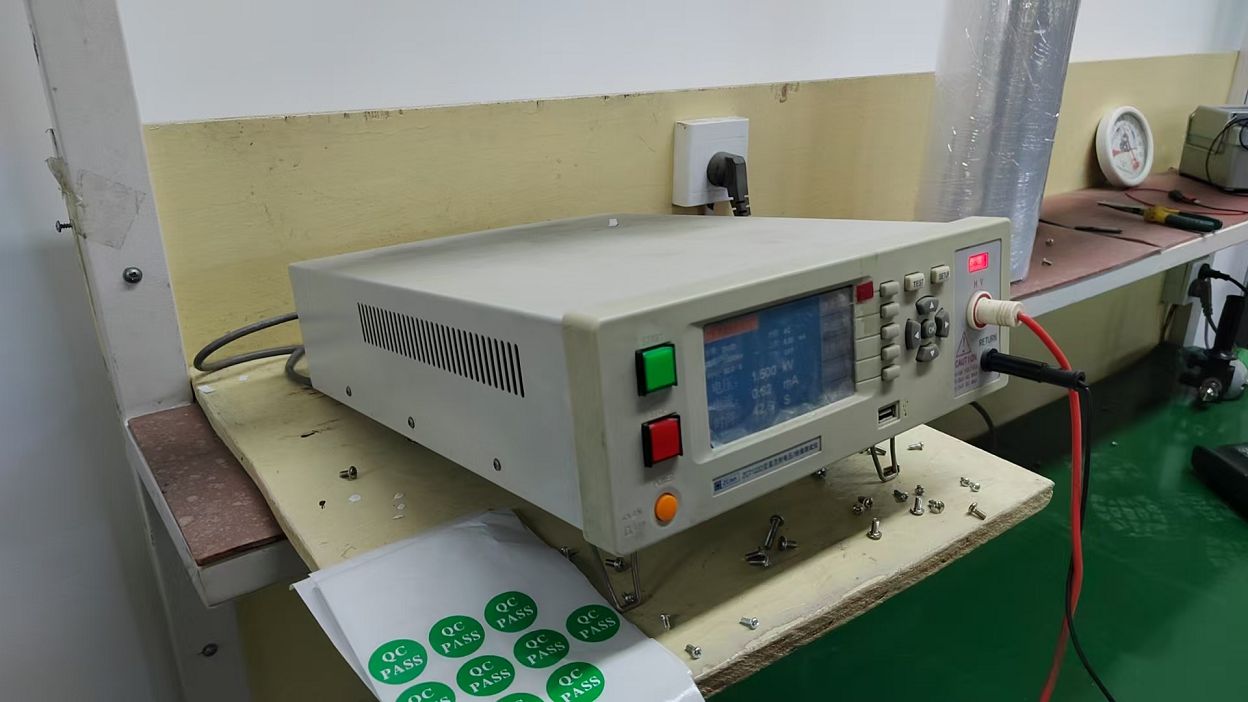
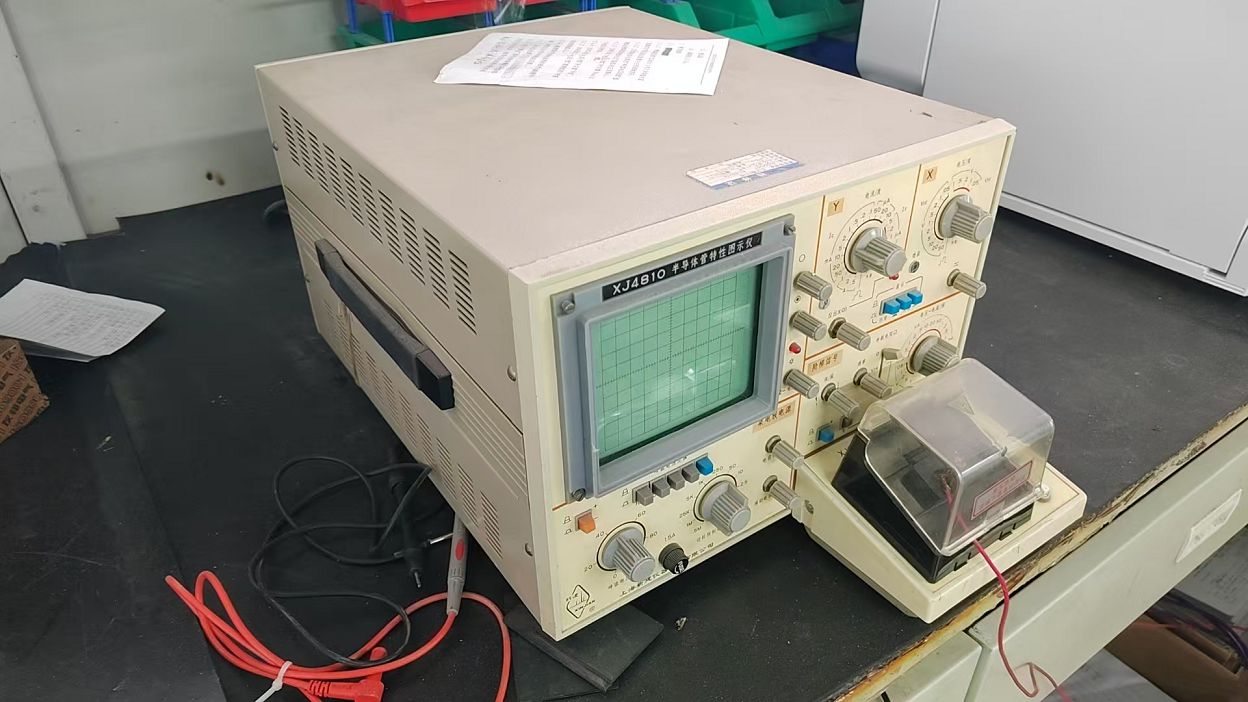
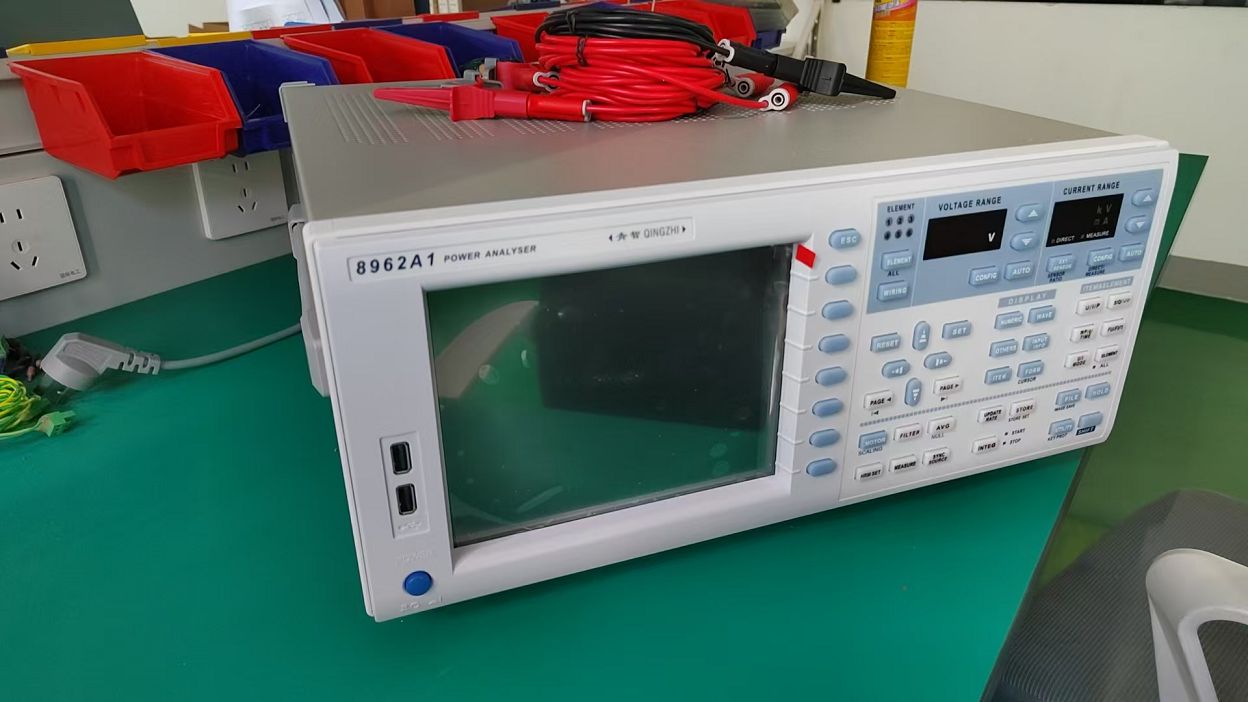
Deming's quality control department ensures that every single inverter, frequency converter, and battery simulator undergoes systematic burn-in testing, harmonics validation, and transients profiling using industry-standard equipment:
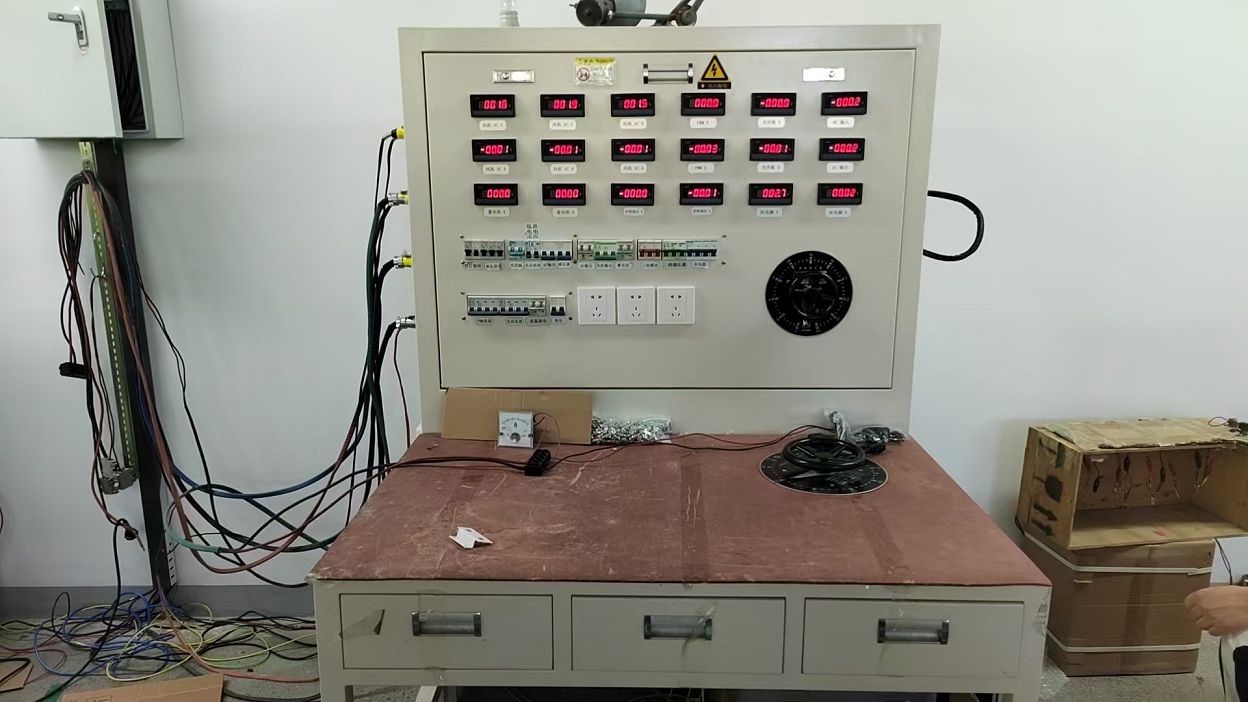
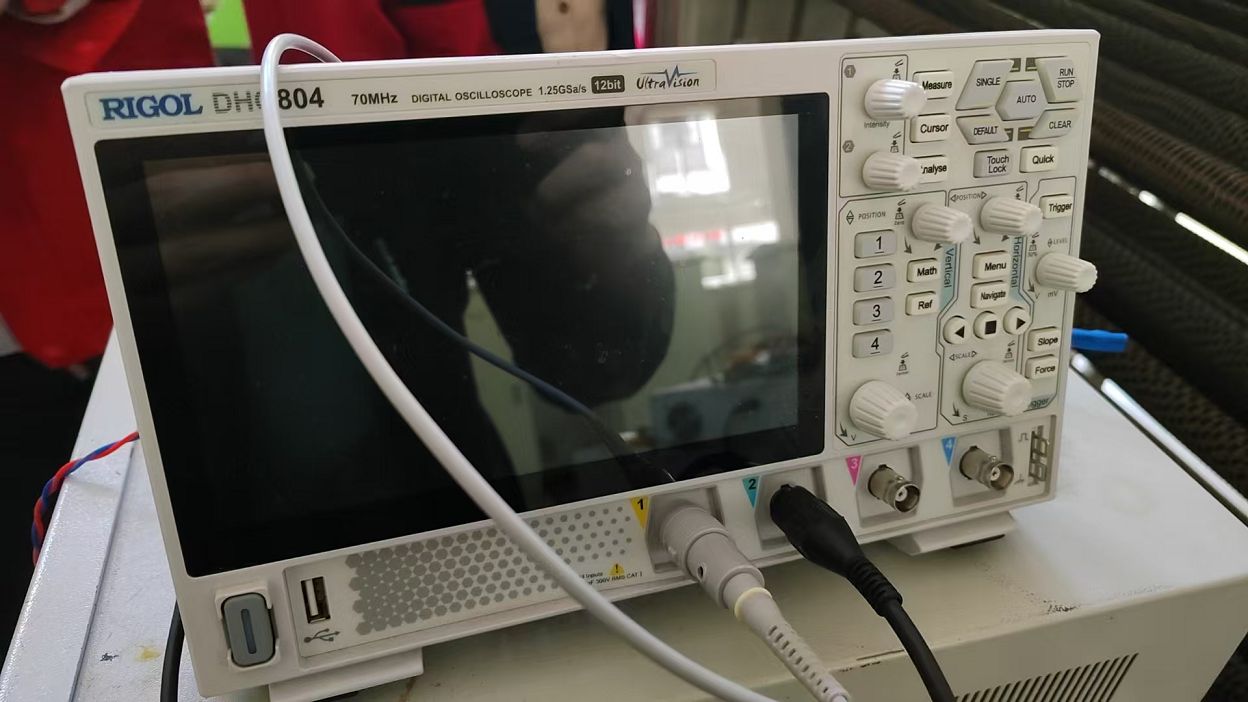
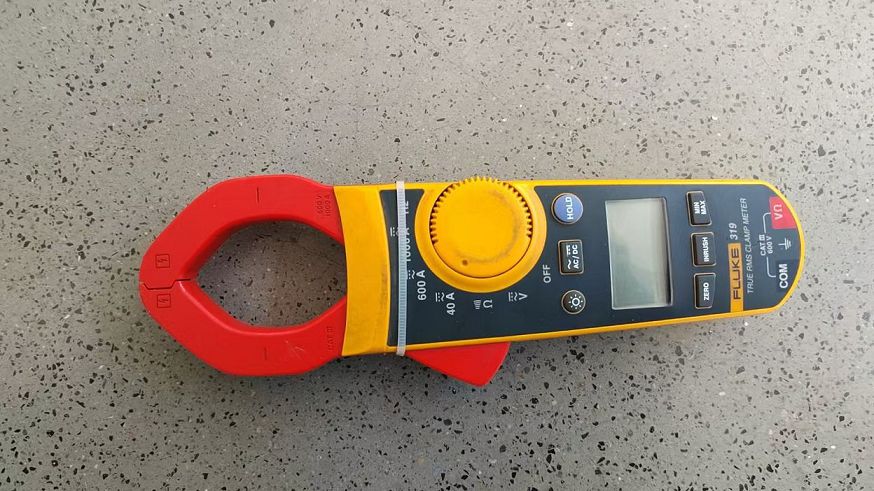
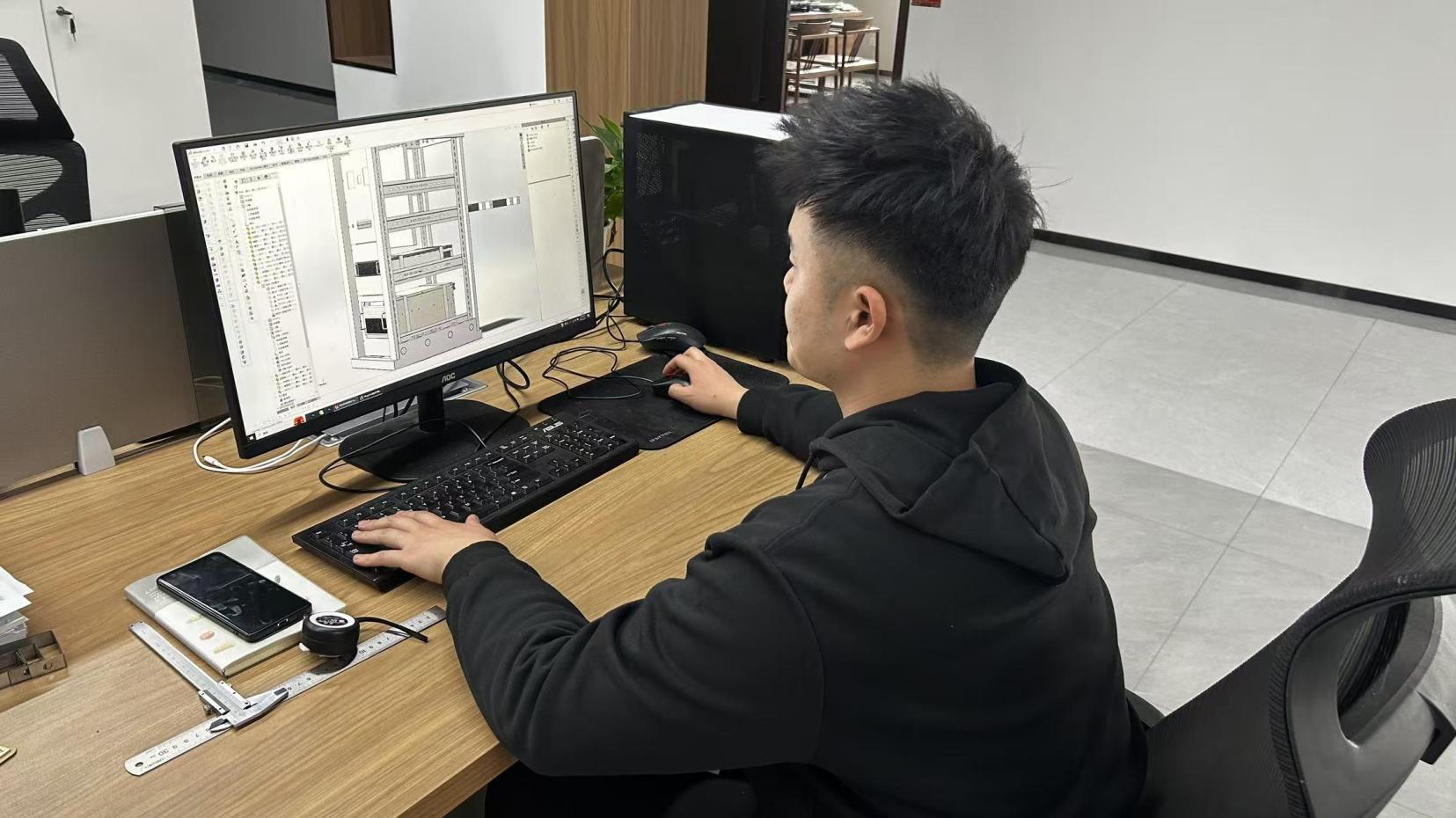
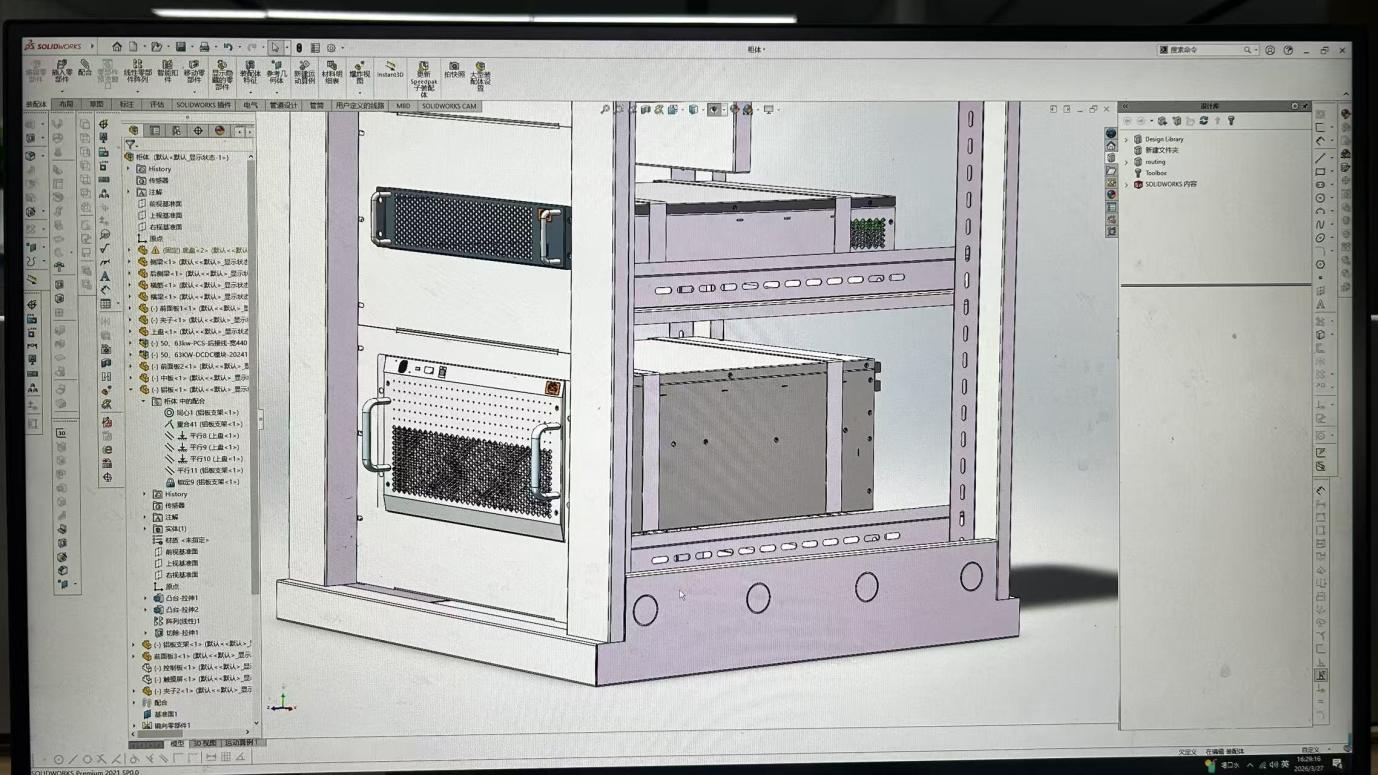
CAD Modeling and Logic Programming Workbench
As distributed generation expands, the demand for bidirectional energy flow increases. Global research labs and automotive OEMs require testing setups that simulate real batteries. Our bidirectional DC test power supplies and high-power battery simulators (150kW to 500kW) allow engineers to mimic charging and discharging cycles without hazardous chemical cells. Simultaneously, the inclusion of multi-phase converters with up to 99% conversion efficiency addresses grid loss challenges directly, facilitating localized microgrid efficiency.
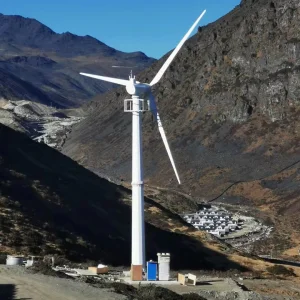
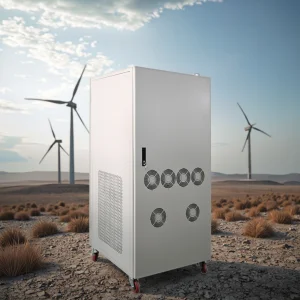
Different regions present distinct electrical topologies. For instance, island electrification requires robust marine-grade anti-corrosive coatings on wind generators, while high-altitude industrial off-grid systems require oversized thermal dissipation components and custom frequency matching (50Hz/60Hz/400Hz). Deming's customizable platforms allow engineering teams to adjust voltage limits, software firmware logic (e.g., specific alarm registers for low-speed generators), and output parameters dynamically.
Get answers to critical integration, power-scaling, and system control questions for OEM/ODM projects.
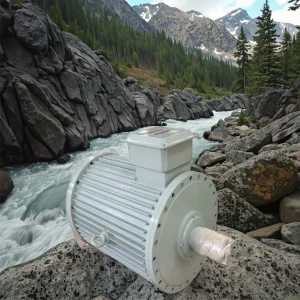
High-power variable frequency power supplies, multi-phase off-grid inverters, and heavy-duty water turbine generators engineered for demanding commercial projects.
 Demin Power