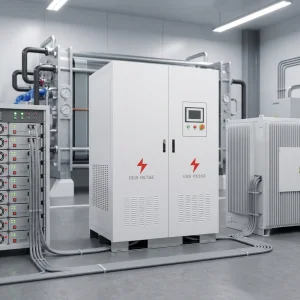
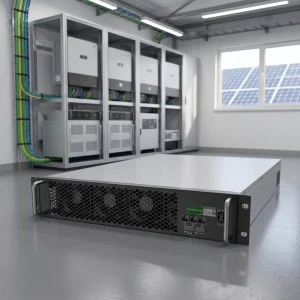
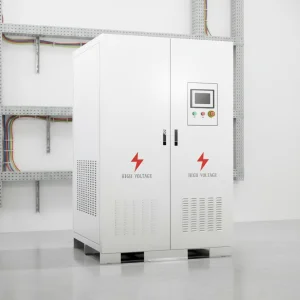
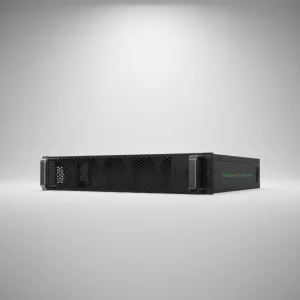
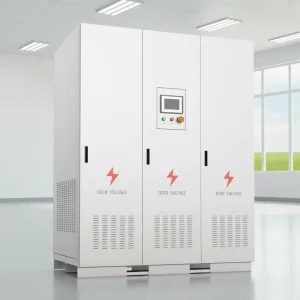
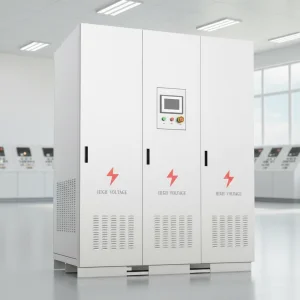
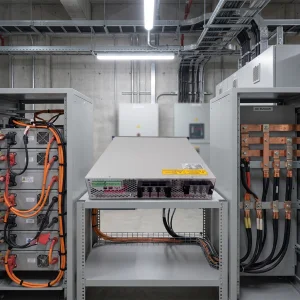
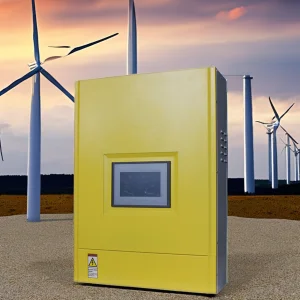
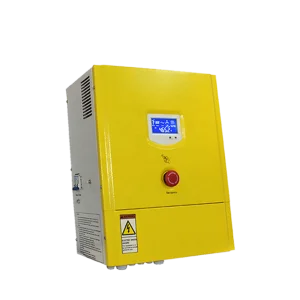
Explore our premium selection of bidirectional DC converters, industrial wind controllers, and shore power connection infrastructures designed to deliver optimized energy conversion with maximum thermodynamic stability.
Modern renewable energy systems require unified, highly stable power transmission configurations to handle the fluctuating output inherent in wind, solar, and micro-hydro generation. Globally, the integration of distributed generation systems with energy storage infrastructures (BESS) represents the standard for industrial grids. Run-of-river hydroelectric systems, combined with high-performance storage banks, allow localized grids to maintain steady-state frequency control and mitigate phase imbalance.
"The levelized cost of storage (LCOS) and the demand for dynamic power conversion technologies are reshaping how hydroelectric operations manage seasonal peak flow variations. Grid-stabilizing bidirectional converters now act as the neurological backbone for distributed micro-grids."
Key technological breakthroughs in high-power conversion include the adoption of wide bandgap semiconductors, such as Silicon Carbide (SiC) and Gallium Nitride (GaN), facilitating higher switching frequencies, minimized thermal footprints, and efficiency parameters upward of 99%. Consequently, the sourcing of custom-tailored industrial power systems from vertically integrated manufacturers has become critical for global infrastructure developers.
Recognized as a prominent technological force within China's industrial power sector, Jinan Deming Power Equipment Co., Ltd. has established itself as an innovative high-tech enterprise dedicated to advanced energy systems. Established in 2004, the enterprise holds formal ISO9001:2015 certification and has repeatedly received state-level recognition for scientific contributions in 2015 and 2018.
Established Year
Annual Revenue Reinvested in R&D
Core Senior R&D Engineers
Exporting Destination Countries
Maintaining a highly qualified engineering force that includes doctoral supervisors and researchers holding Master’s degrees, Jinan Deming allocates more than 20% of its annual sales revenues to research and technology developments. Over the past three consecutive years, this intensive focus has yielded 17 formal R&D projects and resulted in 16 major scientific innovations transitioning directly into commercial applications. Our machinery and control systems operate in global territories including Germany, Japan, the United States, UK, Canada, Australia, and Brazil, maintaining supply chains with Fortune 500 enterprises.
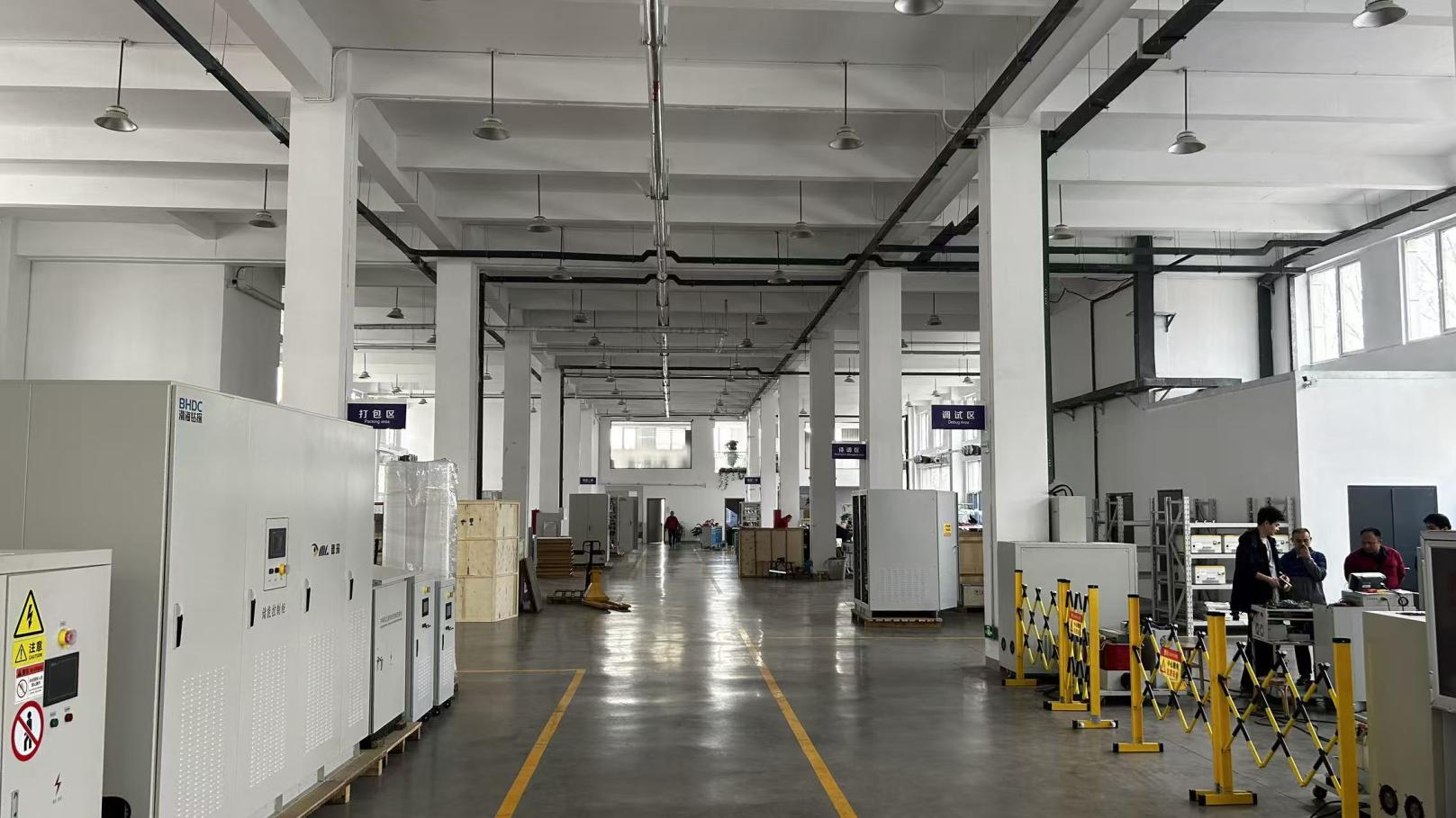
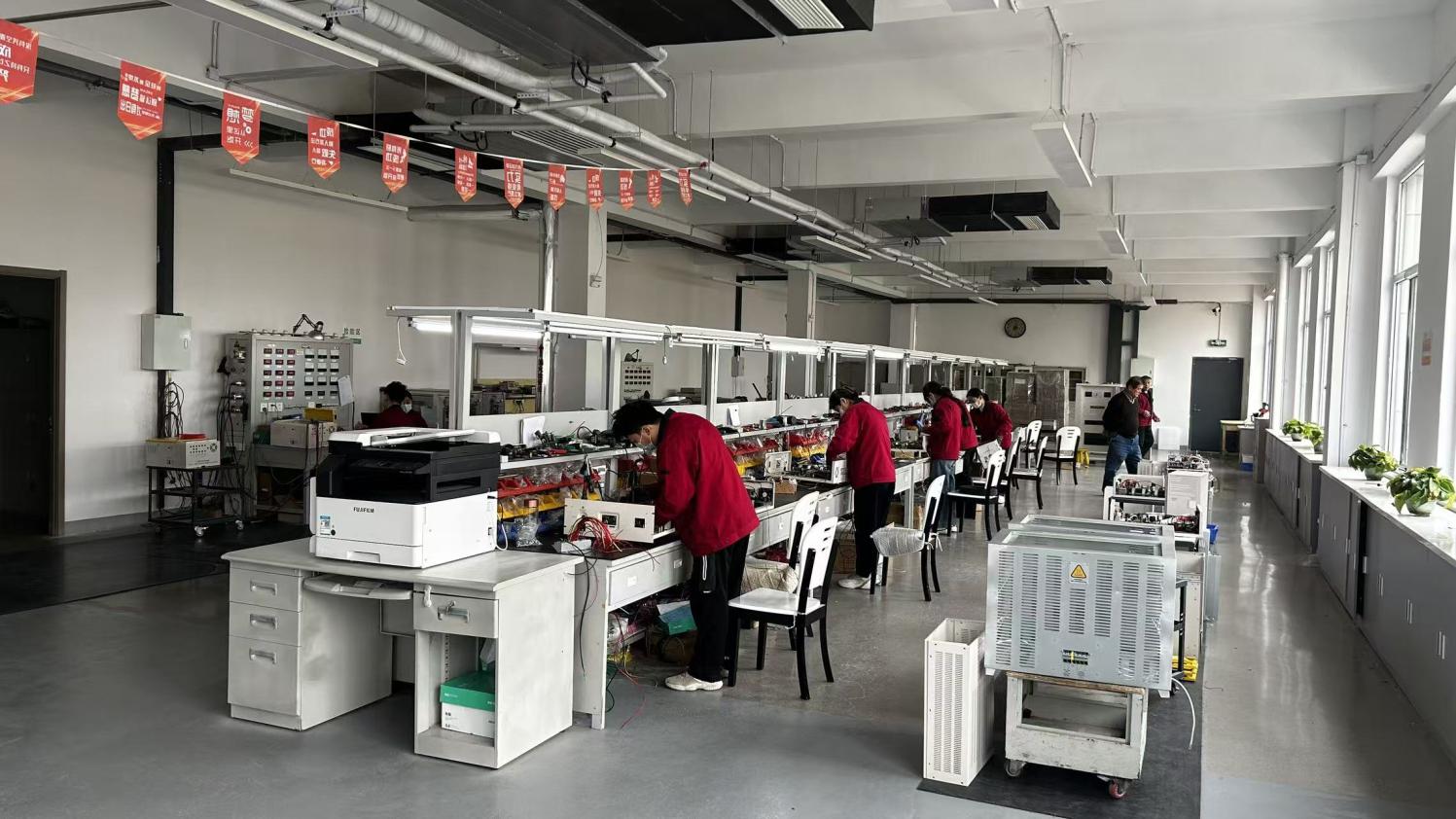
Our production floor uses high-precision testing configurations to achieve absolute operational compliance and hardware reliability across our range of off-grid converters, solar/wind hybrid controllers, and test power supplies.
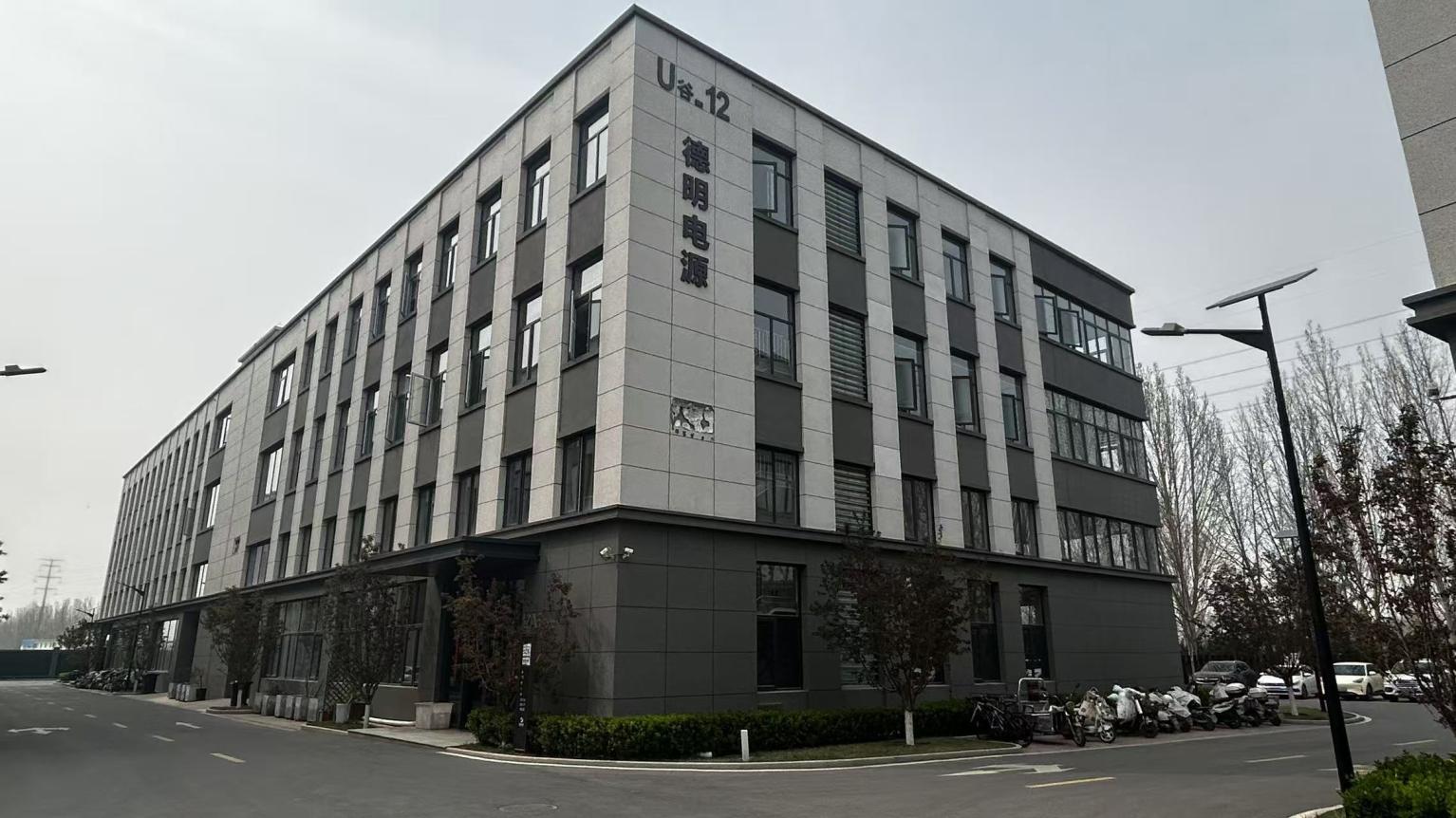 Manufacturing Facility Overview
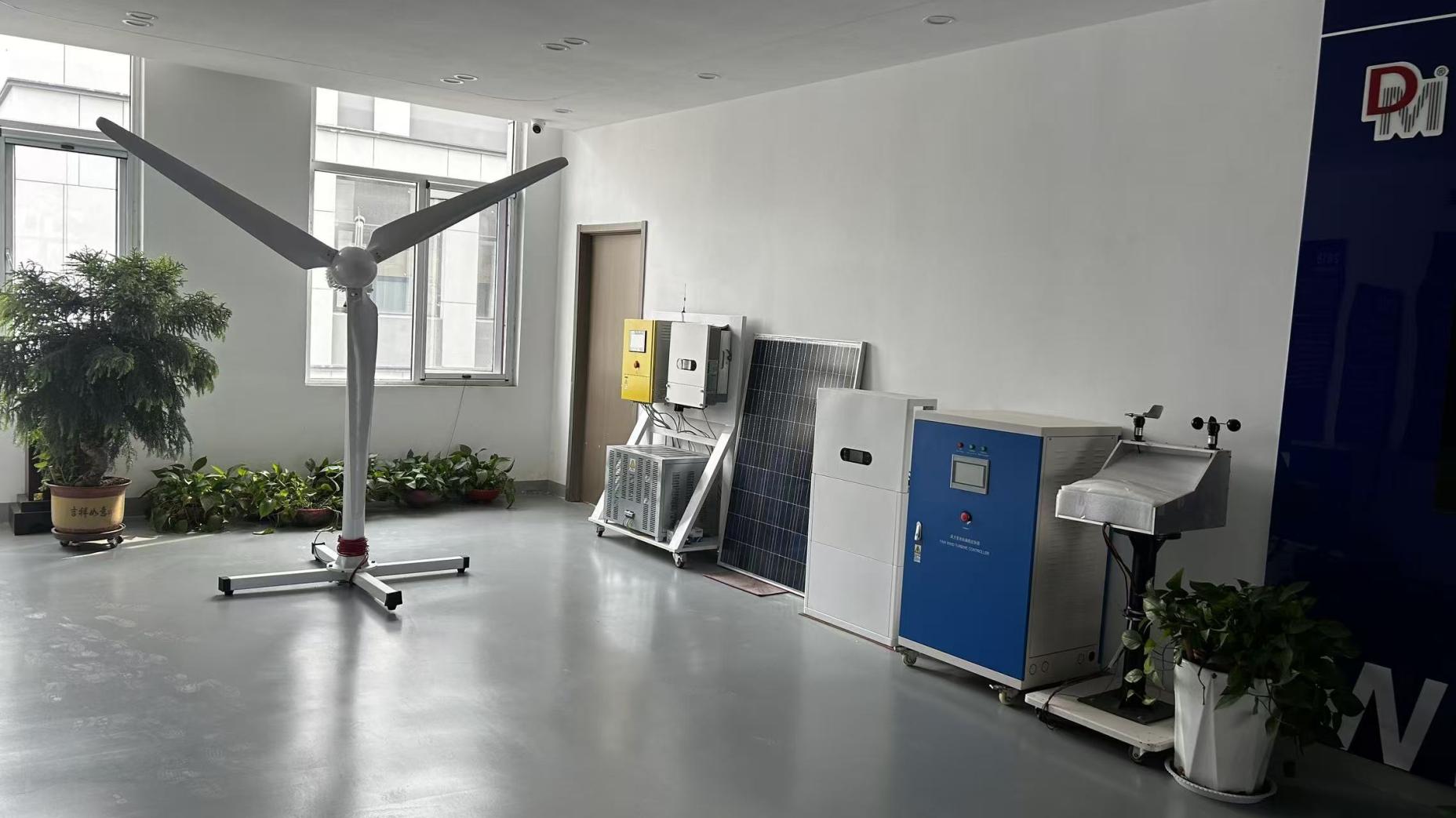
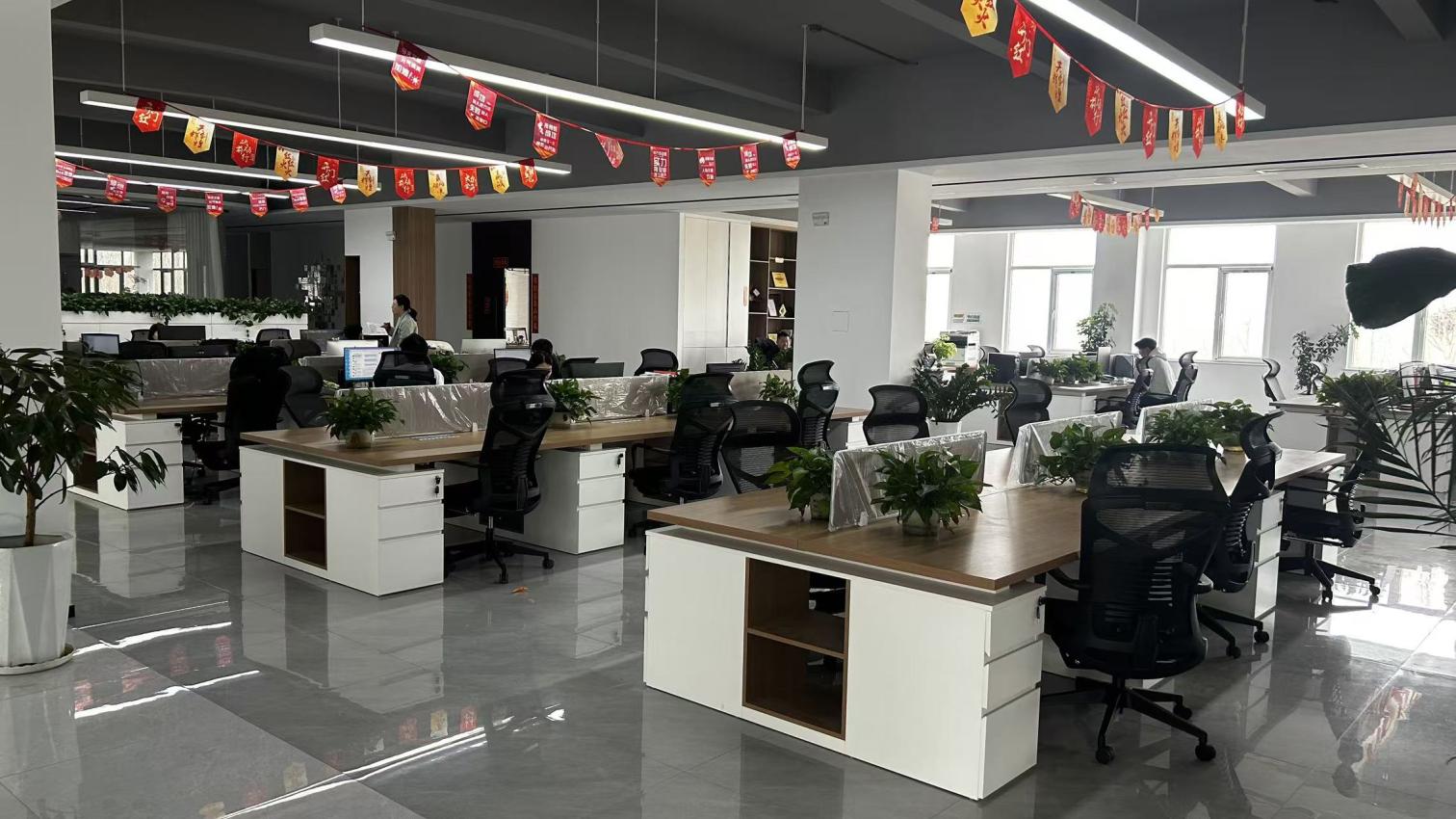 R&D Testing Laboratory
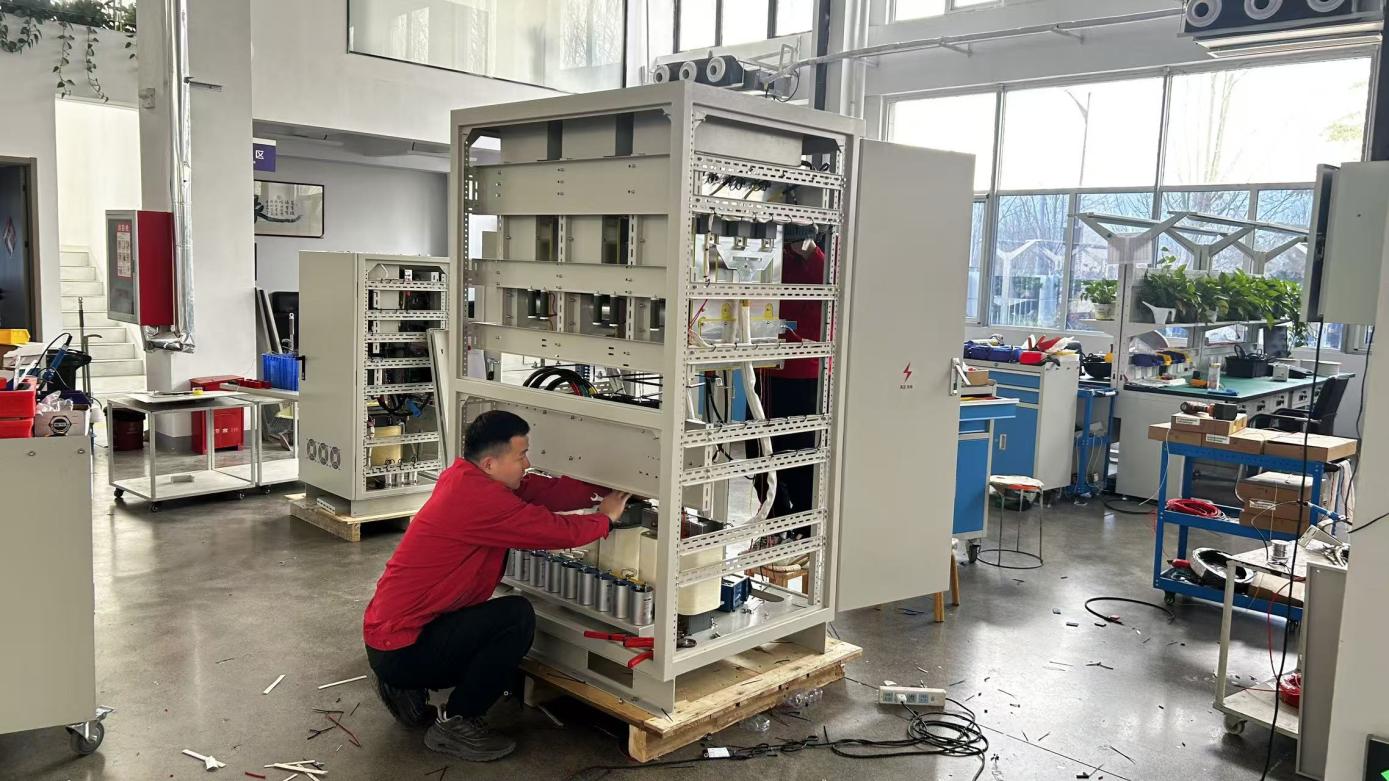
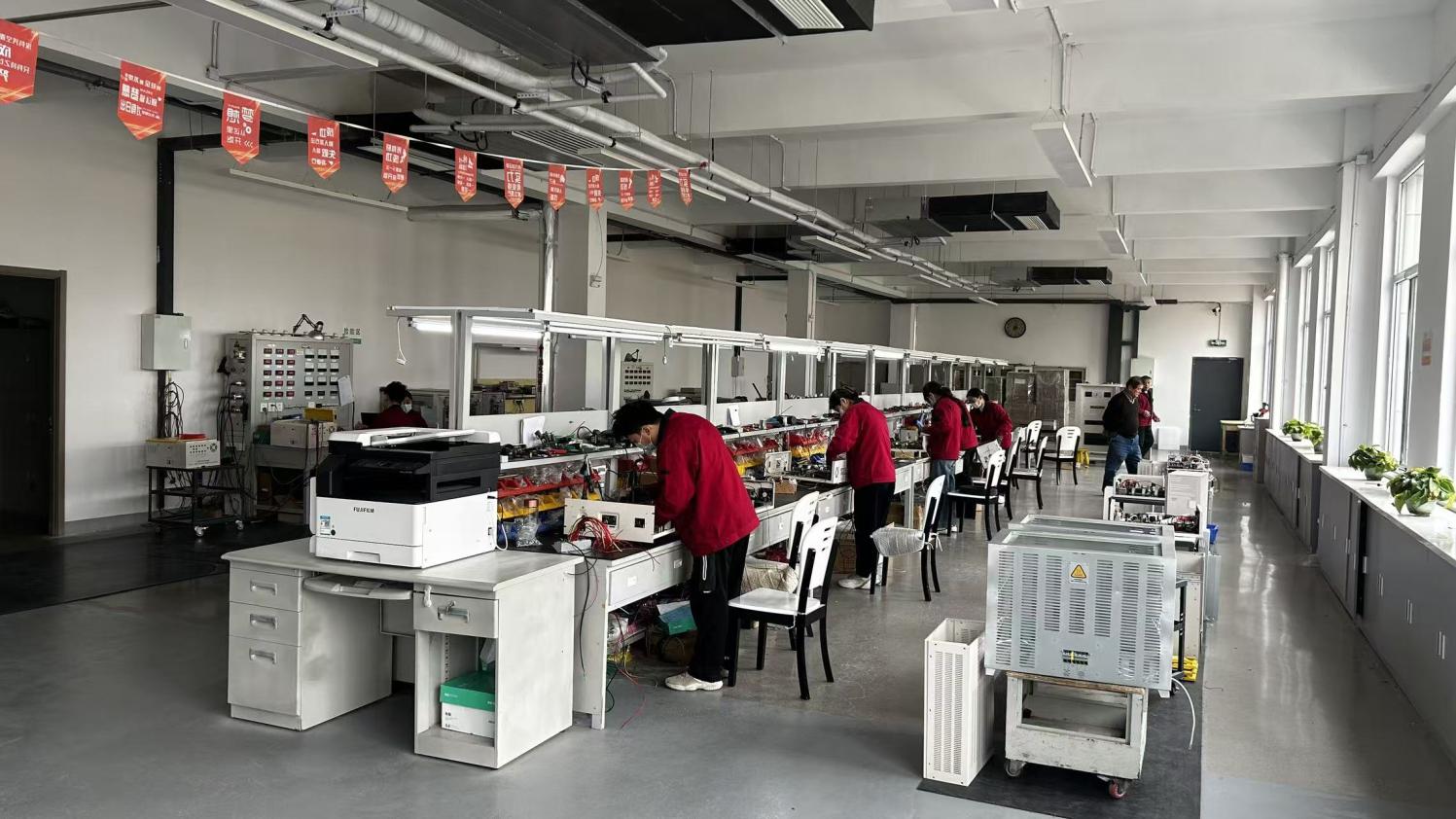 Panel Assembly Area
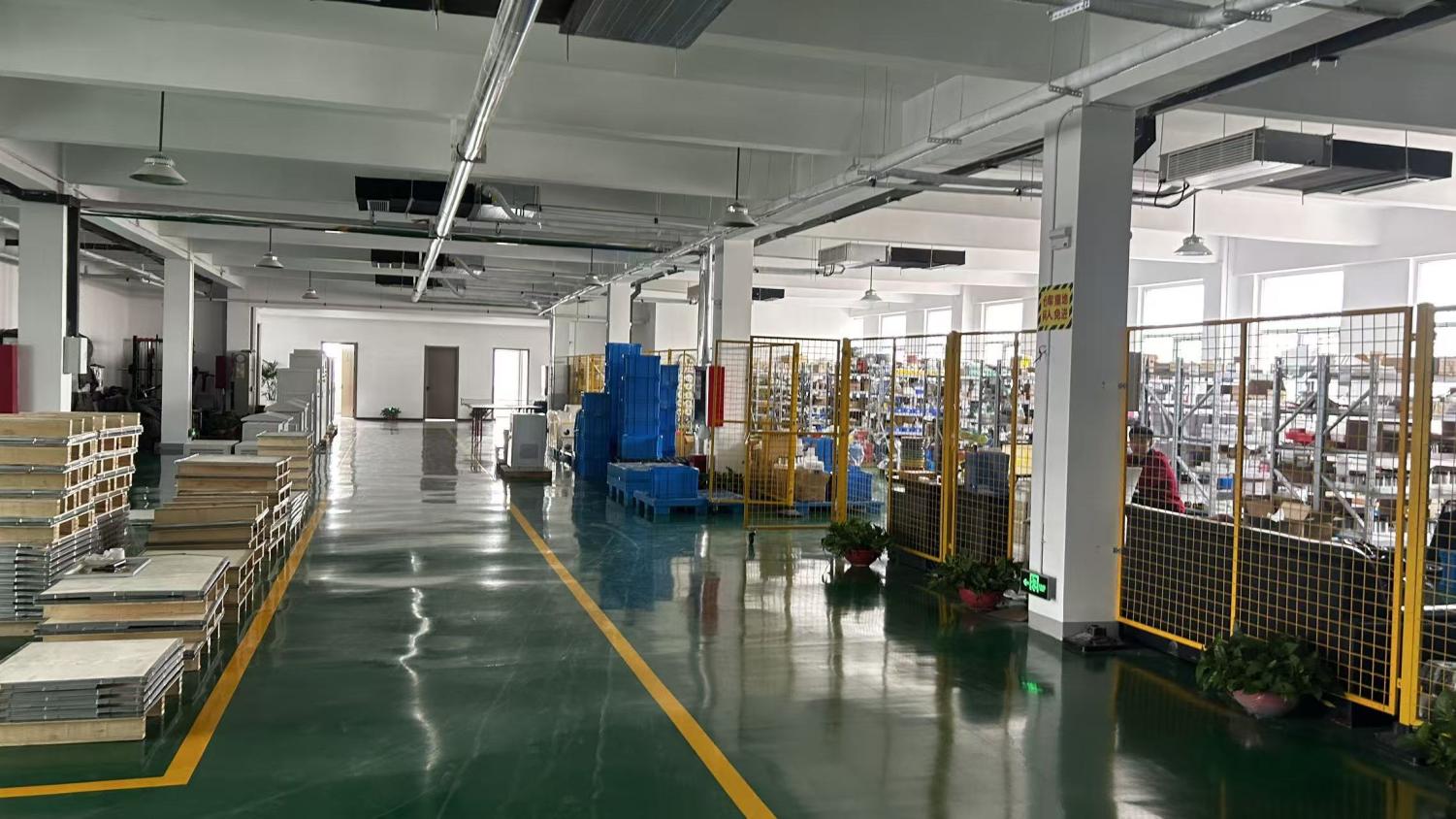 Industrial Converter Assembly
 QC Testing Platform
 Inverter Calibration Station
 Circuit assembly
 Circuit board assembly
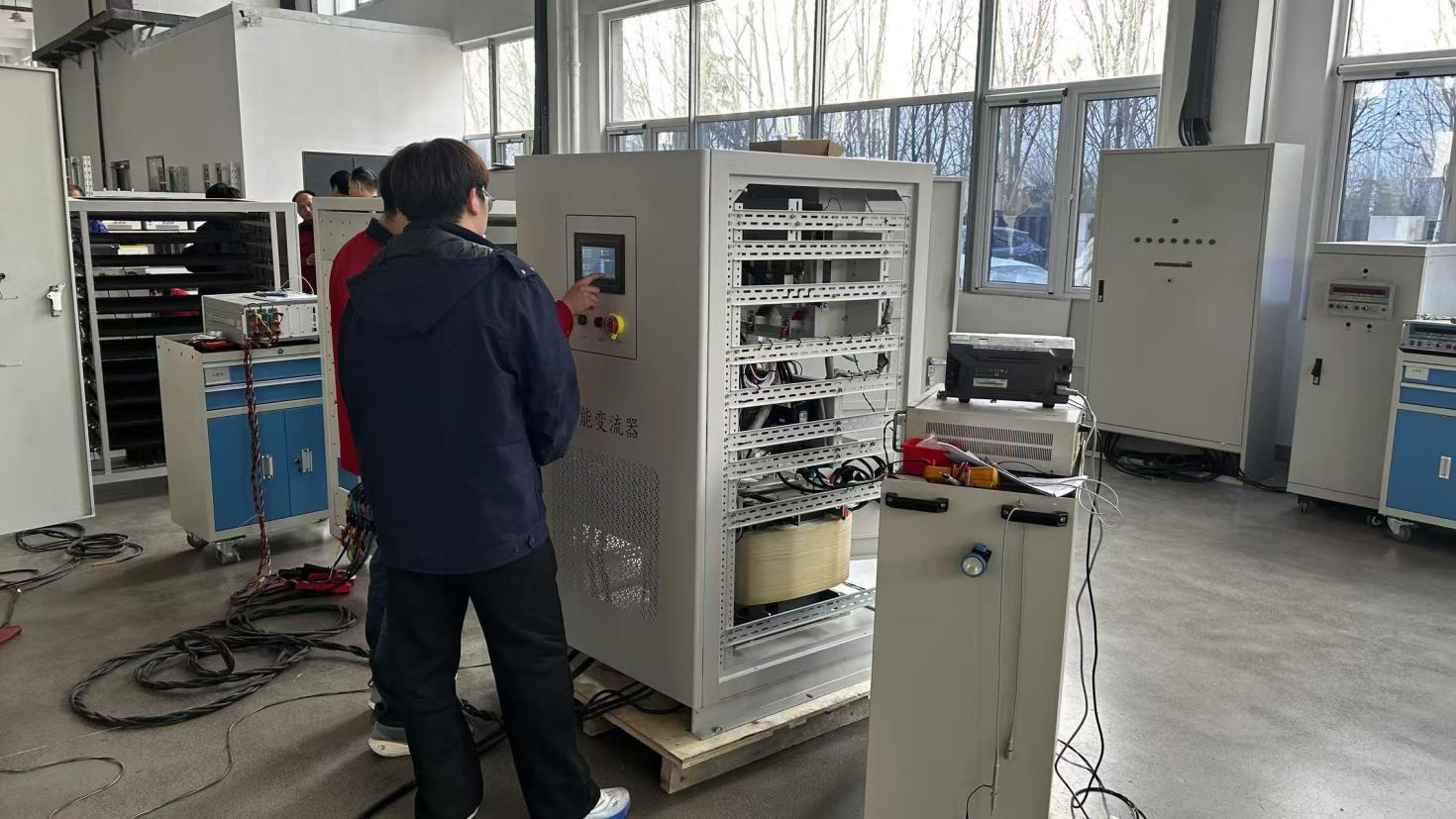 Debugging process
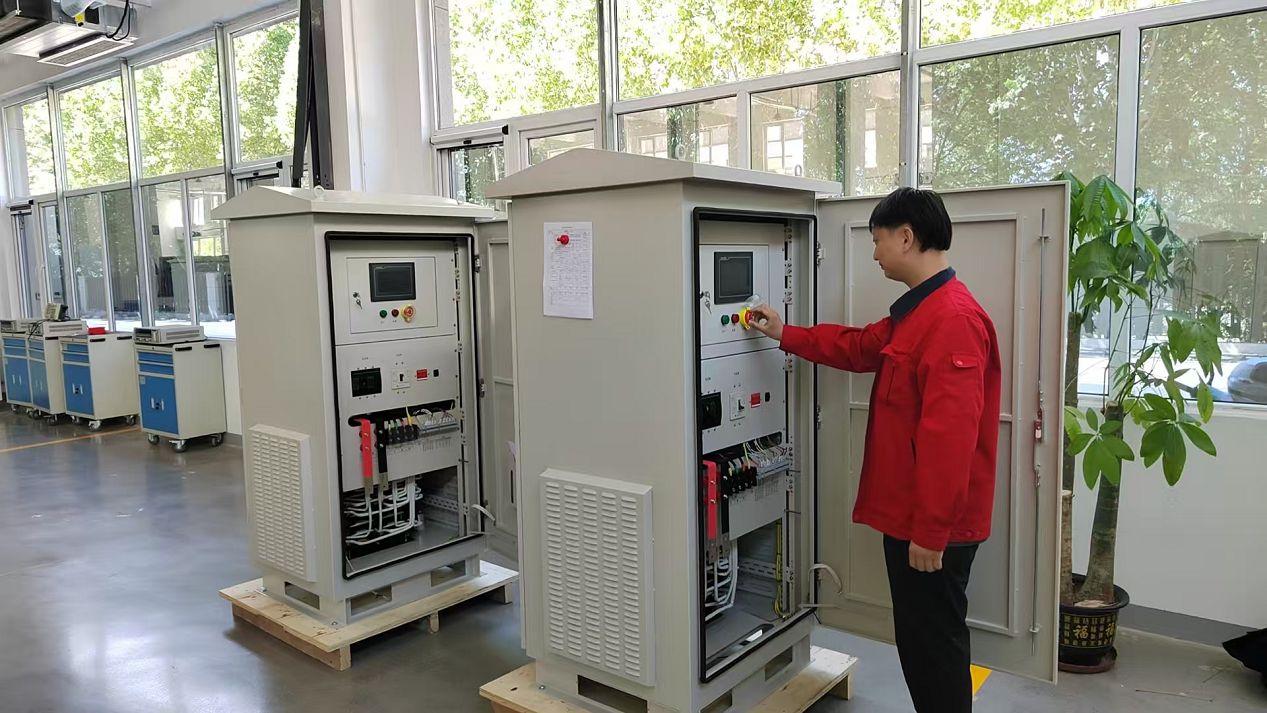 Quality inspection process
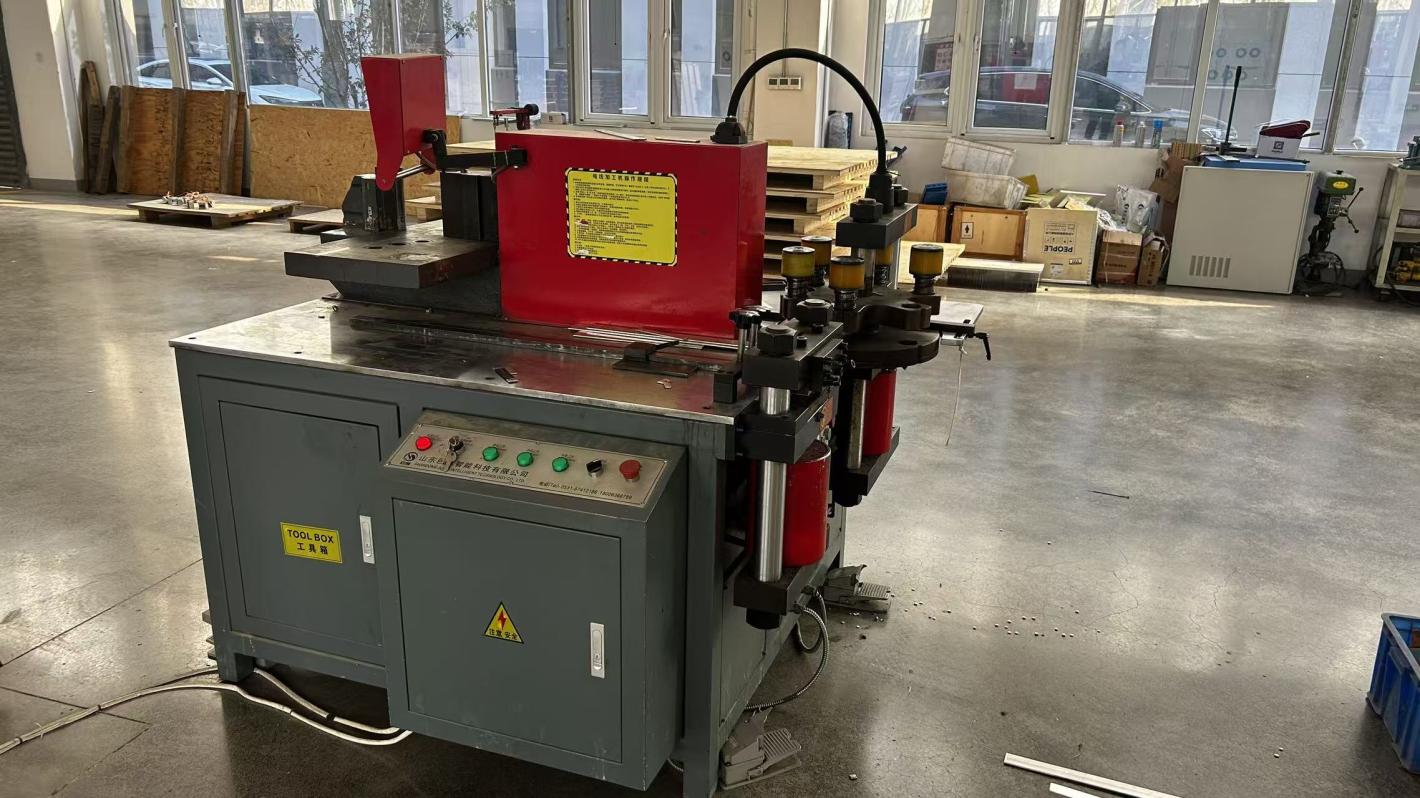 Copper bar production equipment
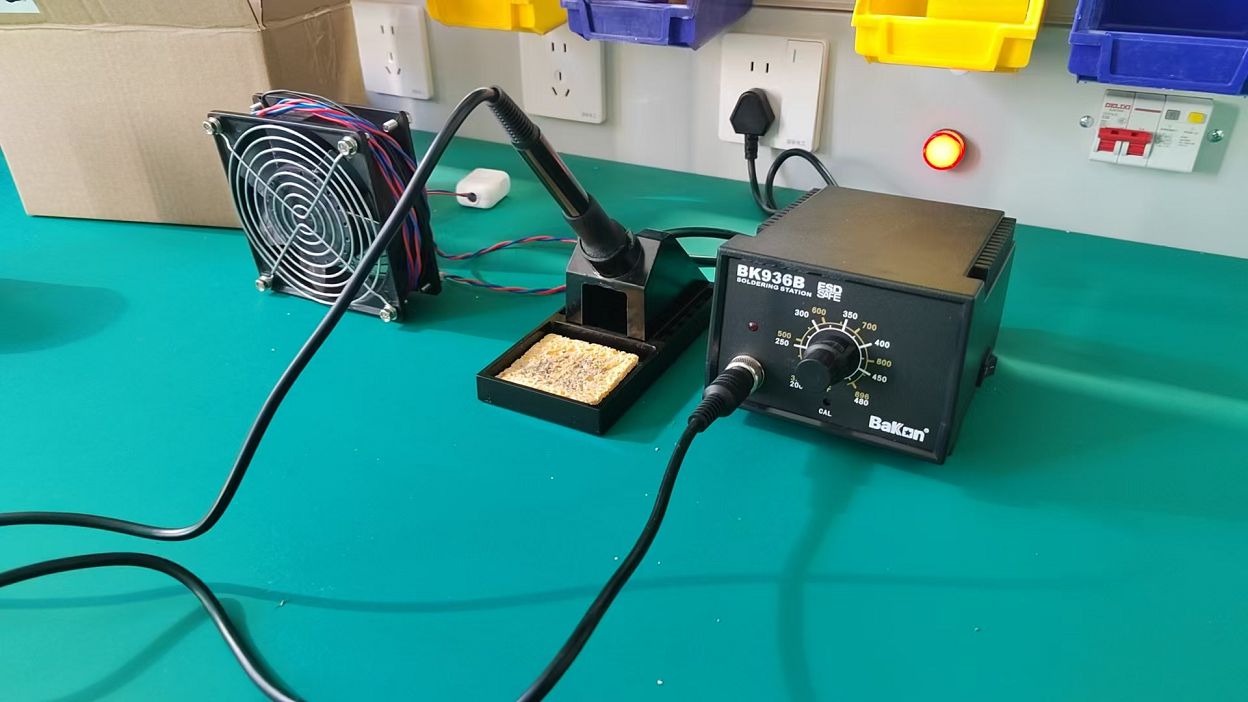 Electric ferrowire
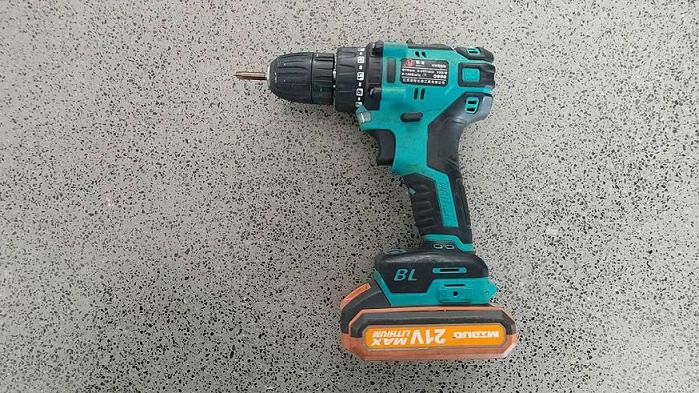 Electric drill
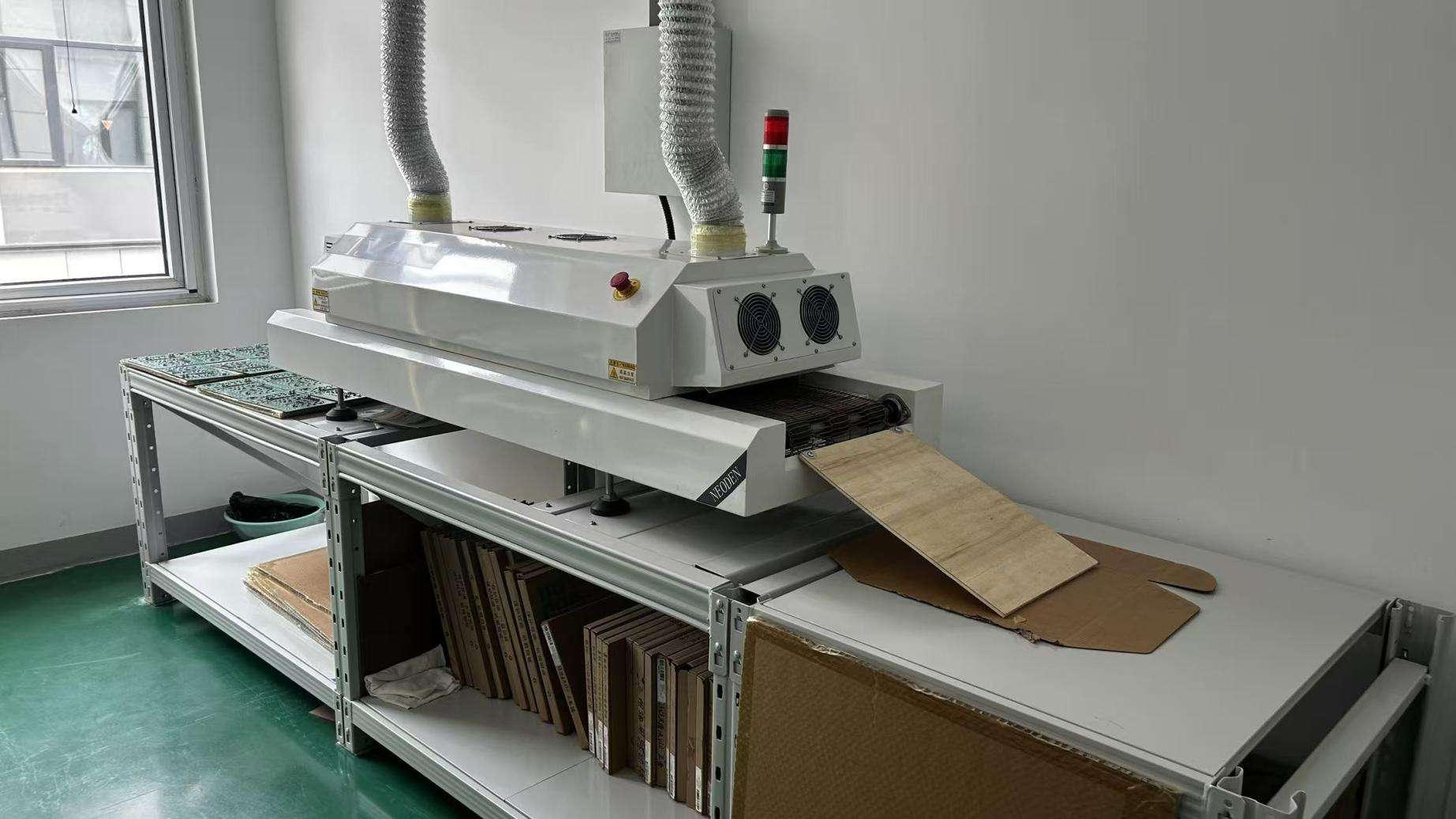 Reflow soldering machine
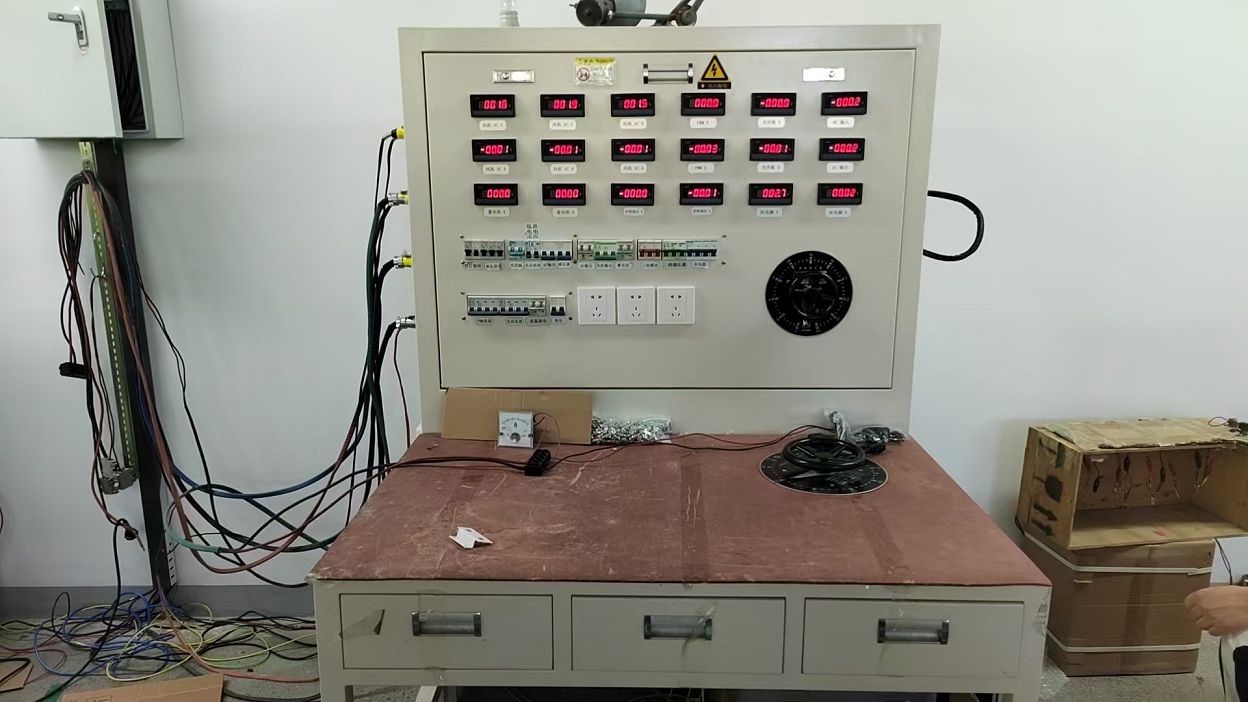 Workbench
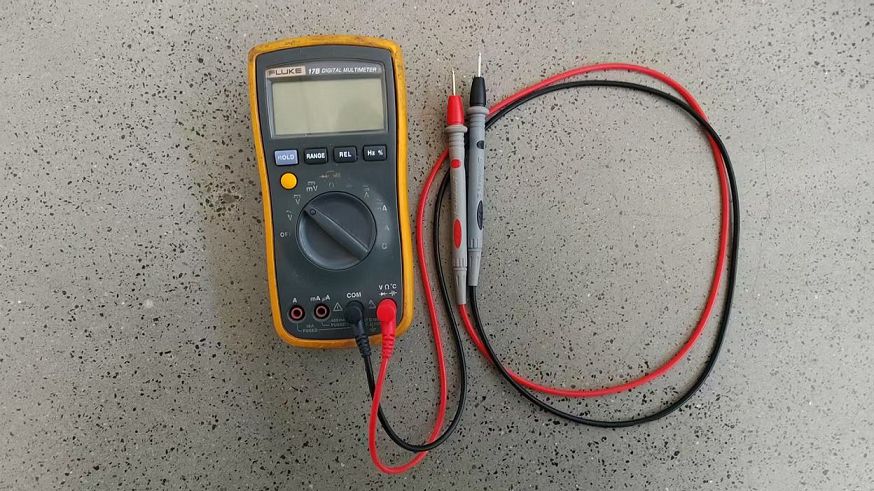 Multimeter
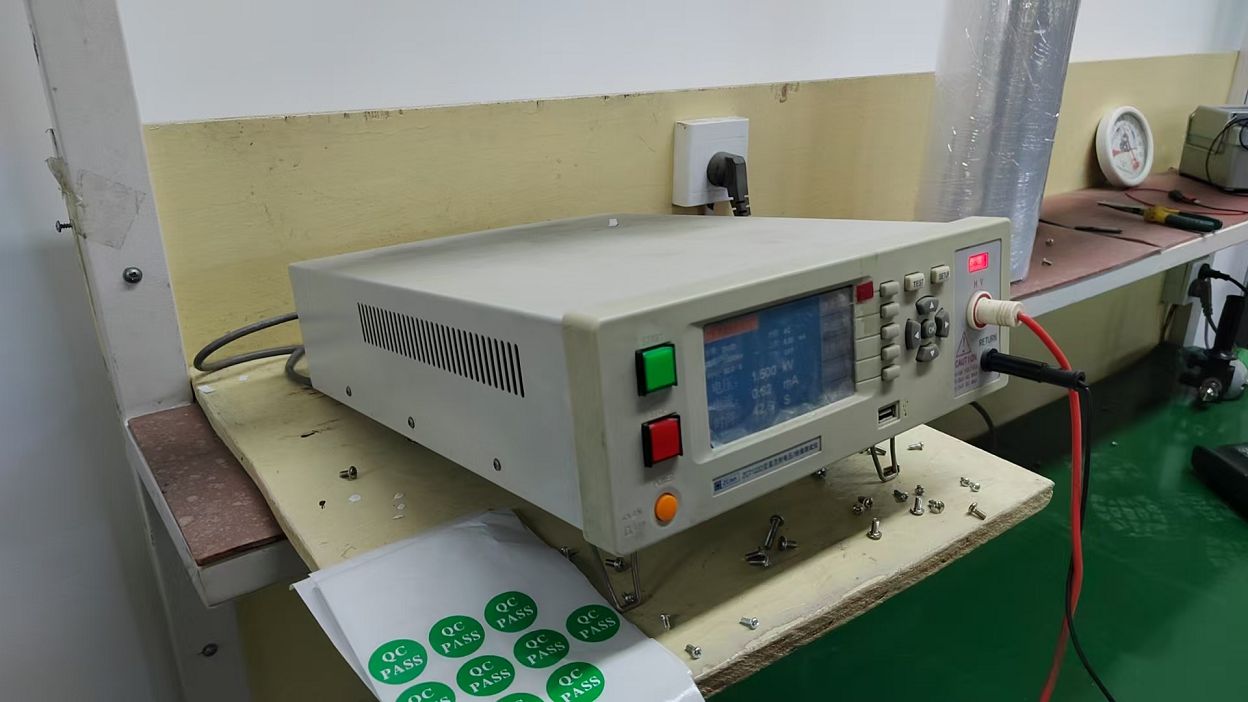 LCR AutoTester
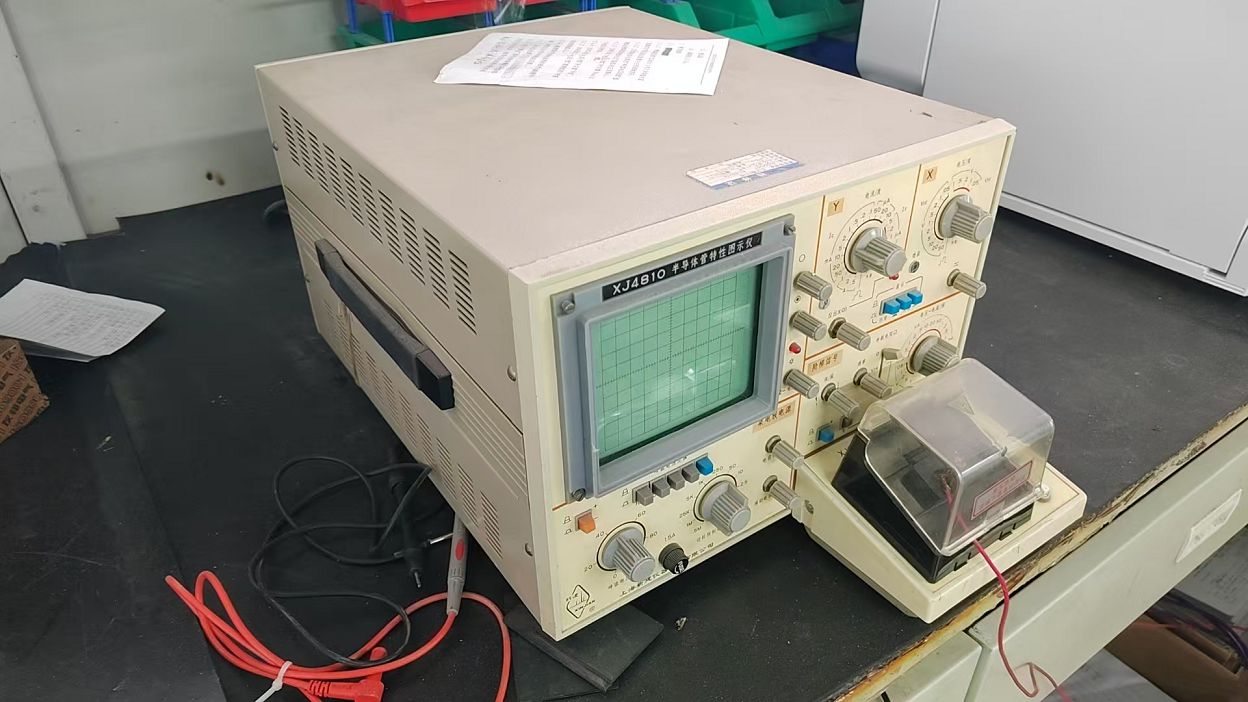 Semiconductor Characteristic Plotter
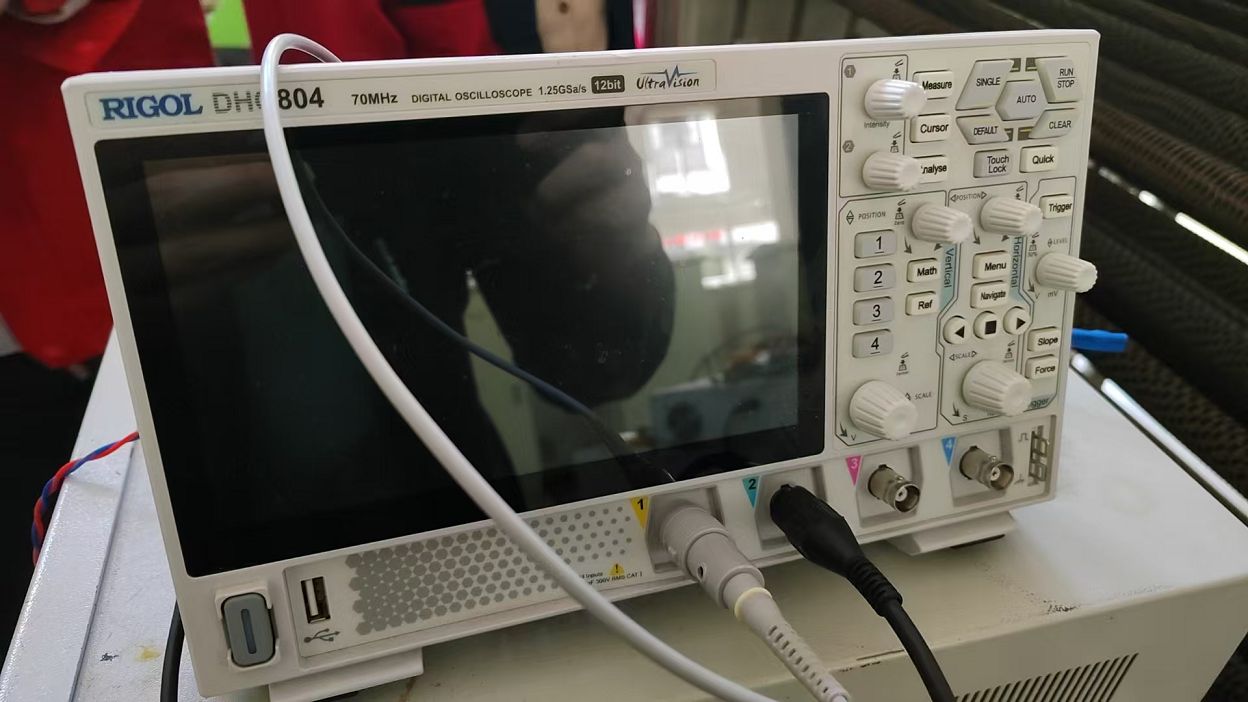
 Digital Oscilloscope
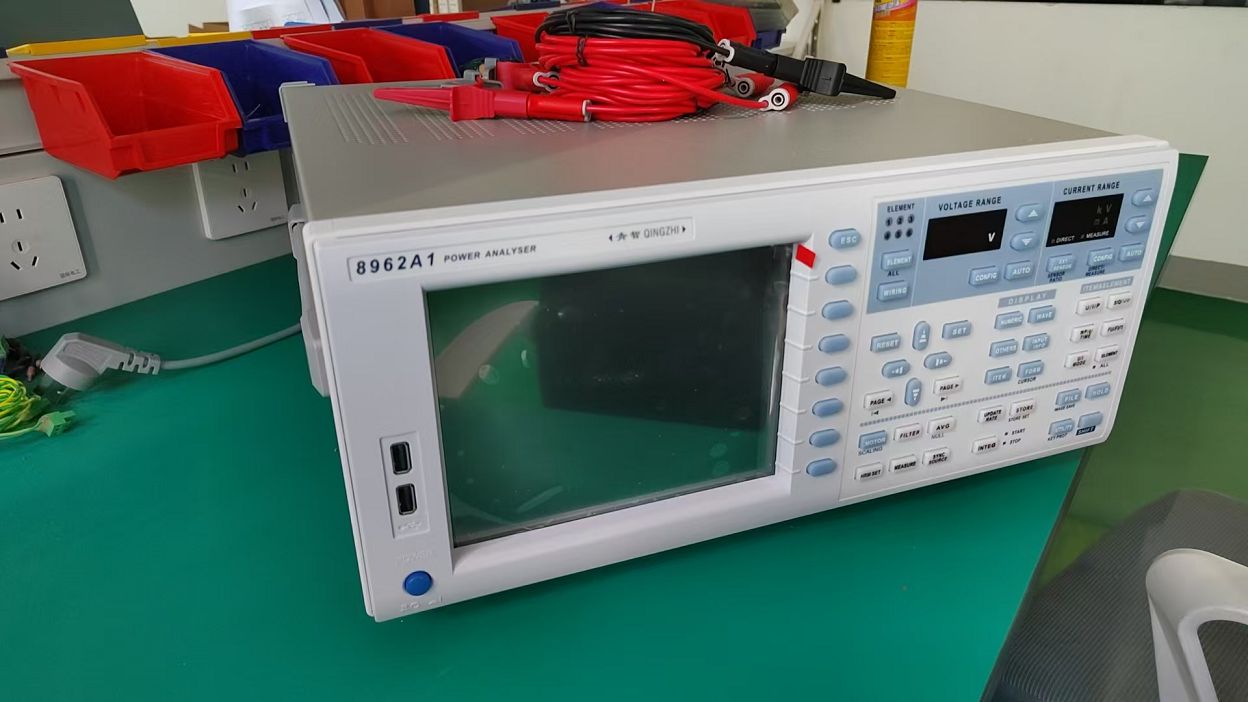
 Power Quality Analyzer
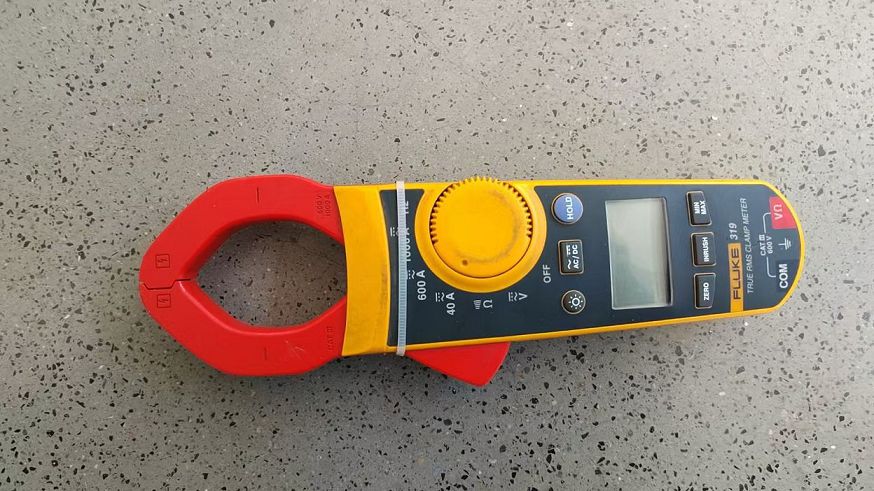 Clamp current meter
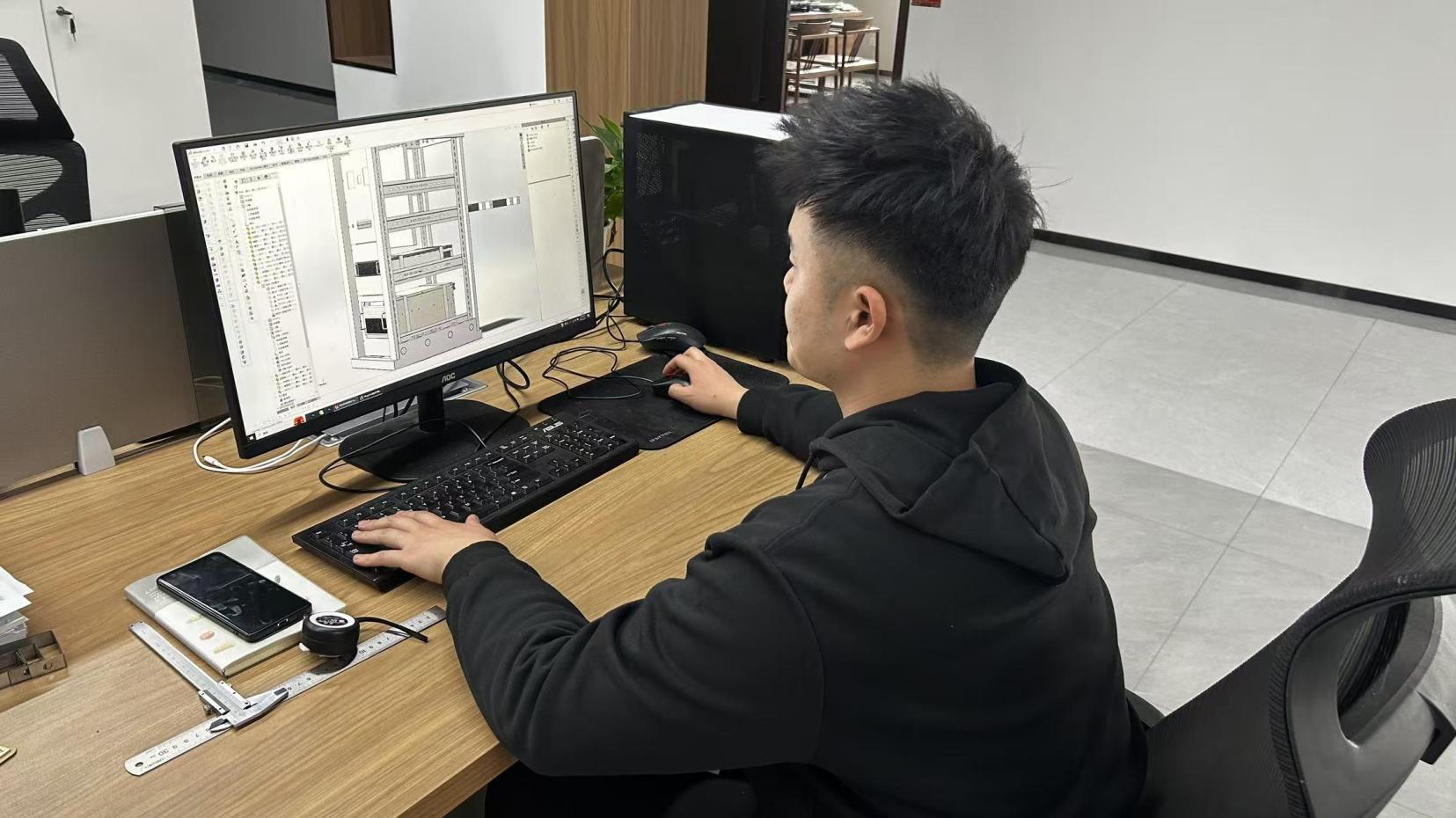 Drawing Design
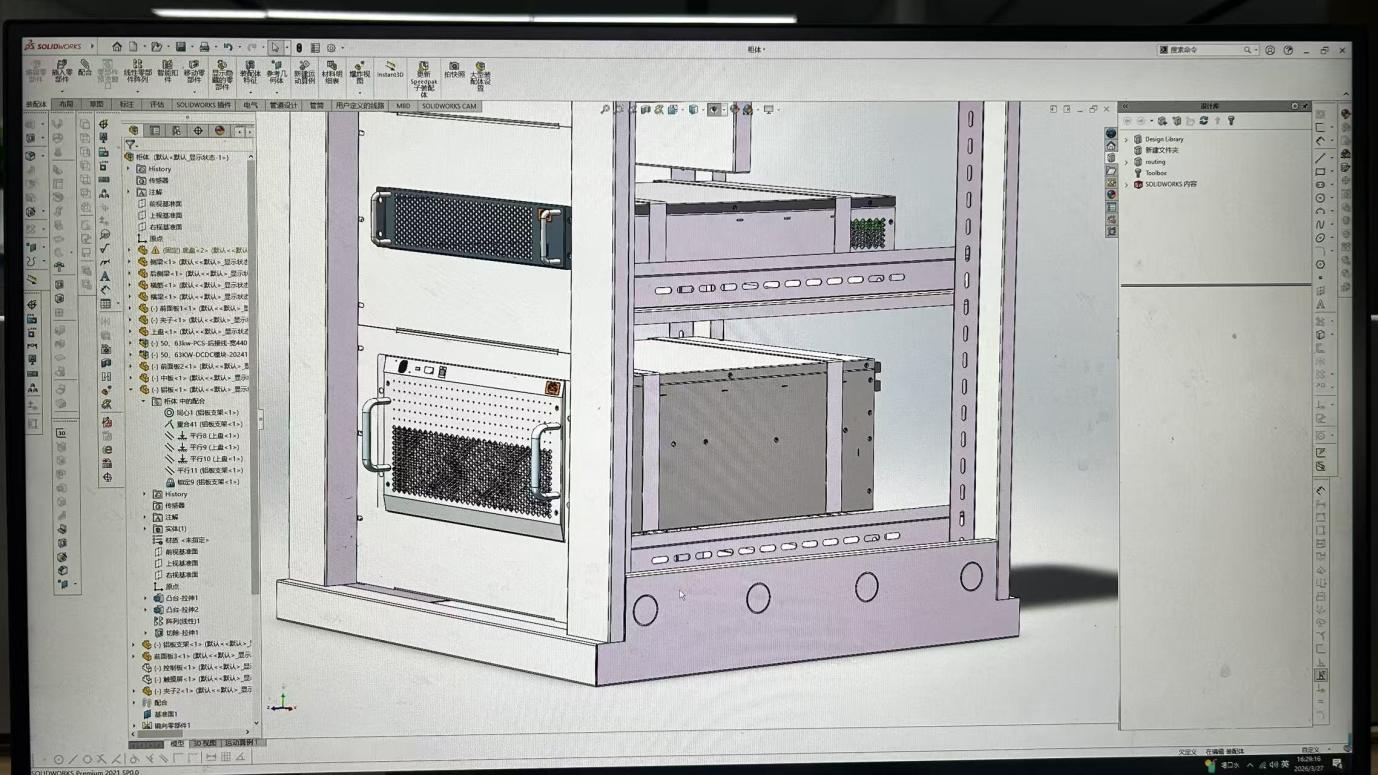 Computer Workstations
China's industrial manufacturing ecosystem provides distinct structural advantages for global developers sourcing renewable energy equipment. The concentration of component producers, silicon refinement operations, and precision PCB fabrication plants within localized economic clusters significantly minimizes lead times and mitigates logistical disruptions.
Integrating power electronics into global utility grids requires strict compliance with localized regulatory standards. Whether deploying micro-hydro configurations in mountainous regions or high-power marine shore power installations, systems must meet specific safety, harmonic distortion, and grid-code criteria.
Different jurisdictions require specific technical compliances. The table below outlines the necessary certifications for different markets:
To support overseas partners, top-tier suppliers like Jinan Deming offer dual-channel technical support structures, incorporating remote digital system diagnostics alongside localized field engineering partners. This strategy guarantees minimal downtime during commissioning phases and provides rapid access to critical component replacements.
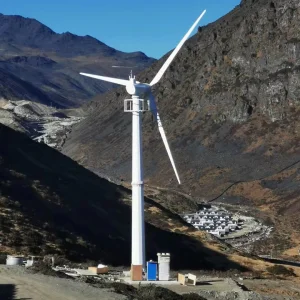
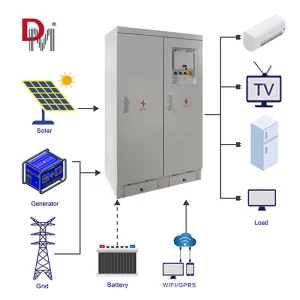
In remote mountainous locations, run-of-river turbines generate highly variable AC voltages depending on seasonal flow. Utilizing a bidirectional converter (e.g., 50kW to 300kW models), the system stabilizes DC bus bars to couple with battery storage banks (BESS), ensuring a reliable 24/7 localized power supply.
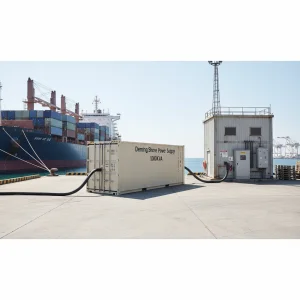
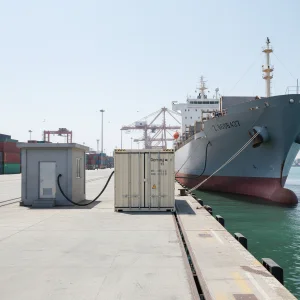
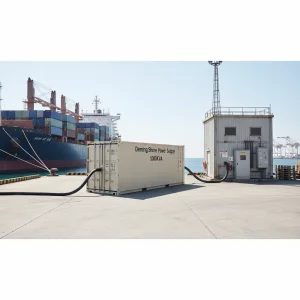
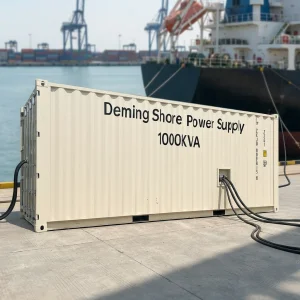
To comply with international maritime emission laws, docked vessels turn off diesel auxiliary engines and connect to high-power shore power stations. Our specialized frequency converters step down medium grid voltages to clean 60Hz/50Hz shipboard power configurations.
Co-locating large hydrogen generation plants with onshore wind farms allows surplus wind energy to power electrolyzers. Deming’s 1500V bidirectional DC-DC modules regulate fuel cell output, supplying high-voltage energy directly back into industrial grids when wind conditions drop.
Explore our full line of industrial-grade electrical components, high-efficiency converters, and robust grid-tie controllers engineered to support complex, high-power renewable systems.
 Demin Power