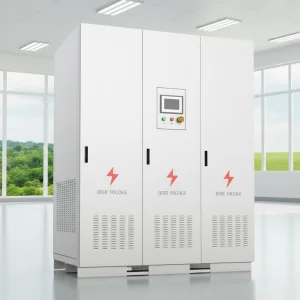
High-efficiency energy conversion systems optimized for grid integration, smart microgrids, and utility-scale green installations.
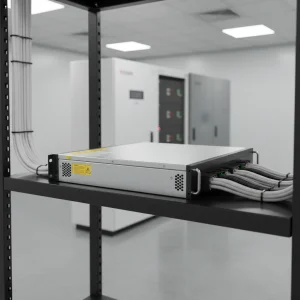
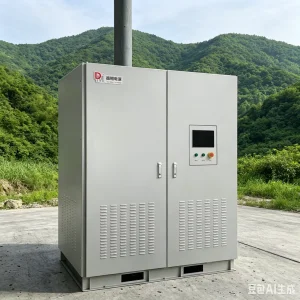
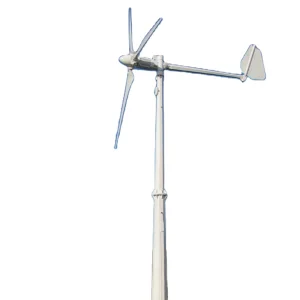
As the international community accelerates toward net-zero targets, industries worldwide face unprecedented pressure to reduce their carbon footprint. The path to complete decarbonization, however, is fraught with grid challenges. The integration of renewable energy sources—such as wind and solar—creates localized grid instability due to their inherent intermittency. Without robust power conversion systems (PCS), energy storage systems (ESS), and advanced bidirectional regulators, transitioning away from fossil fuels is a system risk.
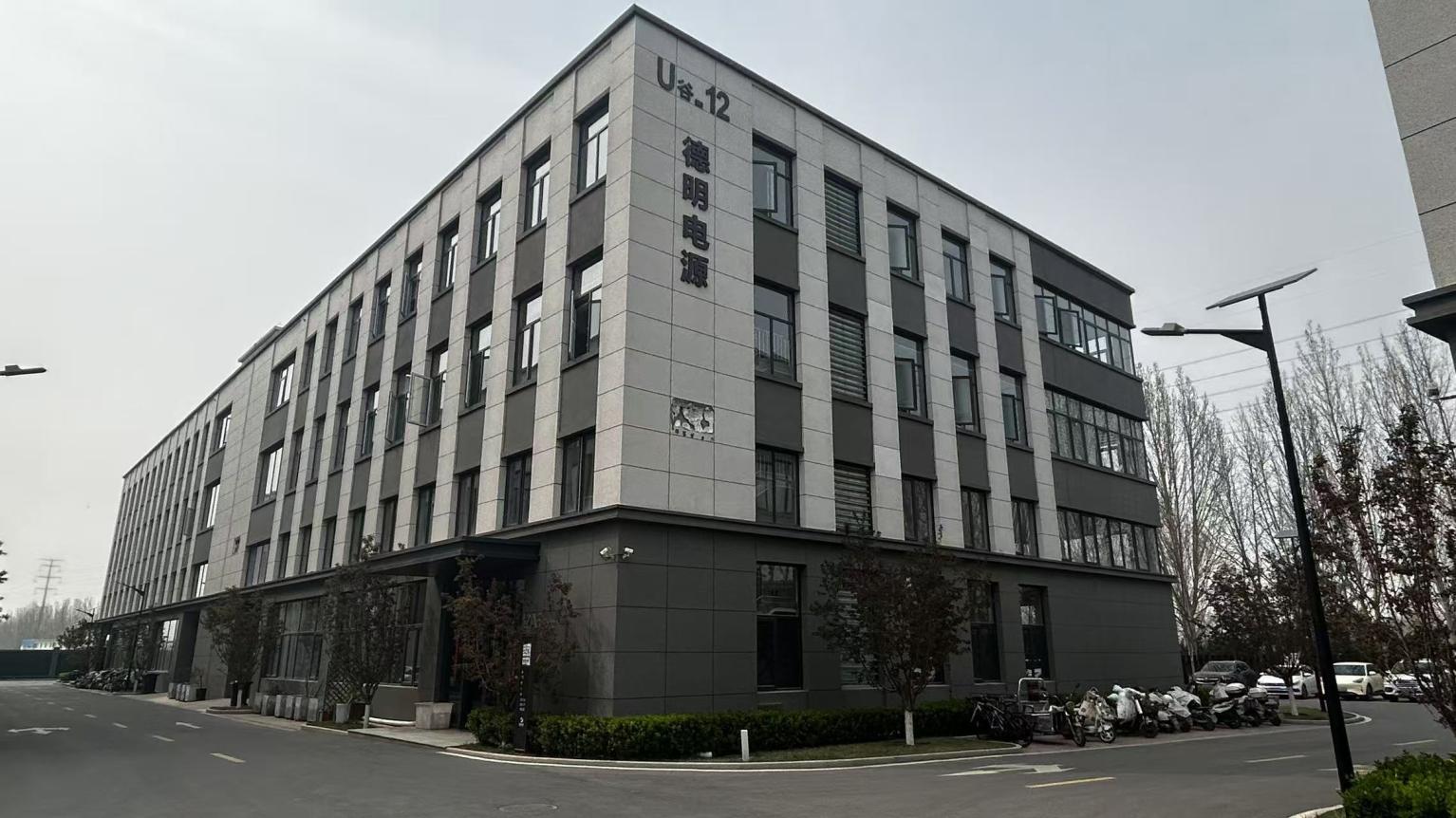
Jinan Deming Power Equipment Co., Ltd. addresses this transition at its technical foundation. By designing, manufacturing, and exporting enterprise-grade renewable energy equipment, we offer a comprehensive technical answer to energy losses, frequency mismatches, and conversion inefficiencies that historically plagued commercial microgrids.
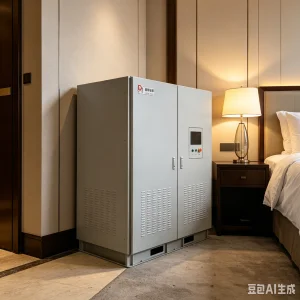
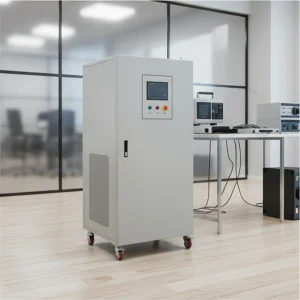
Advanced bidirectional power conversion units provide critical synthetic inertia, preventing local grid frequency collapses during renewable supply spikes and dropouts.
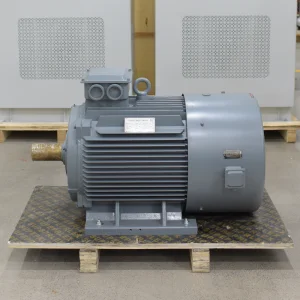
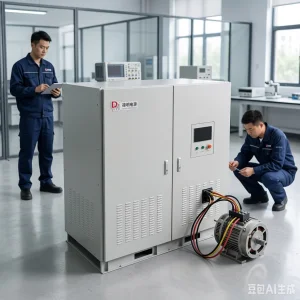
Enabling active regenerative energy capture in industrial motor arrays and battery testing systems, turning traditional waste heat into recyclable electrical energy.
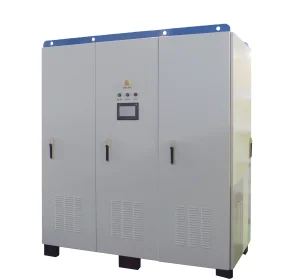
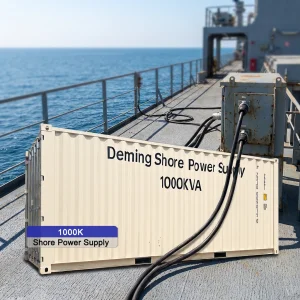
Eliminating shipboard auxiliary diesel emissions at ports by converting high-voltage utility power into ship-compatible configurations via 1000KVA shore power systems.
Different industrial and geography-specific contexts present unique voltage, frequency, and safety requirements. Deming’s energy hardware has been tailored to solve real-world carbon footprint problems across these environments:
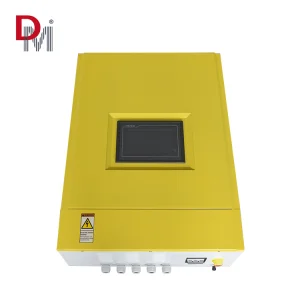
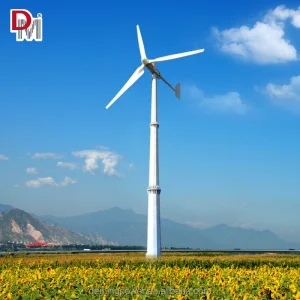
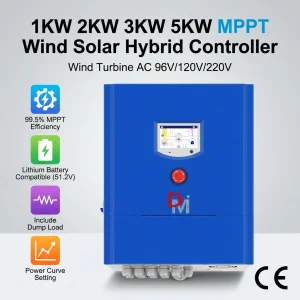
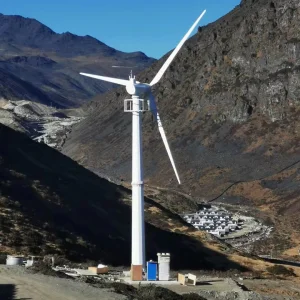
Uncontrolled wind-turbine AC voltage or fluctuating PV solar DC currents are directed through high-precision MPPT hybrid controllers, achieving up to 99% extraction efficiency.
Our bidirectional buck-boost converters regulate battery charge regimes, preventing cell degradation while maintaining optimal battery-storage input stability.
Dynamic pure sine wave inverters synchronize phase and frequency with the local utility network, outputting clean, compliant energy with low total harmonic distortion (THD).
Jinan Deming Power Equipment Co., Ltd. is a nationally recognized high-tech enterprise established in 2004, specializing in the research, development, production, and service of renewable energy power equipment and advanced power testing solutions. The company holds ISO9001:2015 certification and has been recognized as a high-tech enterprise by the Chinese government multiple times (2015, 2018).
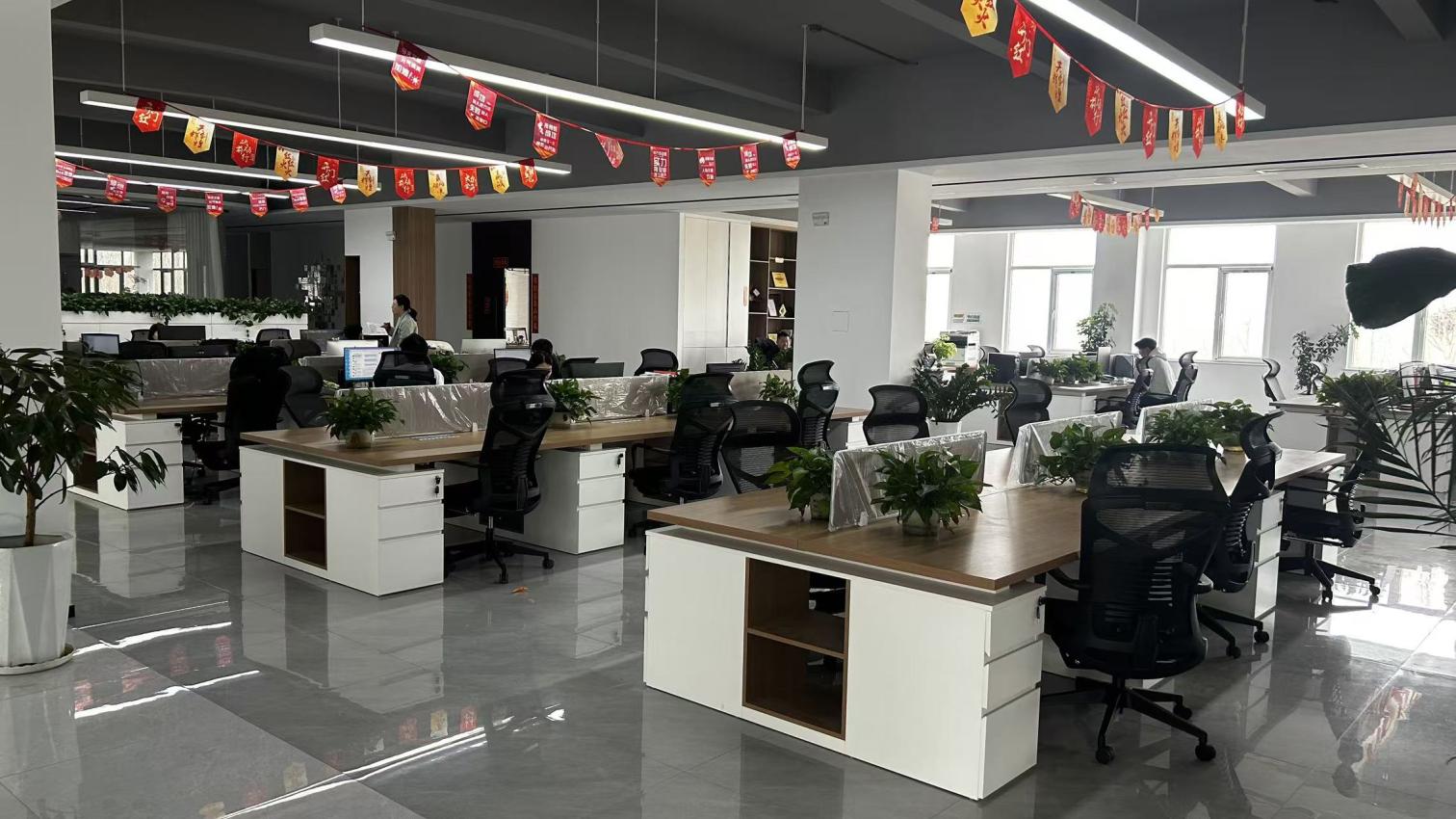
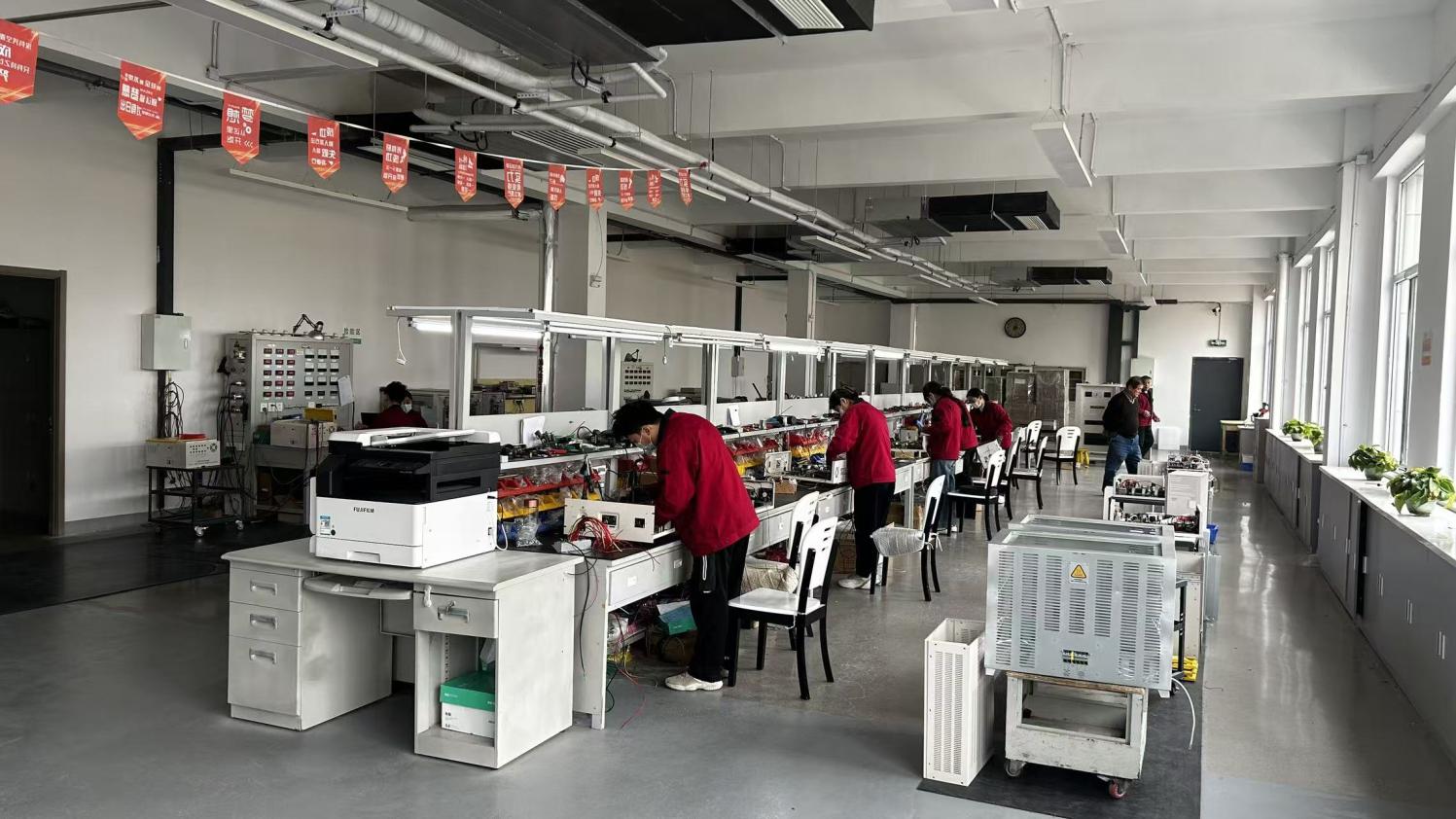
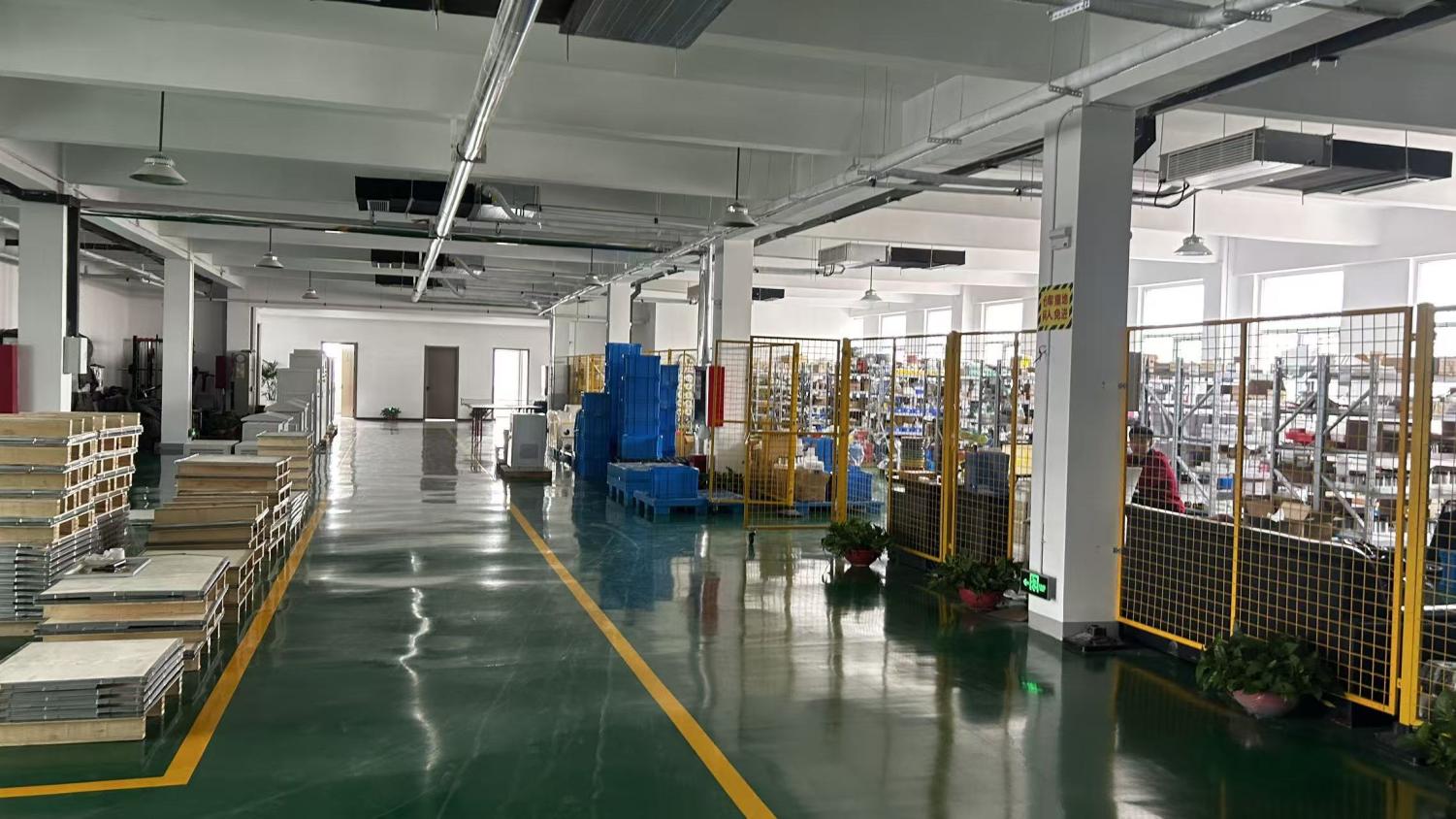
With a dedicated R&D team of 16 engineers including doctoral supervisors and master's degree holders, Deming invests no less than 20% of annual sales revenue into technology development. The company has completed 17 R&D projects in the last three years with 16 scientific and technological achievements transformed into commercial products. Deming's products have been exported to 120+ countries including Germany, Japan, the United States, UK, Canada, Australia, and Brazil, and the company has established cooperative relationships with Fortune 500 enterprises. The company's main products include wind/solar controllers, inverters, frequency converters, and high-power bidirectional DC test power supplies and battery simulators ranging from 150kW to 500kW.
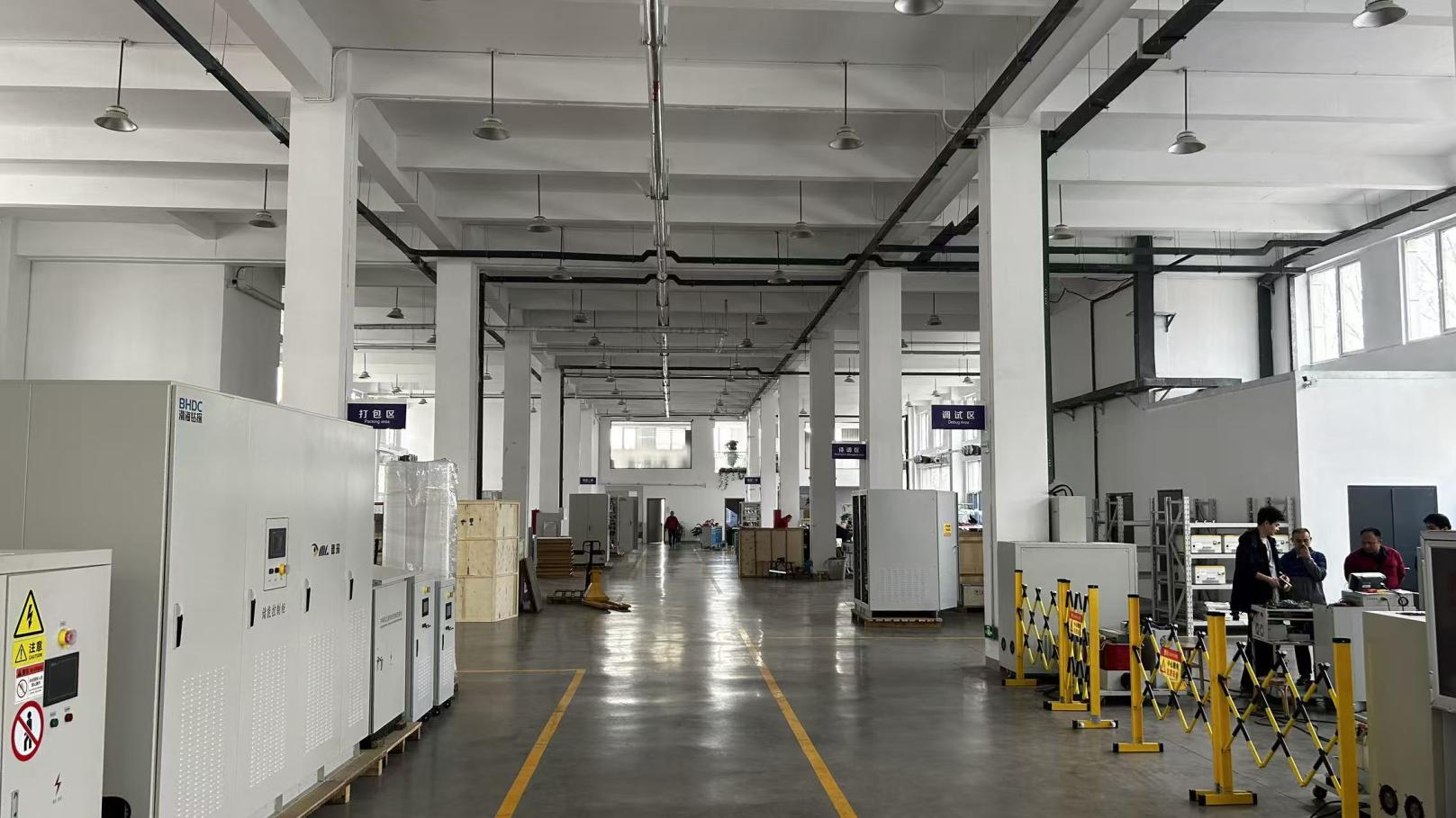
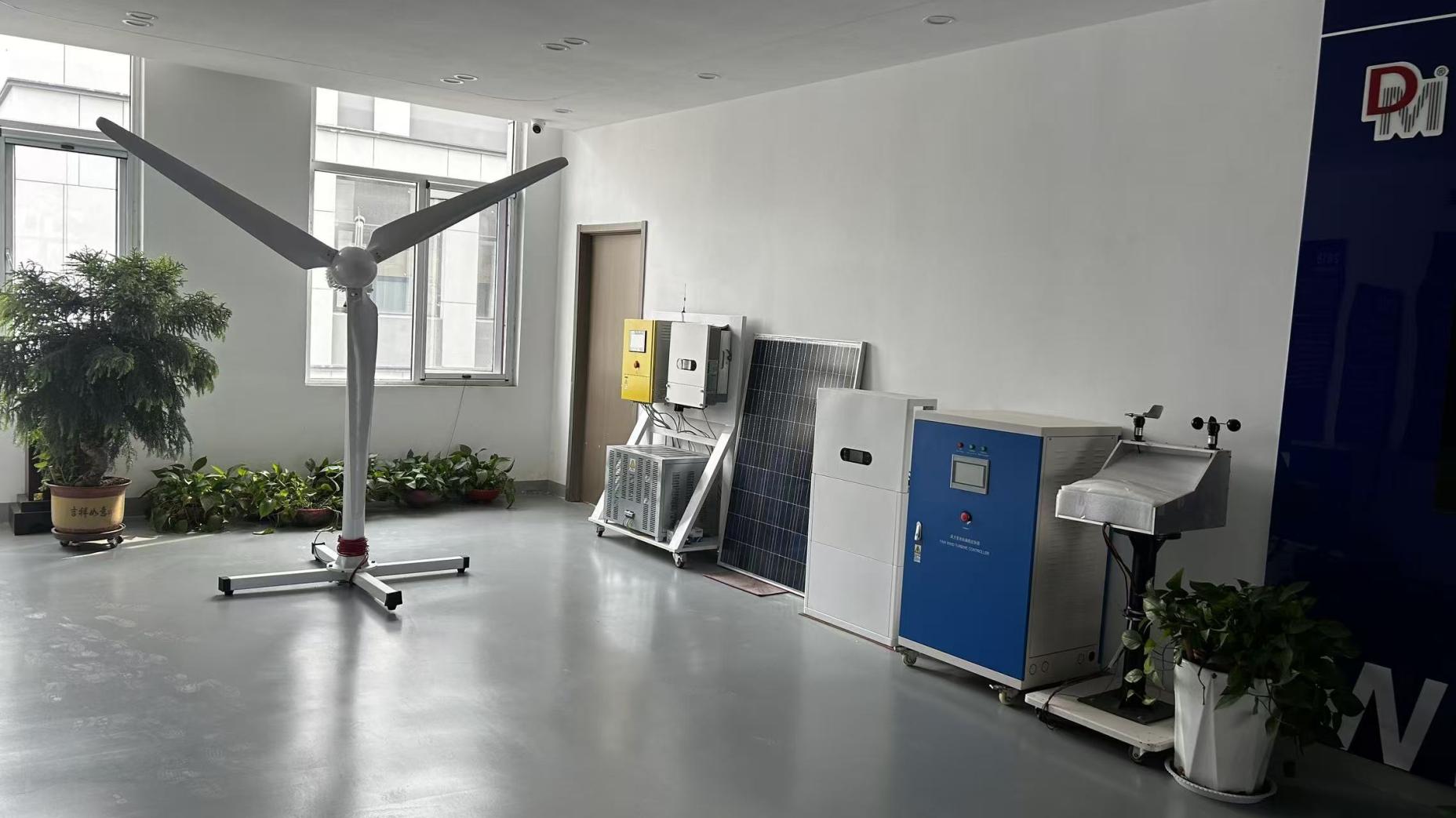
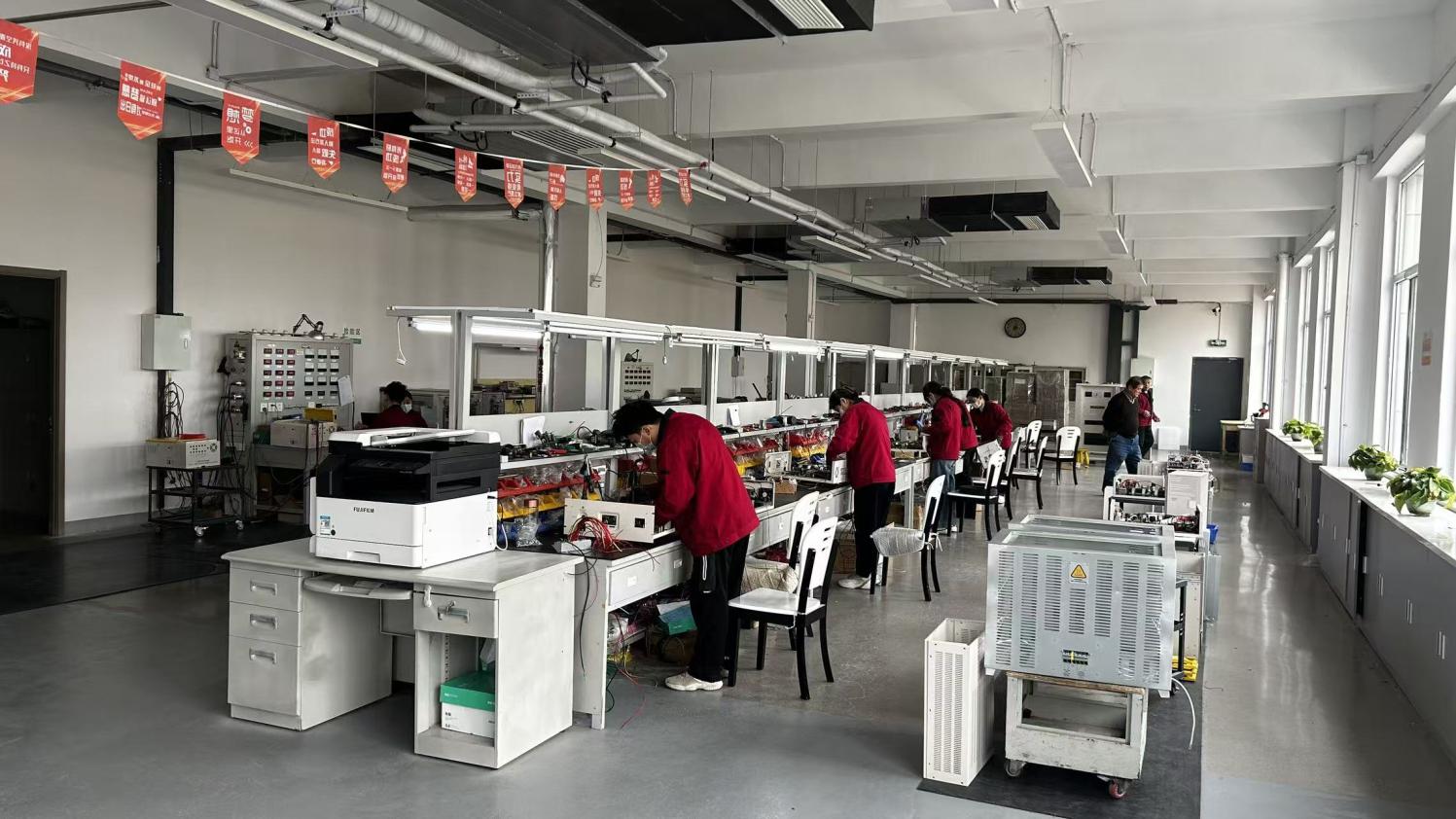
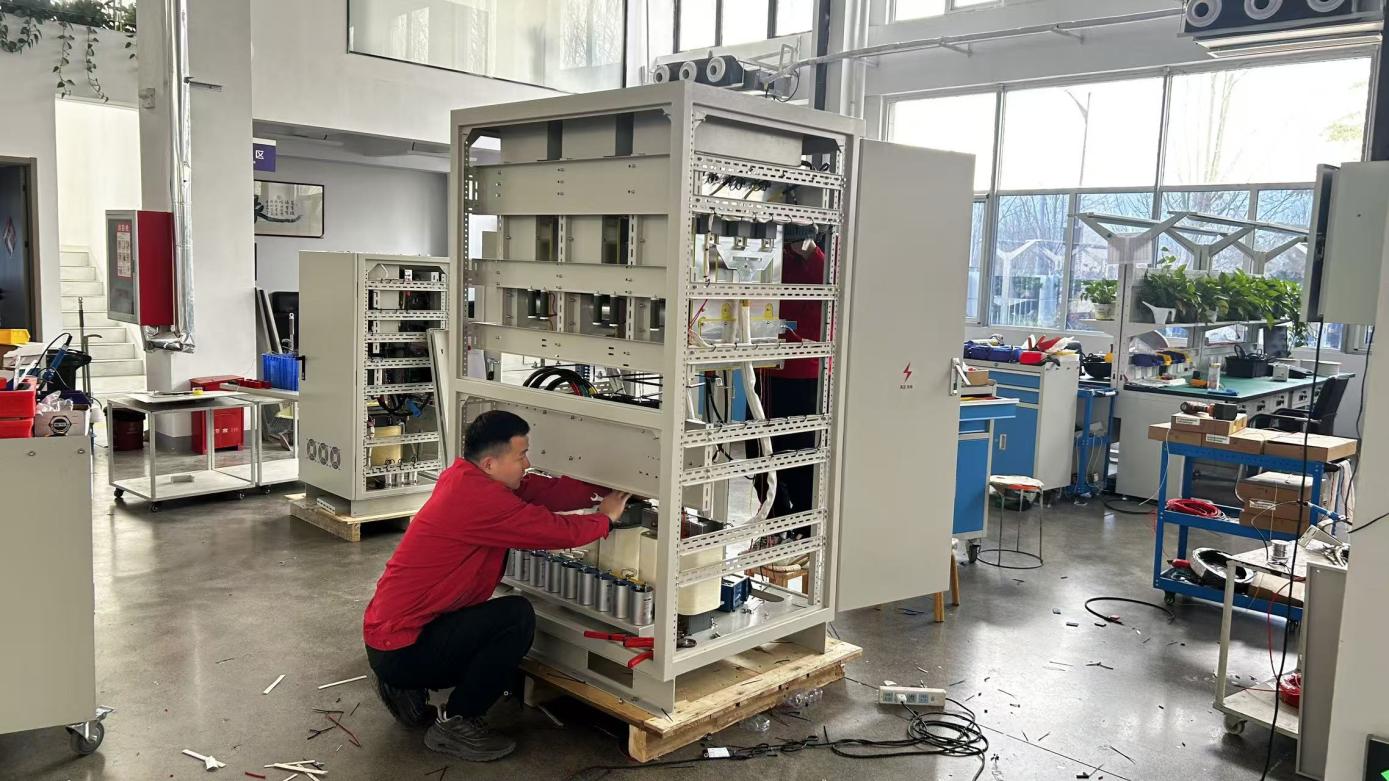
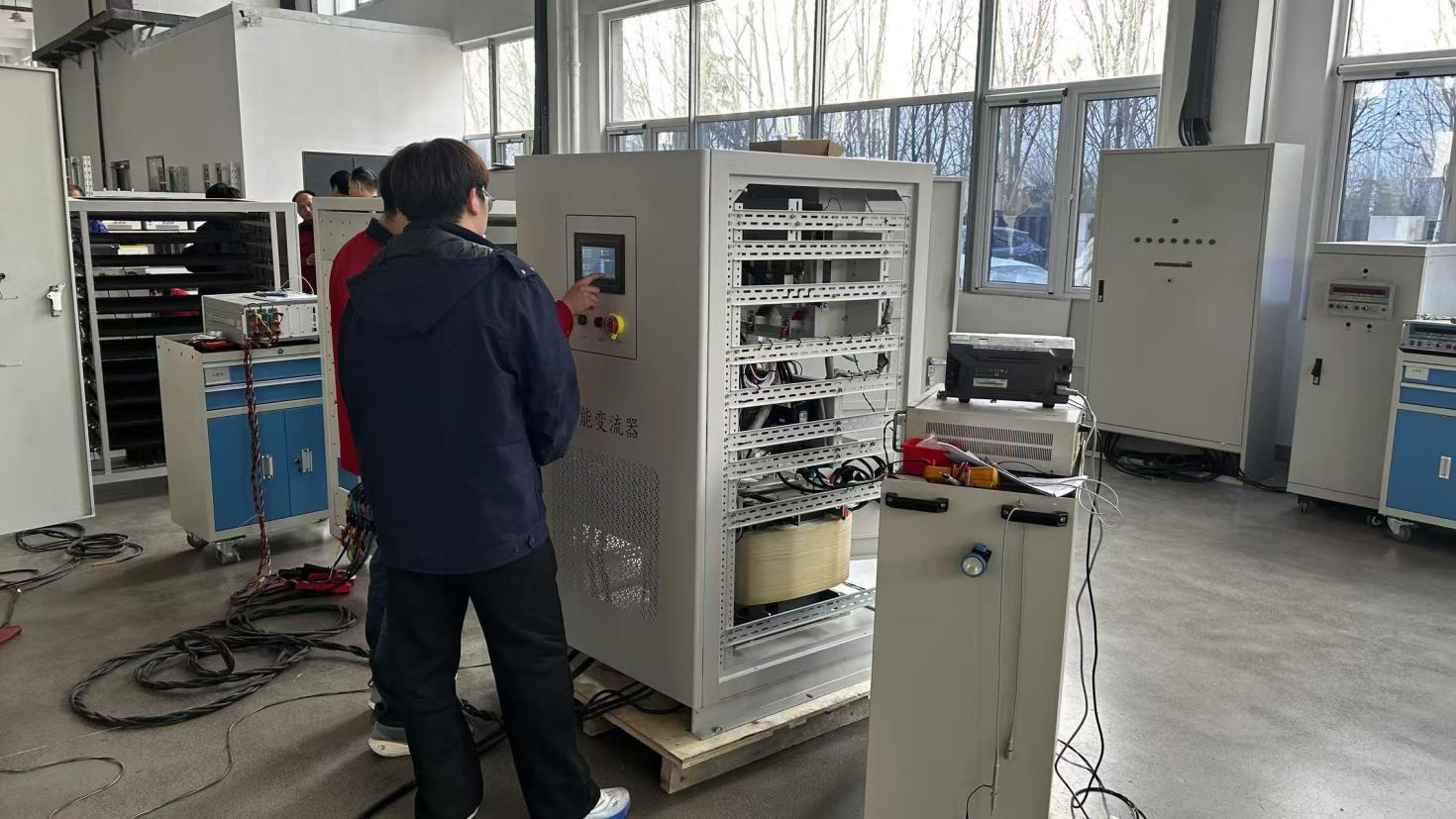
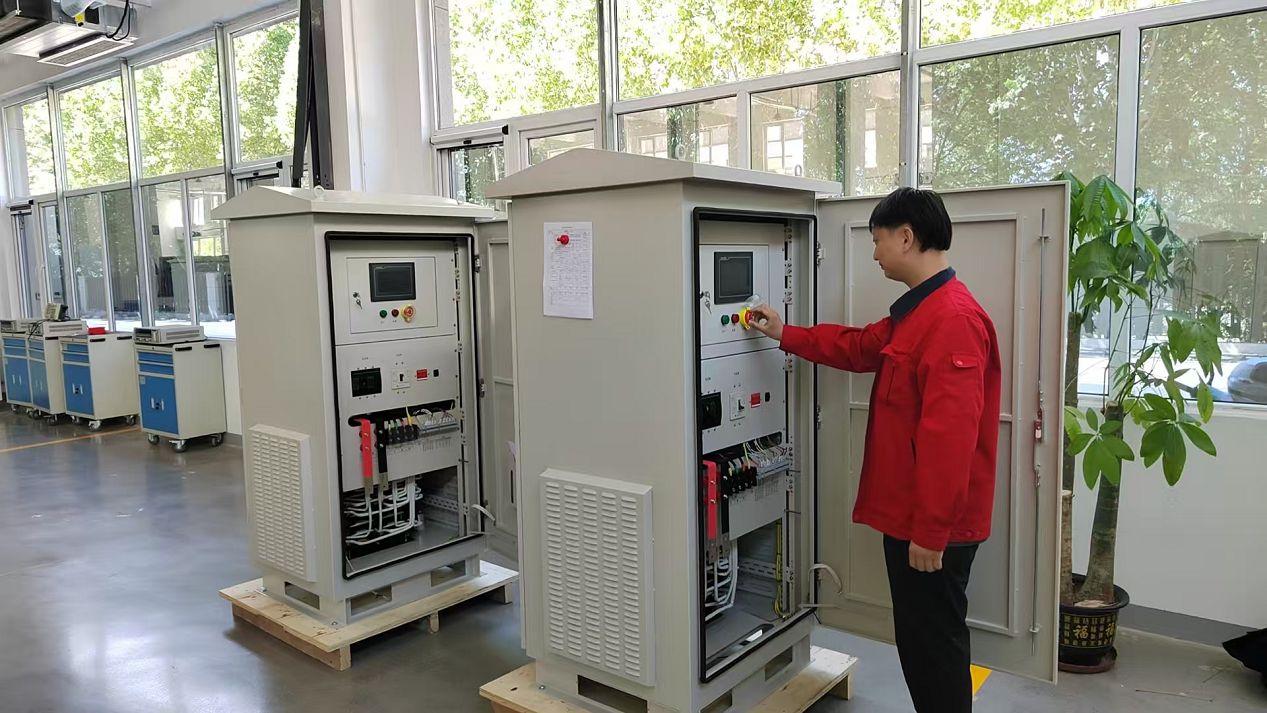
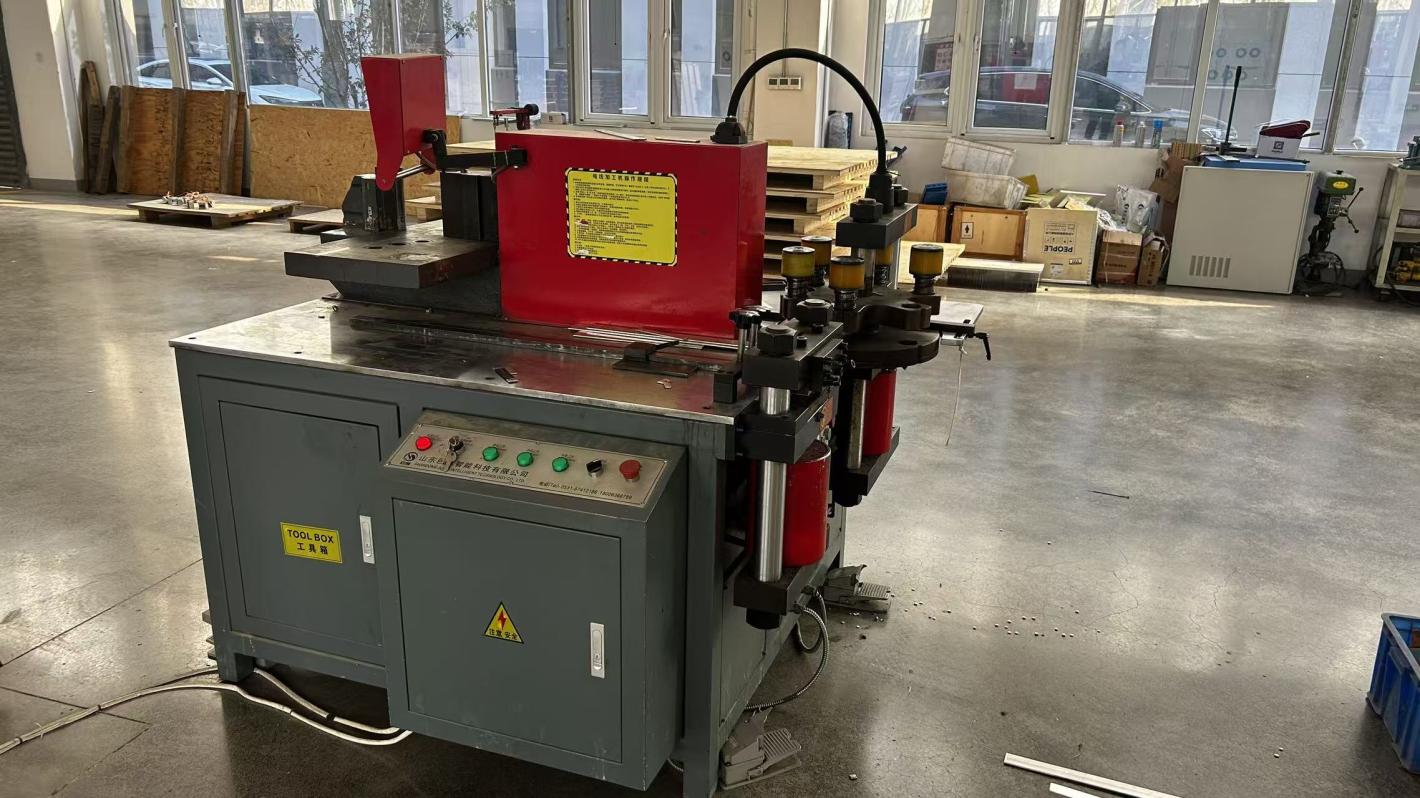
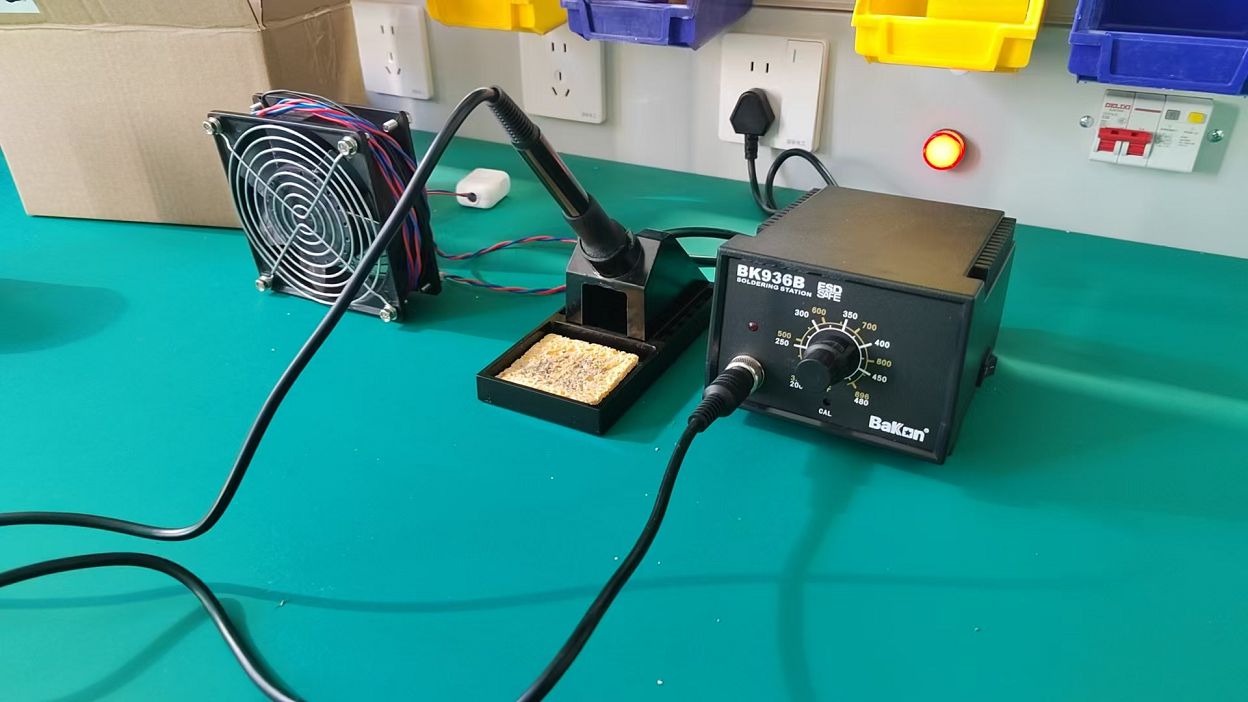
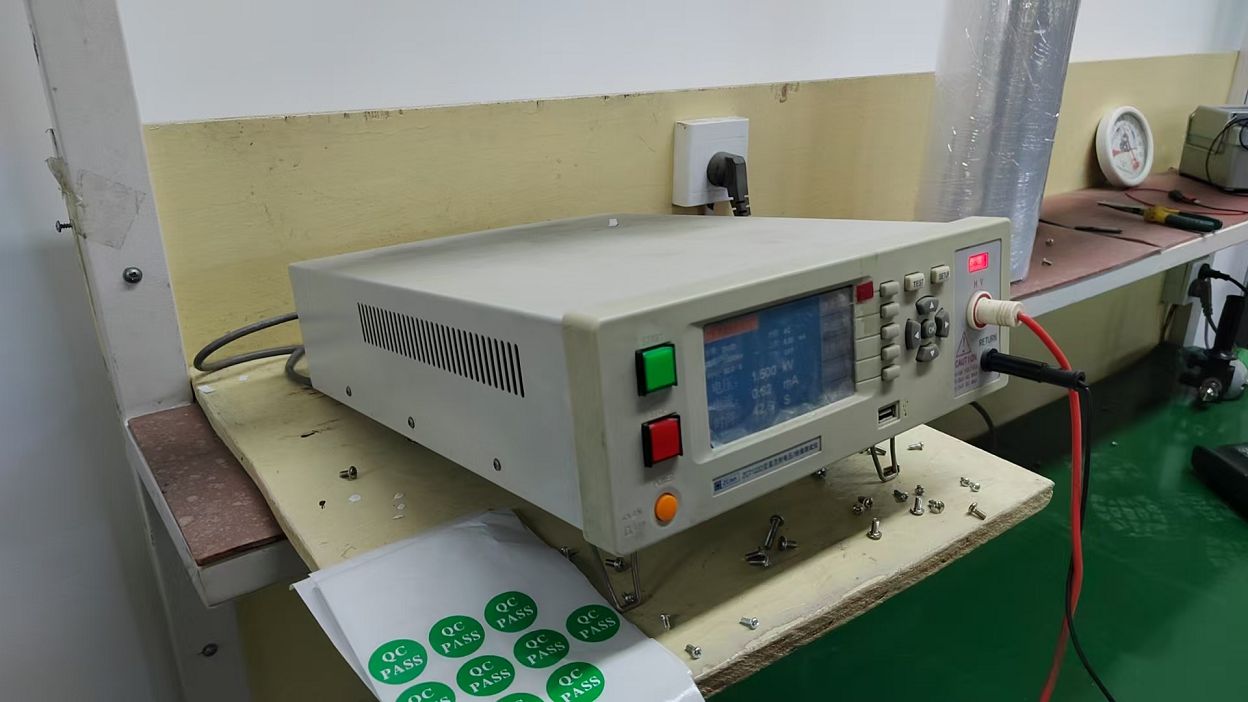
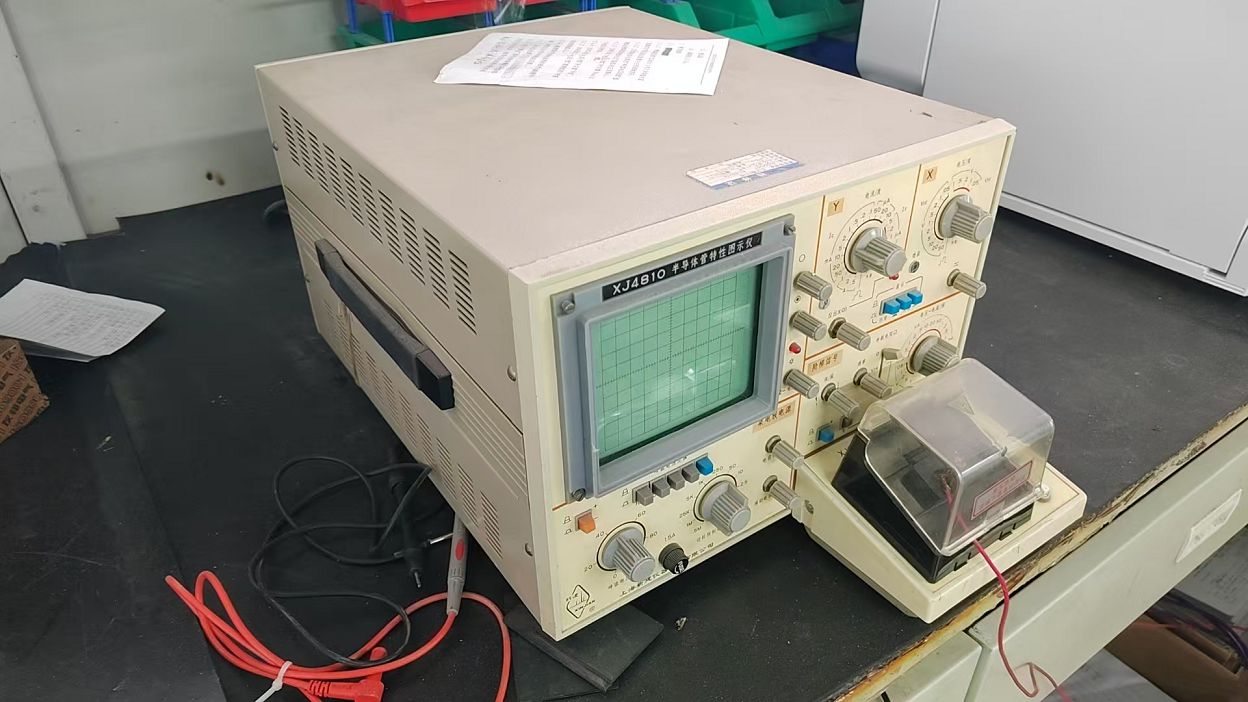
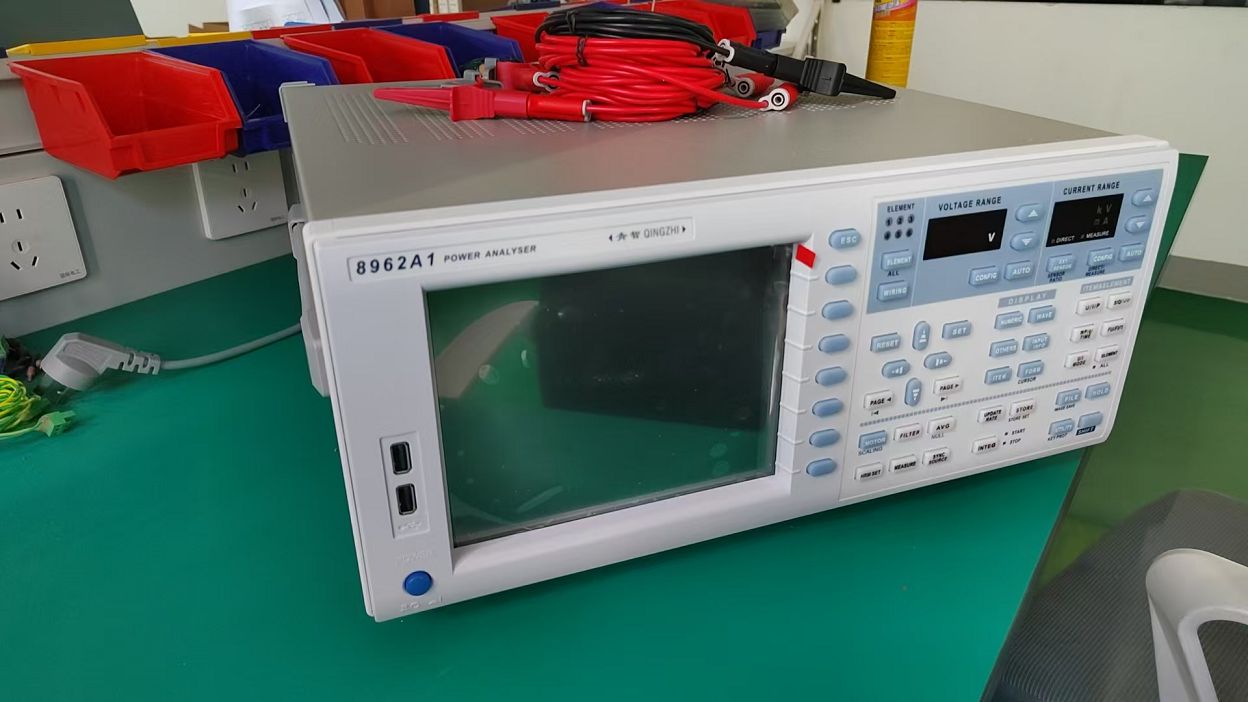
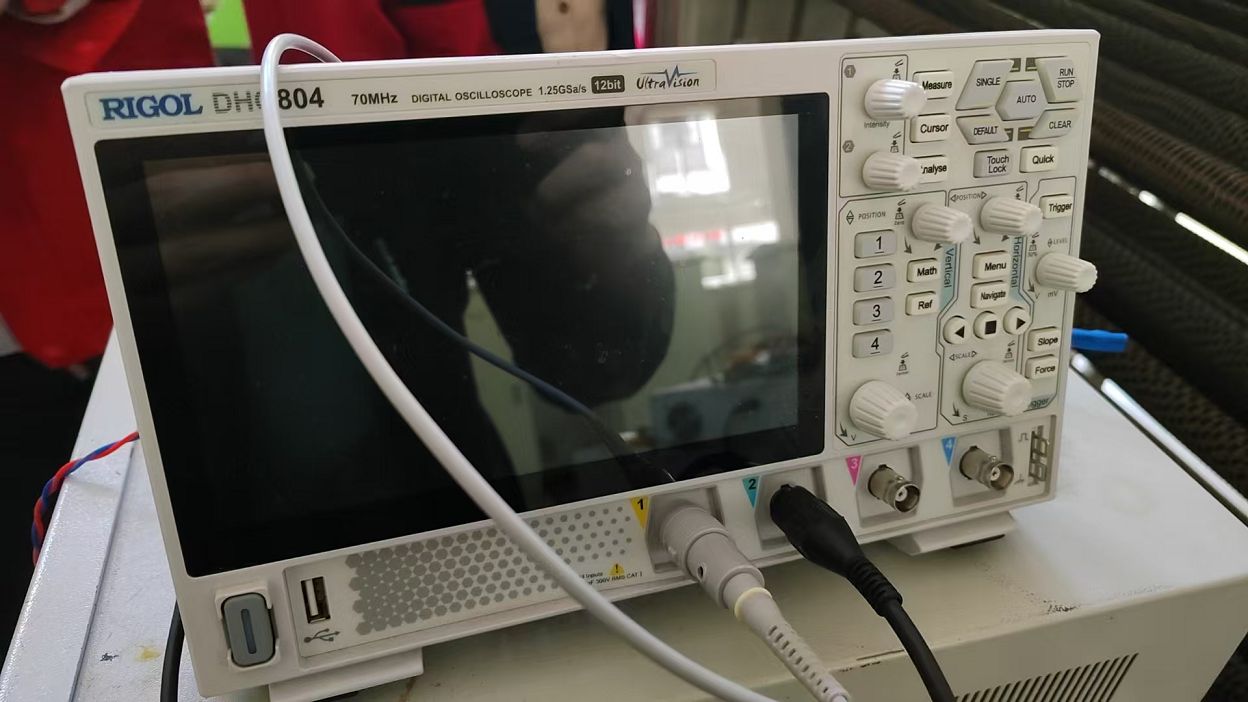
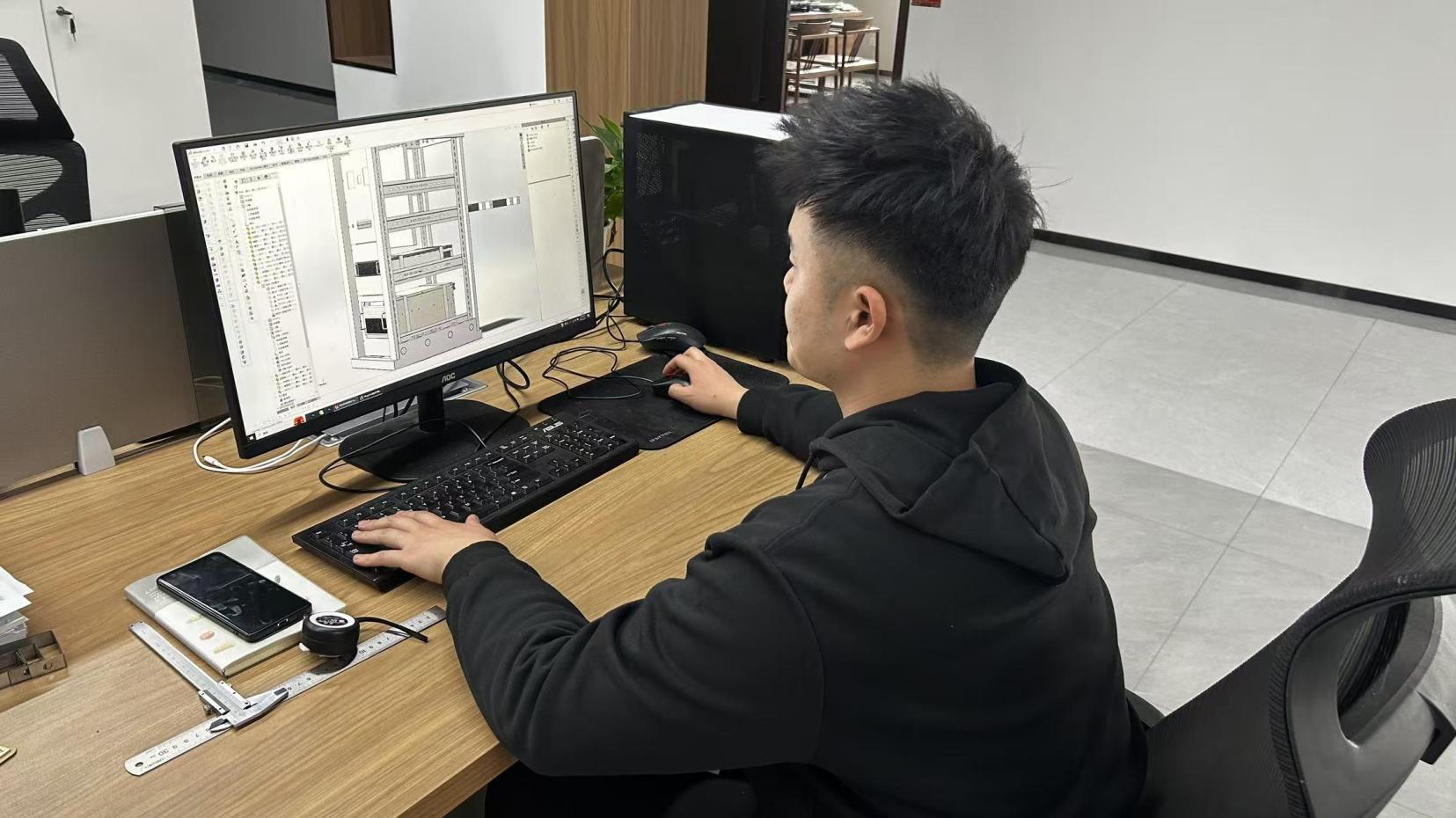
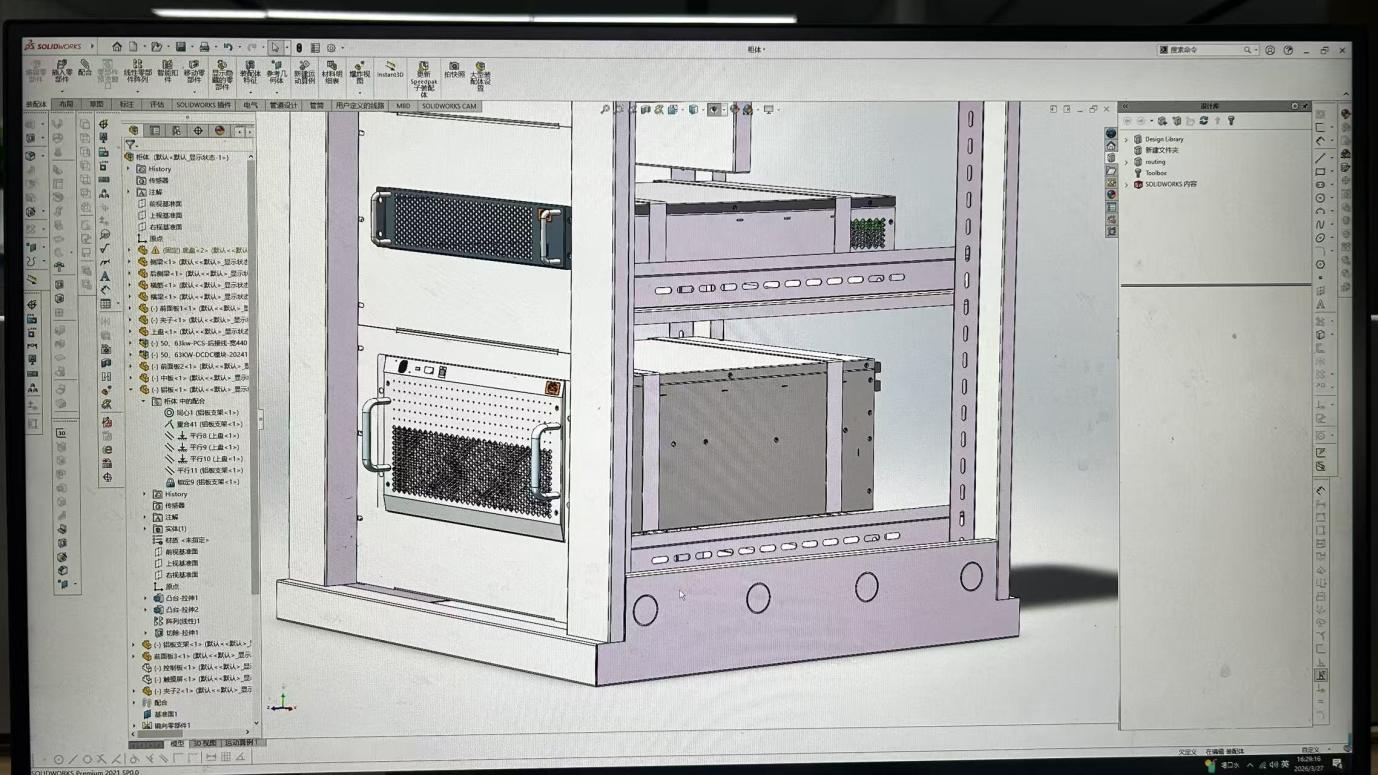
Exporting high-performance power equipment to over 120 countries requires compliance with diverse grid standards. Deming products undergo design cycles aligned with regional electrical safety directives:
To support global carbon footprint reduction targets, our active R&D pipeline targets specific technological breakthroughs:
Silicon Carbide (SiC) Power Switches: Moving converter and PCS infrastructure toward SiC semiconductors allows higher switching frequencies, reducing overall system heat generation and lifting conversion efficiency past 99.3%.
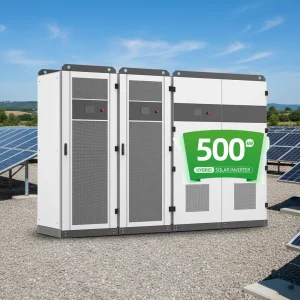
Active Grid-Forming Controls: Equipping standard 300kW and 500kW bidirectional converters with state-of-the-art virtual synchronous generator (VSG) software algorithms, enabling solar/wind microgrids to run stably without requiring local utility baseline references.
Providing clear answers to core industry questions regarding high-power conversion, energy storage, and decarbonization strategies.
Discover high-capacity energy generation and control products developed to minimize environmental impact and maximize output reliability.
 Demin Power