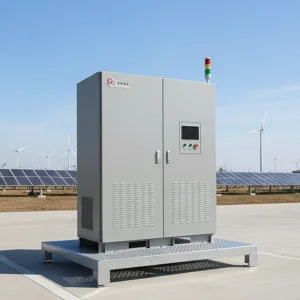
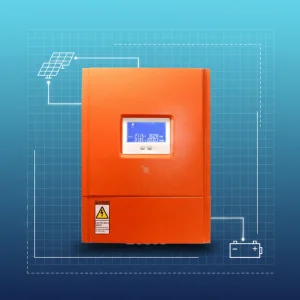
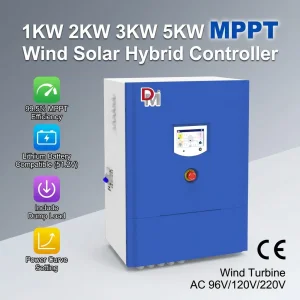
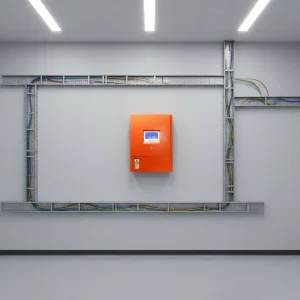
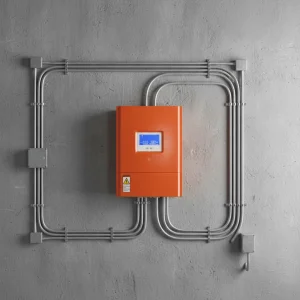
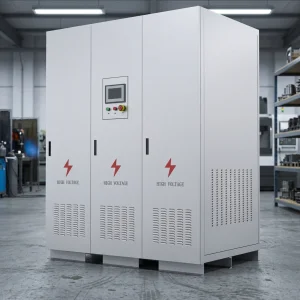
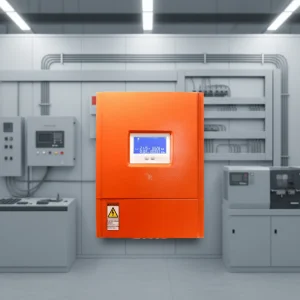
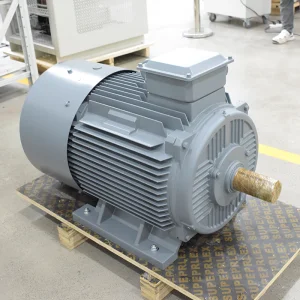
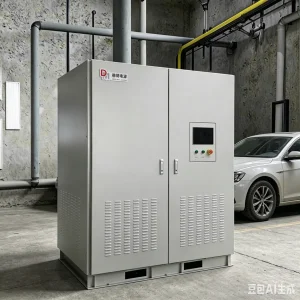
Engineered for extreme reliability, our power electronics interface seamlessly with utility grids, wind turbines, and microgrids to optimize energy usage.
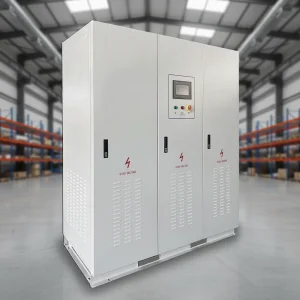
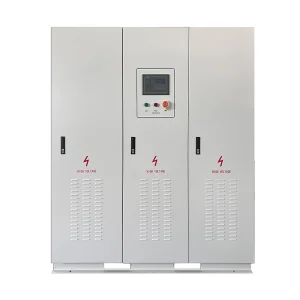
In modern power systems, grid instability, fluctuating utility tariffs, and the integration of highly volatile renewable energy sources present significant operational hurdles. As a key strategy, **peak shaving** mitigates high-demand charges and ensures grid reliability by discharging local power systems during periods of high demand. For Commercial and Industrial (C&I) utilities, deploying microgrid controllers, battery simulators, and bidirectional storage inverters enables substantial cost reduction while reducing the strain on regional grids.
Peak shaving technologies demand highly reliable power conversion systems (PCS). These systems act as a bridge between stored chemical energy (lithium-ion, sodium-ion, flow batteries) or mechanical energy (wind turbines) and the local utility infrastructure. By leveraging fast-acting MPPT solar chargers, bidirectional PCS, and high-efficiency AC/DC converters, factories optimize power flow, limit peak penalties, and build resilient on-site grids.
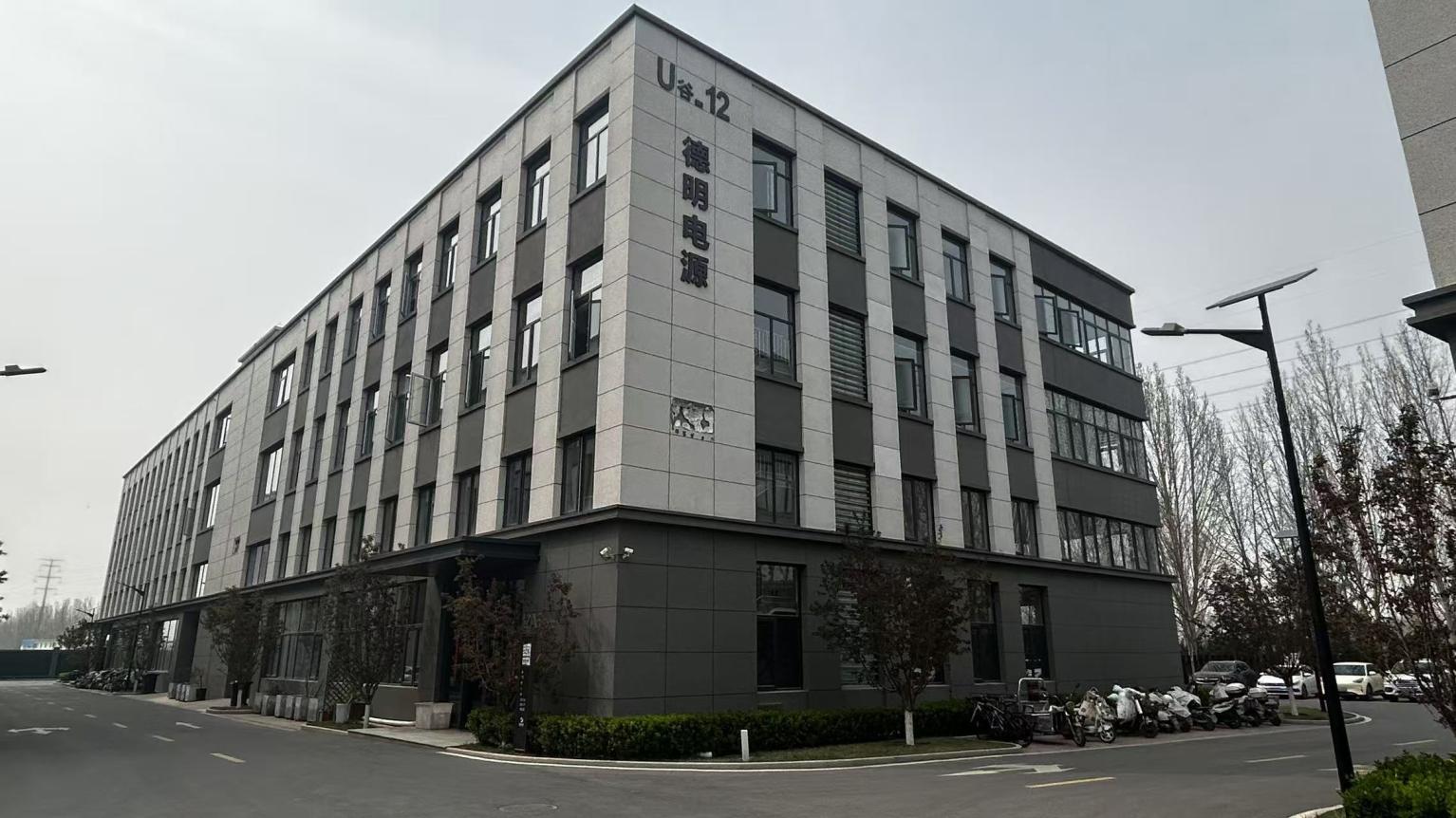
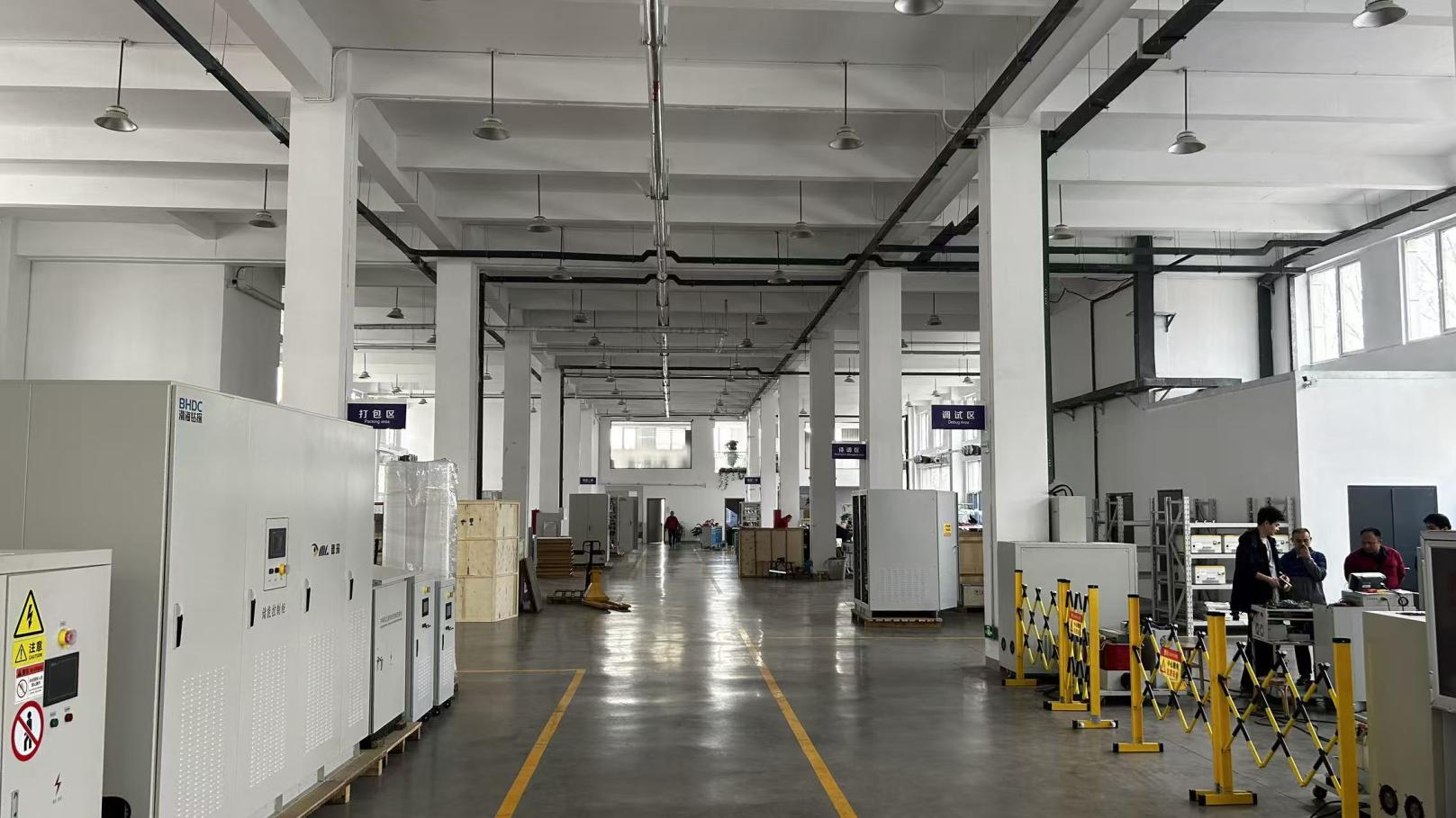
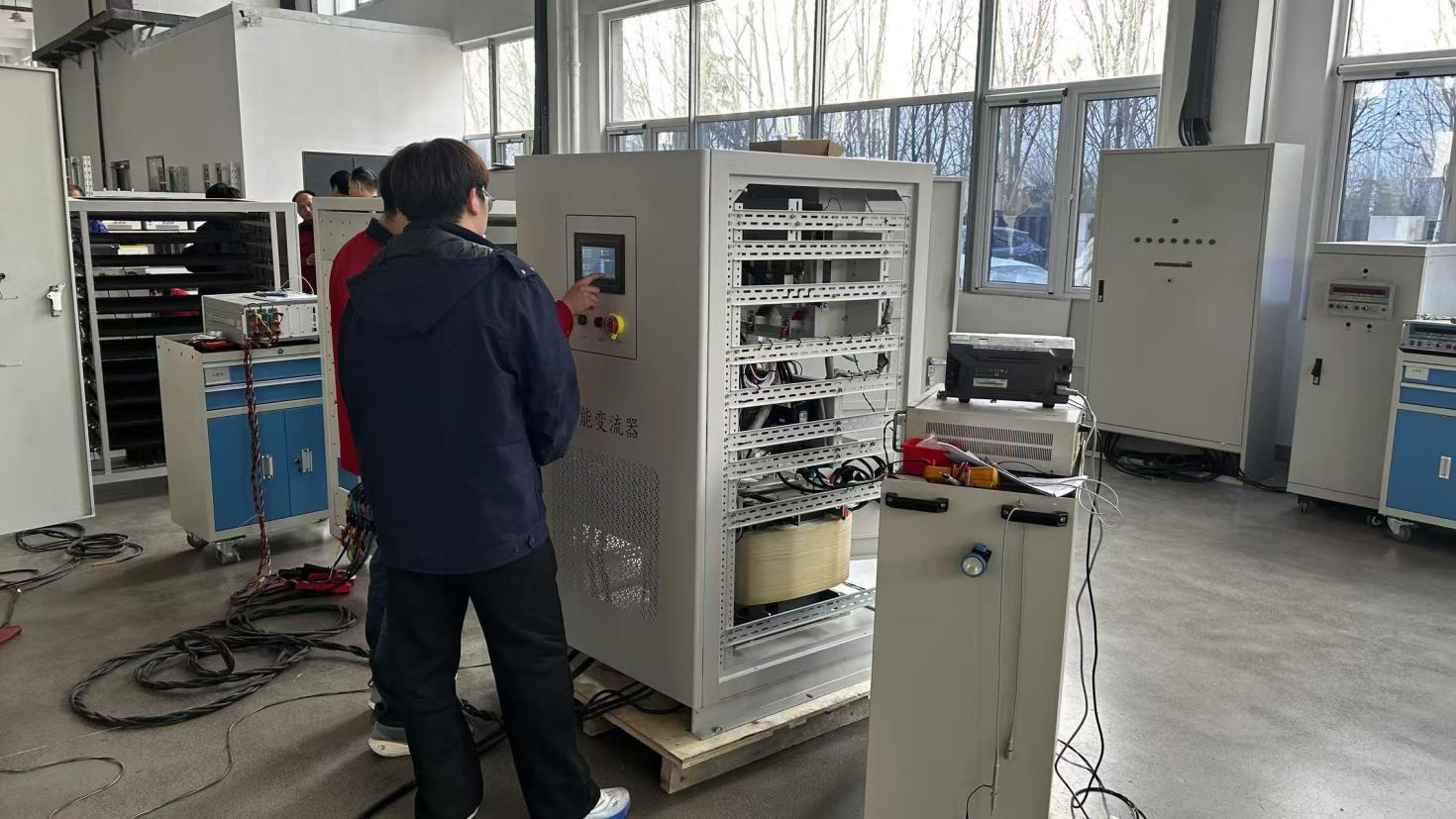
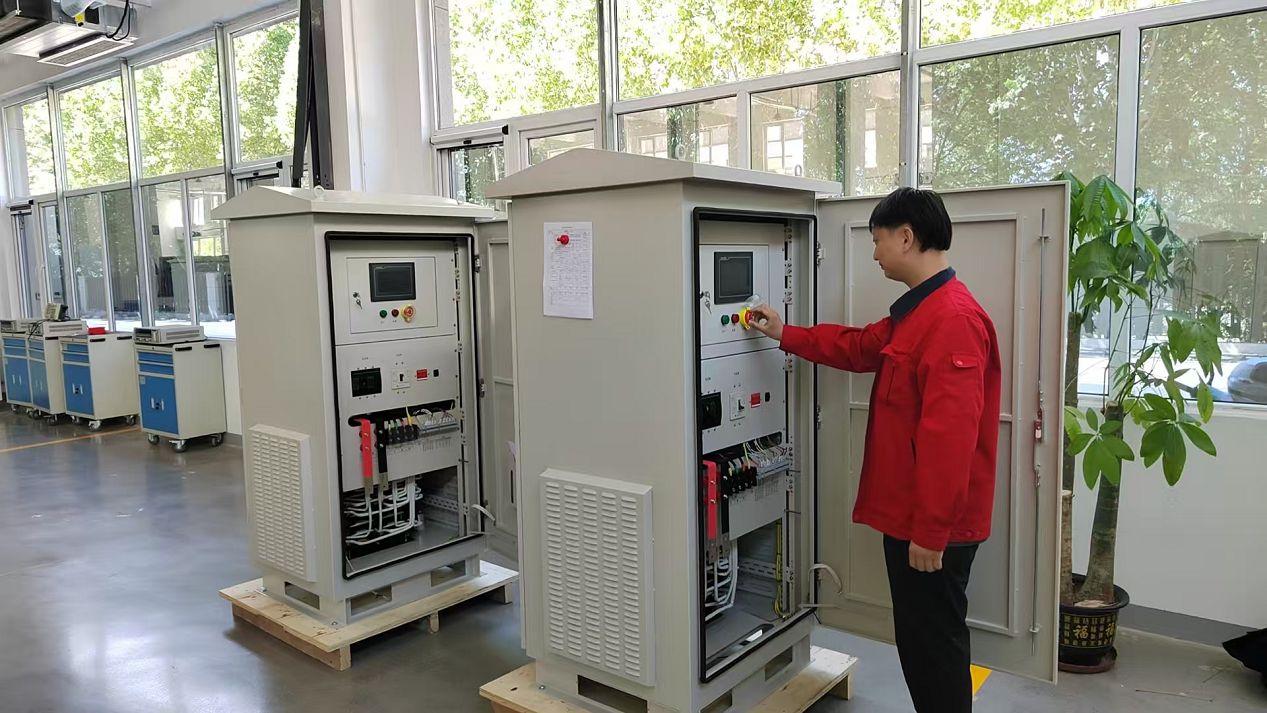
China has emerged as the global epicenter for industrial power equipment, commanding a highly integrated supply chain that encompasses everything from raw material processing to state-of-the-art power electronics assembly. The top-tier manufacturer Jinan Deming Power Equipment Co., Ltd. exemplifies this manufacturing superiority, blending advanced research with competitive capital costs.
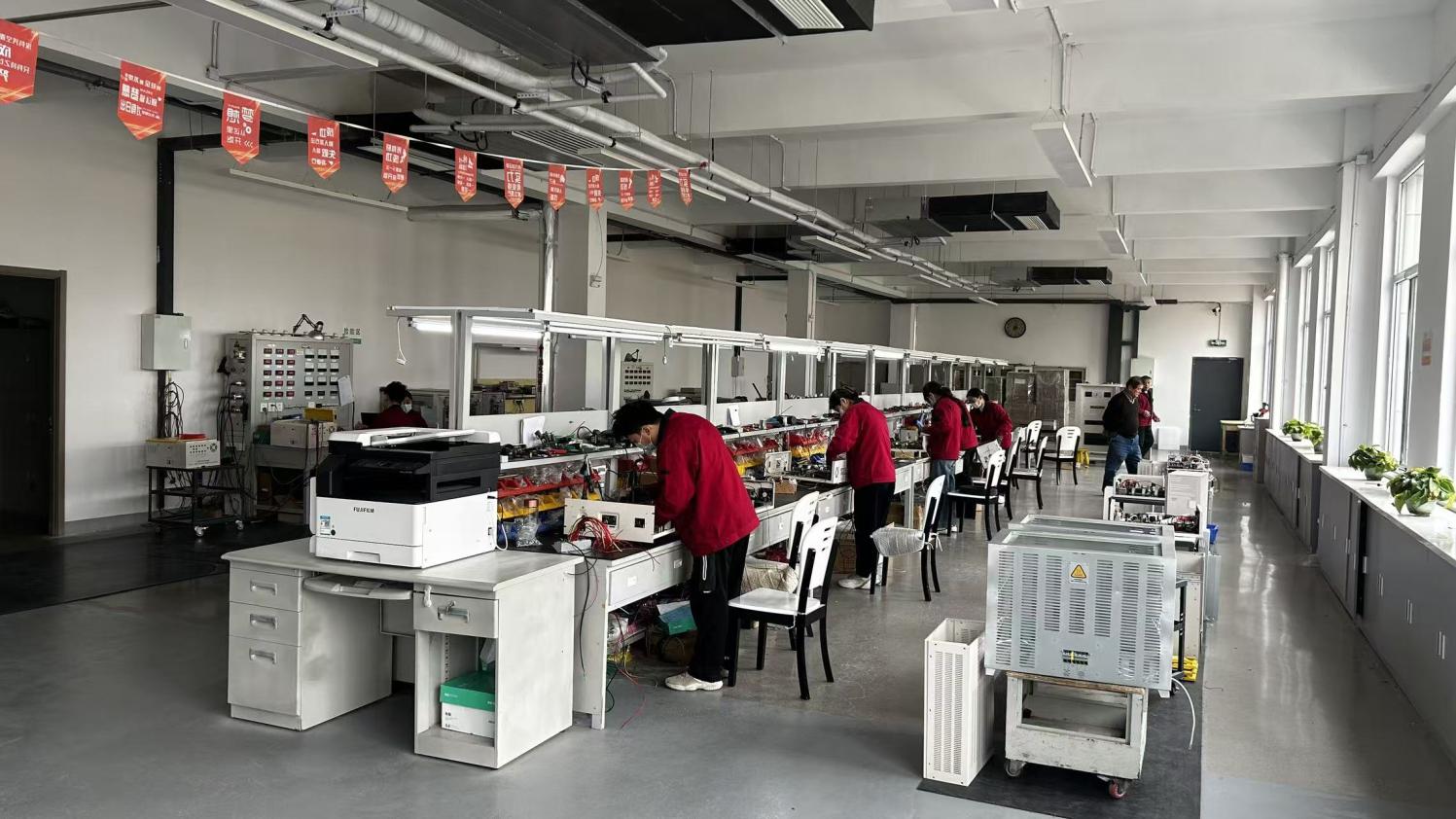
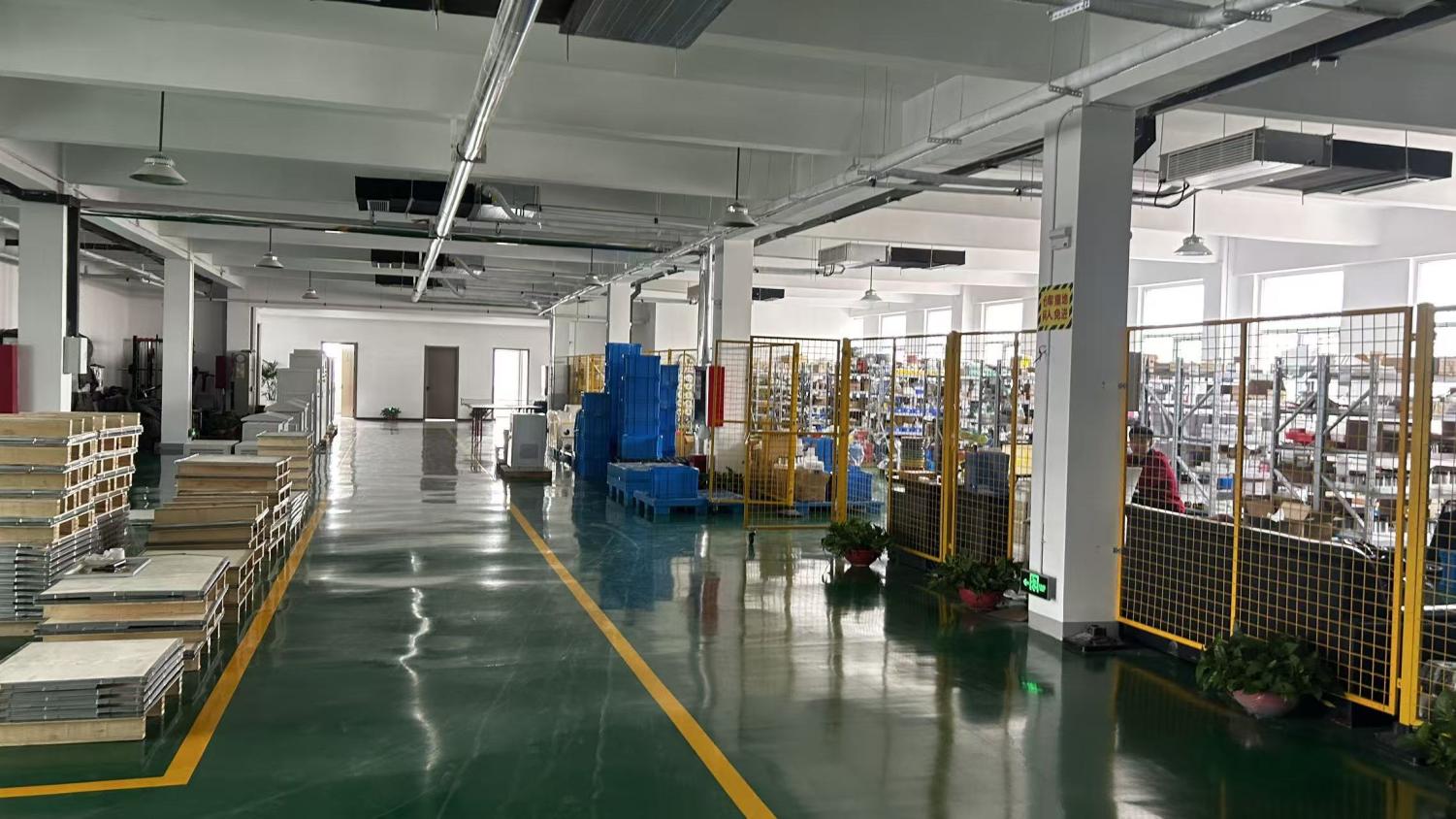
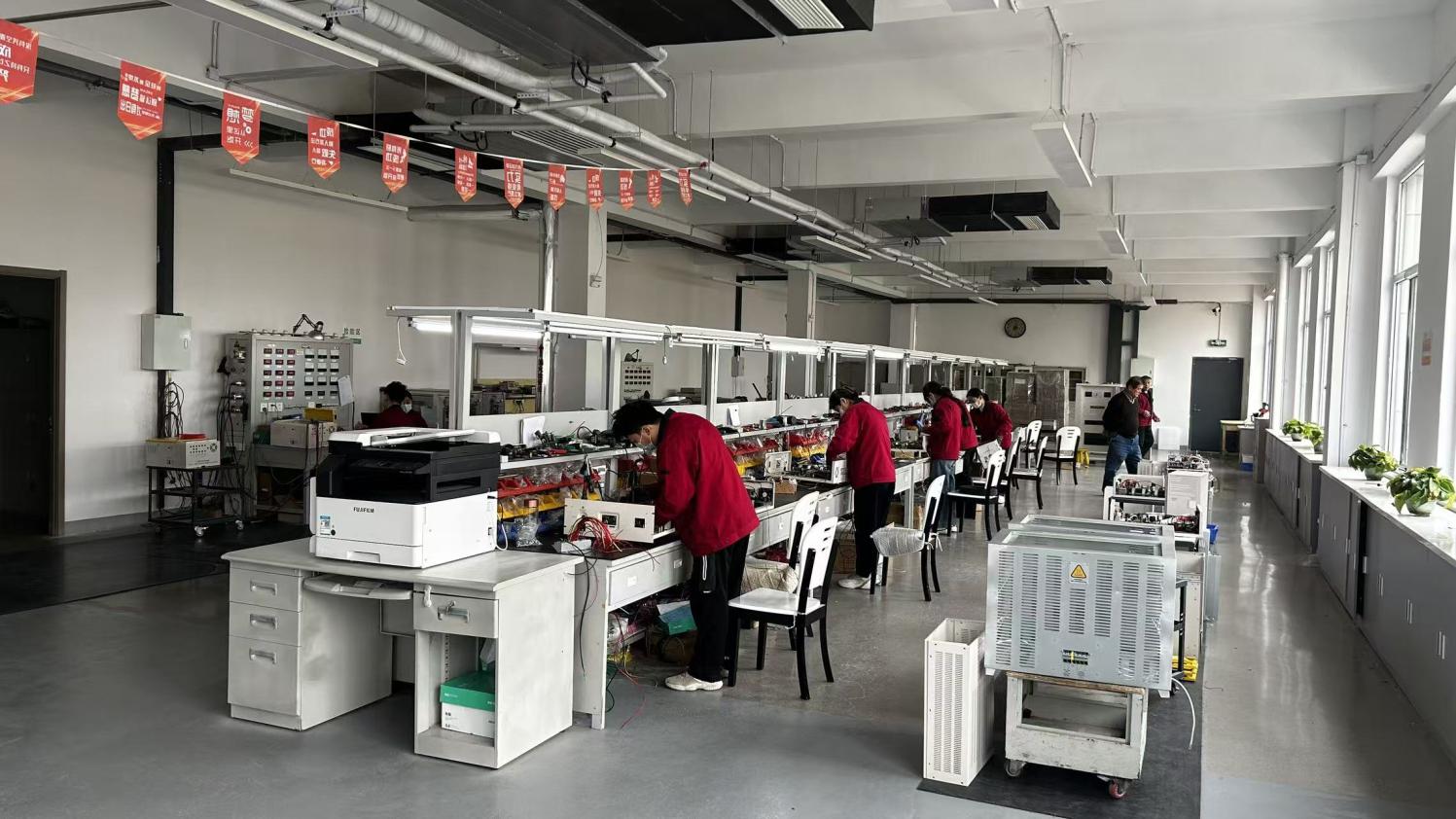
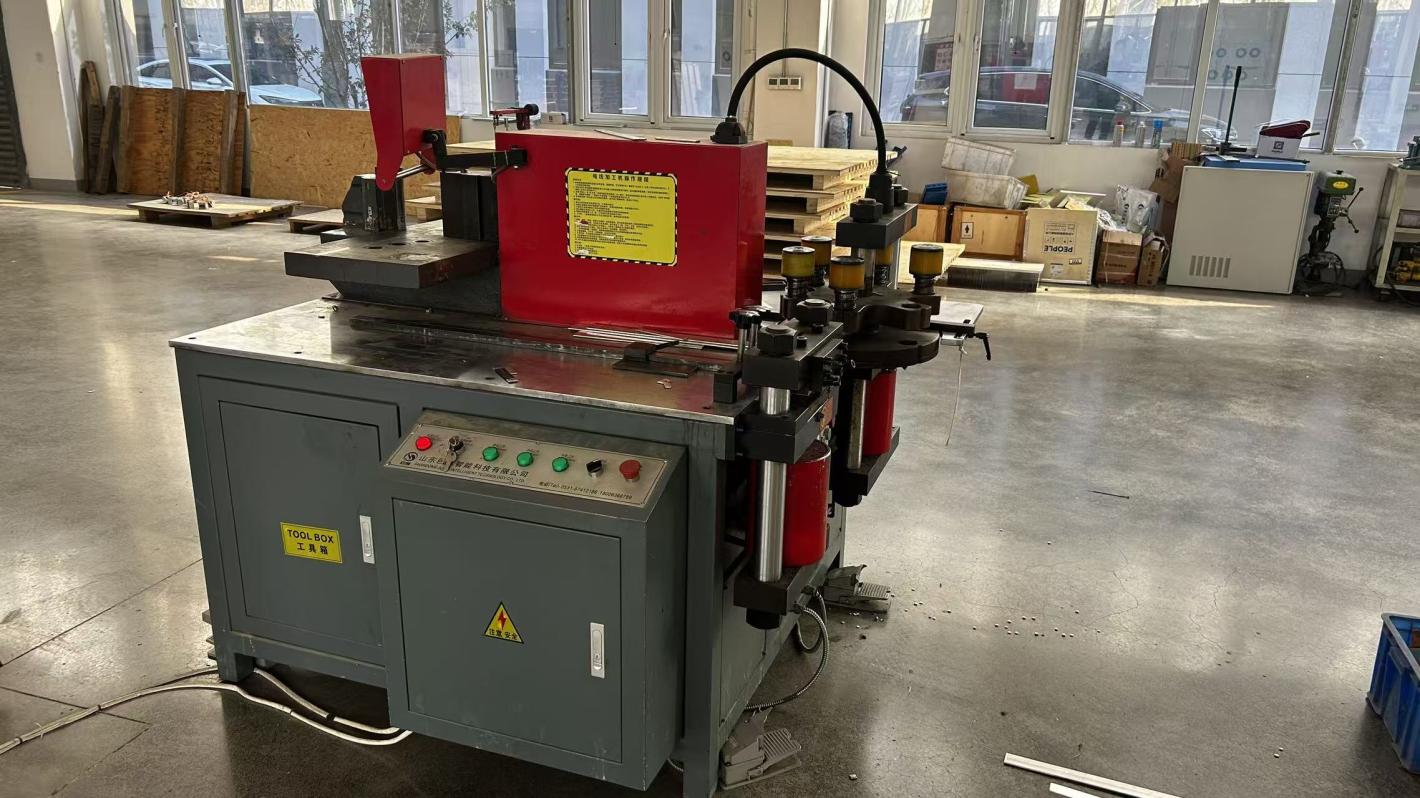
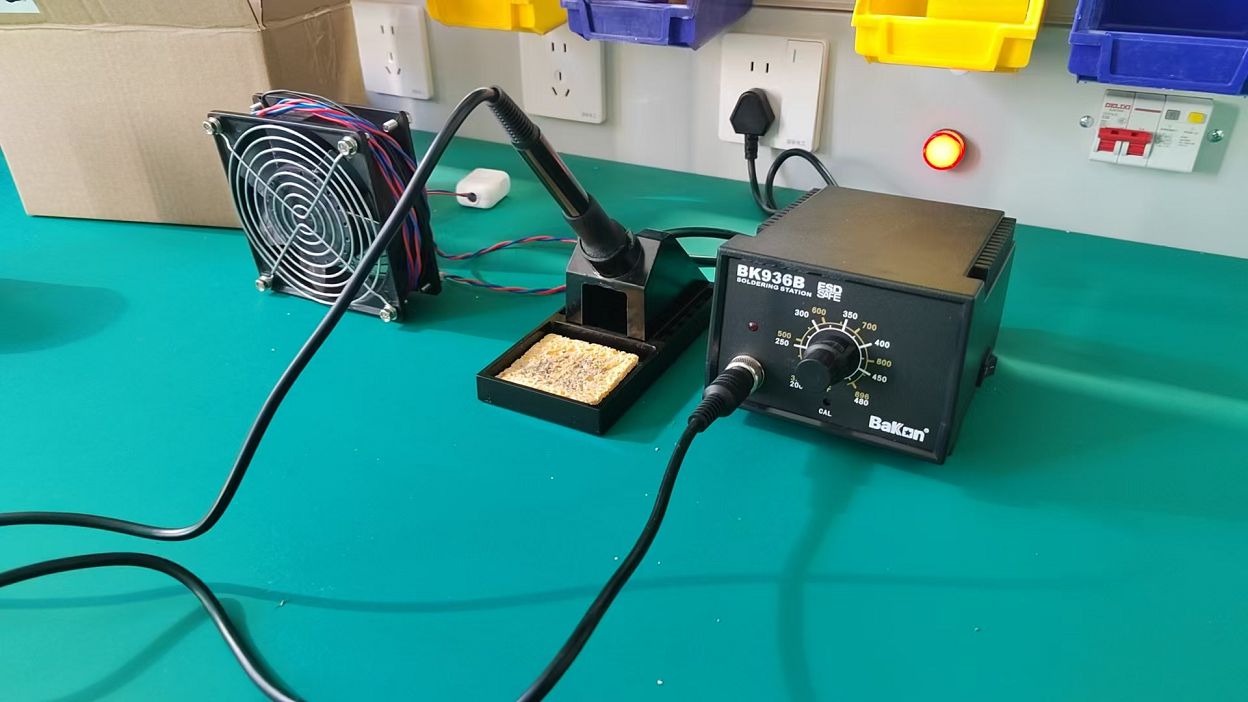
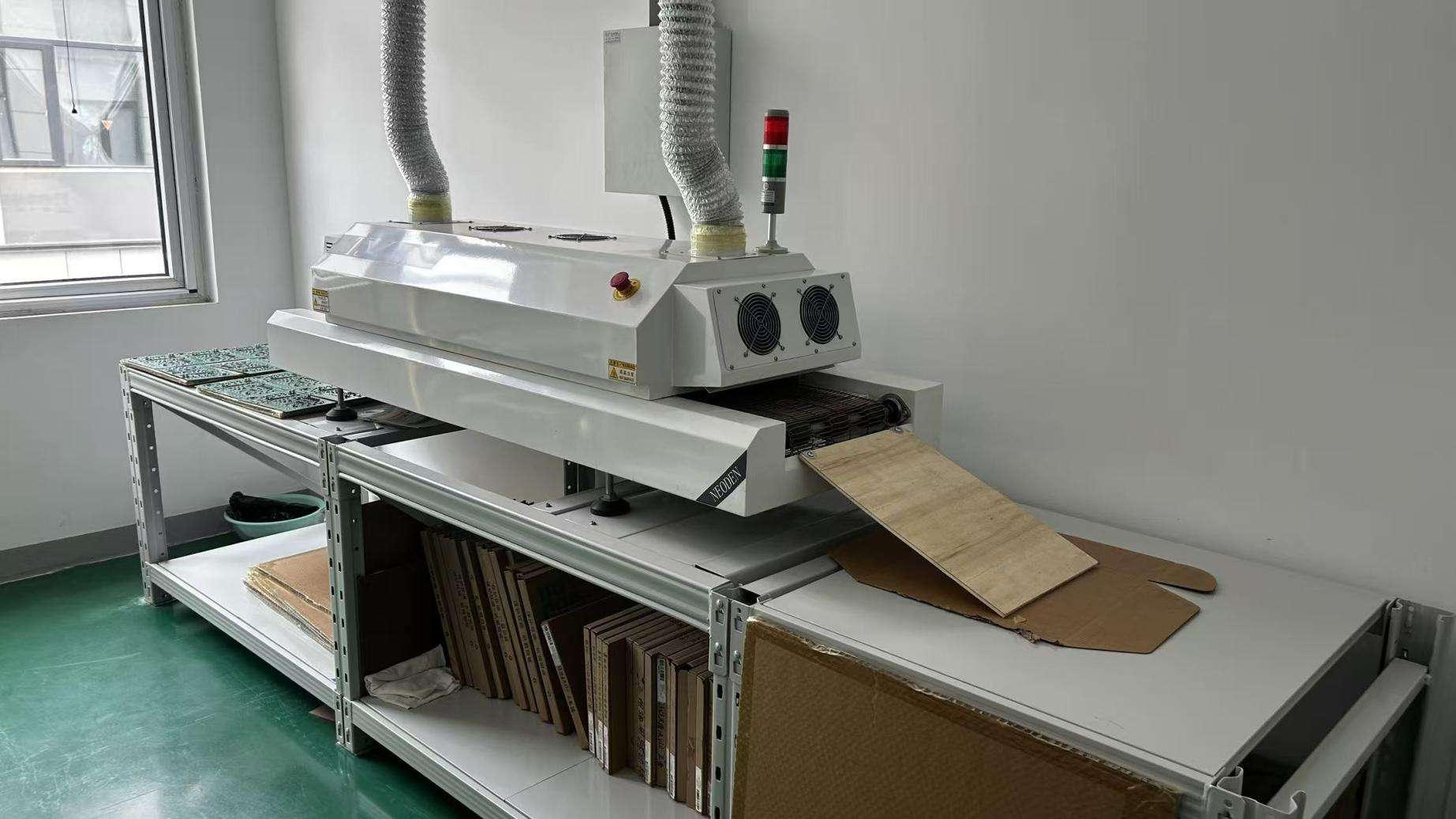
From copper bar fabrication to precise SMD circuit board assemblies, Shandong's industrial clusters enable rapid prototyping and reduced lead times for power controllers up to 500kW.
Industry-leading factories reinvest significant percentages of annual revenue (over 20% in Deming's case) into firmware improvements and power grid synchronization topologies.
Top factories have installations across 120+ countries, maintaining active partnerships with Fortune 500 companies in Germany, the USA, Japan, Australia, and Brazil.
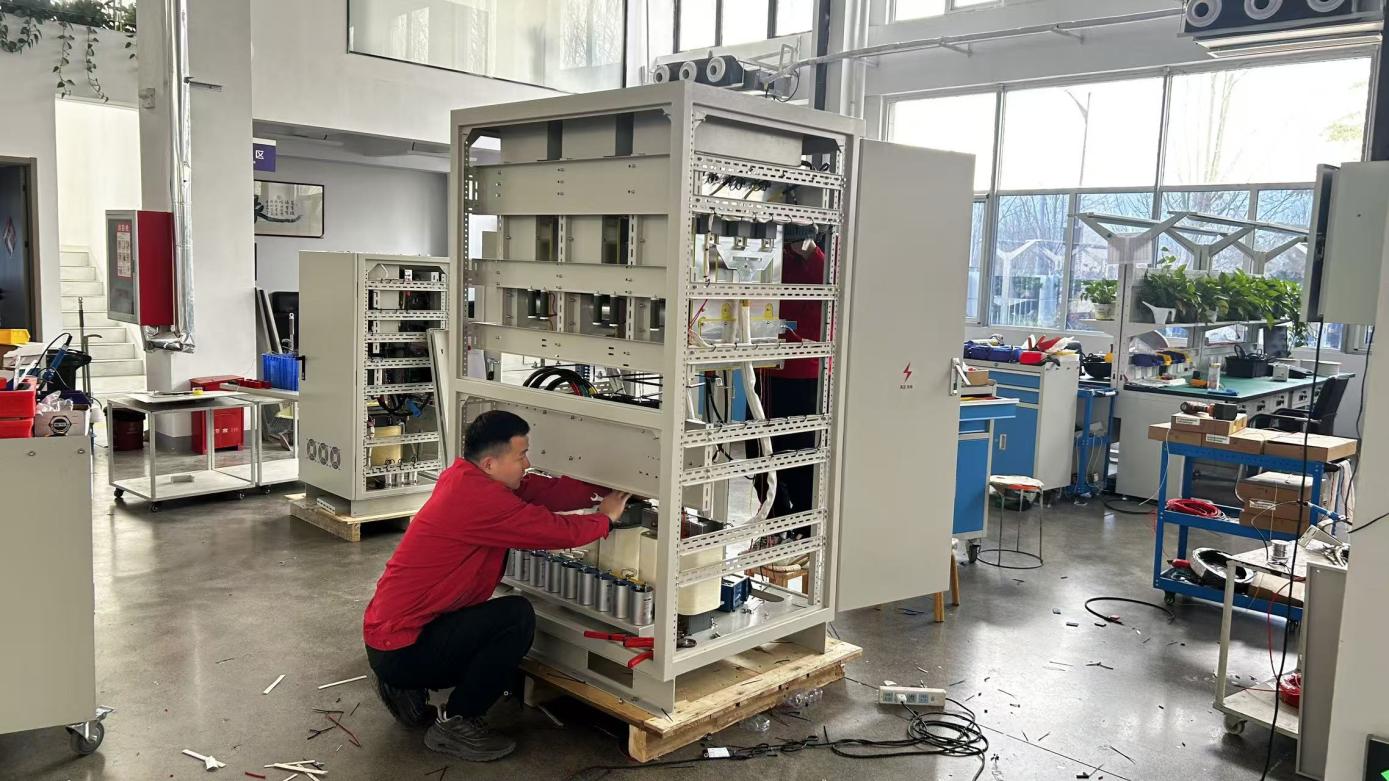
By designing key infrastructure components internally—such as high-efficiency bidirectional converters, isolation transformers, and intelligent cooling tunnels—China’s factories achieve superior thermal performance and control compared to outsourced configurations.
Navigating the complex regulatory landscape of grid-tied power electronics is vital. Modern industrial peak shaving systems must comply with stringently enforced local standards to protect grid operators and site personnel.
Leading suppliers also work closely with local engineering partners. This ensures smooth installation, grid authorization, and ongoing support for fast maintenance cycles.
To help procurement teams make informed decisions, here is a detailed breakdown of core peak-shaving system topologies and charge controllers manufactured by top factories in Jinan, China.
| Equipment Type | Ideal Power Capacity | Peak Efficiency | Core Application | Key Compliance Features |
|---|---|---|---|---|
| Bidirectional PCS Inverter | 150kW – 500kW | >98.5% (with isolation) | Utility Peak Shaving, Battery Simulation | IEEE 1547, Anti-Islanding, Low-Voltage Ride-Through |
| OEM Industrial Off-Grid Converter | Up to 278A (850V DC) | 99.0% | Heavy Industrial Loads, Dynamic Microgrids | Triple Output Sine Wave, Low Harmonic Distortion |
| High-Voltage MPPT Controller | 400A – 600A (up to 800V) | >99.2% | Large PV Integration, Battery Banks charging | Over-temperature de-rating, reverse polarity protection |
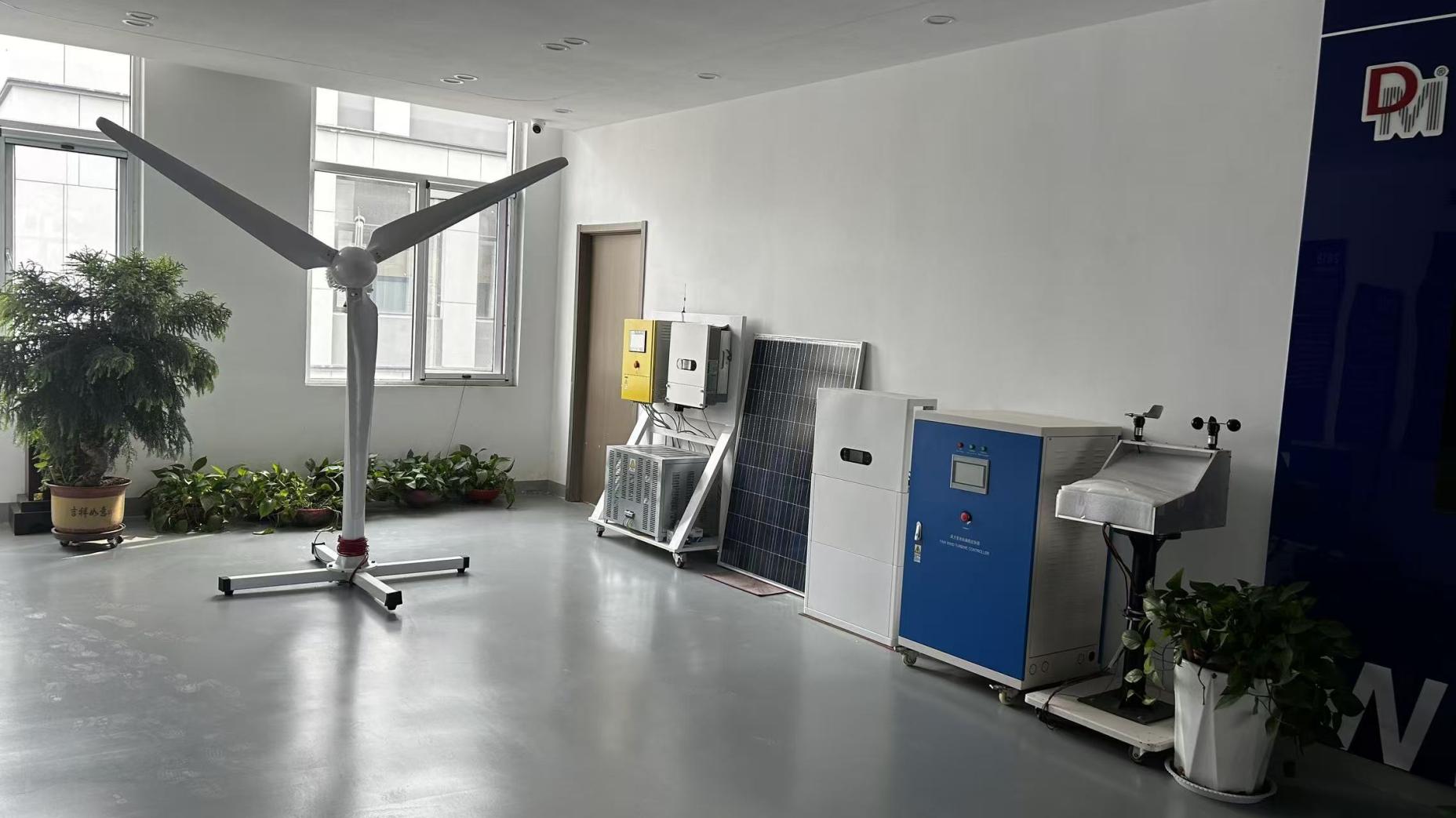
| Wind Turbine Charge Controller | 2kW – 80kW | >97.8% | Hybrid Microgrids, Wind Resource Peak Shaving | Dynamic Dump Load System, Over-speed Protection |
The global transition toward carbon neutrality is driving major shifts in peak-shaving architectures:
A Nationally Recognized High-Tech Enterprise Championing Renewable Energy & Power Electronics Innovation Since 2004
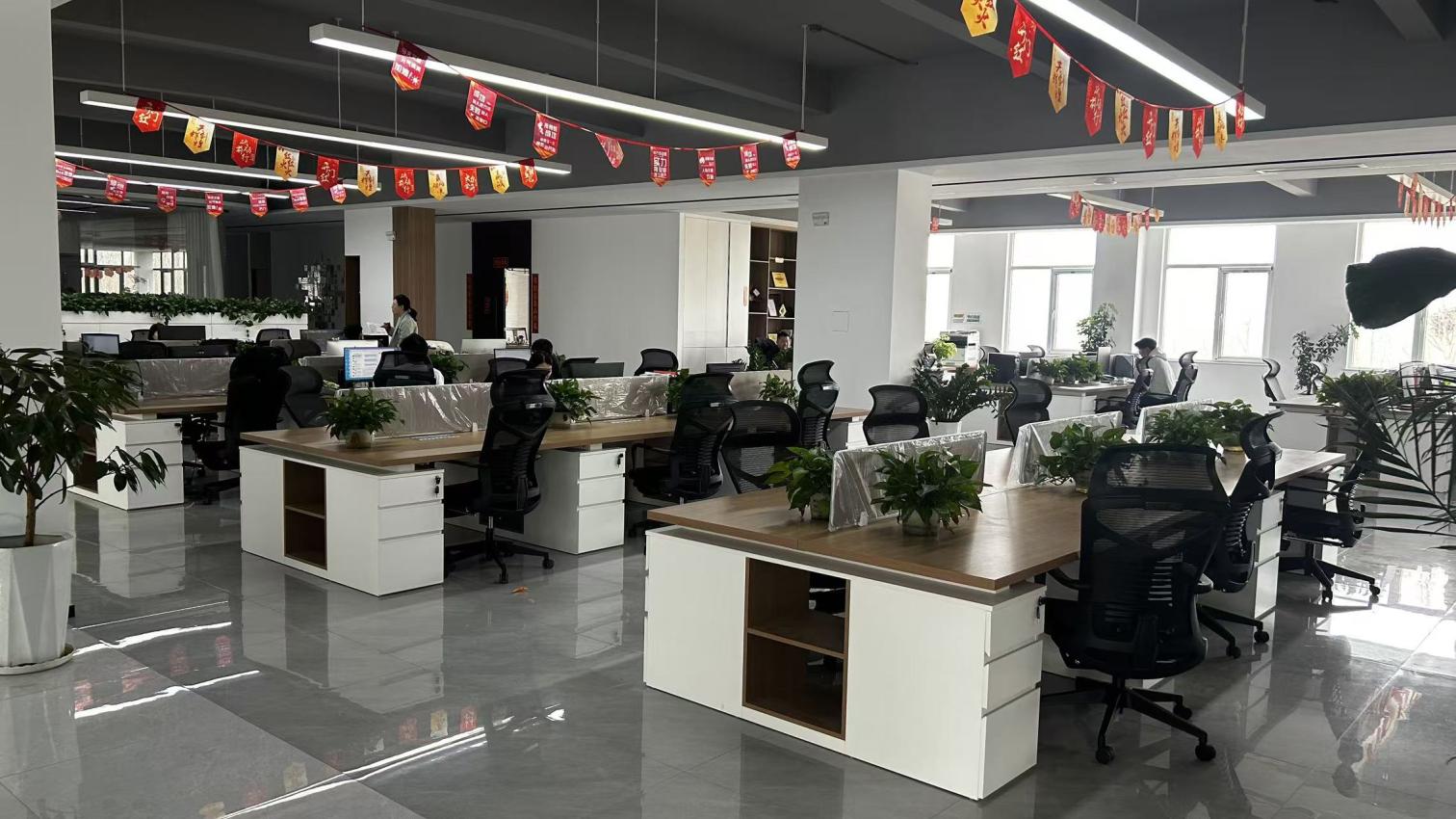
Founded in 2004, Jinan Deming Power Equipment Co., Ltd. specializes in the research, development, production, and service of renewable energy power equipment and advanced power testing solutions. The company holds ISO9001:2015 certification and has been recognized as a high-tech enterprise by the Chinese government multiple times (2015, 2018). With a dedicated R&D team of 16 engineers, including doctoral supervisors and master's degree holders, Deming invests no less than 20% of annual sales revenue into technology development.
The company has completed 17 R&D projects in the last three years, with 16 scientific and technological achievements successfully transformed into commercial products. Deming's products have been exported to 120+ countries, including Germany, Japan, the United States, the UK, Canada, Australia, and Brazil, establishing cooperative relationships with Fortune 500 enterprises. Main products include wind/solar controllers, inverters, frequency converters, and high-power bidirectional DC test power supplies and battery simulators ranging from 150kW to 500kW.
Technical Answers from Our Senior Engineering Team
Discover our heavy-duty bidirectional simulators, permanent magnet generators, and high-capacity system controllers.
 Demin Power