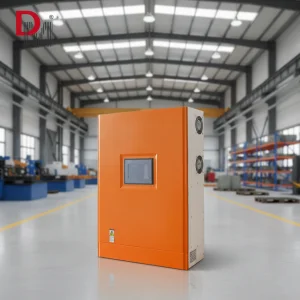
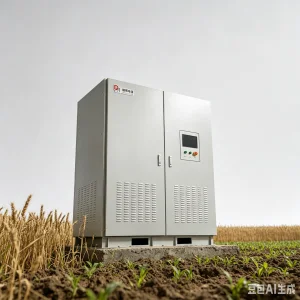
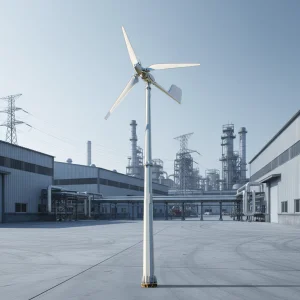
Explore our cutting-edge controllers, industrial bi-directional converters, and grid-tie inverters designed for maximum efficiency and robust performance under complex loads.
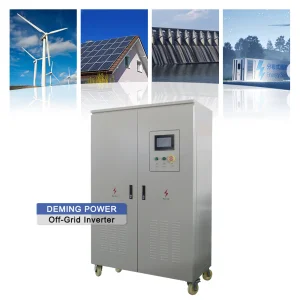
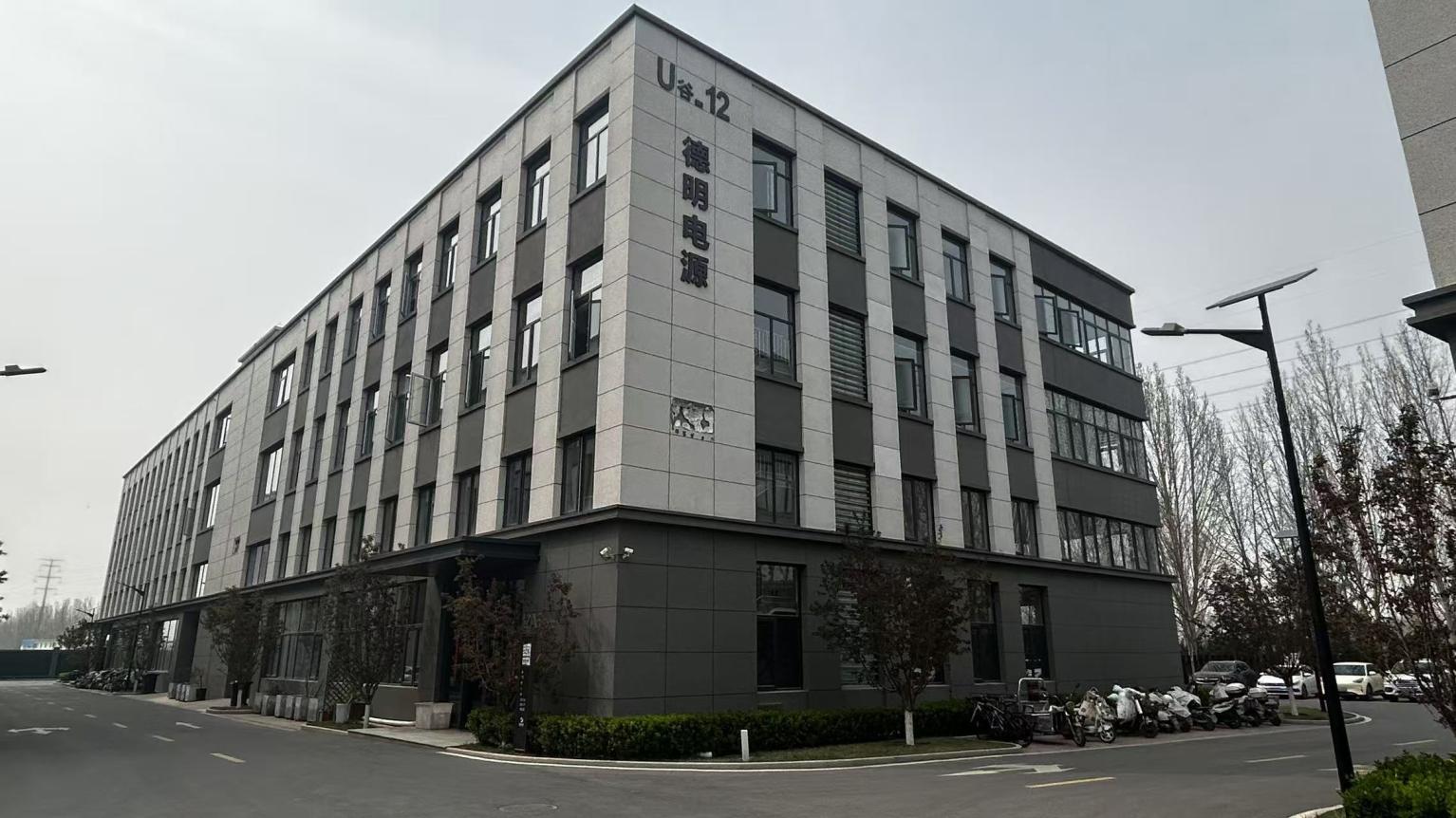
Established in 2004, Jinan Deming Power Equipment Co., Ltd. is a nationally recognized high-tech enterprise specializing in the research, development, production, and deployment of advanced power grid architectures, custom converters, and battery simulation systems. Guided by our uncompromising commitment to the ISO9001:2015 Quality Management Standard, we operate as a cornerstone of China's professional clean-energy supply chain.
Our research pipeline is driven by an elite core of 16 senior hardware and software engineers, including distinguished doctoral supervisors and master's degree holders. To sustain our technological leadership, we commit a minimum of 20% of our annual sales revenue to forward-looking R&D. This investment has catalyzed the completion of 17 major R&D projects over the past three fiscal years, yielding 16 proprietary scientific breakthroughs directly commercialized into high-reliability power products.
Today, our grid-interactive and microgrid systems support mission-critical installations in over 120 countries, including highly regulated markets like Germany, the United States, Japan, the United Kingdom, Canada, Australia, and Brazil, maintaining strategic partnerships with several Fortune 500 enterprises.
Industry Leadership
Annual Revenue R&D Reinvestment
Exporting Destinations
Patented R&D Innovators
Analyzing the critical shifts in the global power infrastructure and how modern technology addresses grid vulnerability, load fluctuation, and decentralization.
Modern global commerce demands power systems capable of dynamic load balancing, seamless grid-to-island transition, and multi-source energy integration. With the rapid expansion of solar PV arrays, wind farms, and localized Battery Energy Storage Systems (BESS), the need for high-capacity power conditioning technologies has surged. Our industrial utility-scale battery storage PCS inverters (150kW to 500kW) serve as the intelligence hub, converting fluctuated direct current (DC) inputs into grid-compliant alternating current (AC) with active and reactive power control capabilities.
Furthermore, critical industries struggle with power quality issues such as voltage sags, harmonics, and frequency deviation. By utilizing high-speed digital signal processor (DSP) controls and advanced space vector pulse width modulation (SVPWM) algorithms, our systems ensure 99% conversion efficiency and rapid millisecond-level reaction times to transient fault events.
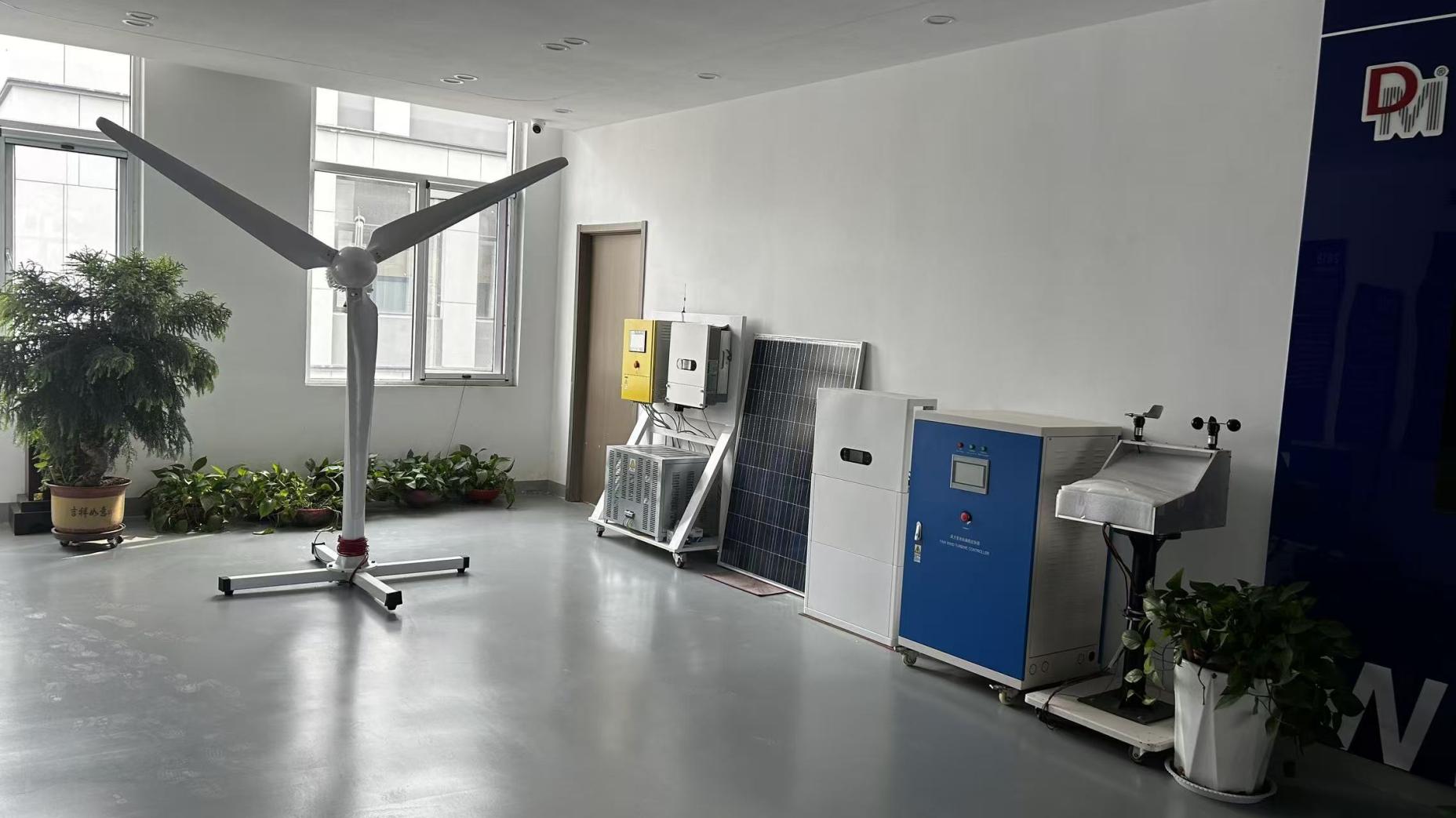
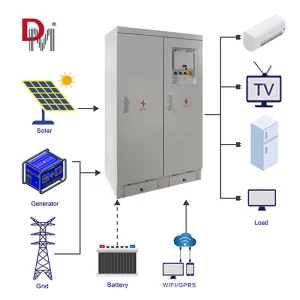
For remote areas, off-grid mines, and island installations, microgrids represent the only viable path to energy autonomy. Deming Power systems integrate solar charge controllers, wind turbines, bi-directional converter topologies, and emergency backup power into a unified microgrid architecture. The integration of permanent magnet generators with customizable wind/solar hybrid controllers allows for stable voltage outputs even under highly volatile weather conditions, making off-grid operations both economically viable and carbon-neutral.
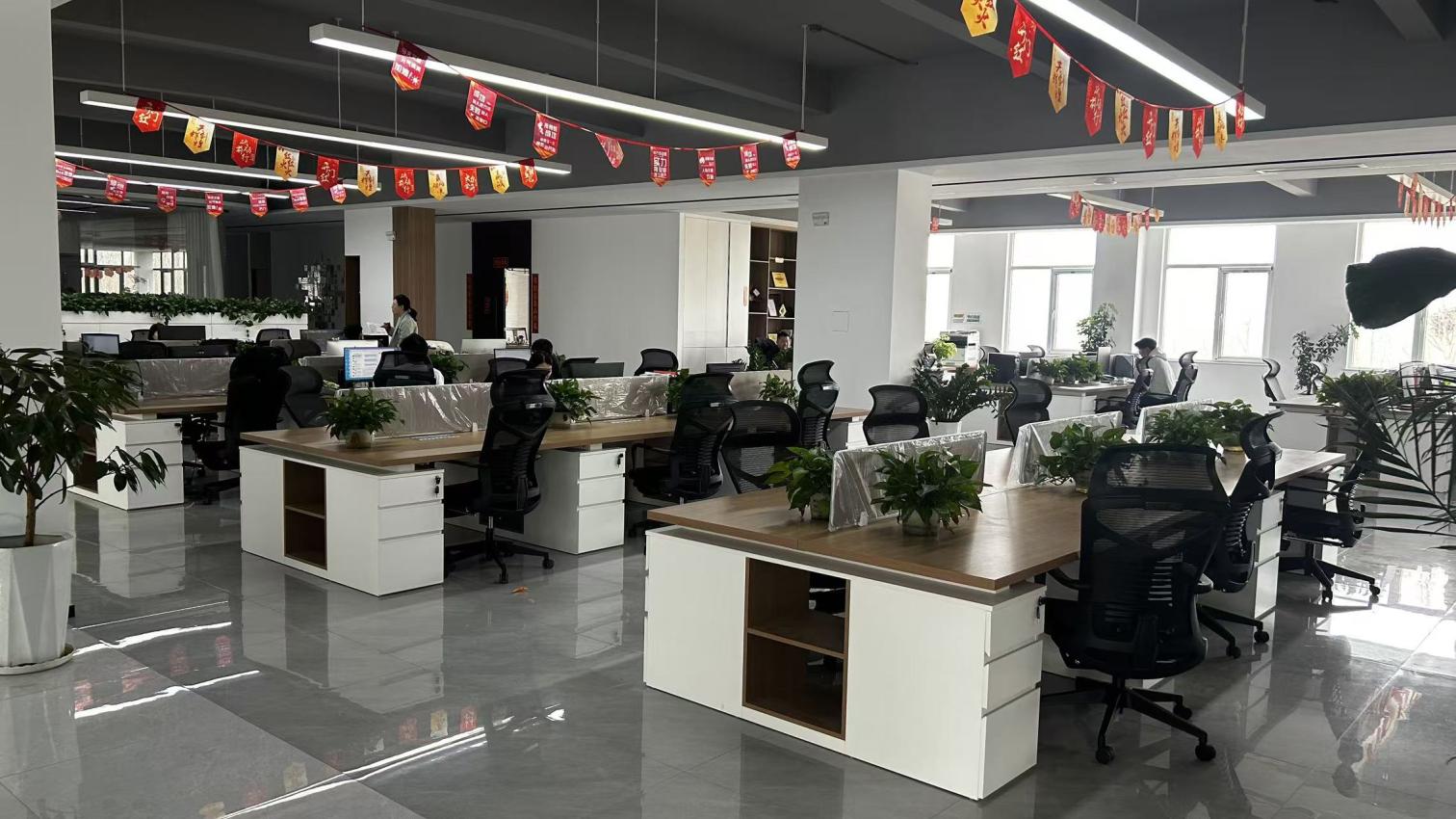
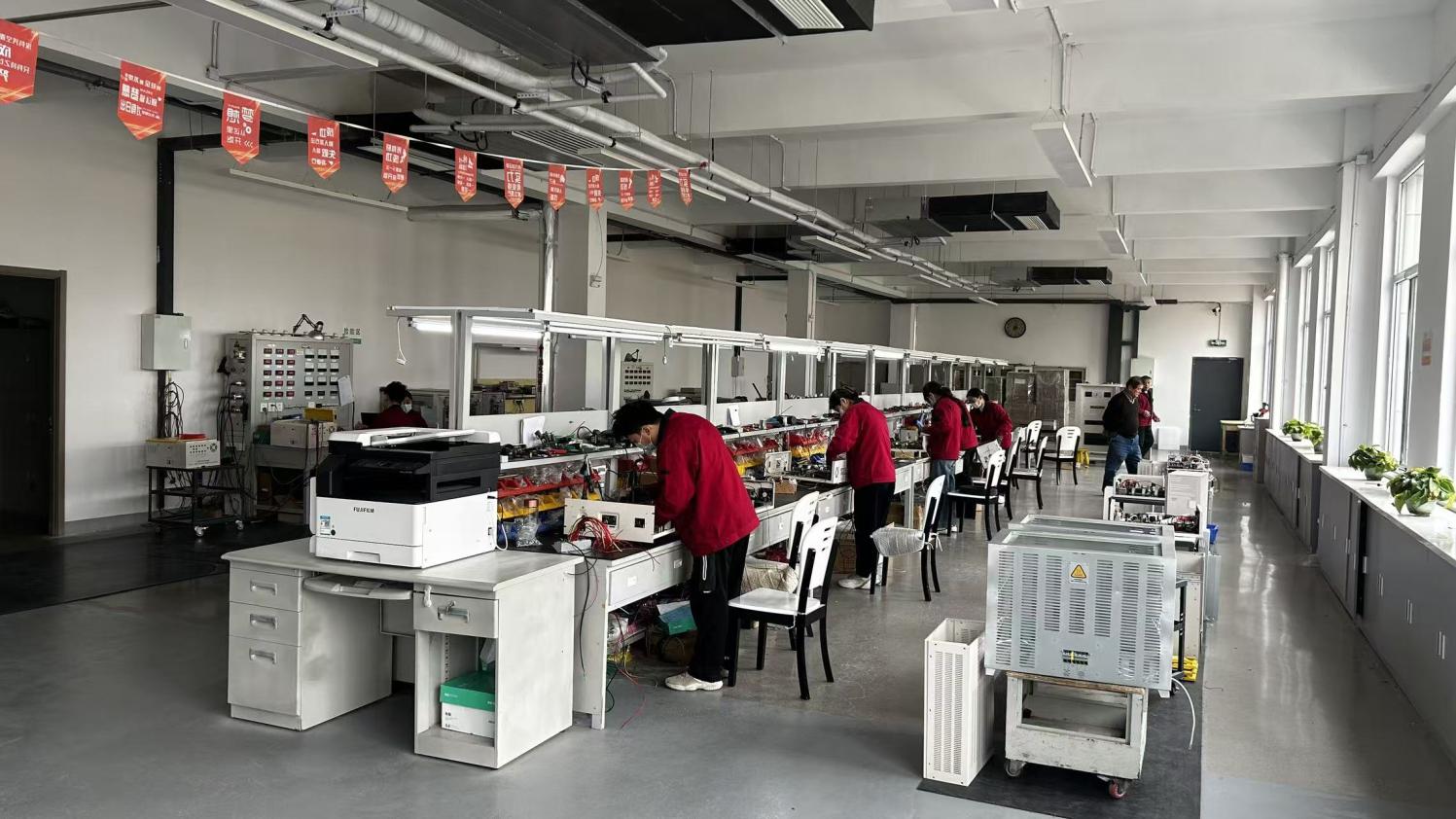
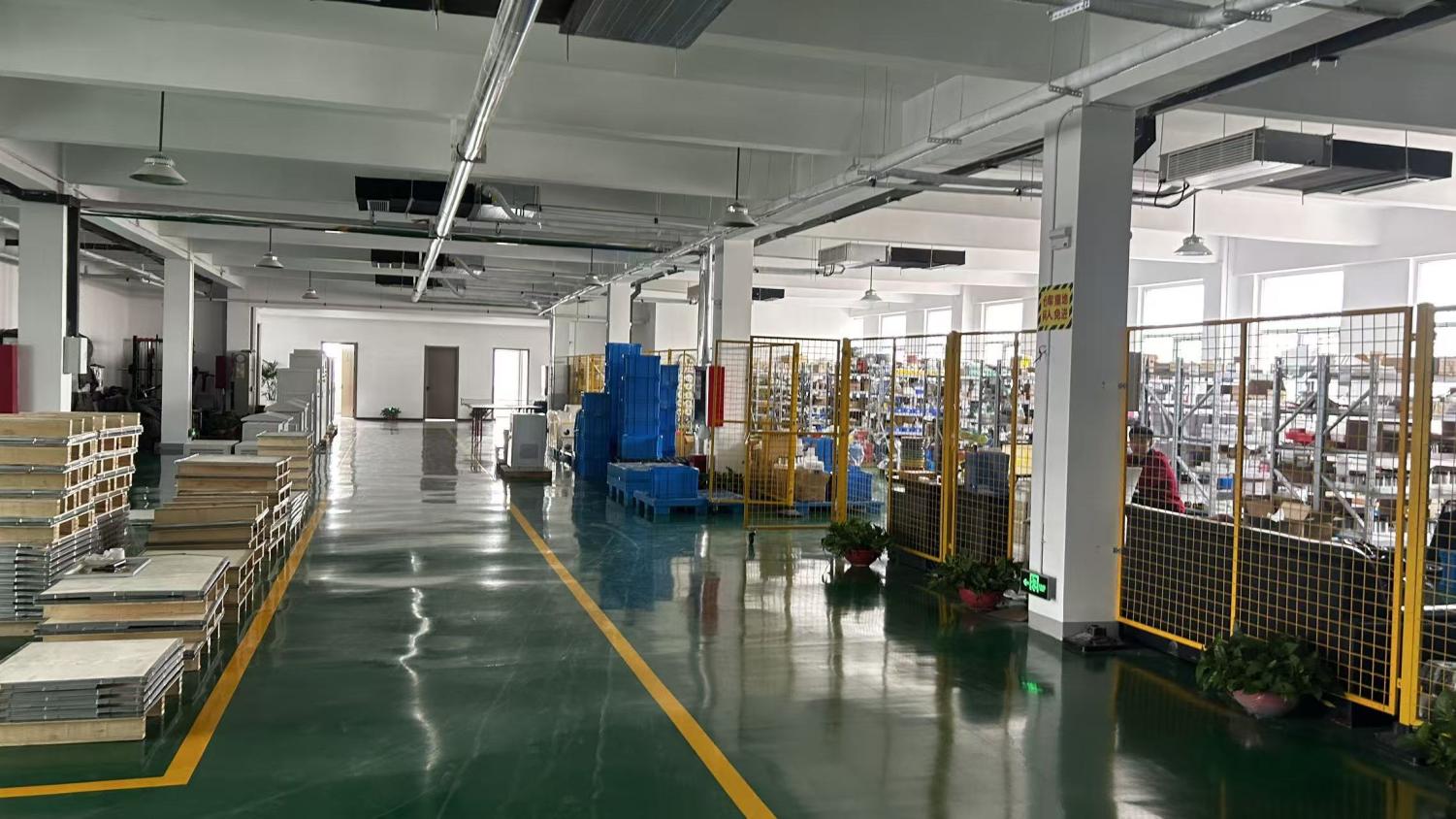
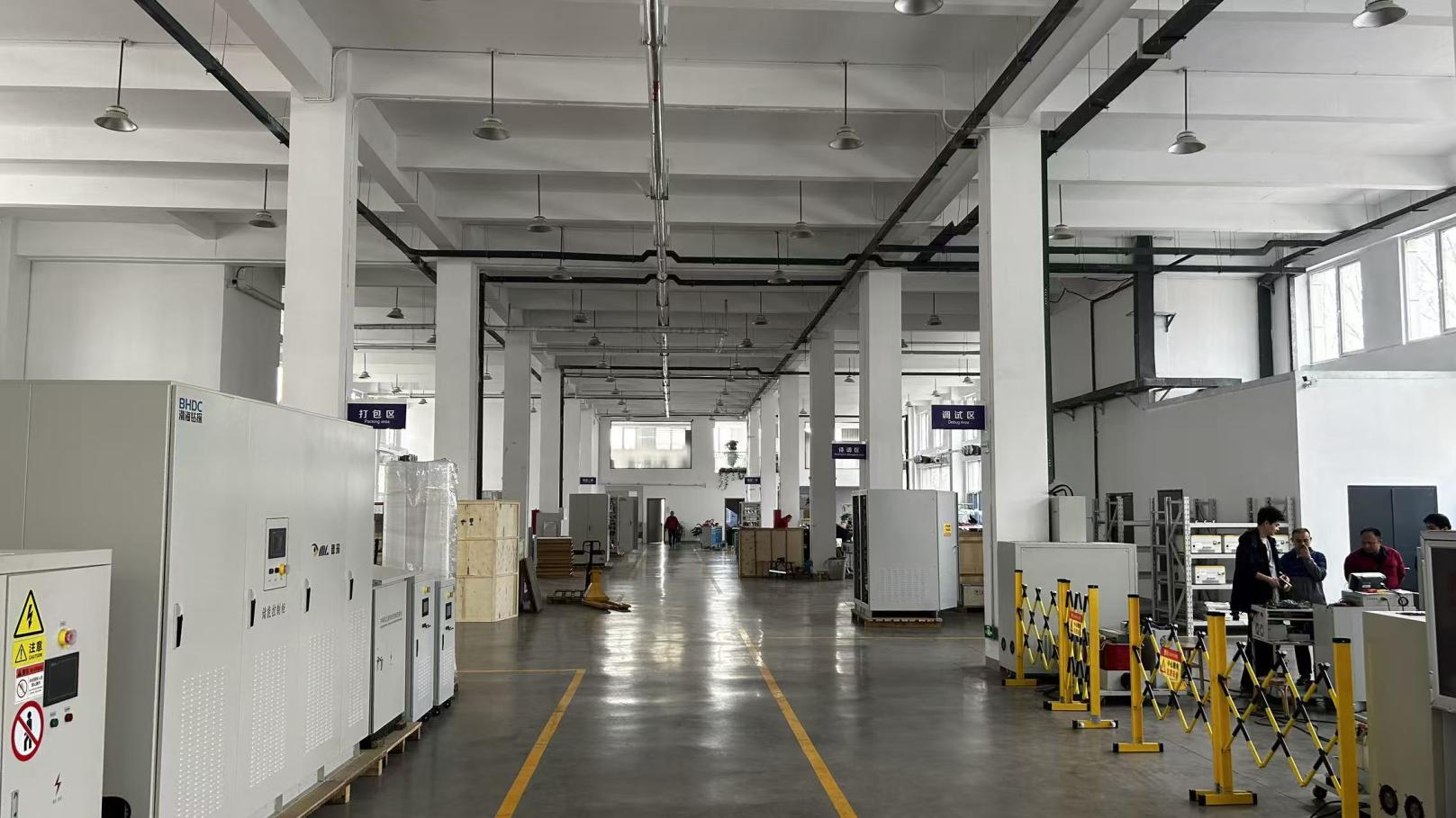
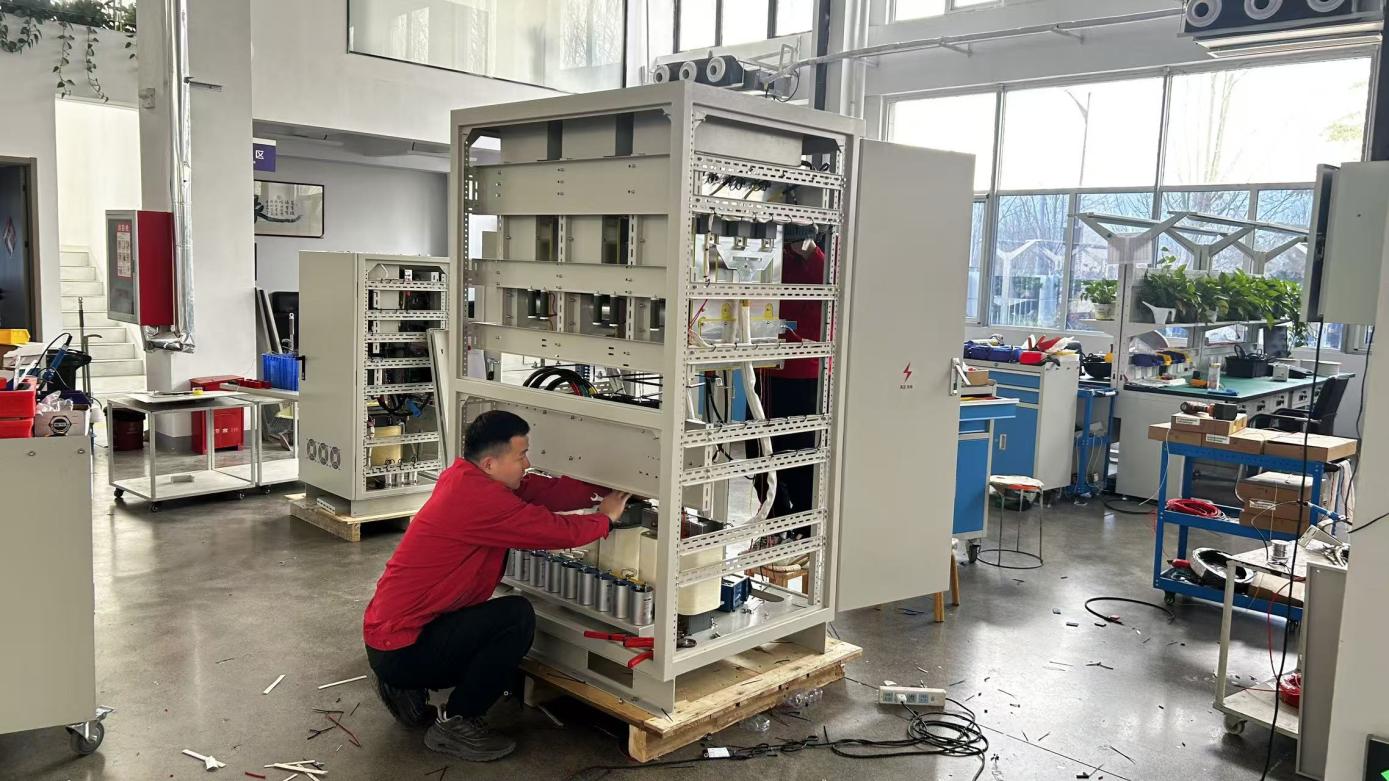
A transparent look inside our manufacturing processes, precision diagnostic equipment, and strict quality control workflows.
 Control Cabinet Assembly
 Copper Bar Integration
 Inverter Chassis Frame
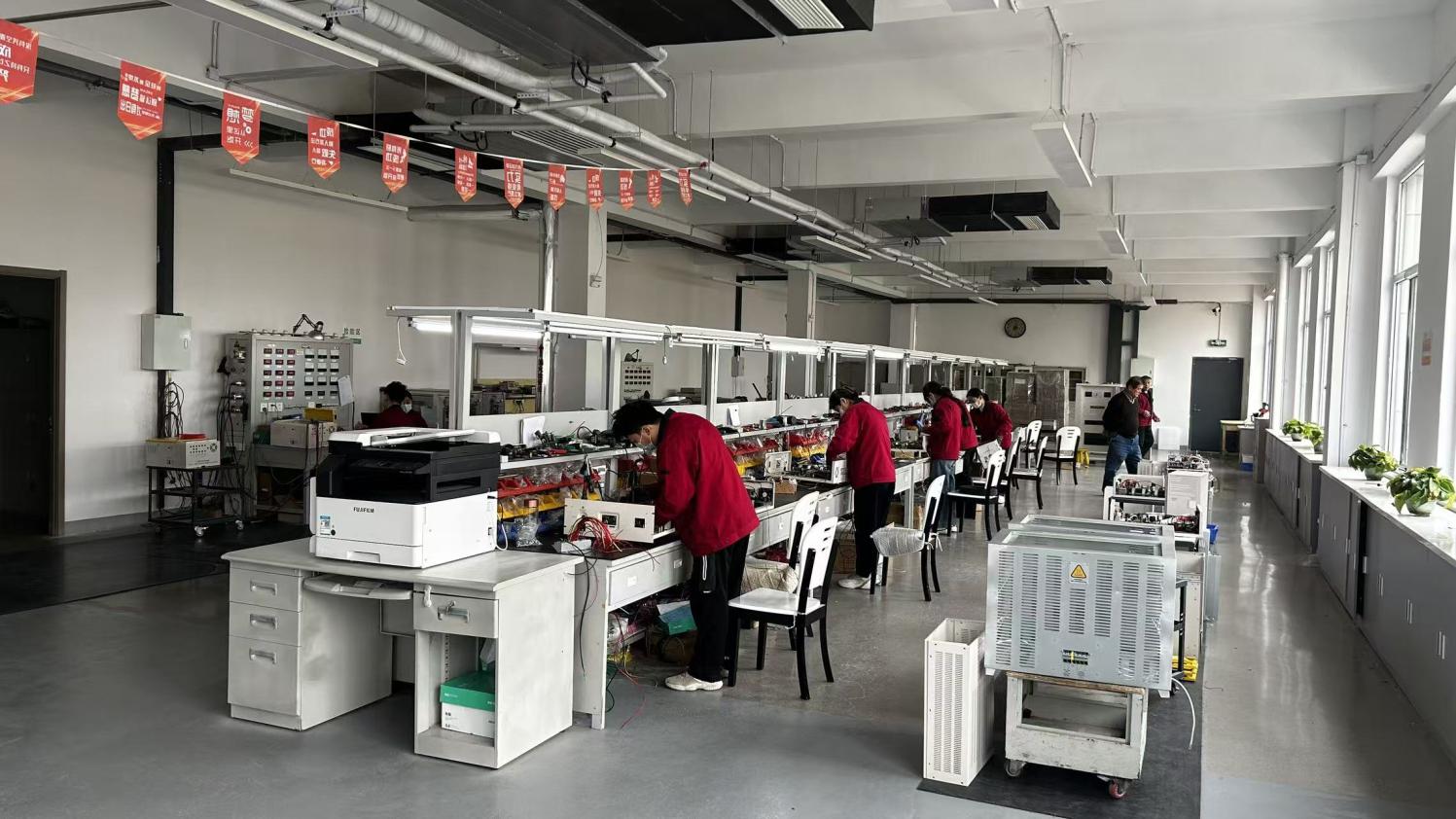 Circuit assembly
 Circuit board assembly
Our manufacturing plant is engineered to limit electrical parasites and structural resonances in high-power components. From automated PCB routing and wave soldering to precise manual copper bar fabrication, every element of our supply chain undergoes deep stress testing. Heavy-gauge copper bars are formed and insulated with precision machinery to ensure thermal durability under continuous load conditions up to 450A.
Every controller, bidirectional DCDC converter, and frequency regulator undergoes multi-stage hardware-in-the-loop (HIL) testing before shipment. This ensures that the dynamic response to load shifts matches simulation parameters, mitigating thermal wear and extending system longevity.
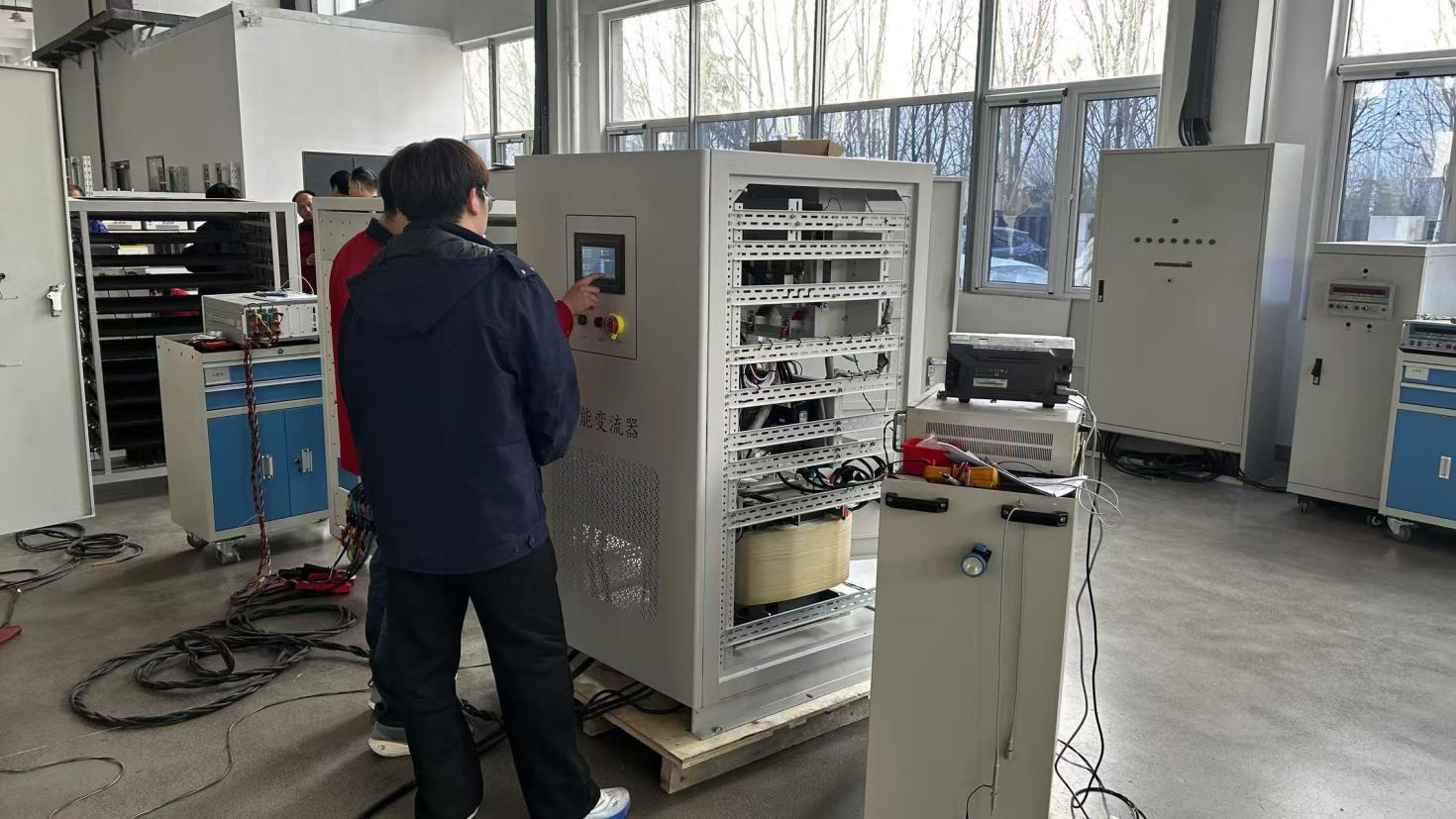 Debugging process
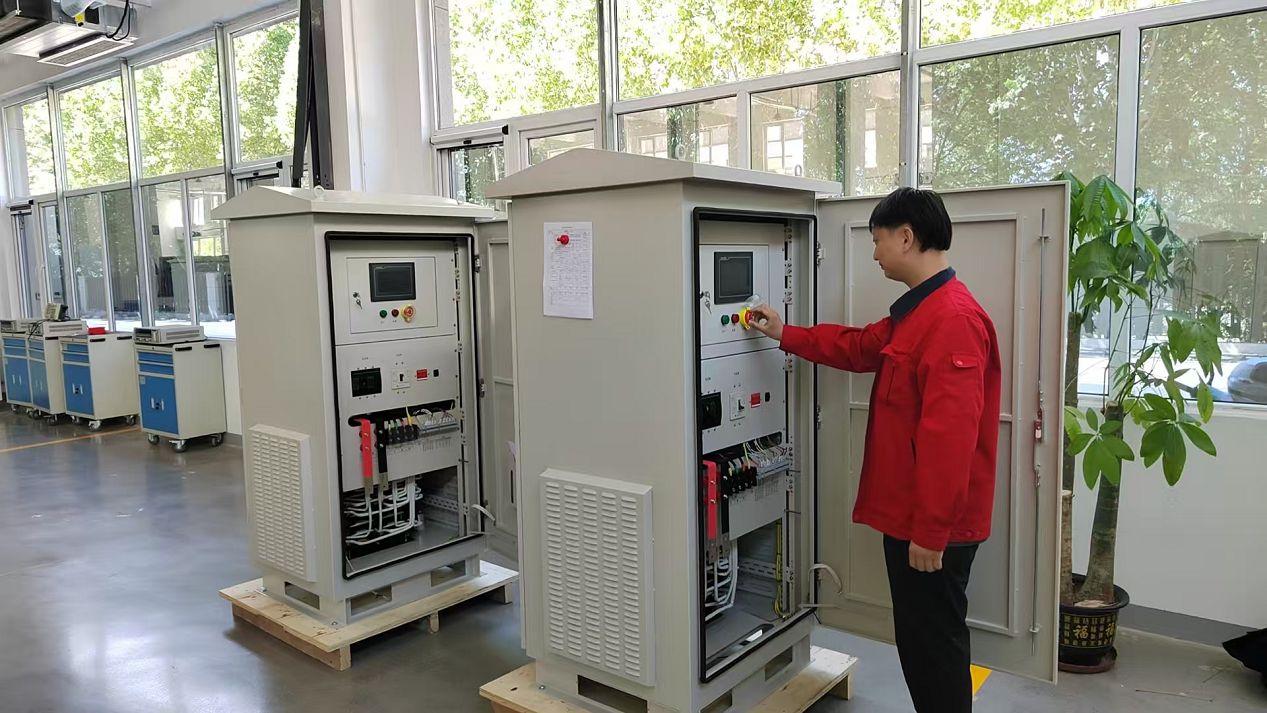 Quality inspection process
A comprehensive inventory of our specialized tools, diagnostic devices, and measurement arrays used during daily operations.
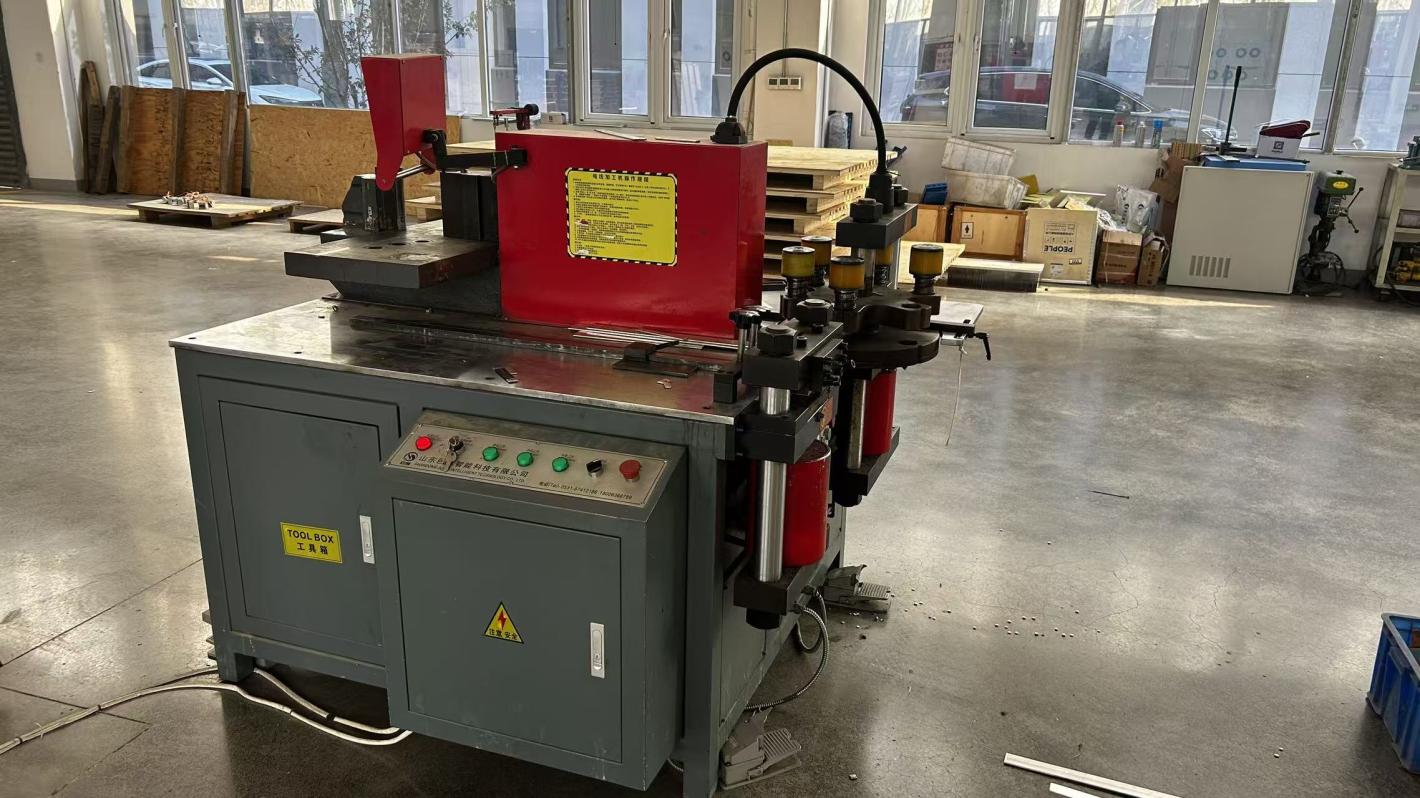 Copper bar production equipment
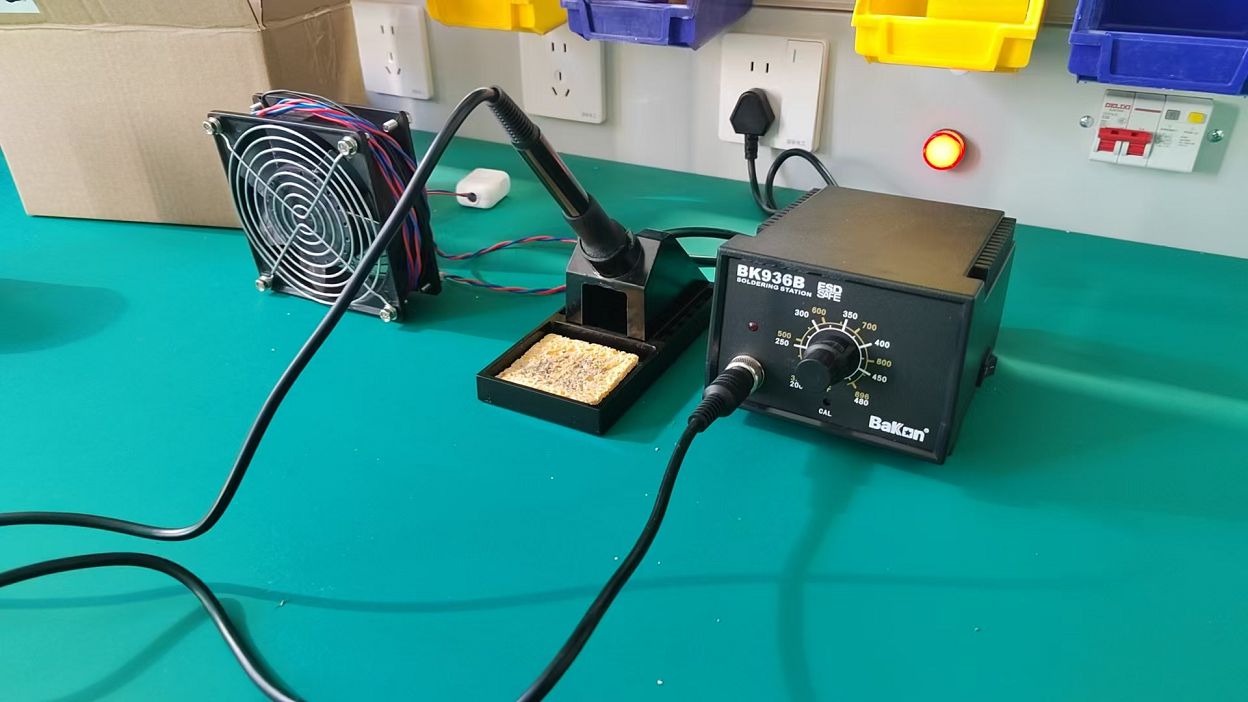 Electric ferrowire
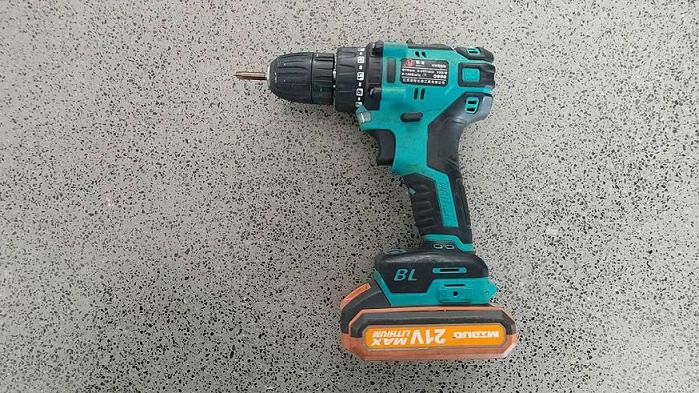 Electric drill
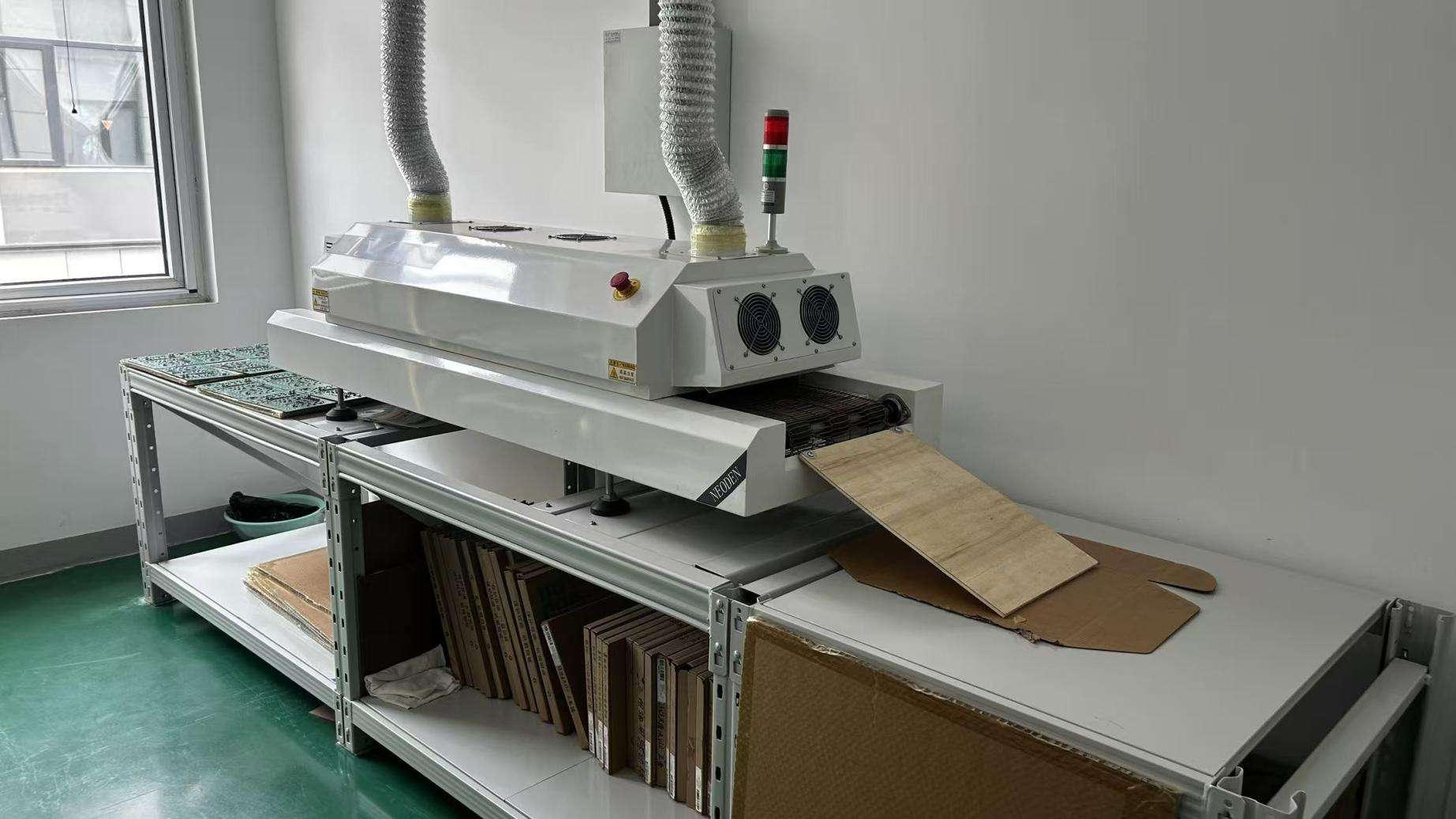 Reflow soldering machine
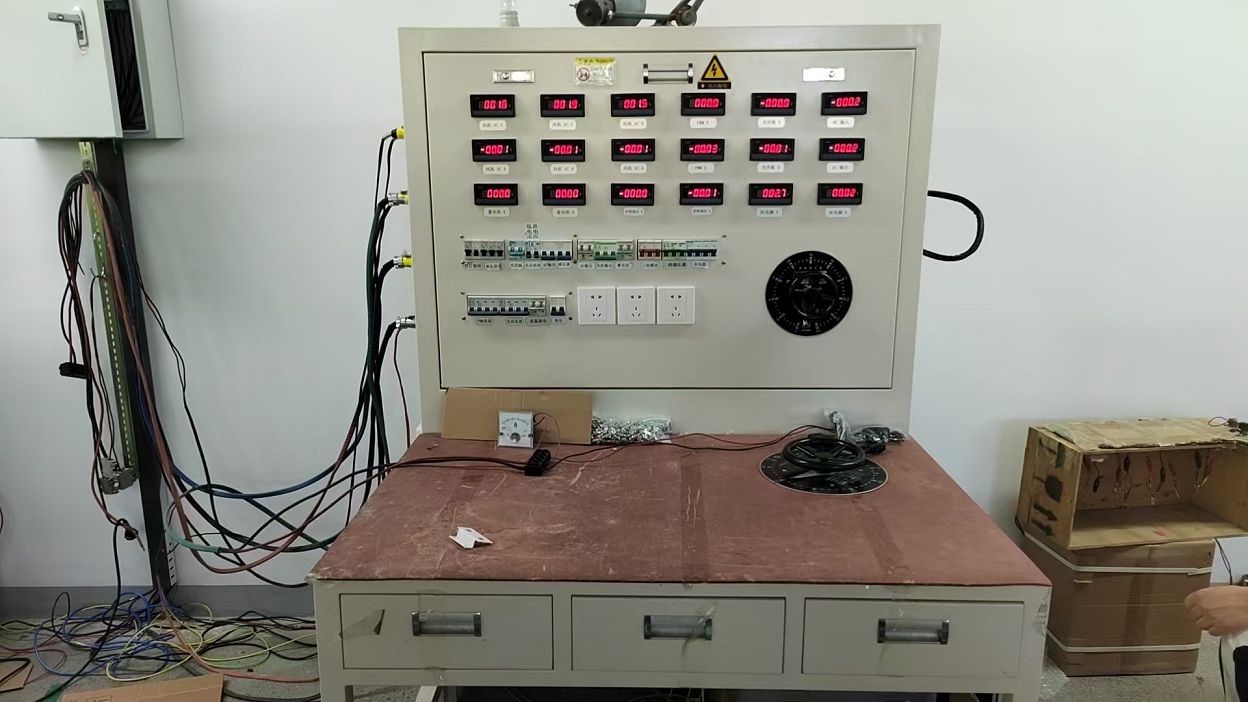 Workbench
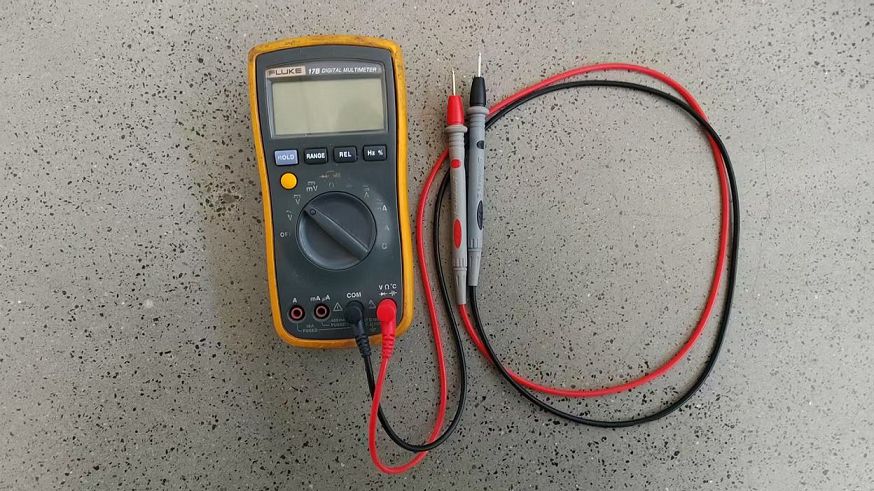 Multimeter
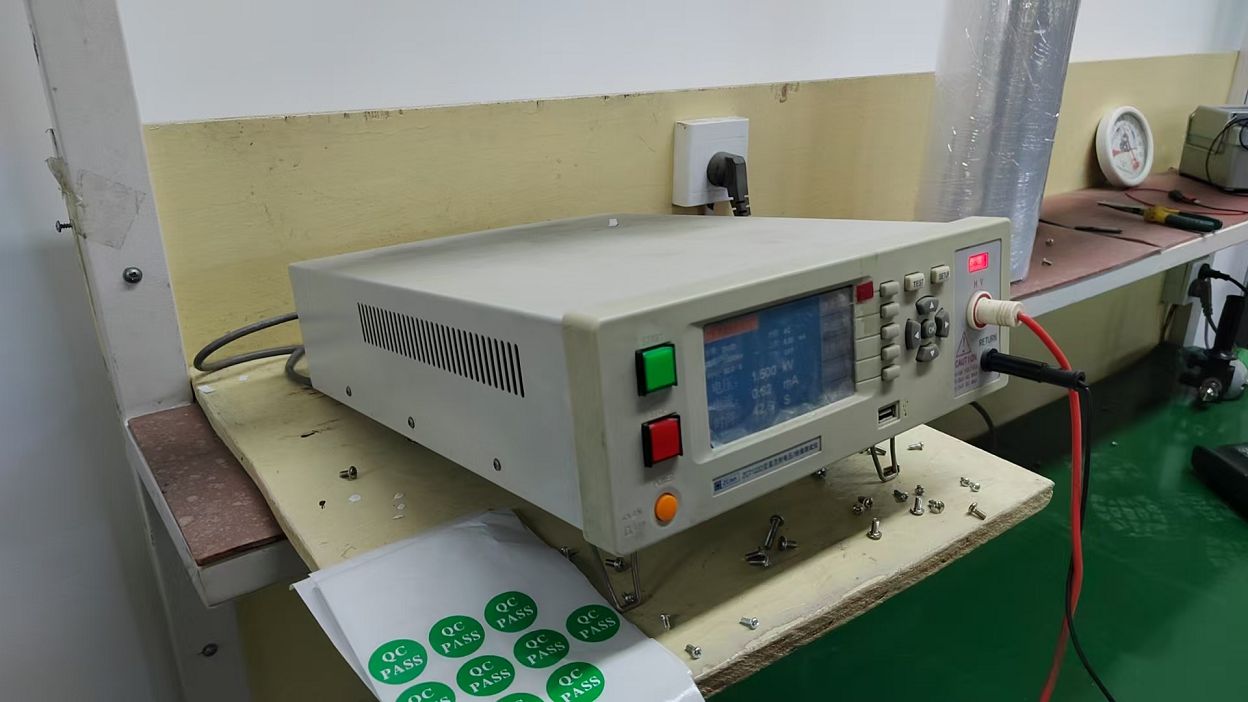 LCR AutoTester
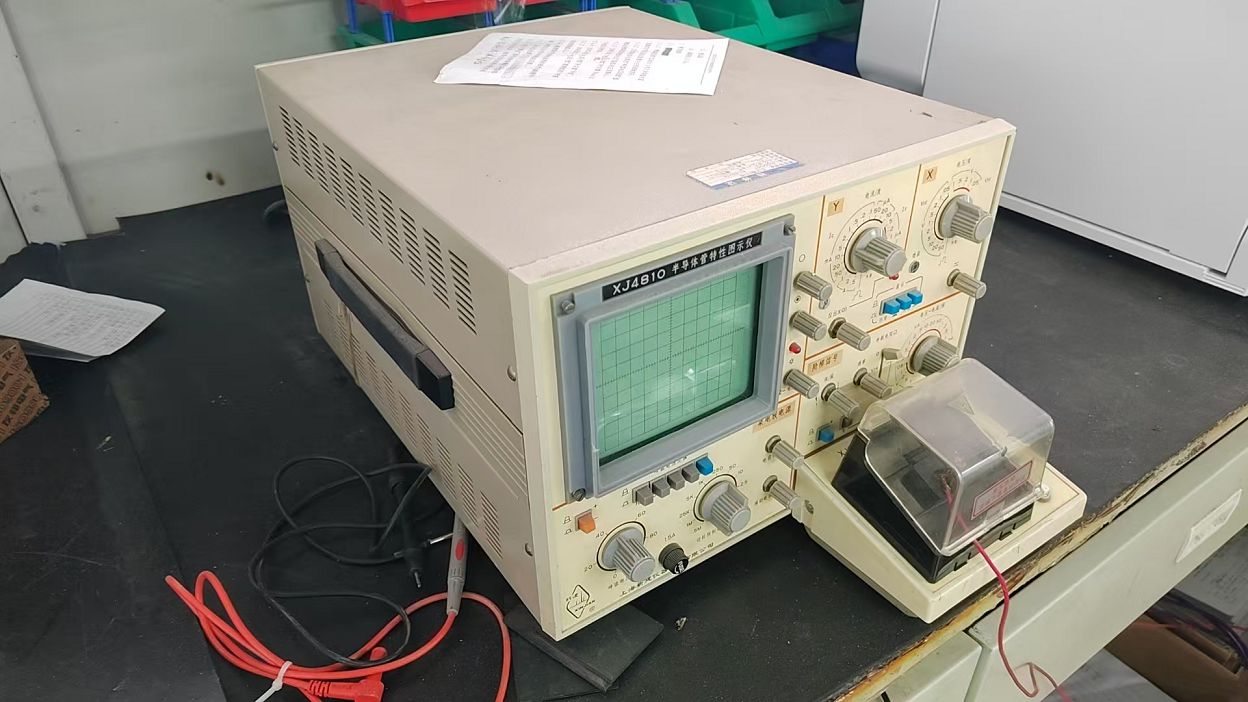 Semiconductor Characteristic Plotter
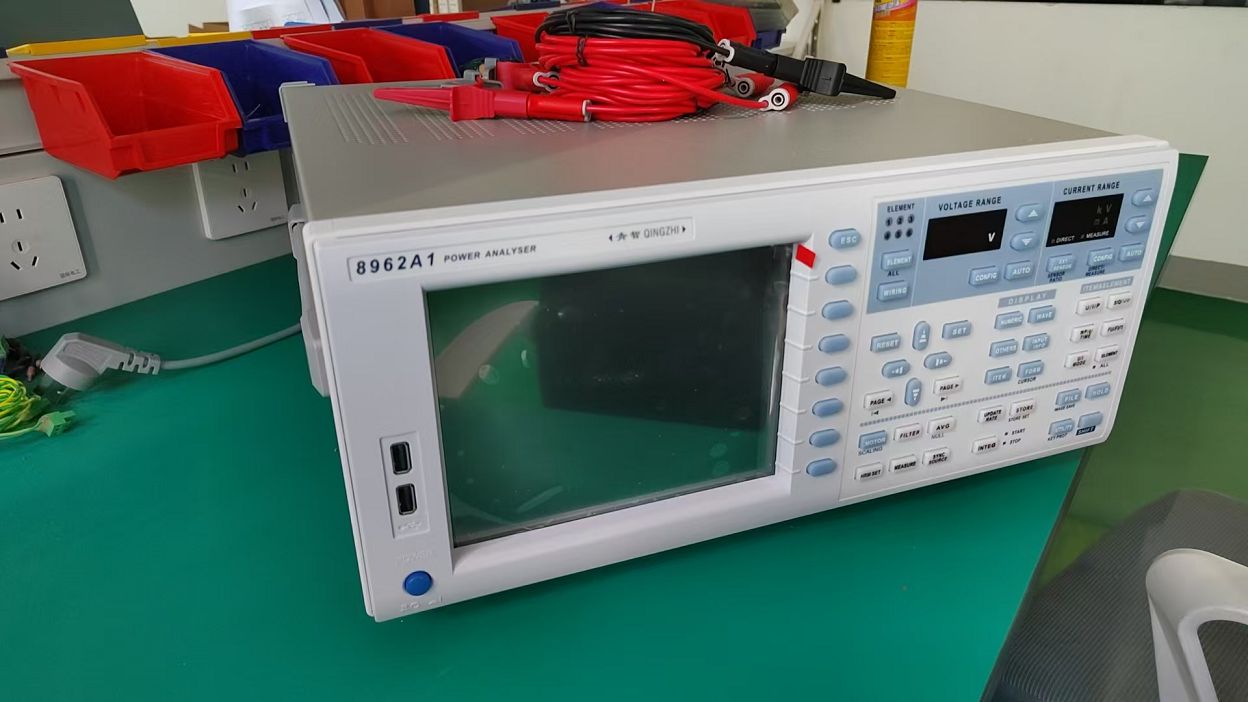 Digital Oscilloscope
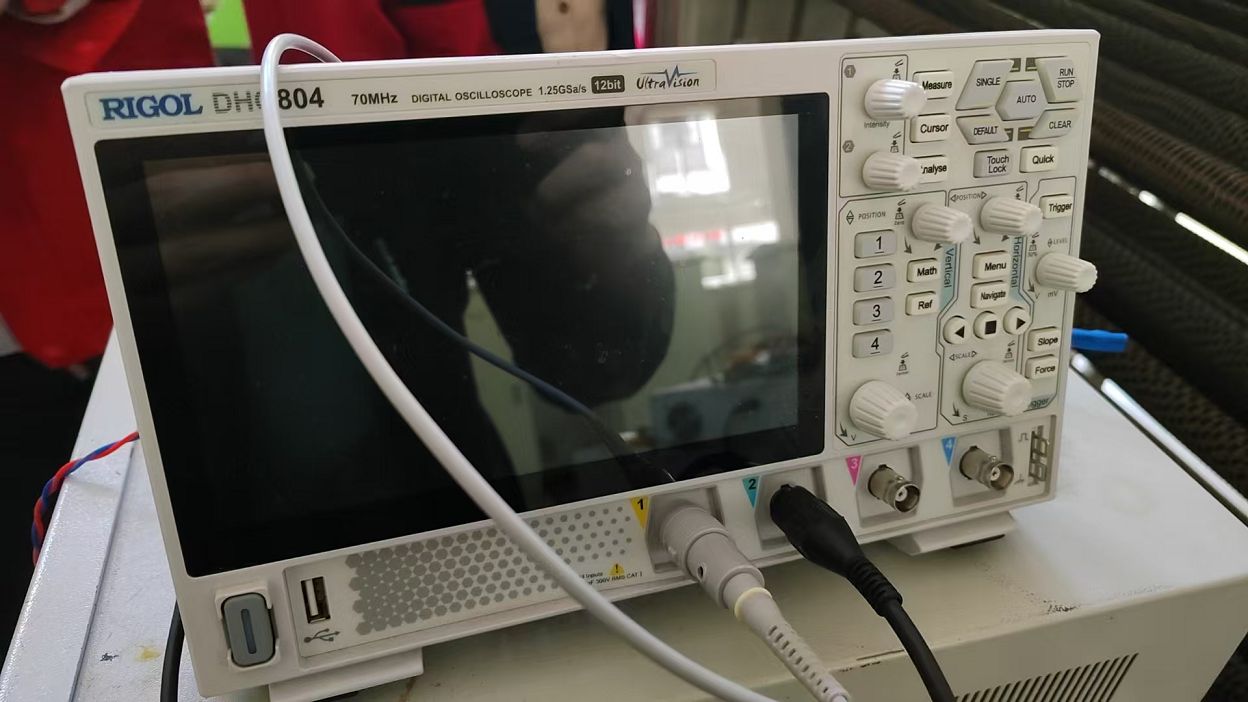 Power Quality Analyzer
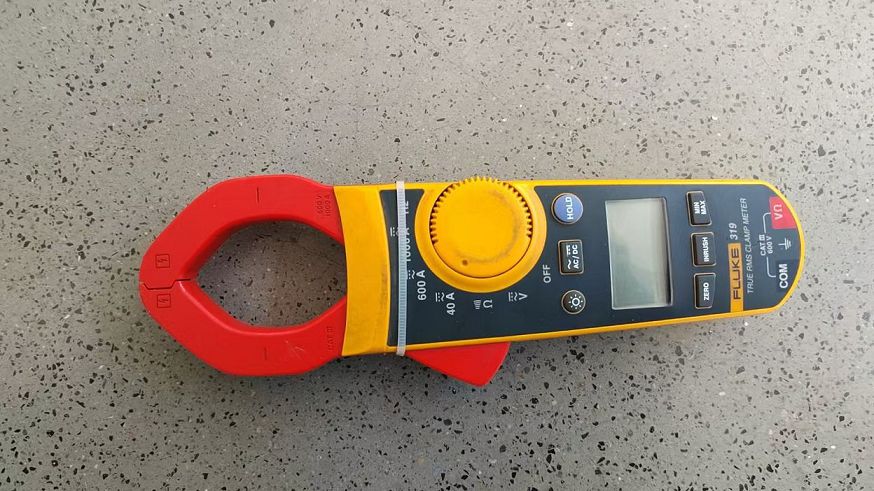 Clamp current meter
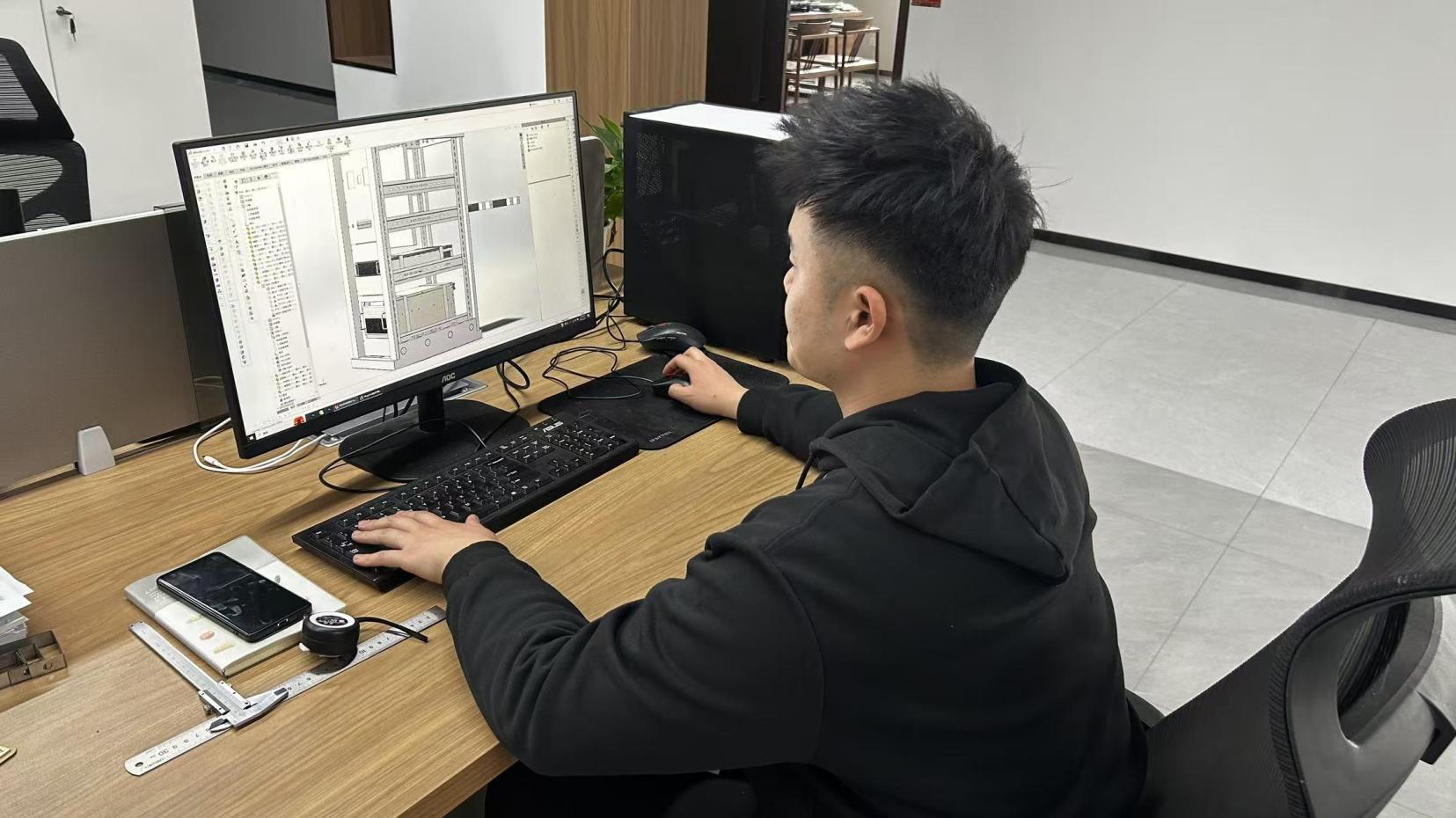 Drawing Design
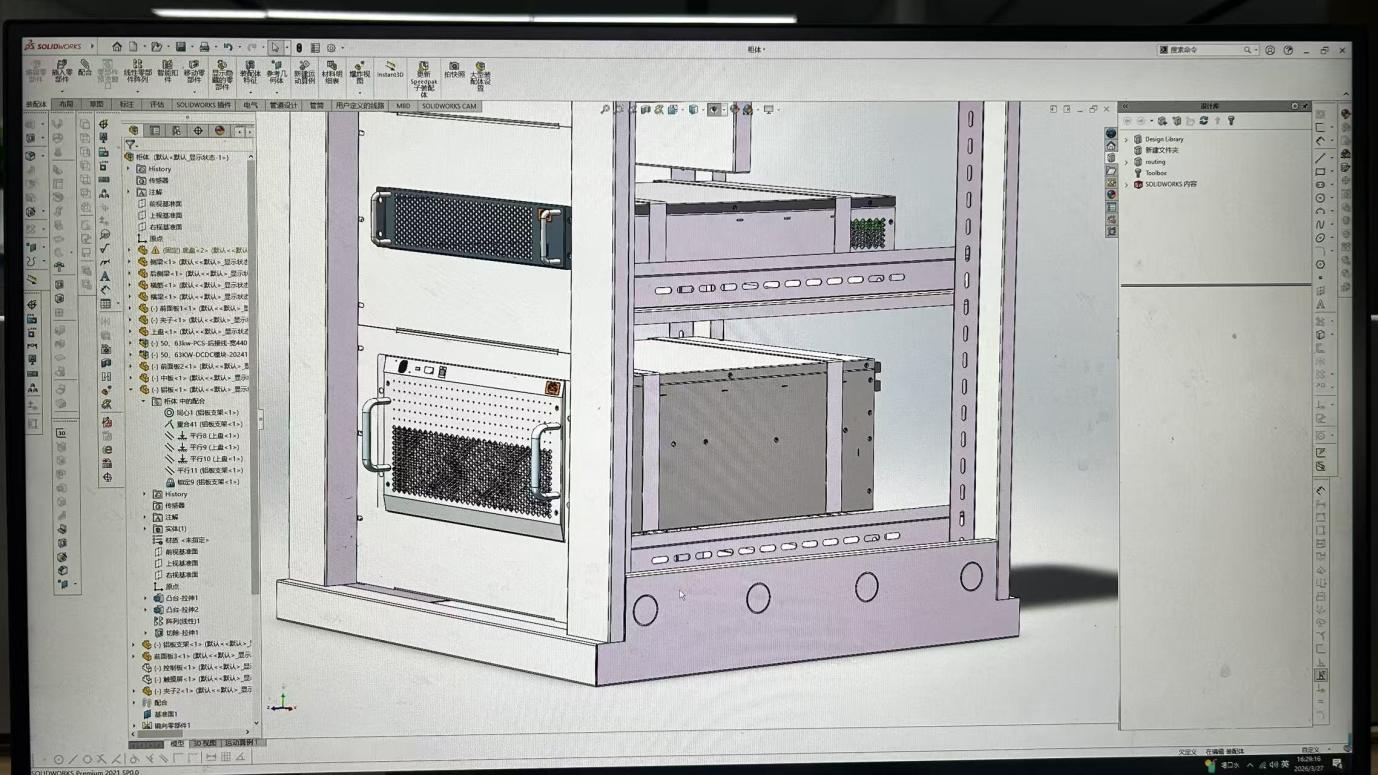 Simulation Computer
Understanding local regulatory environments and our research projection into the future of power electronics.
Navigating global power grid systems requires strict adherence to regional grid codes and environmental regulations. Our systems are manufactured to comply with critical CE and ROHS directives, alongside meeting country-specific grid standards (such as VDE-AR-N 4105 in Germany, UL 1741 in North America, and IEEE 1547 requirements). Achieving this level of compliance guarantees that our inverters and energy storage PCS units can feed power safely back into the utility lines without causing phase imbalance, EMI interference, or harmonics issues.
To support overseas partners, we offer comprehensive localization packages, including modifiable communication protocols (Modbus TCP/RTU, CANopen) for seamless SCADA integration, pre-configured voltage output matching, and dedicated field engineering support via remote diagnostics.
The next phase of Deming Power's technology focuses on integrating wide-bandgap (WBG) semiconductors, specifically Silicon Carbide (SiC) and Gallium Nitride (GaN) switching components. Transitioning to SiC MOSFETs allows our bidirectional converters to operate at higher switching frequencies with reduced heat generation, decreasing the overall footprint of our 50kW and 300kW PCS platforms by up to 30%.
Furthermore, our software engineers are developing intelligent edge-computing systems. These systems utilize machine learning to predict peak battery demand, optimize state-of-charge (SoC) management in industrial microgrids, and run real-time diagnostic checks to prevent component failure before it occurs.
Read detailed explanations addressing structural, electrical, and commercial questions regarding Jinan Deming Power Equipment.
Our 50kW Bidirectional DC-DC Converters employ advanced buck-boost circuit topologies. They enable dual-directional energy flow between batteries and the common DC bus bar with up to 99% conversion efficiency. Designed specifically for industrial BESS setups, they feature high-speed DSP control loop compensation, making them ideal for lithium, lead-acid, or supercapacitor integration.
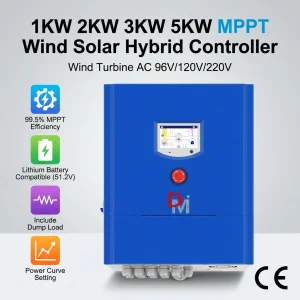
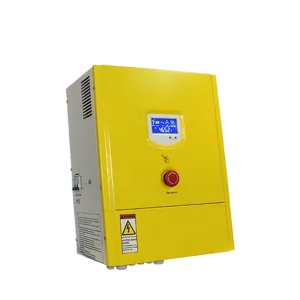
Deming's wind controllers (ranging from 2kW to 10kW and high-voltage variants) feature automated MPPT wind tracking and digital three-phase shunt dump loads. Under over-voltage or excessive RPM scenarios, the controllers activate soft-brake mechanisms, protecting both the wind generator coils and the downstream battery banks from thermal damage.
Yes, our industrial off-grid inverters (up to 500kW) are engineered with adjustable heat-sink structures and conformal-coated PCBs to combat dust, humidity, and salt mist. For elevations above 2,000 meters, we apply appropriate derating standards to guarantee stable, continuous operation without voltage breakdown.
By reinvesting a significant portion of our revenue into our 16-person engineering team, we focus on hardware efficiency, advanced thermal design, and firmware optimization. This research translates to higher conversion efficiency, lower component temperatures, and software-defined upgrades that extend the operational life of our power stations by several years.
All large-scale utility and industrial off-grid PCS units support RS485, CANbus, Ethernet, and Wi-Fi modules. Standard Modbus RTU/TCP registers are provided, allowing operators to monitor voltage, frequency, thermal readings, and alarm states remotely via custom SCADA or third-party web portals.
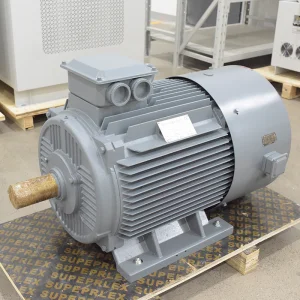
Our DEMING DMG-70KVA permanent magnet generators are engineered with low-start torque and optimized magnetic flux density. This design allows the alternator to produce usable, stable voltage at low rotational speeds, making it highly effective when paired with vertical or horizontal wind systems in areas with low wind speeds.
Explore our voltage regulators, PV combiner boxes, permanent magnet generators, and high-capacity microgrid components.
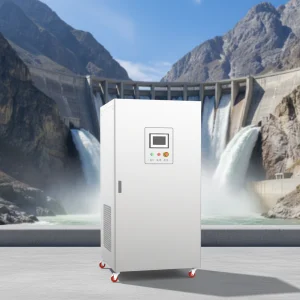

 Demin Power