Advanced renewable energy and power integration hardware selected for regional grid stability in Aichi Prefecture.
A comprehensive analysis of renewable energy transitions, energy storage interfaces, and localized supply chain strategies for the Chubu manufacturing region.
The Nagoya metropolitan area, the core of Japan's Chubu industrial zone, stands as one of the world's most dense manufacturing clusters. Hosting leading automotive, aerospace, and heavy machinery companies, the region's energy profile is under intense scrutiny. As the Japanese government targets carbon neutrality by 2050, local manufacturers in Nagoya, Toyota City, and Kariya are transitioning aggressively to microgrid frameworks. Traditional grid dependence is being augmented by distributed energy resources (DERs).
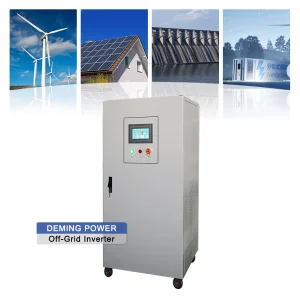
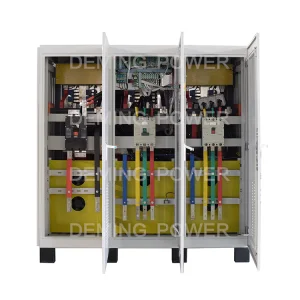
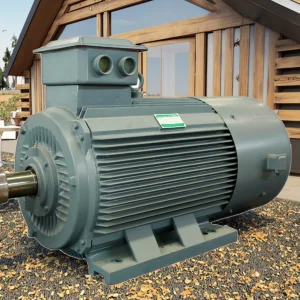
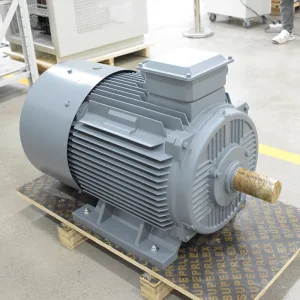
Among renewable sources, micro-hydropower generation systems utilizing run-of-river topologies along the Kiso and Shonai river basins present a reliable baseload power option. Unlike highly volatile solar energy, small-scale hydraulic systems provide a continuous 24-hour generation profile. However, connecting these distributed hydro assets to the local distribution grid requires sophisticated power electronics to handle voltage fluctuations and frequency drift. Deming Power's bidirectional inverters and Power Conversion Systems (PCS) are specifically engineered to bridge the gap between variable hydraulic generation and local grid standards.
Global energy markets are experiencing unprecedented volatility. Industrial buyers looking for hydropower generation systems and integration components are moving away from single-source supply structures to build diversified, resilient supply pipelines. In the Nagoya market, this shift is characterized by a demand for components that offer native compatibility with both Japanese utility standards (such as 50Hz/60Hz dual-frequency operation) and global industrial protocols.
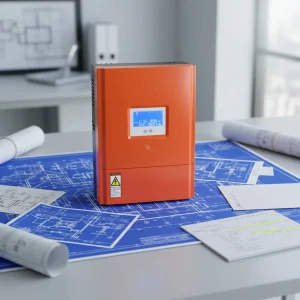
Procurement specialists look beyond turbine units to specify the entire power balance-of-system (BOS). Highly efficient converters, grid-tied battery simulators, and robust charge controllers are essential to capture, convert, and feed energy efficiently. High conversion efficiency (99% or greater) translates directly to a faster Return on Investment (ROI) and lower Levelized Cost of Energy (LCOE) for commercial operators.
Enabling microgrids to operate independently of the main utility grid, providing emergency black-start capabilities during regional seismic events.
Reducing Total Harmonic Distortion (THD) to under 3%, maintaining power quality within precision automotive assembly plants.
Modern hydropower development is no longer confined to massive dam projects. The industry is moving toward low-head, run-of-river micro-hydro systems that require minimal civil engineering and have a negligible environmental footprint. These decentralized hydro resources are increasingly coupled with energy storage systems (ESS) to handle dynamic load demands.
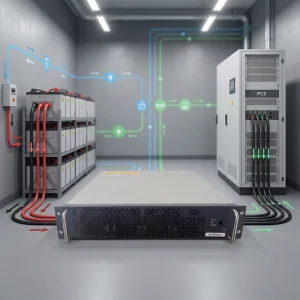
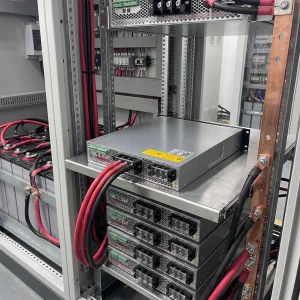
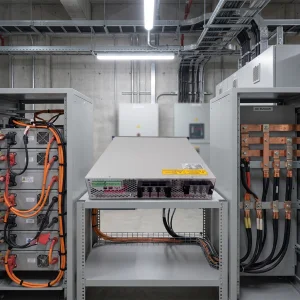
In a typical Nagoya industrial park microgrid, a run-of-river hydro turbine provides the baseline power, while an auxiliary solar array handles peak daytime loads. A high-capacity DC/DC converter matches the variable DC output from the solar array and the rectified hydro generator output to a common 750V DC bus. This energy is then routed to a battery storage bank or inverted via a bidirectional PCS to supply the facility's three-phase AC loads. The integration of stackable, modular converters allows for seamless scale-up as facility energy demands grow.
Established in 2004, Jinan Deming Power Equipment Co., Ltd. is a nationally recognized high-tech enterprise specializing in the research, development, production, and service of renewable energy power equipment and advanced power testing solutions. The company holds ISO9001:2015 certification and has been recognized as a high-tech enterprise by the Chinese government multiple times (2015, 2018).
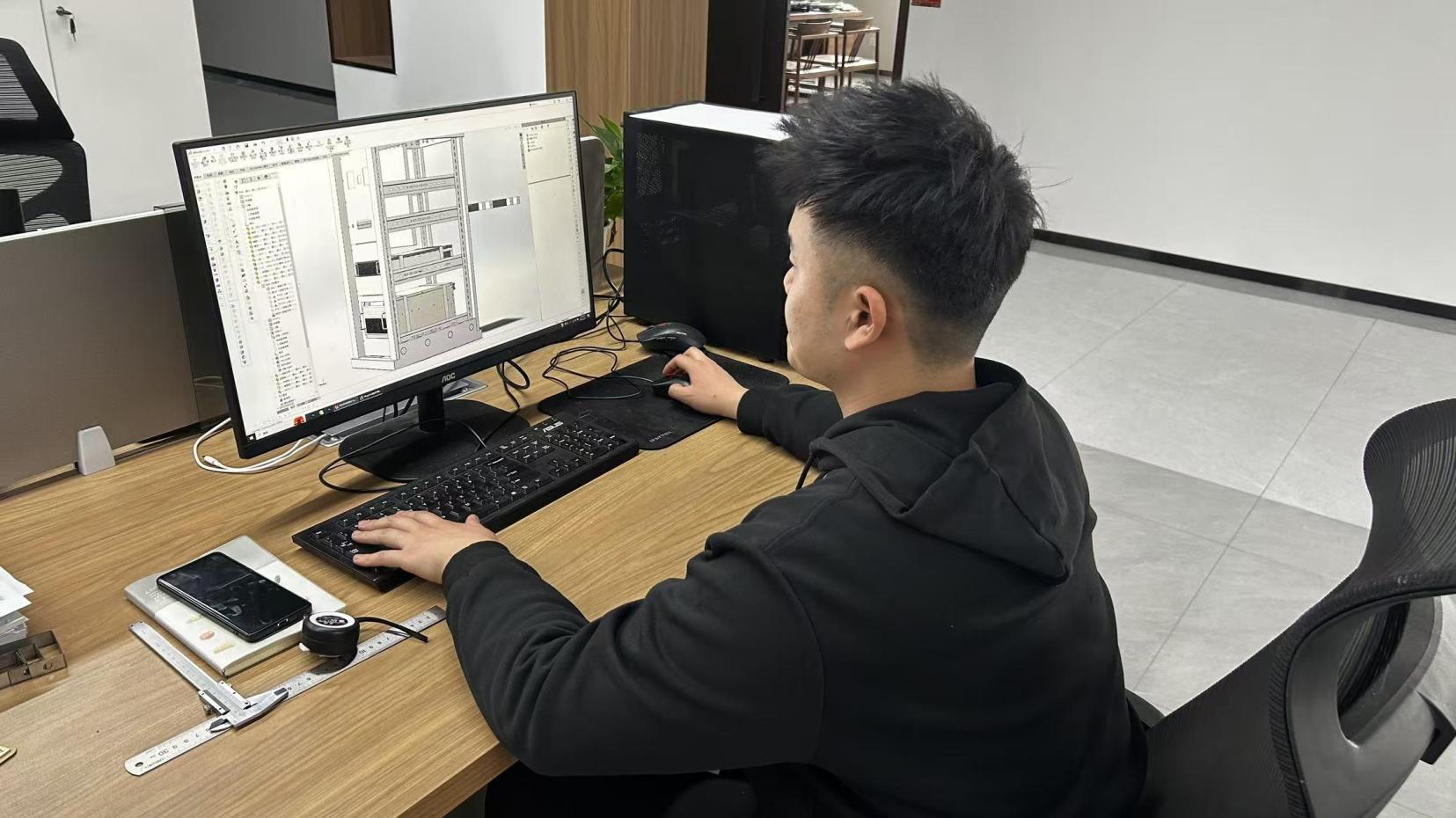
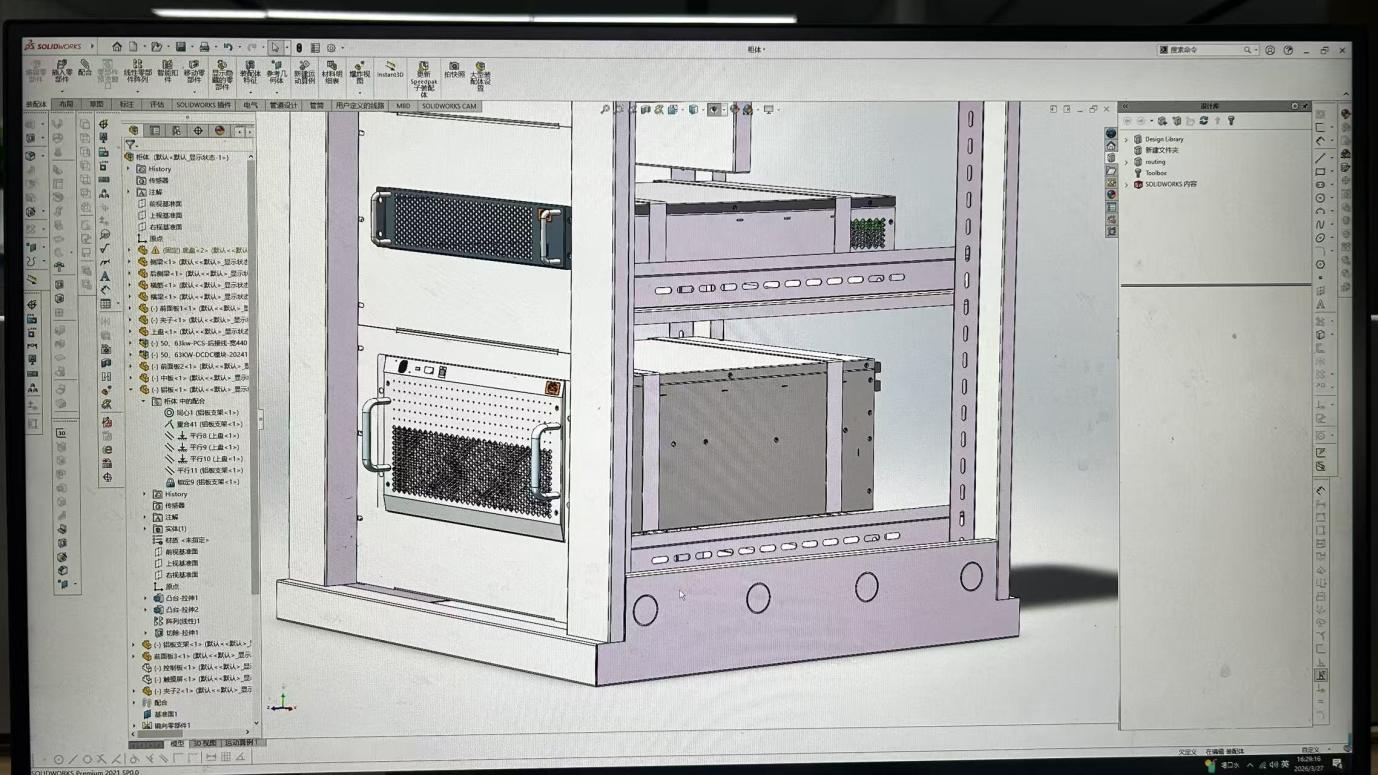
With a dedicated R&D team of 16 engineers including doctoral supervisors and master's degree holders, Deming invests no less than 20% of annual sales revenue into technology development. The company has completed 17 R&D projects in the last three years with 16 scientific and technological achievements transformed into commercial products. Deming's products have been exported to 120+ countries including Germany, Japan, the United States, UK, Canada, Australia, and Brazil, and the company has established cooperative relationships with Fortune 500 enterprises.
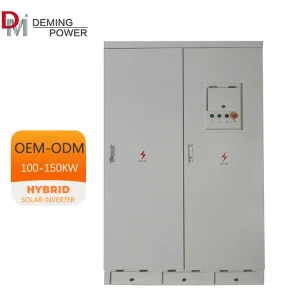
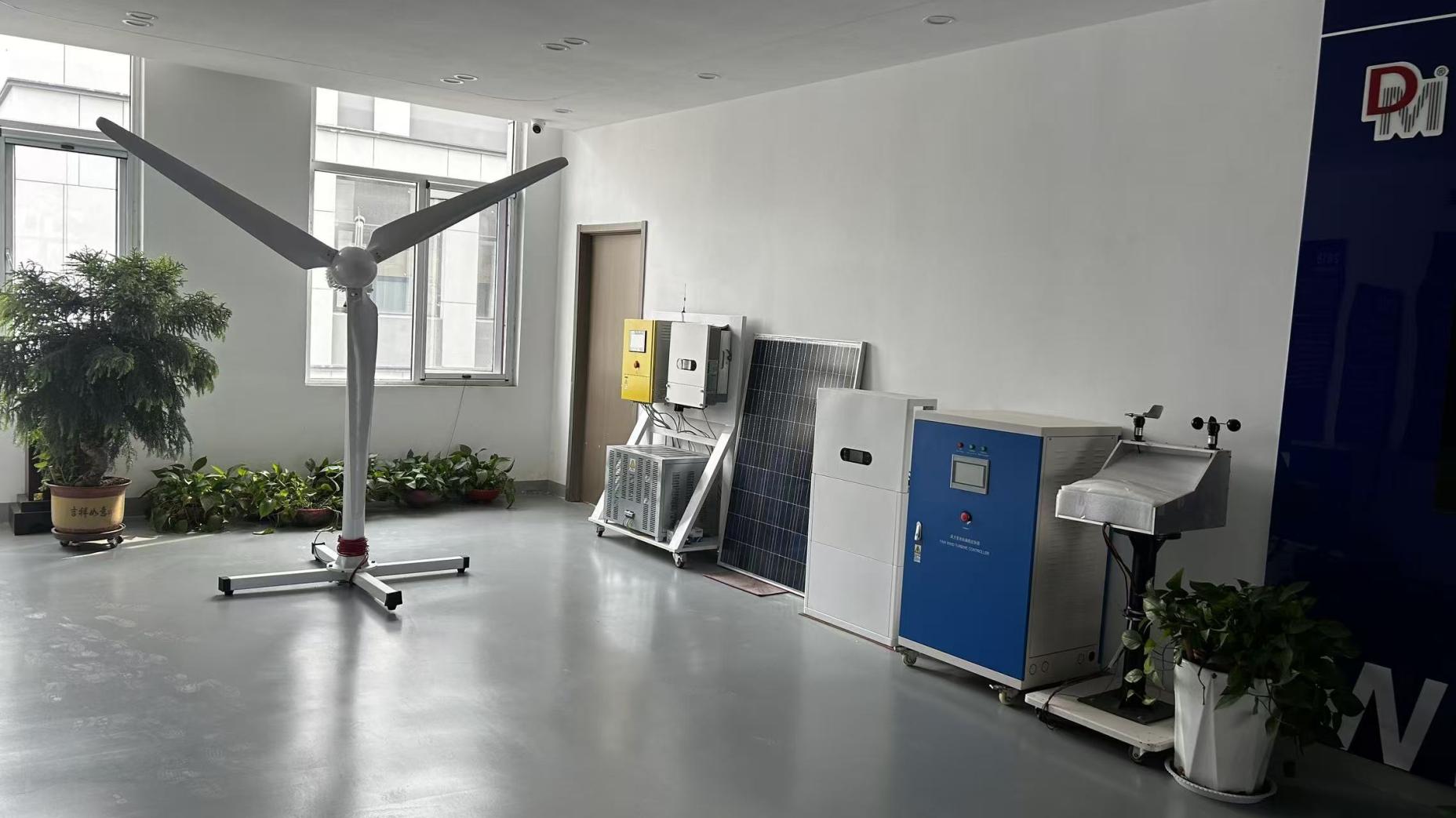
Our main products include wind/solar controllers, inverters, frequency converters, and high-power bidirectional DC test power supplies and battery simulators ranging from 150kW to 500kW. Deming's focus on technological innovation, structural design optimization, and stringent component selection ensures that our systems operate with maximum up-time in Japan's highly regulated energy sector.
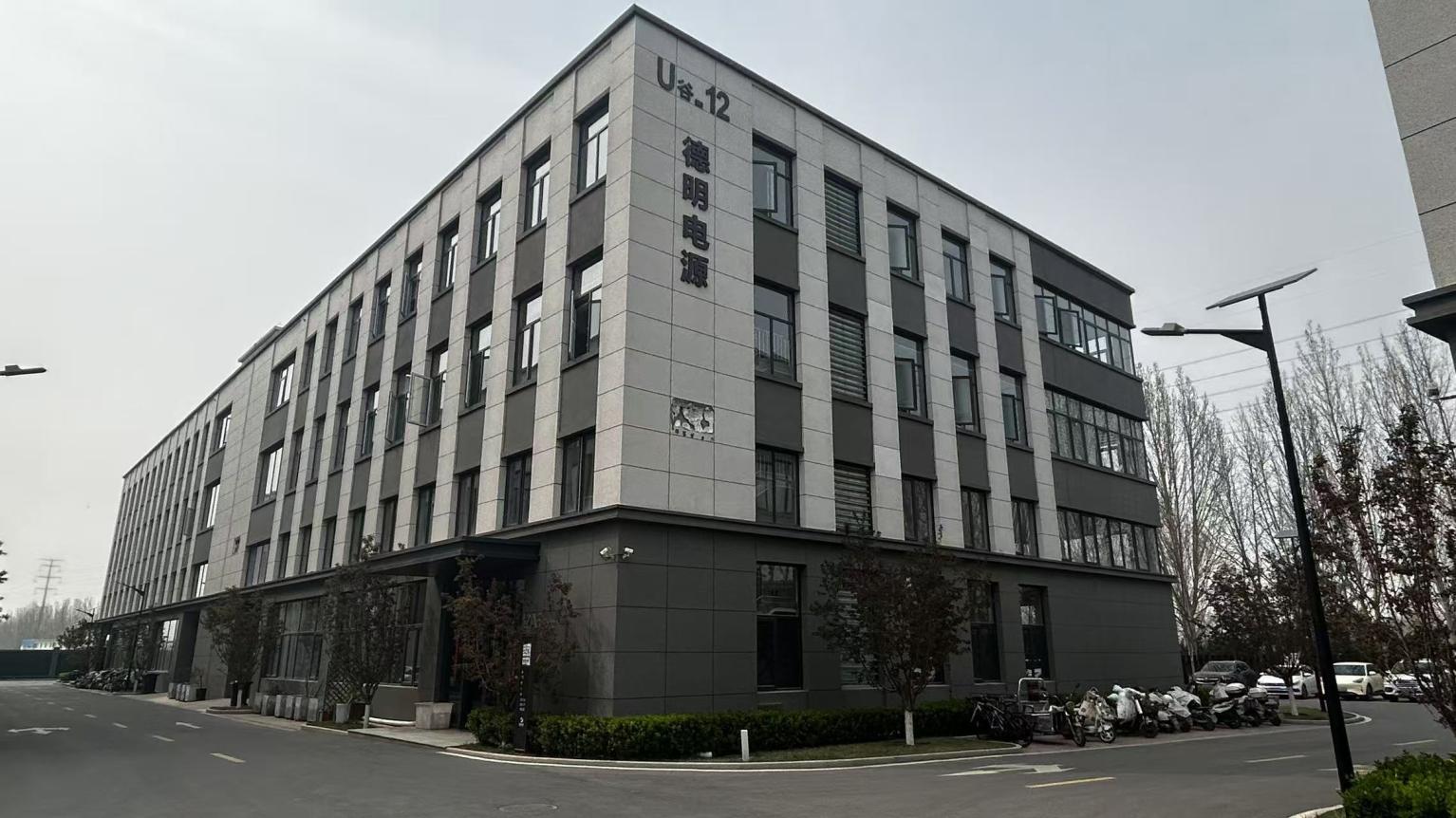
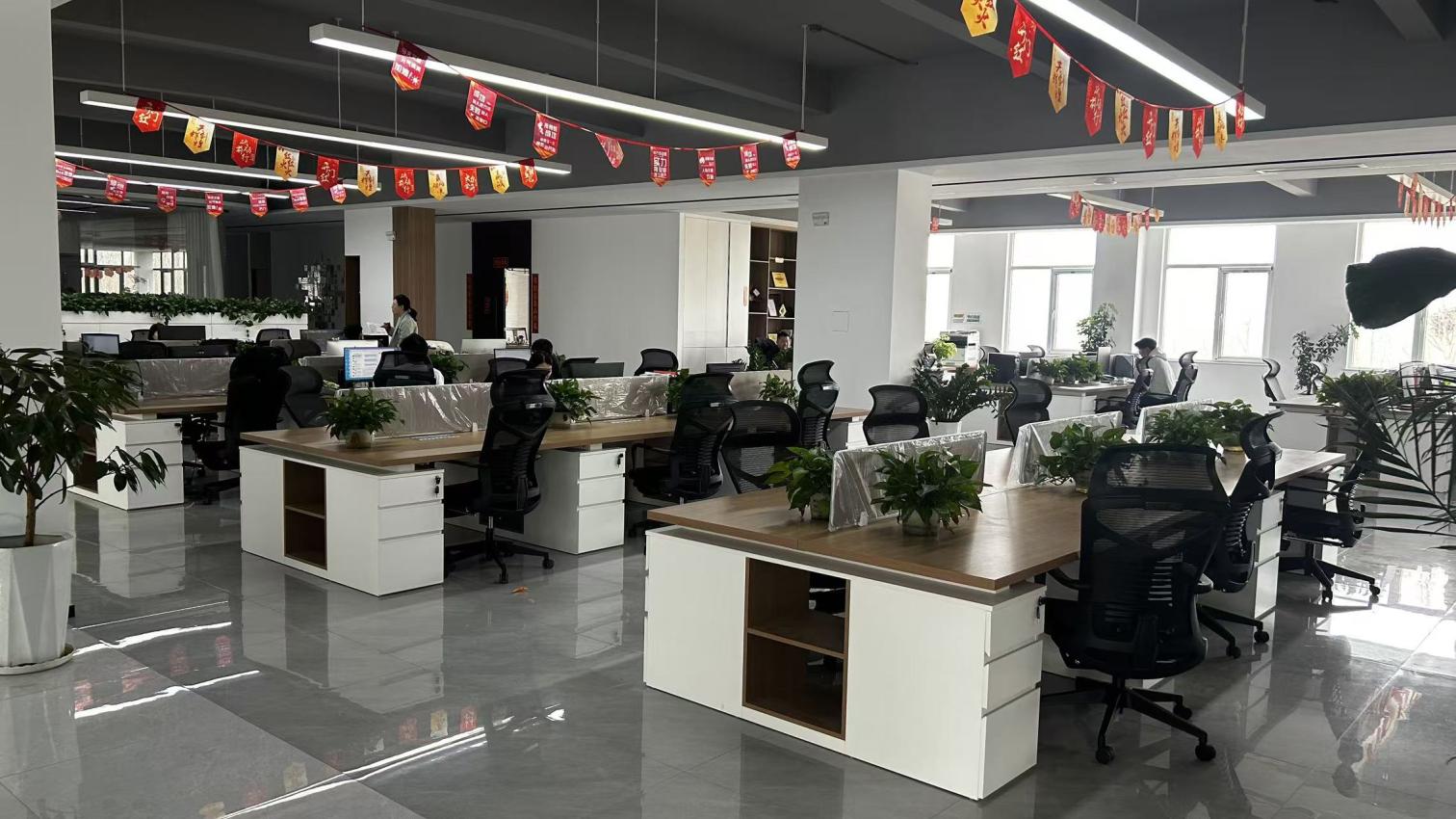
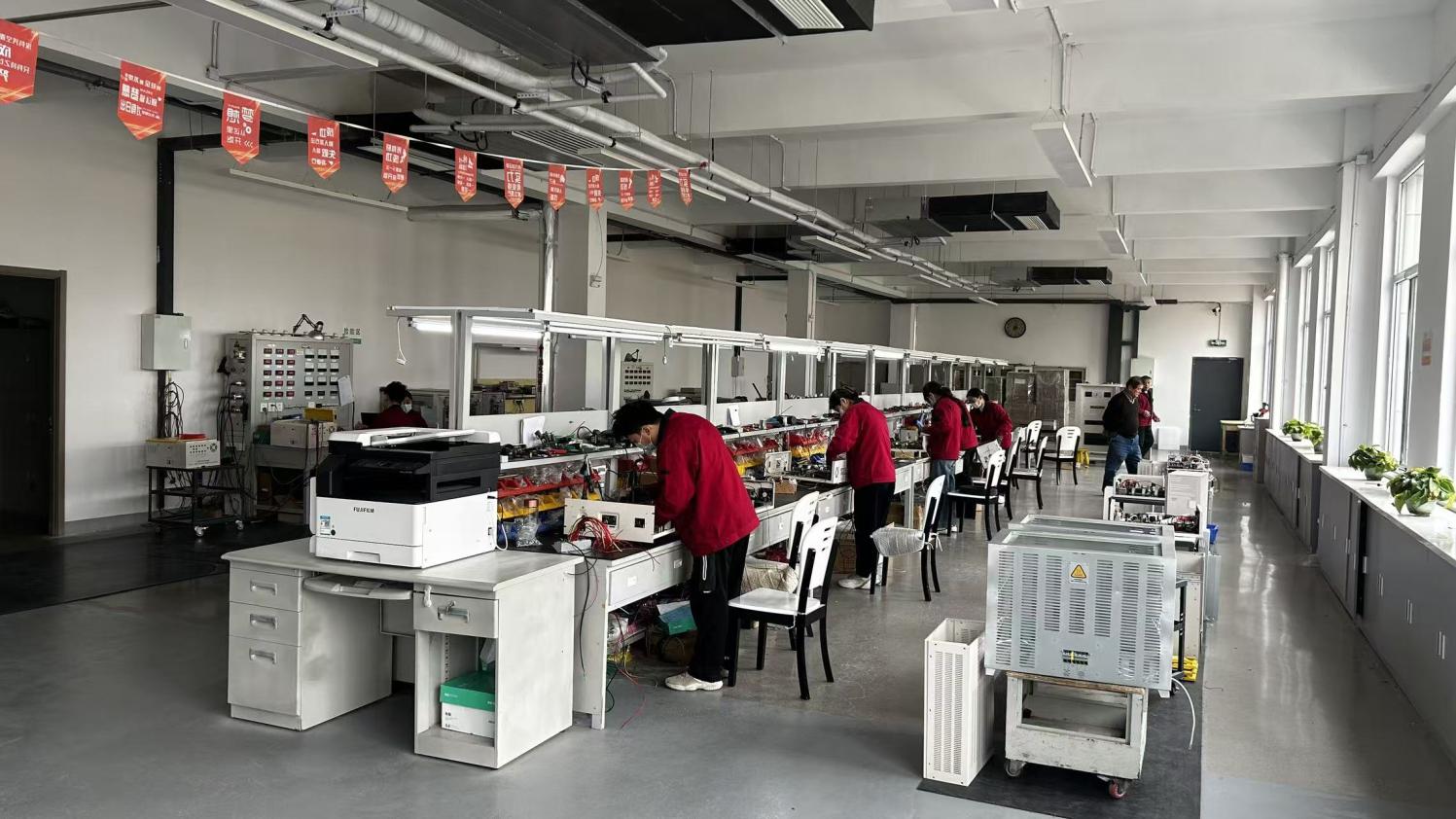
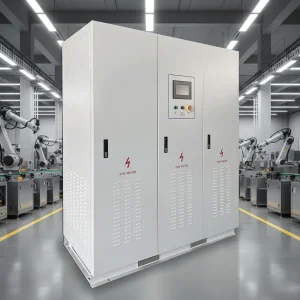
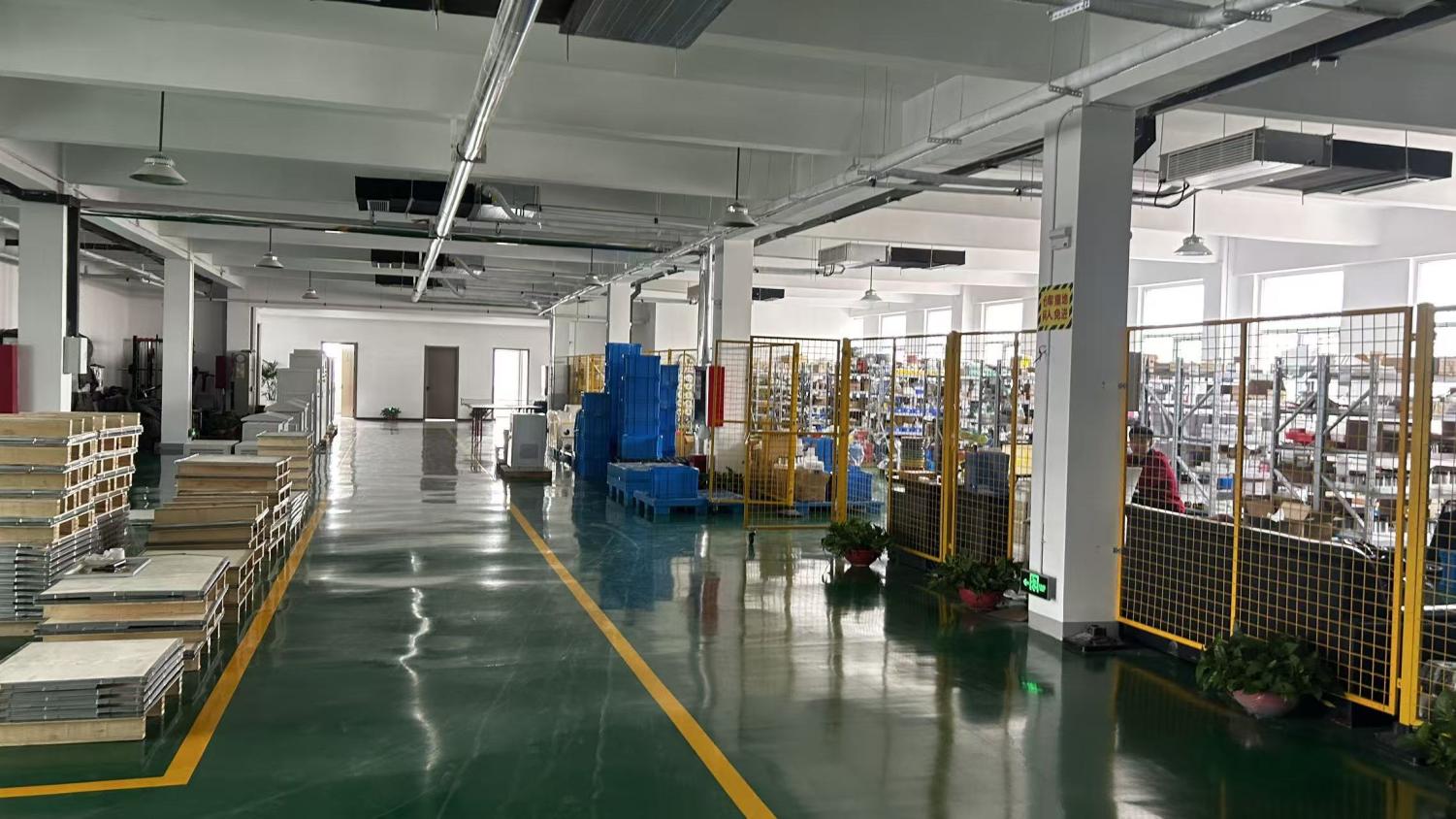
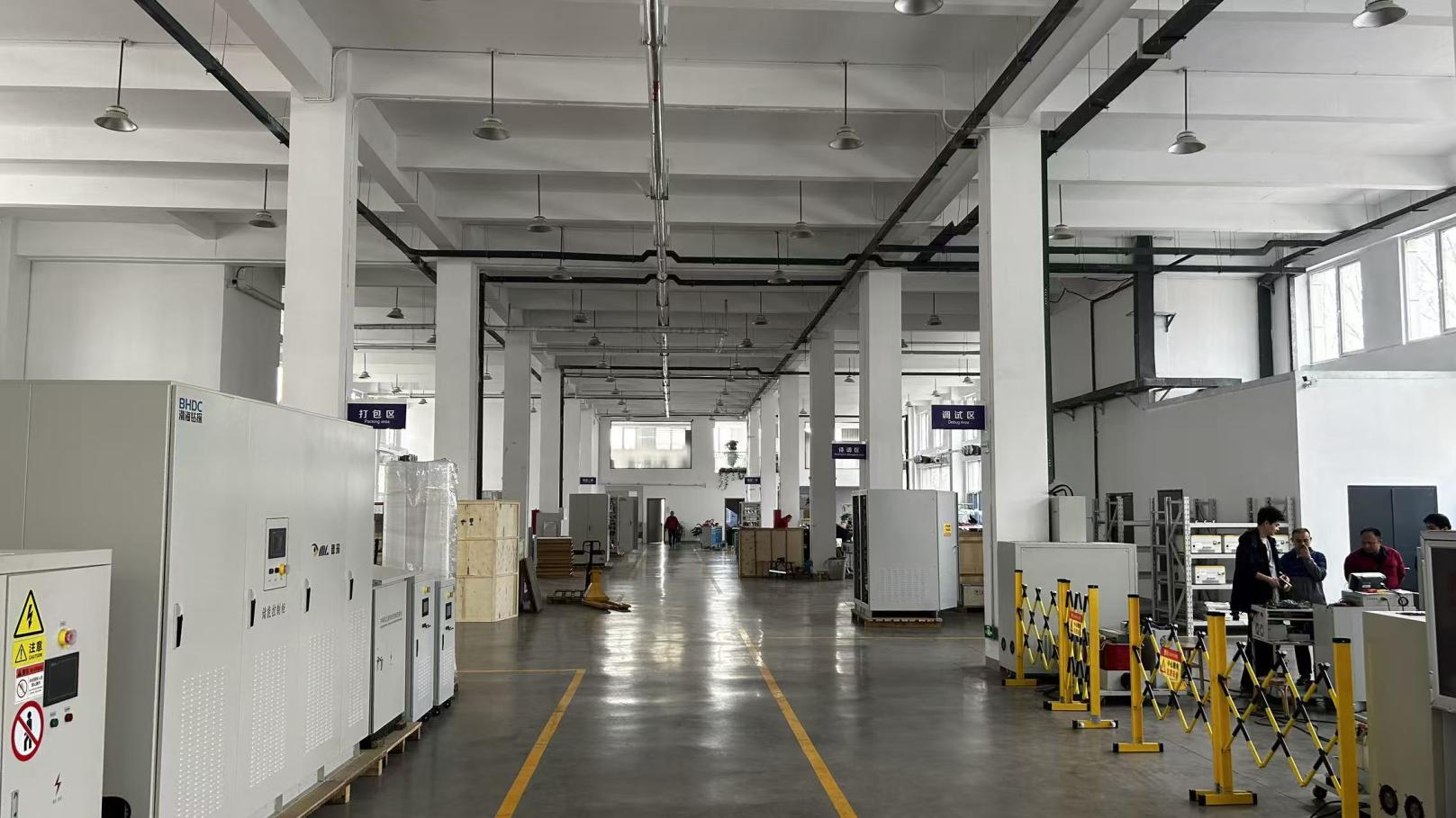
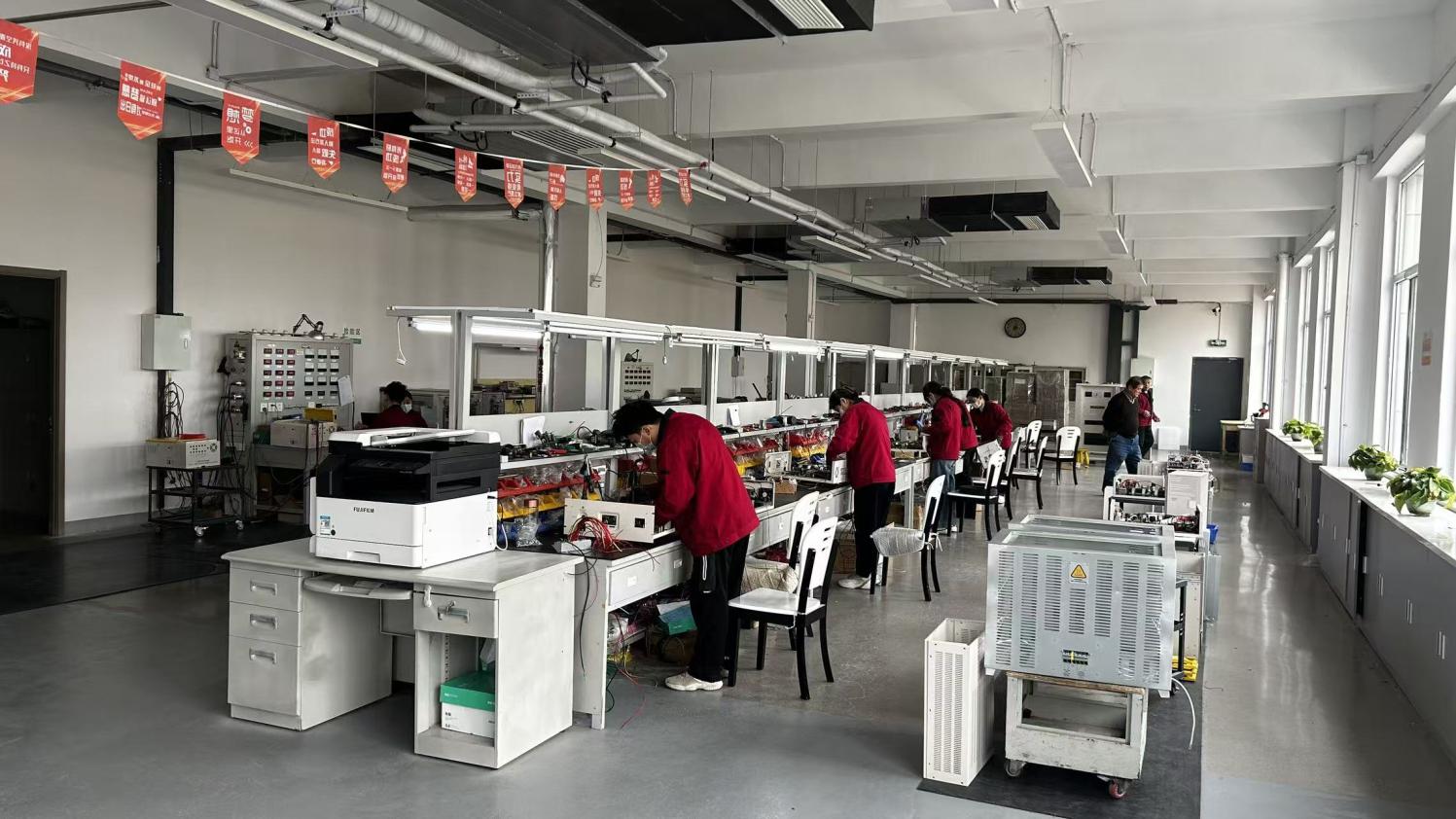
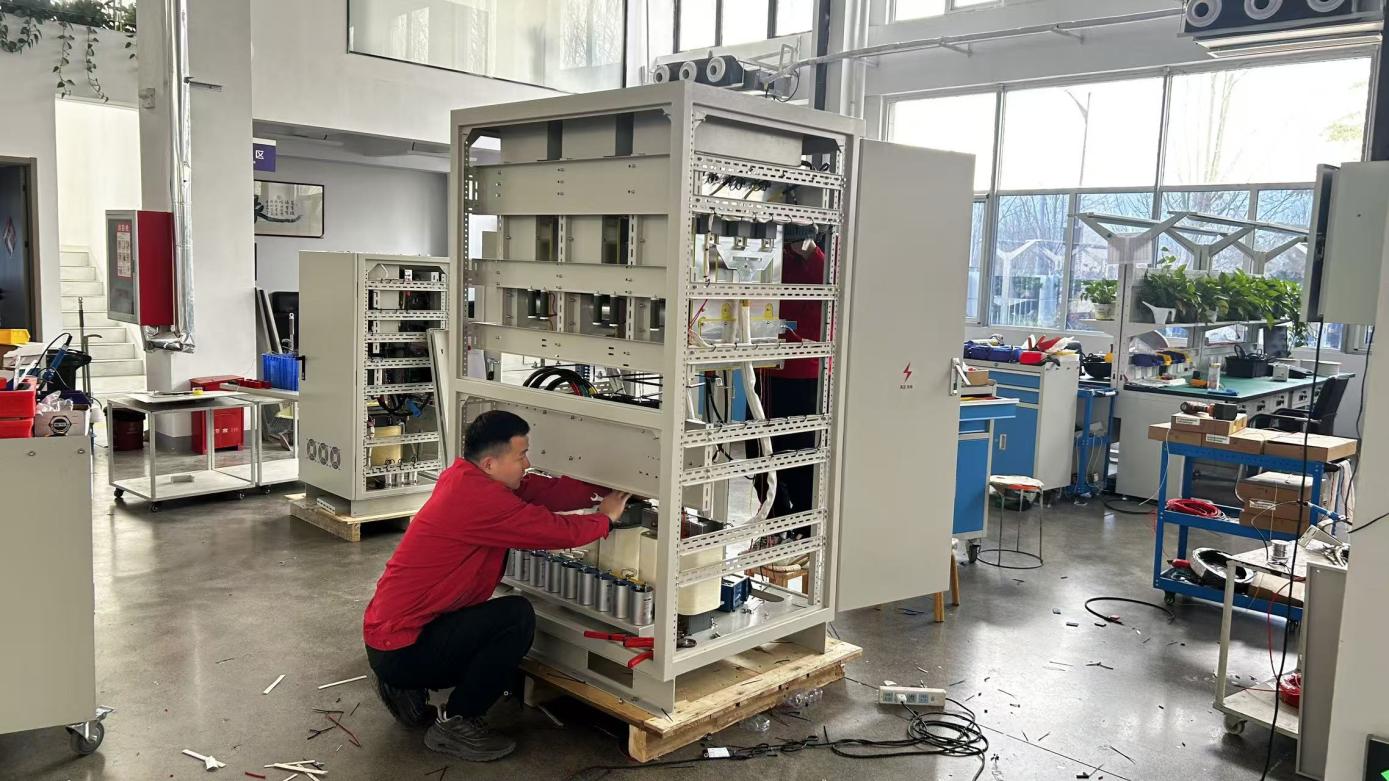
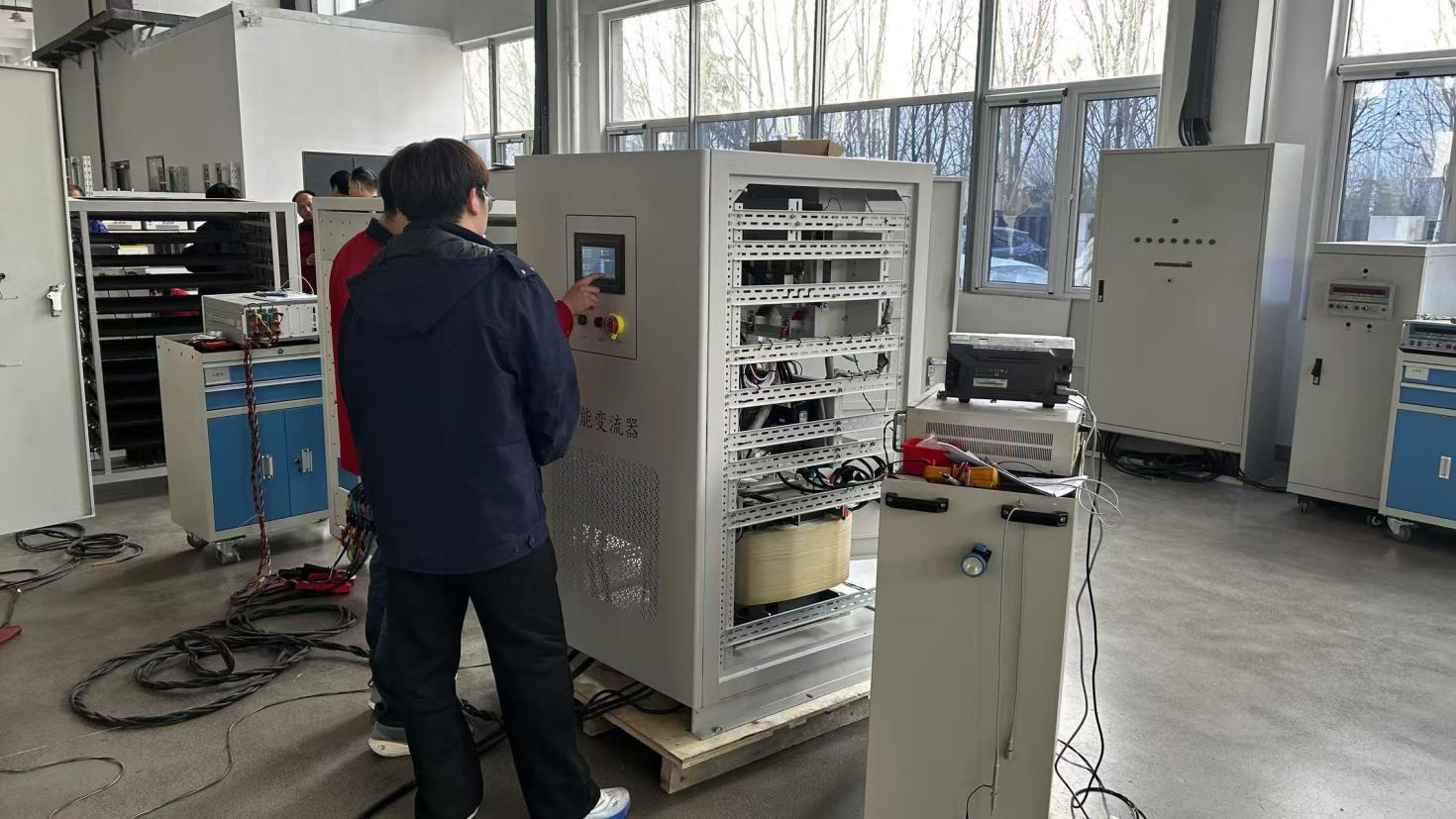
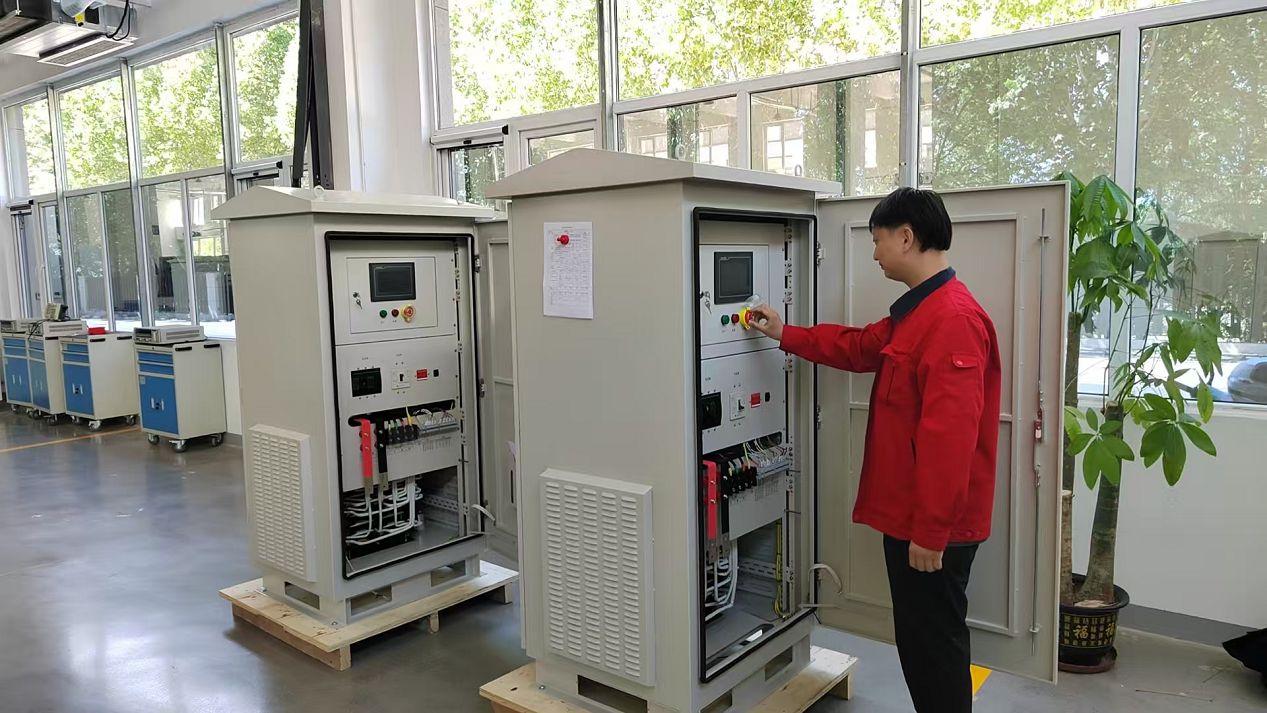
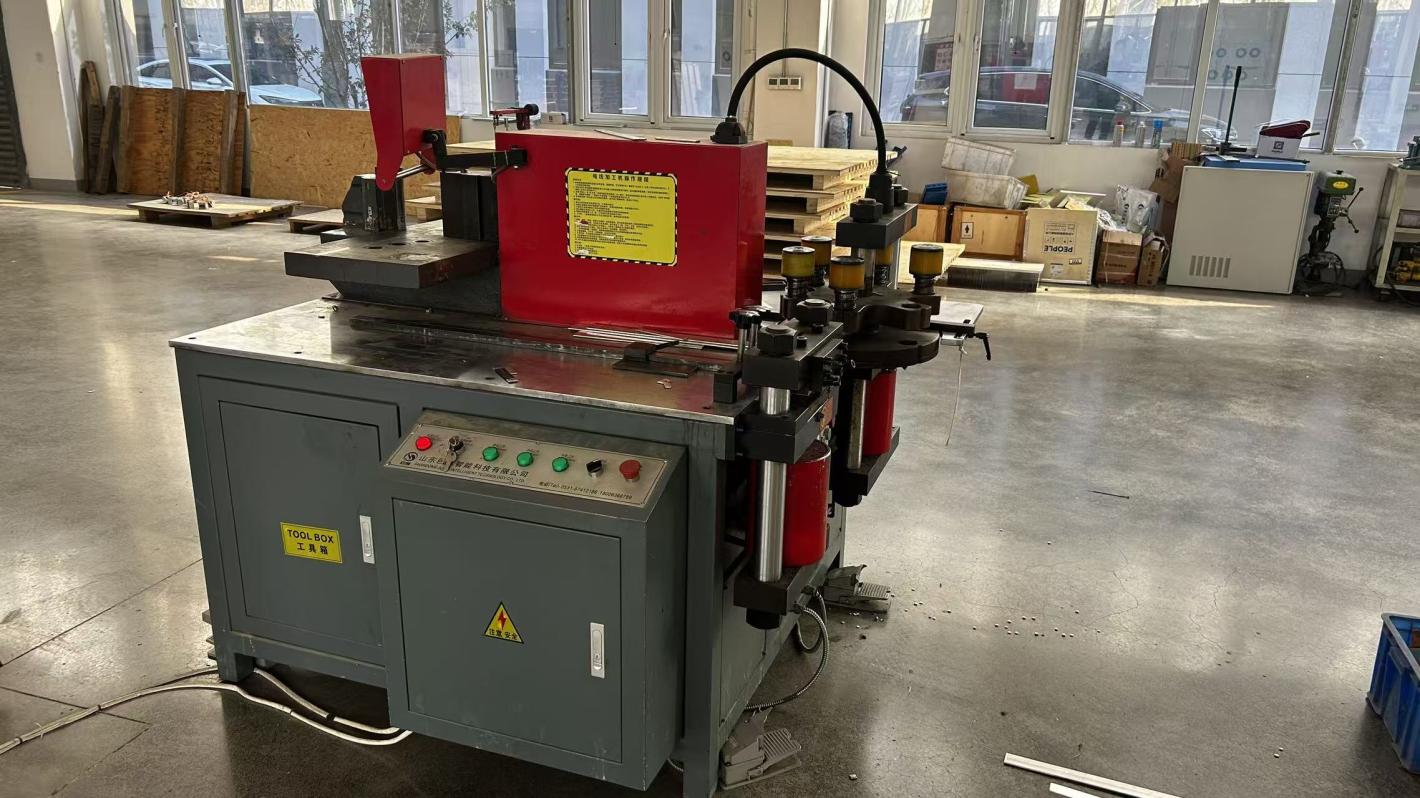
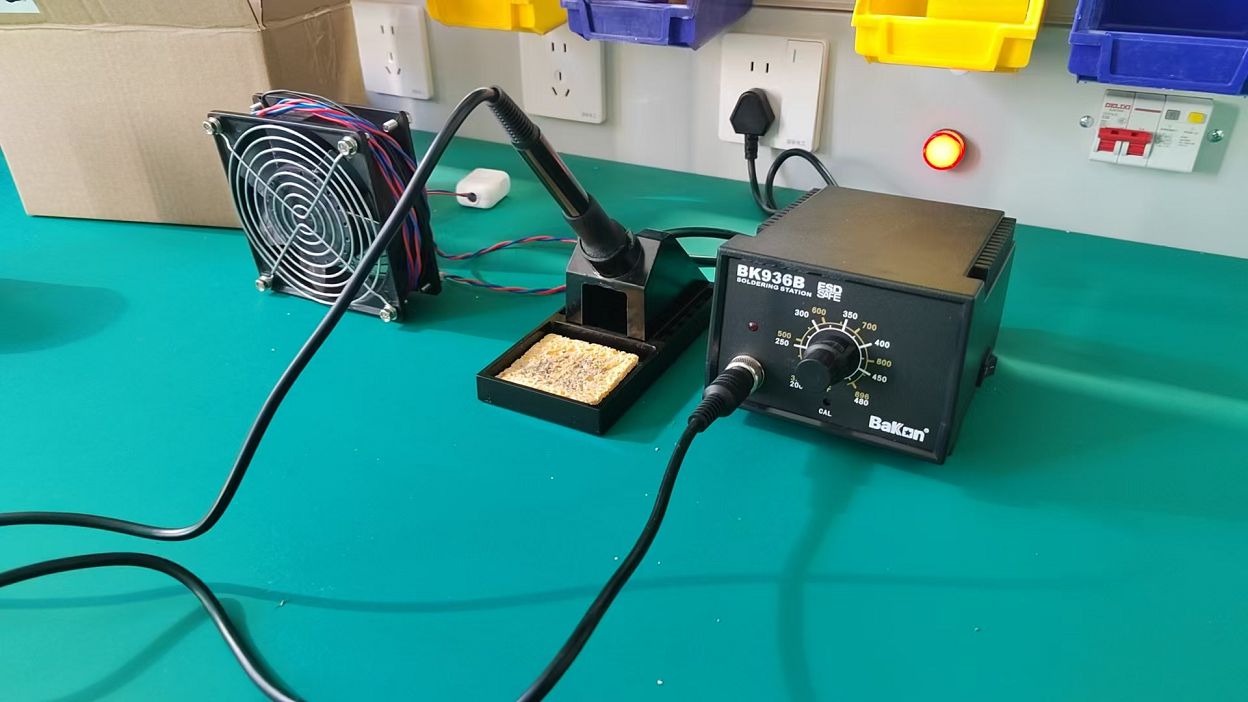
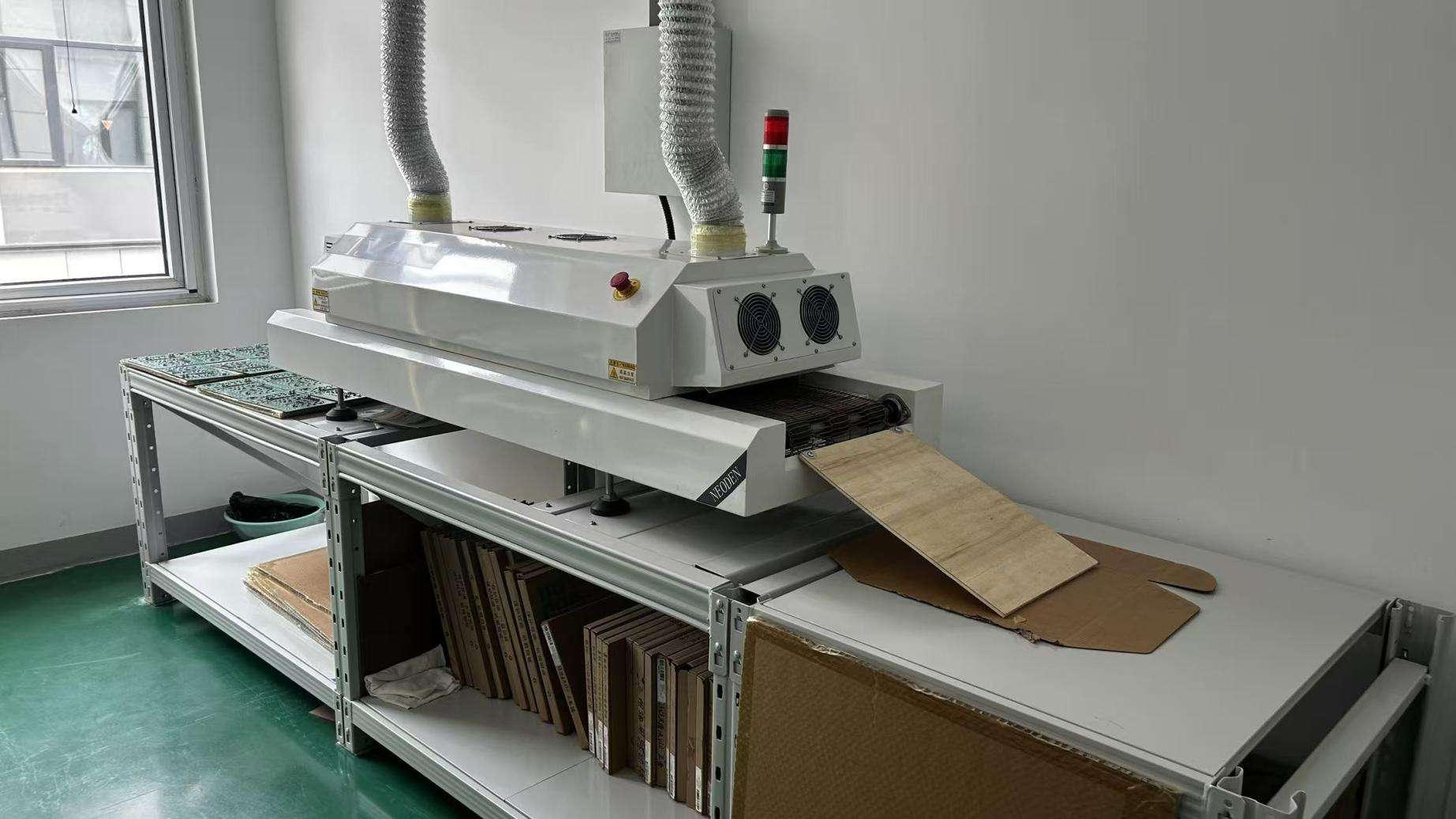
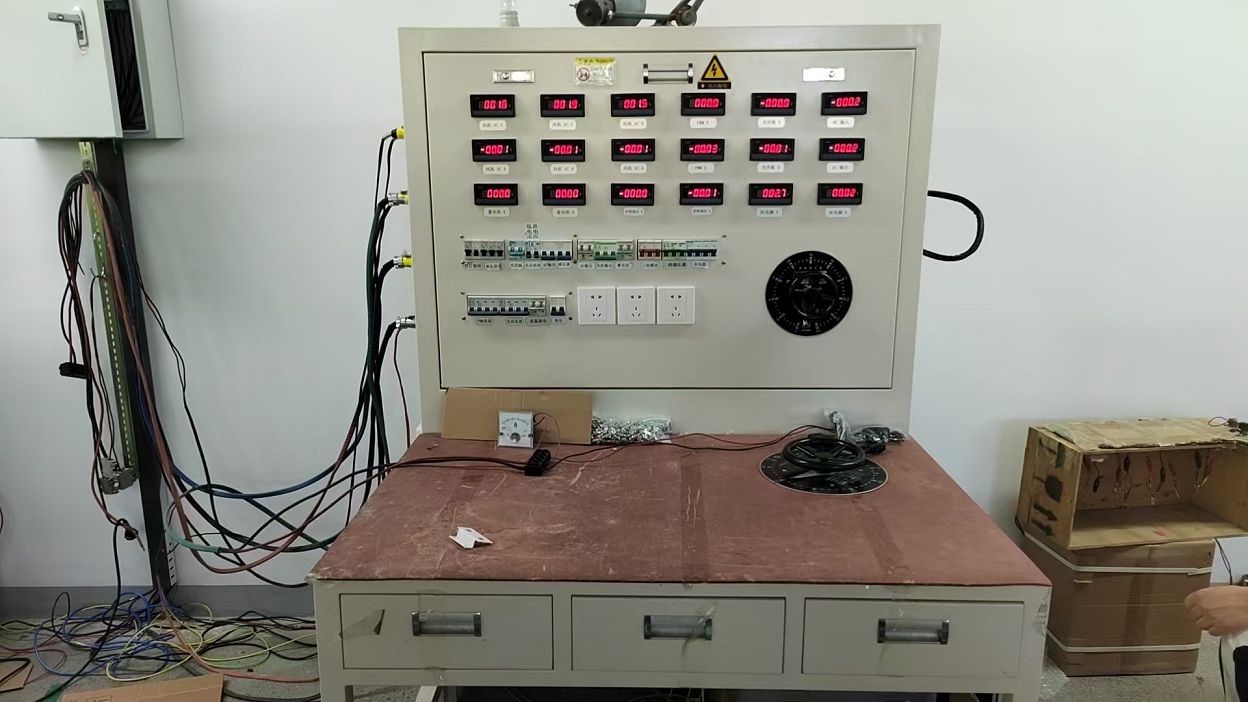
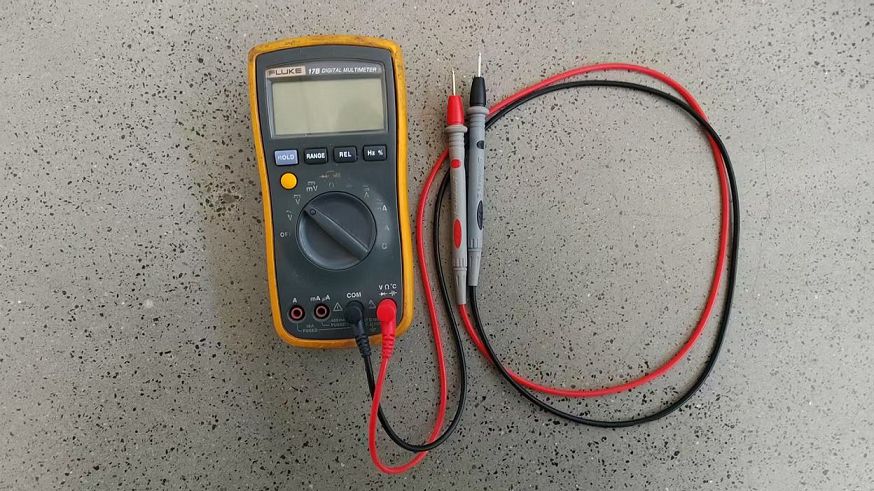
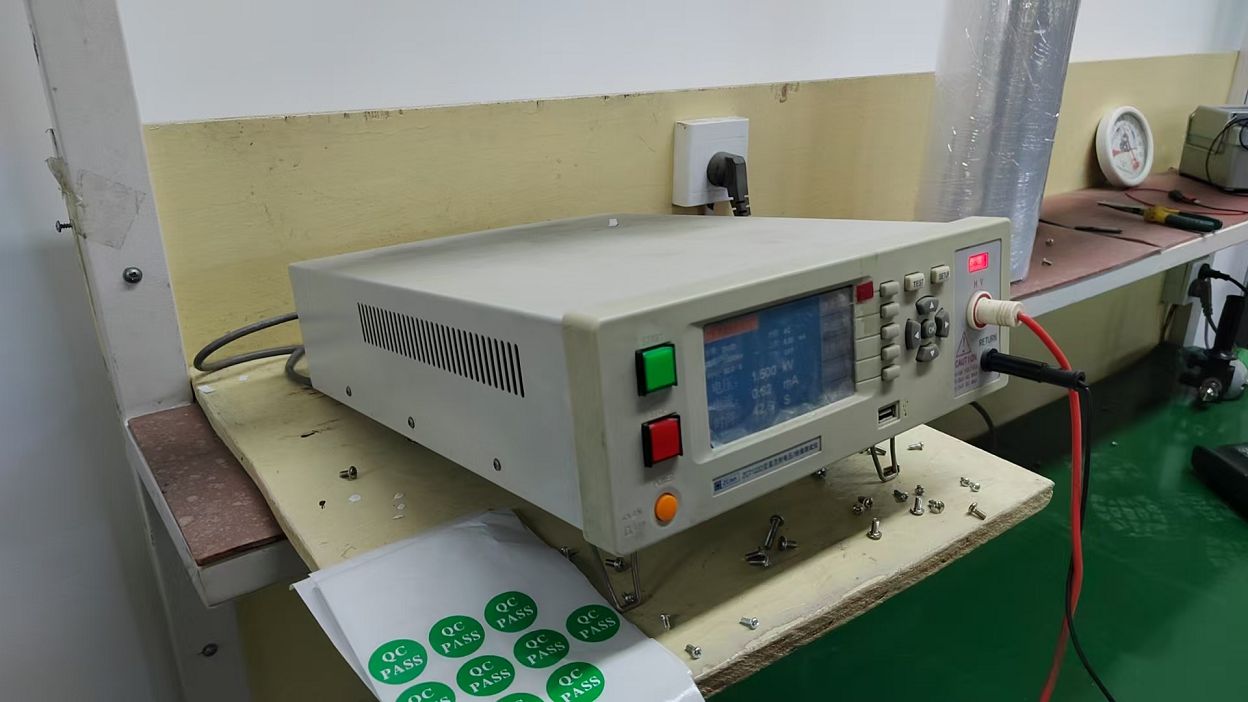
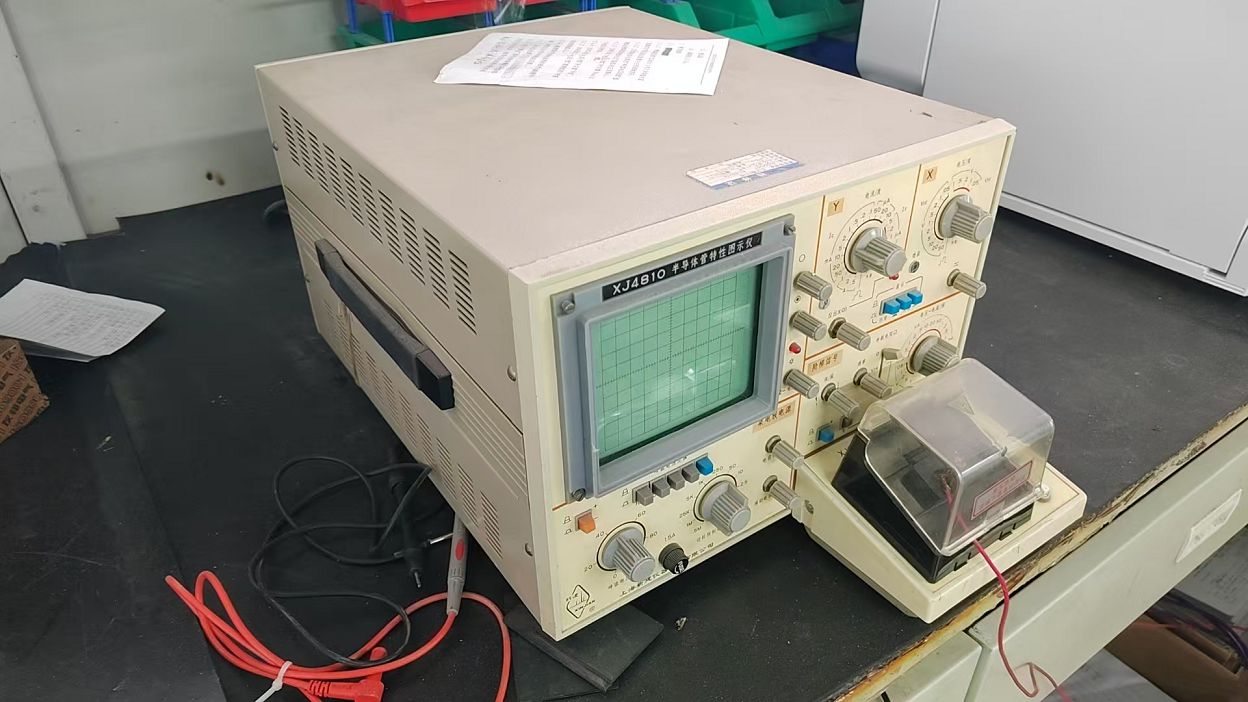
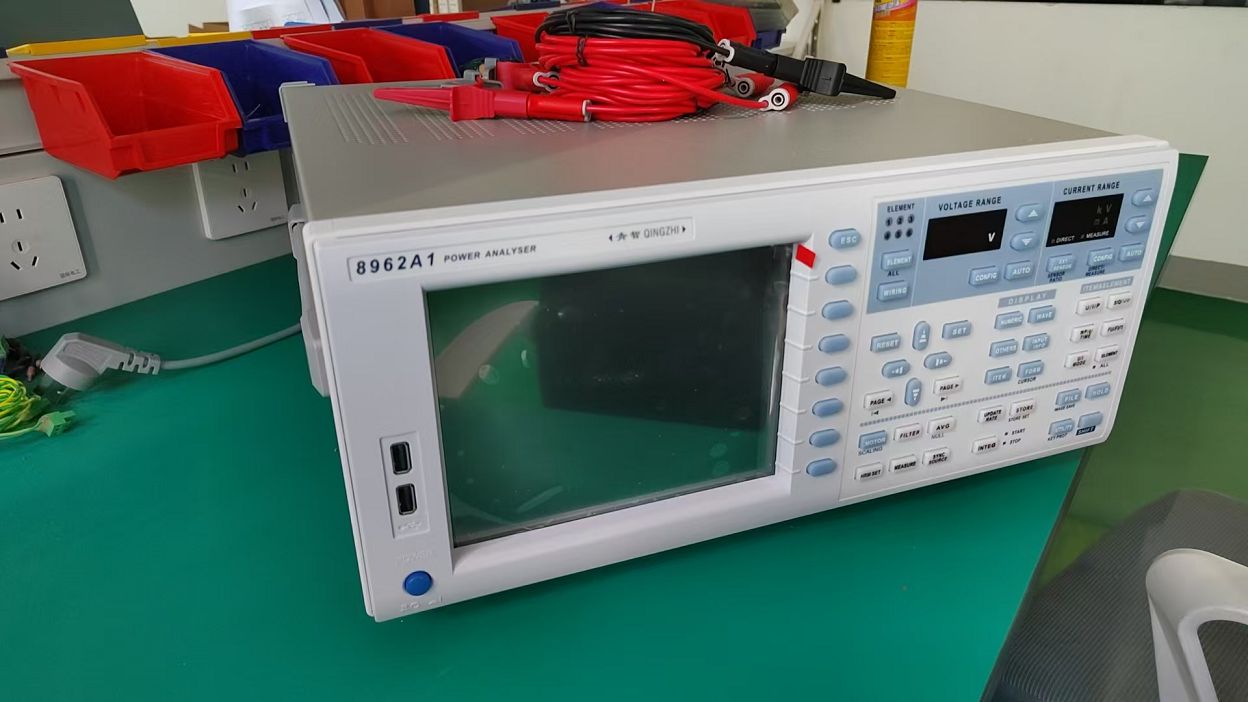
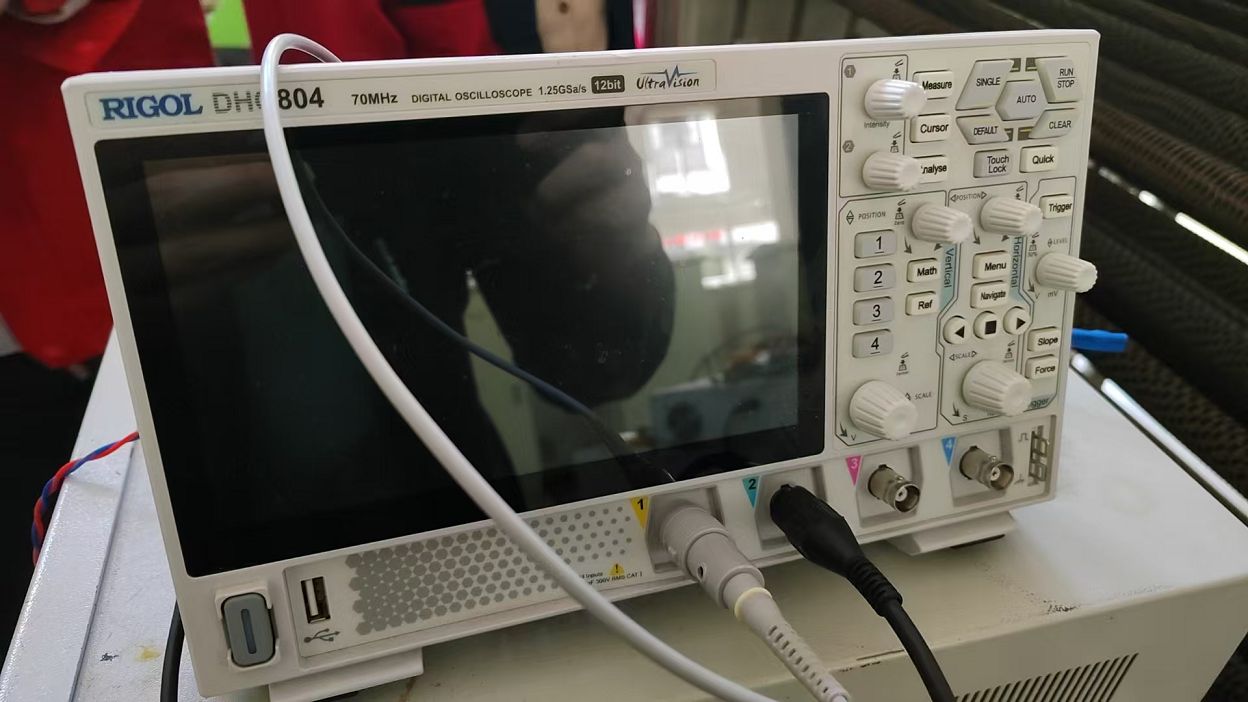
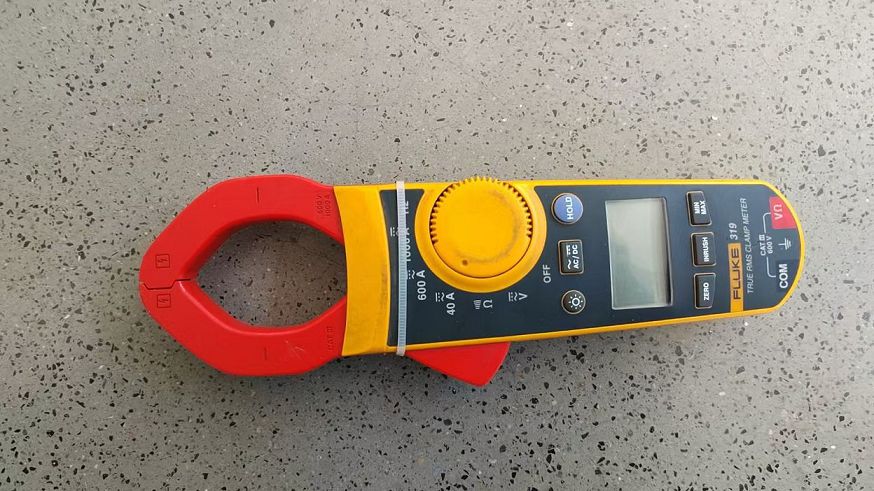
Our state-of-the-art facility utilizes automated assembly and high-precision testing apparatus to ensure industrial-grade durability and complete parameter verification before delivery.
Premium hardware solutions engineered for high reliability, thermal efficiency, and modular expansion.
Specialized marine, wind, and multi-parallel converters designed to extend microgrid life cycles.
How Deming Power equipment resolves actual engineering issues across different business sectors.
Automotive production requires massive loads with transient peaks during welding cycles. By configuring our 300kW bidirectional PCS with localized energy storage and micro-hydro baseload generation, factories in Nagoya protect sensitive electronics from voltage sags while cutting peak tariff costs.
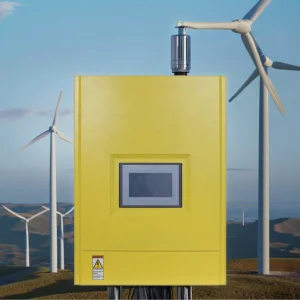
The agricultural zones around Nagoya feature extensive water canal networks. Installing our IMW water turbines combined with high-voltage MPPT controllers enables farmers' cooperatives to generate stable local power, feeding surplus energy back to the grid under Japan's FIP program.
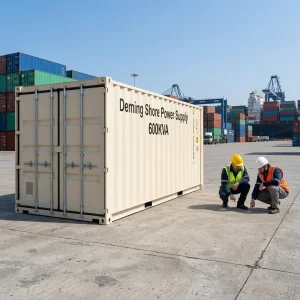
At the Port of Nagoya, maritime operations require variable frequency clean power to berth transport vessels. Deming's 600kVA Variable Shore Power supplies convert standard Japanese grid power to 660V/400Hz outputs with 96% efficiency, significantly lowering carbon emissions in port operations.
Expert answers regarding technical compatibility, installation, and procurement parameters for Japanese grids.
All Deming PCS and inverter models exported to Japan undergo stringent electrical verification. Our engineering team incorporates grid-protection parameters (OVR/UVR, OFR/UFR, and active islanding detection) matching METI (Ministry of Economy, Trade and Industry) standards. The system outputs are configured to operate flawlessly on both 50Hz and 60Hz grids with isolated transformer configurations to guarantee safety.
Yes. Our 30KW and modular stackable 1500V DC-DC converters are built with CAN communication links and master-slave control algorithms. This allows up to 32 units to run in parallel, enabling megawatt-scale power conversion systems that adapt to larger river flow rates and massive battery arrays.
Deming's bidirectional converters utilize advanced IGBT topology and synchronous rectification. Under nominal test conditions, the conversion efficiency reaches up to 99%, reducing thermal losses. This high efficiency minimizes heat generation, allowing passive or forced-air cooling systems to maintain a stable component temperature under constant baseload generation.
With our 16-person in-house engineering team, we provide comprehensive schematic integration services. We can customize the voltage ranges (from low voltage battery buses up to 1500V DC buses), output wave styling, and communications protocols (Modbus TCP/RTU, Profinet, CAN) to match your existing factory SCADA control systems.
Optimize your hydropower generation and electrical storage systems with Deming's certified engineering solutions. Contact our technical department today for complete system design and OEM pricing models.
Send Inquiry Now Demin Power