Intelligent bidirectional power management units optimized for Irish commercial grid integration, farm peak-shaving, and backup power configurations.
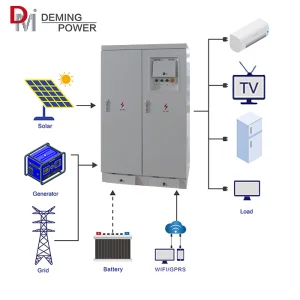
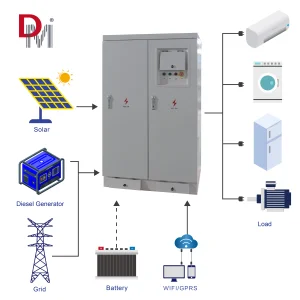
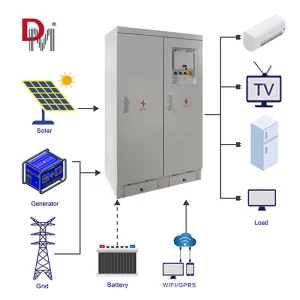
Under the Irish Government's Climate Action Plan, Ireland aims to source up to 80% of its electricity from renewable sources by 2030, targeting at least 8GW of solar PV capacity. This ambitious green transition presents unique challenges to Ireland's grid operator, EirGrid, and localized distribution networks managed by ESB Networks. Heavy industrial users, large agricultural cooperatives in Munster and Leinster, and logistics facilities along the M50 corridor face volatile wholesale electricity rates and grid connection limitations.
For Irish businesses, relying solely on grid-tied solar systems introduces significant operational limitations, particularly around zero-export limitations and power quality issues (harmonic distortion). To overcome these challenges, high-capacity, three-phase solar hybrid inverters (ranging from 30kW to 500kW) have emerged as the foundational technology for securing energy independence, allowing seamless energy arbitrage, load leveling, and robust UPS-level backup functionality.
Irish maritime climates and grid regulations dictate strict compliance and structural resilience. Systems deployed locally require highly responsive dynamic reactive power control, compatibility with the DS3 System Services framework, and advanced thermal management to withstand high humidity levels without degrading power conversion efficiency.
Dairy farming is highly energy-intensive, requiring reliable power during morning and evening milking windows. When combined with localized battery storage, hybrid inverters can offset peak demand tariffs (often occurring when solar generation is low). By storing excess solar generation in the middle of the day, farms can achieve self-consumption rates exceeding 85%.
Dublin's position as Europe's data center capital demands unprecedented power reliability. Large industrial hybrid inverters (100kW to 500kW) operate in bi-directional mode, maintaining seamless synchronization with the grid while providing instantaneous backup power in under 20ms during grid dropouts, bridging the gap before auxiliary diesel generators can crank to full speed.
Cold storage facilities operate continuously. By installing high-power hybrid inverters integrated with smart energy management systems, facility operators can shift energy intake to off-peak periods, utilize solar capacity directly for thermal cooling loads, and prevent grid penalties associated with low power factor ratings.
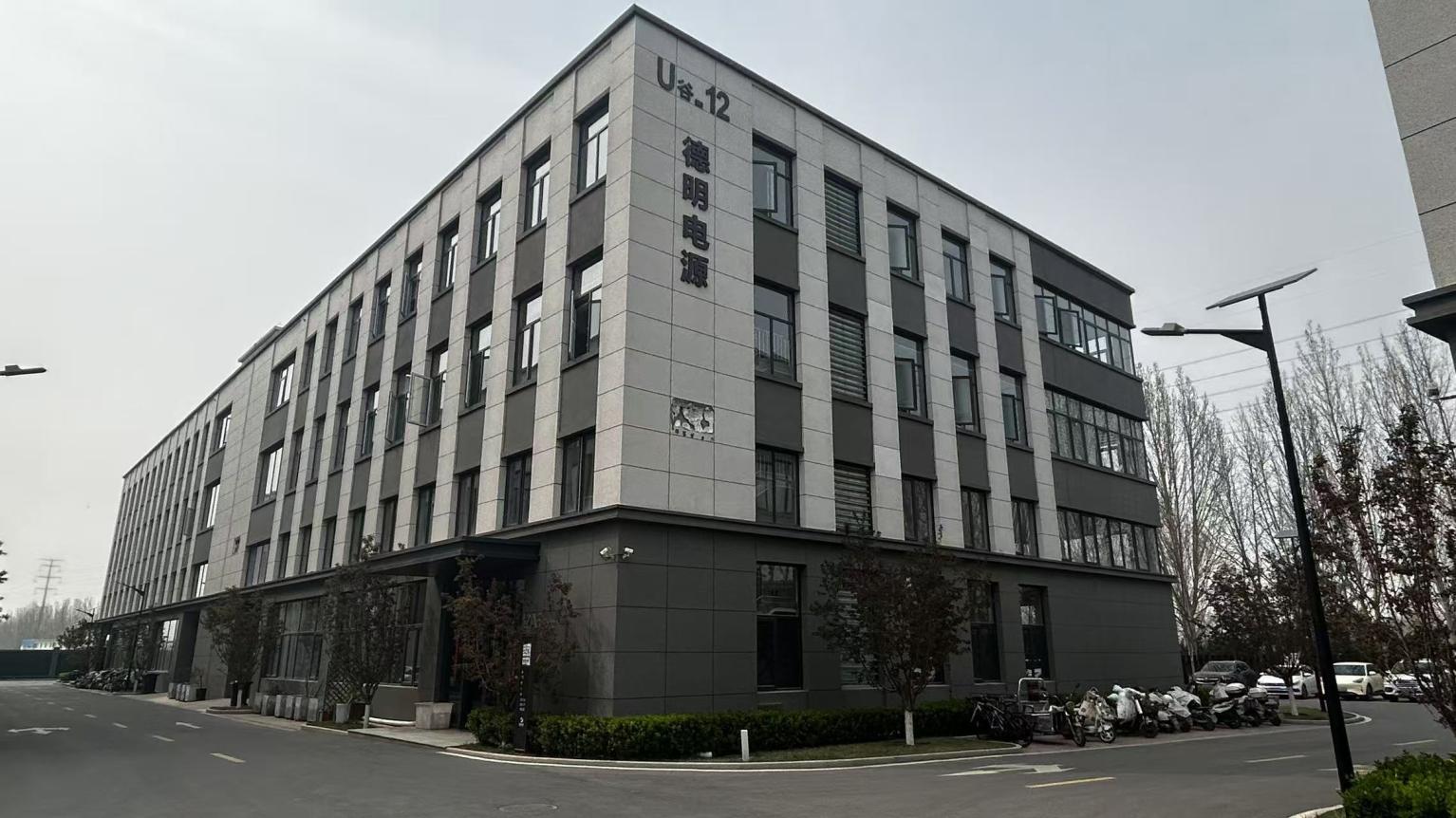
Established in 2004, Jinan Deming Power Equipment Co., Ltd. is a nationally recognized high-tech enterprise specializing in the research, development, production, and service of renewable energy power equipment and advanced power testing solutions. The company holds ISO9001:2015 certification and has been recognized as a high-tech enterprise by the Chinese government multiple times (2015, 2018).
For nearly two decades, Deming has stood at the forefront of power electronics design. With a dedicated R&D team of 16 engineers—including doctoral supervisors and master's degree holders—Deming invests no less than 20% of annual sales revenue back into technological development. This continuous investment ensures that every inverter model is optimized with the latest DSP processors, high-speed IGBT protection modules (utilizing genuine Mitsubishi and ATEMEL semiconductor solutions), and advanced grid synchronization firmware.
Deming's power solutions have been successfully exported to over 120 countries, including highly regulated markets such as Germany, Japan, the United States, the UK, Canada, Australia, and Brazil. Our technical compliance processes align perfectly with complex grid connection policies, providing Irish EPCs and system integrators with peace of mind regarding compliance under EN 50549-1 and local distribution network safety requirements.
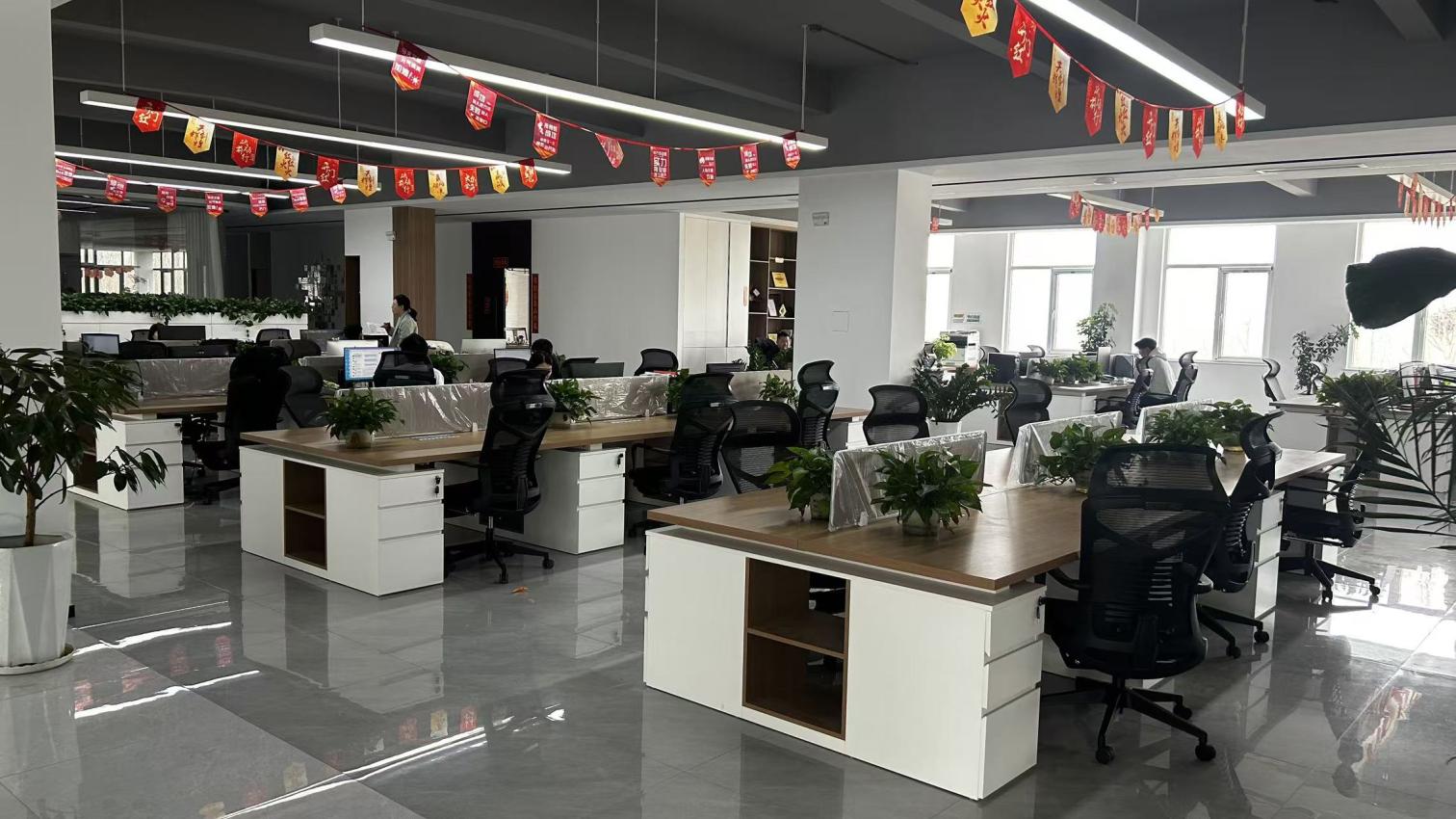
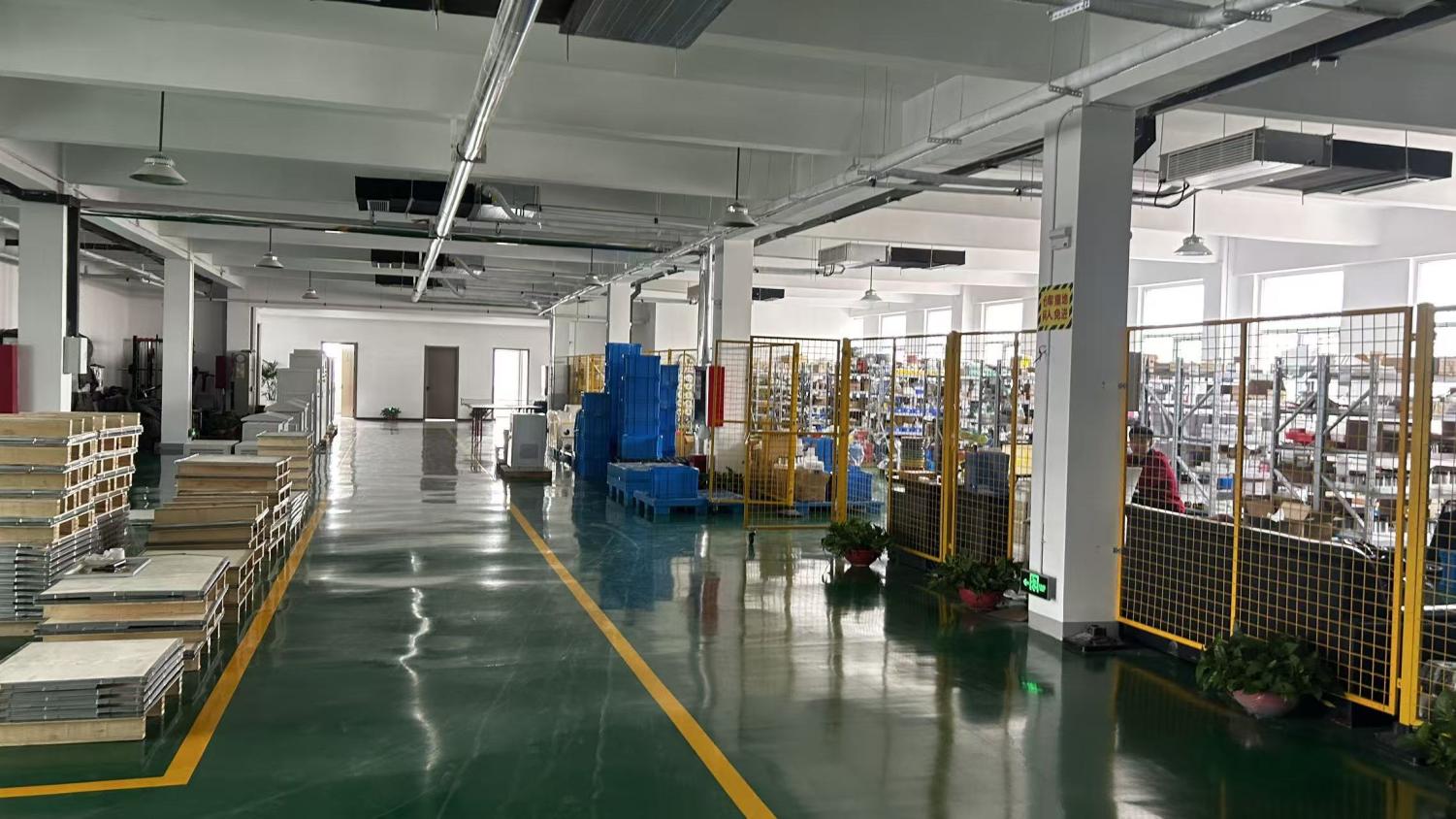
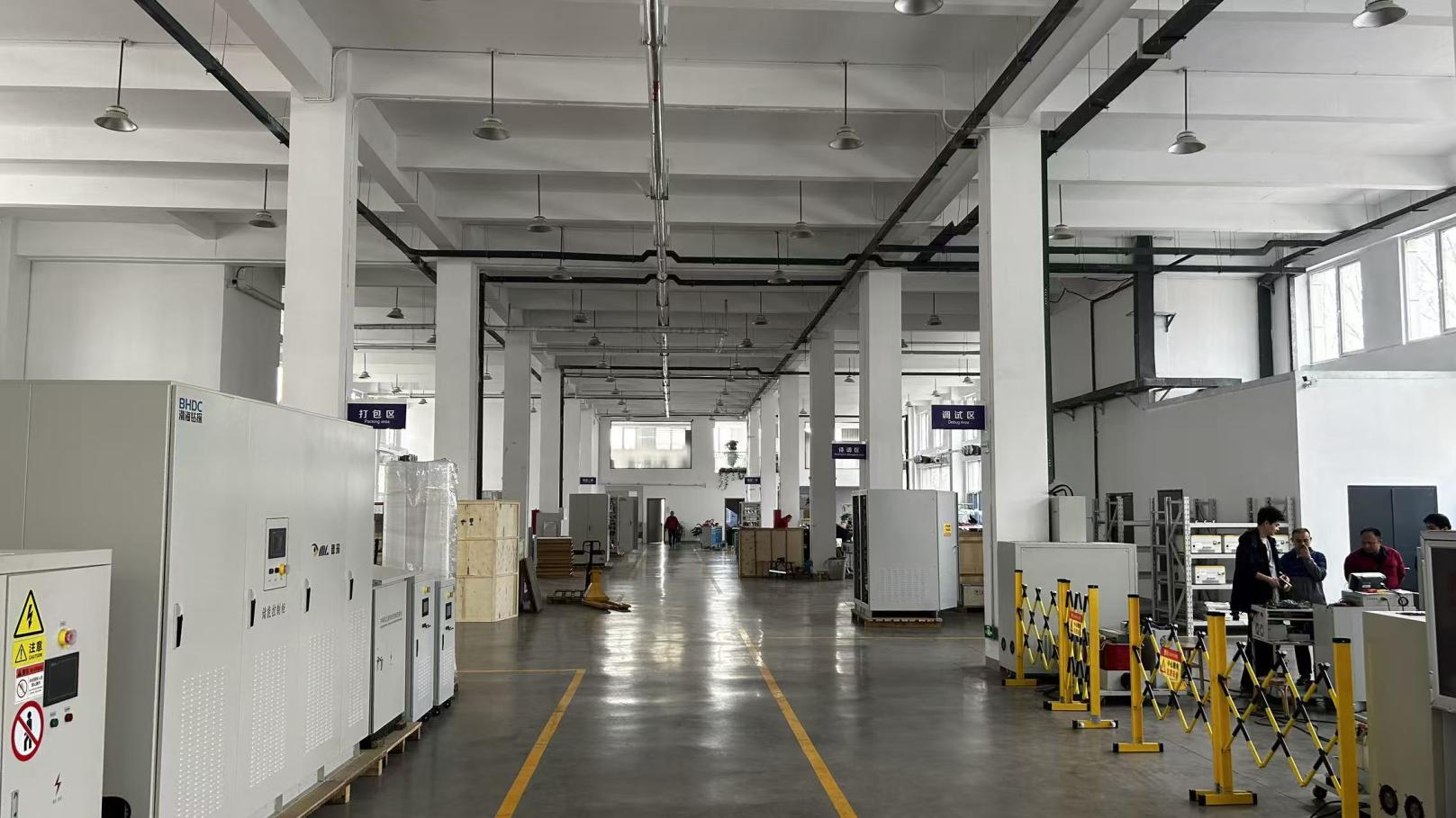
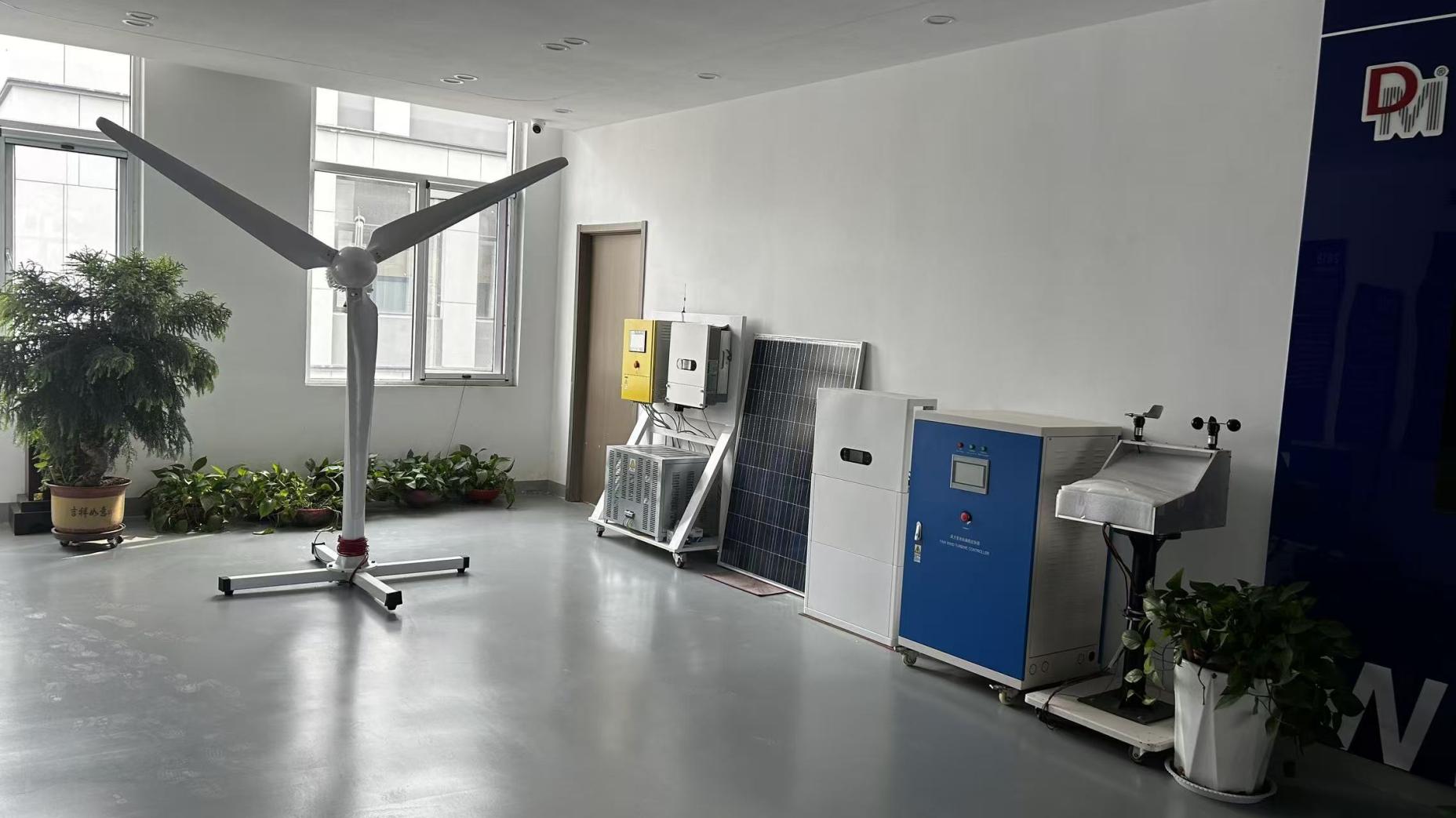
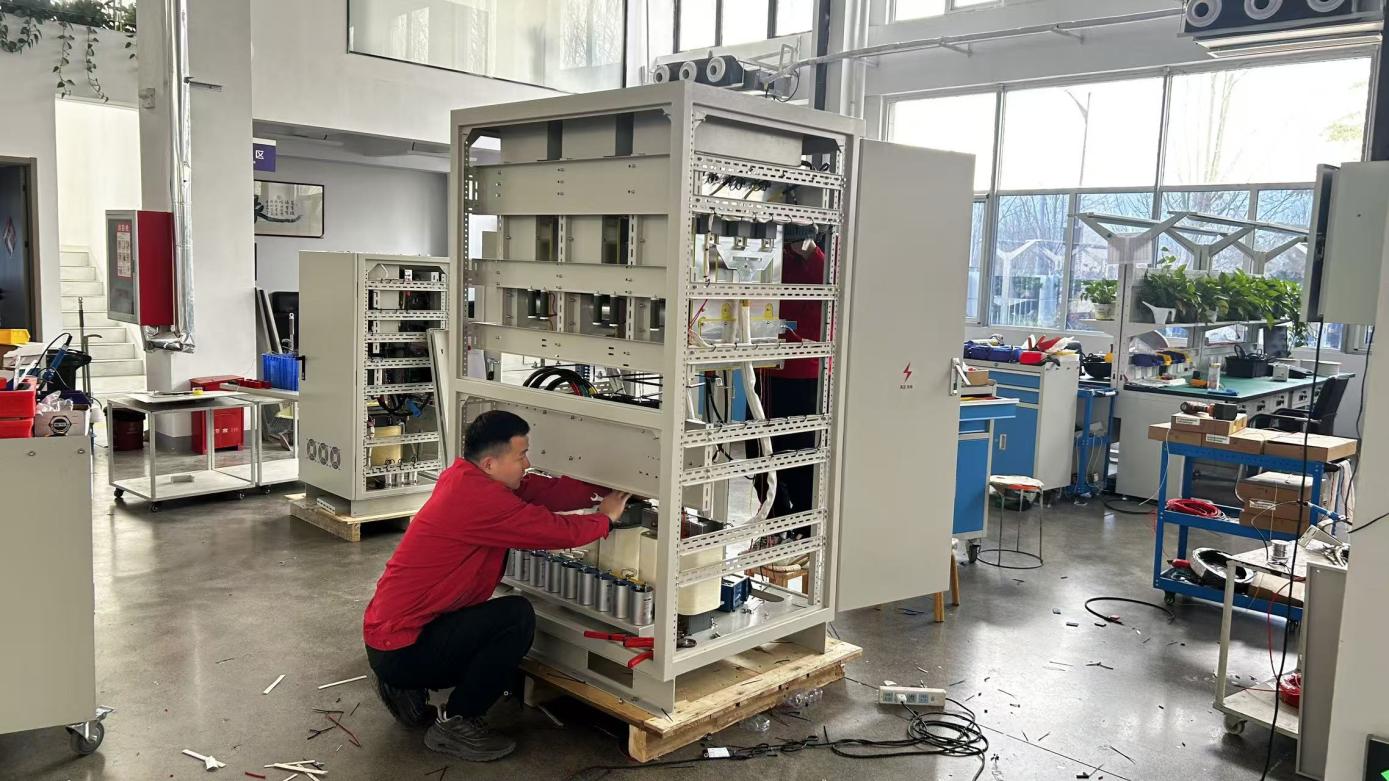
Every industrial-grade hybrid solar inverter destined for the European market undergoes rigorous testing using state-of-the-art diagnostic equipment. Below is a look inside our manufacturing processes and custom component assembly workshops:
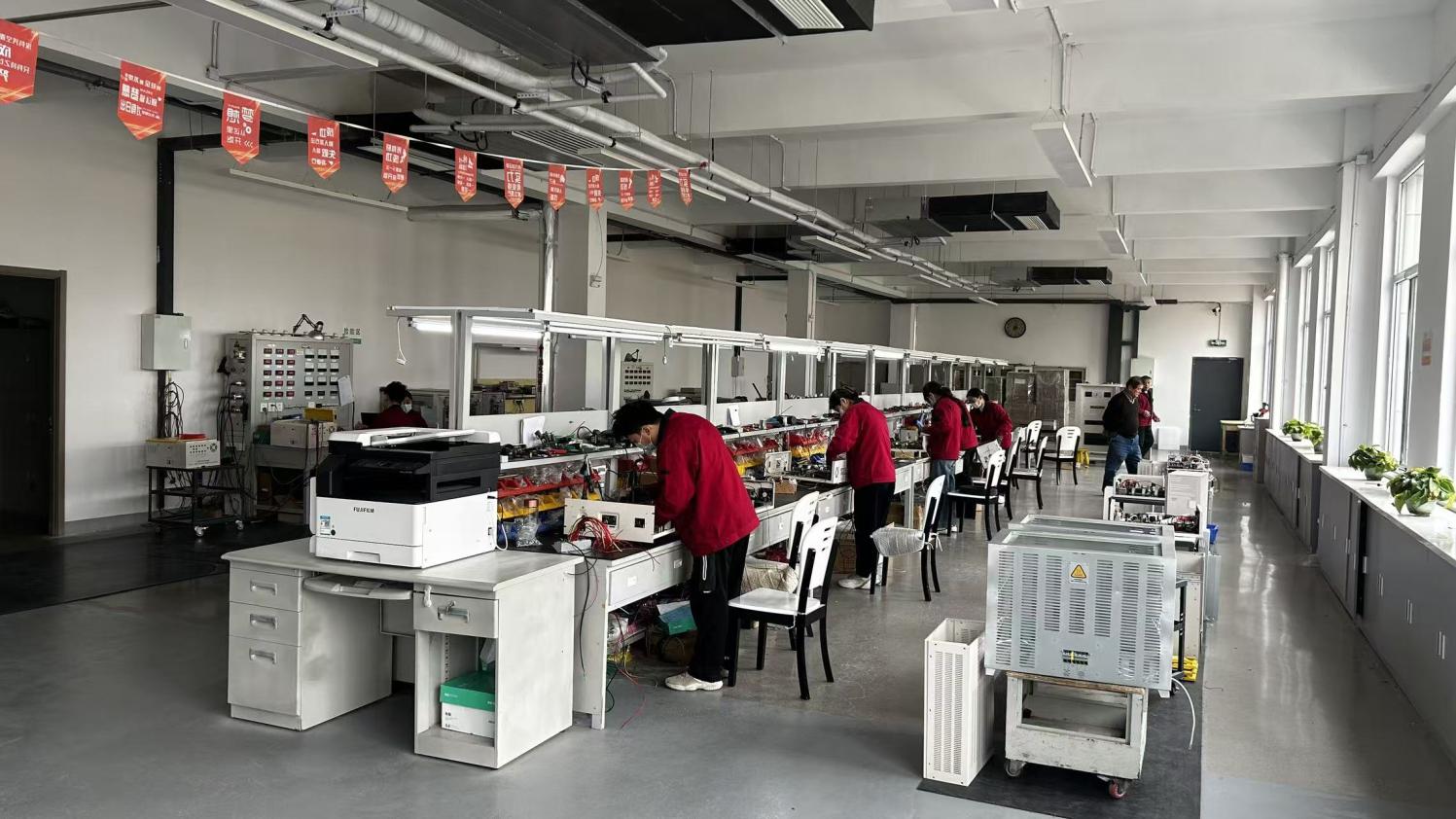
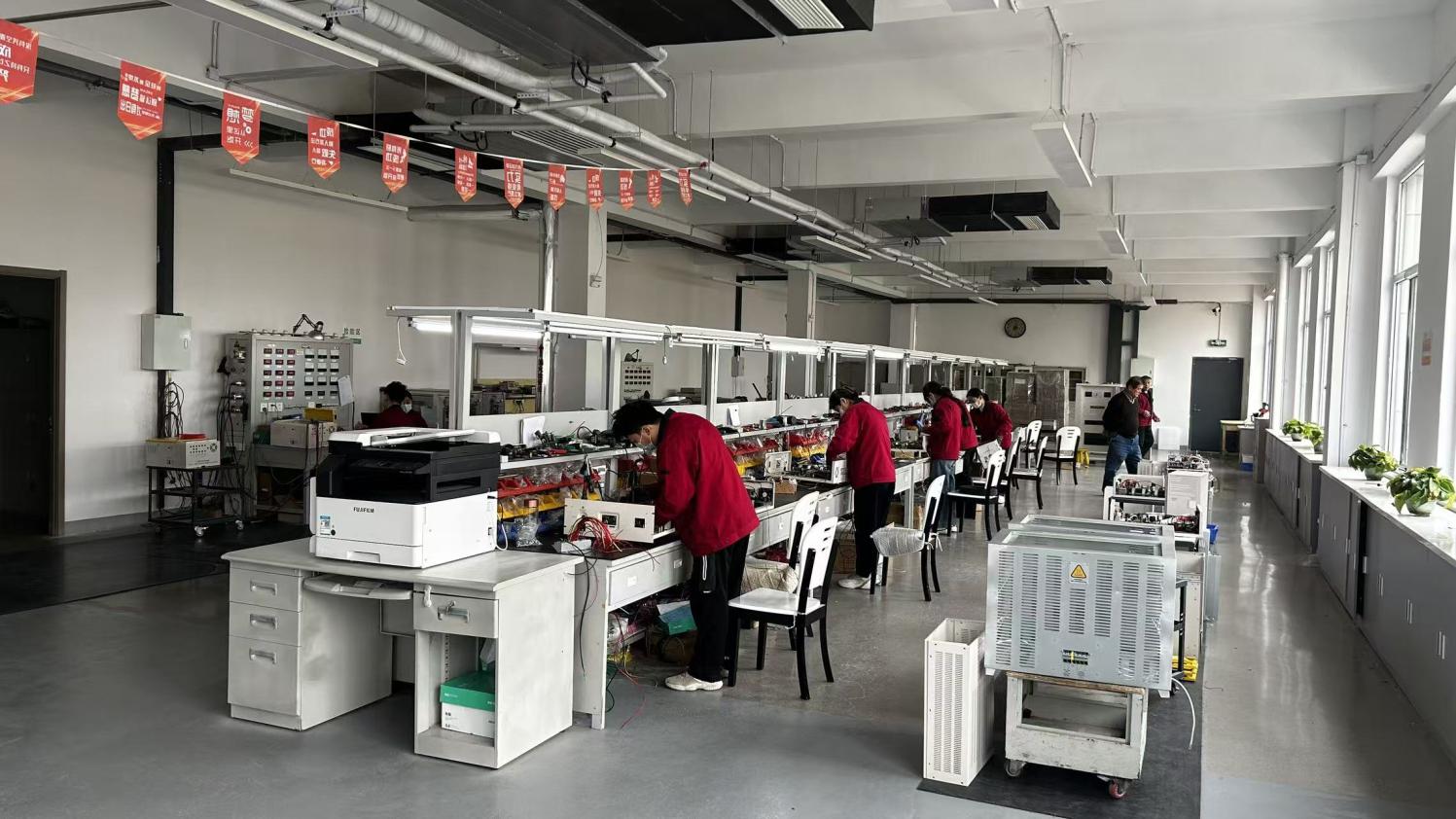 Circuit assembly
 Circuit board assembly
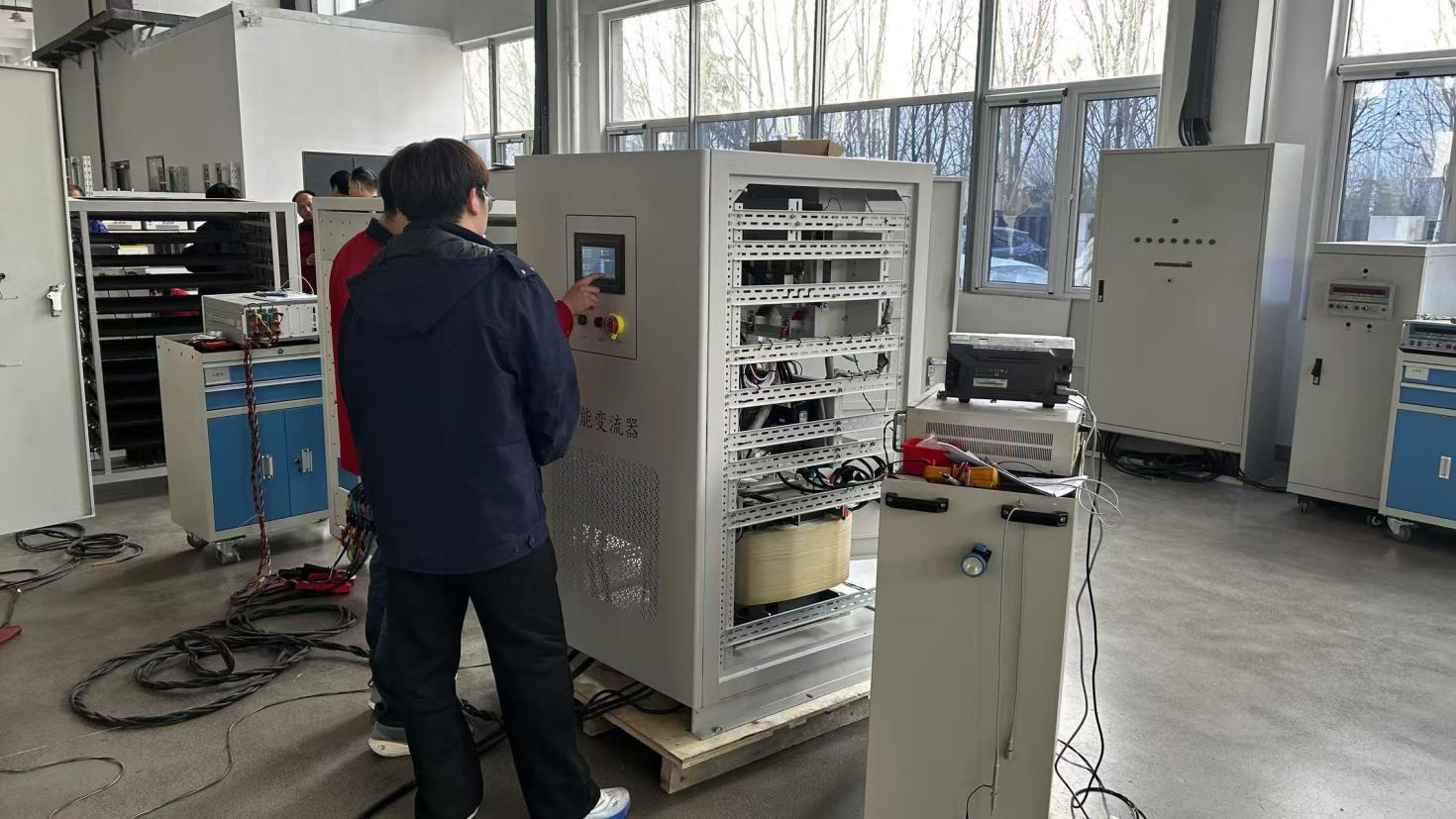 Debugging process
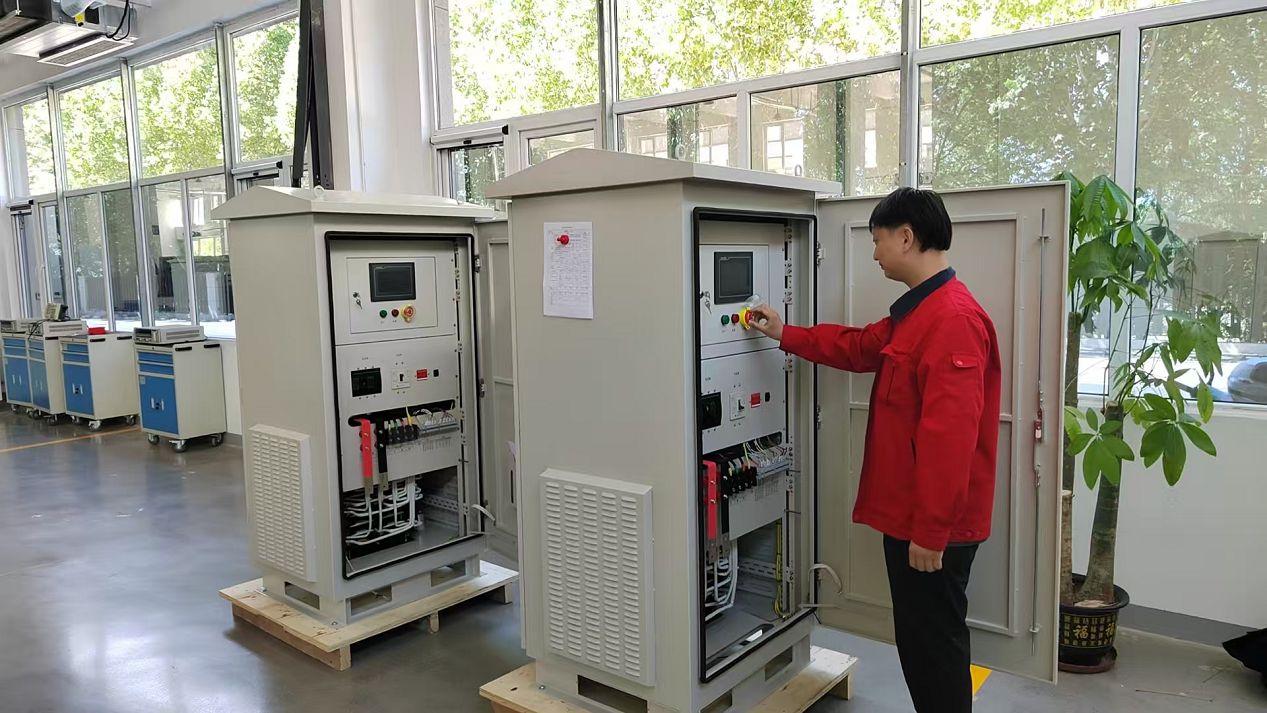 Quality inspection process
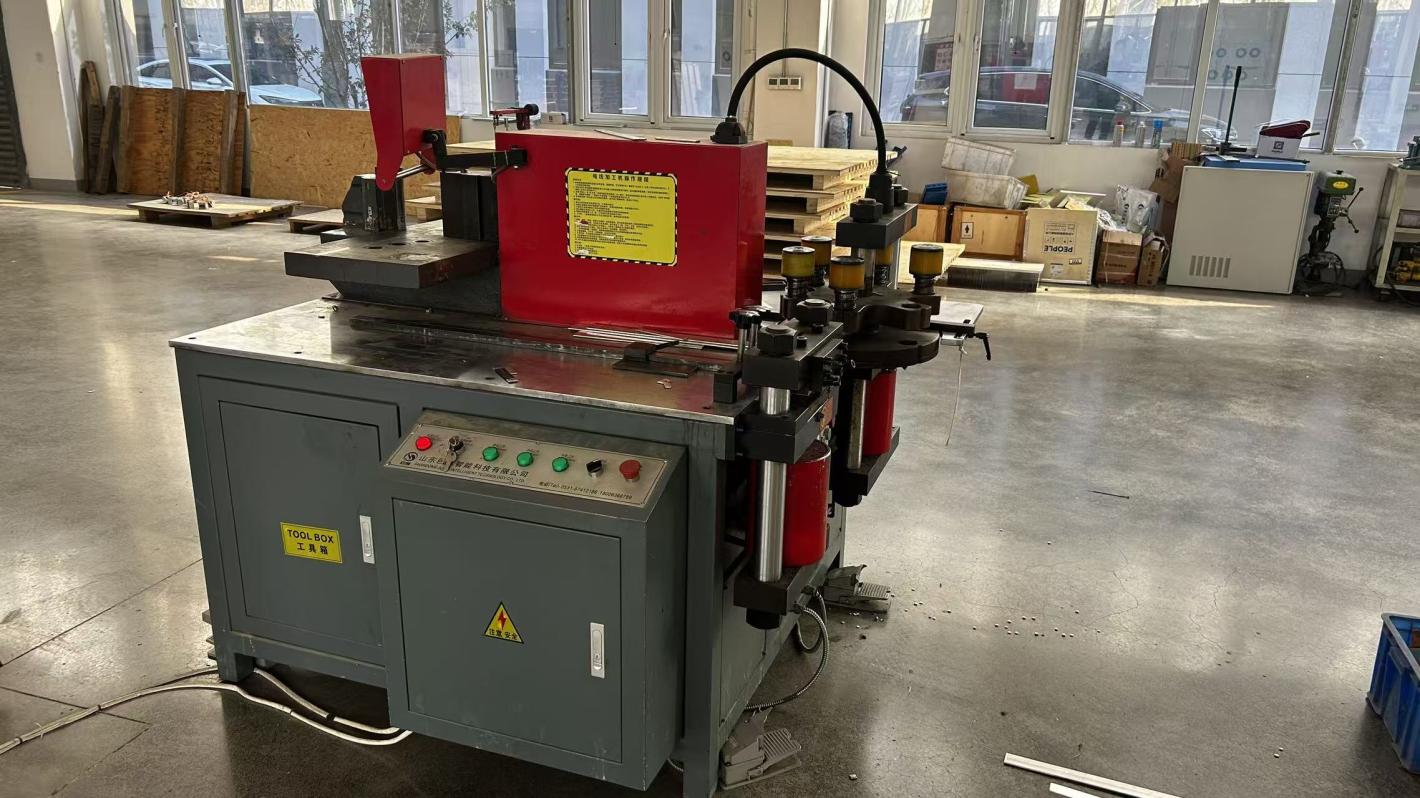 Copper bar production
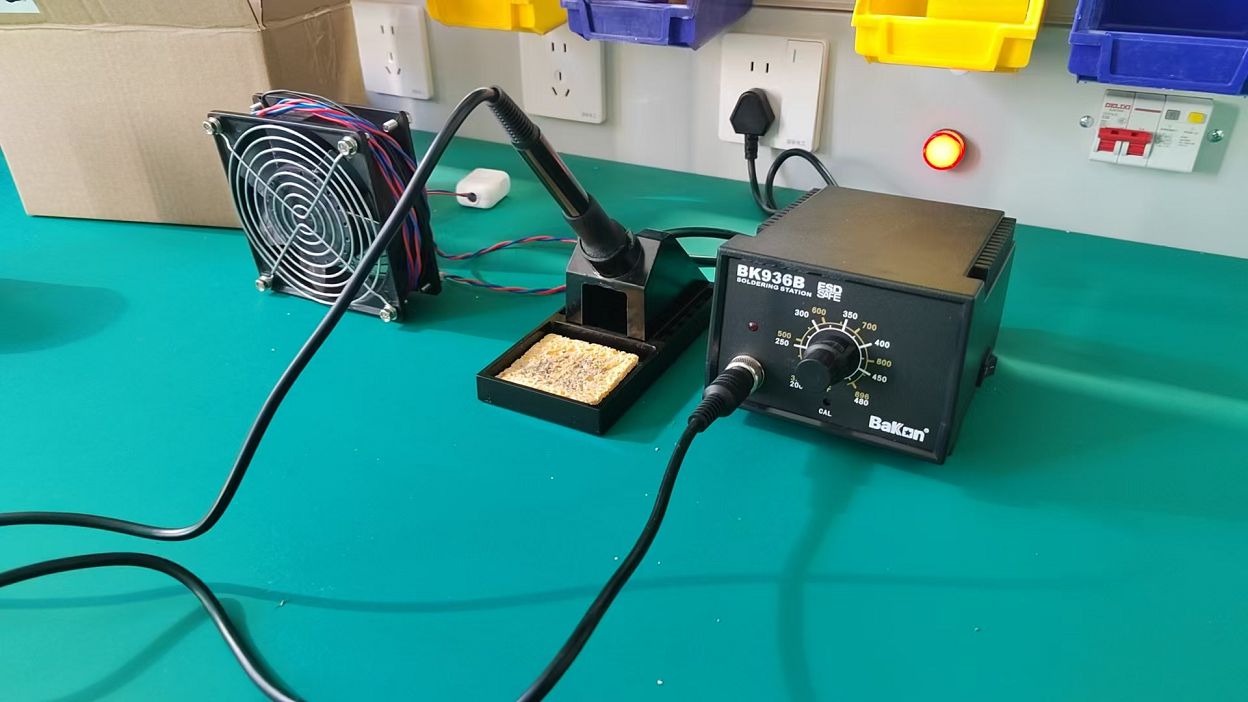 Electric ferrowire
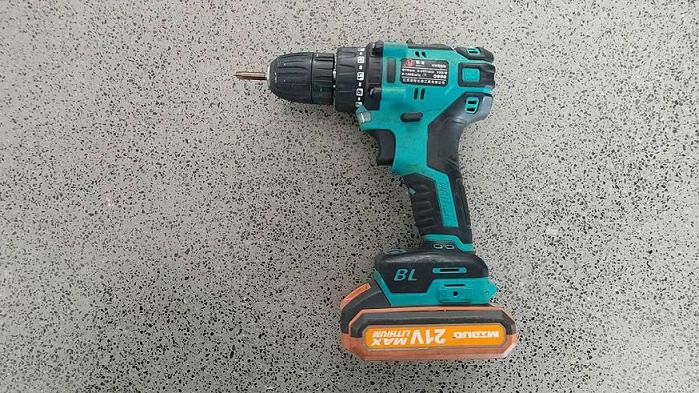 Electric drill
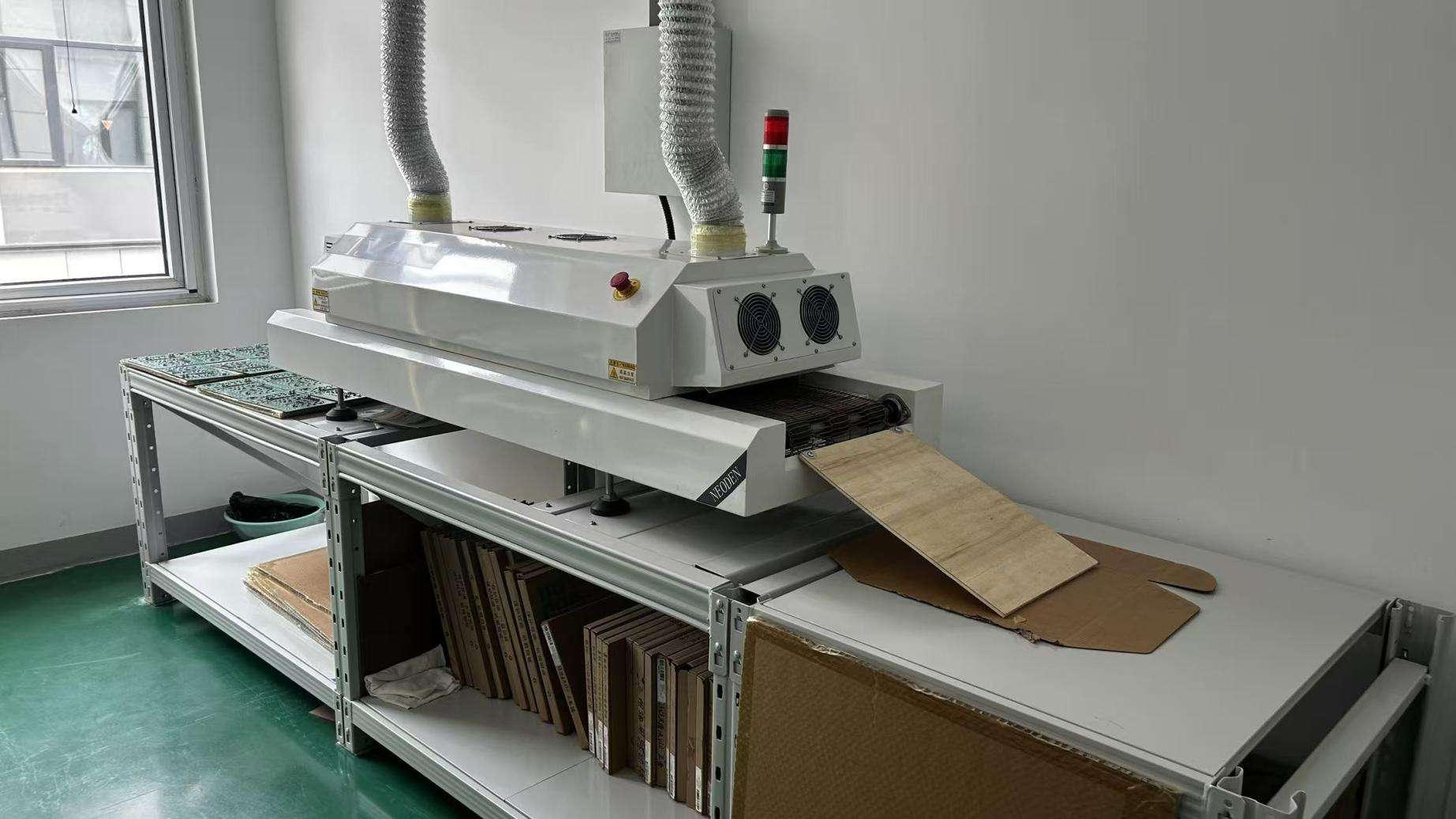 Reflow soldering
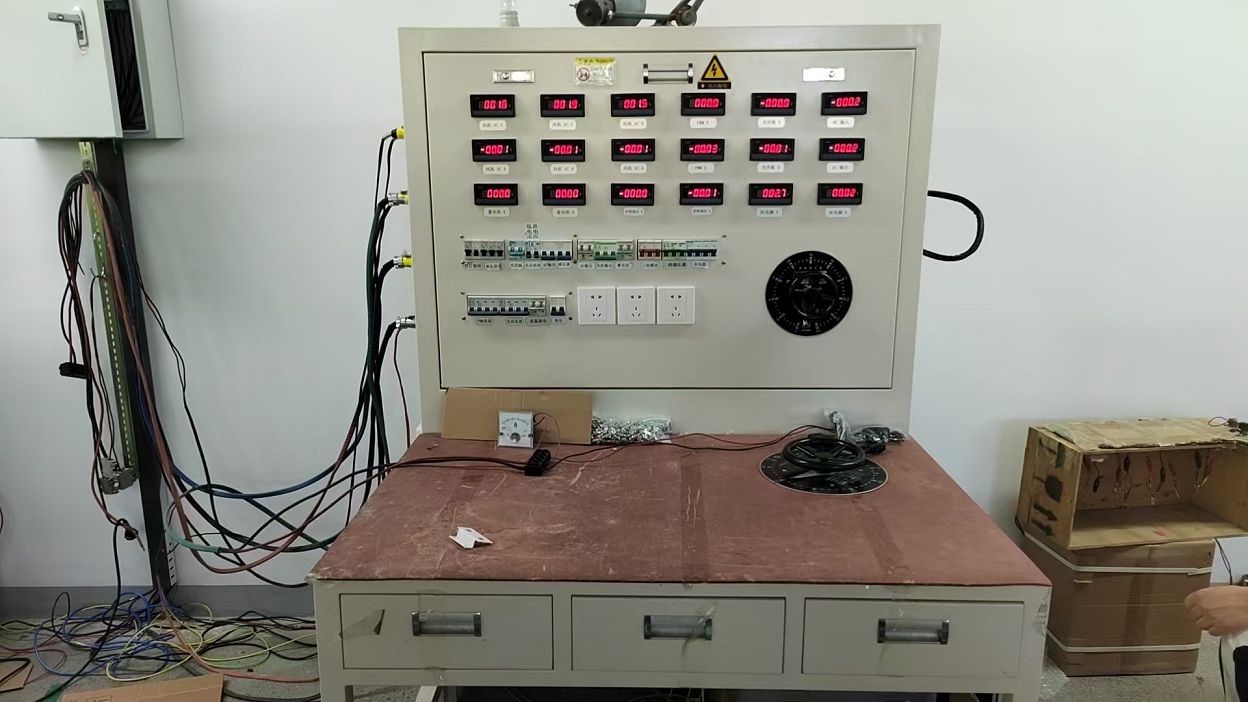 Workbench
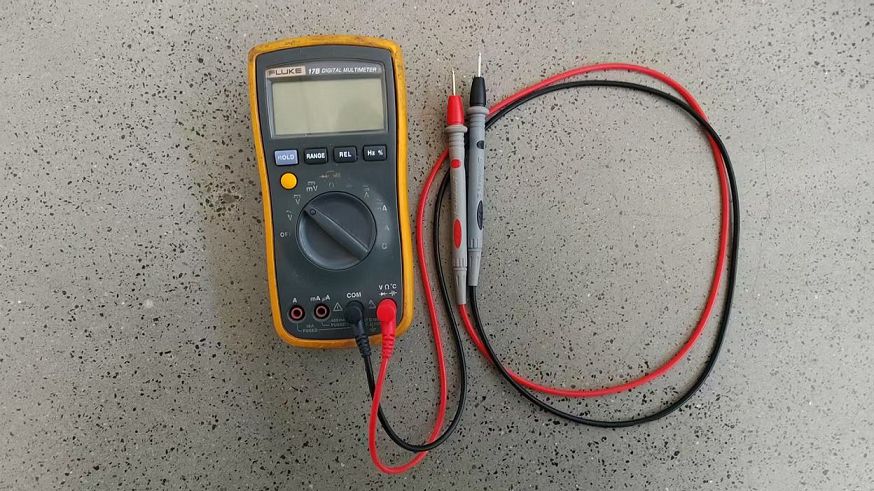 Multimeter Testing
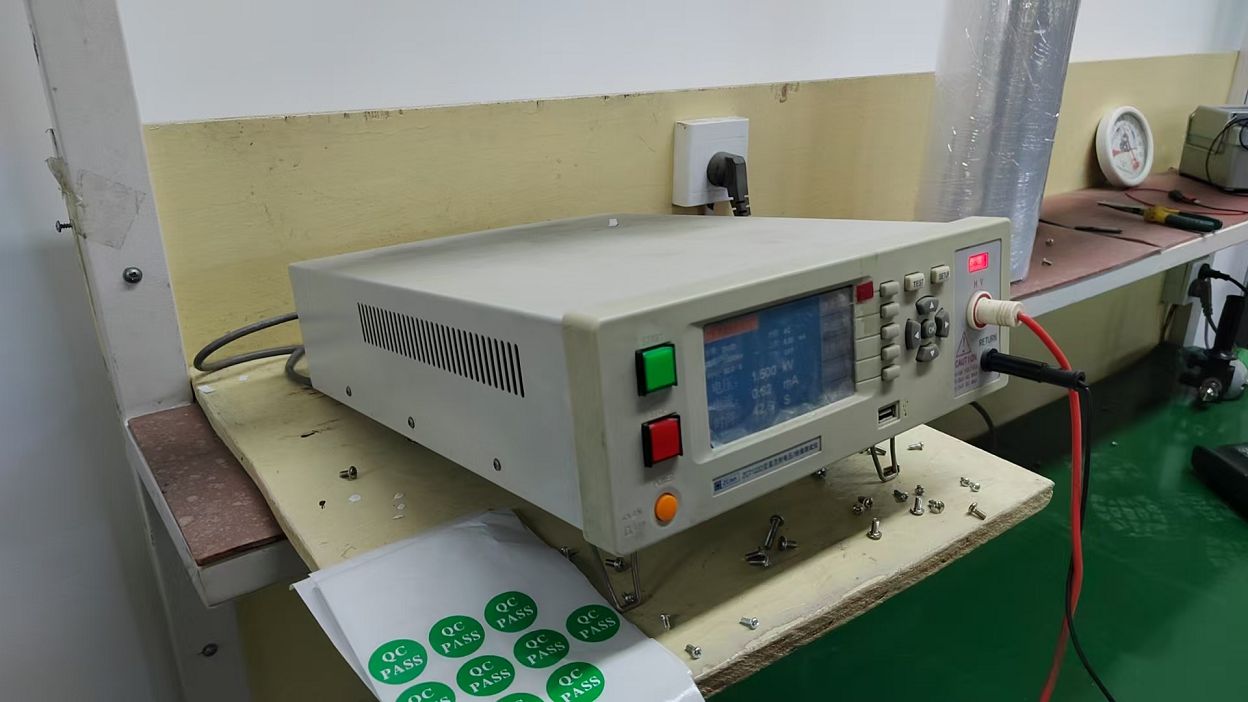 LCR AutoTester
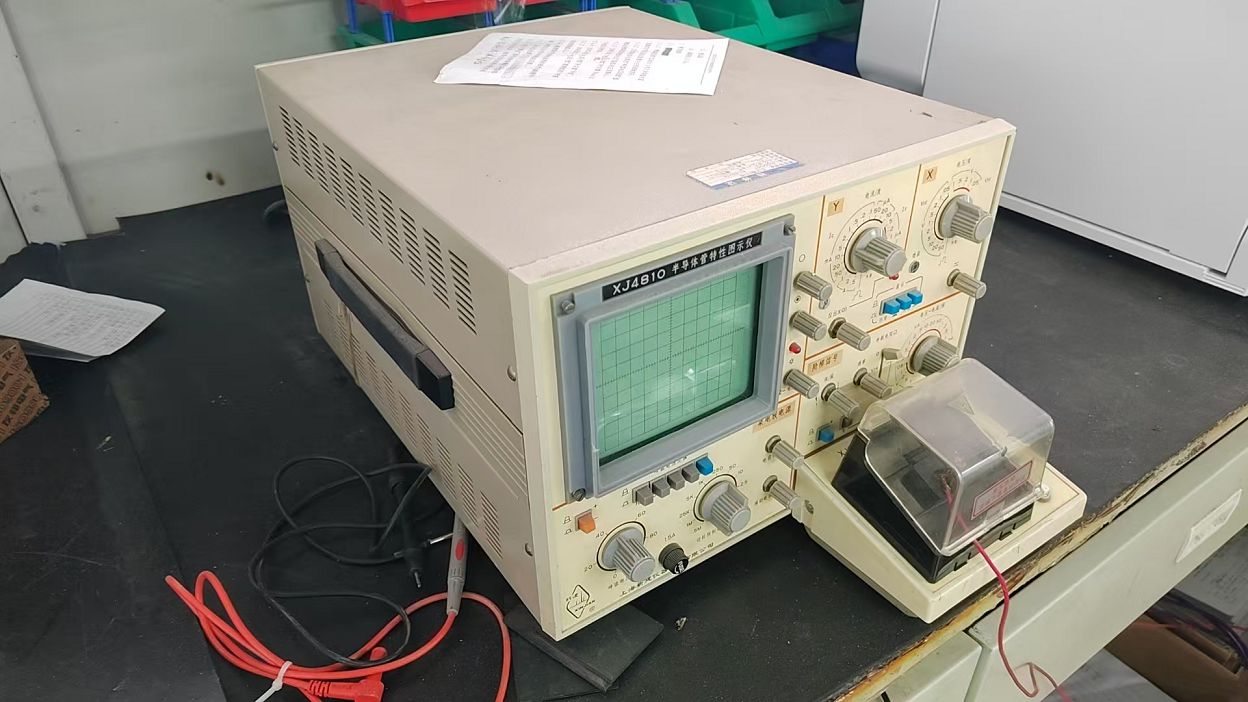 Semiconductor Plotter
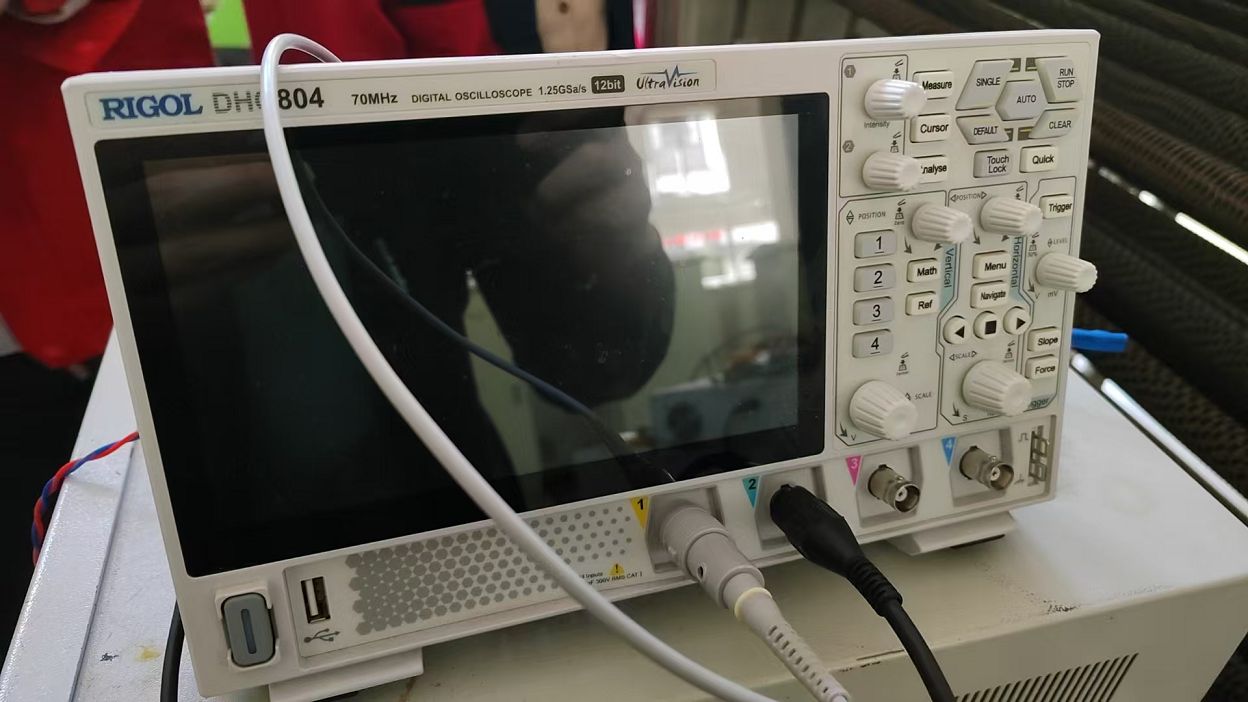
 Digital Oscilloscope
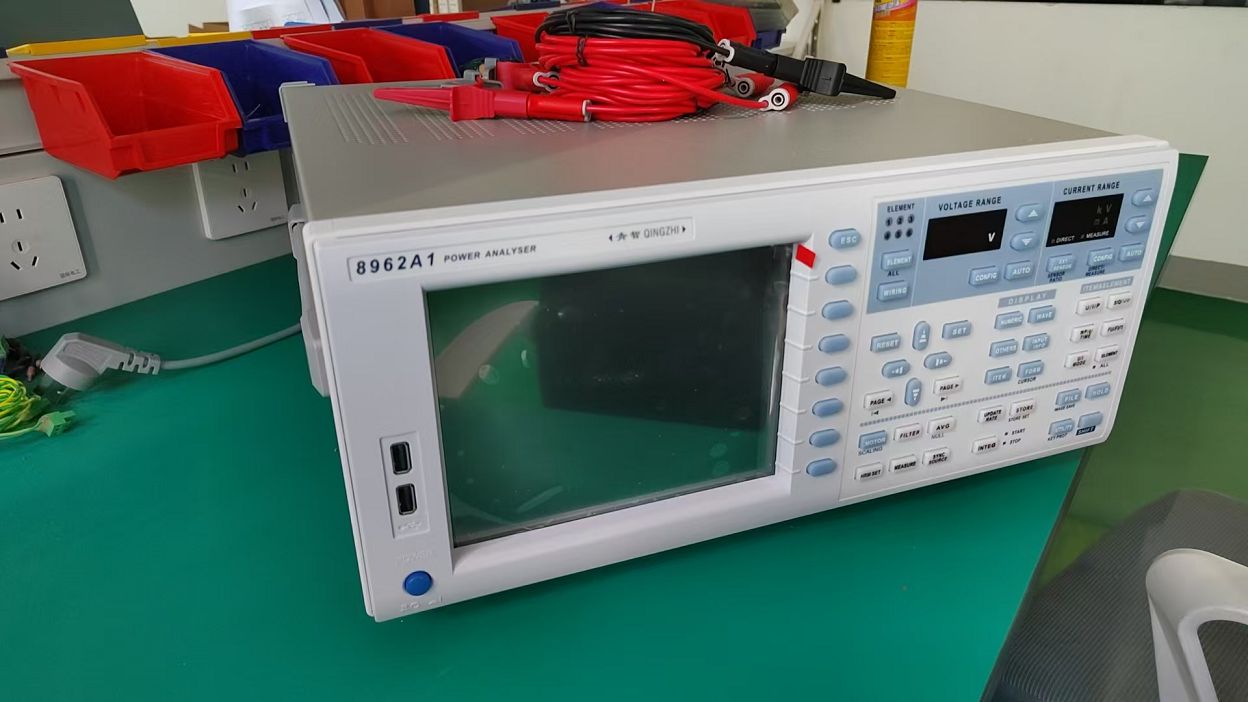
 Power Quality Analyzer
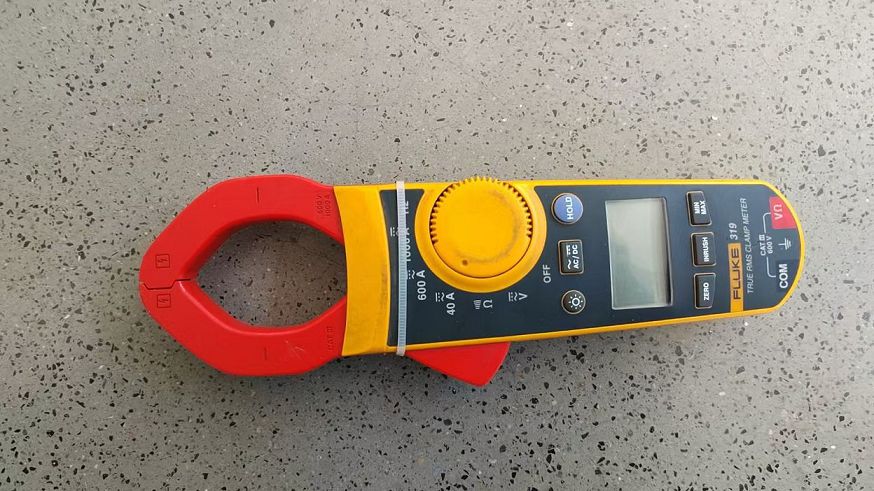 Clamp current meter
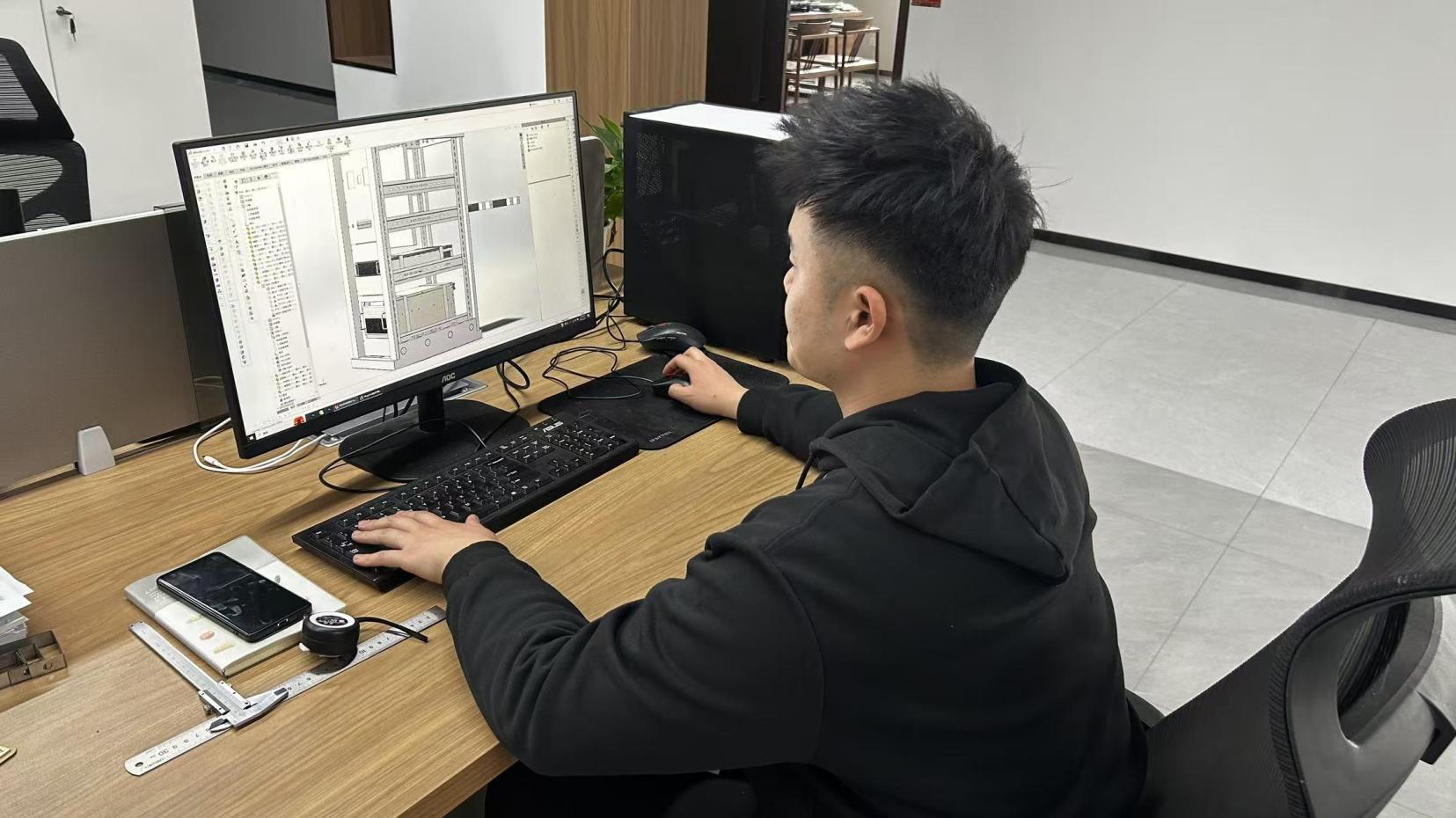 CAD Drawing Design
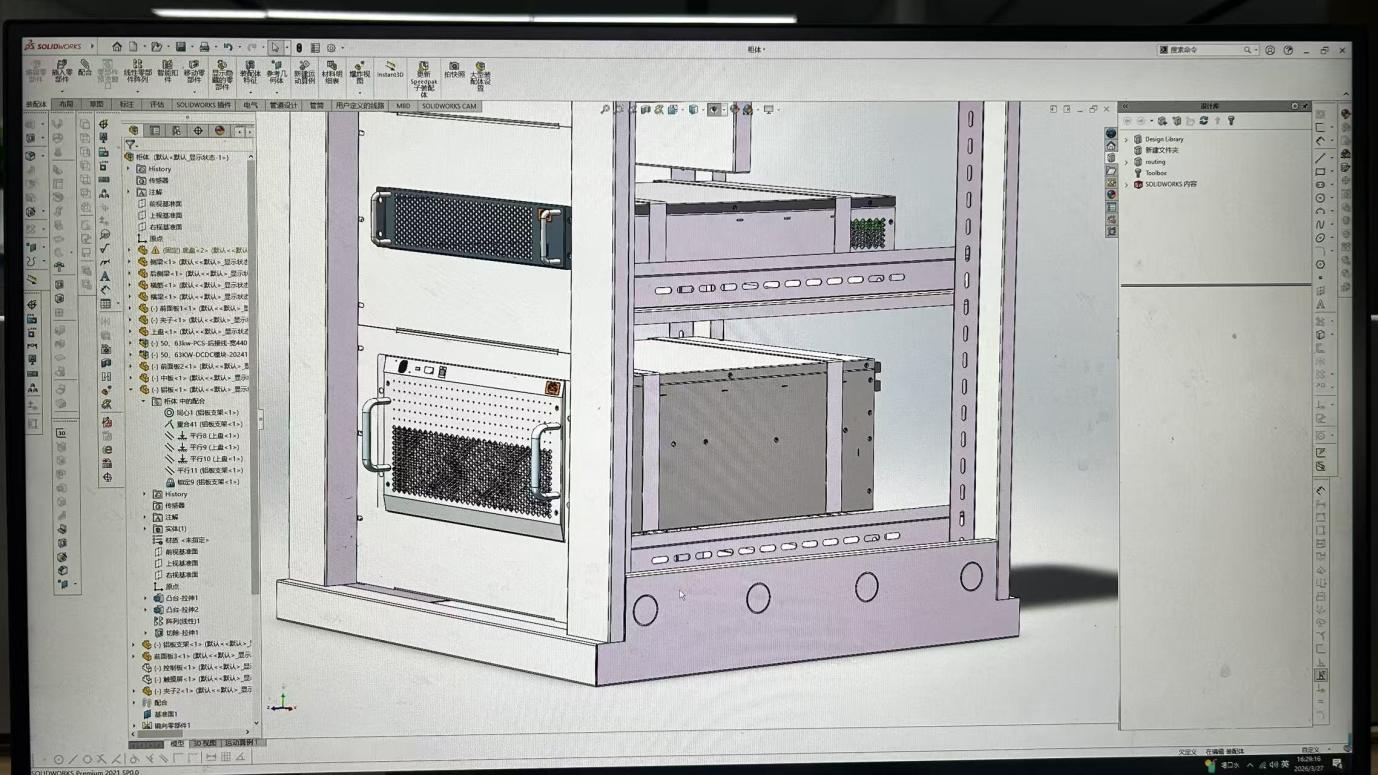 Computer control center
By purchasing direct from a tier-one manufacturer like Deming Power, Irish engineering companies bypass intermediary markups while gaining deep customization options. Deming maintains complete vertical integration, manufacturing custom copper busbars, circuit assemblies, and heavy metal cabinets in-house. This internal control reduces delivery times and ensures that industrial clients receive identical component specifications from pre-shipment design stages right through to the final commissioning of active systems.
From modular 50kW packages to massive 500kW systems, discover our complete line of field-tested hybrid power systems designed for international exports.
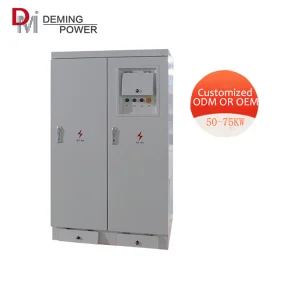
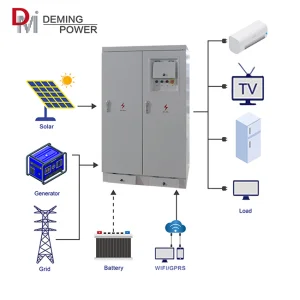
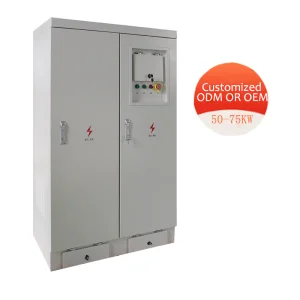
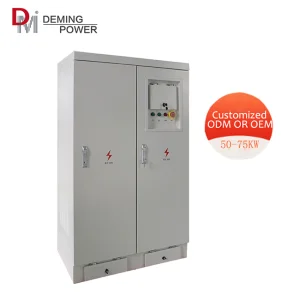
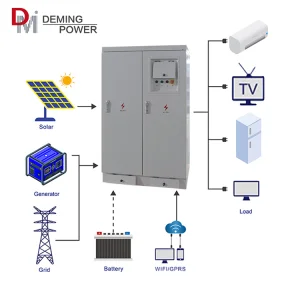
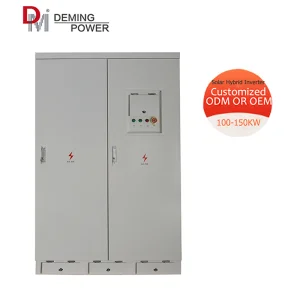
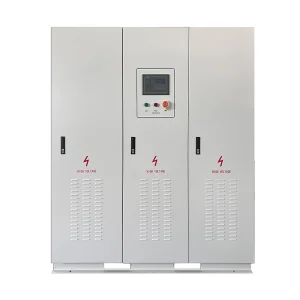
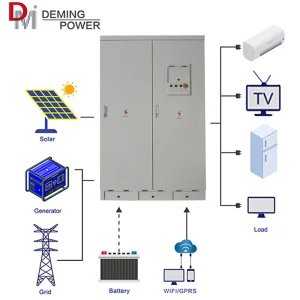
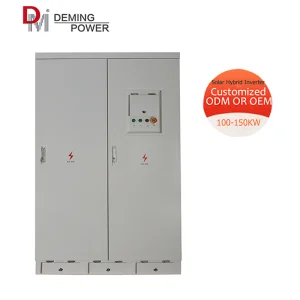
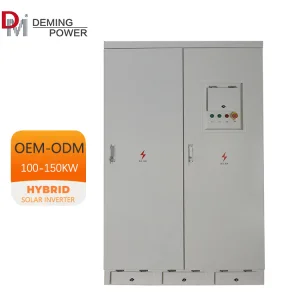
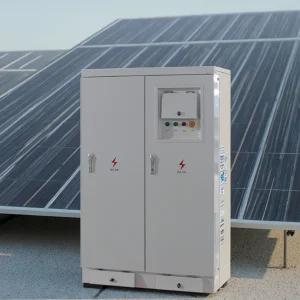
Answers to engineering and import inquiries regarding commercial solar installations within the Republic of Ireland.
Yes. All Deming high-capacity three-phase hybrid inverters can be configured to comply with European standard EN 50549-1 and local distribution system codes (G98/G99 equivalents under ESB Networks regulations). We provide complete parameter configuration reports for safety protection, grid reconnection delays, and reactive power control values during engineering stages.
Our three-phase hybrid inverters support RS485 and Modbus TCP protocols to connect with external smart energy meters. When a zero-export constraint is active, the control unit adjusts solar MPPT inputs and battery charge profiles dynamically to match real-time site demands, preventing active power export to the grid in under 200ms.
Using industrial-grade components from Mitsubishi and ATEMEL provides higher thermal stability, faster reaction times during over-voltage events, and reduced harmonic distortion. This results in reliable operation and system protection during rapid weather variations and grid fluctuations.
We apply conformal coatings to all PCB boards and use double-insulated wire runs alongside anti-corrosive powder finishes. Every inverter undergoes rigorous testing, including a full-load heat run using our advanced power quality analyzers, LCR testers, and oscilloscopes, to verify performance before packing.
Get in touch with our engineering team for customized inverter drawings, detailed compliance documentation, and project pricing.
Send Inquiry Now Demin Power