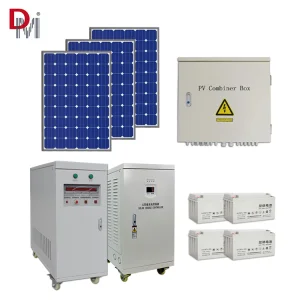
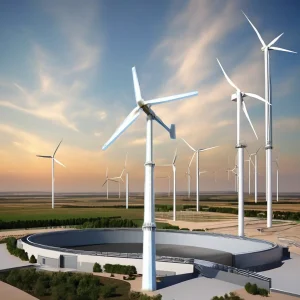
High-efficiency hybrid configurations engineered to optimize renewable energy yield under the tropical irradiance profiles of West Java and Jakarta.
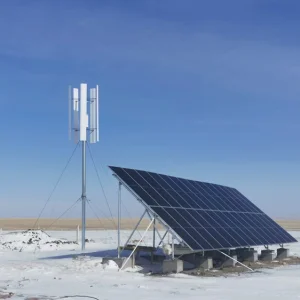
As Indonesia’s primary economic powerhouse, the Greater Jakarta Area (Jabodetabek) is seeing an unprecedented surge in electricity demand across its massive industrial estates in Cikarang, Karawang, and Tangerang. However, industrial operators are continually challenged by the fluctuating tariffs of the national grid, coupled with power quality issues such as voltage sags and harmonic disturbances.
Did you know? Under the Indonesian Ministry of Energy and Mineral Resources (MEMR) regulations, net-metering schemes are evolving. C&I consumers are shifting from simple grid-tied rooftop solar to hybrid configurations equipped with Battery Energy Storage Systems (BESS) to guarantee zero-export compliance and secure peak-shaving capabilities.
Furthermore, Jakarta’s high average humidity (exceeding 80% year-round) and peak ambient temperatures demand power electronics with heavy-duty thermal management, high IP-protection ratings, and galvanic isolation. Standard grid inverters often suffer from accelerated thermal derating and component fatigue when operated in these equatorial conditions. As a leading manufacturer and exporter, we design microgrid and power conversion equipment engineered to thrive under these exact physical and electrical stresses.
| Parameters | Standard Global Inverters | Deming Industrial Series |
|---|---|---|
| Tropical Humidity Protection | Standard conformal coating | Dual-layer anti-corrosion, IP54/65 enclosures |
| Grid Integration Stability | Basic anti-islanding | Advanced LCL filter, Bidirectional AFE controls |
| Thermal Performance | Derating starts at 40°C | Optimized smart airflow, full load up to 50°C |
| R&D Backup | Third-party assembly | 20% annual revenue reinvested in custom R&D |
How Jinan Deming ensures absolute supply chain resilience, cost efficiency, and unmatched system reliability for global buyers in Indonesia.
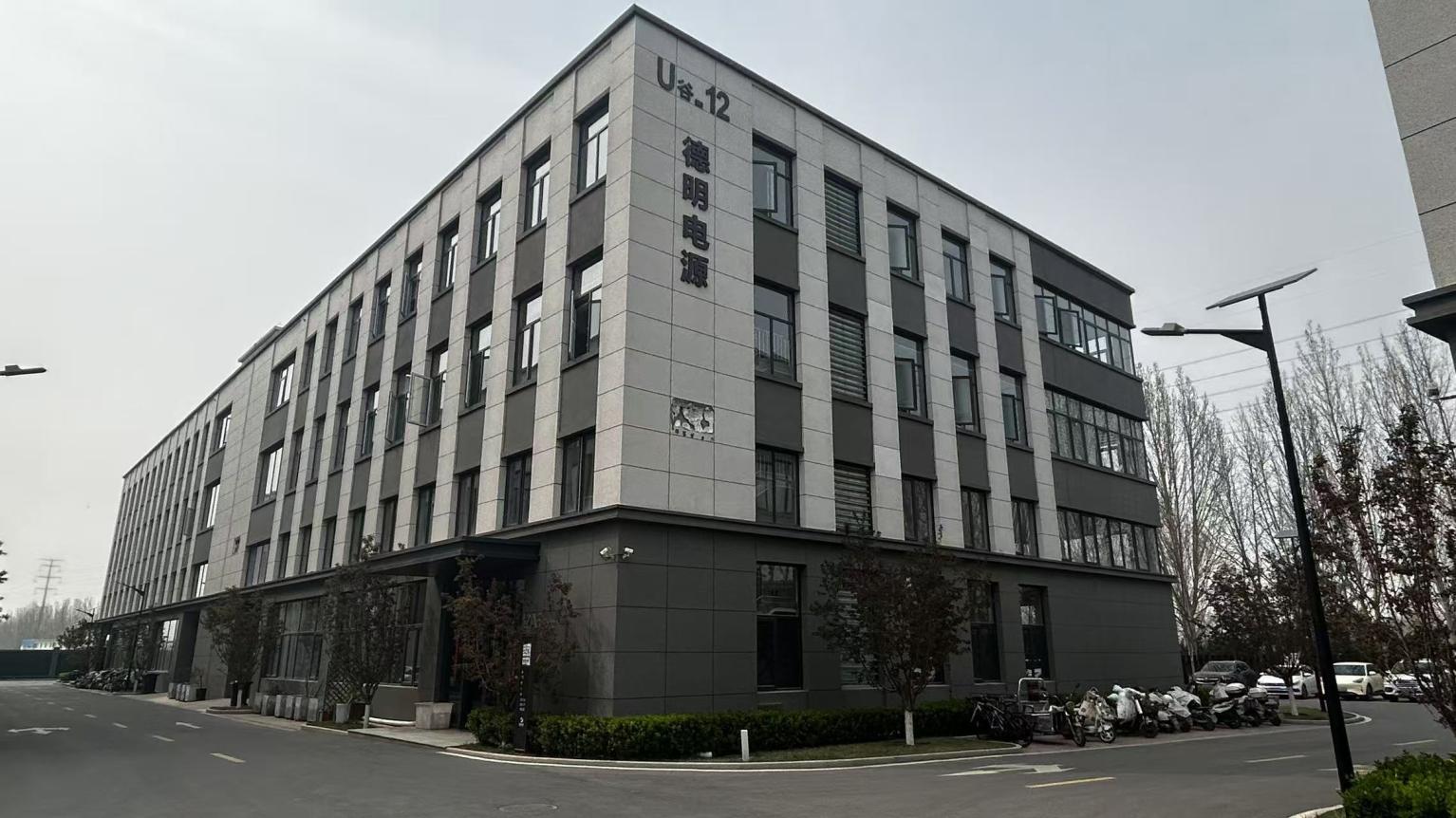
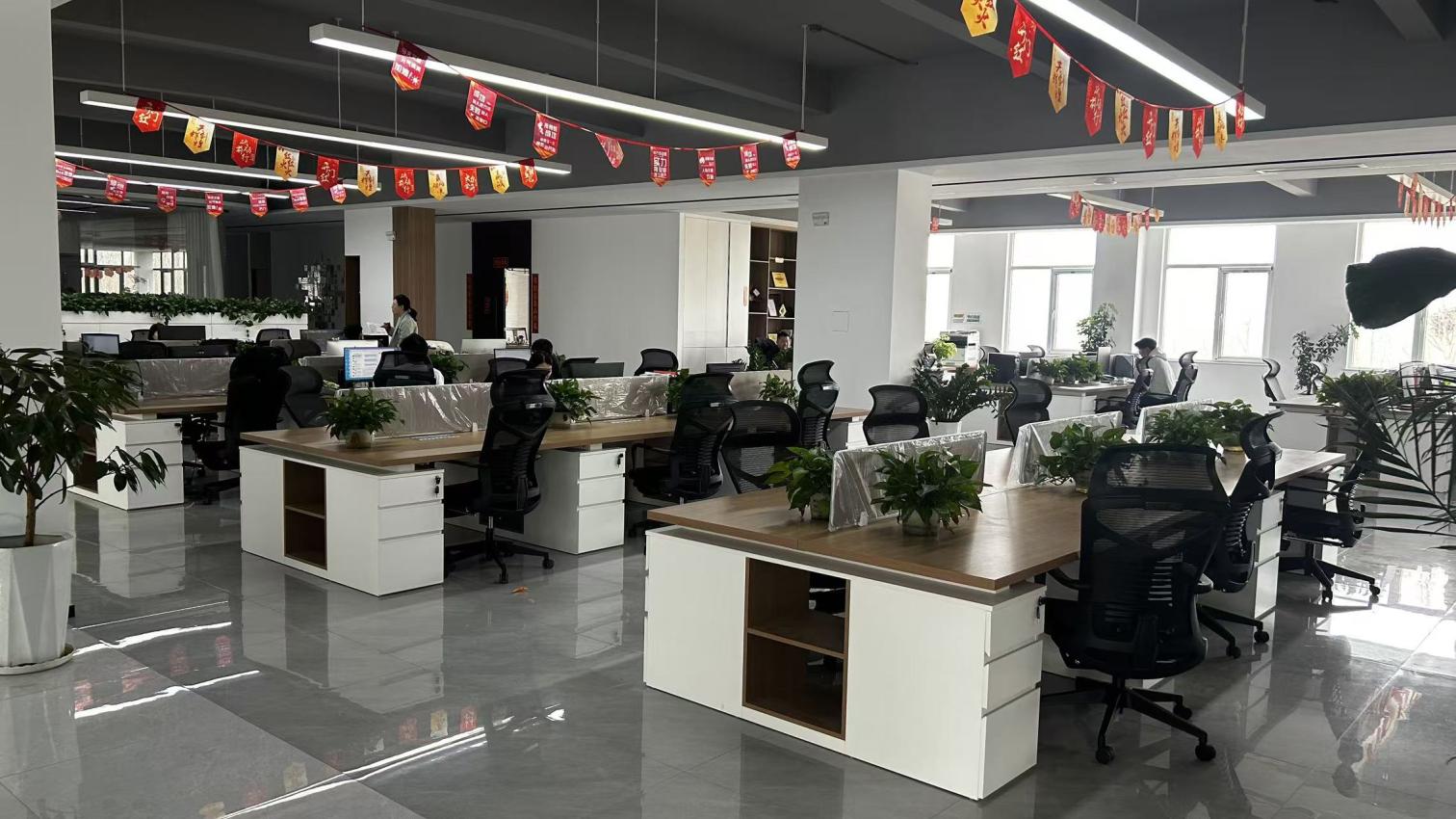
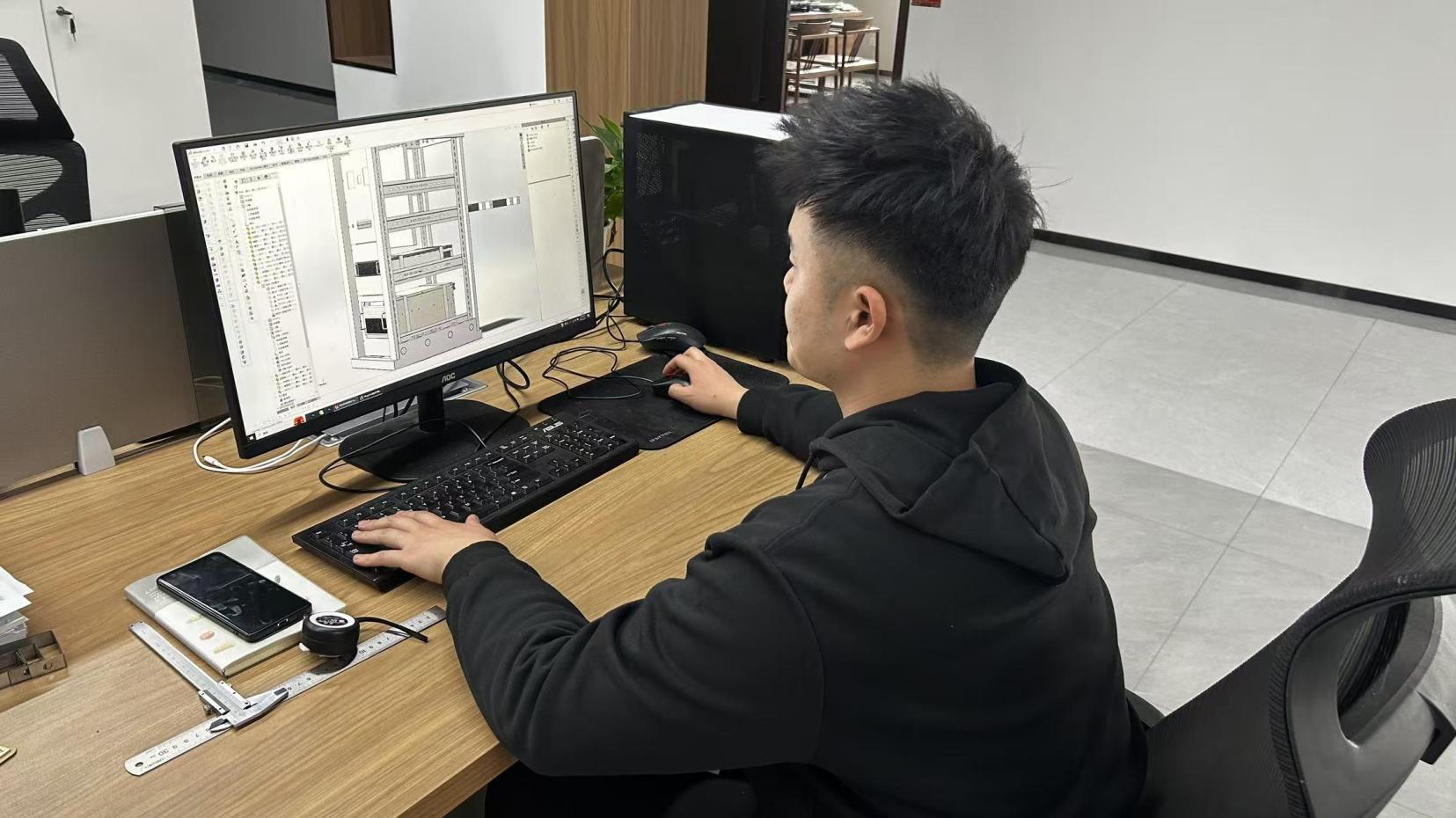
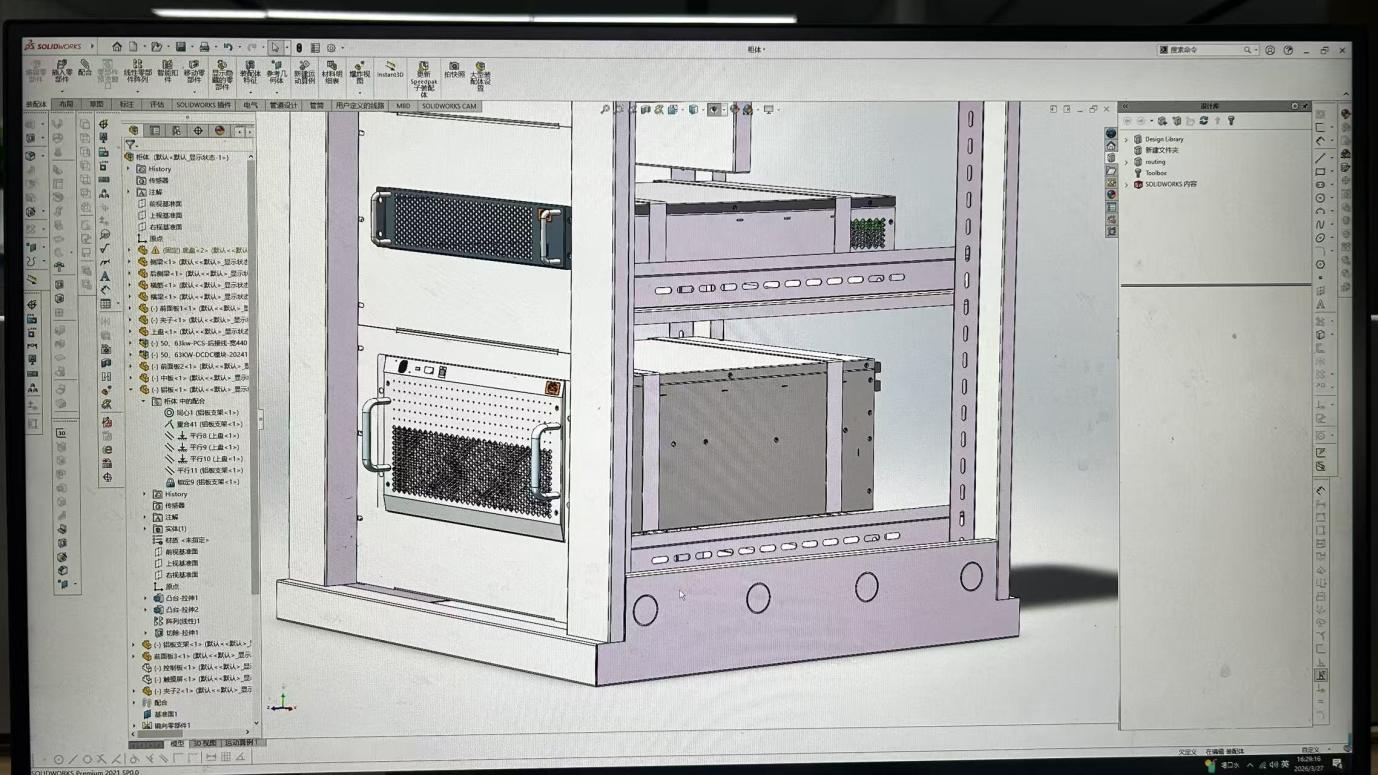
Established in 2004, Jinan Deming Power Equipment Co., Ltd. is a nationally recognized high-tech enterprise. We do not simply assemble components; we house a dedicated research division consisting of 16 senior power electronics engineers, including doctoral supervisors and master’s degree holders. With at least 20% of annual sales revenue funneled back into technology development, we have successfully commercialized 16 proprietary inventions over the past 3 years.
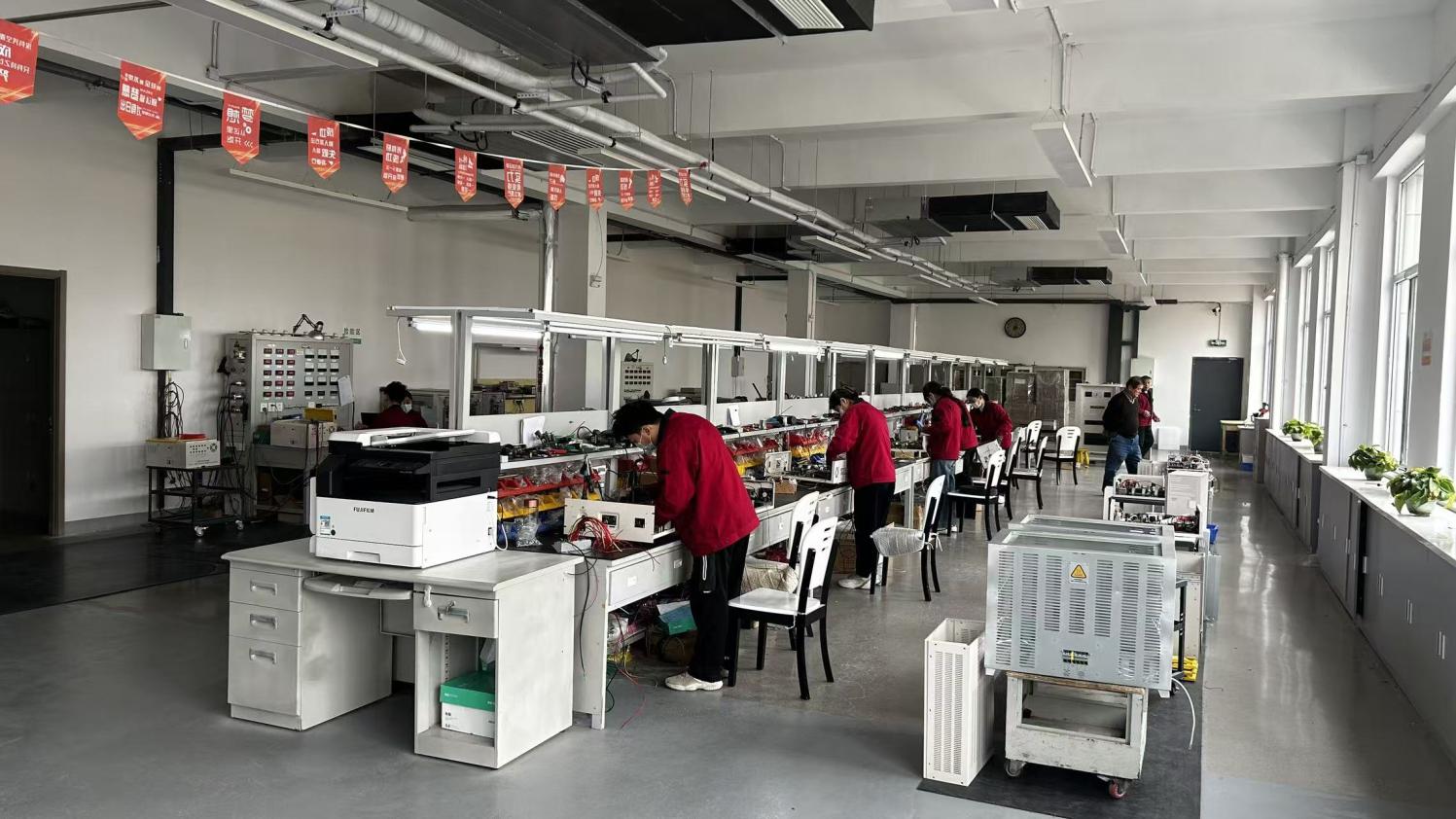
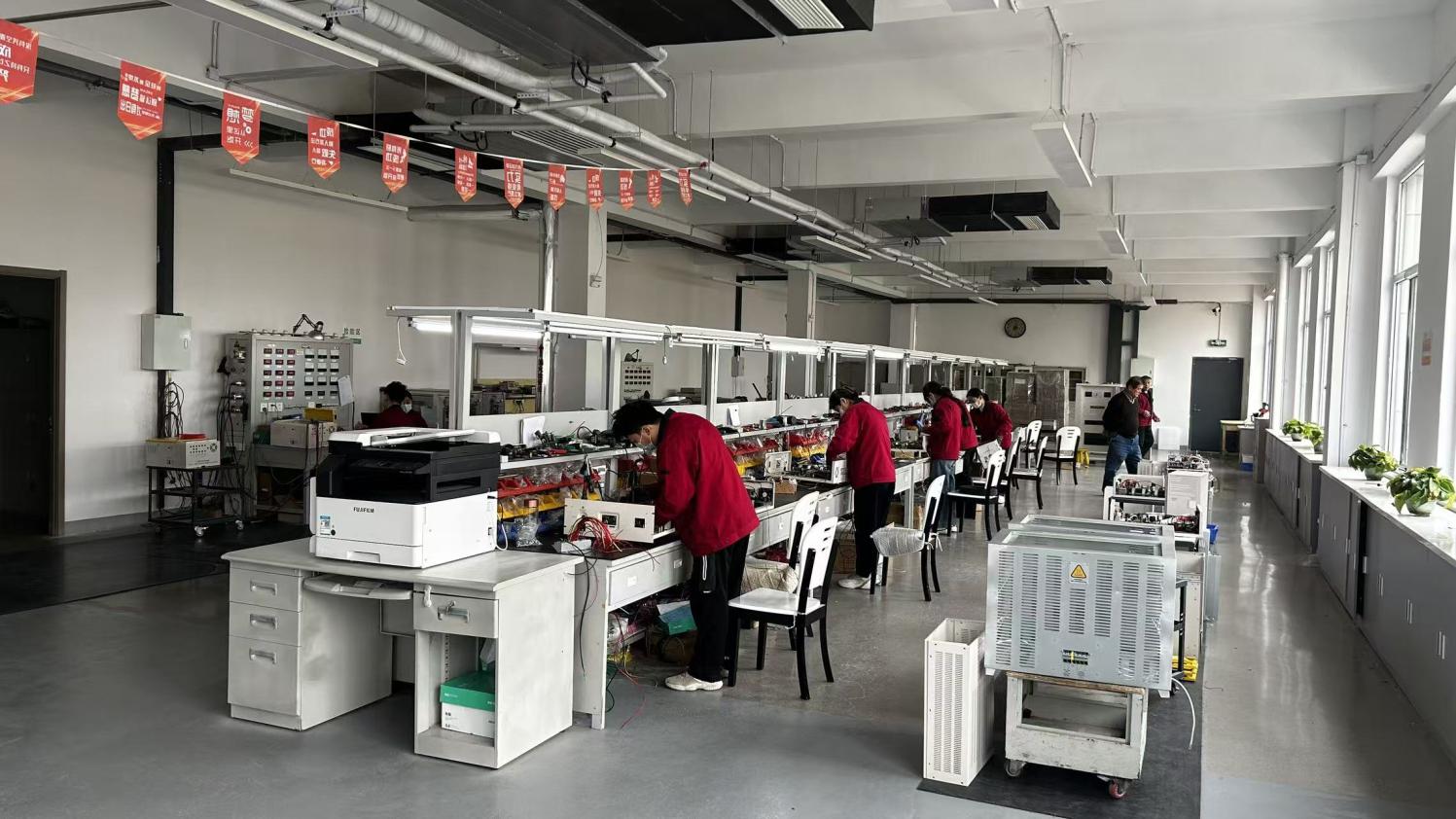
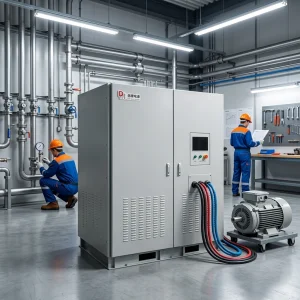
Every piece of equipment—from wind/solar controllers and high-power bidirectional test power supplies to 500kW grid-tied converters—undergoes rigorous quality control protocol. Our laboratory is equipped with high-power battery simulators and bidirectional DC testing circuits, allowing us to replicate real-world grid irregularities, high-load start-up surges, and environmental stresses prior to dispatching to the Port of Tanjung Priok, Jakarta.
Custom systems designed to address specific power infrastructure challenges in Indonesia.
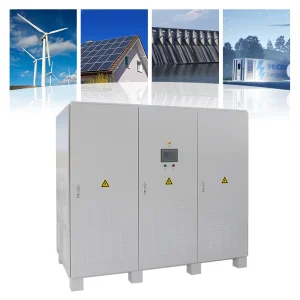
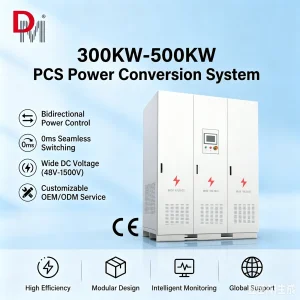
Equipping factories in Jababeka with 300kW Battery Energy Storage Inverters (PCS) to discharge during peak PLN electricity tariff periods, dramatically reducing operating expenses.
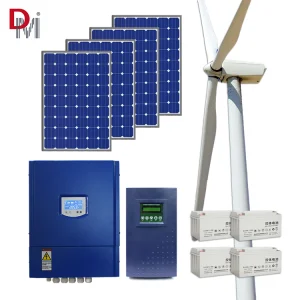
Integrating wind turbines, PV arrays, and industrial battery packs with Deming bidirectional microgrid controllers to provide round-the-clock power on Kepulauan Seribu off-grid sites.
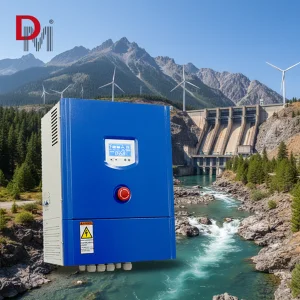
Stabilizing run-of-river mini-hydro installations in West Java via 500KW High Voltage Grid-Tied Frequency Converters to guarantee smooth grid synchronization.
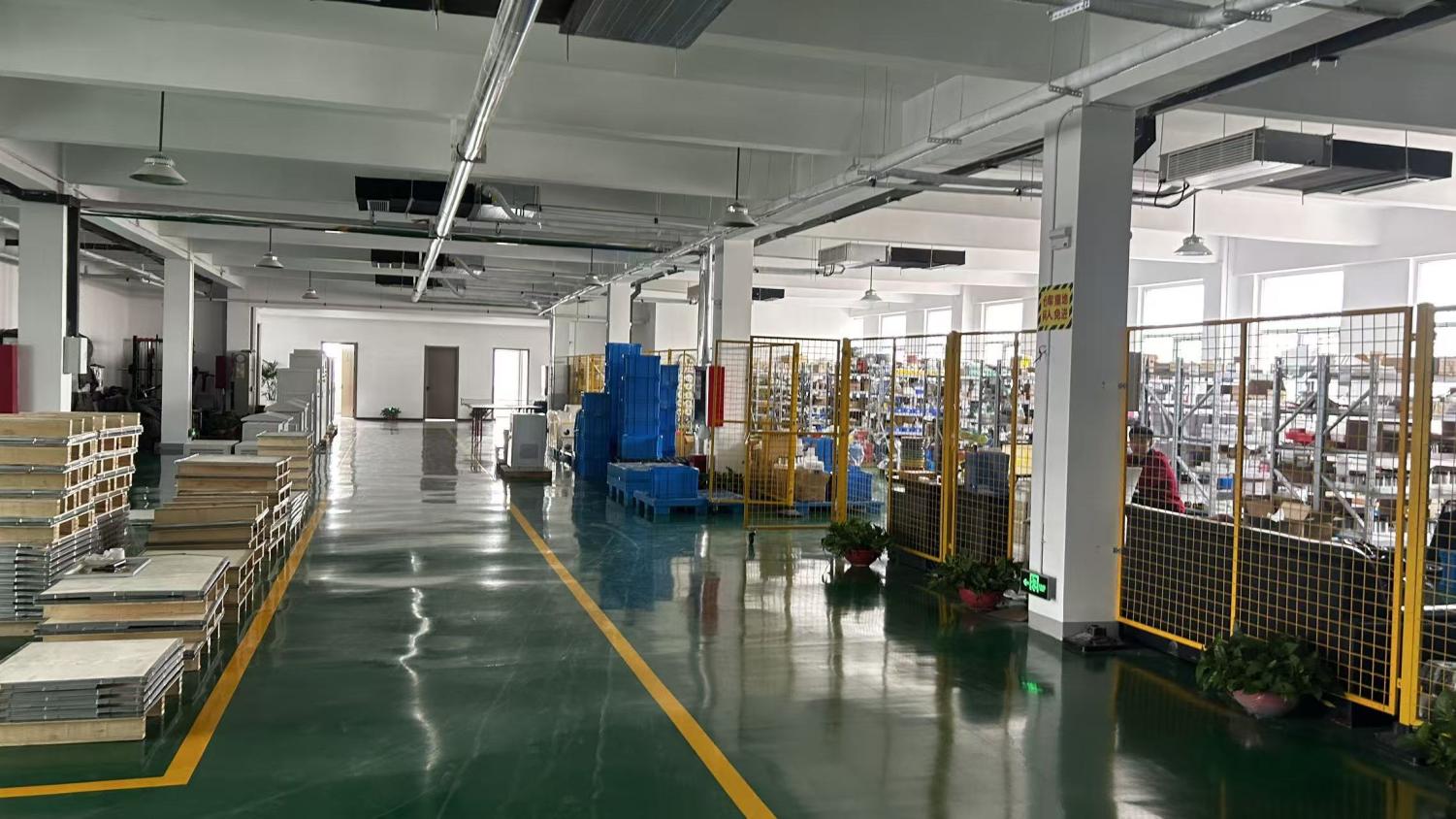
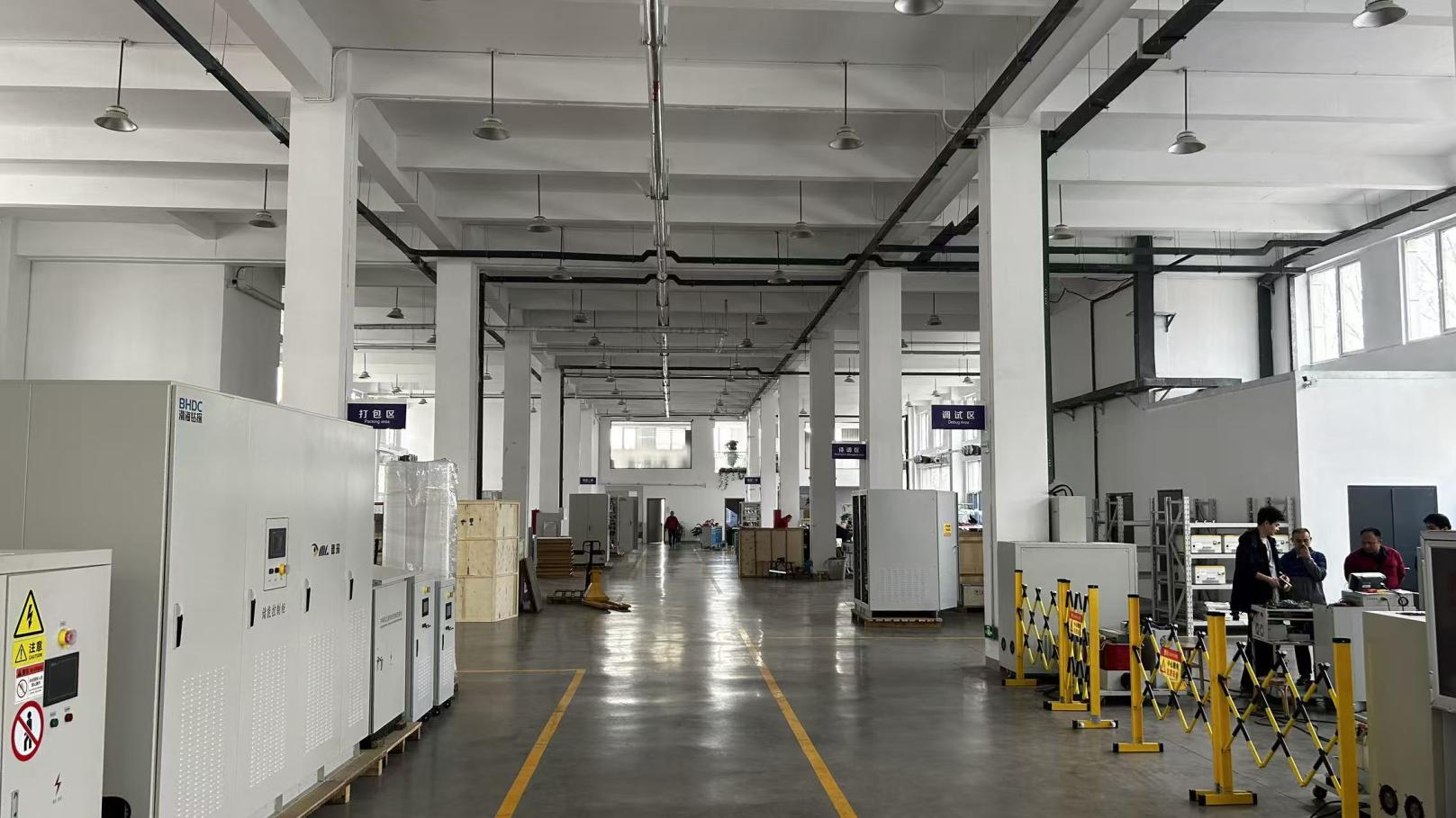
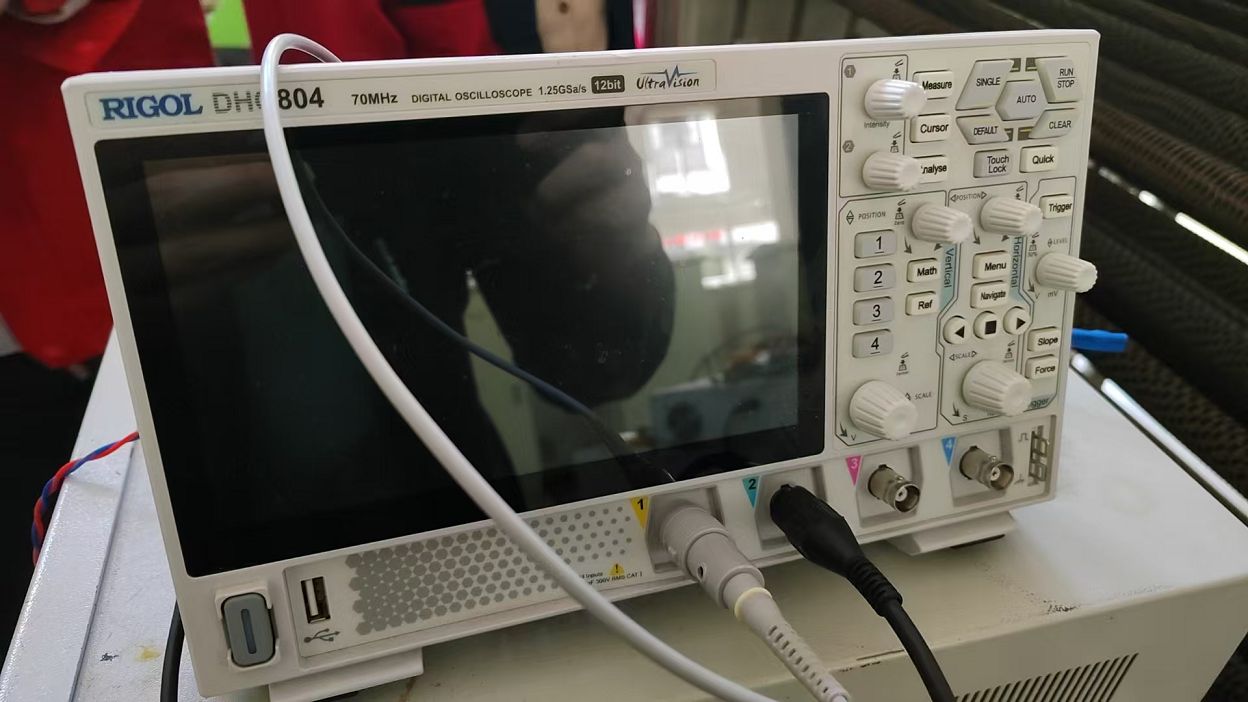
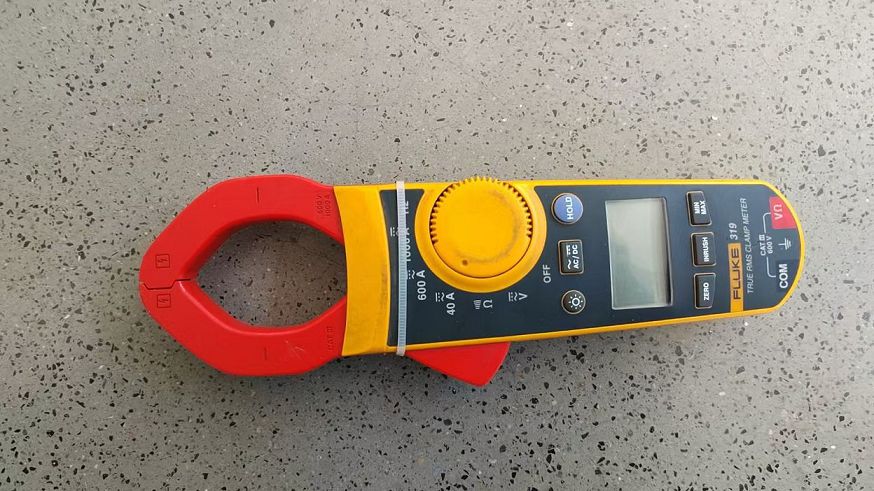
Our ISO9001:2015 certified production line utilizes state-of-the-art diagnostic machines to guarantee extreme reliability on every component exported to the Indonesian market.
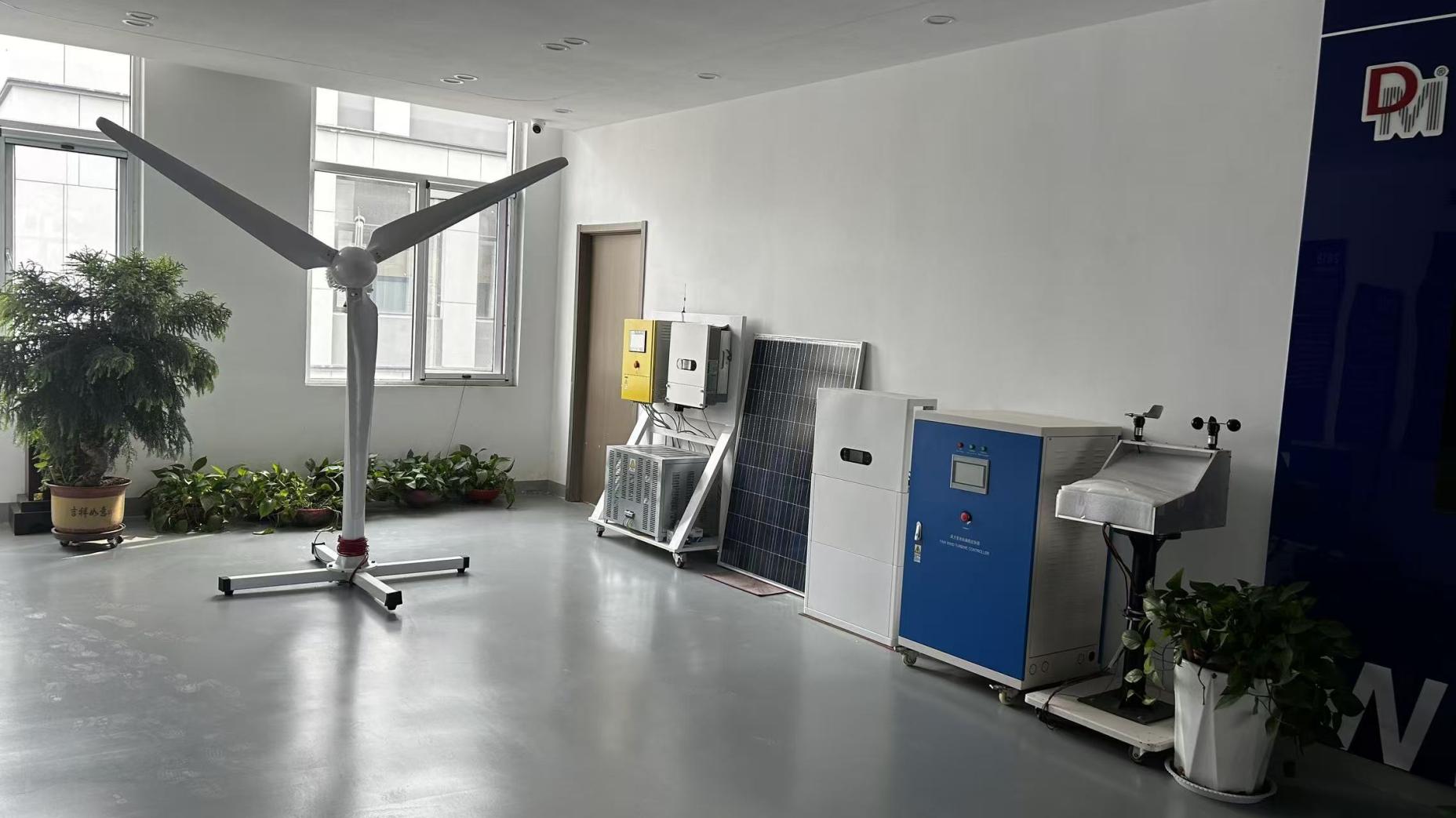
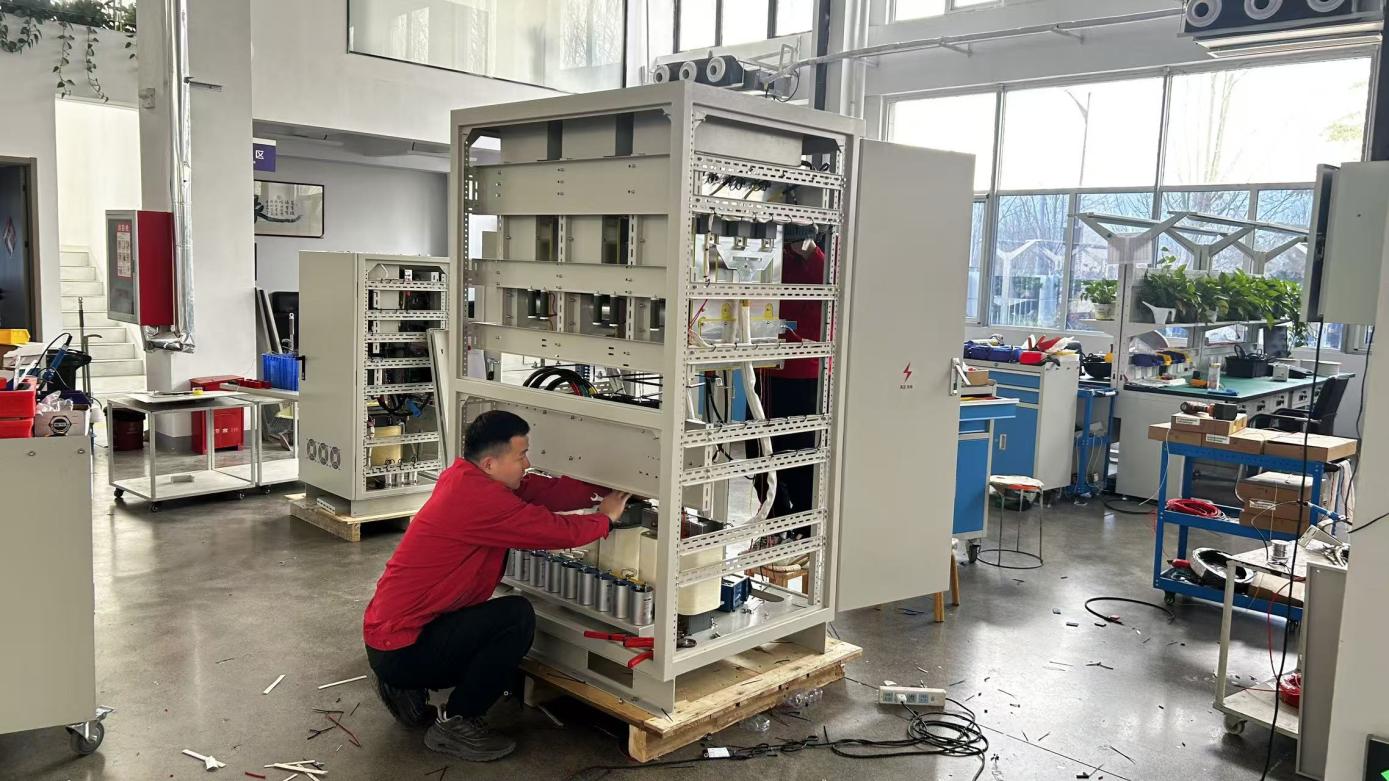
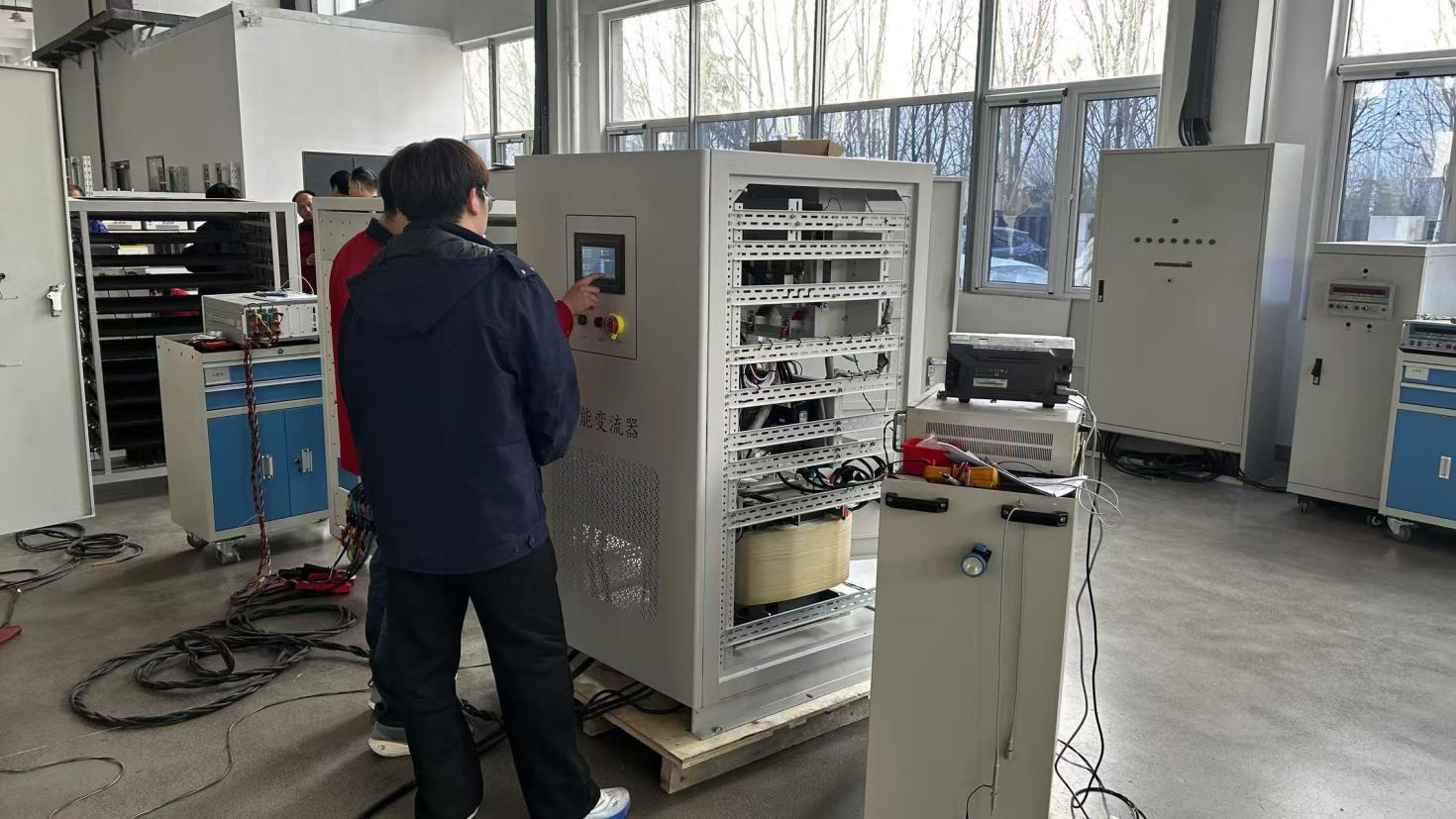
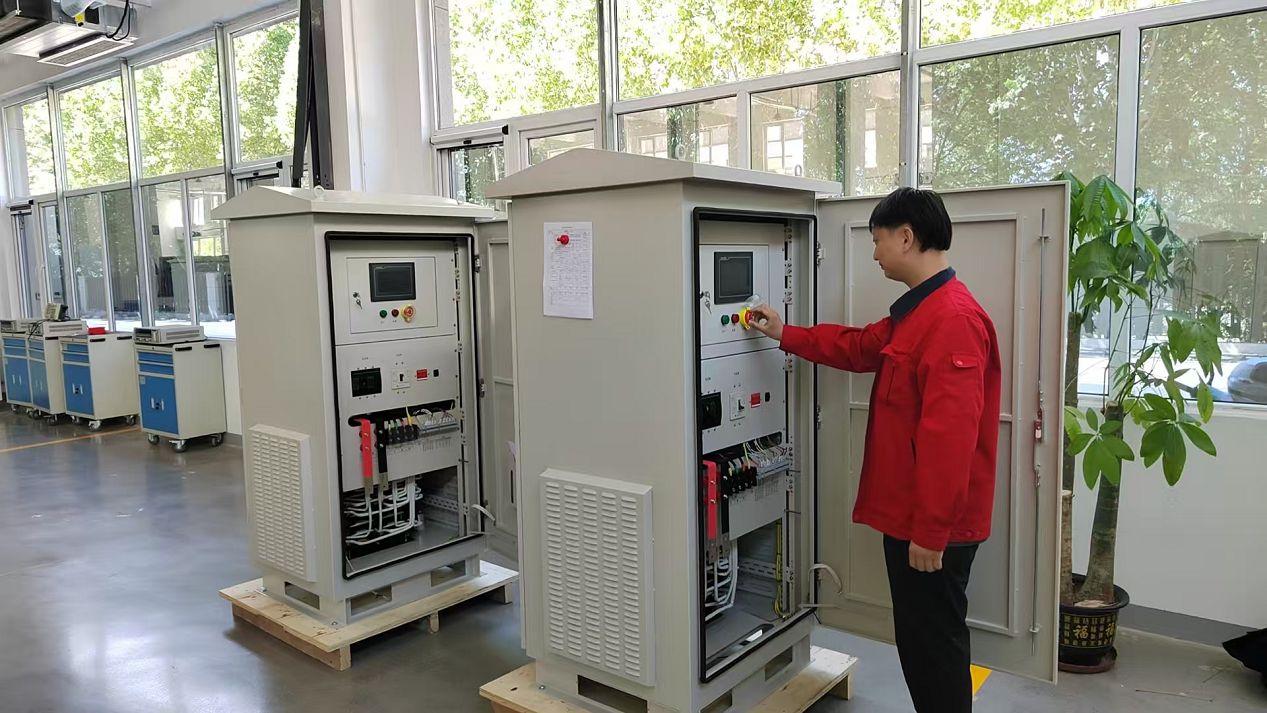
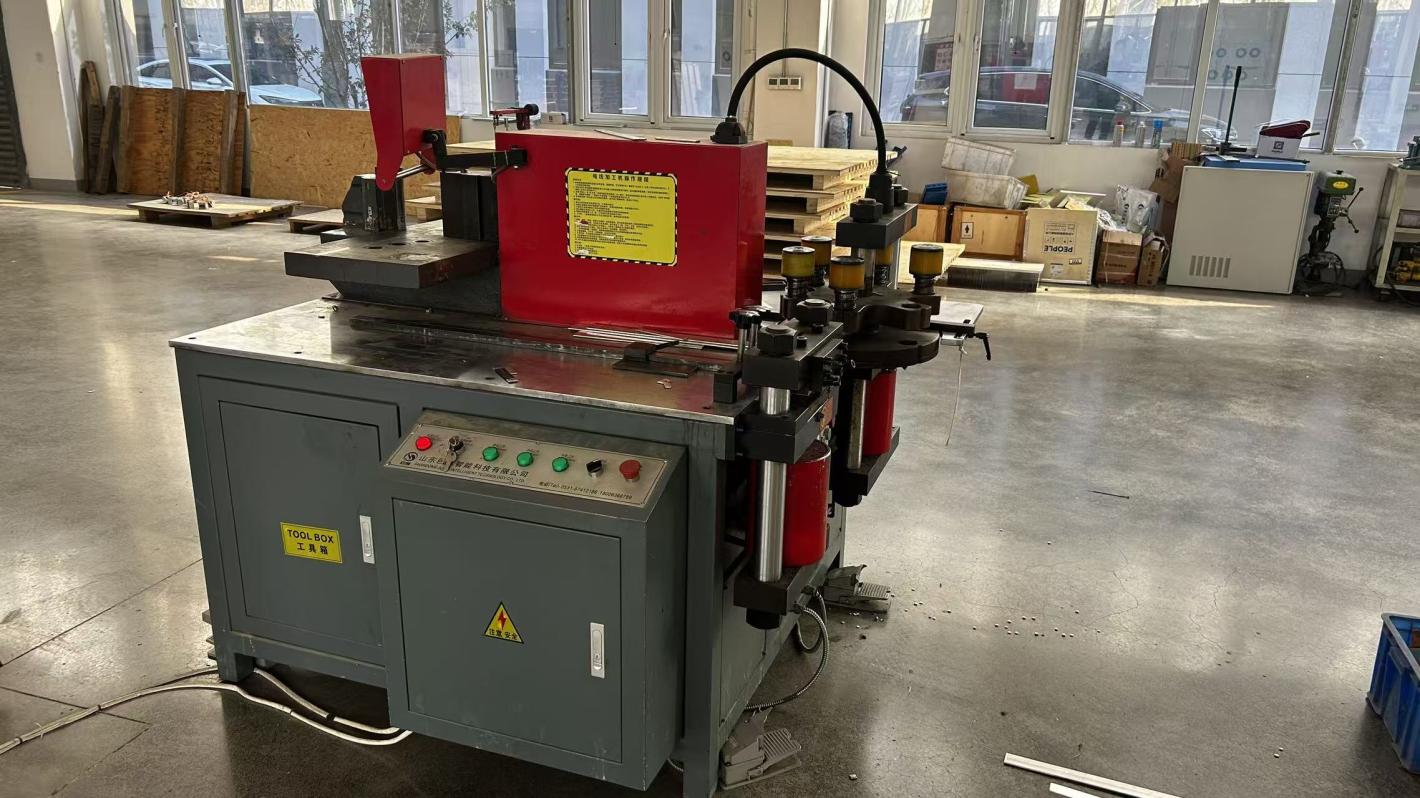
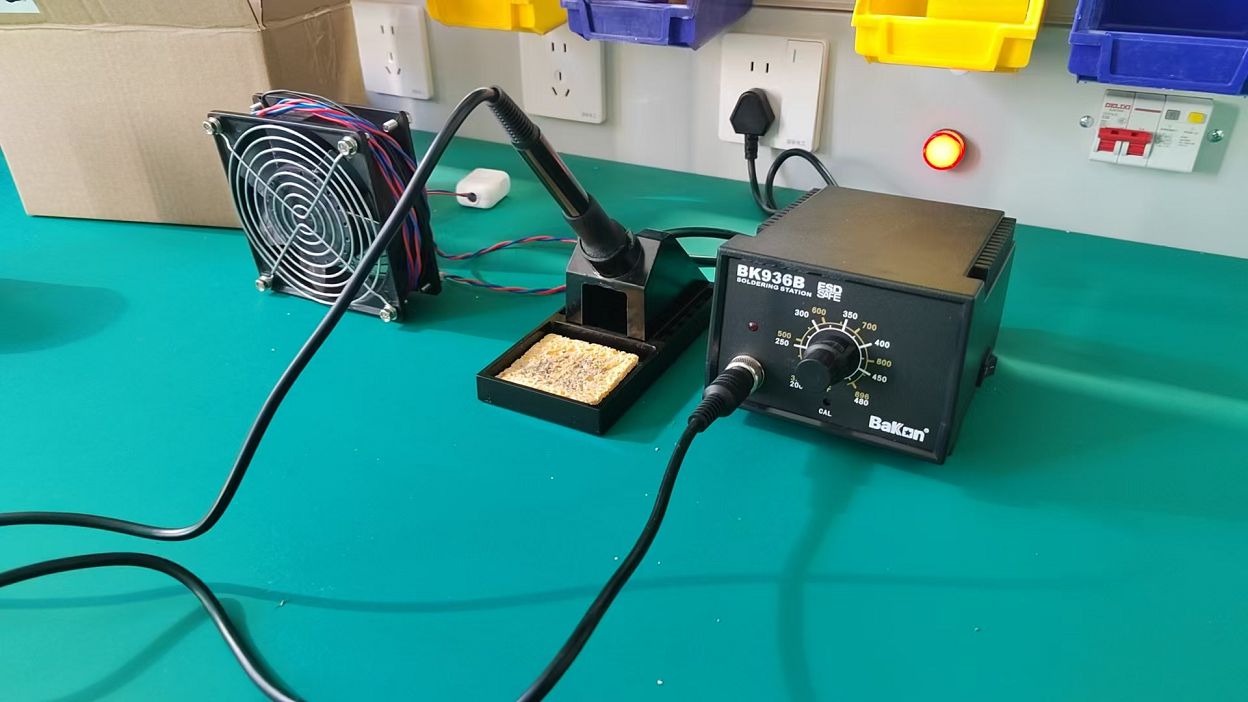
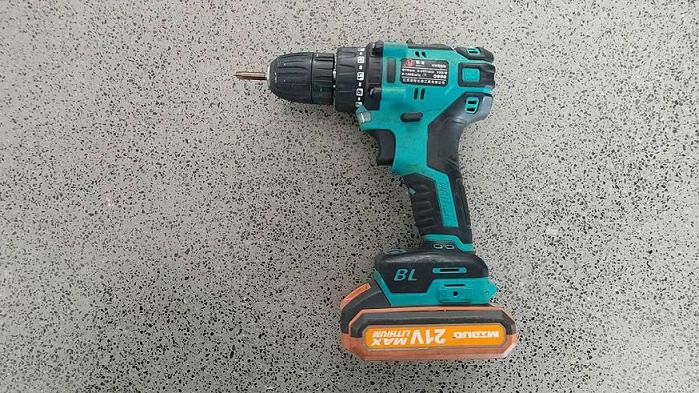
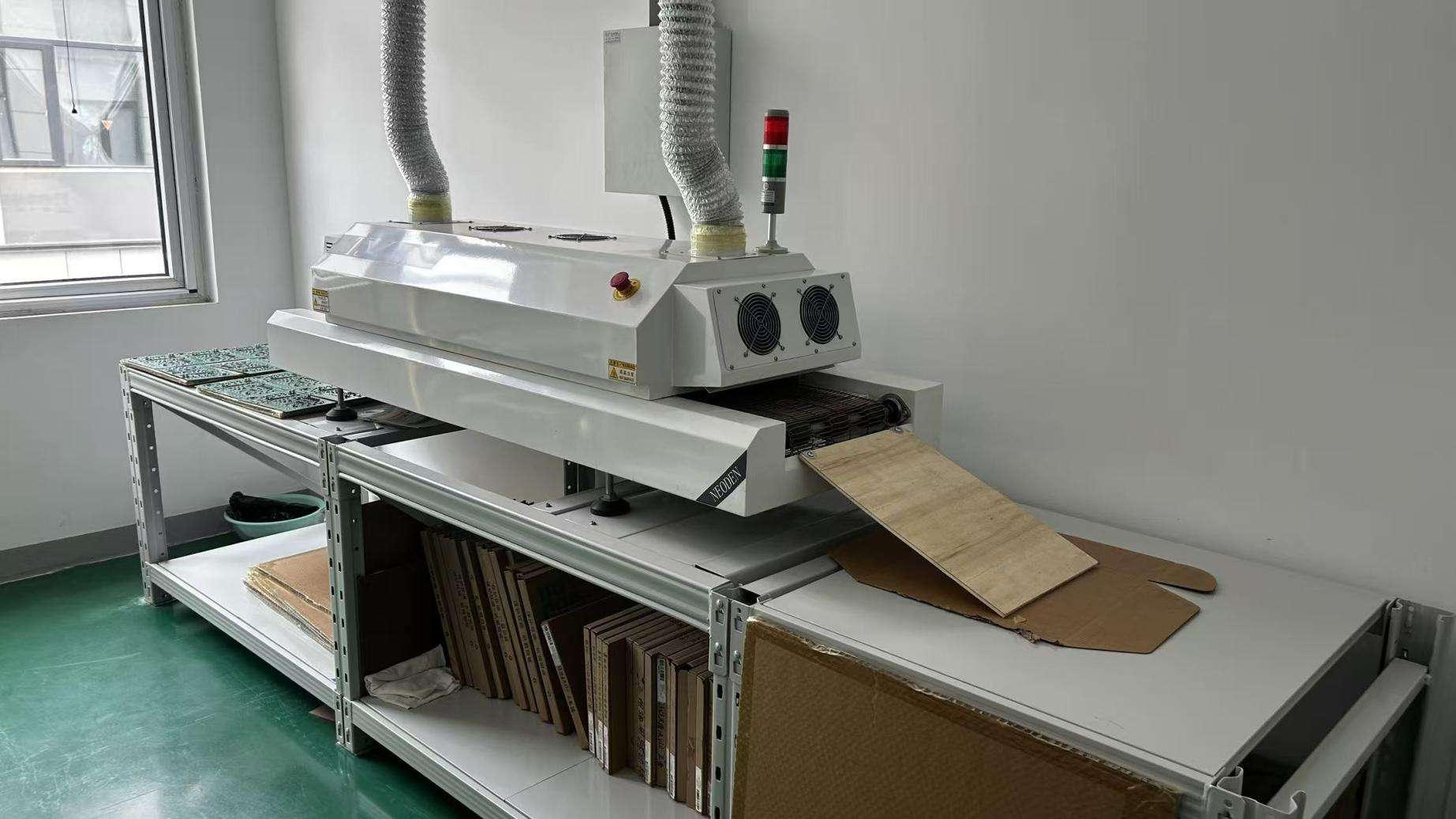
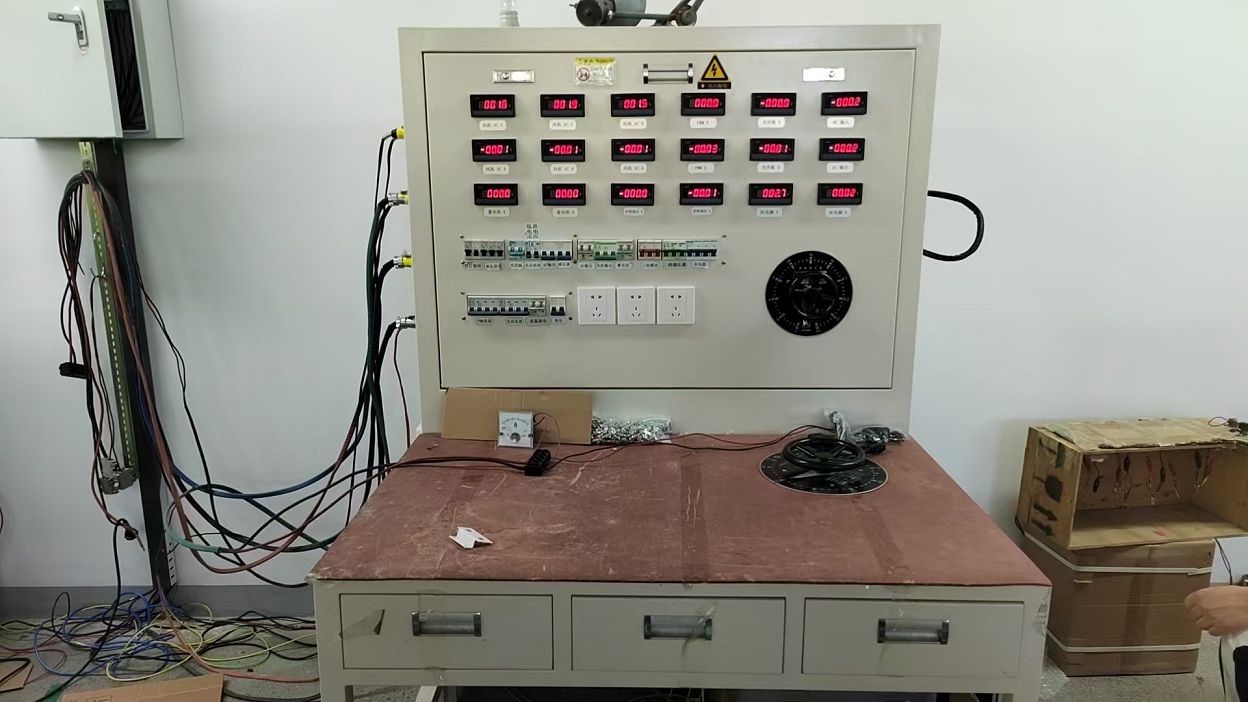
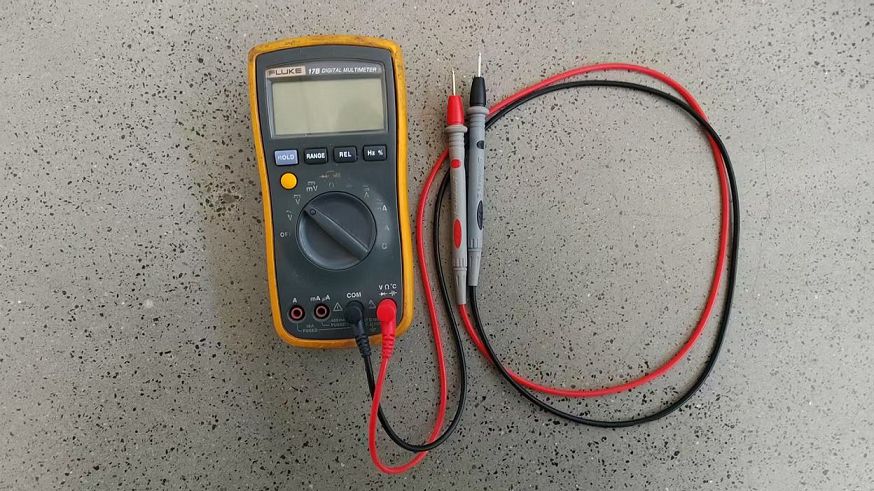
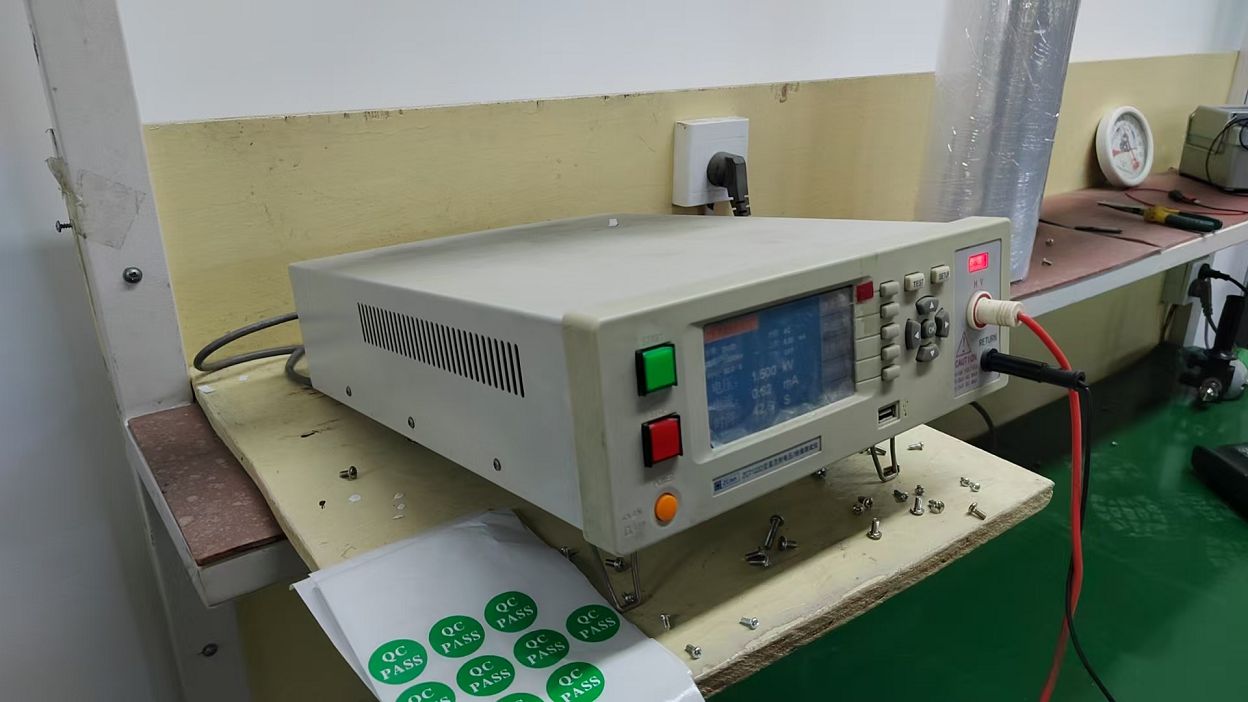
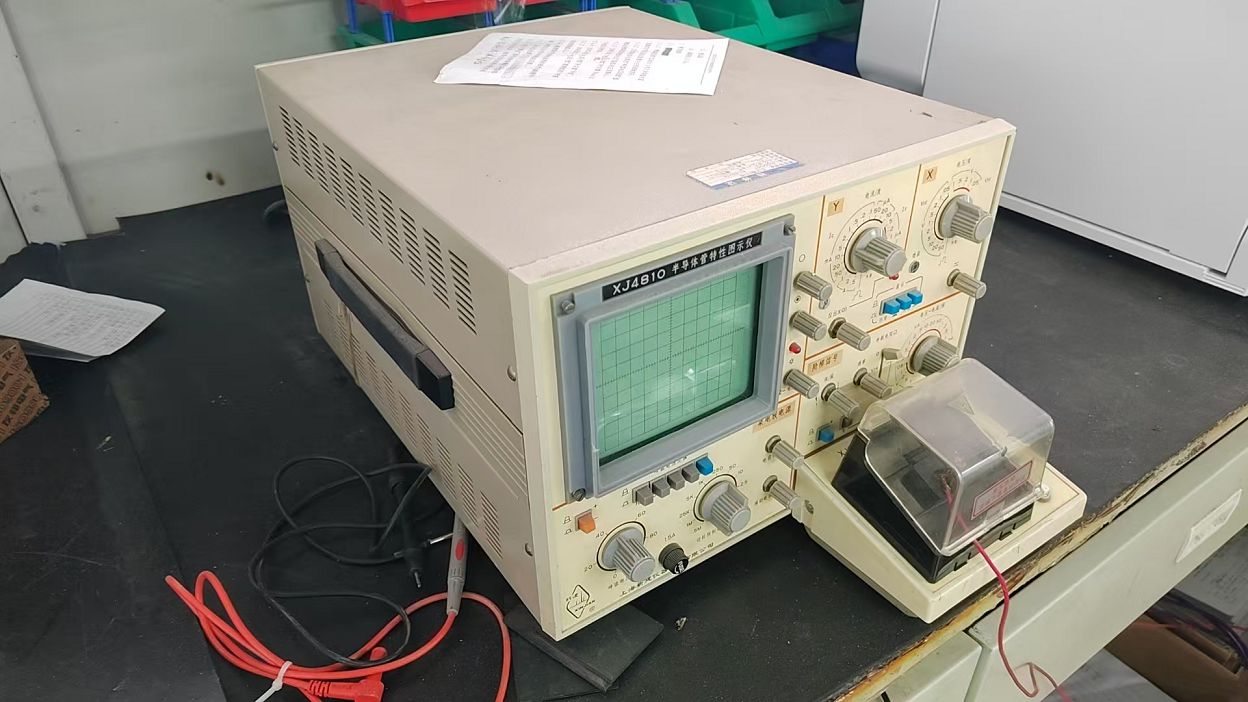
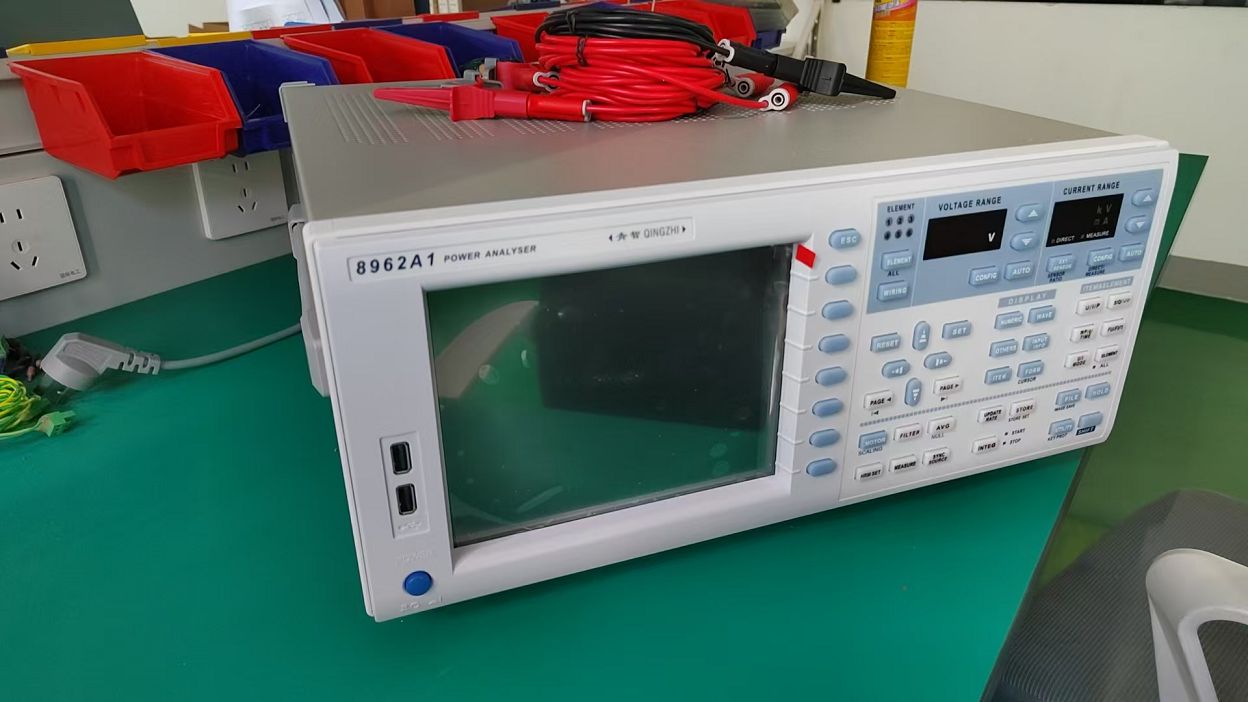
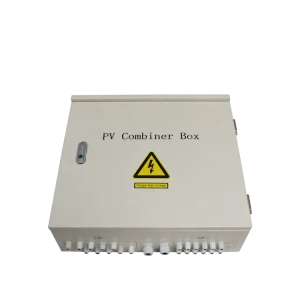
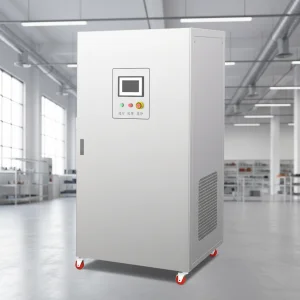
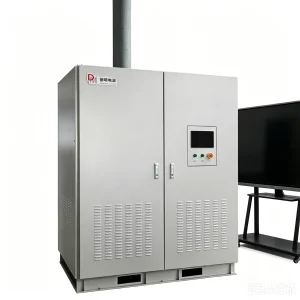
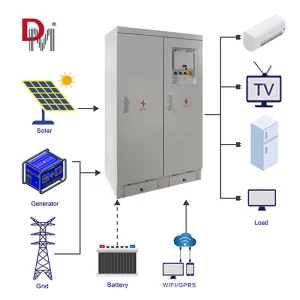
Bidirectional inverters, combiner boxes, controllers, and stabilization components tailored to complete your Jakarta-compliant microgrid installation.
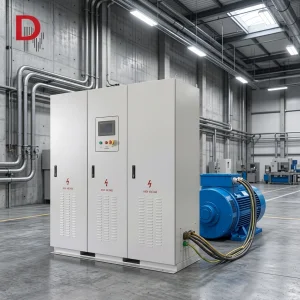
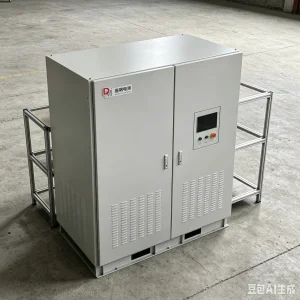
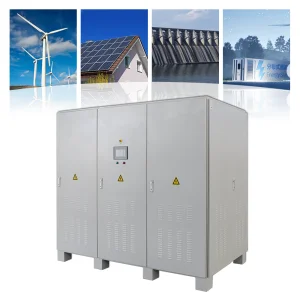
Get answers to the most common engineering and procurement questions regarding PV system compliance, hardware selection, and operation in Indonesia.
Jakarta’s climate is characterized by high ambient temperatures (average 28°C–34°C) and high humidity. In sizing solar systems, engineering must account for solar panel temperature coefficient derating. Under STC (Standard Test Conditions, 25°C), panels perform at nominal ratings, but on a metal industrial rooftop in Jakarta, cell temperatures can easily reach 65°C, resulting in a 15–20% drop in voltage and yield. Inverters also require forced smart-cooling and must be derated appropriately to guarantee stable long-term operation without grid disconnecting.
Under the Indonesian Ministry of Energy and Mineral Resources (MEMR) regulations (specifically the revisions in Permen ESDM No. 2/2021 and ongoing updates), commercial and industrial (C&I) clients must obtain permits for solar system operation (IUPTLS) and submit testing/commissioning certificates (SLO). Additionally, in most regional grids in Jakarta managed by PLN, a zero-export controller or limit is imposed. Our bidirectional PCS and hybrid controllers are fully compatible with external smart meters to enforce dynamic zero-export compliance seamlessly.
Unlike standard grid-tie inverters that only flow power one way (PV to Grid), a Bidirectional Power Conversion System (PCS) can control the active and reactive power flow in both directions (charging from grid/PV to battery, and discharging from battery to load/grid). This allows Jakarta factory operators to participate in peak-shaving, microgrid islanding during grid blackouts, and load frequency regulation to prevent expensive facility machinery damage.
Our factory utilizes dual-layer conformal coatings on all PCBs to prevent moisture ingress. Junction boxes and cabinet doors utilize high-grade sealing gaskets meeting IP54/IP65 ratings. The cooling fans operate on smart variable frequencies, running only when necessary to reduce the intake of salty or highly humid sea air into the electronics enclosure, extending the design lifespan to 15+ years.
Standard products are manufactured and dispatched within 20–30 days. Custom configurations (e.g., customized bidirectional DC-DC converters or 300kW+ containerized PCS systems with isolation transformers) take approximately 45 days for full structural design, assembly, and testing. Ocean transit from Qingdao/Shanghai ports to Jakarta typically ranges between 10 to 14 days.
 Demin Power