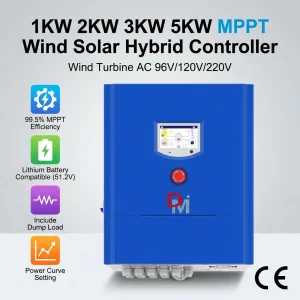
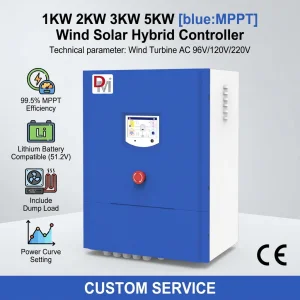
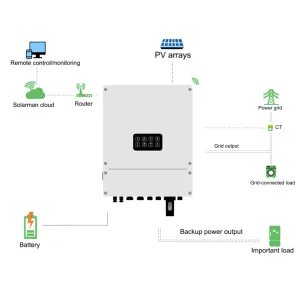
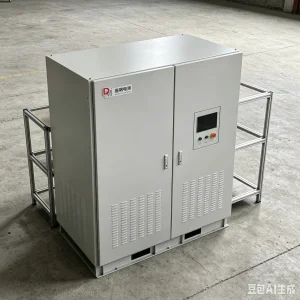
Explore our high-performance micro and small wind turbine generators designed for optimal yield in the UK wind profile, featuring robust marine-grade protections and smart power conversion.
Established Year
Annual R&D Reinvestment
Global Export Countries
Patent/Core R&D Engineers
The United Kingdom is structurally positioned to lead the European clean energy sector, boasting some of the richest wind resources globally. While offshore wind farms generate headlines, the commercial, industrial, and rural agricultural sectors are increasingly turning to local decentralized wind turbine systems. Facing volatile energy prices, strict UK ESG mandates, and the UK Government's Net Zero Target by 2050, commercial site owners are leveraging medium-sized wind turbines coupled with Battery Energy Storage Systems (BESS) to achieve complete grid independence.
In regions such as Scotland, Wales, and South West England, localized wind velocity patterns provide a continuous baseload potential that solar systems cannot match, particularly during the winter months. Integrating microgeneration systems under the Smart Export Guarantee (SEG) framework allows businesses to monetize excess power generation, shifting wind turbines from a carbon mitigation cost center into an active yield-producing financial asset.
"By utilizing high-grade permanent magnet synchronous generators and MPPT controller units, UK developers are recording up to 25% higher annual energy output in turbulent coastal zones compared to traditional standard-frequency setups."
The international energy market is shifting towards hybrid microgrids. Industry leaders no longer rely on single-source energy schemes. Instead, they combine photovoltaic panels, wind power generators, and hydrogen storage or lithium-ion batteries. This integration relies heavily on robust bidirectionality and voltage regulation. Power conversion systems (PCS) must handle fluctuations from wind speeds and charge variations seamlessly.
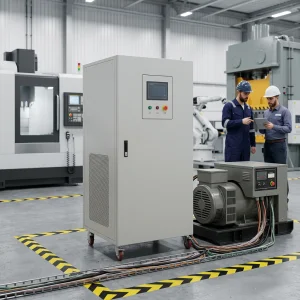
Furthermore, as utility costs rise, high-power testing systems, battery simulators, and regenerative DC loads have become crucial. Manufacturers require testing solutions that accurately simulate wind profiles and grid outages. The demand for industrial controllers capable of managing 100kW up to 500kW scales is skyrocketing across North America, the EU, and East Asia, demanding unmatched hardware reliability and remote SCADA monitoring capabilities.
Established in 2004, Jinan Deming Power Equipment Co., Ltd. is a nationally certified high-tech enterprise, pioneering high-performance renewable energy control equipment and test power supplies. Underpinned by ISO9001:2015 standards, Deming has repeatedly earned national High-Tech enterprise recognition (2015, 2018). Our dedication to research is reflected in our budget: at least 20% of annual sales revenue is systematically re-invested back into our internal R&D unit.
Driven by 16 senior engineers, including academic doctoral supervisors and master’s degree graduates, our engineering wing has successfully delivered 17 complex R&D initiatives in the past three years. This research directly translated into 16 commercialized technological breakthroughs, widely deployed by Fortune 500 enterprises. Deming’s grid-tied and off-grid controllers, heavy-duty hybrid inverters, frequency converters, and bidirectional DC simulators have set industrial standards in over 120 countries, from Germany, Japan, and the United States to the United Kingdom, Canada, Australia, and Brazil.
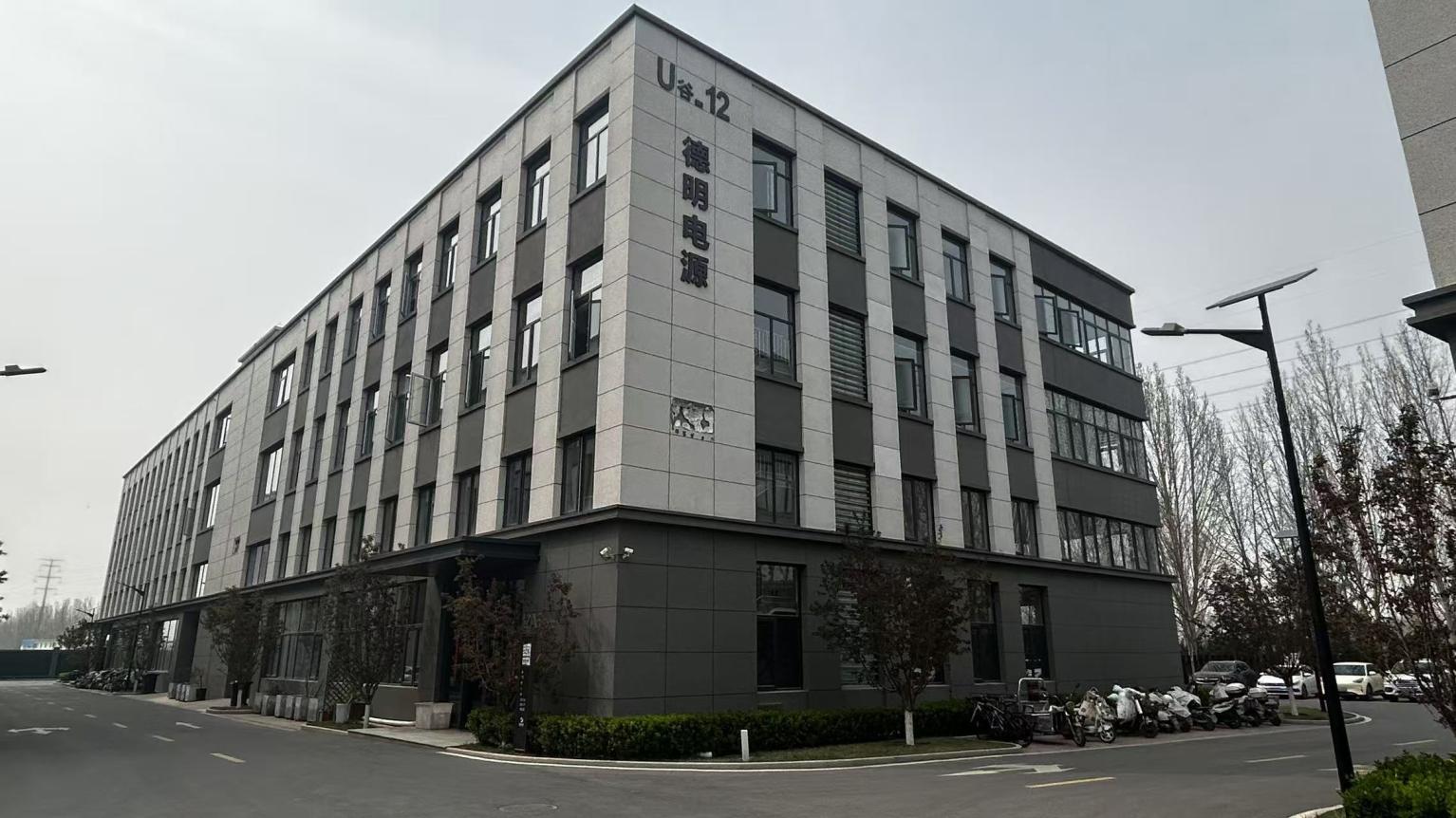
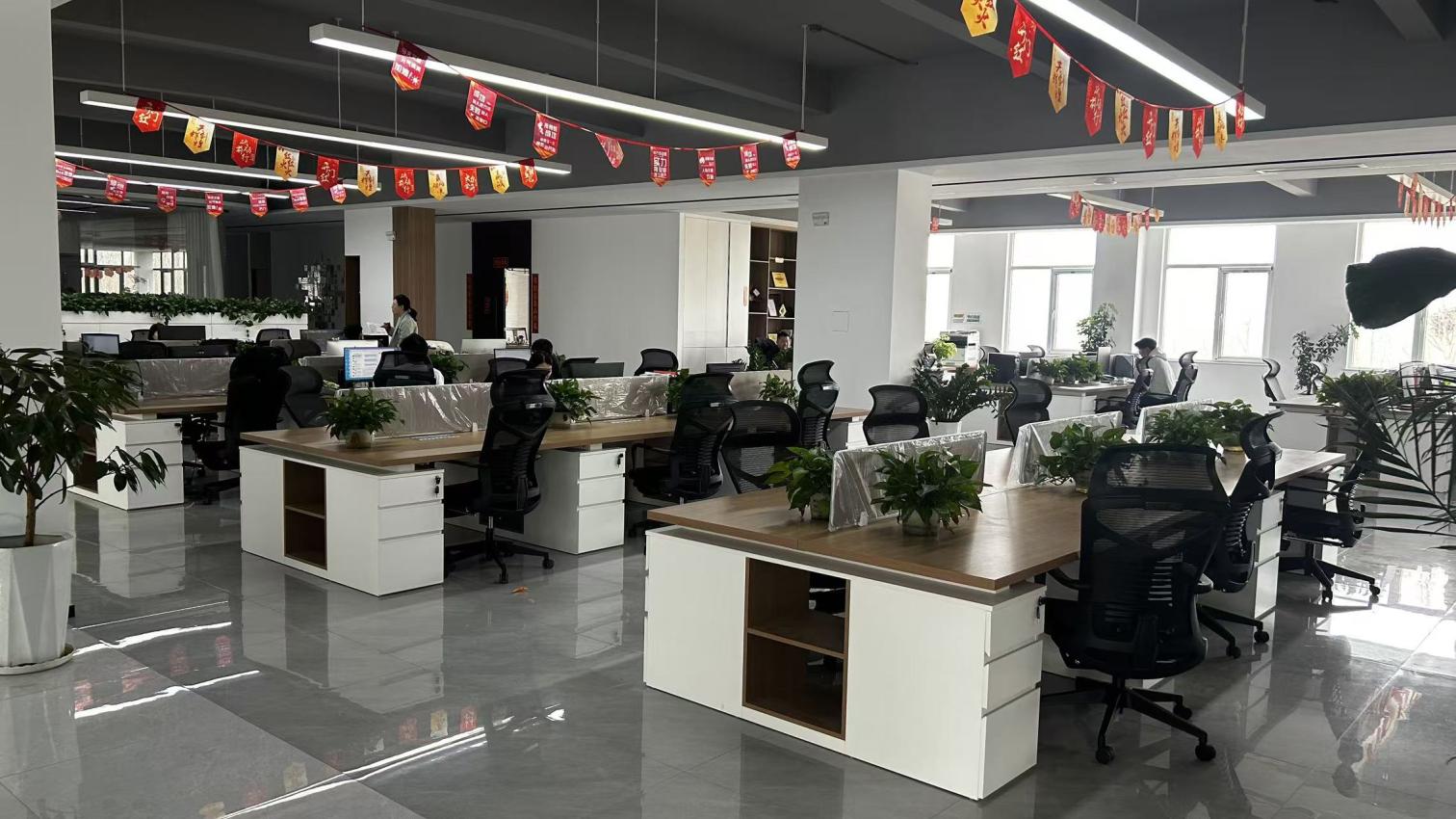
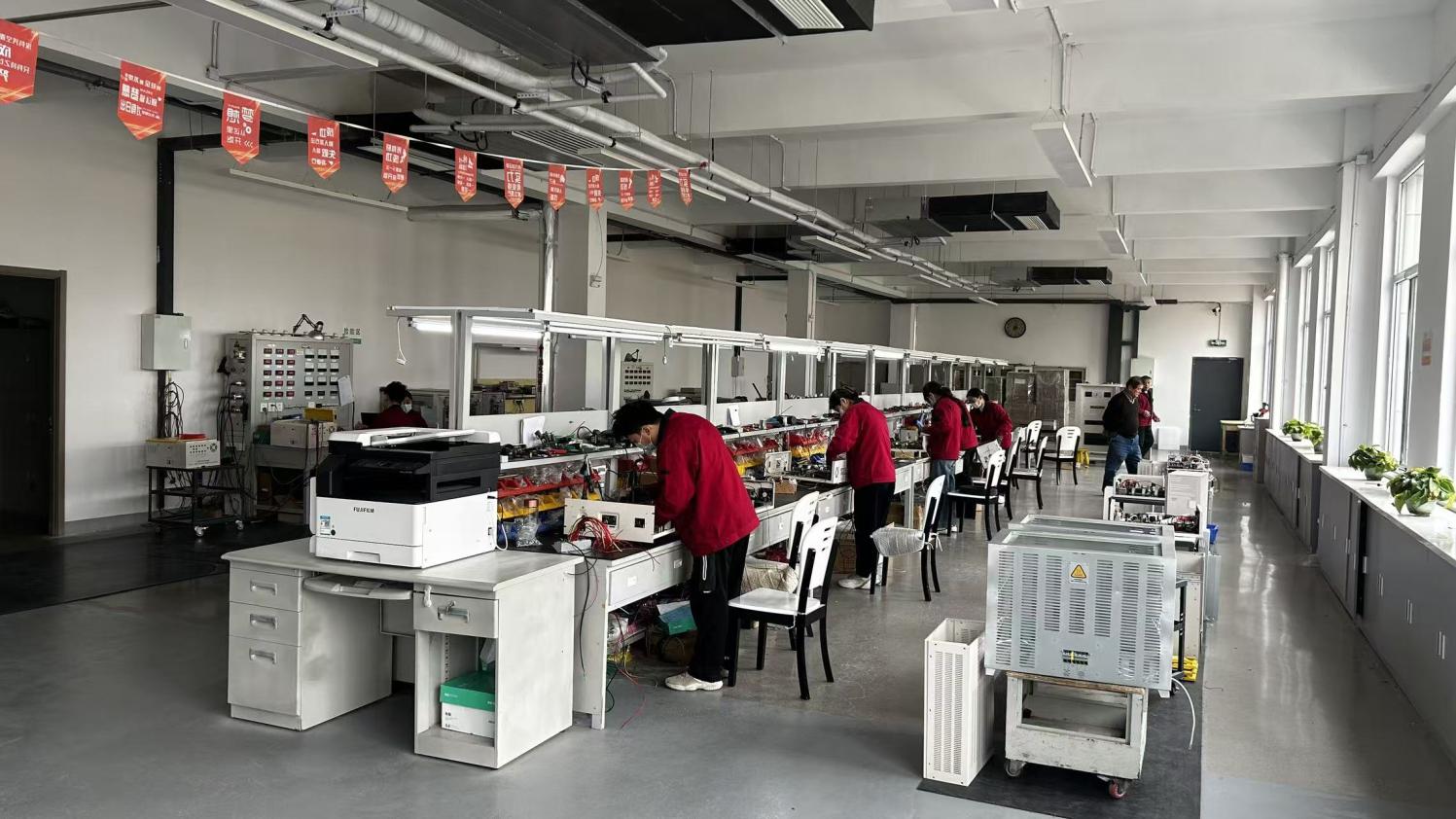
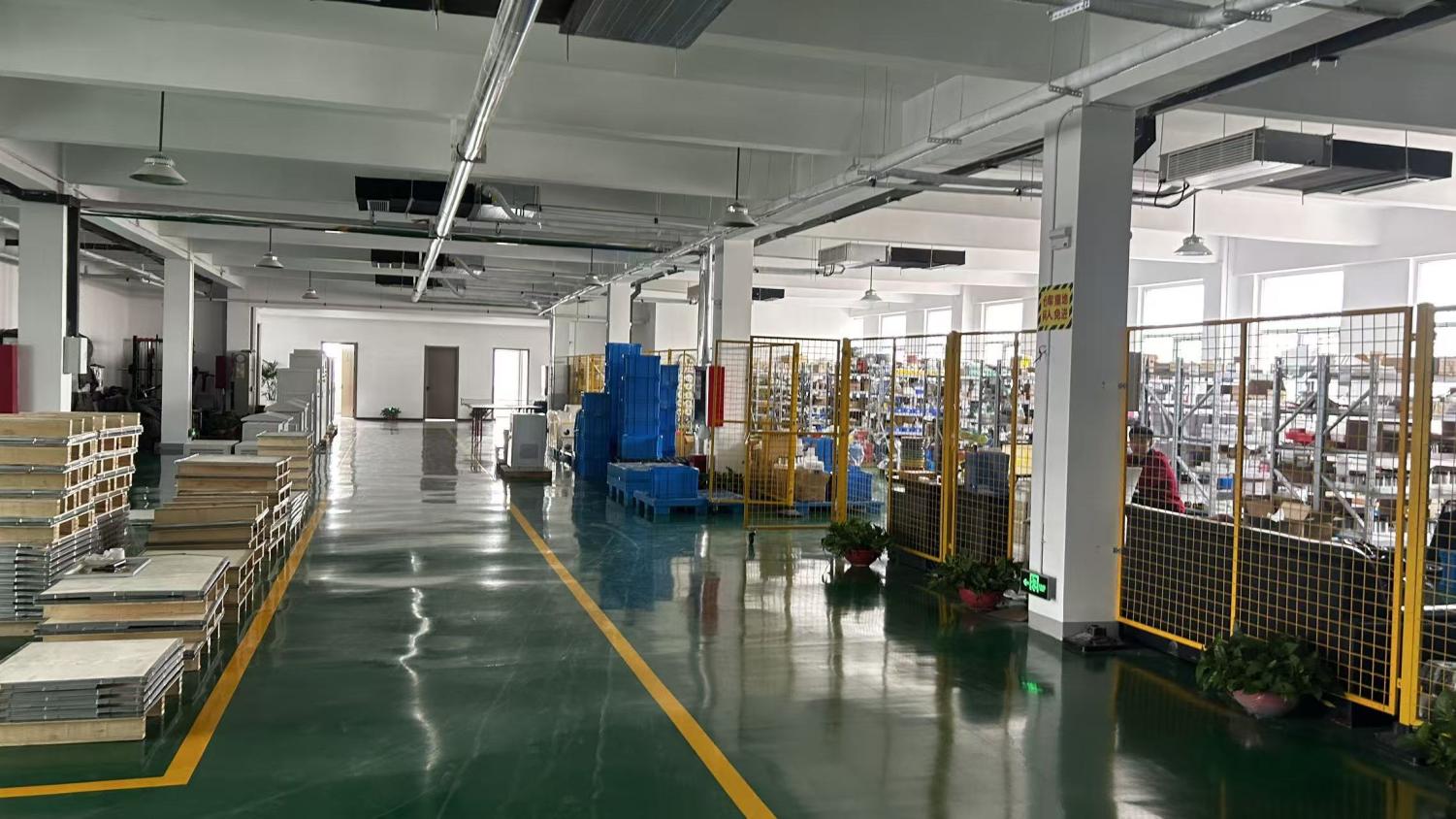
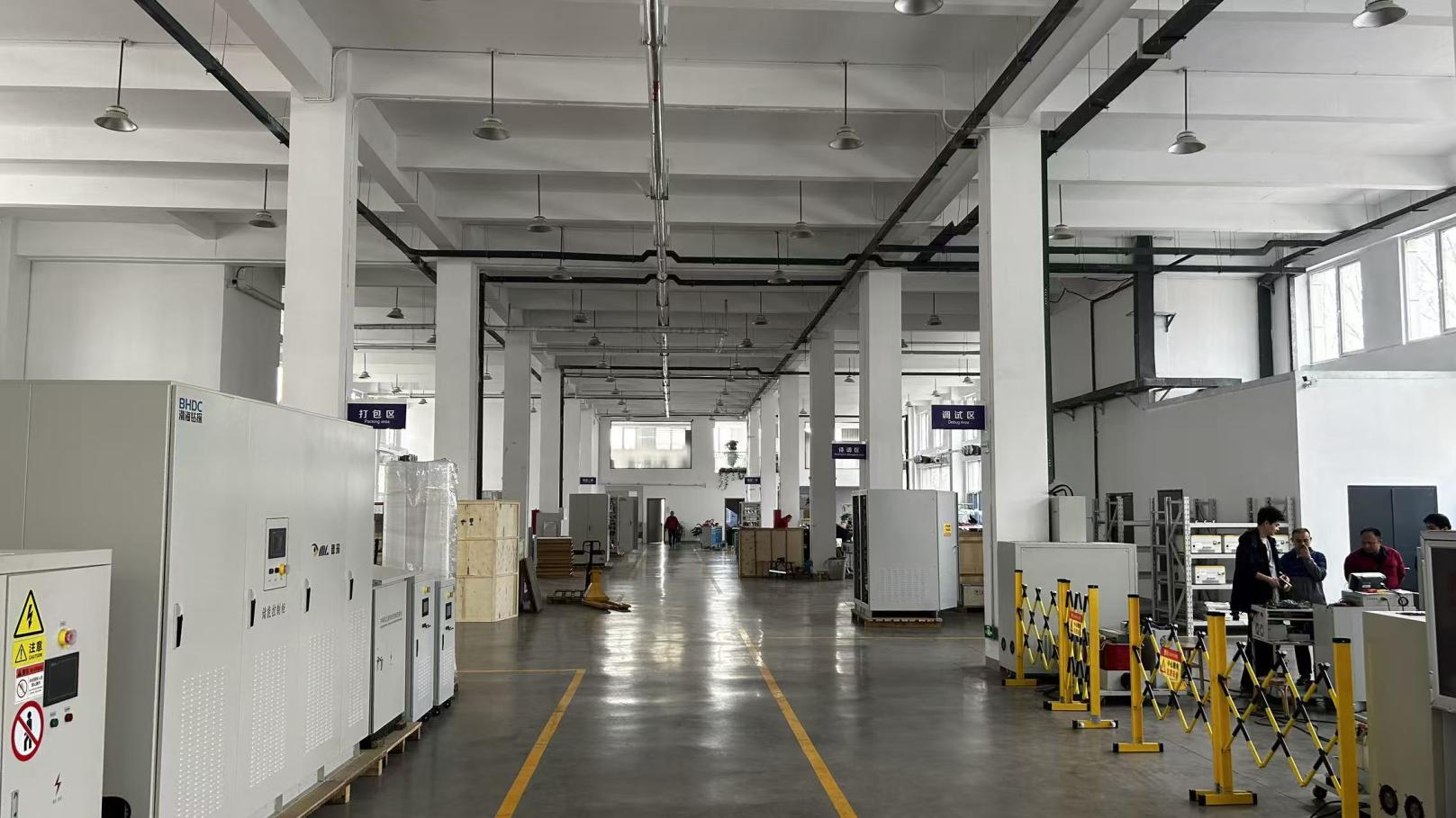
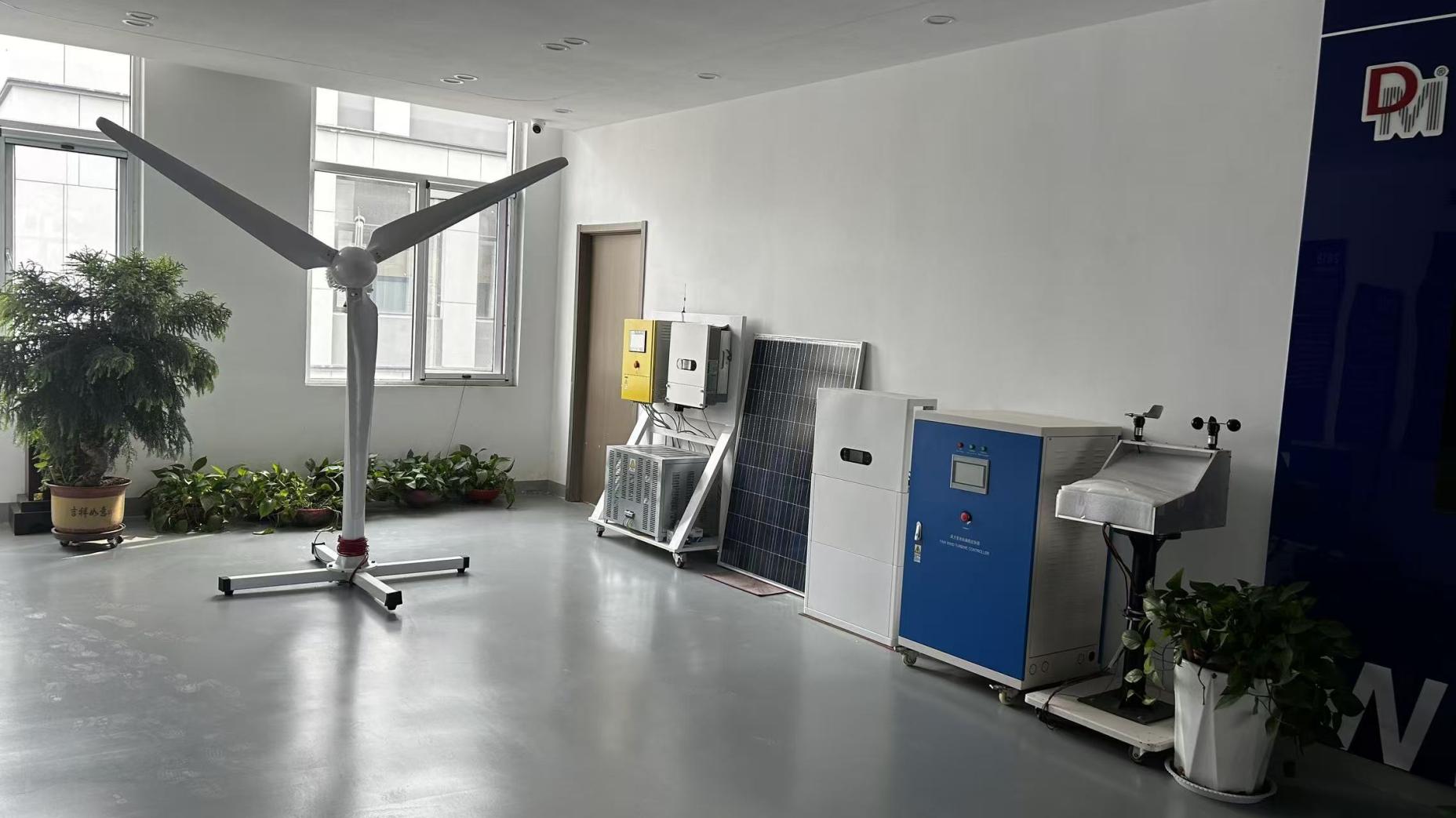
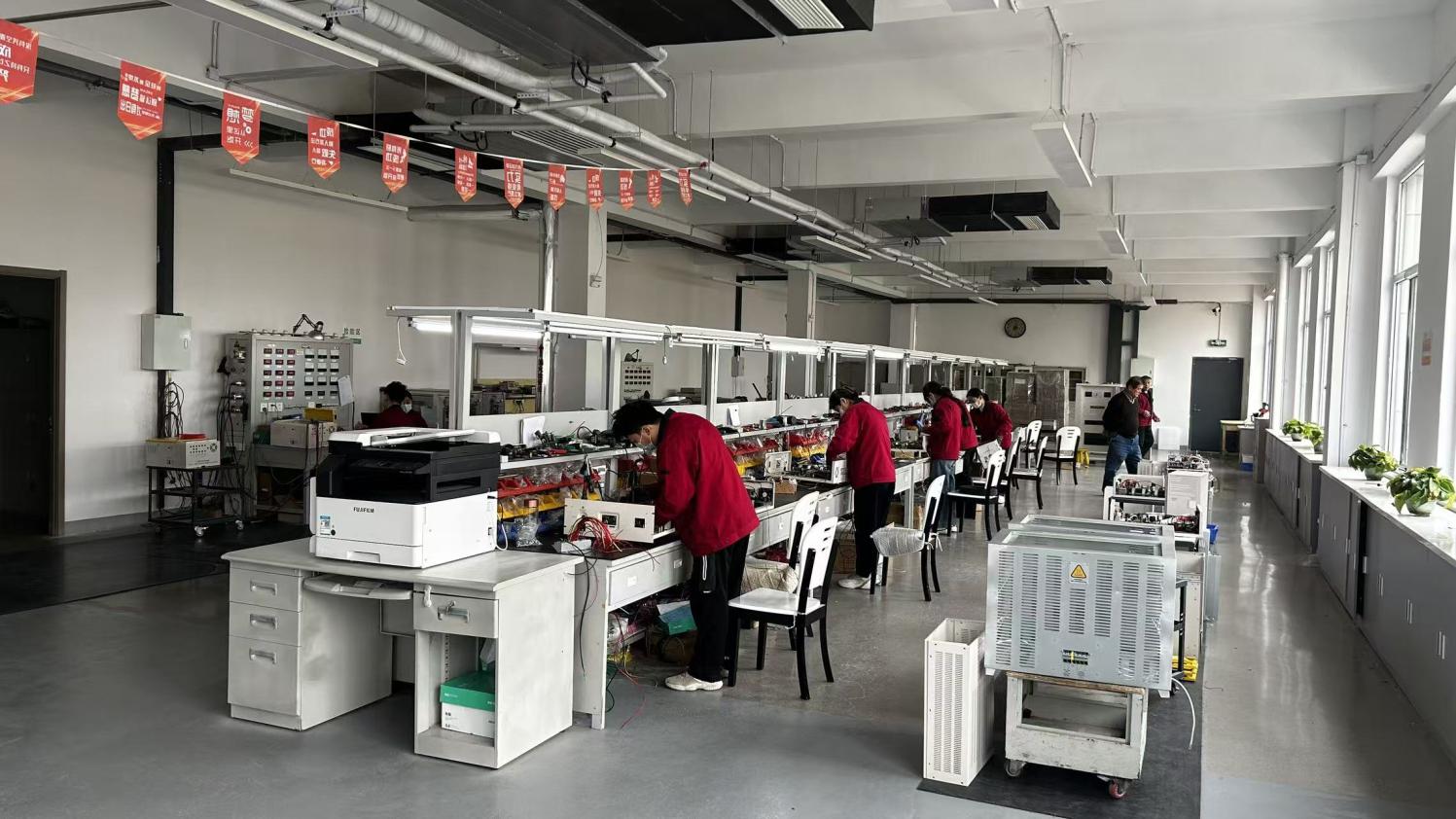
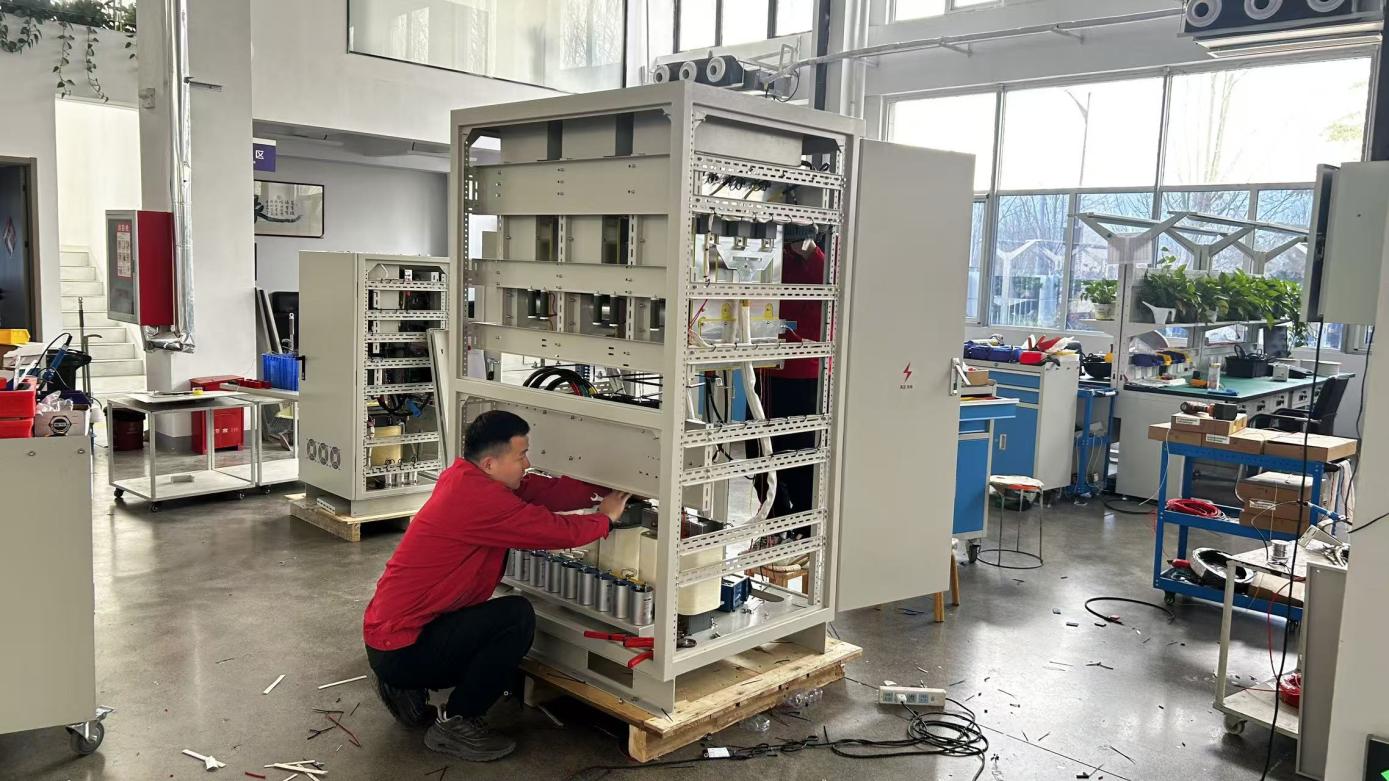
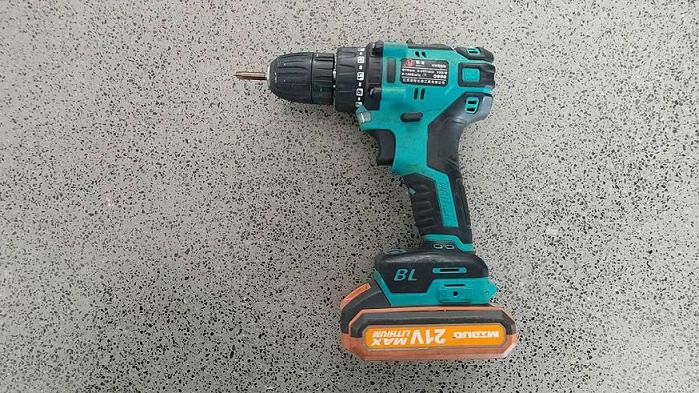
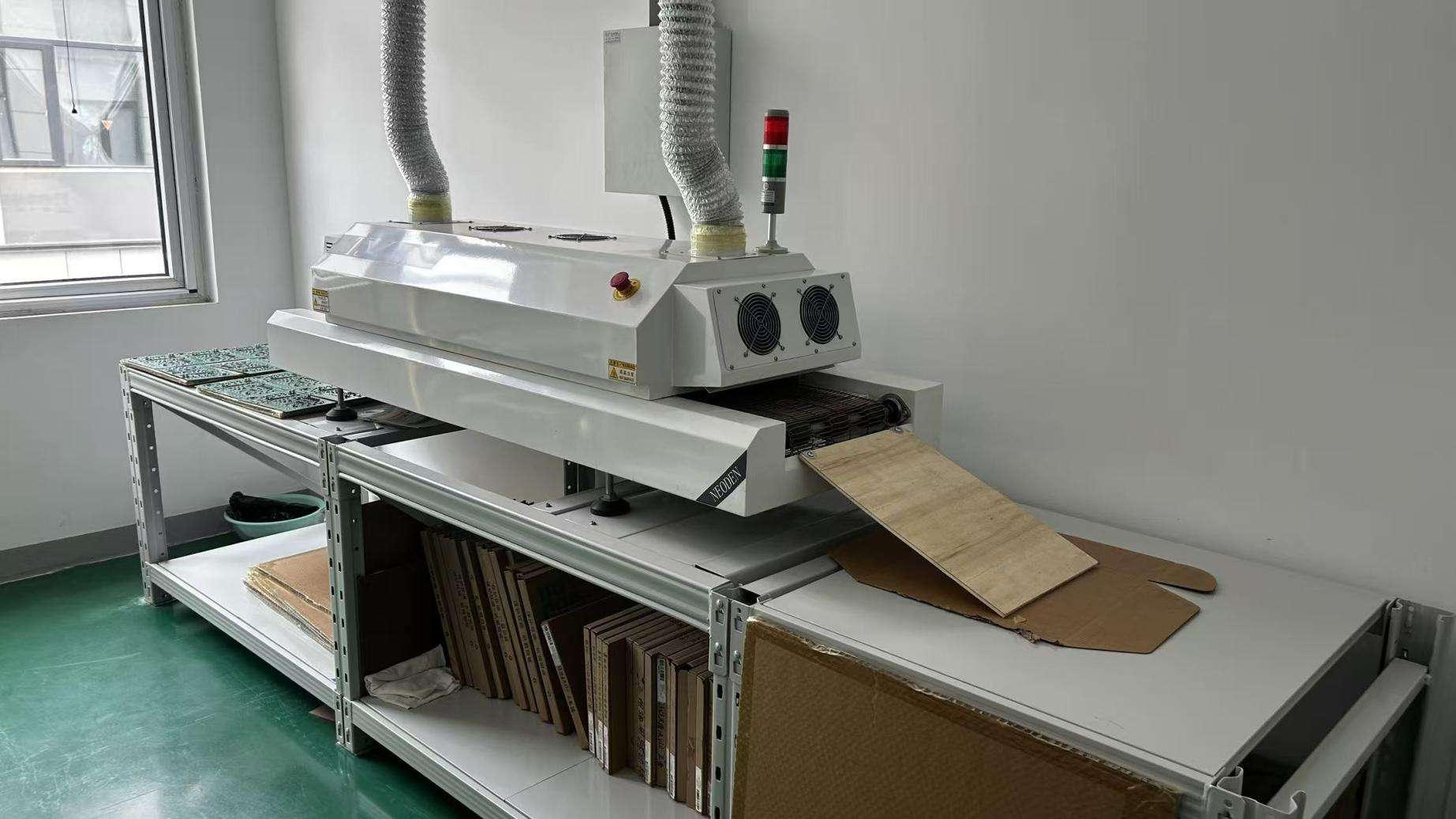
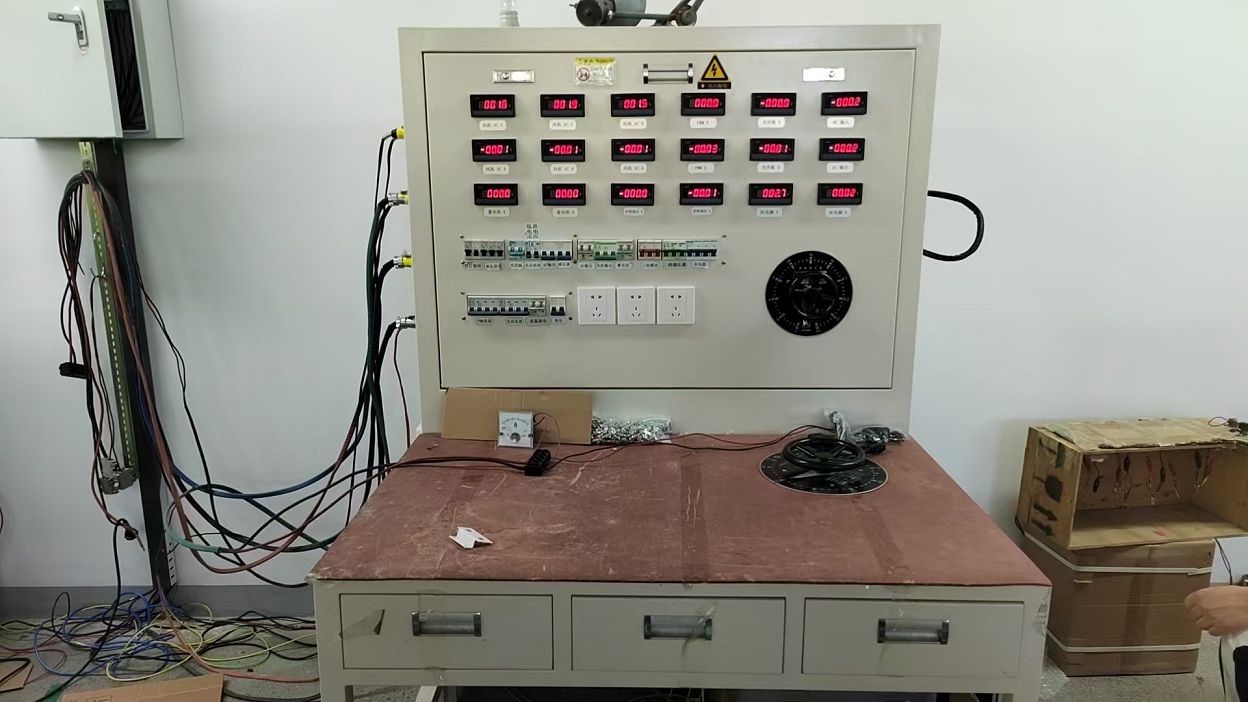
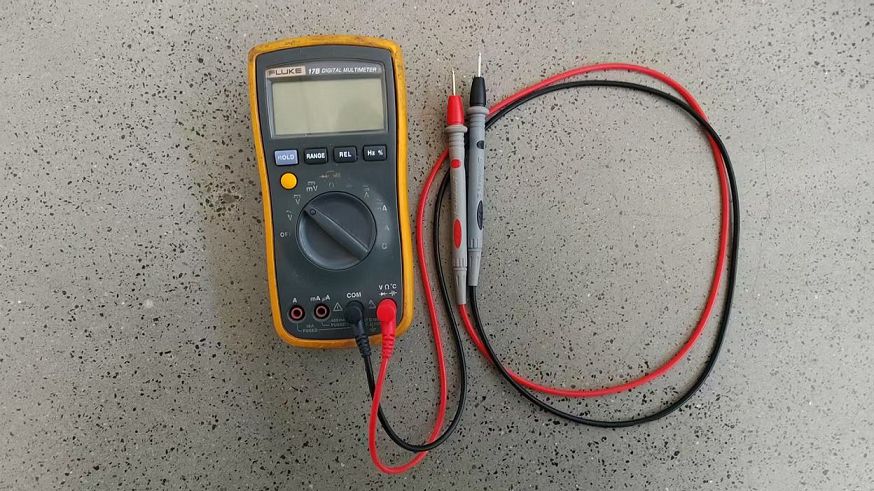
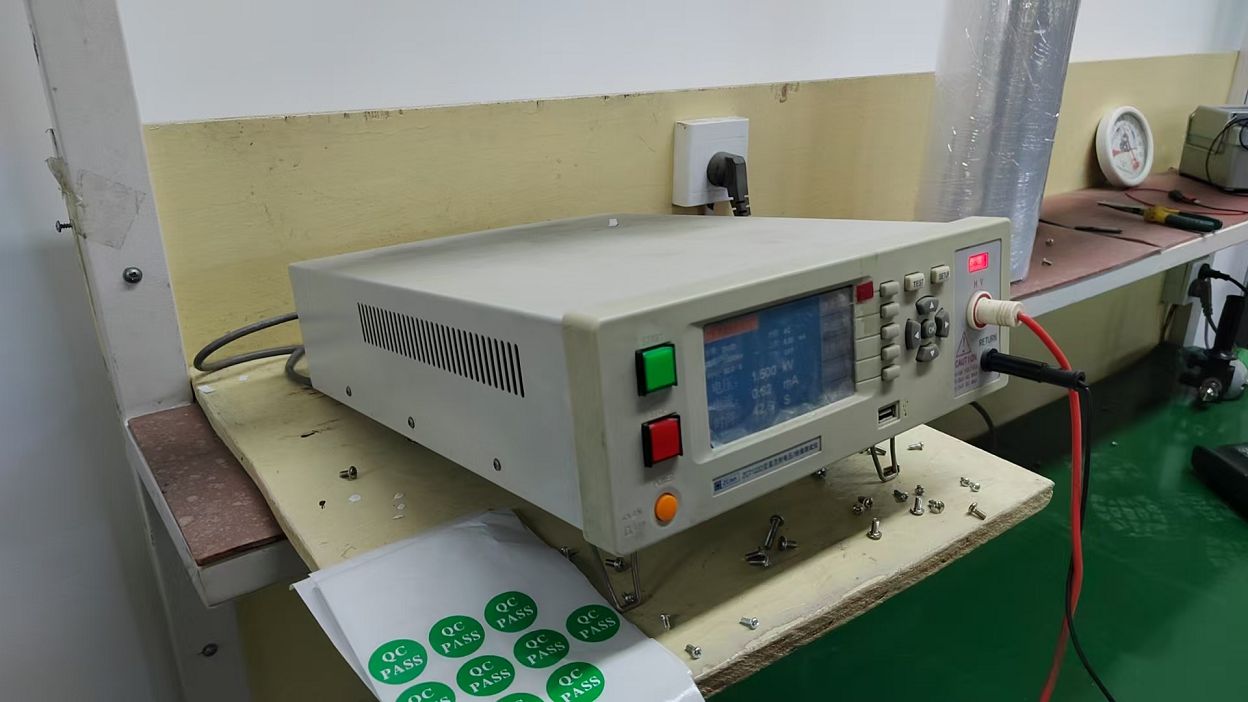
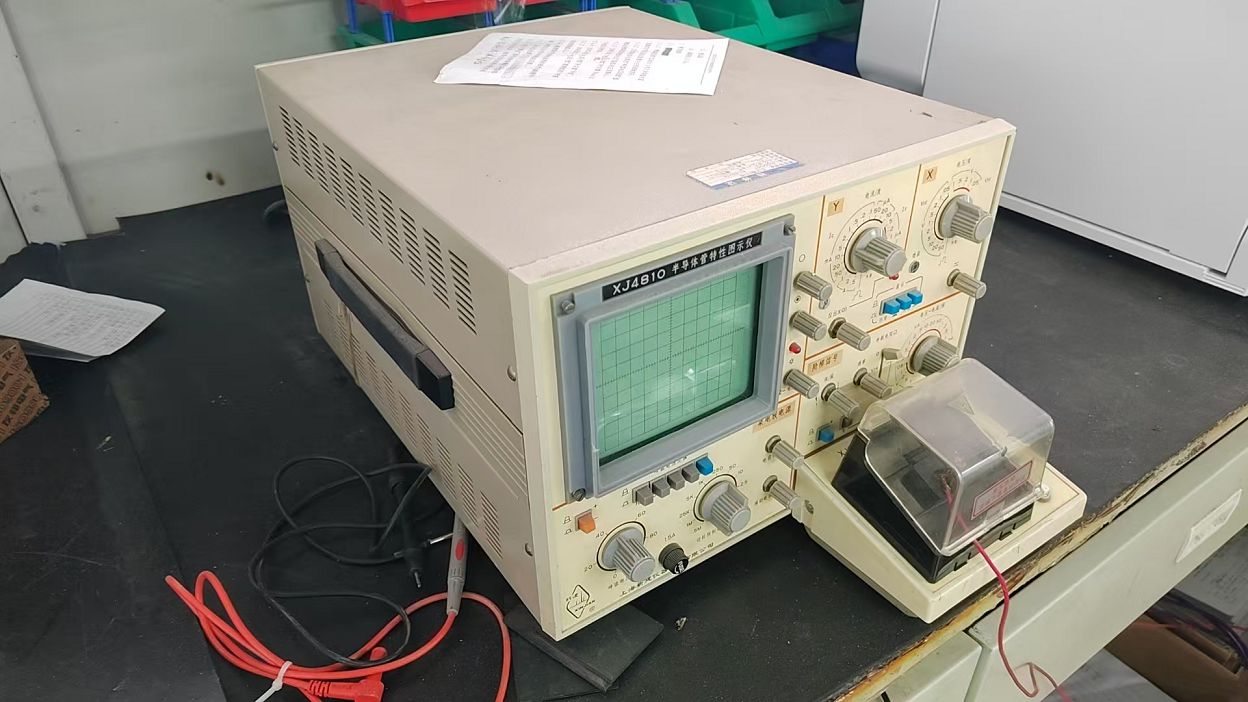
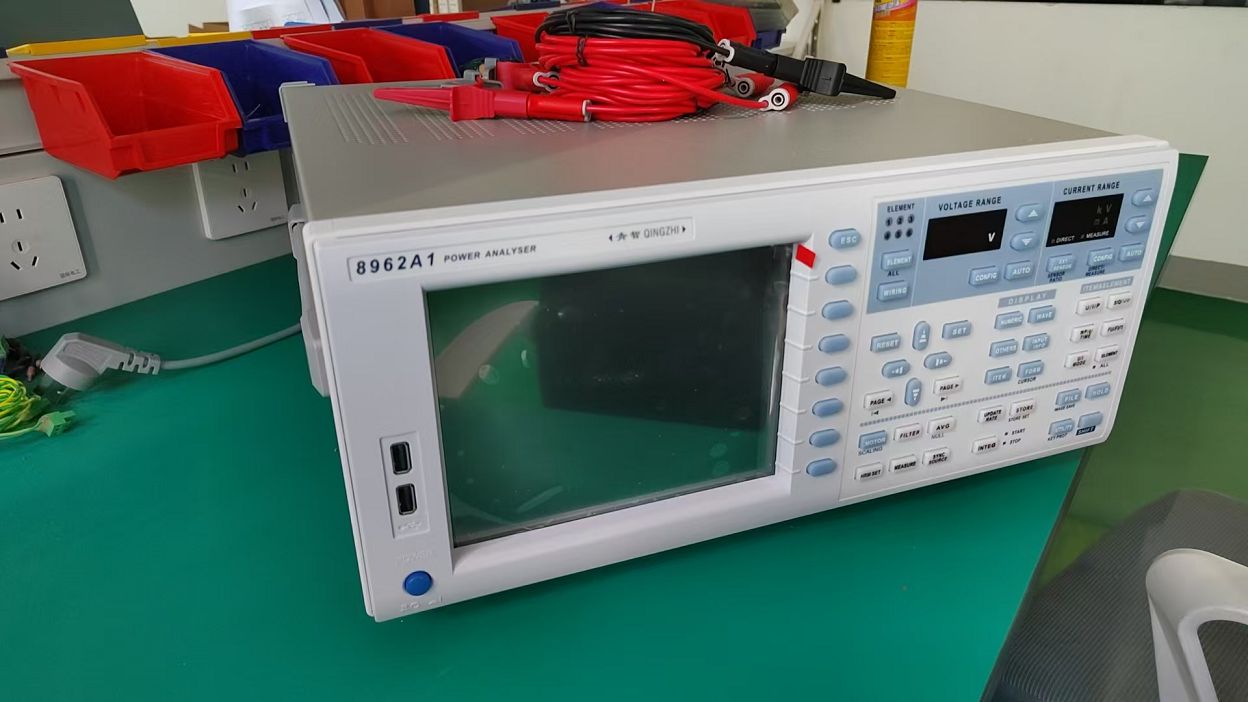
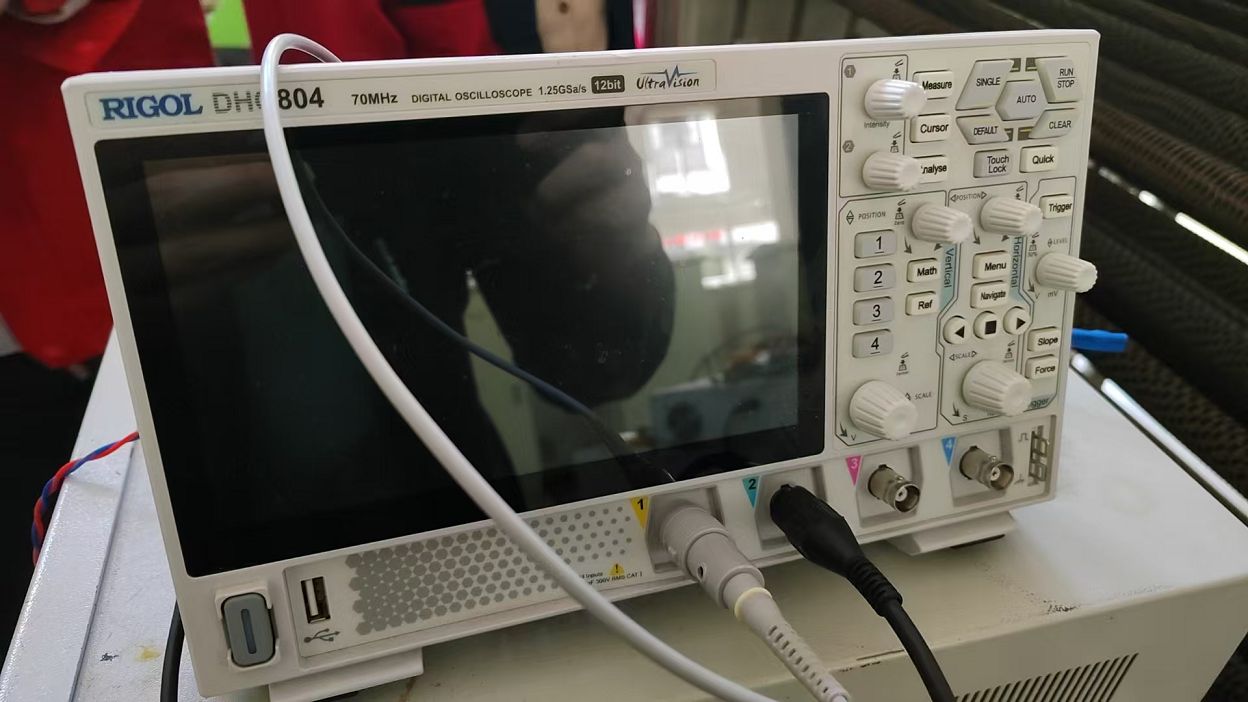
A transparent look into our ISO9001:2015 certified assembly workshops, quality assurance setups, and scientific testing instruments.
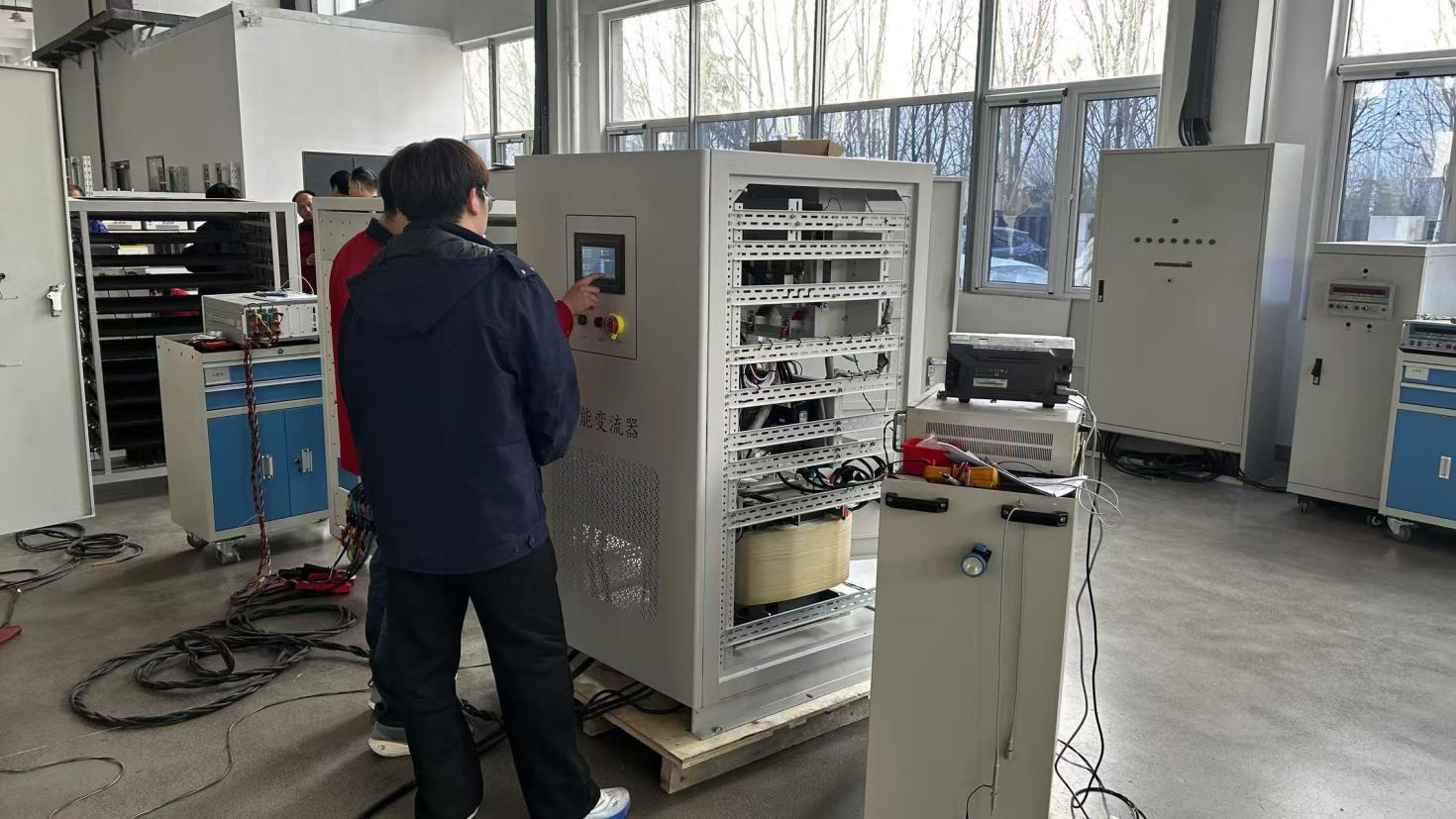
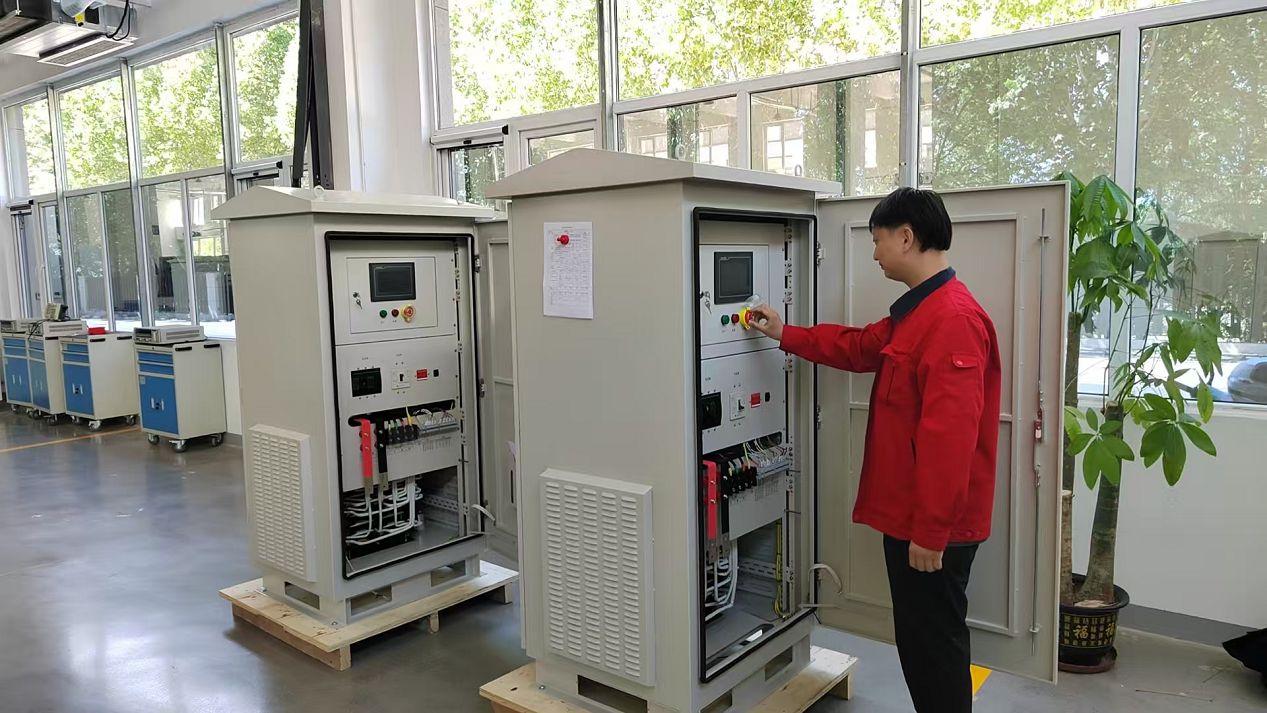
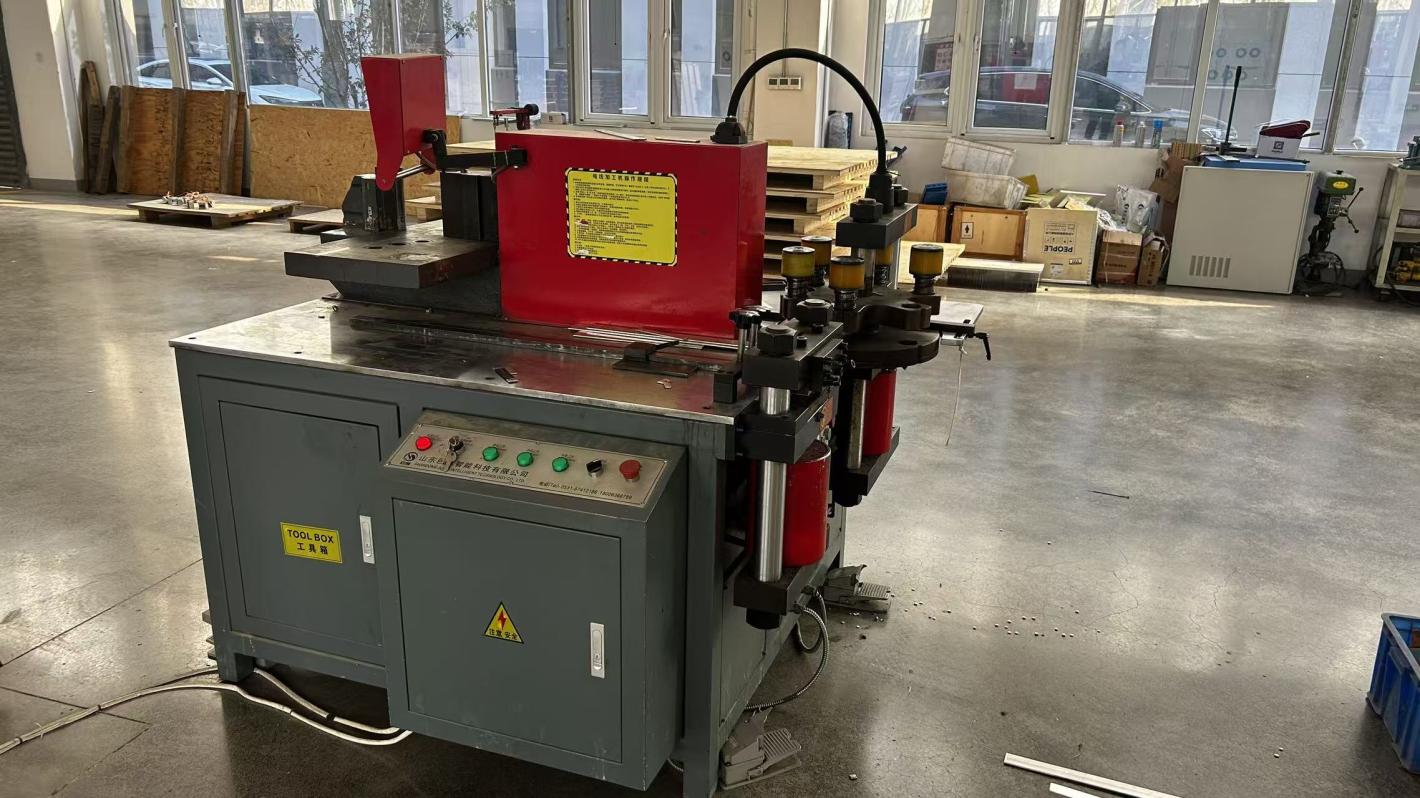
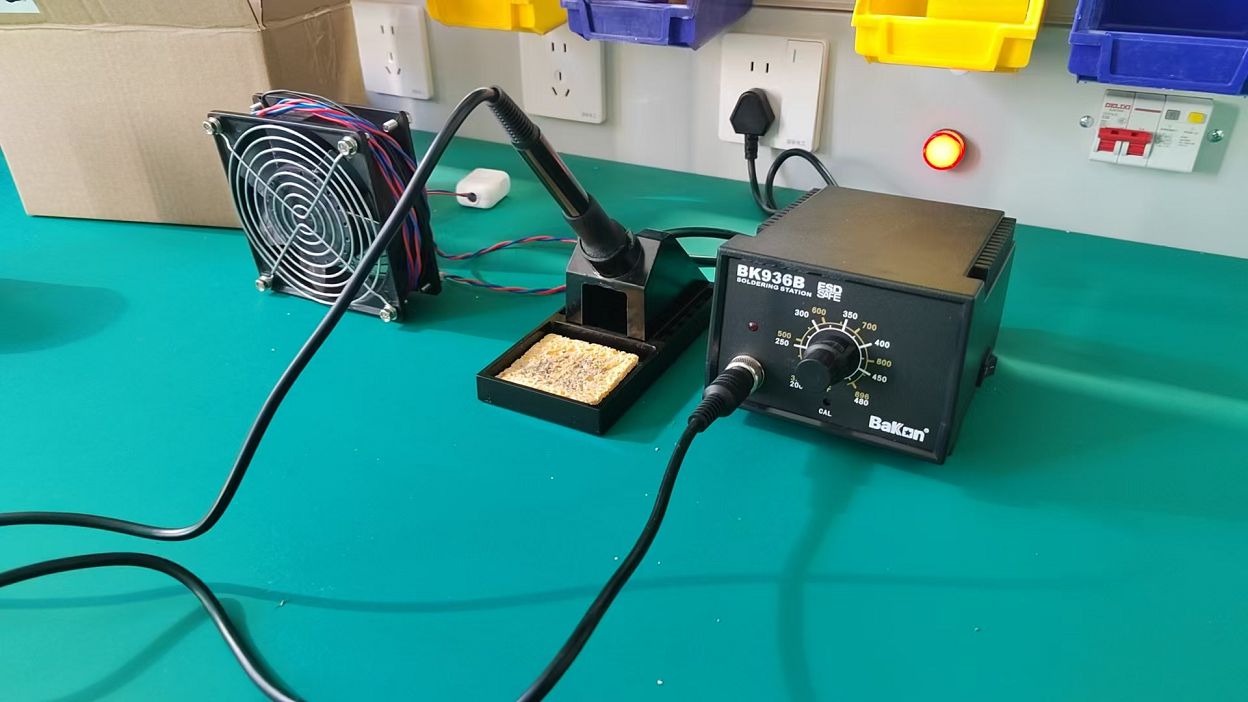
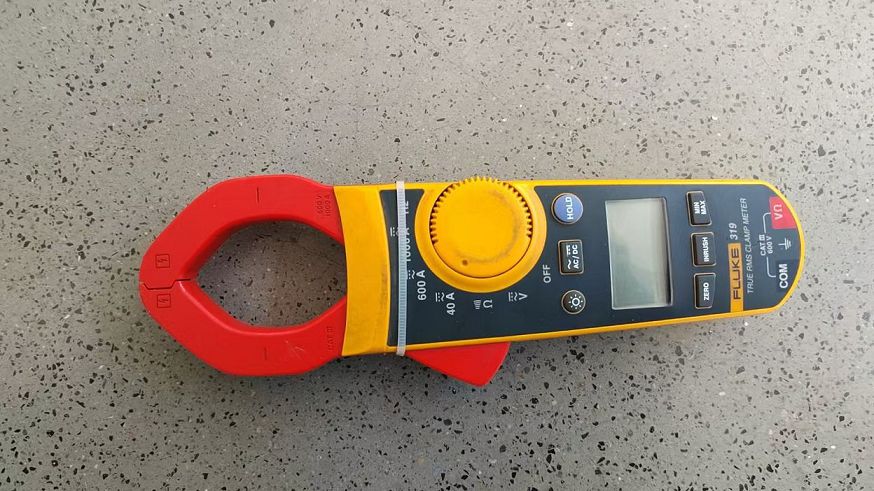
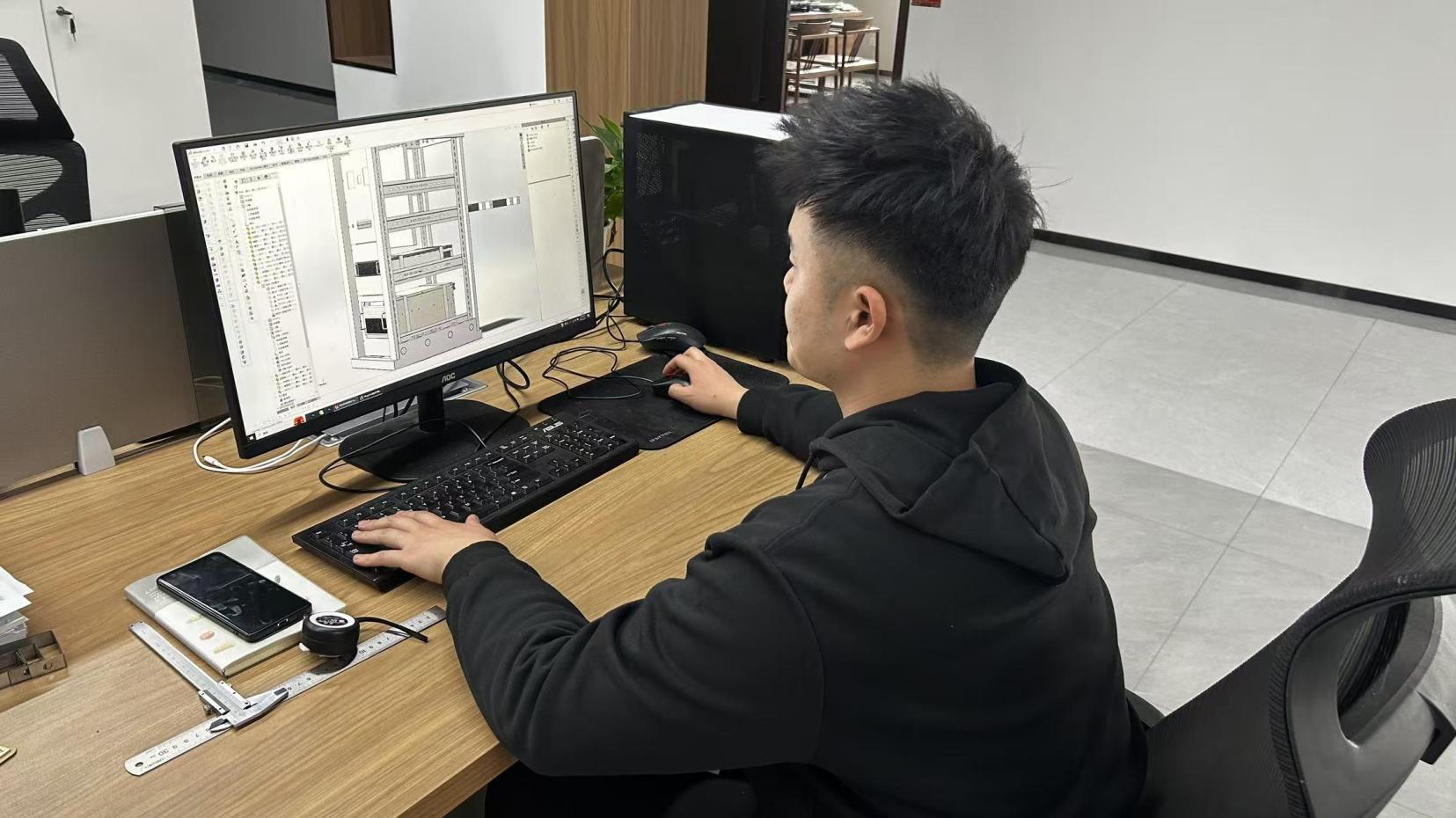
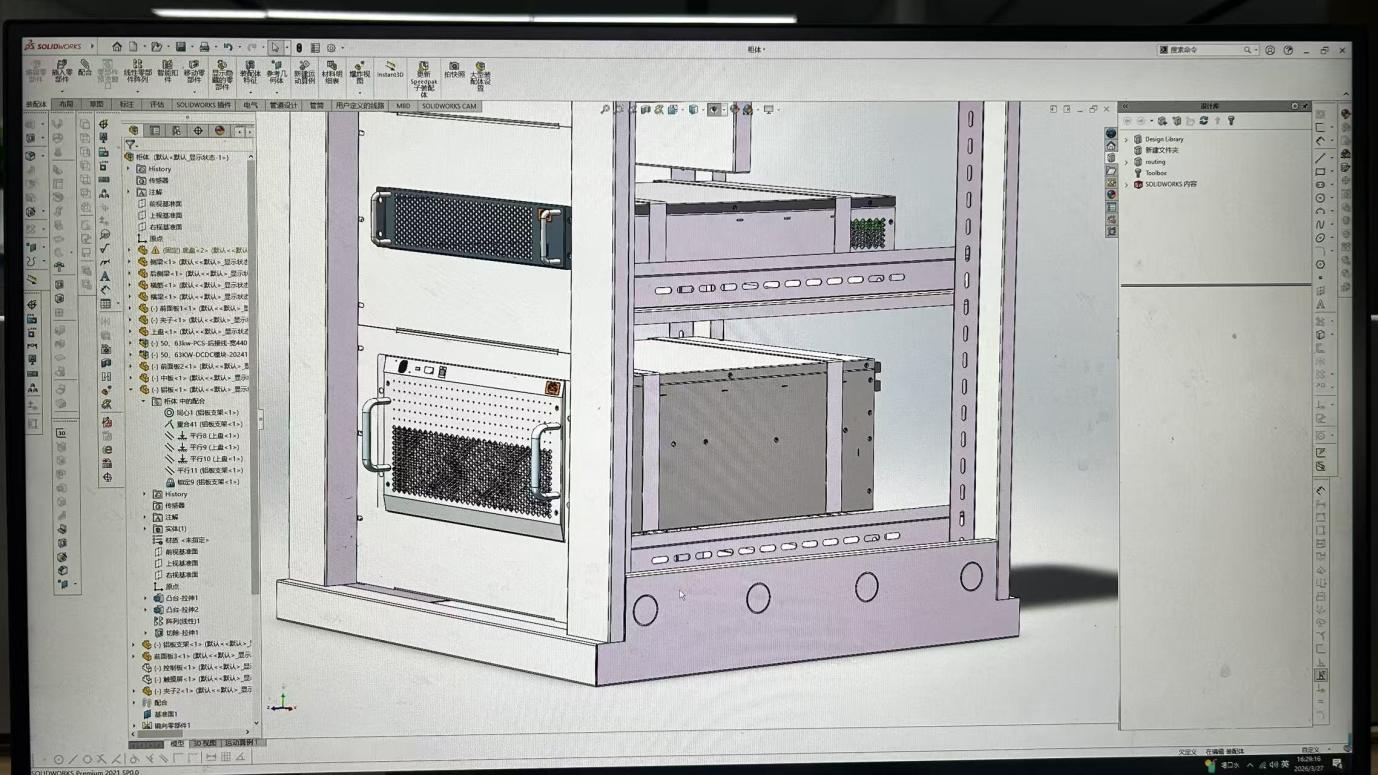
How Jinan Deming delivers cost-competitiveness and technical precision without compromise.
Located in Shandong's heavy industrial and technological corridor, Jinan Deming is backed by an extensive component supply chain ecosystem. From premium copper windings and high-magnetic field stator magnets to specialized semiconductors, we source materials locally with shortened lead times. This geographical proximity reduces inventory overhead, shielding international clients from raw material price shocks and logistical delays.
Unlike rigid mass-production plants, our 16-engineer R&D center operates under an agile customization layout. Whether a UK offshore telecom tower project demands custom 96V/220V dual-output controllers, or a hydrogen fuel cell installation requires non-isolated high-amp triple DC-DC converters, we rapidly produce, bench-test, and refine custom schematics with minimum delays.
Established in 2004, our 20-year footprint in grid and battery simulation systems has yielded a standardized inspection pipeline. Every unit undergoes structural high-voltage load testing, thermal scanning, and simulated resonance evaluation before shipping. Our process ensures that our Chinese manufacturing efficiency translates to long-term reliability in severe North Sea winds.
Optimizing small-to-medium wind energy conversion systems across specific UK climatic and commercial sectors.
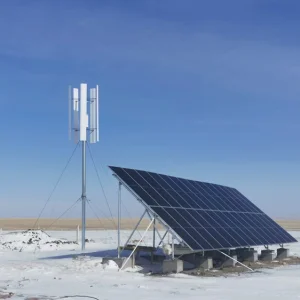
Delivering remote off-grid 5kW to 15kW wind systems combined with solar power to run milking machines, feed systems, and farm estates without relying on weak local grid terminals.
Powering remote monitoring stations, maritime safety arrays, and telecom repeaters using vertical-axis wind turbine controllers that perform reliably in highly turbulent, high-humidity marine conditions.
Integrating large-scale controllers and bidirectional DC/DC converters directly with clean hydrogen electrolyzers, enabling factories to generate fuel using off-peak wind energy.
Standardized 3kW and 5kW MPPT wind turbine kits for UK estates and off-grid eco-homes, utilizing low wind-speed startup dynamics and silent mechanical profiles.
Manage grid compatibility, dump loads, and bidirectional fuel cell architectures with our engineered industrial controllers.
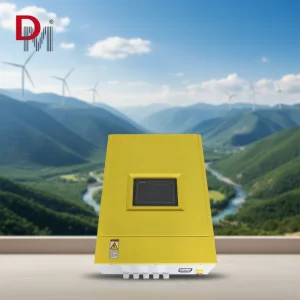
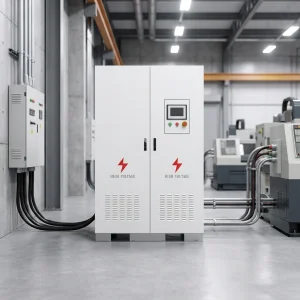
Key technical criteria for engineering directors and procurement specialists purchasing wind control hardware.
For installations in the UK, grid-tied controllers and inverters must strictly adhere to the Energy Networks Association (ENA) G98 guidelines (for systems up to 16A per phase) or G99 guidelines (for larger systems). Jinan Deming designs products featuring active anti-islanding protection, reactive power control capabilities, and programmable over/under voltage trip thresholds to ensure seamless connection approval from local Distribution Network Operators (DNOs) like UK Power Networks or SP Energy Networks.
Wind density changes quickly. Traditional step-MPPT trackers struggle to maintain turbine lock under fast wind gusts, causing energy loss and mechanical strain. Our digital MPPT trackers use real-time wind speed curve mapping. They scan wind energy inputs every milliseconds to adjust the generator load profile instantly. This optimization yields up to 18% higher energy capture in the UK’s typical low-to-medium wind environments.
During winter gales, small and medium wind turbines run the risk of overspeeding. A failure in the dump load resistor controller can destroy the stator coils. Jinan Deming wind controllers feature triple protection: automatic PWM duty-cycle dumping, an electromagnetic brake line, and a manual override switch. These systems protect the turbine even during total grid failure.
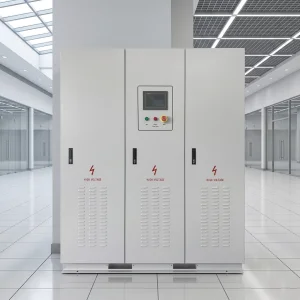
When selecting large bidirectional PCS systems (such as our 300kW unit), isolation transformers are critical for commercial installations. They prevent DC leakage from battery simulators or hydrogen fuel cells from feeding back into the AC grid, minimizing total harmonic distortion (THD <3%) and satisfying industrial clean-power mandates.
Clear, engineering-focused answers regarding wind turbine systems, controller applications, and shipping to the UK.
MPPT (Maximum Power Point Tracking) controllers dynamically monitor and adjust voltage and current outputs to match the turbine's cubic power curve, yielding maximum energy transfer (often 15-20% higher than PWM). PWM (Pulse Width Modulation) controllers act as a direct voltage switch. They are simpler and highly reliable for smaller setups, but they cannot optimize power tracking as wind speeds fluctuate.
Yes. Our larger commercial inverters and controllers are engineered with adjustable protection profiles. This allows installers to configure the over-voltage, under-voltage, over-frequency, and active anti-islanding parameters required to comply with ENA G99 microgrid integration standards.
When wind speeds exceed safety limits or when the battery bank is fully charged, the wind controller diverts excess energy to a high-capacity ceramic dump load resistor. This creates electromagnetic resistance on the generator stator, slowing down turbine rotation and preventing mechanical overspeed damage.
Yes. Our DMDCDC-100KW Triple Output DC/DC Converter is specifically designed for hydrogen fuel cell systems, offering transformerless isolation, a wide input range of 100V-1500V, and up to 1000A support. This makes it ideal for clean-energy industrial microgrids.
Standard wind controllers and PV boxes ship within 15–20 business days. Custom high-power bidirectional PCS systems, battery simulators, or heavy-duty frequency controllers require 30–45 days for engineering customization, testing, and ISO calibration, followed by sea freight (approx. 30–35 days to UK ports like Felixstowe or Southampton) or air freight for urgent projects.
Complete your hybrid wind system with our range of high-efficiency controllers, charge converters, and industrial bidirectional PCS units.
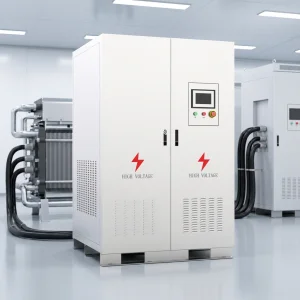
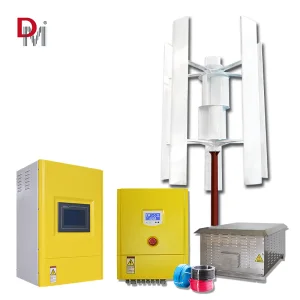
Connect directly with our senior engineering team to get tailored system wiring diagrams, custom specifications, G99 grid compliance assessments, and wholesale pricing terms.
Send Inquiry Now Demin Power