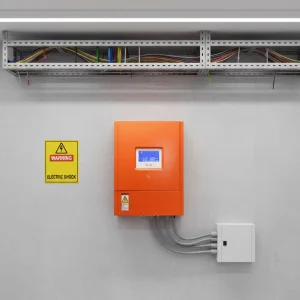
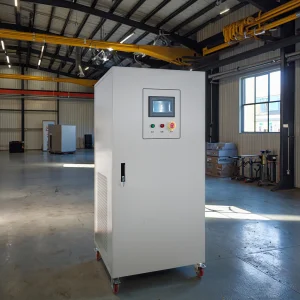
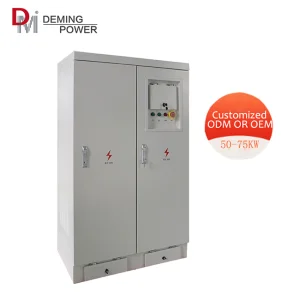
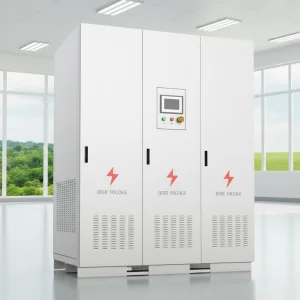
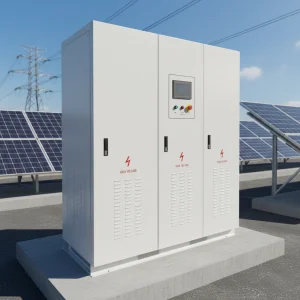
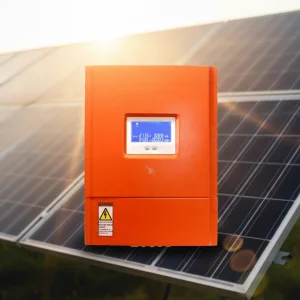
Explore our high-efficiency AC/DC converters, off-grid power systems, and intelligent regulators designed for harsh industrial deployment.
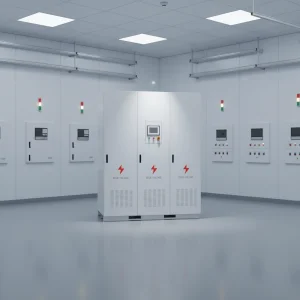
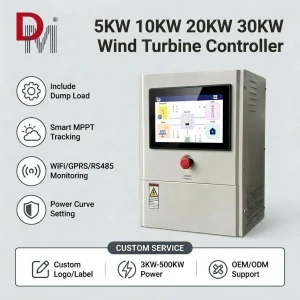
The modern industrial environment is in the midst of a massive transition toward high-density power topologies, microgrid infrastructures, and bidirectional energy conversion. At the center of this transformation lies the industrial AC power supply. Today’s industrial networks demand far more than basic step-down voltage transformation; they require high-precision, low-harmonic distortion (THD), and exceptionally efficient grid regulation mechanisms. Industrial plants, heavy manufacturing facilities, and utility testing complexes require robust AC-DC systems to support high-duty-cycle loads, protect sensitive control circuits, and process feedback energy.
As renewable integration reaches utility levels, grid instability is becoming an inherent operational challenge. High-power AC-DC converters, dynamic voltage regulators, and variable frequency converters now serve as active stabilizers. For instance, in automated semiconductor testing, vehicle-to-grid (V2G) systems, and aerospace component testing, the power quality must be tightly managed. High input-voltage variations, complex reactive power demands, and severe environmental stresses mean that components must be engineered to withstand continuous load steps and thermal cycling.
Furthermore, the shift from traditional linear power conversion to digital control loops enables smarter monitoring and real-time configuration. Industrial operators are replacing standard passive components with software-defined power blocks that feature predictive fault detection, digital bus interfaces (such as EtherCAT, Modbus TCP, and CAN), and dynamic power factor correction. This transition reduces operational downtime and increases energy savings, making high-efficiency power converters a vital component of modern industrial operations.
For global design engineers and procurement executives, regulatory compliance is the ultimate foundation of reliability. Within the European Economic Area (EEA) and global markets that follow harmonized standards, CE Certification is not just a regulatory marking—it is a guarantee of system safety, electromagnetic compatibility (EMC), and robust engineering.
In high-voltage power electronics, CE compliance dictates that the AC power supply adheres strictly to two primary directives:
Industrial AC Power conversion units must meet strict THD limits (under EN 61000-3-2/12) to protect grid transformers from heating due to harmonics, while maintaining high galvanic isolation ratings (minimum 3kV AC) to safeguard control networks.
By sourcing from a CE-certified manufacturer, global enterprises protect their equipment from common failures, mitigate liability risks, and ensure smooth installation. CE compliance serves as a concrete indicator of a manufacturer's engineering quality, showing that the company's design teams, thermal test chambers, and component selections meet demanding international criteria.
Established in 2004, Jinan Deming Power Equipment Co., Ltd. is a nationally recognized high-tech enterprise specializing in the research, development, and manufacture of renewable energy power equipment, high-power converters, and advanced power testing solutions. Guided by strict quality control standards, the company holds ISO9001:2015 certification and has been repeatedly recognized as a high-tech enterprise by the Chinese government (2015, 2018).
At the core of Deming's technical advantage is its R&D team of 16 engineers, which includes doctoral supervisors and master’s degree holders. To maintain its technology leadership, Deming consistently invests no less than 20% of its annual sales revenue back into technology development. This continuous funding has driven the completion of 17 R&D projects over the past three years alone, successfully transforming 16 scientific and technological breakthroughs into commercial industrial products.
Deming’s systems are deployed in more than 120 countries, including Germany, Japan, the United States, the UK, Canada, Australia, and Brazil. This global presence includes long-term partnerships with Fortune 500 companies who rely on Deming's engineering quality, custom designs, and manufacturing reliability. The company's core product portfolio covers wind and solar controllers, industrial frequency converters, high-efficiency AC/DC converters, and high-power bidirectional DC test power supplies and battery simulators ranging from 150kW to 500kW.
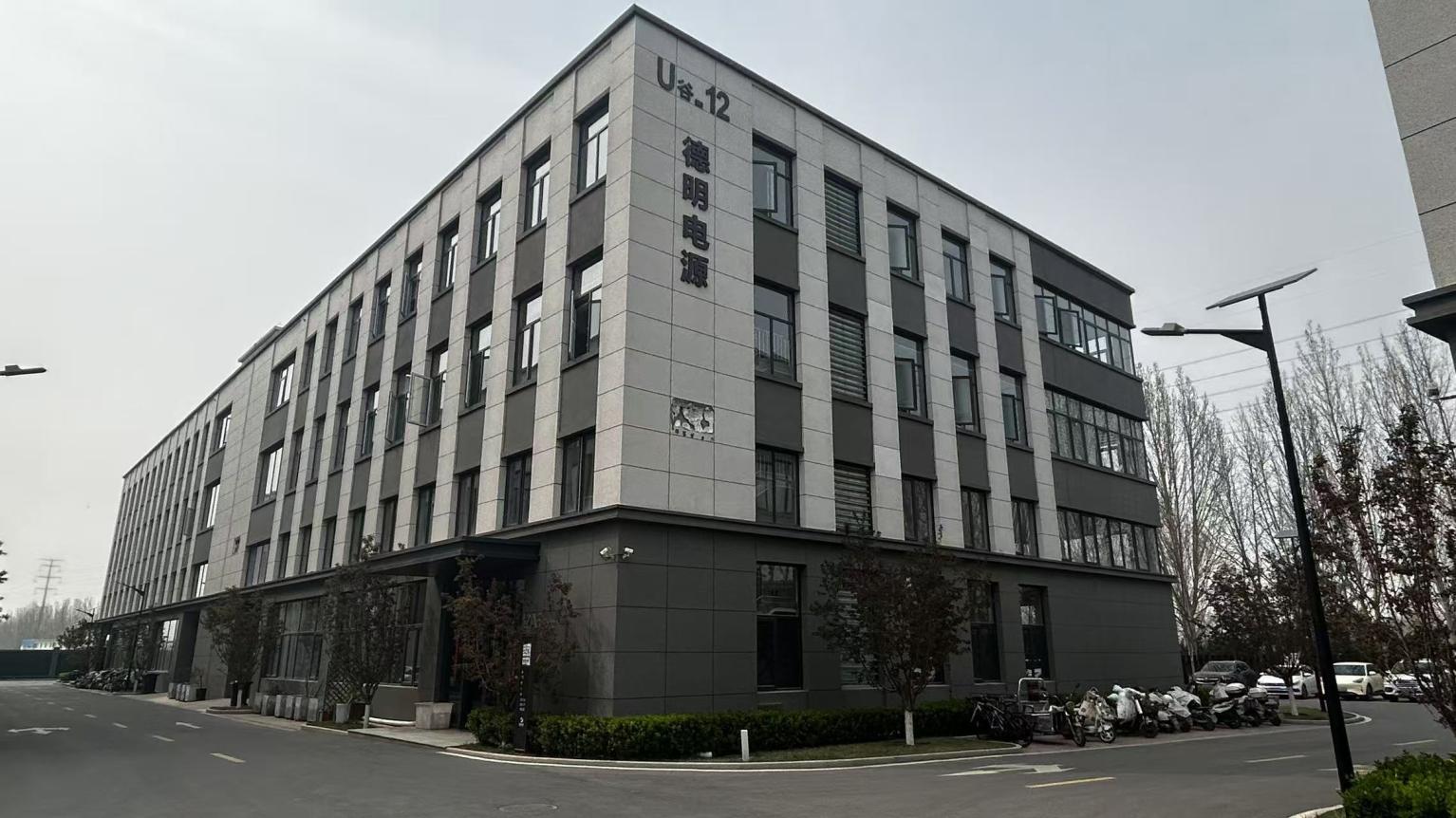
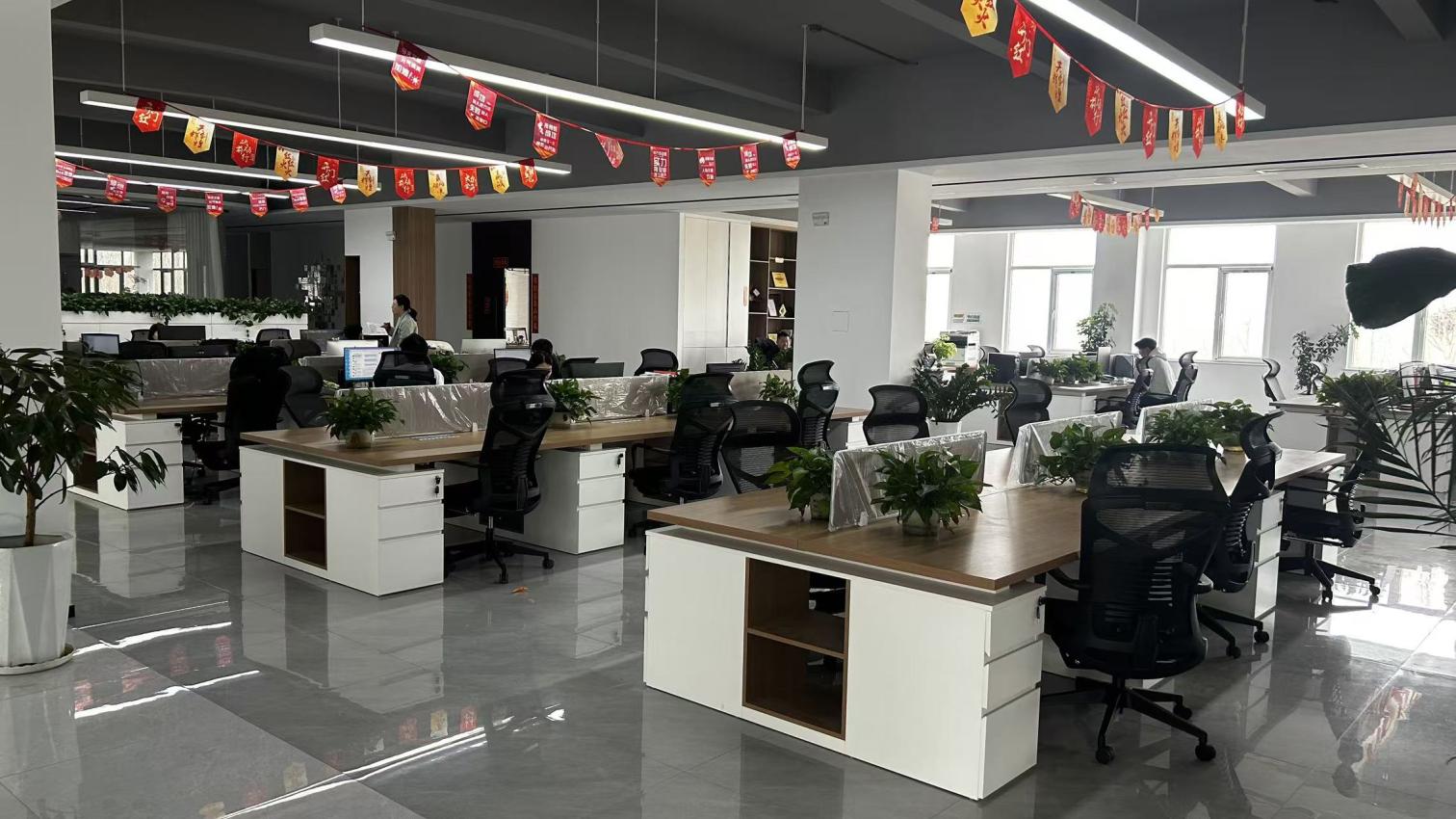
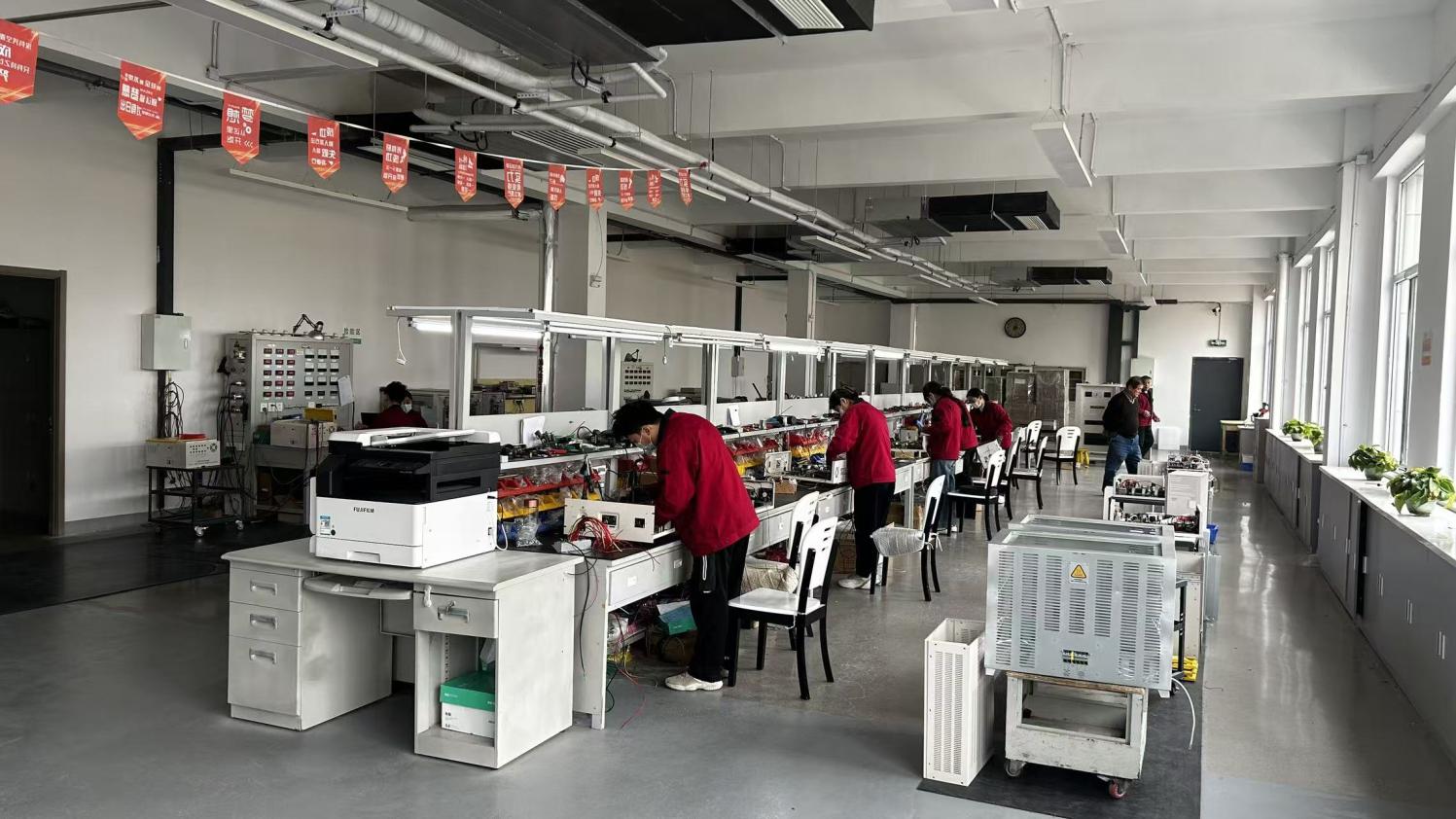
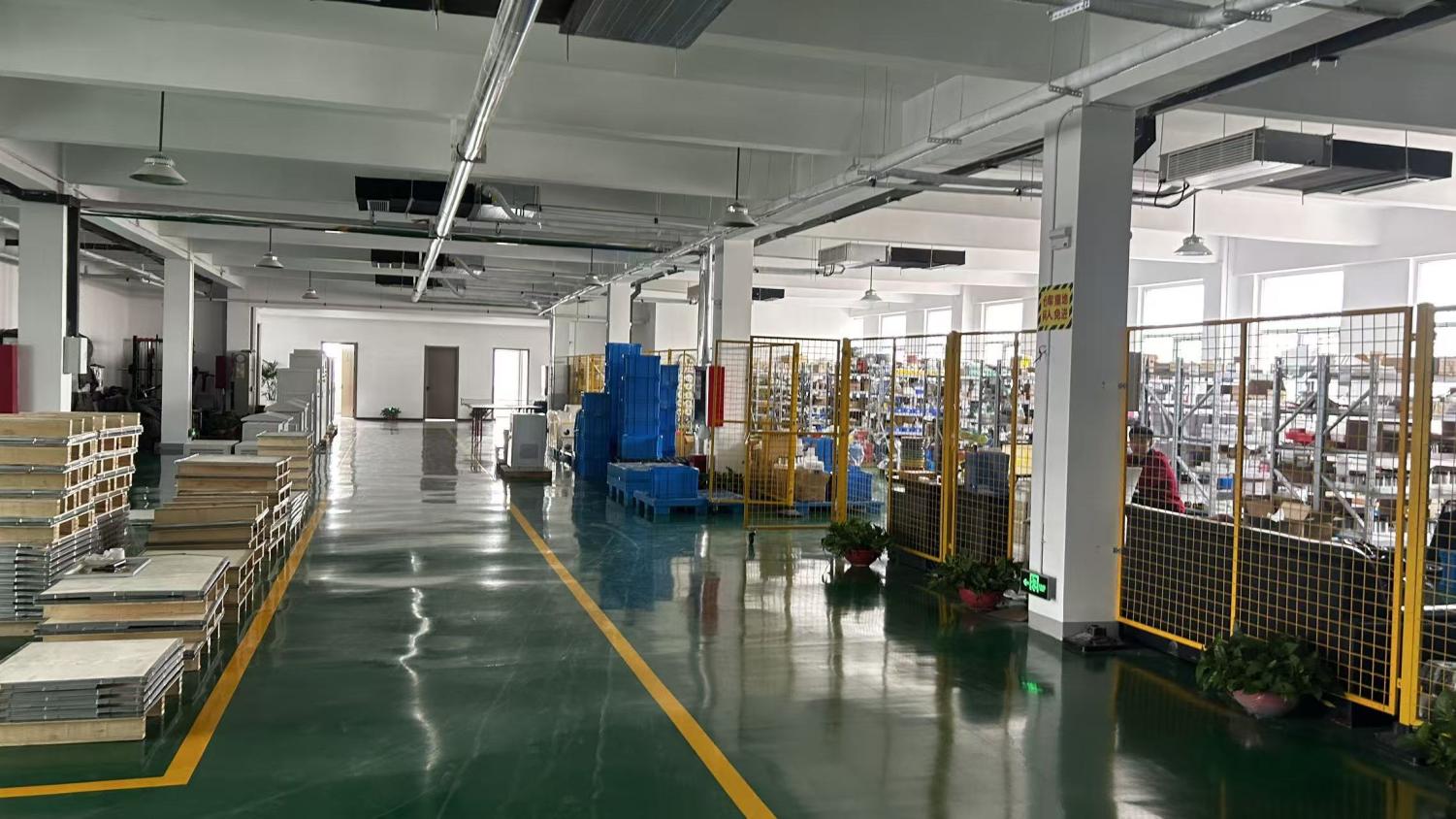
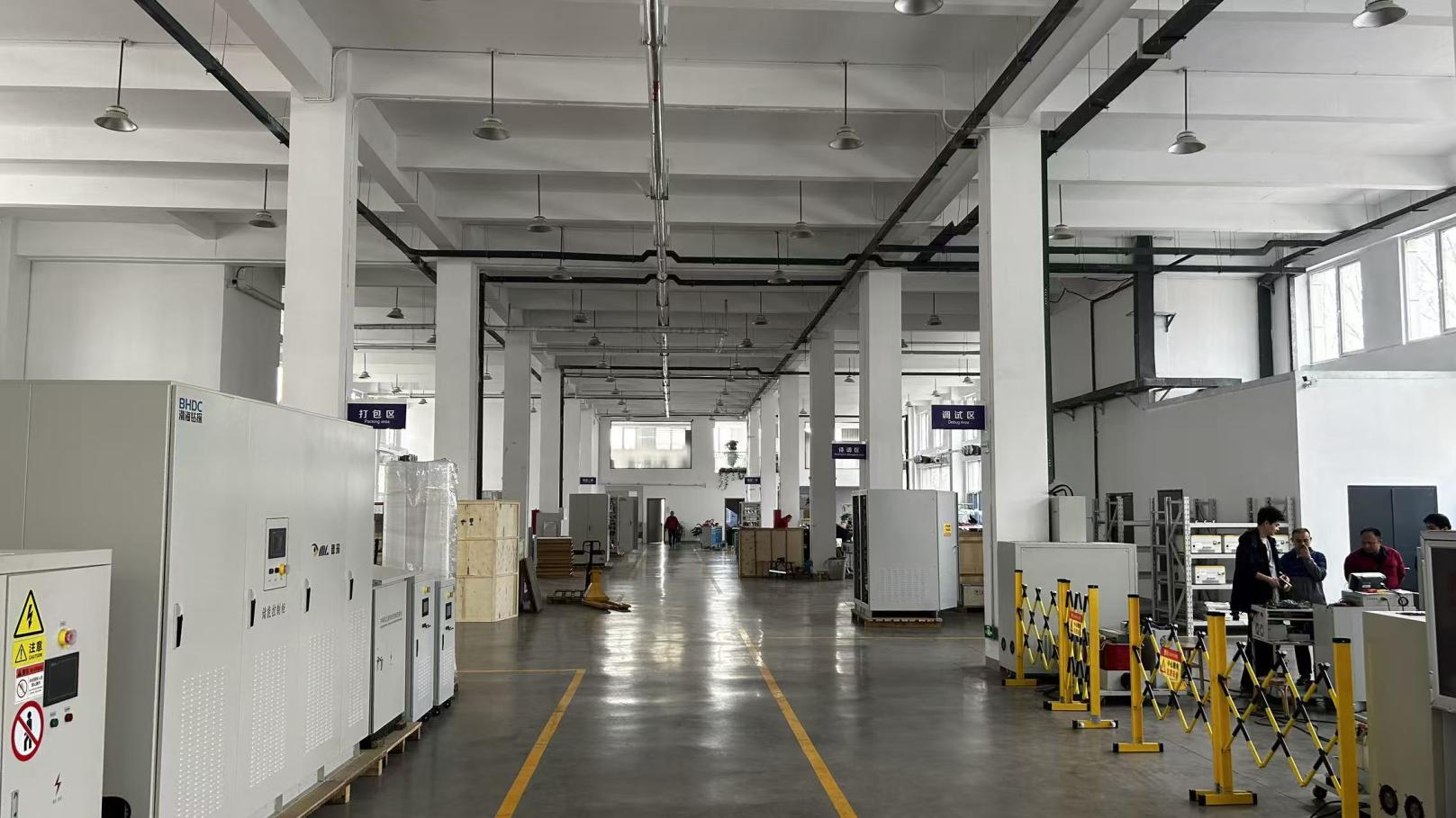
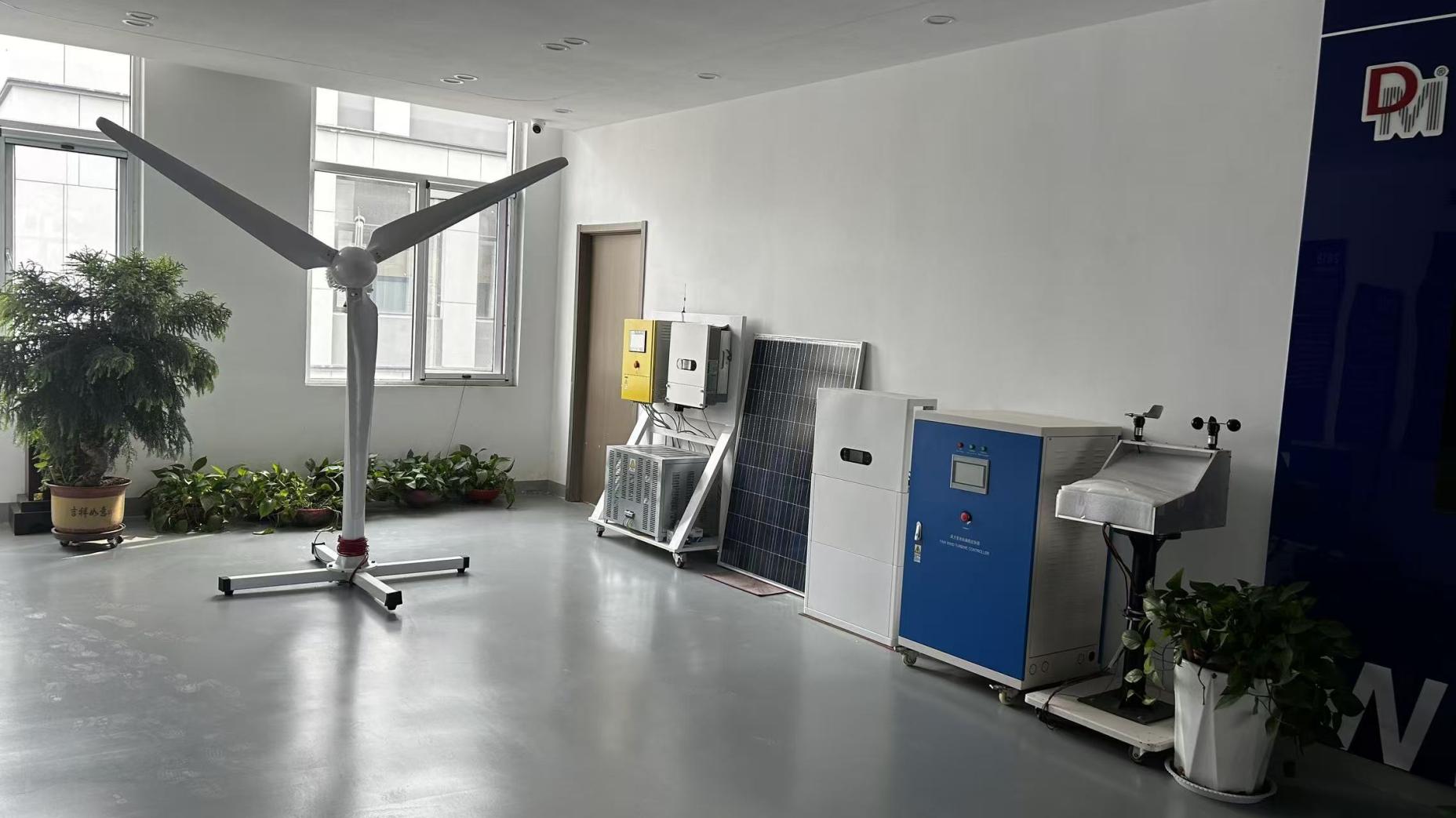
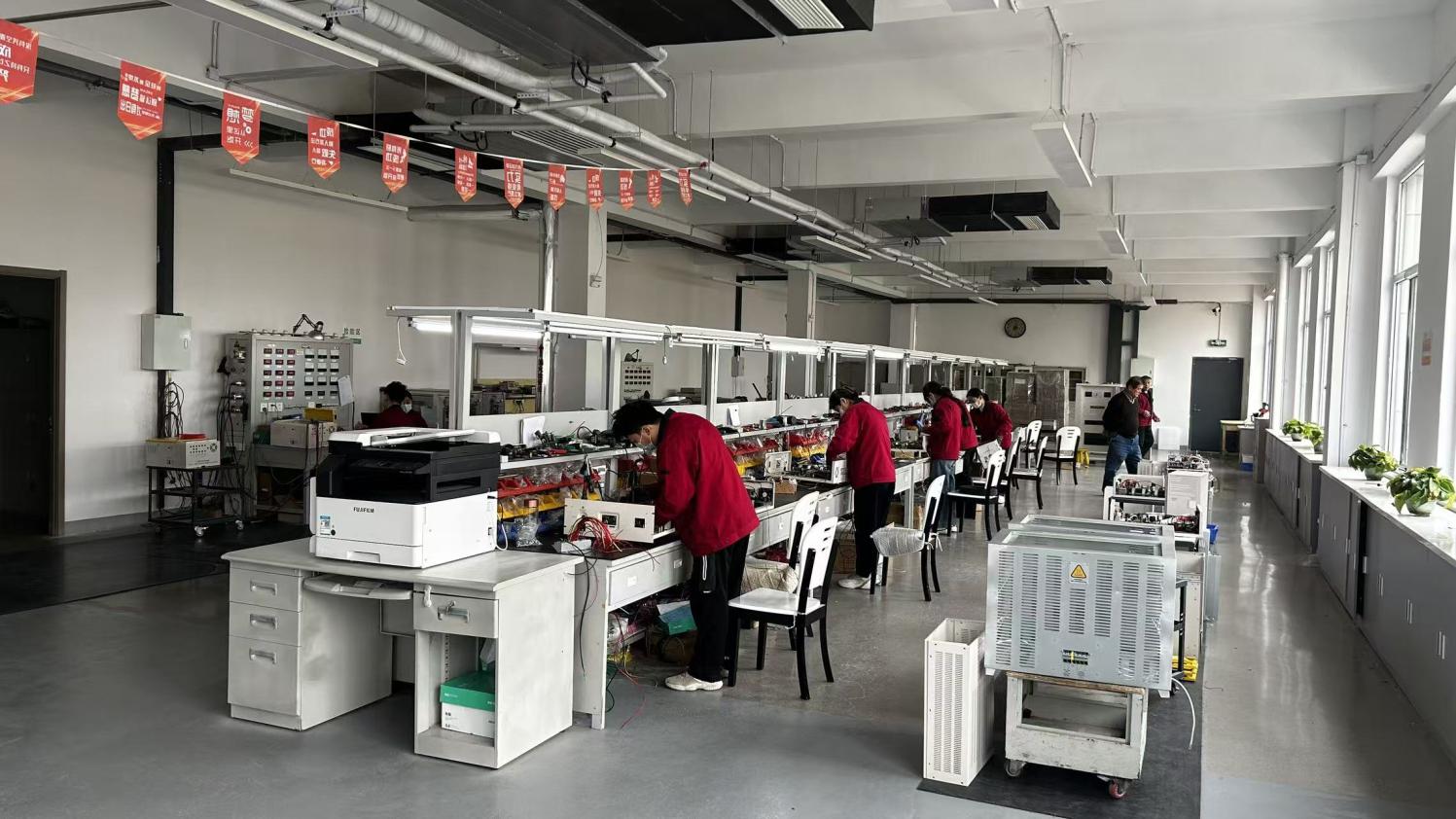
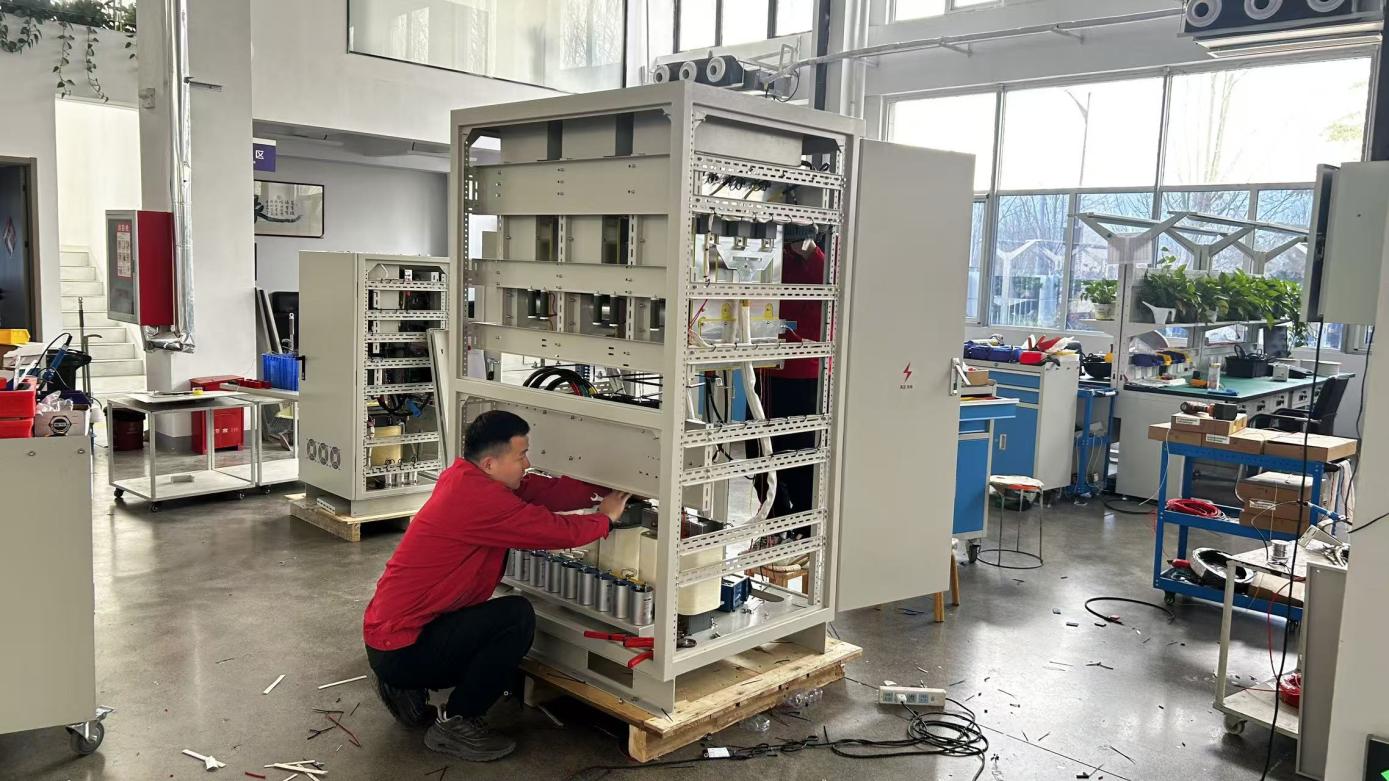
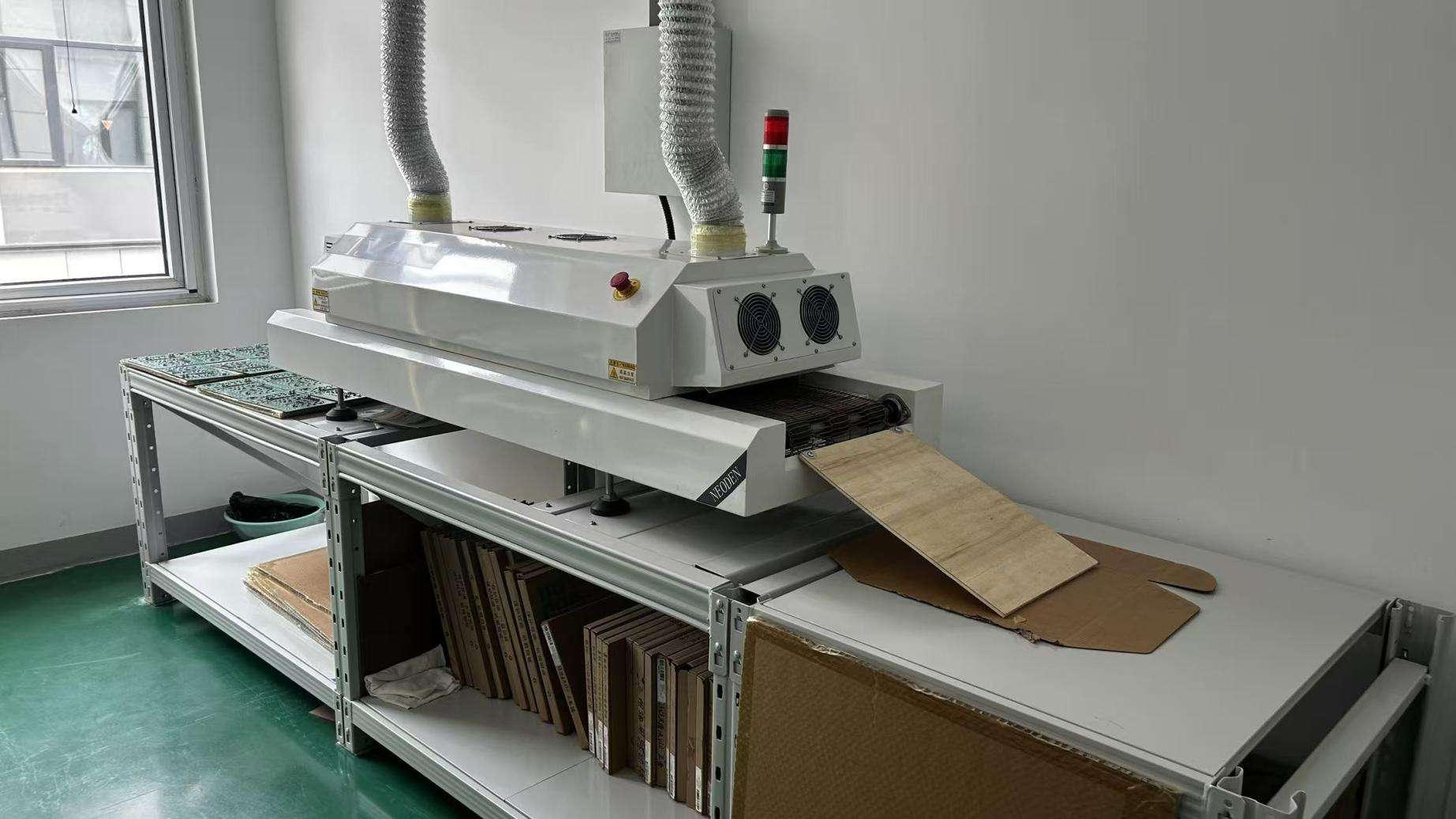
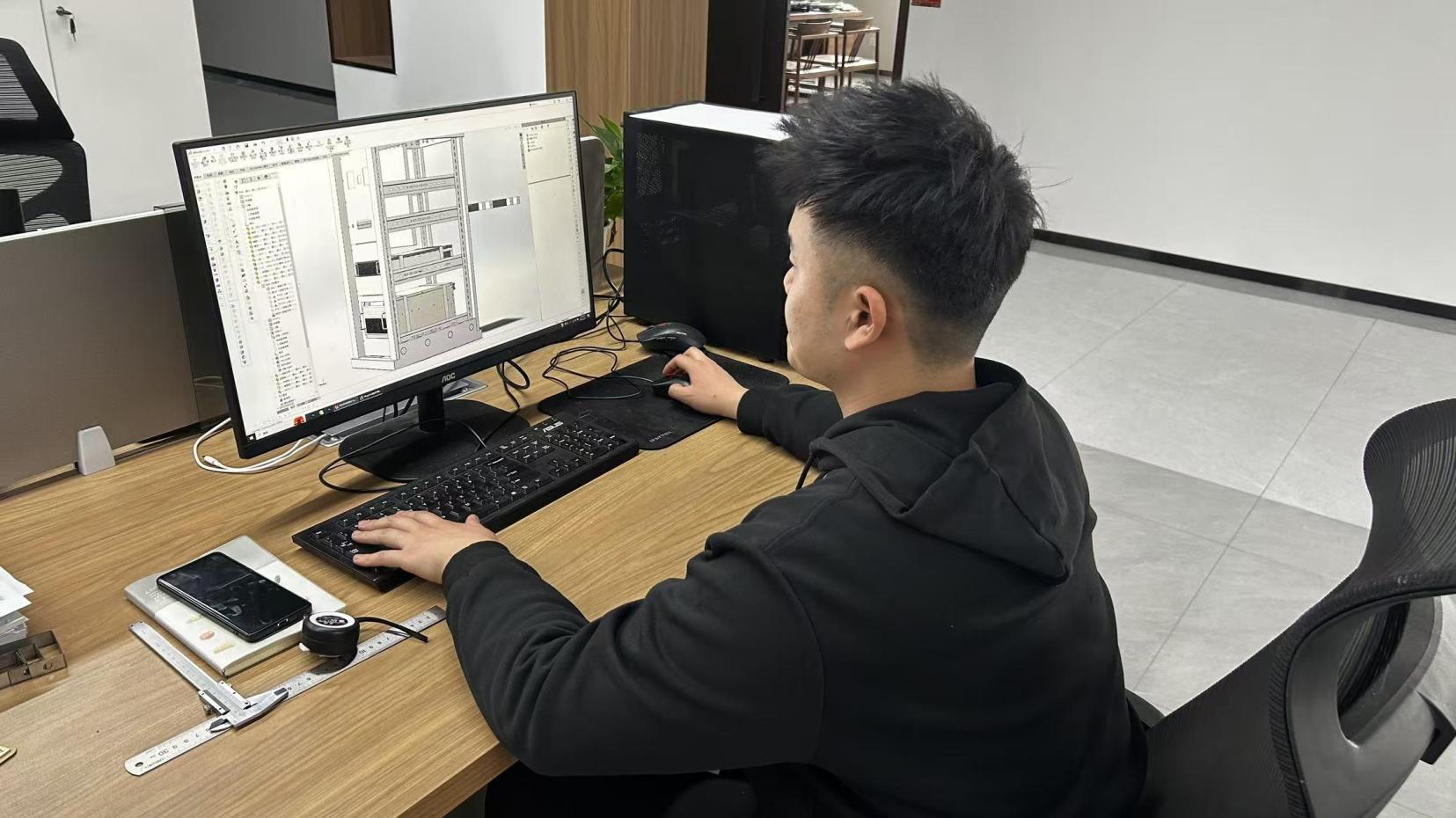
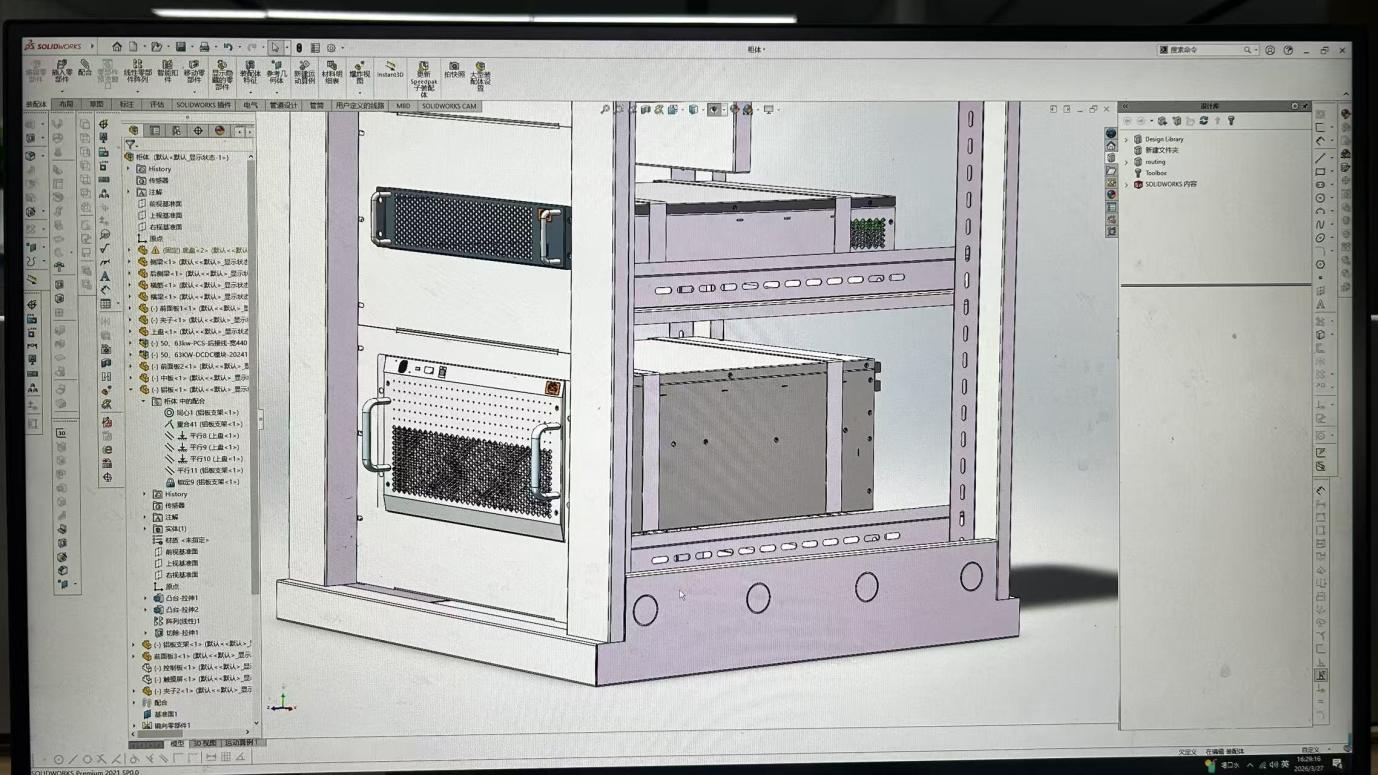
China’s industrial advantages in power electronics extend beyond raw manufacturing capacity to include complete supply chain integration, fast prototyping, and structured quality control workflows. At Jinan Deming, this efficiency is reflected in our vertical integration: from high-precision PCBA reflow soldering and heavy-duty busbar bending to advanced digital signal processing (DSP) debugging and load-chamber testing.
By maintaining design, component mounting, assembly, and thermal verification under one roof, we eliminate intermediate delays and ensure consistency across manufacturing batches. Every step is fully documented under ISO9001:2015 protocols, ensuring that large-scale production matches our original design specifications.
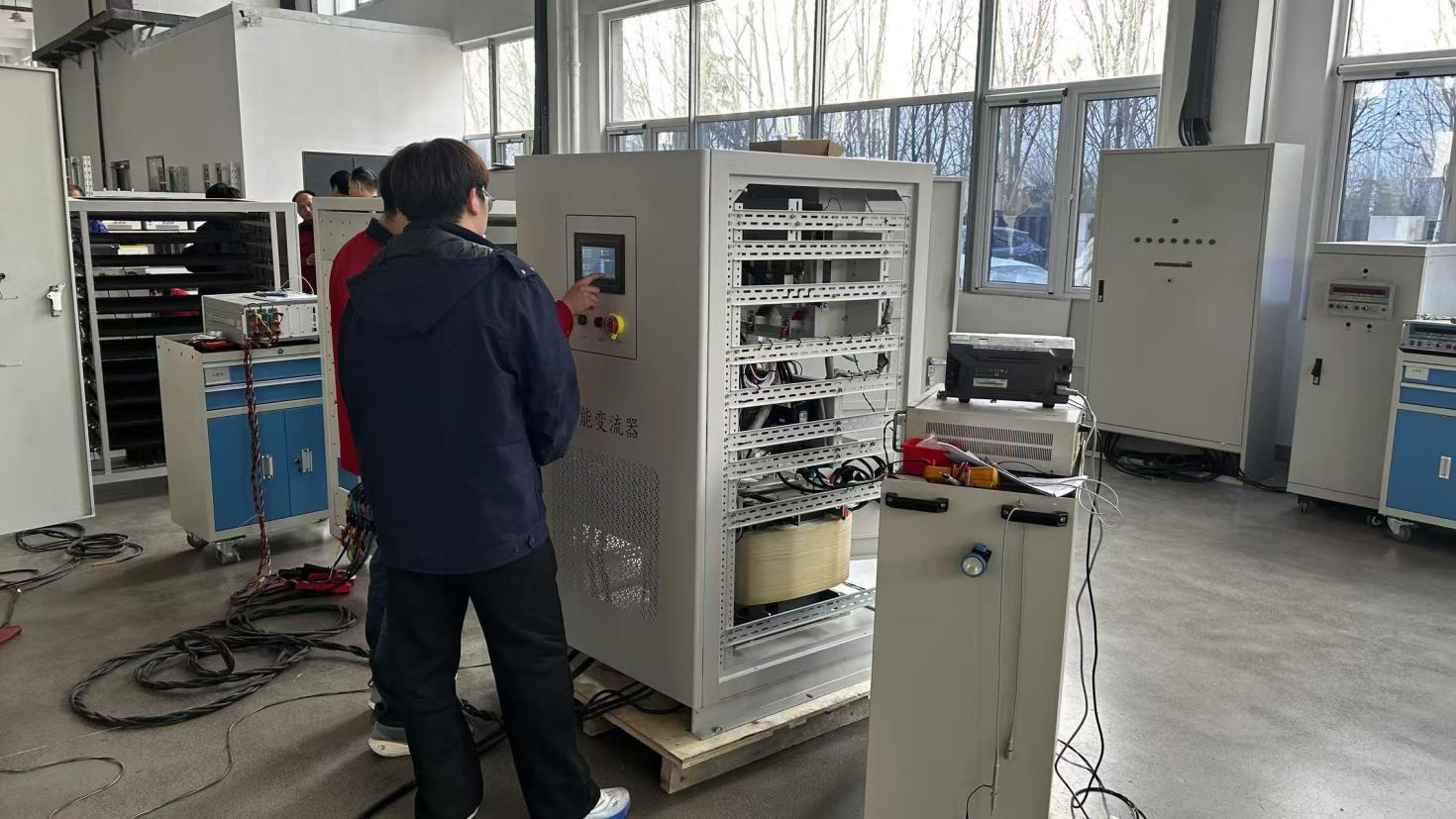
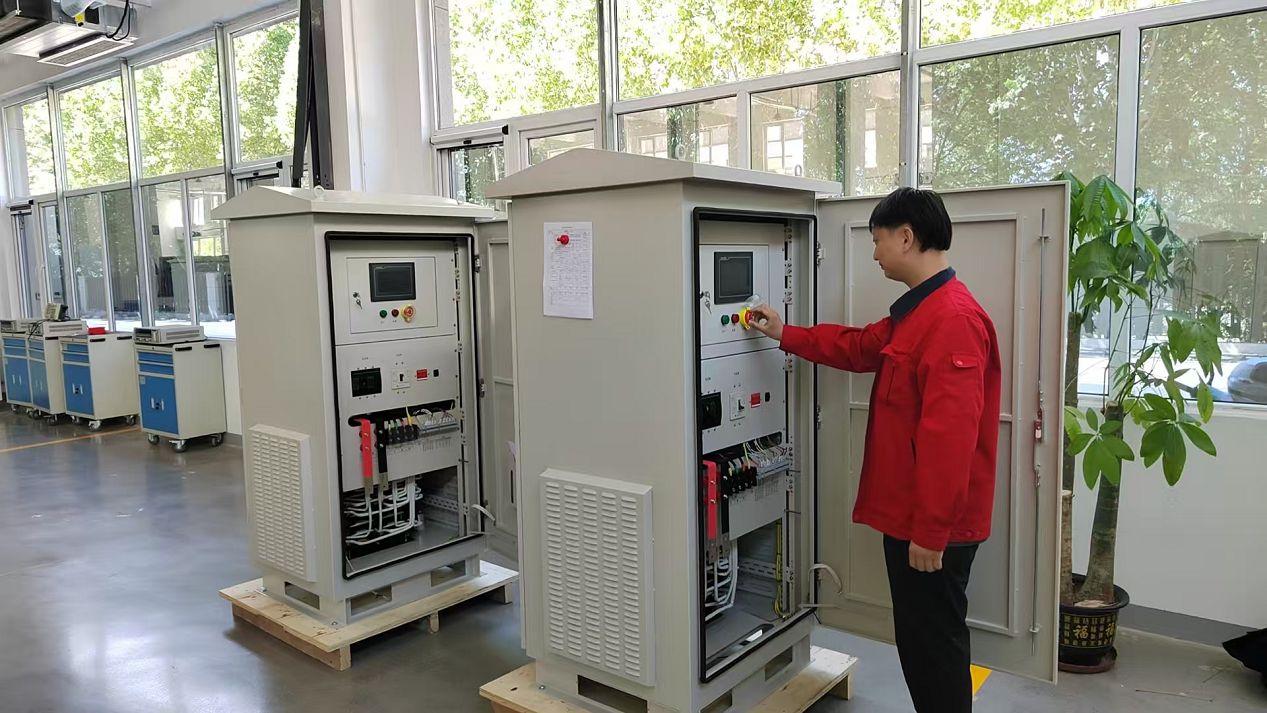
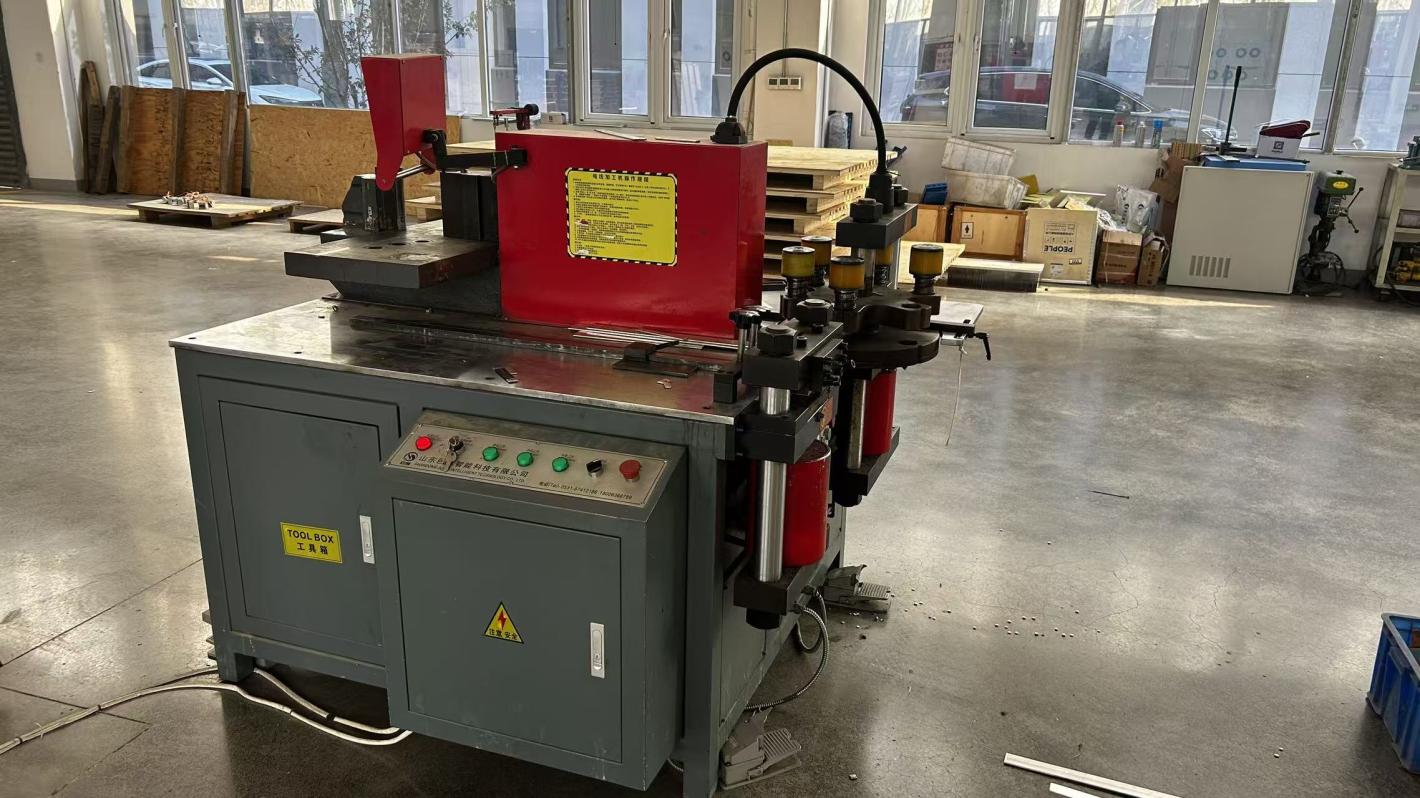
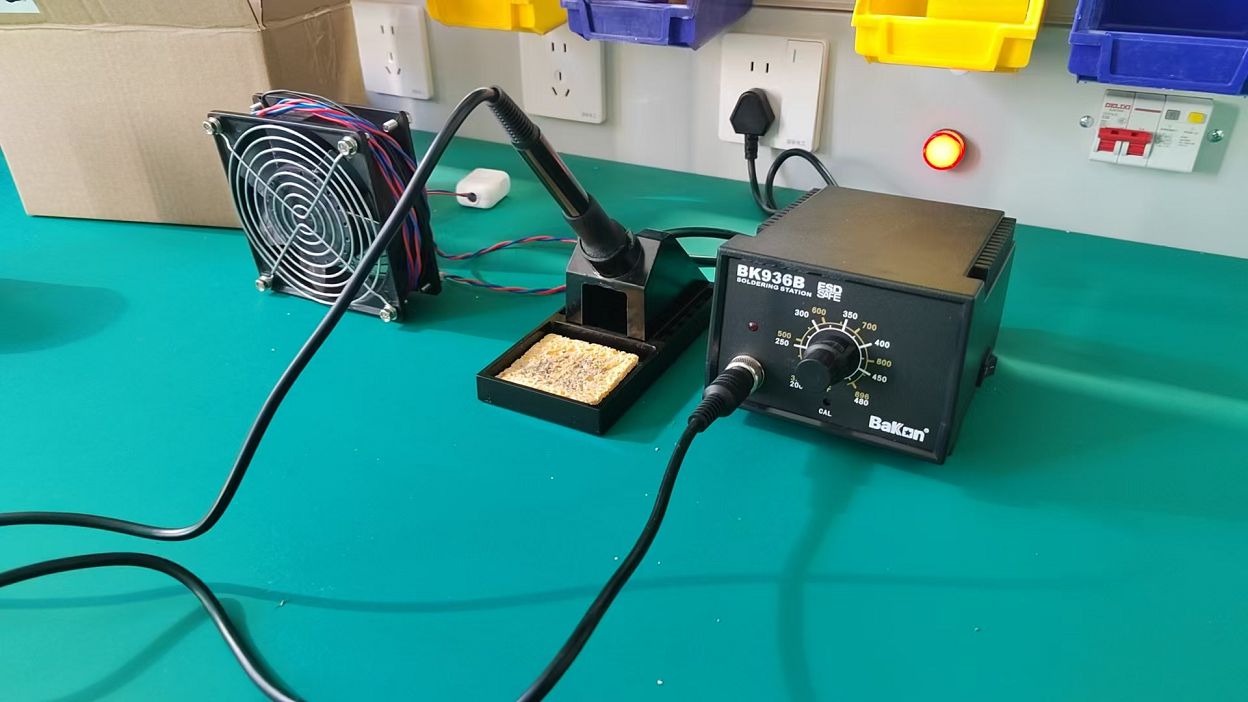
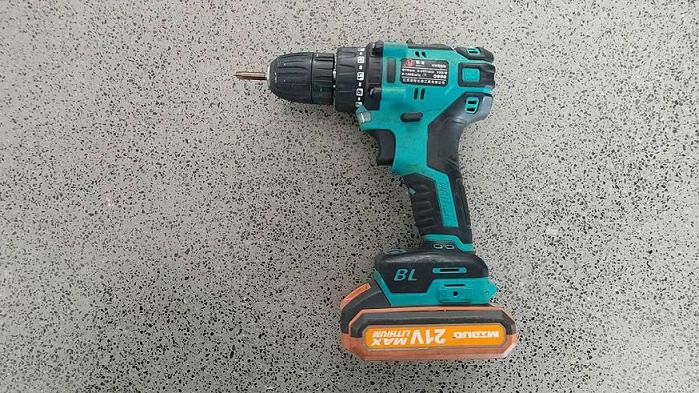
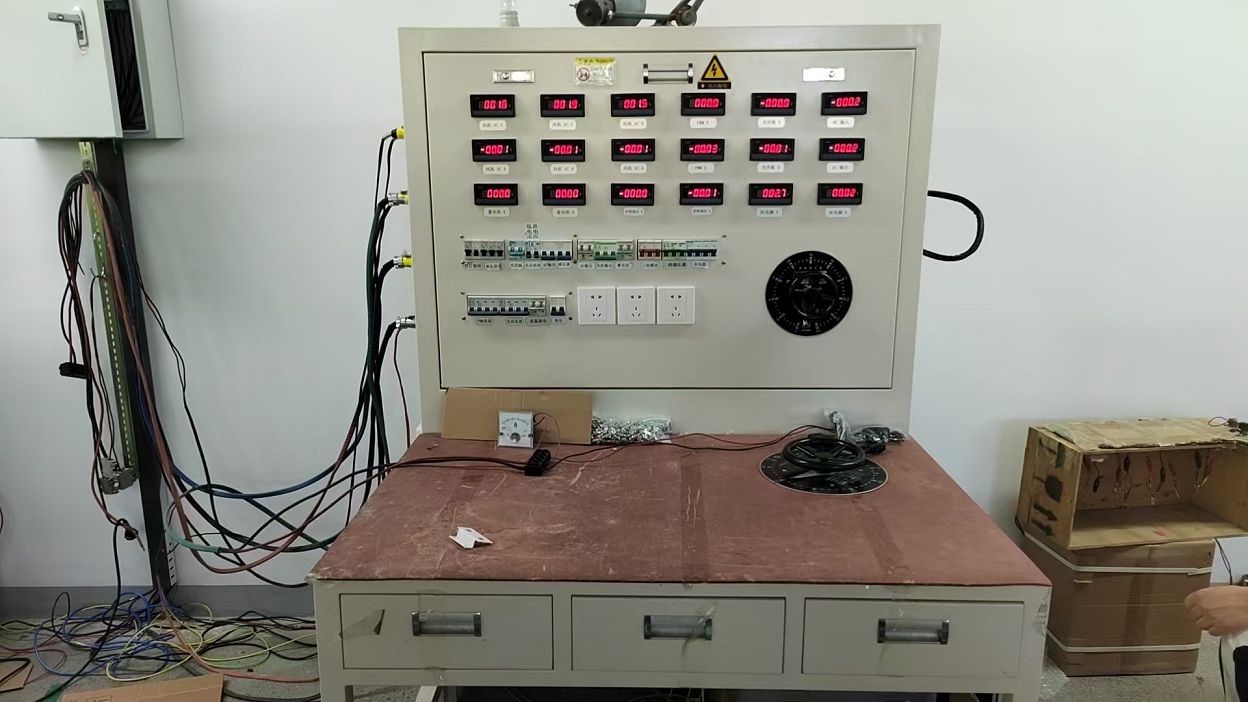
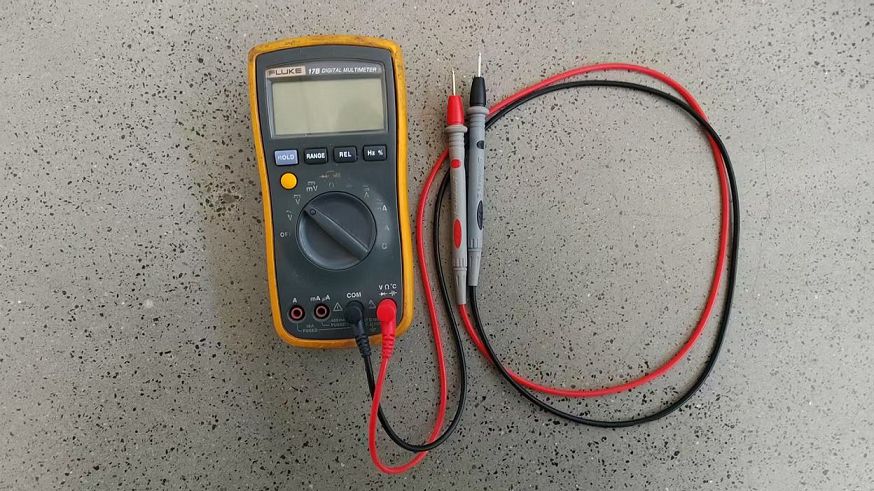
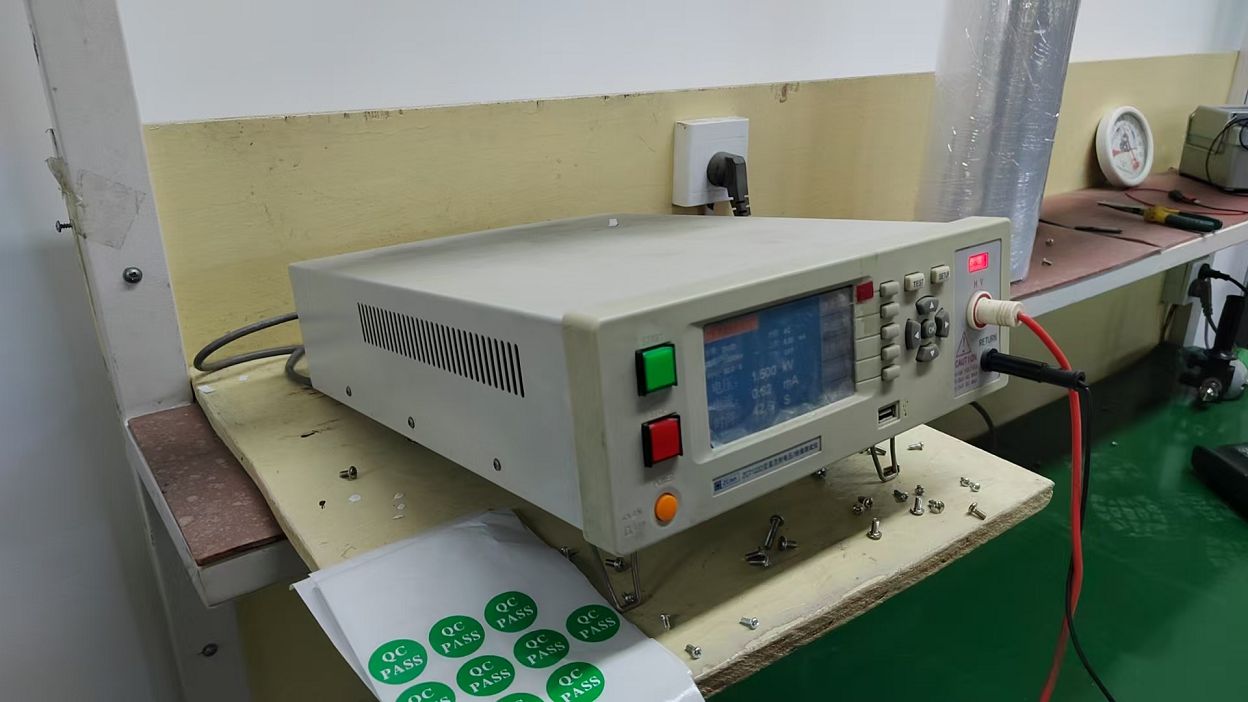
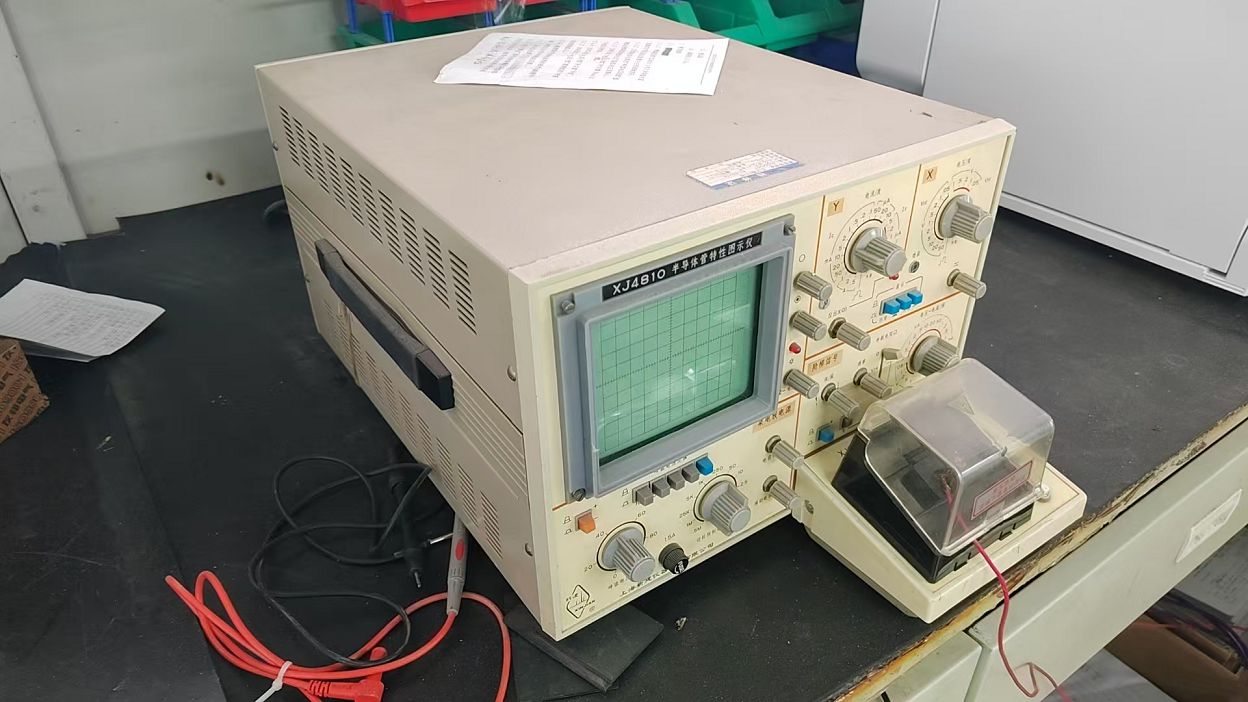
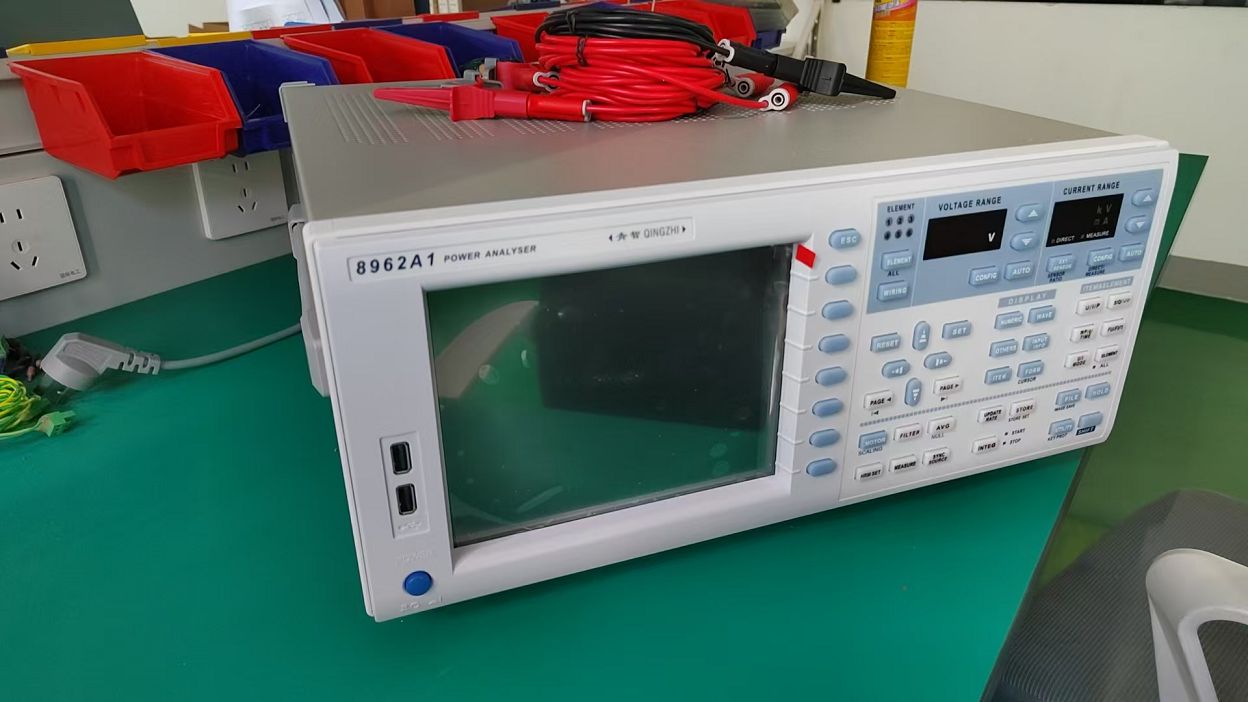
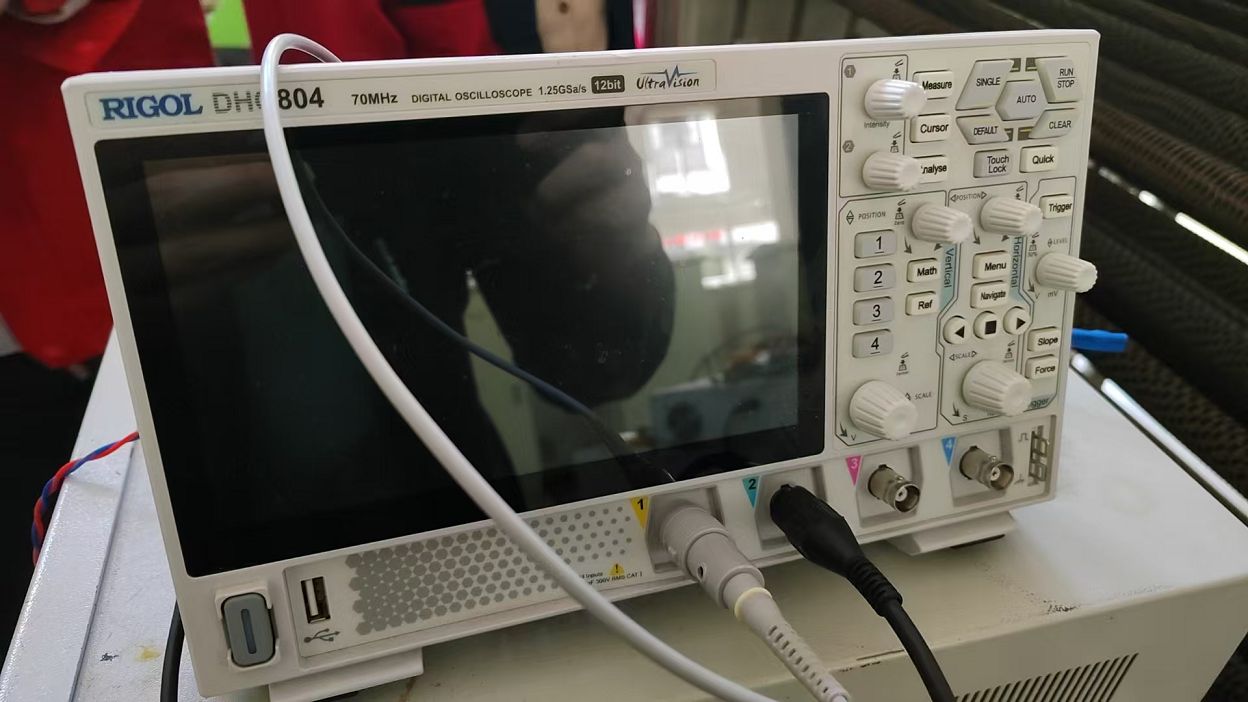
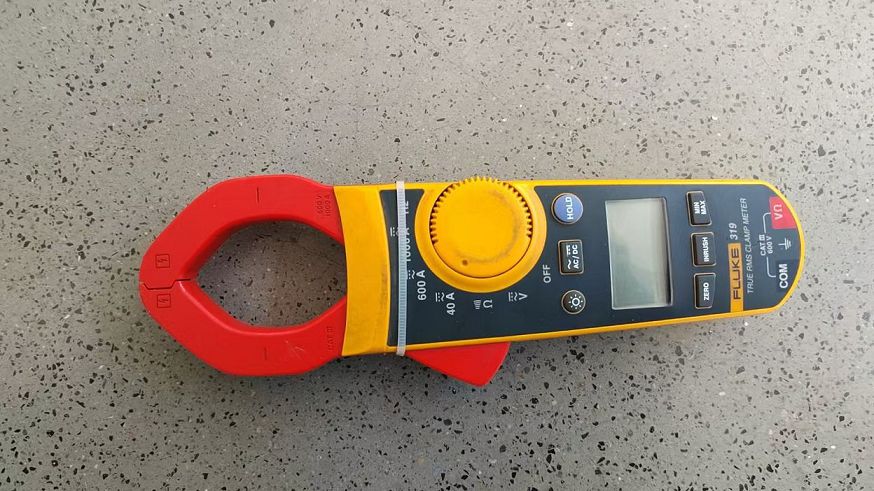
High-power electronics require careful validation to guarantee safety and performance. Jinan Deming utilizes advanced diagnostic and metrology instruments to evaluate everything from semiconductor switching characteristics to high-voltage insulation under extreme conditions.
Our development labs use semiconductor curve tracers to match switching components, digital storage oscilloscopes to capture transient events, and dedicated power quality analyzers to ensure low total harmonic distortion (THD). This rigorous validation process helps protect connected industrial equipment from line disturbances and electrical noise.
Industrial power conversion requires targeted engineering for specific operating environments. Jinan Deming power equipment is built to handle the unique demands of three core application areas:
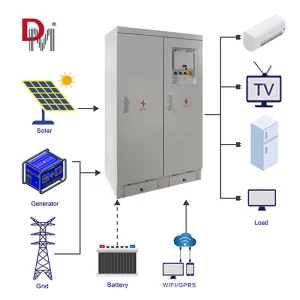
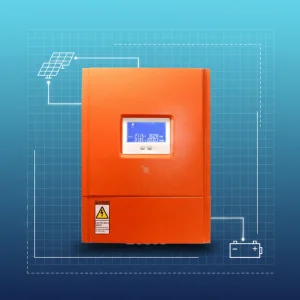
Managing the irregular power generated by wind and solar farms requires fast, stable control. Deming’s hybrid controllers and high-power regulators stabilize voltage and frequency variations, protecting local storage systems and ensuring clean power delivery to the grid.
Testing automotive drivetrains and battery packs requires precise charge-discharge emulation. Our bidirectional DC test power supplies operate as regenerative source-sink systems, returning up to 95% of tested energy back to the local AC utility grid.
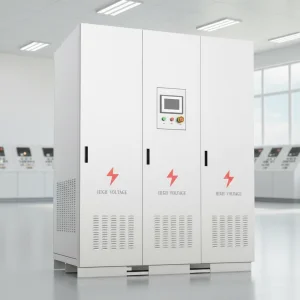
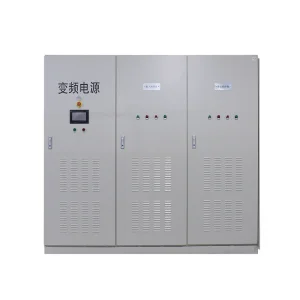
Heavy machinery and robotics generate significant transient feedback. Our three-phase triple output converters isolate these loads, preventing line drops and voltage sags from affecting precision instrumentation on the same shop floor.
Selecting the right topology is critical for maximizing system efficiency and equipment lifespan. The table below details key performance metrics across our primary power system designs, helping engineering teams align specifications with application demands.
| Power Topology Type | Standard Voltages | Peak Efficiency | Primary Application | Key Features |
|---|---|---|---|---|
| 3-Phase Sine Wave AC/DC | 380V - 480V / 850V AC | 99% Efficiency | Heavy Machinery & Off-grid Power | Triple outputs, ultra-low THD, OEM customization |
| High-Power Bidirectional PCS | 150kW - 500kW Bidirectional | >98.5% Efficiency | Energy Storage Systems (ESS) | Regenerative grid-tie, sub-millisecond response |
| MPPT Solar/Wind Hybrid | Up to 800V DC Input | >99% Controller Eff. | Hybrid Microgrid Infrastructure | Lithium compatible, built-in dump load regulation |
| Pure Sine Wave Off-Grid | 3-Phase 380V Output | 97.5% Efficiency | Remote Telecom & Solar Pumps | Mitsubishi IGBT modules, isolated transformer output |
The power electronics industry is moving rapidly toward wider adoption of wide-bandgap (WBG) semiconductors, specifically Silicon Carbide (SiC) and Gallium Nitride (GaN). These materials allow for higher switching frequencies, which reduces the size of magnetics (transformers and inductors) while pushing converter efficiencies to 99% and above. For large facilities, even a 1% increase in efficiency can translate to significant energy savings and reduced thermal cooling costs over years of continuous operation.
At the same time, industrial buyers are prioritizing smart diagnostic features. Power systems are no longer isolated boxes; they are expected to act as smart nodes within an industrial internet of things (IIoT) ecosystem. Modern buying specifications regularly require real-time Modbus, CAN, or Ethernet monitoring to track energy usage, register voltage fluctuations, and flag component wear before a failure occurs.
When evaluating a manufacturing partner for OEM or ODM contracts, procurement teams should look for:
Get professional answers to common questions about engineering, safety standards, and selecting the right power equipment.
Explore our full range of high-power bidirectional testers, solar charge controllers, and customized industrial voltage regulators.
 Demin Power