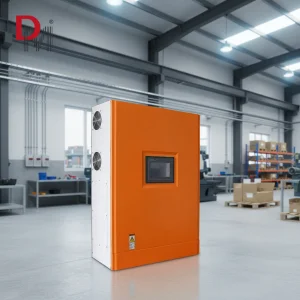
Advanced grid-edge infrastructure, high-power converters, and wind/hydro control systems optimized for modern commercial and utility microgrids.
The global paradigm shift toward zero-emission grid systems is fundamentally an engineering challenge of power conversion and grid-edge integration. As conventional, synchronous generating assets are phased out in favor of stochastic, inverter-based renewable resources (IBRs) such as wind, solar PV, and marine energy, the physics of power systems undergo radical changes. Grid stability, dynamic frequency response, phase matching, and voltage regulation are no longer naturally provided by massive spinning turbines. Instead, they must be artificially synthesized using smart power electronics, multi-megawatt battery energy storage systems (BESS), and intelligent bidirectional conversion systems.
As a premier high-tech enterprise established in 2004, Jinan Deming Power Equipment Co., Ltd. sits at the heart of this technological revolution. Over the last two decades, our research directives have shifted from basic rectifier manufacturing to creating highly integrated, multi-level bidirectional topologies, digital signal processing (DSP)-controlled multi-mode inverters, and high-frequency galvanic-isolated DC/DC converters. By deploying these innovations worldwide, Deming provides the necessary physical linkages that stabilize microgrids, bridge the high-voltage gap between batteries and DC buses, and enable the seamless harvesting of erratic wind, solar, and hydro energy resources.
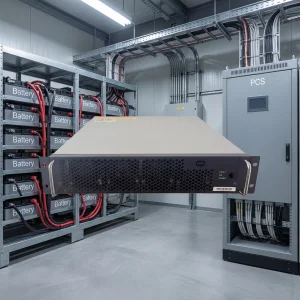
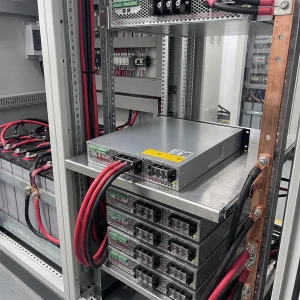
Battery Energy Storage Systems (BESS) are the primary mechanism for mitigating the intermittency of renewable energy. However, coupling large-scale battery banks (often operating across fluctuating voltage curves from 200V up to 1000V) with a standardized DC distribution link or AC utility grid requires highly efficient, robust bidirectional DC/DC and AC/DC conversion topologies.
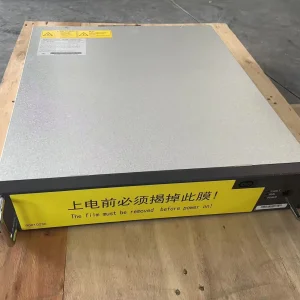
Deming's flagship 50kW and 100kW Bidirectional DC/DC Converters utilize modular stackable topologies. Built with high-speed insulated gate bipolar transistors (IGBTs) and silicon carbide (SiC) Schottky diodes, these converters operate at elevated switching frequencies. This approach reduces the footprint of the magnetic components (chokes, high-frequency transformers) while achieving conversion efficiencies of up to 99%.
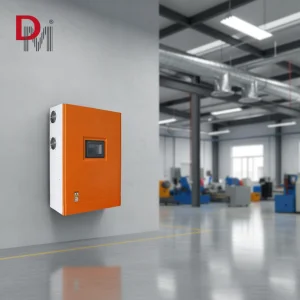
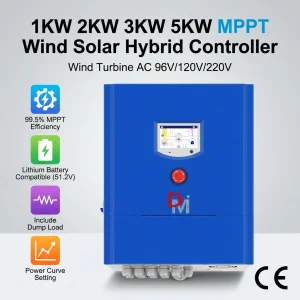
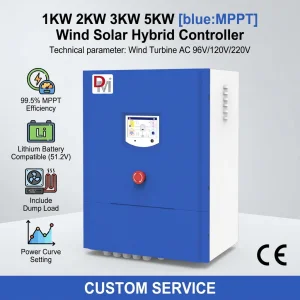
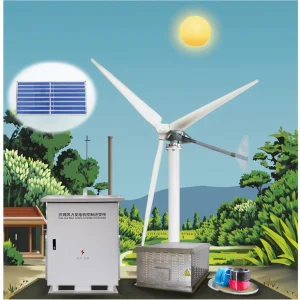
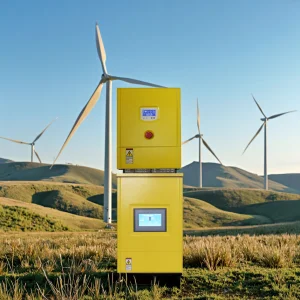
Capturing wind and solar energy requires high-performance control systems capable of handling extreme spikes in input power. Unlike utility-scale solar farms, wind generators produce alternating currents that vary continuously in both voltage and frequency. Deming’s wind turbine charge controllers and permanent magnet flywheel controllers are engineered to manage these variables through high-precision Maximum Power Point Tracking (MPPT) algorithms and integrated dump-load protection systems.
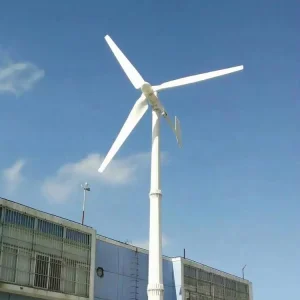
For home and commercial applications, such as our 1000W to 5000W horizontal and vertical axis wind turbines, the controllers manage the generator’s torque and speed using pulse-width modulation (PWM) or MPPT control. When wind speeds exceed safe operational limits, or when the connected battery bank is fully charged, the controller dynamically activates the electronic brake and dumps excess energy into a high-capacity resistor bank (dump load). This prevents thermal runaway in the battery and protects the wind turbine from mechanical overspeed damage.
Additionally, our high-voltage MPPT solar controllers support open-circuit input voltages up to 680V. By stepping down these high voltages with minimized resistance losses, these controllers allow installers to design longer solar panel series strings, reducing cabling costs and installation time while improving overall energy harvesting efficiency.
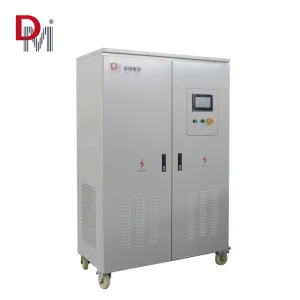
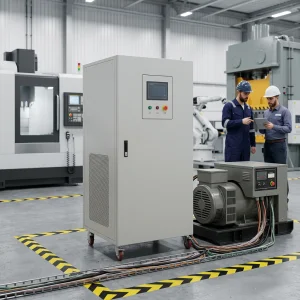
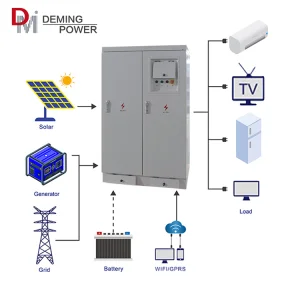
Off-grid microgrids and marine environments present unique power challenges. Rural communities and remote islands rely on stable AC mini-grids to power essential infrastructure. These networks are often powered by a combination of solar arrays, battery systems, and micro-hydro generators. Deming’s Off-Grid 3-Phase Inverters (ranging from 75kW to 200kW) function as grid-forming inverters. They generate a clean sinusoidal voltage source, control voltage amplitude and system frequency, and manage load sharing without needing a reference signal from a primary utility grid.
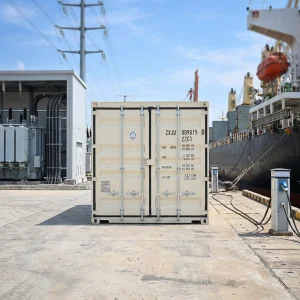
In marine shipping applications, grid incompatibility is a common issue. Vessels built in countries with 60Hz grids (such as the United States) cannot directly connect to 50Hz shore power grids in European or Asian ports. Deming’s 800KVA to 1000KVA shore-to-ship frequency converters resolve this issue by converting the local grid's utility power (50Hz or 60Hz) to match the ship's internal power system. This allows vessels to turn off their diesel auxiliary engines while in port, eliminating local emissions, reducing noise pollution, and complying with international environmental regulations.
Operating a state-of-the-art facility in Jinan, Shandong, Deming combines advanced engineering with strict quality control to deliver global-tier power equipment.
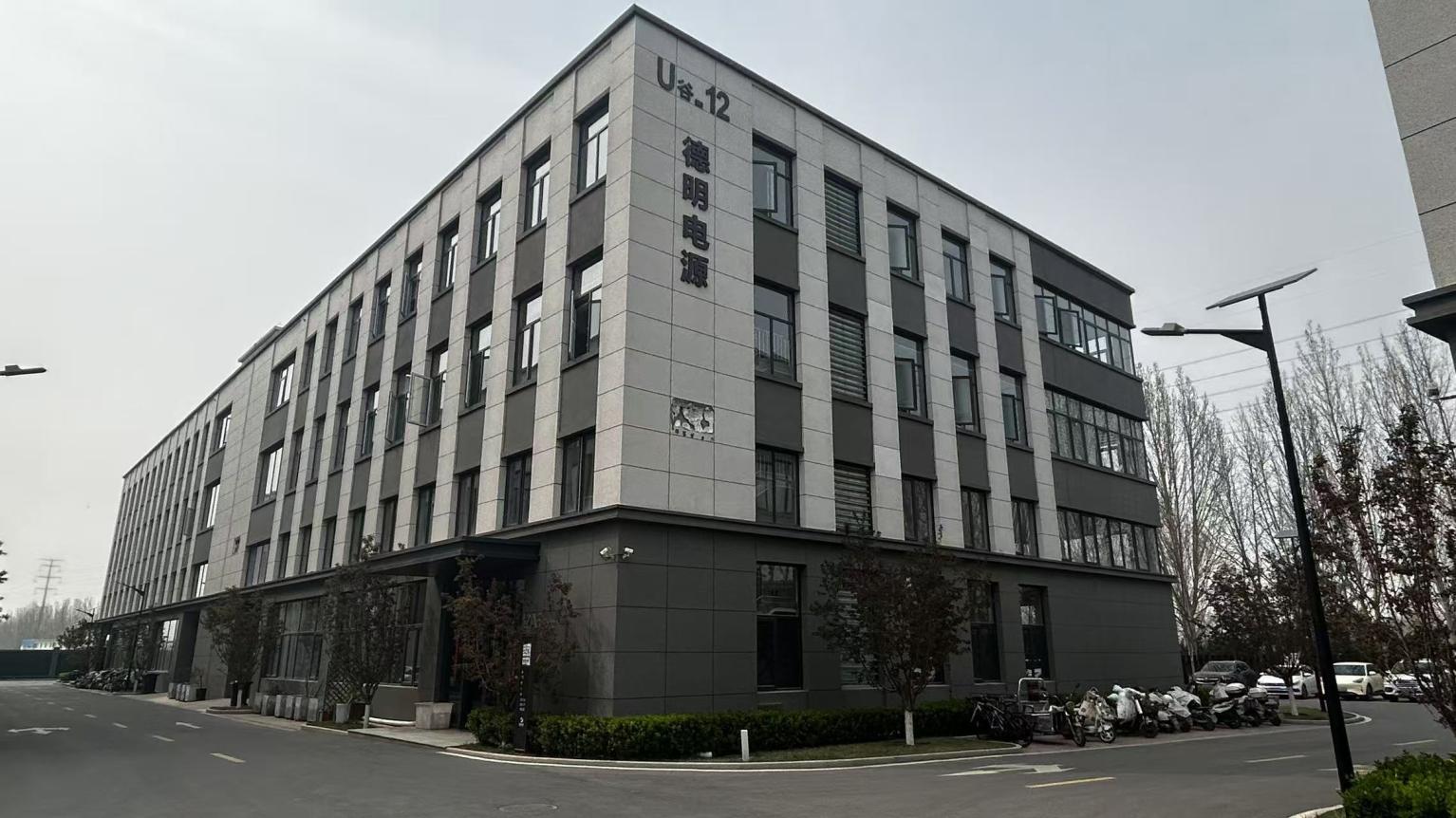
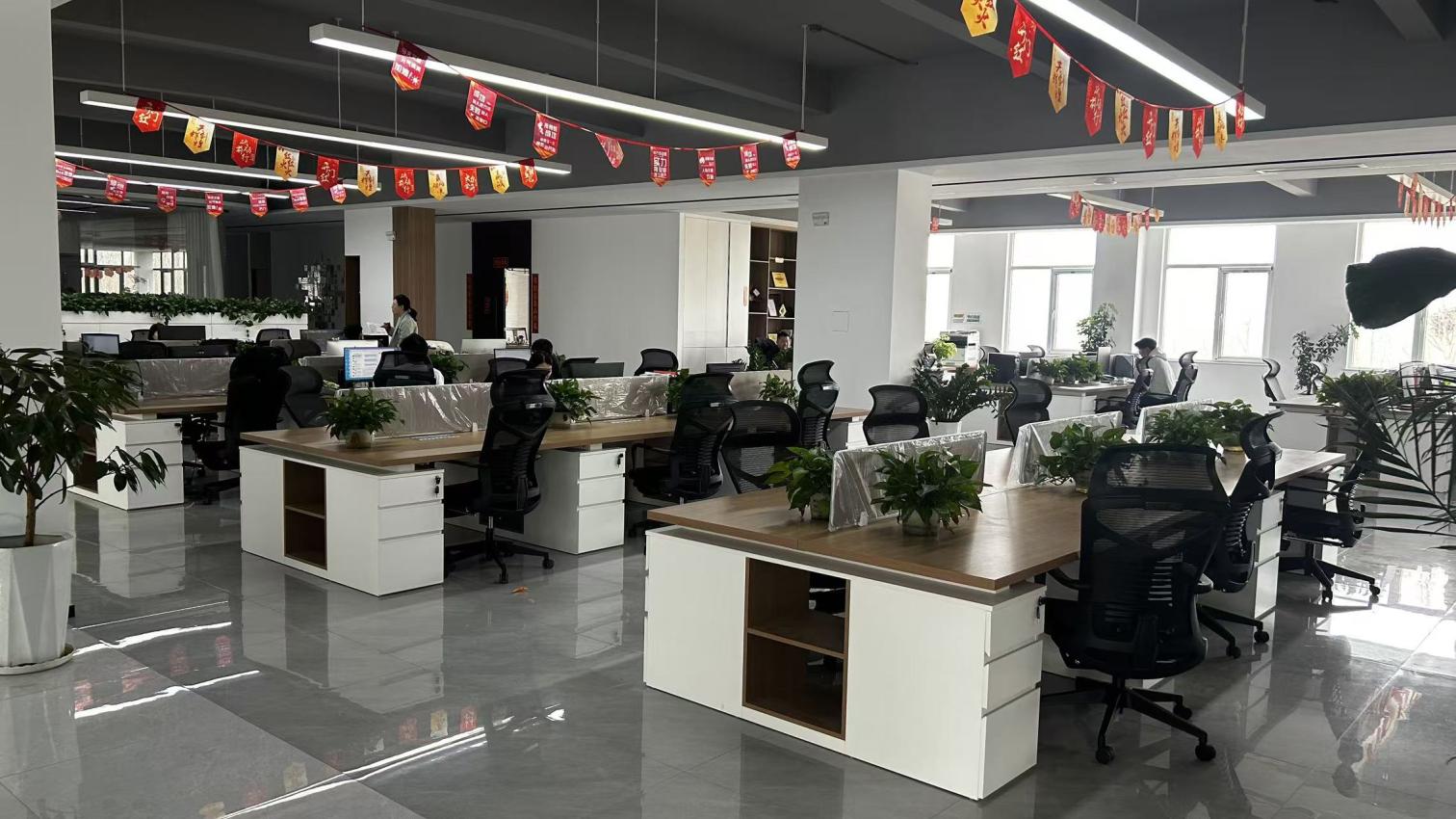
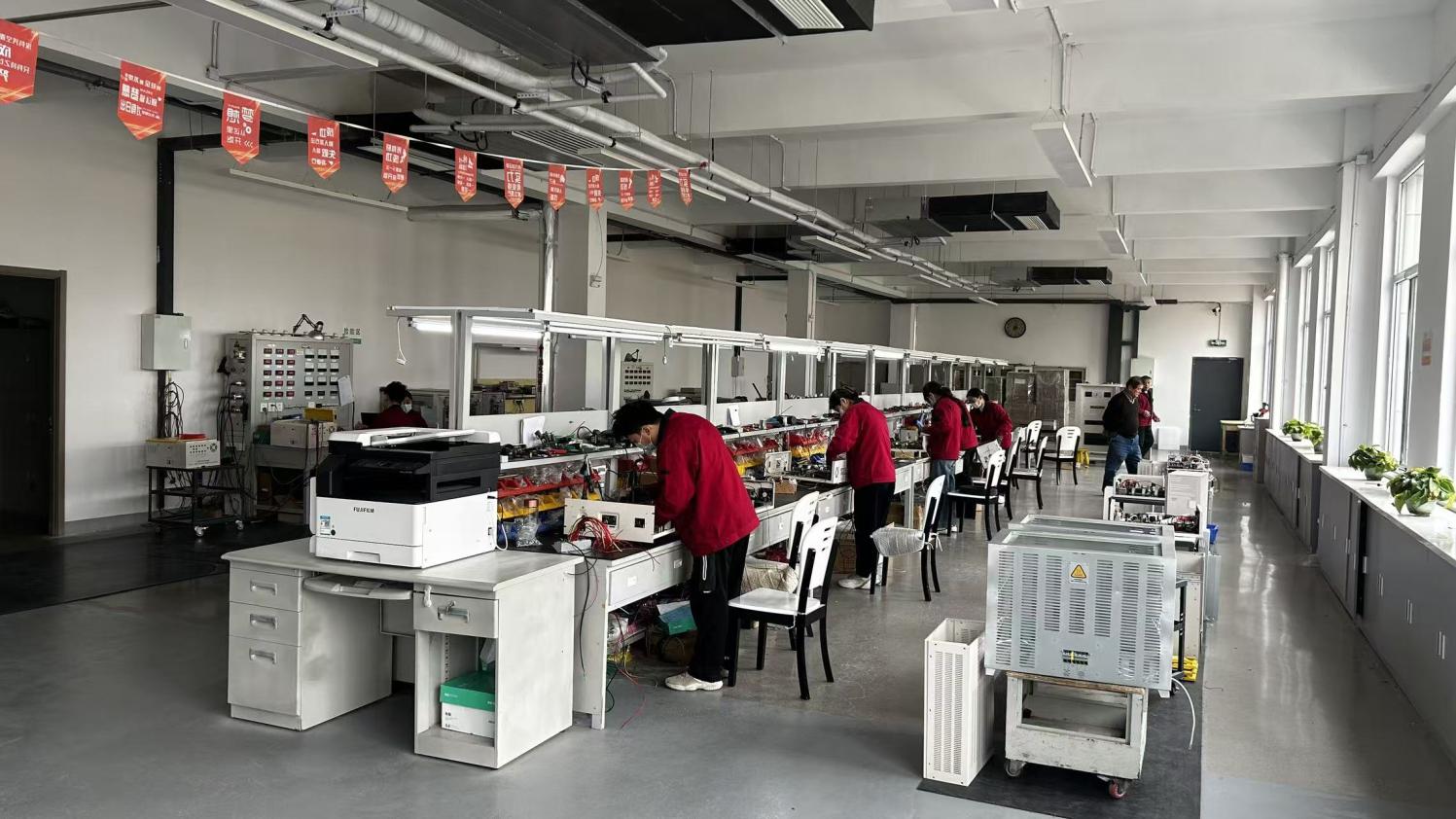
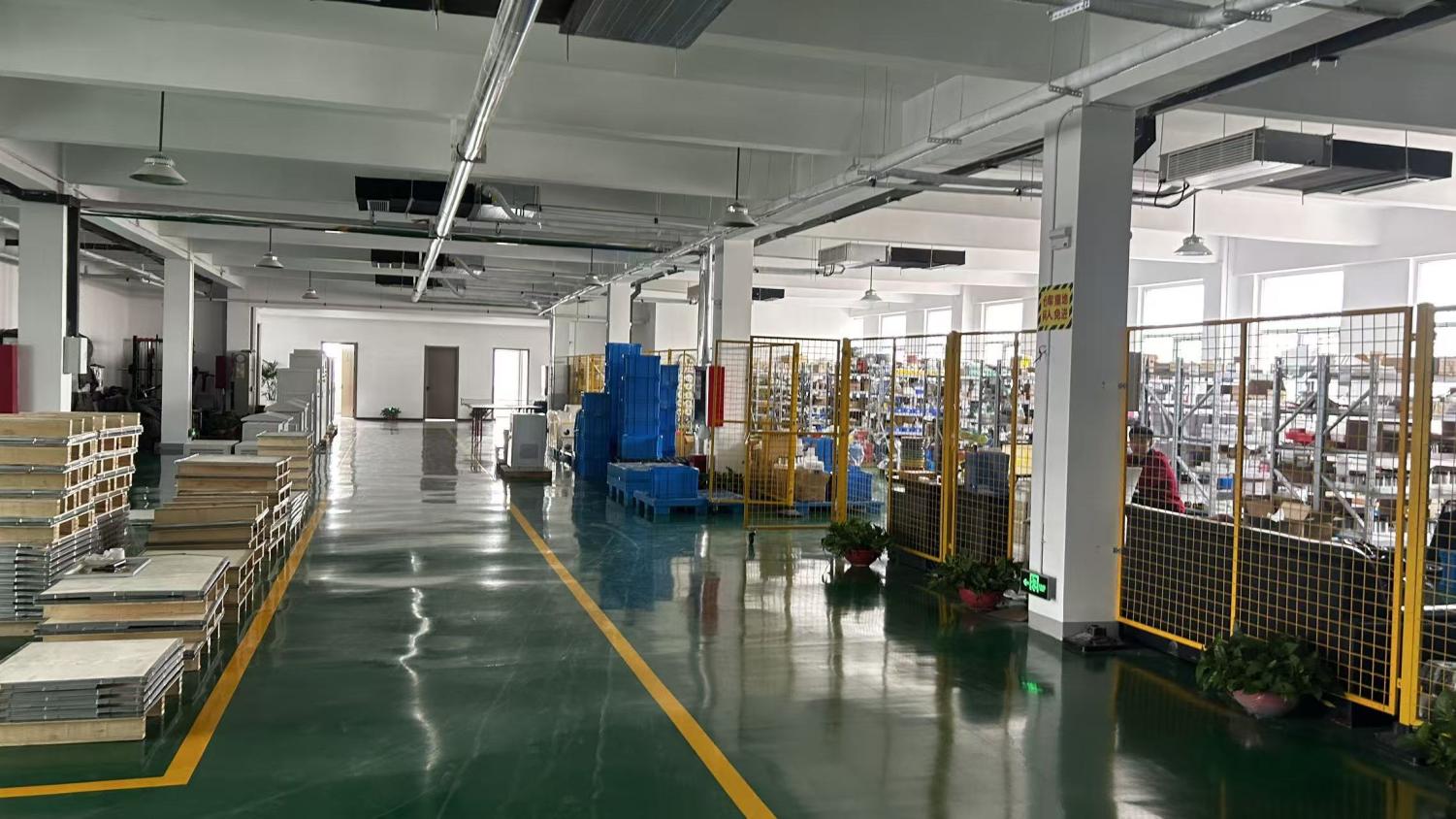
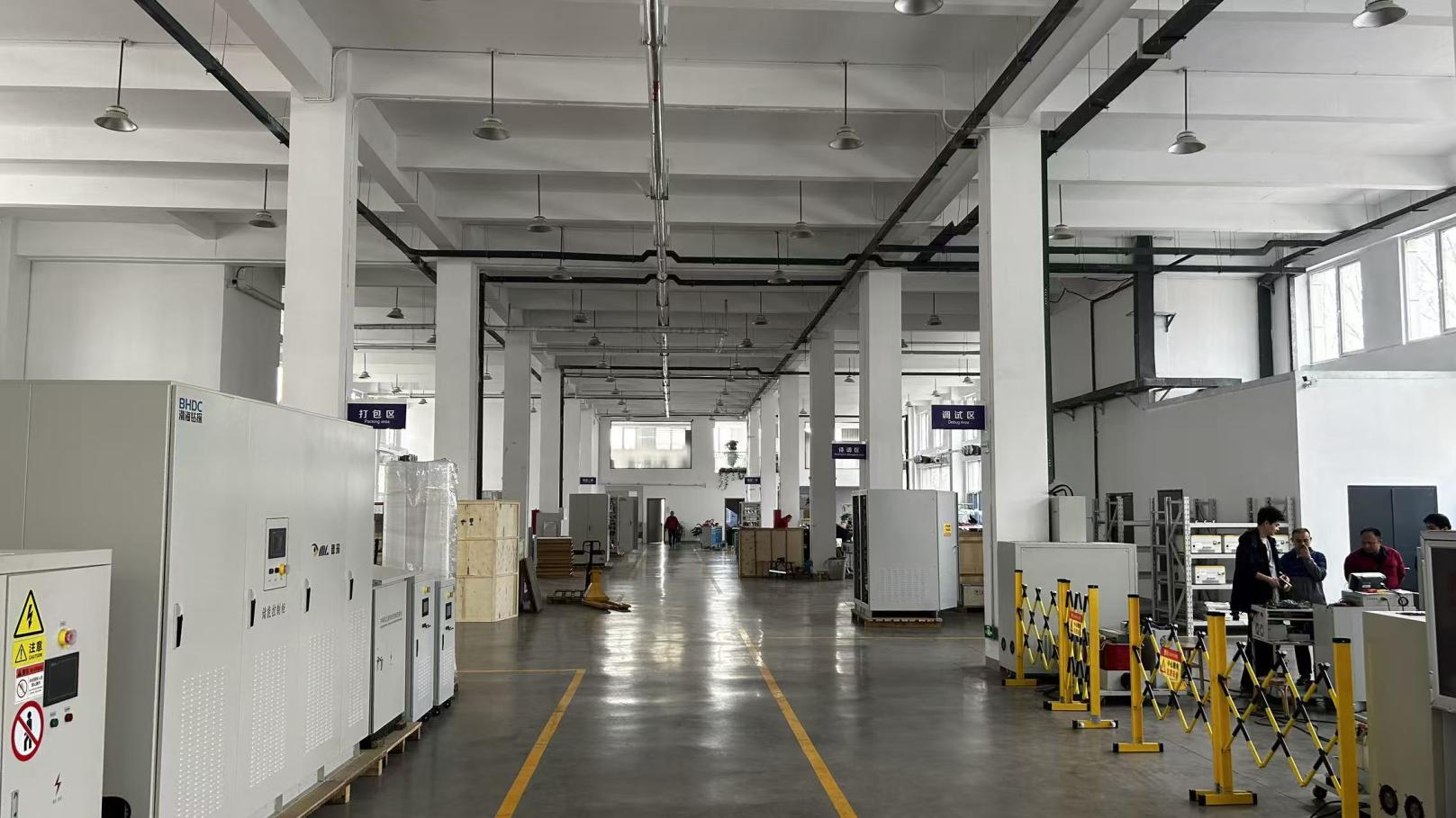
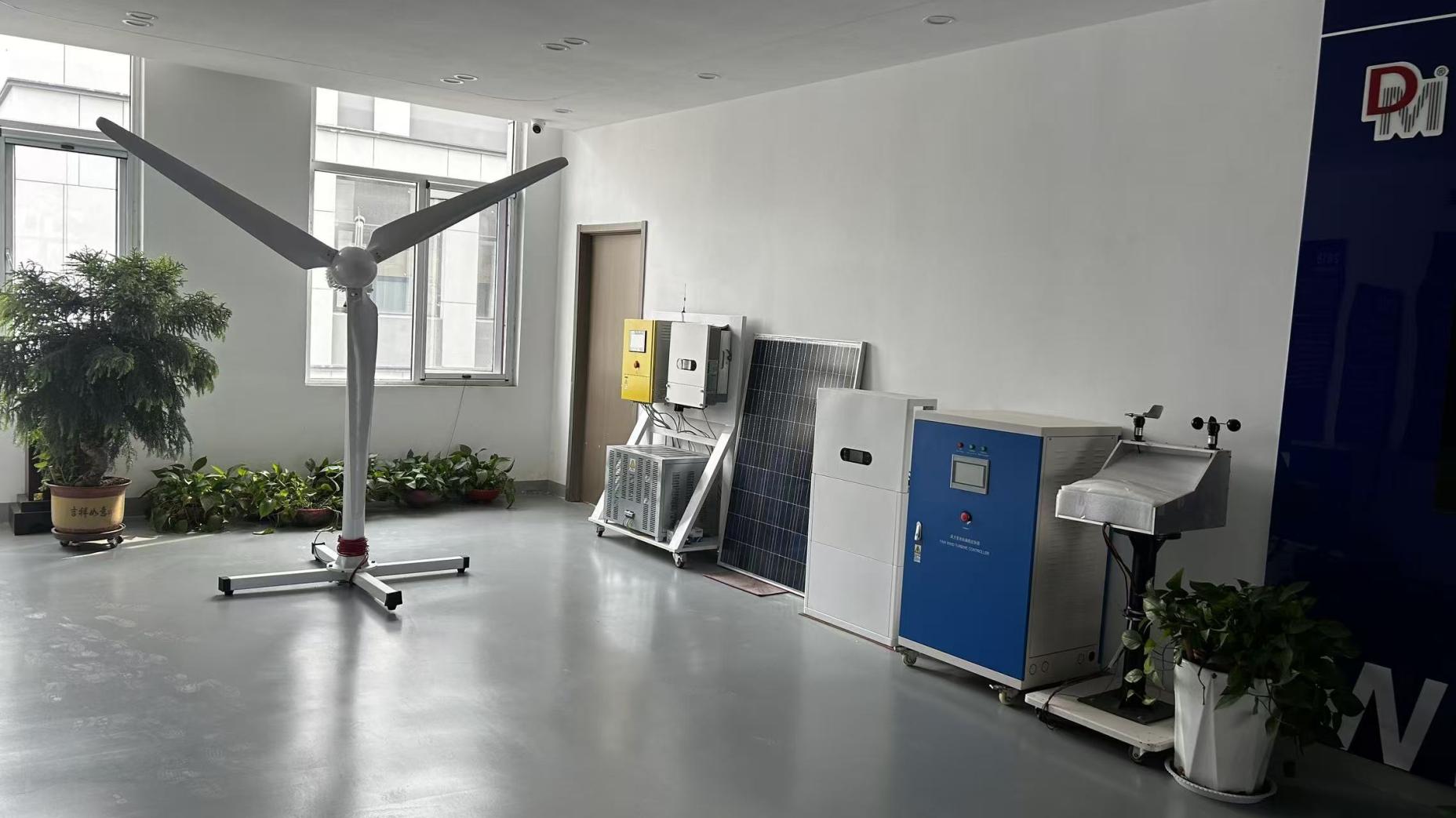
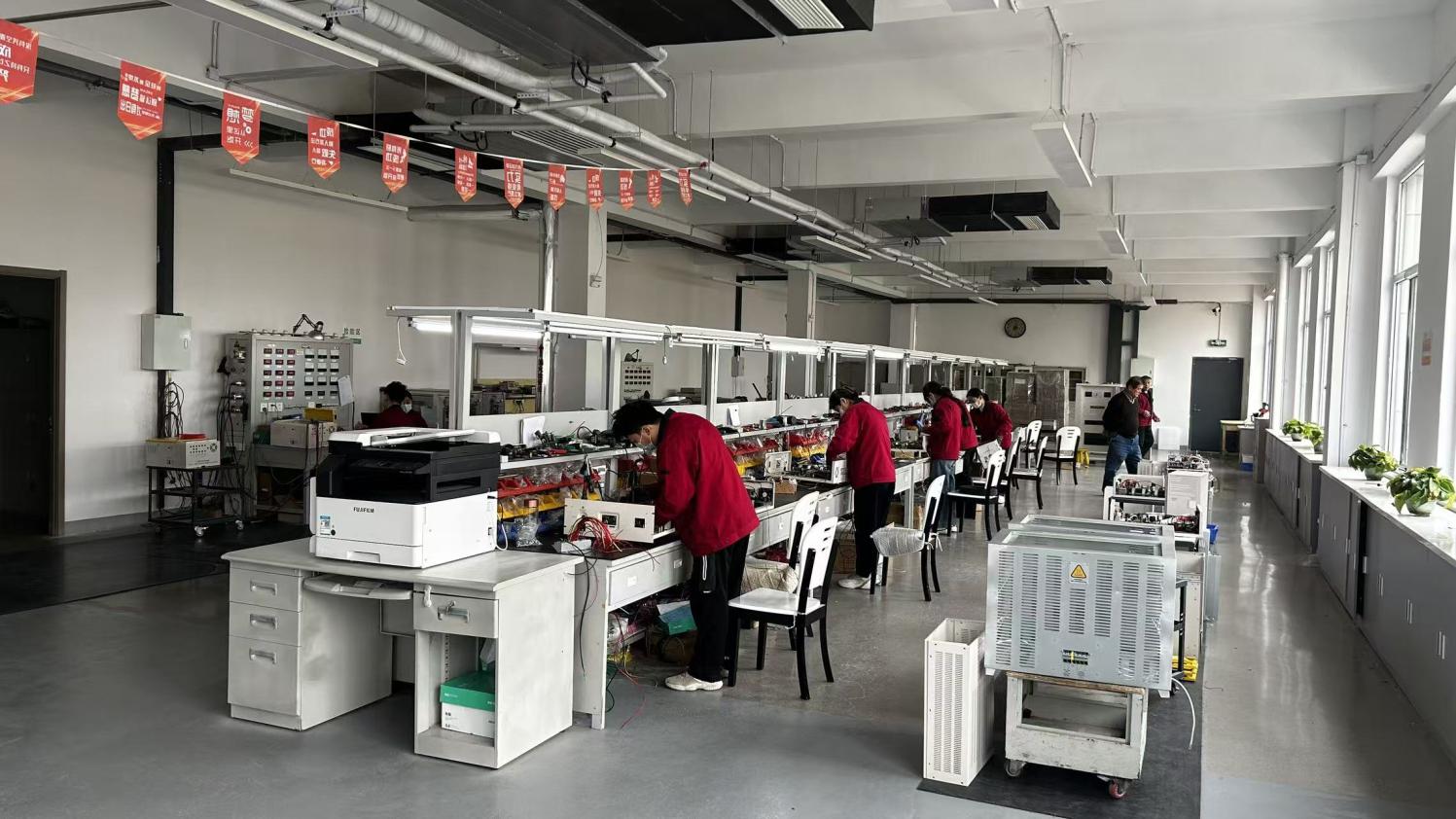
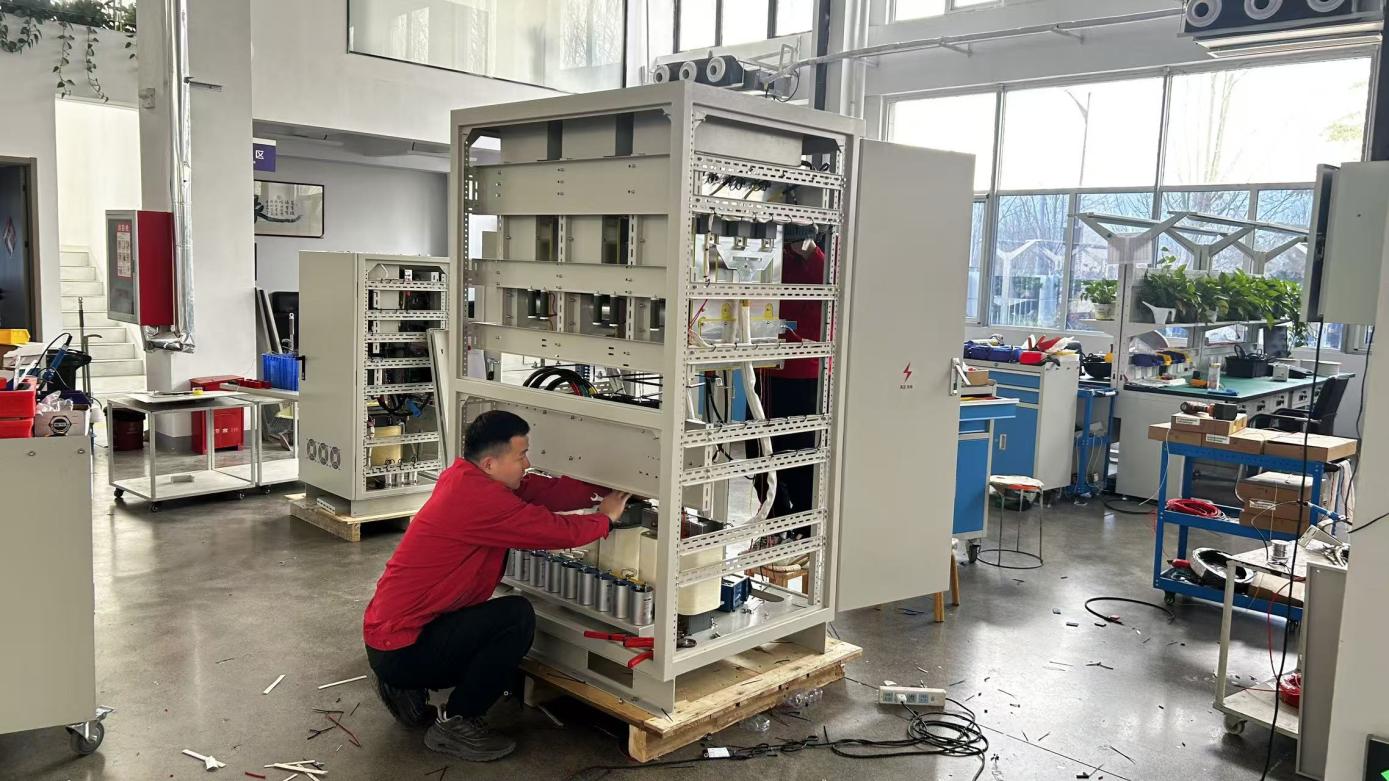
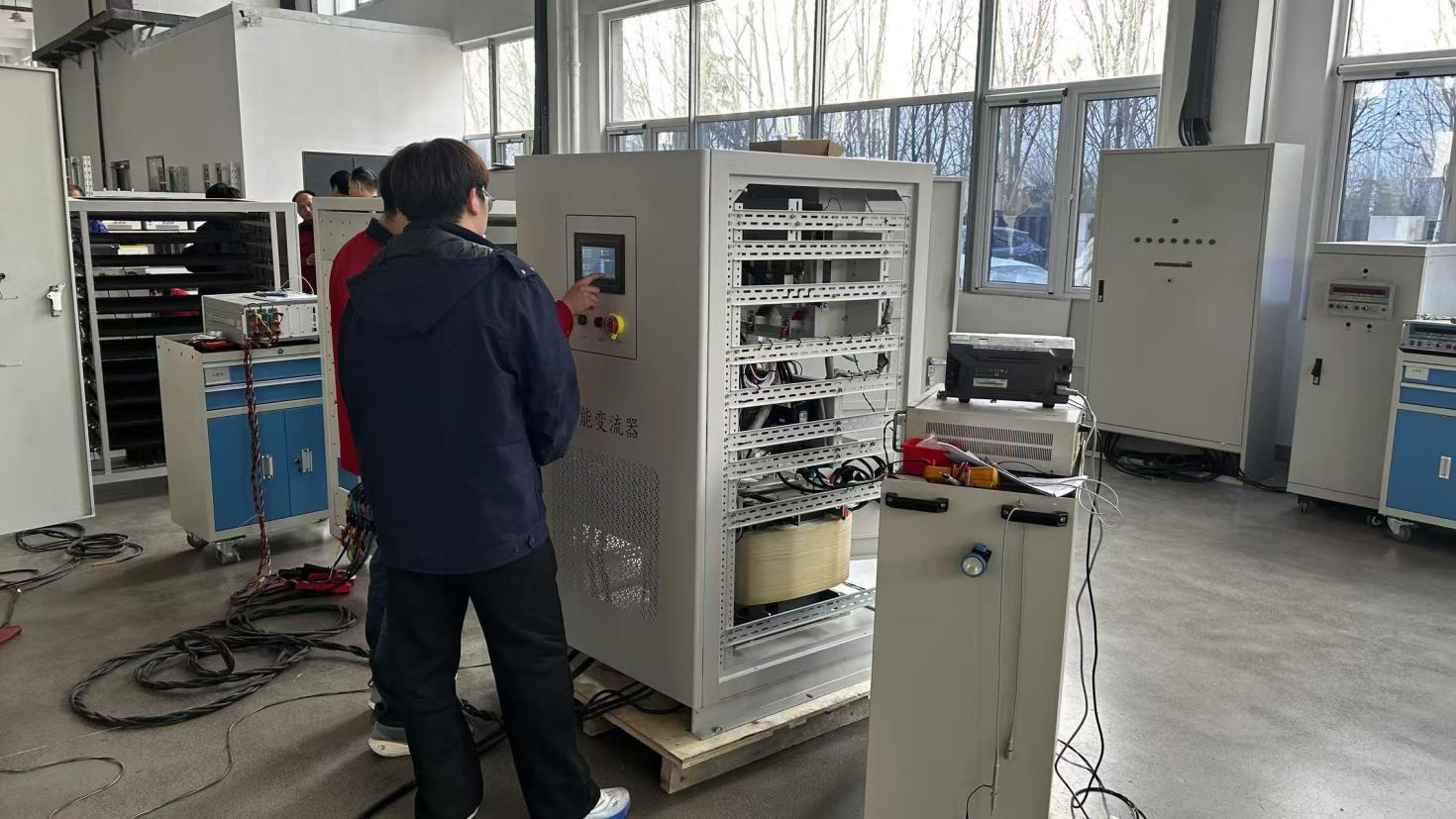
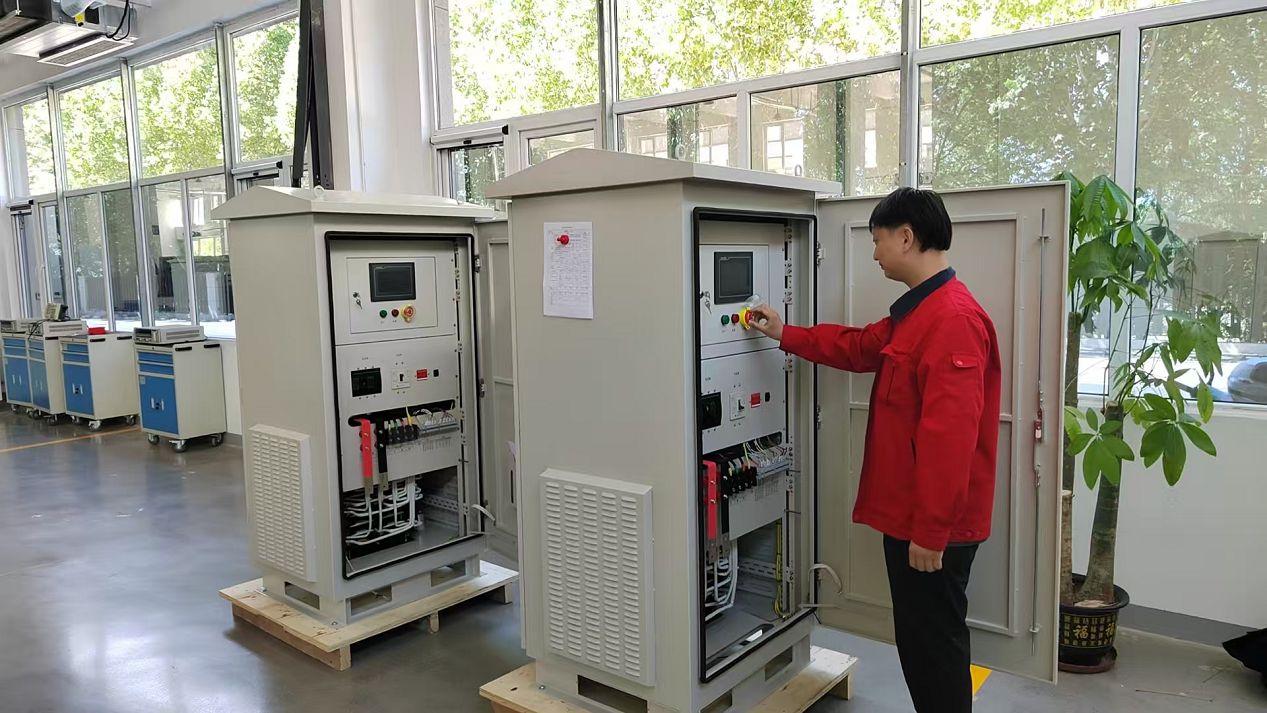
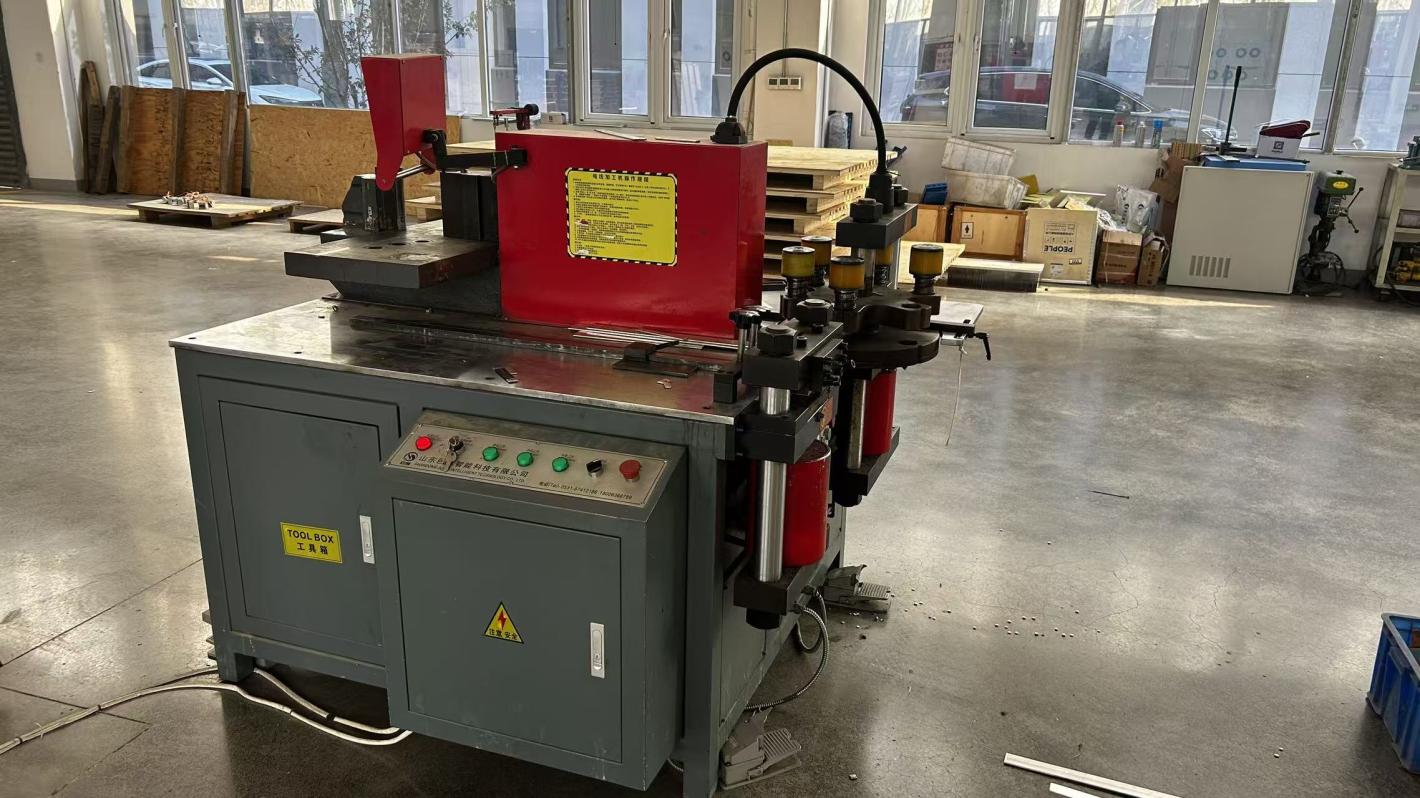
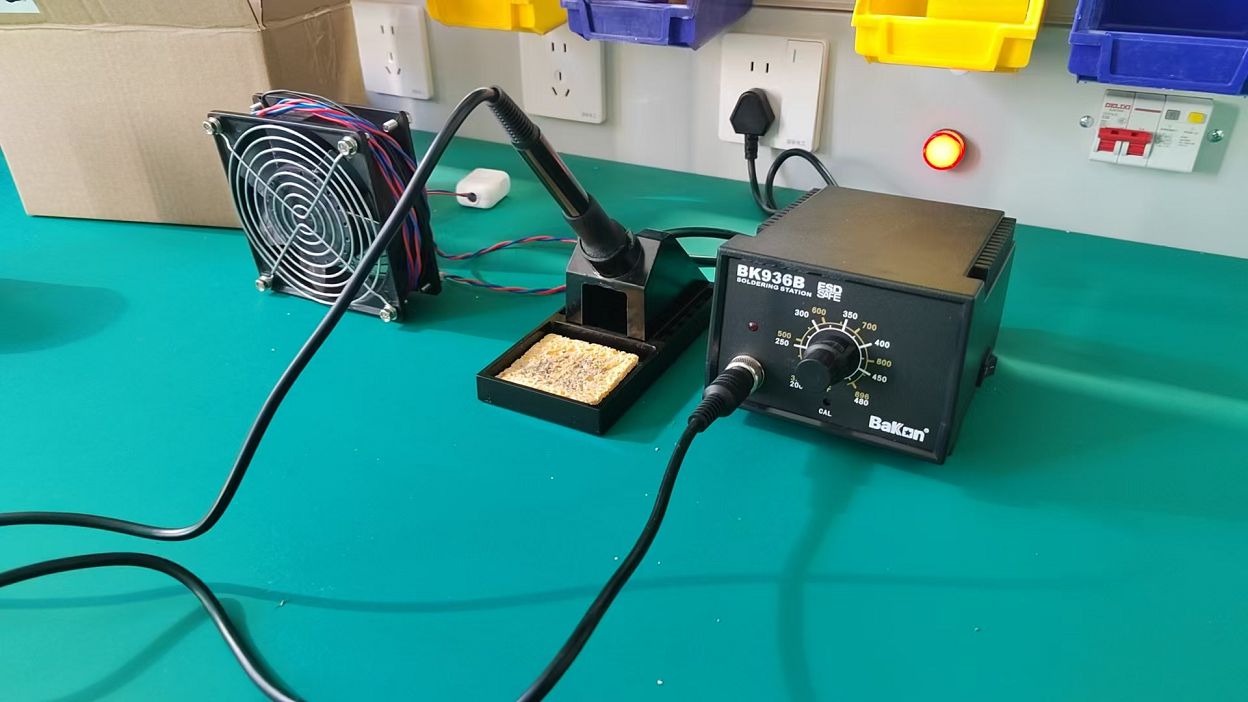
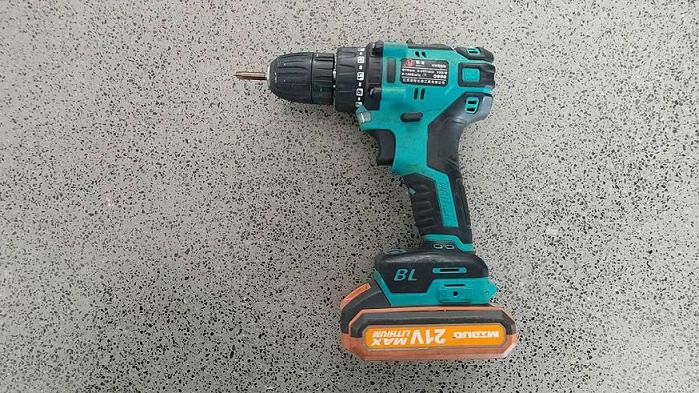
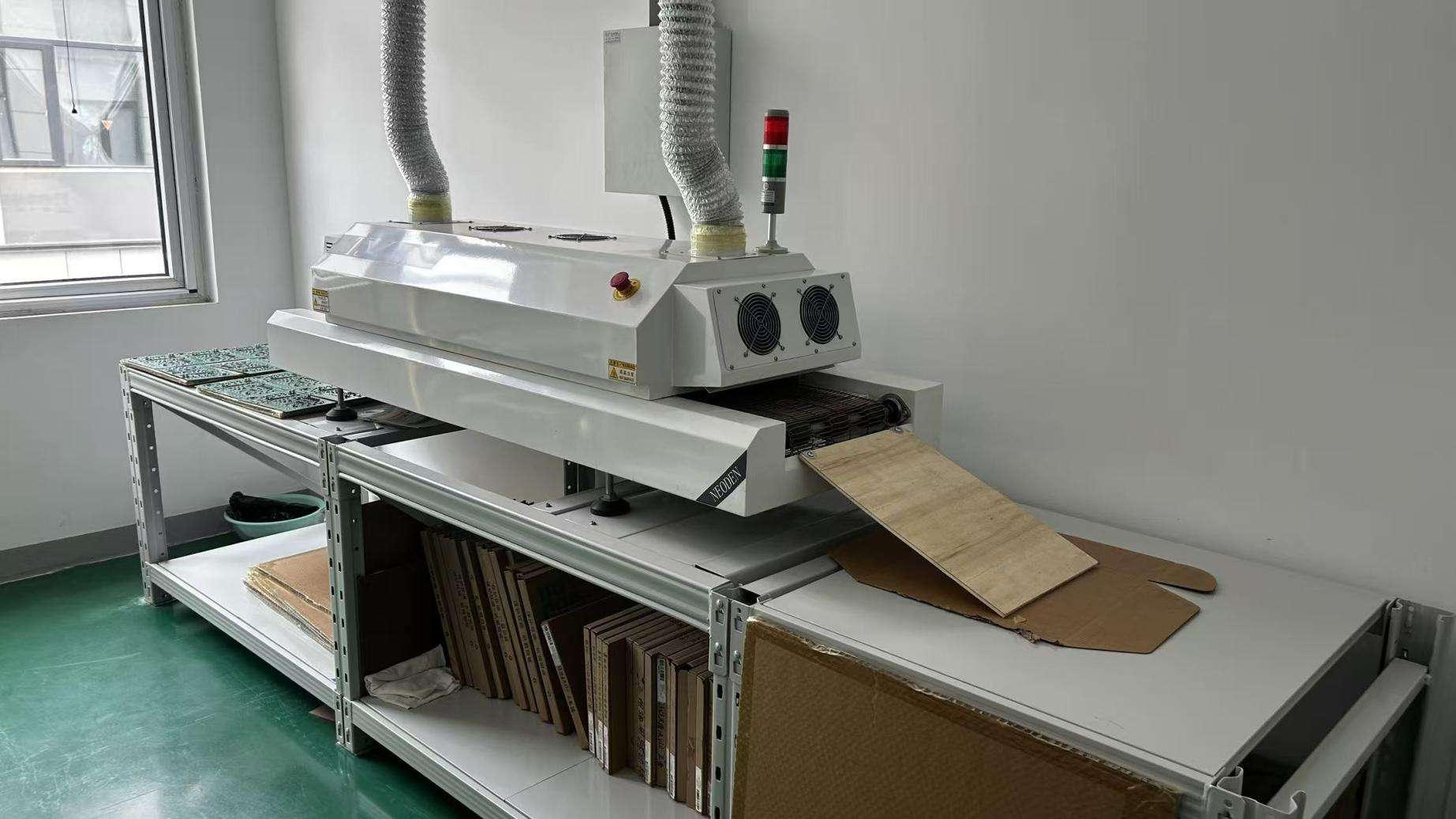
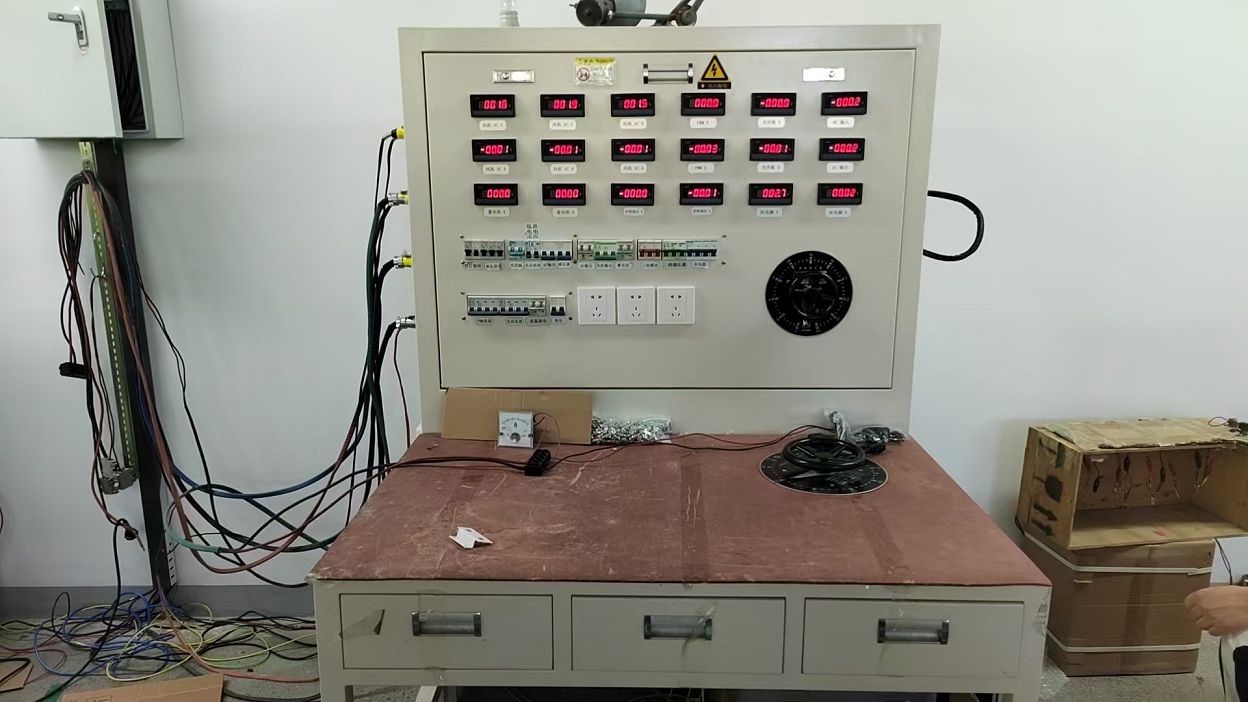
At Jinan Deming, reliability is built directly into our manufacturing processes. We invest at least 20% of our annual sales revenue back into our technology development program. Led by doctoral supervisors and master’s degree holders, our 16-person engineering team focuses on developing advanced power electronics. In the past three years alone, this group has completed 17 R&D projects, successfully turning 16 scientific and technological achievements into commercial products.
All Deming products undergo strict testing using industrial diagnostic tools before leaving our factory. This ensures they comply with international standards, including CE, RoHS, and local grid interconnection requirements.
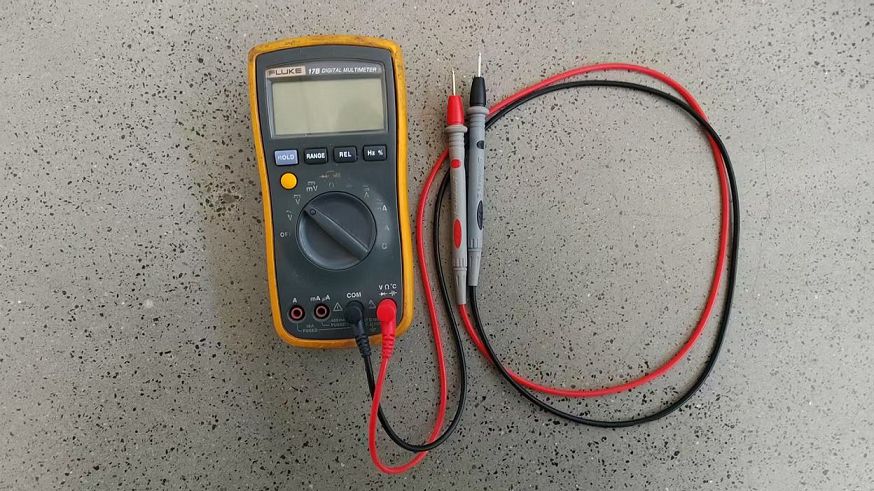
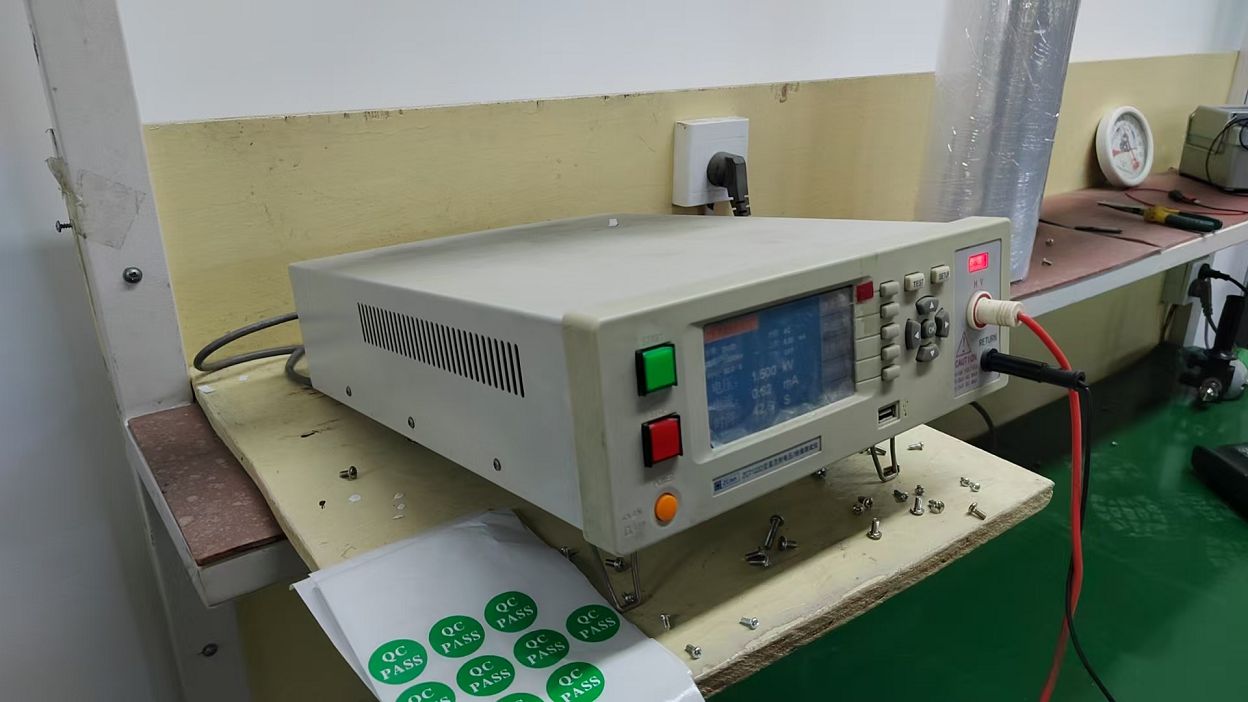
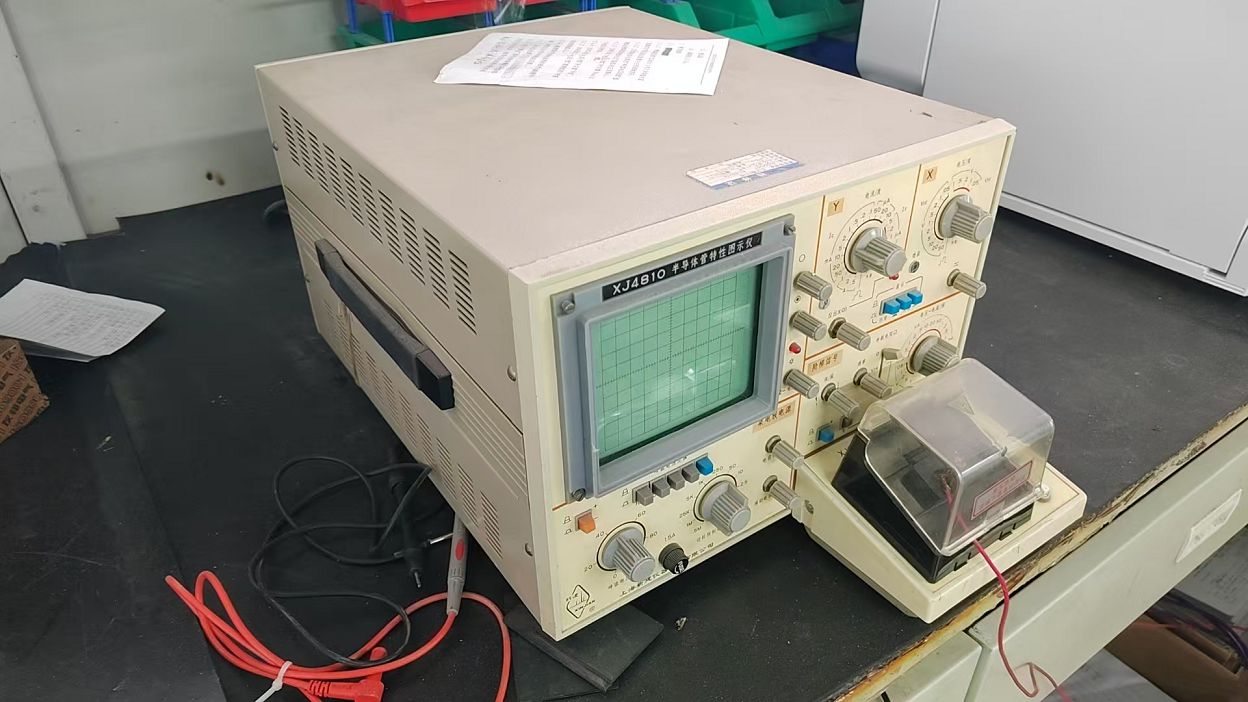
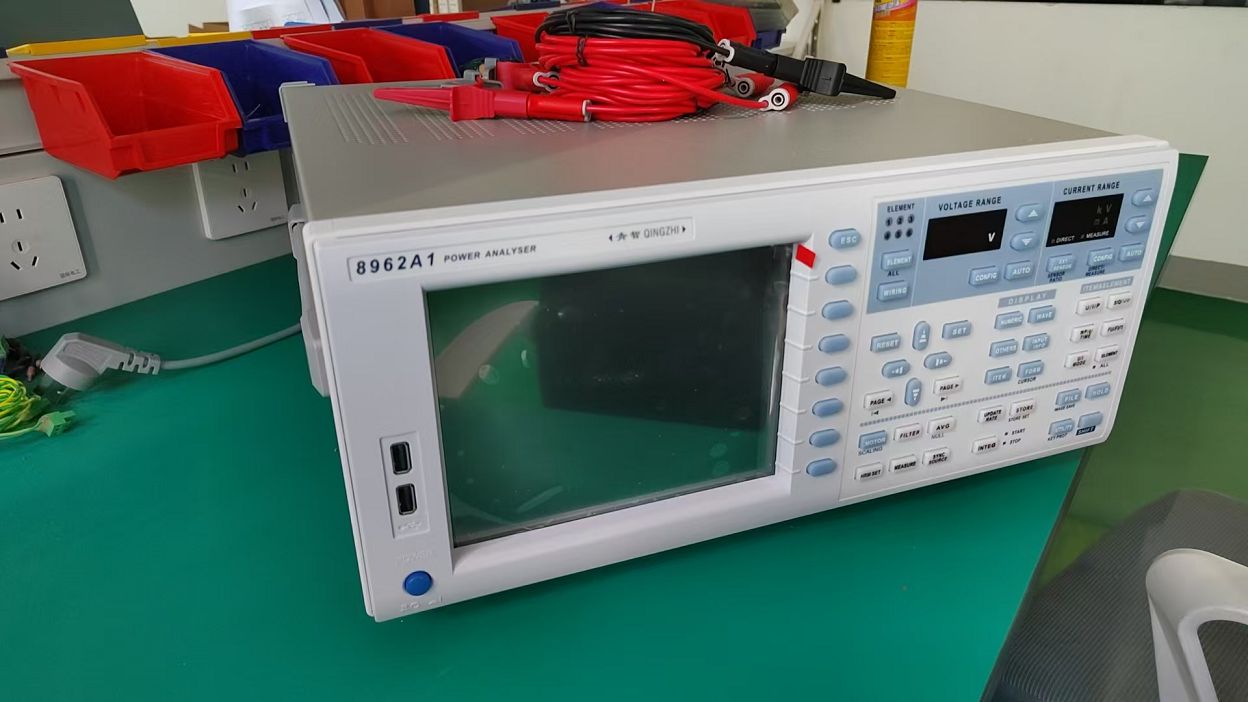
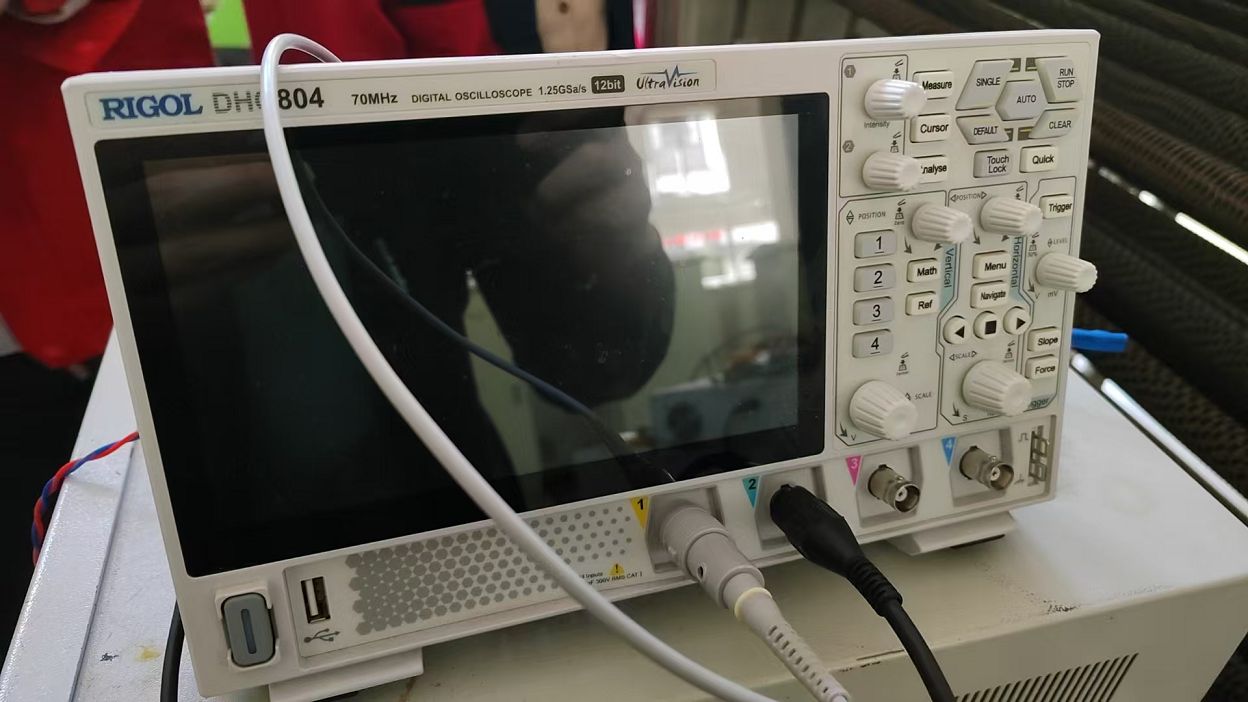
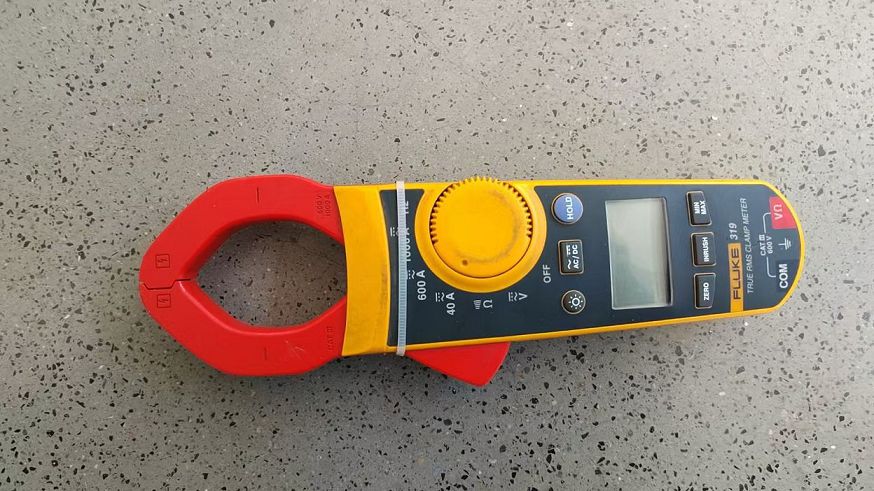
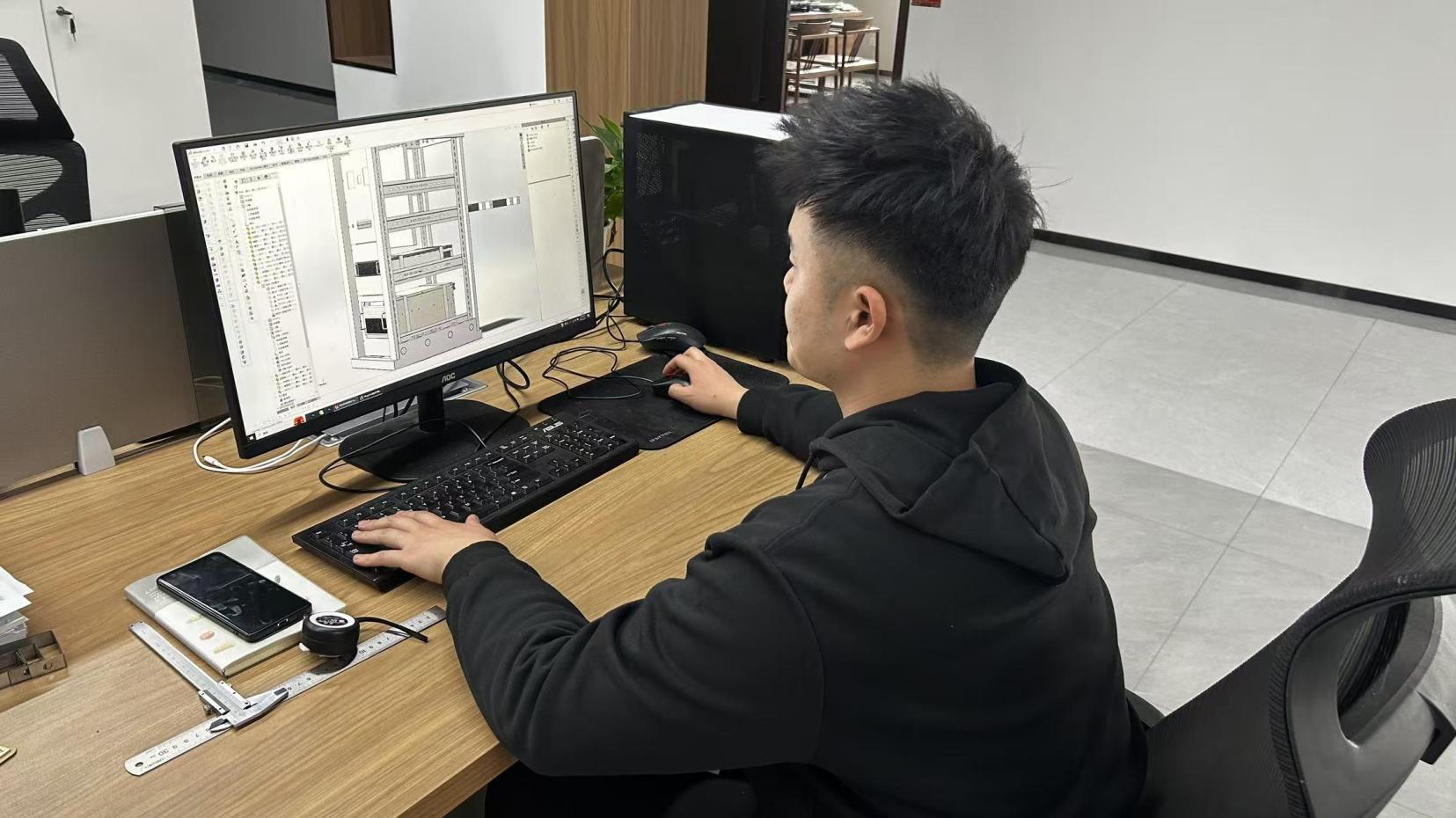
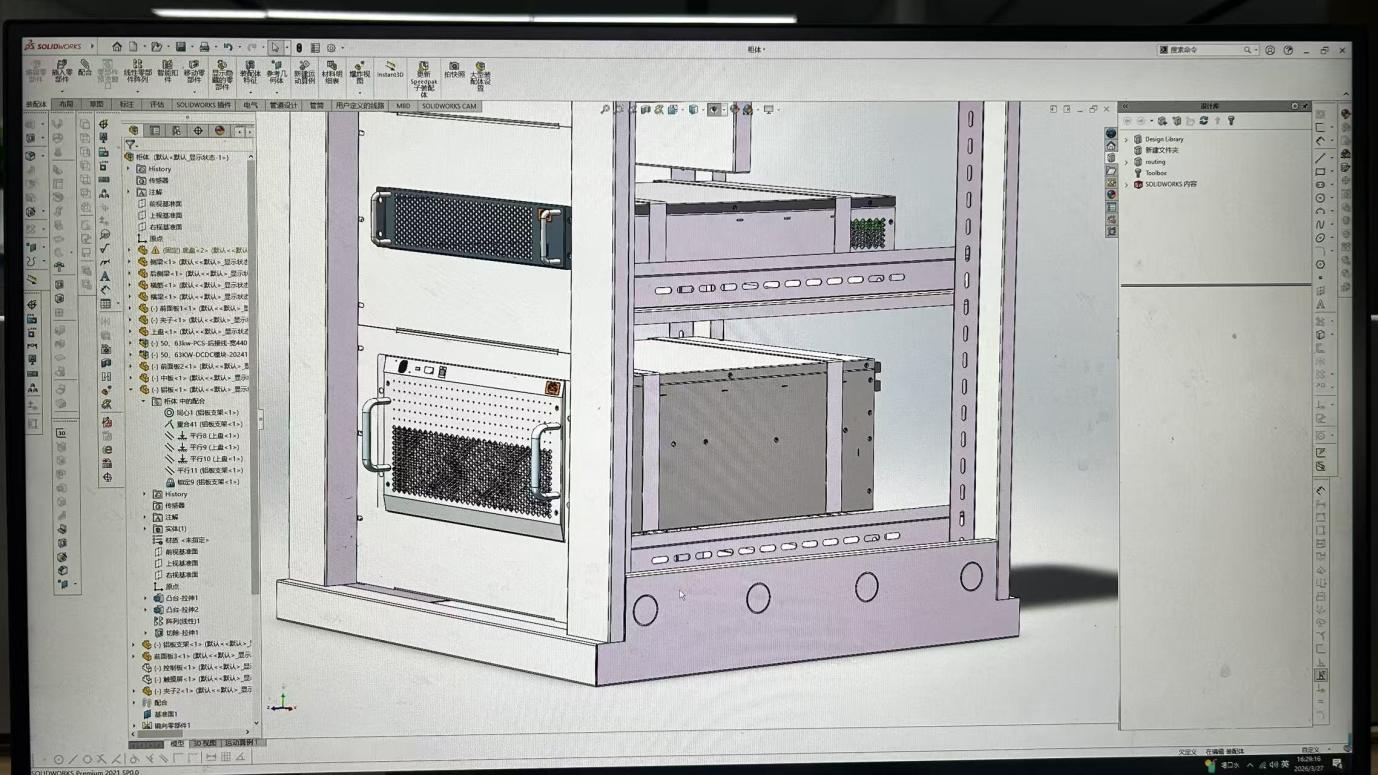
By performing thermal analysis and physical hardware-in-the-loop (HIL) simulations, we verify the performance of every inverter and converter under extreme conditions, including grid short-circuits, voltage drops, and rapid load swings. This strict testing process ensures our equipment performs reliably in remote geographical regions, marine environments, and high-demand industrial installations worldwide.
Detailed technical answers for consulting engineers, microgrid developers, and procurement managers.
High-efficiency conversion platforms, industrial phase inverters, and utility-scale frequency converters.
 Demin Power