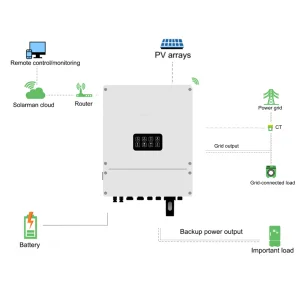
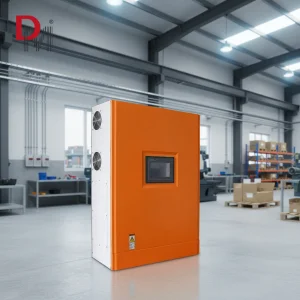
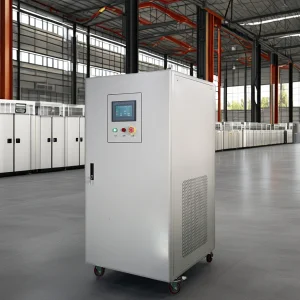
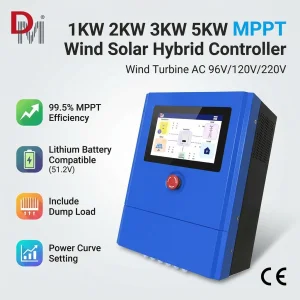
The transition toward decentralized energy structures is no longer simply an environmental initiative; it is an economic and legislative imperative. Across the globe, governments are enacting stringent renewable energy policies to reshape grid interconnection, carbon taxing, and energy distribution protocols. Legislative frameworks such as the European Union's Green Deal (incorporating CBAM carbon tariffs), the United States’ Inflation Reduction Act (IRA), and China's ambitious Dual Carbon Goals (30/60) have catalyzed an unprecedented demand for grid-compliant hardware.
Modern grid operators enforce complex grid codes (such as IEEE 1547 in North America, VDE-AR-N 4105 in Europe, and GB/T standards in China). Hardware suppliers must deliver solutions capable of active frequency control, reactive power regulation, and low-voltage ride-through (LVRT) to meet these legal policy thresholds. Jinan Deming Power Equipment manufactures physical assets tailored specifically to comply with these dynamic regulatory landscapes.
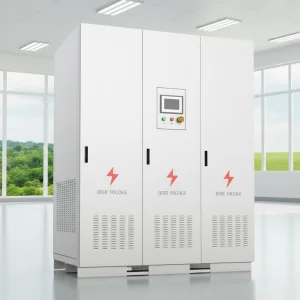
For multinational utility procurement teams and industrial system integrators, navigating these policies requires choosing equipment partners that demonstrate rigorous engineering rigor. From Galvanic Isolation Transformers in heavy-duty PCS units to intelligent MPPT Wind/Solar Hybrid Controllers, each component must pass global compliance metrics. By securing system stability and lowering Total Cost of Ownership (TCO), Deming Power provides the reliable infrastructure required to transition standard industrial installations into compliant clean energy microgrids.
China's prominence as the epicenter for renewable energy hardware supply stems from unique structural advantages: vertically integrated supply chains, immediate access to advanced semiconductor fabrication, raw material refining, and highly specialized engineering expertise.
Direct access to magnetic cores, high-grade copper busbars, and robust semiconductor packaging facilities allows us to achieve superior power conversion efficiencies (up to 99%) without sourcing delays or exorbitant shipping overheads.
With a core R&D staff consisting of doctoral supervisors and master’s level engineers, Deming Power rapidly adapts firmware configurations to align with the shifting electrical codes of importing countries.
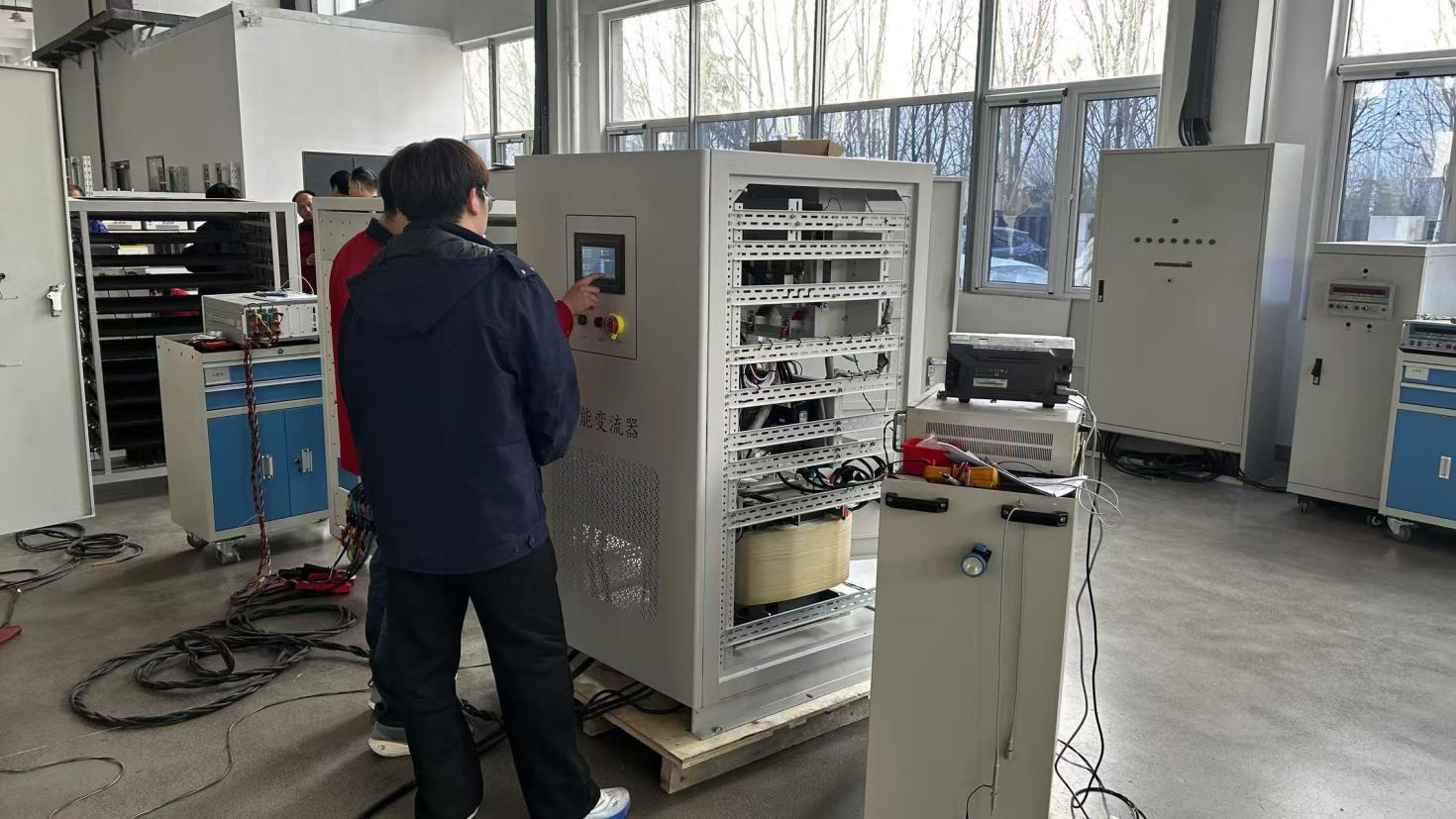
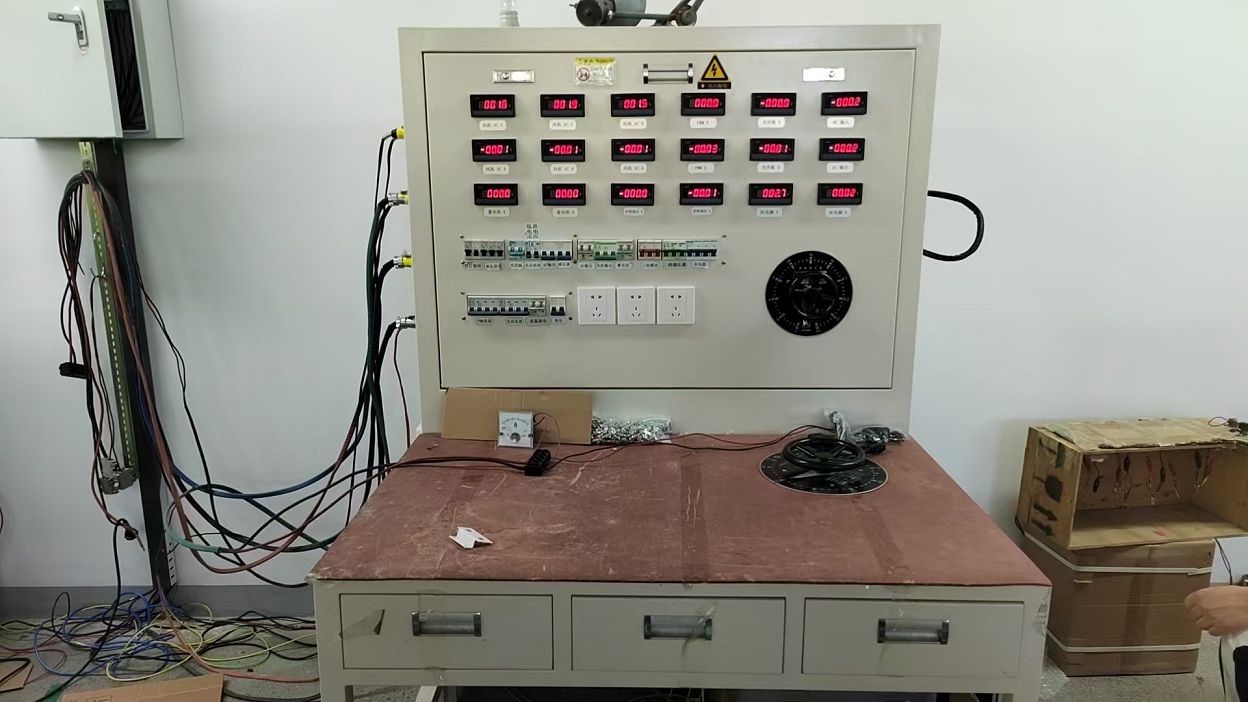
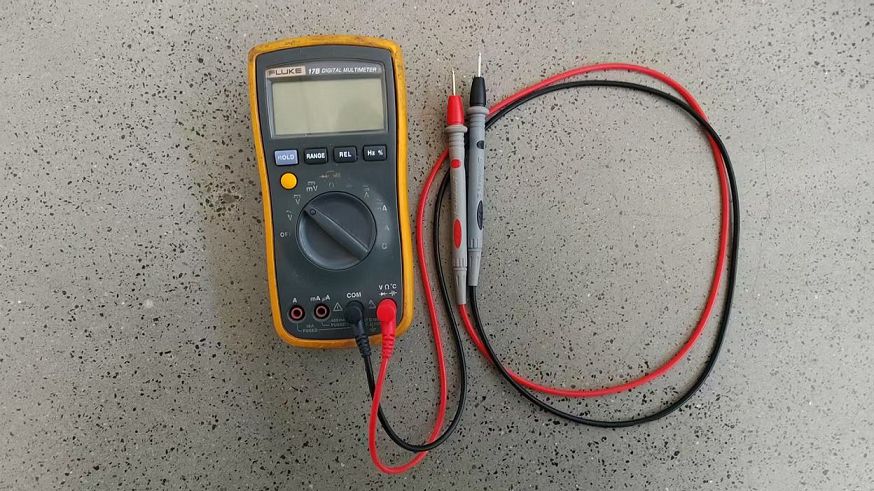
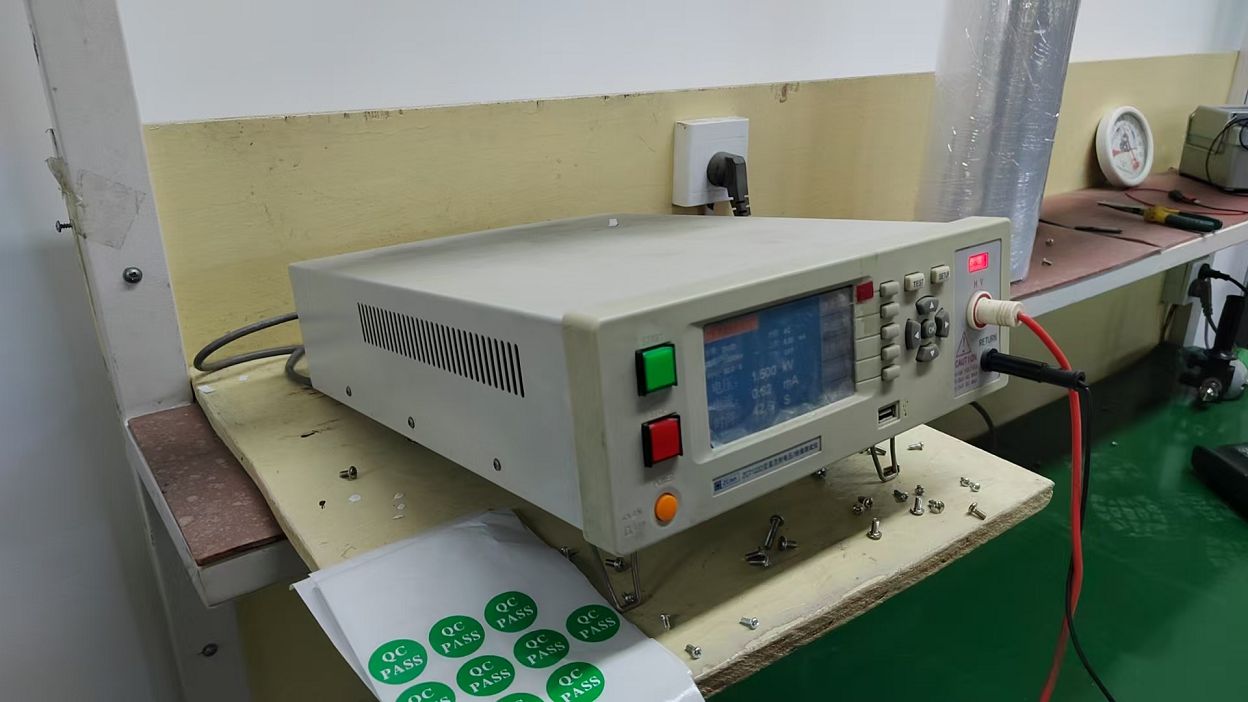
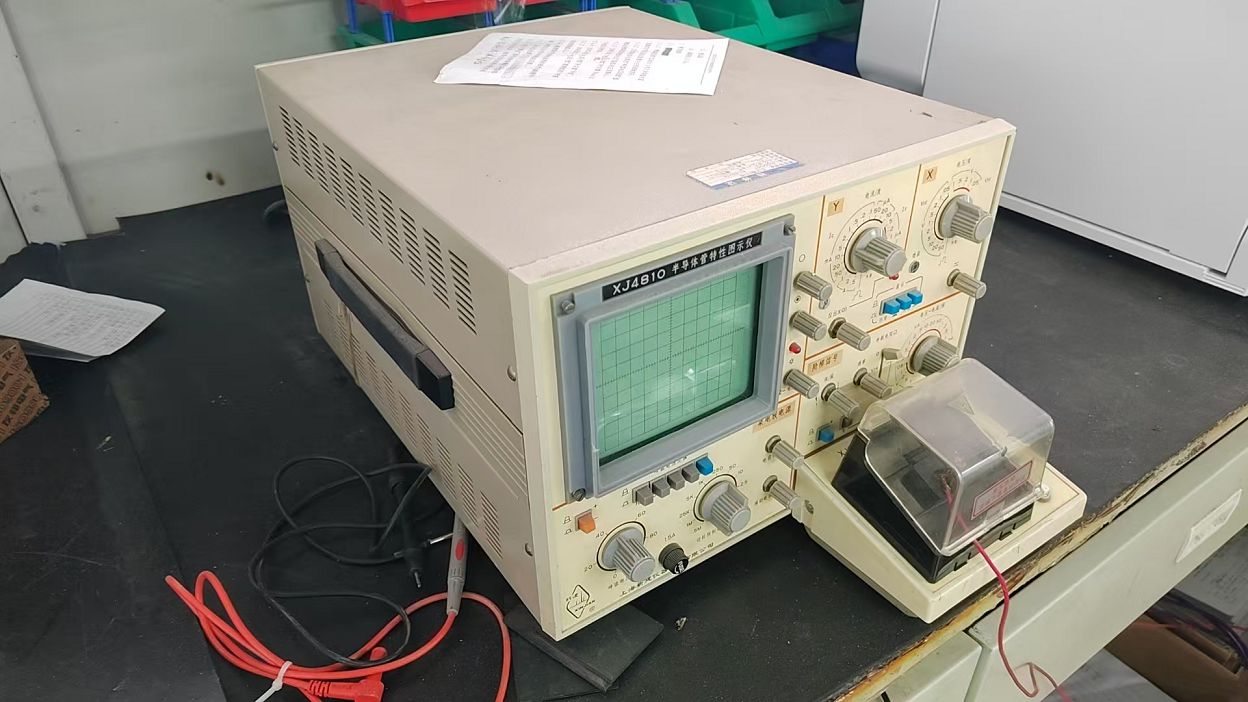
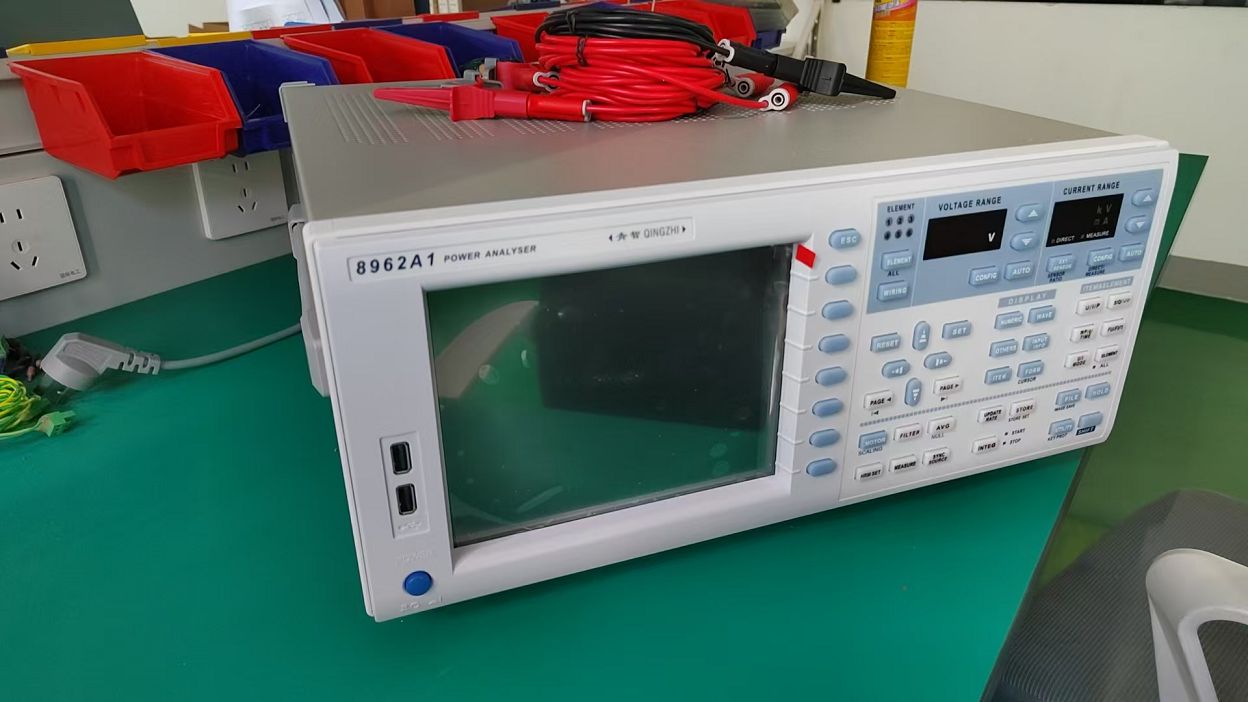
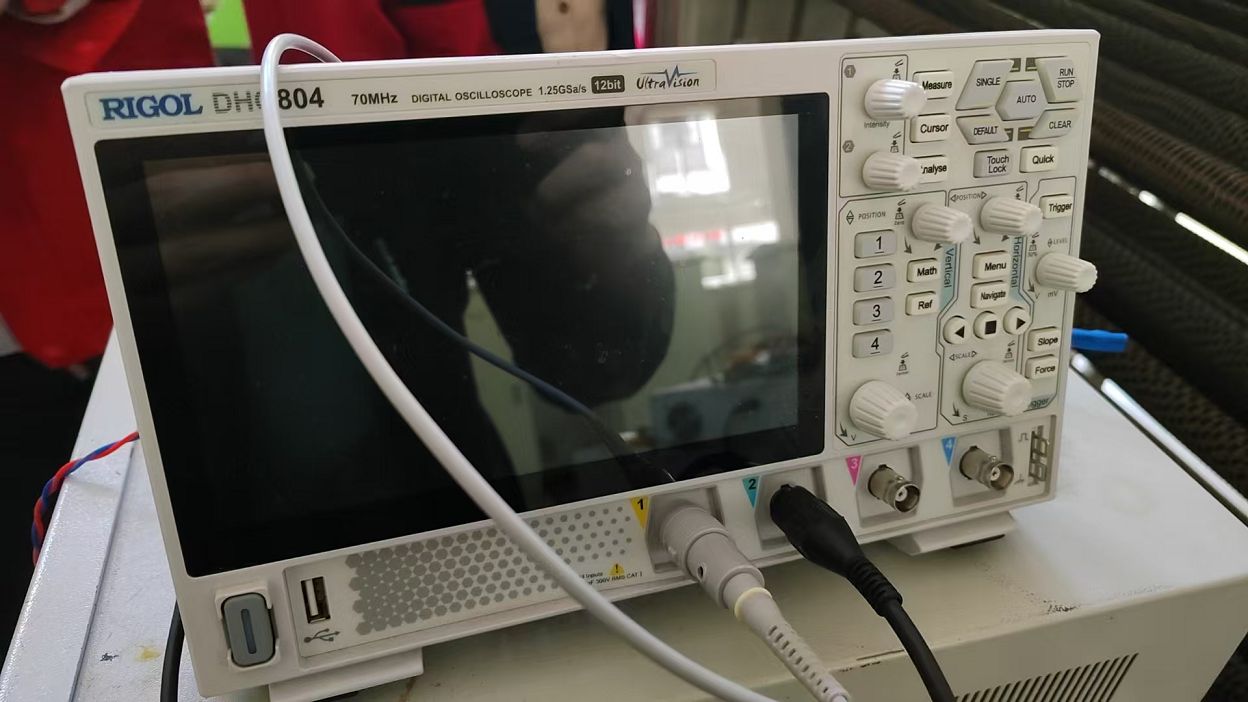
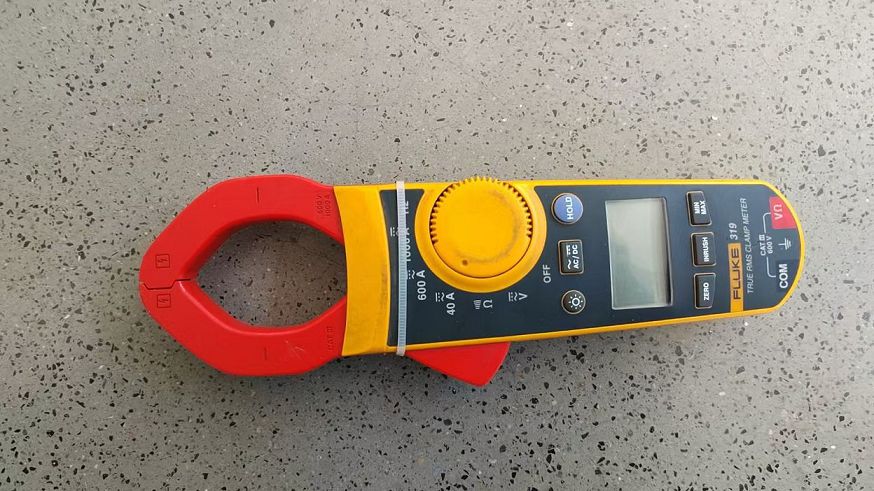
Advanced diagnostic setups—ranging from Semiconductor Characteristic Plotters to Power Quality Analyzers—ensure that every piece of machinery shipped complies with CE, RoHS, and ISO9001:2015 standards.
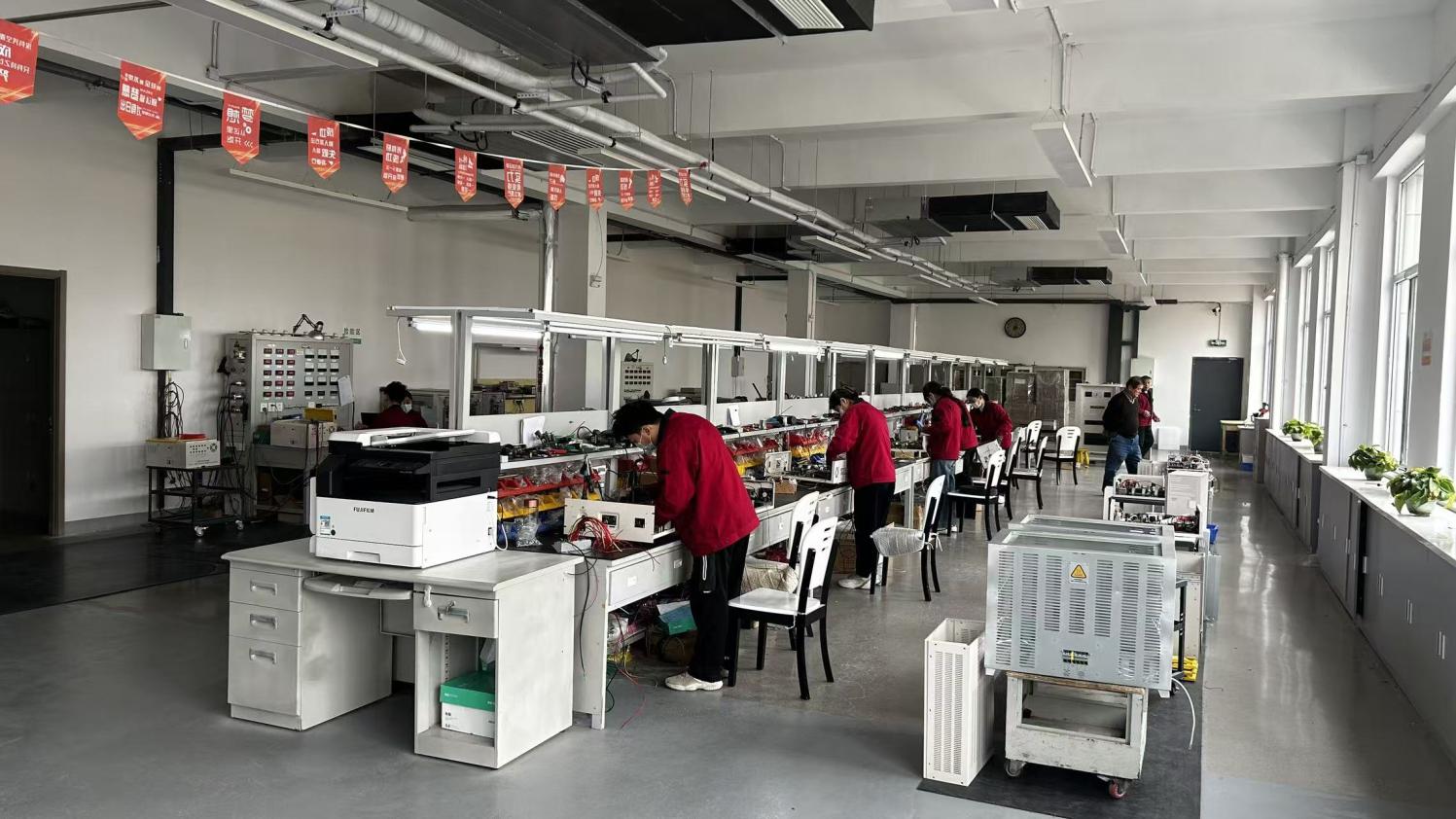
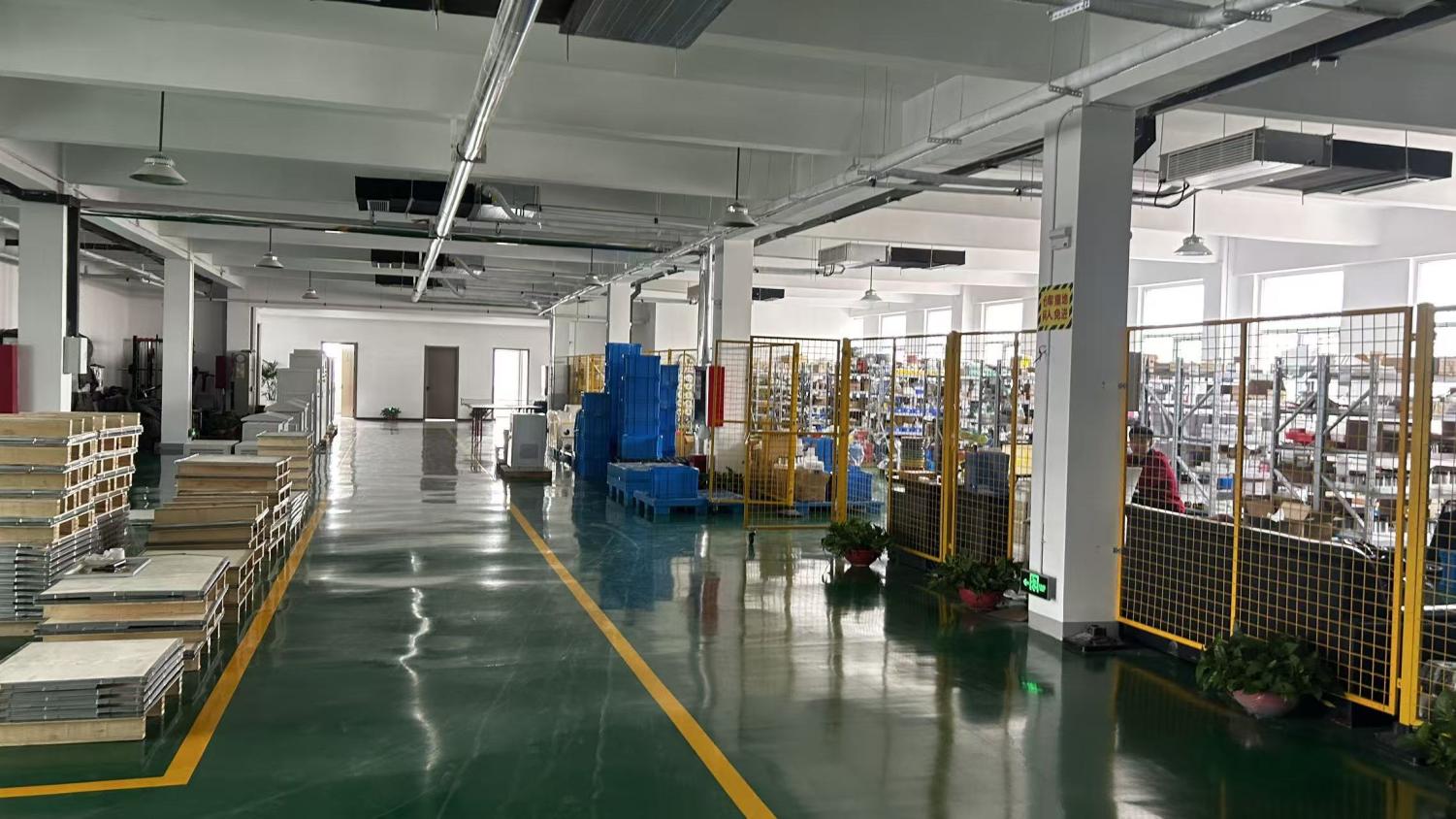
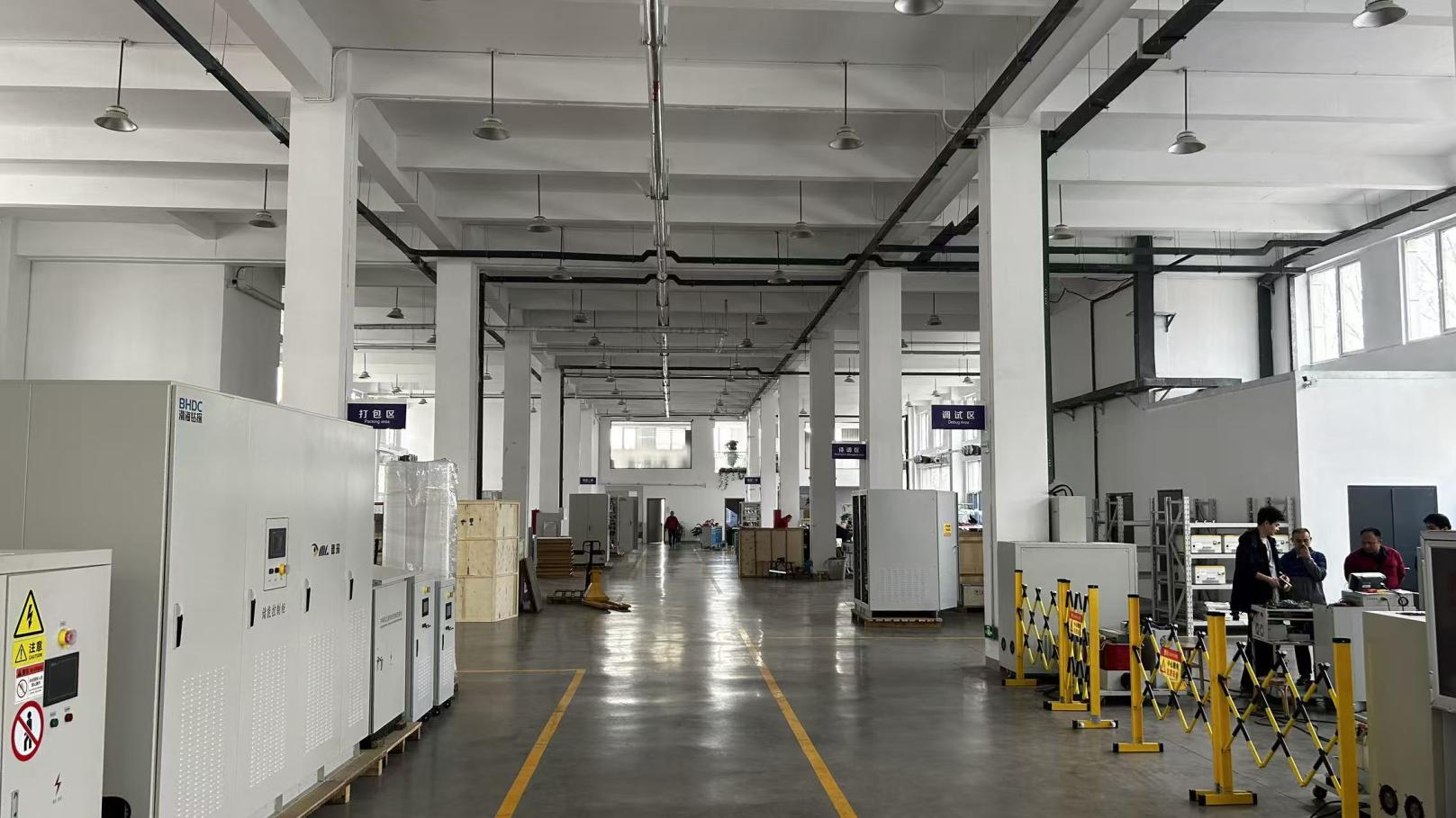
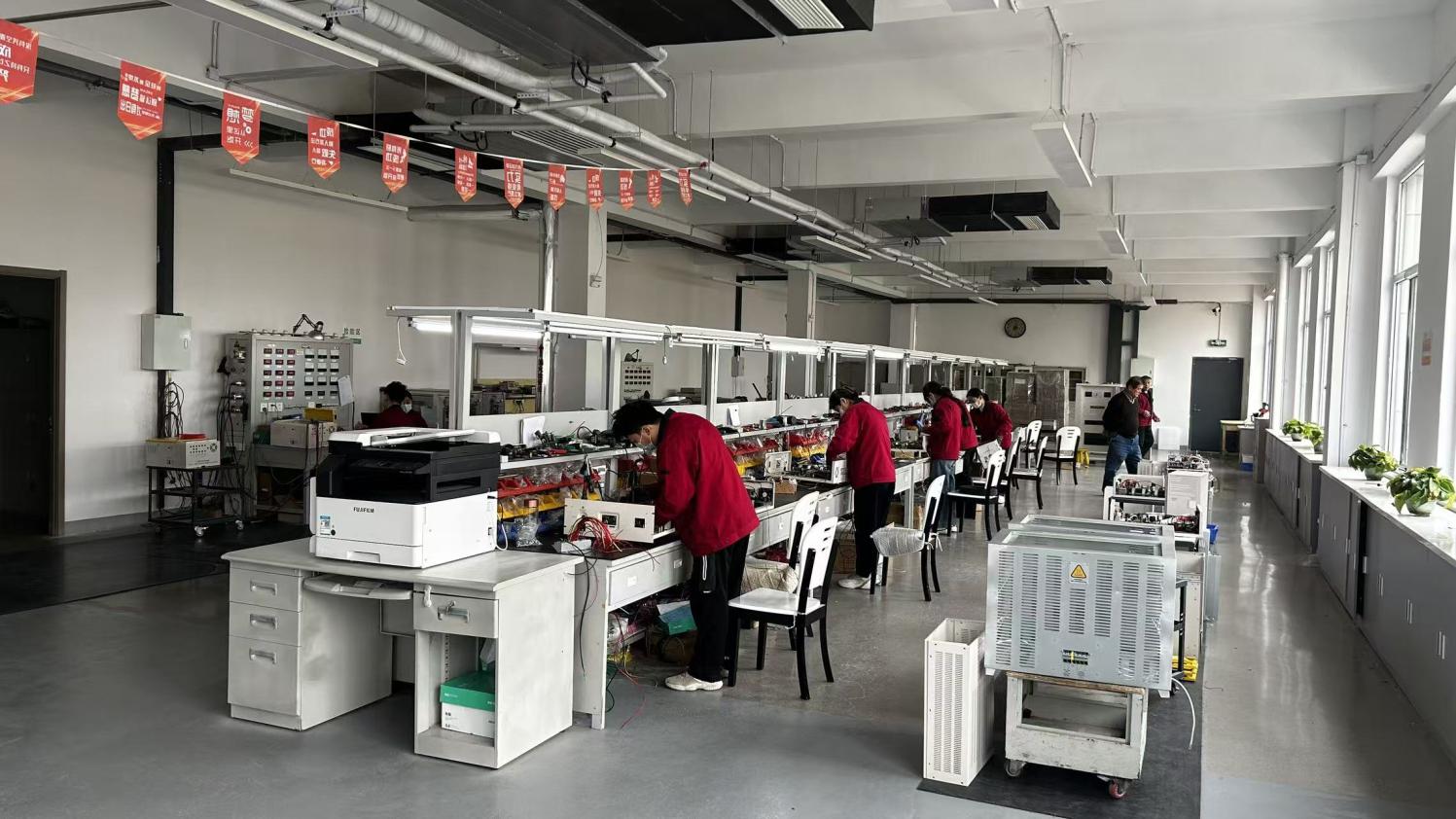
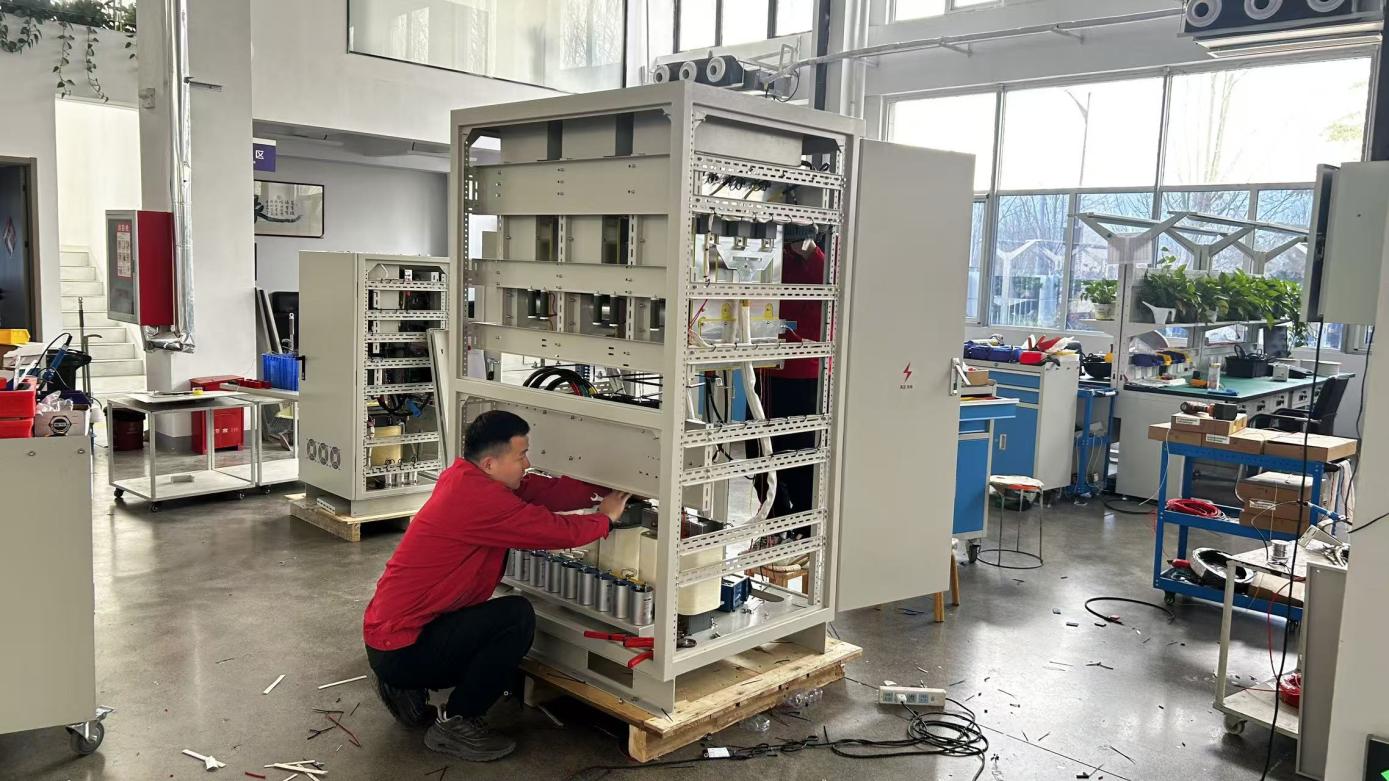
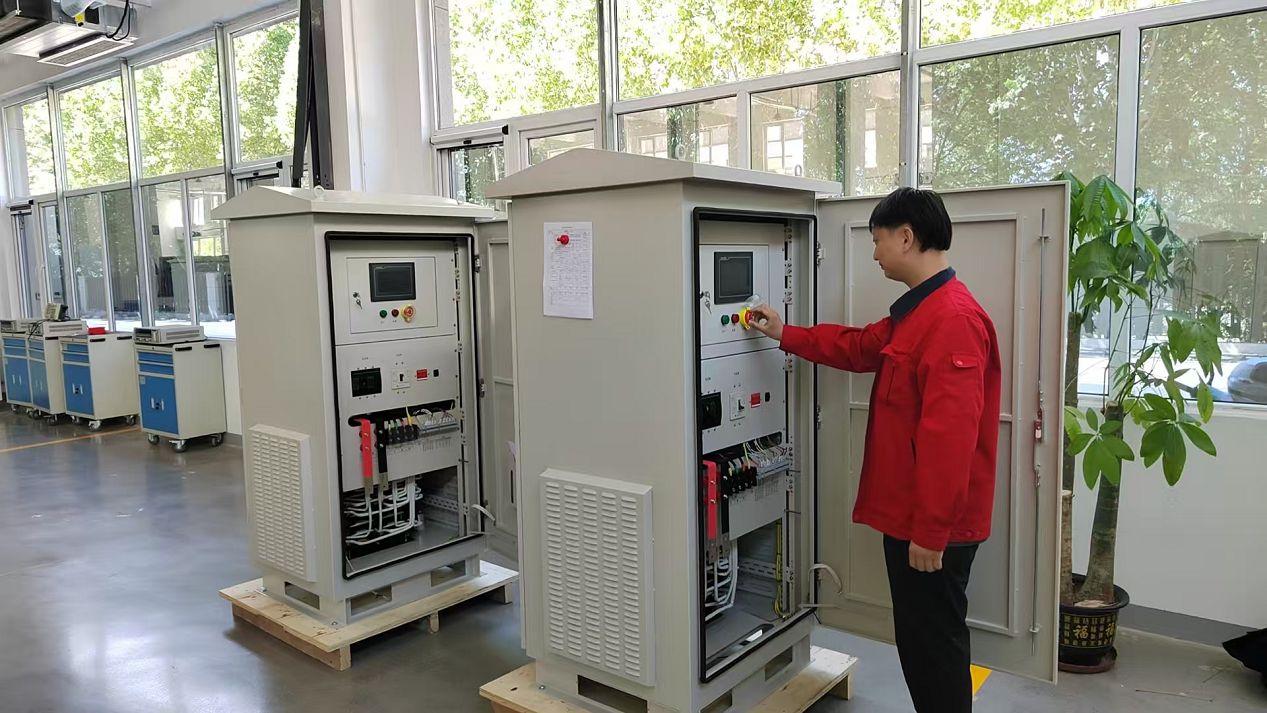
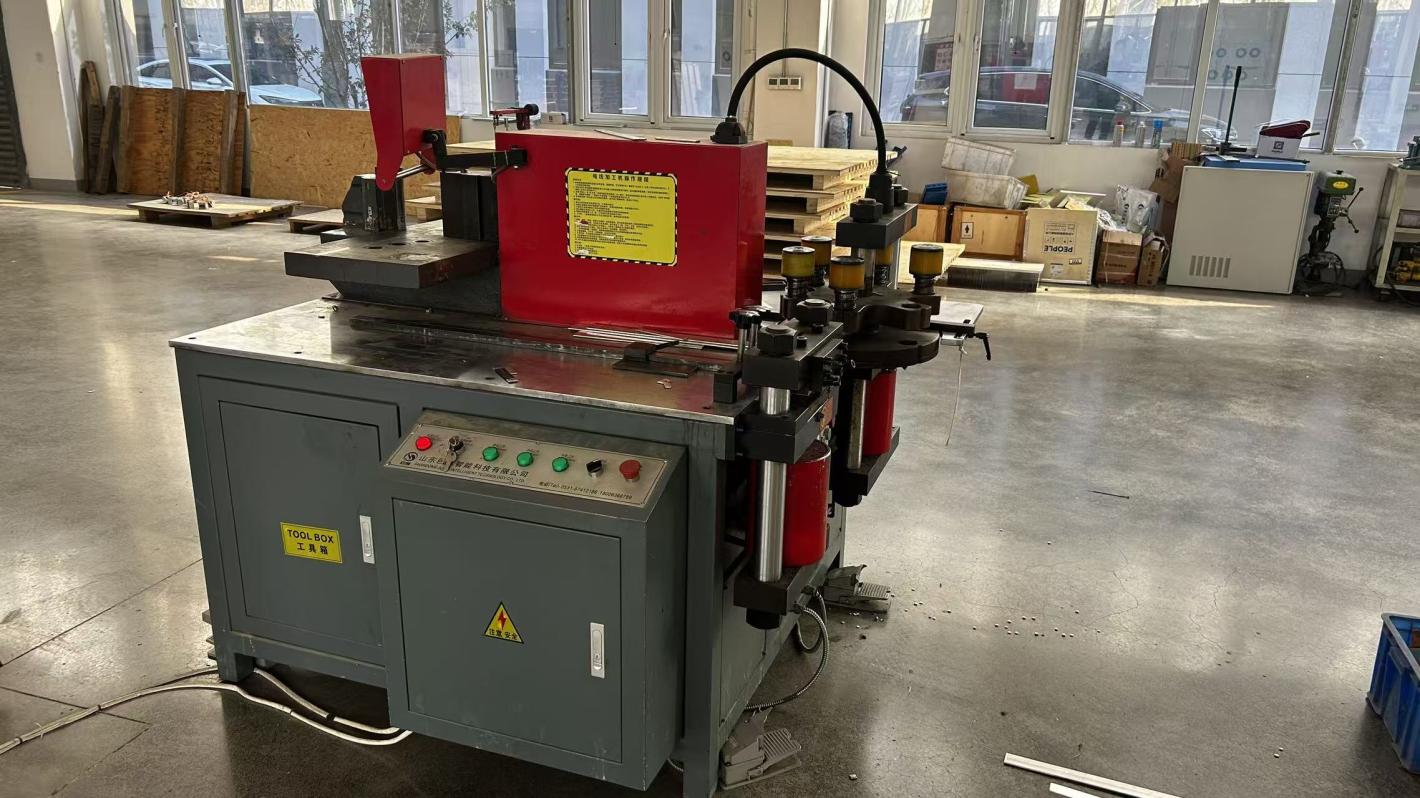
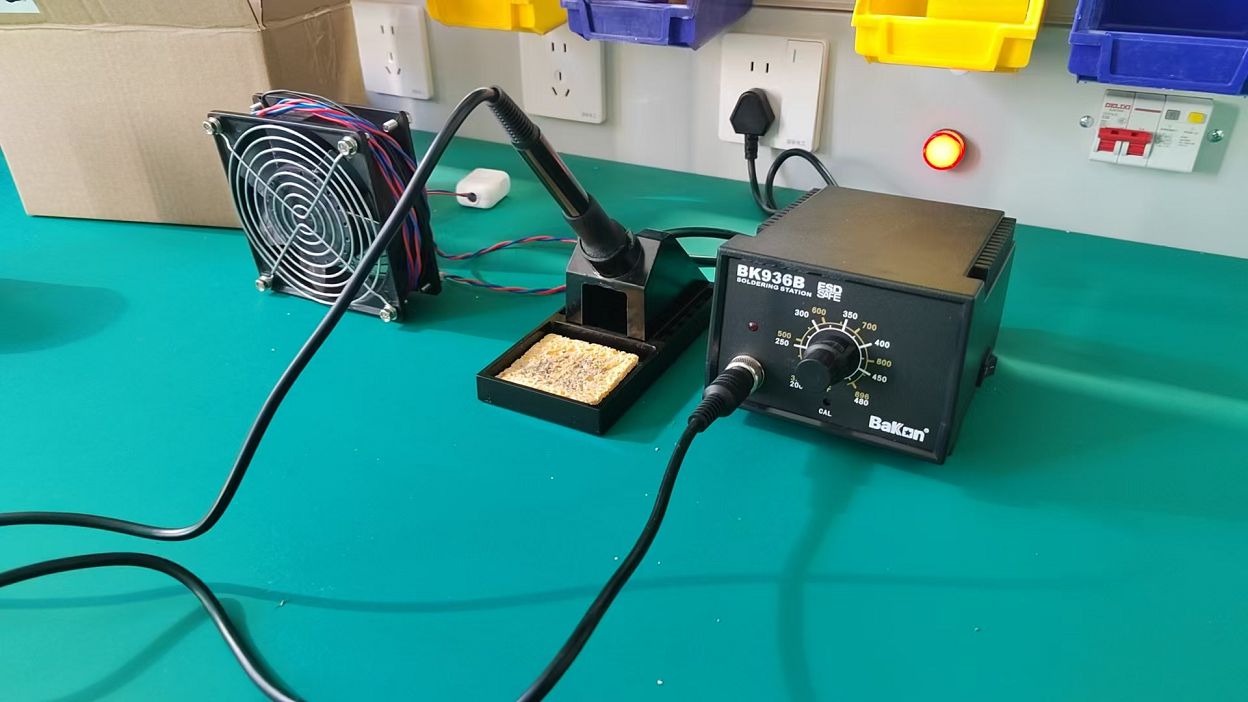
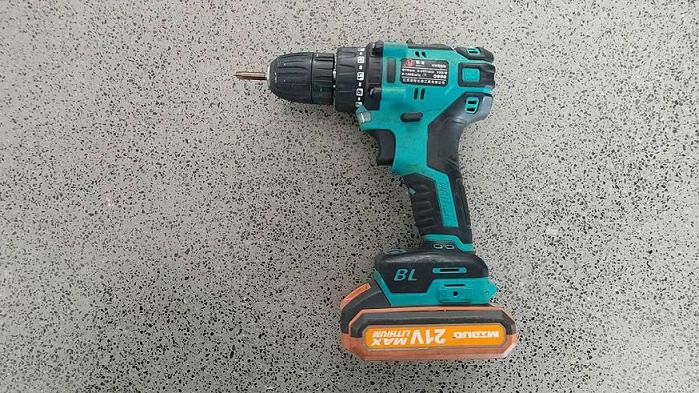
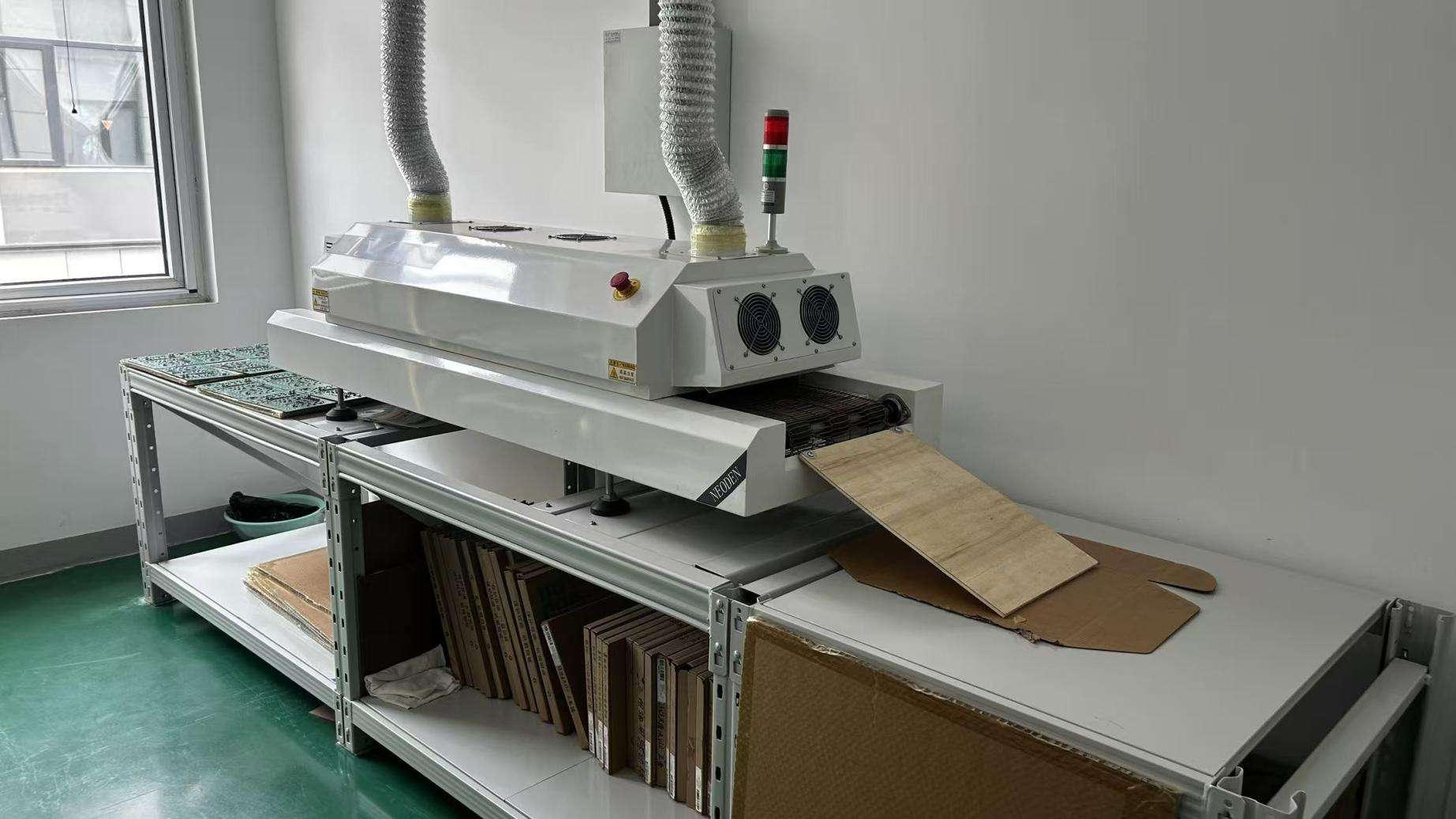
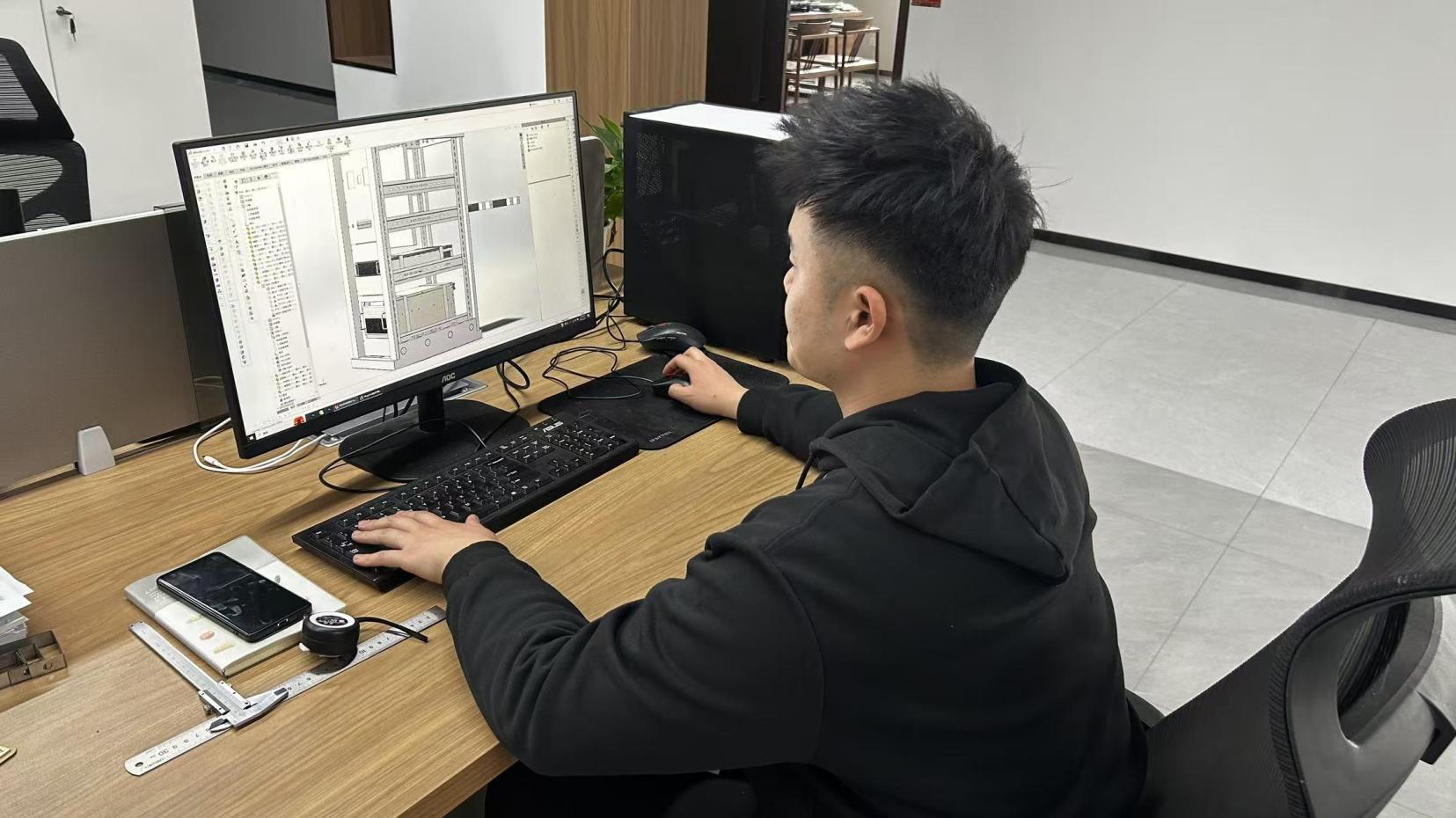
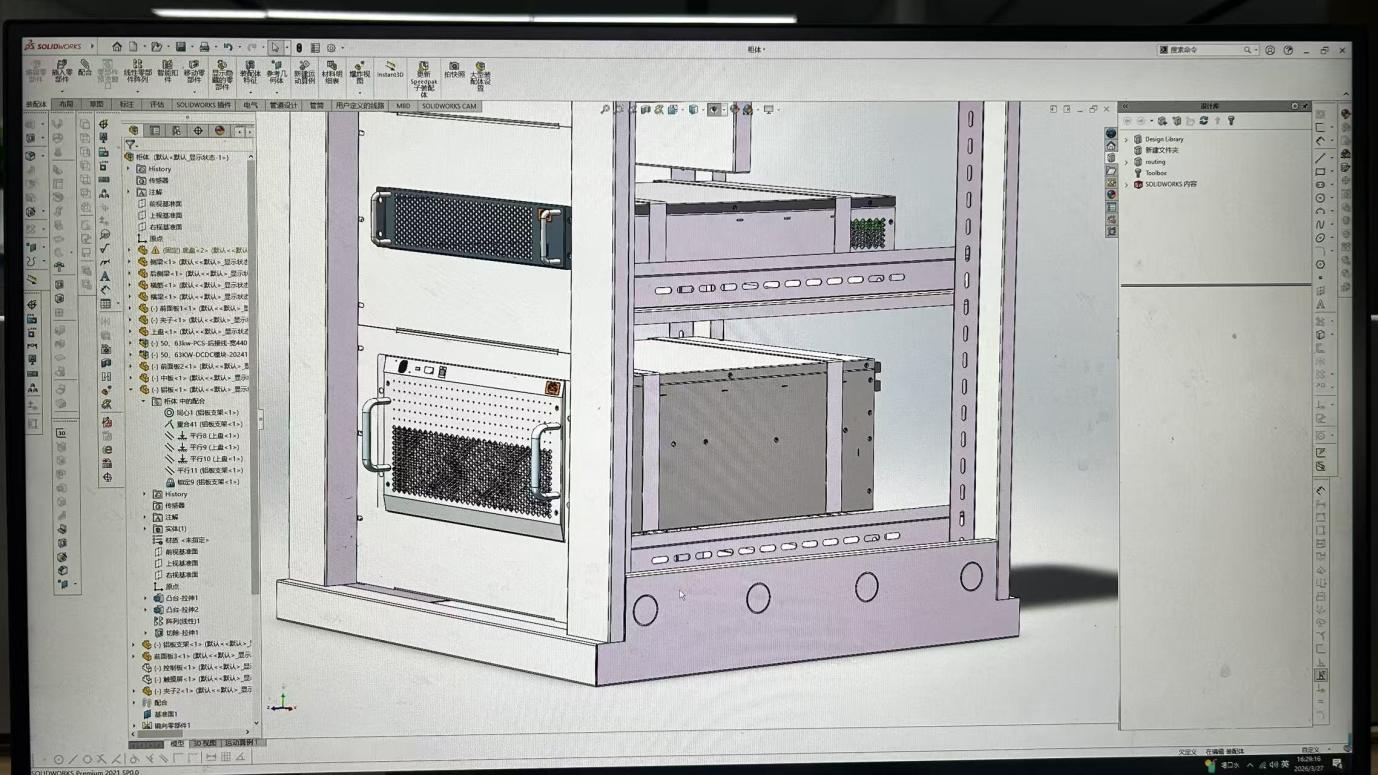
Unlike manufacturers that rely heavily on outsourced assembly, Jinan Deming Power Equipment maintains absolute process control over all internal fabrication steps. From drawing and schematic design using dedicated CAD platforms to circuit board assemblies, SMD reflow soldering, copper bar custom fabrication, and meticulous debugging, every stage is executed in-house. This comprehensive level of control reduces points of failure, ensuring that the critical converters and PCS systems deployed in harsh environments can withstand prolonged stress.
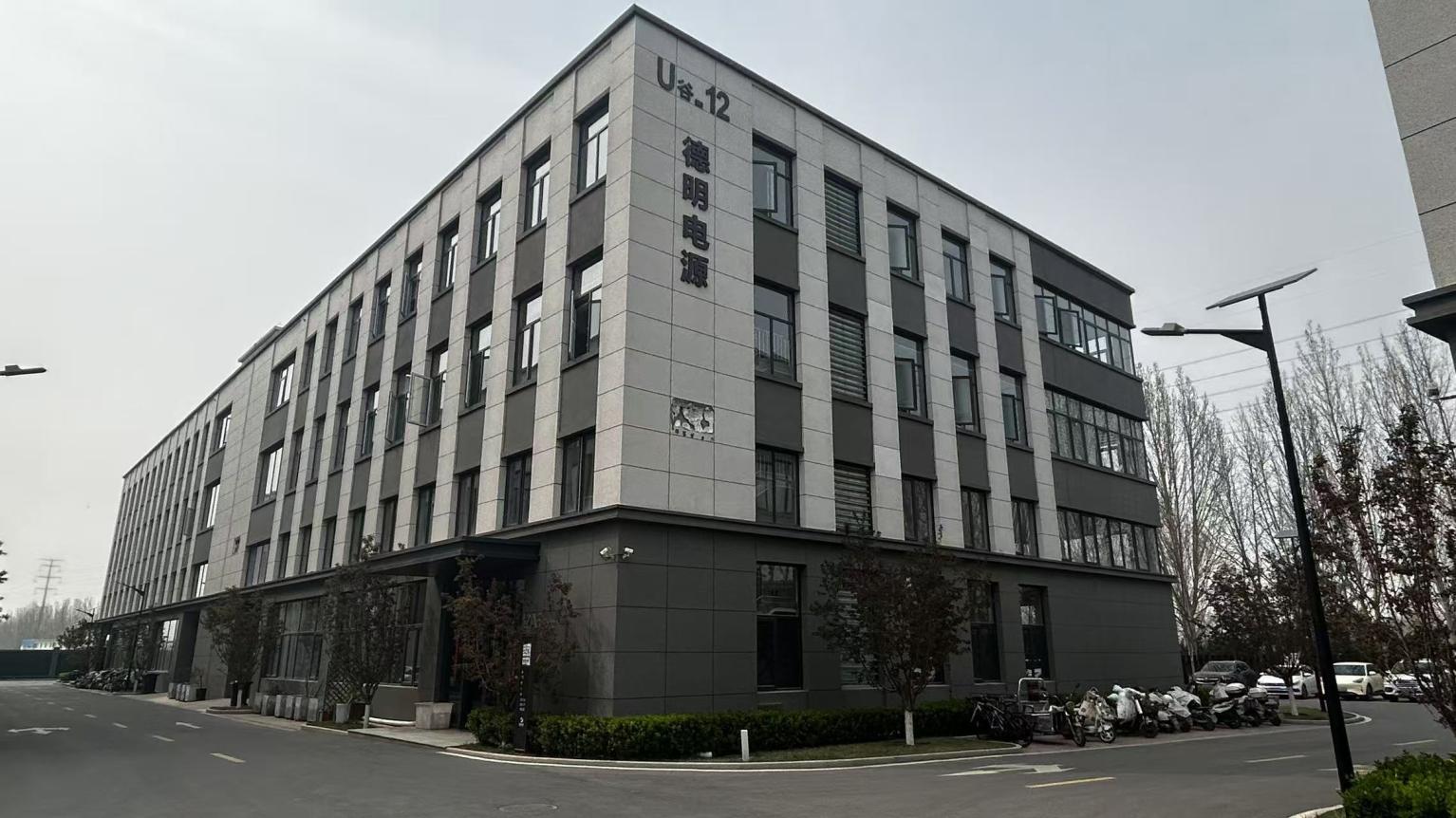
Established in 2004, Jinan Deming Power Equipment Co., Ltd. is a nationally recognized high-tech enterprise specializing in the research, development, production, and service of renewable energy power systems. Our facilities are certified under ISO9001:2015 quality management guidelines. By consistently reinvesting at least 20% of our annual sales revenue into technology development, we ensure that our hardware remains at the forefront of the power electronics industry.
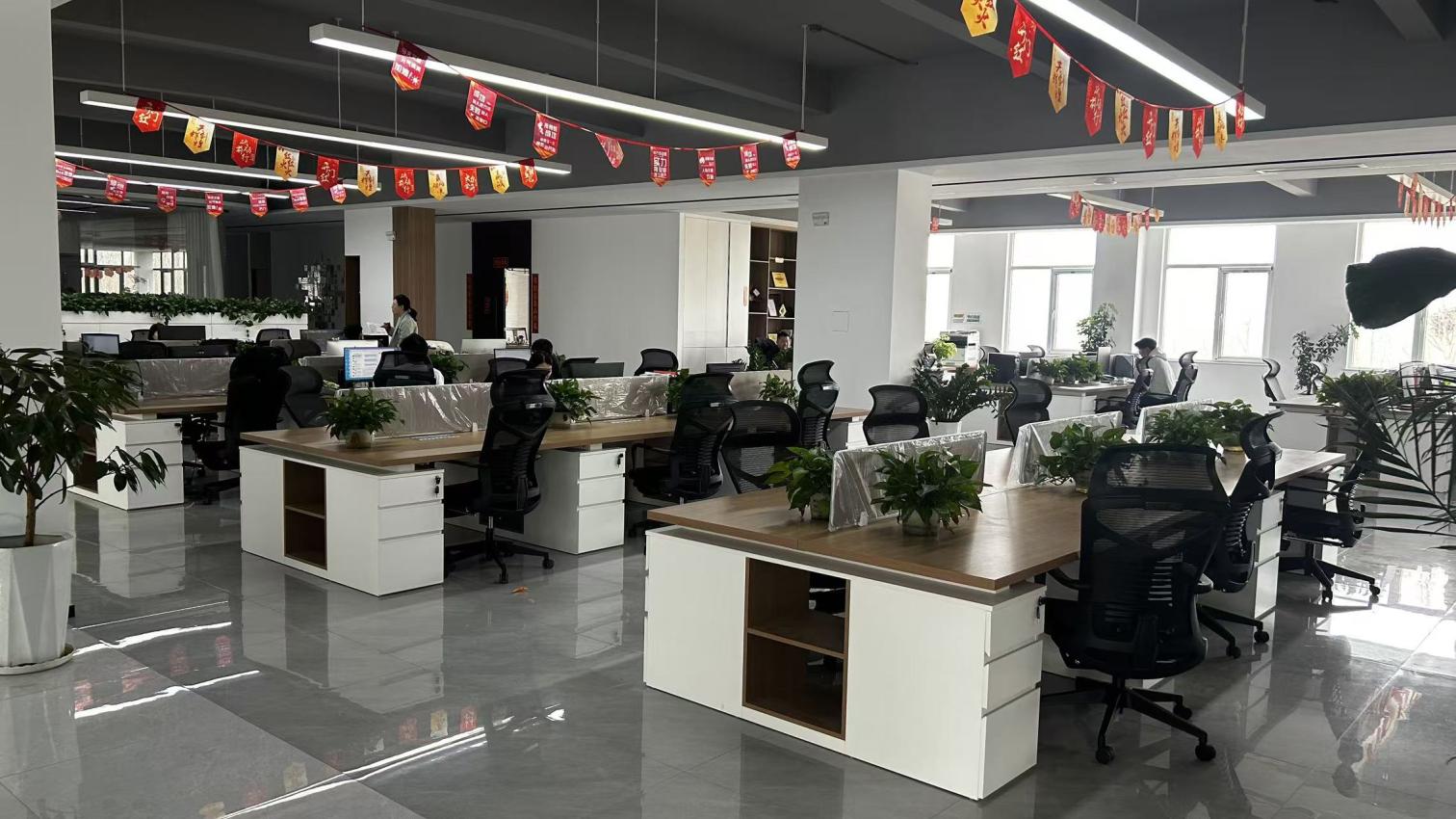
Our R&D department features a specialized team of 16 engineers, led by doctoral supervisors and academic specialists. Over the last three years alone, we have executed 17 advanced R&D initiatives, successfully transforming 16 scientific breakthroughs into commercialized hardware solutions. Our global reach extends to over 120 countries, including Germany, Japan, the United States, the UK, Canada, Australia, and Brazil, and we maintain key partnerships with Fortune 500 enterprises.
Deploying energy systems requires custom tailoring to match local environments and regional grid protocols. Below are three deployment scenarios where Deming Power's high-efficiency conversion hardware is used to maintain local policy compliance:
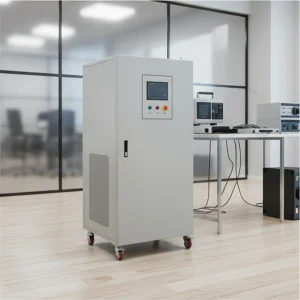
The Application: EV battery manufacturing facilities and automotive R&D centers require simulated battery load profiles to test next-generation drivetrains.
Deming Solution: High-power bidirectional DC test power supplies ranging from 150kW to 500kW simulation power. These units mimic charge/discharge dynamics with rapid response times and high voltage precision.
The Application: Communities isolated from continental transmission lines that rely on combined solar, wind, and diesel generator setups.
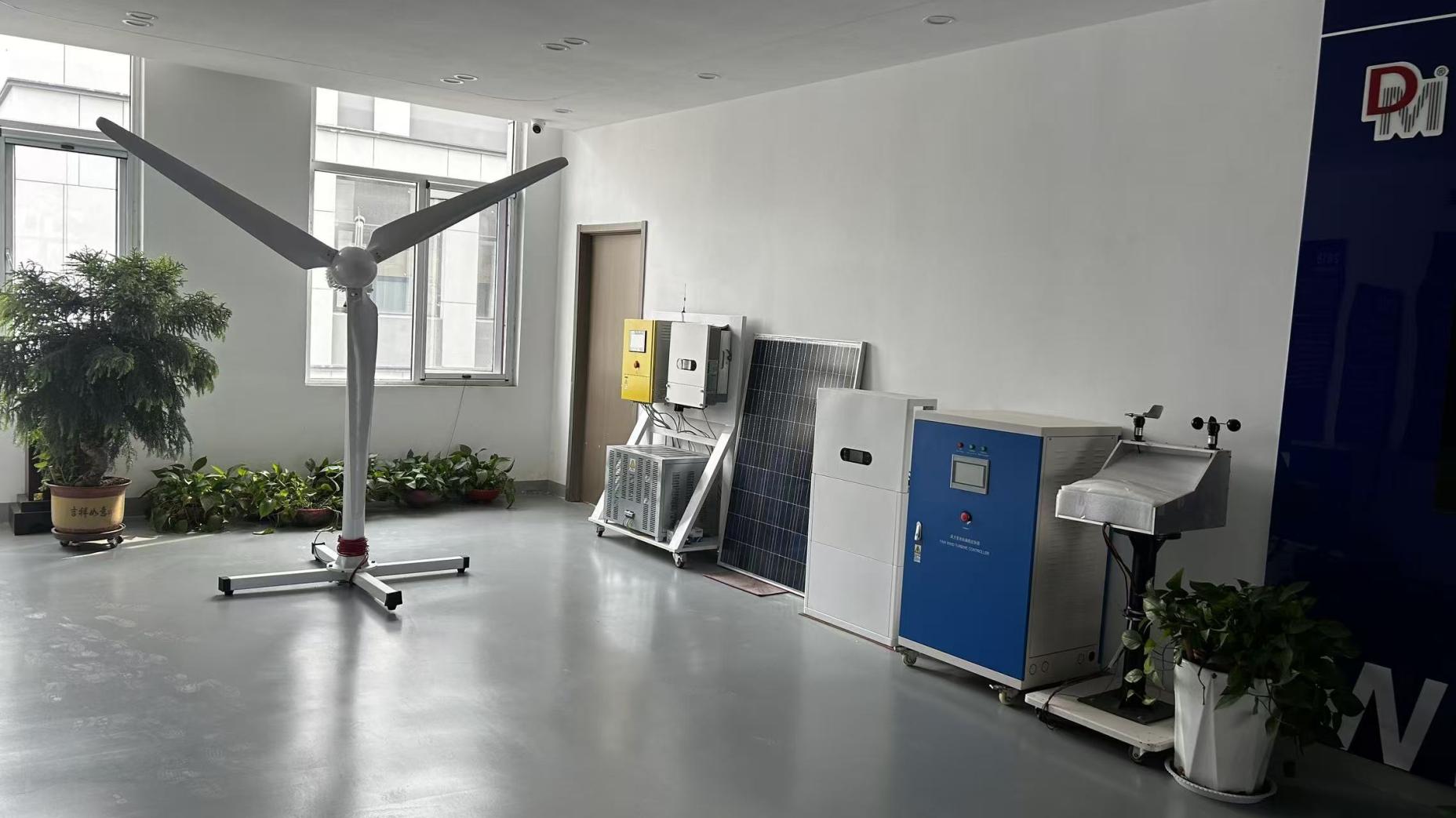
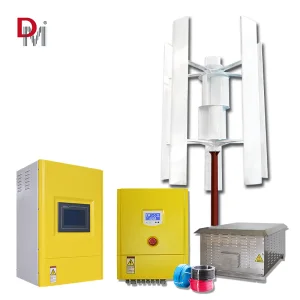
Deming Solution: 300kW Off-Grid Inverters paired with MPPT Wind Turbine Grid-Tie Controllers with integrated dump loads to protect turbine mechanics from overspeeding during storms.
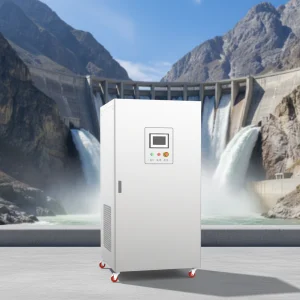
The Application: Run-of-the-river hydroelectric stations or low-speed wind systems in mountainous regions with highly variable seasonal outputs.
Deming Solution: Hydroelectric Generator Voltage Stabilizers (500KW - 1000KW) that output stable voltages and frequencies, allowing operators to export power safely without triggering local utility faults.
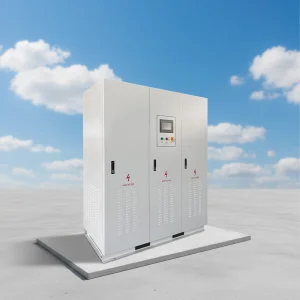
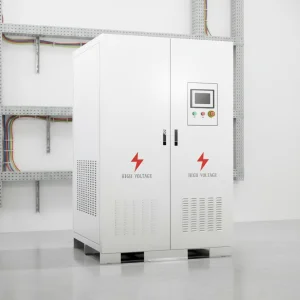
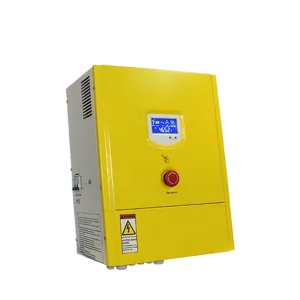
As grids face increasing pressure from variable renewable energy sources (VRE), procurement criteria for energy equipment have evolved. Industrial operators no longer evaluate inverters and controllers purely on unit cost. Modern procurement focuses on systemic integration capability, regulatory conformity, and thermal design.
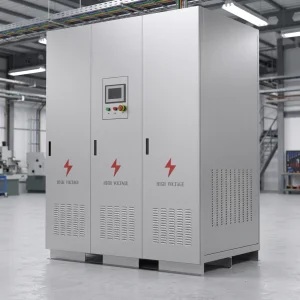
Conventional grid-following inverters rely on the grid to establish their output voltage and frequency reference. However, under high renewable penetration scenarios, modern energy policies demand grid-forming (GFM) capability. Advanced Power Conversion Systems (PCS) must actively support the grid voltage vector. Deming Power’s latest bidirectional systems feature adaptive firmware to simulate virtual synchronous machine (VSM) inertia, stabilizing local networks under sudden load swings.
High-efficiency configurations (achieving up to 99% conversion yields) reduce operational heat dissipation, extending capacitor life and reducing the size of thermal cooling systems. For extreme climates—such as sub-zero wind installations in Nordic regions or high-humidity PV farms in Southeast Asia—incorporating galvanic isolation transformers protects low-voltage controls from ground faults and utility surges, ensuring continuous uptime.
B2B buyers, EPC contractors, and system engineers from regions like North America and the European Union look for three critical criteria when importing Chinese power equipment:
A policy-compliant manufacturer designs electrical conversion equipment to meet national grid regulations (such as IEEE 1547 in the US or EN 50549 in Europe). Key functions include Low-Voltage Ride-Through (LVRT), grid-disconnection on loss of utility power (anti-islanding), and power factor correction.
At Jinan Deming Power Equipment, our engineering teams adapt firmware and electrical designs to ensure each shipment complies with the specific utility standards of the importing country.
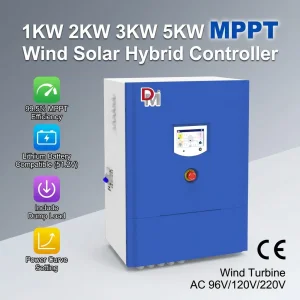
Maximum Power Point Tracking (MPPT) controllers actively monitor and adjust input voltage to extract maximum power from solar arrays or wind turbines, providing up to 30% higher efficiency than Pulse Width Modulation (PWM) designs.
PWM controllers are simpler systems that pull the source voltage down to match the battery voltage, making them suitable for smaller setups. Our portfolio includes high-efficiency models of both technologies to fit different project scales.
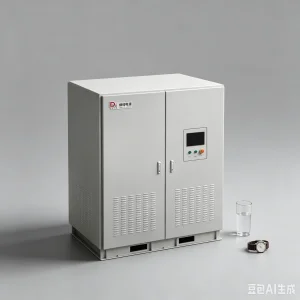
Galvanic isolation uses an internal transformer to isolate the DC battery circuit from the AC grid. This prevents ground loops, reduces harmonic distortion, and protects sensitive power electronics from grid-side surges.
This isolation is critical for utility-scale systems to ensure compliance with strict grid safety standards and protect investments in battery assets.
Unlike solar arrays, which can be turned off electrically, spinning wind turbines must be kept under load to prevent mechanical overspeeding during high winds or grid outages.
Our FKJ-GT wind controllers feature automatic PWM dump loads that redirect excess energy into heating elements, protecting the turbine from mechanical damage.
Our ISO9001:2015 certified process includes raw material testing, automated SMD reflow soldering inspection, and dynamic load testing.
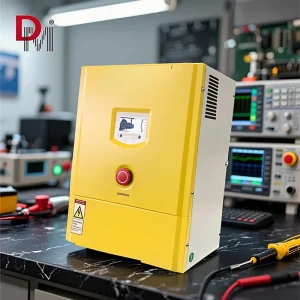
We verify electrical parameters using diagnostic equipment like Semiconductor Characteristic Plotters, LCR AutoTesters, and high-frequency digital oscilloscopes to ensure every system meets its rated output.
We export to more than 120 countries, managing custom voltage configurations, enclosure ratings (IP grades), and interface protocols (Modbus, CANbus) to meet localized project demands.
Our engineering team works closely with global partners from initial schematic design to final testing and remote system commissioning.
 Demin Power