Explore our advanced technological solutions including marine power grids, high-power converters, and hybrid wind-solar control systems.
The transition from legacy grid infrastructures to resilient microgrids constitutes one of the most critical industrial shifts of the 21st century. Driven by strict decarbonization targets, carbon border adjustments, and the imperative for energy self-reliance, international enterprises are deploying multi-megawatt alternative energy setups at an unprecedented rate.
Industrial facilities require continuous power quality parameters. The insertion of volatile renewable energy resources like wind and solar arrays introduces significant dynamic instabilities. Addressing this technical gap requires robust bidirectional power conditioning systems (PCS), ultra-high speed MPPT solar controllers, and intelligent grid-tie interfaces to optimize energy flow.
Modern commercial solar installations require grid-grade synchronization and fault-ride-through capability. Systems must mitigate high harmonic distortion and protect battery banks against unexpected electrical surges.
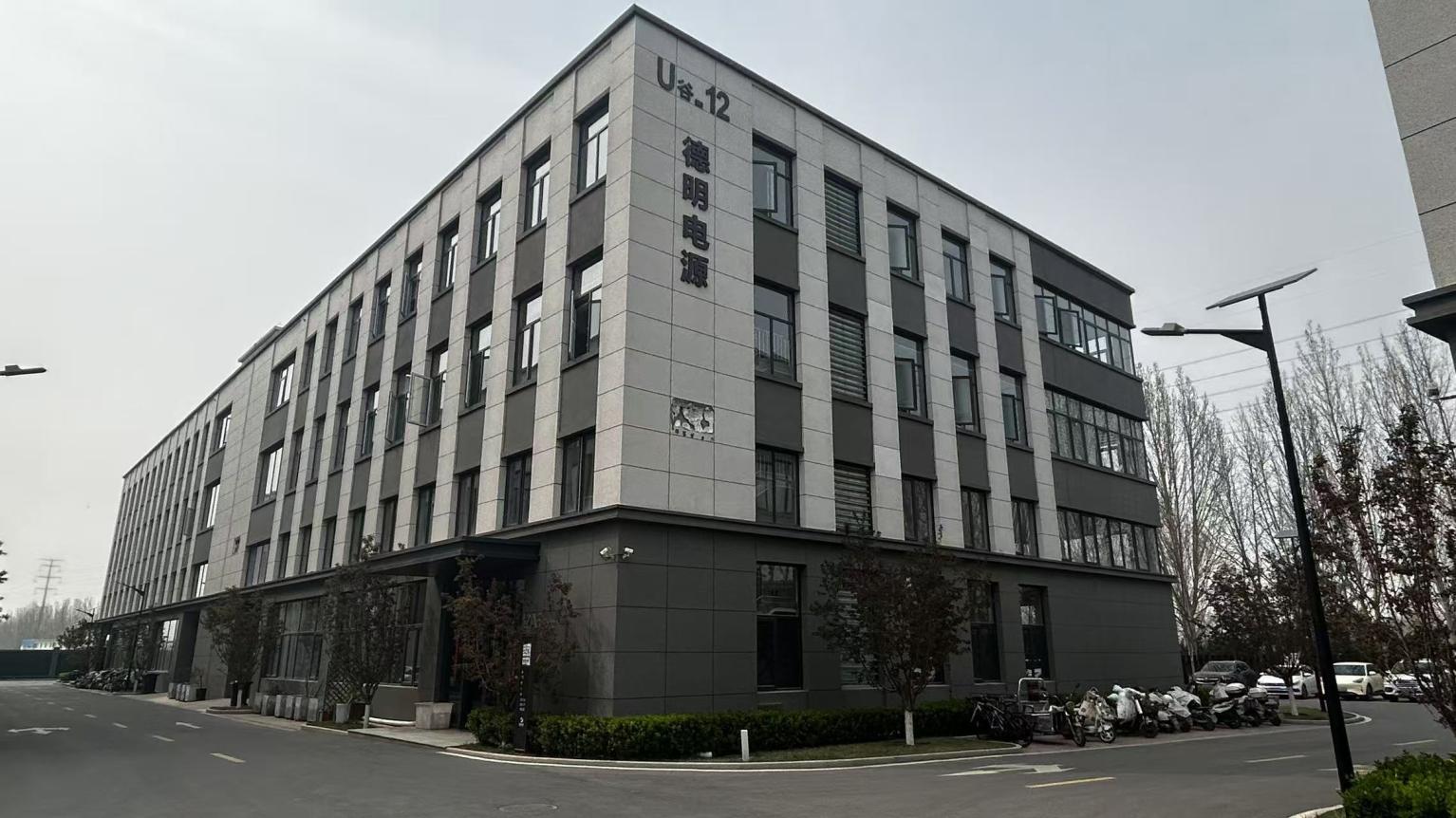
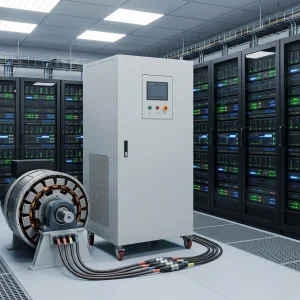
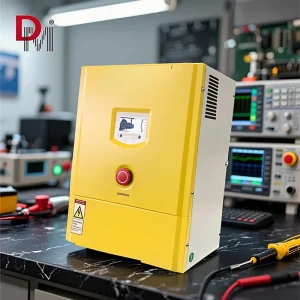
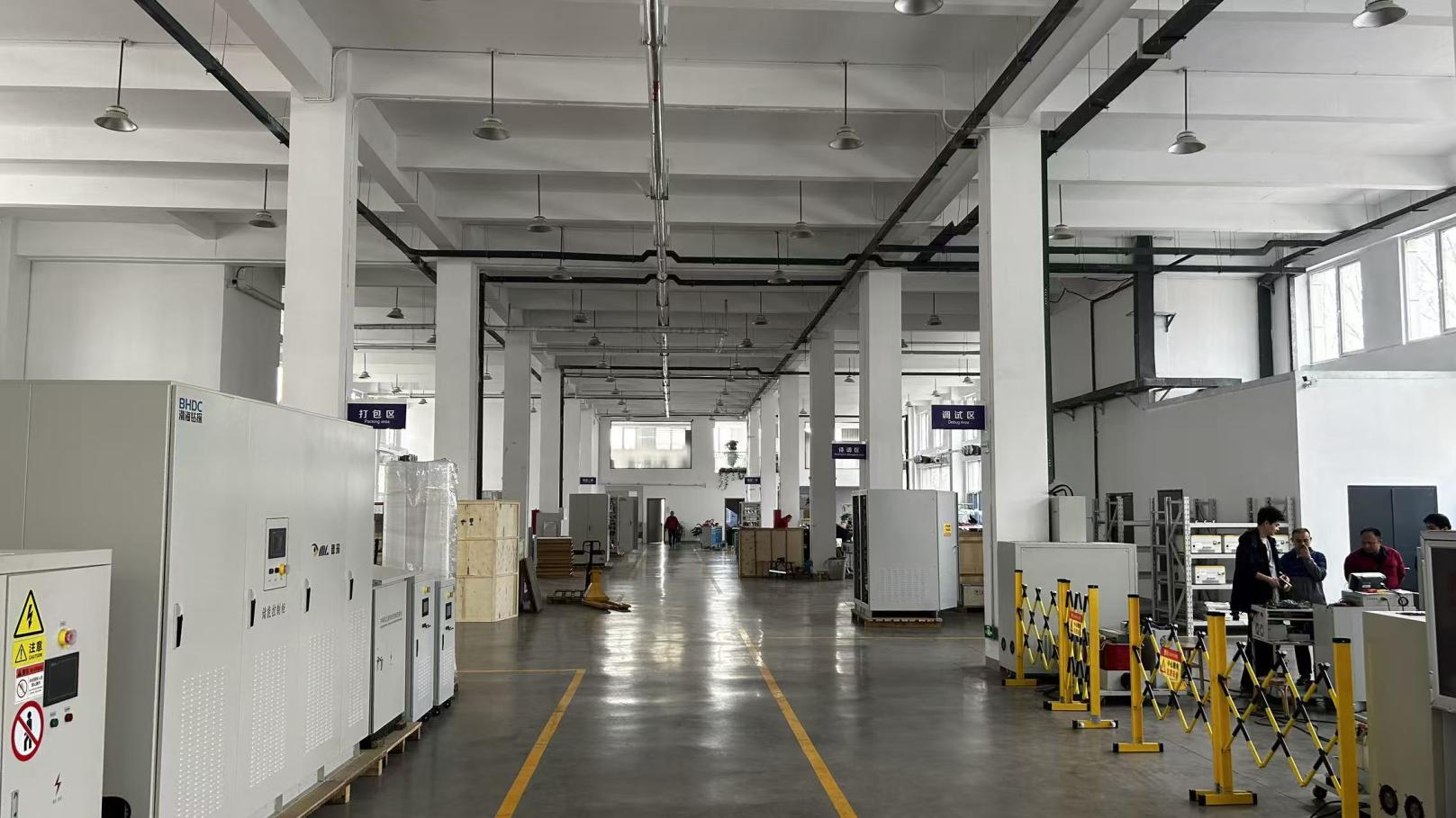
Fig 1: Inside Jinan Deming Power's advanced integration and testing center.
A trusted research-driven manufacturing leader driving power stability and renewable integration systems worldwide since 2004.
Established in 2004, Jinan Deming Power Equipment Co., Ltd. is a nationally recognized high-tech enterprise specializing in the research, development, and engineering of advanced renewable energy power converters, wind/solar controllers, and high-power test benches.
Maintaining strict quality control procedures compliant with global ISO9001:2015 specifications throughout all production workflows.
Consistently investing 20%+ of annual sales revenues back into technical developments, prototyping, and performance optimizations.
Supplying critical energy equipment to markets like Germany, USA, Japan, UK, Canada, Australia, and Brazil.
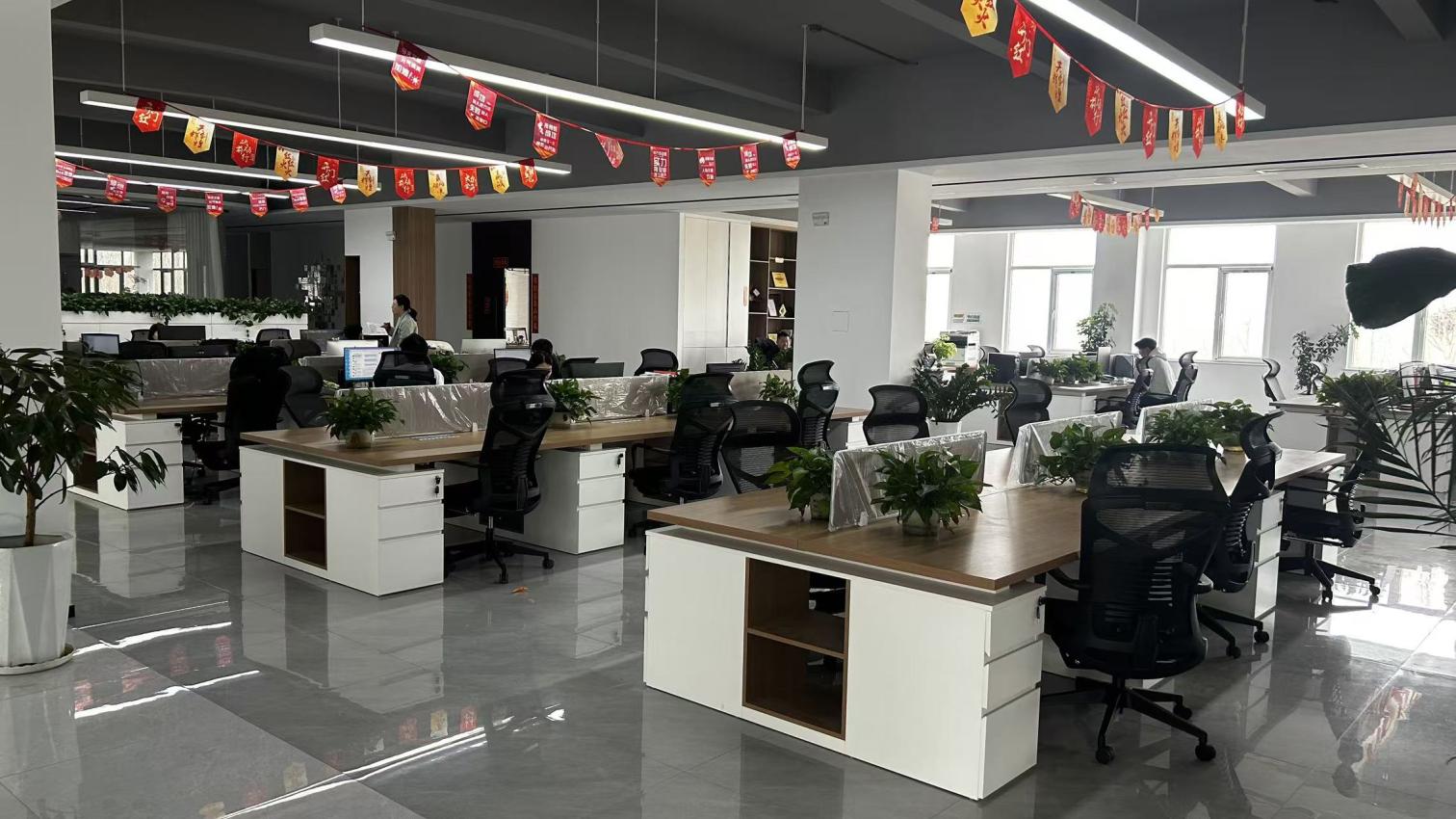
With a dedicated research team of 16 engineers including doctoral supervisors and master's degree holders, Deming has executed 17 major R&D projects over the past 36 months, converting 16 advanced laboratory milestones directly into commercial products.
Our client portfolio includes Fortune 500 enterprises, national utility grids, and marine port authorities seeking industrial-grade onshore ship power and multi-megawatt solar/wind integrations.
Understanding critical technology configurations behind robust power conversion and industrial microgrids.
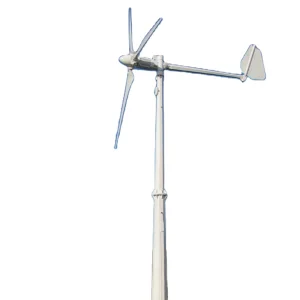
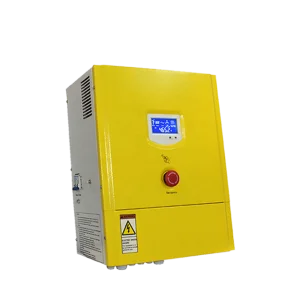
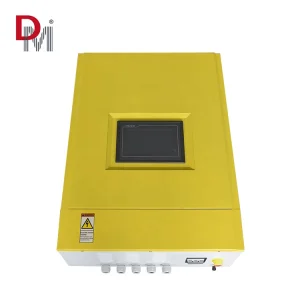
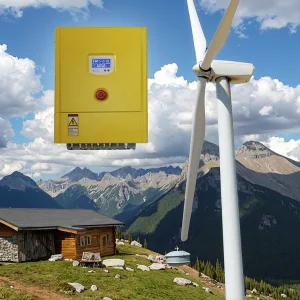
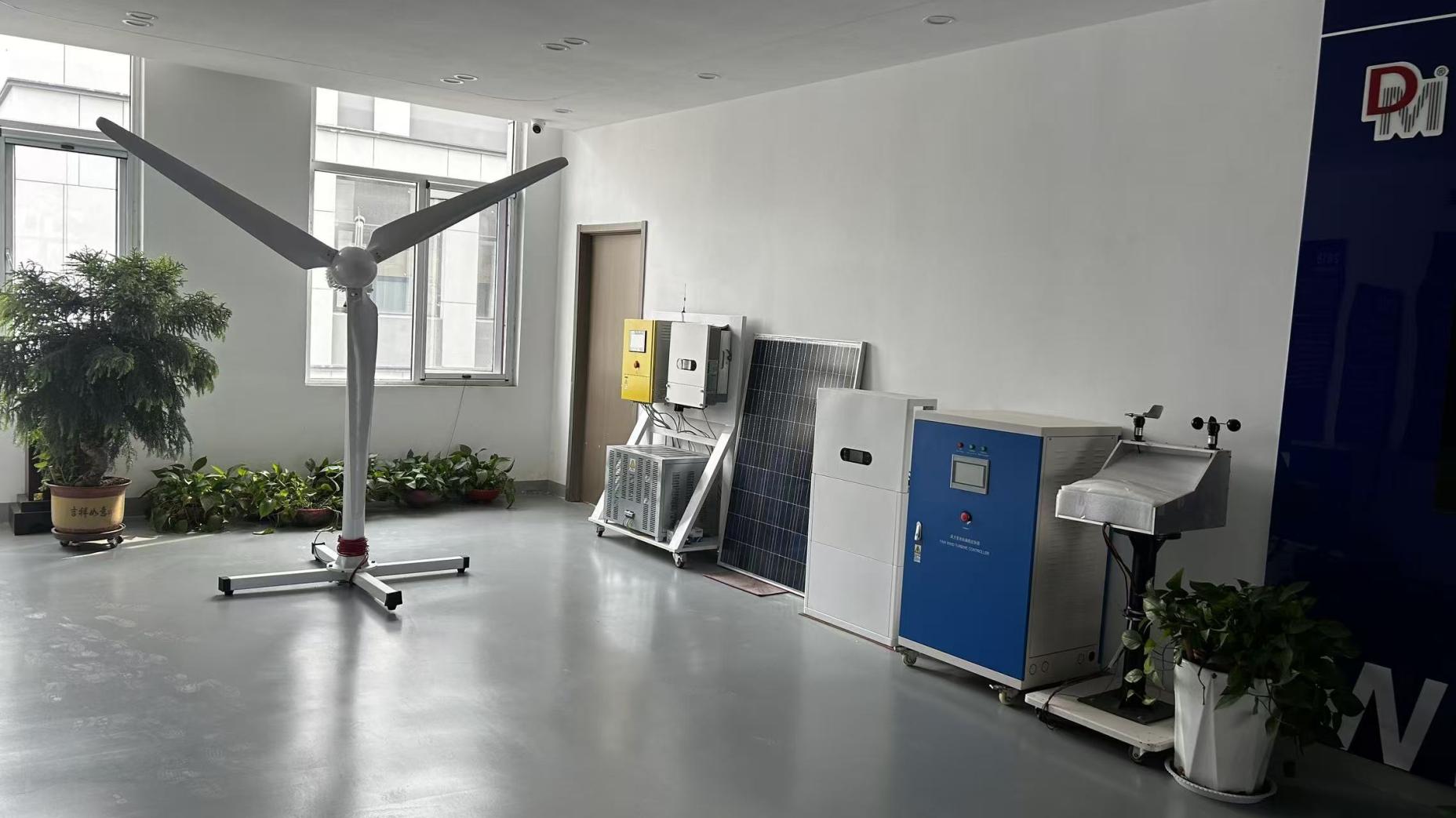
Wind turbine integration requires high-precision dumping load control. The FKJ-GT series (ranging from 2kW to 100kW) prevents generator over-speed conditions by deploying dynamic pulse-width modulation (PWM) dump loads, and coordinates smoothly with global brands like Deye hybrid inverters.
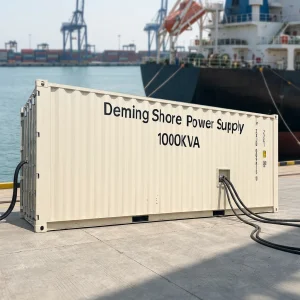
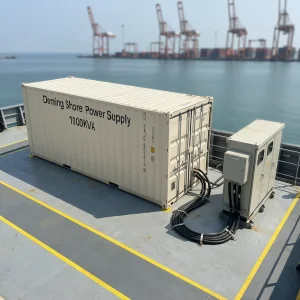
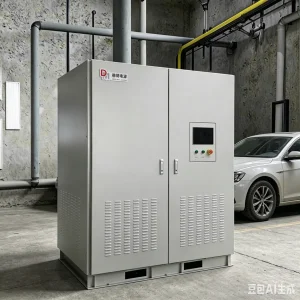
Decarbonizing maritime transportation relies on shore-to-ship connection architectures. Deming's Shore Power Systems (500kW to 5MW) transition ships from auxiliary diesel engines to clean dockside municipal grids, matching voltage and frequency requirements (50Hz/60Hz conversion).
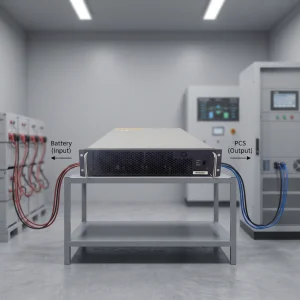
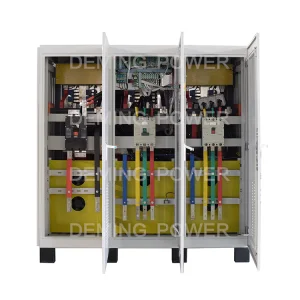
Advanced utility-scale battery energy storage systems (BESS) require intelligent interface electronics. Deming's stackable 30kW-50kW and large-scale 300kW-800kW bidirectional converters optimize DC bus voltages for modern battery chemistries.
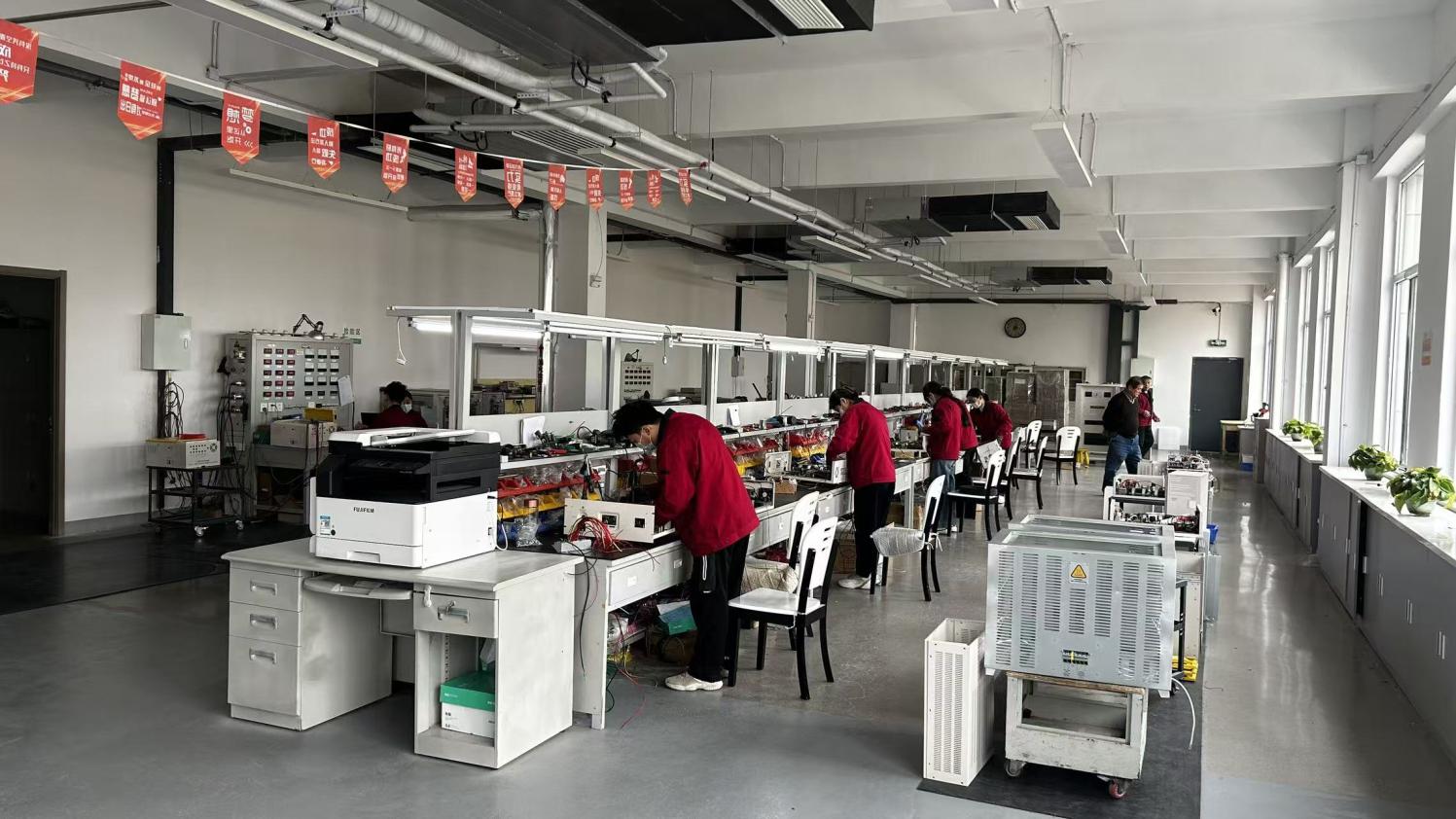
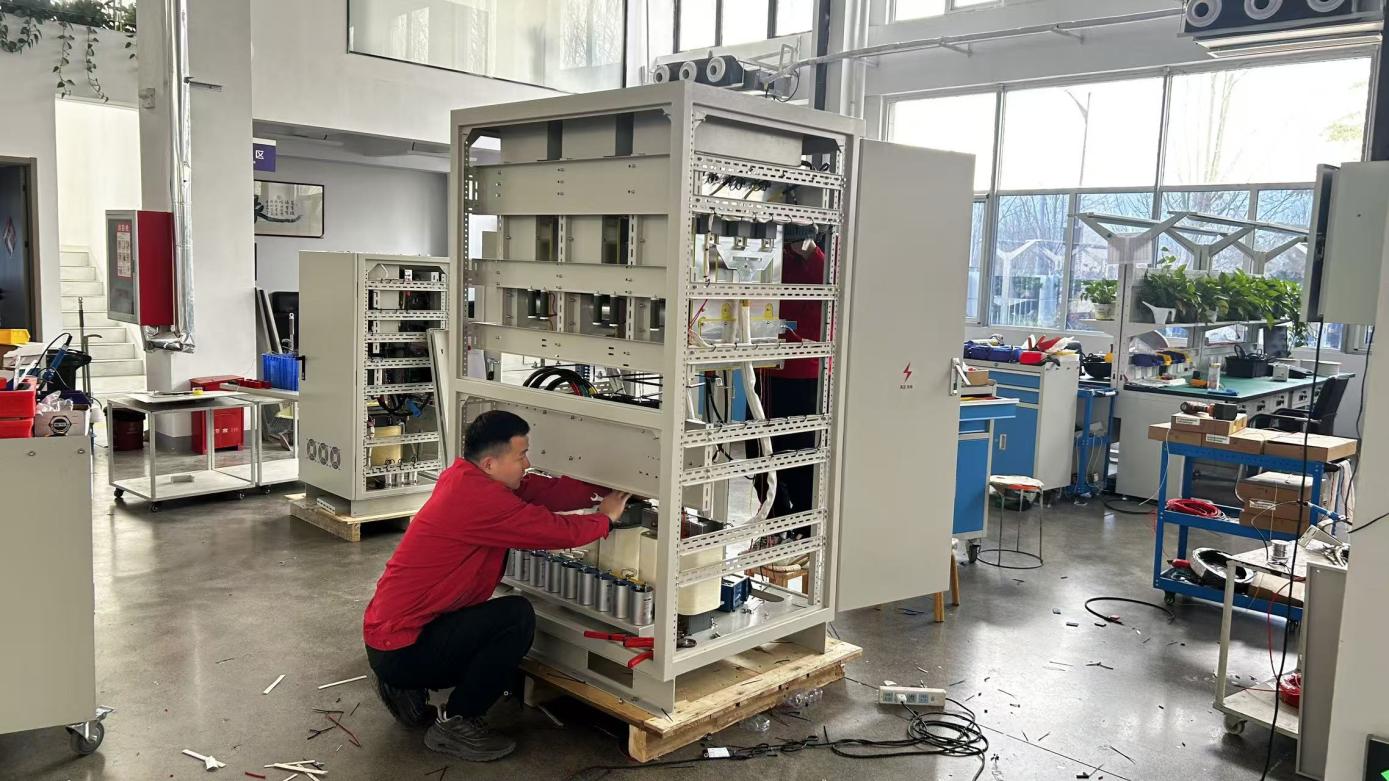
Each unit manufactured under the Deming brand undergoes extensive thermal testing, circuit board debug operations, and power quality evaluations using premium calibration tools.
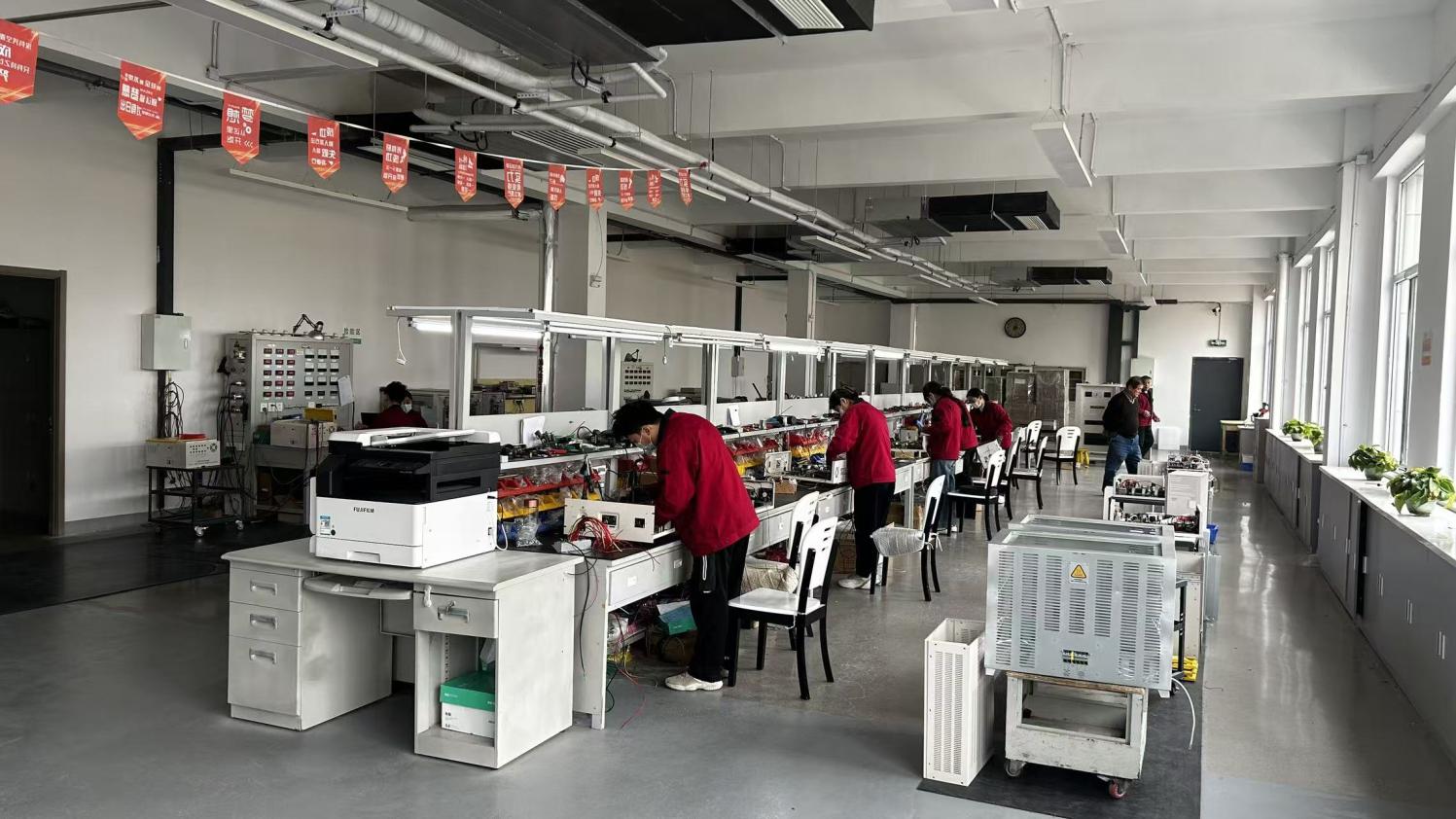 Assembly Station
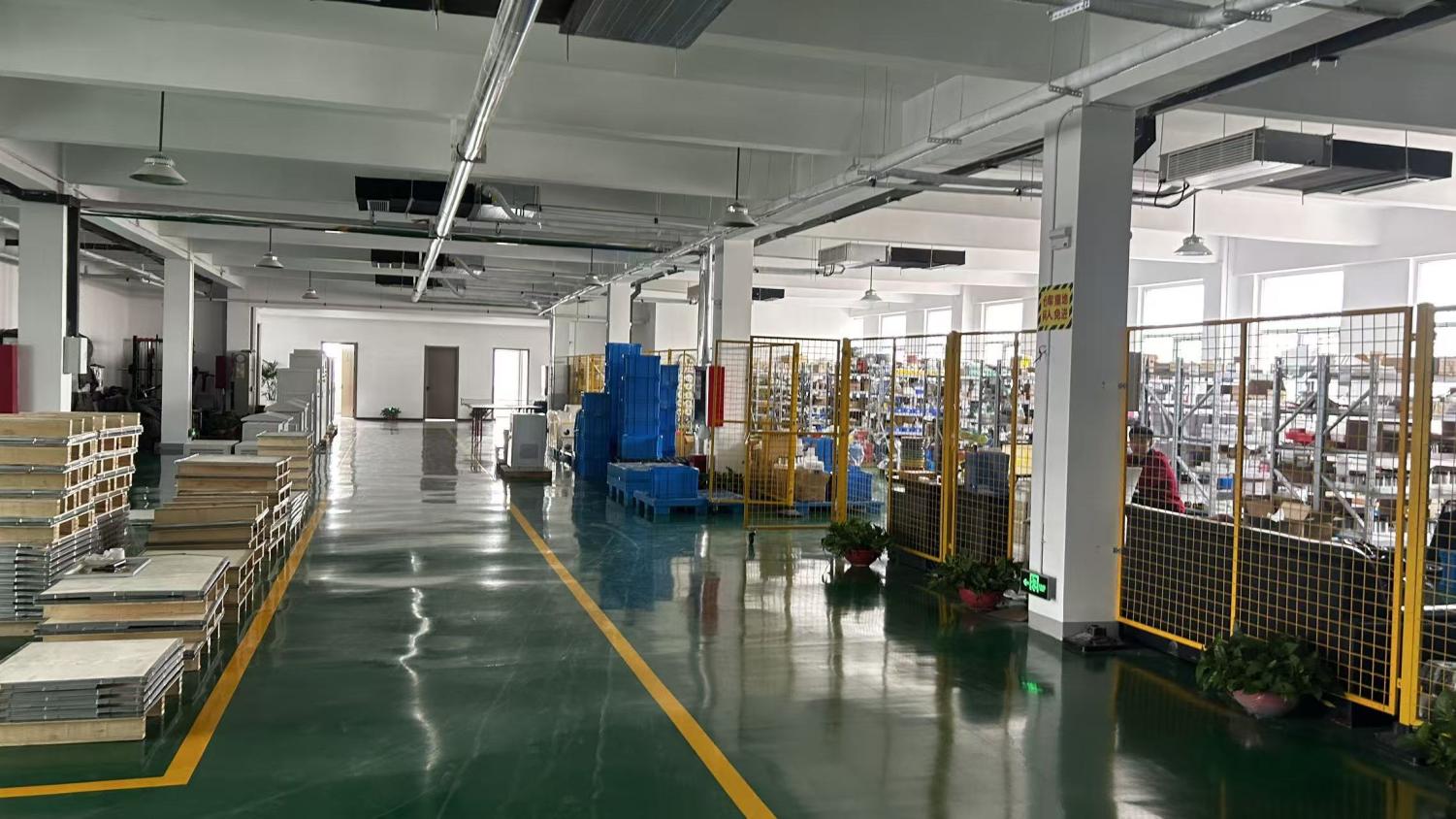 System Calibration
 Performance Diagnostics
 Control Board Inspection
 Circuit Assembly
 Circuit Board Assembly
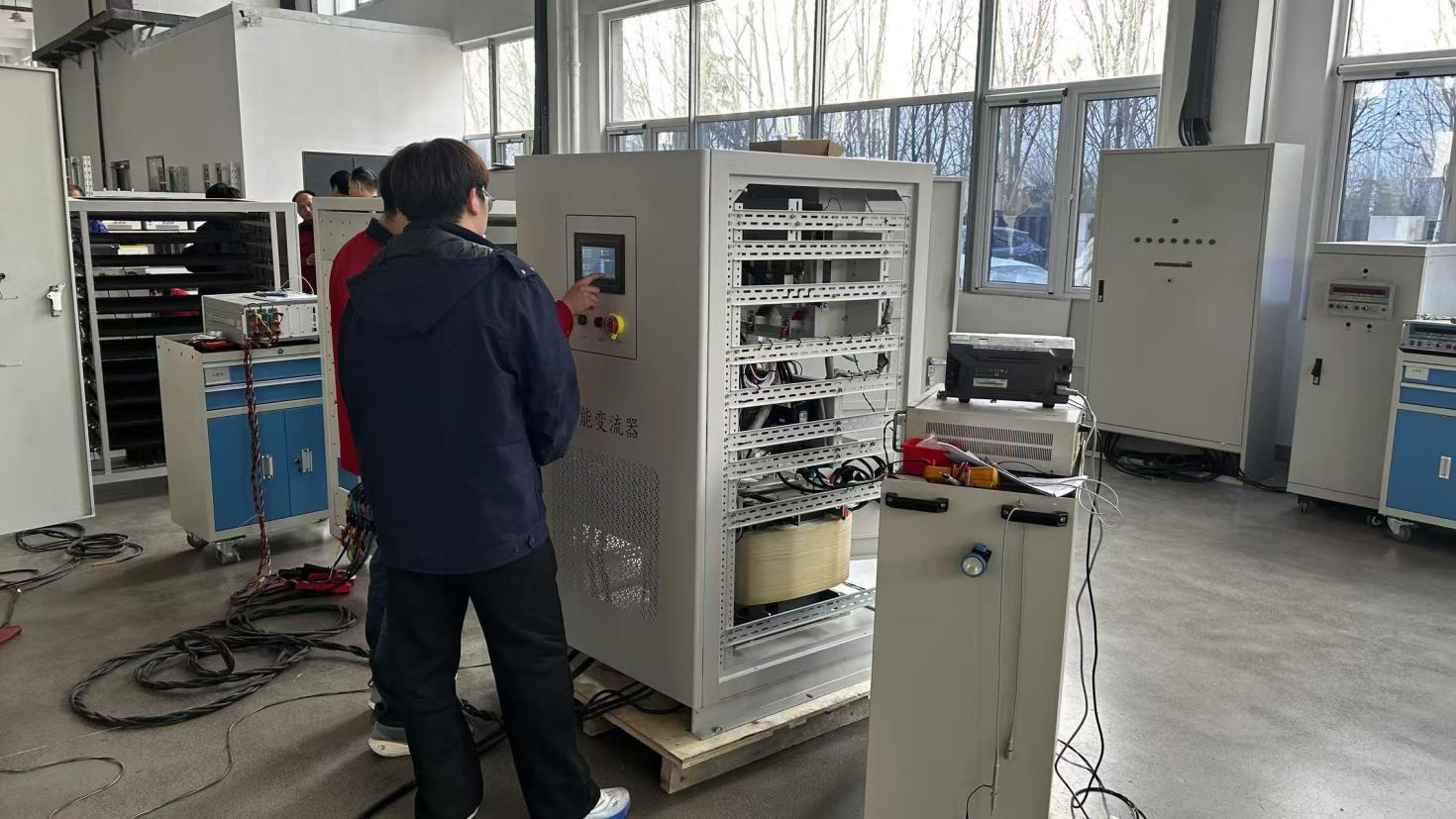 Debugging Process
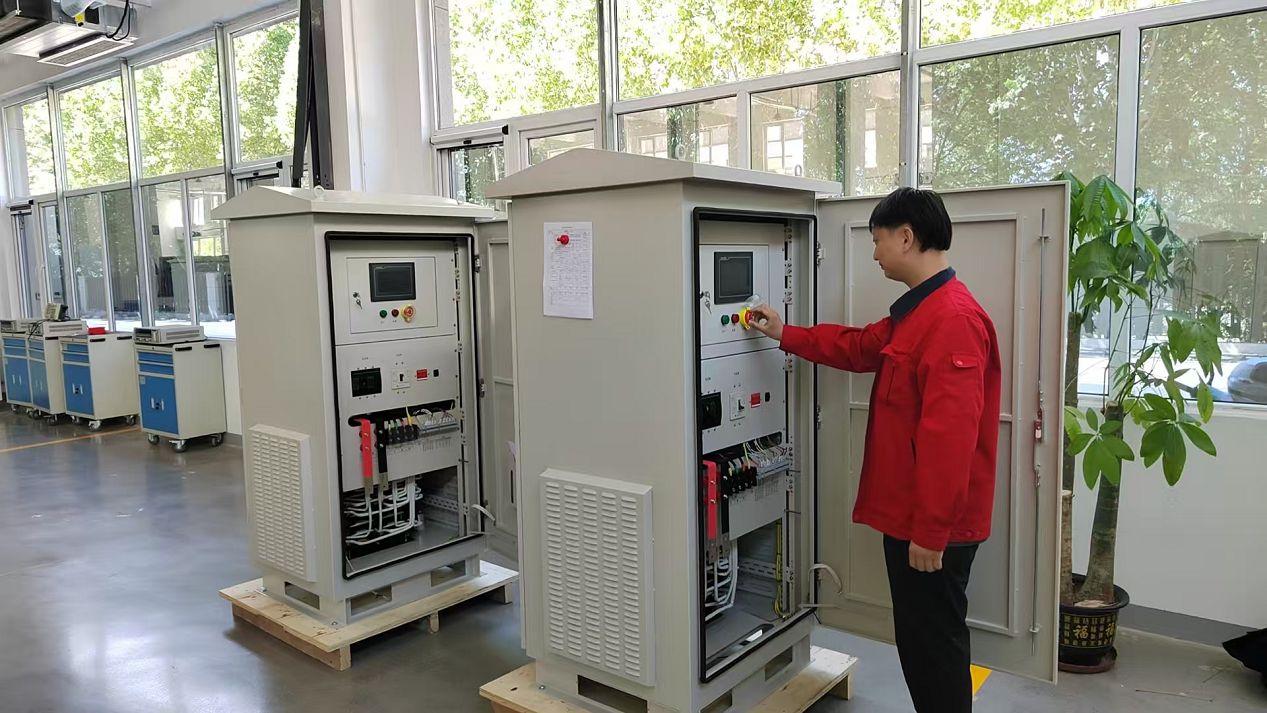 Quality Inspection
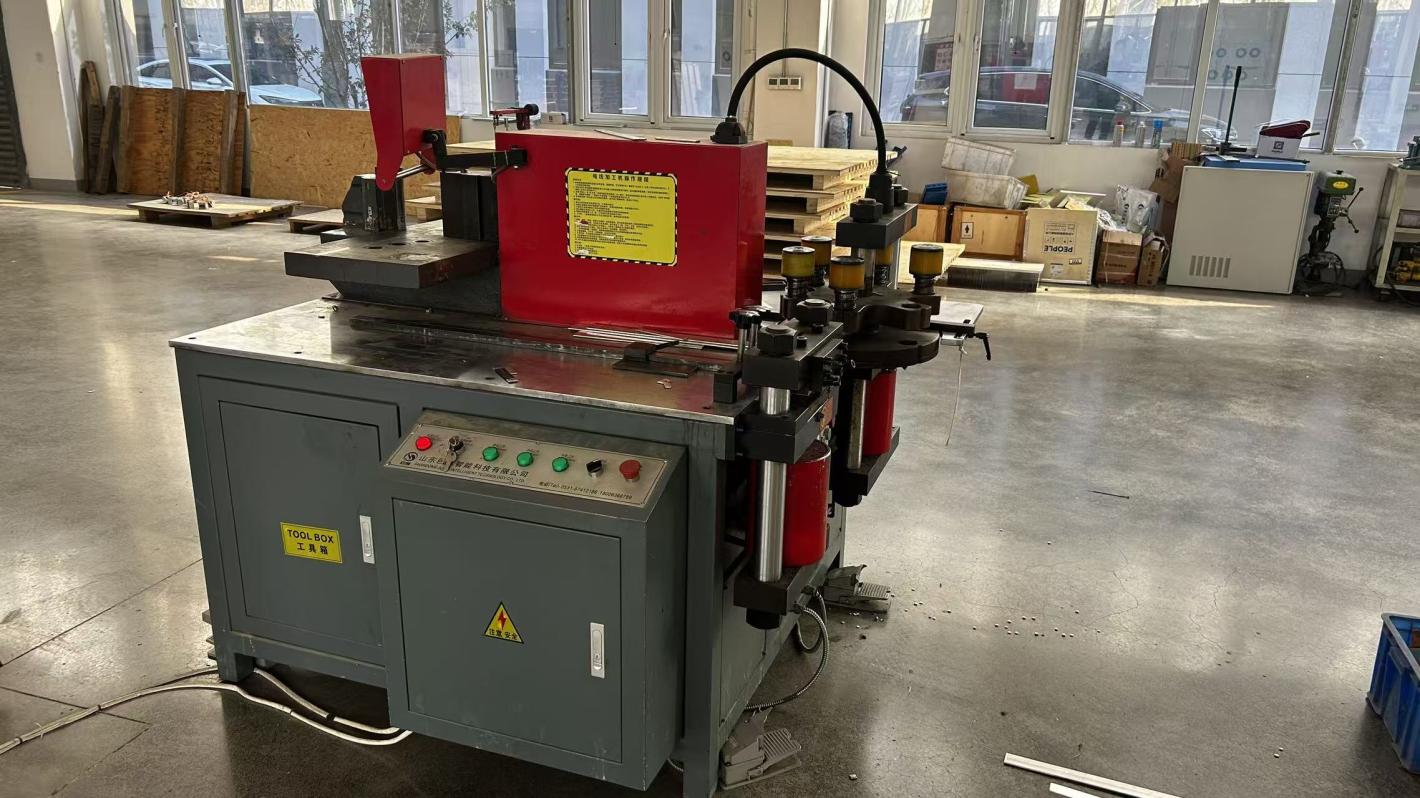 Copper Bar Production
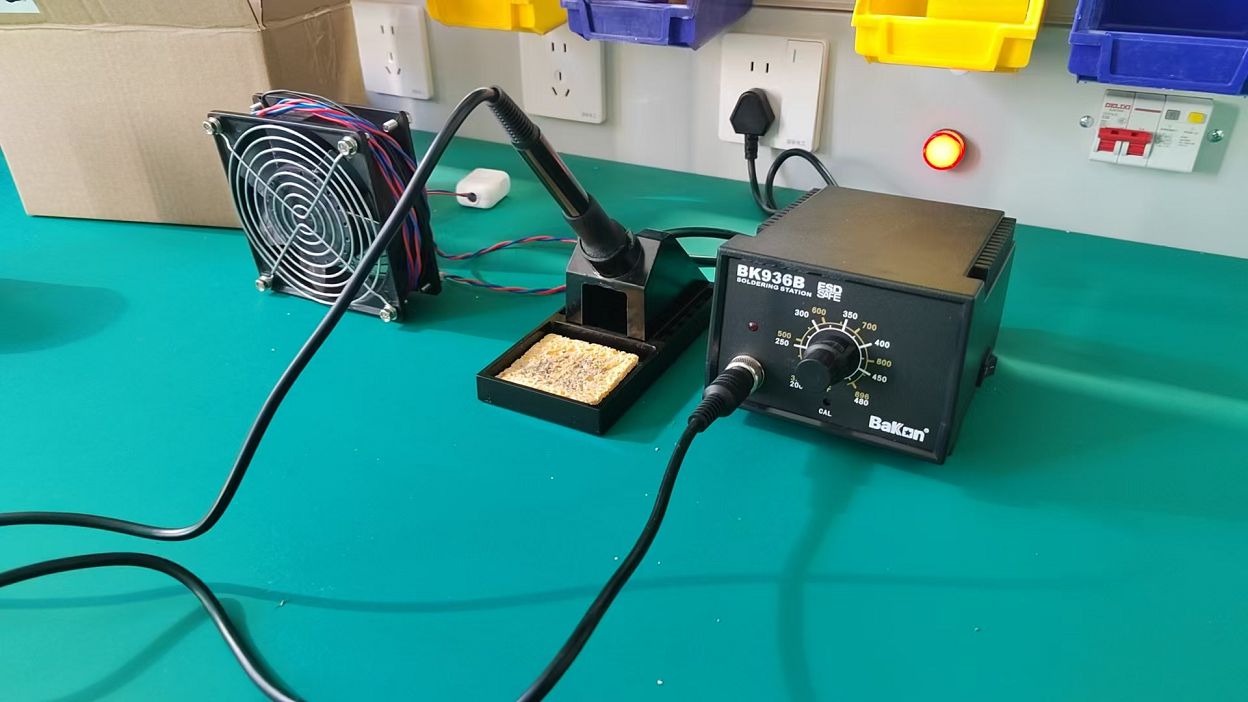 Electric Ferrowire Station
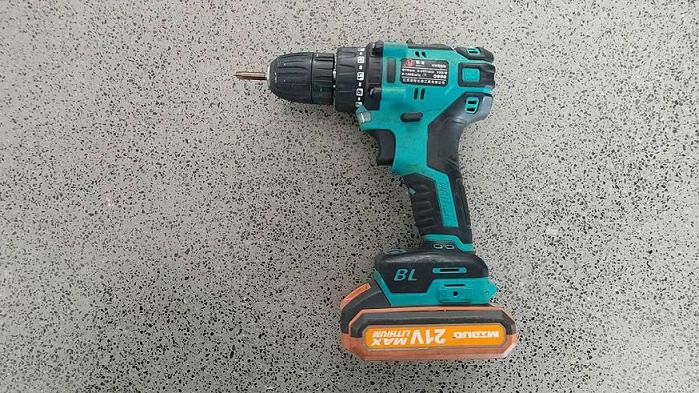 Machining Station
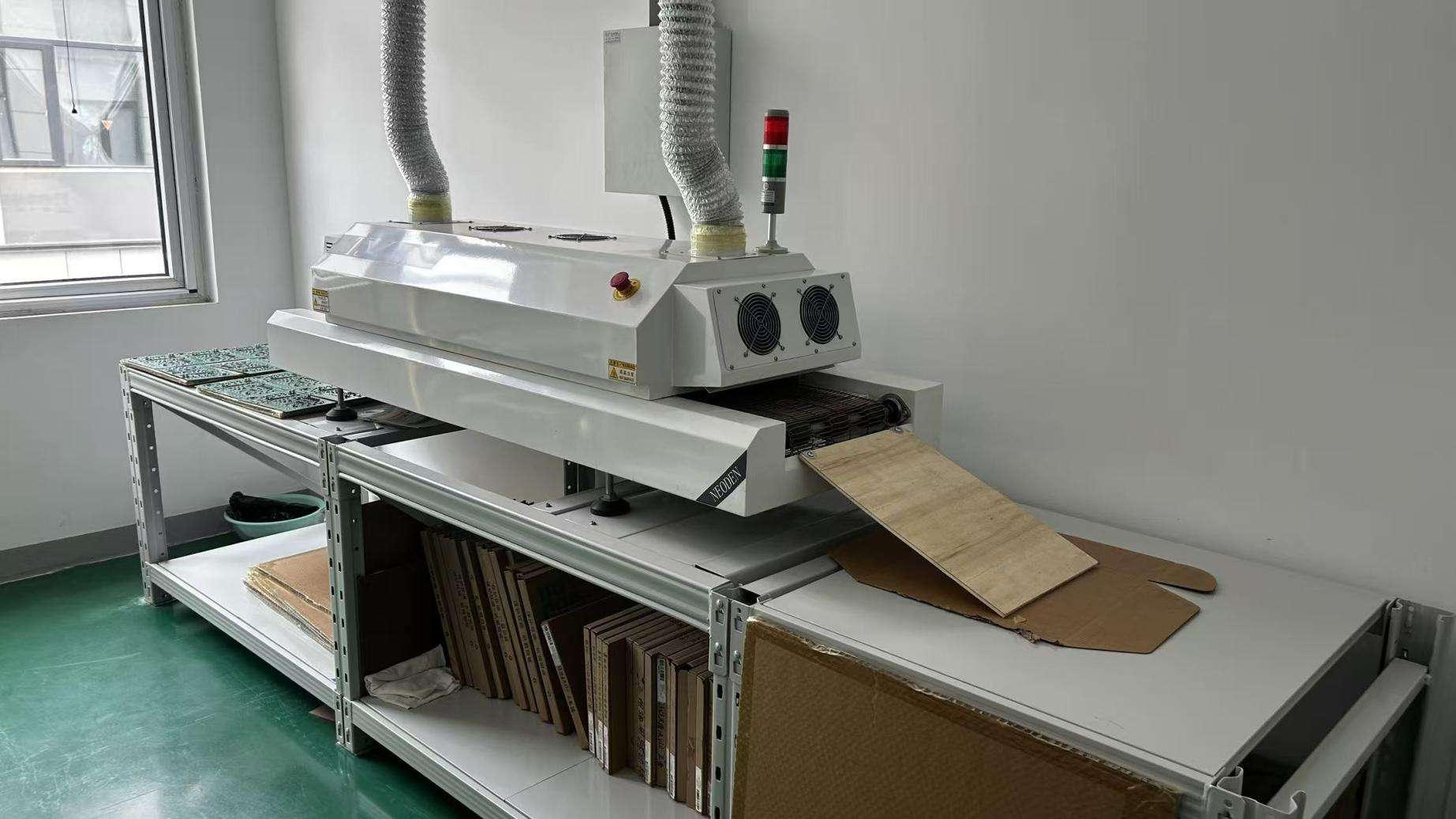 Reflow Soldering Line
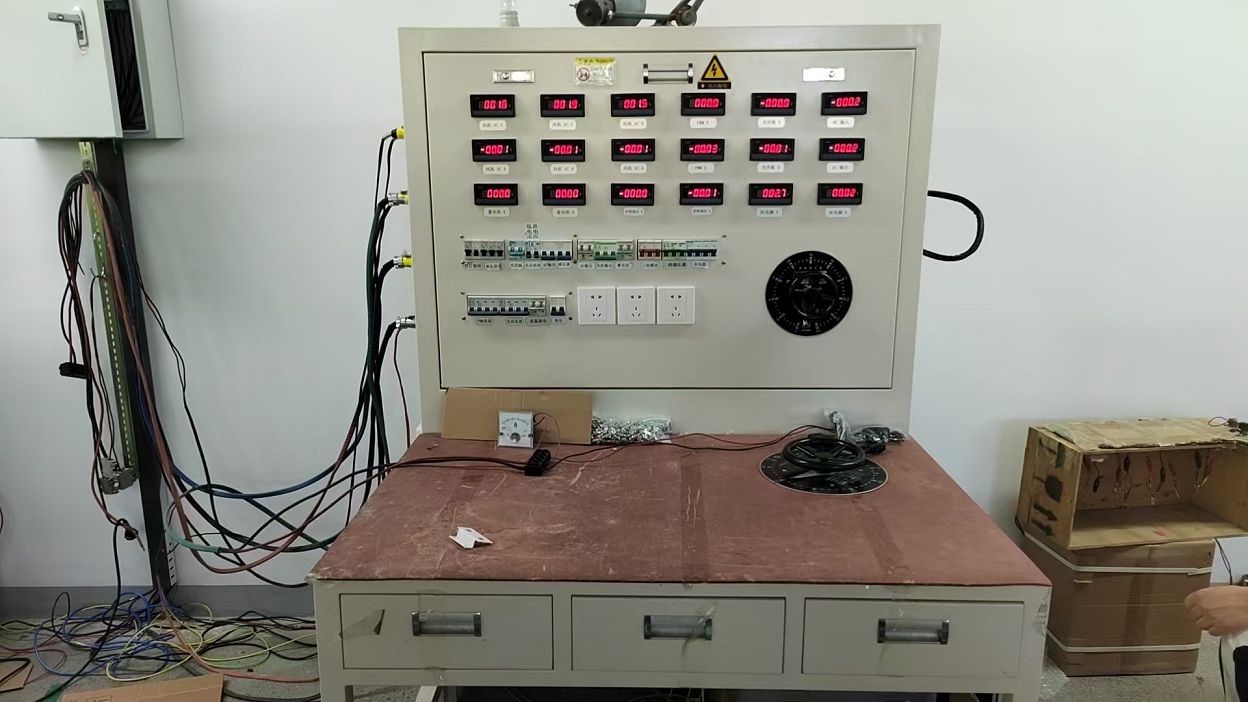 Precision Workbench
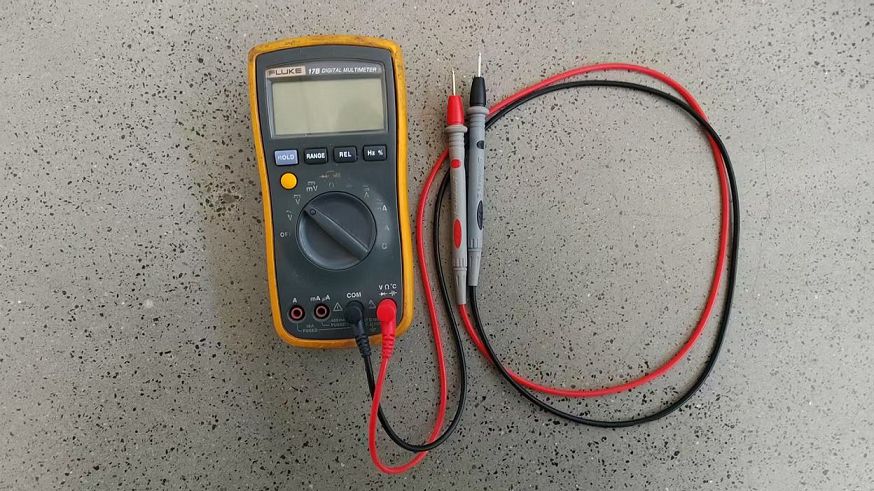 Digital Multimeter Diagnostic
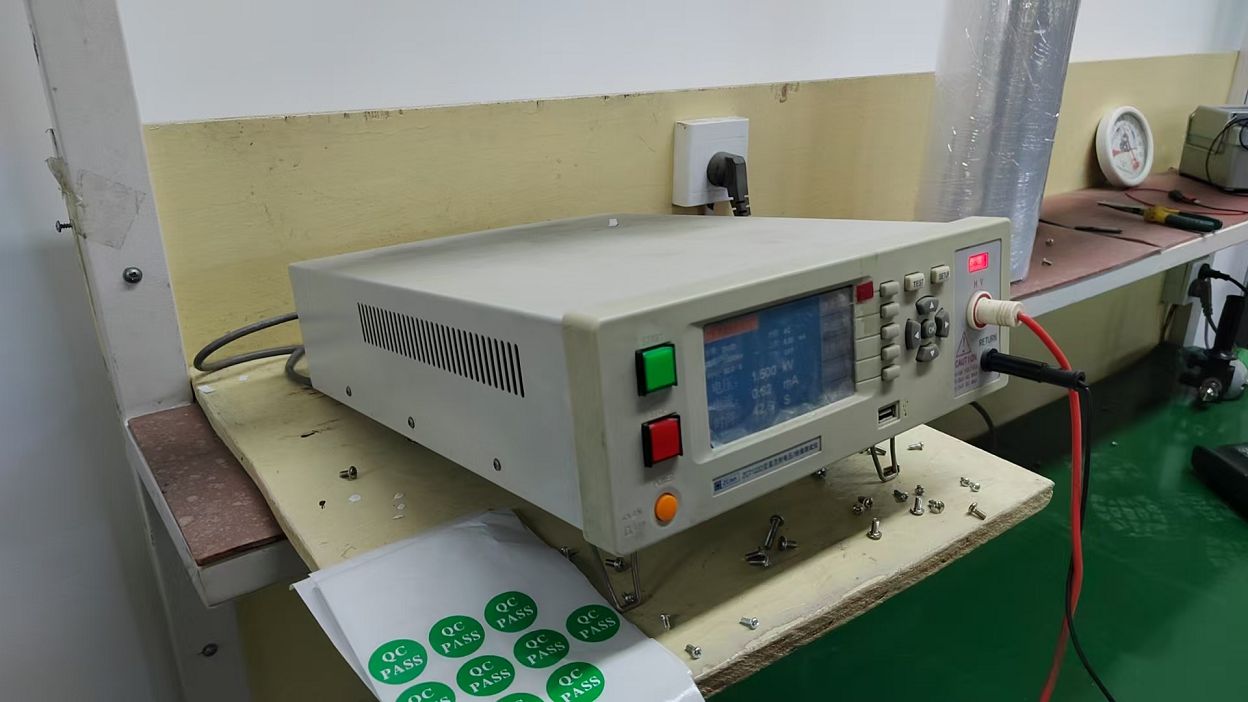 LCR AutoTester System
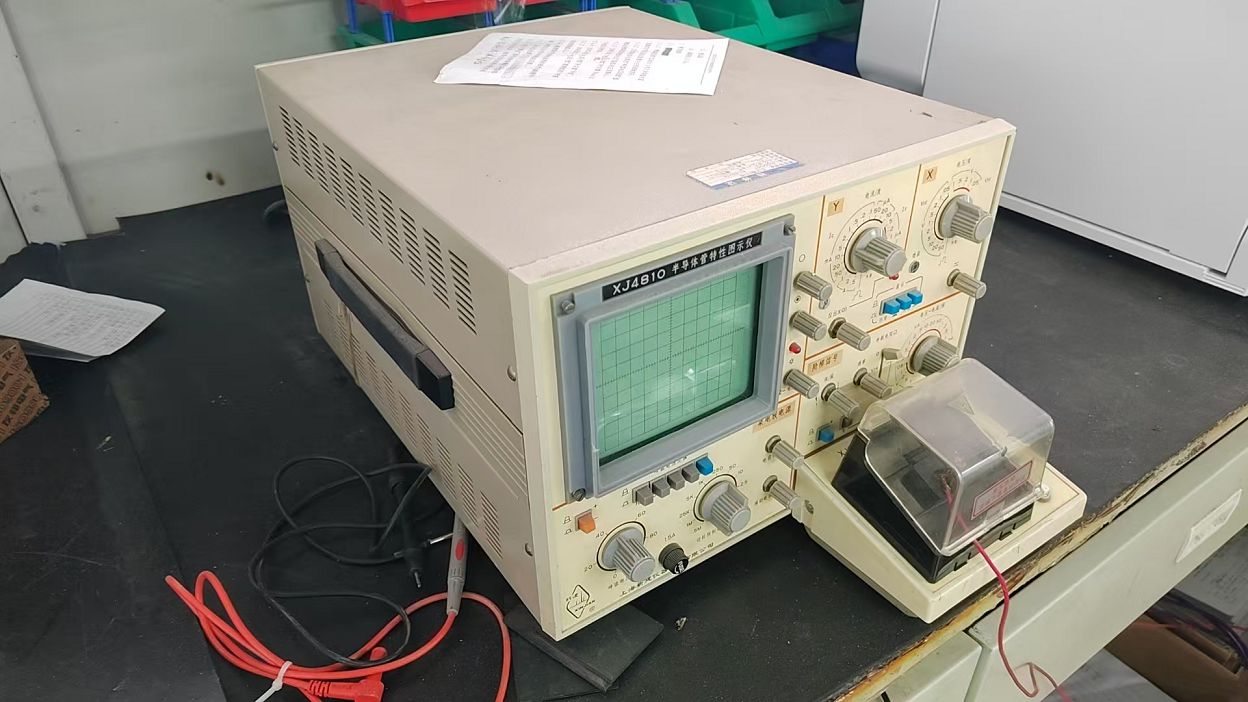 Semiconductor Characterization
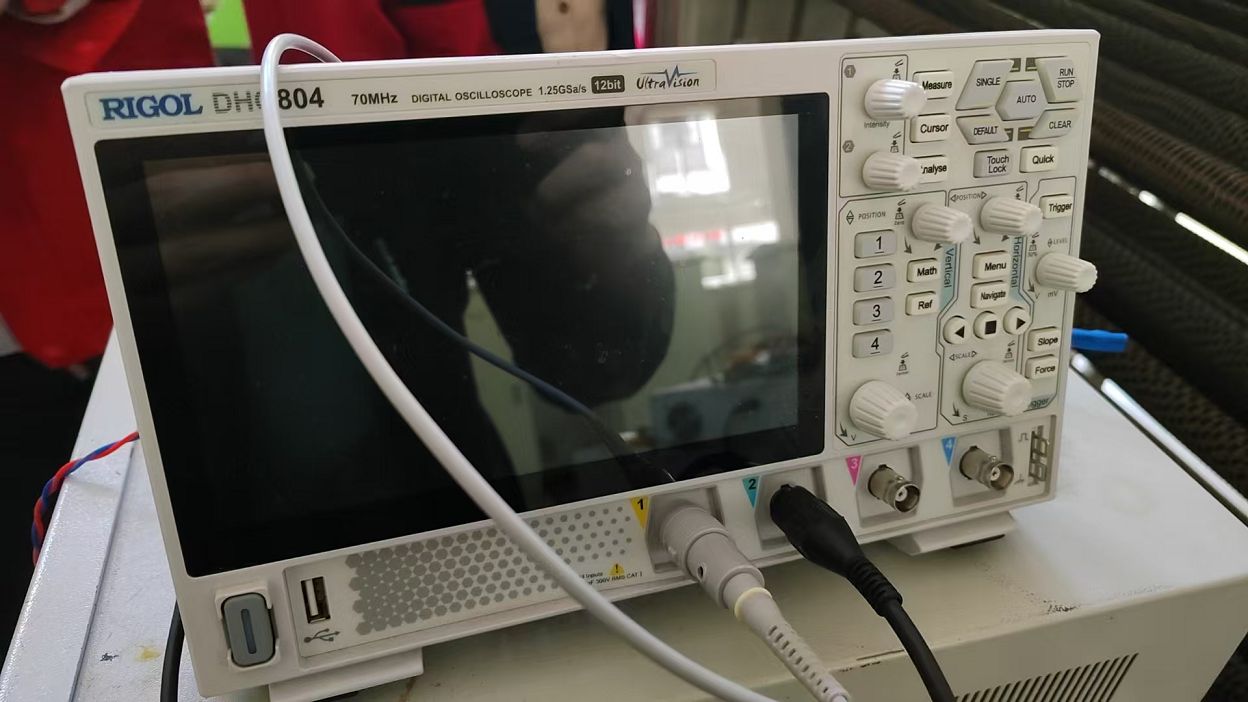
 Digital Oscilloscope Testing
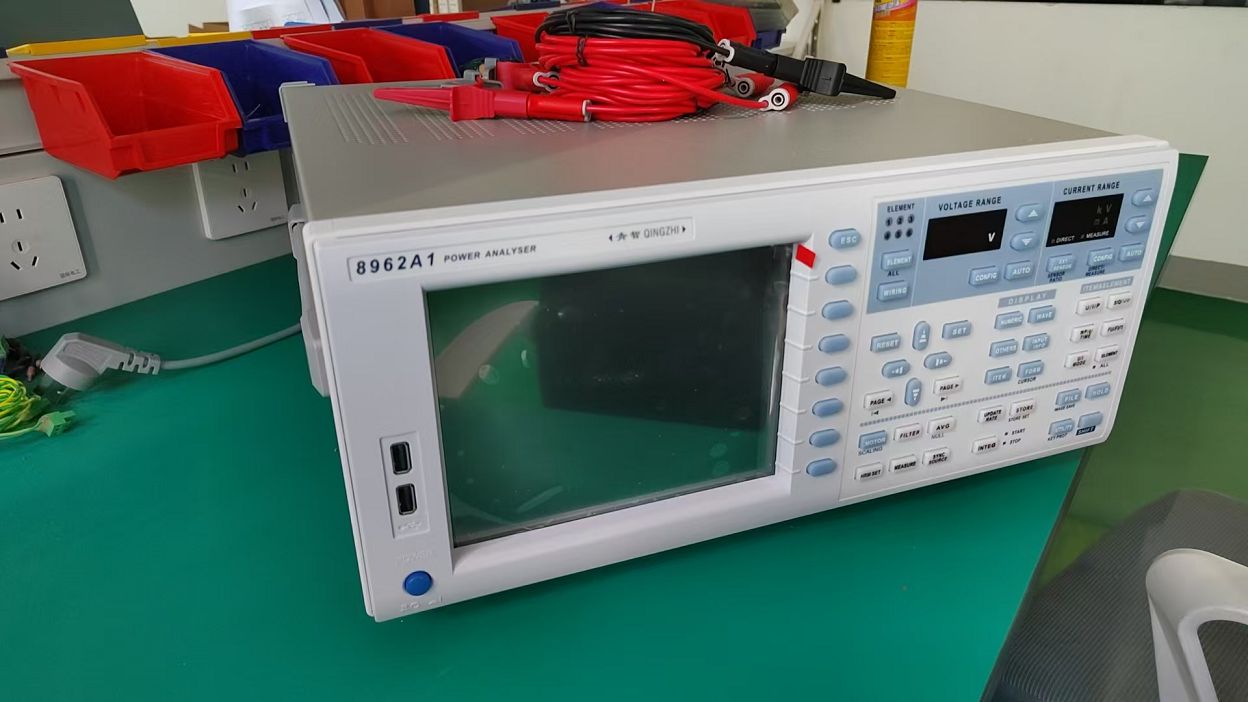
 Power Quality Analyzer
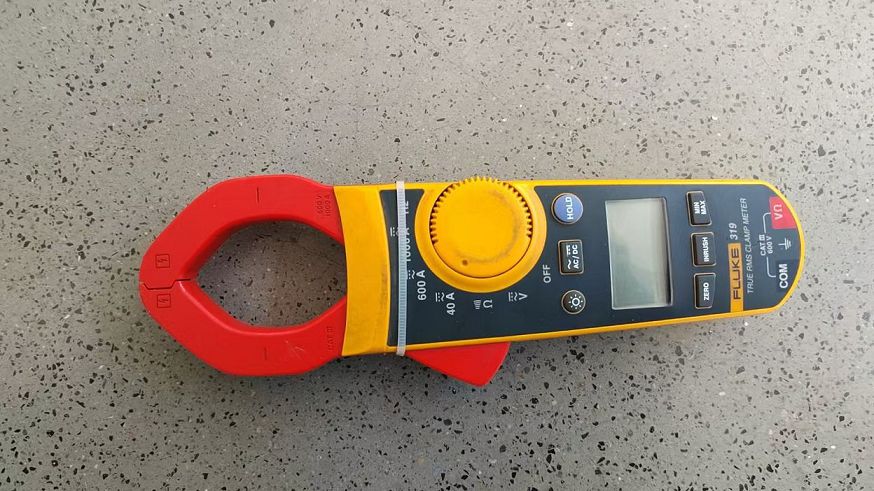 Clamp Current Meter
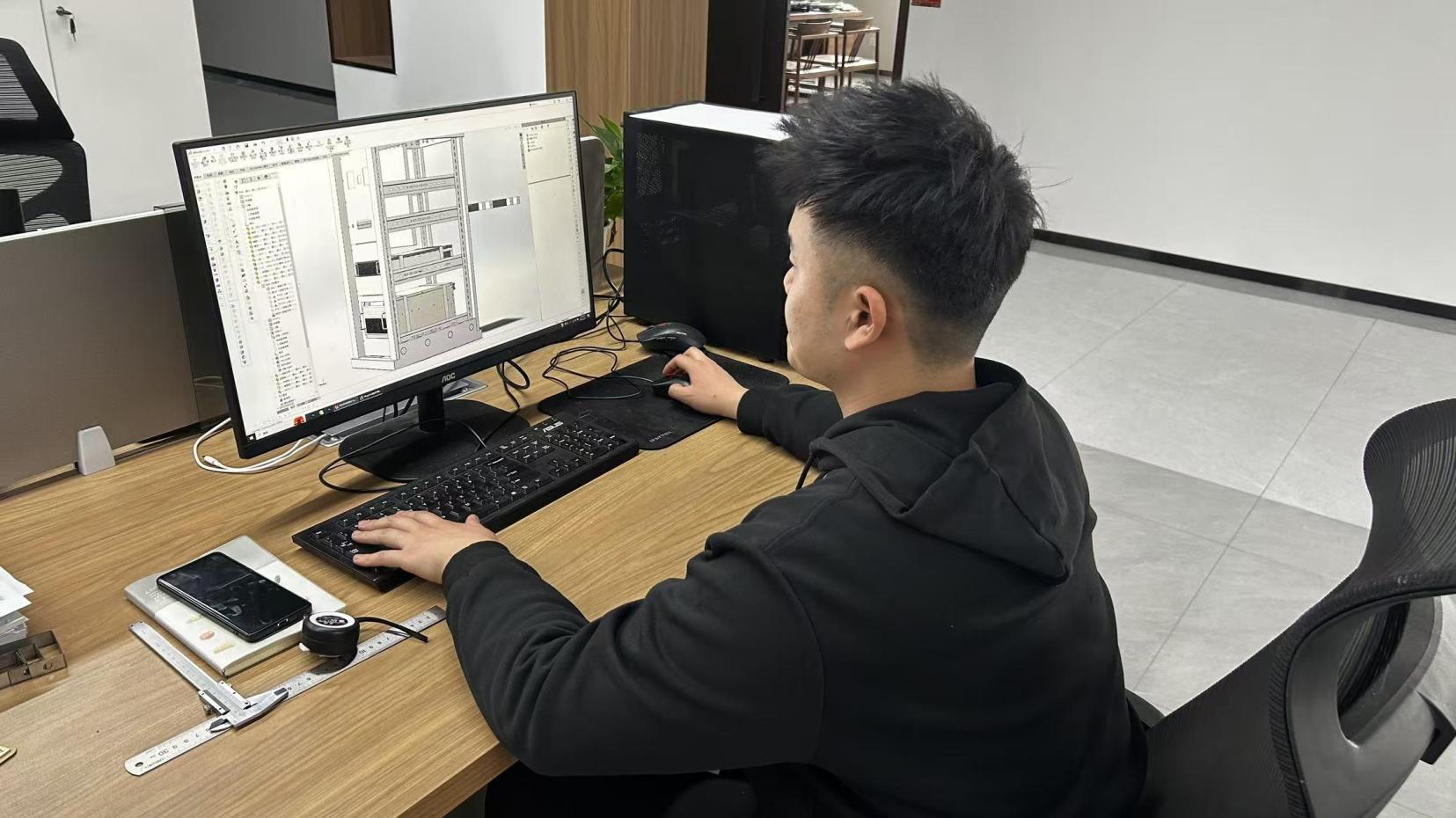 CAD Drawing Design
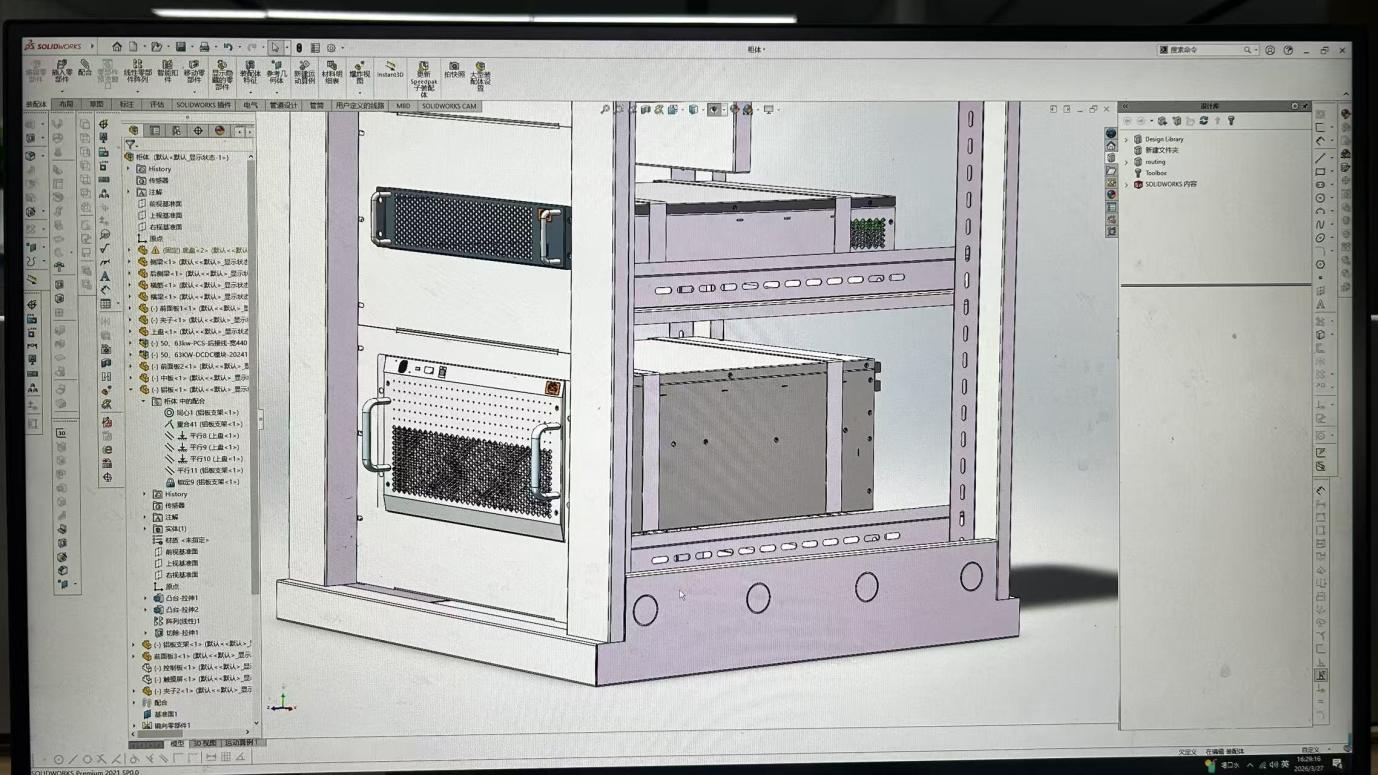 Computer Simulation
Engineered layouts designed for complex infrastructure, marine operations, and grid integration.
Commercial harbors rely heavily on diesel generators to support auxiliary operations of docking container ships. This generates localized emissions and noise pollution.
Deploying a Ship-to-Shore power system requires converting high-voltage municipal grid power (often 10kV to 35kV) to the operating parameters of shipboard distribution networks (typically 6.6kV or 11kV at 60Hz in international shipping).
Deming's shore power supplies incorporate integrated active front-end (AFE) frequency converters to limit harmonic back-feed into the municipal grid, keeping overall Total Harmonic Distortion (THD) below 3%, matching IEEE 519 standards.
Off-grid communities, deep mining projects, and island resorts need stable local grids without fuel supply dependencies. The combination of industrial-grade 500kW Three-Phase Off-Grid Inverters with stackable DC-DC converters allows seamless balancing between photovoltaic panels, wind generators, and battery arrays.
These configurations regulate grid parameters against transient loads during large motor startups, protecting overall energy system stability.
How global industries apply Deming Power solutions to resolve operational challenges.
Manufacturing facilities use 300kW bidirectional PCS units to charge high-capacity energy storage systems during low utility pricing hours, then discharge that stored energy during peak hours, lowering utility expenses.
By integrating 500kW to 5MW Shore Power Systems, port authorities comply with local environmental regulations, offering zero-emission docking options for cargo vessels and cruise liners.
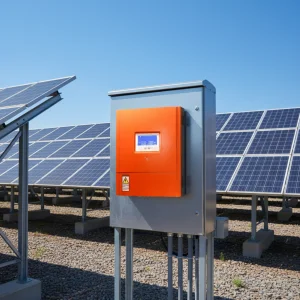
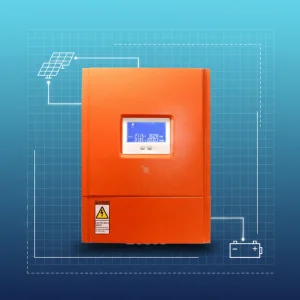
Deploying high-voltage 680V MPPT charge controllers enables solar arrays to run at higher DC voltages, reducing line transmission losses and simplifying wiring layouts over large installations.
Detailed answers to key queries on solar integration, wind controllers, shore power systems, and energy converters.
Operating at higher DC bus voltages (up to 680V) decreases the current requirements for the same level of power transmission. Lower current means smaller conductor cross-sections, reduced power loss across cables, and a lower total bill of materials (BOM) for commercial solar plants.
Our FKJ-GT wind controllers incorporate a dedicated dynamic dump-load controller. If grid connection drops or wind speeds exceed safety thresholds, the controller switches surplus energy to a high-capacity dumping resistor bank. This load controls the turbine speed and prevents mechanical or electrical failure.
Galvanic isolation isolates the dockside distribution grid from the ship's internal electrical system. This stops ground loop currents and protects marine hulls from galvanic corrosion while shielding sensitive ship electronics from utility grid voltage spikes.
Yes. The 30KW and 50KW Intelligent Stackable DCDC Converters feature built-in load-sharing CAN bus communication. They scale in parallel configuration to support changing battery system capacities and meet dynamic power demands.
A bidirectional Power Conditioning System (PCS) works in both directions. It converts AC grid power to DC to charge battery banks, and converts DC battery energy back to AC to supply the local grid, supporting grid stability and peak-shaving applications.
Select from our targeted solutions for wind turbines, industrial solar networks, and grid management systems.
 Demin Power