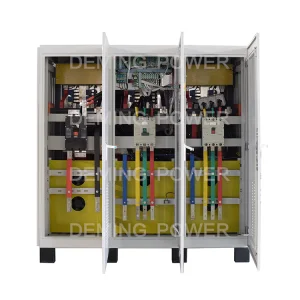
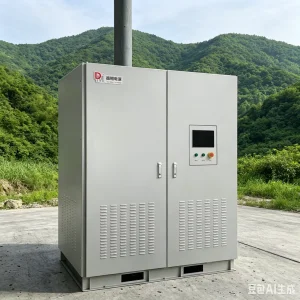
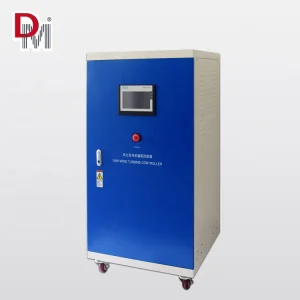
Highly engineered wind/solar controllers, bidirectional inverters, and heavy-duty generators deployed in mission-critical applications globally.
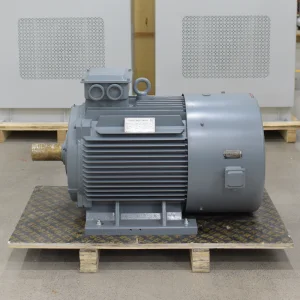
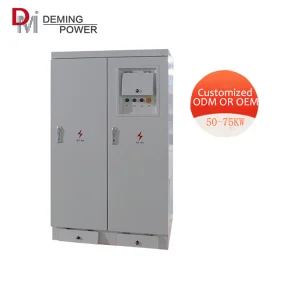
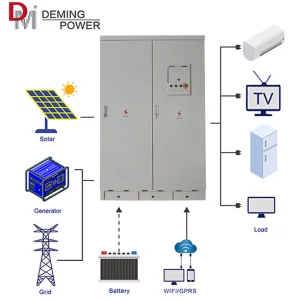
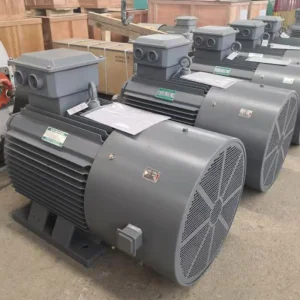
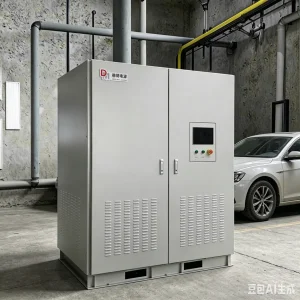
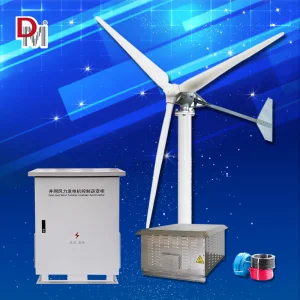
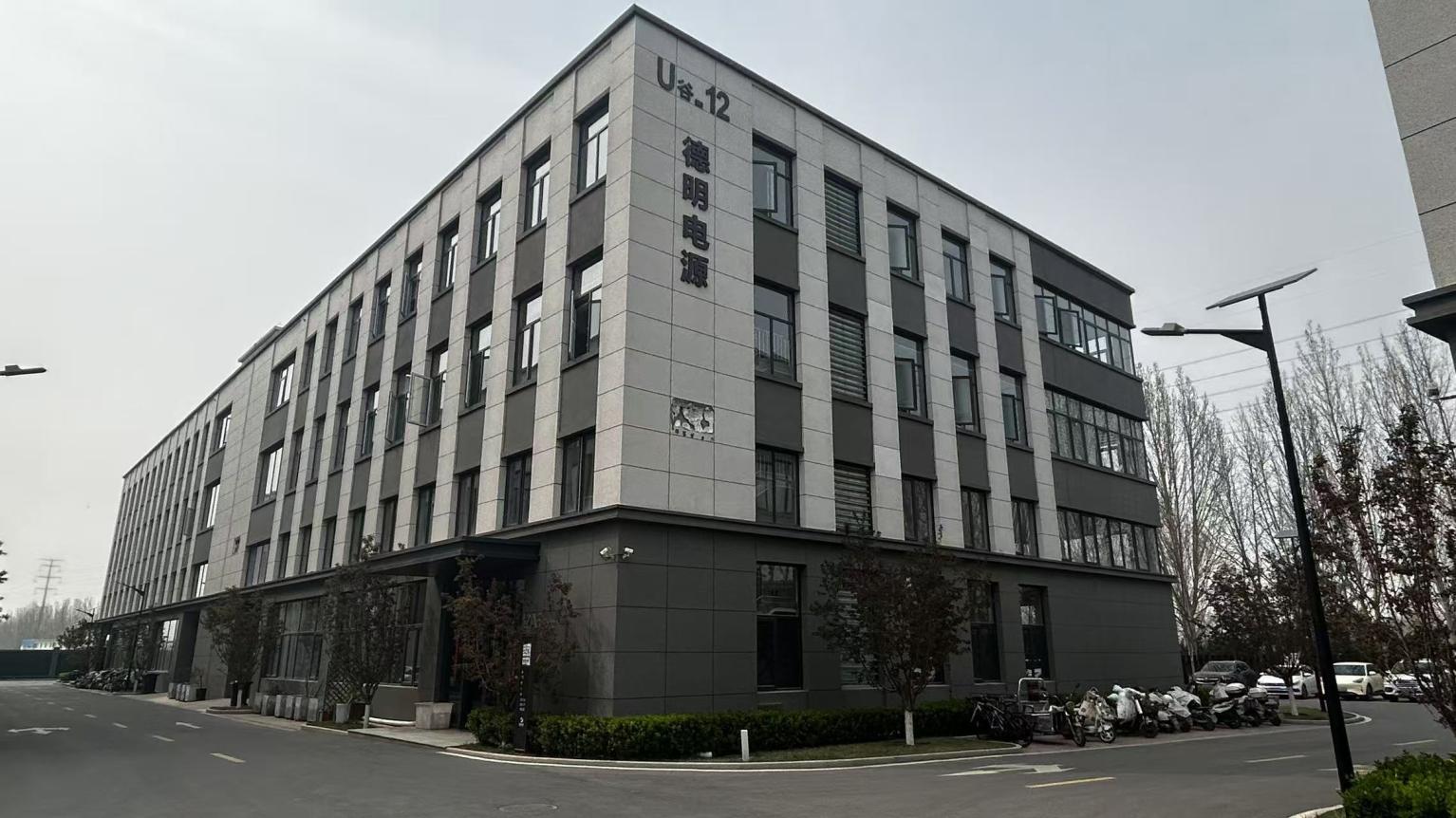
Established in 2004, Jinan Deming Power Equipment Co., Ltd. is a nationally recognized high-tech enterprise specializing in the research, development, engineering, and manufacturing of high-reliability renewable energy power conversion equipment. Over two decades of technical evolution, we have established ourselves as a benchmark provider of microgrid controllers, smart grid bidirectional storage systems, and advanced power testing equipment.
Operating under strict ISO9001:2015 quality standards, our design and production engineering protocols ensure unmatched operational longevity. Our credentials include multiple state-level recognitions as a High-Tech Enterprise by the Chinese government (renewed in 2015 and 2018). We believe that technical superiority is the only sustainable competitive advantage; thus, we reinvest no less than 20% of our annual sales revenue directly back into our engineering and technology developments.
Our dedicated R&D center consists of 16 senior engineers, including prominent doctoral supervisors and master's degree holders. Over the past three years alone, this elite engineering group has successfully completed 17 major R&D projects, successfully translating 16 scientific and technological breakthroughs into robust commercial products operating in extreme conditions worldwide.
Empowering the transition to zero-carbon grids through high-performance power electronics and microgrid topologies.
Modern power grids require inverters that transition from traditional grid-following mechanisms to grid-forming systems. Deming’s bidirectional PCS series integrates advanced virtual synchronous generator (VSG) control algorithms, providing synthetic inertia, active damping of grid resonances, and black-start capabilities in weak or isolated rural networks.
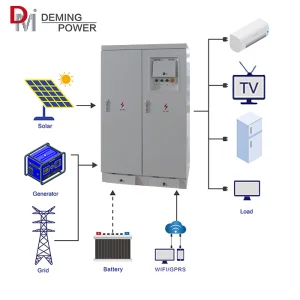
Unlocking deep decarbonization relies on hybridizing solar, wind, hydro, and battery systems. Deming’s induction-capacitance mixed load controllers and bidirectional PCS units function as the primary thermal and voltage boundaries, smoothing short-term generation transients and matching supply parameters to complex, highly reactive industrial loads.
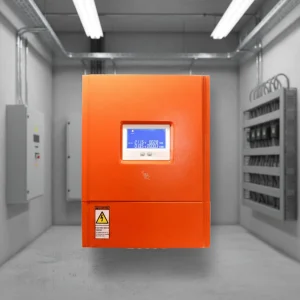
For high-capacity wind turbines, managing aerodynamic load is critical. Deming's FKJ-GT-Y grid-tie controllers feature automated electromotively driven yaw regulation and electromagnetic brake subsystems. This mitigates systemic mechanical fatigue, prevents overspeed events, and optimizes wind-harvesting yields by maintaining precise directional alignment.
Global procurement offices face multifaceted challenges when sourcing utility-scale clean tech equipment. Deming mitigates these risks through continuous engineering verification, reliable component supply chains, and transparent compliance documentation.
Whether deploying in the extreme thermal ranges of Australian desert microgrids, high-humidity offshore marine applications in South East Asia, or under rigorous grid code compliances in the European Union (such as VDE-AR-N 4105), Deming Power products are built for structural resilience. Our equipment utilizes premier semiconductor topologies (such as Infineon IGBT modules), high-grade silicon steel laminated isolation transformers, and IP54/IP65 ingress protection enclosures.
With direct shipments reaching over 120 countries, our logistics and engineering compliance frameworks support international developers in achieving fast project commissioning, minimizing the Total Cost of Ownership (TCO), and maximizing the Mean Time Between Failures (MTBF).
Exhaustive quality control powered by advanced diagnostic instruments at every stage of the design-to-assembly pipeline.
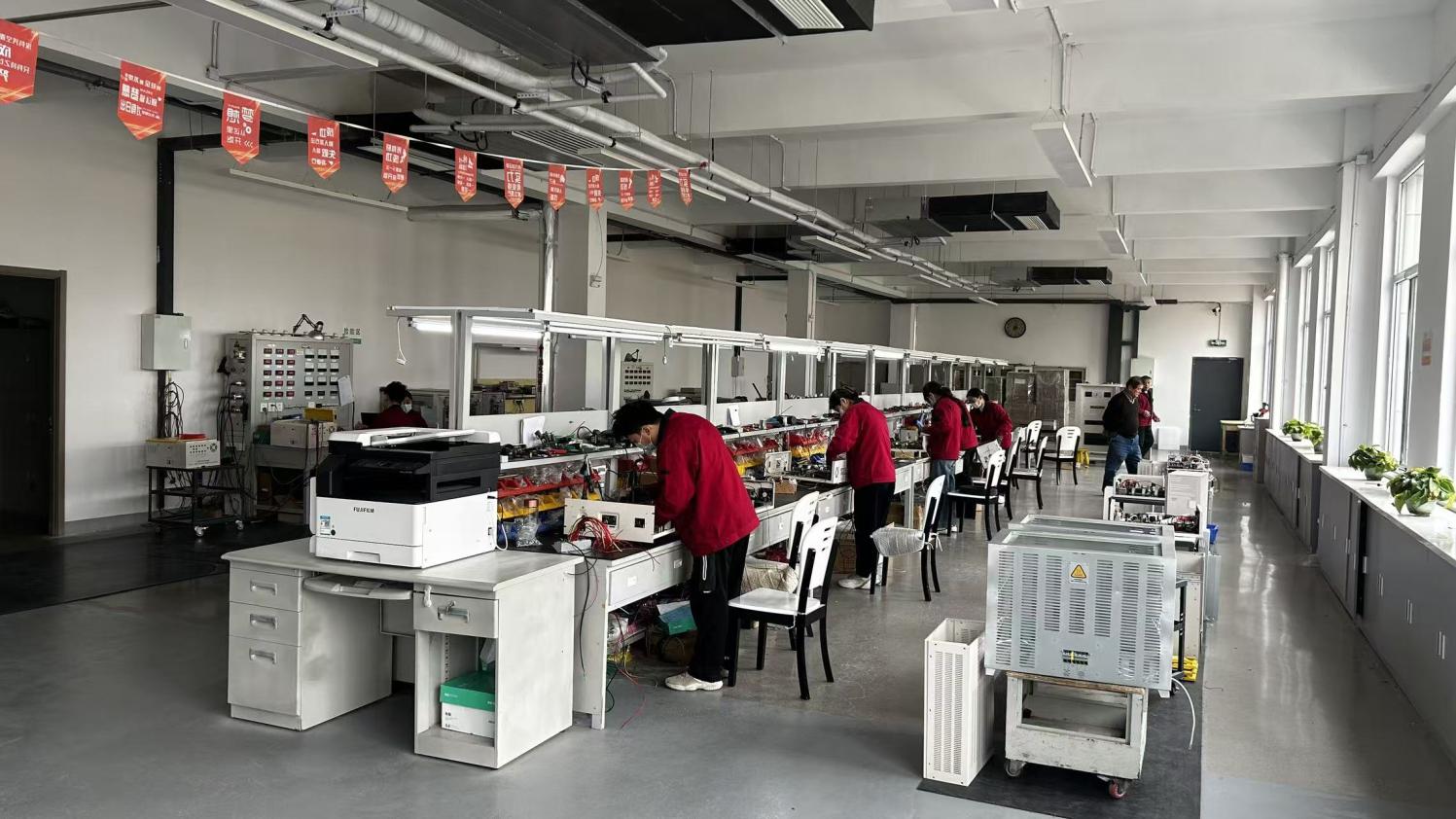 Heavy Duty Assembly Line
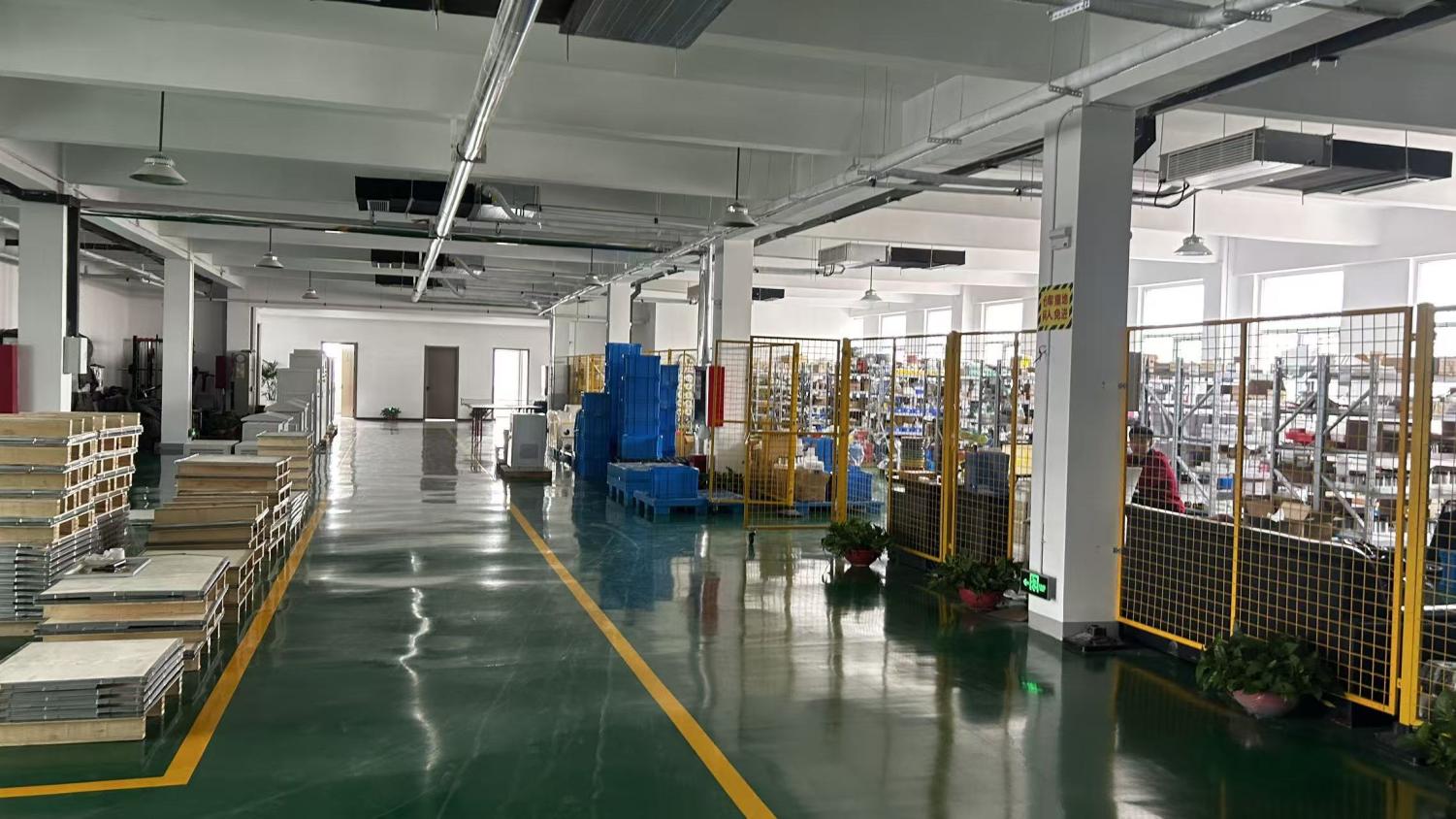 Inverter Load Testing
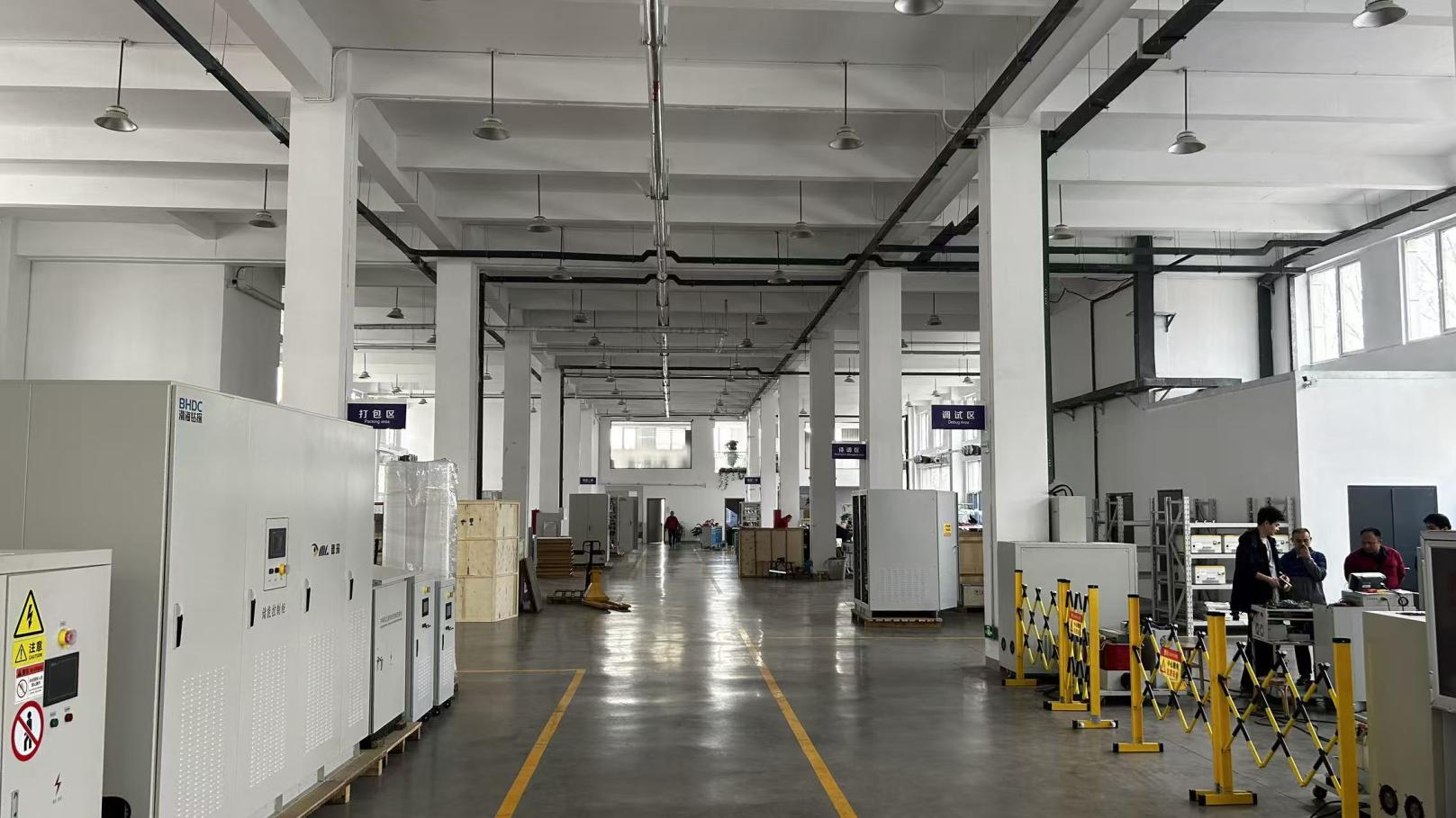 System Burn-in Chambers
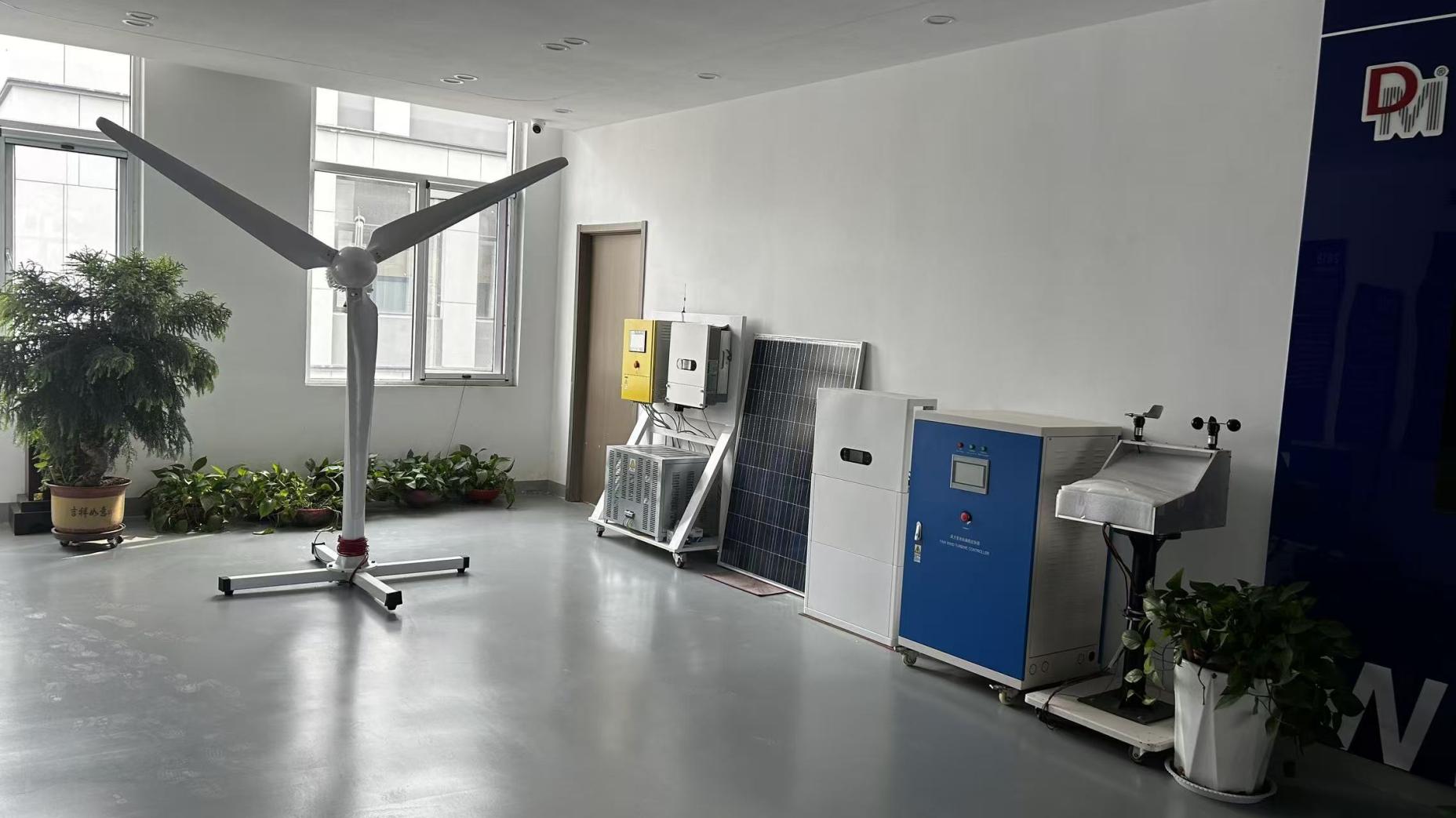 Power Diagnostics Department
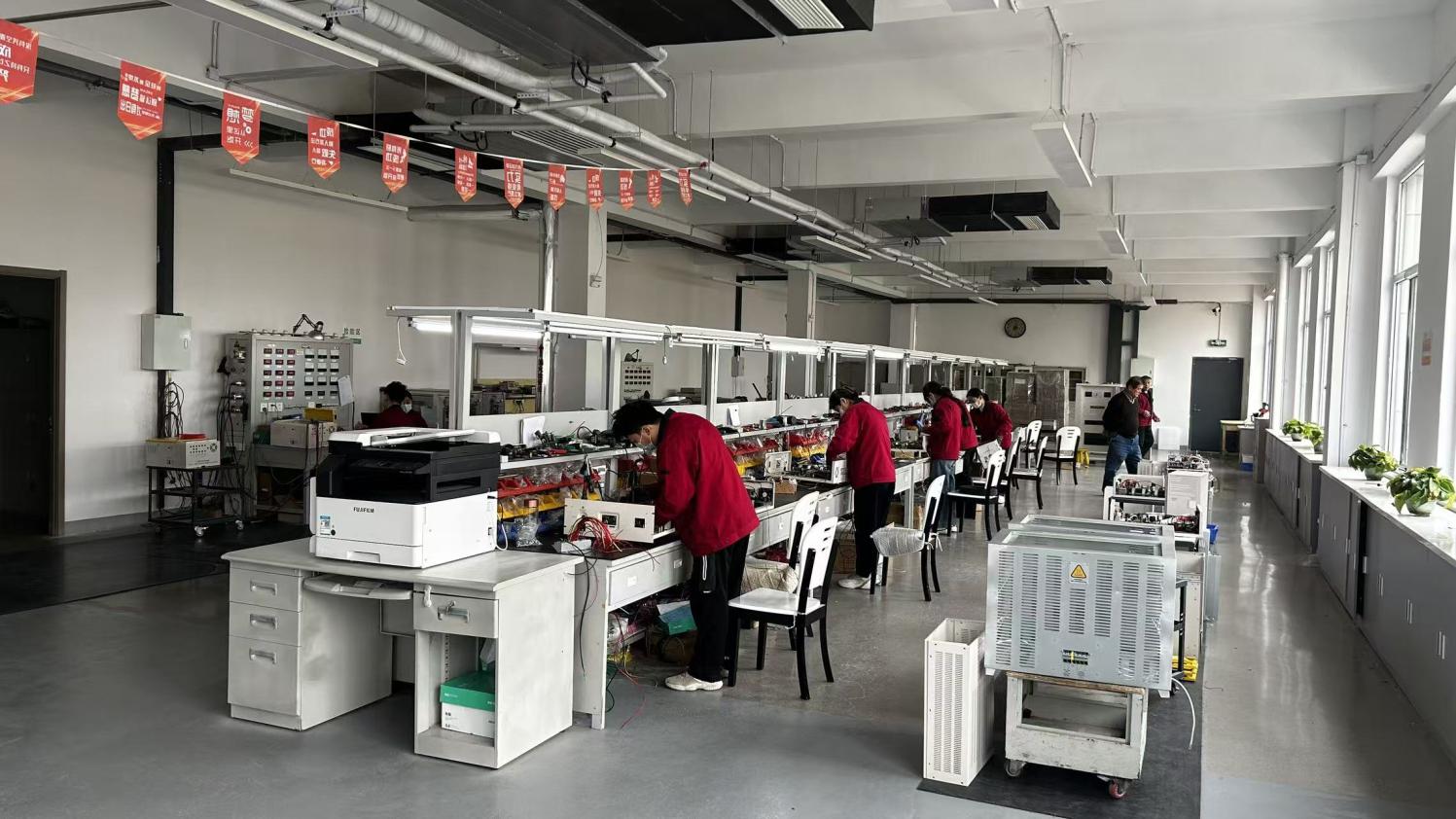 Circuit assembly
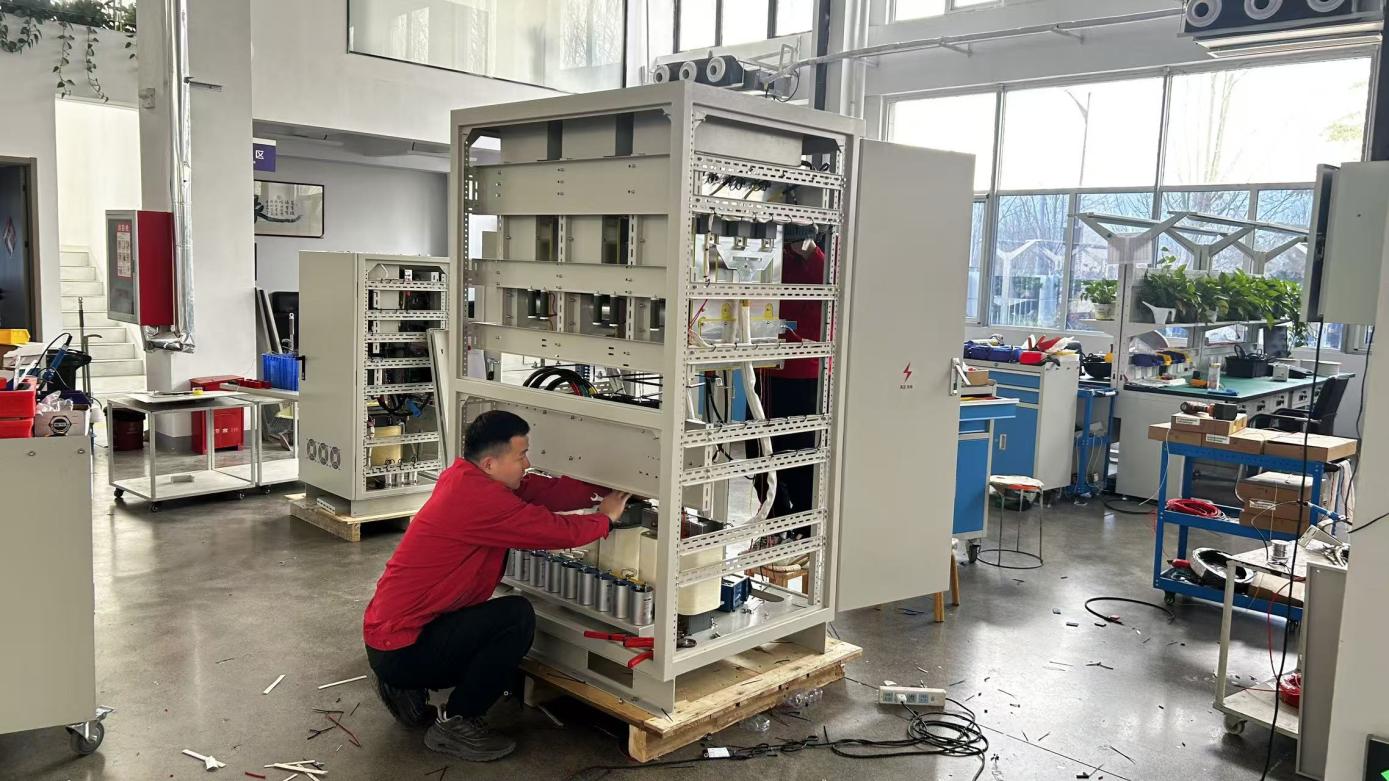 Circuit board assembly
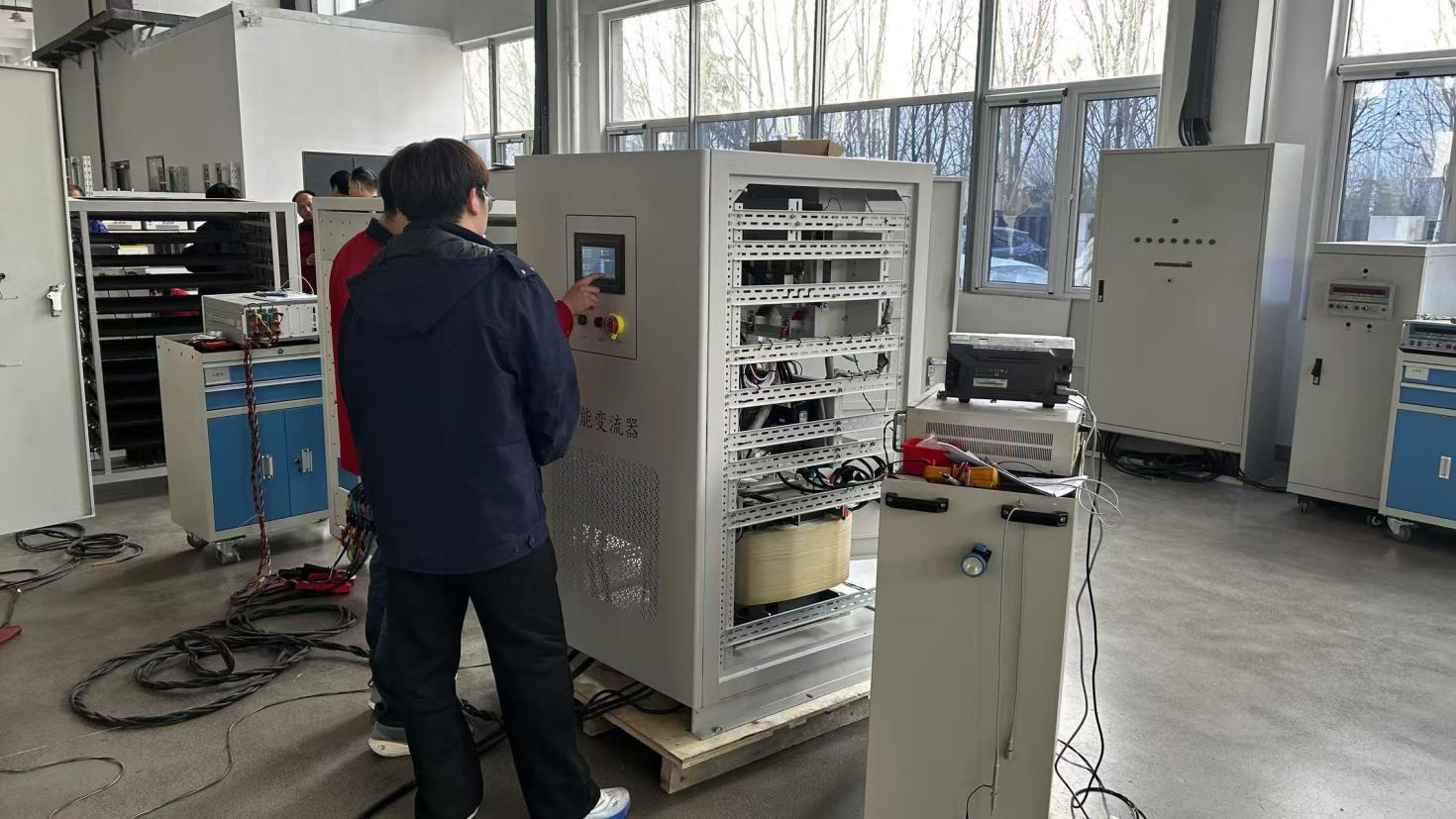 Debugging process
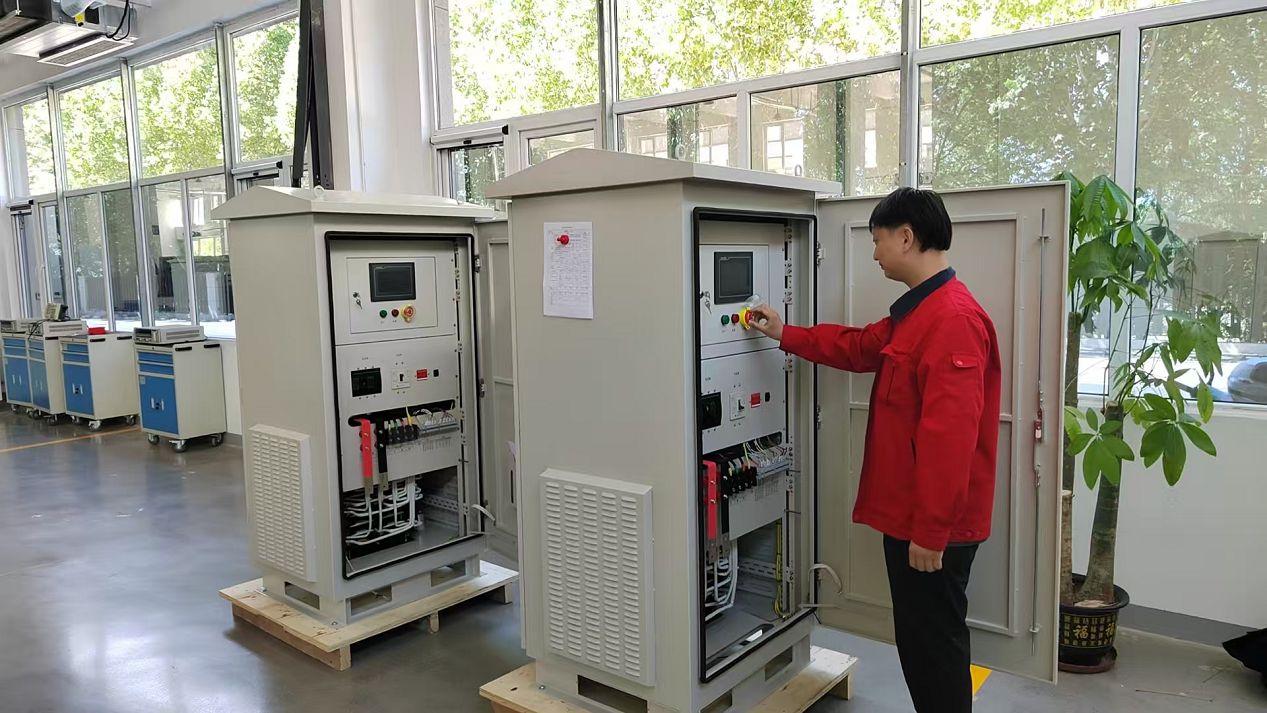 Quality inspection process
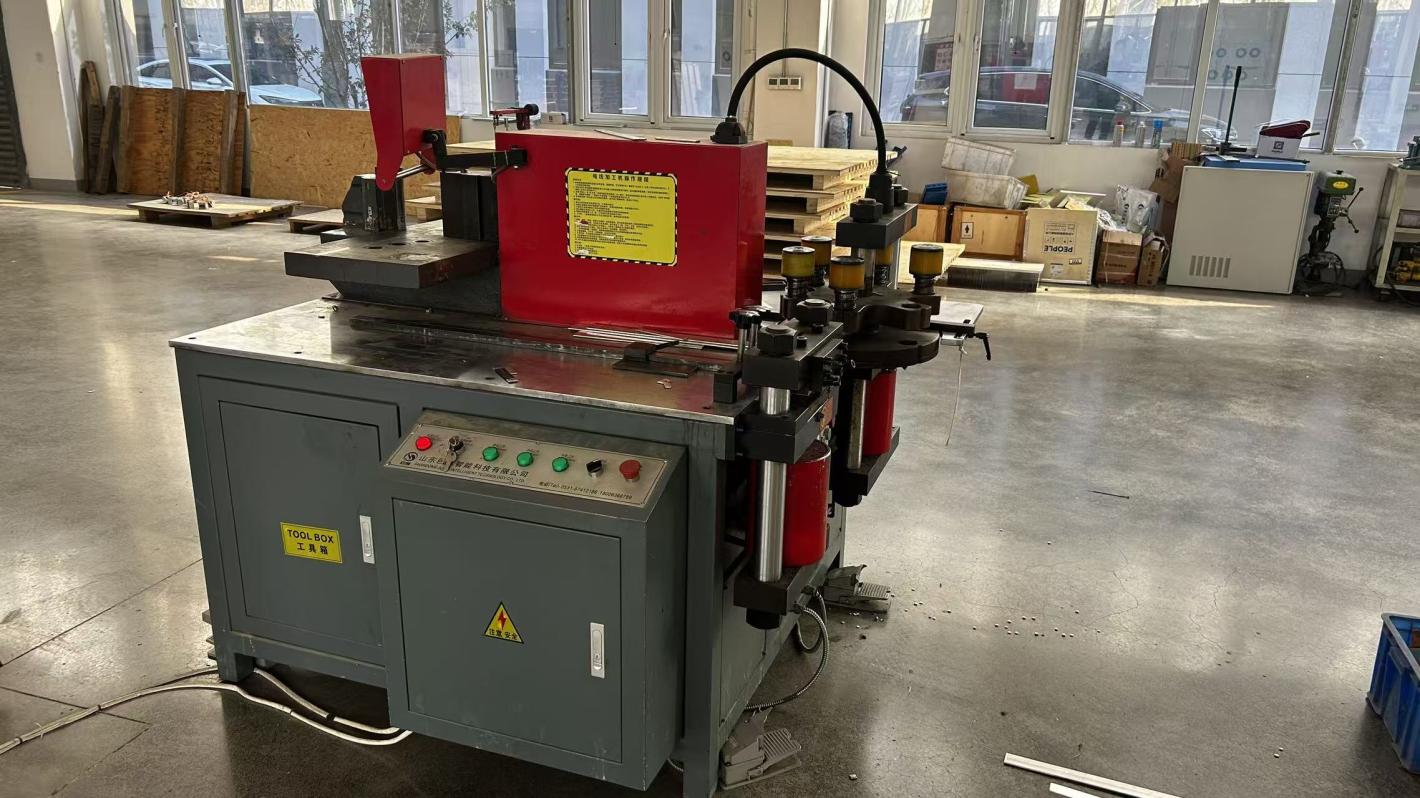 Copper bar production equipment
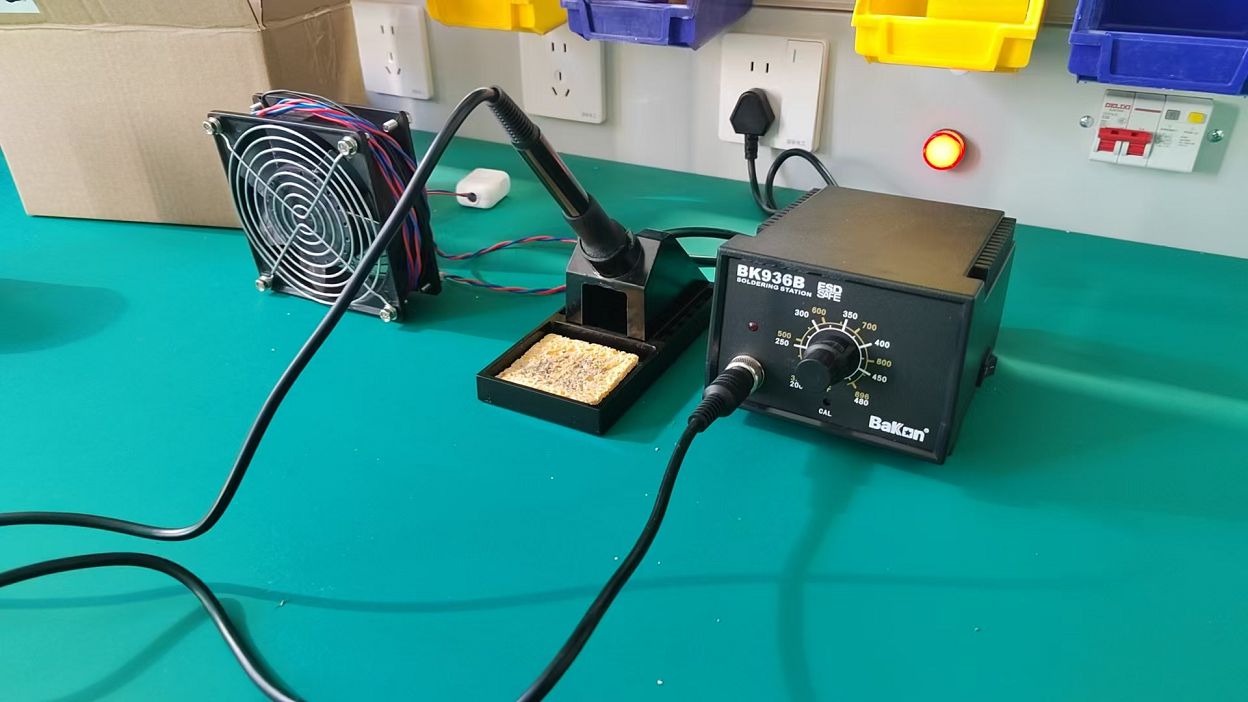 Electric ferrowire
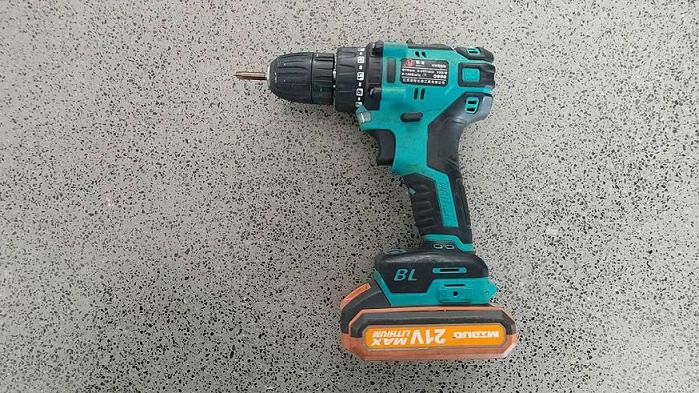 Electric drill
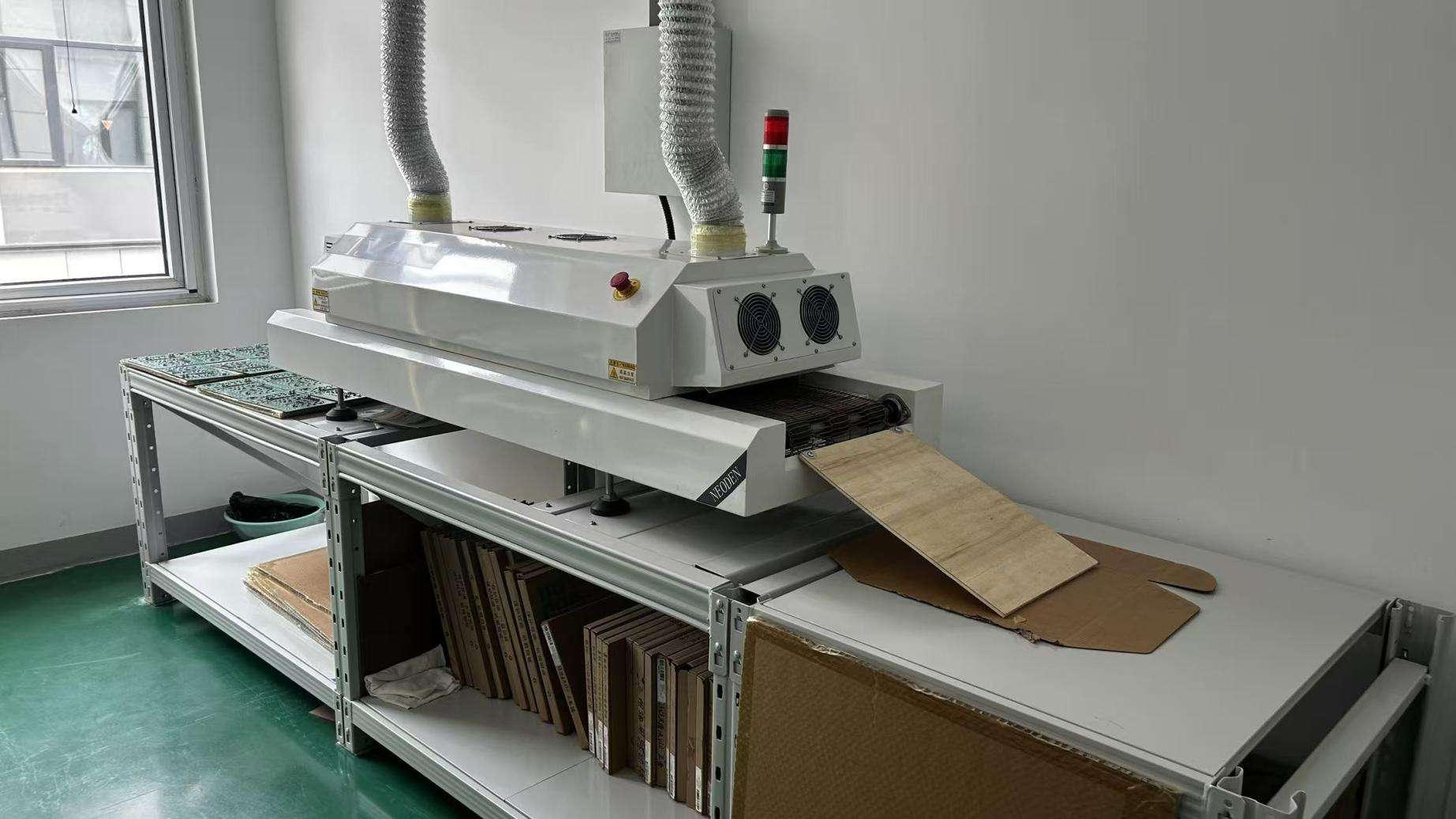 Reflow soldering machine
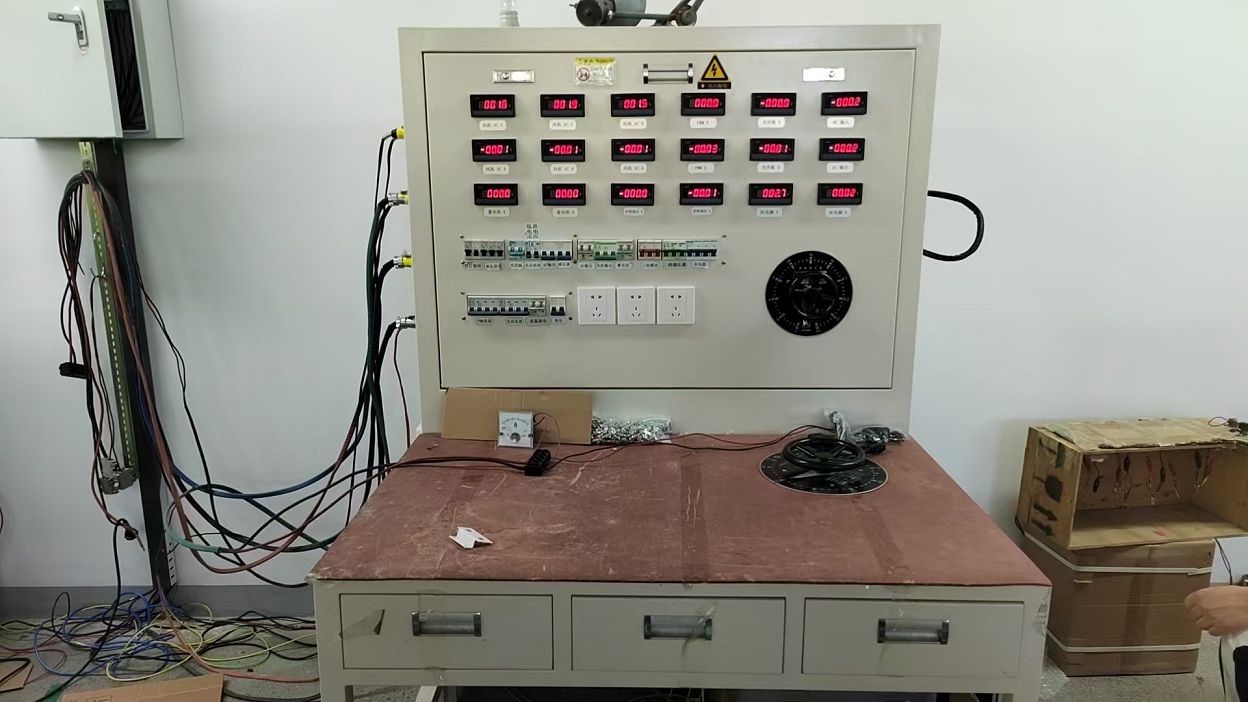 Workbench
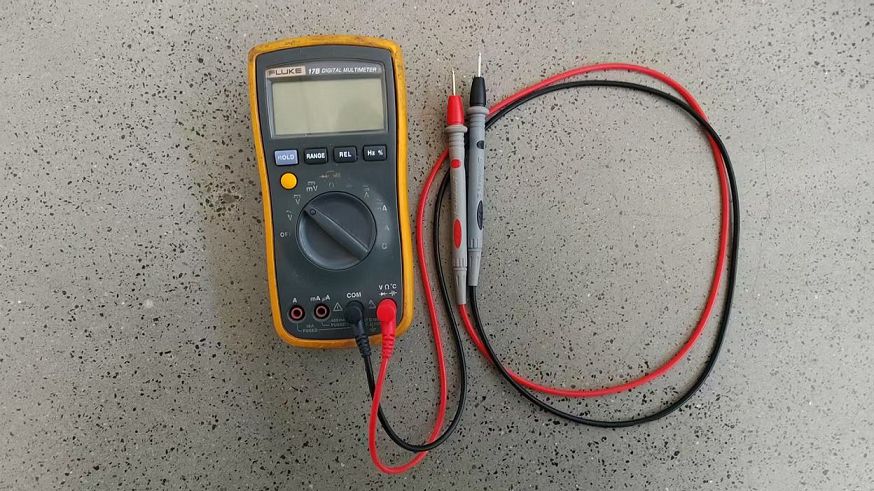 Multimeter
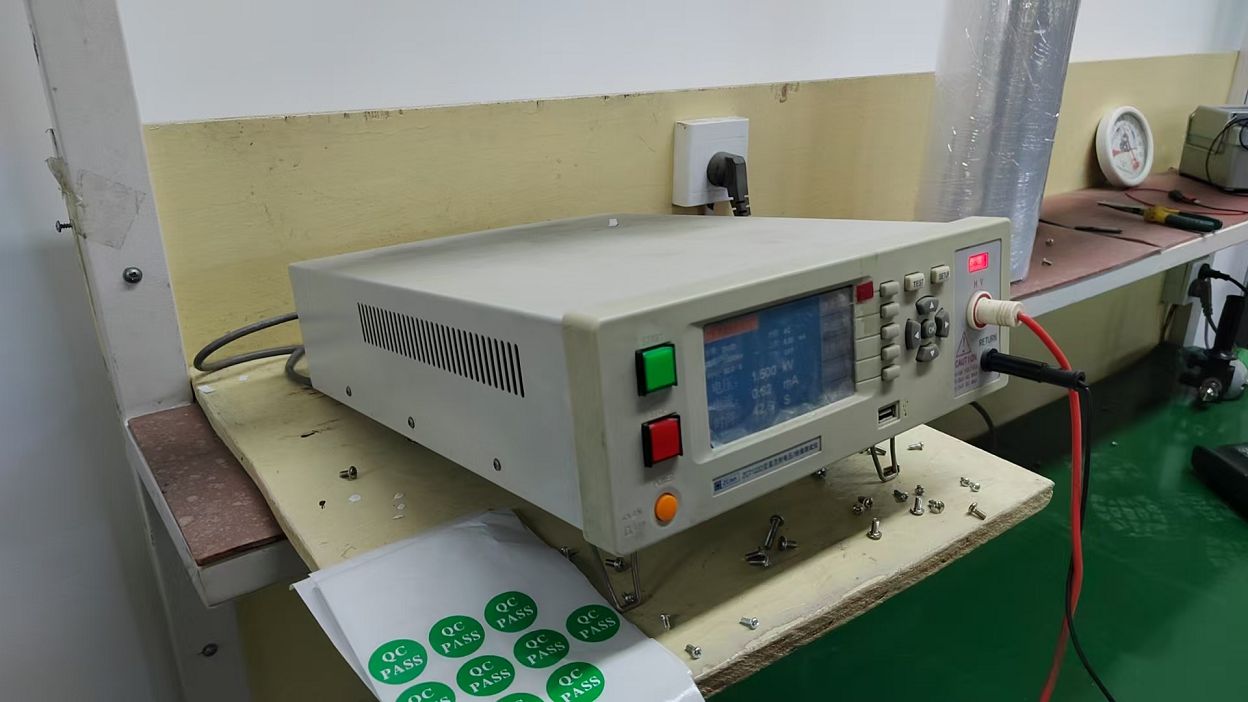 LCR AutoTester
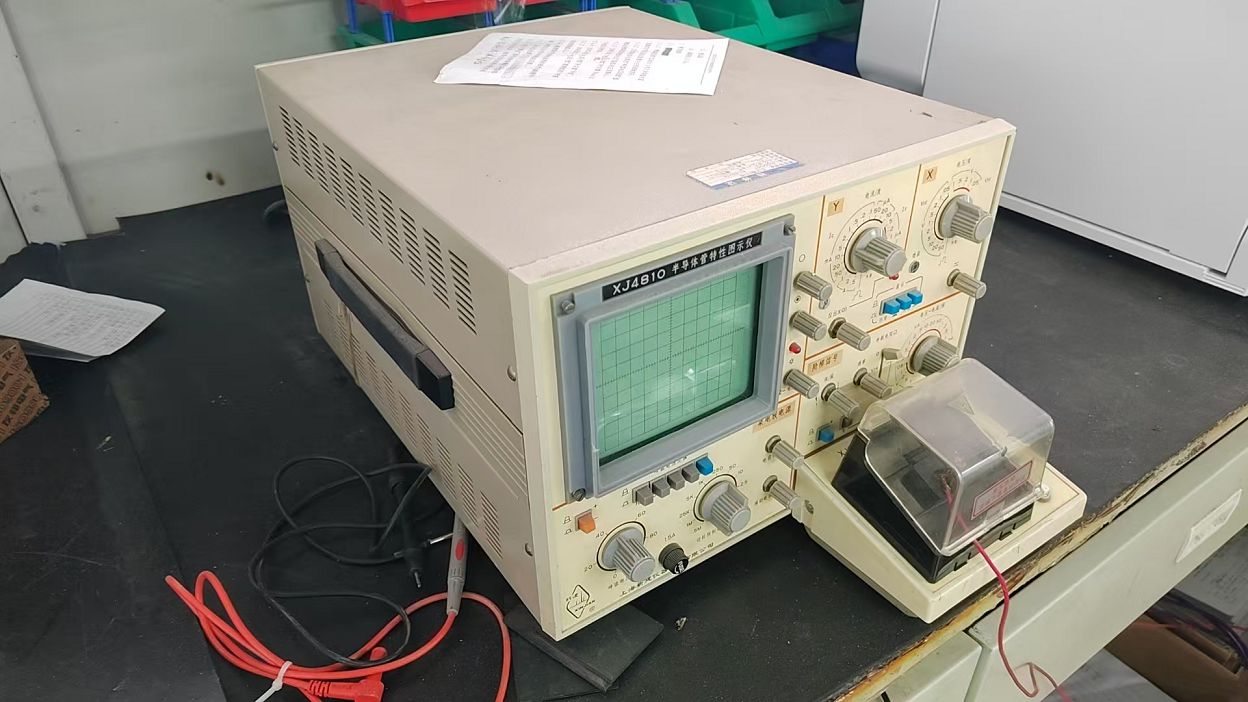 Semiconductor Characteristic Plotter
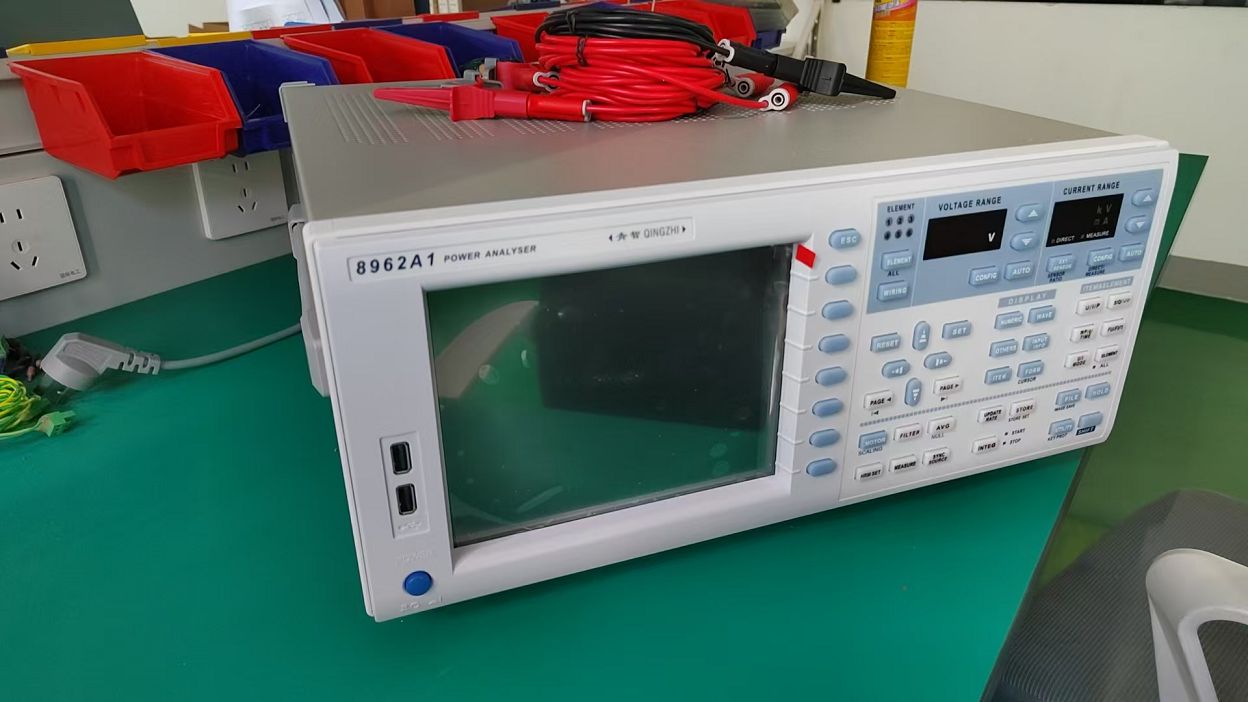 Digital Oscilloscope
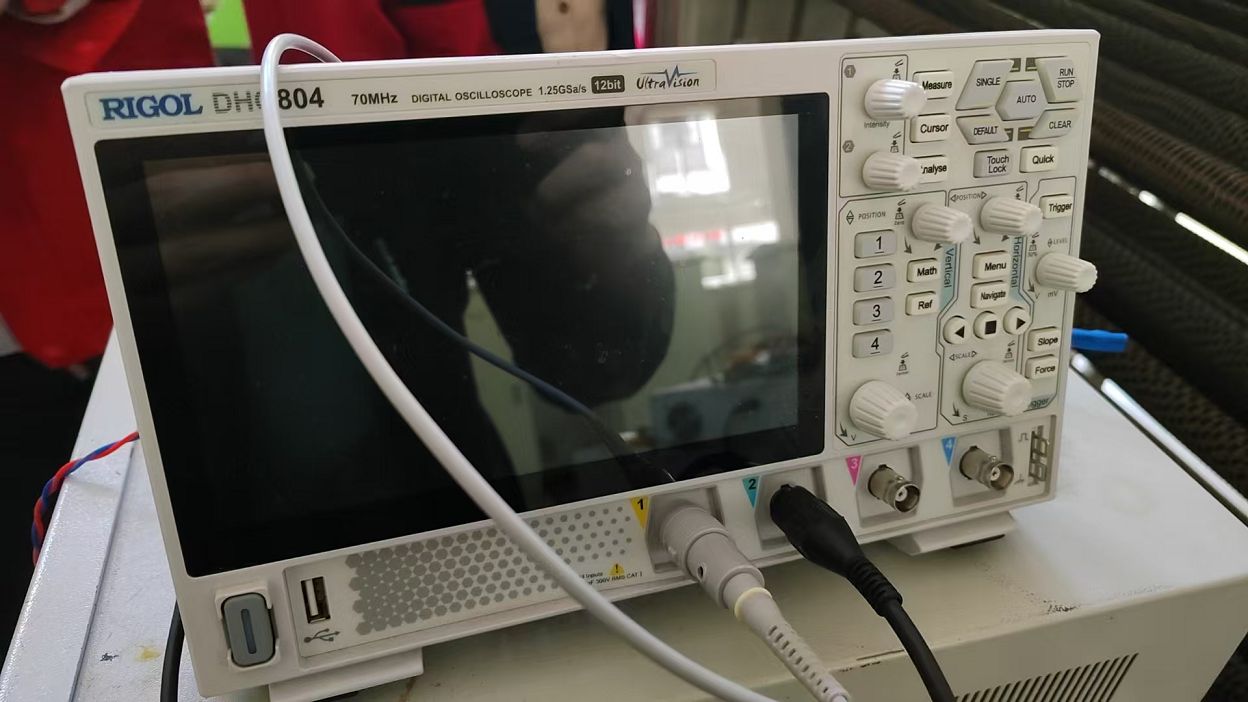 Power Quality Analyzer
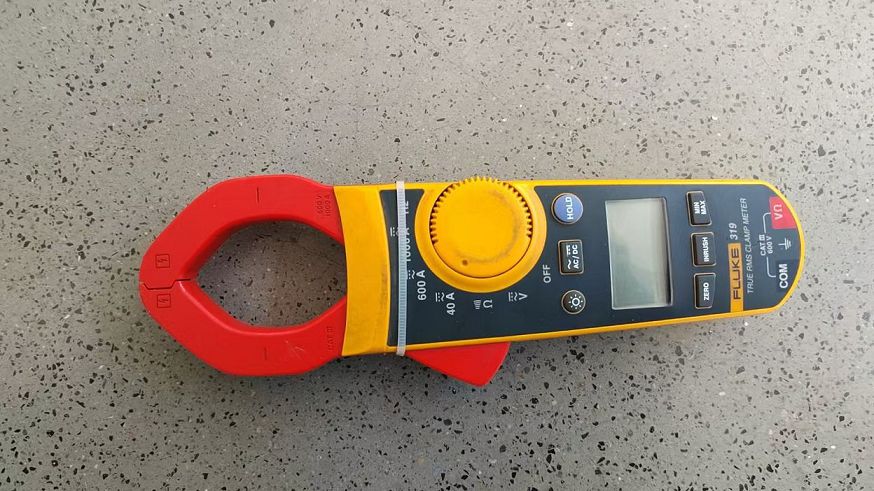 Clamp current meter
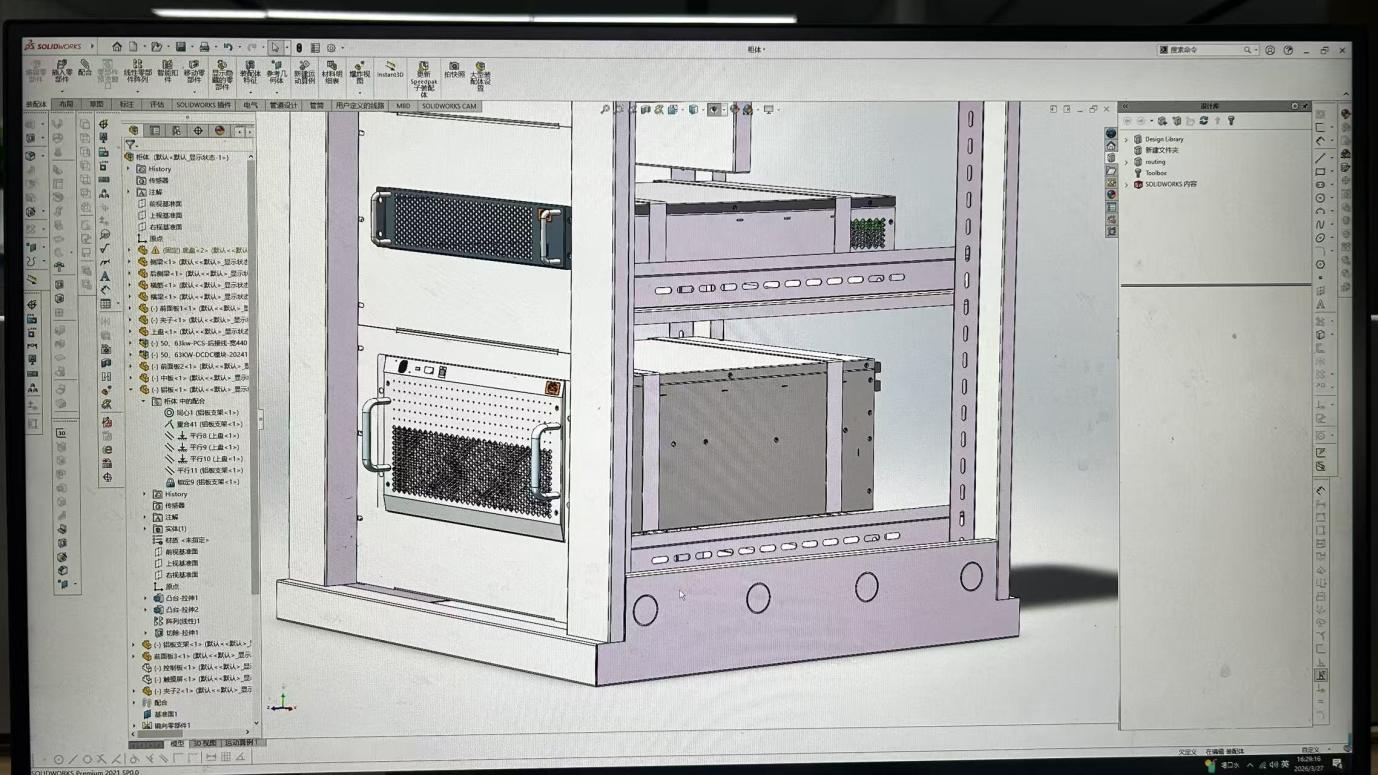
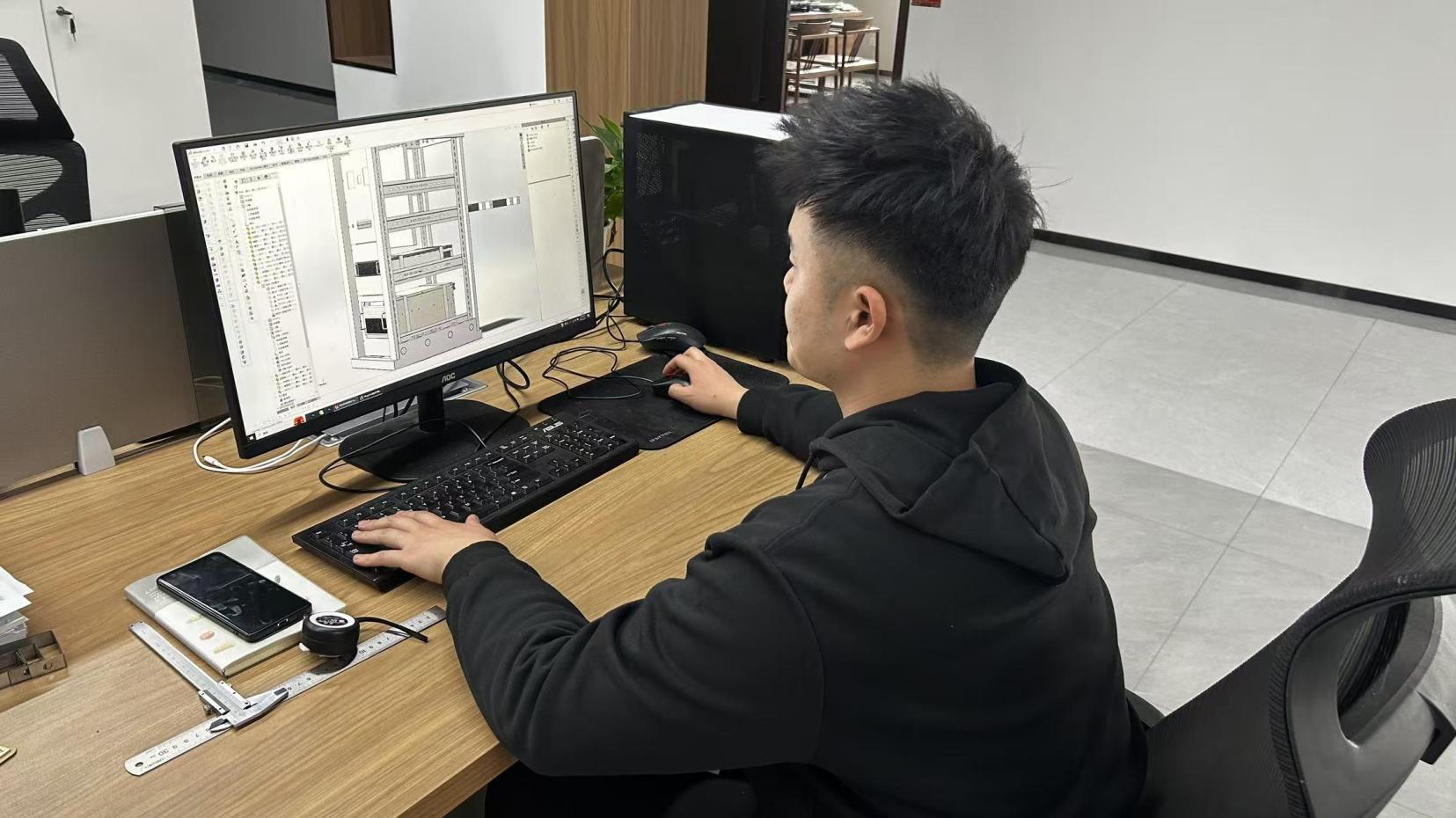 Drawing Design
Delivering high-reliability clean energy architectures engineered for challenging grid profiles and harsh environments.
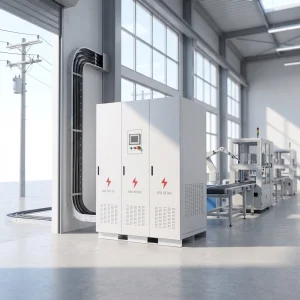
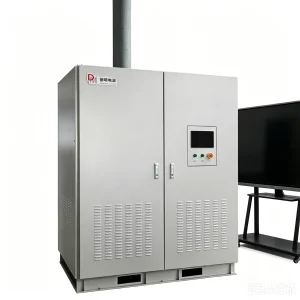
Our bidirectional PCS (Power Conversion Systems) inverters, ranging from 150kW up to 500kW, integrate galvanic isolation transformers and high-speed DSP controls. They provide smooth four-quadrant active and reactive power flow (P-Q control), allowing commercial and industrial developers to perform peak shaving, frequency regulation, and load-leveling on fragile utility feeders.
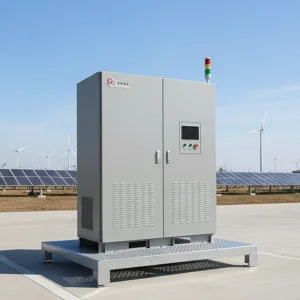
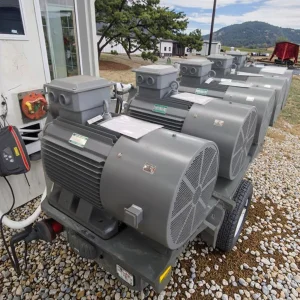
Combining the anti-corrosive properties of our IP54/IP65 waterproof permanent magnet wind turbine generators with high-voltage MPPT solar controllers and off-grid hybrid inverters, we design self-healing microgrids. These configurations can bypass diesel generators entirely, reducing fuel supply reliance in remote mining operations and island environments.
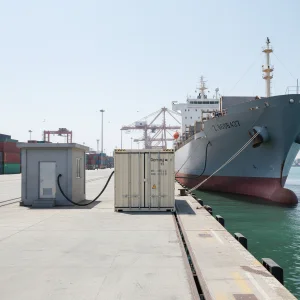
Our shore power connection boxes and 500KVA frequency converters provide clean 50Hz to 60Hz conversion systems for international vessels docking in global ports. This helps operators meet maritime environmental protection regulations, reduces docked vessel emissions, and dampens port area acoustic pollution.
A strategic outlook outlining our upcoming breakthroughs in power density, conversion efficiency, and edge-intelligence integrations.
Integration of Silicon Carbide (SiC) and Gallium Nitride (GaN) wide bandgap semiconductor topologies into bidirectional PCS devices, increasing overall conversion efficiency to over 98.8% while reducing physical footprint by 35%.
Introduction of AI-enabled Predictive Maintenance (PdM) algorithms within the DSP logic boards, allowing real-time thermal modeling of semiconductor junctions and estimating the remaining useful life (RUL) of capacitor banks.
Standardizing Grid-Forming (GFM) control capabilities across our entire hybrid inverter line-up, supporting massive, high-inertia wind-solar-hydro systems without external synchronous condensers.
Launching decentralized cloud-connected energy management software (EMS) integrating machine learning algorithms to optimize battery charge/discharge strategies based on regional utility pricing dynamics and weather patterns.
Expert answers addressing the design, grid integration, and performance dynamics of Deming Power's Clean Energy systems.
Decarbonizing heavy industry, port facilities, and remote infrastructure with reliable energy management equipment.
 Demin Power