China Top Energy as a Service Supplier & Exporters

Pioneering High-Efficiency Power Electronics, Industrial Microgrid Controls, and Commercial Energy Storage Solutions Globally

Global Energy as a Service (EaaS) Industrial Reality

How commercial and industrial sectors are shifting from capital expenditure to subscription-based and performance-optimized power models.

The EaaS Paradigm: Bridging Technology & Financial Optimization

The global industrial footprint is undergoing a profound transition. Companies are moving rapidly away from the traditional, asset-heavy approach of purchasing, maintaining, and managing their own electrical substations, microgrids, and stabilization hardware. Today, the Energy as a Service (EaaS) model allows industrial clients, port authorities, and utility grid operators to access highly efficient, reliable power infrastructure through structured operations without heavy upfront capital expenditure (CAPEX).

Under this approach, high-tech engineering and high-efficiency converters play a vital role. In modern grid-connected and off-grid facilities, equipment like variable speed hydro converters, smart battery storage PCS systems, and high-capacity marine shore power units act as the physical backbone. Without precise control topology, stable output, and rapid power quality correction, the transition to subscription-based smart microgrids is impossible.

Deming Power stands at the forefront of this industrial transformation. By designing highly customizable energy controllers, converters, and stabilized power supplies, we enable project developers and system integrators to roll out robust EaaS architectures globally with lower Levelized Cost of Energy (LCOE) and guaranteed power metrics.
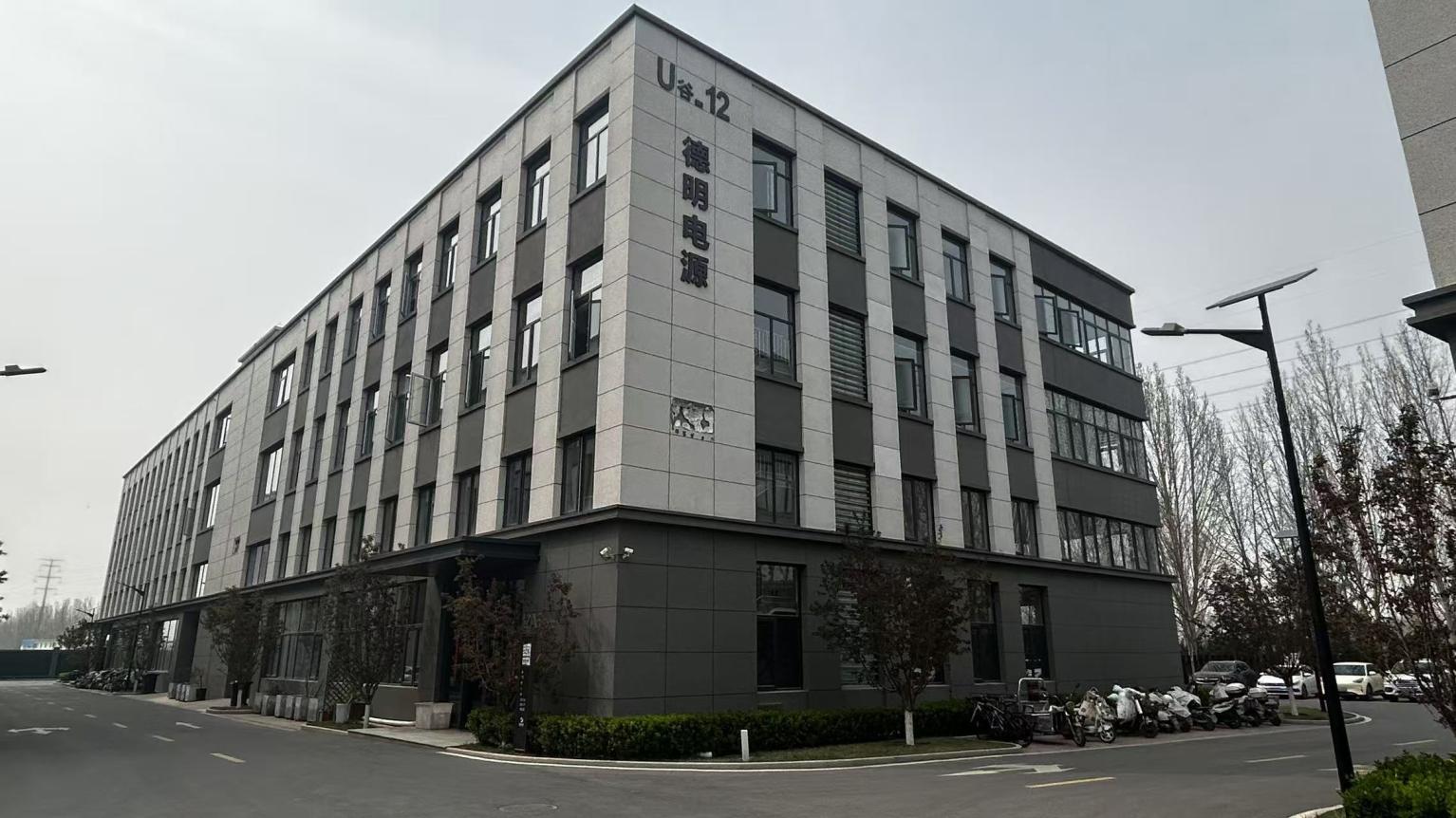
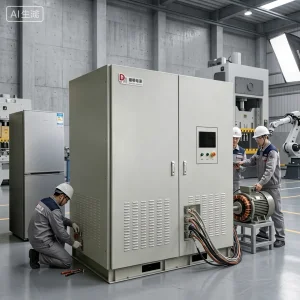
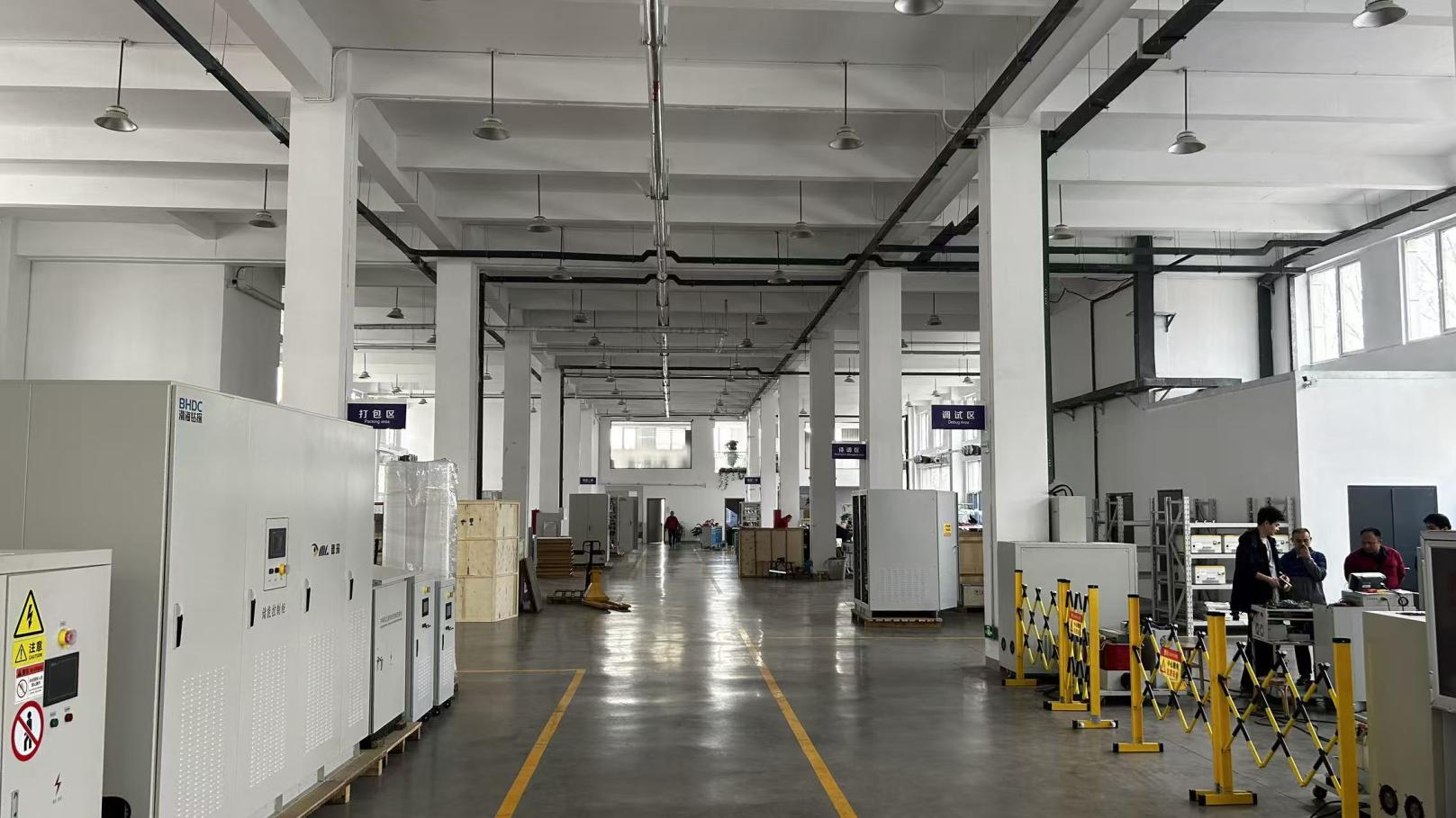
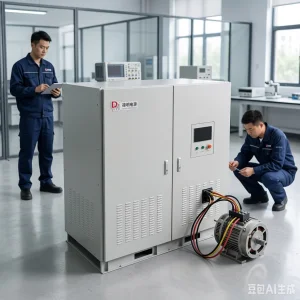
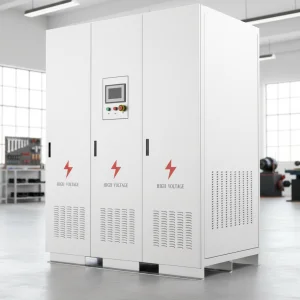
Deming Power Control Systems Industrial Facility

Jinan Deming Power Equipment Co., Ltd.

A government-recognized high-tech enterprise dedicated to research, manufacturing, and global supply since 2004.

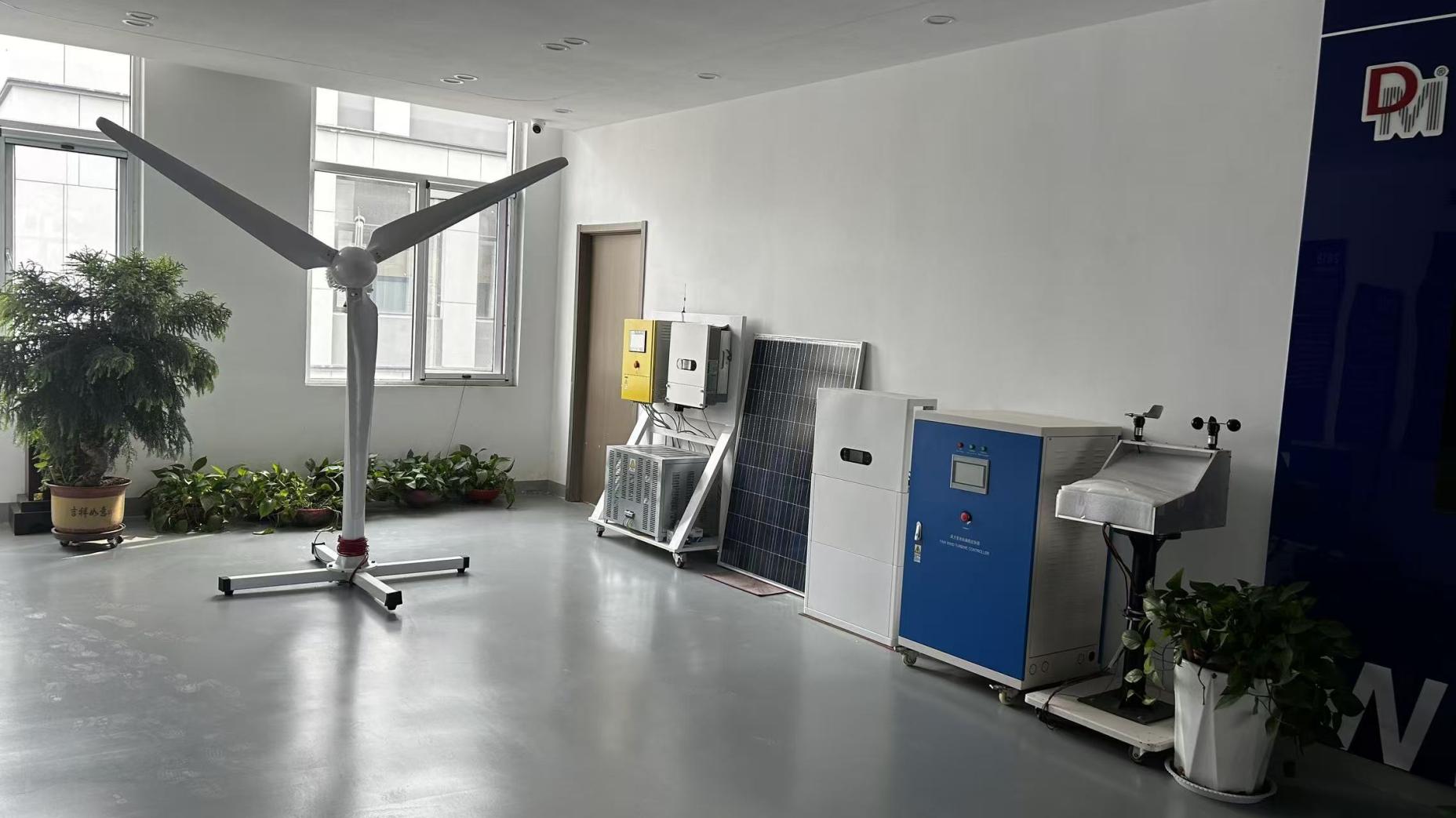
Jinan Deming Power Equipment Co., Ltd. is a nationally recognized high-tech enterprise established in 2004, specializing in the research, development, production, and service of renewable energy power equipment and advanced power testing solutions. The company holds ISO9001:2015 certification and has been recognized as a high-tech enterprise by the Chinese government multiple times (2015, 2018). With a dedicated R&D team of 16 engineers including doctoral supervisors and master's degree holders, Deming invests no less than 20% of annual sales revenue into technology development. The company has completed 17 R&D projects in the last three years with 16 scientific and technological achievements transformed into commercial products. Deming's products have been exported to 120+ countries including Germany, Japan, the United States, UK, Canada, Australia, and Brazil, and the company has established cooperative relationships with Fortune 500 enterprises. The company's main products include wind/solar controllers, inverters, frequency converters, and high-power bidirectional DC test power supplies and battery simulators ranging from 150kW to 500kW.
2004
Established Year
120+
Countries Exported
20%
R&D Revenue Reinvestment
16+
Patented Core Tech Systems

Localized Application Scenarios & Industry Solutions

Providing customized power distribution and converter infrastructure across diverse global sectors.

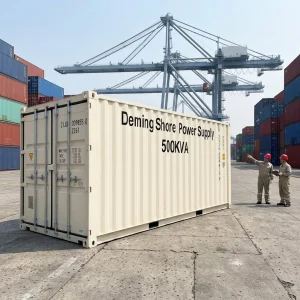
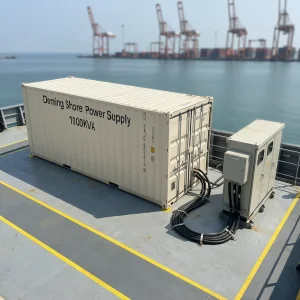
Port & Marine Shore Power

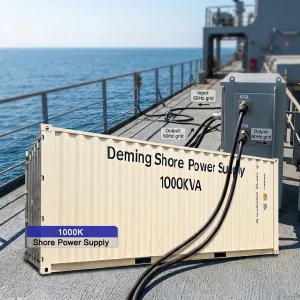
Reducing dockside emissions through frequency-stabilized grid conversion. Our 500kW to 5MW Shore Power Units supply clean shore-to-ship electricity, supporting variable voltages and output frequencies (50Hz, 60Hz, 400Hz) with 96%+ efficiency.

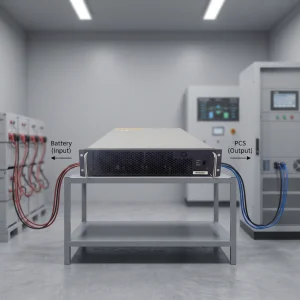
Industrial Microgrids & PCS

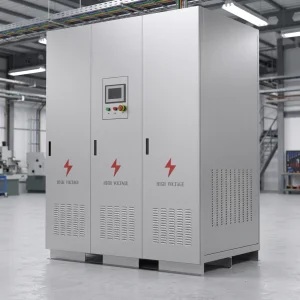
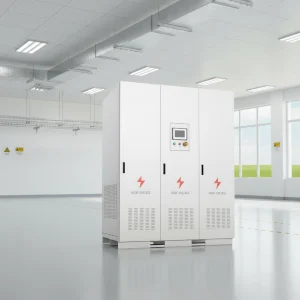
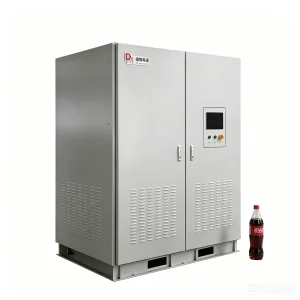
Battery Energy Storage Systems (BESS) require intelligent Power Conversion Systems (PCS) to manage dynamic load balancing. Utilizing stackable DC/DC and bidirectional AC/DC converters, we deliver utility-grade grid forming and grid-following solutions.

Remote & Off-Grid Wind/Hydro

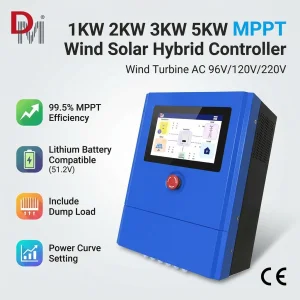
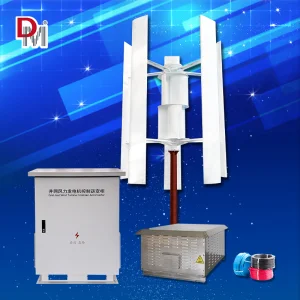
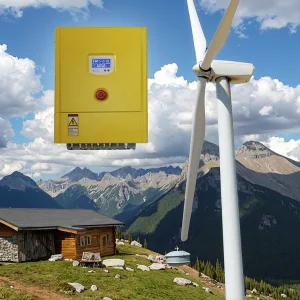
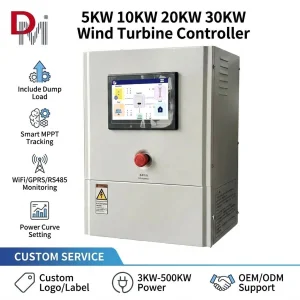
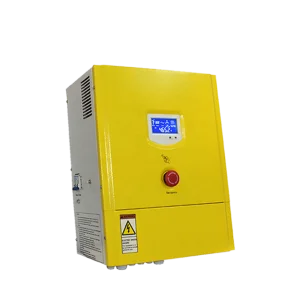
Providing custom voltage stabilization, PWM dump loads, and high-performance hybrid charge controllers for remote regions. Stabilizes unpredictable hydro and wind turbine outputs to safeguard delicate community electronics.

Technology Roadmap & Future Outlook

Deming Power's continuous evolution in clean energy conversion and distribution electronics.

Silicon Carbide (SiC) Conversion Topologies

Integrating wide-bandgap semiconductors to reduce thermal footprint,提高 power density by 30%, and boost peak operating efficiency above 99% for C&I applications.

2024 - 2025
Phase I: Efficiency Maximization

Grid-Forming Control Systems

Developing next-gen virtual synchronous generator (VSG) software algorithms to stabilize local microgrids under 100% renewable penetration scenarios without relying on the public grid.

2026
Phase II: Grid Resilience

AI-Driven Prognostics & Health Management

Deploying edge-cloud telemetry into high-power converters for real-time thermal modeling, component wear predictions, and automated fault isolation under EaaS deployments.

2027+
Phase III: Autonomous Maintenance

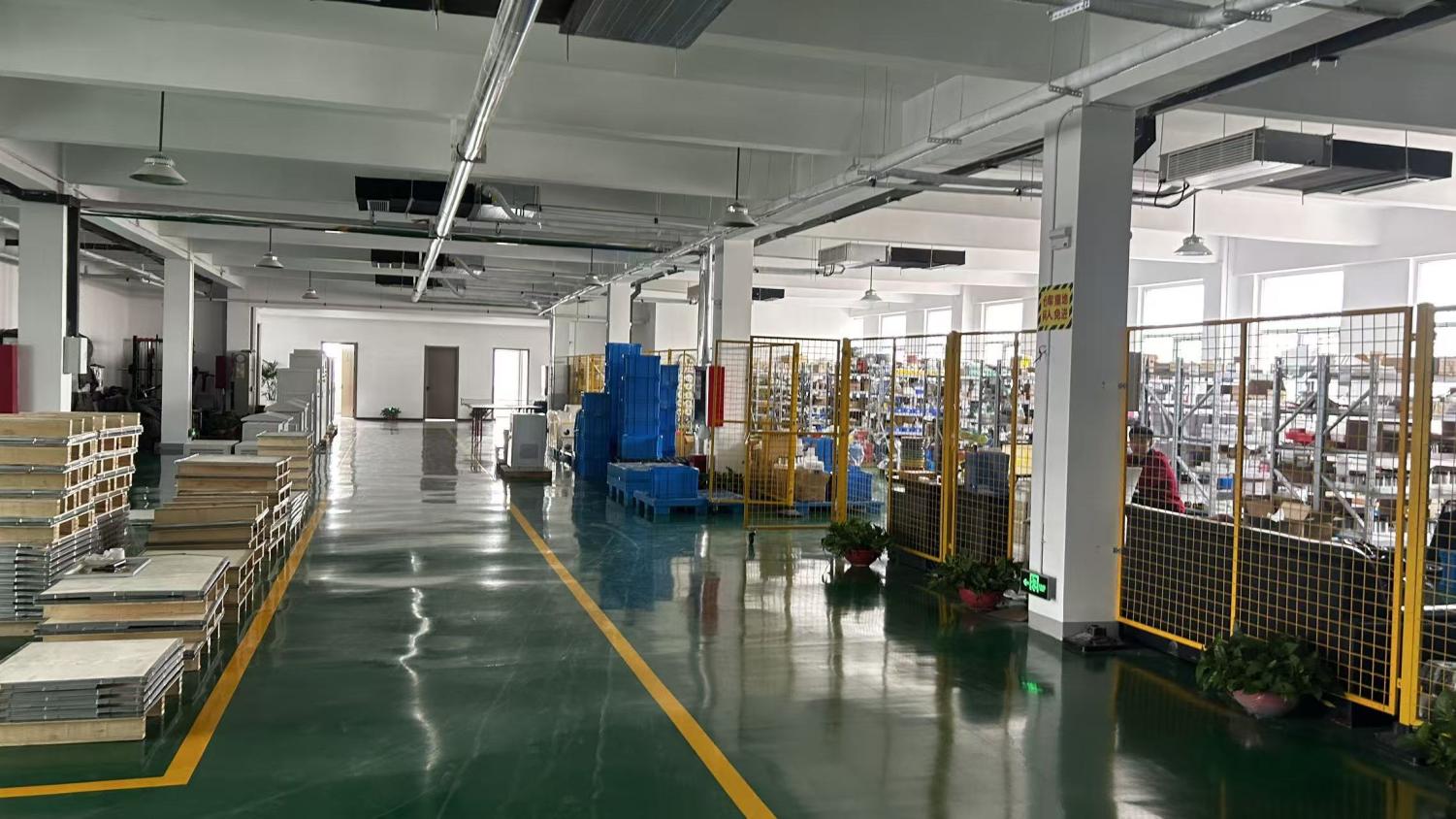
Advanced Manufacturing & Quality Assurance

Transparent insight into our ISO9001 verified production processes, testing equipment, and engineering workflows.
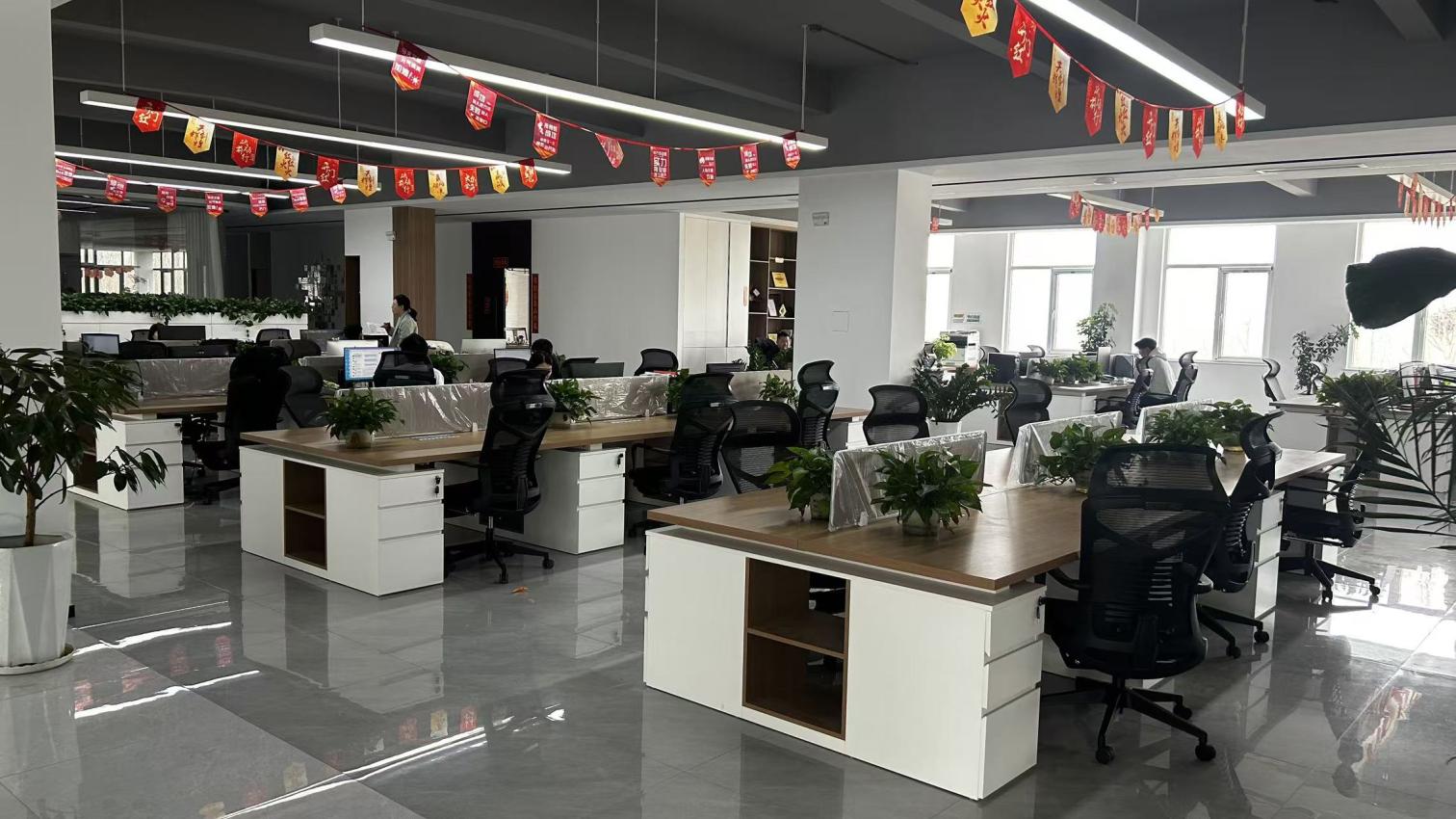
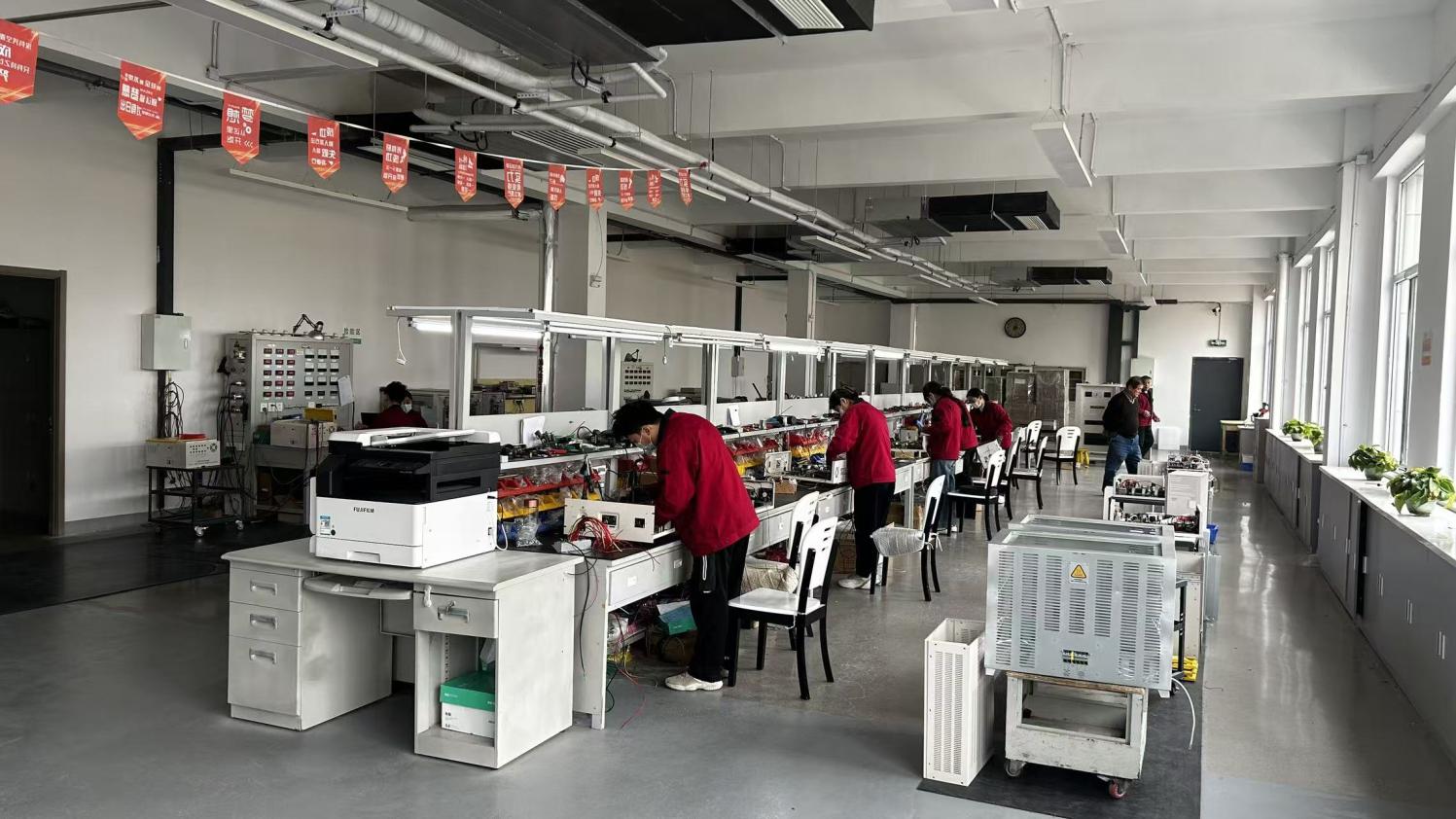
Production Process Area
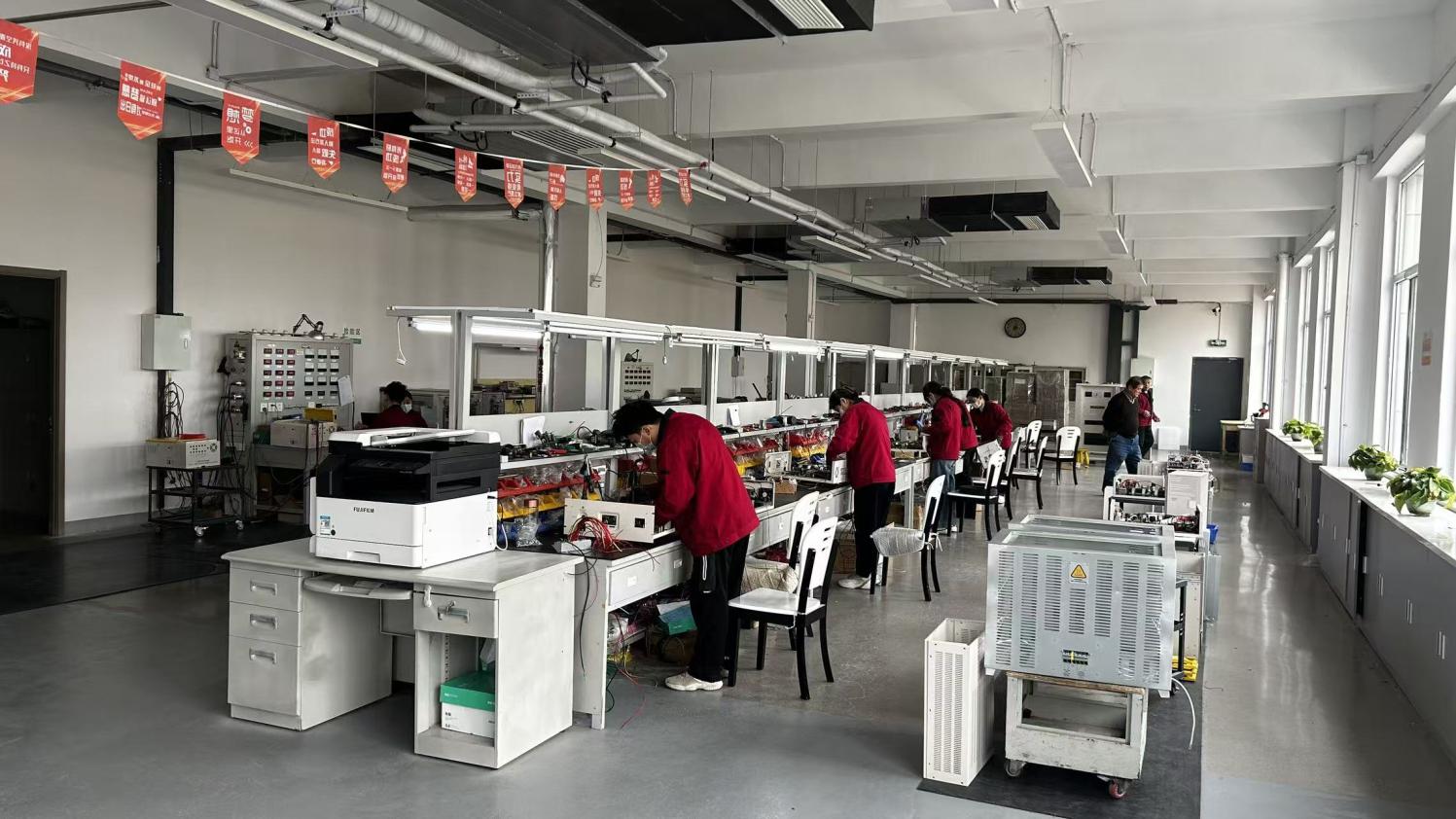
Assembly & Quality Control Area
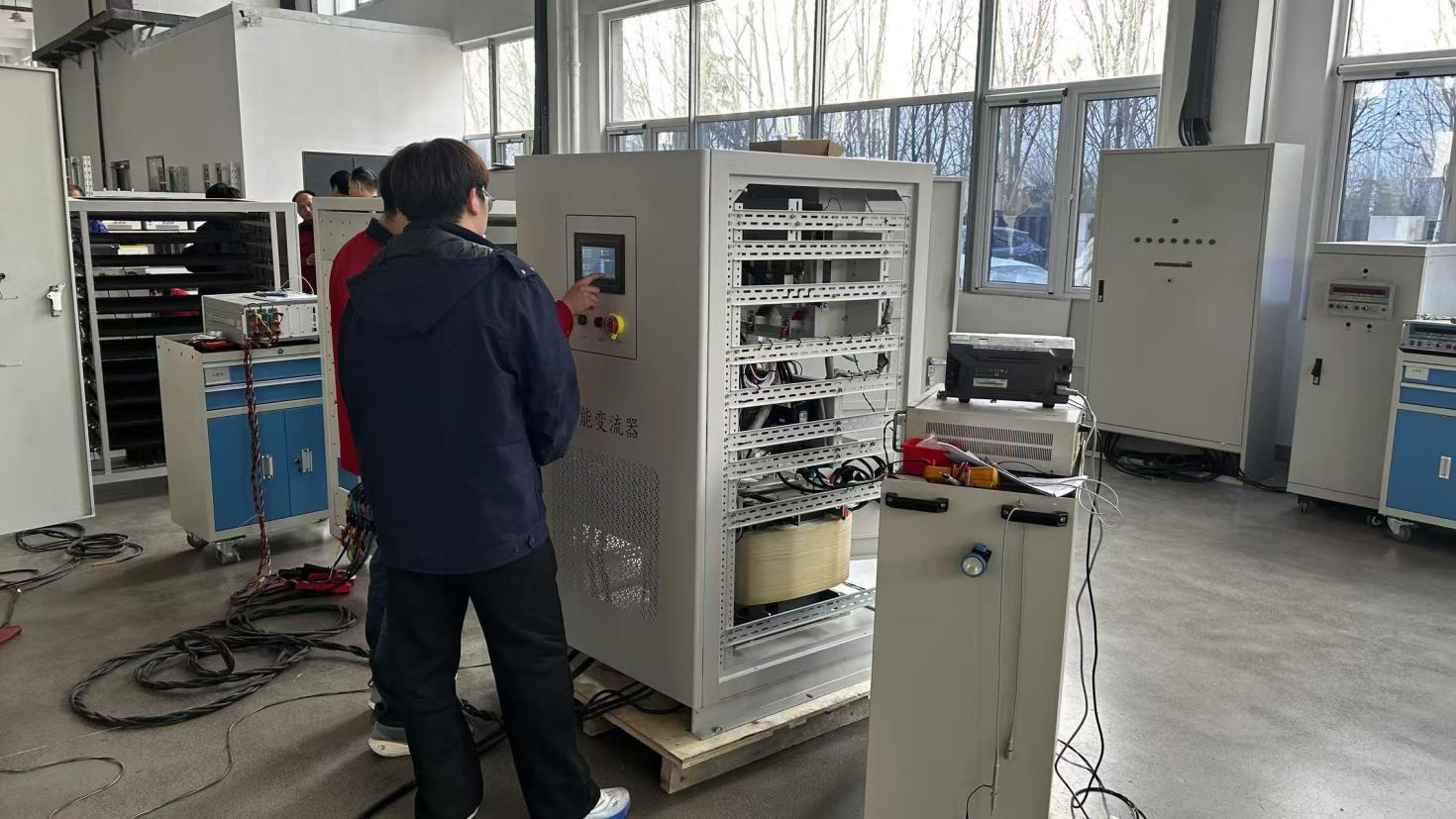
System Testing Facility
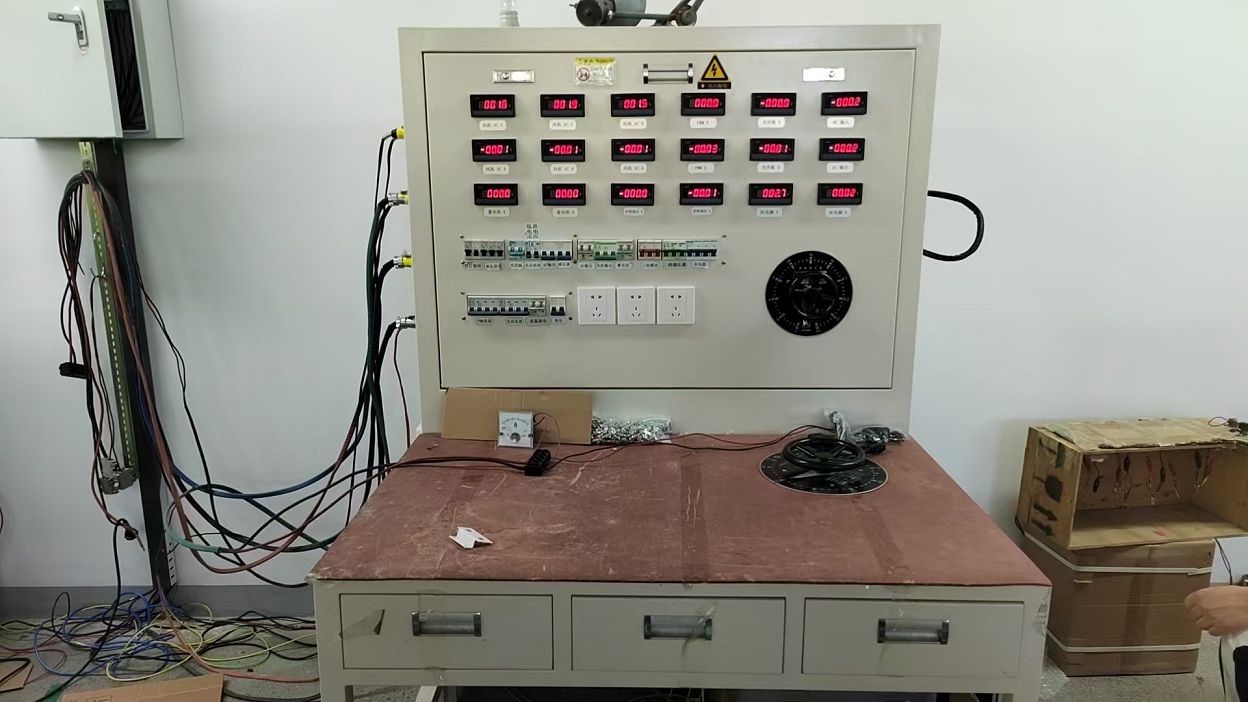
Load Bank Testing Station
Control System Testing
Variable Frequency Commissioning
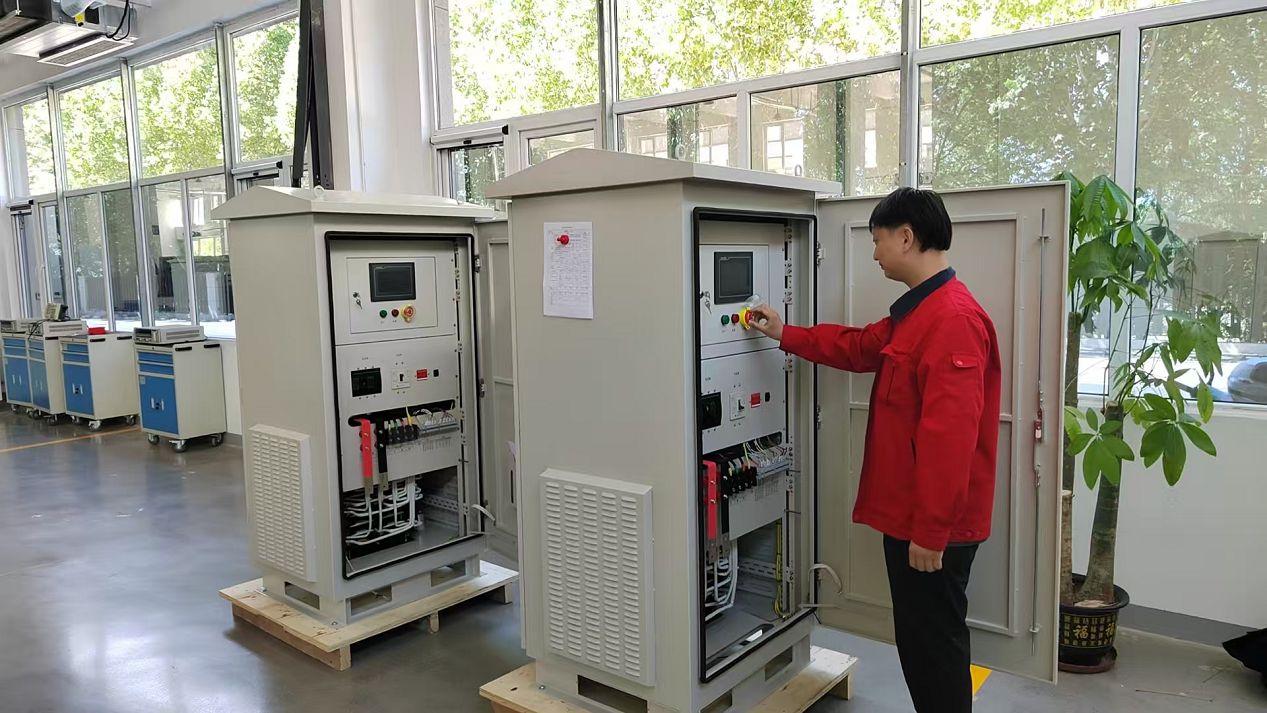
Inverter Production Lines
Inverter & Converter Assembly Lines
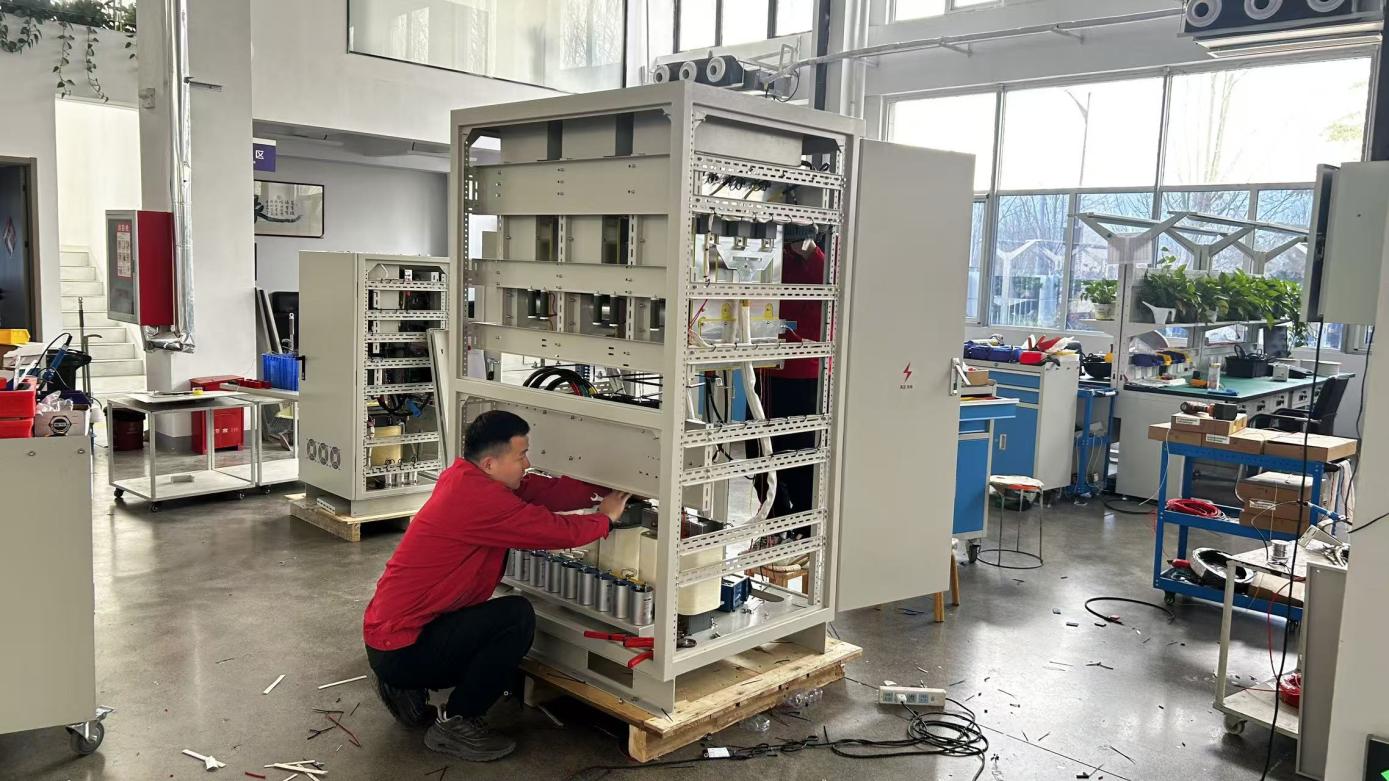
Heavy Power Systems Integration
Heavy Power Systems Integration Bay
Circuit assembly
Circuit Assembly Station
Circuit board assembly
SMT Circuit Board Assembly Line
Debugging process
Precision Engineering Debugging
Quality inspection process
Strict Quality Inspection Protocol
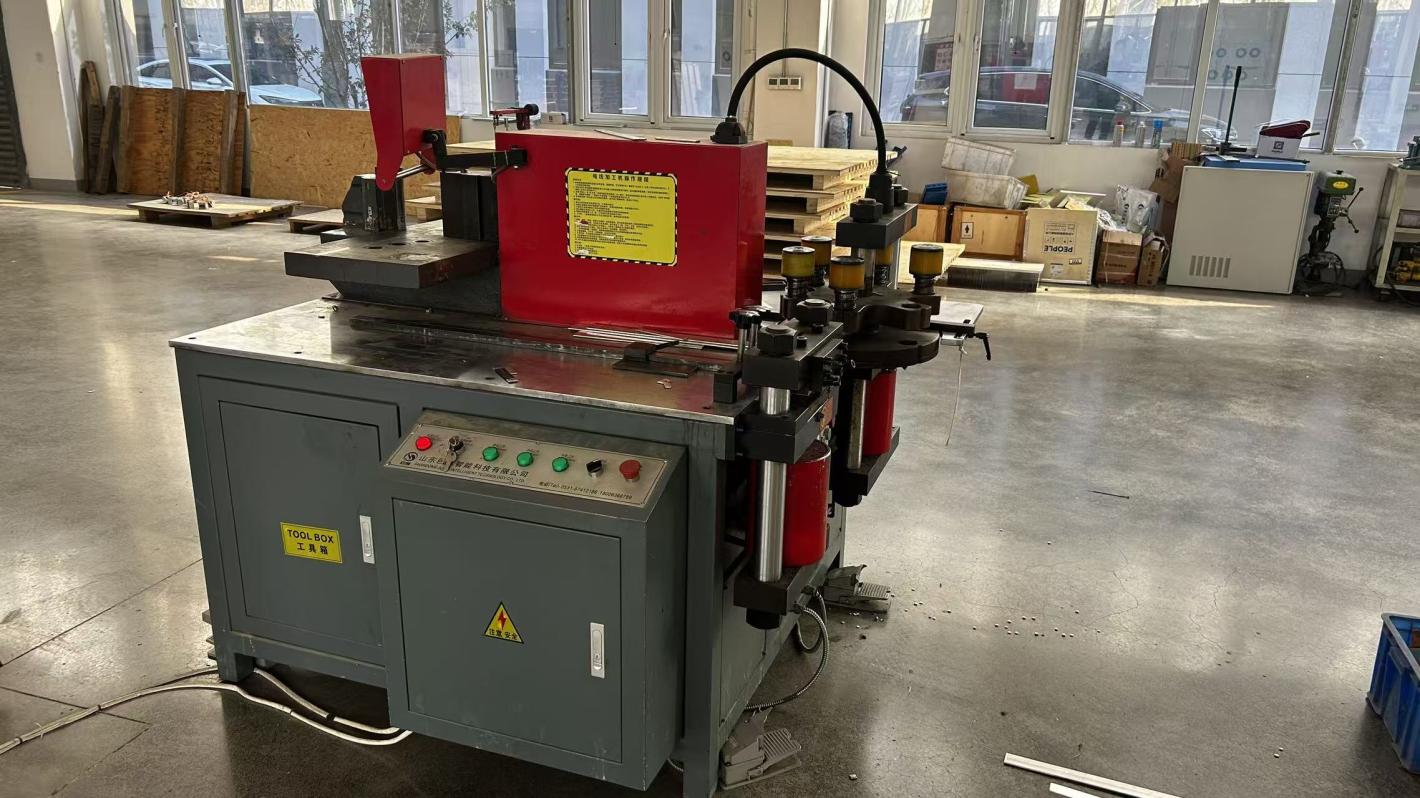
Copper bar production equipment
Copper Bar Fabrication Equipment
Electric ferrowire
Electric Ferrowire Terminal Prep
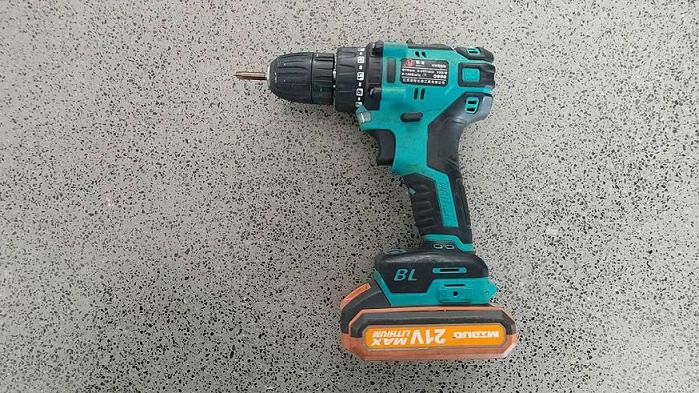
Electric drill
Machining & Mechanical Sub-assembly
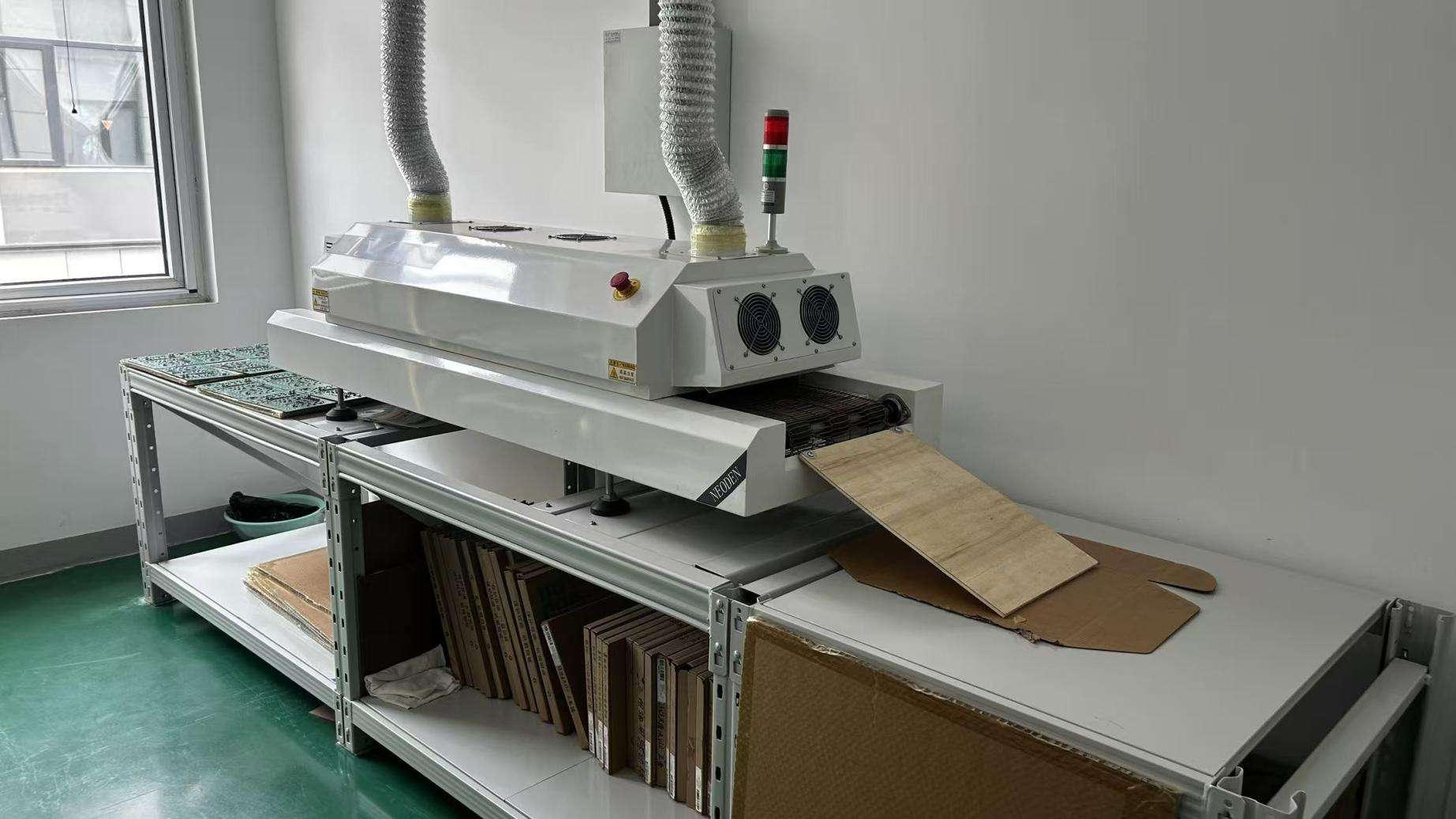
Reflow soldering machine
Automated Reflow Soldering Station
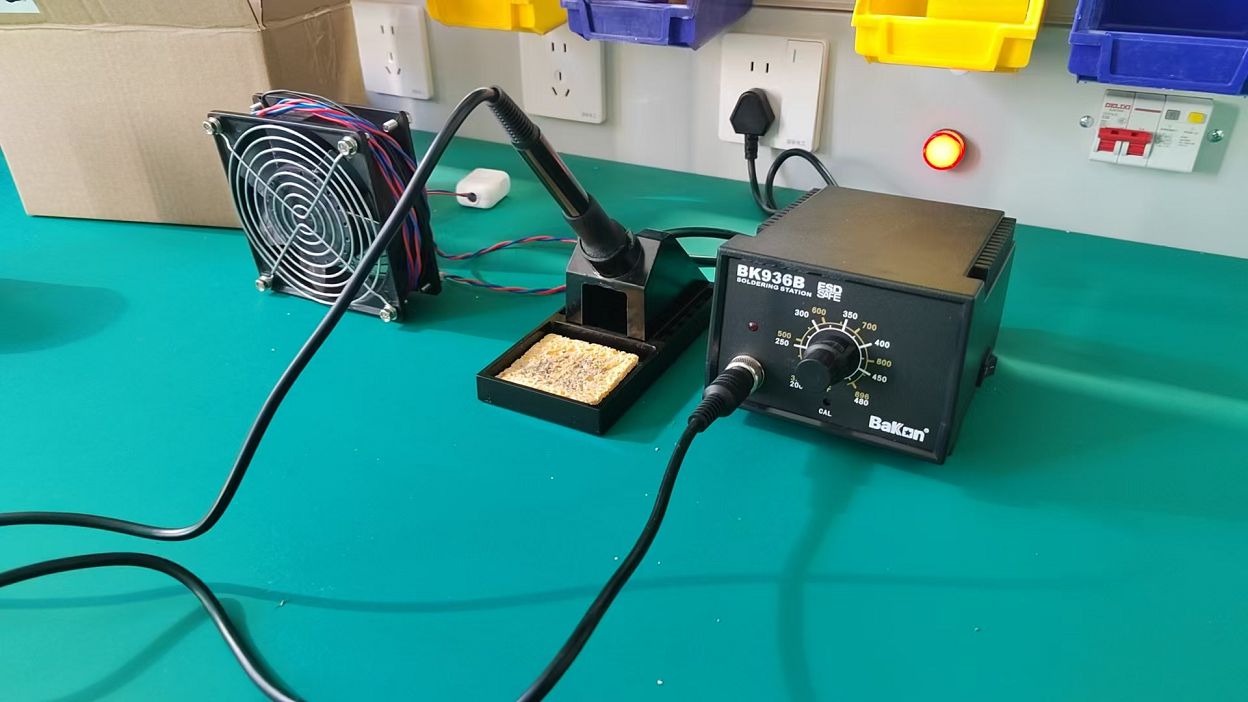
Workbench
Static-Free Engineering Workbench
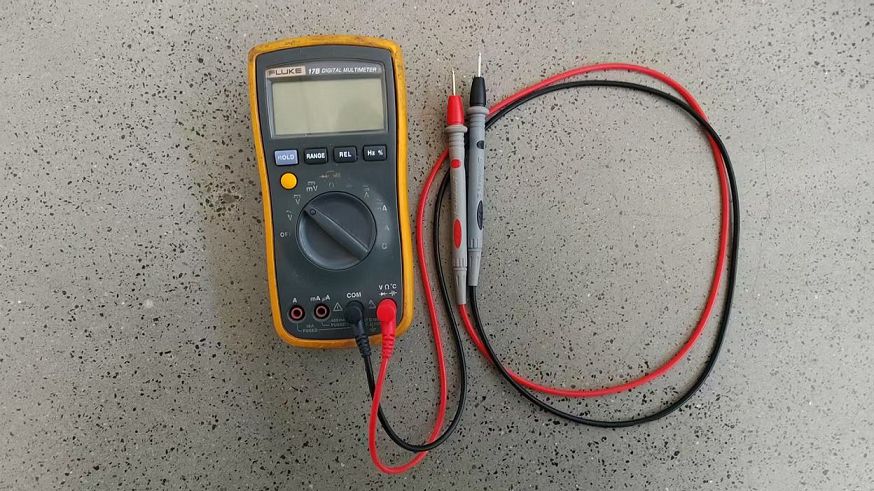
Multimeter
High-Precision Digital Multimeter Diagnostic
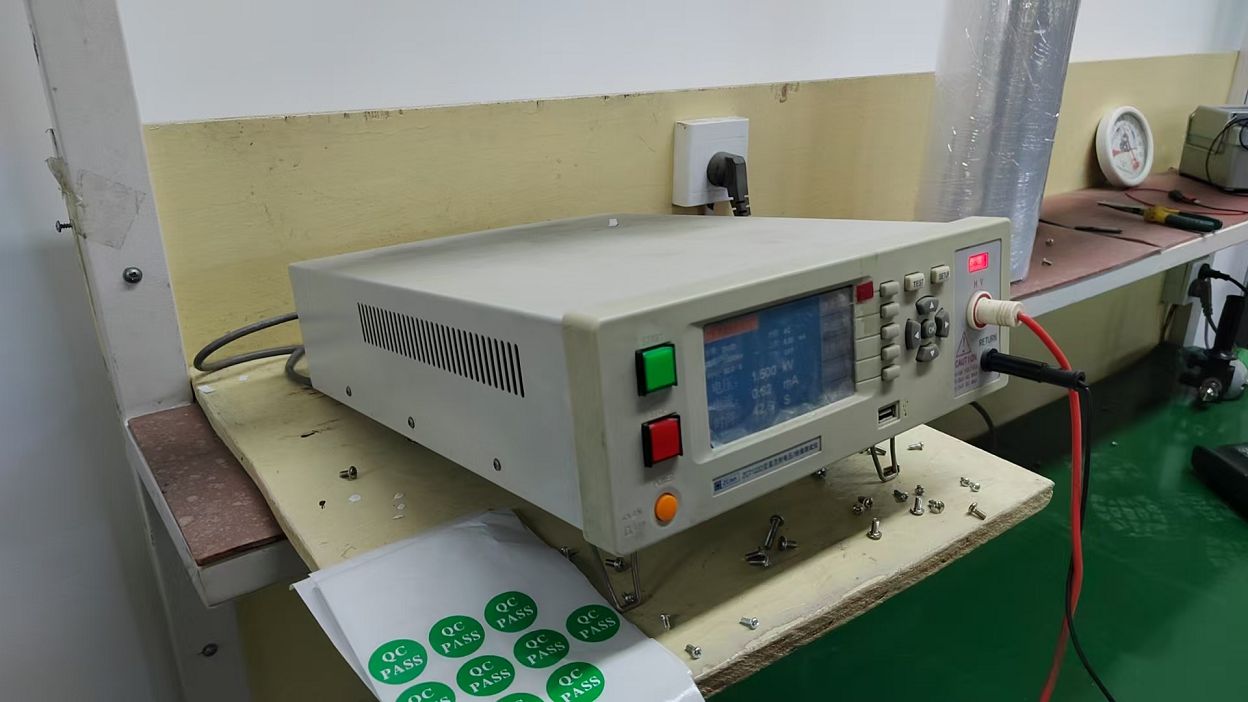
LCR AutoTester
Automated LCR Component Tester
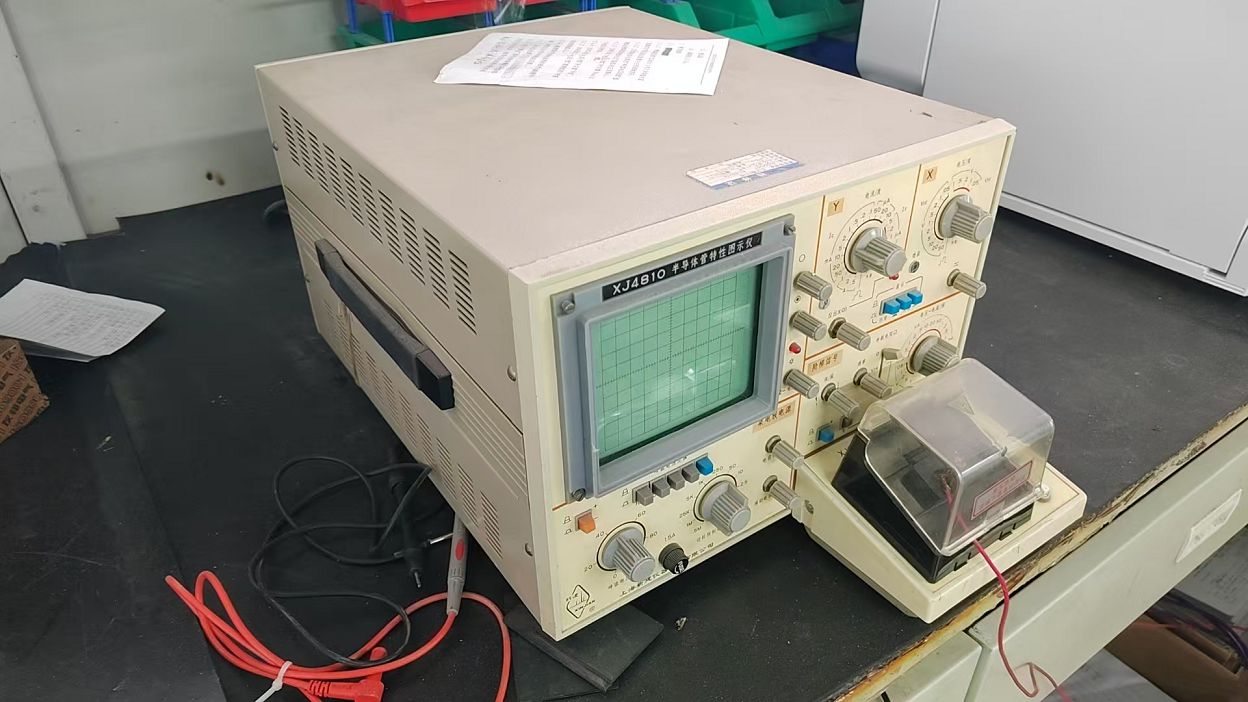
Semiconductor Characteristic Plotter
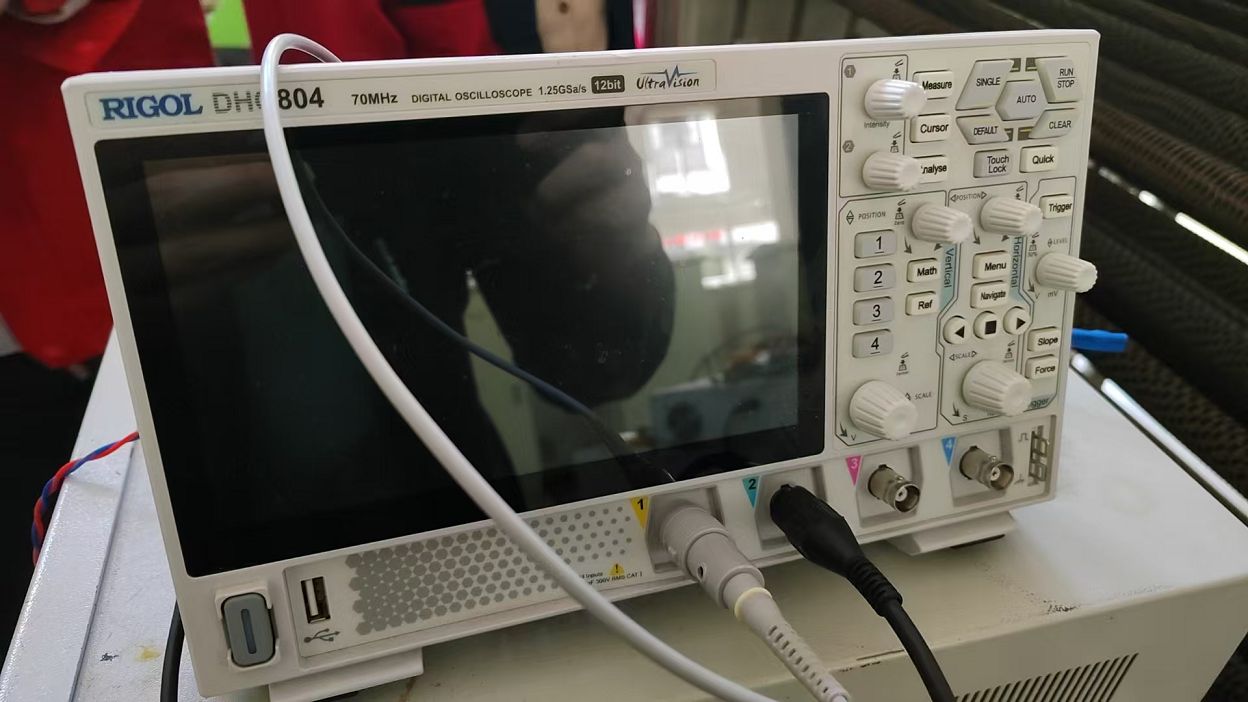
Digital Oscilloscope
Digital Oscilloscope Signal Analysis
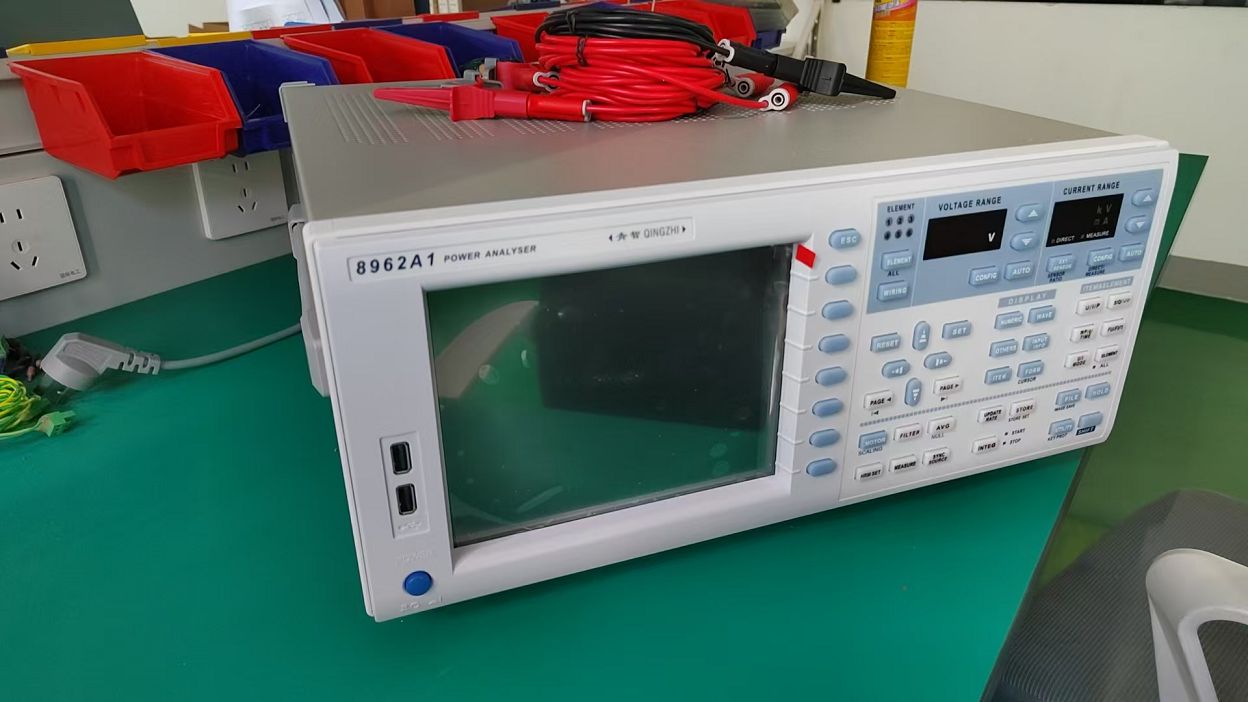
Power Quality Analyzer
Harmonic & Power Quality Analyzer
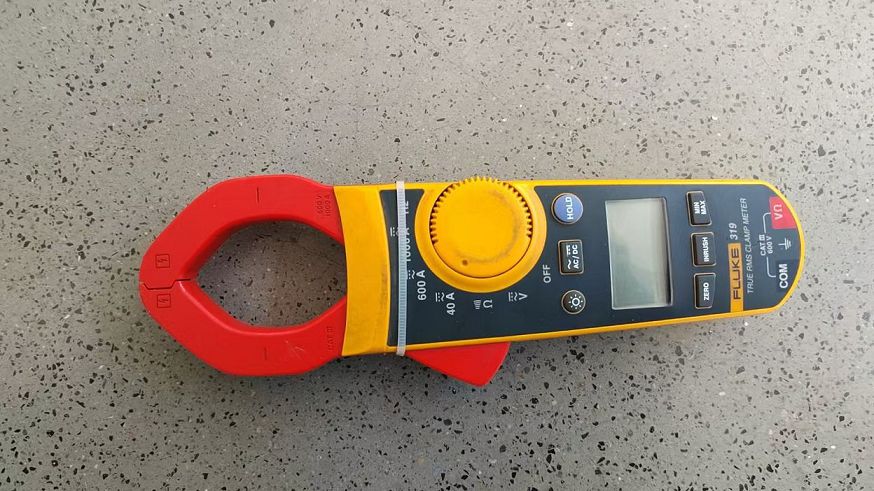
Clamp current meter
True RMS Clamp Current Meter Calibration
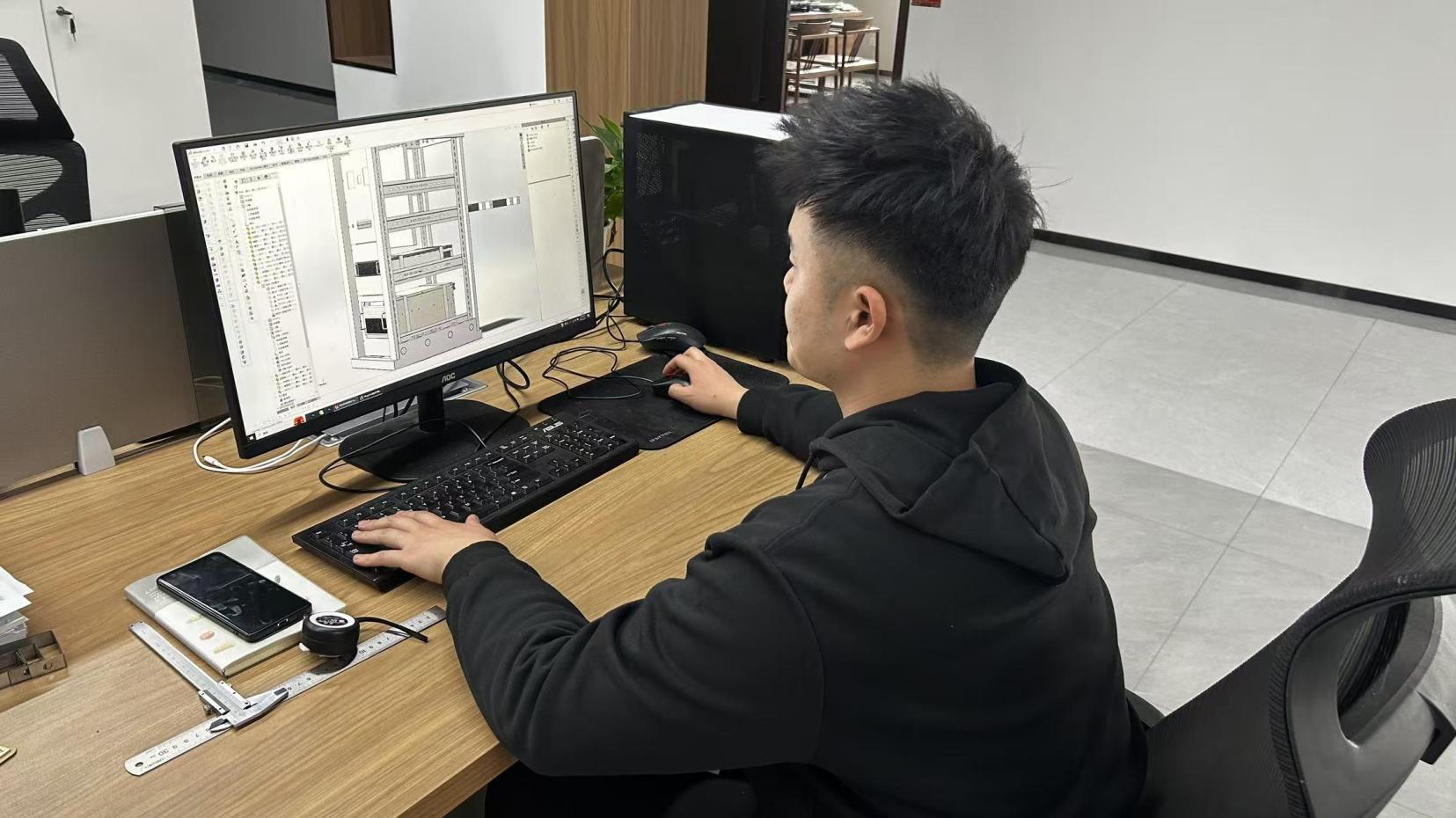
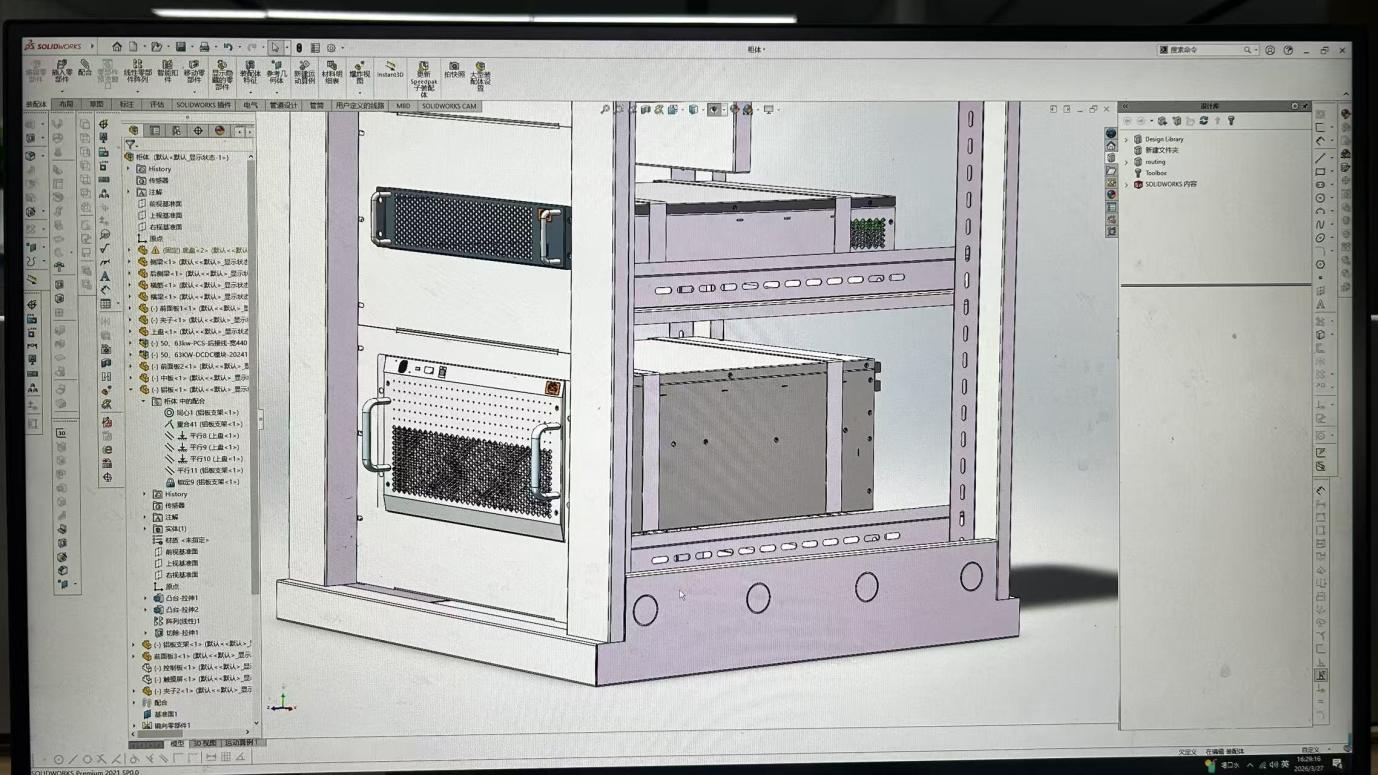
Drawing Design
CAD Mechanical Drawing Design
Computer
FPGA Programming & Digital Simulation

Technical FAQ: Industrial Power Infrastructure & EaaS

Expert technical insights regarding integration, standards, and operation parameters of industrial conversion systems.

What are the primary operational benefits of integrating a 500kW to 5MW Marine Shore Power Converter?
Marine shore power converters allow berthed vessels to shut down their auxiliary diesel engines while in port, transferring the electrical load to the local municipal grid. This transition requires conversion because ship systems typically operate on 60Hz (often 6.6kV or 11kV) while local port grids run on 50Hz. A high-efficiency static frequency converter stabilizes voltage fluctuations, balances phase loads, minimizes total harmonic distortion (THD < 3%), and ensures seamless power delivery, significantly lowering port emissions and operating noise.
How does a variable speed hydro turbine generator converter improve plant capacity factor?
Traditional fixed-speed hydro turbines require a highly stable water flow rate to maintain synchronous grid frequency, causing significant energy loss during dry seasons or low-flow conditions. A variable-speed grid-tied converter allows the water turbine to rotate at its optimum aerodynamic speed according to changing water head pressures. The converter then takes the variable AC output, rectifies it to DC, and inverts it back to a clean grid-synchronous AC output. This dynamic adjustment yields up to 10-15% more annual energy output.
Why is a bidirectional DC/DC converter critical in stackable battery energy storage systems (BESS)?
Battery energy storage systems rely on stackable, modular architectures to match specific capacity requirements. Intelligent DC/DC converters act as the critical buffer between the fluctuating voltage profiles of chemistry-specific battery racks (which vary as they charge/discharge) and the stable DC bus of the Power Conversion System (PCS). Bidirectional capability enables smooth charging and discharging paths, while the stackable design ensures scalability, high system availability, and hot-swappable maintenance without taking the entire storage system offline.
What safety mechanisms are implemented in Deming high-power controllers to prevent grid instability?
Our grid-tie and off-grid controllers feature multi-layered protection topologies. This includes active anti-islanding protection (compliant with IEEE 1547 standards), transient over-voltage suppression, fast-acting short circuit isolation, and dynamic thermal management (forced convection cooling). For wind turbine applications, integrated PWM dump load regulators prevent over-speeding of the turbine blades during extreme wind gusts or sudden loss of grid connection, ensuring safety even in remote unstaffed regions.
How does Deming verify the reliability of its custom energy equipment before export?
Every piece of equipment undergoes a rigorous multi-stage quality assurance protocol. We utilize advanced diagnostic equipment, including Semiconductor Characteristic Plotters, Power Quality Analyzers, LCR AutoTesters, and high-frequency digital oscilloscopes. Units are subjected to full-load temperature rise testing, insulation testing, and simulated grid faults inside our ISO9001 certified laboratory facility. This ensures 100% compliance with international standards (CE, UL equivalent parameters) prior to shipping to any of the 120+ destination countries.